92 Results for "

LXRs

" in MedChemExpress (MCE) Product Catalog:
Products (92)

92 Results for "LXRs" in MCE Product Catalog:

45
45 Publications Verification
Cat. No.: HY-10626
CAS No.: 293754-55-9
Purity:  99.93%
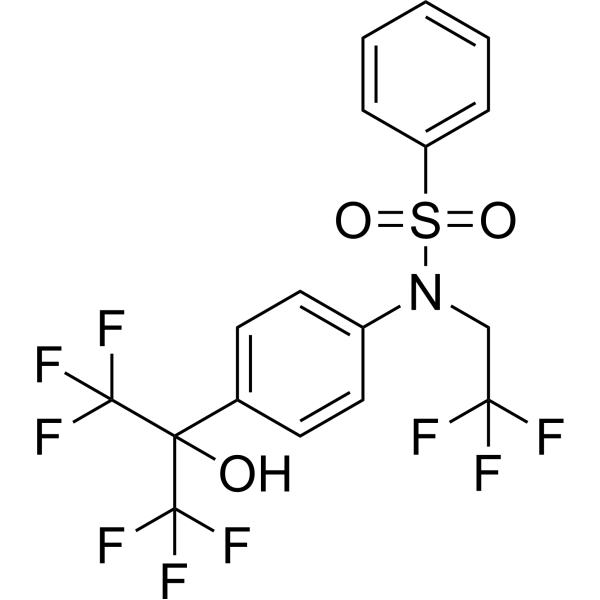
T0901317 is an orally active and highly selective LXR agonist with an EC50 of 20 nM for LXRα . T0901317 activates FXR with an EC50 of 5 μM . T0901317 is RORα and RORγ dual inverse agonist with Ki values of 132 nM and 51 nM, respectively . T0901317 induces apoptosis and inhibits the development of atherosclerosis in low-density lipoprotein (LDL) receptor-deficient mice .
34
34 Cited Publications
Cat. No.: HY-108688
CAS No.: 1221277-90-2
Purity:  99.37%
Target:  

LXR

Research Areas:  

Metabolic Disease

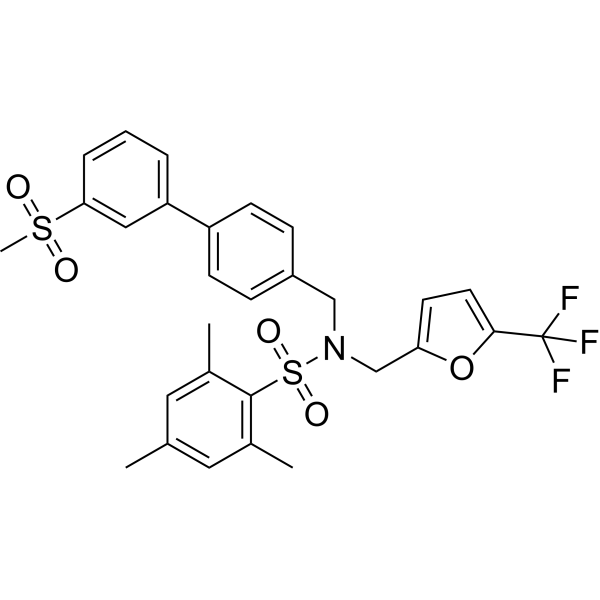
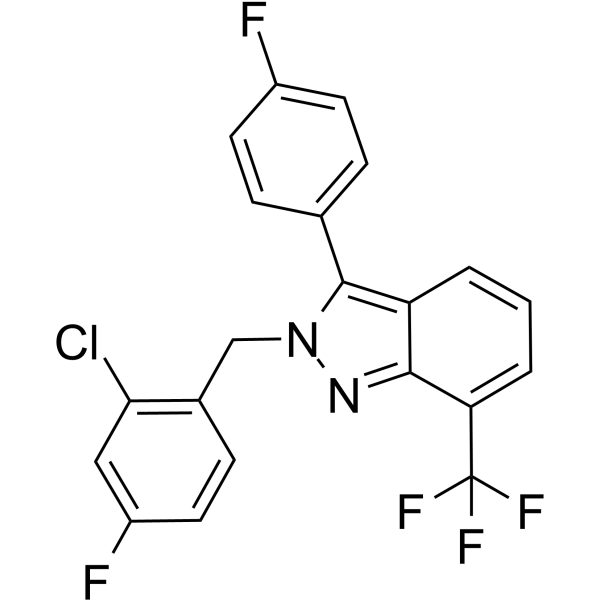
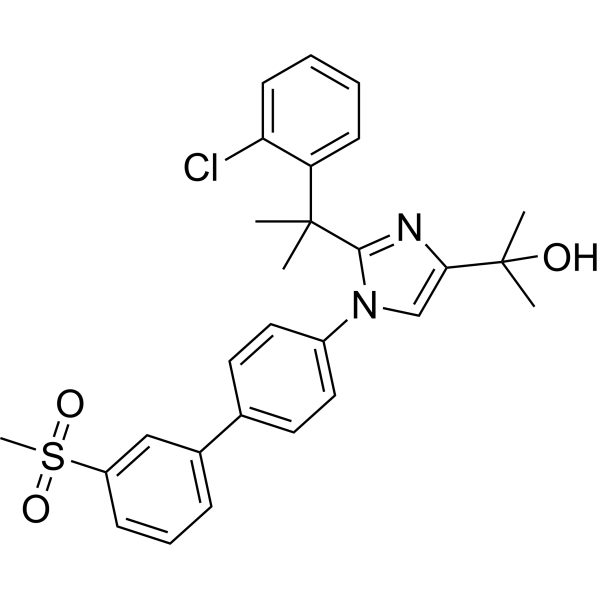
GSK2033 is a LXR antagonist with pIC50s of 7 and 7.4 for LXRα or LXRβ, respectively.
26
26 Cited Publications
Cat. No.: HY-10627A
CAS No.: 405911-17-3
Purity:  99.96%
Target:  

LXR

Research Areas:  

Cardiovascular Disease Cancer

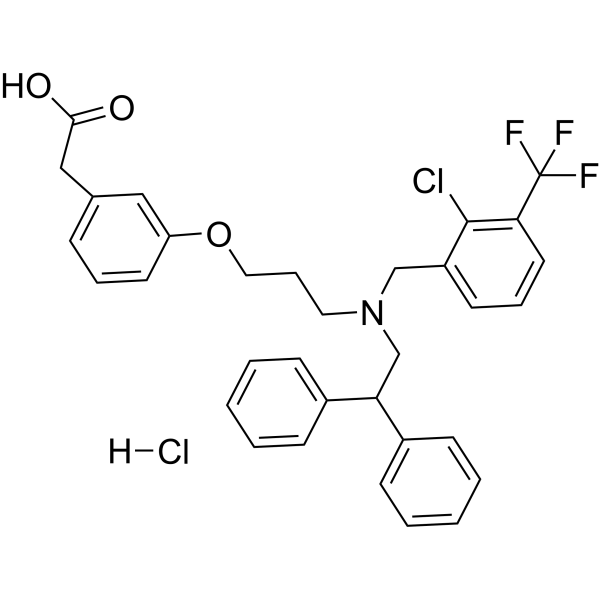
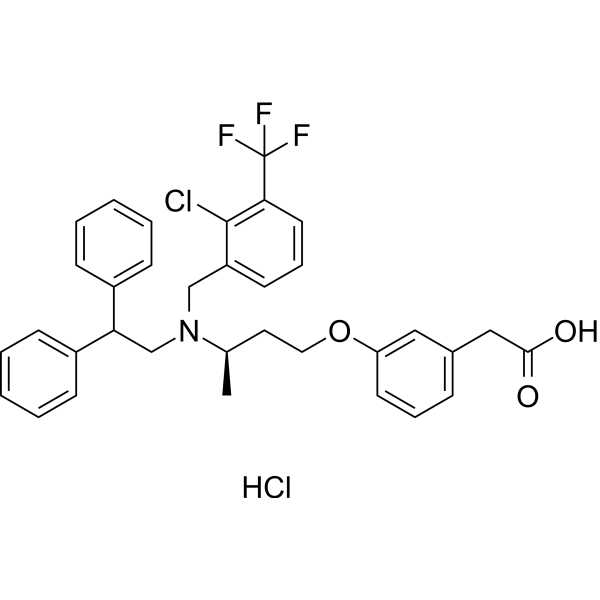
GW3965 hydrochloride is a potent and selective liver X receptor (LXR) agonist with EC50s of 190 nM and 30 nM for hLXRα and hLXRβ, respectively .
26
26 Cited Publications
Cat. No.: HY-10627
CAS No.: 405911-09-3
Target:  

LXR

Research Areas:  

Cardiovascular Disease

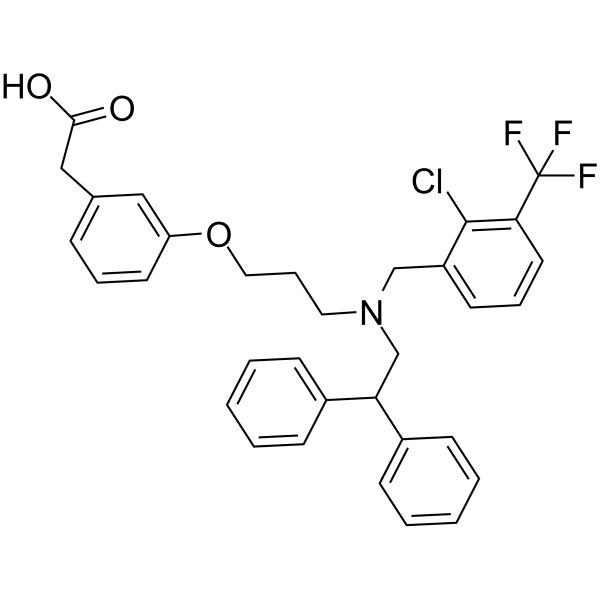
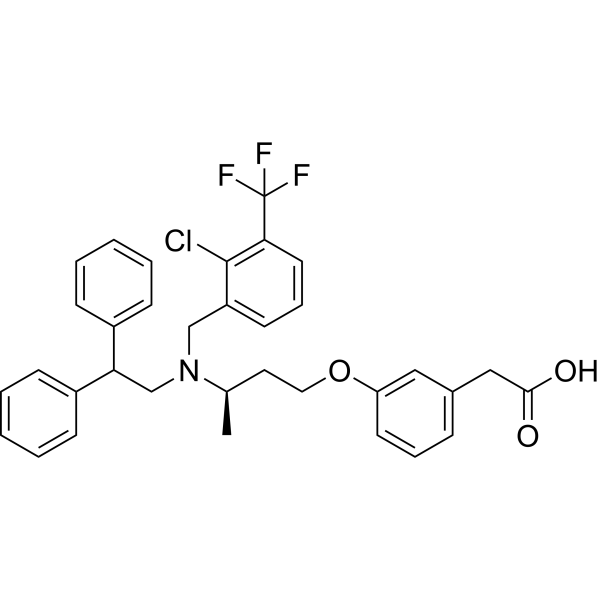
GW3965 is a potent, selective liver X receptor (LXR) agonist with EC50s of 190 nM and 30 nM for hLXRα and hLXRβ, respectively .
12
12 Cited Publications
Cat. No.: HY-10629
CAS No.: 875787-07-8
Purity:  99.95%
Synonyms: WAY 252623
Target:  

LXR

Research Areas:  

Metabolic Disease Cancer

LXR-623 is a brain-penetrant partial LXRα and full LXRβ agonist, with IC50s of 24 nM and 179 nM, respectively.
7
7 Cited Publications
Cat. No.: HY-16972
CAS No.: 1613028-81-1
Target:  

LXR

Research Areas:  

Cancer

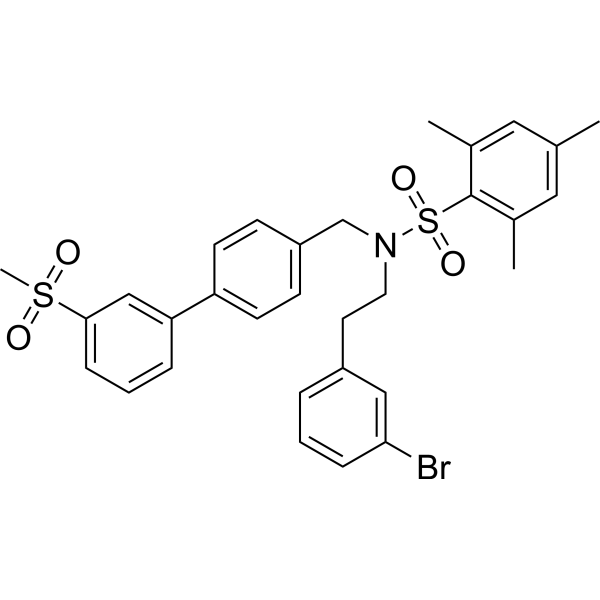
SR9243 is a liver-X-receptor (LXR) inverse agonist that induces LXR-corepressor interaction.
5
5 Cited Publications
Cat. No.: HY-113224
CAS No.: 313-04-2
Purity:  ≥98.0%
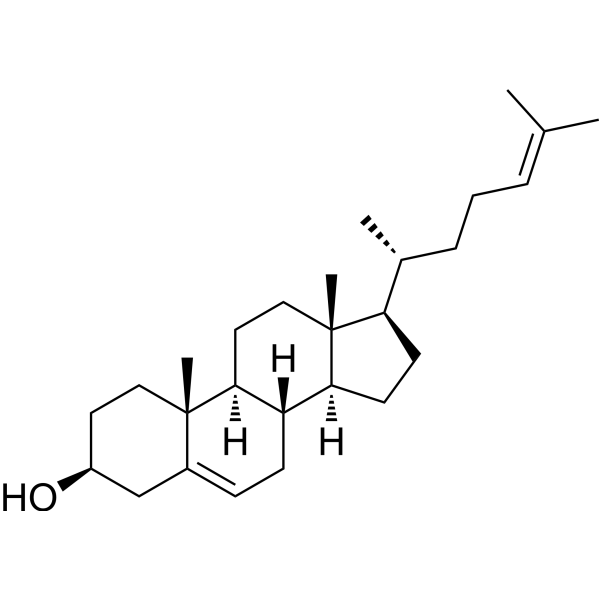
Desmosterol is a cholesterol-like molecule. In the Bloch pathway of cholesterol biosynthesis, Desmosterol is a direct precursor of cholesterol. As an endogenous metabolite, Desmosterol is used to study cholesterol metabolism . Desmosterol is an LXR activator and SREBP inhibitor, which can suppress macrophage inflammasome activation and prevent vascular inflammation and atherosclerosis. A reduction in Desmosterol promotes the production of mitochondrial reactive oxygen species (ROS) in macrophages and pyrin domain-dependent inflammasome activation of NLRP3. Desmosterol holds potential for research in inflammation, metabolism, and cardiovascular diseases .
4
4 Cited Publications
Cat. No.: HY-N1178
CAS No.: 1059-14-9
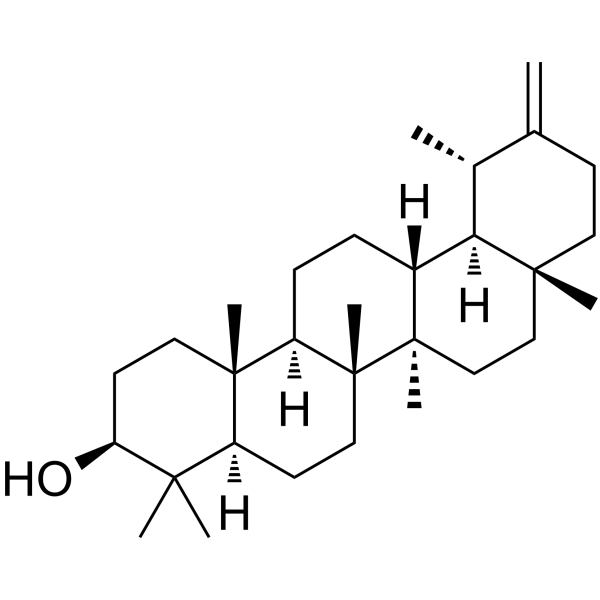
Taraxasterol is a pentacyclic triterpenoid compound isolated from Taraxacum mongolicum. Taraxasterol is an LXRα activator, with metabolic and anti-inflammatory effects. Taraxasterol may be used in research on immune-inflammatory diseases .
4
4 Cited Publications
Cat. No.: HY-112813
CAS No.: 2247372-59-2
Purity:  99.42%
Research Areas:  

Metabolic Disease

TUG-1375 is an agonist of free fatty acid receptor 2 (FFA2/GPR43), with a pKi of 6.69. TUG-1375 is inactive on FFA3, FFA4, PPARα, PPARγ, PPARδ, LXRα or LXRβ .
3
3 Cited Publications
Cat. No.: HY-111498A
CAS No.: 610318-54-2
Purity:  99.76%
Synonyms: Abequolixron
Target:  

LXR

Research Areas:  

Inflammation/Immunology Cancer

RGX-104 is an orally bioavailable and potent liver-X nuclear hormone receptor (LXR) agonist that modulates innate immunity via transcriptional activation of the ApoE gene.
3
3 Cited Publications
Cat. No.: HY-N2370
CAS No.: 30271-38-6
Category:  

Animals Steroids

Target:  

iGluR LXR

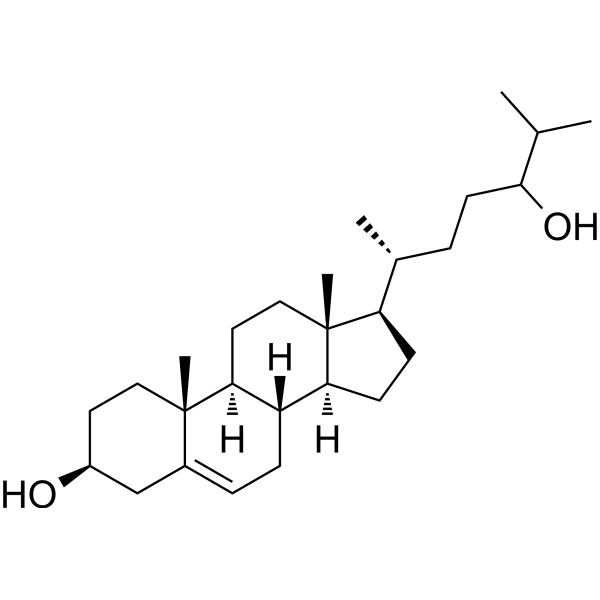
24-Hydroxycholesterol is a natural sterol, which serves as a positive allosteric modulator of N-Methyl-d-Aspartate (NMDA) receptorsR, and a potent activator of the transcription factors LXR.
3
3 Cited Publications
Cat. No.: HY-111498
CAS No.: 610318-03-1
Purity:  99.88%
Synonyms: Abequolixron hydrochloride
Target:  

LXR

Research Areas:  

Inflammation/Immunology Cancer

RGX-104 hydrochloride is a small-molecule LXR agonist that modulates innate immunity via transcriptional activation of the ApoE gene.
2
2 Cited Publications
Cat. No.: HY-W014589
CAS No.: 96-76-4
Synonyms: 2,4-DTBP
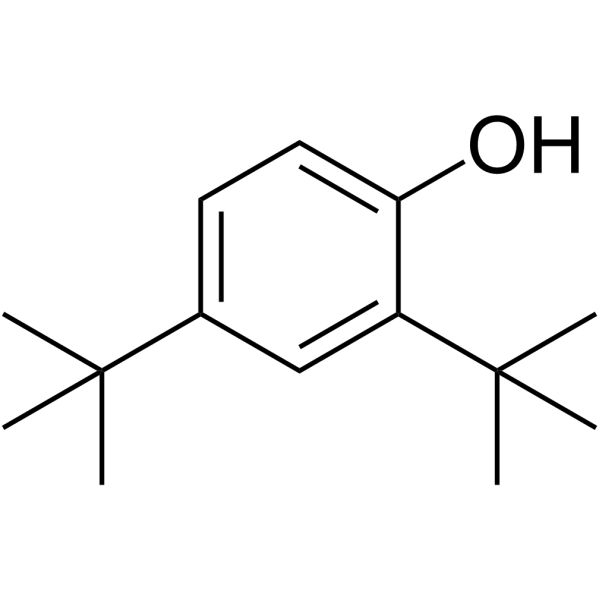
2,4-Di-tert-butylphenol (2,4-DTBP) is an orally active RXRα activator and a human estrogen receptor ligand with anti-inflammatory and antioxidant activities, which can induce apoptosis in tumor cells. 2,4-Di-tert-butylphenol can activate the RXRα subtype in LXRα/RXRα, PPARγ/RXRα, and hormone receptor β/RXRα. 2,4-Di-tert-butylphenol also has antiviral and antifungal activities and has the potential to inhibit -induced neurotoxicity. 2,4-Di-tert-butylphenol can be used as an intermediate in the preparation of antioxidants and UV stabilizers, and is also used in the manufacture of drugs and fragrances .
2
2 Cited Publications
Cat. No.: HY-101442
CAS No.: 1416153-62-2
Purity:  99.89%
Target:  

LXR

Research Areas:  

Metabolic Disease

SR9238 is a synthetic liver X receptor (LXR) inverse agonist with IC50s of 214 nM and 43 nM for LXRα and LXRβ, respectively.
2
2 Cited Publications
Cat. No.: HY-N1970
CAS No.: 31721-94-5
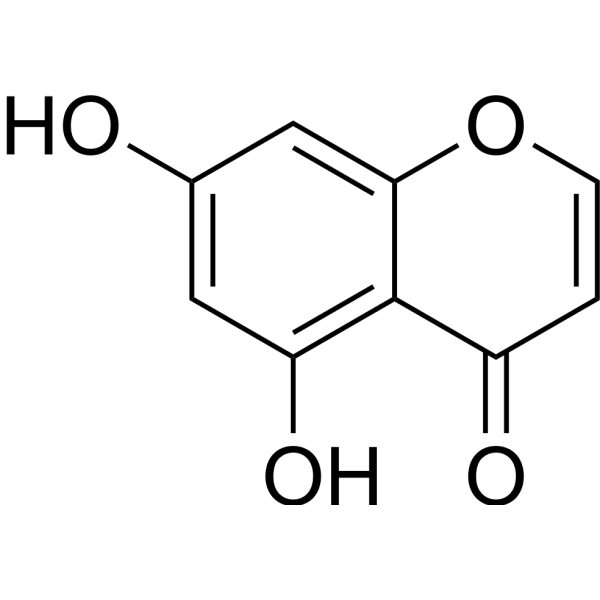
5,7-Dihydroxychromone is a flavonoid compound with antioxidant properties. 5,7-Dihydroxychromone induces Nrf2 nuclear translocation, increases Nrf2/ARE binding activity, and up-regulates Nrf2-dependent antioxidant genes HO-1, NQO1, GCLc. 5,7-Dihydroxychromone attenuates excessive ROS generation, inhibits activated caspase-3, caspase-9, cleaved PARP expression, and prevents neuronal apoptosis and cell death. 5,7-Dihydroxychromone increases LXRα and PPARγ mRNA expression, induces preadipocyte differentiation, and regulates blood glucose levels. 5,7-Dihydroxychromone inhibits radial growth of soil pathogenic fungi, radicle elongation of select seedlings, and transiently inhibits Bradyrhizobium sp. growth in high mannitol medium. 5,7-Dihydroxychromone can be used for the research of Parkinson’s disease, type 2 diabetes mellitus and pathogenic fungal infection .
2
2 Cited Publications
Cat. No.: HY-123402
CAS No.: 264206-85-1
Purity:  99.19%
Target:  

LXR

Research Areas:  

Metabolic Disease

GSK3987 is a pan LXRα/β agonist with EC50s of 50 nM, 40 nM for LXRα-SRC1 and LXRβ-SRC1, respectively. GSK3987 increases the expression of ABCA1 and SREBP-1c. GSK3987 induces cellular cholesterol efflux and triglyceride accumulation .
1
1 Cited Publications
Cat. No.: HY-N0835
CAS No.: 34080-08-5
Synonyms: 20(S)-APPT; g-PPT
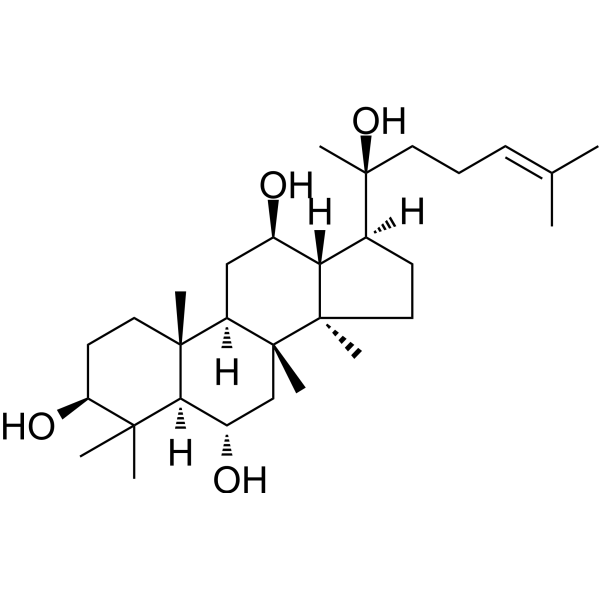
(20S)-Protopanaxatriol is a metabolite of ginsenoside. (20S)-Protopanaxatriol works through the glucocorticoid receptor (GR) and estrogen receptor (ER), and is also a LXRα inhibitor. (20S)-Protopanaxatriol shows a broad spectrum of antitumor effects .
1
1 Cited Publications
Cat. No.: HY-129098
CAS No.: 79066-03-8
Purity:  99.91%
Target:  

LXR

Research Areas:  

Metabolic Disease

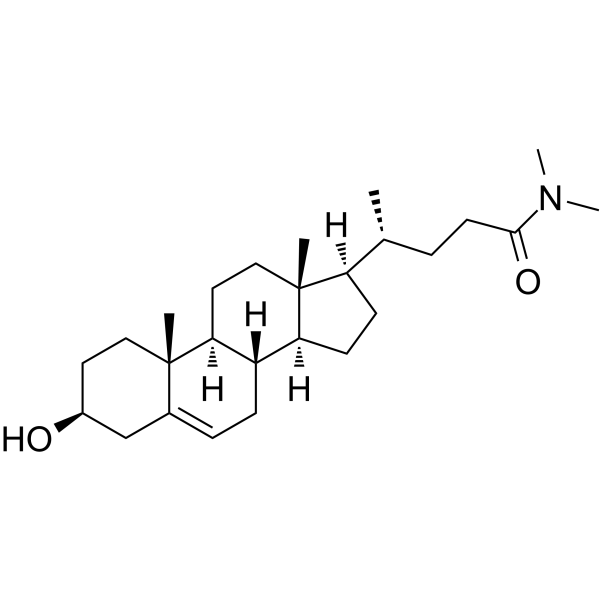
DMHCA, a potent and selective LXR agonist, specifically activates the cholesterol efflux arm of the LXR pathway without stimulating triglyceride synthesis. DMHCA has anti-inflammatory effects?and can be used for the research of cholesterol homeostasis diabetes .
1
1 Cited Publications
Cat. No.: HY-19919
CAS No.: 918348-67-1
Synonyms: EXEL04286652; XL-652; BMS-788
Target:  

LXR

Research Areas:  

Metabolic Disease

BMS-779788 is a LXR partial agonist with IC50 values of 68 nM for LXRα and 14 nM for LXRβ.
1
1 Cited Publications
Cat. No.: HY-117006
CAS No.: 1031195-19-3
Purity:  98.55%
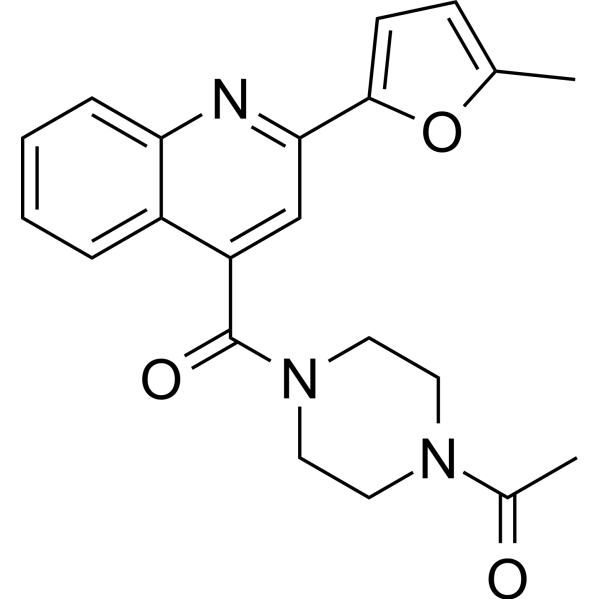
Synonyms: 1-{4-[2-(5-Methylfuran-2-yl)quinoline-4-carbonyl]piperazin-1-yl}ethan-1-one
Target:  

Sirtuin

Research Areas:  

Cardiovascular Disease

E1231 is an orally active activator of Sirtuin 1 (SIRT1) (EC50=0.83 μM), to modulate cholesterol and lipid metabolism. E1231 interactes with SIRT1 (KD=9.61 μM) and deacetylated liver X receptor-alpha (LXRα), and increases ATP-binding cassette transporter A1 (ABCA1) expression. E1231 also reduces atherosclerotic plaque development in ApoE -/- mice model. E1231 can be used for research in cholesterol and lipid disorder-related diseases .

