


Search Result
Results for "
Lipopeptide
" in MedChemExpress (MCE) Product Catalog:
1
Biochemical Assay Reagents
4
Isotope-Labeled Compounds
| Cat. No. |
Product Name |
Target |
Research Areas |
Chemical Structure |
-
- HY-B0108
-
Daptomycin
Maximum Cited Publications
25 Publications Verification
LY146032
|
Bacterial
Antibiotic
|
Infection
Cancer
|
|
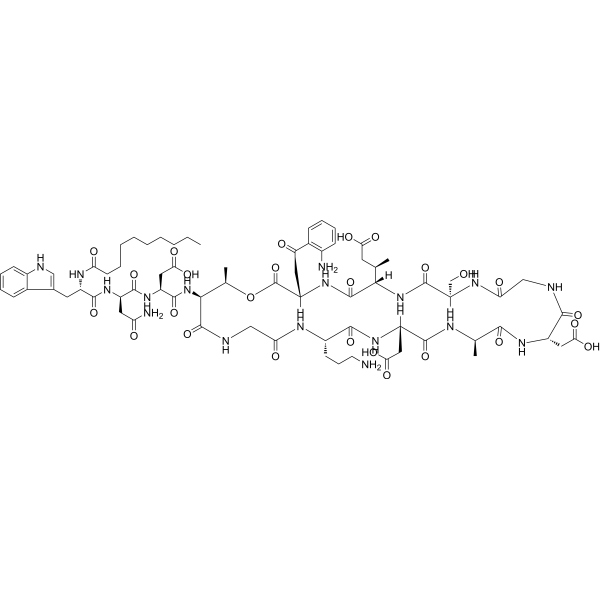
Daptomycin is a lipopeptide antibiotic with rapid in vitro bactericidal activity against gram-positive organisms.
|
-
-
- HY-P3465
-
|
Myrcludex B
|
HBV
|
Infection
|
|
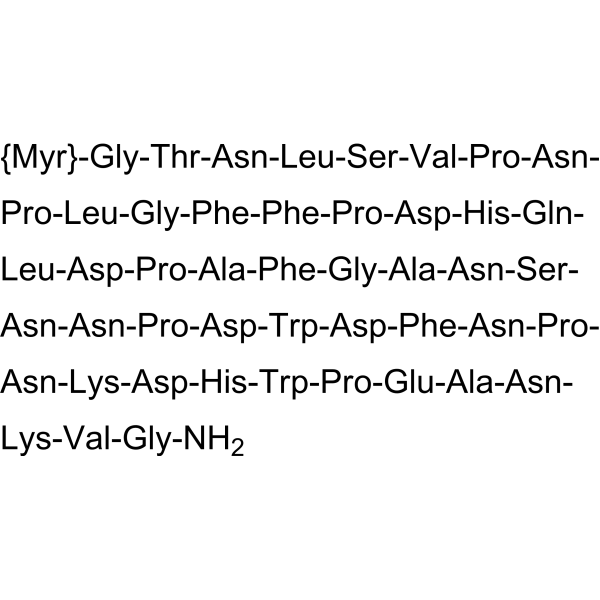
Bulevirtide (Myrcludex B) is a NTCP inhibitor, a linear lipopeptide of 47 amino acids. Bulevirtide inhibits HBV and HDV entry into liver cells, blocks HBV infection in hepatocytes, and participates in HBV transcriptional suppression. Bulevirtide can be used in HDV infection and compensated cirrhosis research .
|
-
-
- HY-129555
-
|
|
Bacterial
HSV
Antibiotic
|
Infection
|
|
Surfactin is a potent cyclic lipopeptide biosurfactants consists of four isomers (Surfactin A, B, C and D), which mediates flux of mono-and divalent cations, such as calcium, across lipid bilayer membranes. Surfactin can act as an antimicrobial adjuvant with anti-bacterial, anti-fungal, antimycoplasma and hemolytic effects . Surfactin also has antiviral activity against a variety of enveloped viruses .
|
-
-
- HY-134781
-
CKK-E12
4 Publications Verification
|
Liposome
|
Others
|
|
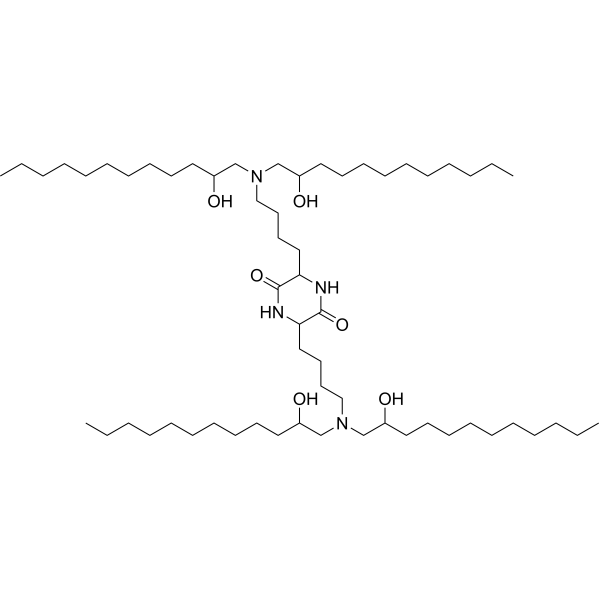
CKK-E12 is a ionizable lipid in combination with other lipids make up the lipid nanoparticles which are used to deliver RNA-based research. CKK-E12 is highly selective toward liver parenchymal cell in vivo,
|
-
-
- HY-A0248A
-
|
|
Bacterial
|
Infection
|
|
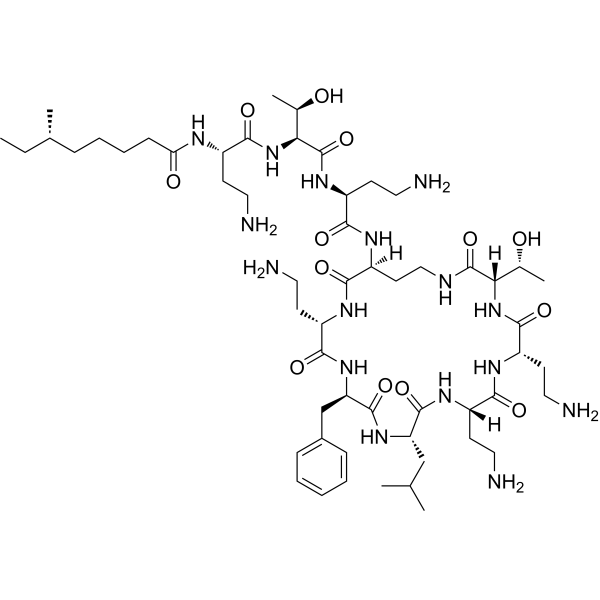
Polymyxin B1 is a potent antimicrobial lipopeptide first derived from Bacilus polymyxa. Polymyxin B1 is the major component in Polymyxin B (HY-A0248). Polymyxin B1 can induce lysis of bacterial cells through interaction with their membranes. Polymyxin B1 has the potential for multidrug-resistant Gram-negative bacterial infections treatment .
|
-
-
- HY-P3884
-
|
|
Bacterial
Antibiotic
|
Infection
|
|
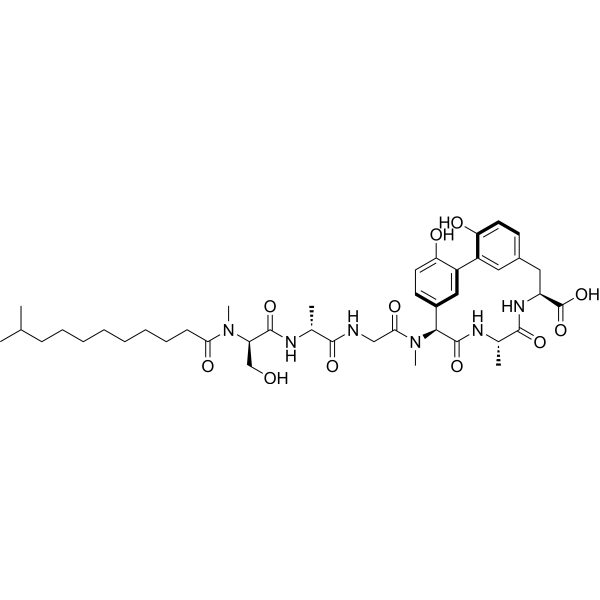
Arylomycin A2, an antibiotic (Antibiotic), is a lipopeptide type I signal peptidase (SPase I) inhibitor. Arylomycin A2 has antibacterial effects .
|
-
-
- HY-P2233
-
|
|
Bacterial
Antibiotic
|
Infection
|
|
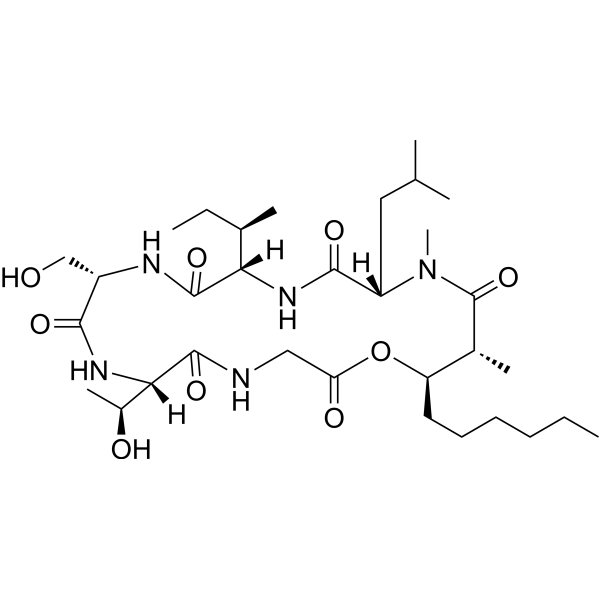
Globomycin is a lipopeptide antibiotic and a signal peptidase II (LspA) inhibitor. Globomycin inhibits processing of the prolipoprotein by binding irreversibly to the peptidase. Globomycin has toxic for the mollicute Spiroplasma melliferum with a MIC in the range 6.25-12.5 μM .
|
-
-
- HY-P3496
-
|
|
Pyroptosis
|
Inflammation/Immunology
|
|
Pep19-2.5 is an synthetic and antitoxin peptide, blocks the intracellular endotoxin signaling cascade. Pep19-2.5 inhibits signaling of lipopeptides (LP) and lipopolysaccharides (LPS) mediated by transmembrane and cytosolic pattern recognition receptors (PRRs). The signaling cascades lead to inflammation and cell pyroptosis .
|
-
-
- HY-P3078
-
|
|
Bacterial
Antibiotic
|
Infection
|
|
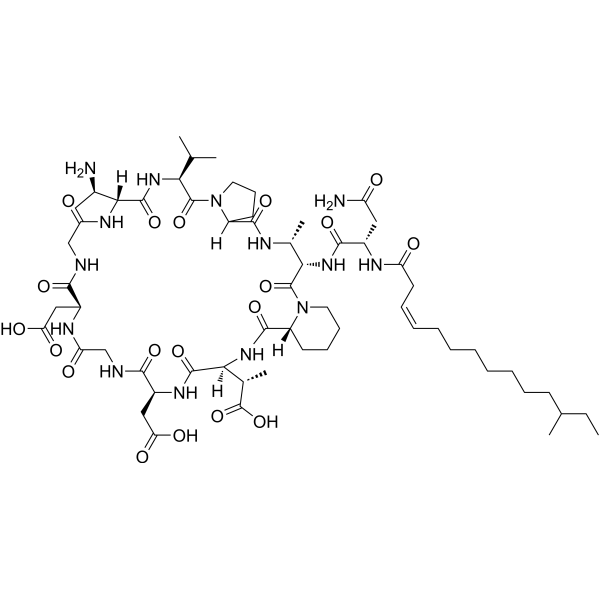
Amphomycin is a lipopeptide antibiotic that inhibits peptidoglycan synthesis and blocks cell wall development. Amphomycin exhibits potent antibacterial activities against methicillin-resistant S. aureus (MRSA), vancomycin-resistant enterococci (VRE), penicillin-gentamicin-erythromycin-resistant S. pneumonia, and linezolid-quinupristin-dalfopristin-resistant enterococci .
|
-
-
- HY-165613
-
|
Dipalmitoyl-S-glyceryl-cysteine; S-[2,3-Bis(palmitoyloxy)propyl]cysteine
|
Toll-like Receptor (TLR)
Influenza Virus
NF-κB
|
Infection
Inflammation/Immunology
|
|
Pam2Cys (Dipalmitoyl-S-glyceryl-cysteine; S-[2,3-Bis(palmitoyloxy)propyl]cysteine) is a TLR2 agonist and immunostimulant. Pam2Cys binds to TLR2 to activate dendritic cells and trigger the TLR2-dependent NF-κB signaling pathway. Pam2Cys also induces dendritic cell maturation by upregulating the expression of cell surface MHC II molecules. Pam2Cys activates innate immune signaling pathways, drives pro-inflammatory and antimicrobial responses, enhances the expression of macrophage activation markers, increases phagocytic activity, induces the release of IL-12 and pro-inflammatory cytokines, and polarizes macrophages into a pro-inflammatory, antimicrobial phenotype without interfering with IL-10-induced macrophage polarization. Pam2Cys also serves as the lipid moiety in synthetic lipopeptide vaccines and possesses self-adjuvant properties. Pam2Cys enhances the immunogenicity of conjugated peptide segments and induces cellular and humoral immune responses. However, it does not activate CD4 T cells in mouse splenocyte cultures when used alone. Pam2Cys activates pulmonary TLR2 signaling pathways, triggers innate immune responses, recruits neutrophils and macrophages, induces the secretion of various cytokines, alleviates symptoms and damages associated with influenza A virus infection in mice without impairing adaptive immunity. Pam2Cys can be used in studies related to tuberculosis and influenza A virus infection .
|
-
-
- HY-129077
-
|
|
Drug Intermediate
|
Infection
|
|
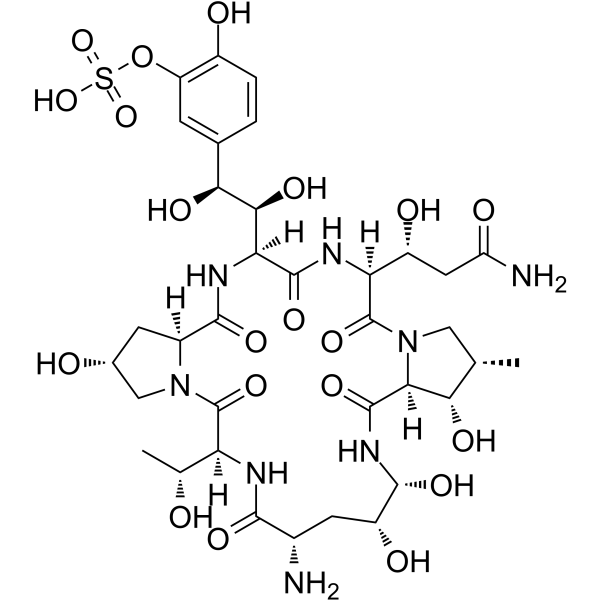
FR179642 is a key intermediate in the synthesis of the echinocandin antifungal Micafungin . FR179642 is the cyclic peptide nucleus of the echinocandin-like antifungal lipopeptide FR901379 .
|
-
-
- HY-125576
-
|
|
Bacterial
|
Infection
|
|
Griselimycin is a cyclic lipopeptide produced by Streptomyces. Griselimycin specifically binds to the sliding clamp of bacterial DNA polymerase and does not interact with human PCNA. Griselimycin exhibits potent antibacterial activity against Mycobacterium tuberculosis (including drug-resistant strains) and a variety of Gram-negative bacteria .
|
-
-
- HY-P0104
-
|
|
Collagen
|
Metabolic Disease
|
|
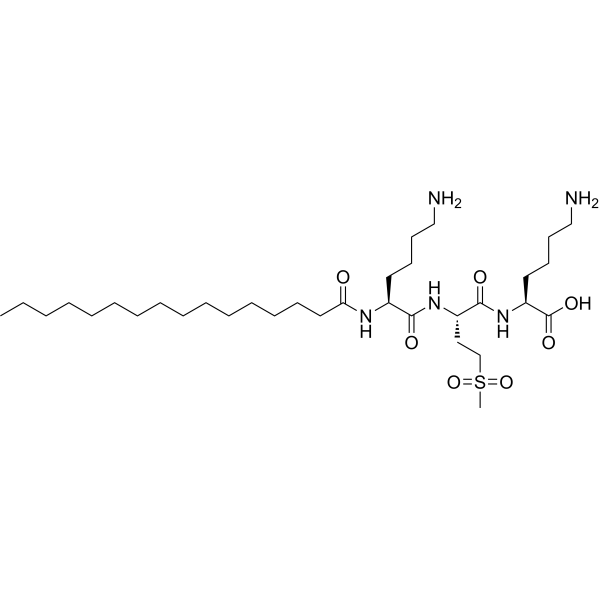
Palmitoyl tripeptide-38 is a lipopeptide that increases the production of dermal and epidermal collagen, fibronectin, and hyaluronic acid. Palmitoyl tripeptide-38 is used in research related to skin aging (fine lines, wrinkles, reduced skin elasticity, decreased skin water content, uneven skin tone) .
|
-
-
- HY-107146
-
|
P1pal-7
|
Protease Activated Receptor (PAR)
|
Cardiovascular Disease
Cancer
|
|
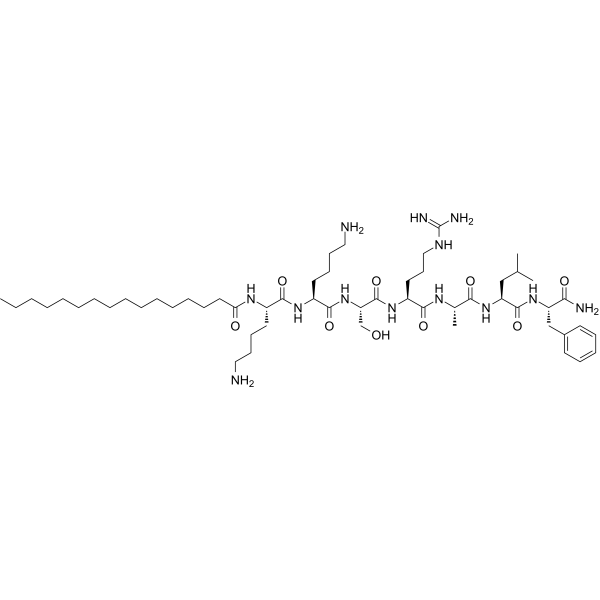
PZ-128 (P1pal-7), a cell-penetrating lipopeptide pepducin, is a first-in-class, specific and reversible protease-activated receptor-1 (PAR1) antagonist. PZ-128 targets the cytoplasmic surface of PAR1 and interrupts signaling to internally-located G (PAR1-G) proteins. PZ-128 has antiplatelet, anti-metastatic, anti-angiogenic and anticancer effects .
|
-
-
- HY-P10447
-
|
Fengycin IX; SNA-60-367-3
|
Phospholipase
Fungal
|
Infection
|
|
Plipastatin A1 (Fengycin IX; SNA-60-367-3) is a lipopeptide with phospholipase A2 inhibitory activity. Plipastatin A1 inhibits conidial germination of Botrytis cinerea in vitro and reduces the incidence of gray mold on tomato leaves. Plipastatin A1 is applicable to research related to gray mold [1][2].
|
-
-
- HY-163001
-
|
|
Autophagy
p62
Atg8/LC3
|
Cancer
|
|
Microcolin H is a marine lipopeptide and phosphatidylinositol transfer protein ligand that targets PITPα/β. Microcolin H increases the conversion of LC3I to LC3II and reduces p62 levels in cancer cells, leading to autophagy cell death (Autophagy). Microcolin H effectively inhibits tumor development and has anti-proliferative activity in nude mouse subcutaneous tumor models .
|
-
-
- HY-P10586A
-
|
MALP-2 TFA
|
Toll-like Receptor (TLR)
NO Synthase
|
Cardiovascular Disease
Metabolic Disease
|
|
Macrophage-activating lipopeptide 2 TFA is an agonist of Toll like receptors TLR-2/TLR-6. Macrophage-activating lipopeptide-2 enhances endothelial nitric oxide synthase (eNOS) phosphorylation and endothelial cell release of NO, thereby improving vasodilation. Macrophage-activating lipopeptide-2 enhances endothelial adhesion of white blood cells and improve perfusion recovery and collateral growth in the hind limbs of hypercholesterolemic Apoe deficient mice undergoing experimental femoral artery ligation (FAL) .
|
-
-
- HY-P11455A
-
|
|
Liposome
|
Others
|
|
Lipopeptide CPE4 TFA is a PEG-modified peptide E4 [(EIAALEK) 4]. Lipopeptide CPE4 TFA is capable of coiled-coil formation when attached to liposomes. Lipopeptide CPE4 TFA triggers membrane fusion between liposomes and living cells with concomitant efficient cytosolic delivery of a variety of compounds such as fluorescent dyes Propidium Iodide (PI) (HY-D0815) and TO-PRO-3 iodide (HY-117070), and Doxorubicin (DOX) (HY-15142A). Lipopeptide CPE4 TFA can be used for drug delivery research .
|
-
-
- HY-A0248AS
-
|
|
Isotope-Labeled Compounds
Bacterial
|
Infection
|
|
Polymyxin B1-d7 TFA is the deuterium labeled Polymyxin B1 TFA (HY-A0248A). Polymyxin B1 is a potent antimicrobial lipopeptide first derived from Bacilus polymyxa. Polymyxin B1 is the major component in Polymyxin B (HY-A0248). Polymyxin B1 can induce lysis of bacterial cells through interaction with their membranes. Polymyxin B1 has the potential for multidrug-resistant Gram-negative bacterial infections treatment .
|
-
-
- HY-P3511
-
|
|
Bacterial
|
Infection
|
|
Friulimicin D, a lipopeptide antibiotic, like Friulimicin B, is isolated from the actinomycete Actinoplanes friuliensis .
|
-
-
- HY-125723
-
|
SL 7810; A-30912 A
|
Endogenous Metabolite
Fungal
Antibiotic
|
Infection
|
|
Echinocandin B (SL 7810) is a lipopeptide antifungal antibiotic. Echinocandin B is produced by Aspergillus nidulans. Echinocandin B inhibits β-1,3-glucan activity, thereby blocking the biosynthesis of fungal cell walls. Echinocandin B exhibits activity against a variety of Aspergillus species .
|
-
-
- HY-P10586
-
|
MALP-2
|
Toll-like Receptor (TLR)
NO Synthase
|
Cardiovascular Disease
|
|
Macrophage-activating lipopeptide 2 (MALP-2) is an agonist of Toll like receptors TLR-2/TLR-6. Macrophage-activating lipopeptide-2 can enhance endothelial nitric oxide synthase (eNOS) phosphorylation and endothelial cell release of NO, thereby improving vasodilation. Macrophage-activating lipopeptide-2 can enhance endothelial adhesion of white blood cells and improve perfusion recovery and collateral growth in the hind limbs of hypercholesterolemic Apoe deficient mice undergoing experimental femoral artery ligation (FAL) .
|
-
-
- HY-131058
-
|
|
ADC Payload
|
Cancer
|
|
Muscotoxin A is an ADC cytotoxin. Muscotoxin A is a cytotoxic lipopeptide that permeabilizes mammalian cell membranes and induces necrotic cell death .
|
-
-
- HY-P11456A
-
|
|
Liposome
|
Others
|
|
Lipopeptide CPK4 TFA is a Cholesterol (HY-N0322)-modified peptide K4 [(KIAALKE) 3]. Lipopeptide CPK4 TFA is capable of coiled-coil formation when attached to liposomes. Lipopeptide CPK4 TFA triggers membrane fusion between liposomes and living cells with concomitant efficient cytosolic delivery of a variety of compounds such as fluorescent dyes Propidium Iodide (PI) (HY-D0815) and TO-PRO-3 iodide (HY-117070), and Doxorubicin (DOX) (HY-15142A). Lipopeptide CPK4 TFA can be used for drug delivery research .
|
-
-
- HY-P1712A
-
|
|
Biochemical Assay Reagents
|
Metabolic Disease
|
|
Arthrofactin (TFA) is an effective lipopeptide biosurfactant in Pseudomonas sp. MIS38. Arthrofactin (TFA) production is associated with multiple ATP dependent active transporter systems .
|
-
-
- HY-P11334
-
|
|
Aminopeptidase
Phosphatase
Angiotensin-converting Enzyme (ACE)
DNA/RNA Synthesis
|
Cancer
|
|
Cyanostatin B, a cyanobacterial lipopeptide, is a leucine aminopeptidase M (LAP) inhibitor (IC50 = 12 ng/mL). Cyanostatin B is a weak inhibitor of protein phosphatase (PP2A) and also exhibits weak inhibitory activity against angiotensin-converting enzyme (ACE), with an IC50 value of 130 μg/mL. Cyanostatin B demonstrates both cytotoxic and genotoxic effects on human hepatocytes, although non-toxic to Artemia salina. Cyanostatin B inhibits the proliferation of HepG2 cells, induces DNA single-strand breaks, and causes genomic instability. .
|
-
-
- HY-P11455
-
|
|
Liposome
|
Others
|
|
Lipopeptide CPE4 is a PEG-modified peptide E4 [(EIAALEK) 4]. Lipopeptide CPE4 is capable of coiled-coil formation when attached to liposomes. Lipopeptide CPE4 triggers membrane fusion between liposomes and living cells with concomitant efficient cytosolic delivery of a variety of compounds such as fluorescent dyes Propidium Iodide (PI) (HY-D0815) and TO-PRO-3 iodide (HY-117070), and Doxorubicin (DOX) (HY-15142A). Lipopeptide CPE4 can be used for drug delivery research .
|
-
-
- HY-P11456
-
|
|
Liposome
|
Others
|
|
Lipopeptide CPK4 is a Cholesterol (HY-N0322)-modified peptide K4 [(KIAALKE) 3]. Lipopeptide CPK4 is capable of coiled-coil formation when attached to liposomes. Lipopeptide CPK4 triggers membrane fusion between liposomes and living cells with concomitant efficient cytosolic delivery of a variety of compounds such as fluorescent dyes Propidium Iodide (PI) (HY-D0815) and TO-PRO-3 iodide (HY-117070), and Doxorubicin (DOX) (HY-15142A). Lipopeptide CPK4 can be used for drug delivery research .
|
-
-
- HY-113560
-
-
-
- HY-P1974
-
|
WF11899A
|
Antibiotic
|
Infection
|
|
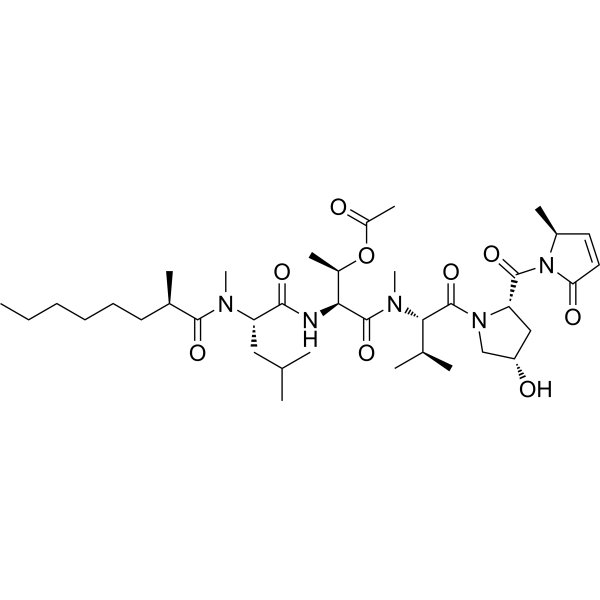
FR901379 (WF11899A) is a novel echinocandin-type lipopeptide antibiotic. FR901379 is primarily produced by mutant strain M-7 of Coleophoma empetri F-11899 (FERM BP-2635) .
|
-
-
- HY-179013
-
|
|
Virus Protease
Flavivirus
Dengue Virus
|
Infection
|
|
NS2B/NS3-IN-9 (Compound 73) is a broad-spectrum, non-competitive anti-Orthoflavivirus lipopeptide inhibitor targeting the NS2B-NS3 protease. NS2B/NS3-IN-9 exhibits IC50 values for Dengue virus DENV2 NS2B-NS3, West Nile virus WNV NS2B-NS3, and Zika virus ZIKV NS2B-NS3 of 2.4, 7.2, and 1.9 μM, respectively. NS2B/NS3-IN-9 also exhibits antiviral activity at the cellular level against DENV2, WNV, and ZIKV, with EC50 values of 4.1, 4.9, and 5.0 μM, respectively. NS2B/NS3-IN-9 has no significant toxicity to cells. NS2B/NS3-IN-9 can be used for the study of anti-Orthoflavivirus .
|
-
-
- HY-146535S
-
-
-
- HY-186048
-
|
|
Drug-Linker Conjugates for ADC
|
Infection
|
|
MC-VC-PAB-Daptomycin (Compound 54) is the linker-payload of an antibody-drug conjugate (ADC). β-Glucuronide-dPBD-PEG6-NH2 is composed of Daptomycin (HY-13631), a lipopeptide antibiotic, and the linker .
|
-
-
- HY-178952
-
|
|
Bacterial
|
Infection
|
|
Anti-infective agent 12 (Compound A09) is a competitive inhibitor of type I signal peptidease (SPase I), with an IC50 of 4.475 μM and a Kd of 16.3 μM. Anti-infective agent 12 has the ability to disrupt bacterial membranes and remove biofilms. Anti-infective agent 12 exhibits potent bactericidal activity against Gram-positive bacteria, with MIC values of 4, 4, 8, and 8 μg/mL for Staphylococcus aureus, Enterococcus faecalis, Enterococcus faecium, and Streptococcus suis, respectively. Anti-infective agent 12 remains effective against multi-drug resistant strains, but has weaker activity against Gram-negative bacteria (such as Escherichia coli and Salmonella), with MIC values > 64 μg/mL. Anti-infective agent 12 has low hemolytic activity and shows significant efficacy in mouse skin infection models .
|
-
-
- HY-N16657
-
|
LI-F 04b
|
Bacterial
|
Infection
|
|
Fusaricidin B (LI-F 04b) is one of the components of a lipopeptide biosurfactant extracted from the marine bacterium Paenibacillus polymyxa. Fusaricidin B can significantly inhibit the formation of multiple single species biofilms, including Gram positive and Gram negative bacteria. Fusaricidin B also has inhibitory effects on complex biofilms and can effectively destroy mature biofilms that have already formed. Fusaricidin B can be used for research on bacterial infections .
|
-
-
- HY-P10785
-
|
|
Bacterial
Antibiotic
|
Infection
|
|
Iturin A-2 is a cyclic lipopeptide discovered in B. subtilis and exhibits inhibitory activity against the plant pathogenic fungus P. expansum (MIC = 8 µg/disk). Iturin A-2 is cytotoxic to MCF-7 and BT474 breast cancer cells, as well as HeLa cervical cancer cells, with IC50 values of 66.81, 95.04, and 77.5 µg/mL, respectively. In greenhouse studies, Iturin A-2 at concentrations of 100 and 300 mg/kg Iturin A-2 reduces the lesion area of southern corn leaf blight caused by B. maydis, and in field studies, concentrations of 300 and 500 mg/kg Iturin A-2 reduce the incidence of the disease. Iturin A-2 (12.5 µg/mL) inhibits cell division, but not nuclear division, in isolated fertilized starfish eggs .
|
-
-
- HY-129716
-
|
|
Bacterial
Parasite
|
Infection
Inflammation/Immunology
|
|
L-693989 is an orally active water-soluble lipopeptide with anticandidal and antipneumocystis activity. L-693989 is effective in preventing the development of both P. carinii cysts. L-693989 is promising for research of P. carinii pneumonia .
|
-
-
- HY-N10585
-
|
|
Antibiotic
Bacterial
|
Infection
|
|
Malacidin B is a macrocyclic lipopeptide antibiotic that shows antibacterial activity in a calcium-dependent manner .
|
-
-
- HY-P4802
-
-
-
- HY-169247
-
-
-
- HY-N14464
-
|
|
Antibiotic
Bacterial
|
Infection
|
|
Pneumocandin A1 is a lipopeptide antibiotic. Pneumocandin A1 has a strong anti-Candida effect. Pneumocandin A1 has the effect of inhibiting the synthesis of 1,3 early-glucan in vitro, with an IC50 of 0.07-0.5 μg/mL .
|
-
-
- HY-N14466
-
|
|
Antibiotic
Bacterial
|
Infection
|
|
Pneumocandin A3 is a lipopeptide antibiotic. Pneumocandin A3 has a strong anti-Candida effect. Pneumocandin A3 has the effect of inhibiting the synthesis of 1,3 early-glucan in vitro, with an IC50 of 0.07-0.5 μg/mL .
|
-
-
- HY-N5190
-
|
|
Antibiotic
Bacterial
|
Infection
|
|
Enamidonin is a lipopeptide antibiotic. Enamidonin inhibits EGF-dependent [ 3H] thymidine involvement in Balb/MK cells (IC50 is 10 μg/mL), and it can restore the deformed SRCTS-NRK form to the normal flat form (ED50 is 10 μg/mL). No antimicrobial activity .
|
-
-
- HY-N14467
-
|
|
Antibiotic
Bacterial
|
Infection
|
|
Pneumocandin A4 is a lipopeptide antibiotic. Pneumocandin A4 has a strong anti-Candida effect. Pneumocandin A4 has the effect of inhibiting the synthesis of 1,3 early-glucan in vitro, with an IC50 of 0.07-0.5 μg/mL .
|
-
-
- HY-N14468
-
|
|
Antibiotic
Bacterial
|
Infection
|
|
Pneumocandin B2 is a lipopeptide antibiotic. Pneumocandin B2 has a strong anti-Candida effect. Pneumocandin B2 has the effect of inhibiting the synthesis of 1,3 early-glucan in vitro, with an IC50 of 0.07-0.5 μg/mL .
|
-
-
- HY-N14465
-
|
|
Antibiotic
Bacterial
|
Infection
|
|
Pneumocandin A2 is a lipopeptide antibiotic. Pneumocandin A2 has a strong anti-Candida effect. Pneumocandin A2 has the effect of inhibiting the synthesis of 1,3 early-glucan in vitro, with an IC50 of 0.07-0.5 μg/mL .
|
-
-
- HY-N11528
-
|
7-Noreugenitin
|
Others
|
Infection
|
|
Eugenitol (Compound 3) is an antifungal metabolite isolated and purified from Diaporthe eucalyptorum. Eugenitol has inhibitory effect on four plant pathogenic fungi (Alternaria solani, Botrytis cinerea, Fusarium solani and Gibberella saubinettii) .
|
-
-
- HY-P2070
-
|
|
Bacterial
|
Infection
|
|
Aspartocin D is an analogue of Amphomycin (HY-P3078). Aspartocin D shows antimicrobial activities against Gram-positive bacteria .
|
-
-
- HY-N14351
-
|
|
SARS-CoV
Bacterial
Antibiotic
|
Infection
|
|
Ferrocin A is a lipopeptide compound that targets the SARS-CoV-2 RNA-dependent RNA polymerase (nsp12). Ferrocin A can stably bind to nsp12, and as an iron-chelating peptide, it reduces the concentration of free iron in the environment via complexation, thereby inhibiting bacterial growth by repressing the acquisition of essential metal cations. As an iron-chelating antiviral molecule, Ferrocin A may be used in studies related to COVID-19 and bacterial infections .
|
-
-
- HY-107146R
-
|
P1pal-7 (Standard)
|
Reference Standards
Protease Activated Receptor (PAR)
|
Cardiovascular Disease
Cancer
|
|
PZ-128 (Standard) (P1pal-7 (Standard)) is the analytical standard of PZ-128 (HY-107146). This product is intended for research and analytical applications. PZ-128 (P1pal-7), a cell-penetrating lipopeptide pepducin, is a first-in-class, specific and reversible protease-activated receptor-1 (PAR1) antagonist. PZ-128 targets the cytoplasmic surface of PAR1 and interrupts signaling to internally-located G (PAR1-G) proteins. PZ-128 has antiplatelet, anti-metastatic, anti-angiogenic and anticancer effects .
|
-
- HY-P11783
-
|
|
Fungal
|
Infection
|
|
Surfactin C2 is a lipopeptide produced by Bacillus subtilis A18 with antifungal activity. Surfactin C2 acts against Heterobasidion annosum and Heterobasidion parviporum. Surfactin C2 exerts its activity mainly through membrane‑active effects to disrupt fungal cell structures and inhibit mycelial growth. Surfactin C2 can be used for the research of butt rot and root rot of conifers .
|
-
- HY-E71227
-
|
|
Biochemical Assay Reagents
|
Others
|
|
α-Factor-transporting ATPase (EC 7.4.2.7) is a plasma membrane ATP-binding cassette (ABC) transporter that actively exports the farnesylated lipopeptide mating pheromone a-factor from the cytosol of MATa haploid cells.
|
-
- HY-B0108AS
-
-
- HY-17671
-
|
|
HIV
|
Infection
|
|
Cholesterol heptanoic acid is a lipophilic Cholesterol (HY-N0322) derivative. Cholesterol heptanoic acid can combine with peptides (such as peptides P1 and P2) to form lipopeptides, which possess antiviral activity. Cholesterol heptanoic acid can be used for research of HIV infection .
|
-
- HY-129077R
-
|
|
Reference Standards
Drug Intermediate
|
Infection
|
|
FR179642 (Standard) is the analytical standard of FR179642. This product is intended for research and analytical applications. FR179642 is a key intermediate in the synthesis of the echinocandin antifungal Micafungin[1]. FR179642 is the cyclic peptide nucleus of the echinocandin-like antifungal lipopeptide FR901379[2].
|
-
- HY-180427
-
|
|
Bacterial
Endogenous Metabolite
|
Infection
|
|
Viscosin is a cyclic lipopeptide compound produced by the Pseudomonas genus. Viscosin exerts its antibacterial effect through two mechanisms: membrane permeabilization and interference with cell wall synthesis. Viscosin shows significant antibacterial activity against various Gram-positive bacteria, but has no inhibitory effect on fungi. Viscosin can be used for the study of bacterial infections .
|
-
- HY-125723A
-
|
SL 7810 (purity>85%); A-30912 A (purity>85%)
|
Antibiotic
Fungal
Endogenous Metabolite
|
Infection
|
|
Echinocandin B (purity>85%) (SL 7810 (purity>85%)) is a lipopeptide antifungal antibiotic. Echinocandin B (purity>85%) is produced by Aspergillus nidulans. Echinocandin B (purity>85%) inhibits β-1,3-glucan activity, thereby blocking the biosynthesis of fungal cell walls. Echinocandin B (purity>85%) exhibits activity against a variety of Aspergillus species .
|
-
- HY-125723B
-
|
SL 7810 (purity>65%); A-30912 A (purity>65%)
|
Antibiotic
Fungal
Endogenous Metabolite
|
Infection
|
|
Echinocandin B (purity>65%) (SL 7810 (purity>65%)) is a lipopeptide antifungal antibiotic. Echinocandin B (purity>65%) is produced by Aspergillus nidulans. Echinocandin B (purity>65%) inhibits β-1,3-glucan activity, thereby blocking the biosynthesis of fungal cell walls. Echinocandin B (purity>65%) exhibits activity against a variety of Aspergillus species .
|
-
- HY-A0248AS1
-
|
|
Isotope-Labeled Compounds
Bacterial
|
Infection
|
|
Polymyxin B1-D-Leu-d7 TFA is the deuterium labeled Polymyxin B1 (HY-A0248A). Polymyxin B1 is a potent antimicrobial lipopeptide first derived from Bacilus polymyxa. Polymyxin B1 is the major component in Polymyxin B (HY-A0248). Polymyxin B1 can induce lysis of bacterial cells through interaction with their membranes. Polymyxin B1 has the potential for multidrug-resistant Gram-negative bacterial infections treatment .
|
-
- HY-P11582
-
|
|
Bacterial
|
Infection
|
|
CyLip-20 is a cyclic lipopeptide antimicrobial peptide that targets Gram-positive and Gram-negative bacteria. CyLip-20 exhibits low hemolytic activity and mild in vivo toxicity. CyLip-20 disrupts the integrity of bacterial outer membrane, inner membrane and cytoplasmic membrane by binding to bacterial lipopolysaccharide (LPS), triggering membrane permeabilization, depolarization and leakage of intracellular contents, and inhibits bacterial biofilm formation. In animal models, CyLip-20 reduces the bacterial load in skin wounds of mice infected with MRSA, promotes wound healing, decreases the levels of inflammatory cytokines and reduces inflammatory cell infiltration. CyLip-20 can be used in research related to MRSA skin wound infections .
|
-
- HY-P11471
-
|
|
Bacterial
Reactive Oxygen Species (ROS)
|
Infection
|
|
(K(C10)GGGRrRPC)2 (Compound (C-C10)C-C) is a dimeric lipopeptide and antibacterial agent. (K(C10)GGGRrRPC)2 enhances the accumulation of ROS, inhibits the bacterial respiratory chain dehydrogenase activity. (K(C10)GGGRrRPC)2 exhibits significant inhibition of bacterial biofilm formation. (K(C10)GGGRrRPC)2 exhibits antimicrobial activity against Acinetobacter baumannii AB1901, A. baumannii AB1902, Pseudomonas aeruginosa 25349, Staphylococcus aureus 11011, with MICs of 4 μM, 8 μM, 4 μM, and 8 μM, respectively. (K(C10)GGGRrRPC)2 shows antimicrobial efficacy against E. coli ATCC 25922 .
|
-
| Cat. No. |
Product Name |
Type |
-
- HY-134781
-
CKK-E12
4 Publications Verification
|
Biochemical Assay Reagents
|
|
CKK-E12 is a ionizable lipid in combination with other lipids make up the lipid nanoparticles which are used to deliver RNA-based research. CKK-E12 is highly selective toward liver parenchymal cell in vivo,
|
| Cat. No. |
Product Name |
Target |
Research Area |
-
- HY-B0108
-
Daptomycin
Maximum Cited Publications
25 Publications Verification
LY146032
|
Bacterial
Antibiotic
|
Infection
Cancer
|
|
Daptomycin is a lipopeptide antibiotic with rapid in vitro bactericidal activity against gram-positive organisms.
|
-
- HY-P3465
-
|
Myrcludex B
|
HBV
|
Infection
|
|
Bulevirtide (Myrcludex B) is a NTCP inhibitor, a linear lipopeptide of 47 amino acids. Bulevirtide inhibits HBV and HDV entry into liver cells, blocks HBV infection in hepatocytes, and participates in HBV transcriptional suppression. Bulevirtide can be used in HDV infection and compensated cirrhosis research .
|
-
- HY-A0248A
-
|
|
Bacterial
|
Infection
|
|
Polymyxin B1 is a potent antimicrobial lipopeptide first derived from Bacilus polymyxa. Polymyxin B1 is the major component in Polymyxin B (HY-A0248). Polymyxin B1 can induce lysis of bacterial cells through interaction with their membranes. Polymyxin B1 has the potential for multidrug-resistant Gram-negative bacterial infections treatment .
|
-
- HY-P3884
-
|
|
Bacterial
Antibiotic
|
Infection
|
|
Arylomycin A2, an antibiotic (Antibiotic), is a lipopeptide type I signal peptidase (SPase I) inhibitor. Arylomycin A2 has antibacterial effects .
|
-
- HY-P2233
-
|
|
Bacterial
Antibiotic
|
Infection
|
|
Globomycin is a lipopeptide antibiotic and a signal peptidase II (LspA) inhibitor. Globomycin inhibits processing of the prolipoprotein by binding irreversibly to the peptidase. Globomycin has toxic for the mollicute Spiroplasma melliferum with a MIC in the range 6.25-12.5 μM .
|
-
- HY-P3496
-
|
|
Pyroptosis
|
Inflammation/Immunology
|
|
Pep19-2.5 is an synthetic and antitoxin peptide, blocks the intracellular endotoxin signaling cascade. Pep19-2.5 inhibits signaling of lipopeptides (LP) and lipopolysaccharides (LPS) mediated by transmembrane and cytosolic pattern recognition receptors (PRRs). The signaling cascades lead to inflammation and cell pyroptosis .
|
-
- HY-P3078
-
|
|
Bacterial
Antibiotic
|
Infection
|
|
Amphomycin is a lipopeptide antibiotic that inhibits peptidoglycan synthesis and blocks cell wall development. Amphomycin exhibits potent antibacterial activities against methicillin-resistant S. aureus (MRSA), vancomycin-resistant enterococci (VRE), penicillin-gentamicin-erythromycin-resistant S. pneumonia, and linezolid-quinupristin-dalfopristin-resistant enterococci .
|
-
- HY-129077
-
|
|
Drug Intermediate
|
Infection
|
|
FR179642 is a key intermediate in the synthesis of the echinocandin antifungal Micafungin . FR179642 is the cyclic peptide nucleus of the echinocandin-like antifungal lipopeptide FR901379 .
|
-
- HY-125576
-
|
|
Bacterial
|
Infection
|
|
Griselimycin is a cyclic lipopeptide produced by Streptomyces. Griselimycin specifically binds to the sliding clamp of bacterial DNA polymerase and does not interact with human PCNA. Griselimycin exhibits potent antibacterial activity against Mycobacterium tuberculosis (including drug-resistant strains) and a variety of Gram-negative bacteria .
|
-
- HY-P0104
-
|
|
Collagen
|
Metabolic Disease
|
|
Palmitoyl tripeptide-38 is a lipopeptide that increases the production of dermal and epidermal collagen, fibronectin, and hyaluronic acid. Palmitoyl tripeptide-38 is used in research related to skin aging (fine lines, wrinkles, reduced skin elasticity, decreased skin water content, uneven skin tone) .
|
-
- HY-107146
-
|
P1pal-7
|
Protease Activated Receptor (PAR)
|
Cardiovascular Disease
Cancer
|
|
PZ-128 (P1pal-7), a cell-penetrating lipopeptide pepducin, is a first-in-class, specific and reversible protease-activated receptor-1 (PAR1) antagonist. PZ-128 targets the cytoplasmic surface of PAR1 and interrupts signaling to internally-located G (PAR1-G) proteins. PZ-128 has antiplatelet, anti-metastatic, anti-angiogenic and anticancer effects .
|
-
- HY-P10447
-
|
Fengycin IX; SNA-60-367-3
|
Phospholipase
Fungal
|
Infection
|
|
Plipastatin A1 (Fengycin IX; SNA-60-367-3) is a lipopeptide with phospholipase A2 inhibitory activity. Plipastatin A1 inhibits conidial germination of Botrytis cinerea in vitro and reduces the incidence of gray mold on tomato leaves. Plipastatin A1 is applicable to research related to gray mold [1][2].
|
-
- HY-163001
-
|
|
Autophagy
p62
Atg8/LC3
|
Cancer
|
|
Microcolin H is a marine lipopeptide and phosphatidylinositol transfer protein ligand that targets PITPα/β. Microcolin H increases the conversion of LC3I to LC3II and reduces p62 levels in cancer cells, leading to autophagy cell death (Autophagy). Microcolin H effectively inhibits tumor development and has anti-proliferative activity in nude mouse subcutaneous tumor models .
|
-
- HY-P10586A
-
|
MALP-2 TFA
|
Toll-like Receptor (TLR)
NO Synthase
|
Cardiovascular Disease
Metabolic Disease
|
|
Macrophage-activating lipopeptide 2 TFA is an agonist of Toll like receptors TLR-2/TLR-6. Macrophage-activating lipopeptide-2 enhances endothelial nitric oxide synthase (eNOS) phosphorylation and endothelial cell release of NO, thereby improving vasodilation. Macrophage-activating lipopeptide-2 enhances endothelial adhesion of white blood cells and improve perfusion recovery and collateral growth in the hind limbs of hypercholesterolemic Apoe deficient mice undergoing experimental femoral artery ligation (FAL) .
|
-
- HY-P11455A
-
|
|
Liposome
|
Others
|
|
Lipopeptide CPE4 TFA is a PEG-modified peptide E4 [(EIAALEK) 4]. Lipopeptide CPE4 TFA is capable of coiled-coil formation when attached to liposomes. Lipopeptide CPE4 TFA triggers membrane fusion between liposomes and living cells with concomitant efficient cytosolic delivery of a variety of compounds such as fluorescent dyes Propidium Iodide (PI) (HY-D0815) and TO-PRO-3 iodide (HY-117070), and Doxorubicin (DOX) (HY-15142A). Lipopeptide CPE4 TFA can be used for drug delivery research .
|
-
- HY-A0248AS
-
|
|
Isotope-Labeled Compounds
Bacterial
|
Infection
|
|
Polymyxin B1-d7 TFA is the deuterium labeled Polymyxin B1 TFA (HY-A0248A). Polymyxin B1 is a potent antimicrobial lipopeptide first derived from Bacilus polymyxa. Polymyxin B1 is the major component in Polymyxin B (HY-A0248). Polymyxin B1 can induce lysis of bacterial cells through interaction with their membranes. Polymyxin B1 has the potential for multidrug-resistant Gram-negative bacterial infections treatment .
|
-
- HY-P3511
-
|
|
Bacterial
|
Infection
|
|
Friulimicin D, a lipopeptide antibiotic, like Friulimicin B, is isolated from the actinomycete Actinoplanes friuliensis .
|
-
- HY-P10586
-
|
MALP-2
|
Toll-like Receptor (TLR)
NO Synthase
|
Cardiovascular Disease
|
|
Macrophage-activating lipopeptide 2 (MALP-2) is an agonist of Toll like receptors TLR-2/TLR-6. Macrophage-activating lipopeptide-2 can enhance endothelial nitric oxide synthase (eNOS) phosphorylation and endothelial cell release of NO, thereby improving vasodilation. Macrophage-activating lipopeptide-2 can enhance endothelial adhesion of white blood cells and improve perfusion recovery and collateral growth in the hind limbs of hypercholesterolemic Apoe deficient mice undergoing experimental femoral artery ligation (FAL) .
|
-
- HY-P11456A
-
|
|
Liposome
|
Others
|
|
Lipopeptide CPK4 TFA is a Cholesterol (HY-N0322)-modified peptide K4 [(KIAALKE) 3]. Lipopeptide CPK4 TFA is capable of coiled-coil formation when attached to liposomes. Lipopeptide CPK4 TFA triggers membrane fusion between liposomes and living cells with concomitant efficient cytosolic delivery of a variety of compounds such as fluorescent dyes Propidium Iodide (PI) (HY-D0815) and TO-PRO-3 iodide (HY-117070), and Doxorubicin (DOX) (HY-15142A). Lipopeptide CPK4 TFA can be used for drug delivery research .
|
-
- HY-P1712A
-
|
|
Biochemical Assay Reagents
|
Metabolic Disease
|
|
Arthrofactin (TFA) is an effective lipopeptide biosurfactant in Pseudomonas sp. MIS38. Arthrofactin (TFA) production is associated with multiple ATP dependent active transporter systems .
|
-
- HY-P11334
-
|
|
Aminopeptidase
Phosphatase
Angiotensin-converting Enzyme (ACE)
DNA/RNA Synthesis
|
Cancer
|
|
Cyanostatin B, a cyanobacterial lipopeptide, is a leucine aminopeptidase M (LAP) inhibitor (IC50 = 12 ng/mL). Cyanostatin B is a weak inhibitor of protein phosphatase (PP2A) and also exhibits weak inhibitory activity against angiotensin-converting enzyme (ACE), with an IC50 value of 130 μg/mL. Cyanostatin B demonstrates both cytotoxic and genotoxic effects on human hepatocytes, although non-toxic to Artemia salina. Cyanostatin B inhibits the proliferation of HepG2 cells, induces DNA single-strand breaks, and causes genomic instability. .
|
-
- HY-P11455
-
|
|
Liposome
|
Others
|
|
Lipopeptide CPE4 is a PEG-modified peptide E4 [(EIAALEK) 4]. Lipopeptide CPE4 is capable of coiled-coil formation when attached to liposomes. Lipopeptide CPE4 triggers membrane fusion between liposomes and living cells with concomitant efficient cytosolic delivery of a variety of compounds such as fluorescent dyes Propidium Iodide (PI) (HY-D0815) and TO-PRO-3 iodide (HY-117070), and Doxorubicin (DOX) (HY-15142A). Lipopeptide CPE4 can be used for drug delivery research .
|
-
- HY-P11456
-
|
|
Liposome
|
Others
|
|
Lipopeptide CPK4 is a Cholesterol (HY-N0322)-modified peptide K4 [(KIAALKE) 3]. Lipopeptide CPK4 is capable of coiled-coil formation when attached to liposomes. Lipopeptide CPK4 triggers membrane fusion between liposomes and living cells with concomitant efficient cytosolic delivery of a variety of compounds such as fluorescent dyes Propidium Iodide (PI) (HY-D0815) and TO-PRO-3 iodide (HY-117070), and Doxorubicin (DOX) (HY-15142A). Lipopeptide CPK4 can be used for drug delivery research .
|
-
- HY-113560
-
-
- HY-P1974
-
|
WF11899A
|
Antibiotic
|
Infection
|
|
FR901379 (WF11899A) is a novel echinocandin-type lipopeptide antibiotic. FR901379 is primarily produced by mutant strain M-7 of Coleophoma empetri F-11899 (FERM BP-2635) .
|
-
- HY-P10785
-
|
|
Bacterial
Antibiotic
|
Infection
|
|
Iturin A-2 is a cyclic lipopeptide discovered in B. subtilis and exhibits inhibitory activity against the plant pathogenic fungus P. expansum (MIC = 8 µg/disk). Iturin A-2 is cytotoxic to MCF-7 and BT474 breast cancer cells, as well as HeLa cervical cancer cells, with IC50 values of 66.81, 95.04, and 77.5 µg/mL, respectively. In greenhouse studies, Iturin A-2 at concentrations of 100 and 300 mg/kg Iturin A-2 reduces the lesion area of southern corn leaf blight caused by B. maydis, and in field studies, concentrations of 300 and 500 mg/kg Iturin A-2 reduce the incidence of the disease. Iturin A-2 (12.5 µg/mL) inhibits cell division, but not nuclear division, in isolated fertilized starfish eggs .
|
-
- HY-N10585
-
|
|
Antibiotic
Bacterial
|
Infection
|
|
Malacidin B is a macrocyclic lipopeptide antibiotic that shows antibacterial activity in a calcium-dependent manner .
|
-
- HY-P4802
-
-
- HY-P2070
-
|
|
Bacterial
|
Infection
|
|
Aspartocin D is an analogue of Amphomycin (HY-P3078). Aspartocin D shows antimicrobial activities against Gram-positive bacteria .
|
-
- HY-107146R
-
|
P1pal-7 (Standard)
|
Reference Standards
Protease Activated Receptor (PAR)
|
Cardiovascular Disease
Cancer
|
|
PZ-128 (Standard) (P1pal-7 (Standard)) is the analytical standard of PZ-128 (HY-107146). This product is intended for research and analytical applications. PZ-128 (P1pal-7), a cell-penetrating lipopeptide pepducin, is a first-in-class, specific and reversible protease-activated receptor-1 (PAR1) antagonist. PZ-128 targets the cytoplasmic surface of PAR1 and interrupts signaling to internally-located G (PAR1-G) proteins. PZ-128 has antiplatelet, anti-metastatic, anti-angiogenic and anticancer effects .
|
-
- HY-P11783
-
|
|
Fungal
|
Infection
|
|
Surfactin C2 is a lipopeptide produced by Bacillus subtilis A18 with antifungal activity. Surfactin C2 acts against Heterobasidion annosum and Heterobasidion parviporum. Surfactin C2 exerts its activity mainly through membrane‑active effects to disrupt fungal cell structures and inhibit mycelial growth. Surfactin C2 can be used for the research of butt rot and root rot of conifers .
|
-
- HY-129077R
-
|
|
Reference Standards
Drug Intermediate
|
Infection
|
|
FR179642 (Standard) is the analytical standard of FR179642. This product is intended for research and analytical applications. FR179642 is a key intermediate in the synthesis of the echinocandin antifungal Micafungin[1]. FR179642 is the cyclic peptide nucleus of the echinocandin-like antifungal lipopeptide FR901379[2].
|
-
- HY-A0248AS1
-
|
|
Isotope-Labeled Compounds
Bacterial
|
Infection
|
|
Polymyxin B1-D-Leu-d7 TFA is the deuterium labeled Polymyxin B1 (HY-A0248A). Polymyxin B1 is a potent antimicrobial lipopeptide first derived from Bacilus polymyxa. Polymyxin B1 is the major component in Polymyxin B (HY-A0248). Polymyxin B1 can induce lysis of bacterial cells through interaction with their membranes. Polymyxin B1 has the potential for multidrug-resistant Gram-negative bacterial infections treatment .
|
-
- HY-P11582
-
|
|
Bacterial
|
Infection
|
|
CyLip-20 is a cyclic lipopeptide antimicrobial peptide that targets Gram-positive and Gram-negative bacteria. CyLip-20 exhibits low hemolytic activity and mild in vivo toxicity. CyLip-20 disrupts the integrity of bacterial outer membrane, inner membrane and cytoplasmic membrane by binding to bacterial lipopolysaccharide (LPS), triggering membrane permeabilization, depolarization and leakage of intracellular contents, and inhibits bacterial biofilm formation. In animal models, CyLip-20 reduces the bacterial load in skin wounds of mice infected with MRSA, promotes wound healing, decreases the levels of inflammatory cytokines and reduces inflammatory cell infiltration. CyLip-20 can be used in research related to MRSA skin wound infections .
|
-
- HY-P11471
-
|
|
Bacterial
Reactive Oxygen Species (ROS)
|
Infection
|
|
(K(C10)GGGRrRPC)2 (Compound (C-C10)C-C) is a dimeric lipopeptide and antibacterial agent. (K(C10)GGGRrRPC)2 enhances the accumulation of ROS, inhibits the bacterial respiratory chain dehydrogenase activity. (K(C10)GGGRrRPC)2 exhibits significant inhibition of bacterial biofilm formation. (K(C10)GGGRrRPC)2 exhibits antimicrobial activity against Acinetobacter baumannii AB1901, A. baumannii AB1902, Pseudomonas aeruginosa 25349, Staphylococcus aureus 11011, with MICs of 4 μM, 8 μM, 4 μM, and 8 μM, respectively. (K(C10)GGGRrRPC)2 shows antimicrobial efficacy against E. coli ATCC 25922 .
|
| Cat. No. |
Product Name |
Category |
Target |
Chemical Structure |
| Cat. No. |
Product Name |
Chemical Structure |
-
- HY-A0248AS
-
|
|
|
Polymyxin B1-d7 TFA is the deuterium labeled Polymyxin B1 TFA (HY-A0248A). Polymyxin B1 is a potent antimicrobial lipopeptide first derived from Bacilus polymyxa. Polymyxin B1 is the major component in Polymyxin B (HY-A0248). Polymyxin B1 can induce lysis of bacterial cells through interaction with their membranes. Polymyxin B1 has the potential for multidrug-resistant Gram-negative bacterial infections treatment .
|
-
-
- HY-146535S
-
|
|
|
Daptomycin-d5 (LY146032-d5) TFA is the deuterium labeled Daptomycin TFA. Daptomycin TFA is a lipopeptide antibiotic with rapid in vitro bactericidal activity against gram-positive organisms .
|
-
-
- HY-B0108AS
-
|
|
|
Daptomycin-d5 (LY146032-d5) is the deuterium labeled Daptomycin (HY-B0108).
Daptomycin is a lipopeptide antibiotic with rapid in vitro bactericidal activity against gram-positive organisms.
|
-
-
- HY-A0248AS1
-
|
|
|
Polymyxin B1-D-Leu-d7 TFA is the deuterium labeled Polymyxin B1 (HY-A0248A). Polymyxin B1 is a potent antimicrobial lipopeptide first derived from Bacilus polymyxa. Polymyxin B1 is the major component in Polymyxin B (HY-A0248). Polymyxin B1 can induce lysis of bacterial cells through interaction with their membranes. Polymyxin B1 has the potential for multidrug-resistant Gram-negative bacterial infections treatment .
|
-
| Cat. No. |
Product Name |
|
Classification |
-
- HY-134781
-
CKK-E12
4 Publications Verification
|
|
Cationic Lipids
|
|
CKK-E12 is a ionizable lipid in combination with other lipids make up the lipid nanoparticles which are used to deliver RNA-based research. CKK-E12 is highly selective toward liver parenchymal cell in vivo,
|
Your information is safe with us. * Required Fields.
Inquiry Information
- Product Name:
- Cat. No.:
- Quantity:
- MCE Japan Authorized Agent:

