

1. Search Result
Search Result
Results for "

Lupus nephritis

" in MedChemExpress (MCE) Product Catalog:

28

Inhibitors & Agonists

1

Biochemical Assay Reagents

3

Peptides

10

Inhibitory Antibodies

2

Oligonucleotides

Cat. No. Product Name Target Research Areas Chemical Structure
  • HY-W031727
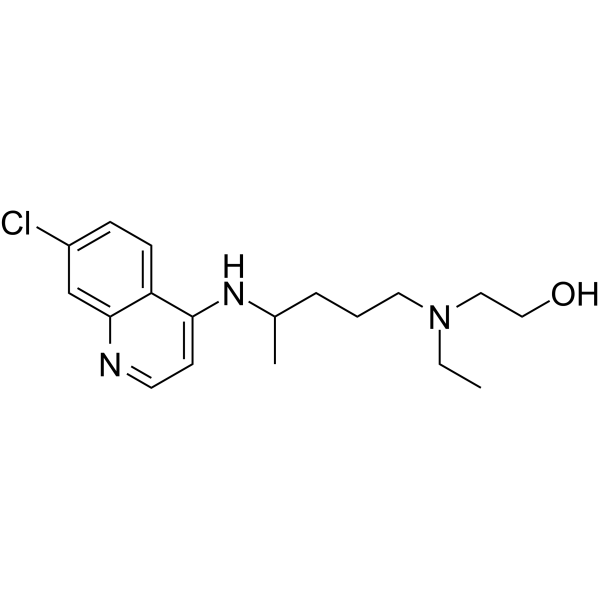
    Hydroxychloroquine
    Maximum Cited Publications
    87 Publications Verification

    Parasite Toll-like Receptor (TLR) SARS-CoV Autophagy Infection Cancer
    Hydroxychloroquine (HCQ) is a synthetic oral antimalarial drug that can be used in the study of malaria and autoimmune diseases such as systemic lupus erythematosus and rheumatoid arthritis. Hydroxychloroquine is a potent autophagic flux inhibitor with antiviral activity (such as SARS-CoV-2 virus) that inhibits Toll-like receptor 7/9 (TLR7/9) signaling .
    Hydroxychloroquine
  • HY-P990706

    ALPN-303

    TNF Receptor Inflammation/Immunology
    Povetacicept (ALPN-303) is an engineered Fc fusion protein containing the TACI domain, and acts as a dual APRIL/BAFF antagonist. The Kd value of Povetacicept for human BAFF is 59.3 pM, while its Kd value for human APRIL is 1.00 pM. Povetacicept reduces the activation, proliferation, differentiation and survival of B cells, and inhibits the production of immunoglobulins and autoantibodies. Povetacicept can be used in research related to autoimmune hemolytic anemia, immune thrombocytopenia, systemic lupus erythematosus, lupus nephritis and myasthenia gravis .
    Povetacicept
  • HY-16734A

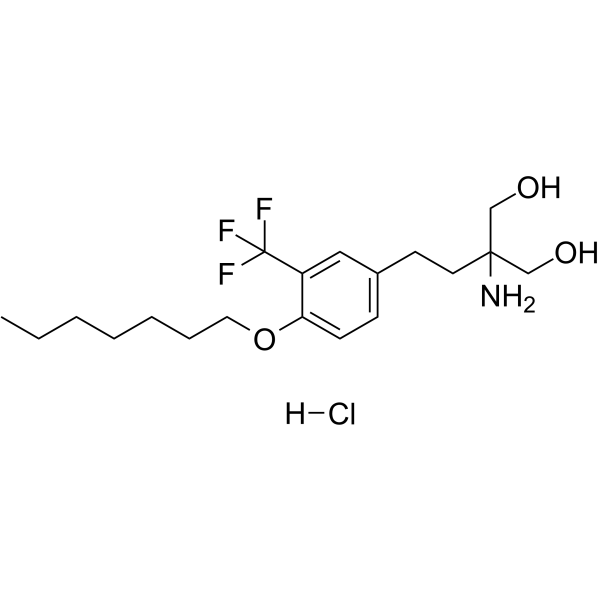
    MT-1303 hydrochloride

    LPL Receptor Cardiovascular Disease Inflammation/Immunology
    Amiselimod (MT-1303) hydrochloride is converted to its active metabolite Amiselimod phosphate by sphingosine kinases in vivo. Amiselimod hydrochloride is an orally active and high selectivity sphingosine 1-phosphate receptor-1 (S1P1) agonist, designed to reduce the bradycardia effects associated with fingolimod and other S1P receptor modulators. Amiselimod hydrochloride inhibits chronic colitis via inhibiting infiltration of colitogenic Th1 and Th17 cells into the colon. Amiselimod hydrochloride inhibits lupus nephritis by reducing the infiltration of autoreactive T cells into the kidneys. Amiselimod hydrochloride is promising for research of autoimmune diseases .
    Amiselimod hydrochloride
  • HY-114374

    Cathepsin Inflammation/Immunology
    RO5461111 a highly specific and orally active antagonist of Cathepsin S with IC50s of 0.4 nM (human Cathepsin S) and 0.5 nM (murine Cathepsin S), respectively. RO5461111 can effectively inhibit the activation of antigen-specific T cells and B cells. RO5461111 can improve pulmonary inflammation and lupus nephritis .
    RO5461111
  • HY-110137
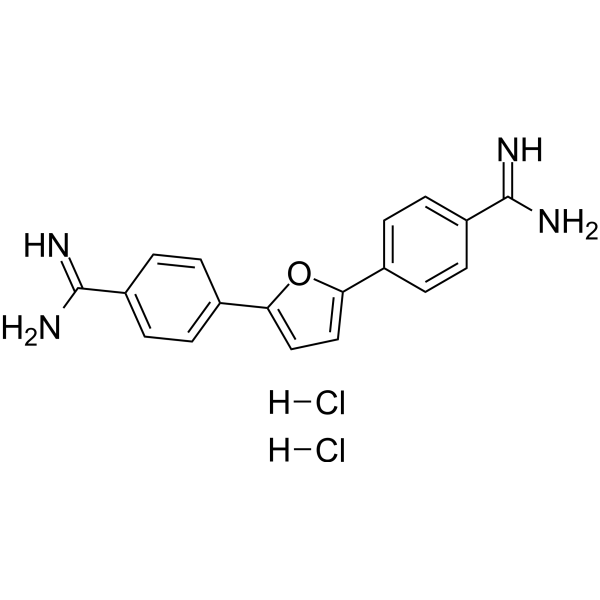
    Furamidine dihydrochloride
    3 Publications Verification

    DB75 dihydrochloride; NSC 305831 dihydrochloride

    Histone Methyltransferase Phosphodiesterase (PDE) Parasite Infection Inflammation/Immunology Cancer
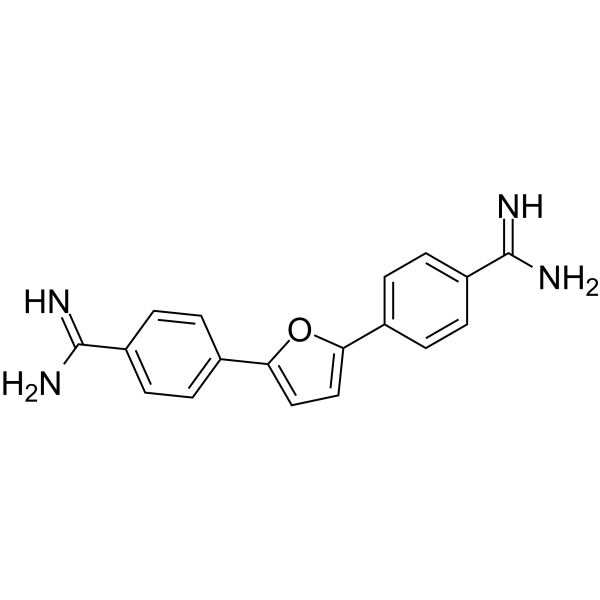
    Furamidine dihydrochloride (DB75 dihydrochloride) is a selective protein arginine methyltransferase 1 (PRMT1) inhibitor with an IC50 of 9.4 μM. Furamidine dihydrochloride is selective for PRMT1 over PRMT5, PRMT6, and PRMT4 (CARM1) (IC50s of 166 µM, 283 µM, and >400 µM, respectively). Furamidine dihydrochloride is a potent, reversible and competitive tyrosyl-DNA phosphodiesterase 1 (TDP-1) inhibitor. Inhibition of TDP-1 by Furamidine dihydrochloride is effective both with single- and double-stranded DNA substrates but is slightly stronger with the duplex DNA. Furamidine dihydrochloride is also an antiparasite agent .
    Furamidine dihydrochloride
  • HY-139588
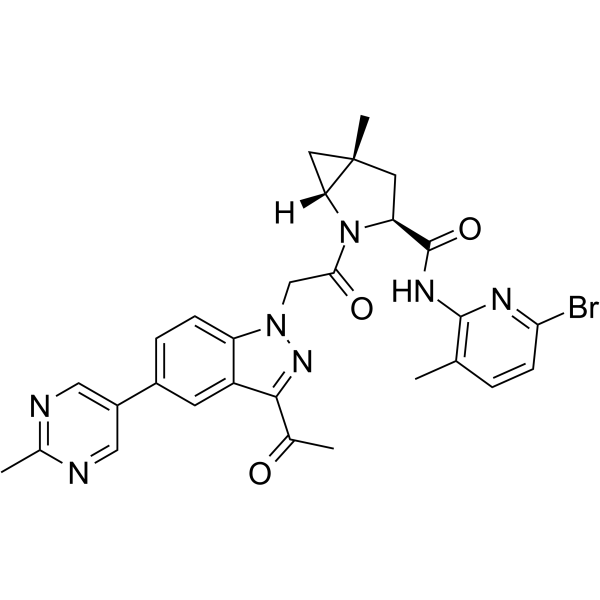
    Vemircopan
    2 Publications Verification

    ALXN2050; ACH 0145228; ACH-5228

    Complement System Interleukin Related Metabolic Disease Inflammation/Immunology
    Vemircopan (ALXN2050) is an orally active complement factor D (FD) inhibitor. Vemircopan can be used in the research of diseases such as myasthenia gravis, lupus nephritis, IgA nephropathy, and paroxysmal nocturnal hemoglobinuria .
    Vemircopan
  • HY-153460

    Toll-like Receptor (TLR) Inflammation/Immunology
    TLR7/8/9 antagonist 2 is an orally active TLR7/8/9 antagonist. TLR7/8/9 antagonist 2 has inhibitory activities for HEK/hTLR7, HEK/hTLR8 and HEK/hTLR9 with IC50 values of 0.011 μM, 0.029 μM and 0,052 μM, respectively.TLR7/8/9 antagonist 2 has high bioavailability in vivo.TLR7/8/9 antagonist 2 can be used for the research of auto-inflammatory diseases such as systemic lupus erythematosus or lupus nephritis .
    TLR7/8/9 antagonist 2
  • HY-172279A

    Liposome Cancer
    DSPE-PEG2000-TAT is a cell-penetrating peptide-modified PEGylated phospholipid conjugate and cellular uptake enhancer. DSPE-PEG2000-TAT forms via conjugation of Cys-TAT to DSPE-PEG2000-Mal. DSPE-PEG2000-TAT enhances liposomal cellular uptake and siRNA transfection efficiency in glomerular mesangial and macrophage cells. DSPE-PEG2000-TAT can be used for drug delivery .
    DSPE-PEG2000-TAT
  • HY-P99316

    CNTO-136

    Interleukin Related Inflammation/Immunology
    Sirukumab (CNTO-136) is a humanized monoclonal anti-IL6 (Interleukin Related) IgG1κ antibody. Sirukumab binds to IL6, preventing IL6-mediated signal transduction and activation of transcriptional activators, thereby blocking the downstream biological effects of IL6. Sirukumab can be used in the study of active lupus nephritis and rheumatoid arthritis .
    Sirukumab
  • HY-P99638

    ALXN-1720

    Complement System Inflammation/Immunology
    Gefurulimab (ALXN-1720) is a high-affinity antibody inhibitor targeting complement protein C5, which can specifically bind to C5 and inhibit its cleavage into C5a and C5b. Gefurulimab can block the activation of the terminal complement pathway and reduce inflammatory damage. Gefurulimab can effectively reduce the formation of membrane attack complex (MAC) and has good pharmacokinetic properties. Gefurulimab can be used to study kidney and autoimmune diseases related to abnormal activation of the complement system, such as IgA nephropathy, lupus nephritis, and myasthenia gravis .
    Gefurulimab
  • HY-P6084

    NOD-like Receptor (NLR) p38 MAPK Apoptosis Inflammation/Immunology
    RP-220 is a renalase peptide targeting NLRP3. RP220 has anti-inflammatory and anti-apoptotic activities. RP220 inhibits renal tubular epithelial cells apoptosis with alkaline insult by activating MAPK signaling pathway. RP220 significantly inhibits NLRP3 expression and reduces macrophage infiltration and kidney tissue damage in acute kidney injury (AKI) mice model. RP-220 can be uses for systemic lupus erythematosus (SLE) and its complication lupus nephritis (LN) research .
    RP-220
  • HY-P990175

    Orexin Receptor (OX Receptor) Inflammation/Immunology Cancer
    Anti-Mouse OX40L/CD134L Antibody (RM134L) is an anti-mouse OX40L/CD134L IgG2b monoclonal antibody. Anti-Mouse OX40L/CD134L Antibody (RM134L) reduces immune response by inhibiting the OX40/OX40L signaling pathway. Anti-Mouse OX40L/CD134L Antibody (RM134L) can inhibit plasma cell differentiation and antibody secretion. Anti-Mouse OX40L/CD134L Antibody (RM134L) can prolong the survival time of cell transplantation by inhibiting CD4 + T cells. Anti-Mouse OX40L/CD134L Antibody (RM134L) can be used for researches on inflammation and cancer such as graft versus host disease (GVHD), allergic reaction, lupus nephritis and hepatocellular carcinoma (HCC) .
    Anti-Mouse OX40L/CD134L Antibody (RM134L)
  • HY-W031727R

    Reference Standards Parasite Toll-like Receptor (TLR) SARS-CoV Autophagy Infection Cancer
    Hydroxychloroquine (HCQ) is a synthetic oral antimalarial drug that can be used in the study of malaria and autoimmune diseases such as systemic lupus erythematosus and rheumatoid arthritis. Hydroxychloroquine is a potent autophagic flux inhibitor with antiviral activity (such as SARS-CoV-2 virus) that inhibits Toll-like receptor 7/9 (TLR7/9) signaling .
    Hydroxychloroquine (Standard)
  • HY-P991513

    TNF Receptor Inflammation/Immunology
    BI-655064, a humanised anti-CD40 antibody with has fragment crystallisable (Fc) regions with two mutations that prevent Fc-mediated antibody-dependent or complement-mediated cellular cytotoxicity and platelet activation. BI-655064 can be used for the study of autoimmune disease, such as lupus nephritis and rheumatoid arthritis (RA) .
    BI-655064
  • HY-P990207

    Integrin Neurological Disease Inflammation/Immunology Cancer
    Anti-Mouse/Human Integrin β7 Antibody (FIB504) is an anti-mouse/human Integrin β7 IgG2a monoclonal antibody. Anti-Mouse/Human Integrin β7 Antibody (FIB504) can reduce the residence of type 2 innate lymphoid cells (ILC2s). Anti-Mouse/Human Integrin β7 Antibody (FIB504) can be used for researches on inflammation conditions and cancer such as lupus nephritis and glioma .
    Anti-Mouse/Human Integrin β7 Antibody (FIB504)
  • HY-P991439

    TNF Receptor Inflammation/Immunology
    BIIB023 is a human monoclonal antibody (mAb) targeting TNFRSF12A/TWEAKR/CD266. BIIB023 can be used in lupus nephritis and rheumatoid arthritis research .
    BIIB023
  • HY-110137A

    DB75; NSC 305831

    Histone Methyltransferase Phosphodiesterase (PDE) Parasite Infection Inflammation/Immunology Cancer
    Furamidine (DB75) is a selective protein arginine methyltransferase 1 (PRMT1) inhibitor with an IC50 of 9.4 μM. Furamidine is selective for PRMT1 over PRMT5, PRMT6, and PRMT4 (CARM1) (IC50s of 166 µM, 283 µM, and >400 µM, respectively). Furamidine is a potent, reversible and competitive tyrosyl-DNA phosphodiesterase 1 (TDP-1) inhibitor. Inhibition of TDP-1 by Furamidine is effective both with single- and double-stranded DNA substrates but is slightly stronger with the duplex DNA. Furamidine is also an antiparasite agent .
    Furamidine
  • HY-172374

    Potassium Channel Inflammation/Immunology
    KV1.3-IN-2 is a kv1.3 potassium channel inhibitor without affecting hERG channel activity. KV1.3-IN-2 can be used in research of immune-related diseases such as psoriasis, rheumatoid arthritis, and systemic lupus erythematosus .
    KV1.3-IN-2
  • HY-P11452

    LDLR Endocrinology
    (KKEEE)3K is a kidney-targeting peptide. (KKEEE)3K enters renal tubular cells via megalin receptor-mediated endocytosis. (KKEEE)3K can be used in the research of renal drug delivery .
    (KKEEE)3K
  • HY-W109513

    Amino Acid Derivatives Inflammation/Immunology
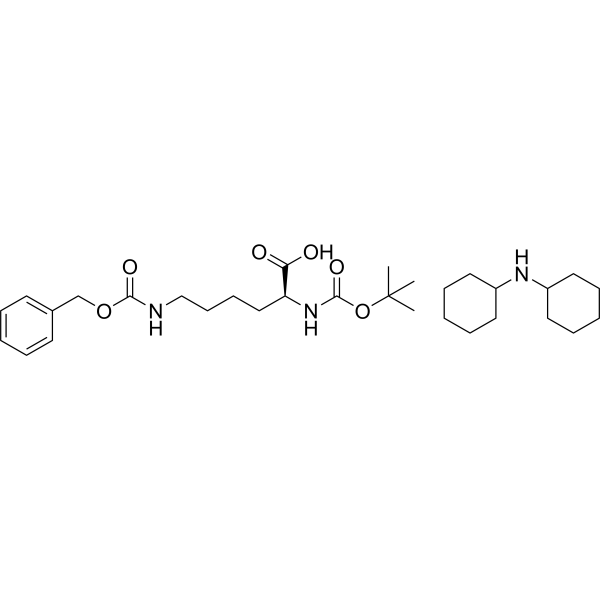
    Boc-Lys(Z)-OH (DCHA) is a involves in synthesis thymosin β4, βg and β6 fragments, and increases E-rosette forming capacity in Lupus Nephritis model. Boc-Lys(Z)-OH (DCHA) involves in synthesis Boc-Lyz-OCH3 and acts as a reagent of peptidyl thrombin inhibitors production .
    Boc-Lys(Z)-OH (DCHA)
  • HY-P990253

    Notch EAAT Inflammation/Immunology
    Anti-Mouse Delta-like protein 1/DLL1 Antibody (HMD1-5) is an anti-mouse Delta-like protein 1/DLL1 IgG monoclonal antibody. Anti-Mouse Delta-like protein 1/DLL1 Antibody (HMD1-5) can reverse the inhibition of Treg cells. Anti-Mouse Delta-like protein 1/DLL1 Antibody (HMD1-5) can inhibit the upregulation of GLT-1 expression induced by endothelial cells. Anti-Mouse Delta-like protein 1/DLL1 Antibody (HMD1-5) reduces autoimmune response by reducing B cell activation. Anti-Mouse Delta-like protein 1/DLL1 Antibody (HMD1-5) can be used for research on inflammation conditions such as lupus nephritis .
    Anti-Mouse Delta-like protein 1/DLL1 Antibody (HMD1-5)
  • HY-16734

    MT-1303

    LPL Receptor Cardiovascular Disease Inflammation/Immunology
    Amiselimod (MT-1303) is converted to its active metabolite Amiselimod phosphate by sphingosine kinases in vivo. Amiselimod is an orally active and high selectivity sphingosine 1-phosphate receptor-1 (S1P1) agonist, designed to reduce the bradycardia effects associated with fingolimod and other S1P receptor modulators. Amiselimod inhibits chronic colitis via inhibiting infiltration of colitogenic Th1 and Th17 cells into the colon. Amiselimod inhibits lupus nephritis by reducing the infiltration of autoreactive T cells into the kidneys. Amiselimodis promising for research of autoimmune diseases .
    Amiselimod
  • HY-119805

    Others Inflammation/Immunology
    YM 13650 is an orally active anti-nephritic agent. YM 13650 exhibits dose-dependent preventive and therapeutic effects in both the rat immune complex nephritis model and the mouse spontaneous lupus nephritis model. YM 13650 can inhibit the increase in urinary protein, improve serum cholesterol and urea nitrogen levels, alleviate renal pathological damage, and prolong the survival time of mice. YM 13650 can be used in the research of nephritic diseases .
    YM 13650
  • HY-158332

    SKF-95587; BM-13177

    Prostaglandin Receptor Cardiovascular Disease
    Sulotroban (SKF-95587; BM-13177) is a selective antagonist for thromboxane A2 receptor (TXA2 Receptor). Sulotroban exhibits inhibitory activity against carbocyclic thromboxane A2- and endoperoxide-induced vasoconstrictor. Sulotroban inhibits platelets aggregation .
    Sulotroban
  • HY-110137R

    DB75 dihydrochloride (Standard); NSC 305831 dihydrochloride (Standard)

    Histone Methyltransferase Phosphodiesterase (PDE) Parasite Reference Standards Infection Inflammation/Immunology Cancer
    Furamidine (dihydrochloride) (Standard) is the analytical standard of Furamidine (dihydrochloride). This product is intended for research and analytical applications. Furamidine dihydrochloride (DB75 dihydrochloride) is a selective protein arginine methyltransferase 1 (PRMT1) inhibitor with an IC50 of 9.4 μM. Furamidine dihydrochloride is selective for PRMT1 over PRMT5, PRMT6, and PRMT4 (CARM1) (IC50s of 166 μM, 283 μM, and >400 μM, respectively). Furamidine dihydrochloride is a potent, reversible and competitive tyrosyl-DNA phosphodiesterase 1 (TDP-1) inhibitor. Inhibition of TDP-1 by Furamidine dihydrochloride is effective both with single- and double-stranded DNA substrates but is slightly stronger with the duplex DNA. Furamidine dihydrochloride is also an antiparasite agent .
    Furamidine dihydrochloride (Standard)
  • HY-177933

    CCR Neurological Disease Inflammation/Immunology
    mNOX-E36 is a murine-specific analogue of NOX-E36 (HY-148100), an anti-CCL-2 L-RNA aptamer that binds and neutralises the mouse chemokine CCL-2. mNOX-E36 reduces scarring in an experimental murine model of glaucoma filtration surgery (GFS). mNOX-E36 ameliorates lupus nephritis in mice. mNOX-E36 can be used for GFS and lupus nephritis research .
    mNOX-E36
  • HY-P992410

    PAI-1 TGF-beta/Smad Inflammation/Immunology
    MEDI-579 is a fully human monoclonal antibody against PAI-1, with a KD value of 6 pM for human PAI-1 and 105 pM for rat PAI-1. MEDI-579 restores renal plasmin activity and inhibits PAI-1-mediated intracellular signal transduction. MEDI-579 reduces albuminuria, glomerulosclerosis severity, TGF-β1 expression level, and phosphorylated Smad2 level induced in diabetic mice. MEDI-579 decreases the levels of active PAI-1 in plasma and kidneys, and increases plasma plasmin level in a mouse model of lupus nephritis. MEDI-579 can be used in research related to diabetic nephropathy and lupus nephritis. The recommended isotype control is human IgG1 kappa (HY-P99001) .
    MEDI-579
  • HY-P992047

    CXCR Inflammation/Immunology
    BMS-986184 is a fully human monoclonal antibody targeting interferon gamma-induced protein 10 (IP-10)/CXCL10. BMS-986184 can be used for the research of lupus nephritis .
    BMS-986184

Inquiry Online

Your information is safe with us. * Required Fields.

Salutation


Country or Region *

Applicant Name *


Organization Name *

Department *


Email Address *


Product Name *

Cat. No.


Requested quantity *

Phone Number *


Remarks

Inquiry Online

Inquiry Information

Product Name:
Cat. No.:
Quantity:
MCE Japan Authorized Agent:

