Search Result
Results for "
MDA-MB-468 cells
" in MedChemExpress (MCE) Product Catalog:
1
Biochemical Assay Reagents
| Cat. No. |
Product Name |
Target |
Research Areas |
Chemical Structure |
-
- HY-148104
-
-
-
- HY-11038
-
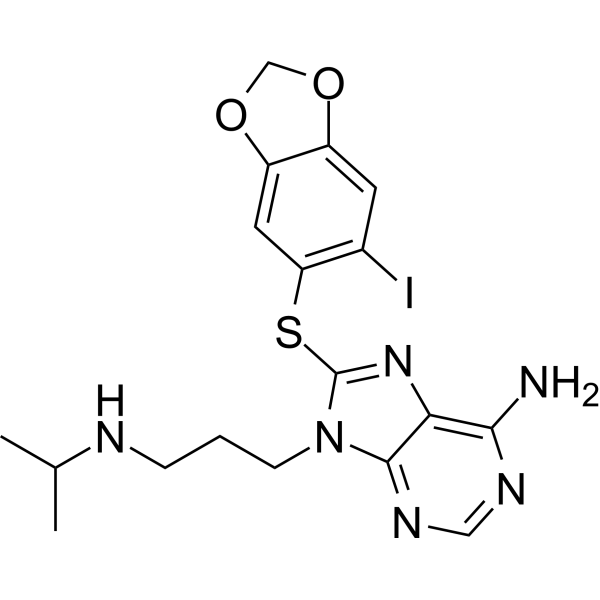
Zelavespib
Maximum Cited Publications
13 Publications Verification
PU-H71
|
HSP
|
Cancer
|
|
Zelavespib (PU-H71) is a potent Hsp90 inhibitor, with an IC50 of 51 nM in MDA-MB-468 cells.
|
-
-
- HY-139361
-
|
PIN1-3
|
PIN1
|
Cancer
|
|
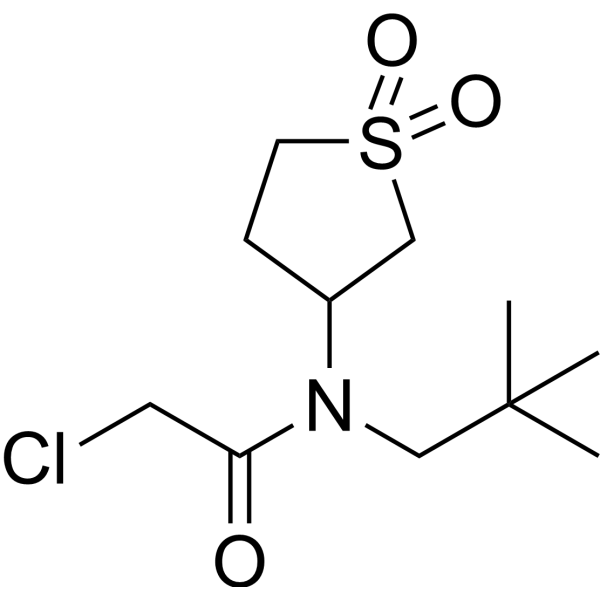
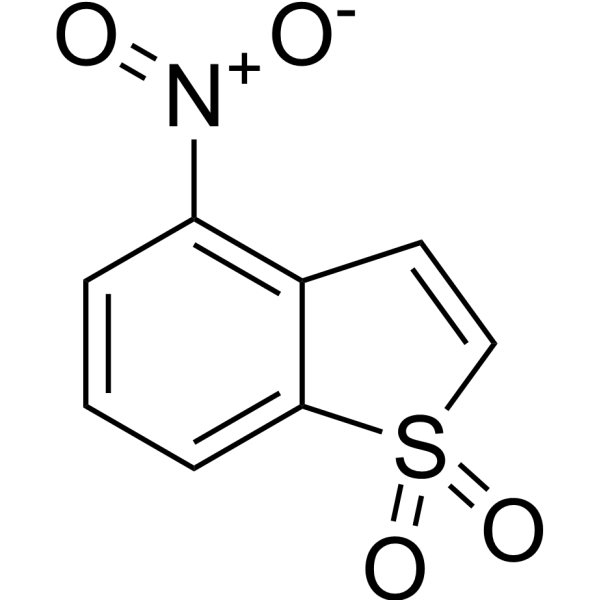
Sulfopin (PIN1-3) is a highly selective covalent inhibitor of Pin1 with an apparent Ki of 17 nM. Sulfopin blocks Myc-driven tumors in vivo. The peptidyl-prolyl isomerase, Pin1, is exploited in cancer to activate oncogenes and inactivate tumor suppressors .
|
-
-
- HY-79256
-
|
Monomethyl auristatin F methyl ester
|
ADC Payload
|
Cancer
|
|
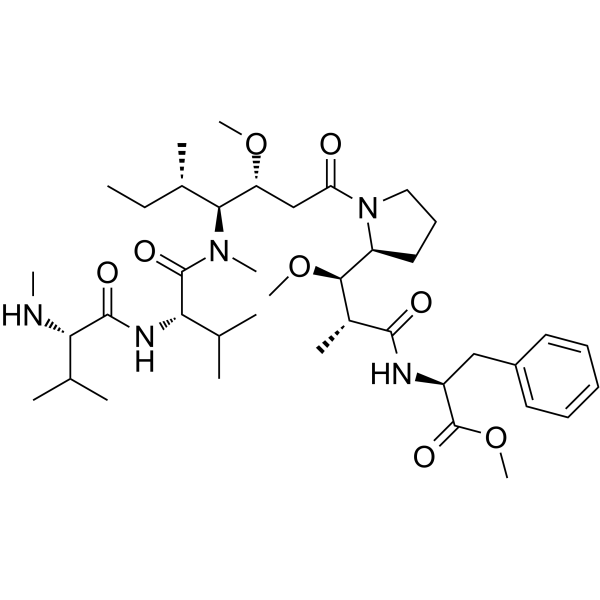
MMAF-Ome, an antitubulin agent, is also an ADC cytotoxin. MMAF-Ome inhibits several tumor cell lines with IC50s of 0.056 nM, 0.166 nM, 0.183 nM, and 0.449 nM for MDAMB435/5T4, MDAMB361DYT2, MDAMB468, and Raji (5T4 -) cell lines, respectively.
|
-
-
- HY-12807
-
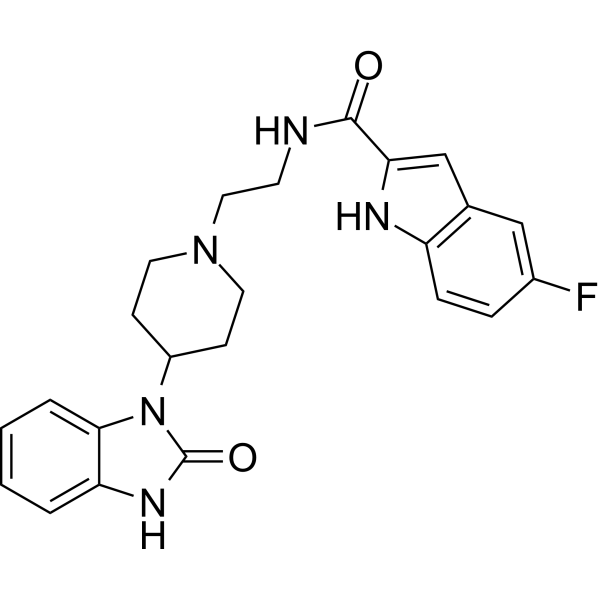
FIPI
5 Publications Verification
5-Fluoro-2-indolyl deschlorohalopemide
|
Phospholipase
|
Cardiovascular Disease
Neurological Disease
Inflammation/Immunology
Cancer
|
|
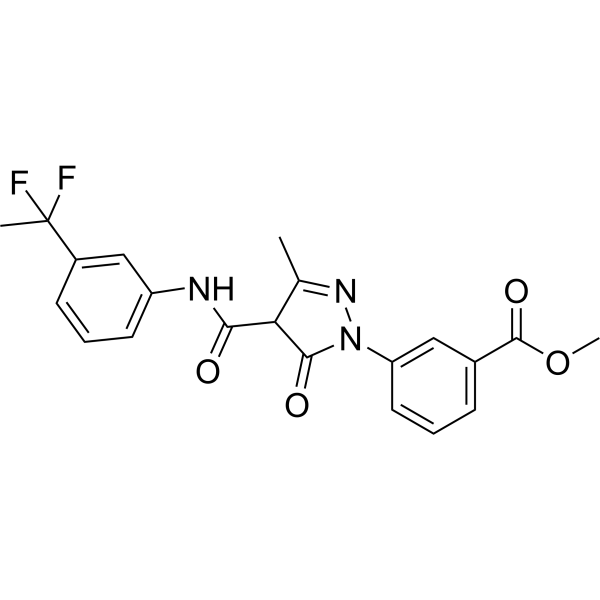
FIPI is a phospholipase D (PLD) inhibitor with an IC50 for PLD1 and PLD2 of about 25 nM. FIPI regulates cytoskeletal recombination, cell diffusion and chemotaxis. FIPI can be used in cancer research. In addition, FIPI can enhance the secretion and aggregation of platelet dense particles, inhibit thrombosis, reduce ischemic stroke infarct volume and improve nerve function .
|
-
-
- HY-133120
-
|
|
PROTACs
Akt
|
Cancer
|
|
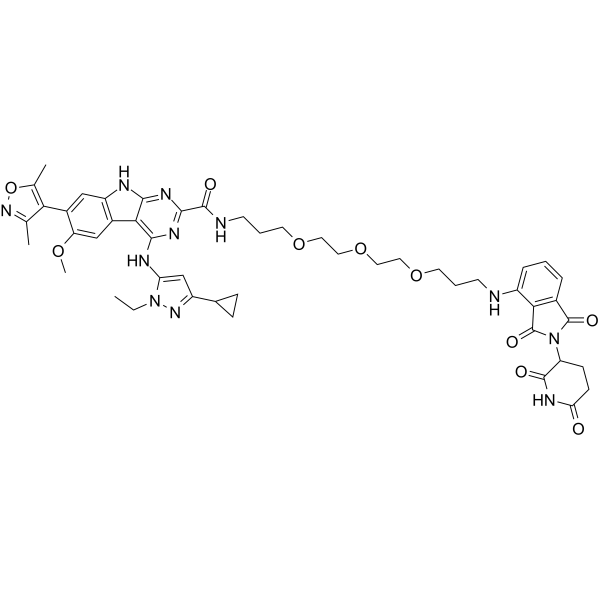
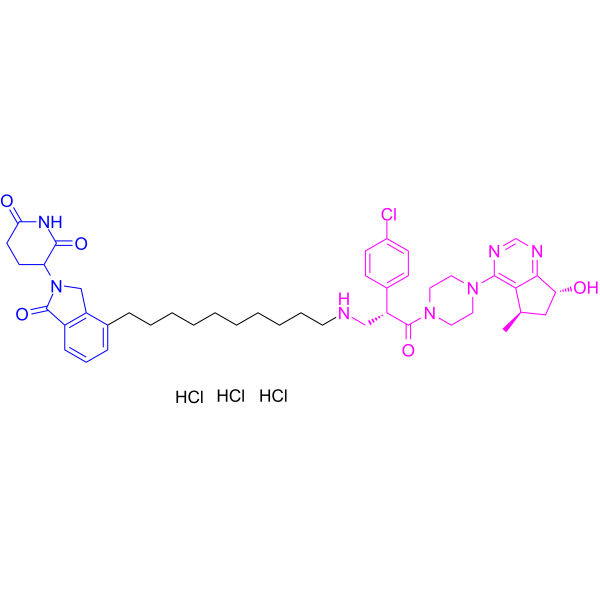
INY-03-041 is a potent, highly selective and PROTAC-based pan-AKT degrader consisting of the ATP-competitive AKT inhibitor Ipatasertib (HY-15186) conjugated to Lenalidomide (HY-A0003, Cereblon ligand). INY-03-041 inhibits AKT1, AKT2 and AKT3 with IC50s of 2.0, 6.8 and 3.5 nM, respectively .
|
-
-
- HY-147098
-
dTAG-47
1 Publications Verification
|
PROTACs
FKBP
|
Cancer
|
|
dTAG-47 is a FKBP12F36V PROTAC degrader. dTAG-47 efficiently degrades FKBP12F36V-MELK(sg3R) in MELK ⁻/⁻ MDA-MB-468-FKBP12F36V-MELK(sg3R) cells. dTAG-47 can be used for the research of basal-like breast cancers (BBC). (Pink: FKBP12F36V ligand (HY-114420), Blue: CRBN Ligand (HY-W087383), Black: Linker (HY-42773), E3 ligase ligand-linker conjugate (HY-175952)) .
|
-
-
- HY-162250
-
|
|
PROTACs
Histone Methyltransferase
|
Cancer
|
|
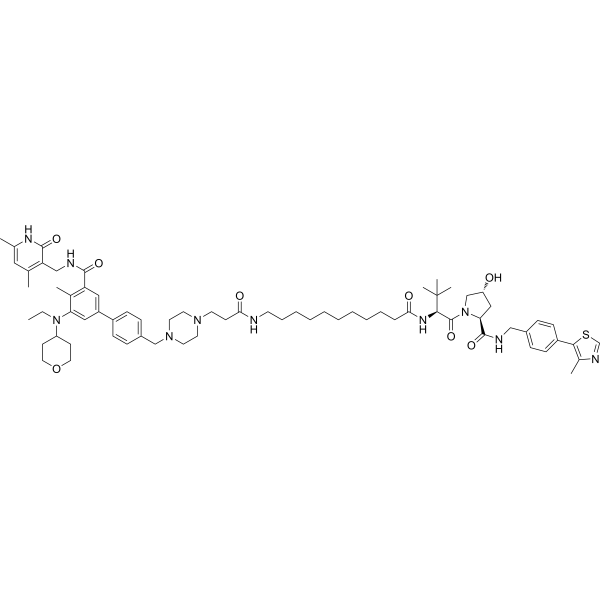
MS8847 is a PROTAC degrader and antiproliferative agent targeting EZH2 (DC50=34.4 nM in EOL-1 MLL-rAML cells). MS8847 recruits the E3 ligase von Hippel-Lindau (VHL) to mediate the degradation of EZH2 via the ubiquitin-proteasome system. MS8847 induces antiproliferative effects in MLL-rearranged acute myeloid leukemia cells and inhibits the growth of triple-negative breast cancer cell lines or 3D triple-negative breast cancer models. MS8847 is applicable to research related to MLL-rearranged acute myeloid leukemia and triple-negative breast cancer .
|
-
-
- HY-112338
-
|
CPD188
|
STAT
Apoptosis
|
Cancer
|
|
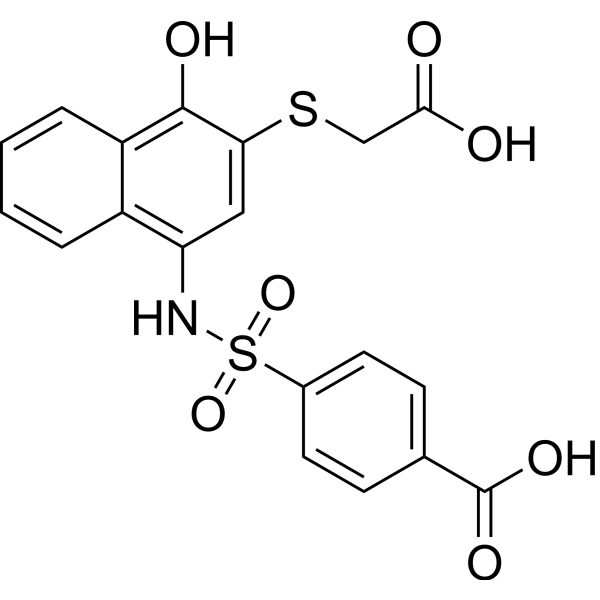
C188 (CPD188) is a STAT3 inhibitor with anticancer effects. C188 inhibits STAT3 SH2/pY-peptide binding (IC50 of 20 µM against pY-peptide binding) and IL-6-mediated STAT3 phosphorylation. C188 is selective for STAT3 over STAT1. C188 inhibits nuclear-to-cytoplasmic translocation of Stat3. C188 shows highly active induces apoptosis in breast cancer cell lines with constitutive Stat3 activation (EC50s of 0.73 µM, 3.96 µM, and 7.01 µM in MDA-MB-468, MDA-MB-231, and MDA-MB-435 cultures, respectively) .
|
-
-
- HY-161456
-
|
|
Phosphoglycerate Dehydrogenase (PHGDH)
|
Cancer
|
|
PHGDH-IN-5 (Compound B12) is a covalen inhibitor of PHGDH with an IC50 value of 0.29 μM. PHGDH-IN-5 can inhibit cell proliferation in cancer cell lines overexpressing PHGDH. PHGDH-IN-5 can reduce the production of serine derived from glucose in MDA-MB-468 cells .
|
-
-
- HY-115997
-
|
|
PROTACs
HSP
|
Cancer
|
|
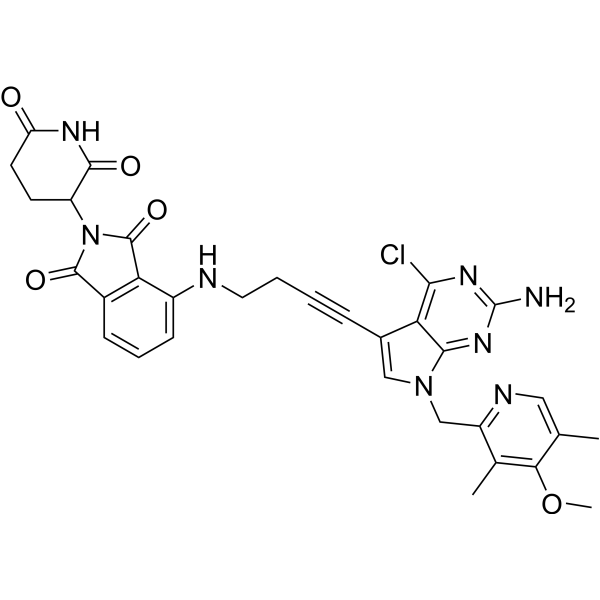
PROTAC HSP90 degrader BP3 is a potent and selective degradation of HSP90 in a CRBN-dependent fashion. PROTAC HSP90 degrader BP3 has a certain degradation effect on HSP90 protein in MCF-7 cells (DC50=0.99 μM). PROTAC HSP90 degrader BP3 inhibits the growth of breast cancer cell . PROTAC HSP90 degrader BP3 is a click chemistry reagent, it contains an Alkyne group and can undergo copper-catalyzed azide-alkyne cycloaddition (CuAAc) with molecules containing Azide groups.
|
-
-
- HY-162037
-
|
|
CDK
FLT3
|
Cancer
|
|
CDDD11-8 is an orally active, potent and selective inhibitor of CDK9 and FLT3-ITD, with Ki values of 8 and 13 nM, respectively. CDDD11-8 reduces the proliferation of leukemia cell lines and was particularly effective against those harboring FLT3-ITD mutation .
|
-
-
- HY-173117
-
|
|
CaMK
|
Cardiovascular Disease
Cancer
|
|
RA306 is an orally active CaMKIIδ/γ inhibitor with IC50 values of 15, 25, 61, and 420 nM against CaMKIIδ, γ, α, and β isoforms, respectively. RA306 reduces the serine/threonine phosphorylation level of PEAK1, inhibits PEAK1-mediated cancer cell migration and invasion, and attenuates the growth and metastasis of cancer xenografts. RA306 can be used in research related to triple-negative breast cancer and dilated cardiomyopathy .
|
-
-
- HY-149209
-
|
|
PROTACs
CDK
STAT
Early 2 Factor (E2F)
|
Cancer
|
|
LL-K8-22 is a potent, selective and durable PROTAC CDK8-cyclin C dual degrader, with DC50 values of 2.52 and 2.64 μM, respectively. LL-K8-22 also suppresses STAT1 Ser 727 phosphorylation. LL-K8-22 inhibits E2F- and MYC-driven carcinogenic transcriptional programs. LL-K8-22 can be used for triplenegative breast cancer (TNBC) research. (Pink: Ligand for target protein (HY-168683); Black: Linker (HY-Y0340); Blue: Ligand for E3 ligase (HY-N2427)) .
|
-
-
- HY-155113
-
|
|
PROTACs
HSP
|
Cancer
|
|
PROTAC Hsp90α degrader 1 (Compound X10g) is a selective PROTAC Hsp90α degrader. PROTAC Hsp90α degrader 1 can be used for breast cancer research. PROTAC Hsp90α degrader 1 inhibits the proliferation of MDA-MB-231, MDA-MB-468, MCF-7, MX-1 cells with IC50s of 51.48 μM, 16.46 μM, 8.93 μM, 11.95 μM respectively .
|
-
-
- HY-NP163A
-
|
WGA-AF488
|
Fluorescent Dye
|
Cancer
|
Wheat germ agglutinin-AF488 (WGA-AF488) is a cell membrane-specific staining agent prepared by conjugating wheat germ agglutinin with the Alexa Fluor 488 (HY-D1304) fluorescent dye, and it binds to cell surface glycoproteins with high affinity. Wheat germ agglutinin-AF488 is applied in fluorescence microscopy and confocal imaging techniques, and it can clearly label the membrane structures of various cells including breast cancer cells, enabling high-resolution visual observation. Wheat germ agglutinin-AF488 is used in studies of breast cancer and triple-negative breast cancer to observe cell morphology and membrane dynamic changes .
|
-
-
- HY-11038B
-
|
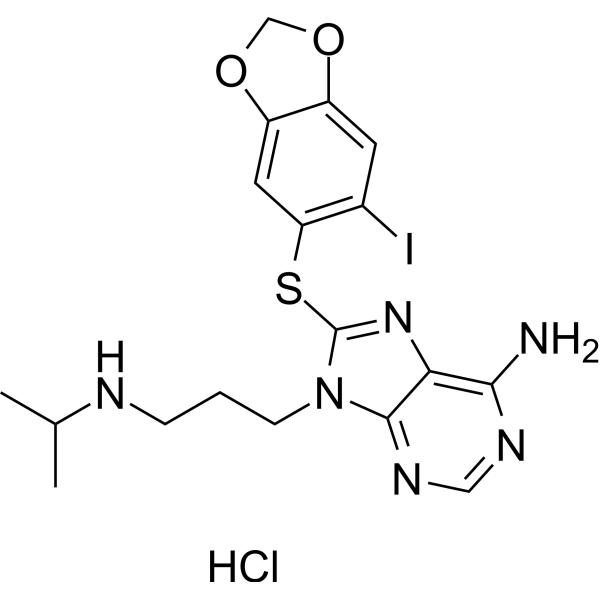
PU-H71 hydrochloride
|
HSP
|
Cancer
|
|
Zelavespib (PU-H71) hydrochloride is a potent Hsp90 inhibitor, with an IC50 of 51 nM in MDA-MB-468 cells.
|
-
-
- HY-N8187
-
|
|
Apoptosis
|
Cancer
|
|
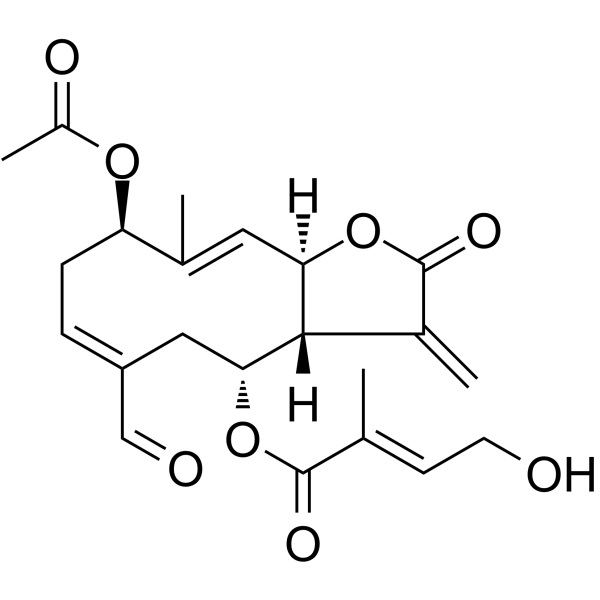
Eupalinolide O is a sesquiterpene lactone with anticancer activities. Eupalinolide O induces cell apoptosis in human MDA-MB-468 breast cancer cells .
|
-
-
- HY-11038D
-
|
PU-H71 formic
|
HSP
|
Cancer
|
|
Zelavespib formic (PU-H71 formic) is a potent Hsp90 inhibitor with an IC50 value of 51 nM for Hsp90 in MDA-MB-468 cells .
|
-
-
- HY-155787
-
|
|
CDK
|
Cancer
|
|
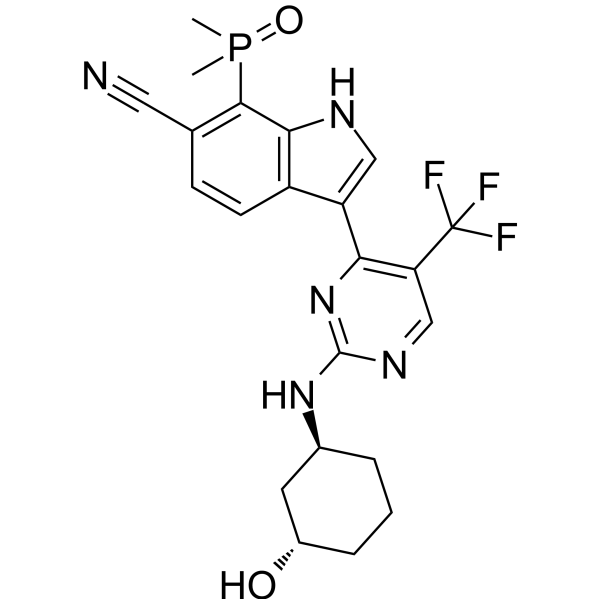
SHR5428 is a potent, orally active, selective and noncovalent inhibitor of CDK7 with highly potent CDK7 enzymatic activity (IC50=2.3 nM). SHR5428 inhibits triple negative breast cancer cellular activity on MDA-MB-468 cell (IC50=6.6 nM) .
|
-
-
- HY-133120A
-
|
|
PROTACs
Akt
|
Cancer
|
|
INY-03-041 trihydrochloride is a potent, highly selective and PROTAC-based pan-AKT degrader consisting of the ATP-competitive AKT inhibitor Ipatasertib (HY-15186) conjugated to Lenalidomide (HY-A0003). INY-03-041 trihydrochloride inhibits AKT1, AKT2 and AKT3 with IC50s of 2.0, 6.8 and 3.5 nM, respectively .
|
-
-
- HY-132135
-
|
|
Polo-like Kinase (PLK)
|
Cancer
|
|
(1E)-CFI-400437 dihydrochloride is a potent PLK4 (IC50= 0.6 nM) inhibitor and selective against other members of the PLK family (>10 μM). (1E)-CFI-400437 dihydrochloride inhibits Aurora A, Aurora B, KDR and FLT-3 with IC50s of 0.37, 0.21, 0.48, and 0.18 μM, respectively. Antiproliferative activity .
|
-
-
- HY-122665
-
|
|
MELK
DYRK
Pim
mTOR
CDK
GSK-3
RIP kinase
|
Cancer
|
|
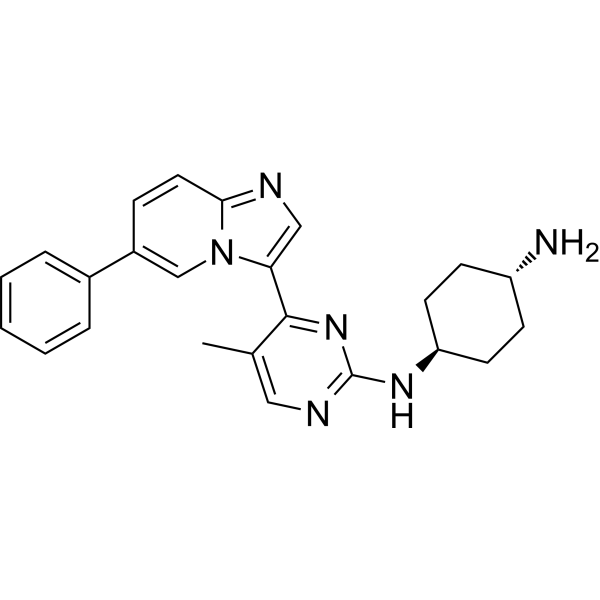
HTH-01-091 is a potent and selective maternal embryonic leucine zipper kinase (MELK) inhibitor, with an IC50 of 10.5 nM. HTH-01-091 also inhibits PIM1/2/3, RIPK2, DYRK3, smMLCK and CLK2. HTH-01-091 can be uesd for breast cancer research .
|
-
-
- HY-158170
-
|
|
CDK
|
Cancer
|
|
CDK7-IN-28 (CDK7-1276) is a potent CDK7 inhibitor(IC50<5 nM). CDK7-IN-28 can inhibit proliferation of MDA-MB-468 cell line by blocking cell cycle and inhibiting DNA replication .
|
-
-
- HY-115605
-
|
|
EGFR
p38 MAPK
ERK
Phosphatase
|
Cancer
|
|
CN009543V is an epidermal growth factor receptor (EGFR) agonist. CN009543V enhances tyrosine phosphorylation of EGFR at Tyr1068 and Tyr1173, thereby activating the MAPK/ERK cascade. CN009543V inhibits the activity of PTP-1B in MDA MB468 cells. CN009543V can be used in cancer research .
|
-
-
- HY-143293
-
|
|
VEGFR
Apoptosis
|
Cancer
|
|
VEGFR-IN-3 (compound 3f) is a VEGFR inhibitor. VEGFR-IN-3 inhibits OVCAR-4 and MDA-MB-468 cancer cells growth with IC50s of 0.29 and 0.35 μM, respectively. VEGFR-IN-3 can be used for the research of cancer .
|
-
-
- HY-145860
-
|
|
Phosphoglycerate Dehydrogenase (PHGDH)
|
Cancer
|
|
PHGDH-IN-2 is a potent and NAD + competitive PHGDH inhibitor with an IC50 of 5.2 µM. PHGDH-IN-2 inhibits the serine synthetic pathway in MDA-MB-468 cells. PHGDH-IN-2 inhibits the growth of PHGDH-dependent cancer cells .
|
-
-
- HY-176549
-
|
|
RAD51
|
Cancer
|
|
(Rac)-IBR120 is the racemate of IBR120 (HY-176549A). IBR120 is a RAD51 inhibitor that has significant growth inhibition activity against MDA-MB-468 cells. (Rac)-IBR120 can be used for the research of difficult-to-treat cancers like triple negative breast cancer .
|
-
-
- HY-173002
-
|
|
DNA Methyltransferase
|
Cancer
|
|
MS9024 is the degrader for DNA methyltransferase 1 that degrades DNMT1 in cell HCT116 through the ubiquitin-proteasome pathway with a DC50 of 35 nM (DC50 in MDA-MB-468 and H1299 is 254 nM and 101 nM). MS9024 also inhibits DNMT1 with an IC50 of 0.43 μM .
|
-
-
- HY-120234
-
|
Z-Leu-Leu-Nle-CHO; GSII
|
γ-secretase
Proteasome
Apoptosis
|
Cancer
|
|
Z-LLNle-CHO (Z-Leu-Leu-Nle-CHO) is a γ-secretase inhibitor I. Z-LLNle-CHO induces caspase and ROS-dependent apoptosis by blocking the Akt-mediated pro-survival pathway. Z-LLNle-CHO can be used in cancer research, such as breast cancer and leukaemia .
|
-
-
- HY-138071
-
|
8αTGH
|
STAT
Pyroptosis
Apoptosis
Reactive Oxygen Species (ROS)
c-Myc
Bcl-2 Family
TrxR
|
Cancer
|
|
8α-Tigloyloxyhirsutinolide 13-O-acetate (8αTGH) is a potent and orally active STAT3 inhibitor. 8α-Tigloyloxyhirsutinolide 13-O-acetate induces early oxidative stress and pyroptosis, and late DNA damage, cell cycle arrest, apoptosis in the TNBC cells. 8α-Tigloyloxyhirsutinolide 13-O-acetate suppresses tumor cell growth in vitro and tumor growth in vivo .
|
-
-
- HY-146127
-
|
|
MEK
|
Cancer
|
|
Grb2 SH2 domain inhibitor 1 is an inhibitor of the Grb2 SH2 domain with an IC50 of 0.40 μM. Grb2 SH2 domain inhibitor 1 is also a cell-permeable cyclic peptide that can enter the cytosol of mammalian cells. Grb2 SH2 domain inhibitor 1 downregulates the expression level of p-MEK. Grb2 SH2 domain inhibitor 1 can be used in the research of breast cancer .
|
-
-
- HY-113825
-
|
|
CDK
|
Cancer
|
|
CLK1/2-IN-2 is CLK1 and CLK2 inhibitor with IC50 values of 16 nM and 45 nM, respectively. CLK1/2-IN-2 exhibits potent anti-cancer activities [1] .
|
-
-
- HY-172957
-
|
|
JAK
|
Cancer
|
|
JNN-5 is a potent and selective JAK2 inhibitor with an IC50 of 0.41 nM. JNN-5 shows strong antiproliferative activities in the TNBC cell lines (MDA-MB-468, MDA-MB-213, HCC70, MDA-MB-157) .
|
-
-
- HY-159990
-
|
|
Glutathione Peroxidase
|
Cancer
|
|
GPX4-IN-15 (Compound C1) is an inhibitor for GPX4, that inhibits 19.8% GPX4 at 1 μM. GPX4-IN-15 inhibits the proliferation of cancer cell MDA-MB-468, BT-549 and MDA-MB-231 with IC50 of 0.86, 0.96 and 0.48 μM .
|
-
-
- HY-W338764
-
|
|
Apoptosis
Aryl Hydrocarbon Receptor
|
Cancer
|
|
AHR agonist 3 is an aryl hydrocarbon receptor (AhR) agonist, that can induces cell cycle arrest or apoptosis via activation of tumor-suppressive transcriptional programs. AHR agonist 3 inhibits triple-negative breast cancer (TNBC) stem cell growth via AhR while exhibits minimal cytotoxicity against normal human primary cells and can be used for cancer research .
|
-
-
- HY-103255
-
|
|
Apoptosis
|
Cancer
|
|
CFM-4 is a potent small molecular antagonist of CARP-1/APC-2 binding. CFM-4 prevents CARP-1 binding with APC-2, causes G2M cell cycle arrest, and induces apoptosis with an IC50 range of 10-15 μM. CFM-4 also suppresses growth of drug-resistant human breast cancer cells .
|
-
-
- HY-168037
-
|
|
PROTACs
PIN1
|
Cancer
|
|
PROTAC PIN1 degrader-1 is a PIN1-target PROTAC degrader. PROTAC PIN1 degrader-1 TFA can be used for the research of triple-negative breast cancer, pancreatic cancer, and liver cancer .
|
-
-
- HY-174828
-
|
|
PARP
ATM/ATR
Apoptosis
|
Cancer
|
|
ATR/PARP1-IN-1 is a potent ATR and PARP1 dual inhibitor with IC50s of 17.3 nM and 0.38 nM, respectively. ATR/PARP1-IN-1 effectively reduces cell viability, induces apoptosis and DNA damage. ATR/PARP1-IN-1 significantly impairs triple-negative breast cancer (TNBC) colony formation, migration, and invasion. ATR/PARP1-IN-1 suppresses tumor growth effectively in MDA-MB-468 xenografted mice, with no significant body weight change .
|
-
-
- HY-10062
-
|
EBP-921
|
Akt
Farnesyl Transferase
|
Cancer
|
|
AZD3409 is a prenyl inhibitor that exhibits inhibitory activity against both farnesyl transferase and geranylgeranyl transferase I. AZD3409 inhibits the growth of breast cancer cells, with IC50s of 220 nM (MDA-MB-468), 180 nM (MDA-MB-361), and 290 nM (SK-Br-3). AZD3409 significantly reduces the activation level of AKT in breast cancer cell lines. AZD3409 induces G0/G1 phase arrest in MDA-MB-468 cells, causes G2/M phase arrest in MDA-MB-361 cells. AZD3409 can be used for the study of breast cancer .
|
-
-
- HY-163709
-
|
|
PROTACs
FAK
|
Cancer
|
|
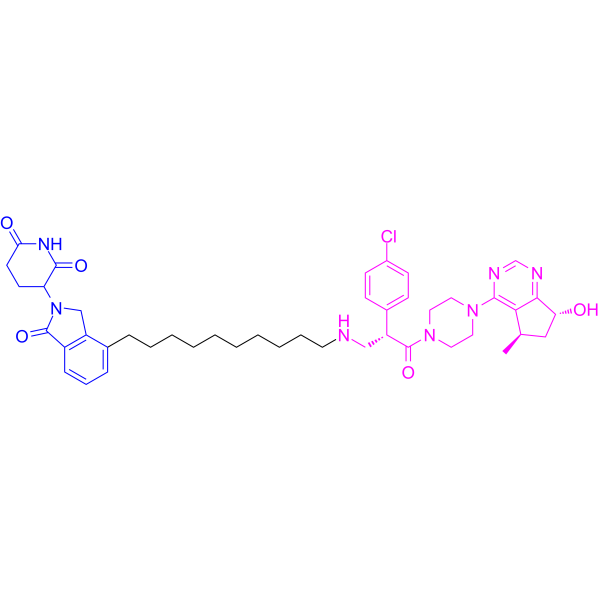
PROTAC FAK degrader 2 (Compound F2) is a PROTAC degrader for focal adhesion kinase (FAK), with DC50 of 27.72 and 60.1 nM, for total FAK and phosphorylated p-FAK. PROTAC FAK degrader 2 inhibits cell viability of cancer cells 4T1, MDA-MB-231, MDA-MB-468 and MDA-MB-435, with IC50s of 0.73-5.84 μM. PROTAC FAK degrader 2 reverses the multidrug resistance (MDR) through inhibition of AKT and ERK signaling pathway. PROTAC FAK degrader 2 exhibits antitumor efficacy in HCT/8 xenograft mouse model. (Pink: ligand for target protein Ifebemtinib (HY-122844); Black: linker (HY-Y0681); Blue: ligand for E3 ligase Thalidomide (HY-14658))
|
-
-
- HY-101447
-
|
EPH 116
|
Src
Apoptosis
|
Cancer
|
|
SI-2 (EPH 116) is an inhibitor for steroid receptor coactivator-3 (SRC-3), which reduces the transcriptional activity and protein concentration of SRC-3 in cells, exhibits cytotoxicity in cancer cell, inhibits migration of MDA-MB-468, induces apoptosis of MDA-MB-468. SI-2 inhibits the tumor growth in mouse models, without significant toxicity for heart and other major organs (20 mg/kg) .
|
-
-
- HY-160598
-
|
|
ADC Payload
Topoisomerase
|
Cancer
|
|
Exatecan-amide-bicyclo[1.1.1]pentan-1-ylmethanol (compound 45) is a camptothecin compound that can inhibit cell proliferation, with an IC50 of 2.92 ng/mL for MDA‑MB‑468 cells. Exatecan-amide-bicyclo[1.1.1]pentan-1-ylmethanol can be used for the research of cancer .
|
-
-
- HY-P10760
-
|
|
Peptide-Drug Conjugates (PDCs)
|
Cancer
|
PhAc-ALGP-Dox, a peptide-drug conjugate, is a novel anticancer prodrug, with IC50 values ranged from 311 nM to 34.25 μM for TNBC (E0771), normal murine epithelium (HC-11), human TNBC (MDA-MB-231 and MDA-MB-468), human CrC (LS 174T), normal human epithelium (HME-1) cells .
|
-
-
- HY-145655
-
|
|
CDK
|
Cancer
|
|
CDK7-IN-11 is an orally active CDK7 inhibitor. CDK7-IN-11 exhibits high CDK7 inhibitory activity with IC50 value of 4.2 nM. CDK7-IN-11 can be effectively used for the research of diseases associated with CDK7 .
|
-
-
- HY-160899A
-
|
|
Drug-Linker Conjugates for ADC
|
Cancer
|
|
Thailanstatin A cyclohexane diamine formic is an analog of Spliceostatin (HY-16466). Thailanstatin A cyclohexane diamine formic inhibits proliferations of cells N87 (IC50 is 0.33 μM), BT474 (IC50 is 0.34 μM), MDA-MB-361-DYT2 (IC50 is 0.88 μM) and MDA-MB-468 (IC50 is 0.27 μM). Thailanstatin A cyclohexane diamine formic is used as a drug-linker conjugate for ADC molecule .
|
-
-
- HY-113831
-
|
|
CDK
SRPK
|
Cancer
|
|
LK1/2-IN-3 (compound 3) is a potent and selective CLK1 and CLK2 inhibitor with IC50 values of 1.1, 2.1, 130, 260, 260 nM for CLK1, CLK2, SRPK1, SRPK2, SRPK3, respectively. CLK1/2-IN-3 shows anti-proliferative activity. CLK1/2-IN-3 reduces the levels of endogenous phosphorylated SR proteins and increases the expression of S6K mRNAs .
|
-
-
- HY-115589
-
|
|
Polo-like Kinase (PLK)
Apoptosis
|
Cancer
|
|
YLT-11 is a potent, selective and orally active PLK4 inhibitor with Kd values of >10000, 653, >10000, 5.2 nM for PLK1, PLK2, PLK3, PLK4, respectively. YLT-11 shows antiproliferative activity. YLT-11 induces Apoptosis and cell cycle arrest at G2/M phase. YLT-11 show anticancer activity .
|
-
-
- HY-122665A
-
|
|
MELK
DYRK
Pim
mTOR
CDK
GSK-3
RIP kinase
|
Cancer
|
|
HTH-01-091 TFA is a potent and selective maternal embryonic leucine zipper kinase (MELK) inhibitor, with an IC50 of 10.5 nM. HTH-01-091 TFA also inhibits PIM1/2/3, RIPK2, DYRK3, smMLCK and CLK2. HTH-01-091 TFA can be uesd for breast cancer research .
|
-
-
- HY-173119
-
|
|
ERK
Autophagy
Apoptosis
p62
mTOR
Reactive Oxygen Species (ROS)
Ferroptosis
|
Cancer
|
|
SKLB-D18 is an orally active ERK1/2/ERK5 inhibitor, with an IC50 of 38.69 nM and a Kd of 126.9 nM against human ERK1, an IC50 of 40.12 nM and a Kd of 209.8 nM against ERK2, and an IC50 of 59.72 nM and a Kd of 468.2 nM against ERK5. SKLB-D18 inhibits cancer cell proliferation, induces G0/G1 cell cycle arrest and apoptosis. SKLB-D18 reduces the levels of p-ERK5, p-RSKp90, p-c-Myc and c-Myc, and upregulates the level of p-ERK1/2, thereby inhibiting the ERK1/2/5 pathway in cells. SKLB-D18 increases LC3B-II accumulation, and decreases the levels of p62, p-mTOR and p-p70S6K. SKLB-D18 elevates the levels of ROS, lipid peroxidation and free ferrous ions, reduces the levels of NCOA4 and GPX4, and induces ferritin autophagy-dependent ferroptosis in cancer cells. SKLB-D18 exhibits antitumor activity in a triple-negative breast cancer xenograft mouse model. SKLB-D18 can be used in research related to triple-negative breast cancer .
|
-
- HY-178749
-
|
|
ClpP
Mitochondrial Metabolism
Apoptosis
Caspase
PARP
|
Cancer
|
|
MS6076 is a mitochondrial protease ClpP agonist. MS6076 specifically activates the ClpP protease in the mitochondrial matrix, significantly disrupting mitochondrial Electron Transport Chain (ETC) function by accelerating the degradation of unfolded proteins. MS6076 exhibits potent cytotoxicity against a variety of cancer cell lines. MS6076 induces cell apoptosis, increasing cleavage of caspase 3 and PARP. MS6076 can be used for the research of breast cancer .
|
-
- HY-147670
-
|
|
Hedgehog
Smo
Gli
Apoptosis
|
Cancer
|
|
TPB15 is an orally active and potent Hh (Hedgehog) signaling inhibitor. TPB15 markedly induces cell cycle arrest and apoptosis in MDA-MB-468 cells. TPB15 blocks Smo (Smoothened) translocation into the cilia and reduced Smo protein and mRNA expression. TPB15 inhibits the expression of the downstream regulatory factor glioma-associated oncogene 1 (Gli1). TPB15 shows good anti-tumor activity with low toxicity .
|
-
- HY-170947
-
|
|
STAT
Quinone Reductase
|
Cancer
|
|
Antitumor agent-195 (compound 16c) is a dual targeting agent of STAT3 and NQO1. Antitumor agent-195 significantly inhibits phosphorylation of STAT3 at Tyr705 at a concentration of 1 μM and effectively induce Apoptosis in MDAMB-231 and MDA-MB-468 breast cancer cells. Antitumor agent-195 as a NQO1 substrate strongly increases ROS generation and causes severe DNA damage in a dose-dependent manner. Antitumor agent-195 shows encouraging anti-tumor efficacy in the MDA-MB-231 xenograft model .
|
-
- HY-155098
-
|
|
SHP2
|
Cancer
|
|
CNBCA is a potent, selective, competitive SHP2 enzyme inhibitor, with the IC50 of 0.87 μM. CNBCA binds to full-length SHP2 and inhibits enzyme activity. CNBCA inhibits pAkt and pERK1/2, and the cell growth of BT474 and MDA-MB468 cells. CNBCA can be used for breast cancer study .
|
-
- HY-159576
-
|
O-Me B1939; O-Me E7389; O-Me ER-086526
|
ADC Payload
|
Cancer
|
O-Me Eribulin is a derivative of Eribulin and is an ADC cytotoxin that can be used for ADC synthesis. O-Me Eribulin can inhibit the cell viability of SKBR3, MDA-MB-468, and A549 cells, with IC50 values of 0.2052, 0.1827, and 0.5151 nM, respectively. O-Me Eribulin can be used for tumor research .
|
-
- HY-152945
-
|
|
NF-κB
|
Cancer
|
|
Antiproliferative agent-22 (compound 2) is an anticancer agent. Antiproliferative agent-22 shoes anti-proliferative activities against MCF-7, MDA-MB-231 and MDA-MB-468 cells with IC50 values of 6.2 μM, 3.3 μM and 3.3 μM, respectively .
|
-
- HY-146452
-
|
|
Apoptosis
|
Cancer
|
|
Anticancer agent 57 (compound 14) potently inhibits MDA-MB-231, MDA-MB-468, and MCF-7 cell lines, with IC50s of 6.43 ~ 8.00 μM. Anticancer agent 57 induces cell cycle arrest and significantly promotes apoptosis. Anticancer agent 57 inhibits tumor growth in nude mice xenografted with MADMB-231 cells. Anticancer agent 57 can be used for researching triple negative breast cancer (TNBC) .
|
-
- HY-151630
-
|
|
Carbonic Anhydrase
|
Cancer
|
|
hCAIX-IN-16 (Compound 12d) is hCA IX inhibitor, with Ki values of 190.0 and 187.9 nM for hCA IX and hCA XII, respectively. hCAIX-IN-16 can arrest the cell cycle of breast cancer MDA-MB-468 in G0-G1 and S phase and induce apoptosis. hCAIX-IN-16 shows good broad-spectrum anticancer activity and can be used for cancer research .
|
-
- HY-162751
-
|
|
HSP
Apoptosis
|
Cancer
|
|
Anticancer agent 249 (Compound 89) is an inhibitor for Hsp90β with IC50 of 16.5 μM in PC3MM2 cell. Anticancer agent 249 inhibits proliferation of cancer cells MCF-7, T47D, MDA-MB-231, MDA-MB-468 and SKBr3 with IC50 of 1.8-5.3 μM. Anticancer agent 249 induces apoptosis in MDA-MB-231. Anticancer agent 249 exhibits antitumor efficacy in mice .
|
-
- HY-144318
-
|
|
Epigenetic Reader Domain
|
Cancer
|
|
CREB-IN-1 TFA is a potent, orally active CREB inhibitor (IC50=0.18 µM). CREB-IN-1 TFA inhibits breast cancer cell growth .
|
-
- HY-101517A
-
|
|
PI3K
|
Cancer
|
|
(S)-PI3K-IN-2, an enantiomer of PI3K-IN-2 (HY-101517), is a ΡΙ3Κβ/δ inhibitor, with IC50s of 0.198 and 0.282 μΜ, respectively. (S)-PI3K-IN-2 can inhibit phospho AKT (ser473) in MDA-MB-468 cells (IC50=27 nM) .
|
-
- HY-163468
-
|
|
Src
|
Cancer
|
|
SRC-3-IN-1 (compound SI-10) is a steroid receptor coactivator 3 (SRC-3) inhibitor (IC50=3.3 μM). SRC-3-IN-1 has good water solubility, oral bioavailability, and improved selectivity profile. SRC-3-IN-1 can be used in prostate cancer research .
|
-
- HY-151704
-
|
|
Fluorescent Dye
|
Cancer
|
|
ICG-alkyne is a short-wave infrared (SWIR)-emitting cyanine fluorescent probe based on alkyne-derivatized indocyanine green. ICG-alkyne can undergo click chemistry reaction to conjugate with antibody molecules via binding to the azide groups introduced into antibodies. ICG-alkyne enables SWIR fluorescent molecular imaging of breast tumors in living mice. ICG-alkyne can be used in breast cancer-related research .
|
-
- HY-173060
-
|
|
ERK
Apoptosis
Autophagy
|
Cancer
|
|
ERK1/2 inhibitor 13 (Compound 21y) is the orally active inhibitor for ERK that inhibits ERK1 and ERK2 with IC50 of 91.71 nM and 97.87 nM. ERK1/2 inhibitor 13 inhibits the proliferation of MCF-7, 4T1, MDA-MB-468, and HCC1970 (IC50 of 0.67, 2.76, 2.15 and 1.68 μM), inhibits the cancer cell migration, induces apoptosis and autophagy in MCF-7. ERK1/2 inhibitor 13 exhibits antitumor and anti-metastatic effect in 4T1 xenograft mouse model .
|
-
- HY-179044
-
|
|
p38 MAPK
JNK
Caspase
Apoptosis
|
Cancer
|
|
MKK7-JNK activator 1 (Compound 10) is a MKK7-JNK pathway activator. MKK7-JNK activator 1 effectively inhibits the proliferation and migration of MDA-MB-468 cells, induces G2/M phase arrest and caspase -dependent apoptosis (independent of ROS production). MKK7-JNK activator 1 significantly increases the levels of p-MKK7 and p-JNK, but does not affect p-ERK or p-p38. MKK7-JNK activator 1 can be used for the study of triple-negative breast cancer (TNBC) .
|
-
- HY-155180
-
|
|
PI3K
|
Cancer
|
|
FD2056 is a potent and orally active PI3K inhibitor. FD2056 inhibits PI3Kα/PI3Kβ/PI3Kγ/PI3Kδ with IC50s of 0.30, 0.80, 1.10, 0.42 nM. FD2056 also inhibits CDK2-CyclinA2 and CDK4-CyclinD3 with IC50 of 115.95 and 2782.15 nM. FD2056 inhibits breast cancer cell proliferation with IC50s of 1.06, 0.04, 1.40 μM for MDA-MB-231, MDA-MB-468, MCF-7 cells. FD2056 also induces cancer apoptosis and inhibits tumor growth .
|
-
- HY-109113
-
|
GPX-150
|
Topoisomerase
|
Cancer
|
|
Camsirubicin (GPX-150) is a non-cardiotoxic Doxorubicin (HY-15142) analog that selectively targets topoisomerase IIβ. Camsirubicin reduces cell viability and clone formation of MDA-MB-468 breast cancer cells. Camsirubicin increases the exposure of CALR and HSP90 on the cell surface. Camsirubicin can be used for the study of breast cancer .
|
-
- HY-149959
-
|
|
Mps1
|
Cancer
|
|
Mps1-IN-6 is a potent Mps1 inhibitor with an IC50 value of 2.596 nM. Mps1-IN-6 shows antiproliferative activity. Mps1-IN-6 shows antitumor activity .
|
-
- HY-146666
-
|
|
Apoptosis
STAT
|
Cancer
|
|
STAT3-IN-9 is a potent STAT3 inhibitor. STAT3-IN-9 inhibits the activation of STAT3 (Tyr705) without influencing the phosphorylation of STAT1 (Tyr701). STAT3-IN-9 induces apoptosis and cell cycle arrest at the G2/M phase .
|
-
- HY-113670
-
|
|
CDK
|
Cancer
|
|
CLK1/2-IN-2 is CLK1 and CLK2 inhibitor with IC50 values of 1.1 nM and 2.4 nM, respectively. CLK1/2-IN-2 exhibits potent anti-cancer activities [1] .
|
-
- HY-175201
-
|
|
LPL Receptor
STAT
|
Cancer
|
|
pro-FTY, a FTY720 (HY-12005) anticancer prodrug, is a sphingosine-1-phosphate (S1P) (HY-108496) inhibitor. pro-FTY specifically inhibits S1P signaling in cancer cells using a drug delivery system (DDS) that reacts with acrolein. pro-FTY significantly inhibits the survival of breast cancer cells, including multidrug-resistant cells and its organoids resistant to Paclitaxel (HY-B0015) or Doxorubicin (HY-15142A). pro-FTY potently suppresses tumor growth in 4T1 cells or organoids xenograft tumors mice model while avoiding lymphocytopenia .
|
-
- HY-181068
-
|
|
PARP
Apoptosis
Microtubule/Tubulin
|
Cancer
|
|
2'-Nitroflavone is a PARP1 inhibitor. 2'-Nitroflavone inhibits the proliferation, induces cell cycle arrest and apoptosis of triple-negative breast cancer cells. 2'-Nitroflavone also inhibits the migration of triple-negative breast cancer cells and endothelial cells. 2'-Nitroflavone exhibits antitumor activity and can be used in the research of tumors such as triple-negative breast cancer .
|
-
- HY-181756
-
|
|
PROTACs
Epigenetic Reader Domain
|
Cancer
|
|
LGF308 is a PROTAC degrader of BRD4 that exhibits selective cytotoxicity toward cancer cells over normal cells. LGF308 mediates the formation of a ternary complex between BRD4 and DCAF11 to achieve BRD4 degradation. LGF308 induces tumor cell apoptosis by upregulating apoptosis-related proteins. LGF308 inhibits tumor cell proliferation and migration in breast cancer and triple-negative breast cancer cell lines. LGF308 can be used for the research of breast cancer .
|
-
- HY-120031
-
|
|
STAT
PARP
Apoptosis
|
Cancer
|
|
NSC-368262 is a STAT3 inhibitor. NSC-368262 selectively alkylates and covalently modifies STAT3 Cys468 at the DNA-binding interface of STAT3, blocks the DNA-binding activity of STAT3, and inhibits the phosphorylation of STAT3. NSC-368262 blocks the accumulation of activated STAT3 in the nucleus of cancer cells, induces PARP cleavage and apoptosis in cells, and inhibits tumor growth in mouse models. NSC-368262 can be used in research related to breast cancer and cervical cancer .
|
-
- HY-181392
-
|
|
PROTACs
Histone Methyltransferase
|
Cancer
|
|
PROTAC EZH2 Degrader-35 (compound U3i (44)) is a PROTAC protein degrader targeting EZH2 with a human EZH2 Ka of 16.19 nM. PROTAC EZH2 Degrader-35 exhibits antiproliferative activity in triple-negative breast cancer cells and minimal cytotoxicity in normal human epithelial, hepatic, renal cells.PROTAC EZH2 Degrader-35 can be used for the research of triple-negative breast cancer .
|
-
- HY-181460
-
|
|
HyT
PARP
|
Cancer
|
|
PARP1 degrader-2 (Compound 11e) is a potent, selective PARP1 HYT degrader (DC50: 2.16 μM). PARP1 degrader-2 selectively binds to and degrades PARP1 but not PARP2. PARP1 degrader-2 mediates the degradation of PARP1 via the ubiquitin-proteasome system (UPS). PARP1 degrader-2 exhibits anticancer activity against triple-negative breast cancer and colon cancer (hydrophobic tag: (HY-W022007); PARP1 ligand: (HY-75706); Linker: (HY-W015300)) .
|
-
- HY-181629
-
|
|
Aryl Hydrocarbon Receptor
Apoptosis
Caspase
Cytochrome P450
|
Cancer
|
|
ZSTK3744 is an aryl hydrocarbon receptor (AhR) agonist. ZSTK3744 directly binds to AhR, upregulates the expression of AhR target genes including CYP1A1, CYP1B1 and TIPARP, and mediates cell growth inhibitory activity in triple-negative breast cancer cells. ZSTK3744 induces apoptosis in triple-negative breast cancer cells. ZSTK3744 exhibits anti-tumor activity and can be used in the research of chemoresistant triple-negative breast cancer .
|
-
- HY-183013
-
|
|
PROTACs
PARP
Apoptosis
|
Cancer
|
|
PROTAC PARP2 degrader-1 is an orally active PARP2 PROTAC degrader with a DC50 of 2 μM. PROTAC PARP2 degrader-1 potently inhibits the enzymatic activities of PARP1 (IC50 = 2.74 nM) and PARP2 (IC50 = 0.32 nM), with approximately 10-fold higher selectivity for PARP2. PROTAC PARP2 degrader-1 induces cell cycle arrest and apoptosis, and exhibits significant anti-tumor efficacy in mouse models. PROTAC PARP2 degrader-1 can be used for the research of triple-negative breast cancer .
|
-
- HY-181999
-
|
|
PARP
CDK
Protease Activated Receptor (PAR)
Wnt
β-catenin
Reactive Oxygen Species (ROS)
DNA/RNA Synthesis
|
Cancer
|
|
PC8 is a selective dual inhibitor of PARP1/CDK6, with an IC50 of 0.126 μM for PARP1 and 0.197 μM for CDK6. PC8 does not alter PARP1 expression, but reduces the expression of its downstream target PAR. PC8 inhibits the canonical Wnt/β-catenin signaling pathway. PC8 induces intracellular ROS accumulation and exacerbates DNA damage. PC8 inhibits the proliferation of triple-negative breast cancer (TNBC) cells. PC8 can be used for the research of triple-negative breast cancer .
|
-
- HY-185310
-
|
|
MASTL
c-Myc
DNA/RNA Synthesis
|
Cancer
|
|
MKI-2 is a selective MASTL inhibitor with an IC50 of 37.44 nM. MKI-2 induces mitotic catastrophe resulting from the modulation of the MASTL-PP2A axis in breast cancer cells. MKI-2 reduces phospho-ENSA, total, phospho-c-Myc levels. MKI-2 inhibts cancer cells proliferation, migration and induces DNA damage. MKI-2 inhibits germinal vesicle breakdown in mouse oocytes. MKI-2 can be used for the research of cancer, such as breast cancer .
|
-
- HY-168037A
-
|
|
PIN1
|
Cancer
|
|
PROTAC PIN1 degrader-1 TFA is a PIN1-target PROTAC degrader. PROTAC PIN1 degrader-1 TFA can be used for the research of triple-negative breast cancer, pancreatic cancer, and liver cancer .
|
-
- HY-181928
-
|
|
c-Met/HGFR
PARP
Apoptosis
|
Cancer
|
|
PARP1/c-Met-IN-3 (Compound L19) is a selective c-Met and PARP1 inhibitor, with an IC50 of 5.4 nM against c-Met and an IC50 of 3.7 nM against PARP1. PARP1/c-Met-IN-3 inhibits PARP2 enzymatic activity with an IC50 of 4.52 nM, and shows no specificity for PARP1 and PARP2. PARP1/c-Met-IN-3 induces cell cycle arrest and apoptosis. PARP1/c-Met-IN-3 exhibits anti-tumor activity against triple-negative breast cancer .
|
-
- HY-P992488
-
|
ZV0501 Antibody
|
Transmembrane Glycoprotein
ADC Antibody
|
Cancer
|
|
ZV05 (ZV0501 Antibody) is an anti-5T4 monoclonal antibody with an EC50 of 4.3 ng/mL against h5T4. ZV05 does not induce apoptosis or interfere with cell cycle progression. ZV05 accumulates specifically in 5T4-positive tumor xenografts. ZV05 can serve as the antibody component of antibody-active molecule conjugates (ADCs) to bind the 5T4 glycoprotein, thereby enabling targeted delivery of toxins. ZV05 is used in studies of 5T4-positive cancers, including triple-negative breast cancer .
|
-
- HY-183294
-
|
|
Glutathione Peroxidase
Ferroptosis
Reactive Oxygen Species (ROS)
|
Cancer
|
|
GPX4-IN-24 is an orally active glutathione peroxidase 4 (GPX4) inhibitor with a human IC50 of 10.90 μM, human Kd of 10.04 μM. GPX4-IN-24 suppresses GPX4 enzymatic activity, disrupts redox homeostasis, drives lipid peroxidation, promotes lipid peroxidation, and induces ferroptosis. GPX4-IN-24 can be used for the research of triple-negative breast cancer .
|
-
- HY-181940
-
|
|
Proteasome
|
Cancer
|
|
Berberine-amide-m-PhBA chloride (Compound 8b) is a selective anti-breast cancer agent. Berberine-amide-m-PhBA chloride may inhibit the proteasome by interacting with the 20S proteasome β5 subunit. Berberine-amide-m-PhBA chloride can be used in the research of breast cancer .
|
-
- HY-P991969
-
|
|
EGFR
|
Cancer
|
|
LR004 is an EGFR monoclonal antibody, with a Kd of 2.80×10 -9 M against human EGFR. LR004 shows extremely weak inhibitory effect on the viability of EGFR-positive tumor cells in vitro, but inhibits the growth of EGFR-positive tumor xenografts as a single agent. LR004 is applicable to research related to advanced colorectal cancer, solid tumors, esophageal squamous cell carcinoma, epidermoid carcinoma, colon cancer and breast cancer .
|
-
- HY-173561A
-
|
|
PROTACs
Histone Methyltransferase
|
Cancer
|
|
MS115 TFA is a selective PRMT5/MEP50 PROTAC degrader, with DC50 values of 17.4 nM and 11.3 nM for PRMT5 and MEP50, respectively. MS115 TFA promotes PRMT5/MEP50 ubiquitination and degradation. MS115 TFA shows anticancer activity against breast cancer .
|
-
- HY-N18190
-
|
|
NF-κB
Apoptosis
|
Cancer
|
|
N-Desmethyldauricine is a NF-κB p65 inhibitor and apoptosis inducer. N-Desmethyldauricine reduces the protein expression level of p65, induces apoptosis, arrests the cell cycle at the G0/G1 phase, attenuates intercellular adhesion, and inhibits the growth of 3D spheroids of triple-negative breast cancer. N-Desmethyldauricine can be used in studies related to triple-negative breast cancer .
|
-
- HY-181833
-
|
|
ADC Payload
PI3K
|
Cancer
|
|
PI3K/PIKK-IN-1 is a PI3K and PIKK inhibitor that serves as a payload for antibody-drug conjugates (ADC) to prepare ADC. PI3K/PIKK-IN-1 is applicable to research related to breast cancer, multiple myeloma, Burkitt lymphoma, diffuse large B-cell lymphoma, and non-small cell lung cancer .
|
-
| Cat. No. |
Product Name |
Type |
-
- HY-151704
-
|
|
Fluorescent Dyes
|
|
ICG-alkyne is a short-wave infrared (SWIR)-emitting cyanine fluorescent probe based on alkyne-derivatized indocyanine green. ICG-alkyne can undergo click chemistry reaction to conjugate with antibody molecules via binding to the azide groups introduced into antibodies. ICG-alkyne enables SWIR fluorescent molecular imaging of breast tumors in living mice. ICG-alkyne can be used in breast cancer-related research .
|
| Cat. No. |
Product Name |
Type |
-
- HY-NP163A
-
|
WGA-AF488
|
Biochemical Assay Reagents
|
Wheat germ agglutinin-AF488 (WGA-AF488) is a cell membrane-specific staining agent prepared by conjugating wheat germ agglutinin with the Alexa Fluor 488 (HY-D1304) fluorescent dye, and it binds to cell surface glycoproteins with high affinity. Wheat germ agglutinin-AF488 is applied in fluorescence microscopy and confocal imaging techniques, and it can clearly label the membrane structures of various cells including breast cancer cells, enabling high-resolution visual observation. Wheat germ agglutinin-AF488 is used in studies of breast cancer and triple-negative breast cancer to observe cell morphology and membrane dynamic changes .
|
| Cat. No. |
Product Name |
Target |
Research Area |
-
- HY-120234
-
|
Z-Leu-Leu-Nle-CHO; GSII
|
γ-secretase
Proteasome
Apoptosis
|
Cancer
|
|
Z-LLNle-CHO (Z-Leu-Leu-Nle-CHO) is a γ-secretase inhibitor I. Z-LLNle-CHO induces caspase and ROS-dependent apoptosis by blocking the Akt-mediated pro-survival pathway. Z-LLNle-CHO can be used in cancer research, such as breast cancer and leukaemia .
|
-
- HY-146127
-
|
|
MEK
|
Cancer
|
|
Grb2 SH2 domain inhibitor 1 is an inhibitor of the Grb2 SH2 domain with an IC50 of 0.40 μM. Grb2 SH2 domain inhibitor 1 is also a cell-permeable cyclic peptide that can enter the cytosol of mammalian cells. Grb2 SH2 domain inhibitor 1 downregulates the expression level of p-MEK. Grb2 SH2 domain inhibitor 1 can be used in the research of breast cancer .
|
-
- HY-P10760
-
|
|
Peptide-Drug Conjugates (PDCs)
|
Cancer
|
PhAc-ALGP-Dox, a peptide-drug conjugate, is a novel anticancer prodrug, with IC50 values ranged from 311 nM to 34.25 μM for TNBC (E0771), normal murine epithelium (HC-11), human TNBC (MDA-MB-231 and MDA-MB-468), human CrC (LS 174T), normal human epithelium (HME-1) cells .
|
| Cat. No. |
Product Name |
Target |
Research Area |
Image |
-
- HY-P992488
-
|
ZV0501 Antibody
|
Transmembrane Glycoprotein
ADC Antibody
|
Cancer
|
|
ZV05 (ZV0501 Antibody) is an anti-5T4 monoclonal antibody with an EC50 of 4.3 ng/mL against h5T4. ZV05 does not induce apoptosis or interfere with cell cycle progression. ZV05 accumulates specifically in 5T4-positive tumor xenografts. ZV05 can serve as the antibody component of antibody-active molecule conjugates (ADCs) to bind the 5T4 glycoprotein, thereby enabling targeted delivery of toxins. ZV05 is used in studies of 5T4-positive cancers, including triple-negative breast cancer .
|
-
(5)
-
- HY-P991969
-
|
|
EGFR
|
Cancer
|
|
LR004 is an EGFR monoclonal antibody, with a Kd of 2.80×10 -9 M against human EGFR. LR004 shows extremely weak inhibitory effect on the viability of EGFR-positive tumor cells in vitro, but inhibits the growth of EGFR-positive tumor xenografts as a single agent. LR004 is applicable to research related to advanced colorectal cancer, solid tumors, esophageal squamous cell carcinoma, epidermoid carcinoma, colon cancer and breast cancer .
|
-
(5)
| Cat. No. |
Product Name |
Category |
Target |
Chemical Structure |
| Cat. No. |
Product Name |
|
Classification |
-
- HY-115997
-
|
|
|
PROTAC Synthesis
|
|
PROTAC HSP90 degrader BP3 is a potent and selective degradation of HSP90 in a CRBN-dependent fashion. PROTAC HSP90 degrader BP3 has a certain degradation effect on HSP90 protein in MCF-7 cells (DC50=0.99 μM). PROTAC HSP90 degrader BP3 inhibits the growth of breast cancer cell . PROTAC HSP90 degrader BP3 is a click chemistry reagent, it contains an Alkyne group and can undergo copper-catalyzed azide-alkyne cycloaddition (CuAAc) with molecules containing Azide groups.
|
-
- HY-151704
-
|
|
|
Alkynes
|
|
ICG-alkyne is a short-wave infrared (SWIR)-emitting cyanine fluorescent probe based on alkyne-derivatized indocyanine green. ICG-alkyne can undergo click chemistry reaction to conjugate with antibody molecules via binding to the azide groups introduced into antibodies. ICG-alkyne enables SWIR fluorescent molecular imaging of breast tumors in living mice. ICG-alkyne can be used in breast cancer-related research .
|
-
- HY-175201
-
|
|
|
Azide
|
|
pro-FTY, a FTY720 (HY-12005) anticancer prodrug, is a sphingosine-1-phosphate (S1P) (HY-108496) inhibitor. pro-FTY specifically inhibits S1P signaling in cancer cells using a drug delivery system (DDS) that reacts with acrolein. pro-FTY significantly inhibits the survival of breast cancer cells, including multidrug-resistant cells and its organoids resistant to Paclitaxel (HY-B0015) or Doxorubicin (HY-15142A). pro-FTY potently suppresses tumor growth in 4T1 cells or organoids xenograft tumors mice model while avoiding lymphocytopenia .
|
Your information is safe with us. * Required Fields.
Inquiry Information
- Product Name:
- Cat. No.:
- Quantity:
- MCE Japan Authorized Agent:

