Search Result
Results for "
MRSA.
" in MedChemExpress (MCE) Product Catalog:
3
Biochemical Assay Reagents
2
Isotope-Labeled Compounds
| Cat. No. |
Product Name |
Target |
Research Areas |
Chemical Structure |
-
- HY-14737
-
|
TAK-599; PPI0903
|
Bacterial
Antibiotic
|
Infection
|
|
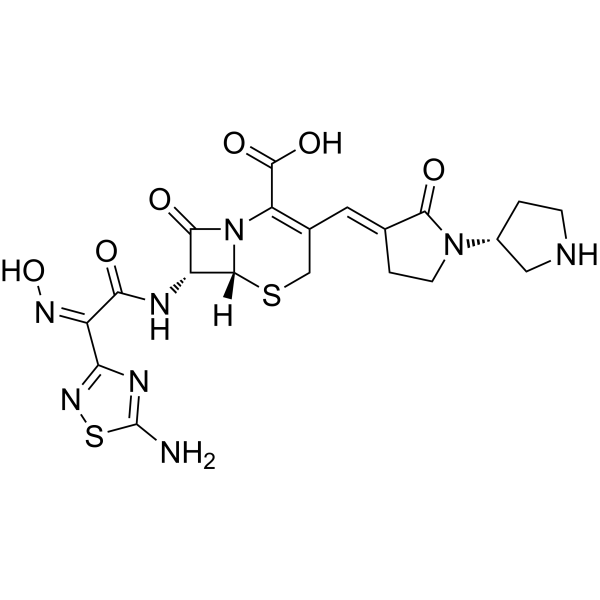
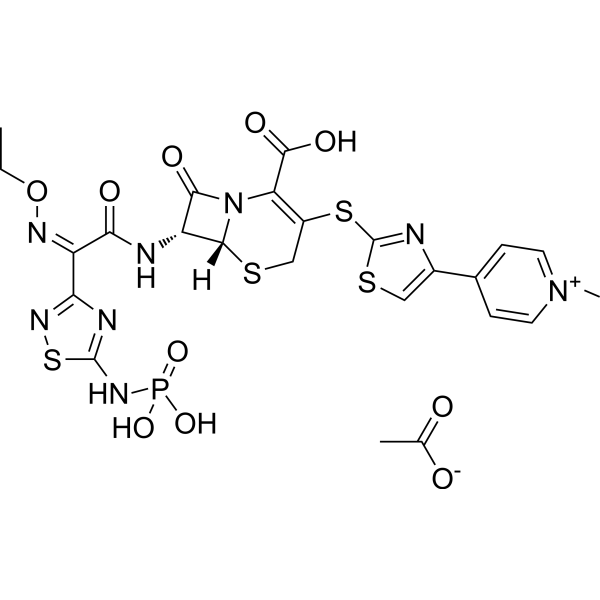
Ceftaroline fosamil (TAK-599), a cephalosporin derivative, is an N-phosphono proagent of anti-methicillin-resistant Staphylococcus aureus (MRSA) T-91825. Ceftaroline fosamil can be used for the research of MRSA infection .
|
-
-
- HY-112579
-
|
Ro 63-9141; BAL 9141
|
Bacterial
Antibiotic
|
Infection
Inflammation/Immunology
|
|
Ceftobiprole (Ro 63-9141) is a broad-spectrum cephalosporin with high levels of in vitro activity against methicillin- (MRSA) and vancomycin-resistant staphylococci (VRSA) and penicillin-resistant streptococci with a MIC90 value of 2 μg/mL for MRSA. Ceftobiprole also inhibits gram-positive and gram-negative pathogens. Ceftobiprole can be used for the study of hospital-acquired pneumonia (excluding ventilator-associated pneumonia) and community-acquired pneumonia .
|
-
-
- HY-100180
-
|
LCB01-0371
|
Bacterial
Antibiotic
|
Infection
|
|
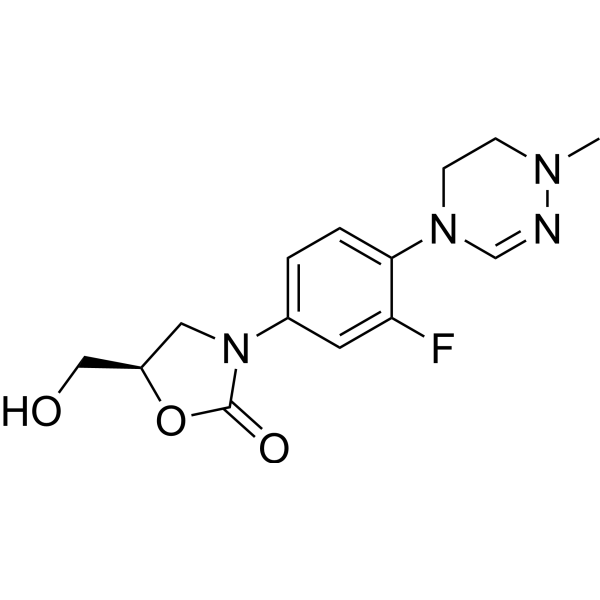
Delpazolid is a novel oxazolidinone antibiotic agent which can inhibit the growth of MSSA and MRSA with a MIC90 of 2 μg/mL for both of them.
|
-
-
- HY-18702
-
|
|
Bacterial
|
Infection
|
|
Targocil functions as a bacteriostatic inhibitor of wall teichoic acid (WTA) biosynthesis which can inhibit the growth of methicillin-susceptible S. aureus (MSSA) and methicillin-resistant S. aureus (MRSA) with MIC90s of 2 μg/ mL for both MRSA and MSSA.
|
-
-
- HY-W041988
-
|
|
Bacterial
|
Infection
|
|
Fmoc-Glu-OMe is a glutamic acid derivative. Fmoc-Glu-OMe exhibits significant antibacterial activity and excellent gelation properties in silver nitrate (AgNO3) solution. Fmoc-Glu-OMe promotes wound healing in rat models and eliminates bacteria in MRSA-infected rat wound models. Fmoc-Glu-OMe can be used in studies related to wound infections and MRSA-infected wounds .
|
-
-
- HY-B2157
-
|
|
Bacterial
Parasite
|
Infection
|
|
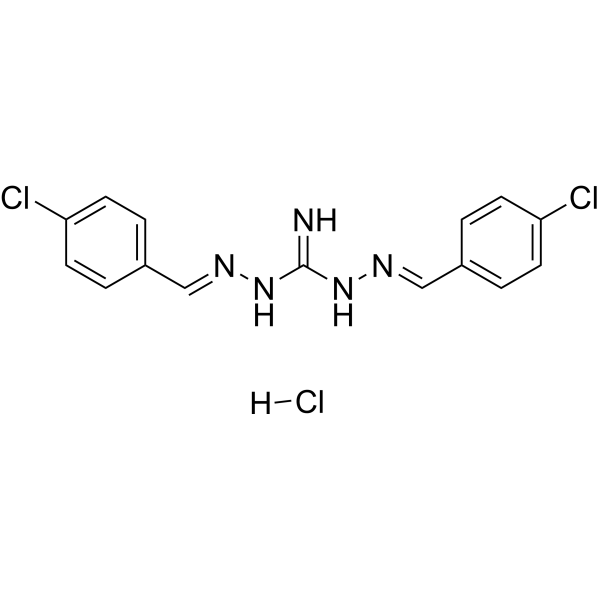
Robenidine hydrochloride is an anticoccidial agent which is also active against MRSA and VRE with MIC50s of 8.1 and 4.7 μM, respectively.
|
-
-
- HY-101479
-
|
AR-100
|
Bacterial
Antibiotic
|
Infection
|
|
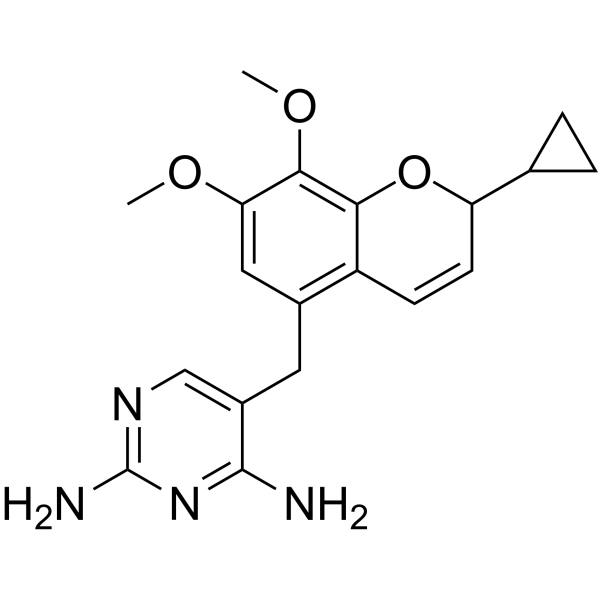
Iclaprim is a new selective bacterial Dihydrofolate inhibitor, which can inhibit the growth of S. aureus (MRSA) with an MIC90 of 0.06 μg/mL.
|
-
-
- HY-121544
-
|
|
Penicillin-binding protein (PBP)
Bacterial
Antibiotic
Histamine Receptor
|
Infection
|
|
Methicillin is a narrow-spectrum β-lactam antibiotic, acts by inhibiting penicillin-binding proteins (PBPs). Methicillin is active against Staphylococcus aureus and Staphylococcus epidermidis that are resistant to other penicillins.Methicillin can be used for the research of skin infections, osteomyelitis, and endocarditis .
|
-
-
- HY-P3361A
-
|
|
Parasite
Bacterial
Antibiotic
|
Infection
Inflammation/Immunology
|
|
IDR-1018 acetate is an innate defense regulator conjugate, with MICs of 16 μg/mL for MRSA USA300 LAC, MRSA SAP 0017 and S. epidermidis ATCC14990. IDR-1018 acetate can be used to synthesis V-IDR1018 (vancomycin-innate defense regulator conjugate) .
|
-
-
- HY-156009
-
|
|
Bacterial
|
Infection
|
|
CDFI is an inhibitor of the lipid II flippase MurJ. CDFI potentiates the activity of β-lactams against MRSA .
|
-
-
- HY-14784
-
|
REP8839
|
Bacterial
|
Infection
|
|
Bederocin (REP8839) is a Methionyl-tRNA synthetase inhibitor. Bederocin can be used in research of bacterial infection, including S. aureus and MRSA .
|
-
-
- HY-RS18248
-
|
|
Small Interfering RNA (siRNA)
|
Others
|
|
Msr1 Mouse Pre-designed siRNA Set A contains three designed siRNAs for Msr1 gene (Mouse), as well as a negative control, a positive control, and a FAM-labeled negative control.
|
-
Msr1 Mouse Pre-designed siRNA Set A
-
- HY-N8151
-
|
|
Bacterial
|
Infection
|
|
Sanguisorbigenin is a natural antibacterial agent that inhibits methicillin-resistant S. aureus (MRSA) .
|
-
-
- HY-P3361
-
|
|
Parasite
Bacterial
Antibiotic
|
Infection
Inflammation/Immunology
|
|
IDR-1018 is an innate defense regulator conjugate, with MICs of 16 μg/mL for MRSA USA300 LAC, MRSA SAP 0017 and S. epidermidis ATCC14990. IDR-1018 can be used to synthesis V-IDR1018 (vancomycin-innate defense regulator conjugate) .
|
-
-
- HY-N0241
-
|
|
Cholinesterase (ChE)
Lipase
Bacterial
Cytochrome P450
|
Infection
Metabolic Disease
|
|
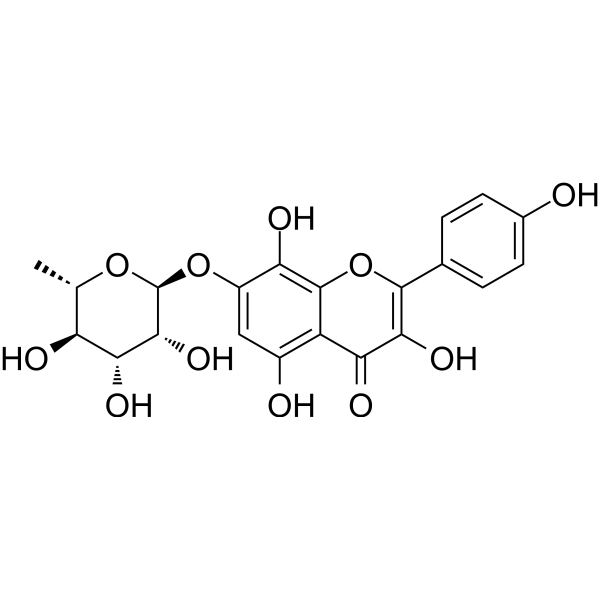
Rhodionin is an orally active, multifunctional antivirulence and cytoprotective agent that targets and inhibits Lipase, sortase A (SrtA), CYP2D6 (IC50=0.761 μM), AChE (IC50=2.43-57.5 μM), and DPPH free radicals (IC50=19.49 μM). Rhodionin is isolable from the roots of Rhodiola crenulata. Rhodionin reduces postprandial serum triglyceride levels in mice by inhibiting lipase activity. Rhodionin also binds directly to SrtA to inhibit its transpeptidase activity, thereby reducing the fibrinogen adhesion and surface protein A levels of MRSA, effectively inhibiting biofilm formation and protecting against MRSA-induced cell damage. Rhodionin improves the survival rate of infected mice without affecting MRSA growth, and finds wide application in studies related to hyperlipidemia, exogenous obesity, and pneumonia induced by methicillin-resistant Staphylococcus aureus (MRSA) .
|
-
-
- HY-78542
-
-
-
- HY-N3515
-
|
|
Bacterial
|
Infection
|
|
Multicaulisin, a new Diels-Alder type adduct from Morus multicaulis roots, potently effects against Staphylococcus aureus (MRSA) isolates. Multicaulisin is an antibacterial agent and has the potential for MRSA infections research .
|
-
-
- HY-14738
-
|
TAK-599 free acid; PPI0903 free acid
|
Bacterial
Antibiotic
|
Infection
|
|
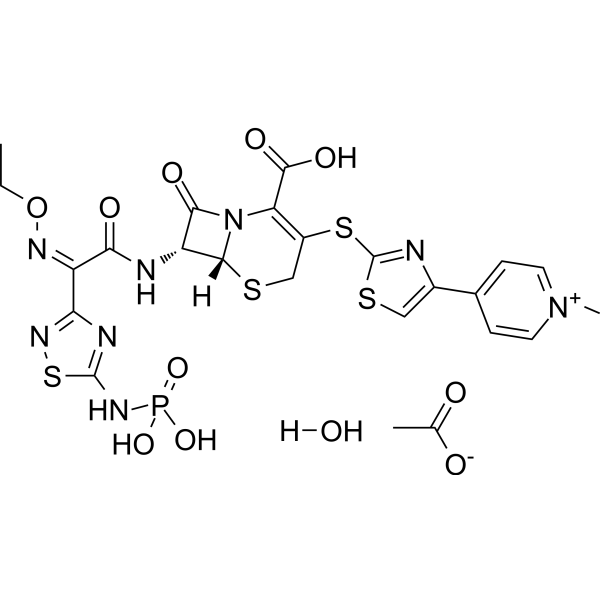
Ceftaroline fosamil (inner) (TAK-599 free acid), a cephalosporin derivative, is an N-phosphono proagent of anti-methicillin-resistant Staphylococcus aureus (MRSA) T-91825. Ceftaroline fosamil (inner) can be used for the research of MRSA infection .
|
-
-
- HY-P5545
-
|
|
Bacterial
|
Infection
|
|
Lynronne-1 is an antimicrobial peptide. Lynronne-1 is active against Gram-positive bacterials, including MDR strains (MIC: 8-32 μg/mL for methicillin-resistant MRSA strains). Lynronne-1 reduces the bacterial load in MRSA infected wound murine model. Lynronne-1 is also effective against P. aeruginosa infection .
|
-
-
- HY-142124
-
|
|
Antibiotic
Bacterial
|
Infection
|
|
Kalimantacin A is a potent antibiotic. Kalimantacin A shows antibacterial activity against staphylococcus including methicillin-resistant staphylococcus aureus (MRSA) .
|
-
-
- HY-178912
-
|
|
Reactive Oxygen Species (ROS)
Bacterial
ClpP
|
Infection
Inflammation/Immunology
|
|
Anti-MRSA agent 39 is an orally active ClpX modulator that binds Staphylococcus aureus caseinolytic protease X (SaClpX) with high affinity (Kd = 3.6 μM). Anti-MRSA agent 39 exerts antibacterial effects through temperature-dependent inhibition of cell division. Anti-MRSA agent 39 elicits profound metabolic dysregulation in methicillin-resistant Staphylococcus aureus (MRSA), manifesting as significantly reduced ATP levels, elevated reactive oxygen species (ROS), and decreased NAD+/NADH ratio, and accelerates bacterial lysis rates in MRSA ATCC 33591. Anti-MRSA agent 39 significantly increases the proportion of MRSA cells in the mitotic phase, and the cells exhibit obvious morphological abnormalities. Anti-MRSA agent 39 can be used for the study of invasive MRSA infections .
|
-
-
- HY-178949
-
|
|
Antibiotic
Bacterial
DNA/RNA Synthesis
|
Infection
|
|
MRSA antibiotic 3 (Compound C8) is a small-molecule antibiotic active against Methicillin (HY-121544)-resistant Staphylococcus aureus (MRSA), showing a MIC of 0.5 μg/mL against the standard S. aureus strain (ATCC 29213). MRSA antibiotic 3 potently inhibits the ATPase activity of S. aureus DNA gyrase with an IC50 of 0.32 μM. MRSA antibiotic 3 exhibits strong inhibitory activity against five clinical MRSA isolates, with MIC values ranging from 0.5 to 1 μg/mL. MRSA antibiotic 3 demonstrates negligible cytotoxicity at effective antibacterial concentrations and causes no hemolysis in erythrocytes even at extremely high concentrations. MRSA antibiotic 3 shows significant protective effects in both Galleria mellonella infection and murine sepsis models .
|
-
-
- HY-178476
-
|
|
Bacterial
Reactive Oxygen Species (ROS)
|
Infection
|
|
Anti-MRSA agent 36 (Compound III13) is an antibacterial agent with strong anti MRSA activity (MIC = 1 μg/mL). Anti-MRSA agent 36 targets phosphatidylglycerol (PG) on bacterial membranes, disrupting membrane integrity, leading to DNA leakage and increased ROS. Anti-MRSA agent 36 has advantages such as low cytotoxicity, low hemolysis, difficulty in inducing drug resistance, and good plasma stability. Anti-MRSA agent 36 can be used for the study of skin abscess and systemic infection models .
|
-
-
- HY-175376
-
|
|
Antibiotic
Bacterial
|
Infection
|
|
QPyN16Th is an N-palmitoylated cationic thiazolidine antibiotic. QPyN16Th is selectively active against the Gram-positive bavteria E. faecalis, S. aureus and MRSA with an MIC of 1.95 μM over gram-negative bacteria. QPyN16Th can induce membrane permeabilization and depolarization and ROS production in MRSA. QPyN16Th increases the survival of zebrafish model of intramuscular MRSA infection .
|
-
-
- HY-121544A
-
|
|
Penicillin-binding protein (PBP)
Bacterial
Antibiotic
Histamine Receptor
|
Infection
|
|
Methicillin sodium hydrate is a narrow-spectrum β-lactam antibiotic, acts by inhibiting penicillin-binding proteins (PBPs). Methicillin sodium hydrate is active against Staphylococcus aureus and Staphylococcus epidermidis that are resistant to other penicillins. Methicillin sodium hydrate can be used for the research of skin infections, osteomyelitis, and endocarditis .
|
-
-
- HY-119528
-
|
|
Bacterial
|
Infection
|
|
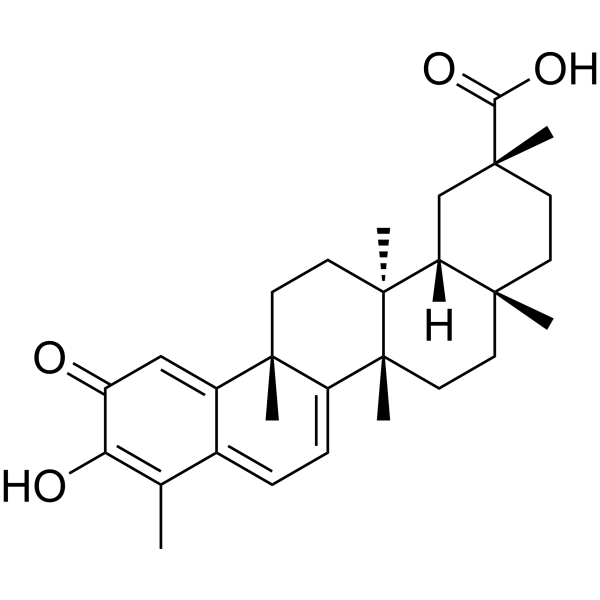
Mansonone F is a potent anti-MRSA sesquiterpenoid quinone that can be found in Thespesia populnea .
|
-
-
- HY-143326
-
|
|
Bacterial
|
Infection
|
|
Antibacterial agent 83 (compound 17h) displays potent antibacterial activity against various vancomycin-resistant Enterococcus faecalis (VRE) and methicillin-resistant Staphylococcus aureus (MRSA). Antibacterial agent 83 can significantly reduce the biofilm formation of MRSA and exhibited promising selectivity. Antibacterial agent 83 is metabolically stable in human liver microsomes .
|
-
-
- HY-14737R
-
|
TAK-599 (Standard); PPI0903 (Standard)
|
Reference Standards
Bacterial
Antibiotic
|
Infection
|
|
Ceftaroline fosamil (Standard) is the analytical standard of Ceftaroline fosamil. This product is intended for research and analytical applications. Ceftaroline fosamil (TAK-599), a cephalosporin derivative, is an N-phosphono proagent of anti-methicillin-resistant Staphylococcus aureus (MRSA) T-91825. Ceftaroline fosamil can be used for the research of MRSA infection[1][2][3].
|
-
-
- HY-P5706
-
|
|
Bacterial
|
Infection
Inflammation/Immunology
|
|
HG2 is a fast-acting antimicrobial peptide. HG2 shows anti-biofilm and anti-inflammatory activities. HG2 is active against Gram-positive pathogens, especially against MRSA strains (MIC: 16-32 μg/mL). HG2 can bind to bacterial lipids and reduces ATP concentration in S. aureus MRSA USA300 cells .
|
-
-
- HY-173478
-
|
|
Topoisomerase
Bacterial
Antibiotic
|
Infection
|
|
OSUAB-0284 is a bacterial topoisomerase inhibitor. OSUAB-0284 has significant anti-staphylococcal activity, especially against methicillin-resistant Staphylococcus aureus (MRSA). OSUAB-0284 exerts its antibacterial effect by inhibiting bacterial topoisomerase. OSUAB-0284 can be used to study infections caused by drug-resistant bacteria such as MRSA .
|
-
-
- HY-146811
-
|
|
Bacterial
|
Inflammation/Immunology
|
|
HSGN-94 is a potent antimicrobial agent with lipoteichoic acid (LTA) biosynthesis inhibition. HSGN-94 inhibits drug-resistant Gram-positive bacteria with MIC values of 0.25-2 μg/mL. HSGN-94 inhibits biofilm formation of MRSA and Vancomycin-resistant Enterococci. HSGN-94 also inhibits pro-inflammatory cytokines, exhibits in vivo efficacy in an MRSA murine wound infection model .
|
-
-
- HY-173225
-
|
|
Bacterial
|
Infection
|
|
MRSA/VRE-IN-1 (Compound 3e) is an inhibitor against methicillin-resistant Staphylococcus aureus (MRSA) and vancomycin-resistant Enterococcus (VRE). The MIC/MBC of MRSA/VRE-IN-1 against VRE is 3.6/7.3 µM, and against MRSA is 7.3/14.6 µM. MRSA/VRE-IN-1 can be used in the research of the anti-infection field .
|
-
-
- HY-179059
-
|
|
Bacterial
Reactive Oxygen Species (ROS)
|
Infection
|
|
Anti-MRSA agent 40 (Compound 7-8) is a potent agent against Methicillin-resistant Staphylococcus aureus (MRSA). Anti-MRSA agent 40 exhibits significant antibacterial activity against MRSA2 and S. aureus ATCC 29213, with its MIC values being 1 μg/mL. Anti-MRSA agent 40 causes depolarization of the cell membrane, damages membrane integrity, and simultaneously increases the level of ROS within MRSA2, ultimately leading to cell lysis and death. Anti-MRSA agent 40 shows significant efficacy in the MRSA2 skin abscess model. Anti-MRSA agent 40 can be used for research on anti-MRSA infections .
|
-
-
- HY-168705
-
|
|
Bacterial
|
Infection
|
|
Anti-MRSA agent 20 (Compound a4) is an anti-microbial agent (MIC: < 0.03125 μg/mL) against MRSA). Anti-MRSA agent 20 binds to the ribosomal peptidyl transferase center and inhibits bacterial survival by inhibiting MRSA toxin synthesis and bacterial division. Anti-MRSA agent 20 significantly reduces the MRSA load in the lungs and attenuates lung injury in the MRSA-infected mice (ED50 = 6.48 mg/kg) .
|
-
-
- HY-161827
-
|
|
Bacterial
|
Infection
|
|
Anti-MRSA agent 14 (Compound C17) has antibacterial agent against MRSA and MRSA-infected skin murine model. Anti-MRSA agent 14 is more potential than Norfloxacin (HY-B0132) against MRSA. Anti-MRSA agent 14 disrupts cell membrane and restrains metabolism. Anti-MRSA agent 14 shows antibacterial effects against S. aureus ATCC 6538, S. aureus ATCC 29213, S. epidermidis ATCC 12228, and MRSA with MIC values of 1, 2, 2, 1 μM respectively .
|
-
-
- HY-144278
-
|
|
Bacterial
|
Infection
Inflammation/Immunology
|
|
Anti-MRSA agent 1 (Compound 13d) is a wonderful MRSA (MIC = 0.5 μg/mL) inhibitor. Anti-MRSA agent 1 (Compound 13d) could effectually relieve the development of MRSA resistance .
|
-
-
- HY-163073
-
|
|
Bacterial
|
Infection
|
|
Anti-MRSA agent 9 (compound 39) shows antibacterial effects against clinically isolated methicillin-resistant Staphylococcus aureus (MRSA) with MIC values of 1 μg/ml. Anti-MRSA agent 9 also shows anti-MRSA efficacy in vivo .
|
-
-
- HY-163906
-
|
|
Bacterial
|
Infection
|
|
Anti-MRSA agent 16 (Compound 4) is an inhibitor of methicillin-resistant Staphylococcus aureus (MRSA). Anti-MRSA agent 16 is effective in combination with oxacillin or meropenem in infected mice .
|
-
-
- HY-156289
-
|
|
Bacterial
|
Infection
|
|
Anti-MRSA agent 8 (Compound 7g) is a DAPG derivative with strong antibacterial activity. Anti-MRSA agent 8 assertes its activity by targeting bacterial cell membranes. Anti-MRSA agent 8 can be used for the research of methicillin-resistant Staphylococcus aureus (MRSA) .
|
-
-
- HY-178493
-
|
|
Bacterial
|
Infection
|
|
Anti-MRSA agent 37 (Compound 5B) is an antibacterial agent against methicillin-resistant Staphylococcus aureus (MRSA) (MIC=0.25-0.5 μg/mL). Anti-MRSA agent 37 inhibits biofilm formation, disrupts cell wall integrit, attacks cell membrane and induces oxidative stress. Anti-MRSA agent 37 is promising for research of MRSA-related diseases such as skin infections .
|
-
-
- HY-161893
-
|
|
Bacterial
|
Infection
|
|
Anti-MRSA agent 15 (Compound 9o10) exhibits antibacterial activity, that inhibits methicillin-resistant Staphylococcus aureus (MRSA) with a MIC of 0.0625 μg/mL. Anti-MRSA agent 15 exhibits low hemolysis and low cytotoxicity. Anti-MRSA agent 15 exhibits anti-infective in mice .
|
-
-
- HY-168873
-
|
|
Bacterial
|
Infection
|
|
Anti-MRSA agent 23 (compound 11) is a potent anti-methicillin-resistant Staphylococcus aureus agent. Anti-MRSA agent 23 shows antibacterial and antibiofilm activities. Anti-MRSA agent 23 accelerates the reconstruction and healing of MRSA-infected cutaneous wounds by decreasing bacterial loads, attenuating inflammation, and promoting angiogenesis .
|
-
-
- HY-161823
-
|
|
Bacterial
|
Infection
|
|
Anti-MRSA agent 13 (Compound 9b) is an agent against methicillin-resistant Staphylococcus aureus (MRSA), exhibiting a minimum inhibitory concentration (MIC) of 0.5–2 μg/mL against clinically isolated MRSA strains. Anti-MRSA agent 13 possesses favorable biosafety, plasma tolerance stability, and a low tendency to develop resistance. Anti-MRSA agent 13 disrupts cell walls and membranes, reduces metabolic activity, causes oxidative damage, affects DNA function, and ultimately leads to MRSA death through multi-target synergies .
|
-
-
- HY-170802
-
|
|
Bacterial
|
Infection
|
|
Anti-MRSA agent 22 (Compound 5a) is a potent antibacterial agent against MRSA with a MIC value of 6 µg/mL. Anti-MRSA agent 22 exhibits high binding affinity (−11.19) to FabI .
|
-
-
- HY-175338
-
|
|
Bacterial
|
Infection
|
|
Anti-MRSA agent 34 (Compound 6) is an antimicrobial agent targeting methicillin-resistant Staphylococcus aureus (MRSA) (MIC=14 μg/mL). Anti-MRSA agent 34 is promising for research of microbial infection .
|
-
-
- HY-178108
-
|
|
Bacterial
Penicillin-binding protein (PBP)
Fungal
|
Infection
|
|
Anti-MRSA agent 35 (Compound 6b) is an anti-MRSA agent. Anti-MRSA agent 35 significantly inhibits MRSA biofilm formation, suppresses penicillin-binding protein (PBP2a) expression and induces mecA virulence gene mutation. Anti-MRSA agent 35 has potent bactericidal and fungicidal activities with MIC50s of 7.8-31.25 μg/mL for gram positive bacteria, gram-negative bacteria and Fungi. .
|
-
-
- HY-169416
-
|
|
Bacterial
Reactive Oxygen Species (ROS)
|
Infection
|
|
Anti-MRSA agent 21 (Compound 27) has antibacterial activity against MRSA, with an MIC of 1 μM. Anti-MRSA agent 21 can damage bacterial cell membranes and increase reactive oxygen species .
|
-
-
- HY-172912
-
|
|
Bacterial
|
Infection
|
|
Anti-MRSA agent 27 (compound 4a) is a potent anti-methicillin-resistant Staphylococcus aureus agent with a MIC of 0.0975 μmol/L. Anti-MRSA agent 27 disrupts MRSA biofilms and suppresses hemolytic toxin production .
|
-
-
- HY-169160
-
|
|
Bacterial
|
Infection
|
|
Anti-MRSA agent 18 (E17) is an inhibitor of MRSA with MIC values of 2 μg/mL for S. aureus and 4 μg/mL for MRSA, respectively. Anti-MRSA agent 18 interacts with bacterial cell membrane phosphatidylglycerol and cardiolipin, causing changes in cell membrane permeability and polarization, increased intracellular ROS, and DNA and protein leakage, thereby accelerating bacterial death .
|
-
-
- HY-174985
-
|
|
Bacterial
|
Infection
|
|
Anti-MRSA agent 32 (Compound 26) is an orally active and selective SaClpP (Staphylococcus aureus ClpP protease) activator with an EC50 value of 0.98 μM. Anti-MRSA agent 32 activates SaClpP to abnormally degrade bacterial proteins, inhibiting the proliferation of Staphylococcus aureus. Anti-MRSA agent 32 promotes wound healing in a murine skin infection model. Anti-MRSA agent 32 is promising for research of infectious diseases such as methicillin-resistant Staphylococcus aureus (MRSA) infections .
|
-
- HY-147882
-
|
|
Bacterial
|
Infection
|
|
Anti-MRSA agent 6 (compound 3q6) is a potent anti-methicillin-resistant Staphylococcus aureus (anti-MRSA) agent. Anti-MRSA agent 6 shows low cytoxicity for MCF-7, A549 cells .
|
-
- HY-163505
-
|
|
Bacterial
|
Others
|
|
Anti-MRSA agent 11 suppresses fluoroquinolone-sensitive strain USA500 and -resistant MRSA isolate Mu50 (MIC =0.39 μg/mL). Anti-MRSA agent 11 displayes favorable in vivo half-life and safety profiles .
|
-
- HY-146428
-
|
|
Bacterial
|
Infection
|
|
Anti-MRSA agent 4 (compound 7a) is a potent and selective growth inhibitor of Gram-positive Methicillin-resistant Staphylococcus aureus (MRSA), with MIC ≤ 0.26 µM. Anti-MRSA agent 4 exhibits no cytotoxic and no hemolytic activity in HEK293 cells .
|
-
- HY-170847
-
|
|
Bacterial
|
Infection
|
|
Anti-MRSA agent 24 (compound 6K) is an antimicrobial agent that targets Staphylococcus aureus (MRSA), especially penicillin-resistant Staphylococcus aureus .
|
-
- HY-174459
-
|
|
Bacterial
Penicillin-binding protein (PBP)
|
Infection
|
|
Anti-MRSA agent 31 (Compound 6) is an anti-methicillin-resistant Staphylococcus aureus (MRSA) agent with a MIC of 97 μg/mL and a MBC of 781.25 μg/mL. Anti-MRSA agent 31 has a potent antibacterial activity and a strong Binding Protein 2a (PBP2a) inhibitory activity .
|
-
- HY-144822
-
|
|
Bacterial
|
Infection
|
|
Anti-MRSA agent 2 (compound 14) has highly inhibitory activity against Methicillin-resistant Staphylococcus aureus (MRSA) with MIC of 0.098 μg/ml, and relatively low cytotoxicity in normal cells. Anti-MRSA agent 2 has strong ability to destroy bacterial membrane and bind to genomic DNA .
|
-
- HY-178513
-
|
|
Bacterial
Reactive Oxygen Species (ROS)
|
Infection
|
|
Anti-MRSA agent 38 is a broad-spectrum antibacterial agent (MIC = 0.0625-2 µg/mL). Anti-MRSA agent 38 can inhibit ribosomal protein synthesis. Anti-MRSA agent 38 exerts multiple bactericidal effects by disrupting bacterial membrane structure and inducing ROS accumulation. Anti-MRSA agent 38 can selectively kill tumor cells, such as HGC-27 (IC50 = 0.86 µM), MRC-5 (IC50 = 5.52 µM), and RPC (IC50 = 6.09 µM) cells. Anti-MRSA agent 38 can be used to study infectious diseases such as bacterial infection .
|
-
- HY-149013
-
|
|
Bacterial
|
Infection
|
|
Anti-MRSA agent 5 (B14) is a potent MRSAagent with MIC50 values of 0.38 μg/mL and has low hERG activity with an IC50 values of >40 μM. Anti-MRSA agent 5 (B14) also has low cytotoxicity to mammal cells and unlikely to acquire bacterial resistance .
|
-
- HY-174323
-
|
|
Bacterial
DNA/RNA Synthesis
|
Infection
|
|
Anti-MRSA agent 28 is an antibacterial agent against multidrug resistant (MDR) gram-positive strains with MICs of 0.06-0.125 μg/mL. Anti-MRSA agent 28 can target DNA polymerase IIIC to reduce the amount of genomic DNA with the IC50 of 3.80 μg/mL. Anti-MRSA agent 28 has good antibacterial activity and reduces inflammation. Anti-MRSA agent 28 can be used against gram-positive strains and infectious conditions.
|
-
- HY-172826
-
|
|
Bacterial
|
Infection
|
|
Anti-MRSA agent 26 is a potent anti-MRSA agent with MIC <0.015 μg/mL. Anti-MRSA agent 26 has superior activity against a broad range of Gram-positive pathogens and shows no cytotoxicity in three mammalian cell lines (Caco-2, DU-145 and MDCKII MDR1 cells) at 10 μM. Anti-MRSA agent 26 has a robust TAP pharmacophore and an excellent antibacterial activity in Staphylococcus aureus skin infection mice model .
|
-
- HY-161803
-
|
|
Antibiotic
Bacterial
|
Infection
|
|
Anti-MRSA agent 12 (Compound SM-5) is an antibiotic, which exhibits antibacterial activity against Staphylococcus aureus, S. epidermidis and Escherichia coli with MIC of 7.81, 7.81 and 62.5 μM. Anti-MRSA agent 12 inhibits the methicillin-resistant S. aureus (MRSA) through inhibition of biofilm formation .
|
-
- HY-144823
-
|
|
Bacterial
|
Infection
|
|
Anti-MRSA agent 3 (compound 18) has highly inhibitory activity against Methicillin-resistant Staphylococcus aureus (MRSA) with MIC of 0.098 μg/ml, and low cytotoxicity in normal cells. Anti-MRSA agent 3 has relatively strong ability to destroy bacterial cell wall and membrane, high binding affinity to bacterial genomic DNA .
|
-
- HY-173318
-
|
|
Bacterial
|
Infection
|
|
Anti-MRSA agent 25 (Compound 10c) is an antibacterial agent with a MIC of 0.25 μg/mL against methicillin-resistant Staphylococcus aureus (MRSA). Anti-MRSA agent 25 exerts its antibacterial activity by inhibiting biofilm formation, disrupting the cell wall (interacting with peptidoglycan and lipoteichoic acids), acting on the cell membrane (causing depolarization, increasing permeability, and disrupting integrity), reducing metabolic activity, interfering with cellular redox homeostasis, and binding to DNA. Anti-MRSA agent 25 is expected to be used in the research of the anti-infection field .
|
-
- HY-175295A
-
|
|
Bacterial
Reactive Oxygen Species (ROS)
|
Infection
|
|
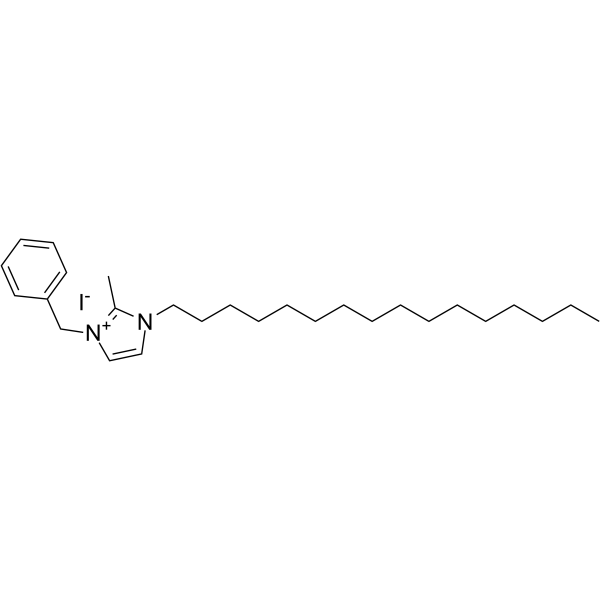
Anti-MRSA agent 33 iodide is an anti-Methicillin (HY-121544)-resistant Staphylococcus aureus (MRSA) agent, with MIC values of 2-4 μg/mL. Anti-MRSA agent 33 iodide demonstrates effective biofilm eradication and minimal cytotoxicity toward mammalian cells. Anti-MRSA agent 33 iodide specifically binds to phosphatidylglycerol (PG) on bacterial membranes, leading to membrane disruption, excessive production of ROS, and metabolic collapse, ultimately resulting in bacterial cell death. Anti-MRSA agent 33 iodide reduces bacterial load in a murine skin infection model .
|
-
- HY-161330
-
|
|
Bacterial
|
Infection
|
|
Anti-MRSA agent 10 (Compound 2d) is a Cephalosporin (HY-144229) derivative and exhibits antibacterial activity. Anti-MRSA agent 10 is slightly drug resistane and exhibits low cytotoxicity in cells HUVEC and HBZY-1 .
|
-
- HY-149271
-
|
|
Bacterial
DNA/RNA Synthesis
Topoisomerase
|
Infection
|
|
Anti-MRSA agent 7 (Compound 12) is a potent antibacterial agent. Anti-MRSA agent 7 inhibits S. aureus DNA gyrase, E. coli DNA gyrase, S. aureus topo IV and E. coli topo IV with IC50s of 0.185, 0.365, 0.341 and 0.059 μM, respectively .
|
-
- HY-167841
-
|
|
Bacterial
Antibiotic
|
Infection
|
|
Anti-MRSA agent 19 (Compound 1) is an antibiotic that exhibits activity against S. aureus. Anti-MRSA agent 19 is a active (median MIC=4 μg/mL) against 40 CDC isolates of different bacterial species containing various resistance factors,including Vancomycin (HY-B0671),aminoglycoside/Tetracycline (HY-A0107),and oxazolidinone resistance .
|
-
- HY-RS13345
-
|
|
Small Interfering RNA (siRNA)
|
Others
|
|
SLC9A6 Human Pre-designed siRNA Set A contains three designed siRNAs for SLC9A6 gene (Human), as well as a negative control, a positive control, and a FAM-labeled negative control.
|
-
SLC9A6 Human Pre-designed siRNA Set A
- HY-142097
-
|
|
Bacterial
|
Infection
|
|
Glicophenone is an antibacterial agent with MICs of both 32 μg/mL against MRSA OM481, MRSA OM505, MRSA OM584, MRSA OM623 and MSSA 209P .
|
-
- HY-Z8025
-
|
|
Bacterial
|
Infection
Inflammation/Immunology
|
|
Deprodone is an active compound. Deprodone inhibits key processes such as bacterial cell wall synthesis by interacting with the hydrolase and transferase proteins of methicillin-resistant Staphylococcus aureus (MRSA). Deprodone is used in research on anti-MRSA infection, inflammatory skin disorders, bowel disease, and fatty acid metabolism disorders .
|
-
- HY-163984
-
|
|
Bacterial
|
Infection
|
|
Antibacterial agent 240 (compound 62-7c) is an antibacterial agent that can target multidrug-resistant (MDR) MRSA strains. Antibacterial agent 240 showed high biosafety and potent anti-infection activity in mouse pneumonia and mouse wound models of MRSA infection .
|
-
- HY-121544AR
-
|
|
Penicillin-binding protein (PBP)
Reference Standards
Bacterial
Antibiotic
Histamine Receptor
|
Infection
|
|
Methicillin (sodium hydrate) (Standard) is the analytical standard of Methicillin (sodium hydrate). This product is intended for research and analytical applications. Methicillin sodium hydrate is a narrow-spectrum β-lactam antibiotic, acts by inhibiting penicillin-binding proteins (PBPs). Methicillin sodium hydrate is active against Staphylococcus aureus and Staphylococcus epidermidis that are resistant to other penicillins. Methicillin sodium hydrate can be used for the research of skin infections, osteomyelitis, and endocarditis .
|
-
- HY-17626B
-
|
WCK-2349 hydrochloride
|
Antibiotic
|
Infection
|
|
Alalevonadifloxacin (hydrochloride) (WCK-2349 (hydrochloride)) is a oraaly active anti-methicillin-resistant Staphylococcus aureus (MRSA) antibiotic .
|
-
- HY-139679
-
|
|
Bacterial
|
Infection
|
|
Antibacterial agent 28 is a potential antibacterial candidate for combating MRSA infections (MICs = 0.5–2 μg/mL).
|
-
- HY-P5709
-
|
|
Bacterial
|
Infection
Inflammation/Immunology
|
|
HG4 is a fast-acting antimicrobial peptide. HG4 shows anti-biofilm and anti-inflammatory activities. HG4 is active against Gram-positive pathogens, especially against MRSA strains (MIC: 32-64 μg/mL). HG4 can bind to bacterial lipids and reduces ATP concentration in S. aureus MRSA USA300 cells .
|
-
- HY-N14125
-
|
|
Bacterial
|
Infection
|
|
Chloroquinocin has moderate activity against Gram-positive bacteria, including methicillin-resistant Staphylococcus aureus (MRSA) .
|
-
- HY-N3789
-
|
|
Bacterial
|
Infection
|
|
Dunnianol is a natural sesqui-neoligan with moderate antibacterial activity. Dunnianol inhibits Staphylococcus aureus and methicillin-resistant Staphylococcus aureus (MRSA).
|
-
- HY-163716
-
|
|
Bacterial
|
Infection
|
|
Antibacterial agent 222 ((R)-O30 (5)) is a antimicrobial agent that inhibits methicillin-resistant Staphylococcus aureus (MRSA) .
|
-
- HY-172813
-
|
|
Bacterial
Antibiotic
Autophagy
|
Infection
Cancer
|
|
Vancomycin prodrug (compound 13c) is a Vancomycin (HY-B0671) prodrug. Vancomycin prodrug shows antibacterial effect with MICs of 0.78 μM, 0.78 μM, 1.56 μM for S. aureus 330041, MRSA USA 300 and MRSA 3390, respectively. Vancomycin prodrug has the ability to quickly bind to Cys-34 residue of plasma. Vancomycin prodrug exhibits a good therapeutic effect on MRSA USA300 infected mice similar to Vancomycin. Vancomycin prodrug, an albumin-binding acid-sensitive prodrug, effectively reduces Vancomycin’s nephrotoxicity while maintaining its efficacy for Gram-positive bacterial infections .
|
-
- HY-N13885
-
|
|
Antibiotic
Bacterial
Parasite
|
Infection
|
|
Amythiamicin A is an antimicrobial antibiotic against Gram-positive bacteria (including methicillin-resistant Staphylococcus aureus (MRSA)) and activity against Plasmodium falciparum .
|
-
- HY-N14118
-
|
|
Bacterial
|
Infection
|
|
Chloropolysporin B has strong activity of anti-Gram-positive bacteria, including methicillin-resistant Staphylococcus aureus (MRSA) and enterococcus bacteria .
|
-
- HY-N14315
-
|
|
Bacterial
|
Infection
|
|
Ochracenomicin A has a strong effect against Gram-positive bacteria (including MRSA strain), and also against Gram-negative bacteria and candida albicans .
|
-
- HY-N13881
-
|
|
Antibiotic
Bacterial
Parasite
|
Infection
|
|
Amythiamicin C is an antimicrobial antibiotic against Gram-positive bacteria (including methicillin-resistant Staphylococcus aureus (MRSA)) and activity against Plasmodium falciparum .
|
-
- HY-146816
-
|
|
Topoisomerase
|
Infection
|
|
NBTIs-IN-6 is a bacterial topoisomerase inhibitor with certain antibacterial activity. Among them, the MIC90 for fluoroquinolone-resistant MRSA was 2 μg/mL .
|
-
- HY-146199
-
|
|
Bacterial
|
Infection
|
|
Antibacterial agent 108 (Compound 1h) is a potent antibacterial agent with a MIC of both 3 μM against MRSA and antibiotic resistance strains .
|
-
- HY-158401
-
|
|
Bacterial
|
Infection
|
|
Antibiofilm agent-7 (Compound 9) exhibits potent antibiofilm activity with IC50 of 60, 133.32, and 19.67 µg/mL against S. aureus, E. coli, and methicillin-resistant S. aureus (MRSA), respectively. Antibiofilm agent-7 has antibacterial activity for S. aureus, E. coli, C. albicans, and MRSA, with MIC values of 4.88, 78.13, 9.77 and 39.06 µg/mL, respectively .
|
-
- HY-171233
-
|
|
Bacterial
|
Infection
|
|
MRSA antibiotic 2 (compound 2) shows MIC of 2 μg/mL for S. aureus (MRSA). MRSA antibiotic 2 selectively target Gram-positive bacteria over Gram-negative bacteria and human cells .
|
-
- HY-180191
-
|
|
Bacterial
Reactive Oxygen Species (ROS)
DNA/RNA Synthesis
|
Infection
|
|
Anti-MRSA agent 42 (Compound 6d) is an anti-methicillin-resistant Staphylococcus aureus (MRSA) agent. Anti-MRSA agent 42 shows strong inhibitory effects on MRSA standard strains and 11 clinical isolates with MIC values of 0.25-0.5 μg/mL. Anti-MRSA agent 42 has low hemolytic activity and minimal cytotoxicity toward mammalian cells. Anti-MRSA agent 42 can suppress biofilm formation, compromise the cell wall, and disrupt the cytoplasmic membrane, which are accompanied by membrane depolarization, enhanced permeability, and loss of membrane integrity. Anti-MRSA agent 42 can induce ROS production and bind to DNA grooves, interfering with nucleic acid function. Anti-MRSA agent 42 can be used for the research of MRSA infection .
|
-
- HY-179719
-
|
|
Bacterial
Drug Intermediate
|
Infection
|
|
Anti-MRSA agent 41 (Compound 3d) is a prodrug of Mupirocin (HY-B0958), being a cholesterol disulfide conjugate of Mupirocin. Anti-MRSA agent 41 shows no antibacterial activity or cytotoxicity in vitro. Anti-MRSA agent 41 demonstrates strong anti-MRSA infection efficacy in systemic bacteremia and pneumonia mouse models. Anti-MRSA agent 41 can be used in antibiotic resistance research .
|
-
- HY-169132
-
-
- HY-181159
-
|
|
Fungal
|
Infection
|
|
Anti-MRSA agent 43 (compound 9) is an exo-β-(1,3)-glucanase inhibitor that binds to the enzyme’s binding site. Anti-MRSA agent 43 inhibits the growth of fungal. Anti-MRSA agent 43 can be used for the research of candida infection .
|
-
- HY-182816
-
|
|
Topoisomerase
DNA/RNA Synthesis
Bacterial
|
Infection
|
|
Topoisomerase I-IN-22 is an inhibitor of MRSA DNA Topoisomerase I with an IC50 of 0.85 μg/mL. Topoisomerase I-IN-22 can specifically disrupt the cell membrane structure of MRSA, enter the interior of bacteria and inhibit the activity of DNA Topoisomerase I, thereby interfering with the processes of DNA replication and transcription. Topoisomerase I-IN-22 can be used for the research of MRSA infection .
|
-
- HY-P11478
-
-
- HY-N17297
-
|
|
Fungal
|
Infection
|
|
Leotiomycene C is an isoprenylated bisresorcinol natural product present in the freshwater fungus Helotiales sp. Leotiomycene C inhibits the quorum sensing system of methicillin (HY-121544)-resistant Staphylococcus aureus (MRSA), with an IC₅₀ of 6.3-12.5 μM. Leotiomycene C is applicable to research related to MRSA infections .
|
-
- HY-179611
-
|
|
Bacterial
|
Infection
|
|
LP-03 is an antibacterial agent with selective activity against Methicillin-resistant Staphylococcus aureus (MRSA). Its minimum inhibitory concentration (MIC) is 6.2 μM. LP-03 has an inhibitory effect on biofilm formation, but it is unable to effectively remove the formed biofilms. LP-03 can enhance membrane permeability, disrupt the membrane structure of MRSA cells, and does not cause significant membrane depolarization. LP-03 has no hemolytic toxicity and shows low mammalian cell toxicity. It can be used for research on MRSA infections .
|
-
- HY-N9869
-
|
|
Bacterial
|
Infection
|
|
(E,Z)-Platanoside is a flavonoid glycoside. (E,Z)-Platanoside is a potent and highly selective MRSA inhibitor; it exhibits low activity against other tested strains, including Gram-negative bacteria, intracellular Mycobacterium intracellulare, Candida albicans, Cryptococcus neoformans, and Aspergillus fumigatus. (E,Z)-Platanoside can be used in research on MRSA infections .
|
-
- HY-W904855
-
|
|
Endogenous Metabolite
Bacterial
|
Infection
|
|
Apicidin D2 (Compound 4), a fungal metabolite, is a Accessory gene regulator A (AgrA) quorum-sensing inhibitor. Apicidin D2 has anti-virulence activity. Apicidin D2 suppresses MRSA agr activation and shows potent inhibitory activities against all agr types in a nonbiocidal manner. Apicidin D2 can be used for MRSA infections research .
|
-
- HY-N14119
-
|
|
Bacterial
|
Infection
|
|
Chloropolysporin C has strong activity of anti-Gram-positive bacteria, including methicillin-resistant Staphylococcus aureus (MRSA) and enterococcus bacteria .
|
-
- HY-N16526
-
|
|
Bacterial
|
Infection
|
|
Juncatrin B is a type of dihydrophenanthrene compound. Juncatrin B exhibits inhibitory activity against both Methicillin (HY-121544)-sensitive Staphylococcus aureus (MSSA) and Methicillin-resistant Staphylococcus aureus (MRSA). Juncatrin B can inhibit the formation of biofilms in MSSA and MRSA. Juncatrin B has no significant activity against Gram-negative bacteria. Juncatrin B can be used in the research of anti-Staphylococcus aureus .
|
-
- HY-126258
-
|
|
Bacterial
DNA/RNA Synthesis
|
Infection
|
|
IMP-1700 is a potent DNA damage potentiator and antibacterial agent. IMP-1700 inhibits the bacterial SOS response to DNA damage. IMP-1700 potently sensitizes MRSA to Ciprofloxacin (HY-B0356) with an EC50 of 5.9 nM. IMP-1700 inhibits the growth of E. coli K-12 BW25113, S. aureus SH1000 and MRSA USA300 JE2 .
|
-
- HY-157142
-
|
|
Bacterial
|
Infection
|
|
Antibacterial agent 165 (compound 3), a hydroxyquinoline derivative, is a potent bacterial inhibitor. Antibacterial agent 165 inhibits methicillin-resistant Staphylococcus aureus (MRSA) .
|
-
- HY-156198
-
|
|
Antibiotic
Bacterial
|
Infection
|
|
Bottromycin A2 is a natural antibiotic. Bottromycin A2 is active against methicillin-resistant Staphylococcus aureus (MRSA) and vancomycin-resistant Enterococci (VRE) .
|
-
- HY-157141
-
|
|
Bacterial
|
Infection
|
|
Antibacterial agent 163 (compound 1), a hydroxyquinoline derivative, is a potent bacterial inhibitor. Antibacterial agent 163 inhibits methicillin-resistant Staphylococcus aureus (MRSA) .
|
-
- HY-17626C
-
|
(R)-WCK-2349
|
Antibiotic
|
Others
|
|
(R)-Alalevonadifloxacin mesylate is an isomer of Alalevonadifloxacin mesylate (HY-17626B). Alalevonadifloxacin mesylate is a oraly active anti-methicillin-resistant Staphylococcus aureus (MRSA) antibiotic .
|
-
- HY-N14470
-
|
|
Bacterial
|
Infection
|
|
Kigamicin A shows activity against Gram-positive bacteria including methicillin-resistant Staphylococcus aureus (MRSA) with MICs of 0.025-0.78 μg/mL .
|
-
- HY-103645
-
|
|
Bacterial
Aurora Kinase
Apoptosis
|
Infection
Cancer
|
|
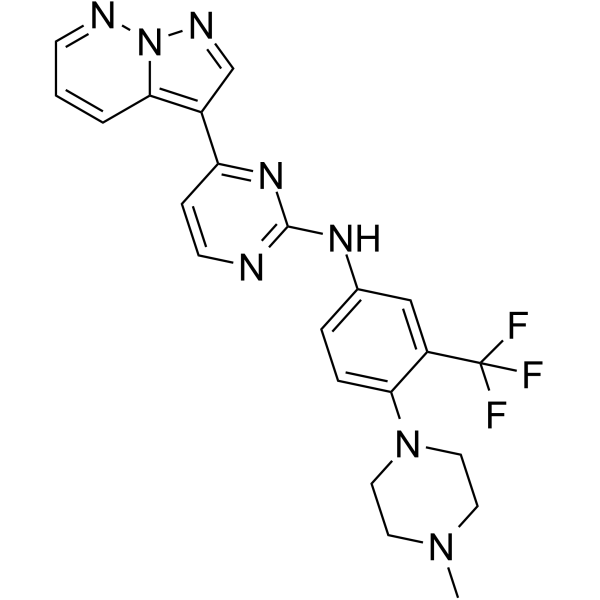
GW779439X is a pyrazolopyridazine identified in an inhibitor of the S. aureus PASTA kinase Stk1. GW779439X potentiates the activity of β-lactam antibiotics against various MRSA and MSSA isolates, some even crossing the breakpoint from resistant to sensitive. GW779439X is an AURKA inhibitor and induces apoptosis by the caspases 3/7 pathway . MRSA:methicillin-resistant S. aureus; MSSA: methicillin-sensitive S. aureus
|
-
- HY-147755
-
|
|
Bacterial
|
Infection
|
|
C16-K-cBB1 is a potent and selective antimicrobial agent for MRSA (Methicillin resistant Staphylococcus aureus), with a MIC of 1 µg/mL. C16-K-cBB1 has very good selectivity, as it has weak hemolytic activity. C16-K-cBB1 is able to kill MRSA cells in a matter of 120 min at a concentration of 12.5 μg/mL .
|
-
- HY-B2234
-
|
iodopovidone
|
Environmental Pollutants
Bacterial
|
Infection
|
|
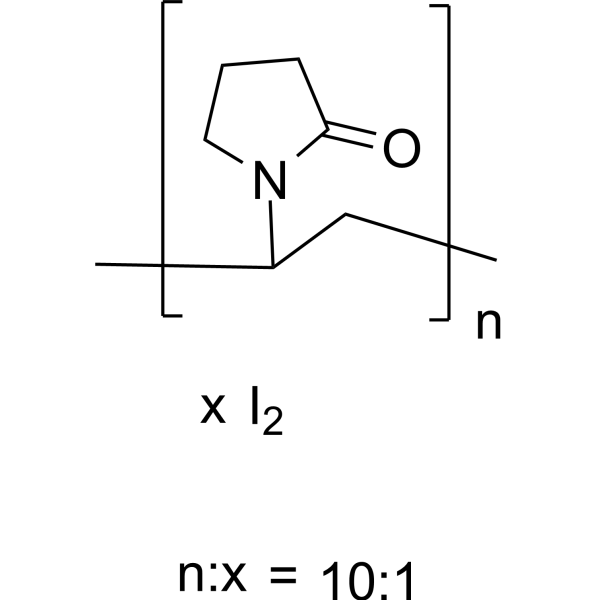
Povidone iodine (iodopovidone) displays excellent antibacterial activity which can against MRSA and MSSA strains with MICs of 31.25 mg/L and 7.82 mg/L, respectively.
|
-
- HY-N14476
-
|
|
Bacterial
|
Infection
|
|
Kigamicin B shows activity against Gram-positive bacteria including methicillin-resistant Staphylococcus aureus (MRSA) with MICs of 0.025-0.78 μg/mL .
|
-
- HY-N8186
-
|
|
Bacterial
|
Infection
|
|
(3R)-7,4’-Dihydrohomoisoflavanone is a natural product with antibacterial activities against S. aureus and methicillin-resistant Staphylococcus aureus (MRSA) .
|
-
- HY-112240
-
|
|
Antibiotic
Bacterial
|
Infection
|
|
Antibacterial agent 104 (Compound 7) is a potent antibacterial agent. Antibacterial agent 104 displays excellent antibacterial activity in vitro and good efficacy in vivo against MRSA .
|
-
- HY-116168
-
|
|
Antibiotic
Bacterial
|
Infection
|
|
Aldecalmycin is an antibiotic showing antimicrobial activities against Gram-positive bacteria including methicillin-resistant Staphylococcus aureus (MRSA) with MICs values of 6.25-25 μg/mL .
|
-
- HY-N16397
-
|
|
Bacterial
|
Infection
|
|
Anhydrofulvic acid is a polyketide with antibacterial activity (notably against MRSA, MIC=8 mg/mL). Anhydrofulvic acid is promising for research of Gram-positive infections (e.g., skin, bloodstream) .
|
-
- HY-N3920
-
|
|
Bacterial
|
Infection
|
|
Gancaonin G is a 6-prenylated isoflavanone that can be isolated from Glycyrrhiza uralensis. Gancaonin G has antibacterial activity against Streptococcus mutants and MRSA strains .
|
-
- HY-P5710
-
|
|
Bacterial
|
Infection
|
|
LCI peptide is an antimicrobial peptide with antibacterial activity. LCI peptide is active against plant pathogens, Xanthomonas and Pseudomonas, including E. coli, Gentamicin-resistant MRSA and Xoo .
|
-
- HY-163528
-
|
|
Bacterial
|
Infection
|
|
Antibacterial agent 213 (compound Thy3d) shows potent antimicrobial activity by disrupting the integrity of
the membrane of bacterial, with the MIC of 0.5 μg/ml for Staphylococcus aureus (MRSA) .
|
-
- HY-175313
-
|
|
Bacterial
|
Infection
|
|
Antibacterial agent 286 (compound 5) is an effective broad-spectrum antimicrobial agent with strong inhibitory activity against methicillin-resistant S. aureus (MRSA) with an MIC of 25 μg/mL .
|
-
- HY-146591
-
|
|
Bacterial
|
Infection
|
|
Antibacterial agent 87 (Compound 4h) is a potent antibacterial agent with MIC values of 0.125, 0.0625 and 0.0625 μg/mL against MRSA, MRSE and S. aureus, respectively .
|
-
- HY-B2157S
-
|
|
Bacterial
Parasite
|
Infection
|
|
Robenidine-d8 (hydrochloride) is the deuterium labeled Robenidine hydrochloride. Robenidine hydrochloride is an anticoccidial agent which is also active against MRSA and VRE with MIC50s of 8.1 and 4.7 μM, respectively.
|
-
- HY-148576
-
|
|
Antibiotic
Bacterial
|
Infection
|
|
Antibacterial agent 136 (compound 3) is an antibiotic of oxadiazolones. Antibacterial agent 136 have high antibacterial potency against Staphylococcus aureus (MRSA) with a MIC50 value of 0.8 μM .
|
-
- HY-107164
-
|
4-Hydroxythiomarinol C
|
Antibiotic
Bacterial
|
Infection
|
|
Thiomarinol A (4-Hydroxythiomarinol C) is a potent antibiotic. Thiomarinol A is a hybrid of dithiolopyrrolone and marinolic acid. Thiomarinol A shows antimicrobial activity. Thiomarinol A inhibits MRSA IleRS in a dose-dependent with a Ki app value of 19 nM .
|
-
- HY-101472
-
|
|
Bacterial
|
Infection
|
|
Closthioamide is a potent inhibitor of bacterial DNA gyrase and highly active against Ec, MRSA, VRE and Mv), with MICs of 9.00 μM, 0.58 μM, 0.58 μM and 72.03 μM respectively.
|
-
- HY-N5195
-
|
Nocathiacine II
|
Bacterial
|
Infection
|
|
Nocathiacin II (Nocathiacine II) is highly resistant to Gram-positive bacteria, including methicillin-resistant Staphylococcus aureus (MRSA), penicillin-resistant Streptococcus pneumoniae (PRSP) and multidrug resistant Enterococcus faecalis (MREF) .
|
-
- HY-129487
-
|
|
Bacterial
|
Infection
|
|
(E/Z)-MC4 is an enantiomer of the antibacterial agent MC4, which has antibacterial activity against a group of Staphylococcus aureus strains including MRSA, and has no significant toxicity to mammalian cells .
|
-
- HY-N5184
-
|
Nocathiacine III
|
Bacterial
|
Infection
|
|
Nocathiacin III (Nocathiacine III) is highly resistant to Gram-positive bacteria, including methicillin-resistant Staphylococcus aureus (MRSA), penicillin-resistant Streptococcus pneumoniae (PRSP) and multidrug resistant Enterococcus faecalis (MREF) .
|
-
- HY-N5196
-
|
Nocathiacine I
|
Bacterial
|
Infection
|
|
Nocathiacin I (Nocathiacine I) is highly resistant to Gram-positive bacteria, including methicillin-resistant Staphylococcus aureus (MRSA), penicillin-resistant Streptococcus pneumoniae (PRSP) and multidrug resistant Enterococcus faecalis (MREF) .
|
-
- HY-182022
-
|
|
Bacterial
Reactive Oxygen Species (ROS)
Drug Derivative
DNA/RNA Synthesis
|
Infection
|
|
ZLWH-67 is a β-Carboline derivative and Antibacterial agent. ZLWH-67 inhibits DNA synthesis, suppresses biofilm formation, and increases reactive oxygen species (ROS) levels. ZLWH-67 exhibits potent in vitro antibacterial activity against MRSA (MIC = 0.5-4 μg/mL), S. epidermidis (MIC = 4 μg/mL), E. faecalis (MIC = 4-8 μg/mL), and S. pneumoniae (MIC = 16 μg/mL). ZLWH-67 displays anti-MRSA effects in murine skin and pneumonia infection models .
|
-
- HY-162761
-
|
|
Bacterial
COX
|
Inflammation/Immunology
|
|
COX-1/2-IN-9 (Compound 3n) is a potent and selective inhibitor of COX-1/2, with IC50 values of 0.031 µM and 0.01 µM, respectively. COX-1/2-IN-9 possesses both antibacterial and anti-inflammatory activities, effectively inhibiting MRSA 1478 (MIC=50 μg/mL) and multidrug-resistant S. lentus (MIC=50 μg/mL). COX-1/2-IN-9 holds significant potential to alleviate MRSA-induced pneumonia in immunocompromised states .
|
-
- HY-P5737
-
|
|
Bacterial
|
Infection
|
|
ASP-1 is a strong antistaphylococcal peptide with minimum inhibitory concentrations (MICs) of the purified peptide against S. aureus and methicillin-resistant S. aureus (MRSA) ranged from 2 μg/mL to 64 μg/mL .
|
-
- HY-N15451
-
|
|
Pyruvate Kinase
|
Infection
|
|
Deoxytopsentin (compound 5) is a marine bisindole alkaloid and also a MRSA pyruvate kinase inhibitor. Deoxytopsentin exists in sponges. Deoxytopsentin exhibits antibacterial activity against methicillin-resistant Staphylococcus aureus strains in vitro .
|
-
- HY-101479R
-
|
AR-100 (Standard)
|
Reference Standards
Bacterial
Antibiotic
|
Infection
|
|
Iclaprim (Standard) is the analytical standard of Iclaprim. This product is intended for research and analytical applications. Iclaprim is a new selective bacterial Dihydrofolate inhibitor, which can inhibit the growth of S. aureus (MRSA) with an MIC90 of 0.06 μg/mL.
|
-
- HY-B2157R
-
|
|
Reference Standards
Bacterial
Parasite
|
Infection
|
|
Robenidine hydrochloride (Standard) is the analytical standard of Robenidine hydrochloride. This product is intended for research and analytical applications. Robenidine hydrochloride is an anticoccidial agent which is also active against MRSA and VRE with MIC50s of 8.1 and 4.7 μM, respectively.
|
-
- HY-P10345
-
|
|
Bacterial
|
Infection
|
|
OP-145, an cathelicidin LL-37 derivative, is an antimicrobial peptide, and shows antibacterial activity against several MRSA strains. OP-145 can be used for research of chronic suppurative otitis media .
|
-
- HY-146330
-
|
|
Bacterial
|
Infection
|
|
FtsZ-IN-2 (Compound 19) is an inhibitor of the bacterial cell division protein FtsZ with GTPase inhibitory activity. FtsZ-IN-2 exhibits anti-staphylococcal activity with MIC values of 2 µg/ml for MSSA and MRSA .
|
-
- HY-174273
-
|
|
Bacterial
|
Infection
|
|
Antibacterial agent 280 (Compound 7af) is an antibacterial agent targeting methicillin-resistant and vancomycin-resistant Staphylococcus aureus (MRSA, VRSA). Antibacterial agent 280 is promising for research of is promising for research of S. aureus infections .
|
-
- HY-161935
-
|
|
Bacterial
|
Infection
Inflammation/Immunology
|
|
6-(12-Tridecene-1-yl)-2,4-Dihydroxy benzoic acid (Compound 2) exhibits antibacterial activity against methicillin-resistant Staphylococcus aureus (MRSA) and Vancomycin enterococci (VRE). 6-(12-Tridecene-1-yl)-2,4-Dihydroxy benzoic acid interfers with the integrity and function of the bacterial cell membrane, and affects metabolism in MRSA. 6-(12-Tridecene-1-yl)-2,4-Dihydroxy benzoic acid exhibits anti-inflammatory and anti-infective efficacy, and promotes angiogenesis in mice .
|
-
- HY-103645R
-
|
|
Reference Standards
Bacterial
Aurora Kinase
Apoptosis
|
Infection
Cancer
|
|
GW779439X (Standard) is the analytical standard of GW779439X (HY-103645). This product is intended for research and analytical applications. GW779439X is a pyrazolopyridazine identified in an inhibitor of the S. aureus PASTA kinase Stk1. GW779439X potentiates the activity of β-lactam antibiotics against various MRSA and MSSA isolates, some even crossing the breakpoint from resistant to sensitive. GW779439X is an AURKA inhibitor and induces apoptosis by the caspases 3/7 pathway . MRSA:methicillin-resistant S. aureus; MSSA: methicillin-sensitive S. aureus
|
-
- HY-173080
-
|
|
Bacterial
|
Infection
|
|
Antibacterial agent 267 (Compound h19) is a pleuromutilin derivative with a potent antibacterial activity on Gram-positive bacteria. Antibacterial agent 267 shows an antibacterial activity in methicillin-resistant Staphylococcus aureus (MRSA)-infected mouse models .
|
-
- HY-W112166A
-
|
|
Bacterial
|
Infection
|
|
4,4'-Dicyanostilbene (compound 43) is a potent antimalarial agent against the Dd2 strain, with an EC50 of 27 nM. 4,4'-Dicyanostilbene exhibits in vivo efficacy against methicillin-resistant Staphylococcus aureus (MRSA) .
|
-
- HY-149095
-
|
|
Bacterial
|
Infection
|
|
Antibacterial agent 139 has antibacterial activity against Gram-positive bacteria. Antibacterial agent 139 has anti-MRSA, anti-VISA, and anti-LRSE activities. Antibacterial agent 139 depolarizes the bacterial cell membrane .
|
-
- HY-162564
-
|
|
Bacterial
|
Infection
|
|
Antibacterial agent 221 (compound 3k) is a potent inhibitor of Gram-positive Methicillin-resistant Staphylococcus aureus (MRSA). Antibacterial agent 221 shows significant cytotoxicity against human LO2 and HepG2 cells .
|
-
- HY-146023
-
|
|
Bacterial
Fungal
|
Infection
|
|
Antifungal agent 27 (compound 7) is a antifungal agent. Antifungal agent 27 shows moderate antibacterial and weak antifungal activities against MRSA and C. albicans SS5314, with MIC values of 8 and 32 μg/mL, respectively .
|
-
- HY-W024297
-
|
|
Bacterial
|
Infection
|
|
VP-4509, an anti-methicillin‐resistant Staphylococcus aureus (MRSA) agent, with the MIC of 49.3 µM. VP-4509 also possesses high antibacterial activity towards gram-negative bacteria P. aeruginosa .
|
-
- HY-17626A
-
|
WCK-2349 mesylate
|
Antibiotic
Bacterial
|
Infection
|
|
Alalevonadifloxacin (WCK-2349) mesylate is an orally active antibiotic targeting Gram-positive and Gram-negative bacteria. Alalevonadifloxacin mesylate is promising for research of acute bacterial skin and skin structure infections and hospital-acquired pneumonia caused by MRSA and other pathogens .
|
-
- HY-19915A
-
|
MRX-4
|
Bacterial
Antibiotic
|
Infection
Inflammation/Immunology
|
|
Contezolid acefosamil (MRX-4) is the orally active proagent of the active antimicrobial metabolite Contezolid (MRX-I), an oxazolidinone which shows potent in vitro activity against various multidrug-resistant Gram-positive bacteria, including MRSA .
|
-
- HY-119123
-
|
LTX-109
|
Fungal
Bacterial
|
Infection
|
|
Voxvoganan (LTX-109), a topical antimicrobial, is highly effective against S. aureus with a MIC range of 2 to 4 μg/mL. Voxvoganan can be used for the research of bacterial skin infections, fungal infections and nasal decolonisation of MRSA .
|
-
- HY-119123A
-
|
LTX-109 trihydrochloride
|
Fungal
Bacterial
|
Infection
|
|
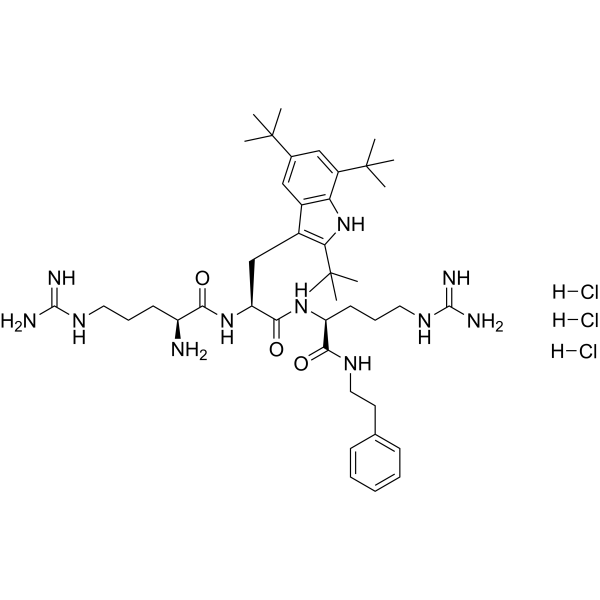
Voxvoganan (LTX-109) trihydrochloride, a topical antimicrobial, is highly effective against S. aureus with a MIC range of 2 to 4 μg/mL. Voxvoganan trihydrochloride can be used for the research of bacterial skin infections, fungal infections and nasal decolonisation of MRSA .
|
-
- HY-N14955
-
|
|
Antibiotic
Bacterial
|
Infection
|
|
3-O-α-D-Forosaminyl-(+)-griseusin is a memberof naphthoquinone antibiotic. 3-O-α-D-Forosaminyl-(+)-griseusin is active against Gram-positive bacteria including methicillin-resistant strain of Staphylococcus aureus (MRSA) .
|
-
- HY-161018
-
|
|
Bacterial
Antibiotic
|
Infection
|
|
CF3–K11 is a stable antibiotic with antibacterial activity. CF3–K11 has strong antibacterial activity against Pseudomonas aeruginosa and methicillin-resistant Staphylococcus aureus (MRSA).
|
-
- HY-171005
-
|
|
Bacterial
|
Infection
|
|
VPC162134 is an antibacterial agent, that inhibits H. pylori, C. jejuni, MRSA and S. epidermidis with MIC of 2.9, 17.5, 93.3 and 93.3 μM. VPC162134 is an inhibitor for pyruvate ferredoxin oxidoreductase (PFOR) .
|
-
- HY-N8464
-
|
|
Bacterial
|
Cancer
|
|
Juncuenin D induces caspase-3-mediated cytotoxicity in HT22 cells. Juncuenin D also has anti-bacterial activity against MRSA strains. Juncuenin D can be isolated from J. effusus .
|
-
- HY-N9833
-
|
|
Bacterial
|
Infection
|
|
Sampsone B is a dihydrodibenzodioxinone-type antibacterial agent with a minimum inhibitory concentration (MIC) of ≥128 μg/mL against methicillin-resistant Staphylococcus aureus (MRSA). Sampsone B can be naturally extracted from the aerial parts (stems and leaves) of Hypericum sampsonii .
|
-
- HY-163517
-
|
|
Bacterial
|
Infection
|
|
Antibacterial agent 211 (compound k15) has bactericidal activity against clinically isolated MRSA and VRE (MICs = 0.25–1.00 μg/mL). Antibacterial agent 211 avoids resistance by damaging biofilm and targeting cell membranes .
|
-
- HY-146593
-
|
|
Bacterial
|
Infection
|
|
Antibacterial agent 88 (Compound 5h) is a potent antibacterial agent with MIC values of both ≤0.0156 μg/mL against MRSA, MRSE and S. aureus. Antibacterial agent 88 also inhibits B. subtilis with an MIC of 4 μg/mL .
|
-
- HY-125747
-
|
Actinomycin V (purity≥85%)
|
Bacterial
Antibiotic
Apoptosis
|
Infection
Cancer
|
|
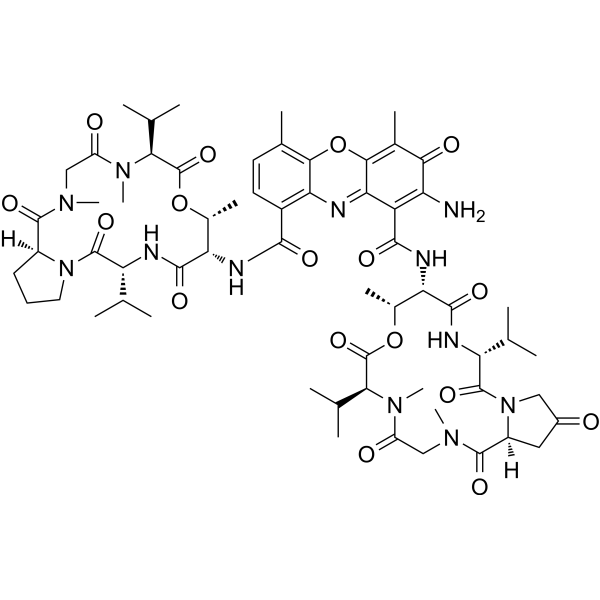
Actinomycin X2 (Actinomycin V), produced by many Streptomyces sp., shows strong inhibition of MRSA with a minimum inhibitory concentration (MIC) value of 0.25 μg/mL. Actinomycin X2 can be used for cancer and bacterial infection .
|
-
- HY-N10765
-
|
|
Bacterial
|
Inflammation/Immunology
Cancer
|
|
Salvinolone is active against methicillin-resistant Staphylococcus aureus (MRSA) and vancomycin-resistant Enterococcus (VRE). Salvinolone shows cytotoxic activity with an IC50 of 47.6 μM against the HL-60 tumor cell line for 72 h .
|
-
- HY-N15019
-
|
|
Antibiotic
Bacterial
|
Infection
|
|
Glycothiohexide α is a peptide antibiotic. Glycothiohexide α has strong activity against Gram-positive bacteria including methicillin-resistant Staphylococcus aureus (MRSA) and vancomycin resistant enterococcus (VREF), MIC values of 0.03-0.06 μg/mL .
|
-
- HY-N14171
-
|
|
Bacterial
Fungal
|
Infection
|
|
Epicorazine A has activity against Gram-positive bacteria, including methicillin-resistant Staphylococcus aureus (MRSA) and vancomycin resistant enterococcus (VRE), MICs of 12.5-25 μg/mL. Epicorazine A also has effect on Candida albicans with a MIC of 25 μg/mL .
|
-
- HY-147960
-
|
|
Glycosyltransferase
|
Infection
|
|
Glycosyltransferase-IN-1 (compound 5m) is a potent glycosyltransferase inhibitor, with an IC50 of 82.8 μM. Glycosyltransferase-IN-1 shows antibacterial activity, with MIC values of 6 μg/mL for MSSA, MRSA, B. subtilis and 12 μg/mL for E. coli .
|
-
- HY-169521
-
|
|
DNA/RNA Synthesis
Bacterial
|
Infection
|
|
DNA Gyrase-IN-16 (Compound 9) is the inhibitor for DNA gyrase with an IC50 of 1.609 μM. DNA Gyrase-IN-16 exhibits antibacterial activity, inhibits S. aureus and MRSA with MIC of 3.125 μM and 3.125 μM .
|
-
- HY-157482
-
|
|
Bacterial
|
Infection
|
|
EBP-59 is a bacterial inhibitor with antibiofilm activity against Gram-positive bacteria. EBP-59 is effective against Staphylococcus aureus and MRSA (methicillin–resistant staphylococcus aureus). EBP-59 can be used to study bacterial infections .
|
-
- HY-176750
-
|
|
Bacterial
|
Infection
|
|
HMRZ-62 is an antibacterial agent. HMRZ-62 exhibits antibacterial activity against Methicillin (HY-121544)-resistant Staphylococcus aureus (MRSA) and Vancomycin (HY-B0671)-resistant Enterococcus faecalis (VRE) .
|
-
- HY-101479S
-
-
- HY-158402
-
|
|
Bacterial
Fungal
|
Infection
Inflammation/Immunology
|
|
Anti-inflammatory agent 84 (Compound 4D) is a derivative of Coumarin (HY-N0709) with antimicrobial and anti-inflammatory activities. Anti-inflammatory agent 84 inhibits E. coli, Candida albicans, Staphylococcus aureus and methicillin-resistant S. aureus (MRSA), with MIC of 312, 156, 19 and 316 μg/mL, respectively. Anti-inflammatory agent 84 inhibits biofilm formation of S. aureus, E. coli and MRSA, with IC50 of 185, 321 and 99 μM, respectively. Anti-inflammatory agent 84 inhibits nitric oxide production in Lipopolysaccharide (HY-D1056)-stimulated RAW264.7 macrophage cell .
|
-
- HY-175539
-
|
|
Bacterial
Topoisomerase
DNA/RNA Synthesis
|
Infection
|
|
DNA gyrase/Topo IV-IN-2 (Compound AK19) is an antibacterial agent with IC50 values of 0.783 μM and 7.136 μM against E. coli DNA gyrase and topoisomerase IV, respectively. DNA gyrase/Topo IV-IN-2 exhibits broad-spectrum antibacterial efficacy against both Gram-positive and Gram-negative pathogens. DNA gyrase/Topo IV-IN-2 can inhibit the biofilms of B. subtilis and MRSA, with an MIC of 1.9 μM against both B. subtilis and MRSA. DNA gyrase/Topo IV-IN-2 can be used in research related to anti-drug-resistant bacterial drugs .
|
-
- HY-127155
-
|
|
Bacterial
Antibiotic
|
Infection
Cancer
|
|
Kigamicin C is an anti-tumor antibiotic that selectively kills pancreatic cancer PANC-1 cells only in nutrient-poor conditions. Kigamicin C has antimicrobial activity against Gram-positive bacteria including methicillin-resistant Staphylococcus aureus (MRSA) .
|
-
- HY-126183
-
|
|
Bacterial
|
Infection
|
|
6,8-Diprenyleriodictyol is a flavonoid and bactericidal agent. 6,8-Diprenyleriodictyol can be isolated from the aerial parts of D. mannii. 6,8-Diprenyleriodictyol shows significant antibacterial activity against S. aureus including MRSA strains .
|
-
- HY-N9690
-
|
Longistylin A
|
Bacterial
|
Infection
Neurological Disease
|
|
Longistyline A (Longistylin A) is a natural stilbene, it can be isolated from leaves of Cajanus cajan. Longistyline A shows antimicrobial activity against MRSA with an MIC value of 1.56 μg/mL. Longistyline A shows neuroprotective effects, it can be used for the research of infection and nerve diseases .
|
-
- HY-P5547
-
|
|
Bacterial
|
Infection
|
|
Lynronne-3 is an antimicrobial peptide. Lynronne-1 is active against Gram-positive bacterials, including
MDR strains (MIC: 32-128 μg/mL for methicillin-resistant MRSA strains). Lynronne-3 is also effective against P. aeruginosa infection
|
-
- HY-10391
-
|
|
Bacterial
|
Infection
|
|
E3709 is an antibacterial agent. E3709 exhibits significant inhibitory activity against Gram-positive bacteria, including Staphylococcus aureus (MRSA), Enterococcus faecalis, streptococci, Clostridia, and diphtheroids. E3709 can be used for research related to Gram-positive bacterial infections .
|
-
- HY-173594
-
|
|
Bacterial
|
Infection
|
|
TarO-IN-1 (Compound 18a) is a TarO inhibitor and has antibacterial activity. TarO-IN-1 has β-lactam sensitizing and anti-biofilm activities against MRSA. TarO-IN-1 can be used for research of β-lactam resistance .
|
-
- HY-128384
-
|
|
Bacterial
|
Infection
|
|
Benzyldodecyldimethylammonium chloride dihydrate is a quaternary ammonium compound (QAC) and can be used as a biocide to target antibiotic-resistant bacteria, such as methicillin-resistant Staphylococcus aureus (MRSA), multidrug-resistant (MDR) P. aeruginosa et. al. Benzyldodecyldimethylammonium chloride dihydrate, an antimicrobial agent, bacteriostatic or bactericidal properties depending on the concentration.
|
-
- HY-105401
-
|
|
Bacterial
|
Infection
|
|
J-114870 is a bacterial penicillin-binding protein (PBPs) inhibitor. J-114870 is effective against methicillin-resistant Staphylococcus aureus (MRSA) and methicillin-resistant coagulase-negative staphylococci (MRCoNS). J-114870 can be used for research on bacterial infections .
|
-
- HY-P10681
-
|
|
Bacterial
|
Infection
|
|
Crabrolin is a tridecapeptide that can be extracted from the venom of the European hornet (Vespa crabro). Crabrolin shows MIC/MBC of 2/2, 16/64, 4/8 μM, for S. aureus (NCTC 10788), MRSA (NCTC 12493) and E. faecium (NTCC 12697), respectively .
|
-
- HY-163700
-
|
|
Bacterial
|
Infection
|
|
Fabl inhibitor 1 (Compound (S)-n31) is an orally active and potent SaFabI inhibitor (IC50 = 94.0 nM, MIC = 0.25-1 μg/mL). Fabl inhibitor 1 can be used for the research of methicillin-resistant S. aureus (MRSA) infection .
|
-
- HY-N14172
-
|
|
Bacterial
Fungal
|
Infection
|
|
Epicorazine B has activity against Gram-positive bacteria, including methicillin-resistant Staphylococcus aureus (MRSA) and vancomycin resistant enterococcus (VRE), MICs of 12.5-25 μg/mL. Epicorazine B also has effect on Candida albicans with a MIC of 25 μg/mL .
|
-
- HY-126771
-
|
Chr-A
|
Antibiotic
Bacterial
Akt
GSK-3
β-catenin
c-Myc
|
Infection
Cancer
|
|
Chrysomycin A (Chr-A), an antibiotic, can be obtained from Streptomyces. Chrysomycin A exhibits antitumor and anti-tuberculous and MRSA activities. As for glioblastoma, Chrysomycin A inhibits the proliferation, migration, and invasion of cancer cells through the Akt/GSK-3β/β-catenin signaling pathway .
|
-
- HY-122008
-
|
|
Bacterial
|
Infection
|
|
Levonadifloxacin ((S)-(-)-Nadifloxacin; WCK 771) arginine is a broad-spectrum antistaphylococcal agent. Levonadifloxacin arginine has antimicrobial activity against methicillin-susceptible Staphylococcus aureus (MSSA) and methicillin-resistant Staphylococcus aureus and reduces phagocytosis of MRSA and MSSA strains by monocytic THP-1.
|
-
- HY-P5546
-
|
|
Bacterial
|
Infection
|
|
Lynronne-2 is an antimicrobial peptide. Lynronne-1 is active against Gram-positive bacterials, including
MDR strains (MIC: 32-256 μg/mL for methicillin-resistant MRSA strains). Lynronne-2 is also effective against P. aeruginosa infection
|
-
- HY-185443
-
|
|
Bacterial
Dihydrofolate reductase (DHFR)
|
Infection
|
|
UCP1172 is an antibacterial (Antibacterial) agent and Dihydrofolate reductase inhibitor, with an IC50 of 0.0089 μM against Staphylococcus aureus DfrB, 0.22 μM against DfrG, 0.41 μM against DfrA, and 0.030 μM against DfrK. UCP1172 potently inhibits the growth of MRSA/MSSA isolates carrying dfrG and dfrK (MIC values of 0.3125-0.625 μg/mL), shows weak activity against MRSA carrying dfrA (MIC of 5 μg/mL), and exerts extremely potent inhibitory effects on wild-type S. aureus ATCC 43300 (MIC of 0.0098 μg/mL). UCP1172 can be used in studies related to tuberculosis and Staphylococcus aureus infections .
|
-
- HY-P11582
-
|
|
Bacterial
|
Infection
|
|
CyLip-20 is a cyclic lipopeptide antimicrobial peptide that targets Gram-positive and Gram-negative bacteria. CyLip-20 exhibits low hemolytic activity and mild in vivo toxicity. CyLip-20 disrupts the integrity of bacterial outer membrane, inner membrane and cytoplasmic membrane by binding to bacterial lipopolysaccharide (LPS), triggering membrane permeabilization, depolarization and leakage of intracellular contents, and inhibits bacterial biofilm formation. In animal models, CyLip-20 reduces the bacterial load in skin wounds of mice infected with MRSA, promotes wound healing, decreases the levels of inflammatory cytokines and reduces inflammatory cell infiltration. CyLip-20 can be used in research related to MRSA skin wound infections .
|
-
- HY-107053
-
|
CB-181963
|
Bacterial
Penicillin-binding protein (PBP)
|
Infection
|
|
BC-1175 (CB-181963) is a novel cephalosporin and antibacterial agent. CB-181963 displays strong binding to altered PBP 2a. CB-181963 demonstrates marked efficacy against MRSA, Klebsiella pneumoniae, Streptococcus pneumoniae, and Escherichia coli .
|
-
- HY-N8509
-
|
Deacetylchevalone C
|
Bacterial
|
Infection
|
|
Chevalone E (Deacetylchevalone C) (Compound 3) is a meroditerpenoid. Chevalone E can be isolated from the fungus Aspergillus similanensis sp. Chevalone E has a synergic effect with Oxacillin (HY-B0925A) and Ampicillin (HY-B0522) against MRSA .
|
-
- HY-N16460
-
|
|
Antibiotic
Bacterial
|
Infection
|
|
Albomycin δ2 is a siderophore-antibiotic conjugate targeting bacterial ribosomes (MIC: 0.0625 μg/mL against S. pneumoniae, 0.125 μg/mL against MRSA). Albomycin δ2 is promising for research of Streptococcus pneumoniae and Staphylococcus aureus infections .
|
-
- HY-146047
-
|
|
Bacterial
|
Infection
|
|
Antibacterial agent 94 (compound 5b) is a potent antibacterial agent. Antibacterial agent 94 show antibacterial activities and show the capability of eradicating MRSA persisters. Antibacterial agent 94 has an effect on bacterial membrane. Antibacterial agent 94 interferes in phosphatidylglycerol (PG) synthesis pathway .
|
-
- HY-14926B
-
|
(S)-(-)-Nadifloxacin arginine; WCK 771 arginine
|
Bacterial
|
Infection
|
|
Levonadifloxacin ((S)-(-)-Nadifloxacin; WCK 771) arginine is a broad-spectrum antistaphylococcal agent. Levonadifloxacin arginine has antimicrobial activity against methicillin-sensitive Staphylococcus aureus (MSSA) and methicillin-resistant Staphylococcus aureus and reduces phagocytosis of MRSA and MSSA strains by monocytic THP-1 cells .
|
-
- HY-P10695
-
|
|
Bacterial
Antibiotic
|
Infection
|
|
Bac8c is an antimicrobial peptide with strong antibacterial activity against Gram-negative and Gram-positive bacteria. The MIC of Bac8c against S. aureus, MRSA, S. epidermidis, E. coli, and P. aeruginosa are 2, 8, 4, 4, and 4 μg/mL, respectively .
|
-
- HY-14926A
-
|
(S)-(-)-Nadifloxacin arginine hydrate; WCK-771A arginine hydrate
|
Antibiotic
Bacterial
|
Infection
|
|
Levonadifloxacin (arginine) hydrate is a broad-spectrum anti-staphylococcal agent. Levonadifloxacin (arginine) hydrate shows antibacterial activity against Methicillin (HY-121544)-susceptible Staphylococcus aureus (MSSA) and Methicillin-resistant S. aureus (MRSA) strains, with a reduction of which phagocytized in THP-1 monocytes .
|
-
- HY-118241
-
|
|
Lactate Dehydrogenase
Bacterial
Apoptosis
Reactive Oxygen Species (ROS)
|
Cardiovascular Disease
Infection
Inflammation/Immunology
Cancer
|
|
GNE-140 is an orally active and selective inhibitor of lactate dehydrogenase (LDH) A, B and C, with IC50 values of 3, 5 and 5 nM against LDHA, LDHB, LDHC, respectively. GNE-140 blocks the conversion of pyruvate to lactate, reduces lactate production and histone lysine lactylation, and inhibits glycolysis. GNE-140 attenuates cardiac hypertrophy, alleviates PM2.5-induced pulmonary inflammation and fibrosis, blocks MRSA-induced Arg1 expression, regulates metabolites of glycolysis and the pentose phosphate pathway, reduces glucose uptake, increases ROS, and induces cancer cell apoptosis. GNE-140 is applicable to research related to pathological cardiac hypertrophy, pulmonary fibrosis, MRSA infection and pancreatic cancer .
|
-
- HY-N9819
-
|
|
Bacterial
|
Infection
|
|
Jinflexin D is a potential antibacterial agent, without inhibitory activity against methicillin-resistant Staphylococcus aureus (MRSA). Jinflexin D is a dimeric phenanthrene natural product with a unique seven-membered ring system, naturally extracted from the methanol extract of the roots of Juncus inflexus (a plant of the Juncaceae family) .
|
-
- HY-122174
-
|
CP-5609
|
Antibiotic
Bacterial
|
Infection
|
|
ME-1036 (CP-5609) is a carbapenem antibiotic. ME-1036 against resistant Gram-positive organisms, including Methicillin-resistant Staphylococcus aureus (MRSA), and vancomycin-resistant Enterococci (VRE), and ESBL-producing E. coli and K. pneumoniae but is not effective against P. aeruginosa .
|
-
- HY-146133
-
|
|
Bacterial
Antibiotic
|
Infection
|
|
LA-Bac8c is a Lipoic acid modified antimicrobial peptide with enhanced antimicrobial properties. LA-Bac8c inhibits S. aureus, MRSA, S. epidermidis, E. coli, and P. aeruginosa with MICs of 1, 4, 8, 8, and 8 μg/mL .
|
-
- HY-100576
-
NH125
2 Publications Verification
|
CaMK
Autophagy
Bacterial
Fungal
Virus Protease
|
Infection
Cancer
|
|
NH125 is a potent and selective inhibitor of eukaryotic elongation factor 2 kinase (eEF-2K/CaMKIII) with an IC50 of 60 nM for eEF-2K. NH125 kills methicillin-resistant S. aureus (MRSA) persisters by interacting with and disrupting membranes .
|
-
- HY-175301
-
|
|
Bacterial
Reactive Oxygen Species (ROS)
|
Infection
|
|
TH16 is an antibacterial agent (MIC=2 μg/mL against methicillin-resistant Staphylococcus aureus, MRSA). TH16 disrupts bacterial cytoplasmic membrane integrity, elevating intracellular reactive oxygen species (ROS) levels to induce bacterial death. TH16 is promising for research of bacterial infection .
|
-
- HY-14926
-
|
(S)-(-)-Nadifloxacin; WCK 771
|
Antibiotic
Bacterial
|
Infection
|
|
Levonadifloxacin ((S)-(-)-Nadifloxacin; WCK 771) is a broad-spectrum anti-staphylococcal agent. Levonadifloxacin shows antibacterial activity against Methicillin (HY-121544)-susceptible Staphylococcus aureus (MSSA) and Methicillin-resistant S. aureus (MRSA) strains, with a reduction of which phagocytized in THP-1 monocytes .
|
-
- HY-105523
-
|
|
Bacterial
|
Infection
|
|
S 3578 sulfate is a broad-spectrum antibacterial agent, particularly effective against methicillin-resistant Staphylococcus aureus (MRSA) (MIC = 0.78-3.13 μg/mL) and Pseudomonas aeruginosa (MIC = 1.56-6.25 μg/mL). S 3578 sulfate can be used in the research of infectious conditions .
|
-
- HY-124199
-
|
|
Antibiotic
Bacterial
|
Infection
|
|
Cephalochromin is an antibiotic and an inhibitor for bacterial fatty acid synthase (FabI). Cephalochromin inhibits FabI of Staphylococcus aureus and Escherichia coli with IC50 of 1.9 and 1.8 μM. Cephalochromin inhibits gram-positive methicillin-resistant S. aureus (MRSA) and quinolone-resistant S. aureus (QRSA), with MIC of 2-8 µg/mL .
|
-
- HY-163437
-
|
|
Bacterial
Fungal
|
Infection
|
|
Antitubercular agent-45 (Compound 5g) is an antifungal and antitubercular agent. Antitubercular agent-45 inhibits S. aureus, MRSA, B. subtilis, E. coli, C. albicans with MIC values of 6.4, 10.8, 6.1, 8.4 , 8.1 μM respectively .
|
-
- HY-P3078
-
|
|
Bacterial
Antibiotic
|
Infection
|
|
Amphomycin is a lipopeptide antibiotic that inhibits peptidoglycan synthesis and blocks cell wall development. Amphomycin exhibits potent antibacterial activities against methicillin-resistant S. aureus (MRSA), vancomycin-resistant enterococci (VRE), penicillin-gentamicin-erythromycin-resistant S. pneumonia, and linezolid-quinupristin-dalfopristin-resistant enterococci .
|
-
- HY-N2245
-
|
|
CD74
|
Cancer
|
|
Schisandrone, a 4-aryltetralone lignan, is isolated from the dried fruits of Schisandra sphenanthera . Schisandrone is an alpha-hemolysin (Hla) inhibitor that downregulates the transcript levels of hla, agrA and RNAIII. Hla is an integral virulence determinant in Staphylococcus aureus that determines pathogenicity. Schisandrone is a potent inhibitor against MRSA pneumonia .
|
-
- HY-130613
-
|
|
Bacterial
|
Infection
|
|
MAC-545496 is a nanomolar inhibitor of glycopeptide-resistance-associated protein R (GraR). MAC-545496 displays strong binding affinity to the full-length GraR protein (Kd ≤ 0.1 nM). MAC-545496 is an antivirulence agent that reverses β-lactam resistance in Methicillin-resistant strains (MRSA) .
|
-
- HY-14849
-
|
Razupenem; SM 216601; SMP 601
|
Antibiotic
Bacterial
|
Others
|
|
PTZ601 (SMP 601) is an antibiotic, which inhibits the gram-positive bacteria, including the Vancomycin (HY-B0671)-resistant Enterococcus faecium (VREF) and Methicillin (HY-121544)-resistant Staphylococcus aureus (MRSA). PTZ601 exhibits antimicrobial activity in infected mouse models .
|
-
- HY-N14530
-
|
|
Bacterial
|
Infection
Cancer
|
|
Cremeomycin has anti-Gram-positive bacteria activity including methicillin-resistant Staphylococcus aureus (MRSA), MIC is 0.2-0.39 μg/mL. Cremeomycin shows cytotoxicity to mouse tumor cell lines P388, L1210, IMC, S180, B16 and SS3 in vitro .
|
-
- HY-N14144
-
|
|
Bacterial
|
Infection
Cancer
|
|
Cremimycin has anti-Gram-positive bacteria activity including methicillin-resistant Staphylococcus aureus (MRSA), MIC is 0.2-0.39 μg/mL. Cremimycin shows cytotoxicity to mouse tumor cell lines P388, L1210, IMC, S180, B16 and SS3 in vitro .
|
-
- HY-A0097
-
|
Antibiotic MDL-507; MDL-507
|
Bacterial
Antibiotic
|
Infection
|
|
Teicoplanin is a glycopeptide antibiotic indicated for use in serious infections caused by Gram-positive bacteria, including Methicillin-resistant Staphylococcus aureus and Enterococcus aureus.Teicoplanin shows antiviral activity for HIV-1, SARS-CoV1 and SARS-CoV2. Teicoplanin sodium shows anti-MRSA activity .
|
-
- HY-115965
-
|
|
Bacterial
Antibiotic
|
Infection
|
|
VP-4604 is a potent anti-methicillin-resistant Staphylococcus aureus (MRSA) agent. VP-4604 exhibits significant microbial growth inhibition toward Staphylococcus aureus (ATCC 43300) with MIC of 4-8 µg/mL. VP-4604 inhibits the growth of methicillin‐resistant Staphylococcus aureus with growth inhibition >95% .
|
-
- HY-A0097A
-
|
Antibiotic MDL-507 sodium; MDL-507 sodium
|
Antibiotic
HIV
SARS-CoV
|
Infection
|
|
Teicoplanin sodium is a glycopeptide antibiotic indicated for use in serious infections caused by Gram-positive bacteria, including Methicillin-resistant Staphylococcus aureus and Enterococcus aureus.Teicoplanin sodium shows antiviral activity for HIV-1, SARS-CoV1 and SARS-CoV2. Teicoplanin sodium shows anti-MRSA activity .
|
-
- HY-168486
-
|
|
Bacterial
|
Infection
|
|
Biotin protein ligase-IN-1 (Compound Bio-9) is an inhibitor of biotin protein ligase (BPL) with a Kd value of 7 nM. Biotin protein ligase-IN-1 exhibits antibacterial activity, with MIC values of 0.2 and 20 μM against Staphylococcus aureus (including MRSA and MSSA) and Mycobacterium tuberculosis, respectively .
|
-
- HY-N15550
-
|
|
Antibiotic
Bacterial
|
Infection
|
|
Armeniaspirol B is a selective antibiotic targeting Gram-positive pathogens, showing MIC values of 0.5 μg/mL against S. aureus Newman and 2.0 μg/mL against S. aureus USA300. Armeniaspirol B is promising for research of Gram-positive bacterial infections (e.g., MRSA, VRE infections) .
|
-
- HY-146403
-
|
|
Bacterial
|
Infection
|
|
Antibacterial agent 98 (compound g37) is a potent and orally active antibacterial agent. Antibacterial agent 98 inhibits the ATPase activity of Gyrase B and impairs Staphylococcus aureus (S. aureus ) DNA supercoiling. Antibacterial agent 98 shows antibacterial activity and not induce resistance development of MRSA (methicillin-resistant S. aureus) .
|
-
- HY-155682
-
|
|
Bacterial
|
Infection
|
|
Antibacterial agent 150 (compound 5g) is an antibacterial agent with potent antibacterial activity against both Gram-positive bacteria and Gram-negative bacteria (MIC values ranging from 1-32 μg/mL). Antibacterial agent 150 can increase survival rate of MRSA (Methicillin-resistant Staphylococcus aureus)-infected mice .
|
-
- HY-156122
-
|
|
Dihydrofolate reductase (DHFR)
Bacterial
|
Infection
|
|
DHFR-IN-8 (compound 6r) is a dihydrofolate reductase (DHFR) inhibitor that affects purine and thymidylate biosynthesis in cell proliferation and growth. DHFR-IN-8 inhibits methicillin-resistant Staphylococcus aureus (MRSA) ATCC 43300 (IC50=15.6 ng/mL) in mouse models of systemic infection and thigh infection .
|
-
- HY-N14484
-
|
|
Bacterial
|
Infection
Cancer
|
|
Kigamicin D shows activity against Gram-positive bacteria including methicillin-resistant Staphylococcus aureus (MRSA) with MICs of 0.025-0.78 μg/mL. Kigamicin D also shows effect against L-1210 LB32T and other genera tumor cells with IC50 of 1 μg/mL .
|
-
- HY-115964
-
|
|
Bacterial
Antibiotic
|
Infection
|
|
VP-4556 is a potent anti-methicillin-resistant Staphylococcus aureus (MRSA) agent. VP-4556 exhibits significant microbial growth inhibition toward Staphylococcus aureus (ATCC 43300) with MIC of 8 µg/mL. VP-4556 inhibits the growth of methicillin‐resistant Staphylococcus aureus with growth inhibition >95% .
|
-
- HY-125365
-
|
|
Bacterial
Reactive Oxygen Species (ROS)
Antibiotic
|
Infection
|
|
Rifamycin S, a quinone, is an antibiotic against Gram-positive bacteria (including MRSA). Rifamycin S is the oxidized forms of a reversible oxidation-reduction system involving two electrons. Rifamycin S generates reactive oxygen species (ROS) and inhibits microsomal lipid peroxidation. Rifamycin S can be used for tuberculosis and leprosy .
|
-
- HY-146177
-
|
|
Bacterial
Cytochrome P450
|
Infection
|
|
CYP3A4 enzyme-IN-1 (compound 59) is a potent antibacterial agent, with a MIC of 1 μg/mL for MRSA. CYP3A4 enzyme-IN-1 exhibits low to moderate inhibitory effects on CYP1A2, CYP2E1, CYP2D6, and CYP3A4 enzymes .
|
-
- HY-106574
-
|
BAL5788
|
Bacterial
|
Infection
Inflammation/Immunology
|
|
Ceftobiprole medocaril (BAL5788) is the parenteral proagent of Ceftobiprole (HY-112579). Ceftobiprole is a parenteral pyrrolidinone cephalosporin. Ceftobiprole is a broad-spectrum cephalosporin with high levels of in vitro activity against methicillin- (MRSA) and vancomycin-resistant staphylococci (VRSA) and penicillin-resistant streptococci. Ceftobiprole also inhibits gram-positive and gram-negative pathogens .
|
-
- HY-P10539
-
|
|
Bacterial
|
Infection
|
|
Hp1404 is a novel cationic antimicrobial peptide. Hp1404 has specific inhibitory activity against Gram-positive bacteria, including Staphylococcus aureus (MRSA) resistant to Laburnetin (HY-N7382). Hp1404 has antimicrobial activity, low toxicity, and is not prone to drug resistance, and can be used in the research of antimicrobial agents .
|
-
- HY-176516
-
|
Diarginine Peptidomimetic-1
|
Antibiotic
|
Infection
|
|
dAPM-1 (acetate) is a peptidomimetic antibiotic agent. dAPM-1 (acetate) can selectively induces intracellular aggregation in B. subtilis. dAPM-1 (acetate) is active against S. aureus, methicillin-resistant S. aureus (MRSA), B. subtilis, E. faecium, and M. smegmatis with MICs of 8, 4, 4, 8, and 16 µg/ml, respectively .
|
-
- HY-106574A
-
|
BAL5788 sodium
|
Bacterial
|
Infection
Inflammation/Immunology
|
|
Ceftobiprole medocaril (BAL5788) sodium is the parenteral proagent of Ceftobiprole (HY-112579). Ceftobiprole is a parenteral pyrrolidinone cephalosporin. Ceftobiprole is a broad-spectrum cephalosporin with high levels of in vitro activity against methicillin- (MRSA) and vancomycin-resistant staphylococci (VRSA) and penicillin-resistant streptococci. Ceftobiprole also inhibits gram-positive and gram-negative pathogens .
|
-
- HY-108021
-
|
|
Bacterial
|
Infection
|
|
HT-61 is a quinolone antibacterial agent. HT-61 exhibits bactericidal activity against gram-positive bacteria including methicillin-susceptible Staphylococcus aureus (MSSA) and methicillin-resistant Staphylococcus aureus (MRSA). HT-61 can enhance the effect of Tobramycin (HY-B0441) against Pseudomonas aeruginosa .
|
-
- HY-174158
-
|
|
Bacterial
|
Infection
|
|
Antibacterial agent 270 (Compound 3e) is an antibacterial agent that acts on bacterial membrane components phosphatidylglycerol (PG), cardiolipin (CL), and bacterial DNA. Antibacterial agent 270 disrupts bacterial membrane structure and binds to DNA to interfere with genetic information transmission. Antibacterial agent 270 is promising for research of infections caused by methicillin-resistant Staphylococcus aureus (MRSA) .
|
-
- HY-B0958
-
|
BRL-4910A; Pseudomonic acid
|
Bacterial
Antibiotic
Aminoacyl-tRNA Synthetase
|
Infection
Endocrinology
|
|
Mupirocin is an antibiotic. Mupirocin inhibits bacterial isoleucyl-tRNA synthetase, blocking protein synthesis. Mupirocin has high activity against Gram-positive bacteria such as Staphylococcus and Streptococcus, as well as some Gram-negative bacteria (such as Haemophilus influenzae). Mupirocin can be used in the research of diseases such as skin infections (such as MRSA infections) and chronic sinusitis .
|
-
- HY-141648
-
|
|
Bacterial
|
Infection
|
|
Antibacterial agent 219 (Compound 2/75c) exhibits antibacterial activity by targeting cell wall biosynthesis. Antibacterial agent 219 inhibits methicillin-resistant Staphylococcus aureus (MRSA) strains (MIC=0.5-32 µg/mL), Enterococcus faecium (MIC=2 µg/mL) and S. aureus (MIC=2 µg/mL) .
|
-
- HY-146463
-
|
|
DNA/RNA Synthesis
Bacterial
|
Infection
|
|
NusB-IN-1 (Compound 22r) is a potent, orally active bacterial rRNA synthesis inhibitor. NusB-IN-1 shows antimicrobial activity against MRSA and VRSA . NusB-IN-1 is a click chemistry reagent, it contains an Alkyne group and can undergo copper-catalyzed azide-alkyne cycloaddition (CuAAc) with molecules containing Azide groups.
|
-
- HY-170398
-
|
|
Antibiotic
Bacterial
|
Infection
|
|
ZG297 is an agonist for Staphylococcus aureus ClpP (SaClpP ) with an EC50 of 0.26 μM. ZG297 degrades SaFtsZ, inhibits the bacterial cell division, thereby exhibiting antistaphylococcal activity, that inhibits S. aureus 8325-4 strains and MRSA strains with MIC of 0.063-256 μg/mL. ZG297 exhibits anti-infectious efficacy in mouse models .
|
-
- HY-112959
-
|
TD-6424
|
Antibiotic
Bacterial
|
Infection
|
|
Telavancin (TD-6424) is a semisynthetic lipoglycopeptide vancomycin-derivative, is a novel antimicrobial agent developed by Theravance for overcoming resistant Gram-positive bacterial infections, specifically methicillin-resistant Staphylococcus aureus (MRSA). Telavancin disrupts cell membrane integrity, can be used for research of complicated skin and skin structure infections (cSSSIs) caused by Gram-positive bacteria .
|
-
- HY-180240
-
|
|
Bacterial
Reactive Oxygen Species (ROS)
|
Infection
|
|
Antibacterial agent 308 (Compound A25) is an antibacterial agent. Antibacterial agent 308 selectively targets bacterial membranes by binding phosphatidylethanolamine, thereby disrupting membrane polarization, elevating intracellular ROS levels. Antibacterial agent 308 shows significant anti-biofilm activity against S. aureus. Antibacterial agent 308 demonstrates potent anti-MRSA activity .
|
-
- HY-176970
-
|
|
Fungal
Bacterial
|
Infection
|
|
Antimicrobial agent-45 (Compound 16) is a broad-spectrum antibacterial agent. Antimicrobial agent-45 exhibits MICs against Cr. neoformans, S. aureus, MRSA and My. intracellulare of 9.25, 74.04, 74.04 and 74.04 μM respectively. Antimicrobial agent-45 can be used for the study of cryptococcal infections .
|
-
- HY-129454
-
|
Antibiotic TPU-0037-A
|
Antibiotic
|
Infection
|
|
TPU-0037A is an antibiotic and a congener of lydicamycin. It inhibits the growth of Gram-positive bacteria, including methicillin-resistant S. aureus (MRSA), B. subtilis, and M. luteus (MICs=1.56-12.5 μg/mL), but not Gram-negative E. coli, P. mirabilis, P. vulgaris, or P. aeruginosa strains (MICs=>50 μg/mL).
|
-
- HY-N11879
-
|
|
Bacterial
Antibiotic
|
Others
|
|
6-C-Methylquercetin-3,4'-dimethyl etheris a flavonol derivative isolated from the leaves of Bauhinia thonningii Schum. 6-C-Methylquercetin-3,4'-dimethyl ether has antibacterial activity against Gram-negative multidrug-resistant bacteria and against methicillin-resistant Staphylococcus aureus (MRSA) strains .
|
-
- HY-P11615
-
|
|
Bacterial
|
Infection
|
|
FuK is a WK2-analog antimicrobial peptide modified with fluorinated unnatural amino acids. FuK has an LD50 of 72.34 mg/kg in mice, shows no hemolytic activity, with high stability against trypsin, chymotrypsin, and saline environments. FuK exerts bactericidal effects by enhancing the permeability of bacterial outer membranes, inducing depolarization of cytoplasmic membranes, and disrupting membrane potential balance against bacterias such as Staphylococcus aureus, Escherichia coli, Klebsiella pneumoniae, and MRSA. FuK exhibits synergistic antimicrobial activity with polymyxin B (HY-149179), vancomycin (HY-B0671), and ciprofloxacin (HY-B0356), and also inhibits Ciprofloxacin-induced bacterial drug resistance. FuK has in vivo safety, effectively reduces bacterial load and inflammatory cell infiltration in a mouse MRSA model, and promotes collagen fiber formation in skin wounds .
|
-
- HY-125424
-
|
|
Bacterial
|
Inflammation/Immunology
|
|
AM8191 is an orally active bactericidal and selectively inhibits DNA synthesis and Staphylococcus aureus gyrase (IC50=1.02 μM) and topo IV (IC50=10.4 μM). AM8191 inhibits S. aureus MSSA (MIC=0.02 μg/mL) and S. aureus MRSA (MIC=0.06 μg/mL) .
|
-
- HY-173240
-
|
|
Bacterial
|
Infection
|
|
IPMCL-28b is an antibacterial agent targeting the bacterial cell membrane. Its minimum inhibitory concentration (MIC) against Staphylococcus aureus ATCC 25923 is 1.56 μg/mL, and the MIC against methicillin-resistant Staphylococcus aureus (MRSA) is 6.25 μg/mL. IPMCL-28b is expected to be used in the research of the anti-infection field .
|
-
- HY-157044
-
|
|
Bacterial
|
Infection
Cancer
|
|
Antibacterial agent 162 trifluoromethanesulfonate (compound 7) is an antibacterial agent that exhibits potent inhibitory activity against Staphylococcus aureus, including MRSA. Antibacterial agent 162 trifluoromethanesulfonate is also an anticancer agent and exhibits antiproliferative activity against colon cancer and non-small cell lung cancer cells. Antibacterial agent 162 trifluoromethanesulfonate can be used in anticancer and antibacterial research .
|
-
- HY-N12261
-
|
|
Glutathione S-transferase
Bacterial
|
Infection
Inflammation/Immunology
Cancer
|
|
Benastatin B is an inhibitor for glutathione S-transferase, that inhibits human pi class GST with an IC50 of 1.10 μg/mL. Benastatin B exhibits board-spectrum antibacterial efficacy, inhibits MRSA with MIC 3.1 μg/mL. Benastatin B exhibits anti-inflammatory efficacy through inhibition of IgE mediated β-hexosaminidase release with an IC50 of 79 μg/mL .
|
-
- HY-A0279
-
|
Pristinamycine
|
Bacterial
Antibiotic
|
Infection
|
|
Pristinamycin, produced by Streptomyces pristinaespiralis, is an orally active streptogramin-like antibiotic consisting of two chemically unrelated components: Pristinamycin I (PI) and Pristinamycin II (PII). Pristinamycin is highly active against many antibiotic-resistant pathogens, particularly Gram-positive bacteria, including Methicillin-resistant Staphylococcus aureus (MRSA), Vancomycin-resistant S. aureus (VRSA) and Enterococcus faecium (VREF) .
|
-
- HY-N15272
-
-
- HY-133119
-
|
|
Bacterial
|
Infection
|
|
PK150, an analogue of Sorafenib, shows oral bioavailability and antibacterial activity against several pathogenic strains at submicromolar concentrations. PK150 inhibits Gram-positive Methicillin-sensitive S. aureus (MSSA), Methicillin-resistant S. aureus (MRSA), Vancomycin intermediate S. aureus (VISA) with MICs of 0.3, 0.3-1, 0.3 μM, respectively .
|
-
- HY-16485
-
|
TD-6424 hydrochloride
|
Antibiotic
Bacterial
|
Infection
|
|
Telavancin hydrochloride is the hydrochloride form of Telavancin (HY-112959). Telavancin hydrochloride is a semisynthetic derivative of vancomycin, and exhibits antibacterial efficacy through inhibition of cell wall synthesis and disruption of cell membrane barrier function. Telavancin hydrochloride is efficient against antibiotic resistant S. aureus strains MRSA, VISA, and hVISA. Telavancin hydrochloride attenuates gram positive bacteria induced complicated skin and skin structure infections (cSSSI) .
|
-
- HY-164051
-
|
|
Bacterial
|
Infection
|
|
1650-M15 is an inhibitor of lipoteichoic acid synthase (LtaS). It has inhibitory activity against Gram-positive bacteria but has no significant inhibitory effect against Gram-negative bacteria. The IC50s of 1650-M15 against MRSA and MSSA are 62.44 μM and 66.42 μM, respectively, and the MICs are both 200 μM .
|
-
- HY-146458
-
|
|
Bacterial
Cytochrome P450
|
Infection
|
|
Antibacterial agent 102 (compound 32) possesses potent in vitro and in vivo antibacterial activity, with MICs < 0.5 μg/mL in Staphylococcus aureus (S. aureus). Antibacterial agent 102 also moderately inhibits CYP3A4 with an IC50 value of 6.148 μM. Antibacterial agent 102 can reduce Methicillin-resistant Staphylococcus aureus (MRSA) load in thigh infected mice .
|
-
- HY-121300
-
|
(-)-TAN2162
|
Antibiotic
Bacterial
Endothelin Receptor
CGRP Receptor
|
Infection
Cancer
|
|
Kendomycin ((−)-TAN 2162) is a polyketide antibiotic with remarkable antibacterial and cancer cells cytotoxic activities. Kendomycin tends to be bacteriostatic rather than bactericidal and inhibits the growth of the methicillin-resistant Staphylococcus aureus (MRSA) strain COL at a low concentration (MIC of 5 μg/mL). Kendomycin is a potent antagonist of the endothelin receptor and a calcitonin receptor agonist which plays its role as an anti-osteoporotic agent .
|
-
- HY-P11191
-
|
|
Bacterial
|
Infection
|
|
AR-23 is a melittin-related antimicrobial peptide that can be isolated from Rana tagoi. AR-23 exhibits broad-spectrum growth inhibitory activity against aerobic bacteria, the opportunistic yeast pathogen Candida albicans and clinical isolates of Methicillin (HY-121544)-resistant Staphylococcus aureus (MRSA). AR-23 can be used for antimicrobial research .
|
-
- HY-W108875
-
|
BRL-4910A lithium; Pseudomonic acid lithium
|
Antibiotic
Bacterial
Aminoacyl-tRNA Synthetase
|
Infection
Endocrinology
|
|
Mupirocin lithium is an antibiotic. Mupirocin lithium inhibits bacterial isoleucyl-tRNA synthetase, blocking protein synthesis. Mupirocin lithium has high activity against Gram-positive bacteria such as Staphylococcus and Streptococcus, as well as some Gram-negative bacteria (such as Haemophilus influenzae). Mupirocin lithium can be used in the research of diseases such as skin infections (such as MRSA infections) and chronic sinusitis .
|
-
- HY-W034984
-
|
|
Bacterial
|
Infection
|
|
(1,5-Cyclooctadiene) dimethylplatinum (II) (Compound Pt3) is an Antibacterial agent. (1,5-Cyclooctadiene) dimethylplatinum (II) exhibits limited but selective activity against some Gram-positive Staphylococcus aureus strains, including methicillin-resistant Staphylococcus aureus (MRSA) and Glycopeptide-intermediate Staphylococcus aureus (GISA). (1,5-Cyclooctadiene) dimethylplatinum (II) shows no hemolytic activity .
|
-
- HY-13067
-
-
- HY-N14163
-
|
|
Bacterial
|
Infection
Cancer
|
|
Diperamycin has activity against Gram-positive bacteria, including Enterococcus seriolicida and MRSA (MICs of 0.10-0.20 μg/mL). Diperamycin also strongly inhibits the activity of L1210, P388, LS-180, KB, HeLaS3, Meth A and B16-BL6 (IC50s of 0.009-0.098 μg/mL) .
|
-
- HY-14926R
-
|
(S)-(-)-Nadifloxacin (Standard); WCK 771 (Standard)
|
Reference Standards
Antibiotic
Bacterial
|
Infection
|
|
Levonadifloxacin (Standard) is the analytical standard of Levonadifloxacin. This product is intended for research and analytical applications. Levonadifloxacin ((S)-(-)-Nadifloxacin; WCK 771) is a broad-spectrum anti-staphylococcal agent. Levonadifloxacin shows antibacterial activity against Methicillin (HY-121544)-susceptible Staphylococcus aureus (MSSA) and Methicillin-resistant S. aureus (MRSA) strains, with a reduction of which phagocytized in THP-1 monocytes .
|
-
- HY-W112166
-
|
|
Parasite
Drug Isomer
|
Infection
|
|
(E/Z)-4,4'-Dicyanostilbene is the isomer of 4,4'-Dicyanostilbene (HY-W112166A), and can be used as an experimental control. 4,4'-Dicyanostilbene (compound 43) is a potent antimalarial agent against the Dd2 strain, with an EC50 of 27 nM. 4,4'-Dicyanostilbene exhibits in vivo efficacy against methicillin-resistant Staphylococcus aureus (MRSA) .
|
-
- HY-105049A
-
|
|
Antibiotic
Bacterial
|
Infection
|
|
Ceftaroline hydrochloride (T-91825 hydrochloride) is a Cephalosporin compound and the active form of TAK-599 (HY-14737). T-91825 is active against both gram-positive and gram-negative bacteria. Ceftaroline hydrochloride has antibacterial activity against MRSA, MRSE, PISP, and PRSP, with MIC90 values of 2 μg/mL, 1 μg/mL, 0.13 μg/mL, and 0.25 μg/mL, respectively .
|
-
- HY-121000
-
|
Ingramycin
|
Antibiotic
Bacterial
|
Infection
|
|
Albocycline (Ingramycin) is a macrolide antibiotic, which exhibits antibacterial activities against methicillin-resistant Staphylococcus aureus (MRSA), Vancomycin (HY-B0671)-intermediate (VISA), and Vancomycin (HY-B0671)-resistant S. aureus (VRSA) strains with MICs ranging from 0.5 to 1.0 μg/mL. Albocycline exhibits no toxicity to human cells at concentration of ≤64 μg/mL .
|
-
- HY-P3349
-
|
|
Bacterial
|
Infection
|
|
c[Arg-Arg-Arg-Arg-Nal-Nal-Nal] (Compound 9C) shows broad-spectrum activity against drug-resistant Gram-positive and Gram-negative bacteria, with MICs of 3.1, 3,1, 12.5, and 25 μg/mL for MRSA (ATCC BAA-1556), S. aureus (ATCC 29213), P. aeruginosa (ATCC 27883), and E. coli (ATCC 25922), respectively .
|
-
- HY-B1606
-
|
Chlorthymol; 6-Chlorothymol
|
Environmental Pollutants
Bacterial
AP-1
GABA Receptor
|
Infection
Neurological Disease
|
|
Chlothymol is a potent positive modulator of the GABAA receptor subunit LGC-37, anticonvulsant, and antibacterial agent. Chlothymol inhibits Pentylenetetrazol-induced c-fos expression. Chlothymol inhibits the growth of Methicillin (HY-121544)-resistant Staphylococcus aureus (MRSA) strains, including LAC, with an MIC of 32 μg/mL. Chlorothymol has protective effects against epileptic seizures in various mouse models .
|
-
- HY-14737A
-
|
TAK-599 hydrate; PPI0903 hydrate
|
Antibiotic
Bacterial
|
Infection
|
|
Ceftaroline fosamil hydrate is a potent cephalosporin antibiotic. Ceftaroline fosamil hydrateshows broad-spectrum activity against Gram-positive pathogens, including methicillin-resistant Staphylococcus aureus (MRSA) and multidrug-resistant Streptococcus pneumoniae, and common Gram-negative organisms. Ceftaroline fosamil hydrate has anti-infective activity, and can be used for the research of complicated skin and skin structure infections (cSSSIs) and community-acquired bacterial pneumonia (CABP) .
|
-
- HY-125365R
-
|
|
Reference Standards
Bacterial
Reactive Oxygen Species (ROS)
Antibiotic
|
Infection
|
|
Rifamycin S (Standard) is the analytical standard of Rifamycin S. This product is intended for research and analytical applications. Rifamycin S, a quinone, is an antibiotic against Gram-positive bacteria (including MRSA). Rifamycin S is the oxidized forms of a reversible oxidation-reduction system involving two electrons. Rifamycin S generates reactive oxygen species (ROS) and inhibits microsomal lipid peroxidation. Rifamycin S can be used for tuberculosis and leprosy .
|
-
- HY-W060074
-
|
|
Endogenous Metabolite
Bacterial
Tyrosinase
PERK
|
Infection
Endocrinology
|
|
1-Acetyl-β-carboline is a metabolite of Streptomyces kasugaensis and antibacterial agent. 1-Acetyl-β-carboline increases tyrosinase activity, reduces ERK phosphorylation. 1-Acetyl-β-carboline exhibits antibacterial activity against methicillin-resistant Staphylococcus aureus (MRSA) strains with MICs ranging from 128 to 256 ug/mL. 1-Acetyl-β-carboline increases the melanin .
|
-
- HY-P3348
-
|
|
Bacterial
|
Infection
|
|
c[Arg-Arg-Arg-Arg-Dip-Dip-Dip] (Compound 8C) shows broad-spectrum activity against drug-resistant Gram-positive and Gram-negative bacteria, with MICs of 3.1, 3,1, 12.5, and 12.5 μg/mL for MRSA (ATCC BAA-1556), S. aureus (ATCC 29213), P. aeruginosa (ATCC 27883), and E. coli (ATCC 25922), respectively .
|
-
- HY-147546
-
|
|
Bacterial
|
Infection
|
|
Antibacterial agent 107 (compound 14) is a potent antibacterial agent. Antibacterial agent 107 shows potent antibacterial activity against Gram-positive bacteria, with a MIC of 1.56 μg/mL (MRSA). Antibacterial agent 107 exhibits low hemolytic activity, high membrane selectivity, and rapid bactericidal activity. Antibacterial agent 107 shows effective in vivo efficacy in the murine model of bacterial keratitis caused by Staphylococcus aureus ATCC29213 .
|
-
- HY-174333
-
|
|
Bacterial
Cytochrome P450
|
Infection
Cardiovascular Disease
|
|
CYP1A1-IN-1 (Compound 47) is a small-molecule cytochrome P4501A1 (CYP1A1) inhibitor. CYP1A1-IN-1 reduces the bacterial loads of methicillin-resistant Staphylococcus aureus (MRSA) and Acinetobacter baumannii by enhancing macrophage phagocytosis. CYP1A1-IN-1 is promising for research of sepsis caused by multidrug-resistant (MDR) bacteria .
|
-
- HY-163463
-
|
|
Phosphatase
Fungal
HIV
Bacterial
|
Infection
Metabolic Disease
|
|
PTP1B-IN-25 (Compound 19) is a PTP1B inhibitor with remarkable antiviral, antibacterial, and antidiabetic activities. PTP1B-IN-25 has IC50 values of 0.37 μM, 8.6 μM, 3.7 μM, and 29 μM against PTP1B, HIV, α-Glucosidase, and methicillin-resistant Staphylococcus aureus (MRSA) respectively .
|
-
- HY-16764A
-
|
JNJ-Q2 hydrochloride
|
Bacterial
|
Infection
Inflammation/Immunology
|
|
Acorafloxacin hydrochloride (JNJ-Q2 hydrochloride) is a broad-spectrum fluoroquinolone anti-bacterial drug being developed for the treatment of acute bacterial skin and skin-structure infections and community-acquired pneumonia . Acorafloxacin hydrochloride is an aminoethylidenylpiperidine fluoroquinolone that demonstrates antibacterial effect against numerous Gram-positive bacteria with a mean 0.12 mg/L MIC90 value . Acorafloxacin hydrochloride has potential for study of methicillin-resistant Staphylococcus aureus (MRSA) infections .
|
-
- HY-115965R
-
|
|
Reference Standards
Bacterial
Antibiotic
|
Infection
|
|
VP-4604 (Standard) is the analytical standard of VP-4604. This product is intended for research and analytical applications. VP-4604 is a potent anti-methicillin-resistant Staphylococcus aureus (MRSA) agent. VP-4604 exhibits significant microbial growth inhibition toward Staphylococcus aureus (ATCC 43300) with MIC of 4-8 μg/mL. VP-4604 inhibits the growth of methicillin‐resistant Staphylococcus aureus with growth inhibition >95%[1].
|
-
- HY-175723
-
|
|
Bacterial
Monoamine Oxidase
|
Infection
|
|
MAO-A/B-IN-4 is an orally active MAO-A/B inhibitor, with IC50 values of 51.3 μM and 47.0 μM, respectively. MAO-A/B-IN-4 exhibits potent activity against S. aureus, MSSA, MRSA, LRSA, and LREFa. MAO-A/B-IN-4 demonstrates potent antibacterial efficacy in a mouse model of LRSA peritonitis infection. MAO-A/B-IN-4 can be used for the study of bacterial infections .
|
-
- HY-N7854
-
|
Anacardic acid 15:2
|
Bacterial
|
Infection
|
|
Anacardic acid diene is a polyunsaturated form of anacardic acid (HY-N2020) that has been found in cashew nut shell liquid. It has antibacterial activity against methicillin resistant S. aureus (MRSA) and S. mutans (MICs=12.5 and 6.25 μg/mL, respectively). Anacardic acid diene has schistosomicidal activity against adult S. mansoni worms when used at a concentration of 100 μM. It also inhibits soybean lipoxygenase-1 in a time-dependent manner.
|
-
- HY-179405
-
|
|
Bacterial
|
Infection
|
|
Antibacterial agent 301 (compound 14c) is a pyridine-amide pleuromutilin derivative with broad-spectrum antibacterial and pronounced antimycoplasmal activity. Antibacterial agent 301 inhibits peptidyl transferase center (PTC), breaks down biofilms, and disrupts cell membranes in multidrug-resistant (MDR) bacteria. Antibacterial agent 301 exhibits activity in a systemic methicillin-resistant Staphylococcus aureus (MRSA) infection mouse model. Antibacterial agent 301 can be used for MDR bacterial infection research .
|
-
- HY-N7059
-
|
|
Bacterial
Reactive Oxygen Species (ROS)
|
Infection
|
|
Lactobionic acid is a bionic acid that can be naturally found in the Caspian Sea yogurt and chemically constituted of a gluconic acid bonded to a galactose. Lactobionic acid has antioxidant, antimicrobial, chelating, stabilizer, acidulant, and moisturizing properties. Lactobionic acid can be obtained by electrolytic methods, microbial fermentation or biocatalytic approaches. Lactobionic acid can be used in foodstuffs, to produce new functional products and against food-borne pathogens. Lactobionic acid inhibits DNA repair and protein synthesis, induction of oxidative stress and inhibition of metabolic pathways against MRSA .
|
-
- HY-W013376
-
|
1-(Diphenylmethyl)piperazine; 1-Benzhydrylpiperazine
|
Antibiotic
Bacterial
Penicillin-binding protein (PBP)
|
Infection
Cancer
|
|
Norcyclizine is a piperazine compound that can be used for the synthesis of antimicrobial agents. 1-Benzhydrylpiperazine derivatives have been found to enhance the antibacterial activity of β-lactam antibiotics (Oxacillin, HY-B0925A) against Methicillin (HY-121544)-resistant Staphylococcus aureus (MRSA). This enhancement is likely achieved by inhibiting the allosteric site of PBP2a. Additionally, 1-Benzhydrylpiperazine can also serve as a pharmacological scaffold for the synthesis of anticancer agents .
|
-
- HY-B0958R
-
|
BRL-4910A (Standard); Pseudomonic acid (Standard)
|
Reference Standards
Bacterial
Antibiotic
Aminoacyl-tRNA Synthetase
|
Infection
Endocrinology
|
|
Mupirocin (Standard) is the analytical standard of Mupirocin (HY-B0958). This product is intended for research and analytical applications. Mupirocin is an antibiotic. Mupirocin inhibits bacterial isoleucyl-tRNA synthetase, blocking protein synthesis. Mupirocin has high activity against Gram-positive bacteria such as Staphylococcus and Streptococcus, as well as some Gram-negative bacteria (such as Haemophilus influenzae). Mupirocin can be used in the research of diseases such as skin infections (such as MRSA infections) and chronic sinusitis .
|
-
- HY-173277
-
|
|
Bacterial
|
Infection
|
|
FtsZ-IN-13 (Compound C11) is an inhibitor of temperature-sensitive mutant Z (FtsZ), with IC50 values of 47.97, 34 μM against FtsZSa and FtsZPa, respectively. FtsZ-IN-13 has a notable antimicrobial activity against S. aureus (minimum inhibitory concentration value of 2 μg/mL), cystic fibrosis S. aureus clinical isolates, and methicillin-resistant S. aureus (MRSA) strains. FtsZ-IN-13 can be used for antimicrobial resistance study .
|
-
- HY-122735
-
|
|
Ser/Thr Kinase
Bacterial
|
Infection
|
|
Inh2-B1 is a Ser/Thr protein kinase (STK1) inhibitor. Inh2-B1 specifically inhibits STK1 activity by directly binding to its ATP-binding catalytic domain. Inh2-B1 down-regulates cell wall hydrolase genes and disrupts the biofilm formation of Methicillin-resistant Staphylococcus aureus (MRSA) clearly .
|
-
- HY-B0914
-
-
- HY-N14722
-
|
|
Bacterial
|
Infection
Cancer
|
|
Lactonamycin had strong activity against Gram-positive bacteria including Staphylococcus, Streptococcus, Enterococcus, MRSA (MIC of 0.39-0.78 μg/mL) and VRE (MIC of 0.39-0.78 μg/mL). Lactonamycin also has inhibitory effect on L-1210, P388, S180, FS-3, Ehrlich, B16-BL5 and other tumor cell lines (IC50s of 0.06-3.3 μg/mL) .
|
-
- HY-163615
-
|
|
Bacterial
|
Infection
|
|
Antimicrobial agent-32 (Compound 4g) is an antimicrobial agent that exhibits significant activity against various bacteria, including Staphylococcus aureus, Bacillus subtilis, Bacillus cereus (MIC=1000 µg/mL), Klebsiella pneumonia, and Staphylococcus aureus (MRSA) (MIC=500 µg/mL), as well as Escherichia coli (MIC=250 µg/mL). Additionally, Antimicrobial agent-32 inhibits the proliferation of MCF-7, HCT-116, and HepG-2 cells, demonstrating anticancer activity .
|
-
- HY-16764
-
|
JNJ-Q2
|
Bacterial
Antibiotic
|
Infection
Inflammation/Immunology
|
|
Avarofloxacin (JNJ-Q2) is a broad-spectrum fluoroquinolone antibacterial agent being developed for the treatment of acute bacterial skin and skin-structure infections and community-acquired pneumonia with oral activity. Avarofloxacin (JNJ-Q2) is an aminoethylidenylpiperidine fluoroquinolone that demonstrates antibacterial effect against numerous Gram-positive bacteria with a mean 0.12 mg/L MIC90 value. Avarofloxacin (JNJ-Q2) has potential for treatment of methicillin-resistant Staphylococcus aureus (MRSA) infections .
|
-
- HY-175795
-
|
|
Tyrosinase
Bacterial
Antibiotic
|
Infection
|
|
Tyrosinase activator-1 (Compound 7A) is a Tyrosinase activator. Tyrosinase activator-1 significant antibacterial activity against gram-positive bacteria, such as MRSA, Staphylococcus aureus ATCC653 and Enterococcus faecium with MICs of 12.5-20 μM. Tyrosinase activator-1 activates tyrosinase by competitively occupying the binding site of L-DOPA on the surface of tyrosinase without interfering with the substrate binding at the active center. Tyrosinase activator-1 can be used for bacterial infections and antibiotics development research .
|
-
- HY-146460
-
|
|
Reactive Oxygen Species (ROS)
|
Infection
|
|
Antimicrobial agent-2 (compound V-a) is a broad-spectrum antimicrobial agent, possessing inhibitory activity against various Gram-positive and -negative bacteria. Antimicrobial agent-2 has excellent inhibitory effect on Methicillin-resistant Staphylococcus aureus (MRSA) with a MIC of 1 μg/mL. Antimicrobial agent-2 can effectively damage the membrane and lead to the leakage of protein, also can induce the generation of ROS. Antimicrobial agent-2 exhibits low toxicity, no obvious resistance and good bioavailability .
|
-
- HY-182033
-
|
|
Bacterial
ClpP
|
Infection
|
|
ClpP agonist 1 is a Staphylococcus aureus ClpP (SaClpP) agonist with an EC50 of 1.44 μM, Kd values of 2.95 μM (isothermal titration calorimetry) and 18 μM (bio-layer interferometry), and a low drug resistance frequency. ClpP agonist 1 reduces bacterial load, shrinks infected area and improves histopathological outcomes in a mouse skin infection model. ClpP agonist 1 can be used for the research of Methicillin (HY-121544)-resistant Staphylococcus aureus (MRSA) skin infections .
|
-
- HY-N18878
-
|
|
Bacterial
Endogenous Metabolite
Parasite
|
Infection
|
|
Ambigol C is an ambigol, Antibacterial agent and Antimalarial agent. Ambigol C is isolated from Fischerella ambigua 108b. Ambigol C exhibits selective antibacterial activity against Gram-positive Staphylococcus aureus strains (including MRSA) with MIC values of 0.98-3.91 μg/mL. Ambigol C also shows potent antibacterial activity against B. megaterium, and possesses weak antimalarial and trypanocidal effects. Ambigol C can be used in the research of bacterial infections, plasmodial infections and trypanosomal infections .
|
-
- HY-150699
-
|
|
Bacterial
|
Infection
|
|
TXA6101 is a bacterial protein FtsZ (filamentous temperature-sensitive protein Z) inhibitor that inhibits bacterial division. TXA6101 has antimicrobial activity against MRSA isolates expressing either the G193D or G196S mutant FtsZ with the MIC value of 1 μg/mL, retains significant activity against the TXA707-resistant FtsZ mutant. TXA6101 can be used as a potential method against Gram-negative bacterial infections .
|
-
- HY-N1510
-
|
|
Glycosidase
Notch
Toll-like Receptor (TLR)
NF-κB
Mucin
Reactive Oxygen Species (ROS)
Bacterial
TGF-beta/Smad
Anaplastic lymphoma kinase (ALK)
|
Infection
Inflammation/Immunology
Cancer
|
|
Kaempferol 3-O-gentiobioside is an orally active flavonoid, with a Ka value of 57 µM against human NOTCH1 and an IC50 value of 50 μM against α-glucosidase. Kaempferol 3-O-gentiobioside inhibits the NOTCH signaling pathway. It downregulates the expression of TLR4 and NLRP3, and suppresses the activation and nuclear translocation of NF-κB. Kaempferol 3-O-gentiobioside inhibits the expression of MUC5AC, reduces nitrite and ROS levels, and attenuates excessive mucus secretion. It exhibits antibacterial activity, reducing the formation and growth of MRSA biofilms. Kaempferol 3-O-gentiobioside blocks the TGF-β/ALK5/Smad signaling pathway and inhibits epithelial-mesenchymal transition. It suppresses the proliferation, migration, invasion and metastatic growth of tumor cells. Kaempferol 3-O-gentiobioside alleviates airway inflammation and mucus hypersecretion in mice with allergic asthma . It reduces the volume of ovarian cancer xenografts in mice. Kaempferol 3-O-gentiobioside can be used in research related to allergic asthma, diabetes, MRSA infection, breast cancer, gastric cancer and ovarian cancer .
|
-
- HY-173197
-
|
|
Bacterial
|
Infection
|
|
PBP4-IN-1 (Compound 1) is an inhibitor of penicillin-binding protein 4 (PBP4) of Staphylococcus aureus. PBP4-IN-1 enhances the inhibitory activity of antibiotics against PBP2a-mediated methicillin-resistant Staphylococcus aureus (MRSA) by inhibiting the function of PBP4. PBP4-IN-1 can be used for the study of osteomyelitis caused by Staphylococcus aureus and for the study of reversing PBP4-mediated resistance to β-lactam antibiotics.
|
-
- HY-W108875R
-
|
BRL-4910A lithium (Standard); Pseudomonic acid lithium (Standard)
|
Antibiotic
Bacterial
Reference Standards
Aminoacyl-tRNA Synthetase
|
Infection
Endocrinology
|
|
Mupirocin (lithium) (Standard) is the analytical standard of Mupirocin lithium (HY-W108875). This product is intended for research and analytical applications. Mupirocin lithium is an antibiotic. Mupirocin lithium inhibits bacterial isoleucyl-tRNA synthetase, blocking protein synthesis. Mupirocin lithium has high activity against Gram-positive bacteria such as Staphylococcus and Streptococcus, as well as some Gram-negative bacteria (such as Haemophilus influenzae). Mupirocin lithium can be used in the research of diseases such as skin infections (such as MRSA infections) and chronic sinusitis .
|
-
- HY-147531
-
|
|
Bacterial
|
Infection
|
|
Antibacterial agent 106 (compound 8) is an orally active and potent antibacterial agent with antibiofilm activity. Antibacterial agent 106 shows potent antibacterial effect against multi-agent resistant (MDR)-Gram positive pathogens. Antibacterial agent 106 is highly effective in clearing 99.7% of the intracellular methicillin-resistant S. aureus (MRSA) harbored inside macrophages . Antibacterial agent 106 is a click chemistry reagent, it contains an Alkyne group and can undergo copper-catalyzed azide-alkyne cycloaddition (CuAAc) with molecules containing Azide groups.
|
-
- HY-119631
-
|
|
Bacterial
|
Infection
|
|
Nornidulin is a depsidone originally isolated from A. nidulans that has antibacterial activity against M. tuberculosis and M. ranoe as well as antifungal activity against T. tonsurans and M. audouini. It also inhibits the growth of methicillin-resistant S. aureus (MRSA; MIC=2 μg/mL).2 Nornidulin has cytotoxic activity in MOLT-3 cells (IC50=35.7 μM) but not HuCCA-1, HepG2, or A549 cells (IC50s=>116.4 μM).
|
-
- HY-183291
-
|
|
Bacterial
DNA/RNA Synthesis
DNA Alkylator/Crosslinker
Reactive Oxygen Species (ROS)
Penicillin-binding protein (PBP)
|
Infection
|
|
Antibacterial agent 343 (Compound 47) is an Antibacterial agent. Antibacterial agent 343 binds to the allosteric site of PBP2a to open its active site. Antibacterial agent 343 disrupts bacterial cell membranes, leading to protein leakage. Antibacterial agent 343 interacts with DNA and inhibits replication and transcription. Antibacterial agent 343 induces ROS accumulation. Antibacterial agent 343 exhibits antibacterial activity against MRSA, Staphylococcus aureus, and Enterococcus faecalis. Antibacterial agent 343 can be used for the research of methicillin-resistant Staphylococcus aureus infections .
|
-
- HY-N19220
-
|
|
Bacterial
Endogenous Metabolite
Antibiotic
|
Infection
Cancer
|
|
Radiclonic acid acts as an antibacterial agent, anticancer agent, and root growth promoter. Radiclonic acid is isolable from fungi of the genus Penicillium. Radiclonic acid exhibits antibacterial activity against MRSA with a MIC of 3.13 μg/mL. Radiclonic acid shows anticancer activity against esophageal cancer, bladder cancer, and liver cancer. Radiclonic acid promotes root growth in Chinese cabbage seedlings. Radiclonic acid is inactive against pancreatic cancer and cervical cancer. Radiclonic acid can be used in research related to Staphylococcus aureus infection, bladder cancer, esophageal cancer, and liver cancer .
|
-
- HY-N7059A
-
|
|
Biochemical Assay Reagents
Bacterial
Reactive Oxygen Species (ROS)
|
Infection
|
|
Lactobionic acid calcium dihydrate is a biomimetic acid found in Caspian yogurt, chemically composed of gluconic acid bonded to galactose. Lactobionic acid calcium dihydrate has antioxidant, antimicrobial, chelating, stabilizer, acidulant and humectant properties. Lactobionic acid calcium dihydrate can be obtained by electrolytic methods, microbial fermentation or biocatalytic approaches. Lactobionic acid calcium dihydrate can be used in foodstuffs, to produce new functional products and against food-borne pathogens. Lactobionic acid calcium dihydrate inhibits DNA repair and protein synthesis, induction of oxidative stress and inhibition of metabolic pathways against MRSA .
|
-
- HY-B0914A
-
|
Zinc undecylenate
|
Fungal
Bacterial
Amyloid-β
Reactive Oxygen Species (ROS)
Proteasome
|
Infection
Neurological Disease
Endocrinology
Cancer
|
|
10-Undecenoic acid zinc salt (Undecylenic acid zinc salt) is an antifungal agent. 10-Undecenoic acid zinc salt inhibits Aβ oligomerization, scavenges ROS and inhibits μ-calpain activity. 10-Undecenoic acid zinc salt has neuroprotective effects. 10-Undecenoic acid zinc salt has anticancer effects on a variety of tumors. 10-Undecenoic acid zinc salt inhibits C. albicans biofilm formation and MRSA infection. 10-Undecenoic acid zinc salt inhibits quorum sensing signals of Bacillus subtilis and Pseudomonas aeruginosa .
|
-
- HY-B1924
-
|
N-Demethylvancomycin monohydrochloride; NVCM monohydrochloride
|
Bacterial
|
Infection
|
|
Norvancomycin hydrochloride is a cell wall synthesis inhibitor targeting peptidoglycan precursors of Gram-positive bacteria and cannot pass the blood-brain barrier. Norvancomycin hydrochloride can competitively bind to peptidoglycan precursors, irreversibly inhibit bacterial cell wall synthesis, and exert antibacterial activity. Norvancomycin hydrochloride is mainly used in the study of Gram-positive bacterial infections, especially infections caused by methicillin-resistant Staphylococcus aureus (MRSA) and methicillin-resistant Staphylococcus epidermidis (MRSE). Norvancomycin hydrochloride can also be incorporated into the bionic calcium phosphate coating of titanium implants to enhance antibacterial activity and inhibit postoperative orthopedic infections .
|
-
- HY-N7059R
-
|
|
Reference Standards
Bacterial
Reactive Oxygen Species (ROS)
|
Infection
|
|
Lactobionic acid (Standard) is an analytical standard for lactobionic acid. This product is intended for use in research and analytical applications. Lactobionic acid is a bionic acid that can be naturally found in the Caspian Sea yogurt and chemically constituted of a gluconic acid bonded to a galactose. Lactobionic acid has antioxidant, antimicrobial, chelating, stabilizer, acidulant, and moisturizing properties. Lactobionic acid can be obtained by electrolytic methods, microbial fermentation or biocatalytic approaches. Lactobionic acid can be used in foodstuffs, to produce new functional products and against food-borne pathogens. Lactobionic acid inhibits DNA repair and protein synthesis, induction of oxidative stress and inhibition of metabolic pathways against MRSA .
|
-
- HY-N10907
-
|
|
Bacterial
|
Infection
|
|
4(1H)-Quinolinone, 1-methyl-2-(5Z)-5-undecen-1-yl- (compound 2) is a quinolone alkaloid that can be isolated from Cnidium. 4(1H)-Quinolinone, 1-methyl-2-(5Z)-5-undecen-1-yl- has methicillin-resistant Staphylococcus aureus (MRSA) activity, with MIC values of 32 μg/mL (ATCC 33591) and 16 μM/mL (ATCC 25923), respectively .
|
-
- HY-13067G
-
|
Tripterine; Tripterin
|
Endogenous Metabolite
Proteasome
Antibiotic
Apoptosis
Bacterial
Autophagy
Mitophagy
|
Infection
Inflammation/Immunology
Cancer
|
|
Celastrol (GMP) (Tripterine (GMP)) is Celastrol (HY-10227) produced by using GMP guidelines. GMP small molecules works appropriately as an auxiliary reagent for cell therapy manufacture. Celastrol (Tripterine;Tripterin) is a proteasome inhibitor which potently and preferentially inhibits the chymotrypsin-like activity of a purified 20S proteasome with IC50 of 2.5 μM. In addition, Celastrol is also an antibiotic with potent antimicrobial activity against standard and clinical methicillin-resistant Staphylococcus aureus (MRSA) strains, inducing oxidative stress and inhibiting DNA synthesis by binding to P5CDH .
|
-
- HY-N2187
-
|
|
Bacterial
HIF/HIF Prolyl-Hydroxylase
PI3K
Apoptosis
|
Infection
Cardiovascular Disease
Cancer
|
|
Deoxyshikonin increases the expression of VEGF-C and VEGF-A mRNA in HMVEC-dLy, promotes HIF-1α and HIF-1β subunit interaction and binds to specific DNA sequences targeted by HIF. Deoxyshikonin inhibited colorectal cancer (CRC) through the PI3K/Akt/mTOR pathway. Deoxyshikonin has proangiogenesis effect and antitumor activity. Deoxyshikonin is an antibacterial agent against methicillin-resistant S. aureus (MRSA) and S. pneumonia (MIC=17 μg/mL) .
|
-
- HY-B0914B
-
|
Undecylenic acid (copper)
|
Fungal
Bacterial
Amyloid-β
Reactive Oxygen Species (ROS)
Proteasome
|
Infection
Neurological Disease
Endocrinology
Cancer
|
|
10-Undecenoic acid copper (Undecylenic acid copper) is an antifungal agent. 10-Undecenoic acid copper inhibits Aβ oligomerization, scavenges ROS and inhibits μ-calpain activity. 10-Undecenoic acid copper has neuroprotective effects. 10-Undecenoic acid copper has anticancer effects on a variety of tumors. 10-Undecenoic acid copper inhibits C. albicans biofilm formation and MRSA infection. 10-Undecenoic acid copper inhibits quorum sensing signals of Bacillus subtilis and Pseudomonas aeruginosa .
|
-
- HY-170991
-
|
|
Bacterial
Reactive Oxygen Species (ROS)
|
Infection
|
|
C12-rrw-NH2 (Compound Lip7) is an antibacterial agent against gram-positive bacteria, especially against Methicillin (HY-121544)-resistant Staphylococcus aureus (MRSA). C12-rrw-NH2 induces bacterial death via depolarizing the bacterial cytoplasmic membrane, disrupting the integrity of the bacterial membrane, leading to leakage of nucleic acid and protein and promoting the generation of Reactive Oxygen Species. C12-rrw-NH2 is potential to be used for research of developing high-stability antimicrobial peptides .
|
-
- HY-B0914R
-
|
Undecylenic acid (Standard)
|
Reference Standards
Fungal
Amyloid-β
Reactive Oxygen Species (ROS)
Proteasome
Bacterial
|
Infection
Neurological Disease
Endocrinology
Cancer
|
|
10-Undecenoic acid (Standard) is the analytical standard of 10-Undecenoic acid. This product is intended for research and analytical applications. 10-Undecenoic acid (Undecylenic acid) is an antifungal agent. 10-Undecenoic acid inhibits Aβ oligomerization, scavenges ROS and inhibits μ-calpain activity. 10-Undecenoic acid has neuroprotective effects. 10-Undecenoic acid has anticancer effects on a variety of tumors. 10-Undecenoic acid inhibits C. albicans biofilm formation and MRSA infection. 10-Undecenoic acid inhibits quorum sensing signals of Bacillus subtilis and Pseudomonas aeruginosa .
|
-
- HY-156123
-
|
|
Dihydrofolate reductase (DHFR)
Bacterial
|
Infection
Cancer
|
|
DHFR-IN-9 (compound 8A) is a dihydrofolate reductase (DHFR) inhibitor that affects purine and thymidylate biosynthesis in cell proliferation and growth. DHFR-IN-9 inhibits methicillin-resistant Staphylococcus aureus (MRSA) ATCC 43300 (IC50=0.25 μg/mL) and has anti-infective effects in mouse models of systemic infection and thigh infection caused by it (dose: 2.5 mg /kg, 5 mg/kg; ip). DHFR-IN-9 has stronger anticancer activity than paclitaxel (Y-B0015) in a mouse model of breast cancer (dose: 2.5 mg/kg; ip; once every 3 days) .
|
-
- HY-125533
-
|
|
Bacterial
|
Infection
|
|
TXA497 is a potent local topical bactericide. TXA497 exerts its bactericidal effect by interfering with the polymerization kinetics of the bacterial cell division protein FtsZ, rather than inhibiting it. TXA497 shows strong activity against various Staphylococcus aureus strains, including MRSA and MSSA, with an MIC value ranging from 1.0 to 2.0 μg/mL. TXA497 skin deposition is concentration-dependent in its formulation, consistent with Fick's first law. TXA497 has limited systemic permeability through the lipid pathway of the stratum corneum and is easily absorbed through this route. TXA497 can be used for research on topical bactericidal agents .
|
-
- HY-P11085
-
|
|
Bacterial
|
Infection
|
|
WLBU2 is a engineered cationic antimicrobial peptide (eCAP) that overcomes the environmental sensitivity of natural antimicrobial peptides (AMPs). WLBU2 exhibits rapid bactericidal effect, with the MIC values of ≤ 10 μM against both Gram-negative and Gram-positive bacteria including MRSA, vancomycin-resistant enterococci, K. pneumoniae, E.aerogenes, E. cloacae, Escherichia coli, et, al. WLBU2 prevents P. aeruginosa biofilm growth and retains its activity in an environment rich in mucus, low pH and high salt concentrations without negative effects on human airway epithelial cells. WLBU2 can be used for the studies of cystic fibrosis (CF) and Pseudomonas aeruginosa infections .
|
-
- HY-P11085A
-
|
|
Bacterial
|
Infection
|
|
WLBU2 acetate is a engineered cationic antimicrobial peptide (eCAP) that overcomes the environmental sensitivity of natural antimicrobial peptides (AMPs). WLBU2 acetate exhibits rapid bactericidal effect, with the MIC values of ≤ 10 μM against both Gram-negative and Gram-positive bacteria including MRSA, vancomycin-resistant enterococci, K. pneumoniae, E.aerogenes, E. cloacae, Escherichia coli, et, al. WLBU2 acetate prevents P. aeruginosa biofilm growth and retains its activity in an environment rich in mucus, low pH and high salt concentrations without negative effects on human airway epithelial cells. WLBU2 acetate can be used for the studies of cystic fibrosis (CF) and Pseudomonas aeruginosa infections .
|
-
- HY-69174
-
|
|
Bacterial
|
|
|
1-Amino-2,5-anhydro-1-deoxy-D-mannitol is a potent antibacterial compound with antibacterial activity against a variety of Gram-positive bacteria, including methicillin-resistant Staphylococcus aureus (MRSA) and vancomycin-resistant Enterococci (VRE). The application potential of 1-Amino-2,5-anhydro-1-deoxy-D-mannitol lies in its ability to effectively combat common drug-resistant bacterial infections. 1-Amino-2,5-anhydro-1-deoxy-D-mannitol may become an emerging antibacterial agent in clinical inhibition.
|
-
- HY-181939
-
|
|
Bacterial
|
Infection
|
|
Antibacterial agent 329 (Compound 9c) is an antibacterial agent. Antibacterial agent 329 inhibits the activity of MraY. Antibacterial agent 329 exhibits antibacterial activity against Escherichia coli K12 and Bacillus subtilis W23 with a MIC of 16 μg/mL, but shows no activity against Pseudomonas fluorescens Pf-5. Antibacterial agent 329 exerts antibacterial activity against Acinetobacter baumannii 19606, Staphylococcus aureus MRSA USA300 JE2, Enterobacter cloacae 19434, Klebsiella pneumoniae 700603 and Enterococcus faecium 19434, with MIC values of 8, 8, 16-32, 16-32 and 16 μg/mL, respectively, while it shows no activity against Pseudomonas aeruginosa NCTC 13437 .
|
-
- HY-B0914AR
-
|
Zinc undecylenate (Standard)
|
Reference Standards
Fungal
Amyloid-β
Reactive Oxygen Species (ROS)
Proteasome
Bacterial
|
Infection
Neurological Disease
Endocrinology
Cancer
|
|
10-Undecenoic acid (zinc salt) (Standard) is the analytical standard of 10-Undecenoic acid (zinc salt). This product is intended for research and analytical applications. 10-Undecenoic acid zinc salt (Undecylenic acid zinc salt) is an antifungal agent. 10-Undecenoic acid zinc salt inhibits Aβ oligomerization, scavenges ROS and inhibits μ-calpain activity. 10-Undecenoic acid zinc salt has neuroprotective effects. 10-Undecenoic acid zinc salt has anticancer effects on a variety of tumors. 10-Undecenoic acid zinc salt inhibits C. albicans biofilm formation and MRSA infection. 10-Undecenoic acid zinc salt inhibits quorum sensing signals of Bacillus subtilis and Pseudomonas aeruginosa .
|
-
- HY-113718
-
|
|
Bacterial
Topoisomerase
DNA/RNA Synthesis
|
Infection
|
|
DS21412020 is a fluoroquinolone antibacterial agent. DS21412020 inhibits bacterial DNA gyrase (GyrA) and topoisomerase IV, leading to DNA breaks. DS21412020 exhibits significant activity against Gram-positive bacteria such as Staphylococcus aureus (MIC = 0.006 μg/mL), Streptococcus pneumoniae (MIC = 0.05 μg/mL), and Methicillin (HY-121544)-resistant Staphylococcus aureus (MIC = 0.2 μg/mL), and Gram-negative bacteria such as Escherichia coli (MIC = 0.006 μg/mL) and Pseudomonas aeruginosa (MIC = 0.78 μg/mL). DS21412020 significantly reduces bacterial load in mouse pneumonia and MRSA infection models. DS21412020 can be used in the development of next-generation quinolone antibiotics .
|
-
- HY-168729
-
|
|
Bacterial
|
Infection
|
|
Antibacterial agent 256 (Compound C09) is an inhibitor for type I signal peptidase (SPase I). Antibacterial agent 256 inhibits gram-positive bacteria, that inhibits S. aureus ATCC 29213, E. faecium QF31, E. faecalis SF23-1 and S. suis P1/7, with MIC of 1-16 μg/mL. Antibacterial agent 256 exhibits cytotoxicity in cancer cell HEp-2 and Caco-2 with CC50 of 14.65 μg/mL and 21.93 μg/mL. Antibacterial agent 256 exhibits a hemolytic activity on mouse RBCs, with an HC50 of 13.29 μg/mL. Antibacterial agent 256 ameliorates the MRSA skin infection in mouse model .
|
-
- HY-P5557
-
|
|
Bacterial
Necroptosis
|
Infection
Inflammation/Immunology
|
|
TP4 (Nile tilapia piscidin) is an orally active amphipathic α-helical cationic antimicrobial peptide. TP4 (Nile tilapia piscidin) exerts broad-spectrum bactericidal activity against Gram-positive and Gram-negative bacteria by disrupting cell membrane structures, and also exhibits certain hemolytic activity. TP4 (Nile tilapia piscidin) regulates the innate immune system and enhances the expression of lysozymes, cytokines and antioxidant enzymes to resist bacterial infection. TP4 (Nile tilapia piscidin) also stimulates the proliferation of keratinocytes and fibroblasts, and significantly promotes the healing of wounds infected with MRSA. TP4 (Nile tilapia piscidin) can be used in research related to bacterial infection, peritonitis, wound healing and other fields .
|
-
- HY-151458
-
|
|
VEGFR
Bacterial
Dihydrofolate reductase (DHFR)
Fungal
|
Infection
Cancer
|
|
VEGFR-2/DHFR-IN-1 (compound 8b) is an inhibitor of VEGFR-2 and DHFR with IC50s of 0.384 and 7.881 μM, respectively. VEGFR-2/DHFR-IN-1 shows good antibacterial activities against Escherichia coli, Streptococcus faecalis, Salmonella enterica, MSSA and MRSA with MIC values of 16, 16, 16, 8, and 16 μg/mL, respectively. VEGFR-2/DHFR-IN-1 exhibits good cytotoxic activities against C26, HepG2, and MCF7 cancer cell lines with IC50 values of 2.97-7.12 μM. VEGFR-2/DHFR-IN-1 can be used for the research of cancer .
|
-
- HY-168204
-
|
|
Bacterial
Fungal
|
Infection
|
|
3-Acetyl-28-N–(3–guanidinobutoxy)-oleanolic acid (compound J1) is a potent antimicrobial agent. 3-Acetyl-28-N–(3–guanidinobutoxy)-oleanolic acid shows anti-gram-positive bacteria and fungi activity. 3-Acetyl-28-N–(3–guanidinobutoxy)-oleanolic acid can be used as antibiotic adjuvants. 3-Acetyl-28-N–(3–guanidinobutoxy)-oleanolic disrupts the bacterial cell membrane, inserts into the DNA, and binds to DNA gyrase. 3-Acetyl-28-N–(3–guanidinobutoxy)-oleanolic reduces microbial count in a mouse MRSA skin infection model and accelerates wound healing .
|
-
- HY-N8501
-
|
|
Bacterial
|
Infection
|
|
Emestrin is a mycotoxin originally isolated from E. striata that has antimicrobial, immunomodulatory, and cytotoxic activities. It is active against the fungi C. albicans and C. neoformans, as well as the bacteria E. coli, S. aureus, and methicillin-resistant S. aureus (MRSA; IC50s=3.94, 0.6, 2.21, 4.55, and 2.21 μg/mL, respectively).2 Emestrin is a chemokine (C-C motif) receptor 2 (CCR2) antagonist (IC50=5.4 μM in a radioligand binding assay using isolated human monocytes).3 Emestrin (0.1 μg/mL) induces apoptosis in HL-60 cells. It induces heart, thymus, and liver tissue necrosis in mice when administered at doses ranging from 18 to 30 mg/kg.
|
-
- HY-179038
-
|
|
Bacterial
|
Infection
|
|
PYO12 is a 3-phenyl-4-phenoxypyrazole type antibacterial compound. PYO12 exhibits selective activity against Gram-positive bacteria with MIC for S. aureus, B. subtilis, S. pneumoniae, and MRSA of 1, 1, 1, and 4 μg/mL respectively. PYO12 has no activity against Gram-negative bacteria. PYO12 can significantly increase bacterial membrane permeability and significantly upregulate cell wall stress-related genes, possibly by binding to the C55-PP part of lipid II. PYO12 shows a concentration-dependent bactericidal effect, has low toxicity to mammalian cells, and does not cause hemolysis. PYO12 can be used to develop new antibiotics targeting bacterial cell wall synthesis .
|
-
- HY-N10834
-
|
|
Bacterial
|
Infection
|
|
(6E,12E)-Tetradecadiene-8,10-diyne-1,3-diol is an antibacterial compound. (6E,12E)-Tetradecadiene-8,10-diyne-1,3-diol can be isolated from the roots of Atractylodes japonica. (6E,12E)-Tetradecadiene-8,10-diyne-1,3-diol has anti-methicillin-resistant Staphylococcus aureus (MRSA) activity with MIC values of 4-32 μg/mL. (6E,12E)-Tetradecadiene-8,10-diyne-1,3-diol can be used for the research of bacterial infection . (6E,12E)-Tetradecadiene-8,10-diyne-1,3-diol is a click chemistry reagent, it contains an Alkyne group and can undergo copper-catalyzed azide-alkyne cycloaddition (CuAAc) with molecules containing Azide groups.
|
-
- HY-162775
-
|
|
Bacterial
Antibiotic
|
Infection
|
|
TST1N-224 is a potent response regulator VraRC inhibitor. TST1N-224 can disrupt VraRC-DNA complex formation (IC50=60.2 μM). TST1N-224 exhibits interference with VraRC binding to its cognate DNA through a fast-on-fast-off binding mechanism (KD=23.4 μM). TST1N-224 predominantly interacts with the α9- and α10-helixes of the DNA-binding domain of VraR. TST1N-224 inhibits the growths of S. aureus (SA; MIC>126 μM), Methicillin-resistant S. aureus (MRSA; MIC>126 μM), and Vancomycin-intermediate S. aureus (VISA; MIC=63 μM). TST1N-224, an antimicrobial agent, evidently enhances the susceptibility of VISA to both Vancomycin (HY-B0671) and Methicillin (HY-B0974) .
|
-
| Cat. No. |
Product Name |
Type |
-
- HY-13067G
-
|
Tripterine; Tripterin
|
Fluorescent Dye
|
|
Celastrol (GMP) (Tripterine (GMP)) is Celastrol (HY-10227) produced by using GMP guidelines. GMP small molecules works appropriately as an auxiliary reagent for cell therapy manufacture. Celastrol (Tripterine;Tripterin) is a proteasome inhibitor which potently and preferentially inhibits the chymotrypsin-like activity of a purified 20S proteasome with IC50 of 2.5 μM. In addition, Celastrol is also an antibiotic with potent antimicrobial activity against standard and clinical methicillin-resistant Staphylococcus aureus (MRSA) strains, inducing oxidative stress and inhibiting DNA synthesis by binding to P5CDH .
|
| Cat. No. |
Product Name |
Type |
-
- HY-13067G
-
|
Tripterine; Tripterin
|
Biochemical Assay Reagents
|
|
Celastrol (GMP) (Tripterine (GMP)) is Celastrol (HY-10227) produced by using GMP guidelines. GMP small molecules works appropriately as an auxiliary reagent for cell therapy manufacture. Celastrol (Tripterine;Tripterin) is a proteasome inhibitor which potently and preferentially inhibits the chymotrypsin-like activity of a purified 20S proteasome with IC50 of 2.5 μM. In addition, Celastrol is also an antibiotic with potent antimicrobial activity against standard and clinical methicillin-resistant Staphylococcus aureus (MRSA) strains, inducing oxidative stress and inhibiting DNA synthesis by binding to P5CDH .
|
-
- HY-N7059A
-
|
|
Biochemical Assay Reagents
|
|
Lactobionic acid calcium dihydrate is a biomimetic acid found in Caspian yogurt, chemically composed of gluconic acid bonded to galactose. Lactobionic acid calcium dihydrate has antioxidant, antimicrobial, chelating, stabilizer, acidulant and humectant properties. Lactobionic acid calcium dihydrate can be obtained by electrolytic methods, microbial fermentation or biocatalytic approaches. Lactobionic acid calcium dihydrate can be used in foodstuffs, to produce new functional products and against food-borne pathogens. Lactobionic acid calcium dihydrate inhibits DNA repair and protein synthesis, induction of oxidative stress and inhibition of metabolic pathways against MRSA .
|
-
- HY-69174
-
|
|
Biochemical Assay Reagents
|
|
1-Amino-2,5-anhydro-1-deoxy-D-mannitol is a potent antibacterial compound with antibacterial activity against a variety of Gram-positive bacteria, including methicillin-resistant Staphylococcus aureus (MRSA) and vancomycin-resistant Enterococci (VRE). The application potential of 1-Amino-2,5-anhydro-1-deoxy-D-mannitol lies in its ability to effectively combat common drug-resistant bacterial infections. 1-Amino-2,5-anhydro-1-deoxy-D-mannitol may become an emerging antibacterial agent in clinical inhibition.
|
| Cat. No. |
Product Name |
Target |
Research Area |
-
- HY-W041988
-
|
|
Bacterial
|
Infection
|
|
Fmoc-Glu-OMe is a glutamic acid derivative. Fmoc-Glu-OMe exhibits significant antibacterial activity and excellent gelation properties in silver nitrate (AgNO3) solution. Fmoc-Glu-OMe promotes wound healing in rat models and eliminates bacteria in MRSA-infected rat wound models. Fmoc-Glu-OMe can be used in studies related to wound infections and MRSA-infected wounds .
|
-
- HY-125747
-
|
Actinomycin V (purity≥85%)
|
Bacterial
Antibiotic
Apoptosis
|
Infection
Cancer
|
|
Actinomycin X2 (Actinomycin V), produced by many Streptomyces sp., shows strong inhibition of MRSA with a minimum inhibitory concentration (MIC) value of 0.25 μg/mL. Actinomycin X2 can be used for cancer and bacterial infection .
|
-
- HY-P3078
-
|
|
Bacterial
Antibiotic
|
Infection
|
|
Amphomycin is a lipopeptide antibiotic that inhibits peptidoglycan synthesis and blocks cell wall development. Amphomycin exhibits potent antibacterial activities against methicillin-resistant S. aureus (MRSA), vancomycin-resistant enterococci (VRE), penicillin-gentamicin-erythromycin-resistant S. pneumonia, and linezolid-quinupristin-dalfopristin-resistant enterococci .
|
-
- HY-P5557
-
|
|
Bacterial
Necroptosis
|
Infection
Inflammation/Immunology
|
|
TP4 (Nile tilapia piscidin) is an orally active amphipathic α-helical cationic antimicrobial peptide. TP4 (Nile tilapia piscidin) exerts broad-spectrum bactericidal activity against Gram-positive and Gram-negative bacteria by disrupting cell membrane structures, and also exhibits certain hemolytic activity. TP4 (Nile tilapia piscidin) regulates the innate immune system and enhances the expression of lysozymes, cytokines and antioxidant enzymes to resist bacterial infection. TP4 (Nile tilapia piscidin) also stimulates the proliferation of keratinocytes and fibroblasts, and significantly promotes the healing of wounds infected with MRSA. TP4 (Nile tilapia piscidin) can be used in research related to bacterial infection, peritonitis, wound healing and other fields .
|
-
- HY-P11085
-
|
|
Bacterial
|
Infection
|
|
WLBU2 is a engineered cationic antimicrobial peptide (eCAP) that overcomes the environmental sensitivity of natural antimicrobial peptides (AMPs). WLBU2 exhibits rapid bactericidal effect, with the MIC values of ≤ 10 μM against both Gram-negative and Gram-positive bacteria including MRSA, vancomycin-resistant enterococci, K. pneumoniae, E.aerogenes, E. cloacae, Escherichia coli, et, al. WLBU2 prevents P. aeruginosa biofilm growth and retains its activity in an environment rich in mucus, low pH and high salt concentrations without negative effects on human airway epithelial cells. WLBU2 can be used for the studies of cystic fibrosis (CF) and Pseudomonas aeruginosa infections .
|
-
- HY-P3361A
-
|
|
Parasite
Bacterial
Antibiotic
|
Infection
Inflammation/Immunology
|
|
IDR-1018 acetate is an innate defense regulator conjugate, with MICs of 16 μg/mL for MRSA USA300 LAC, MRSA SAP 0017 and S. epidermidis ATCC14990. IDR-1018 acetate can be used to synthesis V-IDR1018 (vancomycin-innate defense regulator conjugate) .
|
-
- HY-P3361
-
|
|
Parasite
Bacterial
Antibiotic
|
Infection
Inflammation/Immunology
|
|
IDR-1018 is an innate defense regulator conjugate, with MICs of 16 μg/mL for MRSA USA300 LAC, MRSA SAP 0017 and S. epidermidis ATCC14990. IDR-1018 can be used to synthesis V-IDR1018 (vancomycin-innate defense regulator conjugate) .
|
-
- HY-P5710
-
|
|
Bacterial
|
Infection
|
|
LCI peptide is an antimicrobial peptide with antibacterial activity. LCI peptide is active against plant pathogens, Xanthomonas and Pseudomonas, including E. coli, Gentamicin-resistant MRSA and Xoo .
|
-
- HY-146133
-
|
|
Bacterial
Antibiotic
|
Infection
|
|
LA-Bac8c is a Lipoic acid modified antimicrobial peptide with enhanced antimicrobial properties. LA-Bac8c inhibits S. aureus, MRSA, S. epidermidis, E. coli, and P. aeruginosa with MICs of 1, 4, 8, 8, and 8 μg/mL .
|
-
- HY-P5545
-
|
|
Bacterial
|
Infection
|
|
Lynronne-1 is an antimicrobial peptide. Lynronne-1 is active against Gram-positive bacterials, including MDR strains (MIC: 8-32 μg/mL for methicillin-resistant MRSA strains). Lynronne-1 reduces the bacterial load in MRSA infected wound murine model. Lynronne-1 is also effective against P. aeruginosa infection .
|
-
- HY-P5706
-
|
|
Bacterial
|
Infection
Inflammation/Immunology
|
|
HG2 is a fast-acting antimicrobial peptide. HG2 shows anti-biofilm and anti-inflammatory activities. HG2 is active against Gram-positive pathogens, especially against MRSA strains (MIC: 16-32 μg/mL). HG2 can bind to bacterial lipids and reduces ATP concentration in S. aureus MRSA USA300 cells .
|
-
- HY-P5737
-
|
|
Bacterial
|
Infection
|
|
ASP-1 is a strong antistaphylococcal peptide with minimum inhibitory concentrations (MICs) of the purified peptide against S. aureus and methicillin-resistant S. aureus (MRSA) ranged from 2 μg/mL to 64 μg/mL .
|
-
- HY-P10345
-
|
|
Bacterial
|
Infection
|
|
OP-145, an cathelicidin LL-37 derivative, is an antimicrobial peptide, and shows antibacterial activity against several MRSA strains. OP-145 can be used for research of chronic suppurative otitis media .
|
-
- HY-P5547
-
|
|
Bacterial
|
Infection
|
|
Lynronne-3 is an antimicrobial peptide. Lynronne-1 is active against Gram-positive bacterials, including
MDR strains (MIC: 32-128 μg/mL for methicillin-resistant MRSA strains). Lynronne-3 is also effective against P. aeruginosa infection
|
-
- HY-P10695
-
|
|
Bacterial
Antibiotic
|
Infection
|
|
Bac8c is an antimicrobial peptide with strong antibacterial activity against Gram-negative and Gram-positive bacteria. The MIC of Bac8c against S. aureus, MRSA, S. epidermidis, E. coli, and P. aeruginosa are 2, 8, 4, 4, and 4 μg/mL, respectively .
|
-
- HY-P11191
-
|
|
Bacterial
|
Infection
|
|
AR-23 is a melittin-related antimicrobial peptide that can be isolated from Rana tagoi. AR-23 exhibits broad-spectrum growth inhibitory activity against aerobic bacteria, the opportunistic yeast pathogen Candida albicans and clinical isolates of Methicillin (HY-121544)-resistant Staphylococcus aureus (MRSA). AR-23 can be used for antimicrobial research .
|
-
- HY-P5709
-
|
|
Bacterial
|
Infection
Inflammation/Immunology
|
|
HG4 is a fast-acting antimicrobial peptide. HG4 shows anti-biofilm and anti-inflammatory activities. HG4 is active against Gram-positive pathogens, especially against MRSA strains (MIC: 32-64 μg/mL). HG4 can bind to bacterial lipids and reduces ATP concentration in S. aureus MRSA USA300 cells .
|
-
- HY-P10681
-
|
|
Bacterial
|
Infection
|
|
Crabrolin is a tridecapeptide that can be extracted from the venom of the European hornet (Vespa crabro). Crabrolin shows MIC/MBC of 2/2, 16/64, 4/8 μM, for S. aureus (NCTC 10788), MRSA (NCTC 12493) and E. faecium (NTCC 12697), respectively .
|
-
- HY-P5546
-
|
|
Bacterial
|
Infection
|
|
Lynronne-2 is an antimicrobial peptide. Lynronne-1 is active against Gram-positive bacterials, including
MDR strains (MIC: 32-256 μg/mL for methicillin-resistant MRSA strains). Lynronne-2 is also effective against P. aeruginosa infection
|
-
- HY-P10539
-
|
|
Bacterial
|
Infection
|
|
Hp1404 is a novel cationic antimicrobial peptide. Hp1404 has specific inhibitory activity against Gram-positive bacteria, including Staphylococcus aureus (MRSA) resistant to Laburnetin (HY-N7382). Hp1404 has antimicrobial activity, low toxicity, and is not prone to drug resistance, and can be used in the research of antimicrobial agents .
|
-
- HY-P3349
-
|
|
Bacterial
|
Infection
|
|
c[Arg-Arg-Arg-Arg-Nal-Nal-Nal] (Compound 9C) shows broad-spectrum activity against drug-resistant Gram-positive and Gram-negative bacteria, with MICs of 3.1, 3,1, 12.5, and 25 μg/mL for MRSA (ATCC BAA-1556), S. aureus (ATCC 29213), P. aeruginosa (ATCC 27883), and E. coli (ATCC 25922), respectively .
|
-
- HY-P3348
-
|
|
Bacterial
|
Infection
|
|
c[Arg-Arg-Arg-Arg-Dip-Dip-Dip] (Compound 8C) shows broad-spectrum activity against drug-resistant Gram-positive and Gram-negative bacteria, with MICs of 3.1, 3,1, 12.5, and 12.5 μg/mL for MRSA (ATCC BAA-1556), S. aureus (ATCC 29213), P. aeruginosa (ATCC 27883), and E. coli (ATCC 25922), respectively .
|
-
- HY-P11478
-
-
- HY-P11582
-
|
|
Bacterial
|
Infection
|
|
CyLip-20 is a cyclic lipopeptide antimicrobial peptide that targets Gram-positive and Gram-negative bacteria. CyLip-20 exhibits low hemolytic activity and mild in vivo toxicity. CyLip-20 disrupts the integrity of bacterial outer membrane, inner membrane and cytoplasmic membrane by binding to bacterial lipopolysaccharide (LPS), triggering membrane permeabilization, depolarization and leakage of intracellular contents, and inhibits bacterial biofilm formation. In animal models, CyLip-20 reduces the bacterial load in skin wounds of mice infected with MRSA, promotes wound healing, decreases the levels of inflammatory cytokines and reduces inflammatory cell infiltration. CyLip-20 can be used in research related to MRSA skin wound infections .
|
-
- HY-P11615
-
|
|
Bacterial
|
Infection
|
|
FuK is a WK2-analog antimicrobial peptide modified with fluorinated unnatural amino acids. FuK has an LD50 of 72.34 mg/kg in mice, shows no hemolytic activity, with high stability against trypsin, chymotrypsin, and saline environments. FuK exerts bactericidal effects by enhancing the permeability of bacterial outer membranes, inducing depolarization of cytoplasmic membranes, and disrupting membrane potential balance against bacterias such as Staphylococcus aureus, Escherichia coli, Klebsiella pneumoniae, and MRSA. FuK exhibits synergistic antimicrobial activity with polymyxin B (HY-149179), vancomycin (HY-B0671), and ciprofloxacin (HY-B0356), and also inhibits Ciprofloxacin-induced bacterial drug resistance. FuK has in vivo safety, effectively reduces bacterial load and inflammatory cell infiltration in a mouse MRSA model, and promotes collagen fiber formation in skin wounds .
|
-
- HY-P11085A
-
|
|
Bacterial
|
Infection
|
|
WLBU2 acetate is a engineered cationic antimicrobial peptide (eCAP) that overcomes the environmental sensitivity of natural antimicrobial peptides (AMPs). WLBU2 acetate exhibits rapid bactericidal effect, with the MIC values of ≤ 10 μM against both Gram-negative and Gram-positive bacteria including MRSA, vancomycin-resistant enterococci, K. pneumoniae, E.aerogenes, E. cloacae, Escherichia coli, et, al. WLBU2 acetate prevents P. aeruginosa biofilm growth and retains its activity in an environment rich in mucus, low pH and high salt concentrations without negative effects on human airway epithelial cells. WLBU2 acetate can be used for the studies of cystic fibrosis (CF) and Pseudomonas aeruginosa infections .
|
| Cat. No. |
Product Name |
Category |
Target |
Chemical Structure |
-
- HY-13067
-
-
-
- HY-A0097
-
-
-
- HY-B0958
-
-
-
- HY-N2187
-
-
-
- HY-N7059
-
|
|
Infection
Microorganisms
Classification of Application Fields
Disease Research Fields
Saccharides
Source Classification
|
Bacterial
Reactive Oxygen Species (ROS)
|
|
Lactobionic acid is a bionic acid that can be naturally found in the Caspian Sea yogurt and chemically constituted of a gluconic acid bonded to a galactose. Lactobionic acid has antioxidant, antimicrobial, chelating, stabilizer, acidulant, and moisturizing properties. Lactobionic acid can be obtained by electrolytic methods, microbial fermentation or biocatalytic approaches. Lactobionic acid can be used in foodstuffs, to produce new functional products and against food-borne pathogens. Lactobionic acid inhibits DNA repair and protein synthesis, induction of oxidative stress and inhibition of metabolic pathways against MRSA .
|
-
-
- HY-125365
-
-
-
- HY-B0914
-
-
-
- HY-A0279
-
-
-
- HY-B0914A
-
-
-
- HY-N10765
-
-
-
- HY-N9690
-
|
Longistylin A
|
Monophenols
Leguminosae
Phenols
Plants
Cajanus cajan (L.) Millsp.
|
Bacterial
|
|
Longistyline A (Longistylin A) is a natural stilbene, it can be isolated from leaves of Cajanus cajan. Longistyline A shows antimicrobial activity against MRSA with an MIC value of 1.56 μg/mL. Longistyline A shows neuroprotective effects, it can be used for the research of infection and nerve diseases .
|
-
-
- HY-N1510
-
|
|
Flavonols
Structural Classification
Flavonoids
Sauropus spatulifolius Beille
Classification of Application Fields
Phenols
Polyphenols
Metabolic Disease
Euphorbiaceae
Plants
Disease Research Fields
Source Classification
|
Glycosidase
Notch
Toll-like Receptor (TLR)
NF-κB
Mucin
Reactive Oxygen Species (ROS)
Bacterial
TGF-beta/Smad
Anaplastic lymphoma kinase (ALK)
|
|
Kaempferol 3-O-gentiobioside is an orally active flavonoid, with a Ka value of 57 µM against human NOTCH1 and an IC50 value of 50 μM against α-glucosidase. Kaempferol 3-O-gentiobioside inhibits the NOTCH signaling pathway. It downregulates the expression of TLR4 and NLRP3, and suppresses the activation and nuclear translocation of NF-κB. Kaempferol 3-O-gentiobioside inhibits the expression of MUC5AC, reduces nitrite and ROS levels, and attenuates excessive mucus secretion. It exhibits antibacterial activity, reducing the formation and growth of MRSA biofilms. Kaempferol 3-O-gentiobioside blocks the TGF-β/ALK5/Smad signaling pathway and inhibits epithelial-mesenchymal transition. It suppresses the proliferation, migration, invasion and metastatic growth of tumor cells. Kaempferol 3-O-gentiobioside alleviates airway inflammation and mucus hypersecretion in mice with allergic asthma . It reduces the volume of ovarian cancer xenografts in mice. Kaempferol 3-O-gentiobioside can be used in research related to allergic asthma, diabetes, MRSA infection, breast cancer, gastric cancer and ovarian cancer .
|
-
-
- HY-N2245
-
-
-
- HY-N3920
-
-
-
- HY-N15451
-
-
-
- HY-B0914R
-
-
-
- HY-N8151
-
-
-
- HY-N0241
-
|
|
Flavonols
Structural Classification
Classification of Application Fields
Crassulaceae
Metabolic Disease
Plants
Rhodiola crenulata (HK. f. et.Thoms) H. Ohba
Flavonoids
Rhodiola rosea Linn.
Phenols
Polyphenols
Disease Research Fields
Source Classification
|
Cholinesterase (ChE)
Lipase
Bacterial
Cytochrome P450
|
|
Rhodionin is an orally active, multifunctional antivirulence and cytoprotective agent that targets and inhibits Lipase, sortase A (SrtA), CYP2D6 (IC50=0.761 μM), AChE (IC50=2.43-57.5 μM), and DPPH free radicals (IC50=19.49 μM). Rhodionin is isolable from the roots of Rhodiola crenulata. Rhodionin reduces postprandial serum triglyceride levels in mice by inhibiting lipase activity. Rhodionin also binds directly to SrtA to inhibit its transpeptidase activity, thereby reducing the fibrinogen adhesion and surface protein A levels of MRSA, effectively inhibiting biofilm formation and protecting against MRSA-induced cell damage. Rhodionin improves the survival rate of infected mice without affecting MRSA growth, and finds wide application in studies related to hyperlipidemia, exogenous obesity, and pneumonia induced by methicillin-resistant Staphylococcus aureus (MRSA) .
|
-
-
- HY-107164
-
-
-
- HY-N3515
-
-
-
- HY-142124
-
-
-
- HY-156198
-
-
-
- HY-127155
-
-
-
- HY-W060074
-
-
-
- HY-N10834
-
|
|
Natural Products
Plants
Compositae
Source Classification
Erythrina sigmoidea Hua
|
Bacterial
|
|
(6E,12E)-Tetradecadiene-8,10-diyne-1,3-diol is an antibacterial compound. (6E,12E)-Tetradecadiene-8,10-diyne-1,3-diol can be isolated from the roots of Atractylodes japonica. (6E,12E)-Tetradecadiene-8,10-diyne-1,3-diol has anti-methicillin-resistant Staphylococcus aureus (MRSA) activity with MIC values of 4-32 μg/mL. (6E,12E)-Tetradecadiene-8,10-diyne-1,3-diol can be used for the research of bacterial infection . (6E,12E)-Tetradecadiene-8,10-diyne-1,3-diol is a click chemistry reagent, it contains an Alkyne group and can undergo copper-catalyzed azide-alkyne cycloaddition (CuAAc) with molecules containing Azide groups.
|
-
-
- HY-119528
-
-
-
- HY-N16397
-
-
-
- HY-101472
-
-
-
- HY-126183
-
-
-
- HY-N8509
-
|
Deacetylchevalone C
|
Microorganisms
Terpenoids
Diterpenoids
Source Classification
|
Bacterial
|
|
Chevalone E (Deacetylchevalone C) (Compound 3) is a meroditerpenoid. Chevalone E can be isolated from the fungus Aspergillus similanensis sp. Chevalone E has a synergic effect with Oxacillin (HY-B0925A) and Ampicillin (HY-B0522) against MRSA .
|
-
-
- HY-N16460
-
|
|
Microorganisms
Antibiotics
Source Classification
|
Antibiotic
Bacterial
|
|
Albomycin δ2 is a siderophore-antibiotic conjugate targeting bacterial ribosomes (MIC: 0.0625 μg/mL against S. pneumoniae, 0.125 μg/mL against MRSA). Albomycin δ2 is promising for research of Streptococcus pneumoniae and Staphylococcus aureus infections .
|
-
-
- HY-124199
-
|
|
Microorganisms
Antibiotics
Other Antibiotics
Source Classification
|
Antibiotic
Bacterial
|
|
Cephalochromin is an antibiotic and an inhibitor for bacterial fatty acid synthase (FabI). Cephalochromin inhibits FabI of Staphylococcus aureus and Escherichia coli with IC50 of 1.9 and 1.8 μM. Cephalochromin inhibits gram-positive methicillin-resistant S. aureus (MRSA) and quinolone-resistant S. aureus (QRSA), with MIC of 2-8 µg/mL .
|
-
-
- HY-A0097A
-
|
Antibiotic MDL-507 sodium; MDL-507 sodium
|
Phenols
Polyphenols
Endogenous metabolite
Source Classification
|
Antibiotic
HIV
SARS-CoV
|
|
Teicoplanin sodium is a glycopeptide antibiotic indicated for use in serious infections caused by Gram-positive bacteria, including Methicillin-resistant Staphylococcus aureus and Enterococcus aureus.Teicoplanin sodium shows antiviral activity for HIV-1, SARS-CoV1 and SARS-CoV2. Teicoplanin sodium shows anti-MRSA activity .
|
-
-
- HY-N15272
-
-
-
- HY-N7059R
-
|
|
Structural Classification
Microorganisms
Saccharides
Source Classification
|
Reference Standards
Bacterial
Reactive Oxygen Species (ROS)
|
|
Lactobionic acid (Standard) is an analytical standard for lactobionic acid. This product is intended for use in research and analytical applications. Lactobionic acid is a bionic acid that can be naturally found in the Caspian Sea yogurt and chemically constituted of a gluconic acid bonded to a galactose. Lactobionic acid has antioxidant, antimicrobial, chelating, stabilizer, acidulant, and moisturizing properties. Lactobionic acid can be obtained by electrolytic methods, microbial fermentation or biocatalytic approaches. Lactobionic acid can be used in foodstuffs, to produce new functional products and against food-borne pathogens. Lactobionic acid inhibits DNA repair and protein synthesis, induction of oxidative stress and inhibition of metabolic pathways against MRSA .
|
-
-
- HY-142097
-
-
-
- HY-N14125
-
-
-
- HY-N3789
-
-
-
- HY-N13885
-
-
-
- HY-N14118
-
-
-
- HY-N14315
-
-
-
- HY-N13881
-
-
-
- HY-N14470
-
-
-
- HY-N8186
-
-
-
- HY-N14476
-
-
-
- HY-116168
-
-
-
- HY-N5195
-
-
-
- HY-N5184
-
-
-
- HY-161935
-
|
|
Lysimachia tengyuehensis Hand.-Mazz.
Antibiotics
Plants
Primulaceae
Other Antibiotics
Source Classification
|
Bacterial
|
|
6-(12-Tridecene-1-yl)-2,4-Dihydroxy benzoic acid (Compound 2) exhibits antibacterial activity against methicillin-resistant Staphylococcus aureus (MRSA) and Vancomycin enterococci (VRE). 6-(12-Tridecene-1-yl)-2,4-Dihydroxy benzoic acid interfers with the integrity and function of the bacterial cell membrane, and affects metabolism in MRSA. 6-(12-Tridecene-1-yl)-2,4-Dihydroxy benzoic acid exhibits anti-inflammatory and anti-infective efficacy, and promotes angiogenesis in mice .
|
-
-
- HY-N14955
-
-
- HY-N8464
-
-
- HY-N15019
-
-
- HY-N14171
-
-
- HY-N14144
-
-
- HY-N15550
-
|
|
Microorganisms
Antibiotics
Source Classification
|
Antibiotic
Bacterial
|
|
Armeniaspirol B is a selective antibiotic targeting Gram-positive pathogens, showing MIC values of 0.5 μg/mL against S. aureus Newman and 2.0 μg/mL against S. aureus USA300. Armeniaspirol B is promising for research of Gram-positive bacterial infections (e.g., MRSA, VRE infections) .
|
-
- HY-N11879
-
-
- HY-N12261
-
|
|
Microorganisms
Phenols
Polyphenols
Source Classification
|
Glutathione S-transferase
Bacterial
|
|
Benastatin B is an inhibitor for glutathione S-transferase, that inhibits human pi class GST with an IC50 of 1.10 μg/mL. Benastatin B exhibits board-spectrum antibacterial efficacy, inhibits MRSA with MIC 3.1 μg/mL. Benastatin B exhibits anti-inflammatory efficacy through inhibition of IgE mediated β-hexosaminidase release with an IC50 of 79 μg/mL .
|
-
- HY-N14163
-
-
- HY-121000
-
-
- HY-125365R
-
-
- HY-B0958R
-
-
- HY-N14722
-
|
|
Microorganisms
Antibiotics
Other Antibiotics
Source Classification
|
Bacterial
|
|
Lactonamycin had strong activity against Gram-positive bacteria including Staphylococcus, Streptococcus, Enterococcus, MRSA (MIC of 0.39-0.78 μg/mL) and VRE (MIC of 0.39-0.78 μg/mL). Lactonamycin also has inhibitory effect on L-1210, P388, S180, FS-3, Ehrlich, B16-BL5 and other tumor cell lines (IC50s of 0.06-3.3 μg/mL) .
|
-
- HY-N10907
-
-
- HY-B0914AR
-
|
Zinc undecylenate (Standard)
|
Structural Classification
Microorganisms
Ketones, Aldehydes, Acids
Source Classification
|
Reference Standards
Fungal
Amyloid-β
Reactive Oxygen Species (ROS)
Proteasome
Bacterial
|
|
10-Undecenoic acid (zinc salt) (Standard) is the analytical standard of 10-Undecenoic acid (zinc salt). This product is intended for research and analytical applications. 10-Undecenoic acid zinc salt (Undecylenic acid zinc salt) is an antifungal agent. 10-Undecenoic acid zinc salt inhibits Aβ oligomerization, scavenges ROS and inhibits μ-calpain activity. 10-Undecenoic acid zinc salt has neuroprotective effects. 10-Undecenoic acid zinc salt has anticancer effects on a variety of tumors. 10-Undecenoic acid zinc salt inhibits C. albicans biofilm formation and MRSA infection. 10-Undecenoic acid zinc salt inhibits quorum sensing signals of Bacillus subtilis and Pseudomonas aeruginosa .
|
-
- HY-N8501
-
|
|
Structural Classification
Natural Products
Microorganisms
Source Classification
|
Bacterial
|
|
Emestrin is a mycotoxin originally isolated from E. striata that has antimicrobial, immunomodulatory, and cytotoxic activities. It is active against the fungi C. albicans and C. neoformans, as well as the bacteria E. coli, S. aureus, and methicillin-resistant S. aureus (MRSA; IC50s=3.94, 0.6, 2.21, 4.55, and 2.21 μg/mL, respectively).2 Emestrin is a chemokine (C-C motif) receptor 2 (CCR2) antagonist (IC50=5.4 μM in a radioligand binding assay using isolated human monocytes).3 Emestrin (0.1 μg/mL) induces apoptosis in HL-60 cells. It induces heart, thymus, and liver tissue necrosis in mice when administered at doses ranging from 18 to 30 mg/kg.
|
-
- HY-N17297
-
-
- HY-N9869
-
-
- HY-N14119
-
-
- HY-N16526
-
-
- HY-N5196
-
-
- HY-N9833
-
-
- HY-N14172
-
-
- HY-N9819
-
-
- HY-N14530
-
|
|
Natural Products
Microorganisms
Source Classification
|
Bacterial
|
|
Cremeomycin has anti-Gram-positive bacteria activity including methicillin-resistant Staphylococcus aureus (MRSA), MIC is 0.2-0.39 μg/mL. Cremeomycin shows cytotoxicity to mouse tumor cell lines P388, L1210, IMC, S180, B16 and SS3 in vitro .
|
-
- HY-N14484
-
|
|
Natural Products
Microorganisms
Source Classification
|
Bacterial
|
|
Kigamicin D shows activity against Gram-positive bacteria including methicillin-resistant Staphylococcus aureus (MRSA) with MICs of 0.025-0.78 μg/mL. Kigamicin D also shows effect against L-1210 LB32T and other genera tumor cells with IC50 of 1 μg/mL .
|
-
- HY-N18878
-
|
|
Structural Classification
Monophenols
Microorganisms
Phenols
Source Classification
|
Bacterial
Endogenous Metabolite
Parasite
|
|
Ambigol C is an ambigol, Antibacterial agent and Antimalarial agent. Ambigol C is isolated from Fischerella ambigua 108b. Ambigol C exhibits selective antibacterial activity against Gram-positive Staphylococcus aureus strains (including MRSA) with MIC values of 0.98-3.91 μg/mL. Ambigol C also shows potent antibacterial activity against B. megaterium, and possesses weak antimalarial and trypanocidal effects. Ambigol C can be used in the research of bacterial infections, plasmodial infections and trypanosomal infections .
|
-
- HY-N19220
-
|
|
Structural Classification
Microorganisms
Lipid
Source Classification
|
Bacterial
Endogenous Metabolite
Antibiotic
|
|
Radiclonic acid acts as an antibacterial agent, anticancer agent, and root growth promoter. Radiclonic acid is isolable from fungi of the genus Penicillium. Radiclonic acid exhibits antibacterial activity against MRSA with a MIC of 3.13 μg/mL. Radiclonic acid shows anticancer activity against esophageal cancer, bladder cancer, and liver cancer. Radiclonic acid promotes root growth in Chinese cabbage seedlings. Radiclonic acid is inactive against pancreatic cancer and cervical cancer. Radiclonic acid can be used in research related to Staphylococcus aureus infection, bladder cancer, esophageal cancer, and liver cancer .
|
-
| Cat. No. |
Product Name |
Chemical Structure |
-
- HY-B2157S
-
|
|
|
Robenidine-d8 (hydrochloride) is the deuterium labeled Robenidine hydrochloride. Robenidine hydrochloride is an anticoccidial agent which is also active against MRSA and VRE with MIC50s of 8.1 and 4.7 μM, respectively.
|
-
-
- HY-101479S
-
|
|
|
Iclaprim-d6 (AR-100-d6) is the deuterium labeled Iclaprim. Iclaprim is a new selective bacterial Dihydrofolate inhibitor, which can inhibit the growth of S. aureus (MRSA) with an MIC90 of 0.06 μg/mL.
|
-
| Cat. No. |
Product Name |
|
Classification |
-
- HY-174333
-
|
|
|
Alkynes
|
|
CYP1A1-IN-1 (Compound 47) is a small-molecule cytochrome P4501A1 (CYP1A1) inhibitor. CYP1A1-IN-1 reduces the bacterial loads of methicillin-resistant Staphylococcus aureus (MRSA) and Acinetobacter baumannii by enhancing macrophage phagocytosis. CYP1A1-IN-1 is promising for research of sepsis caused by multidrug-resistant (MDR) bacteria .
|
-
- HY-N16526
-
|
|
|
Alkynes
|
|
Juncatrin B is a type of dihydrophenanthrene compound. Juncatrin B exhibits inhibitory activity against both Methicillin (HY-121544)-sensitive Staphylococcus aureus (MSSA) and Methicillin-resistant Staphylococcus aureus (MRSA). Juncatrin B can inhibit the formation of biofilms in MSSA and MRSA. Juncatrin B has no significant activity against Gram-negative bacteria. Juncatrin B can be used in the research of anti-Staphylococcus aureus .
|
| Cat. No. |
Product Name |
|
Classification |
-
- HY-RS18248
-
|
|
|
siRNAs
Mouse Pre-designed siRNA Sets
|
|
Msr1 Mouse Pre-designed siRNA Set A contains three designed siRNAs for Msr1 gene (Mouse), as well as a negative control, a positive control, and a FAM-labeled negative control.
|
-
- HY-RS13345
-
|
|
|
siRNAs
Human Pre-designed siRNA Sets
|
|
SLC9A6 Human Pre-designed siRNA Set A contains three designed siRNAs for SLC9A6 gene (Human), as well as a negative control, a positive control, and a FAM-labeled negative control.
|
| Cat. No. |
Product Name |
Target |
Research Areas |
Chemical Structure |
-
- HY-13067G
-
|
Tripterine; Tripterin
|
Endogenous Metabolite
Proteasome
Antibiotic
Apoptosis
Bacterial
Autophagy
Mitophagy
|
Infection
Inflammation/Immunology
Cancer
|
|
Celastrol (GMP) (Tripterine (GMP)) is Celastrol (HY-10227) produced by using GMP guidelines. GMP small molecules works appropriately as an auxiliary reagent for cell therapy manufacture. Celastrol (Tripterine;Tripterin) is a proteasome inhibitor which potently and preferentially inhibits the chymotrypsin-like activity of a purified 20S proteasome with IC50 of 2.5 μM. In addition, Celastrol is also an antibiotic with potent antimicrobial activity against standard and clinical methicillin-resistant Staphylococcus aureus (MRSA) strains, inducing oxidative stress and inhibiting DNA synthesis by binding to P5CDH .
|
-
Your information is safe with us. * Required Fields.
Inquiry Information
- Product Name:
- Cat. No.:
- Quantity:
- MCE Japan Authorized Agent:

