Search Result
Results for "
NS3 protease
" in MedChemExpress (MCE) Product Catalog:
1
Biochemical Assay Reagents
4
Isotope-Labeled Compounds
| Cat. No. |
Product Name |
Target |
Research Areas |
Chemical Structure |
-
- HY-17634
-
|
ABT-493
|
HCV
HCV Protease
SARS-CoV
|
Infection
|
|
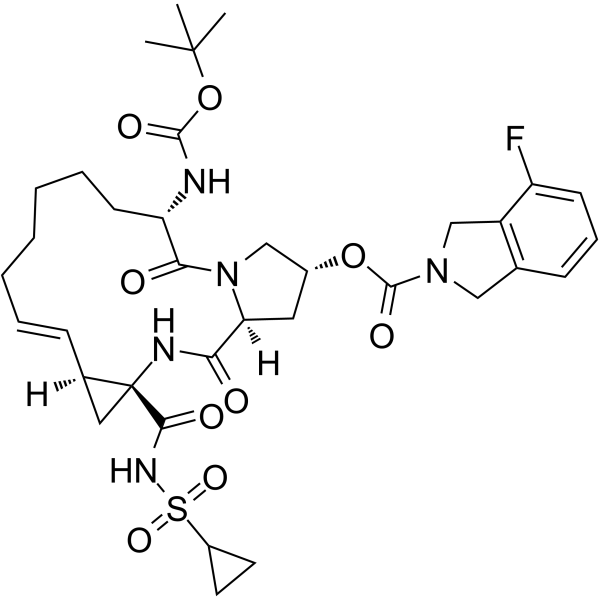
Glecaprevir is a novel HCV NS3/4A protease inhibitor, with IC50 values ranging from 3.5 to 11.3 nM. Glecaprevir is also a SARS-CoV 3CL pro inhibitor with an IC50 of 4.09 μM .
|
-
-
- HY-14434
-
|
BMS-650032
|
HCV
HCV Protease
SARS-CoV
|
Infection
|
|
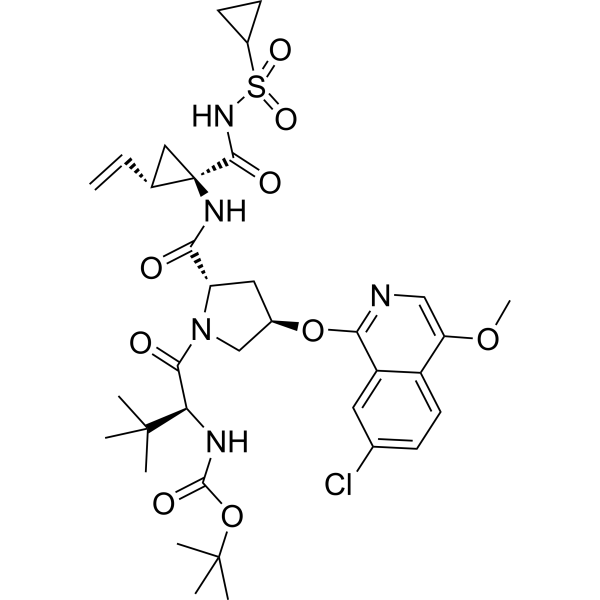
Asunaprevir (BMS-650032) is a potent and orally bioavailable hepatitis C virus (HCV) NS3 protease inhibitor, with IC50 of 0.2 nM-3.5 nM . Asunaprevir inhibits SARS-CoV-2 3CL pro activity .
|
-
-
- HY-10235
-
|
VX-950
|
HCV Protease
HCV
SARS-CoV
|
Infection
|
|
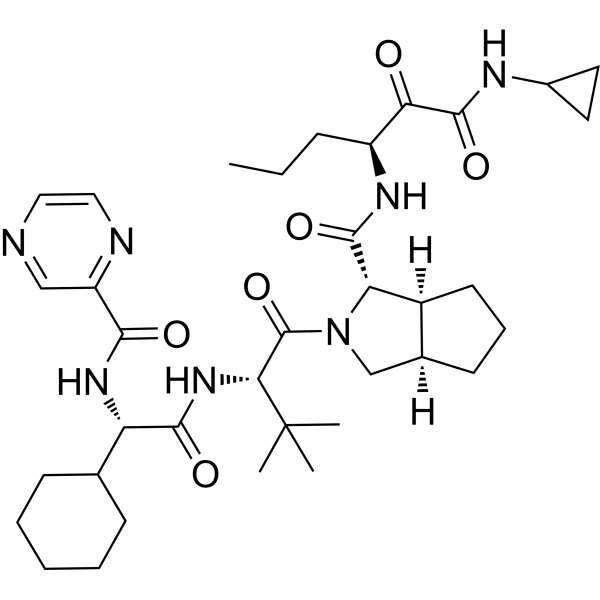
Telaprevir (VX-950) is a highly selective, reversible, and potent peptidomimetic inhibitor of the HCV NS3-4A protease, the steady-state inhibitory constant (Ki) of Telaprevir is 7 nM against a genotype 1 (H strain) NS3 protease domain plus a NS4A cofactor peptide . Telaprevir inhibits SARS-CoV-2 3CL pro activity .
|
-
-
- HY-10241
-
Simeprevir
Maximum Cited Publications
45 Publications Verification
TMC435; TMC435350
|
HCV
HCV Protease
SARS-CoV
DNA/RNA Synthesis
|
Infection
|
|
Simeprevir (TMC435; TMC435350) is an oral, potent and highly specific hepatitis C virus (HCV) NS3/4A protease inhibitor with a Ki of 0.36 nM. Simeprevir inhibits HCV replication with an EC50 of 7.8 nM. Simeprevir also potently suppresses SARS-CoV-2 replication and synergizes with Remdesivir. Simeprevir inhibits the main protease (M pro) and the RNA-dependent RNA polymerase (RdRp) of SARS-CoV-2, and also modulates host immune responses .
|
-
-
- HY-15298
-
|
MK-5172
|
HCV Protease
HCV
SARS-CoV
|
Infection
|
|
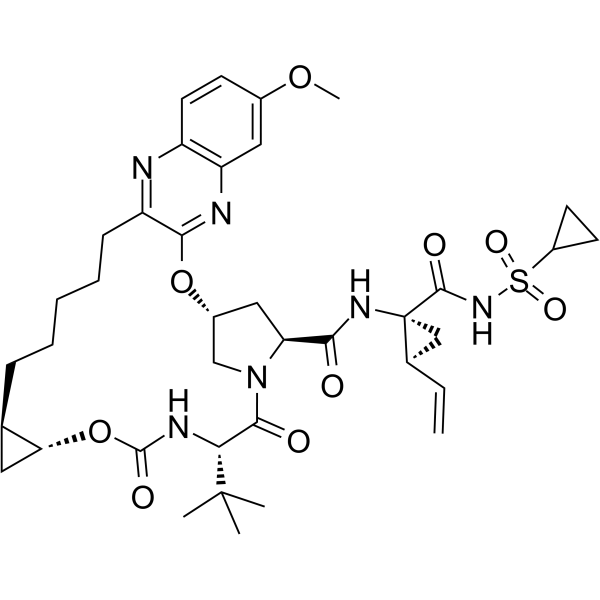
Grazoprevir (MK-5172) is a selective inhibitor of Hepatitis C virus NS3/4a protease with broad activity across genotypes and resistant variants, with Kis of 0.01 nM (gt1b), 0.01 nM (gt1a), 0.08 nM (gt2a), 0.15 nM (gt2b), 0.90 nM (gt3a), respectively . Grazoprevir inhibits SARS-CoV-2 3CL pro activity .
|
-
-
- HY-N0110
-
-
-
- HY-10237
-
|
EBP 520; SCH 503034
|
HCV Protease
HCV
SARS-CoV
|
Infection
|
|
Boceprevir (EBP 520) is a potent, highly selective, orally bioavailable HCV NS3 protease inhibitor with a Ki of 14 nM in both enzyme assay and an EC90 of 350 nM in cell-based replicon assay . Boceprevir inhibits SARS-CoV-2 3CL pro activity .
|
-
-
- HY-12594
-
|
ABT-450; Veruprevir
|
HCV Protease
HCV
SARS-CoV
|
Infection
|
|
Paritaprevir (ABT-450) is a potent, orally active and antiviral non-structural protein 3/4A (NS3/4A) protease inhibitor with EC50s of 1 and 0.21 nM against HCV 1a and 1b, respectively. Paritaprevir is also a SARS-CoV 3CL pro inhibitor with an IC50 of 1.31 μM. Paritaprevir is metabolized primarily by cytochrome P450 (CYP) 3A. The plasma concentration and half-life of Paritaprevir can be enhanced by Ritonavir (a CYP450 inhibitor) .
|
-
-
- HY-19840
-
|
GS-9857
|
HCV Protease
|
Infection
Cancer
|
|
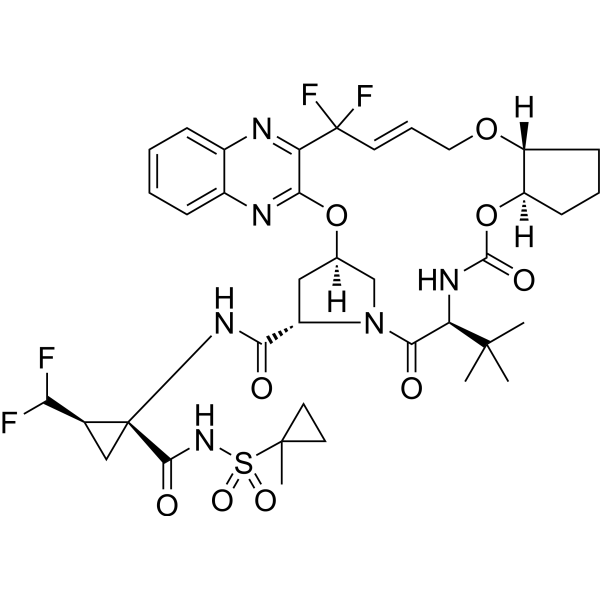
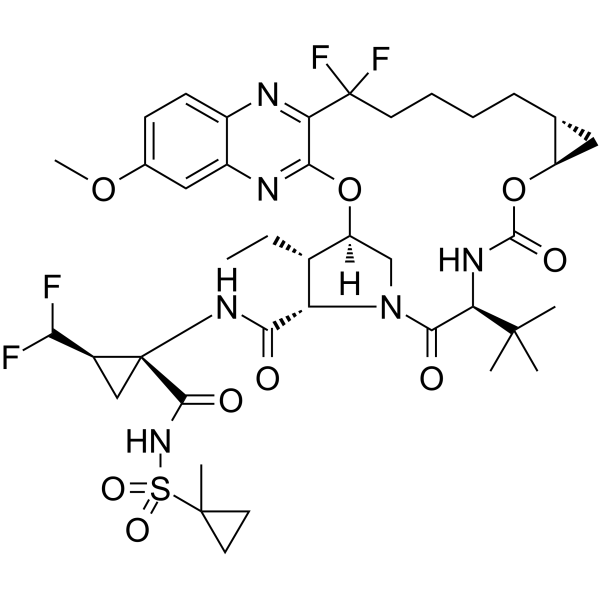
Voxilaprevir (GS-9857) is a noncovalent, reversible inhibitor of HCV NS3/4A protease inhibitor (PI) with pangenotypic antiviral activity . Voxilaprevir inhibits genotype 1b and 3a wild-type NS3 proteases with Ki values of 0.038 nM and 0.066 nM, respectively . Voxilaprevir is an orally active direct-acting antiviral agent (DAA) and can be used for HCV infection research .
|
-
-
- HY-10238
-
|
ITMN-191; R7227; RO5190591; RG7227
|
HCV Protease
HCV
SARS-CoV
|
Infection
|
|
Danoprevir (ITMN-191) is an orally active NS3/4A protease inhibitor for hepatitis C virus (HCV) with an IC50 of 0.29 nM and is selective for NS3/4A over a panel of 53 proteases (IC50 higher than 10 μM). Danoprevir (ITMN-191) inhibits HCV genotypes 1a, 1b, 4, 5, and 6 (IC50s=0.2-0.4 nM) as well as 2b and 3a (IC50s=1.6, 3.5 nM) . Danoprevir is also a SARS-CoV 3CL pro inhibitor with an IC50 of 0.05 μM .
|
-
-
- HY-15176B
-
|
RR82 TFA
|
DNA/RNA Synthesis
G-quadruplex
Flavivirus
Src
Virus Protease
|
Cancer
|
|
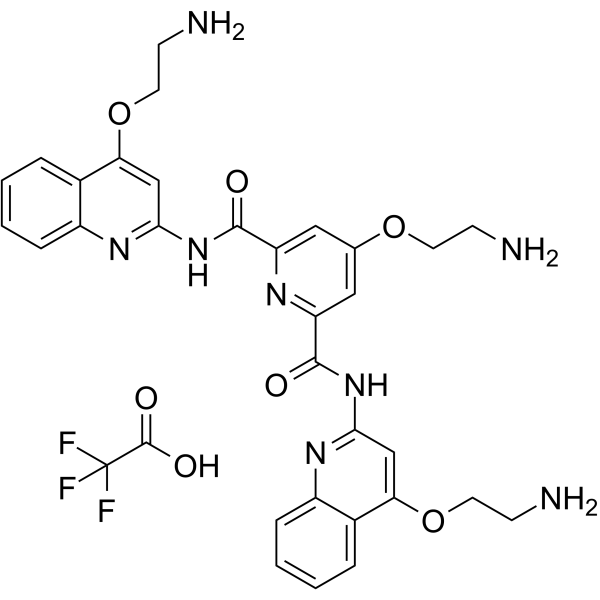
Pyridostatin (RR82) TFA is a G-quadruplex (G4) inducer/stabilizer with a Kd of 490 nM. Pyridostatin TFA also acts as an inhibitor of Zika virus (ZIKV) NS2B-NS3 protease, with an IC50 of 11.0 μM. Pyridostatin TFA interacts with G-quadruplex structures, regulates the expression of SRC and SUB1, and induces replication- and transcription-dependent DNA damage, growth arrest, and genomic instability. Pyridostatin TFA exhibits antiproliferative and antiviral activities. Pyridostatin TFA can be used in studies related to breast cancer, cervical cancer, and Zika virus infection .
|
-
-
- HY-N0110A
-
-
-
- HY-N12586
-
|
|
ERK
Reactive Oxygen Species (ROS)
COX
PGE synthase
STAT
HCV
HCV Protease
|
Infection
Neurological Disease
Cancer
|
|
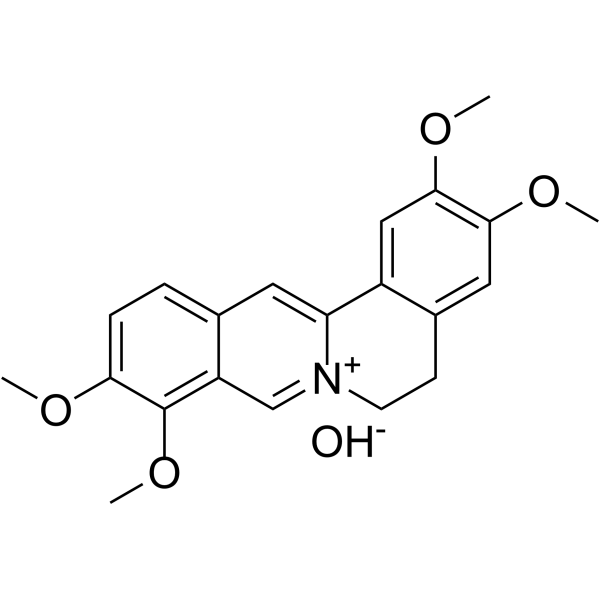
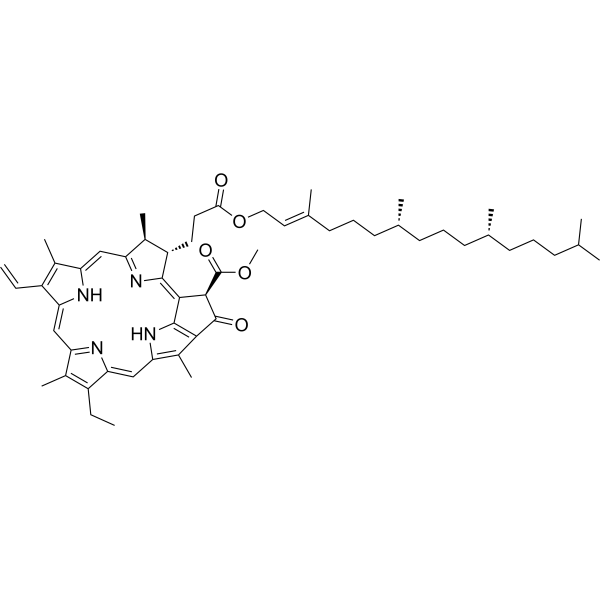
Pheophytin a is a multi-target inhibitor, anticancer agent, antioxidant and antiviral agent. Pheophytin a directly binds to and inhibits HCV-NS3/4A protease (IC50=0.89 μM) to block viral replication. Pheophytin a also scavenges free radicals, reduces ferric ions, and exhibits cytotoxic activity against breast cancer cells. Pheophytin a effectively inhibits LPS-induced production of nitric oxide, prostaglandin E2, NOS2 and COX-2, as well as various pro-inflammatory cytokines, by downregulating the transcription levels of inflammatory mediators and blocking the ERK1/2 and STAT-1 pathways. In a low nerve growth factor environment, Pheophytin a also enhances ERK1/2 phosphorylation and synergistically promotes neurite outgrowth through MAPK pathway. Pheophytin a can be used to investigate the pathogenic mechanisms of diseases including chronic hepatitis C, sepsis, breast cancer and Alzheimer's disease .
|
-
-
- HY-100604
-
|
|
γ-secretase
Amyloid-β
|
Neurological Disease
|
|
JNJ-40418677 is an orally active modulator of γ-secretase, can cross the blood-brain barrier. JNJ-40418677 inhibits Aβ42 and NS2B-NS3 protease, with IC50s of 200 nM and 3.9 μM, respectively. JNJ-40418677 displays good biological tolerance, can be use for Alzheimer’s disease research .
|
-
-
- HY-15298A
-
|
MK-5172 potassium salt
|
HCV
HCV Protease
SARS-CoV
|
Infection
|
|
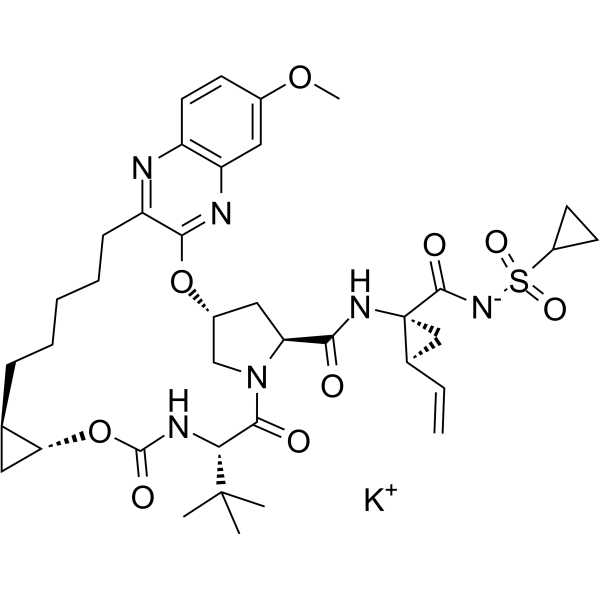
Grazoprevir potassium salt (MK-5172 potassium salt) is a selective inhibitor of Hepatitis C virus NS3/4a protease with broad activity across genotypes and resistant variants, with Kis of 0.01 nM (gt1b), 0.01 nM (gt1a), 0.08 nM (gt2a), 0.15 nM (gt2b), 0.90 nM (gt3a), respectively . Grazoprevir potassium salt inhibits SARS-CoV-2 3CL pro activity .
|
-
-
- HY-15176C
-
|
RR82 trihydrochloride
|
DNA/RNA Synthesis
G-quadruplex
Flavivirus
Src
Virus Protease
|
Cancer
|
|
Pyridostatin (RR82) trihydrochloride is a G-quadruplex (G4) inducer/stabilizer with a Kd of 490 nM. Pyridostatin trihydrochloride also acts as an inhibitor of Zika virus (ZIKV) NS2B-NS3 protease, with an IC50 of 11.0 μM. Pyridostatin trihydrochloride interacts with G-quadruplex structures, regulates the expression of SRC and SUB1, and induces replication- and transcription-dependent DNA damage, growth arrest, and genomic instability. Pyridostatin trihydrochloride exhibits antiproliferative and antiviral activities. Pyridostatin trihydrochloride can be used in studies related to breast cancer, cervical cancer, and Zika virus infection .
|
-
-
- HY-10300
-
|
SCH 900518
|
HCV
HCV Protease
SARS-CoV
|
Infection
|
|
Narlaprevir (SCH 900518) is a selective and orally bioavailable NS3 protease inhibitor with a Ki value of 6 nM and an EC90 value of 40 nM . Narlaprevir also inhibits the HCV nonstructural protein 3 serine protease . Narlaprevir is also a SARS-CoV 3CL pro inhibitor with an IC50 of 2.3 μM .
|
-
-
- HY-W129596
-
|
|
Virus Protease
Dengue Virus
|
Infection
Inflammation/Immunology
|
|
Policresulen is a competitive inhibitor for DENV2 NS2B/NS3 protease with an IC50 of 0.48 μg/mL. Policresulen can be used as a local hemostatic and antibacterial agent for research of cervical and vaginal inflammation, skin lesions, oral mucosa and gingival inflammation .
|
-
-
- HY-10242
-
|
BILN 2061; BILN 2061ZW
|
HCV
HCV Protease
DNA/RNA Synthesis
|
Infection
|
|
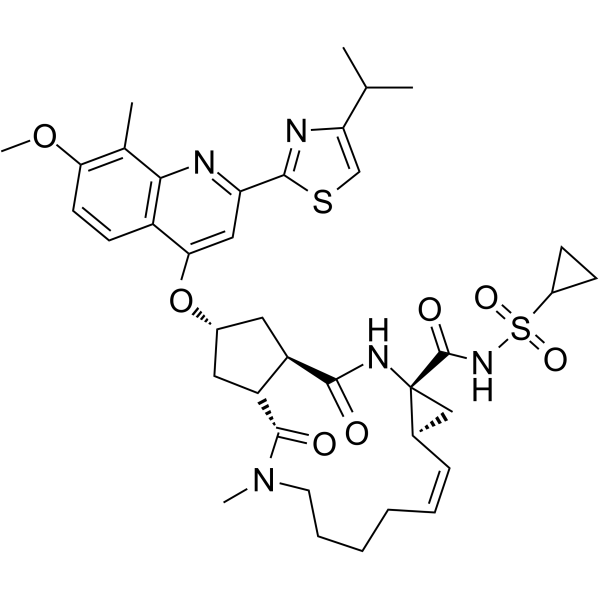
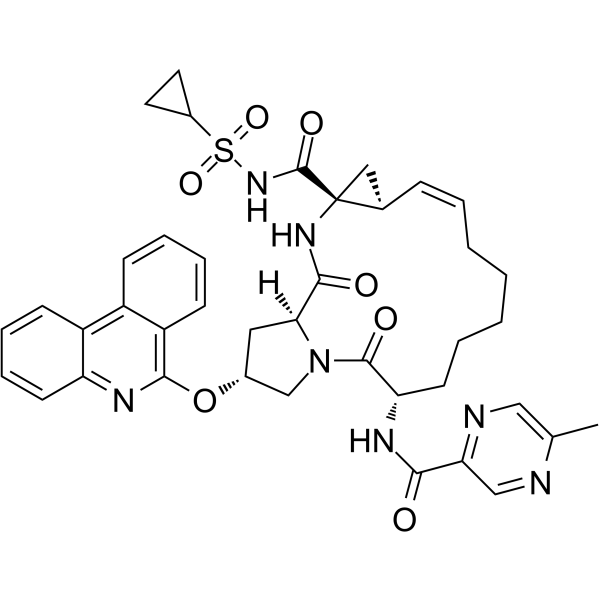
Ciluprevir (BILN 2061; BILN 2061ZW) is an orally active macrocyclic peptide inhibitor of hepatitis C virus (HCV)NS3 protease, with an IC50 of 3 nM. Ciluprevir has Kᵢ values of 0.66 nM and 0.30 nM against genotypes 1b and 1a, respectively. Ciluprevir inhibits HCV RNA replication with an EC50 of 1.2 nM, and its EC50 values against genotypes 1b and 1a are 3 nM and 4 nM, respectively. Ciluprevir shows no significant inhibition against human leukocyte elastase and hepatic cathepsin B. Ciluprevir can be used for genotype 1 HCV infection .
|
-
-
- HY-144644
-
-
-
- HY-136797
-
|
|
Dengue Virus
|
Infection
|
|
BP13944 is a potential small molecule inhibitor discovered by high-throughput screening. It can effectively inhibit the expression of dengue virus (DENV) replicons with an EC50 value of 1.03±0.09 μM. BP13944 can inhibit the replication or viral RNA synthesis of all four serotypes of DENV, but is ineffective against Japanese encephalitis virus. BP13944 may target the DENV NS3 protease, and the E66G amino acid substitution in the NS3 protease region will cause the virus to become resistant to BP13944. BP13944 has no obvious cytotoxicity. As there is currently no effective dengue vaccine and treatment, BP13944, as an effective small molecule inhibitor, may become a potential agent for the treatment of dengue in the future.
|
-
-
- HY-W540972
-
|
Primuline
|
Fluorescent Dye
HCV
Dengue Virus
|
Infection
|
|
Primulin is a versatile fluorescent dye and bioactive compound widely used in analytical, biological, botanical and virological studies. Primulin acts as a versatile stain that labels plant cell walls and differentiates live and dead spermatozoa via distinct fluorescence patterns. Primulin exhibits strong albumin‑binding capacity. Primulin acts as a retrograde axonal tracer in neurobiological investigations. Primulin and its derivatives inhibit HCV NS3, block dengue virus NS3-mediated ATP hydrolysis, and disrupt HCV replicase assembly .
|
-
-
- HY-15256
-
|
BI 201335
|
HCV Protease
|
Infection
|
|
Faldaprevir (BI 201335) is a potent, orally active and selective noncovalent inhibitor of NS3/4A protease of HCV (hepatitis C virus) genotypes 1a and 1b, with Ki values of 2.6 and 2.0 nM, respectively. Faldaprevir inhibits HCV RNA replication, with EC50 values of 6.5 and 3.1 nM, respectively. Faldaprevir has potent antiviral activity against chronic HCV infection .
|
-
-
- HY-15298B
-
|
MK-5172 hydrate
|
HCV
HCV Protease
SARS-CoV
|
Infection
|
|
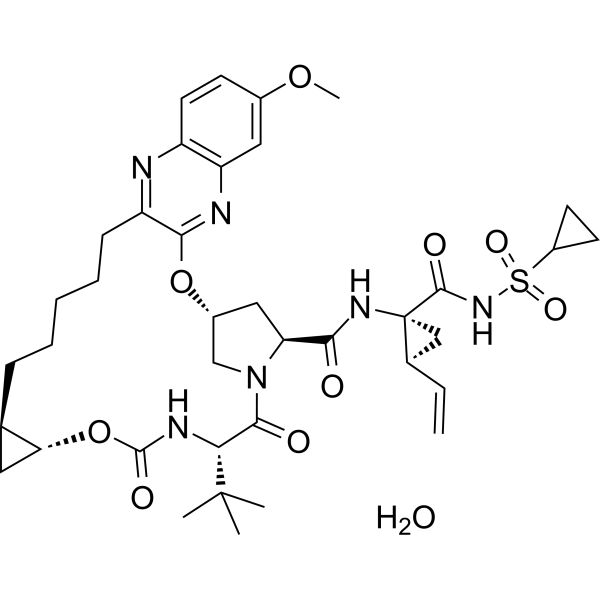
Grazoprevir hydrate (MK-5172 hydrate) is a selective inhibitor of Hepatitis C virus NS3/4a protease with broad activity across genotypes and resistant variants, with Kis of 0.01 nM (gt1b), 0.01 nM (gt1a), 0.08 nM (gt2a), 0.15 nM (gt2b), 0.90 nM (gt3a), respectively . Grazoprevir hydrate inhibits SARS-CoV-2 3CL pro activity .
|
-
-
- HY-N0110B
-
-
-
- HY-N6841
-
|
|
Glucose-6-Phosphate Isomerase (GPI)
Casein Kinase
Virus Protease
Flavivirus
PI3K
Akt
mTOR
Apoptosis
|
Infection
Cancer
|
|
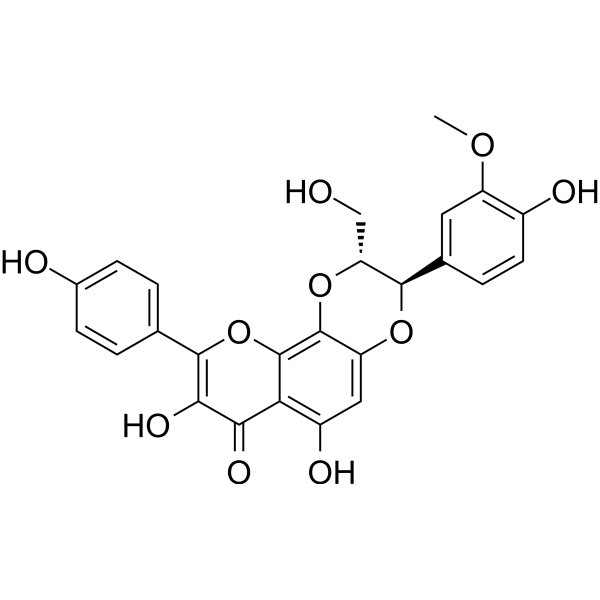
Rhodiolin, a flavonoid, is an orally active glucose 6-phosphate isomerase (GPI) inhibitor. Rhodiolin inhibits papillary thyroid cancer (PTC) by targeting glycolysis enzyme glucose 6-phosphate isomerase GPI and suppressing PI3K/AKT/mTOR phosphorylation and induce apoptosis. Rhodiolin as a NS2B-NS3 protease inhibitor can disrupt dengue viral replication. Rhodiolin is also a potential candidate for developing anticancer strategies inhibiting CK1ε kinase. Rhodiolin can be used for the study of anti-tumor and anti-viral .
|
-
-
- HY-10243
-
|
MK-7009
|
HCV
HCV Protease
|
Infection
|
|
Vaniprevir (MK-7009) is a non-covalent competitive inhibitor of the hepatitis C virus (HCV) NS3/4A protease.
|
-
-
- HY-I0179
-
|
|
HCV Protease
|
Infection
|
|
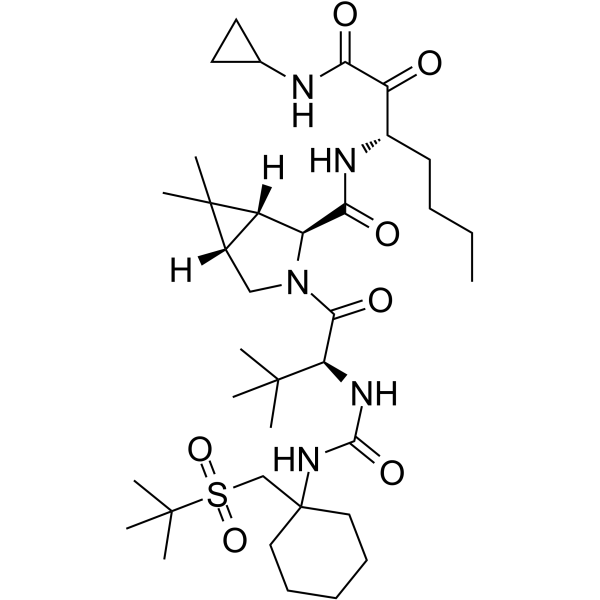
ITMN 4077 is a macrocyclic inhibitor against Hepatitis C Virus (HCV) NS3 protease (EC50: 2131 nM) .
|
-
-
- HY-112254
-
-
-
- HY-162485
-
|
|
Dengue Virus
Virus Protease
|
Infection
|
|
DV-B-120 is a competitive inhibitor for dengue virus (DENV) with IC50s of 5.35, 7.39, 10.49 and 8.58 μM, for DENV-1, DENV-2, DENV-3 and DENV-4, respectively, by inhibiting NS2B-NS3 protease. DV-B-120 exhibits antiviral activity through inhibition of DENV replication .
|
-
-
- HY-12946
-
|
|
Glucocorticoid Receptor
Cytochrome P450
HCV Protease
|
Infection
Inflammation/Immunology
|
|
BI 653048, a chemical probe, is a selective and orally active nonsteroidal glucocorticoid (GC) agonist with an IC50 value of 55 nM . BI 653048 inhibits CP1A2, CYP2D6, CYP2C9, CYP2C19 and CYP3A4 isoforms’ activity and reduces affinity for the hERG ion channel (IC50>30 μM) . BI 653048 (Compound 103) is also a HCV NS3 protease inhibitor that can reduce viral loads infected with the hepatitis C virus .
|
-
-
- HY-144644A
-
-
-
- HY-163318
-
-
-
- HY-P2502
-
|
|
HCV Protease
HCV
|
Infection
|
|
Hepatitis Virus C NS3 Protease Inhibitor 2 is a product-based peptide inhibitor of hepatitis C virus (HCV) NS3 protease, with a Ki of 41 nM .
|
-
-
- HY-P4035
-
|
|
HCV
|
Infection
|
|
HCV NS4A Protein (18-40) (JT strain) is an HCV NS4A peptide, which comprised residues 18 to 40 of the NS4A protein and is known to increase the catalytic efficiency of NS3 protease .
|
-
-
- HY-P4039
-
|
|
HCV Protease
|
Infection
|
|
Ac-EEVVAC-pNA is a chromogenic substrate for a continuous spectrophotometric assay of HCV NS3 protease. The sequence EEVVAC is derived from the 5A-5B cleavage junction of the HCV polyprotein .
|
-
-
- HY-W033815
-
|
|
HCV
HCV Protease
|
Infection
|
|
6-Chloroindole-2-carboxylic acid (Compound 10g) is a derivative of 2-carboxyindole. 6-Chloroindole-2-carboxylic acid can bind to the hepatitis C virus NS3 protease/NS4A cofactor complex, and its KD value for the ns4a-ns3p protein is 0.4 mM.
|
-
-
- HY-109571
-
-
-
- HY-12946A
-
|
|
Glucocorticoid Receptor
Cytochrome P450
HCV Protease
|
Infection
Inflammation/Immunology
|
|
BI 653048 phosphate is a selective and orally active nonsteroidal glucocorticoid (GC) agonist with an IC50 value of 55 nM . BI 653048 phosphate inhibits CP1A2, CYP2D6, CYP2C9, CYP2C19 and CYP3A4 isoforms’ activity and reduces affinity for the hERG ion channel (IC50>30 μM) . BI 653048 phosphate is extracted from patent WO2005028501A1 (Compound 103), is also a HCV NS3 protease inhibitor that can reduce viral loads infected with the hepatitis C virus .
|
-
-
- HY-150600
-
|
|
Virus Protease
Flavivirus
|
Infection
|
|
NS2B/NS3-IN-7 (compound 26) is a highly potent Zika virus NS2B-NS3 protease inhibitor with a Ki value of 2.33 nM. NS2B/NS3-IN-7 can reduce amounts of ZIKV-infected cells .
|
-
-
- HY-179013
-
|
|
Virus Protease
Flavivirus
Dengue Virus
|
Infection
|
|
NS2B/NS3-IN-9 (Compound 73) is a broad-spectrum, non-competitive anti-Orthoflavivirus lipopeptide inhibitor targeting the NS2B-NS3 protease. NS2B/NS3-IN-9 exhibits IC50 values for Dengue virus DENV2 NS2B-NS3, West Nile virus WNV NS2B-NS3, and Zika virus ZIKV NS2B-NS3 of 2.4, 7.2, and 1.9 μM, respectively. NS2B/NS3-IN-9 also exhibits antiviral activity at the cellular level against DENV2, WNV, and ZIKV, with EC50 values of 4.1, 4.9, and 5.0 μM, respectively. NS2B/NS3-IN-9 has no significant toxicity to cells. NS2B/NS3-IN-9 can be used for the study of anti-Orthoflavivirus .
|
-
-
- HY-14404
-
|
|
HBV
HCV Protease
|
Infection
|
|
MK-1220 is a covalently reversible inhibitor of the hepatitis C virus (HCV) NS3/4A protease (NS3/4A protease) with a Ki of 0.02 nM. MK-1220 in cell models simulating viral replication exhibits EC50s of 4 (with 10% fetal bovine serum) and 11 nM (50% normal human serum). MK-1220 can be used for the study of chronic hepatitis C virus infection .
|
-
-
- HY-10235S
-
|
VX-950-d4
|
Isotope-Labeled Compounds
HCV Protease
HCV
SARS-CoV
|
Infection
|
|
Telaprevir-d4 is the deuterium labeled Telaprevir. Telaprevir (VX-950) is a highly selective, reversible, and potent peptidomimetic inhibitor of the HCV NS3-4A protease, the steady-state inhibitory constant (Ki) of Telaprevir is 7 nM against a genotype 1 (H strain) NS3 protease domain plus a NS4A cofactor peptide . Telaprevir inhibits SARS-CoV-2 3CLpro activity .
|
-
-
- HY-126973
-
|
|
HCV Protease
|
Infection
|
|
BI-1230, a chemical probe, is potent and digit nanomolar inhibitor of HCV NS3 protease and of viral replication. BI-1230 is also highly selective against other serine/cysteine proteases. BI-1230 shows good Pharmacokinetic(PK) activity .
|
-
-
- HY-136575
-
|
|
Virus Protease
|
Infection
|
|
4-Hydroxy-2-methylbenzenesulfonic acid ammonium is an impurity of Policresulen. Policresulen is a potent NS2B/NS3 protease inhibitor with an IC50 of 0.48 μg/mL. Policresulen effectively inhibits the replication of DENV2 virus in BHK-21 cells with an IC50 of 4.99 μg/mL. Policresulen acted as a competitive inhibitor of the protease, and slightly affected the protease stability .
|
-
-
- HY-106352
-
|
|
HCV Protease
|
Infection
|
|
BMS 605339 is a linear tetra-peptide α-ketoamide inhibitor of HCV NS3 protease. BMS 605339 can be used in research related to hepatitis C (HCV infection) .
|
-
-
- HY-136573
-
|
|
Virus Protease
|
Infection
|
|
5-Hydroxytoluene-2,4-disulphonic acid diammonium is an impurity of Policresulen. Policresulen is a potent NS2B/NS3 protease inhibitor with an IC50 of 0.48 μg/mL. Policresulen effectively inhibits the replication of DENV2 virus in BHK-21 cells with an IC50 of 4.99 μg/mL. Policresulen acted as a competitive inhibitor of the protease, and slightly affected the protease stability .
|
-
-
- HY-17634R
-
|
ABT-493 (Standard)
|
HCV
HCV Protease
SARS-CoV
Reference Standards
|
Infection
|
|
Glecaprevir (Standard) is the analytical standard of Glecaprevir. This product is intended for research and analytical applications. Glecaprevir is a novel HCV NS3/4A protease inhibitor, with IC50 values ranging from 3.5 to 11.3 nM. Glecaprevir is also a SARS-CoV 3CLpro inhibitor with an IC50 of 4.09 μM .
|
-
-
- HY-19557
-
|
|
Drug Derivative
HCV Protease
|
Infection
|
|
IDX-320 is a Pipecolic acid (HY-Y0669) derivative. IDX-320 inhibits NS3/4a proteases across genotypes 1a, 1b, 2a, and 4a with an IC50 0.8-1.9 nM. IDX-320 can be used in the research of HCV infection .
|
-
-
- HY-14434R
-
|
BMS-650032 (Standard)
|
HCV
HCV Protease
SARS-CoV
Reference Standards
|
Infection
|
|
Asunaprevir (Standard) is the analytical standard of Asunaprevir. This product is intended for research and analytical applications. Asunaprevir (BMS-650032) is a potent and orally bioavailable hepatitis C virus (HCV) NS3 protease inhibitor, with IC50 of 0.2 nM-3.5 nM . Asunaprevir inhibits SARS-CoV-2 3CLpro activity .
|
-
- HY-10237R
-
|
EBP 520 (Standard); SCH 503034 (Standard)
|
Reference Standards
HCV Protease
HCV
SARS-CoV
|
Infection
|
|
Boceprevir (Standard) is the analytical standard of Boceprevir. This product is intended for research and analytical applications. Boceprevir (EBP 520) is a potent, highly selective, orally bioavailable HCV NS3 protease inhibitor with a Ki of 14 nM in both enzyme assay and an EC90 of 350 nM in cell-based replicon assay . Boceprevir inhibits SARS-CoV-2 3CL pro activity .
|
-
- HY-16773
-
|
GS-9451
|
HCV Protease
BCRP
P-glycoprotein
|
Infection
|
|
Vedroprevir (GS-9451) is an inhibitor for HCV NS3/4A protease with an IC50 of 3.2 nM. Vedroprevir is also an inhibitor for breast cancer resistant protein (BCRP) with an IC50 of 1.4 μM. Vedroprevir inhibits P-gp, MRP1 and MRP2 with IC50 of 34, 14.9 and 12 μM, respectively. Vedroprevir exhibits good pharmacokinetic characteristics in rats and dogs .
|
-
- HY-10241A
-
|
TMC435 sodium; TMC435350 sodium
|
HCV
HCV Protease
SARS-CoV
DNA/RNA Synthesis
|
Infection
|
|
Simeprevir (TMC435; TMC435350) sodium is an oral, potent and highly specific hepatitis C virus (HCV) NS3/4A protease inhibitor with a Ki of 0.36 nM. Simeprevir sodium inhibits HCV replication with an EC50 of 7.8 nM. Simeprevir sodium also potently suppresses SARS-CoV-2 replication and synergizes with Remdesivir. Simeprevir sodium inhibits the main protease (M pro) and the RNA-dependent RNA polymerase (RdRp) of SARS-CoV-2, and also modulates host immune responses .
|
-
- HY-15298C
-
|
MK-5172 sodium salt
|
HCV
HCV Protease
SARS-CoV
|
Infection
|
|
Grazoprevir sodium salt (MK-5172 sodium salt) is a selective inhibitor of Hepatitis C virus NS3/4a protease with broad activity across genotypes and resistant variants, with Kis of 0.01 nM (gt1b), 0.01 nM (gt1a), 0.08 nM (gt2a), 0.15 nM (gt2b), 0.90 nM (gt3a), respectively . Grazoprevir sodium salt inhibits SARS-CoV-2 3CL pro activity .
|
-
- HY-10241S
-
|
TMC435-13C,d3; TMC435350-13C,d3
|
Isotope-Labeled Compounds
HCV
HCV Protease
SARS-CoV
DNA/RNA Synthesis
|
Infection
|
|
Simeprevir- 13C,d3 is the 13C- and deuterium labeled Simeprevir. Simeprevir is an oral, potent and highly specific hepatitis C virus (HCV) NS3/4A protease inhibitor with a Ki of 0.36 nM. Simeprevir inhibits HCV replication with an EC50 of 7.8 nM. Simeprevir also potently suppresses SARS-CoV-2 replication and synergizes with Remdesivir. Simeprevir inhibits the main protease (Mpro) and the RNA-dependent RNA polymerase (RdRp) of SARS-CoV-2, and also modulates host immune responses .
|
-
- HY-131905S
-
|
|
Isotope-Labeled Compounds
HCV Protease
HCV
|
Infection
Inflammation/Immunology
Cancer
|
|
BMS-986144 is a third-generation, pan-genotype (GT) NS3/4A protease inhibitor. BMS-986144 inhibits HCV replicon with EC50s of 2.3, 0.7, 1.0, 12, 8.0, and 5.8 nM for GT-1a, GT-1b, GT-2a, GT-3a, 1a R155X, and 1b D168V, respectively. BMS-986144 has the potential for the research of HCV infection .
|
-
- HY-N0110R
-
-
- HY-19932
-
|
|
HCV Protease
HCV
|
Infection
|
|
MK-2748 is a hepatitis C virus (HCV) NS3/4a protease inhibitor. MK-2748 exhibits broad-spectrum and potent antiviral activity, with nanomolar-level activity against all genotypes (gt1a-gt6) (IC₅₀ < 0.115 nM), showing only slightly weaker activity against gt3a (1.212 nM), and maintaining high inhibitory activity against drug-resistant mutant strains such as gt1b R155K (IC₅₀ = 0.032 nM) and D168Y (IC₅₀ = 0.057 nM). MK-2748 can be used in the research of HCV infection .
|
-
- HY-144740
-
|
|
Virus Protease
|
Infection
|
|
NS2B/NS3-IN-5 (Compound 25b) is an allosteric DENV2 and ZIKV NS2B/NS3 protease inhibitor with IC50 values of 0.67 µM and 4.38 µM against ZIKV and DENV2 NS2B/NS3 proteases, respectively .
|
-
- HY-144736
-
|
|
Virus Protease
|
Infection
|
|
NS2B/NS3-IN-4 (Compound 34e) is an allosteric DENV2 and ZIKV NS2B/NS3 protease inhibitor with IC50 values of 0.69 µM and 1.04 µM against DENV2 and ZIKV NS2B/NS3 proteases, respectively .
|
-
- HY-144742
-
|
|
Virus Protease
|
Infection
|
|
NS2B/NS3-IN-6 (Compound 1a) is an allosteric DENV and ZIKV NS2B/NS3 protease inhibitor with IC50 values of 2.23 µM and 25.2 µM against ZIKV and DENV proteases, respectively .
|
-
- HY-P10657
-
-
- HY-P10608
-
|
|
HCV
|
Infection
|
|
KK4A peptide is a small peptide derived from nonstructural protein 4A (NS4A) of hepatitis C virus (HCV) that significantly increases the catalytic efficiency of NS3 protease. The KK4A peptide may be used to gain insights into the function and mechanism of the HCV NS3 protease, thereby advancing research into HCV infection .
|
-
- HY-P5312
-
|
|
Virus Protease
|
Infection
|
|
Abz-Nle-Lys-Arg-Arg-Ser-3-(NO2)Tyr is a WNV NS2B-NS3 protease substrate. Abz-Nle-Lys-Arg-Arg-Ser-3-(NO2)Tyr is used for WNV NS2B-NS3 protease substrate peptide selective inhibitor development .
|
-
- HY-19941
-
|
|
HCV Protease
|
Infection
|
|
Furaprevir is a potent and selective HCV NS3/4A protease inhibitor. Furaprevir can be used for genotype 1 hepatitis C research .
|
-
- HY-N8520
-
|
|
Bacterial
|
Infection
Cancer
|
|
Variculanol is an antimicrobial, anticancer and anti-HCV NS3/4A Protease agent which can be extracted from marine fungus Aspergillus versicolor .
|
-
- HY-10235R
-
|
VX-950 (Standard)
|
Reference Standards
HCV Protease
HCV
SARS-CoV
|
Infection
|
|
Telaprevir (Standard) is the analytical standard of Telaprevir. This product is intended for research and analytical applications. Telaprevir (VX-950) is a highly selective, reversible, and potent peptidomimetic inhibitor of the HCV NS3-4A protease, the steady-state inhibitory constant (Ki) of Telaprevir is 7 nM against a genotype 1 (H strain) NS3 protease domain plus a NS4A cofactor peptide . Telaprevir inhibits SARS-CoV-2 3CLpro activity .
|
-
- HY-108018
-
|
|
HCV Protease
|
Infection
|
|
MK 6325 is a HCV NS3/4a protease inhibitor. MK 6325 displays the broad genotype and mutant potency. MK 6325 can be used for the research of infection .
|
-
- HY-P4209A
-
|
|
Virus Protease
|
Others
|
|
Boc-GRR-AMC (TFA) is a tri-peptide Substrate. Boc-GRR-AMC can be used for a fluorogenic West Nile virus (WNV) substrate, profiling the substrate specificity for the NS2B-NS3 proteases or determining the pH optimum of LdMC activity .
|
-
- HY-136574
-
|
|
Virus Protease
|
Infection
|
|
2-Hydroxy-4-methylbenzenesulphonic acid ammonium is an impurity of Policresulen. Policresulen is a potent NS2B/NS3 protease inhibitor with an IC50 of 0.48 μg/mL. Policresulen effectively inhibits the replication of DENV2 virus in BHK-21 cells with an IC50 of 4.99 μg/mL. Policresulen acted as a competitive inhibitor of the protease, and slightly affected the protease stability .
|
-
- HY-10300R
-
|
SCH 900518 (Standard)
|
Reference Standards
HCV
HCV Protease
SARS-CoV
|
Infection
|
|
Narlaprevir (Standard) is the analytical standard of Narlaprevir. This product is intended for research and analytical applications. Narlaprevir (SCH 900518) is a selective and orally bioavailable NS3 protease inhibitor with a Ki value of 6 nM and an EC90 value of 40 nM . Narlaprevir also inhibits the HCV nonstructural protein 3 serine protease . Narlaprevir is also a SARS-CoV 3CLpro inhibitor with an IC50 of 2.3 μM .
|
-
- HY-167293
-
|
ACH-2684; Neceprevir
|
HCV Protease
|
Infection
|
|
Deldeprevir (ACH-2684) is a HCV NS3 protease inhibitor. Deldeprevir has potent antiviral activities against different genotypes and against known resistant variants (such as R155, Al56 and D168) by the formation a highly stable complex with NS3 prolease. Deldeprevir can be used for Hepatitis C virus infection research .
|
-
- HY-P4038
-
|
|
HCV Protease
|
Infection
|
|
Hepatitis C Virus S5A/5B is a synthetic peptide substrate. Hepatitis C Virus S5A/5B mimics the NS5A/5B junction of the nonstructural protein (NS), served as the substrate for the study of HCV NS3 protease activity .
|
-
- HY-10237S
-
|
EBP 520-d9; SCH 503034-d9
|
Isotope-Labeled Compounds
HCV Protease
HCV
SARS-CoV
|
Infection
|
|
Boceprevir-d9 is the deuterium labeled Boceprevir. Boceprevir (EBP 520) is a potent, highly selective, orally bioavailable HCV NS3 protease inhibitor with a Ki of 14 nM in both enzyme assay and an EC90 of 350 nM in cell-based replicon assay . Boceprevir inhibits SARS-CoV-2 3CLpro activity .
|
-
- HY-15256A
-
|
BI 201335 sodium
|
HCV Protease
|
Infection
|
|
Faldaprevir sodium is a potent, orally active and selective noncovalent inhibitor of NS3/4A protease of HCV (hepatitis C virus) genotypes 1a and 1b, with Ki values of 2.6 and 2.0 nM, respectively. Faldaprevir sodium inhibits HCV RNA replication, with EC50 values of 6.5 and 3.1 nM, respectively. Faldaprevir sodium has potent antiviral activity against chronic HCV infection .
|
-
- HY-P5312A
-
|
|
Virus Protease
|
Infection
|
|
Abz-Gly-Leu-Lys-Arg-Gly-Gly-3-(NO2)Tyr acetate is the acetate salt form of Abz-Gly-Leu-Lys-Arg-Gly-Gly-3-(NO2)Tyr. Abz-Gly-Leu-Lys-Arg-Gly-Gly-3-(NO2)Tyr acetate is the substrate for WNV NS2B NS3 protease, which is utilized for the development of WNV protease substrate peptide selective inhibitor .
|
-
- HY-12594A
-
|
ABT-450 dihydrate; Veruprevir dihydrate
|
HCV Protease
HCV
SARS-CoV
|
Infection
|
|
Paritaprevir (ABT-450) dihydrate is a potent, orally active and antiviral non-structural protein 3/4A (NS3/4A) protease inhibitor with EC50s of 1 and 0.21 nM against HCV 1a and 1b, respectively. Paritaprevir dihydrate is also a SARS-CoV 3CL pro inhibitor with an IC50 of 1.31 μM. Paritaprevir dihydrate is metabolized primarily by cytochrome P450 (CYP) 3A. The plasma concentration and half-life of Paritaprevir dihydrate can be enhanced by Ritonavir (a CYP450 inhibitor) .
|
-
- HY-12594R
-
|
ABT-450 (Standard); Veruprevir (Standard)
|
HCV Protease
HCV
SARS-CoV
Reference Standards
|
Infection
|
|
Paritaprevir (Standard) is the analytical standard of Paritaprevir. This product is intended for research and analytical applications. Paritaprevir (ABT-450) is a potent, orally active and antiviral non-structural protein 3/4A (NS3/4A) protease inhibitor with EC50s of 1 and 0.21 nM against HCV 1a and 1b, respectively. Paritaprevir is also a SARS-CoV 3CLpro inhibitor with an IC50 of 1.31 μM. Paritaprevir is metabolized primarily by cytochrome P450 (CYP) 3A. The plasma concentration and half-life of Paritaprevir can be enhanced by Ritonavir (a CYP450 inhibitor) .
|
-
- HY-P11420
-
|
|
Dengue Virus
|
Infection
|
|
2A/2B Dengue protease substrate (Ac-RTSKKR-pNA) is a peptide substrate for Dengue NS2B-NS3 protease. 2A/2B Dengue protease substrate is used for Dengue NS2B-NS3 protease substrate peptide selective inhibitor development .
|
-
- HY-181990
-
|
|
Virus Protease
Flavivirus
|
|
|
IRBM-Z-1 is a non-competitive inhibitor of Zika virus (ZIKV) NS2B-NS3 protease, with an IC50 of 1.8 μM. IRBM-Z-1 also exhibits inhibitory activity against the NS2B-NS3 proteases of T156I-mutated dengue virus 2 (DENV2) and West Nile virus (WNV), with IC50 values of 3.9 μM and 4.7 μM, respectively. IRBM-Z-1 inhibits ZIKV replication, attenuates virus-induced cytopathic effects. IRBM-Z-1 is applicable to research related to ZIKV infection .
|
-
- HY-108029
-
|
ACH-2684 sodium; Neceprevir sodium
|
HCV
HCV Protease
|
Infection
|
|
Deldeprevir (ACH-2684; Neceprevir) sodium is a HCV NS3/4A protease inhibitor and resistance inhibitor. Deldeprevir sodium exhibits activity against wild-type genotype 1a and 1b HCV, including mutant strains resistant to other NS3 protease inhibitors. Deldeprevir sodium blocks the emergence of HCV mutant strains resistant to ACH-3422 in vitro, with enhanced efficacy when used in triple combination with ACH-3422 and ACH-3102 (HY-124182). Deldeprevir sodium shows additive antiviral potency when combined with ACH-3422, and exerts antiviral activity against HCV replicons carrying ACH-3102. Deldeprevir sodium is applicable to research related to hepatitis C .
|
-
- HY-181991
-
|
|
Virus Protease
Flavivirus
|
Infection
|
|
IRBM-Z-2 is a non-competitive, orally active Zika virus (ZIKV) NS2B-NS3 protease inhibitor, with IC50 values of 0.04 μM and 3.1 μM against the wild-type and I156T mutant strains, respectively. IRBM-Z-2 exhibits broad-spectrum anti-flavivirus potential, with IC50 values of 2.1 μM and 0.09 μM against the NS2B-NS3 proteases of dengue virus 2 (DENV2) and West Nile virus (WNV), respectively. IRBM-Z-1 inhibits ZIKV replication and alleviates virus-induced cytopathic effects. IRBM-Z-1 can be used in studies related to ZIKV infection .
|
-
- HY-10238R
-
|
ITMN-191 (Standard); R7227 (Standard); RO5190591 (Standard); RG7227 (Standard)
|
Reference Standards
HCV Protease
HCV
SARS-CoV
|
Infection
|
|
Danoprevir (Standard) is the analytical standard of Danoprevir (HY-10238). This product is intended for research and analytical applications. Danoprevir (ITMN-191) is an orally active NS3/4A protease inhibitor for hepatitis C virus (HCV) with an IC50 of 0.29 nM and is selective for NS3/4A over a panel of 53 proteases (IC50 higher than 10 μM). Danoprevir (ITMN-191) inhibits HCV genotypes 1a, 1b, 4, 5, and 6 (IC50s=0.2-0.4 nM) as well as 2b and 3a (IC50s=1.6, 3.5 nM) . Danoprevir is also a SARS-CoV 3CLpro inhibitor with an IC50 of 0.05 μM .
|
-
- HY-115516
-
|
|
HCV
HCV Protease
Ras
|
Infection
|
|
BI-1388 is a macrocyclic acylsulfonamide-based HCV NS3-4A protease inhibitor. BI-1388 inhibits clinically relevant drug-resistant mutant strains (KRAS D168V gt 1b and KRAS R155K gt 1a) and exhibits high liver distribution. BI-1388 is applicable for the research of HCV infection .
|
-
- HY-N12407
-
|
|
Dengue Virus
|
Infection
|
|
Peridinin is a hydroxylated carotenoid ketone that exhibits inhibitory activity against DENV NS2B/NS3 protease and all dengue virus serotypes (DENV-1, DENV-2, DENV-3, DENV-4). Peridinin inhibits dengue virus production and reduces viral titers. Peridinin is applicable to research related to dengue virus infection .
|
-
- HY-W841708
-
|
|
Dengue Virus
Virus Protease
Thrombin
|
Infection
|
|
5-((1H-Indol-3-yl)methylene)imidazolidine-2,4-dione is an inhibitor of dengue virus NS2B-NS3 protease and thrombin. 5-((1H-Indol-3-yl)methylene)imidazolidine-2,4-dione can be used in the research of infectious diseases .
|
-
- HY-10241R
-
|
TMC435 (Standard); TMC435350 (Standard)
|
Reference Standards
HCV
HCV Protease
SARS-CoV
DNA/RNA Synthesis
|
Infection
|
|
Simeprevir (Standard) is the analytical standard of Simeprevir (HY-10241). This product is intended for research and analytical applications. Simeprevir (TMC435; TMC435350) is an oral, potent and highly specific hepatitis C virus (HCV) NS3/4A protease inhibitor with a Ki of 0.36 nM. Simeprevir inhibits HCV replication with an EC50 of 7.8 nM. Simeprevir also potently suppresses SARS-CoV-2 replication and synergizes with Remdesivir. Simeprevir inhibits the main protease (Mpro) and the RNA-dependent RNA polymerase (RdRp) of SARS-CoV-2, and also modulates host immune responses .
|
-
- HY-156052
-
|
|
Flavivirus
Dengue Virus
Virus Protease
|
Infection
|
|
CN-716 dihydrochloride is a reversible covalent flavivirus NS2B·NS3 protease inhibitor with antiviral activity. CN-716 dihydrochloride effectively inhibits the replication of dengue virus (DENV2), West Nile virus (WNV) and Zika virus (ZIKV). The IC50 values of CN-716 dihydrochloride against the proteases of the above three viruses are 0.066 μM, 0.11 μM and 0.25 μM, respectively, while the Ki values against the same proteases are 0.051 μM, 0.082 μM and 0.04 μM, respectively. CN-716 dihydrochloride can be used to study the infection mechanisms of dengue fever, West Nile fever and Zika virus infection .
|
-
- HY-P5642A
-
|
RC-101 TFA
|
HIV
SARS-CoV
Influenza Virus
Flavivirus
HSV
Bacterial
Fungal
Toll-like Receptor (TLR)
Ser/Thr Protease
|
Infection
Inflammation/Immunology
|
|
Retrocyclin-101 (RC-101) TFA is an artificially synthesized, cyclic-structured θ-defensin, a broad-spectrum agent with antimicrobial (covering viruses, bacteria, and fungi) activity and anti-inflammatory activity. Retrocyclin-101 TFA can inhibit the serine protease activity of ZIKV NS2B-NS3, with an IC50 of 7.20 μM. Retrocyclin-101 TFA has significant inhibitory activity against HIV, SARS-CoV-2, flaviviruses, influenza viruses, HSV-1/2, Staphylococcus aureus, etc. Retrocyclin-101 TFA inhibits the signal transduction mediated by TLR4 and TLR2, reducing the expression of pro-inflammatory cytokines .
|
-
- HY-114216
-
|
|
Endogenous Metabolite
|
Infection
|
|
DBPR110 is a nonstructural protein 5A (NS5A) inhibitor with inhibitory activity against hepatitis C virus (HCV). DBPR110 exhibited a 50% effective concentration (EC50) of 3.9 ± 0.9 pM and a selectivity index value of over 12,800,000 by reducing HCV1b replicon reporter expression. DBPR110 also effectively reduced the activity of HCV2a replicon with an EC50 of 228.8 pM and a selectivity index value of over 173,130. DBPR110 showed synergy with interferon alpha (IFN-α), NS3 protease inhibitors, and NS5B polymerase inhibitors. The results of DBPR110 suggest that it may be an effective small molecule inhibitor against HCV NS5A .
|
-
| Cat. No. |
Product Name |
Type |
-
- HY-P4039
-
|
|
Fluorescent Dyes
|
|
Ac-EEVVAC-pNA is a chromogenic substrate for a continuous spectrophotometric assay of HCV NS3 protease. The sequence EEVVAC is derived from the 5A-5B cleavage junction of the HCV polyprotein .
|
| Cat. No. |
Product Name |
Type |
-
- HY-W540972
-
|
Primuline
|
Biochemical Assay Reagents
|
|
Primulin is a versatile fluorescent dye and bioactive compound widely used in analytical, biological, botanical and virological studies. Primulin acts as a versatile stain that labels plant cell walls and differentiates live and dead spermatozoa via distinct fluorescence patterns. Primulin exhibits strong albumin‑binding capacity. Primulin acts as a retrograde axonal tracer in neurobiological investigations. Primulin and its derivatives inhibit HCV NS3, block dengue virus NS3-mediated ATP hydrolysis, and disrupt HCV replicase assembly .
|
| Cat. No. |
Product Name |
Target |
Research Area |
-
- HY-P2502
-
|
|
HCV Protease
HCV
|
Infection
|
|
Hepatitis Virus C NS3 Protease Inhibitor 2 is a product-based peptide inhibitor of hepatitis C virus (HCV) NS3 protease, with a Ki of 41 nM .
|
-
- HY-P4209
-
|
|
Peptides
|
Others
|
|
Boc-GRR-AMC is a tri-peptide Substrate. Boc-GRR-AMC can be used for a fluorogenic West Nile virus (WNV) substrate, profiling the substrate specificity for the NS2B-NS3 proteases or determining the pH optimum of LdMC activity .
|
-
- HY-P4035
-
|
|
HCV
|
Infection
|
|
HCV NS4A Protein (18-40) (JT strain) is an HCV NS4A peptide, which comprised residues 18 to 40 of the NS4A protein and is known to increase the catalytic efficiency of NS3 protease .
|
-
- HY-P4039
-
|
|
HCV Protease
|
Infection
|
|
Ac-EEVVAC-pNA is a chromogenic substrate for a continuous spectrophotometric assay of HCV NS3 protease. The sequence EEVVAC is derived from the 5A-5B cleavage junction of the HCV polyprotein .
|
-
- HY-P5510
-
|
HCV NS3 protease substrate
|
Peptides
|
Others
|
|
Ac-Asp-Glu-Asp(EDANS)-Glu-Glu-Abu-ψ-(COO)Ala-Ser-Lys(DABCYL)-NH2 (HCV NS3 protease substrate) is a biological active peptide. (This peptide is a HCV protease substrate incorporating an ester bond between residues P1 and P1. Due to ready transesterification of the scissile bond to the acyl-enzyme intermediate, this substrate shows very high kcat/Km values, enabling detection of activity with subnanomolar nonstructural protein 3 (NS3 protease) concentrations. It is widely used for the continuous assay of NS3 protease activity. Substrate cleavage is proportional to the enzyme concentration with a detection limit for NS3 between 1 nM and 250 pM.
|
-
- HY-P10657
-
-
- HY-P10608
-
|
|
HCV
|
Infection
|
|
KK4A peptide is a small peptide derived from nonstructural protein 4A (NS4A) of hepatitis C virus (HCV) that significantly increases the catalytic efficiency of NS3 protease. The KK4A peptide may be used to gain insights into the function and mechanism of the HCV NS3 protease, thereby advancing research into HCV infection .
|
-
- HY-P5312
-
|
|
Virus Protease
|
Infection
|
|
Abz-Nle-Lys-Arg-Arg-Ser-3-(NO2)Tyr is a WNV NS2B-NS3 protease substrate. Abz-Nle-Lys-Arg-Arg-Ser-3-(NO2)Tyr is used for WNV NS2B-NS3 protease substrate peptide selective inhibitor development .
|
-
- HY-P2435
-
|
|
Peptides
|
Others
|
|
Bz-Nle-Lys-Arg-Arg-AMC can be used for protease activity assay. In 0.1mL Tris-HCl buffer (50 mM, pH 7.8), Bz-Nle-Lys-Arg-Arg-AMC was hydrolyzed, and the release rate of AMC was observed .
|
-
- HY-P4209A
-
|
|
Virus Protease
|
Others
|
|
Boc-GRR-AMC (TFA) is a tri-peptide Substrate. Boc-GRR-AMC can be used for a fluorogenic West Nile virus (WNV) substrate, profiling the substrate specificity for the NS2B-NS3 proteases or determining the pH optimum of LdMC activity .
|
-
- HY-P4038
-
|
|
HCV Protease
|
Infection
|
|
Hepatitis C Virus S5A/5B is a synthetic peptide substrate. Hepatitis C Virus S5A/5B mimics the NS5A/5B junction of the nonstructural protein (NS), served as the substrate for the study of HCV NS3 protease activity .
|
-
- HY-P5312A
-
|
|
Virus Protease
|
Infection
|
|
Abz-Gly-Leu-Lys-Arg-Gly-Gly-3-(NO2)Tyr acetate is the acetate salt form of Abz-Gly-Leu-Lys-Arg-Gly-Gly-3-(NO2)Tyr. Abz-Gly-Leu-Lys-Arg-Gly-Gly-3-(NO2)Tyr acetate is the substrate for WNV NS2B NS3 protease, which is utilized for the development of WNV protease substrate peptide selective inhibitor .
|
-
- HY-P11420
-
|
|
Dengue Virus
|
Infection
|
|
2A/2B Dengue protease substrate (Ac-RTSKKR-pNA) is a peptide substrate for Dengue NS2B-NS3 protease. 2A/2B Dengue protease substrate is used for Dengue NS2B-NS3 protease substrate peptide selective inhibitor development .
|
-
- HY-P5642A
-
|
RC-101 TFA
|
HIV
SARS-CoV
Influenza Virus
Flavivirus
HSV
Bacterial
Fungal
Toll-like Receptor (TLR)
Ser/Thr Protease
|
Infection
Inflammation/Immunology
|
|
Retrocyclin-101 (RC-101) TFA is an artificially synthesized, cyclic-structured θ-defensin, a broad-spectrum agent with antimicrobial (covering viruses, bacteria, and fungi) activity and anti-inflammatory activity. Retrocyclin-101 TFA can inhibit the serine protease activity of ZIKV NS2B-NS3, with an IC50 of 7.20 μM. Retrocyclin-101 TFA has significant inhibitory activity against HIV, SARS-CoV-2, flaviviruses, influenza viruses, HSV-1/2, Staphylococcus aureus, etc. Retrocyclin-101 TFA inhibits the signal transduction mediated by TLR4 and TLR2, reducing the expression of pro-inflammatory cytokines .
|
| Cat. No. |
Product Name |
Category |
Target |
Chemical Structure |
-
- HY-N0110
-
-
-
- HY-N0110A
-
-
-
- HY-N12586
-
|
|
Suaeda vermiculata Forssk. ex J.F.Gmel.
Structural Classification
Alkaloids
Other Alkaloids
Amaranthaceae
Plants
Source Classification
|
ERK
Reactive Oxygen Species (ROS)
COX
PGE synthase
STAT
HCV
HCV Protease
|
|
Pheophytin a is a multi-target inhibitor, anticancer agent, antioxidant and antiviral agent. Pheophytin a directly binds to and inhibits HCV-NS3/4A protease (IC50=0.89 μM) to block viral replication. Pheophytin a also scavenges free radicals, reduces ferric ions, and exhibits cytotoxic activity against breast cancer cells. Pheophytin a effectively inhibits LPS-induced production of nitric oxide, prostaglandin E2, NOS2 and COX-2, as well as various pro-inflammatory cytokines, by downregulating the transcription levels of inflammatory mediators and blocking the ERK1/2 and STAT-1 pathways. In a low nerve growth factor environment, Pheophytin a also enhances ERK1/2 phosphorylation and synergistically promotes neurite outgrowth through MAPK pathway. Pheophytin a can be used to investigate the pathogenic mechanisms of diseases including chronic hepatitis C, sepsis, breast cancer and Alzheimer's disease .
|
-
-
- HY-N0110B
-
-
-
- HY-N6841
-
-
-
- HY-N0110R
-
-
-
- HY-N8520
-
-
-
- HY-N12407
-
-
| Cat. No. |
Compare |
Product Name |
Species |
Source |
Image |
Compare Products
|
| Products |
|
| Cat. No. |
|
| Species |
|
| Source |
|
| Tag |
|
| Accession |
|
| Gene ID |
|
| Molecular Weight |
|
| Purity |
|
| Endotoxin Level |
|
| Biological Activity |
|
| Appearance |
|
| Formulation |
|
| Storage & Stability |
|
| Shipping |
|
| Free Sample |
Yes
No
|
| Size |
* This product has been "discontinued".
Optimized version of product available:
|
| Cat. No. |
Product Name |
Chemical Structure |
-
- HY-10235S
-
|
|
|
Telaprevir-d4 is the deuterium labeled Telaprevir. Telaprevir (VX-950) is a highly selective, reversible, and potent peptidomimetic inhibitor of the HCV NS3-4A protease, the steady-state inhibitory constant (Ki) of Telaprevir is 7 nM against a genotype 1 (H strain) NS3 protease domain plus a NS4A cofactor peptide . Telaprevir inhibits SARS-CoV-2 3CLpro activity .
|
-
-
- HY-10241S
-
|
|
|
Simeprevir- 13C,d3 is the 13C- and deuterium labeled Simeprevir. Simeprevir is an oral, potent and highly specific hepatitis C virus (HCV) NS3/4A protease inhibitor with a Ki of 0.36 nM. Simeprevir inhibits HCV replication with an EC50 of 7.8 nM. Simeprevir also potently suppresses SARS-CoV-2 replication and synergizes with Remdesivir. Simeprevir inhibits the main protease (Mpro) and the RNA-dependent RNA polymerase (RdRp) of SARS-CoV-2, and also modulates host immune responses .
|
-
-
- HY-131905S
-
|
|
|
BMS-986144 is a third-generation, pan-genotype (GT) NS3/4A protease inhibitor. BMS-986144 inhibits HCV replicon with EC50s of 2.3, 0.7, 1.0, 12, 8.0, and 5.8 nM for GT-1a, GT-1b, GT-2a, GT-3a, 1a R155X, and 1b D168V, respectively. BMS-986144 has the potential for the research of HCV infection .
|
-
-
- HY-10237S
-
|
|
|
Boceprevir-d9 is the deuterium labeled Boceprevir. Boceprevir (EBP 520) is a potent, highly selective, orally bioavailable HCV NS3 protease inhibitor with a Ki of 14 nM in both enzyme assay and an EC90 of 350 nM in cell-based replicon assay . Boceprevir inhibits SARS-CoV-2 3CLpro activity .
|
-
Your information is safe with us. * Required Fields.
Inquiry Information
- Product Name:
- Cat. No.:
- Quantity:
- MCE Japan Authorized Agent:

