
1. Search Result
Search Result
Results for "

Neurotoxin Inhibitor

" in MedChemExpress (MCE) Product Catalog:

36

Inhibitors & Agonists

11

Peptides

8

Natural
Products

5

Isotope-Labeled Compounds

Cat. No. Product Name Target Research Areas Chemical Structure
  • HY-N6691
    Veratridine
    4 Publications Verification

    3-Veratroylveracevine

    Sodium Channel Neurological Disease
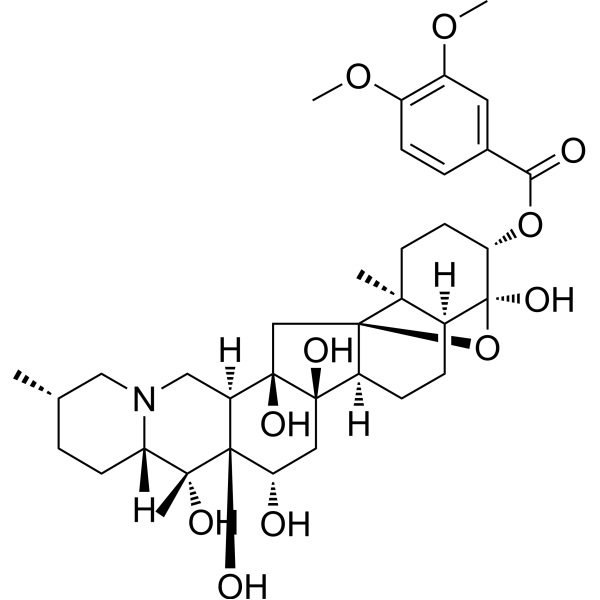
    Veratridine (3-Veratroylveracevine) is a plant neurotoxin, a voltage-gated sodium channels (VGSCs) agonist. Veratridine inhibits the peak current of Nav1.7, with an IC50 of 18.39 µM. Veratridine regulates sodium ion channels mainly by activating sodium ion channels, preventing channel inactivation and increasing sodium ion flow .
    Veratridine
  • HY-B0887
    Permethrin
    1 Publications Verification

    NRDC-143

    Environmental Pollutants Parasite Mitochondrial Metabolism Sodium Channel Infection Neurological Disease
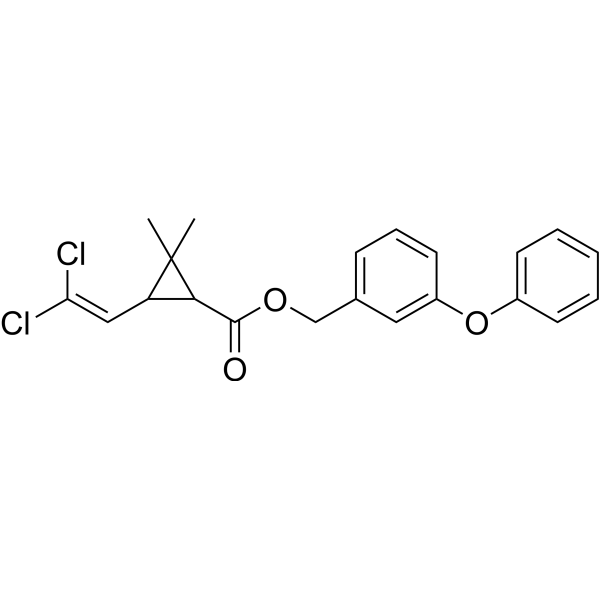
    Permethrin (NRDC-143) is an insecticide, acaricide and a high selectively inhibitor of the Mitochondrial complex I, found in sediment and water samples. Permethrin shows estrogenic in vivo and anti-estrogenic activity in vitro. Permethrin also acts as a neurotoxin affecting neuron membranes by prolonging Sodium channel activation. Permethrin decreases resistance to bacterial infections in medaka (Oryzias latipes) .
    Permethrin
  • HY-W015546
    β-N-methylamino-L-alanine hydrochloride
    2 Publications Verification

    BMAA hydrochloride

    Bacterial mGluR PKC Infection Neurological Disease Inflammation/Immunology Cancer
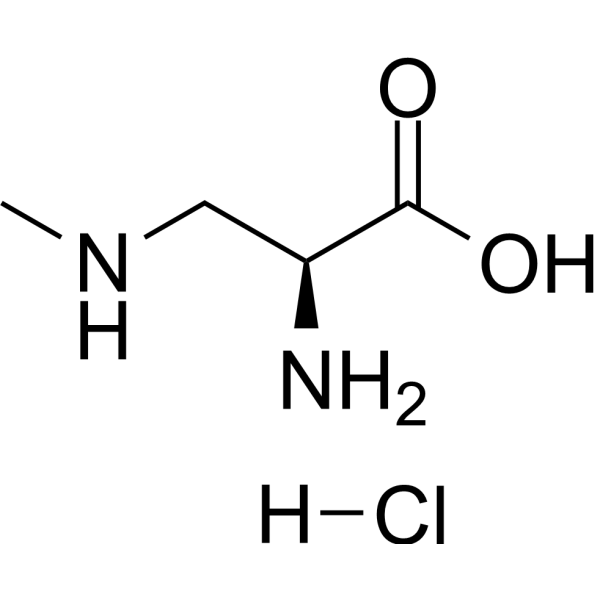
    β-N-methylamino-L-alanine hydrochloride (BMAA hydrochloride) is a neurotoxin produced by cyanobacteria. β-N-methylamino-L-alanine hydrochloride activates mGluR3 and inhibits PKC. β-N-methylamino-L-alanine hydrochloride can be used in the research of neurodegenerative diseases and immune diseases .
    β-N-methylamino-L-alanine hydrochloride
  • HY-114936
    Piericidin A
    5 Publications Verification

    AR-054

    Bacterial ADC Payload Antibiotic Mitochondrial Metabolism Infection Neurological Disease Cancer
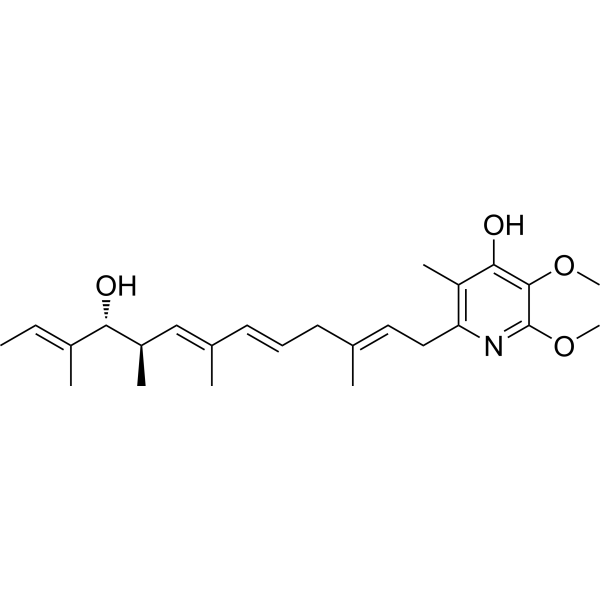
    Piericidin A (AR-054) is a natural mitochondrial NADH-ubiquinone oxidoreductase (complex I) inhibitor. Piericidin A is a potent neurotoxin and inhibits mitochondrial respiration by disrupting the electron transport system through its action on NADH-ubiquinone reductase. Piericidin A is also a potential quorum-sensing inhibitor that suppresses the expression of the virulence genes of Erwinia carotovora subsp. atroseptica (Eca). Piericidin A is an ADC cytotoxin and has anti-bacterial, anticancer, insecticidal activity .
    Piericidin A
  • HY-W017423

    Environmental Pollutants Cholinesterase (ChE) Neurological Disease
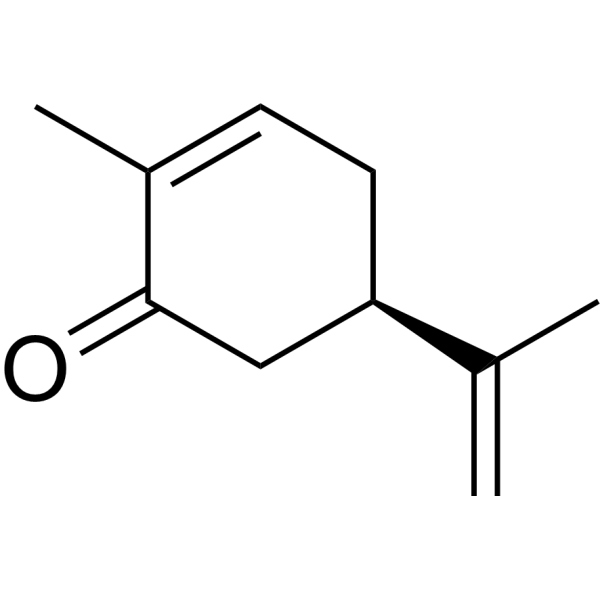
    (-)-Carvone is an insect neurotoxin and a irreversible acetylcholinesterase (AChE) inhibitor. (-)-Carvone can be used as a bird repellent, inhibits larval growth, decreases pupatation rate, and increases mortality of larvae .
    (-)-Carvone
  • HY-112722

    PINK1/Parkin Neurological Disease
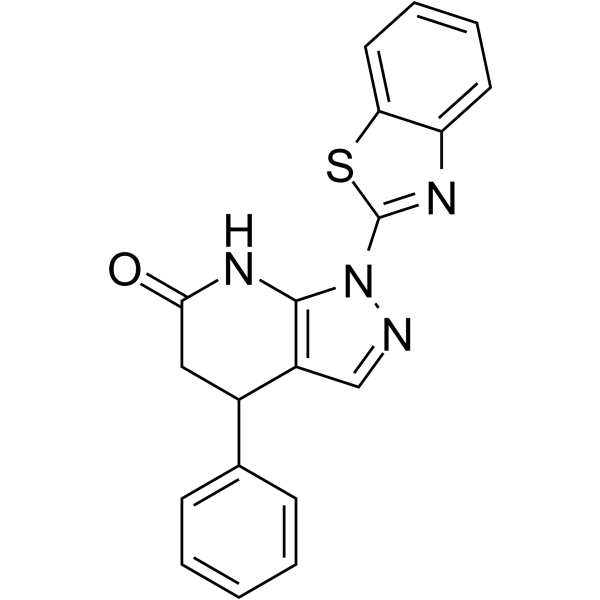
    Neurotoxin Inhibitor is a neurotoxin inhibitor. Neurotoxin Inhibitor promotes the expression of DJ-1 protein, reduces the level of oxidative stress, and thereby protects dopaminergic neurons. Neurotoxin Inhibitor can be used for the study of Parkinson's disease .
    Neurotoxin Inhibitor
  • HY-Y1322

    Environmental Pollutants Mitophagy Apoptosis NF-κB p38 MAPK ERK JNK PI3K Akt Monoamine Oxidase Reactive Oxygen Species (ROS) PPAR Indoleamine 2,3-Dioxygenase (IDO) Cardiovascular Disease Neurological Disease Metabolic Disease Inflammation/Immunology Endocrinology
    Triphenyl phosphate is an orally active, blood-brain barrier-permeable aryl organophosphate flame retardant and endocrine disruptor. Triphenyl phosphate disrupts mitochondrial dynamic balance through oxidative stress, induces excessive mitophagy and apoptosis, and ultimately leads to myocardial fibrosis. In the brain, Triphenyl phosphate activates the NF-κB inflammatory pathway by disrupting the gut microbiota, alters tryptophan metabolism and elevates neurotoxins, thereby inducing anxiety- and depression-like behaviors. In the skeletal and reproductive systems, Triphenyl phosphate inhibits osteoblast differentiation and induces germ cell apoptosis by suppressing the MAPK/ERK pathway and activating the JNK signal, respectively. In adipose and placental tissues, Triphenyl phosphate promotes lipid accumulation by activating the PI3K/AKT-PPARγ axis, and disrupts placental metabolism via the MAOA/ROS/NF-κB cascade, impairing neurodevelopment of offspring .
    Triphenyl phosphate
  • HY-15377

    GABA Receptor Neurological Disease
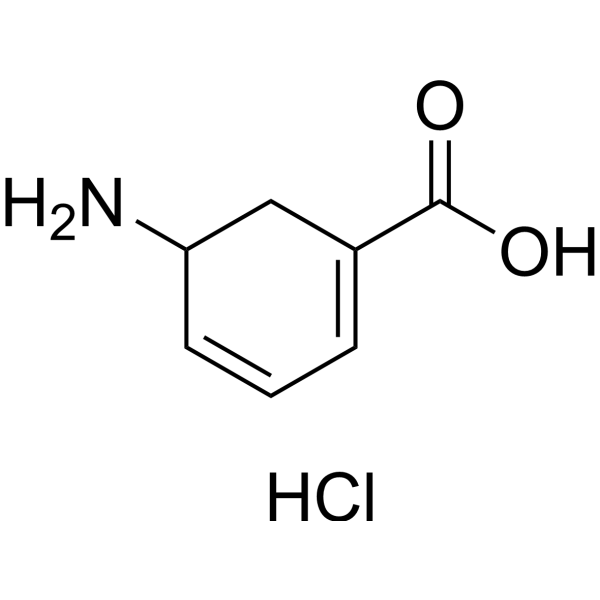
    DL-Gabaculine hydrochloride is a neurotoxin that irreversibly inhibits bacterial pyridoxal phosphate linked γ-aminobutyric acid-α-ketoglutaric acid transaminase with a Ki of 2.86 μM .
    DL-Gabaculine hydrochloride
  • HY-N15001

    GABA Receptor Neurological Disease
    Gabaculine is an amino acid neurotoxin and blood-brain barrier-permeable GABA transaminase inhibitor, with an IC50 of 1 μM in beef and Pseudomonas ovalis. Gabaculine elevates endogenous synaptic and brain GABA levels and enhances GABA activity. Gabaculine induces sedation, hypothermia, loss of righting reflex, and prevents convulsions in mice. Gabaculine is applicable to research related to neurological disorders .
    Gabaculine
  • HY-179055

    PROTACs DAPK Neurological Disease
    PROTAC DAPK1 Degrader-1 (Compound CP1) is a DAPK1 PROTAC degrader with a DC50 of 119.6 nM. PROTAC DAPK1 Degrader-1 significantly increased the MDM2 protein level. PROTAC DAPK1 Degrader-1 significantly reduced the levels of cleaved caspase-3 and cleaved PARP in a cell apoptosis model induced by the neurotoxin ceramide, indicating that it effectively inhibits neuronal apoptosis by degrading DAPK1. PROTAC DAPK1 Degrader-1 can be used to study neurological diseases such as cerebral ischemia and traumatic brain injury (pink: DAPK1 ligand (HY-179071); blue: CRBN ligand (HY-10984); black: linker (HY-40171)) .
    PROTAC DAPK1 Degrader-1
  • HY-W049881

    Dopamine Receptor PI3K Monoamine Oxidase Neurological Disease
    9-Methyl-β-carboline is a monoamine oxidase inhibitor and dopaminergic modulator, with an IC50 of 1 μM against human MAO-A and an IC50 of 15.5 μM against human MAO-B. 9-Methyl-β-carboline possesses cognitive enhancement potential and can cross the blood-brain barrier. 9-Methyl-β-carboline increases dopamine levels by inhibiting monoamine oxidase activity and microglial proliferation. 9-Methyl-β-carboline activates PKA/PKC and mitochondrial respiratory chain complex I, promotes neurotrophic factor expression and reduces α-synuclein (α-synuclein) levels, thereby reversing neurotoxin-induced dopaminergic neuron damage. 9-Methyl-β-carboline also regulates the PI3K pathway and exerts an anti-proliferative effect on astrocytes. 9-Methyl-β-carboline is widely used in Parkinson's disease-related studies .
    9-Methyl-β-carboline
  • HY-P5142

    ω-ACTX-Hv1; ω-Atracotoxin-HV1

    Insecticide Calcium Channel Apoptosis Necroptosis Cardiovascular Disease Neurological Disease Inflammation/Immunology
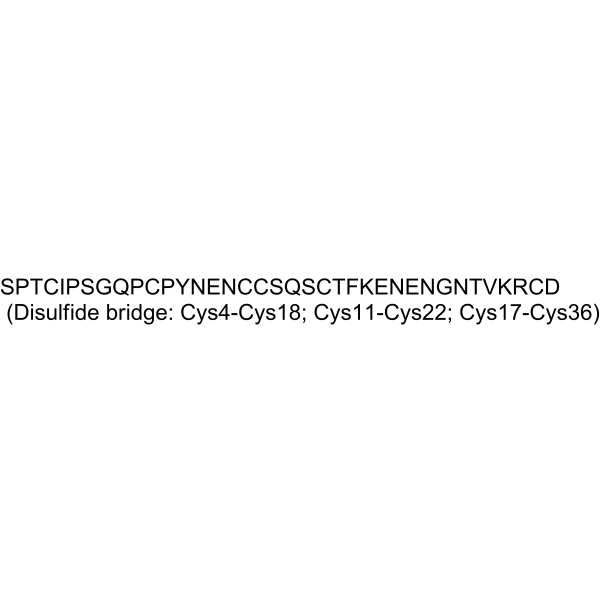
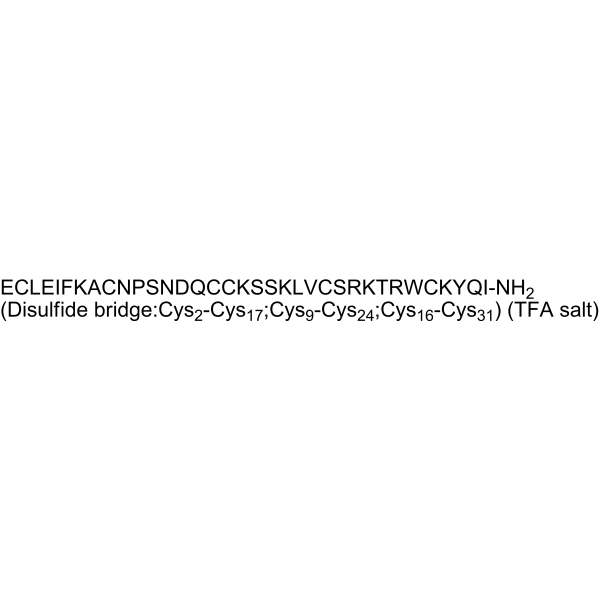
    ω-Hexatoxin-Hv1a (ω-ACTX-Hv1; ω-Atracotoxin-HV1) is an orally active insecticidal neurotoxin containing an inhibitor cystine knot motif and a selective calcium channel inhibitor. ω-Hexatoxin-Hv1a blocks L-type voltage-dependent Ca 2+ channels and reduces intracellular calcium ion concentration, thereby decreasing apoptosis, necroptosis and oxidative stress, and promoting cell recovery and energy level elevation. ω-Hexatoxin-Hv1a causes larval paralysis and death by impairing neurotransmission in the central nervous system of insects. It shows high injectable toxicity against insects of multiple orders, but exhibits weak oral toxicity. ω-Hexatoxin-Hv1a is widely applicable to studies related to ischemia-reperfusion injury, atopic dermatitis, and ischemic injury of cardiomyocytes and neurons .
    ω-Hexatoxin-Hv1a
  • HY-P1220A

    Sodium Channel Neurological Disease
    Huwentoxin-IV TFA is a potent and selective sodium channel blocker, inhibits neuronal Nav1.7, Nav1.2, Nav1.3 and Nav1.4 with IC50s of 26, 150, 338 and 400 nM, respectively. Huwentoxin-IV TFA preferentially blocks peripheral nerve subtype Nav1.7 by binding neurotoxin receptor site 4. Huwentoxin-IV TFA has analgesic effects on animal models of inflammatory and neuropathic pain .
    Huwentoxin-IV TFA
  • HY-Y1322S

    Celluflex TPP-d15; DHPF 005-d15; Disflamol TP-d15; Disflamoll TP-d15; NSC 57868-d15; Phenyl phosphate ((PhO)3PO)-d15; Phoscon FR 903N-d15

    Isotope-Labeled Compounds Environmental Pollutants ERK Indoleamine 2,3-Dioxygenase (IDO) p38 MAPK NF-κB Akt Monoamine Oxidase Mitophagy Reactive Oxygen Species (ROS) JNK PI3K PPAR Apoptosis Cardiovascular Disease Neurological Disease Metabolic Disease Inflammation/Immunology Endocrinology
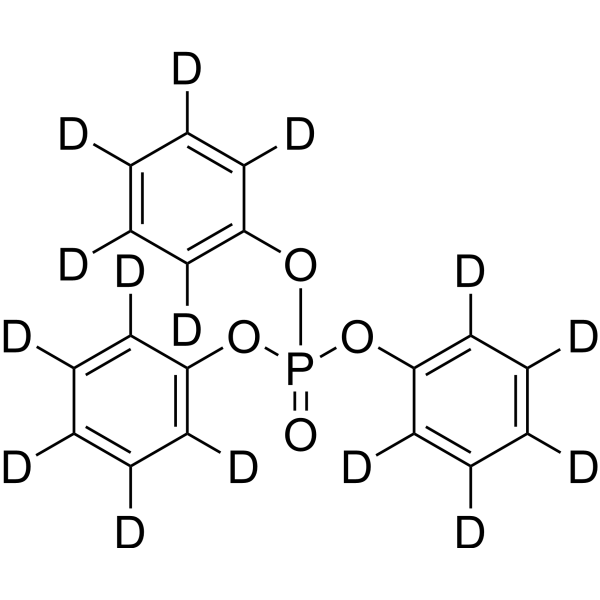
    Triphenyl phosphate-d15 is the deuterium labeled Triphenyl phosphate. Triphenyl phosphate is an orally active, blood-brain barrier-permeable aryl organophosphate flame retardant and endocrine disruptor. Triphenyl phosphate disrupts mitochondrial dynamic balance through oxidative stress, induces excessive mitophagy and apoptosis, and ultimately leads to myocardial fibrosis. In the brain, Triphenyl phosphate activates the NF-κB inflammatory pathway by disrupting the gut microbiota, alters tryptophan metabolism and elevates neurotoxins, thereby inducing anxiety- and depression-like behaviors. In the skeletal and reproductive systems, Triphenyl phosphate inhibits osteoblast differentiation and induces germ cell apoptosis by suppressing the MAPK/ERK pathway and activating the JNK signal, respectively. In adipose and placental tissues, Triphenyl phosphate promotes lipid accumulation by activating the PI3K/AKT-PPARγ axis, and disrupts placental metabolism via the MAOA/ROS/NF-κB cascade, impairing neurodevelopment of offspring.
    Triphenyl phosphate-d15
  • HY-42649

    Bacterial Neurological Disease
    NSC 14699 is a small molecule non-peptide inhibitor of botulinum neurotoxin serotype E. NSC 14699 is promising for research of therapeutic and cosmetic agents .
    NSC 14699
  • HY-P5816

    Sodium Channel Neurological Disease
    BmK-M1 is a scorpion toxin, and is composed of 64 amino acids cross-linked by four disulfide bridges. BmK-M1 inhibits Na + channel and can be considered both as a cardiotoxin and a neurotoxin .
    BmK-M1
  • HY-P3071A

    Stichodactyla helianthus Neurotoxin TFA

    Potassium Channel Neurological Disease Inflammation/Immunology
    ShK toxin TFA (Stichodactyla helianthus neurotoxin TFA) is a neurotoxin. ShK toxin TFA blocks voltage-dependent potassium channel (Kv1.3 channel). ShK toxin TFA can be isolated from the whole body extract of the Caribbean sea anemone (Stichodactylu helianthus). ShK toxin TFA competes with dendrotoxin I and α-dendrotoxin for binding to synaptosomal membranes of rat brain, facilitates acetylcholine release. ShK toxin TFA suppresses K + currents in cultured rat dorsal root ganglion neurons. ShK toxin TFA also inhibits T lymphocyte proliferation .
    ShK toxin TFA
  • HY-N6691R

    3-Veratroylveracevine (Standard)

    Reference Standards Sodium Channel Neurological Disease
    Veratridine (Standard) is the analytical standard of Veratridine. This product is intended for research and analytical applications. Veratridine (3-Veratroylveracevine) is a plant neurotoxin, a voltage-gated sodium channels (VGSCs) agonist. Veratridine inhibits the peak current of Nav1.7, with an IC50 of 18.39?μM. Veratridine regulates sodium ion channels mainly by activating sodium ion channels, preventing channel inactivation and increasing sodium ion flow .
    Veratridine (Standard)
  • HY-P1220

    Sodium Channel Neurological Disease
    Huwentoxin-IV is a potent and selective sodium channel blocker, inhibits neuronal Nav1.7, Nav1.2, Nav1.3 and Nav1.4 with IC50s of 26, 150, 338 and 400 nM, respectively. Huwentoxin-IV preferentially blocks peripheral nerve subtype Nav1.7 by binding neurotoxin receptor site 4. Huwentoxin-IV has analgesic effects on animal models of inflammatory and neuropathic pain .
    Huwentoxin-IV
  • HY-101392R

    Reference Standards Imidazoline Receptor Monoamine Oxidase Adrenergic Receptor Neurological Disease Cancer
    Harmane (Standard) is the analytical standard of Harmane. This product is intended for research and analytical applications. Harmane, a β-Carboline alkaloid (BCA), is a potent neurotoxin that causes severe action tremors and psychiatric manifestations. Harmane shows 1000-fold selectivity for I1-Imidazoline receptor (IC50=30 nM) over α2-adrenoceptor (IC50=18 μM). Harmane is also a potent and selective inhibitor of monoamine oxidase (MAO) (IC50s=0.5 and 5 μM for human MAO A/B, respectively). Harmane exhibits comutagenic effect .
    Harmane (Standard)
  • HY-113714

    Bacterial Infection
    C562-1101 is a small molecule potent botulinum neurotoxins E serotype (BoNT/E) inhibitor .
    C562-1101
  • HY-111535

    Bacterial Others
    BoNT-IN-2 (Compound 33) is a Botulinum Neurotoxin A Light Chain (BoNT/A LC) inhibitor with an IC50 of 4.5 μM .
    BoNT-IN-2
  • HY-W017423R

    Reference Standards Cholinesterase (ChE) Neurological Disease
    (-)-Carvone (Standard) is the analytical standard of (-)-Carvone. This product is intended for research and analytical applications. (-)-Carvone is an insect neurotoxin and a irreversible acetylcholinesterase (AChE) inhibitor. (-)-Carvone can be used as a bird repellent, inhibits larval growth, decreases pupatation rate, and increases mortality of larvae .
    (-)-Carvone (Standard)
  • HY-W750404

    Isotope-Labeled Compounds Cholinesterase (ChE) Neurological Disease
    (-)-Carvone-d4 is the deuterium labeled (-)-Carvone (HY-W017423). (-)-Carvone is an insect neurotoxin and a irreversible acetylcholinesterase (AChE) inhibitor. (-)-Carvone can be used as a bird repellent, inhibits larval growth, decreases pupatation rate, and increases mortality of larvae .
    (-)-Carvone-d4
  • HY-P5798

    FAS-I

    Cholinesterase (ChE) Neurological Disease
    Fasciculin-I is isolated from the mambas venom. Fasciculin-I exerts its toxic effects by inhibiting acetylcholinesterase (AChE). Fasciculin-I blocks α-neurotoxins of nicotinic acetylcholine receptors and cardiac toxins that interact with cell membranes .
    Fasciculin-I
  • HY-176052

    Bacterial Neurological Disease
    PPO-allene is a covalent botulinum neurotoxin (BoNT) light chain inhibitor (IC50: 20.9 μM). PPO-allene (0.3 mg/kg, i.v.) demonstrates an in vivo half-life of approximately 1.5 h in mice .
    PPO-allene
  • HY-P5773

    Sodium Channel Neurological Disease
    Jingzhaotoxin-34, a 35-residue polypeptide, is a neurotoxin. Jingzhaotoxin-34 inhibits tetrodotoxin-sensitive (TTX-S) sodium currents (IC50 of ~85 nM) while having no significant effects on tetrodotoxin-resistant (TTX-R) sodium currents on rat dorsal root ganglion neurons .
    Jingzhaotoxin-34
  • HY-P5772

    Sodium Channel Neurological Disease
    Jingzhaotoxin-II, a 32 amino acid residues including two acidic and two basic residues, is a neurotoxin. Jingzhaotoxin-II inhibits voltage-gated sodium channels (VGSC) that significantly slows rapid inactivation of TTX-resistant (TTX-R) VGSC on cardiac myocytes with the IC50 of 0.26 μM .
    Jingzhaotoxin-II
  • HY-P5931

    Potassium channel toxin alpha-KTx 6.13; SPX; α-KTx6.13

    Potassium Channel Inflammation/Immunology Cancer
    Spinoxin isolated from the venom of scorpion Heterometrus spinifer, is a 34-residue peptide neurotoxin cross-linked by four disulfide bridges. Spinoxin is a potent inhibitor of Kv1.3 potassium channel (IC50 = 63 nM), considering to be valid molecular targets in the diagnostics and therapy of various autoimmune disorders and cancers .
    Spinoxin
  • HY-P5771

    Sodium Channel Neurological Disease
    Jingzhaotoxin-IX, a C-terminally amidated peptide composed of 35 amino acid residues, is a neurotoxin. Jingzhaotoxin-IX inhibits voltage-gated sodium channels (both tetrodotoxin-resistant and tetrodotoxin-sensitive isoforms) and Kv2.1 channel. Jingzhaotoxin-IX has no effect on delayed rectifier potassium channel Kv1.1, 1.2 and 1.3 .
    Jingzhaotoxin-IX
  • HY-W774926

    NRDC-143-d6

    Isotope-Labeled Compounds Na+/K+ ATPase Parasite Sodium Channel Mitochondrial Metabolism Infection Neurological Disease
    Permethrin-d6 (NRDC-143-d6) is deuterium labeled Permethrin. Permethrin (NRDC-143) is an insecticide, acaricide and a high selectively inhibitor of the Mitochondrial complex I, found in sediment and water samples. Permethrin shows estrogenic in vivo and anti-estrogenic activity in vitro. Permethrin also acts as a neurotoxin affecting neuron membranes by prolonging Sodium channel activation. Permethrin decreases resistance to bacterial infections in medaka (Oryzias latipes) .
    Permethrin-d6
  • HY-101392S

    Imidazoline Receptor Monoamine Oxidase Adrenergic Receptor Neurological Disease Cancer
    Harmane-d is the deuterium labeled Harmane. Harmane, a β-Carboline alkaloid (BCA), is a potent neurotoxin that causes severe action tremors and psychiatric manifestations. Harmane shows 1000-fold selectivity for I1-Imidazoline receptor (IC50=30 nM) over α2-adrenoceptor (IC50=18 μM). Harmane is also a potent and selective inhibitor of monoamine oxidase (MAO) (IC50s=0.5 and 5 μM for human MAO A/B, respectively) .
    Harmane-d1
  • HY-101392S1

    Isotope-Labeled Compounds Imidazoline Receptor Monoamine Oxidase Adrenergic Receptor Neurological Disease Cancer
    Harmane-d2 is the deuterium labeled Harmane. Harmane, a β-Carboline alkaloid (BCA), is a potent neurotoxin that causes severe action tremors and psychiatric manifestations. Harmane shows 1000-fold selectivity for I1-Imidazoline receptor (IC50=30 nM) over α2-adrenoceptor (IC50=18 μM). Harmane is also a potent and selective inhibitor of monoamine oxidase (MAO) (IC50s=0.5 and 5 μM for human MAO A/B, respectively) .
    Harmane-d2
  • HY-123395

    Endogenous Metabolite Neurological Disease
    NSC-84096 is an endopeptidase activity inhibitor with the ability to inhibit the activity of botulinum neurotoxin type A light chain (rBoNT/A-LC). NSC-84096 is able to effectively inhibit the enzymatic activity of botulinum neurotoxin in vitro, indicating its potential in inhibiting botulism. The mechanism of action of NSC-84096 may provide hope for the development of small molecule compounds targeting these deadly toxins .
    NSC-84096
  • HY-131827

    DNA/RNA Synthesis Inflammation/Immunology
    5-Chlorouridine, a ribonucleoside, is an inhibitor of RNase A (Ki = 44.5 μM) and eosinophil derived neurotoxin (EDN) (Ki = 1080.1 μM; IC50 = 1462.8 μM). 5-Chlorouridine can be used for the researches of inflammatory disorders and hypereosinophilic syndromes .
    5-Chlorouridine
  • HY-P5142A

    ω-ACTX-Hv1 TFA; ω-Atracotoxin-HV1 TFA

    Insecticide Apoptosis Calcium Channel Necroptosis Cardiovascular Disease Neurological Disease Inflammation/Immunology
    ω-Hexatoxin-Hv1a (ω-ACTX-Hv1; ω-Atracotoxin-HV1) TFA is an orally active insecticidal neurotoxin containing an inhibitor cystine knot motif and a selective calcium channel inhibitor. ω-Hexatoxin-Hv1a TFA blocks L-type voltage-dependent Ca 2+ channels and reduces intracellular calcium ion concentration, thereby decreasing apoptosis, necroptosis and oxidative stress, and promoting cell recovery and energy level elevation. ω-Hexatoxin-Hv1a TFA causes larval paralysis and death by impairing neurotransmission in the central nervous system of insects. It shows high injectable toxicity against insects of multiple orders, but exhibits weak oral toxicity. ω-Hexatoxin-Hv1a TFA is widely applicable to studies related to ischemia-reperfusion injury, atopic dermatitis, and ischemic injury of cardiomyocytes and neurons .
    ω-Hexatoxin-Hv1a TFA

Inquiry Online

Your information is safe with us. * Required Fields.

Salutation


Country or Region *

Applicant Name *


Organization Name *

Department *


Email Address *


Product Name *

Cat. No.


Requested quantity *

Phone Number *


Remarks

Inquiry Online

Inquiry Information

Product Name:
Cat. No.:
Quantity:
MCE Japan Authorized Agent:

