Search Result
Results for "
Notch inhibitor
" in MedChemExpress (MCE) Product Catalog:
2
Biochemical Assay Reagents
7
Isotope-Labeled Compounds
| Cat. No. |
Product Name |
Target |
Research Areas |
Chemical Structure |
-
- HY-13027
-
DAPT
Maximum Cited Publications
158 Publications Verification
GSI-IX
|
Organoid
γ-secretase
Amyloid-β
Autophagy
Notch
Apoptosis
|
Neurological Disease
Inflammation/Immunology
Cancer
|
|
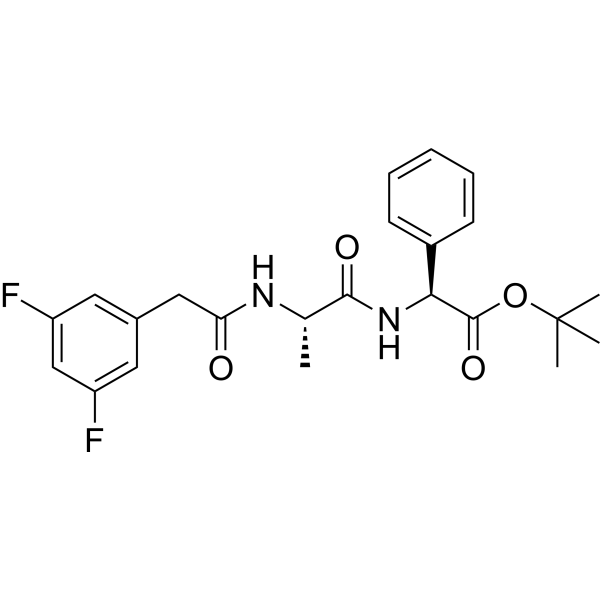
DAPT (GSI-IX) is a potent and orally active γ-secretase inhibitor with IC50s of 115 nM and 200 nM for total amyloid-β (Aβ) and Aβ42, respectively. DAPT inhibits the activation of Notch 1 signaling and induces cell differentiation. DAPT also induces autophagy and apoptosis. DAPT has neuroprotection activity and has the potential for autoimmune and lymphoproliferative diseases, degenerative disease and cancers treatment .
|
-
-
- HY-10585
-
-
-
- HY-15244
-
|
BYL-719
|
PI3K
Apoptosis
|
Cancer
|
|
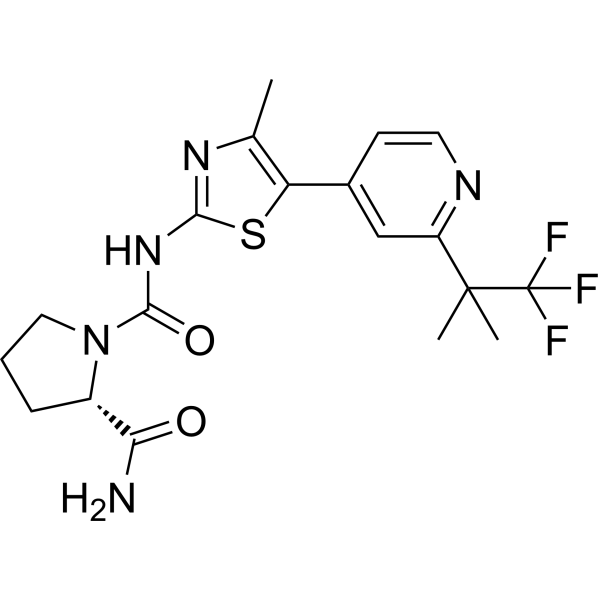
Alpelisib (BYL-719) is an orally active PI3Kα-selective inhibitor that blocks the conversion of PIP2 to PIP3, thereby inhibiting pathways including PI3K/AKT/mTOR, MAPK/ERK, Notch and JAK-STAT. Alpelisib also induces apoptosis, G0/G1 phase arrest and senescence; it significantly inhibits the proliferation, self-renewal, stemness and epithelial-mesenchymal transition (EMT) of tumor cells, reduces cancer stem cell populations and decreases the expression of stem cell markers. Alpelisib not only enhances the sensitivity to Eribulin (HY-13442) and exerts a synergistic effect with Paclitaxel (HY-B0015), but may also induce drug resistance by upregulating the SGK3/GSK3β/β-catenin signaling pathway. Alpelisib can be applied to research related to breast cancer, gastric cancer and lipomas associated with PTEN hamartoma tumor syndrome .
|
-
-
- HY-10585A
-
|
Sodium Valproate; VPA sodium; 2-Propylpentanoic acid sodium
|
Organoid
HDAC
Autophagy
Mitophagy
HIV
Notch
Apoptosis
Endogenous Metabolite
|
Infection
Neurological Disease
Metabolic Disease
Cancer
|
|
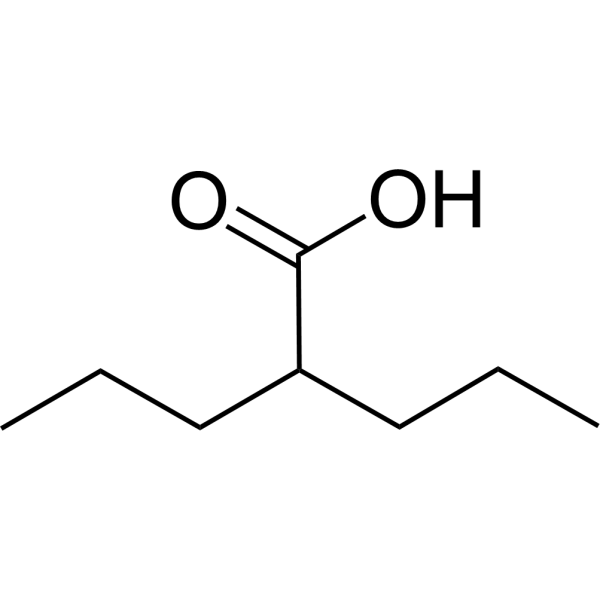
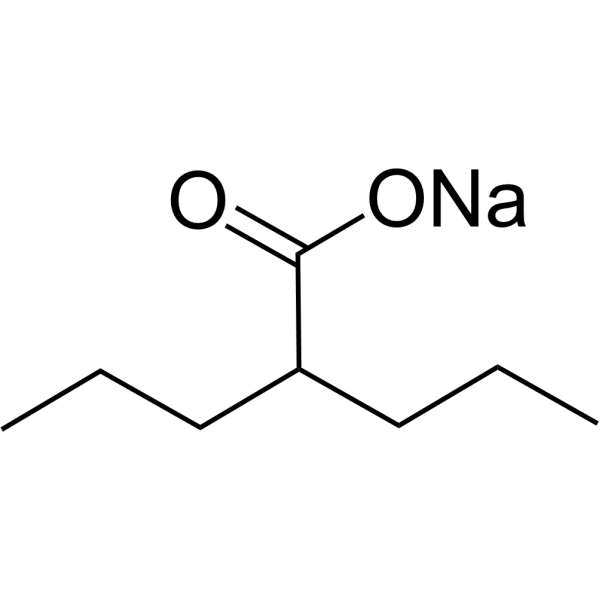
Valproic acid (Sodium Valproate) sodium is an orally active HDAC inhibitor, with IC50 in the range of 0.5 and 2 mM, also inhibits HDAC1 (IC50, 400 μM), and induces proteasomal degradation of HDAC2. Valproic acid sodium activates Notch1 signaling and inhibits proliferation in small cell lung cancer (SCLC) cells. Valproic acid sodium is used in the treatment of epilepsy, bipolar disorder, metabolic disease, HIV infection and prevention of migraine headaches .
|
-
-
- HY-13526
-
|
Dibenzazepine; DBZ
|
Notch
γ-secretase
|
Cancer
|
|
YO-01027 (Dibenzazepine;DBZ) is a potent γ-secretase inhibitor with IC50 values of 2.92 and 2.64 nM for Notch and APPL cleavage, respectively.
|
-
-
- HY-50752
-
-
-
- HY-14176
-
|
γ-Secretase-IN-1
|
γ-secretase
|
Cancer
|
|
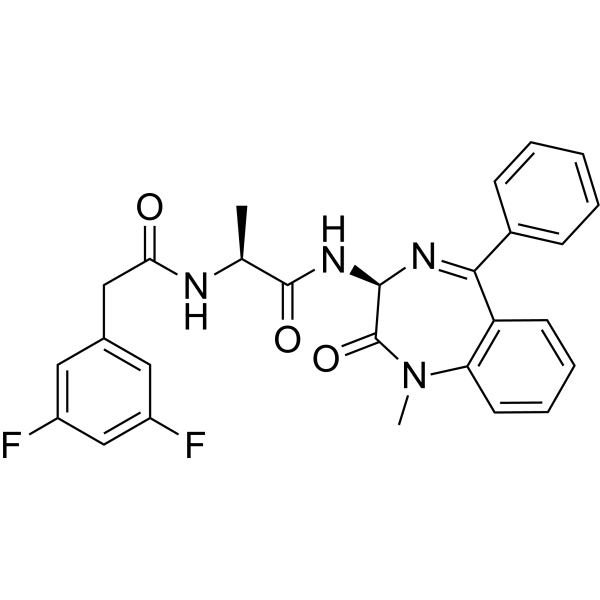
Compound E is a γ-secretase inhibitor. Compound E blocks β-amyloid(40), β-amyloid(42), and Notch γ-secretase cleavage with IC50s of 0.24, 0.37, 0.32 nM, respectively.
|
-
-
- HY-N0133
-
|
Tangeritin; NSC53909; NSC618905
|
Notch
Apoptosis
|
Inflammation/Immunology
Cancer
|
|
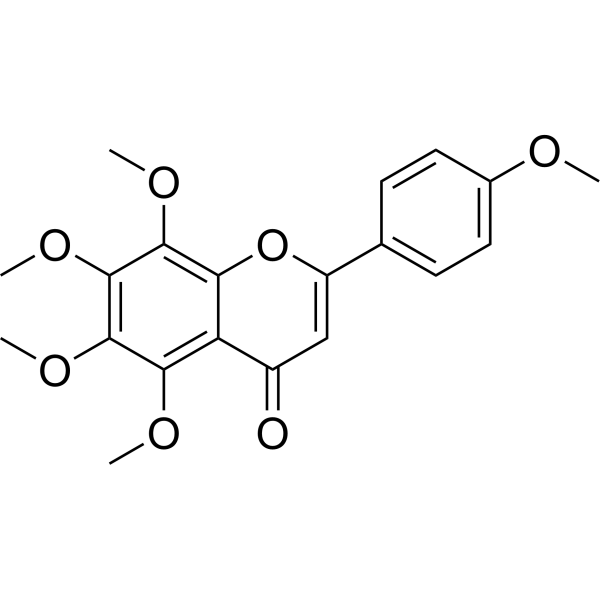
Tangeretin (Tangeritin), a flavonoid from citrus fruit peels, has been proven to play an important role in anti-inflammatory responses and neuroprotective effects in several disease models, and is a Notch-1 inhibitor.
|
-
-
- HY-15185
-
|
PF-3084014
|
γ-secretase
Apoptosis
|
Cancer
|
|
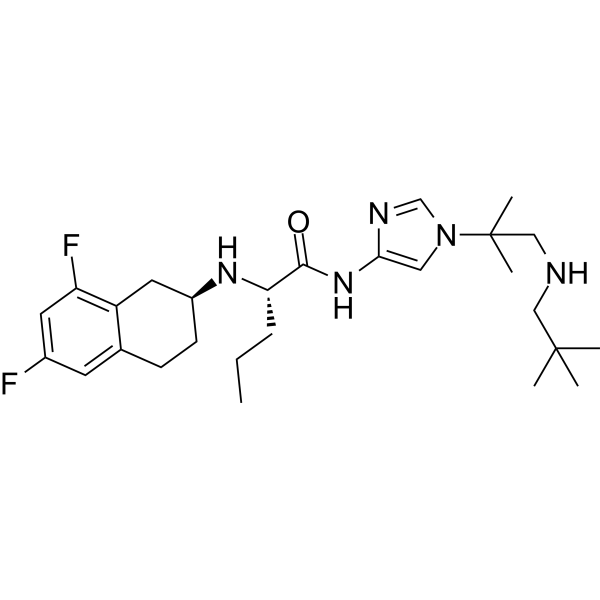
Nirogacestat (PF-3084014) is a reversible, orally bioavailable, noncompetitive, and selective γ-secretase inhibitor with an IC50 of 6.2 nM. Inhibition of Notch signaling by Nirogacestat while minimizing gastrointestinal toxicity presents a promising approach for research of Notch receptor-dependent cancers .
|
-
-
- HY-11102
-
|
|
γ-secretase
Notch
|
Neurological Disease
Cancer
|
|
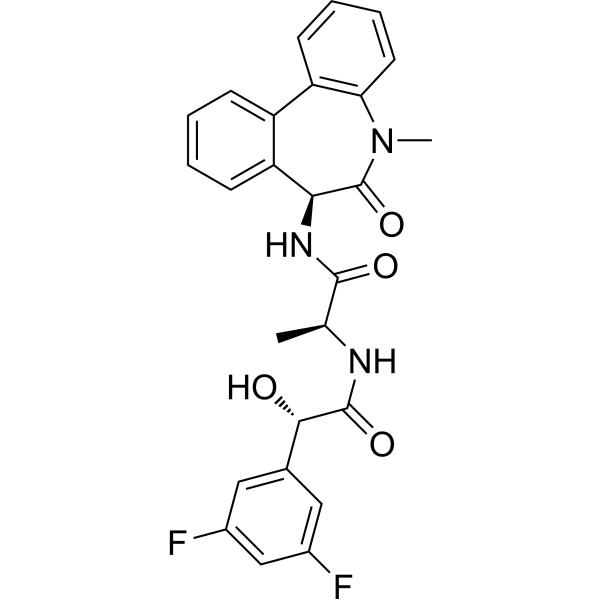
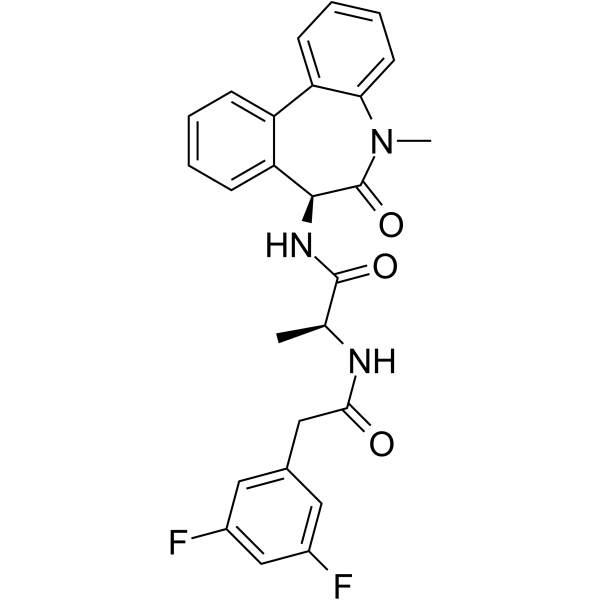
RO4929097 is an orally active γ secretase inhibitor with an IC50 of 4 nM, inhibiting cellular processing of Aβ40 and Notch with EC50 of 14 nM and 5 nM, respectively .
|
-
-
- HY-135145
-
|
CB-103
|
Notch
|
Cancer
|
|
Limantrafin (CB-103) is a first-in-class, orally active protein-protein interaction (PPI) inhibitor of the NOTCH transcriptional activation complex. Limantrafin has anti-tumor activity .
|
-
-
- HY-50845
-
|
BMS-708163
|
γ-secretase
Notch
|
Cancer
|
|
Avagacestat (BMS-708163) is a potent inhibitor of γ-secretase, with IC50s of 0.27 nM and 0.30 nM for Aβ42 and Aβ40 inhibition; Avagacestat (BMS-708163) also inhibits NICD (Notch IntraCellular Domain) with IC50 of 0.84 nM and shows weak inhibition of CYP2C19, with IC50 of 20 μM. Avagacestat can be used for Alzheimer disease research.
|
-
-
- HY-12449
-
|
LY3039478
|
Notch
γ-secretase
|
Cancer
|
|
Crenigacestat (LY3039478) is an orally active Notch and γ-secretase inhibitor, with an IC50 of 1 nM in most of the tumor cell lines tested .
|
-
-
- HY-N3014
-
|
|
Notch
Apoptosis
Parasite
|
Infection
Cancer
|
|
Bruceine D is a Notch inhibitor with anti-cancer activity and induces apoptosis in several human cancer cells. Bruceine D is an effective botanical insect antifeedant with outstanding systemic properties, causing potent pest growth inhibitory activity . Bruceine D has strong anthelmintic activity against D. intermedius with an EC50 value of 0.57 mg/L .
|
-
-
- HY-10009
-
|
LY450139
|
γ-secretase
Amyloid-β
Notch
|
Neurological Disease
|
|
Semagacestat is a γ-secretase inhibitor, inhibits β-amyloid (Aβ42), Aβ38 and Aβ40 with IC50s of 10.9, 12 and 12.1 nM, respectively; also inhibits Notch signaling with IC50 of 14.1 nM. Semagacestat can be used for the research of alzheimer's disease .
|
-
-
- HY-N0232
-
|
|
COX
Lipoxygenase
Notch
Reactive Oxygen Species (ROS)
Bacterial
|
Cancer
|
|
Psoralidin is a dual inhibitor of COX-2 and 5-LOX, regulates ionizing radiation (IR)-induced pulmonary inflammation.Anti-cancer, anti-bacterial, and anti-inflammatory properties . Psoralidin significantly downregulates NOTCH1 signaling. Psoralidin also greatly induces ROS generation .
|
-
-
- HY-100431
-
|
|
Notch
|
Cancer
|
|
IMR-1 is a novel class of Notch inhibitor targeting the transcriptional activation with an IC50 of 26 μM. IMR-1 prevents the recruitment of Mastermind-like 1 (Maml1) to the Notch Ternary Complex (NTC) on chromatin, inhibits Notch target gene transcription and dramatically inhibits tumor growth .
|
-
-
- HY-137471
-
|
RIN1
|
Notch
|
Cancer
|
|
RBPJ Inhibitor-1 (RIN1), the first RBPJ inhibitor, blocks the functional interaction of RBPJ with SHARP. RBPJ Inhibitor-1 (RIN1) inhibits NOTCH-dependent tumor cell proliferation .
|
-
-
- HY-19369
-
|
L-685,458
|
γ-secretase
Apoptosis
|
Neurological Disease
Cancer
|
|
L-685458 is a potent transition state analog (TSA) γ-secretase inhibitor (GSI). L-685458 inhibits amyloid β-protein precursor γ-secretase activity with IC50 of 17 nM, shows greater than 50-100-fold selectivity over other aspartyl proteases tested. L685458 inhibits γ-secretase-mediated cleavage of APP-C99 and Notch-100 with IC50s of 301.3 nM and 351.3 nM, respectively. L-685458 can be used for the research of alzheimer’s disease (AD) and cancers .
|
-
-
- HY-12860
-
|
Notch inhibitor 1
|
Notch
|
Cancer
|
|
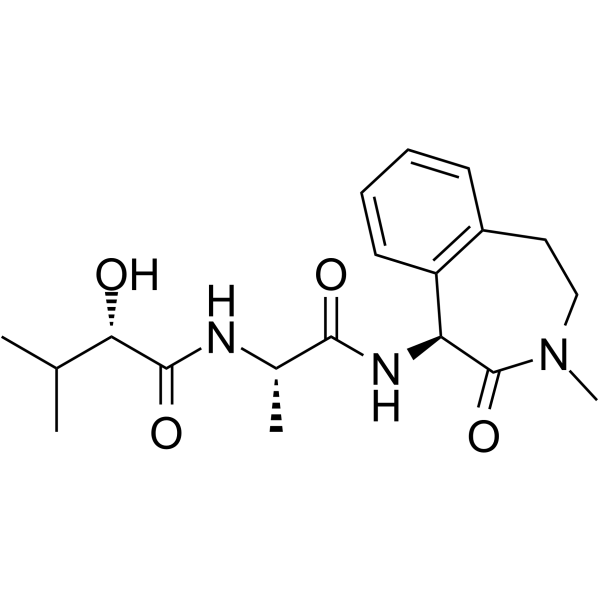
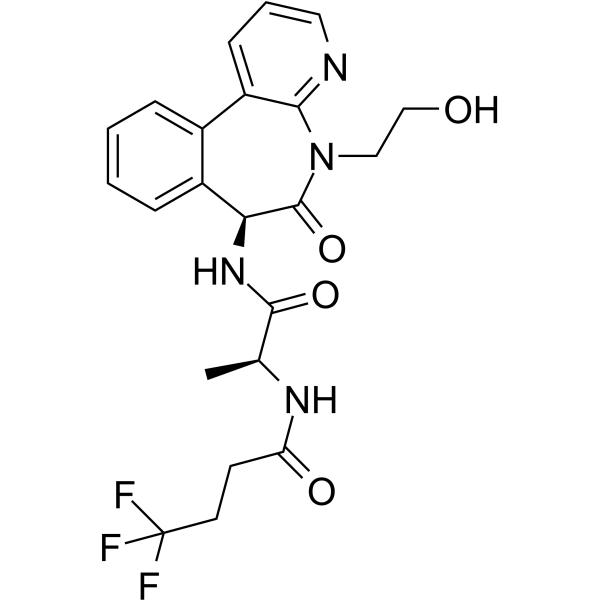
BMS-986115 (Notch inhibitor 1) is a potent Notch inhibitor, with IC50s of 7.8 and 8.5 nM for Notch 1 and Notch 3, respectively. Used in the research of cancer .
|
-
-
- HY-15827
-
|
|
MMP
|
Cardiovascular Disease
Cancer
|
|
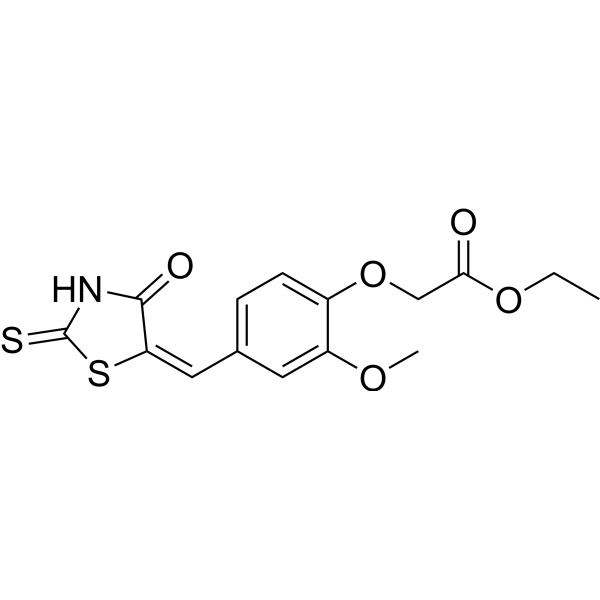
NSC 405020 is a specific MMP14 inhibitor. NSC 405020 can directly interact with the hemopexin domain of MMP14. NSC 405020 reduces the expression of full length and active cleaved Notch3 (NICD3). NSC 405020 can be used to research vestibular schwannoma, hemostasis and thrombosis .
|
-
-
- HY-114395
-
|
|
Ferroptosis
SLC39 (Zinc Transporter)
|
Inflammation/Immunology
|
|
NVS-ZP7-4 is an inhibitor of the zinc transporter SLC39A7 (ZIP7) and indicates ER zinc levels. ZIP7 is an active molecular node in the Notch pathway and mediates ferroptosis. NVS-ZP7-4 induces ER stress and exerts a certain ferroptosis-inhibiting effect, reduces Erastin (HY-15763)-induced cell death .
|
-
-
- HY-15860
-
|
|
Notch
|
Cancer
|
|
FLI-06 is an inhibitor of Notch signaling with an EC50 of 2.3 μM.
|
-
-
- HY-N6727
-
|
Aspergillin
|
Apoptosis
PKA
NF-κB
Bacterial
Fungal
Antibiotic
|
Infection
Inflammation/Immunology
Cancer
|
|
Gliotoxin is a secondary metabolite, the most abundant mycotoxin secreted by A. fumigatus, inhibits the phagocytosis of macrophages and the immune functions of other immune cells . Gliotoxin inhibits inducible NF-κB activity by preventing IκB degradation, which consequently induces host-cell apoptosis . Gliotoxin activates PKA and increases intracellular cAMP concentration; modulates actin cytoskeleton rearrangement to facilitate A. fumigatus internalization into lung epithelial cells . Gliotoxin is a potent NOTCH2 transactivation inhibitor, can effectively induce apoptosis of chronic lymphocytic leukemia (CLL) cells .
|
-
-
- HY-15185B
-
|
PF-3084014 dihydrobromide; PF-03084014 dihydrobromide
|
γ-secretase
Apoptosis
|
Cancer
|
|
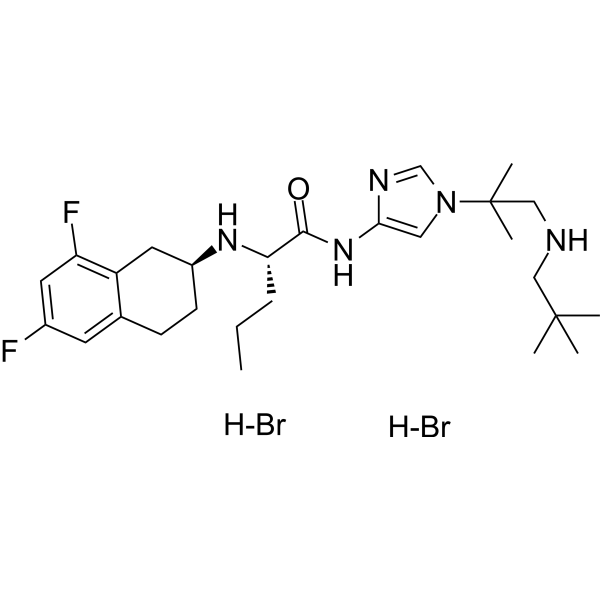
Nirogacestat dihydrobromide (PF-3084014 dihydrobromide) is a reversible, orally bioavailable, noncompetitive, and selective γ-secretase inhibitor with an IC50 of 6.2 nM. Inhibition of Notch signaling by Nirogacestat dihydrobromide while minimizing gastrointestinal toxicity presents a promising approach for research of Notch receptor-dependent cancers .
|
-
-
- HY-12465
-
|
Z-IL-CHO; GSI-XII; γ-Secretase inhibitor XII
|
Notch
γ-secretase
Apoptosis
|
Cancer
|
|
Z-Ile-Leu-aldehyde (Z-IL-CHO) is a potent and competitive peptide aldehyde inhibitor of γ-secretase and notch .
|
-
-
- HY-B1832
-
-
-
- HY-134978A
-
|
|
SHMT
|
Cancer
|
|
(+)SHIN2 is a serine hydroxymethyltransferase (SHMT) inhibitor, whose target can be traced with 13C-serine. (+)SHIN2 increases survival in NOTCH1-driven mouse primary acute lymphoblastic leukemia (T-ALL) in vivo with a synergistic effect with Methotrexate (HY-14519) . (+)SHIN2 is a click chemistry reagent, it contains an Alkyne group and can undergo copper-catalyzed azide-alkyne cycloaddition (CuAAc) with molecules containing Azide groups.
|
-
-
- HY-10016
-
|
|
γ-secretase
|
Neurological Disease
|
|
E 2012 is a potent gamma (γ) secretase modulator without affecting Notch processing. E 2012 inhibits 3β-hydroxysterol Δ24-reductase (DHCR24) at the final step in the cholesterol biosynthesis. E 2012 aims at Alzheimer's disease by reduction of amyloid β-42, and induces cataract following repeated doses in the rat .
|
-
-
- HY-15244A
-
|
BYL-719 hydrochloride
|
PI3K
Apoptosis
|
Cancer
|
|
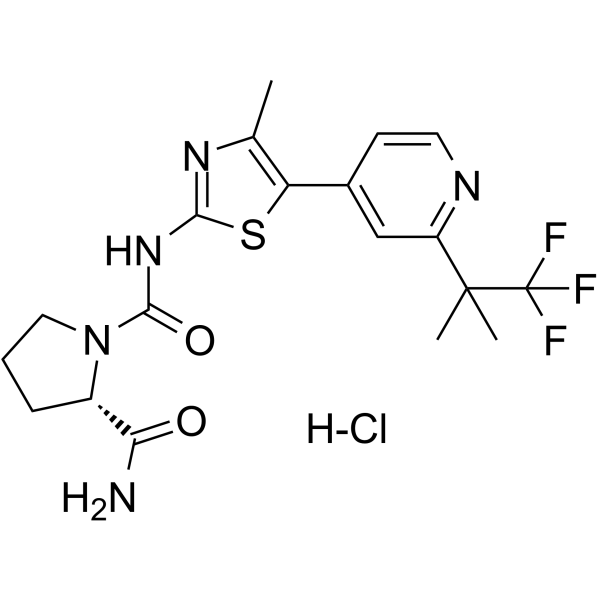
Alpelisib (BYL-719) hydrochloride is an orally active PI3Kα-selective inhibitor that blocks the conversion of PIP2 to PIP3, thereby inhibiting pathways including PI3K/AKT/mTOR, MAPK/ERK, Notch and JAK-STAT. Alpelisib hydrochloride also induces apoptosis, G0/G1 phase arrest and senescence; it significantly inhibits the proliferation, self-renewal, stemness and epithelial-mesenchymal transition (EMT) of tumor cells, reduces cancer stem cell populations and decreases the expression of stem cell markers. Alpelisib hydrochloride not only enhances the sensitivity to Eribulin (HY-13442) and exerts a synergistic effect with Paclitaxel (HY-B0015), but may also induce drug resistance by upregulating the SGK3/GSK3β/β-catenin signaling pathway. Alpelisib hydrochloride can be applied to research related to breast cancer, gastric cancer and lipomas associated with PTEN hamartoma tumor syndrome .
|
-
-
- HY-P99258
-
|
OMP 52M51; Anti-Human Notch1 Recombinant Antibody
|
Notch
|
Cancer
|
|
Brontictuzumab (OMP 52M51) is a monoclonal antibody (MAb) that inhibits Notch1 signal. Brontictuzumab selectively binds the negative regulatory region of the Notch1. Brontictuzumab inhibits tumor cell proliferation. Brontictuzumab can be used in the research of leukemia and lymphoma .
|
-
-
- HY-15670
-
|
|
γ-secretase
Notch
|
Cancer
|
|
BMS-906024 is an orally active and selective γ-secretase (gamma secretase) inhibitor. BMS-906024 is a potent pan-Notch receptors inhibitor with IC50s of 1.6 nM, 0.7 nM, 3.4 nM, and 2.9 nM for Notch1, -2, -3, and -4 receptors, respectively. BMS-906024 demonstrates broad-spectrum antineoplastic activity .
|
-
-
- HY-123931
-
ZLDI-8
1 Publications Verification
|
Notch
Phosphatase
Apoptosis
|
Cancer
|
|
ZLDI-8 is a Notch activating/cleaving enzyme ADAM-17 inhibitor and inhibits the cleavage of Notch protein. ZLDI-8 decreases the expression of pro-survival/anti-apoptosis and epithelial-mesenchymal transition (EMT) related proteins. ZLDI-8 is also a competitive and irreversible tyrosine phosphatase (Lyp) inhibitor with an IC50 of 31.6 μM and a Ki of 26.22 μM. ZLDI-8 inhibits the growth of MHCC97-H cells with an IC50 of 5.32 μM .
|
-
-
- HY-N5112B
-
|
Isoarnebin I
|
HIF/HIF Prolyl-Hydroxylase
Apoptosis
Notch
NO Synthase
Bcl-2 Family
|
Cancer
|
|
β,β-Dimethylacrylshikonin (Isoarnebin I) is a naphthoquinone derivative that can be isolated from Lithospermum erythrorhizon Sieb. et Zucc. β,β-Dimethylacrylshikonin promotes angiogenesis by inducing eNOS, VEGF and HIF-1α expression through the PI3K-dependent pathway. β,β-Dimethylacrylshikonin inhibits Notch-1 activation. β,β-Dimethylacrylshikonin inhibtis tumor cell proliferation, induces tumor cell apoptosis, and inhibits tumor growth .
|
-
-
- HY-P99261
-
|
OMP 21M18
|
Notch
|
Cancer
|
|
Demcizumab (OMP 21M18) is an anti-DLL4 monoclonal antibody. Demcizumab is a potent inhibitor of the Notch pathway. Demcizumab alone or in combination with chemotherapy is effective in various cancer models .
|
-
-
- HY-117113
-
JI051
1 Publications Verification
|
Notch
|
Cancer
|
|
JI051 is a stabilizer for the Hes1-PHB2 interaction. JI051 interacts with a cancer-associated protein chaperone prohibitin 2 (PHB2), induces cell-cycle arrest by inhibiting the Notch downstream effector gene Hes1. Anti-cancer activity .
|
-
-
- HY-14174
-
MRK-560
4 Publications Verification
|
γ-secretase
|
Neurological Disease
Cancer
|
|
MRK-560, a chemical probe, is an orally active, brain barrier-penetrated γ-Secretase inhibitor, reducing Aβ peptide in rat brain and cerebrospinal fluid. MRK-560 decreases mutant NOTCH1 processing by selectively inhibiting PSEN1. MRK-560 can be used in studies of Alzheimer's disease and T-cell acute lymphoblastic leukaemia (T-ALL) .
|
-
-
- HY-N2896
-
|
|
Reactive Oxygen Species (ROS)
Apoptosis
Fungal
Bacterial
NF-κB
SOD
AMPK
mTOR
Notch
Toll-like Receptor (TLR)
Wnt
MyD88
Sirtuin
|
Infection
Neurological Disease
Inflammation/Immunology
Cancer
|
|
Arjunolic acid is an orally active, multifunctional bioactive compound. Arjunolic acid exhibits free radical scavenging activity, as well as fungal and bacterial activities. Arjunolic acid induces apoptosis (Apoptosis) in various cancer cells. Arjunolic acid protects hepatocytes against induced oxidative stress and apoptosis by reducing reactive oxygen species and inhibiting NF-κB activation. Arjunolic acid regulates pancreatic dysfunction in type 2 diabetic rats by blocking the activation of the TLR-4/MyD88 and canonical Wnt pathways. Arjunolic acid inhibits neuroinflammation and ameliorates depressive behaviors via the SIRT1/AMPK/Notch1 signaling pathway in microglia. Arjunolic acid improves Crohn's disease-like colitis by restoring gut microbiota composition and inhibiting TLR4 signaling. Arjunolic acid suppresses osteosarcoma progression by inhibiting Wnt3a-mediated M2 polarization of macrophages. Arjunolic acid ameliorates diabetic retinopathy via the autophagy pathway regulated by AMPK/mTOR/HO-1. Arjunolic acid is applicable to research related to type 2 diabetes, organ toxicity, depression, Crohn's disease, osteosarcoma, diabetic retinopathy, and testicular dysfunction .
|
-
-
- HY-144899
-
|
|
Notch
|
Cancer
|
|
ASR-490 reduces the viability of HCT116 and SW620 cells by downregulating Notch1 signaling. ASR-490 overcomes Notch1 overexpression and inhibits the growth of HCT/Notch1 transfectants. ASR-490 inhibits the tumor growth in control (pCMV/HCT116) and Notch1/HCT116 in xenotransplanted mice .
|
-
-
- HY-164404
-
|
|
Notch
|
Cancer
|
|
NADI-351 is an orally active and potent Notch1 inhibitor that selectively disrupts Notch1 transcription complexes and reduces Notch1 recruitment to target genes. NADI-351 can be utilized in cancer research .
|
-
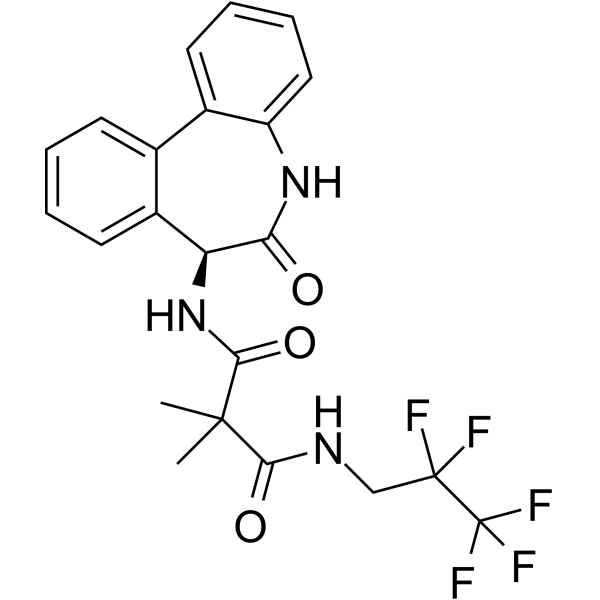
-
- HY-18614
-
|
|
Notch
γ-secretase
|
Cancer
|
|
LY900009 is a potent and orally active, First-in-class inhibitor of Notch signaling via selective inhibition of the γ-secretase protein (GSI). LY900009 inhibits Notch signalling in tumor cell lines and endothelial cells (IC50=0.005-20 nM). LY900009 can be used for advanced cancer research .
|
-
-
- HY-P99320
-
|
OMP 59R5; Anti-Human Notch2 Recombinant Antibody
|
Notch
|
Cancer
|
|
Tarextumab (OMP-59R5) is a cross-reactive, fully human IgG2 antibody that selectively inhibits Notch2 and Notch3 signaling. Tarextumab demonstrates broad-spectrum antitumor efficacy in xenograft models of epithelial tumors. Tarextumab can be used for the study of pancreatic cancer .
|
-
-
- HY-124284
-
-
-
- HY-10585S
-
|
VPA-d4; 2-Propylpentanoic acid-d4
|
HDAC
Autophagy
Mitophagy
HIV
Notch
Endogenous Metabolite
|
Cancer
|
|
Valproic acid-d4 is the deuterium labeled Valproic acid. Valproic acid (VPA; 2-Propylpentanoic Acid) is an HDAC inhibitor, with IC50 in the range of 0.5 and 2 mM, also inhibits HDAC1 (IC50, 400 μM), and induces proteasomal degradation of HDAC2. Valproic acid activates Notch1 signaling and inhibits proliferation in small cell lung cancer (SCLC) cells. Valproic acid sodium salt is used in the treatment of epilepsy, bipolar disorder and prevention of migraine headaches .
|
-
-
- HY-10585S1
-
|
VPA-d6; 2-Propylpentanoic acid-d6
|
HDAC
Autophagy
Mitophagy
HIV
Notch
Endogenous Metabolite
|
Cancer
|
|
Valproic acid-d6 is the deuterium labeled Valproic acid. Valproic acid (VPA; 2-Propylpentanoic Acid) is an HDAC inhibitor, with IC50 in the range of 0.5 and 2 mM, also inhibits HDAC1 (IC50, 400 μM), and induces proteasomal degradation of HDAC2. Valproic acid activates Notch1 signaling and inhibits proliferation in small cell lung cancer (SCLC) cells. Valproic acid sodium salt is used in the treatment of epilepsy, bipolar disorder and prevention of migraine headaches .
|
-
-
- HY-10585R
-
|
VPA (Standard); 2-Propylpentanoic acid (Standard); Dipropylacetic acid (Standard)
|
Reference Standards
Organoid
HDAC
Autophagy
Mitophagy
HIV
Notch
Apoptosis
Endogenous Metabolite
|
Infection
Neurological Disease
Metabolic Disease
Cancer
|
|
Valproic acid (Dipropylacetic Acid) (Standard) is an analytical standard for valproic acid. This product is intended for research and analytical applications. Valproic acid is an orally active HDAC inhibitor (IC50=0.5-2 mM), inhibits the activity of HDAC1 (IC50=400 μM), and induces the degradation of HDAC2. Valproic acid activates Notch1 signaling and inhibits the proliferation of small cell lung cancer (SCLC) cells. Valproic acid is used in the study of epilepsy, bipolar disorder, metabolic diseases, HIV infection, and migraine .
|
-
-
- HY-N1510
-
|
|
Glycosidase
Notch
Toll-like Receptor (TLR)
NF-κB
Mucin
Reactive Oxygen Species (ROS)
Bacterial
TGF-beta/Smad
Anaplastic lymphoma kinase (ALK)
|
Infection
Inflammation/Immunology
Cancer
|
|
Kaempferol 3-O-gentiobioside is an orally active flavonoid, with a Ka value of 57 µM against human NOTCH1 and an IC50 value of 50 μM against α-glucosidase. Kaempferol 3-O-gentiobioside inhibits the NOTCH signaling pathway. It downregulates the expression of TLR4 and NLRP3, and suppresses the activation and nuclear translocation of NF-κB. Kaempferol 3-O-gentiobioside inhibits the expression of MUC5AC, reduces nitrite and ROS levels, and attenuates excessive mucus secretion. It exhibits antibacterial activity, reducing the formation and growth of MRSA biofilms. Kaempferol 3-O-gentiobioside blocks the TGF-β/ALK5/Smad signaling pathway and inhibits epithelial-mesenchymal transition. It suppresses the proliferation, migration, invasion and metastatic growth of tumor cells. Kaempferol 3-O-gentiobioside alleviates airway inflammation and mucus hypersecretion in mice with allergic asthma . It reduces the volume of ovarian cancer xenografts in mice. Kaempferol 3-O-gentiobioside can be used in research related to allergic asthma, diabetes, MRSA infection, breast cancer, gastric cancer and ovarian cancer .
|
-
-
- HY-P2203
-
SAHM1
1 Publications Verification
|
Notch
|
Inflammation/Immunology
|
|
SAHM1, a peptide mimetic of a dominant negative form of mastermind-like (MAML), inhibits canonical Notch transcription complex formation. SAHM1 can be used for the research of allergic airway inflammation in mice .
|
-
-
- HY-100431A
-
IMR-1A
1 Publications Verification
|
Notch
Drug Metabolite
|
Cancer
|
|
IMR-1A, a acid metabolite of IMR-1, is a Notch inhibitor with an IC50 of 0.5 μM. IMR-1A has a 50-fold increase in potency with respect to IMR-1. IMR-1 can metabolize in vivo to IMR-1A .
|
-
-
- HY-12419
-
|
|
Notch
|
Cancer
|
|
BMS-983970 is an oral pan-Notch inhibitor for the treatment of multiplecancers .
|
-
- HY-164410
-
|
|
Notch
|
Cancer
|
|
MO-I-1100 is an inhibitor of ASPH (Aspartyl-(Asparaginyl)-β-hydroxylase) enzymatic activity. MO-I-1100 suppresses HCC cell migration, invasion and anchorage independent growth. MO-I-1100 shows antitumor effects through inhibiting Notch signaling cascade in HCC .
|
-
- HY-10585S2
-
|
VPA-d15; 2-Propylpentanoic acid-d15
|
HDAC
Autophagy
Mitophagy
HIV
Notch
Endogenous Metabolite
|
Cancer
|
|
Valproic acid-d15 is the deuterium labeled Valproic acid. Valproic acid (VPA; 2-Propylpentanoic Acid) is an HDAC inhibitor, with IC50 in the range of 0.5 and 2 mM, also inhibits HDAC1 (IC50, 400 μM), and induces proteasomal degradation of HDAC2. Valproic acid activates Notch1 signaling and inhibits proliferation in small cell lung cancer (SCLC) cells. Valproic acid sodium salt is used in the treatment of epilepsy, bipolar disorder and prevention of migraine headaches .
|
-
- HY-16632
-
|
|
γ-secretase
Amyloid-β
|
Metabolic Disease
|
|
ELND 006 (Compound 30) is a metabolically stable γ-secretase inhibitor designed to selectively inhibit amyloid beta (Aβ) generation while sparing Notch signaling. It was developed through a synthetic strategy emphasizing diversity and chirality. ELND 006, along with its analog ELND007 (Compound 34), progressed into human clinical trials. In preclinical studies, both compounds demonstrated effective reduction of Aβ levels in vitro and in vivo. Comparisons with other γ-secretase inhibitors like Semagacestat, Begacestat, and Avagacestat underscored their potency and specificity in lowering Aβ levels in cerebrospinal fluid (CSF) of healthy human volunteers, suggesting potential therapeutic efficacy in Alzheimer's disease .
|
-
- HY-N11709
-
|
|
Apoptosis
VEGFR
ATM/ATR
PTEN
Akt
mTOR
HIF/HIF Prolyl-Hydroxylase
NF-κB
Notch
Cholinesterase (ChE)
Amyloid-β
γ-secretase
Ferroptosis
Fungal
|
Infection
Neurological Disease
Metabolic Disease
Cancer
|
|
Theasaponin E1 is an orally effective tea saponin. Theasaponin E1 inhibits the proliferation of cancer cells by activating apoptosis. Theasaponin E1 inhibits angiogenesis in ovarian cancer cells and HUVECs by reducing the expression of VEGF. Theasaponin E1 upregulates the phosphorylation level of ATM protein and the expression level of PTEN protein in cancer cells, decreases the phosphorylation levels of Akt, mTOR, p70S6K and 4E-BP1 proteins, downregulates the expression of HIF-1α and NF-κB, and reduces the protein expression of Notch ligands Dll4 and Jagged1. Theasaponin E1 exerts neuroprotective effects by inhibiting the activity of acetylcholinesterase, activating α-secretase and neprilysin, reducing the concentration of Aβ, and inhibiting the activities of β-secretase and γ-secretase. Theasaponin E1 exhibits toxic effects on cancer cells and quinone reductase-inducing activity, and inhibits tumor growth in vivo. Theasaponin E1 induces ferroptosis in Pomacea canaliculata by synergistically disrupting cholesterol homeostasis and sphingolipid metabolism. Theasaponin E1 possesses anti-biofilm activity against Candida albicans. Theasaponin E1 can be used in the research of ovarian cancer, obesity, Alzheimer's disease and fungal infections .
|
-
- HY-164826
-
|
|
Interleukin Related
Reactive Oxygen Species (ROS)
MMP
Pyroptosis
Ferroptosis
Notch
Keap1-Nrf2
PINK1/Parkin
Mitophagy
Caspase
Apoptosis
|
Inflammation/Immunology
Cancer
|
|
Acetyl zingerone is an analog of Zingerone (HY-14621). Acetyl zingerone downregulates the expression of ROS metabolism-related genes, fibroblast senescence-related genes, keratinocyte differentiation-related genes, and IL-17A target genes. Acetyl zingerone inhibits the activities of MMP-1, MMP-3, and MMP-12, as well as the activation of NLRP3 inflammasome, pyroptosis (pyroptosis), ferroptosis (ferroptosis), cartilage destruction, and UVA-induced cyclobutane pyrimidine dimer formation. Acetyl zingerone upregulates the expression of collagen, proteoglycan, extracellular matrix glycoprotein, Notch pathway, and GPX4 gene, activates Nrf2 and HO-1, induces extracellular matrix synthesis and PINK1/Parkin-mediated mitophagy (mitophagy), and promotes chondrocyte survival. Acetyl zingerone alleviates the progression of osteoarthritis in mice . Acetyl zingerone can be used in research related to skin aging, inflammatory skin diseases, osteoarthritis, melanoma, and non-melanoma skin cancer .
|
-
- HY-P991423
-
|
21H3RK
|
Notch
|
Cancer
|
|
MEDI0639 (21H3RK) is a human monoclonal antibody (mAb) targeting DLL4. MEDI0639 inhibits Notch1 binding to Dll4. MEDI0639 reverses Notch1-mediated growth inhibition of human umbilical vein endothelial cells in vitro. MEDI0639 promotes human angiogenesis and reduces the number of vessels covered by smooth muscle actin-positive mural cells. MEDI0639 can be used in Small cell lung cancer and solid tumors research .
|
-
- HY-158012
-
|
|
γ-secretase
|
Others
|
|
LY3056480 is a gamma-secretase inhibitor (GSI) that inhibits Notch signaling. LY3056480 improves mild to moderate sensorineural hearing loss and is safe and tolerable. Intratympanic administration of LY3056480 induces hair cell regeneration and partial hearing recovery in mammals .
|
-
- HY-10585S4
-
|
VPA-d4-1; 2-Propylpentanoic acid-d4-1
|
Isotope-Labeled Compounds
HDAC
Autophagy
Mitophagy
HIV
Notch
Endogenous Metabolite
|
Cancer
|
|
Valproic acid-d4-1 is the deuterium labeled Valproic acid. Valproic acid (VPA; 2-Propylpentanoic Acid) is an HDAC inhibitor, with IC50 in the range of 0.5 and 2 mM, also inhibits HDAC1 (IC50, 400 μM), and induces proteasomal degradation of HDAC2. Valproic acid activates Notch1 signaling and inhibits proliferation in small cell lung cancer (SCLC) cells. Valproic acid sodium salt is used in the treatment of epilepsy, bipolar disorder and prevention of migraine headaches .
|
-
- HY-10585B
-
|
Sodium Valproate (2:1); VPA sodium (2:1); 2-Propylpentanoic acid sodium (2:1)
|
HDAC
Autophagy
Mitophagy
HIV
Notch
Apoptosis
Endogenous Metabolite
|
Infection
Neurological Disease
Metabolic Disease
Cancer
|
|
Valproic acid (VPA) sodium (2:1) is an orally active HDAC inhibitor, with IC50 in the range of 0.5 and 2 mM, also inhibits HDAC1 (IC50, 400 μM), and induces proteasomal degradation of HDAC2. Valproic acid sodium (2:1) activates Notch1 signaling and inhibits proliferation in small cell lung cancer (SCLC) cells. Valproic acid sodium (2:1) is used in the treatment of epilepsy, bipolar disorder, metabolic disease, HIV infection and prevention of migraine headaches .
|
-
- HY-10585AR
-
|
Sodium Valproate (Standard); VPA sodium (Standard); 2-Propylpentanoic acid sodium (Standard)
|
Organoid
Reference Standards
HDAC
Autophagy
Mitophagy
HIV
Notch
Apoptosis
Endogenous Metabolite
|
Infection
Neurological Disease
Metabolic Disease
Cancer
|
|
Valproic acid (sodium) (Standard) is the analytical standard of Valproic acid (sodium). This product is intended for research and analytical applications. Valproic acid (Sodium Valproate) sodium is an orally active HDAC inhibitor, with IC50 in the range of 0.5 and 2 mM, also inhibits HDAC1 (IC50, 400 μM), and induces proteasomal degradation of HDAC2. Valproic acid sodium activates Notch1 signaling and inhibits proliferation in small cell lung cancer (SCLC) cells. Valproic acid sodium is used in the treatment of epilepsy, bipolar disorder, metabolic disease, HIV infection and prevention of migraine headaches .
|
-
- HY-103539
-
|
|
γ-secretase
|
Metabolic Disease
|
|
3,5-Bis(4-nitrophenoxy)benzoic acid is an inhibitor of γ-secretase. 3,5-Bis(4-nitrophenoxy)benzoic acid causes a decrease in the released levels of Aβ42 and notch-1 Aβ-like peptide 25 (Nβ25). 3,5-Bis(4-nitrophenoxy)benzoic acid, as a marker for fetal hypothyroidism, is a 3,3’-diiodothyronine sulfate (T2S) cross-reactive material in maternal serum .
|
-
- HY-164466
-
|
|
Calcium Channel
Notch
|
Cancer
|
|
CAD204520, a SERCA inhibitor (IC50 = 0.34 μM), targets mutated over wild type NOTCH1 proteins in T-cell acute lymphoblastic leukemia (T-ALL) and mantle cell lymphoma (MCL). CAD204520 can be used for T-ALL and MCL research .
|
-
- HY-14176G
-
|
γ-Secretase-IN-1
|
γ-secretase
|
Cancer
|
|
Compound E (GMP) is a GMP-grade Compound E (HY-14176). GMP-grade small molecules can be used as adjuvant reagents in cell therapy. Compound E is a γ-secretase inhibitor. Compound E inhibits β-amyloid(40), β-amyloid(42), and Notch γ-secretase cleavage with IC50 values of 0.24, 0.37, and 0.32 nM, respectively .
|
-
- HY-14176A
-
|
|
γ-secretase
|
Cancer
|
|
(1R,3S)-Compound E is the isomer of Compound E (HY-14176), and can be used as an experimental control. Compound E is a γ-secretase inhibitor. Compound E bloks β-amyloid(40), β-amyloid(42), and Notch γ-secretase cleavage with IC50s of 0.24, 0.37, 0.32 nM, respectively.
|
-
- HY-136522
-
|
|
Histone Demethylase
Apoptosis
|
Cancer
|
|
S2116, a N-alkylated tranylcypromine (TCP) derivative, is a potent lysine-specific demethylase 1 (LSD1) inhibitor. S2116 increases H3K9 methylation and reciprocal H3K27 deacetylation at super-enhancer regions. S2116 induces apoptosis in TCP-resistant T-cell acute lymphoblastic leukemia (T-ALL) cells by repressing transcription of the NOTCH3 and TAL1 genes. S2116 significantly retardes the growth of T-ALL cells in xenotransplanted mice .
|
-
- HY-164451
-
|
|
γ-secretase
Notch
|
Cancer
|
|
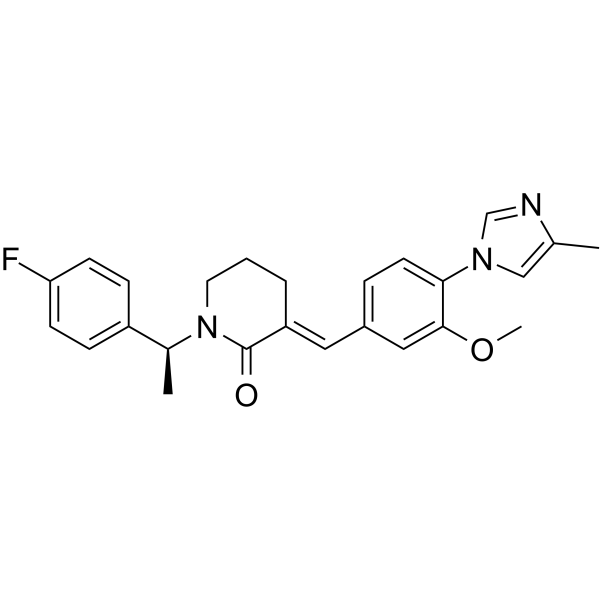
GSI-18 is a γ-secretase inhibitor with anticancer activity. GSI-18 inhibits the attachment-free growth of pancreatic cancer cells by inhibiting Notch signaling .
|
-
- HY-120372
-
|
|
Notch
|
Cancer
|
|
BMS-871 is an orally active pan-Notch inhibitor with IC50 values of 4/1/4/3 nM for Notch1/2/3/4, respectively. BMS-871 significantly inhibited the proliferation of TALL-1 and MDA-MB-157 cells and demonstrated significant antitumor activity in T-acute lymphoblastic leukemia and triple-negative breast cancer xenograft models. BMS-871 can be used to study leukemia and breast cancer .
|
-
- HY-15185R
-
|
PF-3084014 (Standard)
|
γ-secretase
Apoptosis
Reference Standards
|
Cancer
|
|
Nirogacestat (Standard) is the analytical standard of Nirogacestat. This product is intended for research and analytical applications. Nirogacestat (PF-3084014) is a reversible, orally bioavailable, noncompetitive, and selective γ-secretase inhibitor with an IC50 of 6.2 nM. Inhibition of Notch signaling by Nirogacestat while minimizing gastrointestinal toxicity presents a promising approach for research of Notch receptor-dependent cancers .
|
-
- HY-131923
-
|
|
Notch
|
Cancer
|
|
DAPM is a Notch pathway inhibitor with anticancer activity and antiproliferative effects. DAPM effectively inhibits tubular adenoma development by inhibiting cell proliferation and inducing the expression of Krüppel-like factor 4 (KLF4) and p21 in human colon cancer cells .
|
-
- HY-10585AS1
-
|
Sodium Valproate-d14; VPA-d14 sodium; 2-Propylpentanoic acid-d14 sodium
|
Isotope-Labeled Compounds
HDAC
Autophagy
Mitophagy
HIV
Notch
Endogenous Metabolite
|
Cancer
|
|
Valproic acid-d14 (sodium) is deuterium labeled Valproic acid (sodium). Valproic acid sodium salt (Sodium Valproate) is an HDAC inhibitor, with IC50 in the range of 0.5 and 2 mM, also inhibits HDAC1 (IC50, 400 μM), and induces proteasomal degradation of HDAC2. Valproic acid sodium salt activates Notch1 signaling and inhibits proliferation in small cell lung cancer (SCLC) cells. Valproic acid sodium salt is used in the treatment of epilepsy, bipolar disorder and prevention of migraine headaches.
|
-
- HY-10585AS
-
|
Sodium Valproate-d7; VPA-d7 sodium; 2-Propylpentanoic acid-d7 sodium
|
Isotope-Labeled Compounds
HDAC
Autophagy
Mitophagy
HIV
Notch
Endogenous Metabolite
|
Cancer
|
|
Valproic acid-d7 (sodium) is the deuterium labeled Valproic acid (sodium salt). Valproic acid sodium salt (Sodium Valproate) is an HDAC inhibitor, with IC50 in the range of 0.5 and 2 mM, also inhibits HDAC1 (IC50, 400 μM), and induces proteasomal degradation of HDAC2. Valproic acid sodium salt activates Notch1 signaling and inhibits proliferation in small cell lung cancer (SCLC) cells. Valproic acid sodium salt is used in the treatment of epilepsy, bipolar disorder and prevention of migraine headaches .
|
-
- HY-10585S3
-
|
Sodium Valproate-d4; VPA-d4 sodium; 2-Propylpentanoic acid-d4 sodium
|
Isotope-Labeled Compounds
HDAC
Autophagy
Mitophagy
HIV
Notch
Endogenous Metabolite
|
Cancer
|
|
Valproic acid-d4 (sodium) is the deuterium labeled Valproic acid. Valproic acid (VPA; 2-Propylpentanoic Acid) is an HDAC inhibitor, with IC50 in the range of 0.5 and 2 mM, also inhibits HDAC1 (IC50, 400 μM), and induces proteasomal degradation of HDAC2. Valproic acid activates Notch1 signaling and inhibits proliferation in small cell lung cancer (SCLC) cells. Valproic acid sodium salt is used in the treatment of epilepsy, bipolar disorder and prevention of migraine headaches.
|
-
- HY-10585AG
-
|
Sodium Valproate; VPA sodium; 2-Propylpentanoic acid sodium
|
Organoid
HDAC
Autophagy
Mitophagy
HIV
Notch
Apoptosis
Endogenous Metabolite
|
Infection
Neurological Disease
Metabolic Disease
Cancer
|
|
Valproic acid (Sodium Valproate) sodium is an orally active HDAC inhibitor, with IC50 in the range of 0.5 and 2 mM, also inhibits HDAC1 (IC50, 400 μM), and induces proteasomal degradation of HDAC2. Valproic acid sodium activates Notch1 signaling and inhibits proliferation in small cell lung cancer (SCLC) cells. Valproic acid sodium is used in the treatment of epilepsy, bipolar disorder, metabolic disease, HIV infection and prevention of migraine headaches .
|
-
- HY-W794759
-
|
Magnesium valproate; VPA magnesium; 2-Propylpentanoic acid magnesium
|
Organoid
HDAC
Autophagy
Mitophagy
HIV
Notch
Apoptosis
Endogenous Metabolite
|
Infection
Neurological Disease
Cancer
|
|
Valproic acid magnesium (Magnesium valproate) is an orally active HDAC inhibitor, with IC50 in the range of 0.5 and 2 mM. Valproic acid magnesium inhibits HDAC1 (IC50, 400 μM), and induces proteasomal degradation of HDAC2. Valproic acid magnesium activates Notch1 signaling and inhibits proliferation in small cell lung cancer (SCLC) cells. Valproic acid magnesium is used in the epilepsy, bipolar disorder, metabolic disease, HIV infection and prevention of migraine headaches .
|
-
- HY-136523
-
|
|
Histone Demethylase
Apoptosis
|
Cancer
|
|
S2157, a N-alkylated tranylcypromine (TCP) derivative, is a potent lysine-specific demethylase 1 (LSD1) inhibitor. S2157 increases H3K9 methylation and reciprocal H3K27 deacetylation at super-enhancer regions. S2157 induces apoptosis in TCP-resistant T-cell acute lymphoblastic leukemia (T-ALL) cells by repressing transcription of the NOTCH3 and TAL1 genes. S2157 efficiently pass through the blood-brain barrier and can almost completely eradicate CNS leukemia in mice transplanted with T-ALL cells .
|
-
- HY-145428
-
|
|
Notch
γ-secretase
|
Cancer
|
|
BT-GSI is a γ-secretase inhibitor (GSI) and a bone-targeted Notch inhibitor. BT-GSI has dual anti-myeloma and anti-resorptive properties, which can be used for the research of multiple myeloma and associated bone disease. BT-GSI inhibits tumor growth and osteolytic disease progression .
|
-
- HY-P2203A
-
|
|
Notch
|
Cancer
|
|
SAHM1 TFA is a Notch pathway inhibitor. SAHM1 TFA stabilizes hydrocarbon-stapled alpha helical peptide. SAHM1 TFA targets the protein-protein interface and prevents Notch complex assembly.
|
-
- HY-P990177
-
|
|
Notch
Influenza Virus
|
Infection
Inflammation/Immunology
|
|
Anti-Mouse Notch4 Antibody (HMN4-14) is an anti-mouse Notch4 IgG monoclonal antibody. Anti-Mouse Notch4 Antibody (HMN4-14) reduces inflammation by restoring the expression of bispecific proteins. Anti-Mouse Notch4 Antibody (HMN4-14) can inhibit Th2/Th17 cell differentiation and improve Treg cell function. Anti-Mouse Notch4 Antibody (HMN4-14) can be used for research on inflammation conditions such as viral pneumonia and airway inflammation .
|
-
- HY-N0133R
-
|
Tangeritin (Standard); NSC53909 (Standard); NSC618905 (Standard)
|
Reference Standards
Notch
Apoptosis
|
Inflammation/Immunology
Cancer
|
|
Tangeretin (Standard) is the analytical standard of Tangeretin. This product is intended for research and analytical applications. Tangeretin (Tangeritin), a flavonoid from citrus fruit peels, has been proven to play an important role in anti-inflammatory responses and neuroprotective effects in several disease models, and is a Notch-1 inhibitor.
|
-
- HY-B1832R
-
-
- HY-104044A
-
|
BGB-290 maleate
|
Apoptosis
|
Neurological Disease
|
|
Pamiparib maleate (BGB-290 maleate) is a highly potent and selective PARP inhibitor with neurotoxicity-inducing activity. Pamiparib maleate can effectively penetrate the blood-brain barrier and cause cerebral hemorrhage, brain atrophy, and movement disorders in zebrafish embryos exposed. Pamiparib maleate exposure downregulates the activities of acetylcholinesterase (AChE) and adenosine triphosphatase (ATPase) and leads to upregulation of oxidative stress, which triggers apoptosis and interferes with the expression of neurodevelopment-related genes. The use of pamiparib maleate is also accompanied by downregulation of the Notch signaling pathway, while activation of the Notch signaling pathway can partially rescue neurodevelopmental toxicity. Therefore, pamiparib maleate provides a reference for evaluating its potential neurotoxicity during embryonic development .
|
-
- HY-10009R
-
|
LY450139 (Standard)
|
Reference Standards
γ-secretase
Amyloid-β
Notch
|
Neurological Disease
|
|
Semagacestat (Standard) is the analytical standard of Semagacestat. This product is intended for research and analytical applications. Semagacestat is a γ-secretase inhibitor, inhibits β-amyloid (Aβ42), Aβ38 and Aβ40 with IC50s of 10.9, 12 and 12.1 nM, respectively; also inhibits Notch signaling with IC50 of 14.1 nM. Semagacestat can be used for the research of alzheimer's?disease .
|
-
- HY-114395A
-
|
|
Drug Isomer
|
Inflammation/Immunology
|
|
(R)-NVS-ZP7-4 is the R-isomer of NVS-ZP7-4. NVS-ZP7-4 is a Zinc transporter SLC39A7 (ZIP7) inhibitor that is also the first reported chemical tool to probe the impact of modulating ER zinc levels and investigate ZIP7 as a novel agentgable node in the Notch pathway.
|
-
- HY-N0232R
-
|
|
Reference Standards
COX
Lipoxygenase
Notch
Reactive Oxygen Species (ROS)
Bacterial
|
Cancer
|
|
Psoralidin (Standard) is the analytical standard of Psoralidin. This product is intended for research and analytical applications. Psoralidin is a dual inhibitor of COX-2 and 5-LOX, regulates ionizing radiation (IR)-induced pulmonary inflammation.Anti-cancer, anti-bacterial, and anti-inflammatory properties . Psoralidin significantly downregulates NOTCH1 signaling. Psoralidin also greatly induces ROS generation .
|
-
- HY-50845R
-
|
BMS-708163 (Standard)
|
γ-secretase
Notch
Reference Standards
|
Cancer
|
|
Avagacestat (Standard) is the analytical standard of Avagacestat. This product is intended for research and analytical applications. Avagacestat (BMS-708163) is a potent inhibitor of γ-secretase, with IC50s of 0.27 nM and 0.30 nM for Aβ42 and Aβ40 inhibition; Avagacestat (BMS-708163) also inhibits NICD (Notch IntraCellular Domain) with IC50 of 0.84 nM and shows weak inhibition of CYP2C19, with IC50 of 20 μM. Avagacestat can be used for Alzheimer disease research.
|
-
- HY-100431AR
-
|
|
Reference Standards
Notch
Drug Metabolite
|
Cancer
|
|
IMR-1A (Standard) is the analytical standard of IMR-1A. This product is intended for research and analytical applications. IMR-1A, a acid metabolite of IMR-1, is a Notch inhibitor with an IC50 of 0.5 μM. IMR-1A has a 50-fold increase in potency with respect to IMR-1. IMR-1 can metabolize in vivo to IMR-1A[1].
|
-
- HY-124284R
-
|
HMBA (Standard)
|
Apoptosis
p38 MAPK
Akt
NF-κB
Notch
Bcl-2 Family
MDM-2/p53
Epigenetic Reader Domain
Reference Standards
|
Neurological Disease
Metabolic Disease
Cancer
|
|
Hexamethylene bisacetamide (Standard) is the analytical standard of Hexamethylene bisacetamide. This product is intended for research and analytical applications. Hexamethylene bisacetamide (HMBA) is a differentiation inducer and selective bromine domain inhibitor that can differentiate across the blood-brain barrier. Hexamethylene bisacetamide can induce tumor cell differentiation and inhibit cell proliferation, showing antitumor activity. Hexamethylene bisacetamide induces apoptosis by Notch1, Bcl-2 and p53 signaling pathways. In addition, Hexamethylene bisacetamide improves the obesity phenotype of mice .
|
-
- HY-P991328
-
|
|
Notch
|
Cancer
|
|
MAb604.107 is a human monoclonal antibody (mAb) targeting NOTCH1. MAb604.107 inhibits the proliferation and CD34/CD44 expression of primary T-ALL cells. MAb604.107 has anti-tumor activity in four tumor xenograft mouse models: MDA-MB-231, HCC-1806, BT-474, and HCT-116. MAb604.107 can be used in T acute lymphoblastic leukemia research .
|
-
- HY-16633
-
|
|
γ-secretase
Amyloid-β
|
Metabolic Disease
|
|
ELND 007 (Compound 34) is a metabolically stable γ-secretase inhibitor designed to selectively inhibit amyloid beta (Aβ) generation while minimizing Notch inhibition. Developed alongside ELND 006 (Compound 30), it underwent human clinical trials following a synthetic strategy emphasizing diversity and chirality. In preclinical studies, ELND 007 showed promising in vitro and in vivo characteristics, effectively reducing Aβ levels. Comparative studies with other γ-secretase inhibitors like Semagacestat, Begacestat, and Avagacestat highlighted its efficacy in lowering Aβ production, particularly demonstrated by reduced Aβ levels in the cerebrospinal fluid (CSF) of healthy human volunteers, suggesting potential therapeutic benefit for Alzheimer's disease .
|
-
- HY-179378
-
|
|
DYRK
TGF-beta/Smad
NF-κB
Wnt
β-catenin
MDM-2/p53
Notch
|
Inflammation/Immunology
|
|
XRF-1021 is an orally active HIPK2 inhibitor (IC50 = 0.18 μM). XRF-1021 reduces the expression of fibrotic markers in TGF-β1 stimulated NRK-49F and HK-2 cells, including Fibronectin, Collagen I and α-SMA. XRF-1021 blocks TGF-β, NF-κB, p53, Wnt/β-catenin, and Notch signaling. XRF-1021 reduces renal injury and fibrosis in vivo. XRF-1021 can be used for the research of chronic kidney disease .
|
-
- HY-P990252
-
|
|
Notch
Interleukin Related
NF-κB
VEGFR
FGFR
NO Synthase
|
Metabolic Disease
Inflammation/Immunology
Cancer
|
|
Anti-Mouse Delta-like protein 4/DLL4 Antibody (HMD4-2) is an anti-mouse Delta-like protein 4/DLL4 IgG monoclonal antibody. Anti-Mouse Delta-like protein 4/DLL4 Antibody (HMD4-2) can reduce angiogenesis and density by blocking the DLL4-Notch signaling pathway. Anti-Mouse Delta-like protein 4/DLL4 Antibody (HMD4-2) reduces inflammatory response by decreasing NF-κB activity and pro-inflammatory factors (IL-1β, iNOS, IL-6) levels. Anti-Mouse Delta-like protein 4/DLL4 Antibody (HMD4-2) can inhibit Th17 cell differentiation and IL-17A production. Anti-Mouse Delta-like protein 4/DLL4 Antibody (HMD4-2) can reduce macrophage infiltration and alleviate insulin resistance. Anti-Mouse Delta-like protein 4/DLL4 Antibody (HMD4-2) can be used for researches on inflammation, metabolic conditions and cancer such as atherosclerosis, pancreatic cancer and asthma .
|
-
- HY-181975
-
|
|
Notch
|
Cancer
|
|
ATOX1-IN-1 is an inhibitor of ATOX1 (a copper chaperone protein) with a Kd value of 12.5 μM. ATOX1-IN-1 induces intracellular copper accumulation, increases the level of DNA methylation in the NOTCH1 promoter region, and inhibits the NOTCH1/HES1 signaling pathway. ATOX1-IN-1 enhances the sensitivity of hepatocellular carcinoma cells to Cisplatin (HY-17394). ATOX1-IN-1 can be used in hepatocellular carcinoma-related research .
|
-
- HY-N12768
-
|
|
MDM-2/p53
Notch
Calcium Channel
|
Neurological Disease
Inflammation/Immunology
|
Rhodojaponin VI is an orally active diterpenoid compound found in hododendron molle G. Don (Ericaceae) (RM). Rhodojaponin VI binds rat N-Ethylmaleimide-sensitive fusion (NSF) with a Kd of 1.03 μM. Rhodojaponin VI blocks the MDM2-Notch1 signalling pathway by reducing MDM2 and Notch1 expression. Rhodojaponin VI indirectly reduces Cav2.2 current intensity by inhibiting NSF-mediated Cav2.2 trafficking. Rhodojaponin VI alleviates glomerulonephritis progression and podocyte injury in passive heymann nephritis rats. Rhodojaponin VI also has antinociceptive effects. Rhodojaponin VI can be used for the researches of heymann nephritis and pain .
|
-
- HY-164466A
-
|
|
Calcium Channel
Notch
|
Cancer
|
|
CAD204520 dihydrochloride, a SERCA inhibitor (IC50 = 0.34 μM), targets mutated over wild type NOTCH1 proteins in T-cell acute lymphoblastic leukemia (T-ALL) and mantle cell lymphoma (MCL). CAD204520 dihydrochloride can be used for T-ALL and MCL research .
|
-
- HY-W714200
-
|
|
Herbicide
Aryl Hydrocarbon Receptor
Notch
Apoptosis
|
Others
|
|
Neburon is a phenylurea herbicide whose main mechanism of action is to inhibit photosynthetic electron transport, thereby disrupting algal growth. Neburon activates the Ahr and Notch1 signaling pathways, and induces oxidative stress and apoptosis. Long-term exposure causes significant male reproductive toxicity and cardiotoxicity in zebrafish .
|
-
- HY-183067
-
|
|
Histone Demethylase
TGF-beta/Smad
Notch
|
Cancer
|
|
TAS1440 is an orally active LSD1/KDM1A inhibitor with a human IC50 of 4.8 nM. TAS1440 non-covalently binds to the histone H3-binding pocket of LSD1, inhibiting demethylase activity and disrupting repressive complexes with INSM1 and SMAD2. TAS1440 activates tumor-suppressive TGF-β and NOTCH signaling pathways via transcriptional reprogramming. TAS1440 can be used for the research of small cell lung cancer, specifically the SCLC-A subtype .
|
-
- HY-183067A
-
|
|
Histone Demethylase
TGF-beta/Smad
Notch
|
Cancer
|
|
TAS1440 benzoate is an orally active LSD1/KDM1A inhibitor with a human IC50 of 4.8 nM. TAS1440 benzoate non-covalently binds to the histone H3-binding pocket of LSD1, inhibiting demethylase activity and disrupting repressive complexes with INSM1 and SMAD2. TAS1440 benzoate activates tumor-suppressive TGF-β and NOTCH signaling pathways via transcriptional reprogramming. TAS1440 benzoate can be used for the research of small cell lung cancer, specifically the SCLC-A subtype .
|
-
- HY-10016R
-
|
|
γ-secretase
Reference Standards
|
Neurological Disease
|
|
E 2012 (Standard) is the analytical standard of E 2012 (HY-10016). This product is intended for research and analytical applications. E 2012 is a potent gamma (γ) secretase modulator without affecting Notch processing. E 2012 inhibits 3β-hydroxysterol Δ24-reductase (DHCR24) at the final step in the cholesterol biosynthesis. E 2012 aims at Alzheimer's disease by reduction of amyloid β-42, and induces cataract following repeated doses in the rat .
|
-
- HY-182008
-
|
|
Molecular Glues
E1/E2/E3 Enzyme
Apoptosis
Notch
PARP
Caspase
Bcl-2 Family
Ligands for E3 Ligase
|
Cancer
|
|
NEURL1B-IN-1 is a molecular glue-like NEURL1B degrader with a Kd value of 46.2 nM. NEURL1B-IN-1 binds to Arg422 within the NHR2 domain of NEURL1B, triggers its autoubiquitination and proteasomal degradation, disrupts its interaction with DLL1, and attenuates the Notch signaling pathway. NEURL1B-IN-1 induces cell cycle arrest and apoptosis, and inhibits migration of hepatocellular carcinoma cells. NEURL1B-IN-1 is applicable to research related to hepatocellular carcinoma .
|
-
- HY-183626
-
|
|
PAI-1
Ser/Thr Protease
Furin
MMP
Notch
Apoptosis
|
Inflammation/Immunology
Cancer
|
|
TM5614 sodium is an orally active and specific PAI-1 inhibitor with an IC50 of <6.95 μM. TM5614 sodium blocks the interaction between PAI-1 and serine proteases or LRP-1, and enhances plasmin generation. TM5614 sodium restores macrophage efferocytosis and promotes macrophage polarization. TM5614 sodium alleviates PAI-1-mediated inhibition of Furin, promotes MT1-MMP maturation, activates the NOTCH1 signaling pathway, inhibits proliferation and induces apoptosis. TM5614 sodium promotes skeletal muscle regeneration and alleviates inflammation in a mouse model of skeletal muscle injury. TM5614 sodium can be used in research on skeletal muscle injury-induced inflammation and chronic myeloid leukemia .
|
-
-
-
HY-L020
-
|
|
601 compounds
|
|
The developmental proteins Hedgehog, Notch and Wnt are key regulators of cell fate, proliferation, migration and differentiation in several tissues. Their related signaling pathways are frequently activated in tumors, and particularly in the rare subpopulation of cancer stem cells.
The Wnt signaling pathway is a conserved pathway in animals. Deregulated Wnt signaling has catastrophic consequences for the developing embryo and it is now well appreciated that defective Wnt signaling is a causative factor for a number of pleiotropic human pathologies, including cancer. Hedgehog signaling pathway is linked to tumorigenesis and is aberrantly activated in a variety of cancers. The Notch signaling pathway is a highly conserved cell signaling system present in most animals. It plays an important role in cell-cell communication, and further regulates embryonic development.
MCE designs a unique collection of 601 Wnt/Hedgehog/Notch signaling pathway-related small molecules. Wnt/Hedgehog/Notch Compound Library serves as a useful tool for stem cell research and anti-cancer drug screening.
|
-
-
HY-L038
-
|
|
2,405 compounds
|
|
Stem cells, which are found in all multi-cellular organisms, can divide and differentiate into diverse special cell types and can self-renew to produce more stem cells. To be useful in therapy, stem cells must be converted into desired cell types as necessary which is called induced differentiation or directed differentiation. Understanding and using signaling pathways for differentiation is an important method in successful regenerative medicine. Small molecules or growth factors induce the conversion of stem cells into appropriate progenitor cells, which will later give rise to the desired cell type. There is a variety of signal molecules and molecular families that may affect the establishment of germ layers in vivo, such as fibroblast growth factors (FGFs); the wnt family or superfamily of transforming growth factors β (TGFβ) and bone morphogenetic proteins (BMP). Unfortunately, for now, a high cost of recombinant factors is likely to limit their use on a larger scale in medicine. The more promising technique focuses on the use of small molecules. These small molecules can be used for either activating or deactivating specific signaling pathways. They enhance reprogramming efficiency by creating cells that are compatible with the desired type of tissue. It is a cheaper and non-immunogenic method.
MCE Differentiation Inducing Compound Library contains a unique collection of 2,405 compounds that act on signaling pathways for differentiation. These compounds are potential stimulators for induced differentiation. This library is a useful tool for researching directed differentiation and regenerative medicine.
|
-
-
HY-L017
-
|
|
2,723 compounds
|
|
Adult stem cells are important for tissue homeostasis and regeneration due to their ability to self-renew and generate multiple types of differentiated daughters. Self-renewal is reflected by their capacity to undergo multiple/limitless divisions. Several signaling pathways are involved in self-renewal of stem cells, that is, Notch, Wnt, and Hedgehog pathways or Polycomb family proteins. Recent studies mainly focus on cancer stem cell (CSCs), induced pluripotent stem cell (iPSCs), neural stem cell and maintenance of embryonic stem cell pluripotency. Among them, CSCs have been believed to be responsible for tumor initiation, growth, and recurrence that have implications for cancer therapy.
MCE owns a unique collection of 2,723 compounds that can be used for stem cell regulatory and signaling pathway research.
|
| Cat. No. |
Product Name |
Type |
-
- HY-14176G
-
|
γ-Secretase-IN-1
|
Fluorescent Dyes
|
|
Compound E (GMP) is a GMP-grade Compound E (HY-14176). GMP-grade small molecules can be used as adjuvant reagents in cell therapy. Compound E is a γ-secretase inhibitor. Compound E inhibits β-amyloid(40), β-amyloid(42), and Notch γ-secretase cleavage with IC50 values of 0.24, 0.37, and 0.32 nM, respectively .
|
-
- HY-10585AG
-
|
Sodium Valproate; VPA sodium; 2-Propylpentanoic acid sodium
|
Fluorescent Dyes
|
|
Valproic acid (Sodium Valproate) sodium is an orally active HDAC inhibitor, with IC50 in the range of 0.5 and 2 mM, also inhibits HDAC1 (IC50, 400 μM), and induces proteasomal degradation of HDAC2. Valproic acid sodium activates Notch1 signaling and inhibits proliferation in small cell lung cancer (SCLC) cells. Valproic acid sodium is used in the treatment of epilepsy, bipolar disorder, metabolic disease, HIV infection and prevention of migraine headaches .
|
| Cat. No. |
Product Name |
Type |
-
- HY-14176G
-
|
γ-Secretase-IN-1
|
Biochemical Assay Reagents
|
|
Compound E (GMP) is a GMP-grade Compound E (HY-14176). GMP-grade small molecules can be used as adjuvant reagents in cell therapy. Compound E is a γ-secretase inhibitor. Compound E inhibits β-amyloid(40), β-amyloid(42), and Notch γ-secretase cleavage with IC50 values of 0.24, 0.37, and 0.32 nM, respectively .
|
-
- HY-10585AG
-
|
Sodium Valproate; VPA sodium; 2-Propylpentanoic acid sodium
|
Biochemical Assay Reagents
|
|
Valproic acid (Sodium Valproate) sodium is an orally active HDAC inhibitor, with IC50 in the range of 0.5 and 2 mM, also inhibits HDAC1 (IC50, 400 μM), and induces proteasomal degradation of HDAC2. Valproic acid sodium activates Notch1 signaling and inhibits proliferation in small cell lung cancer (SCLC) cells. Valproic acid sodium is used in the treatment of epilepsy, bipolar disorder, metabolic disease, HIV infection and prevention of migraine headaches .
|
| Cat. No. |
Product Name |
Target |
Research Area |
-
- HY-P2203
-
SAHM1
1 Publications Verification
|
Notch
|
Inflammation/Immunology
|
|
SAHM1, a peptide mimetic of a dominant negative form of mastermind-like (MAML), inhibits canonical Notch transcription complex formation. SAHM1 can be used for the research of allergic airway inflammation in mice .
|
-
- HY-131923
-
|
|
Notch
|
Cancer
|
|
DAPM is a Notch pathway inhibitor with anticancer activity and antiproliferative effects. DAPM effectively inhibits tubular adenoma development by inhibiting cell proliferation and inducing the expression of Krüppel-like factor 4 (KLF4) and p21 in human colon cancer cells .
|
-
- HY-P2203A
-
|
|
Notch
|
Cancer
|
|
SAHM1 TFA is a Notch pathway inhibitor. SAHM1 TFA stabilizes hydrocarbon-stapled alpha helical peptide. SAHM1 TFA targets the protein-protein interface and prevents Notch complex assembly.
|
| Cat. No. |
Product Name |
Target |
Research Area |
Image |
-
- HY-P99258
-
|
OMP 52M51; Anti-Human Notch1 Recombinant Antibody
|
Notch
|
Cancer
|
|
Brontictuzumab (OMP 52M51) is a monoclonal antibody (MAb) that inhibits Notch1 signal. Brontictuzumab selectively binds the negative regulatory region of the Notch1. Brontictuzumab inhibits tumor cell proliferation. Brontictuzumab can be used in the research of leukemia and lymphoma .
|
-
(5)
-
- HY-P99261
-
|
OMP 21M18
|
Notch
|
Cancer
|
|
Demcizumab (OMP 21M18) is an anti-DLL4 monoclonal antibody. Demcizumab is a potent inhibitor of the Notch pathway. Demcizumab alone or in combination with chemotherapy is effective in various cancer models .
|
-
(5)
-
- HY-P99320
-
|
OMP 59R5; Anti-Human Notch2 Recombinant Antibody
|
Notch
|
Cancer
|
|
Tarextumab (OMP-59R5) is a cross-reactive, fully human IgG2 antibody that selectively inhibits Notch2 and Notch3 signaling. Tarextumab demonstrates broad-spectrum antitumor efficacy in xenograft models of epithelial tumors. Tarextumab can be used for the study of pancreatic cancer .
|
-
(5)
-
- HY-P991423
-
|
21H3RK
|
Notch
|
Cancer
|
|
MEDI0639 (21H3RK) is a human monoclonal antibody (mAb) targeting DLL4. MEDI0639 inhibits Notch1 binding to Dll4. MEDI0639 reverses Notch1-mediated growth inhibition of human umbilical vein endothelial cells in vitro. MEDI0639 promotes human angiogenesis and reduces the number of vessels covered by smooth muscle actin-positive mural cells. MEDI0639 can be used in Small cell lung cancer and solid tumors research .
|
-
(5)
-
- HY-P990177
-
|
|
Notch
Influenza Virus
|
Infection
Inflammation/Immunology
|
|
Anti-Mouse Notch4 Antibody (HMN4-14) is an anti-mouse Notch4 IgG monoclonal antibody. Anti-Mouse Notch4 Antibody (HMN4-14) reduces inflammation by restoring the expression of bispecific proteins. Anti-Mouse Notch4 Antibody (HMN4-14) can inhibit Th2/Th17 cell differentiation and improve Treg cell function. Anti-Mouse Notch4 Antibody (HMN4-14) can be used for research on inflammation conditions such as viral pneumonia and airway inflammation .
|
-
(5)
-
- HY-P991328
-
|
|
Notch
|
Cancer
|
|
MAb604.107 is a human monoclonal antibody (mAb) targeting NOTCH1. MAb604.107 inhibits the proliferation and CD34/CD44 expression of primary T-ALL cells. MAb604.107 has anti-tumor activity in four tumor xenograft mouse models: MDA-MB-231, HCC-1806, BT-474, and HCT-116. MAb604.107 can be used in T acute lymphoblastic leukemia research .
|
-
(5)
-
- HY-P990252
-
|
|
Notch
Interleukin Related
NF-κB
VEGFR
FGFR
NO Synthase
|
Metabolic Disease
Inflammation/Immunology
Cancer
|
|
Anti-Mouse Delta-like protein 4/DLL4 Antibody (HMD4-2) is an anti-mouse Delta-like protein 4/DLL4 IgG monoclonal antibody. Anti-Mouse Delta-like protein 4/DLL4 Antibody (HMD4-2) can reduce angiogenesis and density by blocking the DLL4-Notch signaling pathway. Anti-Mouse Delta-like protein 4/DLL4 Antibody (HMD4-2) reduces inflammatory response by decreasing NF-κB activity and pro-inflammatory factors (IL-1β, iNOS, IL-6) levels. Anti-Mouse Delta-like protein 4/DLL4 Antibody (HMD4-2) can inhibit Th17 cell differentiation and IL-17A production. Anti-Mouse Delta-like protein 4/DLL4 Antibody (HMD4-2) can reduce macrophage infiltration and alleviate insulin resistance. Anti-Mouse Delta-like protein 4/DLL4 Antibody (HMD4-2) can be used for researches on inflammation, metabolic conditions and cancer such as atherosclerosis, pancreatic cancer and asthma .
|
-
(5)
| Cat. No. |
Product Name |
Category |
Target |
Chemical Structure |
-
- HY-10585
-
-
-
- HY-10585A
-
-
-
- HY-N0133
-
-
-
- HY-N3014
-
-
-
- HY-N0232
-
-
-
- HY-N6727
-
-
-
- HY-N5112B
-
-
-
- HY-N2896
-
-
-
- HY-N1510
-
|
|
Flavonols
Structural Classification
Flavonoids
Sauropus spatulifolius Beille
Classification of Application Fields
Phenols
Polyphenols
Metabolic Disease
Euphorbiaceae
Plants
Disease Research Fields
Source Classification
|
Glycosidase
Notch
Toll-like Receptor (TLR)
NF-κB
Mucin
Reactive Oxygen Species (ROS)
Bacterial
TGF-beta/Smad
Anaplastic lymphoma kinase (ALK)
|
|
Kaempferol 3-O-gentiobioside is an orally active flavonoid, with a Ka value of 57 µM against human NOTCH1 and an IC50 value of 50 μM against α-glucosidase. Kaempferol 3-O-gentiobioside inhibits the NOTCH signaling pathway. It downregulates the expression of TLR4 and NLRP3, and suppresses the activation and nuclear translocation of NF-κB. Kaempferol 3-O-gentiobioside inhibits the expression of MUC5AC, reduces nitrite and ROS levels, and attenuates excessive mucus secretion. It exhibits antibacterial activity, reducing the formation and growth of MRSA biofilms. Kaempferol 3-O-gentiobioside blocks the TGF-β/ALK5/Smad signaling pathway and inhibits epithelial-mesenchymal transition. It suppresses the proliferation, migration, invasion and metastatic growth of tumor cells. Kaempferol 3-O-gentiobioside alleviates airway inflammation and mucus hypersecretion in mice with allergic asthma . It reduces the volume of ovarian cancer xenografts in mice. Kaempferol 3-O-gentiobioside can be used in research related to allergic asthma, diabetes, MRSA infection, breast cancer, gastric cancer and ovarian cancer .
|
-
-
- HY-N11709
-
|
|
Triterpenes
Structural Classification
Terpenoids
Camellia sinensis (L.) O. Ktze.
Plants
Source Classification
Theaceae
|
Apoptosis
VEGFR
ATM/ATR
PTEN
Akt
mTOR
HIF/HIF Prolyl-Hydroxylase
NF-κB
Notch
Cholinesterase (ChE)
Amyloid-β
γ-secretase
Ferroptosis
Fungal
|
|
Theasaponin E1 is an orally effective tea saponin. Theasaponin E1 inhibits the proliferation of cancer cells by activating apoptosis. Theasaponin E1 inhibits angiogenesis in ovarian cancer cells and HUVECs by reducing the expression of VEGF. Theasaponin E1 upregulates the phosphorylation level of ATM protein and the expression level of PTEN protein in cancer cells, decreases the phosphorylation levels of Akt, mTOR, p70S6K and 4E-BP1 proteins, downregulates the expression of HIF-1α and NF-κB, and reduces the protein expression of Notch ligands Dll4 and Jagged1. Theasaponin E1 exerts neuroprotective effects by inhibiting the activity of acetylcholinesterase, activating α-secretase and neprilysin, reducing the concentration of Aβ, and inhibiting the activities of β-secretase and γ-secretase. Theasaponin E1 exhibits toxic effects on cancer cells and quinone reductase-inducing activity, and inhibits tumor growth in vivo. Theasaponin E1 induces ferroptosis in Pomacea canaliculata by synergistically disrupting cholesterol homeostasis and sphingolipid metabolism. Theasaponin E1 possesses anti-biofilm activity against Candida albicans. Theasaponin E1 can be used in the research of ovarian cancer, obesity, Alzheimer's disease and fungal infections .
|
-
-
- HY-10585B
-
-
-
- HY-10585AR
-
|
Sodium Valproate (Standard); VPA sodium (Standard); 2-Propylpentanoic acid sodium (Standard)
|
Structural Classification
Ketones, Aldehydes, Acids
Endogenous metabolite
Source Classification
|
Organoid
Reference Standards
HDAC
Autophagy
Mitophagy
HIV
Notch
Apoptosis
Endogenous Metabolite
|
|
Valproic acid (sodium) (Standard) is the analytical standard of Valproic acid (sodium). This product is intended for research and analytical applications. Valproic acid (Sodium Valproate) sodium is an orally active HDAC inhibitor, with IC50 in the range of 0.5 and 2 mM, also inhibits HDAC1 (IC50, 400 μM), and induces proteasomal degradation of HDAC2. Valproic acid sodium activates Notch1 signaling and inhibits proliferation in small cell lung cancer (SCLC) cells. Valproic acid sodium is used in the treatment of epilepsy, bipolar disorder, metabolic disease, HIV infection and prevention of migraine headaches .
|
-
-
- HY-N0133R
-
-
-
- HY-N0232R
-
-
-
- HY-N12768
-
|
|
Structural Classification
Terpenoids
Diterpenoids
Pieris japonica (Thunb.) D. Don ex G. Don
Ericaceae
Plants
Source Classification
|
MDM-2/p53
Notch
Calcium Channel
|
Rhodojaponin VI is an orally active diterpenoid compound found in hododendron molle G. Don (Ericaceae) (RM). Rhodojaponin VI binds rat N-Ethylmaleimide-sensitive fusion (NSF) with a Kd of 1.03 μM. Rhodojaponin VI blocks the MDM2-Notch1 signalling pathway by reducing MDM2 and Notch1 expression. Rhodojaponin VI indirectly reduces Cav2.2 current intensity by inhibiting NSF-mediated Cav2.2 trafficking. Rhodojaponin VI alleviates glomerulonephritis progression and podocyte injury in passive heymann nephritis rats. Rhodojaponin VI also has antinociceptive effects. Rhodojaponin VI can be used for the researches of heymann nephritis and pain .
|
-
| Cat. No. |
Product Name |
Chemical Structure |
-
- HY-10585S
-
1 Publications Verification
|
|
Valproic acid-d4 is the deuterium labeled Valproic acid. Valproic acid (VPA; 2-Propylpentanoic Acid) is an HDAC inhibitor, with IC50 in the range of 0.5 and 2 mM, also inhibits HDAC1 (IC50, 400 μM), and induces proteasomal degradation of HDAC2. Valproic acid activates Notch1 signaling and inhibits proliferation in small cell lung cancer (SCLC) cells. Valproic acid sodium salt is used in the treatment of epilepsy, bipolar disorder and prevention of migraine headaches .
|
-
-
- HY-10585S1
-
|
|
|
Valproic acid-d6 is the deuterium labeled Valproic acid. Valproic acid (VPA; 2-Propylpentanoic Acid) is an HDAC inhibitor, with IC50 in the range of 0.5 and 2 mM, also inhibits HDAC1 (IC50, 400 μM), and induces proteasomal degradation of HDAC2. Valproic acid activates Notch1 signaling and inhibits proliferation in small cell lung cancer (SCLC) cells. Valproic acid sodium salt is used in the treatment of epilepsy, bipolar disorder and prevention of migraine headaches .
|
-
-
- HY-10585S2
-
|
|
|
Valproic acid-d15 is the deuterium labeled Valproic acid. Valproic acid (VPA; 2-Propylpentanoic Acid) is an HDAC inhibitor, with IC50 in the range of 0.5 and 2 mM, also inhibits HDAC1 (IC50, 400 μM), and induces proteasomal degradation of HDAC2. Valproic acid activates Notch1 signaling and inhibits proliferation in small cell lung cancer (SCLC) cells. Valproic acid sodium salt is used in the treatment of epilepsy, bipolar disorder and prevention of migraine headaches .
|
-
-
- HY-10585S4
-
|
|
|
Valproic acid-d4-1 is the deuterium labeled Valproic acid. Valproic acid (VPA; 2-Propylpentanoic Acid) is an HDAC inhibitor, with IC50 in the range of 0.5 and 2 mM, also inhibits HDAC1 (IC50, 400 μM), and induces proteasomal degradation of HDAC2. Valproic acid activates Notch1 signaling and inhibits proliferation in small cell lung cancer (SCLC) cells. Valproic acid sodium salt is used in the treatment of epilepsy, bipolar disorder and prevention of migraine headaches .
|
-
-
- HY-10585AS1
-
|
|
|
Valproic acid-d14 (sodium) is deuterium labeled Valproic acid (sodium). Valproic acid sodium salt (Sodium Valproate) is an HDAC inhibitor, with IC50 in the range of 0.5 and 2 mM, also inhibits HDAC1 (IC50, 400 μM), and induces proteasomal degradation of HDAC2. Valproic acid sodium salt activates Notch1 signaling and inhibits proliferation in small cell lung cancer (SCLC) cells. Valproic acid sodium salt is used in the treatment of epilepsy, bipolar disorder and prevention of migraine headaches.
|
-
-
- HY-10585AS
-
|
|
|
Valproic acid-d7 (sodium) is the deuterium labeled Valproic acid (sodium salt). Valproic acid sodium salt (Sodium Valproate) is an HDAC inhibitor, with IC50 in the range of 0.5 and 2 mM, also inhibits HDAC1 (IC50, 400 μM), and induces proteasomal degradation of HDAC2. Valproic acid sodium salt activates Notch1 signaling and inhibits proliferation in small cell lung cancer (SCLC) cells. Valproic acid sodium salt is used in the treatment of epilepsy, bipolar disorder and prevention of migraine headaches .
|
-
-
- HY-10585S3
-
|
|
|
Valproic acid-d4 (sodium) is the deuterium labeled Valproic acid. Valproic acid (VPA; 2-Propylpentanoic Acid) is an HDAC inhibitor, with IC50 in the range of 0.5 and 2 mM, also inhibits HDAC1 (IC50, 400 μM), and induces proteasomal degradation of HDAC2. Valproic acid activates Notch1 signaling and inhibits proliferation in small cell lung cancer (SCLC) cells. Valproic acid sodium salt is used in the treatment of epilepsy, bipolar disorder and prevention of migraine headaches.
|
-
| Cat. No. |
Product Name |
Target |
Research Areas |
Chemical Structure |
-
- HY-10585AG
-
|
Sodium Valproate; VPA sodium; 2-Propylpentanoic acid sodium
|
Organoid
HDAC
Autophagy
Mitophagy
HIV
Notch
Apoptosis
Endogenous Metabolite
|
Infection
Neurological Disease
Metabolic Disease
Cancer
|
|
Valproic acid (Sodium Valproate) sodium is an orally active HDAC inhibitor, with IC50 in the range of 0.5 and 2 mM, also inhibits HDAC1 (IC50, 400 μM), and induces proteasomal degradation of HDAC2. Valproic acid sodium activates Notch1 signaling and inhibits proliferation in small cell lung cancer (SCLC) cells. Valproic acid sodium is used in the treatment of epilepsy, bipolar disorder, metabolic disease, HIV infection and prevention of migraine headaches .
|
-
-
- HY-14176G
-
|
γ-Secretase-IN-1
|
γ-secretase
|
Cancer
|
|
Compound E (GMP) is a GMP-grade Compound E (HY-14176). GMP-grade small molecules can be used as adjuvant reagents in cell therapy. Compound E is a γ-secretase inhibitor. Compound E inhibits β-amyloid(40), β-amyloid(42), and Notch γ-secretase cleavage with IC50 values of 0.24, 0.37, and 0.32 nM, respectively .
|
-
Your information is safe with us. * Required Fields.
Inquiry Information
- Product Name:
- Cat. No.:
- Quantity:
- MCE Japan Authorized Agent:

