
From 11:00 pm to 12:00 pm EST ( 8:00 pm to 9:00 pm PST ) on January 6th, the website will be under maintenance. We are sorry for the inconvenience. Please arrange your schedule properly.
Nystose is a tetrasaccharide with two fructose molecules linked via beta (1→2) bonds to the fructosyl moiety of sucrose. Nystose exhibits prebiotic, immunomodulatory, and metabolism regulating activities. Nystose promotes the bone mineralization by activating the Wnt/β-catenin signaling pathway .
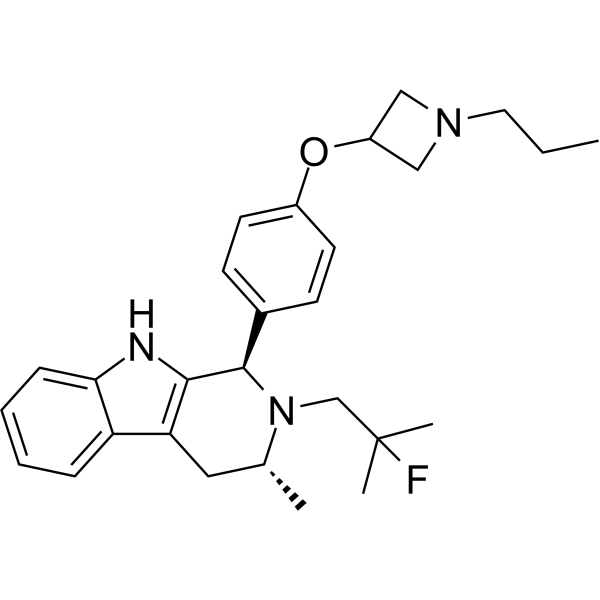
Palazestrant is an antiestrogen and antineoplastic agent. Palazestrant can completely inhibit the activity of 17b-estradiol (E2) with IC50 value of 6.4 nM, and inhibit the proliferation of MCF7 and CAMA-1 cells with IC50 value of 1.4-1.6 nM. Palazestrant can inhibit ER +/HER2 + cancer .
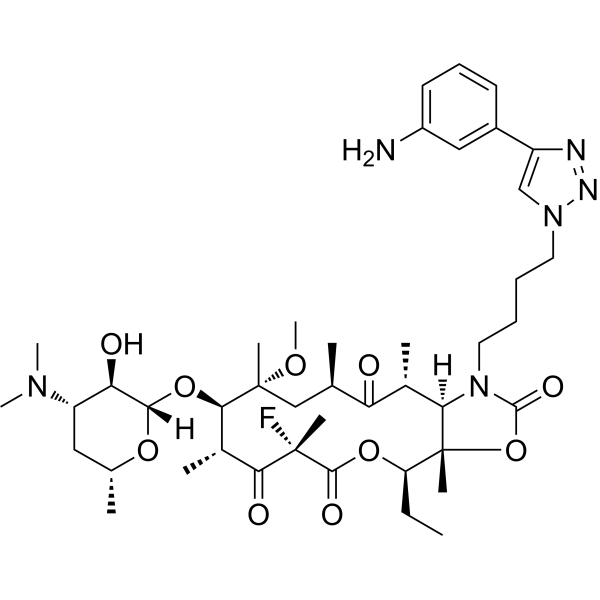
Solithromycin (CEM-101) is an orally bioavailable, effective antimicrobial agent, with IC50s for inhibition of cell viability, protein synthesis, and growth rate are 7.5 ng/mL, 40 ng/mL, and 125 ng/mL for Streptococcus pneumonia, Staphylococcus aureus, and Haemophilus influenzae, respectively. Solithromycin binds to the large 50S subunit of the ribosome and inhibits protein biosynthesis .
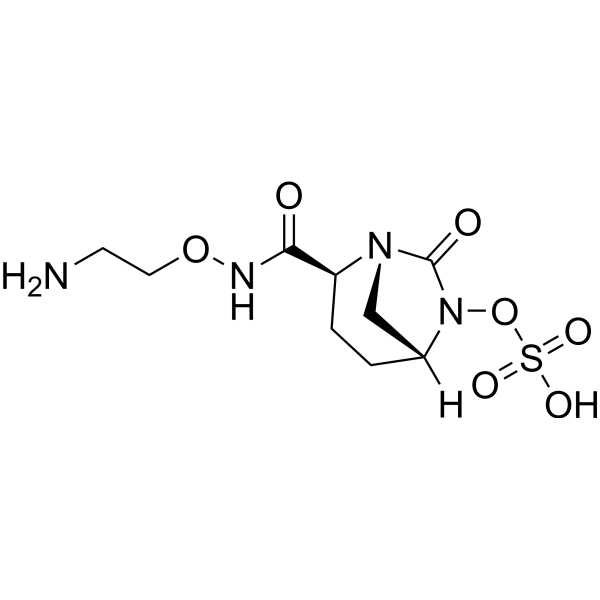
Nacubactam (OP0595 free acid) is a potent non-β-lactam-β-lactamase inhibitor with activity against class A and C β-lactamases. Nacubactam acts as a penicillin binding protein (PBP) 2-active antibacterial, and gives β-lactamase-independent potentiation of β-lactams targeting other PBPs. Nacubactam potentiates the antimicrobial activities of Piperacillin (HY-B1923), Cefepime (HY-B0692), and Meropenem (HY-13678) against CTX-M-15-positive Escherichia coli and KPC-positive Klebsiella pneumoniae .
Cinnamtannin B-1 is a anthocyanidin. Cinnamtannin B-1 inhibits the osteoclast formation by inhibiting NF-kB signaling pathway and ROS generation. Cinnamtannin B-1 exhibits antioxidant, anti-inflammatory, antitumor and anti-platelet aggregation activities. Cinnamtannin B-1 is orally active .
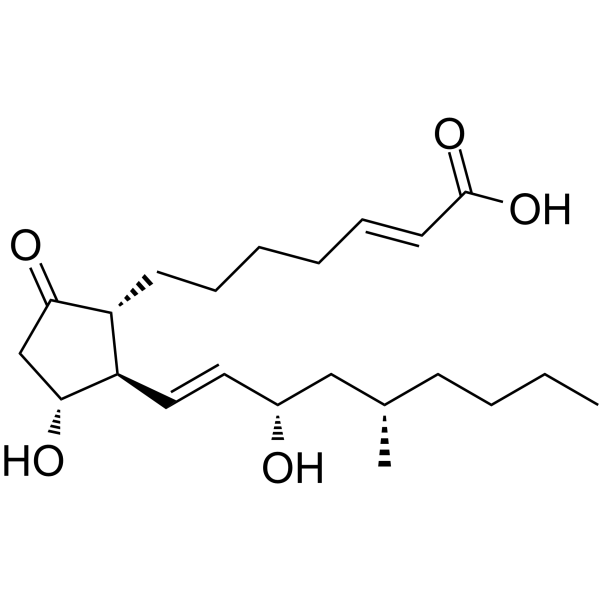
Limaprost (OP1206) is a PGE1 analogue and a potent and orally active vasodilator. Limaprost increases blood flow and inhibits platelet aggregation. Limaprost pain relief, has antianginal effects, and can be used for ischaemic symptoms research .
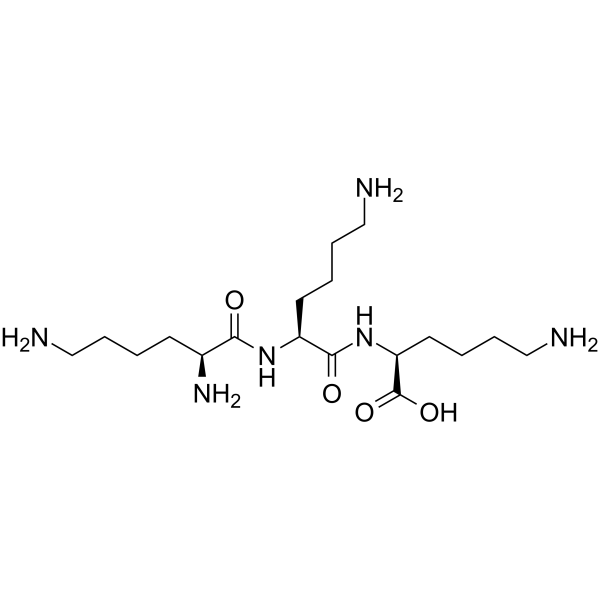
Trilysine is a tripeptide and also a substrate for specific peptidases. Trilysine serves as a hydrolytic substrate for the tripeptide-specific aminopeptidase TP and the oligopeptidase OP .
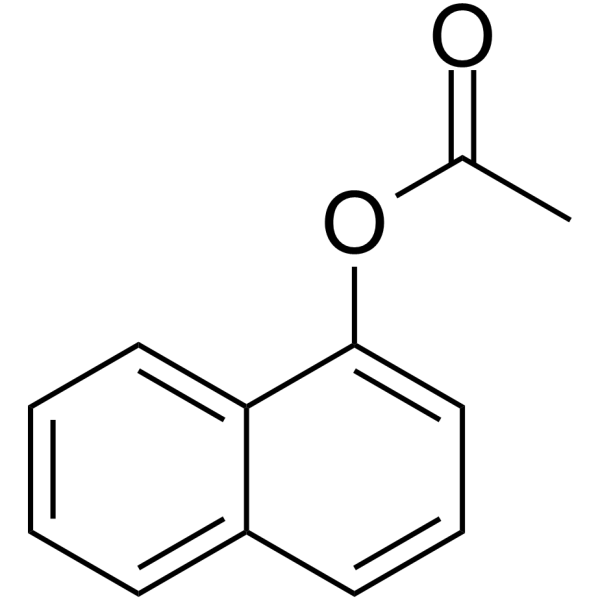
1-Naphthyl acetate is an attractive chromogenic substrate for the detection of erythrocyte acetylcholinesterase (AChE) activity. 1-Naphthyl acetate has the potential to detect organophosphorus pesticide (OP) poisoning .
MCB-22-174 is a deuterated Piezo1 agonist, with an EC50 value of 6.28 μM. MCB-22-174 remarkably activates the CaMKII/ERK signaling pathway and initiates Ca 2+ influx in rMSCs. MCB-22-174 significantly decreases the expression of chondrogenesis markers (Comp, Acan) and adipogenesis markers (Lpl, Fabp4) in MSCs. MCB-22-174 can effectively improve bone quality in hind-limb unloading (HU) model rats. MCB-22-174 can be used for the study of disuse osteoporosis (OP) .
SPP1 Mouse Pre-designed siRNA Set A contains three designed siRNAs for SPP1 gene (Mouse), as well as a negative control, a positive control, and a FAM-labeled negative control.
Orphanin FQ(1-11), a orphanin FQ or nociceptin (OFQ/N) fragment, is a potent NOP receptor (ORL-1; OP4) agonist, with a Ki of 55 nM. Orphanin FQ(1-11) has no affinity for μ, δ, κ1 and κ3 receptors (Ki>1000 nM). Orphanin FQ(1-11) is analgesic in CD-1 mice .
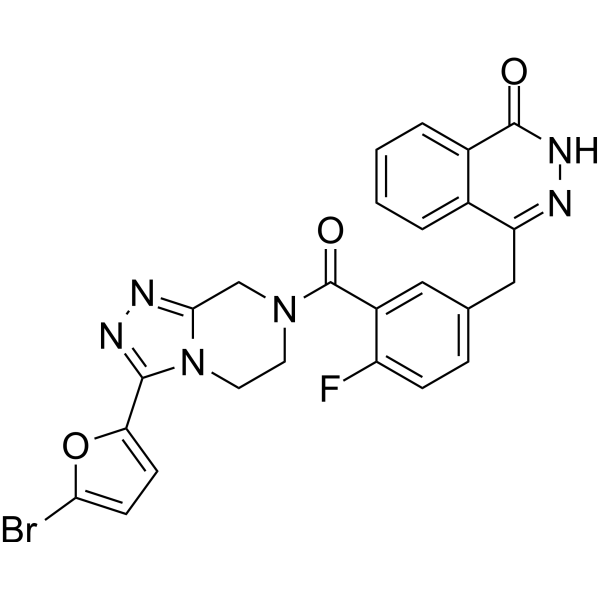
YCH1899 is an orally active PARP inhibitor, with an IC50< 0.001 nM for PARP1/2. YCH1899 exhibits distinct antiproliferation activity against Olaparib (HY-10162)-resistant and Talazoparib (HY-16106)-resistant Capan-1 cells (Capan-1/OP and Capan-1/TP cells) , with IC50 values of 0.89 and 1.13 nM, respectively. YCH1899 has acceptable pharmacokinetic properties in rats .
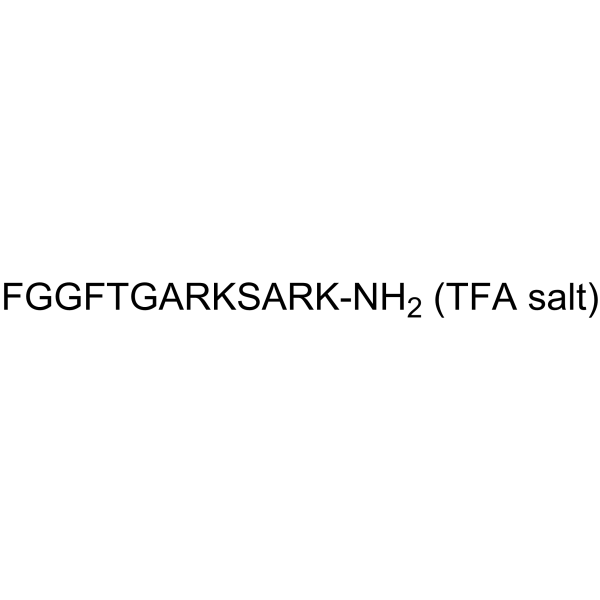
Nociceptin (1-13), amide TFA is a potent ORL1 receptor (opioid receptor-like 1 receptor, OP4) agonist with a pEC50 of 7.9 for mouse vas deferens and a Ki of 0.75 nM for binding to rat forebrain membranes .
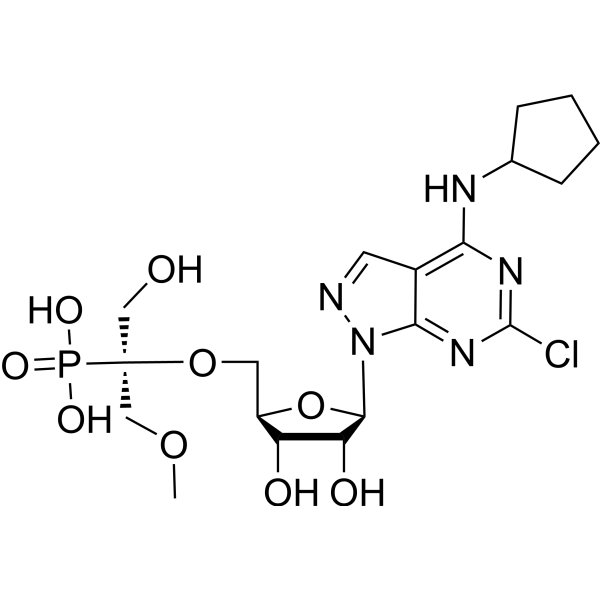
OP-5244 is a potent and orally active inhibitor of CD73, with an IC50 of 0.25 nM. OP-5244 reverses immunosuppression through blocking of adenosine production, and has the potential for the cancer research .
Ophiopogonin B (OP-B) induces the autophagy and apoptosis of colon cancer cells by activating JNK/c-Jun signaling pathway. Ophiopogonin B is a saponin compound isolated from Radix Ophiopogonjaponicus .
Tasronetide (FTX-101) is a highly selective inhibitor toward the NRP1/Plexin-A1 receptor system, and displays no significant activity on other targets. Tasronetide intercalates within the transmembrane domains of Plexin-A1 and NRP1 of oligodendrocytes, interferes with the heterodimerization of the co-receptor system, effectively disrupts the NRP1/Plexin-A1 receptor complex and mitigates the inhibitory influence of Sema3A on oligodendrocyte migration and differentiation, thereby facilitating increased myelin sheathing around axons. Tasronetide is designed to enhance the recruitment and maturation of oligodendrocyte precursors and can be used for Chronic Op c Neuropathy research .
1-Naphthyl acetate is an attractive chromogenic substrate for the detection of erythrocyte acetylcholinesterase (AChE) activity. 1-Naphthyl acetate has the potential to detect organophosphorus pesticide (OP) poisoning .
OP-145, an cathelicidin LL-37 derivative, is an antimicrobial peptide, and shows antibacterial activity against several MRSA strains. OP-145 can be used for research of chronic suppurative otitis media .
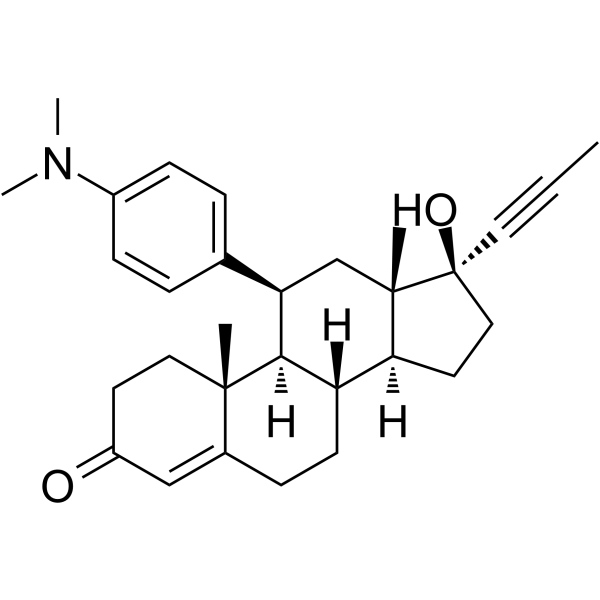
OP-3633 is a potent and selective steroidal glucocorticoid receptor (GR) antagonist with an IC50 of 29 nM, with inhibition of GR transcriptional activity. OP-3633 exhibits low progesterone receptor (PR) agonism and androgen receptor (AR) antagonism .
OP-1074, a pure anti-estrogen drug, is a selective ER degrader (PA-SERD) with specific anti-estrogenic activity against ERα and ERβ, inhibiting 17β-estradiol (E2)-stimulated transcription with IC50 values of 1.6 and 3.2 nM, respectively.
Csf1 Mouse Pre-designed siRNA Set A contains three designed siRNAs for Csf1 gene (Mouse), as well as a negative control, a positive control, and a FAM-labeled negative control.
USP1-IN-9 (Compound 1m) is reversible and noncompetitive ubiquitin-specific proteases (USP1) inhibitors with an IC50 of 8.8 nM, which is designed and synthesized to pyrido[2,3-d]pyrimidin-7(8H)-one derivative based on the disclosed structure of ML323(HY-17543) and KSQ-4279(HY-145471). USP1-IN-9 displays excellent USP1/UAF inhibition and exhibits strong antiproliferation effect in breast cancer cells. USP1-IN-9 can generate enhanced cell killing with PARP inhibitor olaparib(HY-10162) in olaparib-resistant MDA-MB-436/OP cells, which is promising for research in the field of cancer .
Orphanin FQ(1-11) TFA, a orphanin FQ or nociceptin (OFQ/N) fragment, is a potent NOP receptor (ORL-1; OP4) agonist, with a Ki of 55 nM. Orphanin FQ(1-11) TFA has no affinity for μ, δ, κ1 and κ3 receptors (Ki>1000 nM). Orphanin FQ(1-11) TFA is analgesic in CD-1 mice .
OP-5244 sodium is a potent and orally active inhibitor of CD73, with an IC50 of 0.25 nM. OP-5244 sodium reverses immunosuppression through blocking of adenosine production, and has the potential for the cancer research .
OP-2507 is a prostacyclin analog. OP-2507 can increase brain glucose levels in mice, suppress the breakdown of energy metabolism under hypoxic conditions, and has a protective effect against changes in cyclic nucleotides in hypoxic brain tissue (specifically, an increase in cyclic AMP and a decrease in cyclic GMP). OP-2507 provides protective effects against brain hypoxia and edema .
(R)-OP-1074 is an isomer of OP-1074 (HY-125263) and can serve as a control compound in experiments. OP-1074, a pure anti-estrogen drug, is a selective ER degrader (PA-SERD) with specific anti-estrogenic activity against ERα and ERβ, inhibiting 17β-estradiol (E2)-stimulated transcription with IC50 values of 1.6 and 3.2 nM, respectively.
FGFR1OP2 Human Pre-designed siRNA Set A contains three designed siRNAs for FGFR1OP2 gene (Human), as well as a negative control, a positive control, and a FAM-labeled negative control.
K027 is a potent reactivator of Organophosphates (OP)-inhibited acetylcholinesterase (AChE). K027 can be used for the research of Alzheimer's disease .
Trilysine TFA is a tripeptide and also a substrate for specific peptidases. Trilysine TFA serves as a hydrolytic substrate for the tripeptide-specific aminopeptidase TP and the oligopeptidase OP .
Solithromycin (Standard) is the analytical standard of Solithromycin. This product is intended for research and analytical applications. Solithromycin (CEM-101) is an orally bioavailable, effective antimicrobial agent, with IC50s for inhibition of cell viability, protein synthesis, and growth rate are 7.5 ng/mL, 40 ng/mL, and 125 ng/mL for Streptococcus pneumonia, Staphylococcus aureus, and Haemophilus influenzae, respectively. Solithromycin binds to the large 50S subunit of the ribosome and inhibits protein biosynthesis .
Nociceptin (1-13),amide is a potent ORL1 receptor (opioid receptor-like 1 receptor,OP4) agonist with a pEC50 of 7.9 for mouse vas deferens and a Ki of 0.75 nM for binding to rat forebrain membranes .
Racemomycin B (229-B; Streptothricin D), the main component from Streptomyces lavendulae OP-2, is a streptothricin antibiotic containing three β-lysine groups. RM-B exhibits antimicrobial activity against plant pathogenic microorganisms and effectively inhibits the growth of Brassica rapa L. roots at 50 ppm. RM-B showed a minimum inhibitory concentration (MIC) of 0.4 μg/ml against Pseudomonas syringae pv. tabaci IFO-3508 and a MIC range of 0.1-2.0 μg/ml against six strains of Fusarium oxysporum, showing stronger antimicrobial activity than RM-A and RM-C. The biological activity of racemomycin compounds increases with the increase in the number of β-lysine groups.
Cinnamtannin B-1 (Standard) is the analytical standard of Cinnamtannin B-1. This product is intended for research and analytical applications. Cinnamtannin B-1 is a anthocyanidin. Cinnamtannin B-1 inhibits the osteoclast formation by inhibiting NF-kB signaling pathway and ROS generation. Cinnamtannin B-1 exhibits antioxidant, anti-inflammatory, antitumor and anti-platelet aggregation activities. Cinnamtannin B-1 is orally active .
[Arg14,Lys15]Nociceptin is a highly potent and selective NOP receptor (ORL1; OP4) agonist, with an EC50 of 1 nM. [Arg14,Lys15]Nociceptin displays high selectivity over opioid receptors, with IC50s of 0.32, 280, >10000 and 1500 nM for NOP, μ, δ and κ receptors, respectively .
[(pF)Phe4]Nociceptin(1-13)NH2 is a highly potent and selective NOP receptor (OP4) agonist, with a pKi of 10.68 and a pEC50 of 9.31. [(pF)Phe4]Nociceptin(1-13)NH2 displays high selectivity over δ, κ, and μ opioid receptors (>3000 fold) .
[Arg14,Lys15]Nociceptin TFA is a highly potent and selective NOP receptor (ORL1; OP4) agonist, with an EC50 of 1 nM. [Arg14,Lys15]Nociceptin TFA displays high selectivity over opioid receptors, with IC50s of 0.32, 280, >10000 and 1500 nM for NOP, μ, δ and κ receptors, respectively .
[(pF)Phe4]Nociceptin(1-13)NH2 TFA is a highly potent and selective NOP receptor (OP4) agonist, with a pKi of 10.68 and a pEC50 of 9.31. [(pF)Phe4]Nociceptin(1-13)NH2 TFA displays high selectivity over δ, κ, and μ opioid receptors (>3000 fold) .
Limaprost-d3 (17α,20-dimethyl-δ2-PGE1-d3) is the deuterium labeled Limaprost. Limaprost (OP1206) is a PGE1 analogue and a potent and orally active vasodilator. Limaprost increases blood flow and inhibits platelet aggregation. Limaprost pain relief, has antianginal effects, and can be used for ischaemic symptoms research .
OP-1118 (Fidaxomicin metabolite OP-1118) is an orally active dual inhibitor of NF-κB and ERK1/2, with low systemic plasma exposure, no accumulation, and primary excretion via feces. By inhibiting the phosphorylation of NF-κB and ERK1/2 and reducing the expression of pro-inflammatory cytokines, OP-1118 exerts significant anti-inflammatory, cytoprotective, anti-apoptotic and antibacterial activities. In Clostridium difficile infection models, OP-1118 effectively blocks toxin-mediated intestinal inflammation, cell rounding, histological damage and apoptosis, and its protective effect can be reversed by PMA (HY-18739) .
OP-3136 is a selective KAT6 inhibitor. OP-3136 reduces the proliferative capacity of cancer cells and inhibits cell growth in ER + breast cancer cell models with overexpressed KAT6. When combined with ER antagonists/degraders or CDK4/6 inhibitors, OP-3136 exhibits synergistic anti-tumor activity in mouse xenograft models. OP-3136 can be used in studies related to HR +/HER2 - breast cancer .
OP-1690 is a complete estrogen receptor (ERα) antagonist (CERAN), with pIC50 values of 7.5 and 7.9 in alkaline phosphatase (AP) activity assay and TR-FRET assay, respectively. OP-1690 modulates receptor function by inducing ERα tetramerization, effectively induces ERα degradation, inhibits target gene transcription, but exhibits low antiproliferative potency. OP-1690 can be used for breast cancer research .
Nacubactam (Standard) is the analytical standard of Nacubactam (HY-109008). This product is intended for research and analytical applications. Nacubactam (OP0595 free acid) is a potent non-β-lactam-β-lactamase inhibitor with activity against class A and C β-lactamases. Nacubactam acts as a penicillin binding protein (PBP) 2-active antibacterial, and gives β-lactamase-independent potentiation of β-lactams targeting other PBPs. Nacubactam potentiates the antimicrobial activities of Piperacillin (HY-B1923), Cefepime (HY-B0692), and Meropenem (HY-13678) against CTX-M-15-positive Escherichia coli and KPC-positive Klebsiella pneumoniae .
Trilysine is a tripeptide and also a substrate for specific peptidases. Trilysine serves as a hydrolytic substrate for the tripeptide-specific aminopeptidase TP and the oligopeptidase OP .
Orphanin FQ(1-11), a orphanin FQ or nociceptin (OFQ/N) fragment, is a potent NOP receptor (ORL-1; OP4) agonist, with a Ki of 55 nM. Orphanin FQ(1-11) has no affinity for μ, δ, κ1 and κ3 receptors (Ki>1000 nM). Orphanin FQ(1-11) is analgesic in CD-1 mice .
Nociceptin (1-13), amide TFA is a potent ORL1 receptor (opioid receptor-like 1 receptor, OP4) agonist with a pEC50 of 7.9 for mouse vas deferens and a Ki of 0.75 nM for binding to rat forebrain membranes .
Tasronetide (FTX-101) is a highly selective inhibitor toward the NRP1/Plexin-A1 receptor system, and displays no significant activity on other targets. Tasronetide intercalates within the transmembrane domains of Plexin-A1 and NRP1 of oligodendrocytes, interferes with the heterodimerization of the co-receptor system, effectively disrupts the NRP1/Plexin-A1 receptor complex and mitigates the inhibitory influence of Sema3A on oligodendrocyte migration and differentiation, thereby facilitating increased myelin sheathing around axons. Tasronetide is designed to enhance the recruitment and maturation of oligodendrocyte precursors and can be used for Chronic Op c Neuropathy research .
OP-145, an cathelicidin LL-37 derivative, is an antimicrobial peptide, and shows antibacterial activity against several MRSA strains. OP-145 can be used for research of chronic suppurative otitis media .
Orphanin FQ(1-11) TFA, a orphanin FQ or nociceptin (OFQ/N) fragment, is a potent NOP receptor (ORL-1; OP4) agonist, with a Ki of 55 nM. Orphanin FQ(1-11) TFA has no affinity for μ, δ, κ1 and κ3 receptors (Ki>1000 nM). Orphanin FQ(1-11) TFA is analgesic in CD-1 mice .
Trilysine TFA is a tripeptide and also a substrate for specific peptidases. Trilysine TFA serves as a hydrolytic substrate for the tripeptide-specific aminopeptidase TP and the oligopeptidase OP .
Nociceptin (1-13),amide is a potent ORL1 receptor (opioid receptor-like 1 receptor,OP4) agonist with a pEC50 of 7.9 for mouse vas deferens and a Ki of 0.75 nM for binding to rat forebrain membranes .
[Arg14,Lys15]Nociceptin is a highly potent and selective NOP receptor (ORL1; OP4) agonist, with an EC50 of 1 nM. [Arg14,Lys15]Nociceptin displays high selectivity over opioid receptors, with IC50s of 0.32, 280, >10000 and 1500 nM for NOP, μ, δ and κ receptors, respectively .
[(pF)Phe4]Nociceptin(1-13)NH2 is a highly potent and selective NOP receptor (OP4) agonist, with a pKi of 10.68 and a pEC50 of 9.31. [(pF)Phe4]Nociceptin(1-13)NH2 displays high selectivity over δ, κ, and μ opioid receptors (>3000 fold) .
[Arg14,Lys15]Nociceptin TFA is a highly potent and selective NOP receptor (ORL1; OP4) agonist, with an EC50 of 1 nM. [Arg14,Lys15]Nociceptin TFA displays high selectivity over opioid receptors, with IC50s of 0.32, 280, >10000 and 1500 nM for NOP, μ, δ and κ receptors, respectively .
[(pF)Phe4]Nociceptin(1-13)NH2 TFA is a highly potent and selective NOP receptor (OP4) agonist, with a pKi of 10.68 and a pEC50 of 9.31. [(pF)Phe4]Nociceptin(1-13)NH2 TFA displays high selectivity over δ, κ, and μ opioid receptors (>3000 fold) .
Nystose is a tetrasaccharide with two fructose molecules linked via beta (1→2) bonds to the fructosyl moiety of sucrose. Nystose exhibits prebiotic, immunomodulatory, and metabolism regulating activities. Nystose promotes the bone mineralization by activating the Wnt/β-catenin signaling pathway .
Cinnamtannin B-1 is a anthocyanidin. Cinnamtannin B-1 inhibits the osteoclast formation by inhibiting NF-kB signaling pathway and ROS generation. Cinnamtannin B-1 exhibits antioxidant, anti-inflammatory, antitumor and anti-platelet aggregation activities. Cinnamtannin B-1 is orally active .
Ophiopogonin B (OP-B) induces the autophagy and apoptosis of colon cancer cells by activating JNK/c-Jun signaling pathway. Ophiopogonin B is a saponin compound isolated from Radix Ophiopogonjaponicus .
Racemomycin B (229-B; Streptothricin D), the main component from Streptomyces lavendulae OP-2, is a streptothricin antibiotic containing three β-lysine groups. RM-B exhibits antimicrobial activity against plant pathogenic microorganisms and effectively inhibits the growth of Brassica rapa L. roots at 50 ppm. RM-B showed a minimum inhibitory concentration (MIC) of 0.4 μg/ml against Pseudomonas syringae pv. tabaci IFO-3508 and a MIC range of 0.1-2.0 μg/ml against six strains of Fusarium oxysporum, showing stronger antimicrobial activity than RM-A and RM-C. The biological activity of racemomycin compounds increases with the increase in the number of β-lysine groups.
Cinnamtannin B-1 (Standard) is the analytical standard of Cinnamtannin B-1. This product is intended for research and analytical applications. Cinnamtannin B-1 is a anthocyanidin. Cinnamtannin B-1 inhibits the osteoclast formation by inhibiting NF-kB signaling pathway and ROS generation. Cinnamtannin B-1 exhibits antioxidant, anti-inflammatory, antitumor and anti-platelet aggregation activities. Cinnamtannin B-1 is orally active .
Osteopontin/OPN Protein, a crucial non-collagenous bone protein, binds strongly to hydroxyapatite, integral to the mineralized matrix.It likely plays a vital role in mediating cell-extracellular matrix interactions.Moreover, as a cytokine, OPN efficiently induces interferon-gamma and interleukin-12 production while inhibiting interleukin-10, pivotal in promoting type I immunity.Osteopontin/OPN Protein, Mouse (P.pastoris, His) is the recombinant mouse-derived Osteopontin/OPN protein, expressed by P.pastoris , with N-6*His labeled tag.
Bone morphogenetic protein 7 (BMP-7) is a polymorphic ligand protein belonging to the TGFβ family. BMP-7 is involved in regulating the proliferation, invasion and migration of cancer cells and is associated with a variety of human tumors. BMP-7 binds ALK2 or ACVR2A/BMPR2 excitation signal, which is terminated by SMADs regulation. BMP-7 is involved in the BMP-7-SMad1/5/9 signaling pathway, which is associated with the epithelial-mesenchymal transition (EMT) process. BMP-7 also eliminates vascular inflammation, maintains vascular integrity, reduces vascular calcification, and stimulates in situ phosphate ossification deposition. The total length of human BMP-7 protein is 431 amino acids (M1-H431), with 4 glycosylation domains. BMP-7 Protein, Human has a total length of 139 amino acids (S293-H431), is expressed in E. coli cells.
Bone morphogenetic protein 7 (BMP-7) is a polymorphic ligand protein belonging to the TGF-β family. BMP-7 is involved in regulating the proliferation, invasion and migration of cancer cells and is associated with a variety of human tumors. BMP-7 binds ALK2 or ACVR2A/BMPR2 excitation signal, which is terminated by SMADs regulation. BMP-7 is involved in the BMP-7-SMad1/5/9 signaling pathway, which is associated with the epithelial-mesenchymal transition (EMT) process. BMP-7 also eliminates vascular inflammation, maintains vascular integrity, reduces vascular calcification, and stimulates in situ phosphate ossification deposition.
BMP-7 protein is an important member of the TGF-β superfamily and is critical in embryogenesis, hematopoiesis, neurogenesis and bone morphogenesis. It activates canonical BMP signaling through ACVR1 and ACVR2A, phosphorylates and activates ACVR1, which in turn phosphorylates SMAD1/5/8 for target gene transcriptional regulation. Animal-Free BMP-7 Protein, Human (His) is the recombinant human-derived animal-FreeBMP-7 protein, expressed by E. coli , with C-His labeled tag. This product is for cell culture use only.
BMP-8 is a pleiotropic ligand protein act as a reproductive system regulator, enriched in the ovary. BMP-8 is encoded by a pair of genes BMP8A and BMP8B, belonging to TNF-β family. BMP-8A activates the SMAD1/5/8 and the SMAD2/3 pathways in granulosa cells, to inhibit gonadotropin-induced progesterone production and steroidogenesis-related gene expression. BMP-8A also involves in Nrf2 phosphorylation in cancer cells to promote survival and drug resistance. BMP-8a Protein, Human is 402 a.a. with 2 glycosylation domains. Animal-Free BMP-8a Protein, Human (His) is a animal free recombinant human protein produced in E. coli cells, with 139 a.a. (A264-H402) and C-terminal His-tag.This product is for cell culture use only.
Stathmin proteins critically regulate the microtubule filament system by actively destabilizing microtubules, inhibiting assembly, and promoting disassembly. Phosphorylation of Ser-16 is critical for axon formation during neurogenesis, highlighting its importance in neuronal development. Stathmin Protein, Human (C-His) is the recombinant human-derived Stathmin protein, expressed by E. coli , with C-6*His labeled tag.
Stathmin Protein, a widely distributed cytosolic phosphoprotein, integrates regulatory signals and destabilizes microtubules, crucial for their assembly and disassembly. It exhibits broad expression in various tissues, highlighting its versatile role in cellular processes. Stathmin Protein, Human (His) is the recombinant human-derived Stathmin protein, expressed by E. coli , with N-6*His labeled tag.
FGFR1OP is critical for microtubule dynamics, anchoring microtubules at centrosomes, which is critical for cell organization. It plays an integral role in cilia formation and helps control the complex process of cilia formation. FGFR1OP Protein, Human (sf9, His-GST) is the recombinant human-derived FGFR1OP protein, expressed by Sf9 insect cells , with N-His, N-GST labeled tag.
BMP-8 is a pleiotropic ligand protein act as a reproductive system regulator, enriched in the ovary. BMP-8 is encoded by a pair of genes BMP8A and BMP8B, belonging to TNF-β family. BMP-8B is secreted by brown/beige adipocytes and enhances energy dissipation, serves as a potential targets in obesity. BMP-8B also caspase-3 and -9 activation in pancreatic cancer cell, as well as decreasing mitochondrial membrane potential to induce apoptosis. BMP-8b Protein, Human is 402 a.a. with 2 glycosylation domains. Animal-Free BMP-8a Protein, Human (His) is a animal free recombinant human protein produced in E. coli cells, with 139 a.a. (A264-H402) and N-terminal His-tag.This product is for cell culture use only.
MCB-22-174 is a deuterated Piezo1 agonist, with an EC50 value of 6.28 μM. MCB-22-174 remarkably activates the CaMKII/ERK signaling pathway and initiates Ca 2+ influx in rMSCs. MCB-22-174 significantly decreases the expression of chondrogenesis markers (Comp, Acan) and adipogenesis markers (Lpl, Fabp4) in MSCs. MCB-22-174 can effectively improve bone quality in hind-limb unloading (HU) model rats. MCB-22-174 can be used for the study of disuse osteoporosis (OP) .
Limaprost-d3 (17α,20-dimethyl-δ2-PGE1-d3) is the deuterium labeled Limaprost. Limaprost (OP1206) is a PGE1 analogue and a potent and orally active vasodilator. Limaprost increases blood flow and inhibits platelet aggregation. Limaprost pain relief, has antianginal effects, and can be used for ischaemic symptoms research .
SPP1 Mouse Pre-designed siRNA Set A contains three designed siRNAs for SPP1 gene (Mouse), as well as a negative control, a positive control, and a FAM-labeled negative control.
Csf1 Mouse Pre-designed siRNA Set A contains three designed siRNAs for Csf1 gene (Mouse), as well as a negative control, a positive control, and a FAM-labeled negative control.
FGFR1OP2 Human Pre-designed siRNA Set A contains three designed siRNAs for FGFR1OP2 gene (Human), as well as a negative control, a positive control, and a FAM-labeled negative control.
Inquiry Online
Your information is safe with us. * Required Fields.
Western blot analysis of extracts from THP-1(lane 2(20μg), Jurkat (lane 3(20μg) and NIH3T3(lane 4(20μg) using FOXO1A (HY-P80132) Rabbit mAb. Proteins were transferred
to a PVDF membrane and blocked with 5% non-fat milk in TBST for 2 hour at room temperature. The primary antibody (1/1000) and Loading control antibody (Beta Actin, HY-P80438, 1/10000) was
used in 5% non-fat milk in TBST at 4°C overnight. Goat Anti-Mouse/Rabbit IgG-HRP Secondary Antibody (1/10000) was used for 1 hour at room temperature.
Western blot analysis of extracts from THP-1(lane 2(20μg), Jurkat (lane 3(20μg) and NIH3T3(lane 4(20μg) using FOXO1A (HY-P80132) Rabbit mAb. Proteins were transferred
to a PVDF membrane and blocked with 5% non-fat milk in TBST for 2 hour at room temperature. The primary antibody (1/1000) and Loading control antibody (Beta Actin, HY-P80438, 1/10000) was
used in 5% non-fat milk in TBST at 4°C overnight. Goat Anti-Mouse/Rabbit IgG-HRP Secondary Antibody (1/10000) was used for 1 hour at room temperature.
Western blot analysis of extracts from THP-1(lane 2(20μg), Jurkat (lane 3(20μg) and NIH3T3(lane 4(20μg) using FOXO1A (HY-P80132) Rabbit mAb. Proteins were transferred
to a PVDF membrane and blocked with 5% non-fat milk in TBST for 2 hour at room temperature. The primary antibody (1/1000) and Loading control antibody (Beta Actin, HY-P80438, 1/10000) was
used in 5% non-fat milk in TBST at 4°C overnight. Goat Anti-Mouse/Rabbit IgG-HRP Secondary Antibody (1/10000) was used for 1 hour at room temperature.
Western blot analysis of extracts from THP-1(lane 2(20μg), Jurkat (lane 3(20μg) and NIH3T3(lane 4(20μg) using FOXO1A (HY-P80132) Rabbit mAb. Proteins were transferred
to a PVDF membrane and blocked with 5% non-fat milk in TBST for 2 hour at room temperature. The primary antibody (1/1000) and Loading control antibody (Beta Actin, HY-P80438, 1/10000) was
MedchemExpress Validation 03
Western blot analysis of extracts from THP-1(lane 2(20μg), Jurkat (lane 3(20μg) and NIH3T3(lane 4(20μg) using FOXO1A (HY-P80132) Rabbit mAb. Proteins were transferred
MedchemExpress Validation 04
Western blot analysis of extracts from THP-1(lane 2(20μg), Jurkat (lane 3(20μg) and NIH3T3(lane 4(20μg) using FOXO1A (HY-P80132) Rabbit mAb. Proteins were transferred
to a PVDF membrane and blocked with 5% non-fat milk in TBST for 2 hour at room temperature. The primary antibody (1/1000) and Loading control antibody (Beta Actin, HY-P80438, 1/10000) was
used in 5% non-fat milk in TBST at 4°C overnight. Goat Anti-Mouse/Rabbit IgG-HRP Secondary Antibody (1/10000) was used for 1 hour at room temperature.
MedchemExpress Validation
Western blot analysis of extracts from THP-1(lane 2(20μg), Jurkat (lane 3(20μg) and NIH3T3(lane 4(20μg) using FOXO1A (HY-P80132) Rabbit mAb. Proteins were transferred
to a PVDF membrane and blocked with 5% non-fat milk in TBST for 2 hour at room temperature. The primary antibody (1/1000) and Loading control antibody (Beta Actin, HY-P80438, 1/10000) was
used in 5% non-fat milk in TBST at 4°C overnight. Goat Anti-Mouse/Rabbit IgG-HRP Secondary Antibody (1/10000) was used for 1 hour at room temperature.
Western blot analysis of extracts from THP-1(lane 2(20μg), Jurkat (lane 3(20μg) and NIH3T3(lane 4(20μg) using FOXO1A (HY-P80132) Rabbit mAb. Proteins were transferred
to a PVDF membrane and blocked with 5% non-fat milk in TBST for 2 hour at room temperature. The primary antibody (1/1000) and Loading control antibody (Beta Actin, HY-P80438, 1/10000) was
used in 5% non-fat milk in TBST at 4°C overnight. Goat Anti-Mouse/Rabbit IgG-HRP Secondary Antibody (1/10000) was used for 1 hour at room temperature.
MedchemExpress Validation
Western blot analysis of extracts from THP-1(lane 2(20μg), Jurkat (lane 3(20μg) and NIH3T3(lane 4(20μg) using FOXO1A (HY-P80132) Rabbit mAb. Proteins were transferred
to a PVDF membrane and blocked with 5% non-fat milk in TBST for 2 hour at room temperature. The primary antibody (1/1000) and Loading control antibody (Beta Actin, HY-P80438, 1/10000) was
used in 5% non-fat milk in TBST at 4°C overnight. Goat Anti-Mouse/Rabbit IgG-HRP Secondary Antibody (1/10000) was used for 1 hour at room temperature.
MedchemExpress Validation
Western blot analysis of extracts from THP-1(lane 2(20μg), Jurkat (lane 3(20μg) and NIH3T3(lane 4(20μg) using FOXO1A (HY-P80132) Rabbit mAb. Proteins were transferred
to a PVDF membrane and blocked with 5% non-fat milk in TBST for 2 hour at room temperature. The primary antibody (1/1000) and Loading control antibody (Beta Actin, HY-P80438, 1/10000) was
used in 5% non-fat milk in TBST at 4°C overnight. Goat Anti-Mouse/Rabbit IgG-HRP Secondary Antibody (1/10000) was used for 1 hour at room temperature.
MedchemExpress Validation
Western blot analysis of extracts from THP-1(lane 2(20μg), Jurkat (lane 3(20μg) and NIH3T3(lane 4(20μg) using FOXO1A (HY-P80132) Rabbit mAb. Proteins were transferred
to a PVDF membrane and blocked with 5% non-fat milk in TBST for 2 hour at room temperature. The primary antibody (1/1000) and Loading control antibody (Beta Actin, HY-P80438, 1/10000) was
used in 5% non-fat milk in TBST at 4°C overnight. Goat Anti-Mouse/Rabbit IgG-HRP Secondary Antibody (1/10000) was used for 1 hour at room temperature.
MedchemExpress Validation
Western blot analysis of extracts from THP-1(lane 2(20μg), Jurkat (lane 3(20μg) and NIH3T3(lane 4(20μg) using FOXO1A (HY-P80132) Rabbit mAb. Proteins were transferred
to a PVDF membrane and blocked with 5% non-fat milk in TBST for 2 hour at room temperature. The primary antibody (1/1000) and Loading control antibody (Beta Actin, HY-P80438, 1/10000) was
used in 5% non-fat milk in TBST at 4°C overnight. Goat Anti-Mouse/Rabbit IgG-HRP Secondary Antibody (1/10000) was used for 1 hour at room temperature.
MedchemExpress Validation
Western blot analysis of extracts from THP-1(lane 2(20μg), Jurkat (lane 3(20μg) and NIH3T3(lane 4(20μg) using FOXO1A (HY-P80132) Rabbit mAb. Proteins were transferred
to a PVDF membrane and blocked with 5% non-fat milk in TBST for 2 hour at room temperature. The primary antibody (1/1000) and Loading control antibody (Beta Actin, HY-P80438, 1/10000) was
used in 5% non-fat milk in TBST at 4°C overnight. Goat Anti-Mouse/Rabbit IgG-HRP Secondary Antibody (1/10000) was used for 1 hour at room temperature.
MedchemExpress Validation
Western blot analysis of extracts from THP-1(lane 2(20μg), Jurkat (lane 3(20μg) and NIH3T3(lane 4(20μg) using FOXO1A (HY-P80132) Rabbit mAb. Proteins were transferred
to a PVDF membrane and blocked with 5% non-fat milk in TBST for 2 hour at room temperature. The primary antibody (1/1000) and Loading control antibody (Beta Actin, HY-P80438, 1/10000) was
used in 5% non-fat milk in TBST at 4°C overnight. Goat Anti-Mouse/Rabbit IgG-HRP Secondary Antibody (1/10000) was used for 1 hour at room temperature.
MedChemExpress values your privacy and your trust is important to us. We use cookies to enhance your website experience. Some cookies are necessary to run the website.
Privacy and Cookie Policy

