1. Search Result
Search Result
Results for "

Ornithine

" in MedChemExpress (MCE) Product Catalog:

81

Inhibitors & Agonists

6

Biochemical Assay Reagents

1

Peptides

22

Natural
Products

2

Recombinant Proteins

13

Isotope-Labeled Compounds

2

Antibodies

1

Click Chemistry

Targets Recommended:
Cat. No. Product Name Target Research Areas Chemical Structure
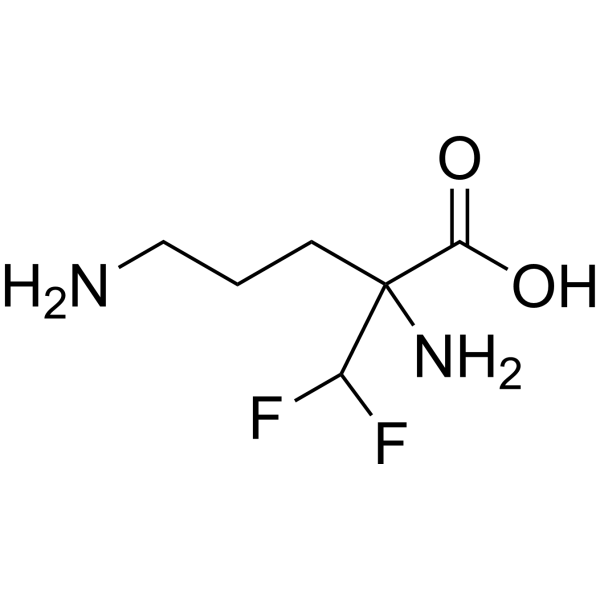
  • HY-B0744
    Eflornithine
    Maximum Cited Publications
    21 Publications Verification

    DFMO; MDL71782; RMI71782; α-difluoromethylOrnithine

    Parasite Infection Cancer
    Eflornithine is a specific, irreversible inhibitor of the enzyme ornithine decarboxylase. Eflornithine is a medication for the treatment of African trypanosomiasis and excessive facial hair growth in women.
    Eflornithine
  • HY-B1352
    L-Ornithine
    Maximum Cited Publications
    9 Publications Verification

    (S)-2,5-Diaminopentanoic acid

    Arginase Endogenous Metabolite Metabolic Disease
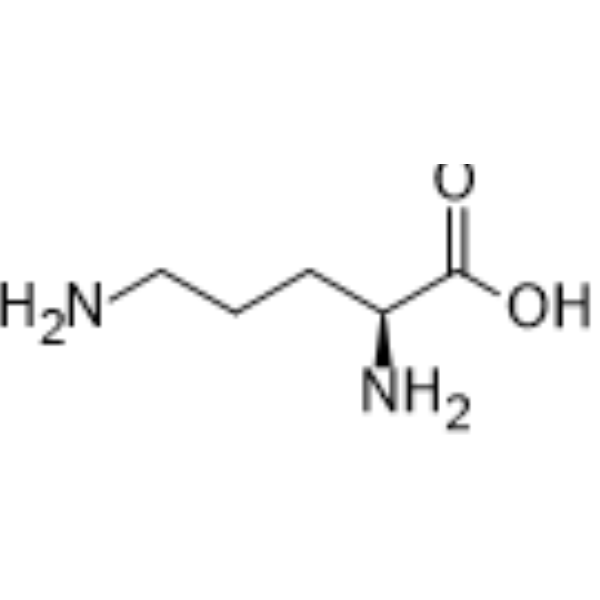
    L-Ornithine ((S)-2,5-Diaminopentanoic acid) is a non-proteinogenic amino acid, is mainly used in urea cycle removing excess nitrogen in vivo. L-Ornithine shows nephroprotective .
    L-Ornithine
  • HY-N0391
    L-Citrulline
    5+ Cited Publications

    Endogenous Metabolite Others
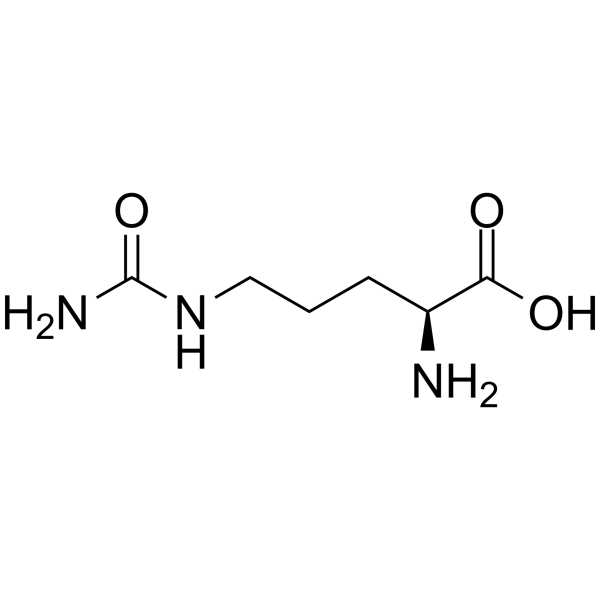
    L-Citrulline is an amino acid derived from ornithine in the catabolism of proline or glutamine and glutamate, or from l-arginine via arginine-citrulline pathway.
    L-Citrulline
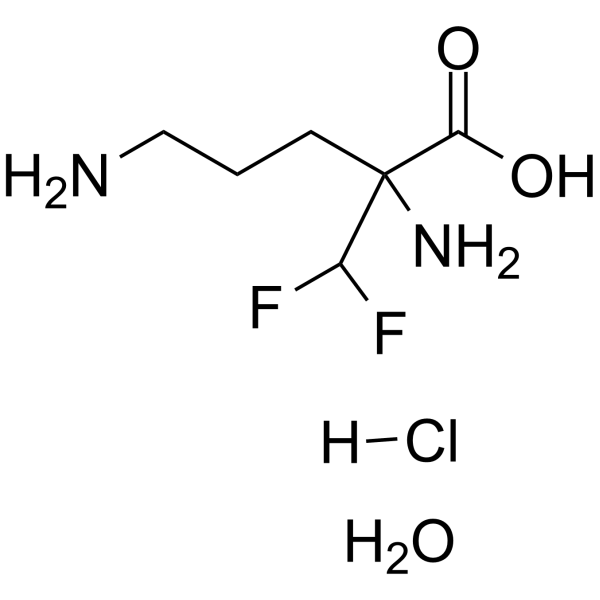
  • HY-B0744B
    Eflornithine hydrochloride hydrate
    Maximum Cited Publications
    21 Publications Verification

    DFMO hydrochloride hydrate; MDL-71782 hydrochloride hydrate; RMI-71782 hydrochloride hydrate; α-difluoromethylOrnithine hydrochloride hydrate

    Parasite Cancer
    Eflornithine hydrochloride hydrate (DFMO hydrochloride hydrate) is a specific, irreversible inhibitor of the enzyme ornithine decarboxylase. Eflornithine hydrochloride hydrate is a medication for the treatment of African trypanosomiasis and excessive facial hair growth in women .
    Eflornithine hydrochloride hydrate
  • HY-101938
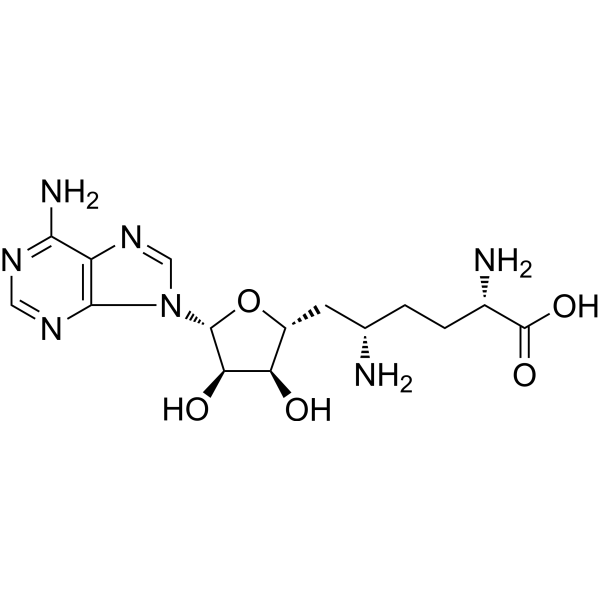
    Sinefungin
    4 Publications Verification

    Adenosyl-Ornithine; A-9145; Antibiotic 32232RP

    Histone Methyltransferase Fungal Antibiotic Parasite Infection Inflammation/Immunology
    Sinefungin is a potent inhibitor of virion mRNA(guanine-7-)-methyltransferase, mRNA(nucleoside-2'-)-methyltransferase, and viral multiplication . Sinefungin, a SET7/9 inhibitor, ameliorates renal fibrosis by inhibiting H3K4 methylation .
    Sinefungin
  • HY-N0240
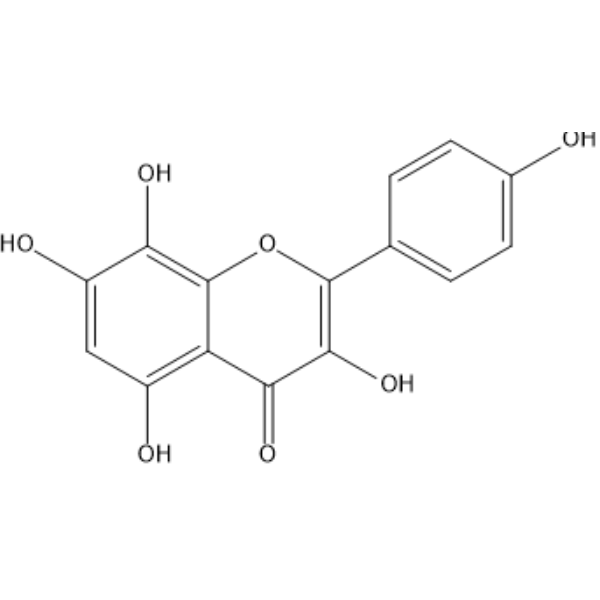
    Herbacetin
    5 Publications Verification

    Ornithine decarboxylase (ODC) Cancer
    Herbacetin is a natural flavonoid from flaxseed, exerts various pharmacological activities, including antioxidant, anti-inflammatory and anticancer effects . Herbacetin is an Ornithine decarboxylase (ODC) allosteric inhibitor, directly binds to Asp44, Asp243, and Glu384 on ODC. Ornithine decarboxylase (ODC) is a rate-limiting enzyme in the first step of polyamine biosynthesis .
    Herbacetin
  • HY-W017018
    L-Ornithine hydrochloride
    Maximum Cited Publications
    9 Publications Verification

    Endogenous Metabolite Metabolic Disease
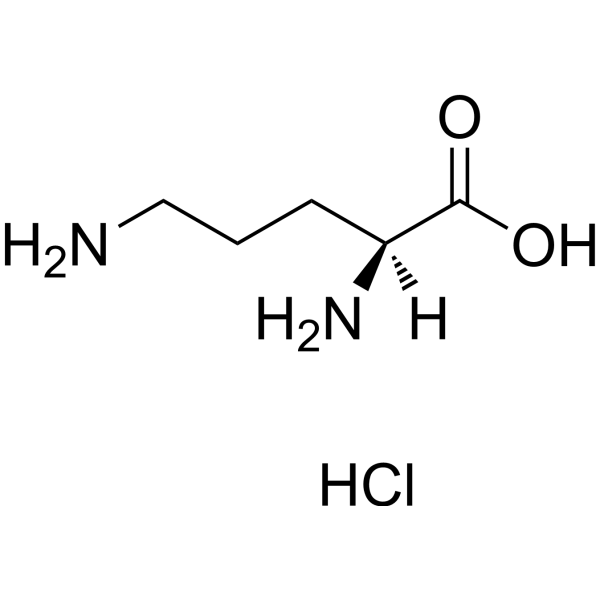
    L-Ornithine hydrochloride is a non-proteinogenic amino acid, is mainly used in urea cycle removing excess nitrogen in vivo. L-Ornithine hydrochloride shows nephroprotective .
    L-Ornithine hydrochloride
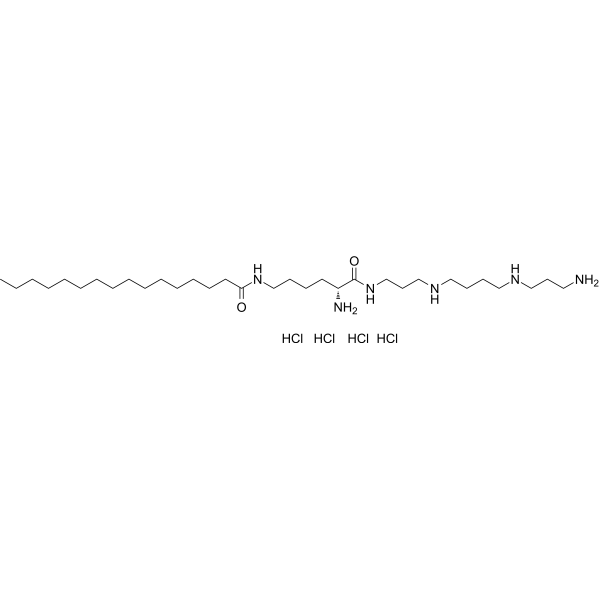
  • HY-124617A
    AMXT-1501 tetrahydrochloride
    5+ Cited Publications

    Apoptosis Bacterial Infection Inflammation/Immunology Cancer
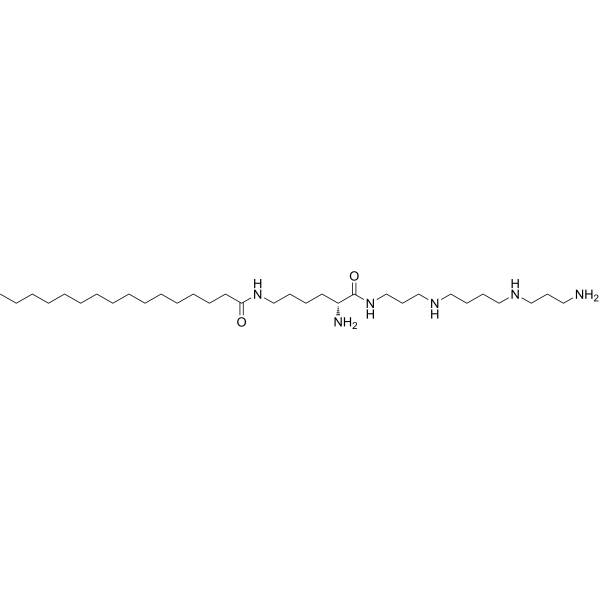
    AMXT-1501 tetrahydrochloride is a Bacterial agent and polyamine transport system inhibitor. AMXT-1501 tetrahydrochloride targets membrane phospholipids and exhibits antibacterial activity against a variety of Gram-positive and Gram-negative multidrug-resistant bacteria . AMXT-1501 tetrahydrochloride inhibits capsular biosynthesis in Streptococcus pneumoniae . AMXT-1501 tetrahydrochloride targets ornithine decarboxylase and polyamines to inhibit the proliferation of neuroblastoma cells . AMXT-1501 tetrahydrochloride in combination with DFMO (HY-B0744) induces Apoptosis in neuroblastoma cells. AMXT-1501 tetrahydrochloride is applicable to research related to multidrug-resistant bacterial infections, pneumococcal infections, Streptococcus pneumoniae infections, and neuroblastoma .
    AMXT-1501 tetrahydrochloride
  • HY-126436A

    L-Ornithine homopolymer hydrobromide (MW 30000-70000)

    Biochemical Assay Reagents Neurological Disease
    Poly-L-ornithine hydrobromide (MW 30000-70000) is a poly-lysine derivative with a molecular weight of 30000-70000. Poly-L-ornithine hydrobromide (MW 30000-70000) binds to the surface of cell culture vessels through positively charged amino acid residues to form a coating that promotes cell adhesion and provides cells with a matrix environment required for growth. Poly-L-ornithine hydrobromide (MW 30000-70000) is used as a coating agent in cell culture and can be used for the study of primary culture of neurons (such as dopaminergic neurons and oligodendrocytes) .
    Poly-L-ornithine hydrobromide (MW 30000-70000)
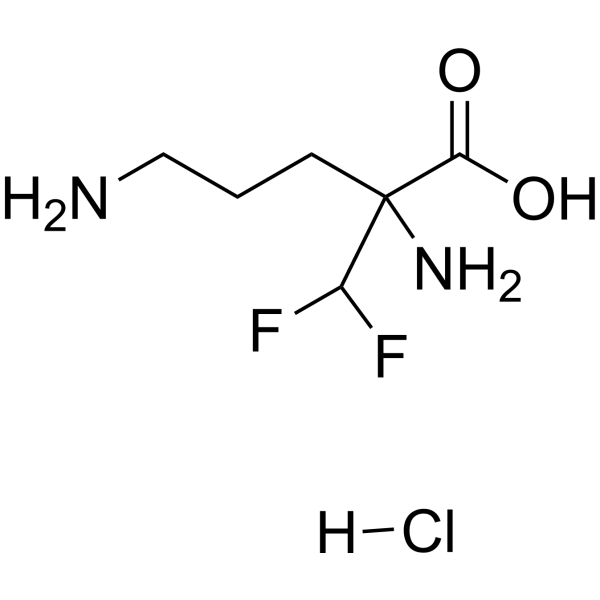
  • HY-B0744A
    Eflornithine hydrochloride
    Maximum Cited Publications
    21 Publications Verification

    DFMO hydrochloride; MDL71782 hydrochloride; RMI71782 hydrochloride; α-difluoromethylOrnithine hydrochloride

    Parasite Infection Cancer
    Eflornithine hydrochloride is a specific, irreversible inhibitor of the enzyme ornithine decarboxylase. Eflornithine is a medication for the treatment of African trypanosomiasis and excessive facial hair growth in women.
    Eflornithine hydrochloride
  • HY-124617
    AMXT-1501
    5+ Cited Publications

    Apoptosis Bacterial Infection Cancer
    AMXT-1501 is a Bacterial agent and polyamine transport system inhibitor. AMXT-1501 targets membrane phospholipids and exhibits antibacterial activity against a variety of Gram-positive and Gram-negative multidrug-resistant bacteria . AMXT-1501 inhibits capsular biosynthesis in Streptococcus pneumoniae . AMXT-1501 targets ornithine decarboxylase and polyamines to inhibit the proliferation of neuroblastoma cells . AMXT-1501 in combination with DFMO (HY-B0744) induces Apoptosis in neuroblastoma cells. AMXT-1501 is applicable to research related to multidrug-resistant bacterial infections, pneumococcal infections, Streptococcus pneumoniae infections, and neuroblastoma .
    AMXT-1501
  • HY-113080
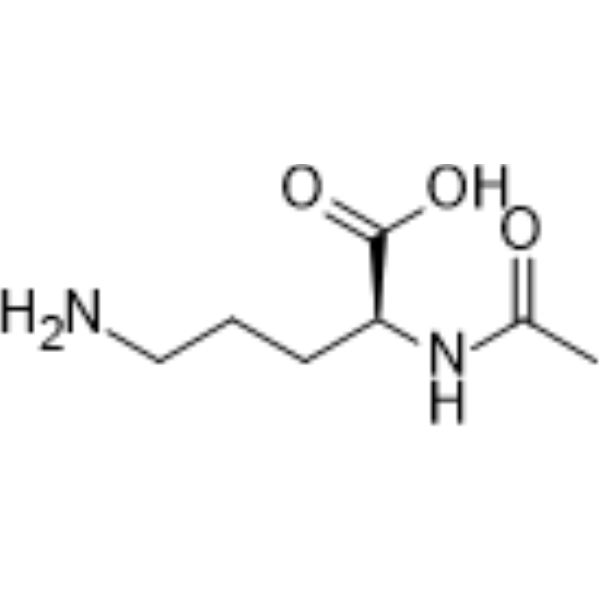
    N-Acetylornithine
    1 Publications Verification

    Others Metabolic Disease
    N-Acetylornithine is a precursor of ornithine. N-Acetylornithine is associated with type 2 diabetes .
    N-Acetylornithine
  • HY-N0391S5

    Isotope-Labeled Compounds Endogenous Metabolite Others
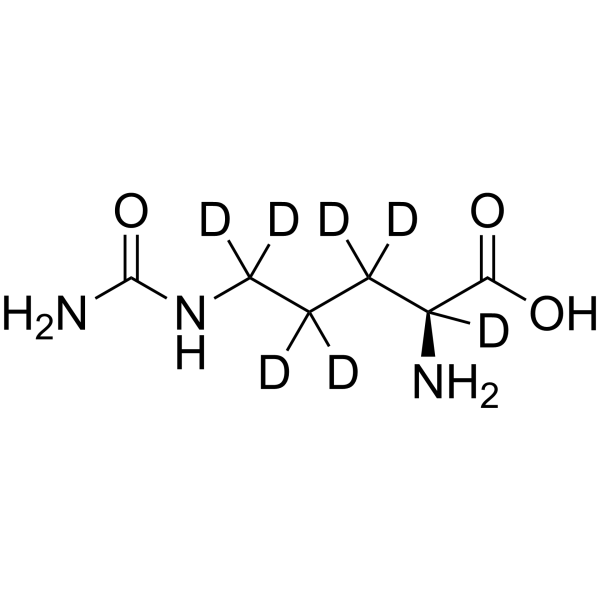
    L-Citrulline-d7 is the deuterium labeled L-Citrulline. L-Citrulline is an amino acid derived from ornithine in the catabolism of proline or glutamine and glutamate, or from l-arginine via arginine-citrulline pathway.
    L-Citrulline-d7
  • HY-A0282

    Amino Acid Derivatives Metabolic Disease Inflammation/Immunology
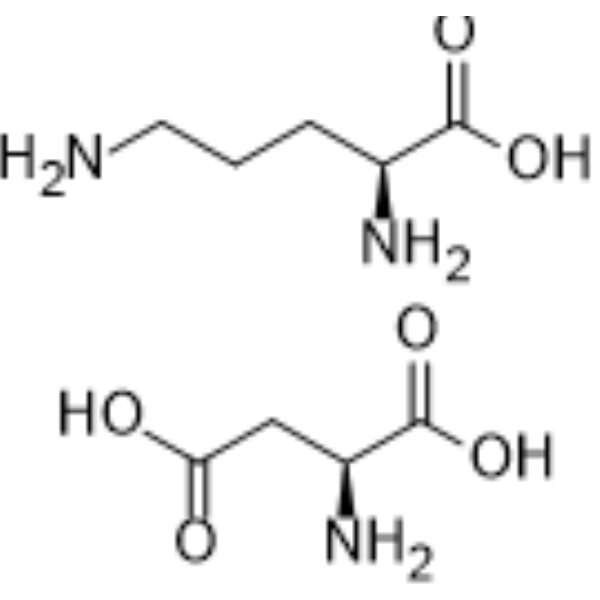
    L-Ornithine L-aspartate is a stable salt of two natural nonessential L-amino acids with oral activity: ornithine and aspartic acid. L-Ornithine L-aspartate lowers blood ammonia concentration and to eliminate symptoms of hepatic encephalopathy associated with liver cirrhosis. L-Ornithine L-aspartate also improves mitochondrial functions .
    L-Ornithine L-aspartate
  • HY-21088

    Cyclo-Ornithine

    Drug Intermediate Others
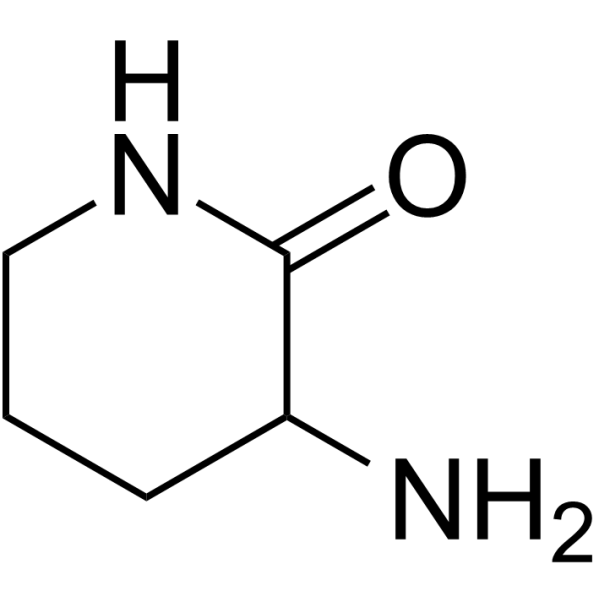
    3-Amino-2-piperidinone (Cyclo-ornithine) is a cyclic ornithine analogue and can be used as drug intermediate .
    3-Amino-2-piperidinone
  • HY-129476

    Parasite Endogenous Metabolite Infection Cancer
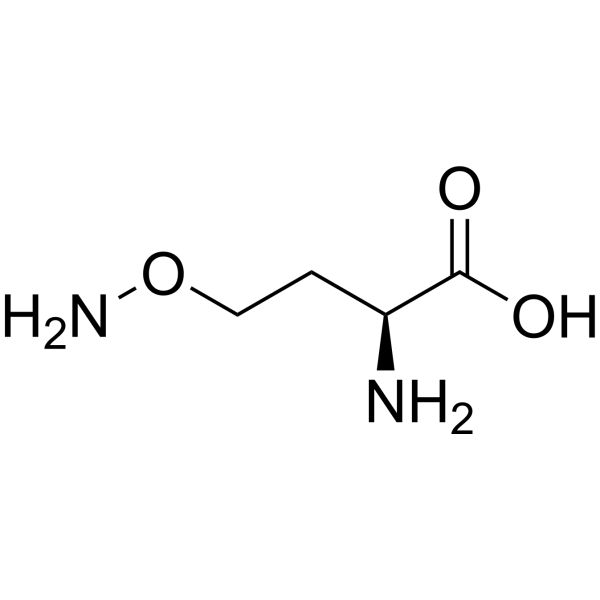
    L-Canaline is a nonprotein amino acid stored in many leguminous plants. L-Canaline is a cytotoxic metabolite catalyzed by L-canavanine and its arginase. L-Canaline is a potent and irreversible inhibitor of ornithine aminotransferase. L-Canaline inhibits the growth of the malaria parasite Plasmodium falciparum with an IC50 of 297 nM. L-Canaline has anticancer and antiproliferative effects .
    L-Canaline
  • HY-34516

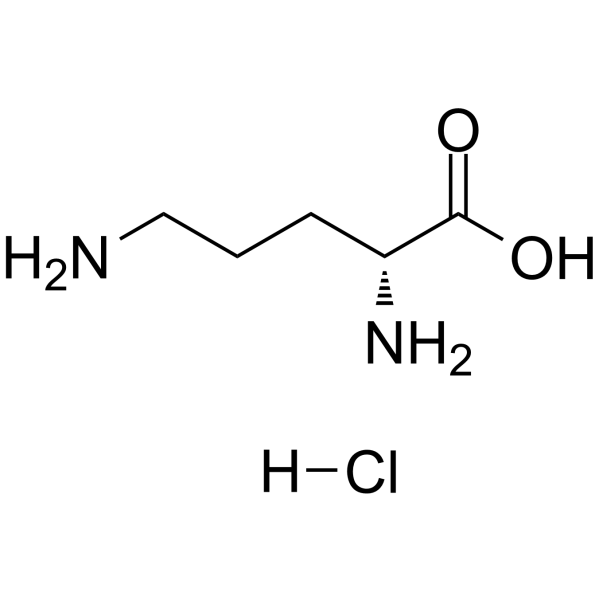
    (R)-Ornithine hydrochloride

    Endogenous Metabolite Bacterial Metabolic Disease
    D-Ornithine ((R)-Ornithine) hydrochloride is a constituent of bacterial cell wall. D-Ornithine hydrochloride promotes the production of L-arginine (HY-N0455). D-Ornithine hydrochloride enhances the expression of pyrrolysine-containing proteins .
    D-Ornithine hydrochloride
  • HY-W017018S2

    Isotope-Labeled Compounds Endogenous Metabolite Metabolic Disease
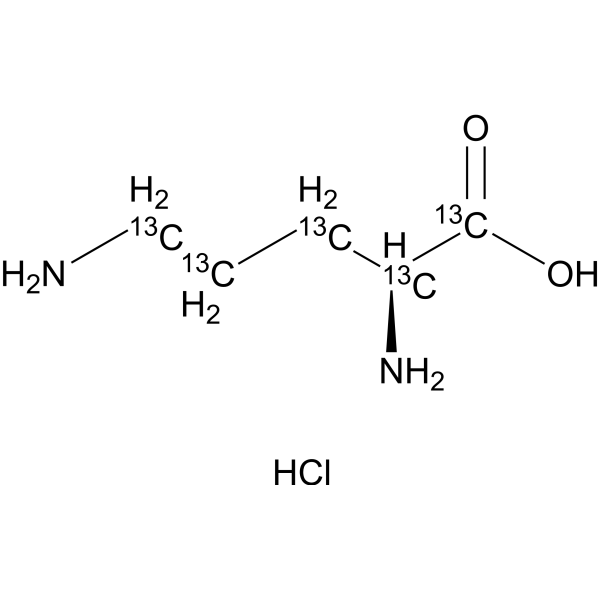
    L-Ornithine-1,2,3,4,5- 13C5 (hydrochloride) is the 13C-labeled L-Ornithine hydrochloride. L-Ornithine hydrochloride is a free amino acid that plays a central role in the urea cycle and is also important for the disposal of excess nitrogen.
    L-Ornithine-1,2,3,4,5-13C5 hydrochloride
  • HY-132822

    SBP-101

    Drug Derivative Cancer
    Ivospemin (SBP-101) is an antineoplastic spermine analog. Ivospemin has shown efficacy in slowing pancreatic and ovarian tumor progression in vitro and in vivo. Ivospemin shows modest induction of polyamine catabolism, but stronger repression of ornithine decarboxylase activity. Ivospemin is promising for research of cancers .
    Ivospemin
  • HY-100983

    PKC Cancer
    Protein kinase inhibitor H-7 dihydrochloride is a potent PKC (protein kinase C) inhibitor. At 100 μM, Protein kinase inhibitor H-7 dihydrochloride completely inhibits both TPA (skin tumour promoter, 12-O-tetradecanoylphorbol-13-acetate) and phospholipase C-induced ODC (ornithine decarboxylase) .
    Protein kinase inhibitor H-7 dihydrochloride
  • HY-N0391S4

    Endogenous Metabolite Others
    L-Citrulline-d4 is the deuterium labeled L-Citrulline. L-Citrulline is an amino acid derived from ornithine in the catabolism of proline or glutamine and glutamate, or from l-arginine via arginine-citrulline pathway.
    L-Citrulline-d4
  • HY-B0744D

    L-DFMO monohydrochloride; ; L-RMI71782 monohydrochloride; L-α-difluoromethylOrnithine monohydrochloride

    Parasite Cancer
    L-Eflornithine monohydrochloride (L-DFMO monohydrochloride) is an enantiomer of Eflornithine. L-Eflornithine is an irreversible ornithine decarboxylase (ODC) inhibitor with a KD of 1.3±0.3 µM, and a Kinact of 0.15±0.03 min -1 .
    L-Eflornithine monohydrochloride
  • HY-154021A

    5-FMOrn dihydrochloride

    OAT Metabolic Disease
    5-Fluoromethylornithine (5-FMOrn) dihydrochloride is a specific irreversible inhibitor of L-ornithine:2-oxoacid aminotransferase (OAT). 5-Fluoromethylornithine dihydrochloride can be used in the study of gyrate atrophy of choroid and retina .
    5-Fluoromethylornithine dihydrochloride
  • HY-B1713A

    DL-(±)-Ornithine hydrochloride

    Endogenous Metabolite Metabolic Disease
    DL-Ornithine (DL-(±)-Ornithine) hydrochloride is an amino acid and also a urea cycle promoter. DL-Ornithine hydrochloride has the characteristics of low metabolic rate and rapid excretion, and only the L-enantiomer undergoes decarboxylation. In mice inoculated with L-1210 leukemia cells, DL-Ornithine hydrochloride is excreted in urine in its original form, and its conversion to carbon dioxide within 24 h is negligible. DL-Ornithine hydrochloride is mainly used in the urea cycle to eliminate excess nitrogen in the body and protect the kidneys .
    DL-Ornithine hydrochloride
  • HY-131514

    Ornithine α-ketoglutarate; OKG

    Insulin Receptor GHR Inflammation/Immunology
    L-Ornithine 2-oxoglutarate (Ornithine alpha-ketoglutarate) is a nutritional compound that is a salt of amino acids with antioxidant and anti-inflammatory effects. L-Ornithine 2-oxoglutarate stimulates the production of insulin and growth hormone, and promotes intracellular amino acid transport and protein synthesis .
    L-Ornithine 2-oxoglutarate
  • HY-W017018S

    Endogenous Metabolite Metabolic Disease
    L-Ornithine-d6 (hydrochloride) is the deuterium labeled L-Ornithine hydrochloride. L-Ornithine hydrochloride is a free amino acid that plays a central role in the urea cycle and is also important for the disposal of excess nitrogen.
    L-Ornithine-d6 hydrochloride
  • HY-W017018S4

    Isotope-Labeled Compounds Endogenous Metabolite Metabolic Disease
    L-Ornithine-d7 (hydrochloride) is the deuterium labeled L-Ornithine hydrochloride. L-Ornithine hydrochloride is a free amino acid that plays a central role in the urea cycle and is also important for the disposal of excess nitrogen.
    L-Ornithine-d7 hydrochloride
  • HY-126436C

    L-Ornithine homopolymer hydrobromide (MW 5000-15000)

    Biochemical Assay Reagents Others
    Poly-L-ornithine (hydrobromide) (MW 5000-15000) (L-Ornithine homopolymer (hydrobromide) (MW 5000-15000)) is a biochemical reagent that can be used as a biological material or organic compound for life science related research .
    Poly-L-ornithine hydrobromide (MW 5000-15000)
  • HY-W017018B

    Biochemical Assay Reagents Others
    L-Ornithine monohydrochloride, suitable for cell culture is a non-proteinogenic amino acid that is mainly used in the urea cycle to remove excess nitrogen from the body and can be used for cell culture .
    L-Ornithine monohydrochloride,suitable for cell culture
  • HY-N0391S3

    Endogenous Metabolite Others
    L-Citrulline- 13C is the 13C-labeled L-Citrulline. L-Citrulline is an amino acid derived from ornithine in the catabolism of proline or glutamine and glutamate, or from l-arginine via arginine-citrulline pathway.
    L-Citrulline-13C
  • HY-N0391R

    Reference Standards Endogenous Metabolite Others
    L-Citrulline (Standard) is the analytical standard of L-Citrulline. This product is intended for research and analytical applications. L-Citrulline is an amino acid derived from ornithine in the catabolism of proline or glutamine and glutamate, or from l-arginine via arginine-citrulline pathway.
    L-Citrulline (Standard)
  • HY-P2758

    DAO

    Biochemical Assay Reagents Metabolic Disease Inflammation/Immunology Cancer
    Diamine oxidase (DAO) is an orally active enzyme. Diamine oxidase catalyzes oxidative deamination of various polyamines. Diamine oxidase degrades histamine and polyamines to maintain the metabolic balance of amines in the body. Diamine oxidase is a key regulatory enzyme in rapidly proliferating tissues such as bone marrow and intestinal mucosa. Diamine oxidase can be used in research related to intestinal diseases, small bowel transplant rejection, histamine intolerance, and other conditions .
    Diamine oxidase
  • HY-126436D

    L-Ornithine homopolymer hydrochloride (MW 15000-30000)

    Biochemical Assay Reagents Metabolic Disease Endocrinology
    Poly-L-ornithine hydrochloride (MW 15000-30000) is a polycationic homopolymer composed of L-ornithine. Poly-L-ornithine hydrochloride (MW 15000-30000) adsorbs negatively charged species through electrostatic interactions. Poly-L-ornithine hydrochloride (MW 15000-30000) can be used as a key component of polyelectrolyte complexes to construct core-shell structure carriers to achieve controlled delivery of growth factors (such as rhBMP-2, FGF-1). Poly-L-ornithine hydrochloride (MW 15000-30000) is used in the study of diabetes and bone regeneration related diseases .
    Poly-L-ornithine hydrochloride (MW 15000-30000)
  • HY-W017018S5

    Endogenous Metabolite Metabolic Disease
    L-Ornithine- 15N2 (hydrochloride) is the 15N-labeled L-Ornithine hydrochloride. L-Ornithine hydrochloride is a free amino acid that plays a central role in the urea cycle and is also important for the disposal of excess nitrogen.
    L-Ornithine-15N2 hydrochloride
  • HY-P3190

    L-Arginine amidinase

    Endogenous Metabolite Metabolic Disease
    Arginase, Microorganism immobilized (L-Arginine amidinase) is an enzyme of the urea cycle. Arginase catalyzes the hydrolysis of L-arginine to L-ornithine and urea .
    Arginase, Microorganism (immobilized)
  • HY-W023493

    2-Aminopent-4-enoic acid

    Amino Acid Decarboxylase Neurological Disease
    DL-Allylglycine (2-Aminopent-4-enoic acid) is a glutamate decarboxylase (GAD) inhibitor. DL-Allylglycine significantly increases mouse brain ornithine decarboxylase (ODC) activity and decreases S-adenosyl-L-methionine decarboxylase (SAM-DC) activity. DL-Allylglycine causes a marked decrease in brain GABA concentration. DL-Allylglycine has convulsant activity that can be used in studies to induce epileptic seizures .
    DL-Allylglycine
  • HY-N15001

    GABA Receptor Neurological Disease
    Gabaculine is an amino acid neurotoxin and blood-brain barrier-permeable GABA transaminase inhibitor, with an IC50 of 1 μM in beef and Pseudomonas ovalis. Gabaculine elevates endogenous synaptic and brain GABA levels and enhances GABA activity. Gabaculine induces sedation, hypothermia, loss of righting reflex, and prevents convulsions in mice. Gabaculine is applicable to research related to neurological disorders .
    Gabaculine
  • HY-W017018R

    Reference Standards Endogenous Metabolite Metabolic Disease
    L-Ornithine (hydrochloride) (Standard) is the analytical standard of L-Ornithine (hydrochloride). This product is intended for research and analytical applications. L-Ornithine hydrochloride is a non-proteinogenic amino acid, is mainly used in urea cycle removing excess nitrogen in vivo. L-Ornithine hydrochloride shows nephroprotective .
    L-Ornithine hydrochloride (Standard)
  • HY-113080R

    Reference Standards Endogenous Metabolite Biochemical Assay Reagents Metabolic Disease
    N-Acetylornithine (Standard) is an analytical standard for N-Acetylornithine. This product is intended for research and analytical applications. N-Acetylornithine is a precursor of ornithine. N-Acetylornithine is associated with type 2 diabetes .
    N-Acetylornithine (Standard)
  • HY-B0744BR

    DFMO hydrochloride hydrate (Standard); MDL-71782 hydrochloride hydrate (Standard); RMI-71782 hydrochloride hydrate (Standard); α-difluoromethylOrnithine hydrochloride hydrate (Standard)

    Reference Standards Parasite Cancer
    Eflornithine (hydrochloride hydrate) (Standard) is the analytical standard of Eflornithine (hydrochloride hydrate). This product is intended for research and analytical applications. Eflornithine hydrochloride hydrate (DFMO hydrochloride hydrate) is a specific, irreversible inhibitor of the enzyme ornithine decarboxylase. Eflornithine hydrochloride hydrate is a medication for the treatment of African trypanosomiasis and excessive facial hair growth in women .
    Eflornithine hydrochloride hydrate (Standard)
  • HY-151748

    ADC Linker Others
    N3-L-Orn(Fmoc)-OH is a Fmoc-protected ornithine derivative, can be used as a click chemistry reagent. It contains an azide group and can undergo copper-catalyzed azide-alkyne cycloaddition (CuAAc) with molecules containing alkyne groups. It can also undergo ring strain-promoted alkyne-azide cycloaddition (SPAAC) with molecules containing DBCO or BCN groups.
    N3-L-Orn(Fmoc)-OH
  • HY-B2007

    Environmental Pollutants Acetyl-CoA Carboxylase Herbicide Metabolic Disease Inflammation/Immunology
    Fluazifop-P-butyl is an orally active herbicide and ACCase inhibitor. Fluazifop-P-butyl blocks the formation of malonyl-CoA, disrupts lipid synthesis in sensitive plants, and exhibits concentration-dependent phytotoxicity to non-target maize seedlings. Fluazifop-P-butyl induces oxidative stress in male Wistar rats, impairs their liver and kidney functions, and disrupts testicular function .
    Fluazifop-P-butyl
  • HY-W017018S3

    Endogenous Metabolite Metabolic Disease
    L-Ornithine-d2 (hydrochloride) is the deuterium labeled L-Ornithine hydrochloride. L-Ornithine hydrochloride is a free amino acid that plays a central role in the urea cycle and is also important for the disposal of excess nitrogen.
    L-Ornithine-d2 hydrochloride
  • HY-126436B

    L-Ornithine homopolymer hydrobromide (MW>100000)

    Biochemical Assay Reagents Others
    Poly-L-ornithine (hydrobromide) (MW>100000) (L-Ornithine homopolymer (hydrobromide) (MW>100000)) is a biochemical reagent that can be used as a biological material or organic compound for life science related research .
    Poly-L-ornithine hydrobromide (MW>100000)
  • HY-160843

    Apoptosis Cancer
    N-ω-chloroacetyl-L-ornithine (NCAO) is a potent reversible competitive ornithine decarboxylase (ODC) inhibitor that exerts cytotoxic and antiproliferative effects on tumor cell lines with EC50 values ranging from 1 to 50.6 µM. NCAO induces tumor cell Apoptosis and inhibits tumor cell migration in vitro. NCAO also exhibits a potent antitumor activity against both solid and ascitic tumors in a mouse model using the myeloma (Ag8) cell line. NCAO is promising for research of antitumor agents .
    NCAO
  • HY-B0744C

    L-DFMO; L-RMI71782; L-α-difluoromethylOrnithine

    Parasite Cancer
    L-Eflornithine (L-DFMO) is an enantiomer of Eflornithine. L-Eflornithine is an irreversible ornithine decarboxylase (ODC) inhibitor with a KD of 1.3±0.3 µM, and a Kinact of 0.15±0.03 min -1 .
    L-Eflornithine
  • HY-W364575

    Drug Derivative Cancer
    Methyl-4-oxoretinoate is a derivative of Retinoic acid (HY-14649). Methyl-4-oxoretinoate inhibits TPA (HY-18739)-induced ornithine decarboxylase (ODC) activity, and carcinogen-induced papillomas in mouse skin .
    Methyl-4-oxoretinoate
  • HY-W011092

    Nα-Boc-Nδ-Cbz-L-Ornithine

    Biochemical Assay Reagents Others
    Boc-Orn(Z)-OH (Nα-Boc-Nδ-Cbz-L-ornithine) is a biochemical reagent that can be used as a biological material or organic compound for life science related research .
    Boc-Orn(Z)-OH
  • HY-132822A

    SBP-101 hydrochloride

    Drug Derivative Cancer
    Ivospemin (SBP-101) hydrochloride is an antineoplastic spermine analog. Ivospemin hydrochloride has shown efficacy in slowing pancreatic and ovarian tumor progression in vitro and in vivo. Ivospemin hydrochloride shows modest induction of polyamine catabolism, but stronger repression of ornithine decarboxylase activity. Ivospemin hydrochloride is promising for research of cancers .
    Ivospemin hydrochloride
  • HY-113289R

    Akt Androgen Receptor Bacterial Drug Metabolite HSV Reference Standards Infection Cardiovascular Disease Neurological Disease Cancer
    L-Ornithine (hydrochloride) (Standard) is the analytical standard of L-Ornithine (hydrochloride). This product is intended for research and analytical applications. L-Ornithine hydrochloride is a non-proteinogenic amino acid, is mainly used in urea cycle removing excess nitrogen in vivo. L-Ornithine hydrochloride shows nephroprotective .
    Brassicasterol (Standard)

Inquiry Online

Your information is safe with us. * Required Fields.

Salutation


Country or Region *

Applicant Name *


Organization Name *

Department *


Email Address *


Product Name *

Cat. No.


Requested quantity *

Phone Number *


Remarks

Inquiry Online

Inquiry Information

Product Name:
Cat. No.:
Quantity:
MCE Japan Authorized Agent:

