

Search Result
Results for "
Peptidic
" in MedChemExpress (MCE) Product Catalog:
| Cat. No. |
Product Name |
Target |
Research Areas |
Chemical Structure |
-
- HY-106178
-
|
3D53
|
Complement System
|
Cardiovascular Disease
Inflammation/Immunology
Cancer
|
|
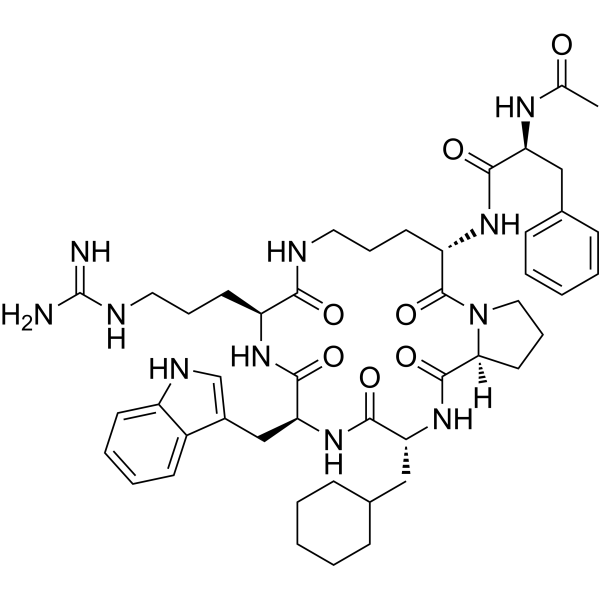
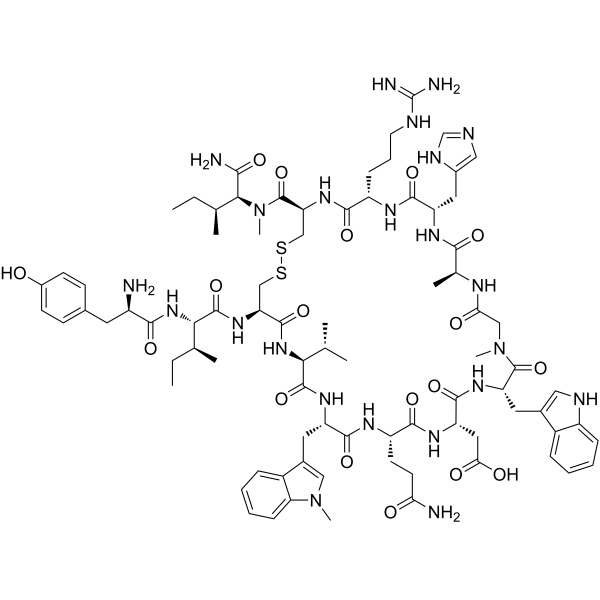
PMX-53 (3D53) is a synthetic peptidic and a potent and orally active complement C5a receptor (CD88) antagonist with an IC50 of 20 nM. PMX-53 is also a low-affinity MrgX2 agonist that stimulates MrgX2-mediated mast cell degranulation. PMX-53 specifically binds to C5aR1 and does not bind to the second C5aR (C5L2) and C3aR. PMX-53 has anti-inflammatory, anticancer and antiatherosclerotic effects .
|
-
-
- HY-143216
-
|
S-217622
|
SARS-CoV
Virus Protease
|
Infection
|
|
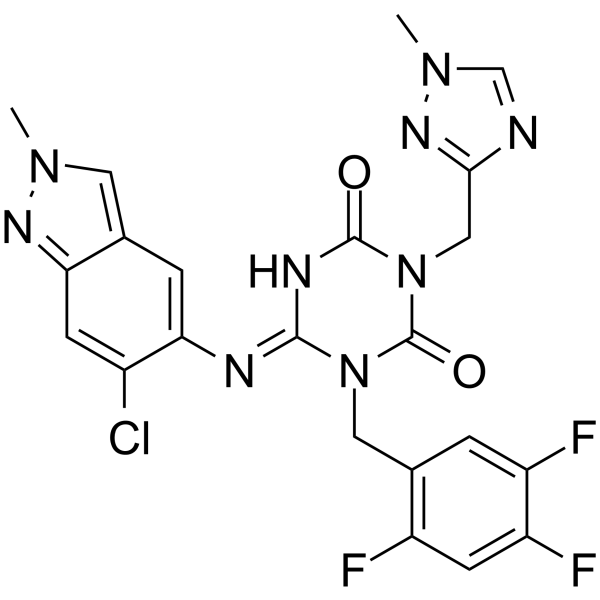
Ensitrelvir (S-217622) is the first orally active non-covalent, non-peptidic, SARS-CoV-2 3CL protease inhibitor (IC50=13 nM) .
|
-
-
- HY-P1717
-
|
Cp40
|
Complement System
SARS-CoV
|
Inflammation/Immunology
|
|
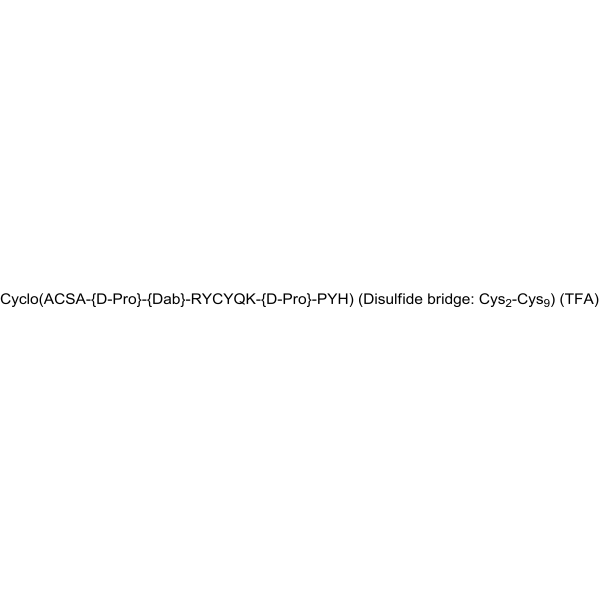
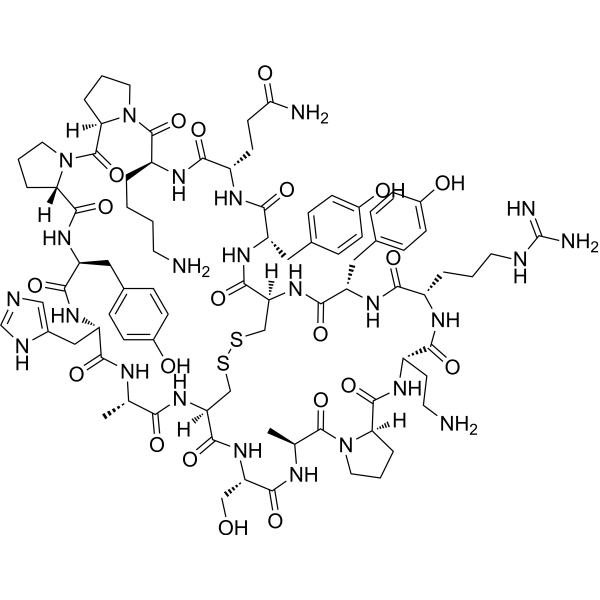
AMY-101 (Cp40), a peptidic inhibitor of the central complement component C3 (KD = 0.5 nM), inhibits naturally occurring periodontitis in non-human primates (NHPs). AMY-101 (Cp40) exhibits a favorable anti-inflammatory activity in models with COVID-19 severe pneumonia with systemic hyper inflammation .
|
-
-
- HY-P0118B
-
|
P144 diammonium
|
TGF-beta/Smad
PI3K
Apoptosis
|
Cancer
|
|
Disitertide (P144) diammonium is a peptidic transforming growth factor-beta 1 (TGF-β1) inhibitor specifically designed to block the interaction with its receptor. Disitertide diammonium is also a PI3K inhibitor and an apoptosis inducer .
|
-
-
- HY-137322
-
-
-
- HY-103351
-
|
|
Cathepsin
|
Inflammation/Immunology
|
|
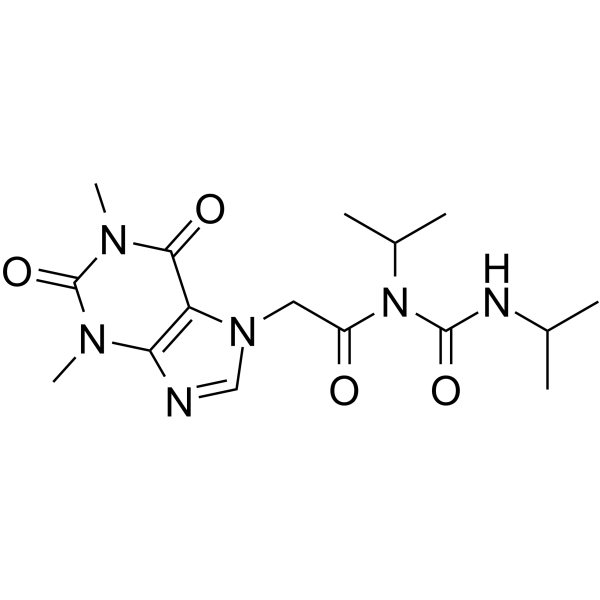
Cathepsin G Inhibitor I (Compound 7) is a potent, selective, reversible, competitive, non-peptidic Cathepsin G inhibitor (IC50 = 53 nM; Ki = 63 nM). Cathepsin G Inhibitor I can be used in research related to immune disorders .
|
-
-
- HY-119850
-
|
ARM036; S44121
|
Calcium Channel
|
Cardiovascular Disease
|
|
Aladorian (ARM036; S44121) is a non-peptidic ryanodine receptor 2 (RyR2) stabilizer. Aladorian stabilizes RyR2 channels and rectifies abnormal Ca²⁺ handling in cardiomyocytes. Aladorian improves cardiomyocyte Ca²⁺ homeostasis independent of dystrophin restoration. Aladorian attenuates early cardiomyopathy and enhances left ventricular function in a canine muscular dystrophy model. Aladorian can be used for the research of heart failure, Duchenne muscular dystrophy-associated cardiomyopathy and muscular dystrophy .
|
-
-
- HY-108624
-
-
-
- HY-P0118
-
Disitertide
Maximum Cited Publications
18 Publications Verification
P144
|
TGF-beta/Smad
PI3K
Apoptosis
|
Cancer
|
Disitertide (P144) is a peptidic transforming growth factor-beta 1 (TGF-β1) inhibitor specifically designed to block the interaction with its receptor. Disitertide (P144) is also a PI3K inhibitor and an apoptosis inducer .
|
-
-
- HY-P1717B
-
|
Cp40 acetate
|
Complement System
SARS-CoV
|
Inflammation/Immunology
|
|
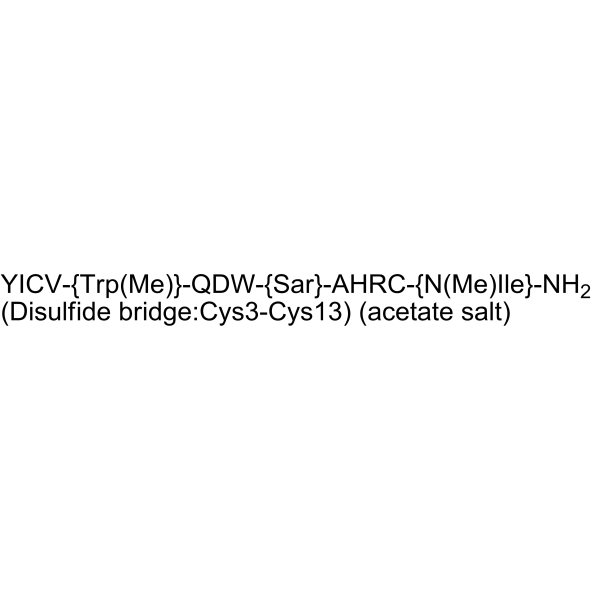
AMY-101 acetate (Cp40 acetate), a peptidic inhibitor of the central complement component C3 (KD = 0.5 nM), inhibits naturally occurring periodontitis in non-human primates (NHPs). AMY-101 acetate (Cp40 acetate) exhibits a favorable anti-inflammatory activity in models with COVID-19 severe pneumonia with systemic hyper inflammation .
|
-
-
- HY-P1717A
-
|
Cp40 TFA
|
Complement System
SARS-CoV
|
Inflammation/Immunology
|
|
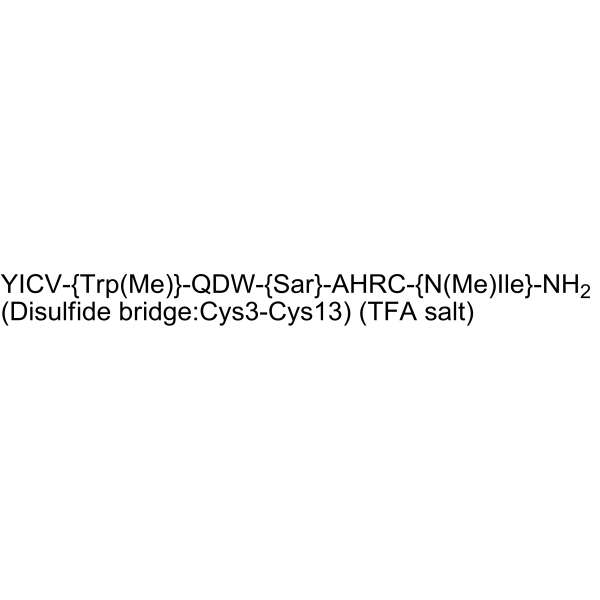
AMY-101 TFA (Cp40 TFA), a peptidic inhibitor of the central complement component C3 (KD = 0.5 nM), inhibits naturally occurring periodontitis in non-human primates (NHPs). AMY-101 (Cp40) exhibits a favorable anti-inflammatory activity in models with COVID-19 severe pneumonia with systemic hyper inflammation .
|
-
-
- HY-10472
-
|
|
Beta-secretase
|
Neurological Disease
|
|
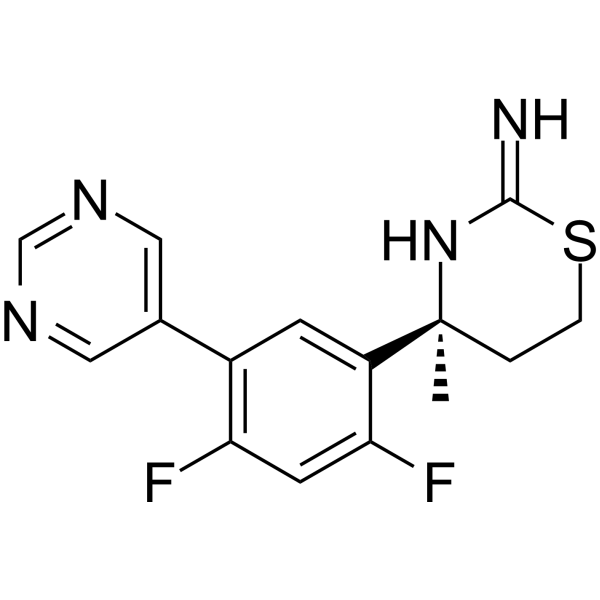
LY2811376 is the first orally available non-peptidic β-secretase (BACE1) inhibitor with IC50 of 239 nM-249 nM, that acts to decrease Aβ secretion with EC50 of 300 nM, and demonstrates to have 10-fold selectivity towards BACE1 over BACE2, and more than 50-fold inhibition over other aspartic proteases including cathepsin D, pepsin, or renin.
|
-
-
- HY-A0279A
-
|
Mikamycin B; Mikamycin IA
|
Bacterial
Antibiotic
|
Infection
|
|
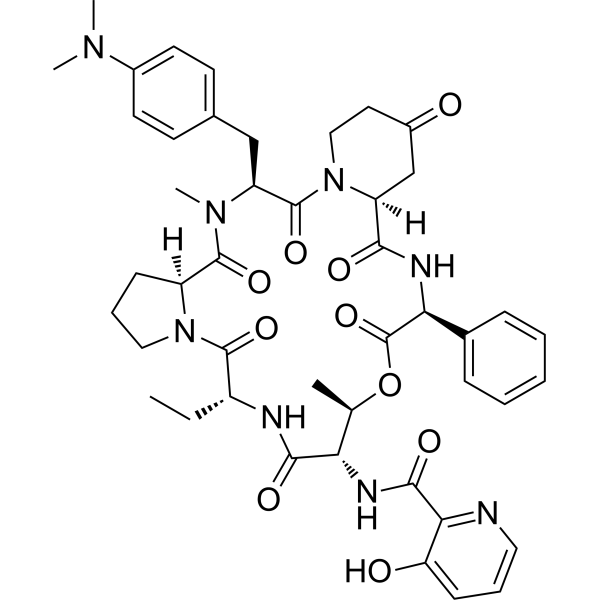
Pristinamycin IA (Mikamycin B) is a cycle-peptidic macrolactone antibiotic. Pristinamycin IA is a substrate of P-glycoprotein and inhibits its function. Pristinamycin IA is active against StaphyloEoccus and Srreptococcus .
|
-
-
- HY-143216A
-
|
S-217622 fumarate
|
SARS-CoV
Virus Protease
|
Infection
|
|
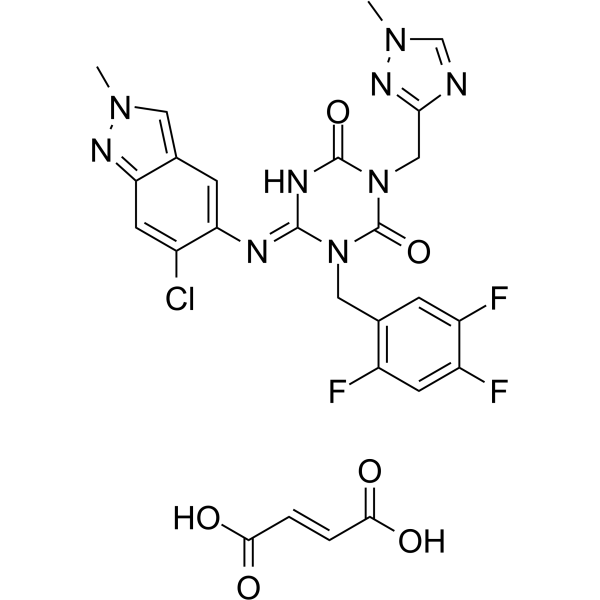
Ensitrelvir (S-217622) fumarate is the first orally active non-covalent, non-peptidic, SARS-CoV-2 3CL protease inhibitor (IC50=13 nM) .
|
-
-
- HY-P1682A
-
|
POL6326 TFA
|
CXCR
Arrestin
|
Cancer
|
|
Balixafortide TFA (POL6326 TFA) is a potent, selective, well-tolerated peptidic CXCR4 antagonist with an IC50 < 10 nM. Balixafortide TFA shows 1000-fold selective for CXCR4 than a large panel of receptors including CXCR7. Balixafortide TFA blocks β-arrestin recruitment and calcium flux with IC50s < 10 nM. Balixafortide TFA is also a potent hematopoietic stem and progenitor cell (HSPC) mobilizing agent. Anti-cancer effects .
|
-
-
- HY-122542
-
|
|
PAI-1
Thrombin
|
Inflammation/Immunology
|
|
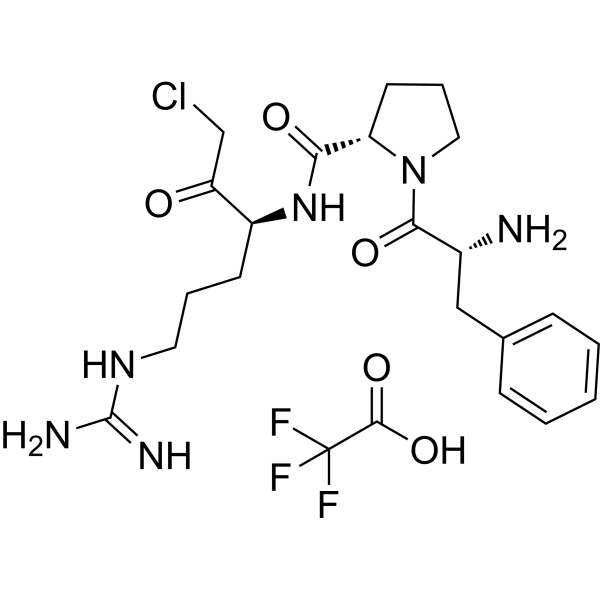
PPACK is a potent, peptidic inhibitor targeting thrombin and granzyme GZMK. PPACK specifically blocks the activities of thrombin and GZMK, thereby inhibiting thrombin-mediated PAR-1 cleavage, as well as downstream inflammatory and procoagulant signaling pathways. Through stabilizing IκB proteins, blocking NF-κB activation and reducing systemic levels of proinflammatory/procoagulant biomarkers, PPACK exerts multiple effects including anti-inflammatory, antithrombotic, barrier repair, and inhibition of atherosclerotic plaque progression. PPACK binds to platelets without interference from kininogen, effectively limiting acute thrombus growth and reducing eosinophil infiltration and goblet cell hyperplasia in asthma models. PPACK is an important tool molecule for investigating the mechanisms of atherosclerosis, asthma and related thromboinflammatory diseases .
|
-
-
- HY-P1682
-
|
POL6326
|
CXCR
Arrestin
|
Cancer
|
|
Balixafortide (POL6326) is a potent, selective, well-tolerated peptidic CXCR4 antagonist with an IC50 < 10 nM. Balixafortide shows 1000-fold selective for CXCR4 than a large panel of receptors including CXCR7. Balixafortide blocks β-arrestin recruitment and calcium flux with IC50s < 10 nM. Balixafortide is also a potent hematopoietic stem and progenitor cell (HSPC) mobilizing agent. Anti-cancer effects .
|
-
-
- HY-P1107A
-
|
aSvg-30 TFA
|
CRFR
|
Neurological Disease
|
|
Antisauvagine-30 TFA (aSvg-30 TFA) is a potent, highly selective and competitive CRF2 receptor peptidic antagonist. Antisauvagine-30 TFA exhibits a Kd of 1.4 nM and 150 nM for mCRFR2β and CRFR1, respectively .
|
-
-
- HY-12168
-
|
BAY 12-9566
|
MMP
|
Cancer
|
|
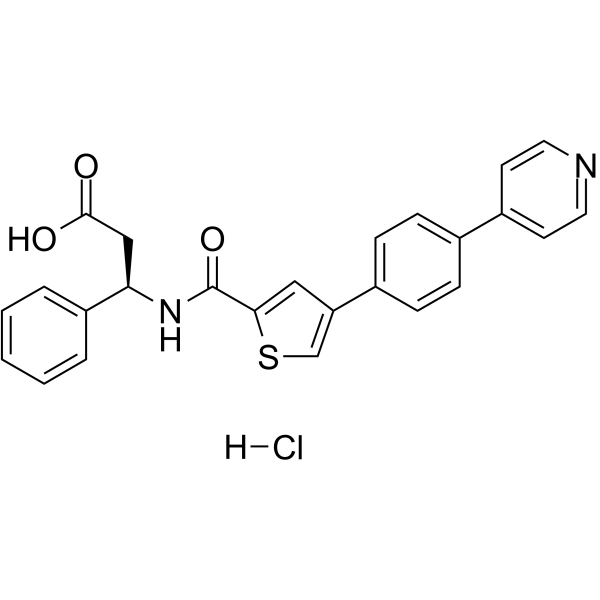
Tanomastat (BAY 12-9566) is an orally bioavailable, non-peptidic biphenyl matrix metalloproteinases (MMPs) inhibitor with a Zn-binding carboxyl group. The Ki values are 11, 143, 301, and 1470 nM for MMP-2, MMP-3, MMP-9, MMP-13 respectively. Tanomastat shows anti-invasive and antimetastatic activity in several experimental tumor models .
|
-
-
- HY-108579
-
|
|
Potassium Channel
|
Cardiovascular Disease
|
|
UCL 1684 (dibromide) is a first nanomolar, non-peptidic small conductance calcium-activated potassium (SK) channel blocker. UCL 1684 (dibromide) is effective in preventing the development of atrial fibrillation due to potent atrial-selective inhibition of INa. UCL 1684 (dibromide) causes atrial-selective prolongation of ERP secondary to induction of postrepolarization refractoriness .
|
-
-
- HY-114091
-
|
|
MMP
|
Inflammation/Immunology
|
|
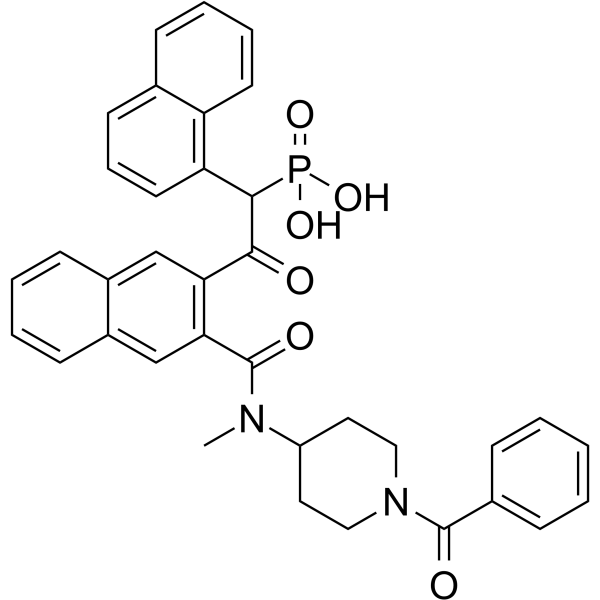
PF-00356231 hydrochloride is a specific, non-peptidic, non-zinc chelating ligand and inhibitor of matrix metalloproteinase MMP-12 (IC50=1.4 μM). PF-00356231 hydrochloride binds to MMP-12 and forms PF-00356231/MMP-12 complex. PF-00356231 hydrochloride shows potency against MMP-13, MMP-8, MMP-9, MMP-3 with IC50s of 0.00065, 1.7, 0.98, 0.39 μM, respectively .
|
-
-
- HY-18006
-
NKP608
1 Publications Verification
|
Neurokinin Receptor
Wnt
Bcl-2 Family
β-catenin
Cyclin G-associated Kinase (GAK)
VEGFR
Caspase
Cadherin
Apoptosis
|
Neurological Disease
Metabolic Disease
Inflammation/Immunology
Cancer
|
|
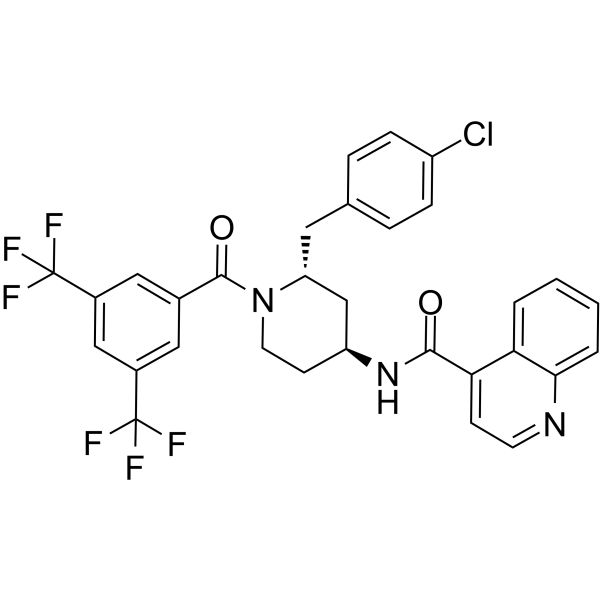
NKP608 is a non-peptidic derivative of 4-aminopiperidine, a highly selective, orally active, neurokinin-1 (NK1) receptor antagonist with IC50 of 2.6 nM. NKP608 is active both in vitro and in vivo, showing extremely low affinity for NK2, NK3 receptors. NKP608 exerts its effects by blocking the NK₁ receptor, regulate cell proliferation and apoptosis, affect neurotransmitter functions and gastric mucosal repair mechanisms, and suppress the Wnt/β-catenin pathway in antitumor research. NKP608 is applicable to research related to various diseases, including cough, anxiety disorders, depression, gastric mucosal injury, and colorectal cancer .
|
-
-
- HY-101580
-
|
SR 57667
|
Drug Derivative
|
Neurological Disease
|
|
Paliroden is an orally bioactive neurotrophic, non-peptidic compound that activates synthesis of endogenous neurotrophines, used for treatment of Alzheimer's Disease and Parkinson's.
|
-
-
- HY-160239
-
|
|
Aminopeptidase
|
Neurological Disease
|
|
HFI-437 is a potent non-peptidic insulin-regulated aminopeptidase (IRAP) inhibitor with a Ki of 20 nM. HFI-437 is a cognitive enhancer .
|
-
-
- HY-P10759
-
|
|
Peptide-Drug Conjugates (PDCs)
Aminopeptidase
|
Cancer
|
|
DTS-201 sodium (CPI-0004Na) is a peptidic prodrug of Doxorubicin (HY-15142A). DTS-201, comprising the tetrapeptide portion, is cleaved by endopeptidases in the tumor environment to produce metabolites that subsequently enter the cell and are converted to active Doxorubicin. DTS-201 shows antitumoral efficacy in tumor xenograft models of prostate, breast, and lung cancer .
|
-
-
- HY-P0077
-
|
|
Oxytocin Receptor
|
Endocrinology
|
|
Merotocin is a selective, short-acting peptidic oxytocin receptor agonist. Merotocin can be used to support lactation .
|
-
-
- HY-P0118A
-
|
P144 TFA
|
TGF-beta/Smad
PI3K
Apoptosis
|
Cancer
|
Disitertide (P144) TFA is a peptidic transforming growth factor-beta 1 (TGF-β1) inhibitor specifically designed to block the interaction with its receptor. Disitertide TFA is also a PI3K inhibitor and an apoptosis inducer .
|
-
-
- HY-18694
-
|
|
MMP
|
Inflammation/Immunology
|
|
CGS 27023A is a non-peptidic and orally active MMP inhibitor with the Ki values of 43, 33, 20 and 8 nM for MMP-3, MMP-1, MMP-2 amd MMP-9, respectively. CGS 27023A prevents cartilage degradation in stromelysin-induced rabbit cartilage degradation model. CGS 27023A can be used for study of arthritis .
|
-
-
- HY-33009
-
|
|
Amino Acid Oxidase
|
Neurological Disease
|
|
AS057278 is a potent, selective, orally active and blood-brain barrier (BBB) penetrant non-peptidic D-amino acid oxidase (DAAO) inhibitor with an IC50 value of 0.91 μM and EC50 of 2.2-3.95 μM. AS057278 can normalize phencyclidine (PCP)-induced prepulse inhibition in mice. AS057278 can be used for researching schizophrenia .
|
-
-
- HY-133036
-
|
|
Apelin Receptor (APJ)
|
Cardiovascular Disease
|
|
APJ receptor agonist 1, a biphenyl acid derivative, is a potent APJ receptor (APJ-R) agonist (EC50s 0.093 and 0.12 nM for human and rat APJ-R, respectively). APJ receptor agonist 1 displays in vitro potency to apelin-13, the endogenous peptidic ligand for the APJ receptor. APJ receptor agonist 1 has the potential for the research of heart failure .
|
-
-
- HY-101317A
-
|
SB-205607
|
Opioid Receptor
|
Metabolic Disease
|
|
TAN-67 (SB-205607) is a non-peptidic delta-opioid receptor agonist that exhibits significant antinociceptive activity in both diabetic and non-diabetic mice. TAN-67 demonstrates a marked and dose-dependent reduction in acetic acid-induced abdominal constrictions, with a notably stronger effect in diabetic mice compared to their non-diabetic counterparts. TAN-67's antinociceptive properties are primarily mediated through the activation of delta 1-opioid receptors, as indicated by the pronounced antagonism observed upon administration of a selective delta 1-opioid receptor antagonist.
|
-
-
- HY-W338079
-
|
|
Caspase
|
Others
|
|
Ac-Asp-Glu-Val-Asp-pNA is a peptidic substrate of caspase-3/7 .
|
-
-
- HY-U00188
-
-
-
- HY-151197
-
|
|
HIV Protease
|
Infection
|
|
HIV protease-IN-1 (compound 1·succinate) is a potent HIV protease non-peptidic inhibitor, can be used to research AIDS .
|
-
-
- HY-123270
-
-
-
- HY-100866B
-
|
|
Bcl-2 Family
|
Cancer
|
|
F1324 acetate is a potent, high affinity peptidic inhibitor of B cell lymphoma 6 (BCL6), with an IC50 of 1 nM. F1324 acetate exhibits binding t1/2 value of 441 s and has strong inhibition activity against BCL6 PPI .
|
-
-
- HY-100866
-
|
|
Bcl-2 Family
|
Cancer
|
|
F1324 is a potent, high affinity peptidic inhibitor of B cell lymphoma 6 (BCL6) with an IC50 of 1 nM. F1324 exhibits binding t1/2 value of 441 s and has strong inhibition activity against BCL6 PPI .
|
-
-
- HY-P1810
-
|
|
Vasopressin Receptor
|
Neurological Disease
|
|
c(Bua-Cpa-Thi-Val-Asn-Cys)-Pro-Agm is a is a potent, selective and short-acting peptidic V2 receptor (V2R) agonist with EC50s of 0.25 and 0.05 nM for hV2R and rV2R, respectively .
|
-
-
- HY-A0279AR
-
|
Mikamycin B (Standard); Mikamycin IA (Standard)
|
Reference Standards
Bacterial
Antibiotic
|
Infection
|
|
Pristinamycin IA (Standard) is the analytical standard of Pristinamycin IA. This product is intended for research and analytical applications. Pristinamycin IA (Mikamycin B) is a cycle-peptidic macrolactone antibiotic. Pristinamycin IA is a substrate of P-glycoprotein and inhibits its function. Pristinamycin IA is active against StaphyloEoccus and Srreptococcus[1].
|
-
-
- HY-100866A
-
|
|
Bcl-2 Family
|
Cancer
|
|
F1324 TFA is a potent, high affinity peptidic inhibitor of B cell lymphoma 6 (BCL6), with an IC50 of 1 nM. F1324 TFA exhibits binding t1/2 value of 441 s and has strong inhibition activity against BCL6 PPI .
|
-
-
- HY-P1809A
-
|
c(Bua-Cpa-Thi-Val-Asn-Cys)-Pro-d-Arg-NEt2 acetate
|
Vasopressin Receptor
|
Metabolic Disease
|
|
Velmupressin (c(Bua-Cpa-Thi-Val-Asn-Cys)-Pro-d-Arg-NEt2) acetate is a potent, selective and short-acting peptidic V2 receptor (V2R) agonist with EC50s of 0.07 and 0.02 nM for hV2R and rV2R, respectively .
|
-
-
- HY-P1809
-
|
c(Bua-Cpa-Thi-Val-Asn-Cys)-Pro-d-Arg-NEt2
|
Vasopressin Receptor
|
Metabolic Disease
|
|
Velmupressin (c(Bua-Cpa-Thi-Val-Asn-Cys)-Pro-d-Arg-NEt2) is a potent, selective and short-acting peptidic V2 receptor (V2R) agonist with EC50s of 0.07 and 0.02 nM for hV2R and rV2R, respectively .
|
-
-
- HY-106154
-
|
|
Peptide-Drug Conjugates (PDCs)
Aminopeptidase
|
Cancer
|
|
DTS-201 (CPI-0004) is a peptidic prodrug of Doxorubicin (HY-15142A). DTS-201, comprising the tetrapeptide portion, is cleaved by endopeptidases in the tumor environment to produce metabolites that subsequently enter the cell and are converted to active Doxorubicin. DTS-201 shows antitumoral efficacy in tumor xenograft models of prostate, breast, and lung cancer .
|
-
-
- HY-18694A
-
|
|
MMP
|
Inflammation/Immunology
|
|
CGS 27023A free base is a non-peptidic and orally active MMP inhibitor with the Ki values of 43, 33, 20 and 8 nM for MMP-3, MMP-1, MMP-2 amd MMP-9, respectively. CGS 27023A free base prevents cartilage degradation in stromelysin-induced rabbit cartilage degradation model. CGS 27023A free base can be used for study of arthritis .
|
-
-
- HY-106982
-
|
CJ-11,974
|
Neurokinin Receptor
|
Neurological Disease
Metabolic Disease
|
|
Ezlopitant (CJ-11,974) is a selective, non-peptidic neurokinin-1 (NK-1)-receptor antagonist. Ezlopitant inhibits both acute and delayed emetic reactions induced by Cisplatin (HY-17394) in ferrets via acting on NK1 receptors in the central nervous system. Ezlopitant has the potential for pain, chemotherapy-induced emesis and irritable bowel syndrome research .
|
-
-
- HY-130176
-
|
|
Opioid Receptor
ERK
Adenylate Cyclase
|
Neurological Disease
|
|
UFP-512 is a selective and potent σ-opioid receptor (DOP receptor) peptidic agonist with antidepressant- and anxiolytic-like effects. UFP-512 exhibits as a potent agonist on adenylyl cyclase inhibition and Erk1/2 activation. UFP-512 induces phosphorylation of DOP receptors on Ser 363 with a low desensitization of the cAMP pathway. UFP-512 is promising for research of mood disorders .
|
-
-
- HY-12168B
-
|
(Rac)-BAY 12-9566
|
MMP
|
Cancer
|
|
(Rac)-Tanomastat ((Rac)-BAY 12-9566) is the racemate of Tanomastat. Tanomastat (BAY 12-9566) is an orally bioavailable, non-peptidic biphenyl matrix metalloproteinases (MMPs) inhibitor with a Zn-binding carboxyl group. The Ki values are 11, 143, 301, and 1470 nM for MMP-2, MMP-3, MMP-9, MMP-13 respectively. Tanomastat shows anti-invasive and antimetastatic activity in several experimental tumor models .
|
-
-
- HY-174320
-
|
|
SARS-CoV
|
Infection
|
|
SARS-CoV-2-IN-112 (Compound 6f) is an orally active and non-peptidic SARS-CoV-2 main protease inhibitor with an IC50 of 6.48 μM. SARS-CoV-2-IN-11 has potent antiviral activity with low cytotoxicity against WI-38 cells (IC50: 53.81 μM). SARS-CoV-2-IN-112 can be used for coronaviruses COVID-19 research .
|
-
-
- HY-119850A
-
|
ARM036 sodium; S44121 sodium
|
Calcium Channel
|
Cardiovascular Disease
|
|
Aladorian (ARM036; S44121) sodium is a non-peptidic ryanodine receptor 2 (RyR2) stabilizer. Aladorian sodium stabilizes RyR2 channels and rectifies abnormal Ca²⁺ handling in cardiomyocytes. Aladorian sodium improves cardiomyocyte Ca 2+ homeostasis independent of dystrophin restoration. Aladorian sodium attenuates early cardiomyopathy and enhances left ventricular function in a canine muscular dystrophy model. Aladorian sodium can be used for the research of heart failure, Duchenne muscular dystrophy-associated cardiomyopathy and muscular dystrophy .
|
-
-
- HY-114091A
-
|
|
MMP
|
Inflammation/Immunology
|
|
PF-00356231 hydrochloride is a specific, non-peptidic, non-zinc chelating ligand and inhibitor of matrix metalloproteinase MMP-12 (IC50=1.4 μM). PF-00356231 hydrochloride binds to MMP-12 and forms PF-00356231/MMP-12 complex. PF-00356231 hydrochloride shows potency against MMP-13, MMP-8, MMP-9, MMP-3 with IC50s of 0.00065, 1.7, 0.98, 0.39 μM, respectively .
|
-
- HY-125182
-
|
|
Cyclophilin
HCV
|
Infection
|
|
SMCypI C31 is a non-peptidic cyclophilin inhibitor with potent peptidyl-prolyl cis/trans isomerases (PPIase) inhibitory activity (IC50 of 0.1 µM). SMCypI C31 shows pangenotype anti-HCV activity with EC50s ranging from 1.20 to 7.76 μM for genotype 1a, 1b, 2a, 3a, and 5a HCV subgenomic replicons (HCV-SGRs) and chimeric genotype 2a/4a HCV-SGRs. SMCypI C31 disrupts the cyclophilin A-NS5A interaction .
|
-
- HY-108292R
-
|
|
Reference Standards
PAI-1
Thrombin
|
Cancer
|
|
Propacetamol (hydrochloride) (Standard) is the analytical standard of Propacetamol (hydrochloride). This product is intended for research and analytical applications. Propacetamol hydrochloride is a potent, peptidic inhibitor targeting thrombin and granzyme GZMK. Propacetamol hydrochloride specifically blocks the activities of thrombin and GZMK, thereby inhibiting thrombin-mediated PAR-1 cleavage, as well as downstream inflammatory and procoagulant signaling pathways. Through stabilizing IκB proteins, blocking NF-κB activation and reducing systemic levels of proinflammatory/procoagulant biomarkers, Propacetamol hydrochloride exerts multiple effects including anti-inflammatory, antithrombotic, barrier repair, and inhibition of atherosclerotic plaque progression. Propacetamol hydrochloride binds to platelets without interference from kininogen, effectively limiting acute thrombus growth and reducing eosinophil infiltration and goblet cell hyperplasia in asthma models. Propacetamol hydrochloride is an important tool molecule for investigating the mechanisms of atherosclerosis, asthma and related thromboinflammatory diseases .
|
-
- HY-183562
-
|
UIC-94003
|
HIV
HIV Protease
|
Infection
|
|
TMC-126 (UIC-94003) is a non-peptidic HIV-1 protease (HIV-1 protease) inhibitor. TMC-126 exhibits highly potent antiproliferative activity against wild-type HIV-1. TMC-126 can be used in studies related to HIV infection [1] .
|
-
- HY-108624R
-
|
|
Reference Standards
Neuropeptide B/W Receptor
|
Cardiovascular Disease
Inflammation/Immunology
|
|
CYM 50769 (Standard) is the analytical standard of CYM 50769 (HY-108624). This product is intended for research and analytical applications. CYM 50769 is a non-peptidic selective antagonist of neuropeptides B and W receptor 1 (NPBWR1). CYM 50769 can attenuates the NPW-23-induced cell proliferation in ATDC5. CYM 50769 can be used for researching endochondral bone formation .
|
-
- HY-33009R
-
|
|
Others
|
Neurological Disease
|
|
AS057278 (Standard) is the analytical standard of AS057278. This product is intended for research and analytical applications. AS057278 is a potent, selective, orally active and blood-brain barrier (BBB) penetrant non-peptidic D-amino acid oxidase (DAAO) inhibitor with an IC50 value of 0.91 μM and EC50 of 2.2-3.95 μM. AS057278 can normalize phencyclidine (PCP)-induced prepulse inhibition in mice. AS057278 can be used for researching schizophrenia .
|
-
- HY-10472R
-
|
|
Reference Standards
Beta-secretase
|
Neurological Disease
|
|
LY2811376 (Standard) is the analytical standard of LY2811376 (HY-10472). This product is intended for research and analytical applications. LY2811376 is the first orally available non-peptidic β-secretase (BACE1) inhibitor with IC50 of 239 nM-249 nM, that acts to decrease Aβ secretion with EC50 of 300 nM, and demonstrates to have 10-fold selectivity towards BACE1 over BACE2, and more than 50-fold inhibition over other aspartic proteases including cathepsin D, pepsin, or renin.
|
-
- HY-181533
-
|
|
Ligands for E3 Ligase
IAP
|
Cancer
|
|
IAP ligand 9 is an ASX-series, non-peptidic SMAC mimetic and IAP binder with high cell permeability. IAP ligand 9 selectively targets cIAP1-BIR3, XIAP-BIR3, exhibits extremely weak binding affinity for XIAP-BIR2, with a KD of 100 nM for cIAP1-BIR3 and 10 nM for XIAP-BIR2. IAP ligand 9 can be used to synthesize IAP-recruiting protein degraders (IPD), and can calibrate the cell permeability and cellular-level target binding assays of the IPD molecule SNIPER (TEAD)-1 (HY-181607). IAP ligand 9 and its series of degraders can be used in the research of solid tumors such as malignant pleural mesothelioma associated with abnormal activation of the Hippo pathway .
|
-
- HY-181532
-
|
|
Ligands for E3 Ligase
IAP
|
Cancer
|
|
IAP ligand 8 is an ASX-series, non-peptidic SMAC mimetic and IAP binder with high cell permeability. IAP ligand 8 selectively targets cIAP1-BIR3, XIAP-BIR2 (with a KD of 15.8 nM for both). IAP ligand 8 serves as an IAP ligand moiety to synthesize IAP-recruiting protein degrader (IPD) (HY-181590). This IPD simultaneously forms two ternary complexes, cIAP1-A538-TEAD1 and XIAP-A538-TEAD1, and efficiently degrades TEAD1 via a dual E3 recruitment mechanism, while inducing the autodegradation of cIAP1. IAP ligand 8 and its series of degraders are applicable to targeted research on Hippo pathway-dysregulated cancers such as NF2-mutant mesothelioma .
|
-
| Cat. No. |
Product Name |
Type |
| Cat. No. |
Product Name |
Target |
Research Area |
-
- HY-106178
-
|
3D53
|
Complement System
|
Cardiovascular Disease
Inflammation/Immunology
Cancer
|
|
PMX-53 (3D53) is a synthetic peptidic and a potent and orally active complement C5a receptor (CD88) antagonist with an IC50 of 20 nM. PMX-53 is also a low-affinity MrgX2 agonist that stimulates MrgX2-mediated mast cell degranulation. PMX-53 specifically binds to C5aR1 and does not bind to the second C5aR (C5L2) and C3aR. PMX-53 has anti-inflammatory, anticancer and antiatherosclerotic effects .
|
-
- HY-P1717
-
|
Cp40
|
Complement System
SARS-CoV
|
Inflammation/Immunology
|
|
AMY-101 (Cp40), a peptidic inhibitor of the central complement component C3 (KD = 0.5 nM), inhibits naturally occurring periodontitis in non-human primates (NHPs). AMY-101 (Cp40) exhibits a favorable anti-inflammatory activity in models with COVID-19 severe pneumonia with systemic hyper inflammation .
|
-
- HY-P0118B
-
|
P144 diammonium
|
TGF-beta/Smad
PI3K
Apoptosis
|
Cancer
|
|
Disitertide (P144) diammonium is a peptidic transforming growth factor-beta 1 (TGF-β1) inhibitor specifically designed to block the interaction with its receptor. Disitertide diammonium is also a PI3K inhibitor and an apoptosis inducer .
|
-
- HY-P0118
-
Disitertide
Maximum Cited Publications
18 Publications Verification
P144
|
TGF-beta/Smad
PI3K
Apoptosis
|
Cancer
|
Disitertide (P144) is a peptidic transforming growth factor-beta 1 (TGF-β1) inhibitor specifically designed to block the interaction with its receptor. Disitertide (P144) is also a PI3K inhibitor and an apoptosis inducer .
|
-
- HY-P1717B
-
|
Cp40 acetate
|
Complement System
SARS-CoV
|
Inflammation/Immunology
|
|
AMY-101 acetate (Cp40 acetate), a peptidic inhibitor of the central complement component C3 (KD = 0.5 nM), inhibits naturally occurring periodontitis in non-human primates (NHPs). AMY-101 acetate (Cp40 acetate) exhibits a favorable anti-inflammatory activity in models with COVID-19 severe pneumonia with systemic hyper inflammation .
|
-
- HY-P1717A
-
|
Cp40 TFA
|
Complement System
SARS-CoV
|
Inflammation/Immunology
|
|
AMY-101 TFA (Cp40 TFA), a peptidic inhibitor of the central complement component C3 (KD = 0.5 nM), inhibits naturally occurring periodontitis in non-human primates (NHPs). AMY-101 (Cp40) exhibits a favorable anti-inflammatory activity in models with COVID-19 severe pneumonia with systemic hyper inflammation .
|
-
- HY-P1682A
-
|
POL6326 TFA
|
CXCR
Arrestin
|
Cancer
|
|
Balixafortide TFA (POL6326 TFA) is a potent, selective, well-tolerated peptidic CXCR4 antagonist with an IC50 < 10 nM. Balixafortide TFA shows 1000-fold selective for CXCR4 than a large panel of receptors including CXCR7. Balixafortide TFA blocks β-arrestin recruitment and calcium flux with IC50s < 10 nM. Balixafortide TFA is also a potent hematopoietic stem and progenitor cell (HSPC) mobilizing agent. Anti-cancer effects .
|
-
- HY-122542
-
|
|
PAI-1
Thrombin
|
Inflammation/Immunology
|
|
PPACK is a potent, peptidic inhibitor targeting thrombin and granzyme GZMK. PPACK specifically blocks the activities of thrombin and GZMK, thereby inhibiting thrombin-mediated PAR-1 cleavage, as well as downstream inflammatory and procoagulant signaling pathways. Through stabilizing IκB proteins, blocking NF-κB activation and reducing systemic levels of proinflammatory/procoagulant biomarkers, PPACK exerts multiple effects including anti-inflammatory, antithrombotic, barrier repair, and inhibition of atherosclerotic plaque progression. PPACK binds to platelets without interference from kininogen, effectively limiting acute thrombus growth and reducing eosinophil infiltration and goblet cell hyperplasia in asthma models. PPACK is an important tool molecule for investigating the mechanisms of atherosclerosis, asthma and related thromboinflammatory diseases .
|
-
- HY-P1682
-
|
POL6326
|
CXCR
Arrestin
|
Cancer
|
|
Balixafortide (POL6326) is a potent, selective, well-tolerated peptidic CXCR4 antagonist with an IC50 < 10 nM. Balixafortide shows 1000-fold selective for CXCR4 than a large panel of receptors including CXCR7. Balixafortide blocks β-arrestin recruitment and calcium flux with IC50s < 10 nM. Balixafortide is also a potent hematopoietic stem and progenitor cell (HSPC) mobilizing agent. Anti-cancer effects .
|
-
- HY-P10759
-
|
|
Peptide-Drug Conjugates (PDCs)
Aminopeptidase
|
Cancer
|
|
DTS-201 sodium (CPI-0004Na) is a peptidic prodrug of Doxorubicin (HY-15142A). DTS-201, comprising the tetrapeptide portion, is cleaved by endopeptidases in the tumor environment to produce metabolites that subsequently enter the cell and are converted to active Doxorubicin. DTS-201 shows antitumoral efficacy in tumor xenograft models of prostate, breast, and lung cancer .
|
-
- HY-P0077
-
|
|
Oxytocin Receptor
|
Endocrinology
|
|
Merotocin is a selective, short-acting peptidic oxytocin receptor agonist. Merotocin can be used to support lactation .
|
-
- HY-P0118A
-
|
P144 TFA
|
TGF-beta/Smad
PI3K
Apoptosis
|
Cancer
|
Disitertide (P144) TFA is a peptidic transforming growth factor-beta 1 (TGF-β1) inhibitor specifically designed to block the interaction with its receptor. Disitertide TFA is also a PI3K inhibitor and an apoptosis inducer .
|
-
- HY-100866B
-
|
|
Bcl-2 Family
|
Cancer
|
|
F1324 acetate is a potent, high affinity peptidic inhibitor of B cell lymphoma 6 (BCL6), with an IC50 of 1 nM. F1324 acetate exhibits binding t1/2 value of 441 s and has strong inhibition activity against BCL6 PPI .
|
-
- HY-100866
-
|
|
Bcl-2 Family
|
Cancer
|
|
F1324 is a potent, high affinity peptidic inhibitor of B cell lymphoma 6 (BCL6) with an IC50 of 1 nM. F1324 exhibits binding t1/2 value of 441 s and has strong inhibition activity against BCL6 PPI .
|
-
- HY-P1810
-
|
|
Vasopressin Receptor
|
Neurological Disease
|
|
c(Bua-Cpa-Thi-Val-Asn-Cys)-Pro-Agm is a is a potent, selective and short-acting peptidic V2 receptor (V2R) agonist with EC50s of 0.25 and 0.05 nM for hV2R and rV2R, respectively .
|
-
- HY-100866A
-
|
|
Bcl-2 Family
|
Cancer
|
|
F1324 TFA is a potent, high affinity peptidic inhibitor of B cell lymphoma 6 (BCL6), with an IC50 of 1 nM. F1324 TFA exhibits binding t1/2 value of 441 s and has strong inhibition activity against BCL6 PPI .
|
-
- HY-P1809A
-
|
c(Bua-Cpa-Thi-Val-Asn-Cys)-Pro-d-Arg-NEt2 acetate
|
Vasopressin Receptor
|
Metabolic Disease
|
|
Velmupressin (c(Bua-Cpa-Thi-Val-Asn-Cys)-Pro-d-Arg-NEt2) acetate is a potent, selective and short-acting peptidic V2 receptor (V2R) agonist with EC50s of 0.07 and 0.02 nM for hV2R and rV2R, respectively .
|
-
- HY-P1809
-
|
c(Bua-Cpa-Thi-Val-Asn-Cys)-Pro-d-Arg-NEt2
|
Vasopressin Receptor
|
Metabolic Disease
|
|
Velmupressin (c(Bua-Cpa-Thi-Val-Asn-Cys)-Pro-d-Arg-NEt2) is a potent, selective and short-acting peptidic V2 receptor (V2R) agonist with EC50s of 0.07 and 0.02 nM for hV2R and rV2R, respectively .
|
| Cat. No. |
Product Name |
Category |
Target |
Chemical Structure |
Your information is safe with us. * Required Fields.
Inquiry Information
- Product Name:
- Cat. No.:
- Quantity:
- MCE Japan Authorized Agent:

