1. Search Result
Search Result
Results for "

Periodontitis

" in MedChemExpress (MCE) Product Catalog:

54

Inhibitors & Agonists

1

Fluorescent Dye

4

Biochemical Assay Reagents

10

Peptides

15

Natural
Products

5

Isotope-Labeled Compounds

2

Oligonucleotides

Cat. No. Product Name Target Research Areas Chemical Structure
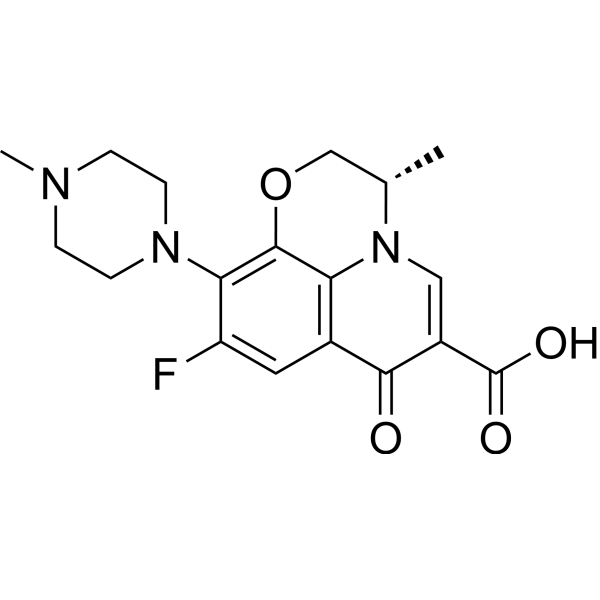
  • HY-B0330
    Levofloxacin
    Maximum Cited Publications
    35 Publications Verification

    (-)-Ofloxacin

    Topoisomerase DNA/RNA Synthesis Antibiotic Bacterial Orthopoxvirus Infection Cancer
    Levofloxacin ((-)-Ofloxacin) is an orally active antibiotic and is active against both Gram-positive and Gram-negative bacteria. Levofloxacin inhibits the DNA gyrase and topoisomerase IV. Levofloxacin can be used for chronic periodontitis, airway inflammation and BK Viremia research. Levofloxacin shows anti-orthopoxvirus activity .
    Levofloxacin
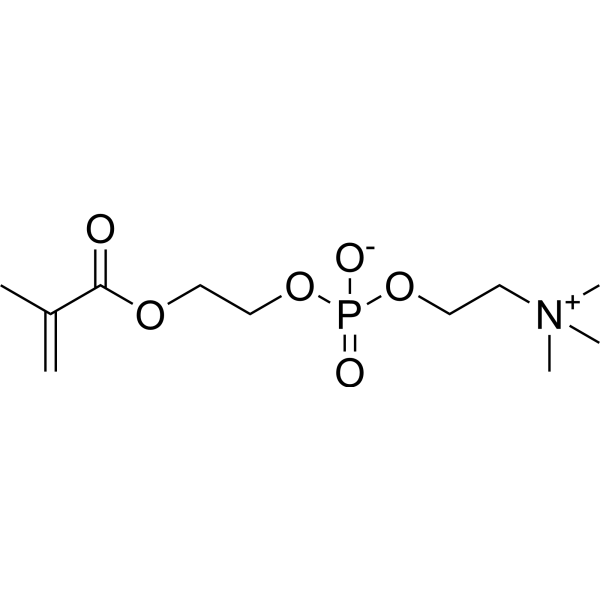
  • HY-W110551

    Biochemical Assay Reagents Interleukin Related Infection Inflammation/Immunology
    2-Methacryloyloxyethyl phosphorylcholine is a polymer monomer containing a phospholipid polar group. 2-Methacryloyloxyethyl phosphorylcholine polymers modify the surface properties of materials and reduce protein-surface interactions, reduce IL-8 production, inhibit cell, Staphylococcus aureus, and Porphyromonas gingivalis adhesion. 2-Methacryloyloxyethyl phosphorylcholine is used in the study of medical device-associated infections, periodontitis, and dental caries .
    2-Methacryloyloxyethyl phosphorylcholine
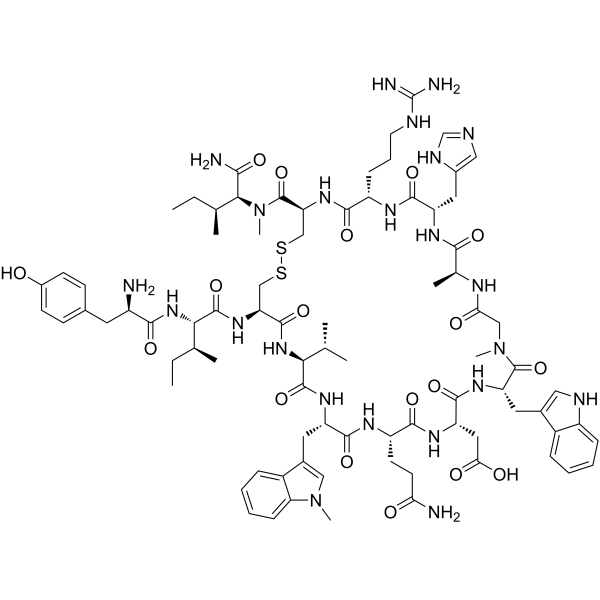
  • HY-P1717
    AMY-101
    Maximum Cited Publications
    7 Publications Verification

    Cp40

    Complement System SARS-CoV Inflammation/Immunology
    AMY-101 (Cp40), a peptidic inhibitor of the central complement component C3 (KD = 0.5 nM), inhibits naturally occurring periodontitis in non-human primates (NHPs). AMY-101 (Cp40) exhibits a favorable anti-inflammatory activity in models with COVID-19 severe pneumonia with systemic hyper inflammation .
    AMY-101
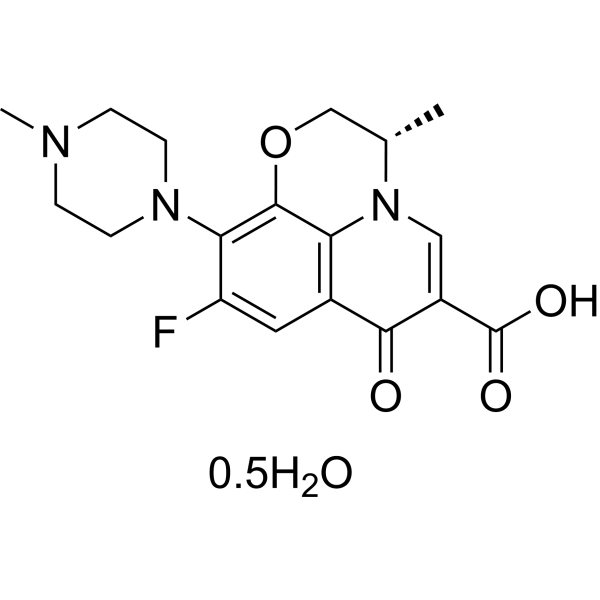
  • HY-B0330A
    Levofloxacin hydrate
    Maximum Cited Publications
    35 Publications Verification

    Levofloxacin hemihydrate

    Bacterial Antibiotic Topoisomerase DNA/RNA Synthesis Orthopoxvirus Infection Cancer
    Levofloxacin hydrate (Levofloxacin hemihydrate) is an orally active antibiotic and is active against both Gram-positive and Gram-negative bacteria. Levofloxacin hydrate inhibits the DNA gyrase and topoisomerase IV. Levofloxacin hydrate can be used for chronic periodontitis, airway inflammation and BK Viremia research. Levofloxacin hydrate shows anti-orthopoxvirus activity .
    Levofloxacin hydrate
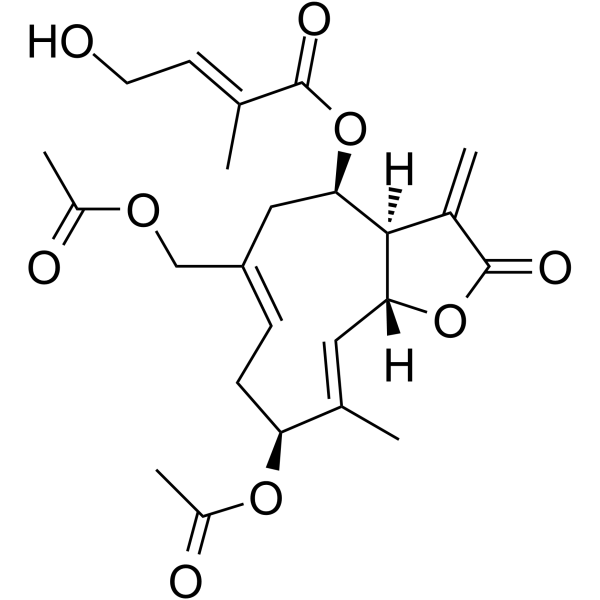
  • HY-N0753

    Apoptosis Autophagy Reactive Oxygen Species (ROS) GSK-3 β-catenin MAP3K JNK NF-κB p38 MAPK Neurological Disease Inflammation/Immunology Cancer
    Eupalinolide B is a germ sesquiterpene. Eupalinolide B can be isolated from Eupatorium lindleyanum. Eupalinolide B induces Apoptosis, elevates ROS, promotes Autophagy. regulates GSK-3β/β-catenin, targets UBE2D3 and TAK1, activates ROS-ER-JNK, inhibits NF-κB and MAPKs. Eupalinolide B has anticancer activity against pancreatic cancer and liver cancer. Eupalinolide B relieves rheumatoid arthritis, acute lung injury, periodontitis, depression .
    Eupalinolide B
  • HY-12725
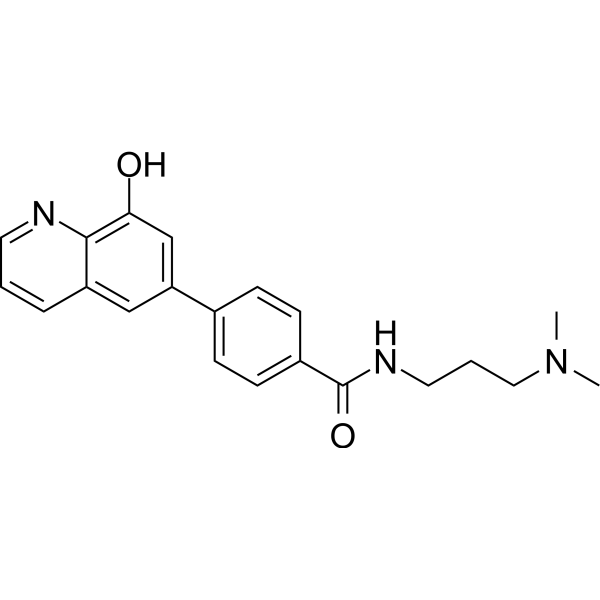
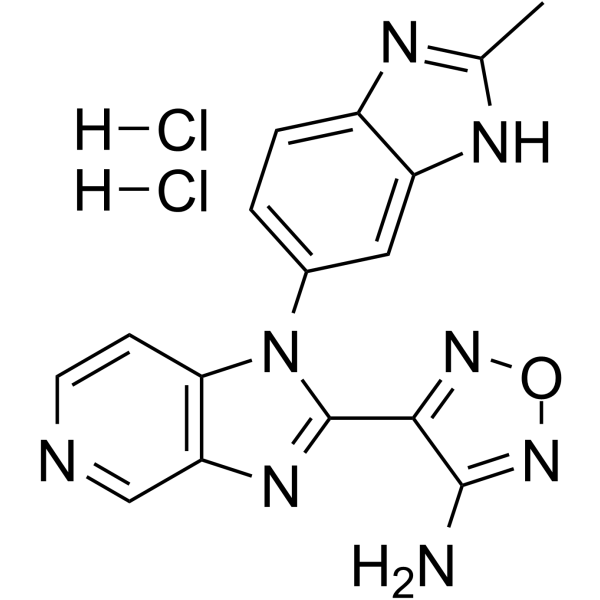
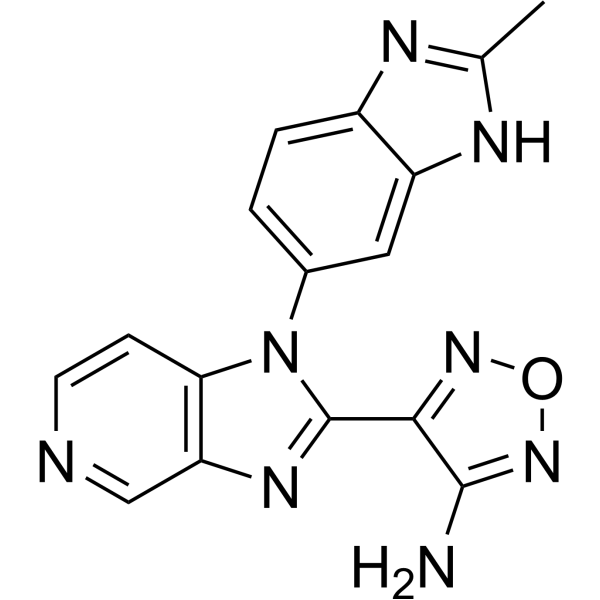
    ML324
    5+ Cited Publications

    Histone Demethylase HSV CMV Cancer
    ML324 is a potent JMJD2 demethylase inhibitor with antiviral activity. ML324 also exhibits inhibition for the histone demethylase KDM4B, with an IC50 of 4.9 μM. ML324 has potent anti-viral activity against both herpes simplex virus (HSV) and human cytomegalovirus (hCMV) infection via inhibition viral IE gene expression .
    ML324
  • HY-A0020
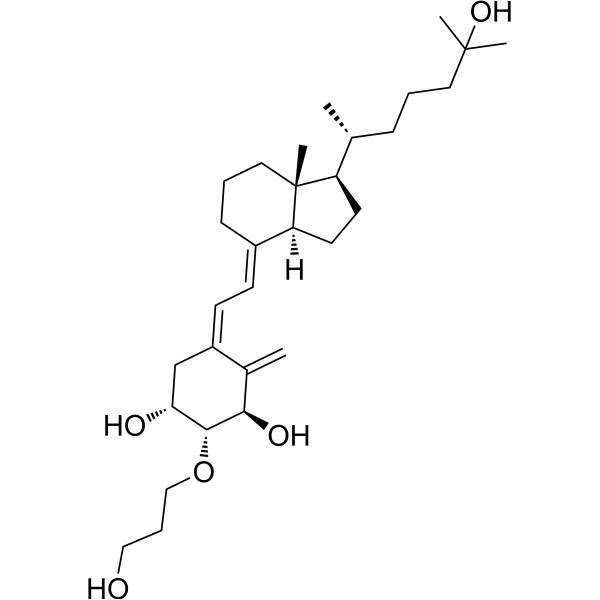
    Eldecalcitol
    4 Publications Verification

    ED-71; 2-(3-hydroxypropoxy)-1,25-dihydroxyvitamin D3

    VD/VDR Apoptosis Metabolic Disease Inflammation/Immunology Cancer
    Eldecalcitol (ED-71) is an orally active vitamin D3 analogue, inhibits bone resorption and increases bone mineral density. Eldecalcitol (ED-71) displays anti-tumor effect and inhibits cell proliferation, migration and induces apoptosis by suppressing GPx-1 .
    Eldecalcitol
  • HY-D1056D
    Lipopolysaccharides, from P. gingivalis
    3 Publications Verification

    LPS, from Porphyromonas gingivalis

    Toll-like Receptor (TLR) Inflammation/Immunology
    Lipopolysaccharides, from P. gingivalis (LPS, from Porphyromonas gingivalis) are endotoxins and TLR4 activators extracted from Porphyromonas gingivalis (P. gingivalis) and are classified as S (smooth) type LPS. Lipopolysaccharides, from P. gingivalis possess the typical three-part structure: O-antigen, core oligosaccharide, and lipid A. Lipopolysaccharides, from P. gingivalis activate TLR-4 in immune cells and are important virulence factors in the mechanism of periodontal disease. Lipopolysaccharides, from P. gingivalis can be used in research related to periodontitis .
    It is recommended to prepare a solution with concentration ≥2 mg/mL. Vortex thoroughly for more than 10 minutes. Due to the adsorption characteristics of LPS, silanized container or low adsorption centrifuge tubes should be used for aliquoting and storage, and mix thoroughly before use.
    Lipopolysaccharides, from P. gingivalis
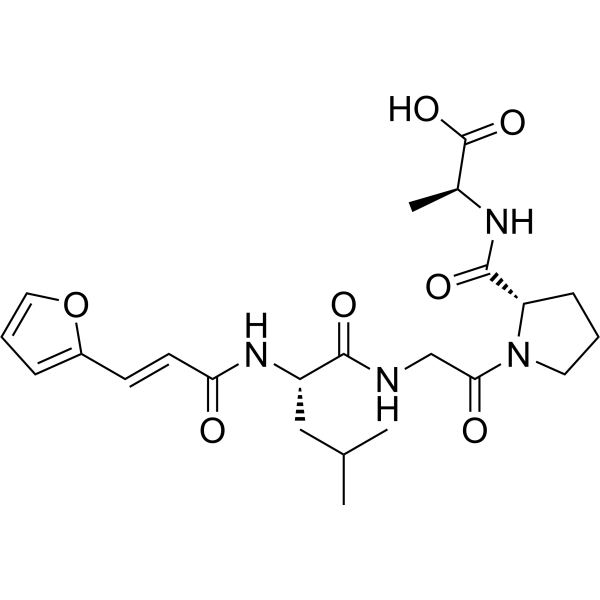
  • HY-P2661

    Biochemical Assay Reagents Bacterial Infection
    FA-Leu-Gly-Pro-Ala-OH is a furylacryloyl-terminal tetrapeptide that serves as a substrate for bacterial collagenase and spirochete metalloendopeptidase. FA-Leu-Gly-Pro-Ala-OH is specifically hydrolyzed by spirochete collagenase only at the Leu-Gly bond. FA-Leu-Gly-Pro-Ala-OH can be used to determine the equilibrium constant of peptide bond hydrolysis, and also to detect collagenase-mediated cleavage reactions via turbidimetry based on absorbance reduction .
    FA-Leu-Gly-Pro-Ala-OH
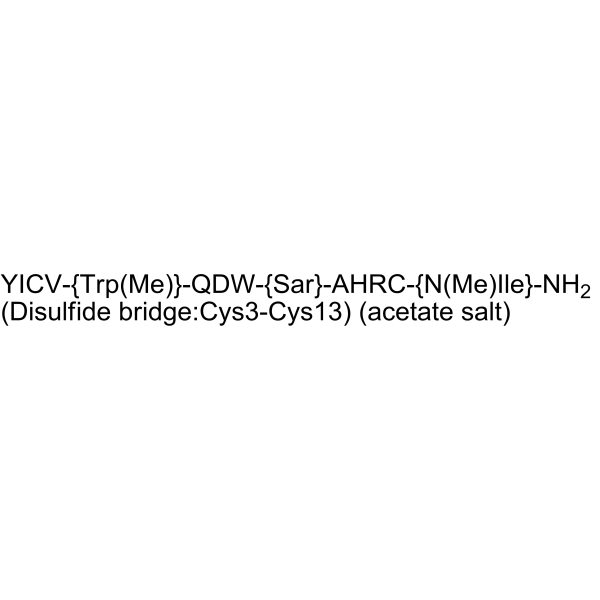
  • HY-P1717B
    AMY-101 acetate
    Maximum Cited Publications
    7 Publications Verification

    Cp40 acetate

    Complement System SARS-CoV Inflammation/Immunology
    AMY-101 acetate (Cp40 acetate), a peptidic inhibitor of the central complement component C3 (KD = 0.5 nM), inhibits naturally occurring periodontitis in non-human primates (NHPs). AMY-101 acetate (Cp40 acetate) exhibits a favorable anti-inflammatory activity in models with COVID-19 severe pneumonia with systemic hyper inflammation .
    AMY-101 acetate
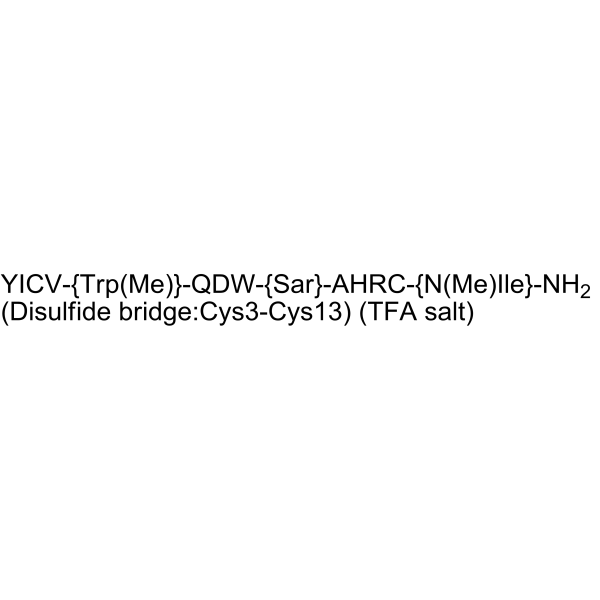
  • HY-P1717A
    AMY-101 TFA
    Maximum Cited Publications
    7 Publications Verification

    Cp40 TFA

    Complement System SARS-CoV Inflammation/Immunology
    AMY-101 TFA (Cp40 TFA), a peptidic inhibitor of the central complement component C3 (KD = 0.5 nM), inhibits naturally occurring periodontitis in non-human primates (NHPs). AMY-101 (Cp40) exhibits a favorable anti-inflammatory activity in models with COVID-19 severe pneumonia with systemic hyper inflammation .
    AMY-101 TFA
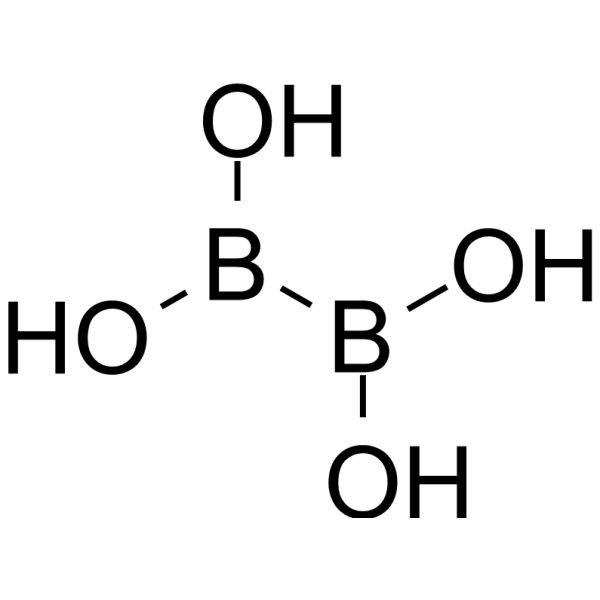
  • HY-W004761

    Hypodiboric acid

    Biochemical Assay Reagents Reactive Oxygen Species (ROS) Infection
    Tetrahydroxydiboron acts as a hydrogel initiator and bioadhesion promoter, with broad-spectrum antibacterial activity, ROS scavenging capacity and osteogenic induction properties. Tetrahydroxydiboron initiates rapid gelation by generating free radicals through reactions with vinyl monomers and dissolved oxygen, and overcomes oxygen inhibition without deoxygenation or external triggers. Tetrahydroxydiboron achieves strong bioadhesion through interaction with carboxymethyl chitosan. Tetrahydroxydiboron can be used in the research of periodontitis and related inflammatory diseases .
    Tetrahydroxydiboron
  • HY-W004294

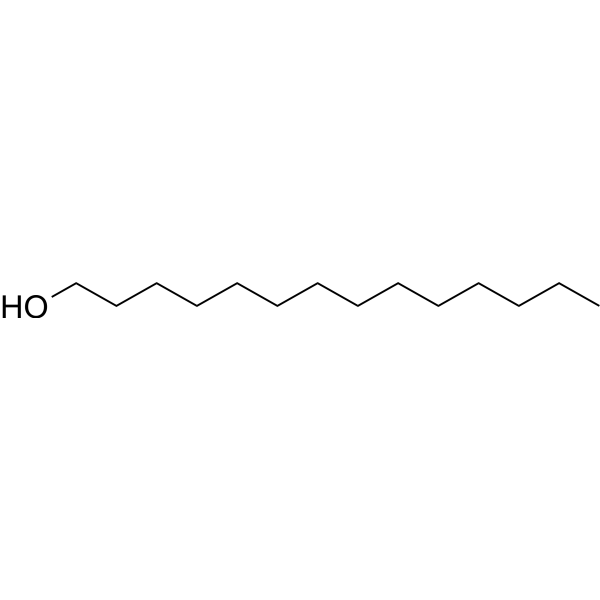
    Environmental Pollutants Bacterial Interleukin Related Infection Inflammation/Immunology Endocrinology
    1-Tetradecanol is a straight-chain saturated fatty alcohol and antibacterial agent. 1-Tetradecanol can be isolated from Myristica fragrans. 1-Tetradecanol possesses antibacterial and anti-inflammatory (periodontitis) activity .
    1-Tetradecanol
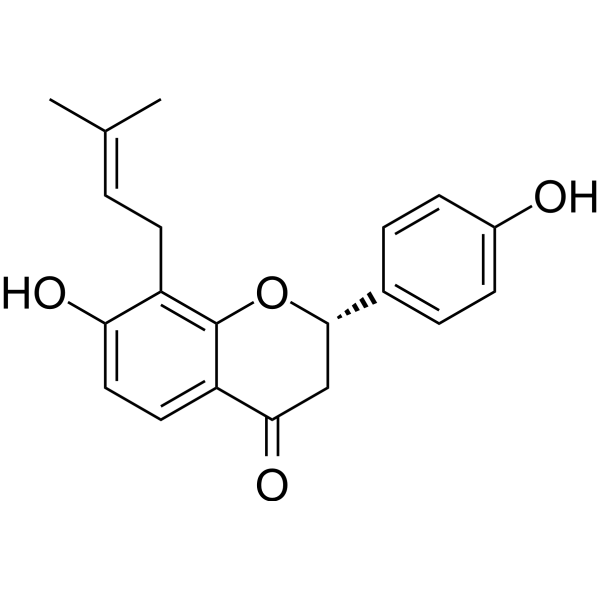
  • HY-N0762
    Isobavachin
    5 Publications Verification

    Cytochrome P450 UGT p38 MAPK NF-κB NO Synthase COX Fc Receptor (FcR) RANKL/RANK Keap1-Nrf2 Reactive Oxygen Species (ROS) Apoptosis Autophagy Neurological Disease Metabolic Disease Inflammation/Immunology Cancer
    Isobavachin is an orally active, blood-brain barrier-penetrating prenylated flavonoid present in Psoralea corylifolia. Isobavachin inhibits human CYP2B6, CYP2C9, CYP2C19, UGT1A1, UGT1A9, and UGT2B7. Isobavachin suppresses MAPK activation, NF-κB nuclear translocation, overexpression of iNOS/COX-2, FcεRI-mediated signaling pathways, and RANKL-induced osteoclastogenesis. Isobavachin induces autophagy, cytotoxicity, neuronal differentiation, and NRF2 activation; it alleviates oxidative damage, inflammatory responses, apoptosis, iron accumulation, mitochondrial biogenesis, and mast cell degranulation. Isobavachin is applicable to research related to liver injury, inflammatory diseases, osteoporosis, liver cancer, prostate cancer, glioma, periodontitis-induced bone loss, and Alzheimer's disease .
    Isobavachin
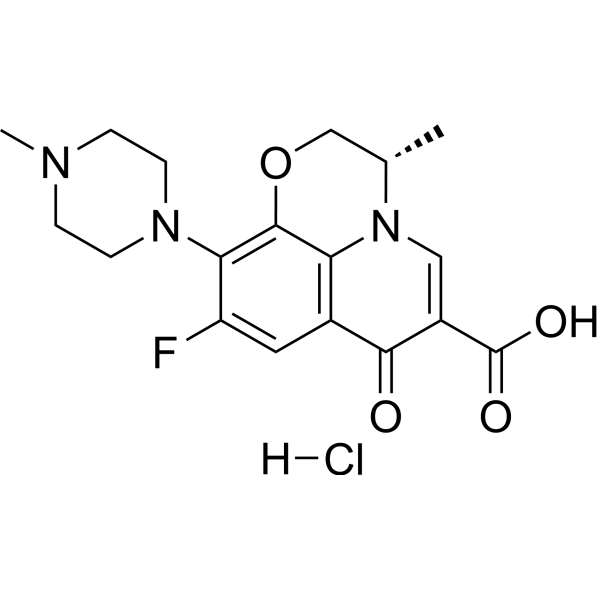
  • HY-B0330B
    Levofloxacin hydrochloride
    Maximum Cited Publications
    35 Publications Verification

    (-)-Ofloxacin hydrochloride

    Antibiotic Bacterial DNA/RNA Synthesis Topoisomerase Orthopoxvirus Apoptosis Infection Neurological Disease Cancer
    Levofloxacin hydrochloride is an orally active antibiotic. Levofloxacin inhibits DNA gyrase and topoisomerase IV activity, inducing Apoptosis. Levofloxacin hydrochloride has antibacterial activity against both Gram-positive and Gram-negative bacteria. Levofloxacin hydrochloride exhibits anticancer activity against lung cancer. Levofloxacin hydrochloride has anti-acnegenic, anxiogenic, and analgesic effects. Levofloxacin hydrochloride shortens sleep duration in mice. Levofloxacin hydrochloride can be used in the research of infectious diseases (such as tuberculosis, chronic periodontitis, bacterial infections associated with stable COPD, and BK viremia) and lung cancer .
    Levofloxacin hydrochloride
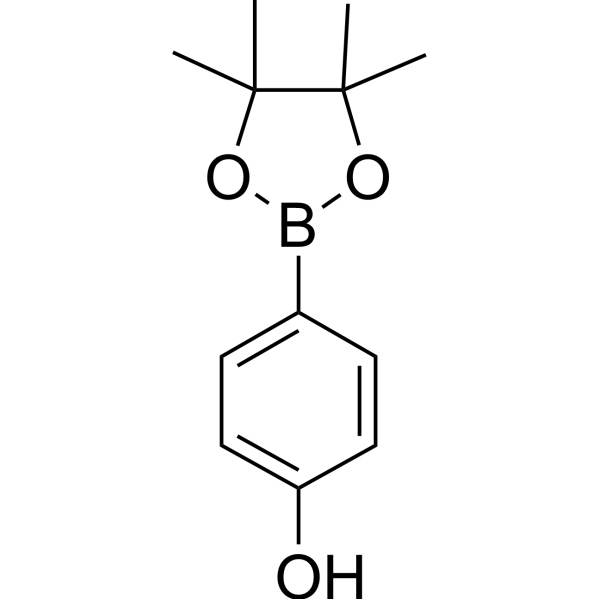
  • HY-W002879

    Reactive Oxygen Species (ROS) Inflammation/Immunology
    4-Hydroxyphenylboronic acid pinacol ester is a ROS-responsive component. 4-Hydroxyphenylboronic acid pinacol ester can structurally modify hyaluronic acid to prepare ROS-responsive intelligent nanocarriers and compound delivery systems. 4-Hydroxyphenylboronic acid pinacol ester endows hyaluronic acid-based nanocarriers with ROS responsiveness, enabling them to rapidly release the encapsulated Curcumin (HY-N0005) in the presence of reactive oxygen species. 4-Hydroxyphenylboronic acid pinacol ester is applicable to research related to periodontitis. 4-Hydroxyphenylboronic acid pinacol ester can also be used for the synthesis of boronic acid-modified resins .
    4-Hydroxyphenylboronic acid pinacol ester
  • HY-N0805A
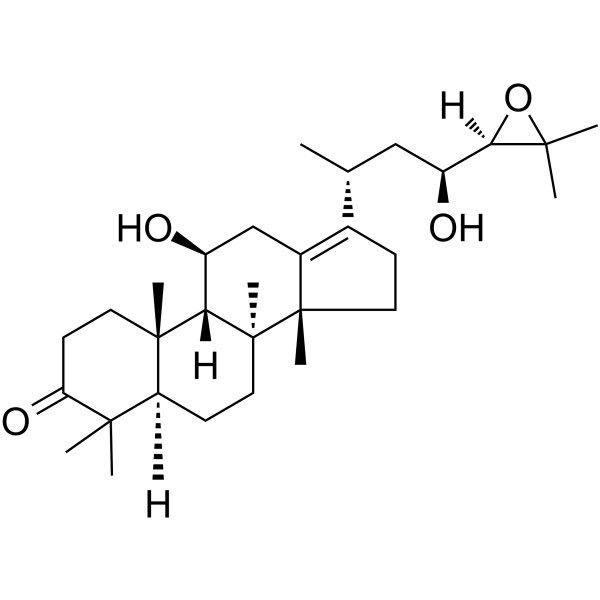
    Alisol B
    1 Publications Verification

    Epoxide Hydrolase CaMK Autophagy Apoptosis Metabolic Disease Inflammation/Immunology Cancer
    Alisol B is a triterpene with diverse biological activities. Alisol B binds human soluble epoxide hydrolase (sEH) with a Ki of 5.97 μM and reduces sEH activity. Alisol B inhibits RANKL-induced JNK phosphorylation, NFATc1 and c-Fos expression, osteoclast formation, mature osteoclast pit-forming and actin ring activity, and SERCA pump activity. Alisol B induces calcium mobilization, CaMKK-AMPK-mTOR pathway activation, autophagic flux, autophagosome formation, G1 phase cell cycle arrest, endoplasmic reticulum stress, unfolded protein responses, and cancer cell apoptosis. Alisol B can be used for the research of hypercalcemia, osteoporosis, rheumatoid arthritis, periodontitis, acute kidney injury, and breast cancer .
    Alisol B
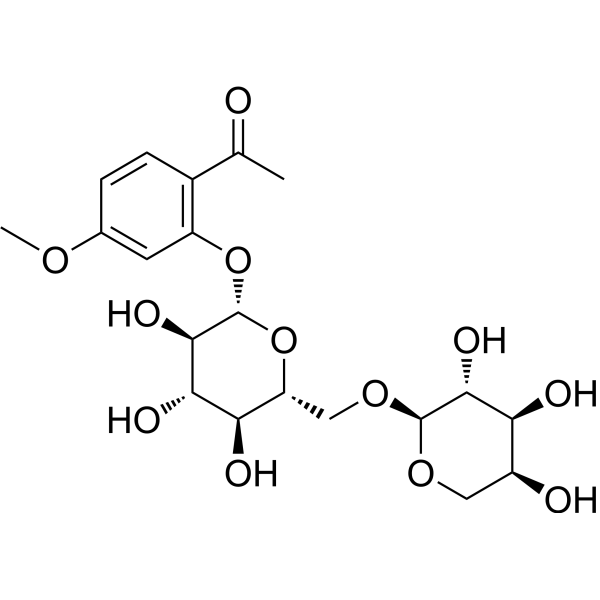
  • HY-N2156

    ERK TGF-beta/Smad Wnt β-catenin JNK p38 MAPK Metabolic Disease Inflammation/Immunology
    Paeonolide, found in Paeonia suffruticosa, is an ERK1/2 activator. Paeonolide promotes early and late osteoblast differentiation, stimulates pre-osteoblast transmigration, and activates the BMP-Smad1/5/8, Wnt-β-catenin, JNK and p38 pathways. Paeonolide can be used for the research of osteoporosis, periodontitis .
    Paeonolide
  • HY-W010253

    Apoptosis Interleukin Related NF-κB Reactive Oxygen Species (ROS) Bcl-2 Family NOD-like Receptor (NLR) Cytochrome P450 Infection Inflammation/Immunology
    Benzylurea is an anti-inflammatory agent. Benzylurea inhibits LPS (HY-D1056)-induced upregulation of MTCH2 expression and regulates pathways associated with mitochondrial function, inflammation and cell survival. Benzylurea alleviates LPS-induced proliferation inhibition and apoptosis of periodontal ligament fibroblasts, as well as the release of proinflammatory cytokines. Benzylurea can be used in studies related to periodontitis .
    Benzylurea
  • HY-15028

    ATB-346

    COX Apoptosis Inflammation/Immunology
    Otenaproxesul (ATB-346), an orally active non-steroidal anti-inflammatory drug (NSAID), inhibits cyclooxygenase-1 and 2 (COX-1 and 2). Otenaproxesul possesses antiinflammatory and antinociceptive activities .
    Otenaproxesul
  • HY-B0330R
    Levofloxacin (Standard)
    30+ Cited Publications

    (-)-Ofloxacin (Standard)

    Antibiotic DNA/RNA Synthesis Orthopoxvirus Topoisomerase Bacterial Reference Standards Infection Cancer
    Levofloxacin (Standard) is the analytical standard of Levofloxacin. This product is intended for research and analytical applications. Levofloxacin ((-)-Ofloxacin) is an orally active antibiotic and is active against both Gram-positive and Gram-negative bacteria. Levofloxacin inhibits the DNA gyrase and topoisomerase IV. Levofloxacin can be used for chronic periodontitis, airway inflammation and BK Viremia research. Levofloxacin shows anti-orthopoxvirus activity .
    Levofloxacin (Standard)
  • HY-N3831

    Bacterial Apoptosis Infection Inflammation/Immunology Cancer
    Epimedokoreanin B is a natural flavonoid with anticancer, anti-inflammatory and antibacterial effects. Epimedokoreanin B inhibits the growth of lung cancer cells through endoplasmic reticulum stress-mediated apoptosis accompanied by autophagosome accumulation. Epimedokoreanin B is an anti-periodontitis agent that inhibits gingipains and Porphyromonas gingivalis growth and biofilm formation .
    Epimedokoreanin B
  • HY-P2302

    Antibiotic Bacterial Fungal Infection Inflammation/Immunology Cancer
    Defensin HNP-3 human is an α-defensin stored in the azurophilic granules of human neutrophils. Defensin HNP-3 human exerts broad-spectrum bactericidal, antifungal and antiviral activities mainly by forming bacterial membrane pores, and acts as a chemoattractant for monocytes and T cells. Defensin HNP-3 human maintains epithelial integrity to support periodontal tissue homeostasis, and exerts concentration-dependent effects on epithelial cell proliferation, adhesion and bacterial adhesion. Defensin HNP-3 human targets solid tumors and leukemia by inducing single-strand DNA breaks and membrane permeabilization in tumor cells via electrostatic binding and pore formation. Defensin HNP-3 human is abundant in human tongue squamous cell carcinoma and neutrophils infiltrating oral squamous cell carcinoma. Defensin HNP-3 human can be applied to research related to periodontitis and human tongue squamous cell carcinoma .
    Defensin HNP-3 human
  • HY-100210A

    MMP Inflammation/Immunology Cancer
    FN-439 TFA is a selective collagenase-1 inhibitor. FN-439 TFA inhibits collagenase-1 with an IC50 value of 1 μM. FN-439 TFA can be used for the research of cancer and inflammation .
    FN-439 TFA
  • HY-B0330BR

    (-)-Ofloxacin hydrochloride (Standard)

    Reference Standards Antibiotic Bacterial DNA/RNA Synthesis Topoisomerase Orthopoxvirus Apoptosis Infection Neurological Disease Cancer
    Levofloxacin (hydrochloride) (Standard) is the analytical standard of Levofloxacin hydrochloride (HY-B0330B). This product is intended for research and analytical applications. Levofloxacin hydrochloride is an orally active antibiotic. Levofloxacin inhibits DNA gyrase and topoisomerase IV activity, inducing Apoptosis. Levofloxacin hydrochloride has antibacterial activity against both Gram-positive and Gram-negative bacteria. Levofloxacin hydrochloride exhibits anticancer activity against lung cancer. Levofloxacin hydrochloride has anti-acnegenic, anxiogenic, and analgesic effects. Levofloxacin hydrochloride shortens sleep duration in mice. Levofloxacin hydrochloride can be used in the research of infectious diseases (such as tuberculosis, chronic periodontitis, bacterial infections associated with stable COPD, and BK viremia) and lung cancer .
    Levofloxacin hydrochloride (Standard)
  • HY-W004294S1

    Bacterial Infection
    1-Tetradecanol-d2 is the deuterium labeled 1-Tetradecanol . 1-Tetradecanol, isolated from Myristica fragrans, is a straight-chain saturated fatty alcohol. 1-Tetradecanol possesses antibacterial and anti-inflammatory (periodontitis) activity .
    1-Tetradecanol-d2
  • HY-P1789A

    MMP Inflammation/Immunology Cancer
    CTTHWGFTLC, CYCLIC TFA is a cyclic peptide inhibitor for matrix metalloproteinases MMP-2 and MMP-9. The IC50 value for MMP-9 is ~8 μM .
    CTTHWGFTLC, CYCLIC TFA
  • HY-129991

    CCR Inflammation/Immunology
    JNJ-17166864 is a highly selective CCR2 antagonist. JNJ-17166864 has low oral bioavailability. JNJ-17166864 can significantly reduce the area of alveolar bone loss in a mouse model of periodontitis induced by Porphyromonas gingivalis infection. JNJ-17166864 can be used in the research of inflammatory diseases such as allergic rhinitis and periodontitis .
    JNJ-17166864
  • HY-113721

    Cathepsin Inflammation/Immunology
    BML-244 is a potent cathepsin K inhibitor. BML-244 can be used in the study of rheumatoid arthritis (RA) and periodontitis .
    BML-244
  • HY-162280

    PROTACs RANKL/RANK Nuclear Factor of activated T Cells (NFAT) Btk Cancer
    PROTAC BTK Degrader-9 (compound 23) is a PROTAC degrader that effectively targets BTK. PROTAC BTK Degrader-9 downregulates the BTK-PLCγ2-Ca 2+-NFATc1 signaling pathway activated by RANKL. Thus, PROTAC BTK Degrader-9 was able to inhibit osteoclastogenesis and attenuate alveolar bone resorption in a mouse periodontitis model .
    PROTAC BTK Degrader-9
  • HY-B0330C

    (-)-Ofloxacin sodium

    Antibiotic Orthopoxvirus Bacterial DNA/RNA Synthesis Topoisomerase Infection Inflammation/Immunology Cancer
    Levofloxacin ((-)-Ofloxacin) sodium is an orally active antibiotic and is active against both Gram-positive and Gram-negative bacteria. Levofloxacin sodium inhibits the DNA gyrase and topoisomerase IV. Levofloxacin sodium can be used for chronic periodontitis, airway inflammation and BK Viremia research. Levofloxacin sodium shows anti-orthopoxvirus activity .
    Levofloxacin sodium
  • HY-B0330AR

    Levofloxacin hemihydrate (Standard)

    Reference Standards Bacterial Antibiotic Topoisomerase DNA/RNA Synthesis Orthopoxvirus Infection Cancer
    Levofloxacin (hydrate) (Standard) is the analytical standard of Levofloxacin (hydrate). This product is intended for research and analytical applications. Levofloxacin hydrate (Levofloxacin hemihydrate) is an orally active antibiotic and is active against both Gram-positive and Gram-negative bacteria. Levofloxacin hydrate inhibits the DNA gyrase and topoisomerase IV. Levofloxacin hydrate can be used for chronic periodontitis, airway inflammation and BK Viremia research. Levofloxacin hydrate shows anti-orthopoxvirus activity .
    Levofloxacin hydrate (Standard)
  • HY-P3567

    Melanocortin Receptor Neurological Disease
    (p-Iodo-Phe7)-ACTH (4-10) is a adrenocorticotrophic hormone (ACTH) derivative, which is produced and secreted by the anterior pituitary gland. (p-Iodo-Phe7)-ACTH (4-10) serves as a melanocortin (MC) receptor antagonist and inhibits α-melanocyte-stimulating hormone (α-MSH)-induced excessive grooming behavior in rats .
    (p-Iodo-Phe7)-ACTH (4-10)
  • HY-P2434

    Somatostatin Receptor Neurological Disease Metabolic Disease Cancer
    AP102 is a dual SSTR2/SSTR5-specific somatostatin analog (SSA). AP102 is a disulfide-bridged octapeptide SSA containing synthetic iodinated amino acids. AP102 binds with subnanomolar affinity to SSTR2 and SSTR5 (IC50: 0.63 and 0.65 nM, respectively). AP102 does not bind to SSTR1 or SSTR3. AP102 can be used for acromegaly and neuroendocrine tumors research .
    AP102
  • HY-P1789

    MMP Inflammation/Immunology Cancer
    CTTHWGFTLC, CYCLIC is a cyclic peptide inhibitor for matrix metalloproteinases MMP-2 and MMP-9. The IC50 value for MMP-9 is ~8 μM .
    CTTHWGFTLC, CYCLIC
  • HY-A0020R

    ED-71 (Standard); 2-(3-hydroxypropoxy)-1,25-dihydroxyvitamin D3 (Standard)

    Reference Standards VD/VDR Apoptosis Metabolic Disease Inflammation/Immunology Cancer
    Eldecalcitol (Standard) is the analytical standard of Eldecalcitol. This product is intended for research and analytical applications. Eldecalcitol (ED-71) is an orally active vitamin D3 analogue, inhibits bone resorption and increases bone mineral density. Eldecalcitol (ED-71) displays anti-tumor effect and inhibits cell proliferation, migration and induces apoptosis by suppressing GPx-1 .
    Eldecalcitol (Standard)
  • HY-N12740

    MEK ERK Others
    Napyradiomycin B4 is a Napyradiomycin derivative, which inhibits the RANKL-induced MEK-ERK signaling pathway. Napyradiomycin B4 attenuates osteoclastogenesis and prevents alveolar bone destruction in experimental periodontitis .
    Napyradiomycin B4
  • HY-W338859

    Bacterial Topoisomerase Antibiotic Infection Cancer
    Levofloxacin mesylate is an orally active antibiotic and is active against both Gram-positive and Gram-negative bacteria. Levofloxacin mesylate inhibits the DNA gyrase and topoisomerase IV. Levofloxacin mesylate can be used for chronic periodontitis, airway inflammation and BK Viremia research. Levofloxacin mesylate shows anti-orthopoxvirus activity .
    Levofloxacin mesylate
  • HY-N10059

    Others Inflammation/Immunology
    Quebecol is a nutraceutical agent against periodontitis.
    Quebecol
  • HY-138454

    Mercaptoethylguanidine hemisulfate

    NO Synthase Inflammation/Immunology
    MEG (Mercaptoethylguanidine) hemisulfate is a potent and selective inhibitor of the inducible NO synthase (iNOS), with EC50s of 11.5, 110, and 60 μM for iNOS, ecNOS, and bNOS respectively in tissue homogenates. MEG hemisulfate is also a potent scavenger of peroxynitrite and inhibits peroxynitrite-induced oxidative processes. MEG hemisulfate has a protective effect in many experimental models of inflammation, including ischemia/reperfusion injury, periodontitis, hemorrhagic shock, inflammatory bowel disease, and endotoxic and septic shock .
    MEG hemisulfate
  • HY-W004294S

    Bacterial Infection
    1-Tetradecanol-d29 is the deuterium labeled 1-Tetradecanol . 1-Tetradecanol, isolated from Myristica fragrans, is a straight-chain saturated fatty alcohol. 1-Tetradecanol possesses antibacterial and anti-inflammatory (periodontitis) activity .
    1-Tetradecanol-d29
  • HY-W004294R

    Reference Standards Bacterial Infection Inflammation/Immunology
    1-Tetradecanol (Standard) is the analytical standard of 1-Tetradecanol. This product is intended for research and analytical applications. 1-Tetradecanol, isolated from Myristica fragrans, is a straight-chain saturated fatty alcohol. 1-Tetradecanol possesses antibacterial and anti-inflammatory (periodontitis) activity .
    1-Tetradecanol (Standard)
  • HY-100210

    MMP Inflammation/Immunology Cancer
    FN-439 is a selective collagenase-1 inhibitor. FN-439 inhibits collagenase-1 with an IC50 value of 1 μM. FN-439 can be used for the research of cancer and inflammation .
    FN-439
  • HY-B0330BS1

    (-)-Ofloxacin-d3 hydrochloride

    Isotope-Labeled Compounds Antibiotic Bacterial Topoisomerase DNA/RNA Synthesis Orthopoxvirus Infection Cancer
    Levofloxacin-d3 ((-)-Ofloxacin-d3) hydrochlorideis deuterium labeled Levofloxacin (hydrochloride). Levofloxacin ((-)-Ofloxacin) hydrochloride is an orally active antibiotic and is active against both Gram-positive and Gram-negative bacteria. Levofloxacin hydrochloride inhibits the DNA gyrase and topoisomerase IV. Levofloxacin hydrochloride can be used for chronic periodontitis, airway inflammation and BK Viremia research. Levofloxacin hydrochloride shows anti-orthopoxvirus activity .
    Levofloxacin-d3 hydrochloride
  • HY-W744235

    Isotope-Labeled Compounds Topoisomerase Bacterial DNA/RNA Synthesis Antibiotic Orthopoxvirus Infection Inflammation/Immunology Cancer
    Levofloxacin-d3 sodium is the deuterium labeled Levofloxacin sodium (HY-B0330C). Levofloxacin ((-)-Ofloxacin) sodium is an orally active antibiotic and is active against both Gram-positive and Gram-negative bacteria. Levofloxacin sodium inhibits the DNA gyrase and topoisomerase IV. Levofloxacin sodium can be used for chronic periodontitis, airway inflammation and BK Viremia research. Levofloxacin sodium shows anti-orthopoxvirus activity .
    Levofloxacin-d3 sodium
  • HY-N2156R

    Reference Standards ERK TGF-beta/Smad Wnt β-catenin JNK p38 MAPK Metabolic Disease Inflammation/Immunology
    Paeonolide (Standard) is the analytical standard of Paeonolide (HY-N2156). This product is intended for research and analytical applications. Paeonolide, found in Paeonia suffruticosa, is an ERK1/2 activator. Paeonolide promotes early and late osteoblast differentiation, stimulates pre-osteoblast transmigration, and activates the BMP-Smad1/5/8, Wnt-β-catenin, JNK and p38 pathways. Paeonolide can be used for the research of osteoporosis, periodontitis .
    Paeonolide (Standard)
  • HY-15028R

    ATB-346 (Standard)

    COX Apoptosis Reference Standards Inflammation/Immunology
    Otenaproxesul (Standard) is the analytical standard of Otenaproxesul. This product is intended for research and analytical applications. Otenaproxesul (ATB-346), an orally active non-steroidal anti-inflammatory drug (NSAID), inhibits cyclooxygenase-1 and 2 (COX-1 and 2). Otenaproxesul possesses antiinflammatory and antinociceptive activities .
    Otenaproxesul (Standard)
  • HY-N0805AR

    Reference Standards Epoxide Hydrolase CaMK Autophagy Apoptosis Metabolic Disease Inflammation/Immunology Cancer
    Alisol B (Standard) is the analytical standard of Alisol B (HY-N0805A). This product is intended for research and analytical applications. Alisol B is a triterpene with diverse biological activities. Alisol B binds human soluble epoxide hydrolase (sEH) with a Ki of 5.97 μM and reduces sEH activity. Alisol B inhibits RANKL-induced JNK phosphorylation, NFATc1 and c-Fos expression, osteoclast formation, mature osteoclast pit-forming and actin ring activity, and SERCA pump activity. Alisol B induces calcium mobilization, CaMKK-AMPK-mTOR pathway activation, autophagic flux, autophagosome formation, G1 phase cell cycle arrest, endoplasmic reticulum stress, unfolded protein responses, and cancer cell apoptosis. Alisol B can be used for the research of hypercalcemia, osteoporosis, rheumatoid arthritis, periodontitis, acute kidney injury, and breast cancer.
    Alisol B (Standard)
  • HY-179514

    Gala-SR1078

    ROR Inflammation/Immunology
    Gala-SR (Gala-SR1078) is an RORα agonist. Gala-SR ameliorates rhythm disorders by enhancing the amplitude of the circadian rhythm. Gala-SR can be used for the study of periodontitis .
    Gala-SR
  • HY-N17632

    Estrogen Receptor/ERR Akt MELK COX Apoptosis Inflammation/Immunology Cancer
    Moracin G is a plant-derived kinase modulator and receptor ligand that forms stable bindings with multiple key proteins (AKT1, COX2 and Estrogen receptor 1) and competitively inhibits the activity of specific kinases. By binding to MELK to disrupt cell cycle regulation, Moracin G impairs the survival and proliferation of cancer cells, induces cancer cell apoptosis, and thereby exerts anti-tumor potential. Moracin G can be used in research related to periodontitis and breast cancer .
    Moracin G

Inquiry Online

Your information is safe with us. * Required Fields.

Salutation


Country or Region *

Applicant Name *


Organization Name *

Department *


Email Address *


Product Name *

Cat. No.


Requested quantity *

Phone Number *


Remarks

Inquiry Online

Inquiry Information

Product Name:
Cat. No.:
Quantity:
MCE Japan Authorized Agent:

