

1. Search Result
Search Result
Results for "

Phosphate

" in MedChemExpress (MCE) Product Catalog:

143

Inhibitors & Agonists

3

Fluorescent Dye

13

Biochemical Assay Reagents

11

Peptides

26

Natural
Products

2

Isotope-Labeled Compounds

1

Click Chemistry

1

Oligonucleotides

Cat. No. Product Name Target Research Areas Chemical Structure
  • HY-D0843
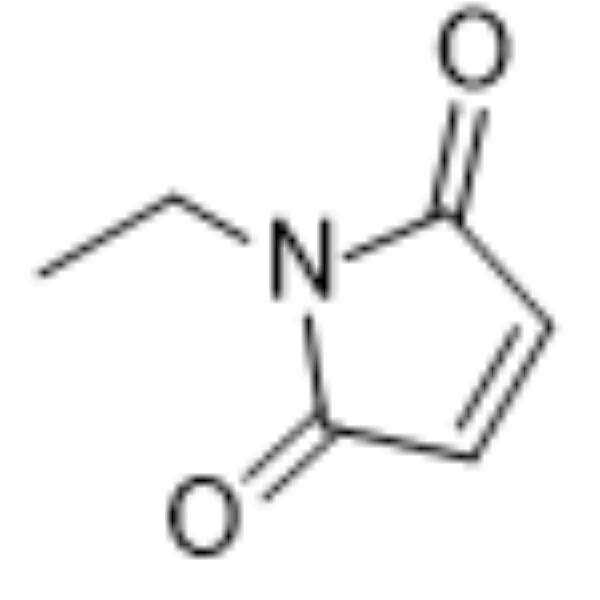
    N-Ethylmaleimide
    Maximum Cited Publications
    37 Publications Verification

    NEM

    Cathepsin Deubiquitinase Apoptosis Others
    N-Ethylmaleimide (NEM) derives from maleic acid, it can alkylates free sulfhydryl. N-Ethylmaleimide is an irreversible cysteine protease inhibitor. N-ethylmaleimide specific inhibits phosphate transport in mitochondria. N-Ethylmaleimide inhibits prolyl endopeptidase with an IC50 value of 6.3 μM. N-Ethylmaleimide can be used to modify cysteine residues in proteins and peptides .
    N-Ethylmaleimide
  • HY-N1428C
    Ferric citrate
    5 Publications Verification

    Iron(III) citrate; Zerenex

    Reactive Oxygen Species (ROS) Antibiotic Metabolic Disease
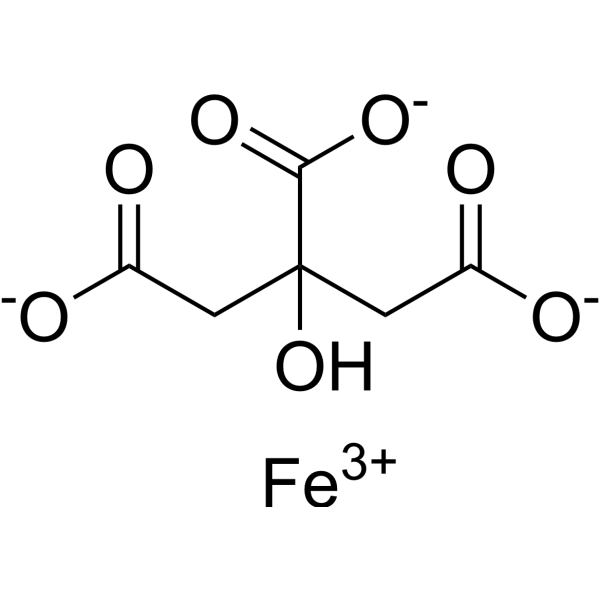
    Ferric citrate (Iron(III) citrate), an orally active iron supplement, is an efficacious phosphate binder. Ferric citratee can be used for iron deficiency anemia and chronic kidney disease (CKD) research .
    Ferric citrate
  • HY-P2818
    Alkaline phosphatase, Bovine intestine
    1 Publications Verification

    Apase

    Endogenous Metabolite Phosphatase Glutathione Peroxidase Bacterial Infection Inflammation/Immunology
    Alkaline phosphatase, Bovine intestine (Apase) is an orally active membrane-bound glycoprotein that catalyzes the hydrolysis of phosphate monoesters at alkaline pH. Alkaline phosphatase, Bovine intestine reduces myeloperoxidase activity and bacterial translocation. Alkaline phosphatase, Bovine intestine improves survival rate of mice infected with E. coli. Alkaline phosphatase, Bovine intestine improves TNBS-induced colon inflammation .
    Alkaline phosphatase, Bovine intestine
  • HY-B0504S
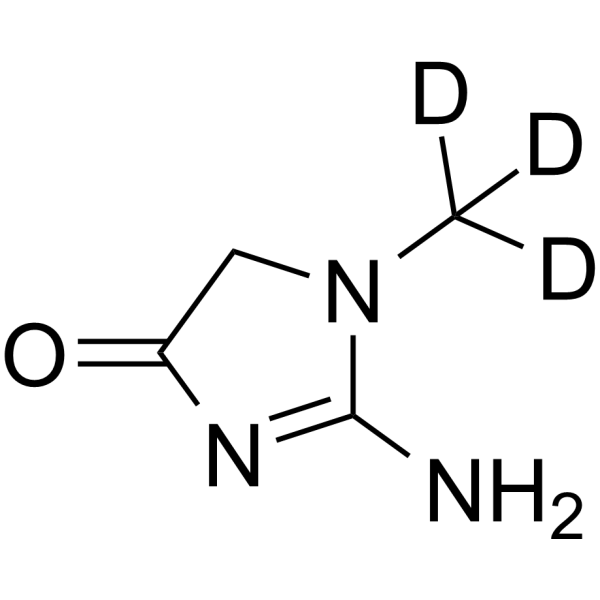
    Creatinine-d3
    5 Publications Verification

    NSC13123-d3

    Isotope-Labeled Compounds Endogenous Metabolite iGluR GABA Receptor Metabolic Disease Cancer
    Creatinine-d3 is a deuterium labeled Creatinine. Creatinine (NSC13123) is an orally active, blood-brain barrier-permeable modulator of GABAA and NMDA receptors, with activities of antioxidation and metabolic regulation. Creatinine is generated via non-enzymatic conversion of creatine and phosphocreatine in muscle. Creatinine serum levels correlate with muscle mass, glomerular filtration rate, and extrarenal clearance, serving as an evaluation biomarker for renal function, muscle mass, and clinical outcomes, and used for perioperative renal risk assessment. In addition, Creatinine can induce specific Cryptococcus species to produce creatinine deiminase and act as their nitrogen source, while it can be secreted via renal tubules. Creatinine is widely used in research related to various diseases such as neurodegenerative diseases, psychiatric disorders, acute kidney injury, chronic kidney disease, and renal failure .
    Creatinine-d3
  • HY-19619
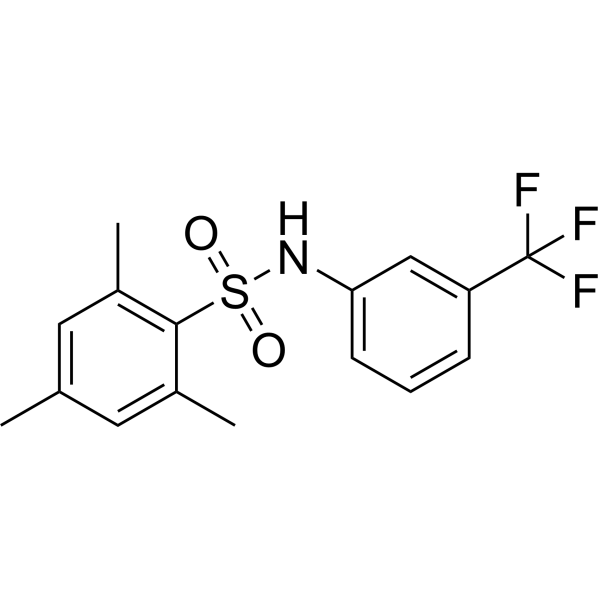
    m-3M3FBS
    5+ Cited Publications

    Phospholipase Apoptosis Cancer
    m-3M3FBS is a potent phospholipase C (PLC) activator. m-3M3FBS stimulates superoxide generation in human neutrophils, upregulates intracellular calcium concentration, and stimulates inositol phosphate generation in various cell lines. m-3M3FBS induces monocytic leukemia cell apoptosis .
    m-3M3FBS
  • HY-15991
    Tenapanor
    5+ Cited Publications

    AZD1722; RDX5791

    Na+/H+ Exchanger (NHE) Metabolic Disease
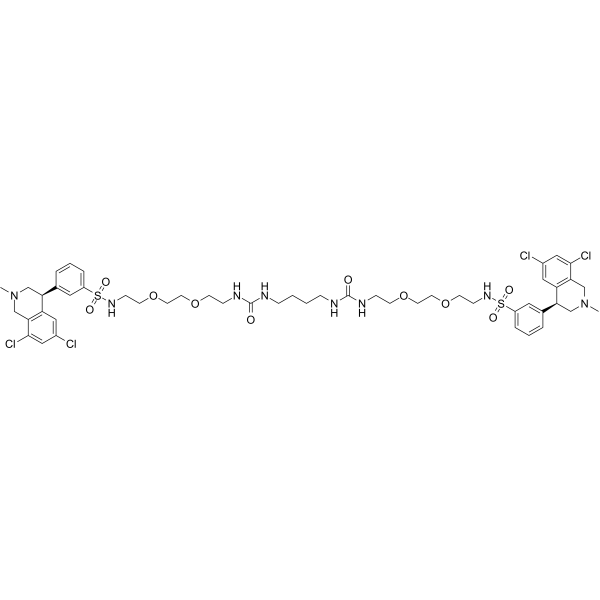
    Tenapanor (AZD1722) is a potent and orally active sodium/hydrogen exchanger isoform 3 (NHE3) inhibitor. Tenapanor reduces intestinal phosphate absorption predominantly through reduction of passive paracellular phosphate flux. Tenapanor has the potential for the research of hyperphosphatemia .
    Tenapanor
  • HY-D0835A

    Hydroxyapatite (<50 nm)

    Biochemical Assay Reagents Cardiovascular Disease Inflammation/Immunology
    Hydroxylapatite (Hydroxyapatite) (<50 nm) is a natural form of calcium phosphate and is the main mineral component of bones and teeth. Hydroxylapatite (<50 nm) can stimulate the expression and secretion of collagen in primary human dermal fibroblasts. Hydroxylapatite (<50 nm) has good biocompatibility, bioactivity, and bone conductivity, making it suitable for targeted drug or nucleic acid delivery. Hydroxylapatite (<50 nm) can be used in research on osteoarthritis, gout, and atherosclerosis .
    Hydroxylapatite (<50 nm)
  • HY-106950A

    Diphosphofructose trisodium; Esafosfan trisodium; FDP trisodium

    Endogenous Metabolite Cardiovascular Disease
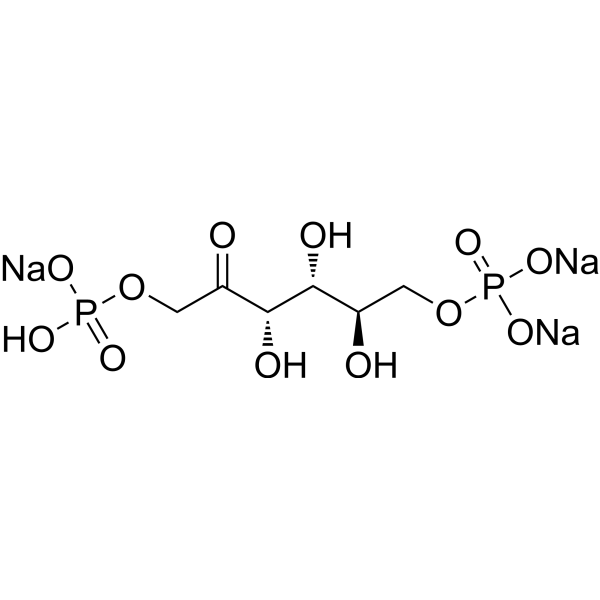
    Fosfructose trisodium (Diphosphofructose trisodium, Esafosfan trisodium, FDP trisodium) is a cytoprotective natural sugar phosphate used in research on cardiovascular ischemia, sickle cell anemia, and asthma. Fosfructose trisodium acts by stimulating anaerobic glycolysis, which produces adenosine triphosphate under ischemic conditions .
    Fosfructose trisodium
  • HY-100912
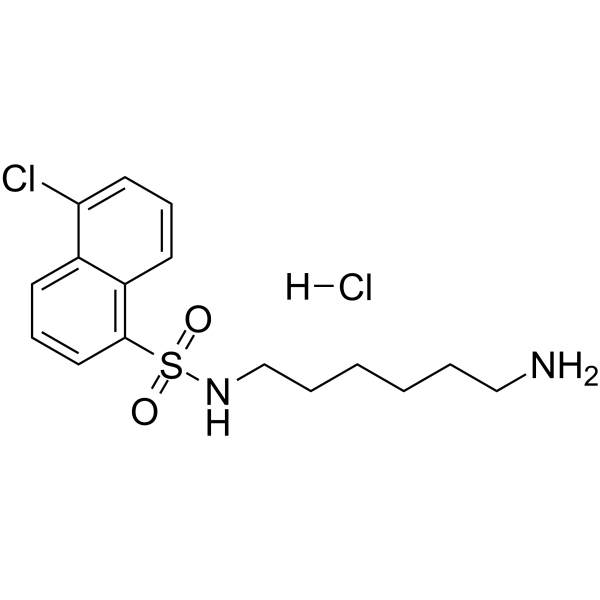
    W-7 hydrochloride
    5+ Cited Publications

    Phosphodiesterase (PDE) Myosin Apoptosis Calmodulin Potassium Channel Cancer
    W-7 hydrochloride is a selective calmodulin antagonist. W-7 hydrochloride inhibits the Ca 2+-calmodulin-dependent phosphodiesterase and myosin light chain kinase with IC50 values of 28 μM and 51 μM, respectively. W-7 hydrochloride induces apoptosis and has antitumor and vascular relaxing activity. W-7 hydrochloride is a blocker of Kv4.3 and can be used for research of arrhythmias .
    W-7 hydrochloride
  • HY-136128
    H3B-120
    1 Publications Verification

    Potassium Channel Carbamoyl Phosphate Synthetase (CPS) Cancer
    H3B-120 is a highly selective, competitive and allosteric carbamoyl phosphate synthetase 1 (CPS1) inhibitor with an IC50 of 1.5 μM and a Ki of 1.4 μM. H3B-120 has anti-cancer activity .
    H3B-120
  • HY-125863

    G6PD

    Endogenous Metabolite Metabolic Disease Cancer
    Glucose-6-phosphate dehydrogenase, Microorganism (G6PD) is the rate-limiting enzyme of the pentose phosphate pathway. Glucose-6-phosphate dehydrogenase, Microorganism is a primary source of NADPH in antioxidant pathways, nitric oxide synthase, NADPH oxidase, cytochrome p450 systems, and others. Glucose-6-phosphate dehydrogenase, Microorganism is applicable in research related to diabetes, endothelial dysfunction, cancer, and cardiomyopathy .
    Glucose-6-phosphate dehydrogenase, Microorganism
  • HY-131892
    2-Deoxy-D-galactose
    1 Publications Verification

    Endogenous Metabolite Metabolic Disease Cancer
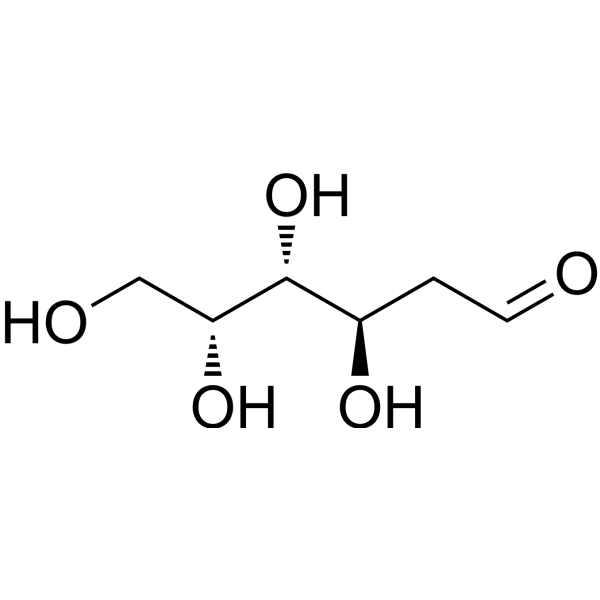
    2-Deoxy-D-galactose is a glucose analog. 2-Deoxy-D-galactose inhibits glycolysis to inhibits tumor growth. 2-Deoxy-D-galactose is a substance interfering with the fucosylation of glycomacromolecules and impairing memory consolidation in various learning tasks. 2-Deoxy-d-galactose hinders glycoprotein fucosylation in vivo .
    2-Deoxy-D-galactose
  • HY-147063

    Endogenous Metabolite Others
    N-acetyl-α-d-glucosamine 1-phosphate disodium (GlcNAc-1-P) is an ectopic sugar phosphate and a key intermediate in N-glycoprotein biosynthesis. N-acetyl-α-d-glucosamine 1-phosphate disodium serves as a metabolic precursor of teichoic acid and muramic acid, which are components of bacterial cell walls .
    N-Acetyl-α-D-glucosamine 1-phosphate disodium
  • HY-15991A
    Tenapanor hydrochloride
    5+ Cited Publications

    AZD1722 hydrochloride; RDX5791 hydrochloride

    Na+/H+ Exchanger (NHE) Metabolic Disease
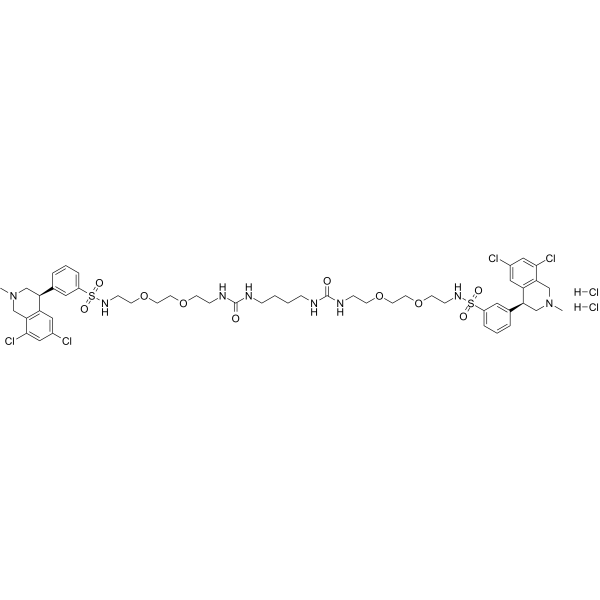
    Tenapanor (AZD1722) hydrochloride is a potent and orally active sodium/hydrogen exchanger isoform 3 (NHE3) inhibitor. Tenapanor hydrochloride reduces intestinal phosphate absorption predominantly through reduction of passive paracellular phosphate flux. Tenapanor hydrochloride has the potential for the research of hyperphosphatemia .
    Tenapanor hydrochloride
  • HY-B2243B

    Sodium Phosphate monobasic for molecular biology; Monosodium dihydrogen orthoPhosphate for molecular biology; Monosodium Phosphate for molecular biology

    Environmental Pollutants Biochemical Assay Reagents Others
    Anhydrous sodium dihydrogen phosphate, for molecular biology is an inorganic salt compound that can be used as a buffer and nutritional supplement. Anhydrous sodium dihydrogen phosphate, for molecular biology can be used in molecular biology experiments .
    Anhydrous sodium dihydrogen phosphate, for molecular biology
  • HY-A0080
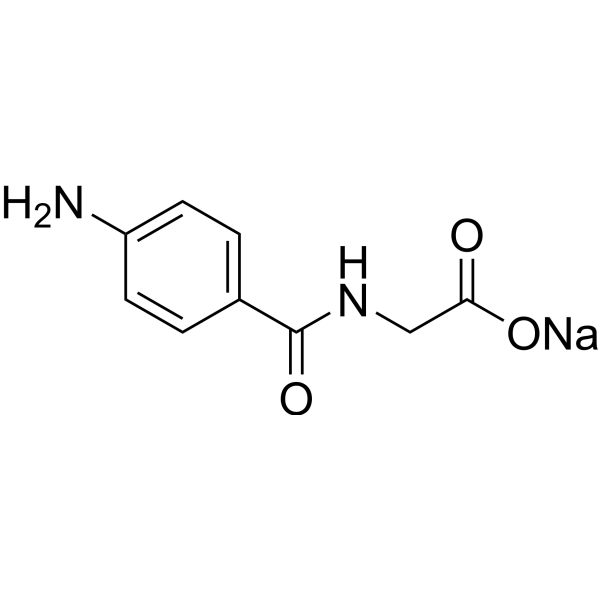
    Aminohippurate sodium
    4 Publications Verification

    Sodium p-aminohippurate; p-Aminohippuric acid sodium salt

    Biochemical Assay Reagents
    Aminohippurate sodium is a renal tubular transport inhibitor and a substrate for organic anion transporters. Aminohippurate sodium inhibits renal tubular reabsorption of phosphate and promotes increased urinary phosphate excretion. Aminohippurate sodium inhibits renal tubular reabsorption of vitamin C as well as the transport of glucose .
    Aminohippurate sodium
  • HY-Y0308H

    Disodium hydrogen Phosphate, for molecular biology

    Biochemical Assay Reagents Others
    Sodium phosphate dibasic (Disodium hydrogen phosphate), for molecular biology, is a type of phosphate salt that can be used in molecular biology research to prepare stable buffers free of RNase/DNase/protease .
    Sodium phosphate dibasic, for molecular biology
  • HY-175476

    IPK Superfamily Cancer
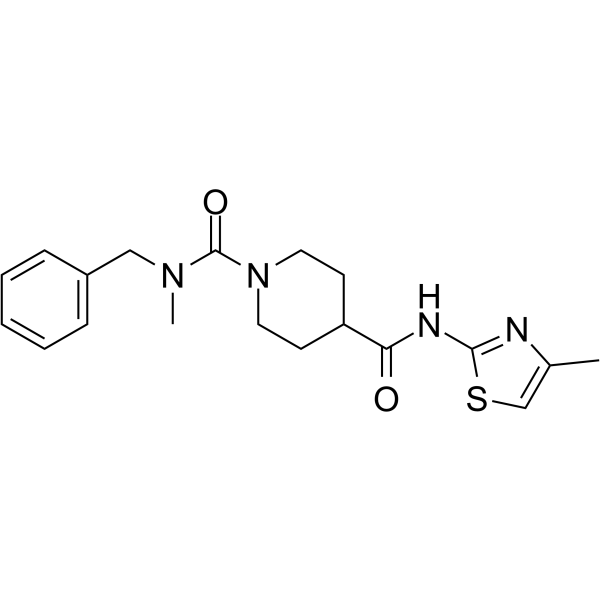
    UNC7437 is a inositol phosphate multikinase (IPMK) inhibitor, with an IC50 value of 26.2 nM. UNC7437 exhibits anti-proliferative activity against glioblastoma cells. UNC7437 decreases the accumulation of InsP4, InsP5, and InsP6 in cells. UNC7437 can be used for the study of TEN-negative glioblastoma models .
    UNC7437
  • HY-160113

    Biochemical Assay Reagents Others
    Sodium phosphate buffer 0.02 M, pH 6.9 is a commonly used aqueous biological buffer that maintains a stable pH value. Sodium phosphate buffer 0.02 M, pH 6.9 is often used in enzyme activity assays, such as α-amylase assays. Sodium phosphate buffer 0.02 M, pH 6.9 is prepared by mixing disodium hydrogen phosphate (Na2HPO4) (HY-B2243) and sodium dihydrogen phosphate (NaH2PO4) (HY-Y0308) to a total concentration of 0.02 M .
    Sodium phosphate buffer 0.02 M, pH 6.9
  • HY-B2243D

    Sodium Phosphate monobasic, for cell culture; Monosodium dihydrogen orthoPhosphate, for cell culture; Monosodium Phosphate, for cell culture

    Environmental Pollutants Biochemical Assay Reagents Others
    Anhydrous sodium dihydrogen phosphate, for cell culture is an inorganic salt compound that can be used as a buffer and nutritional supplement. Anhydrous sodium dihydrogen phosphate, for cell culture can be used in cell culture .
    Anhydrous sodium dihydrogen phosphate, for cell culture
  • HY-D0162
    Malachite green hemioxalate
    1 Publications Verification

    MCCK1

    Fungal IKK NF-κB Apoptosis Infection Cancer
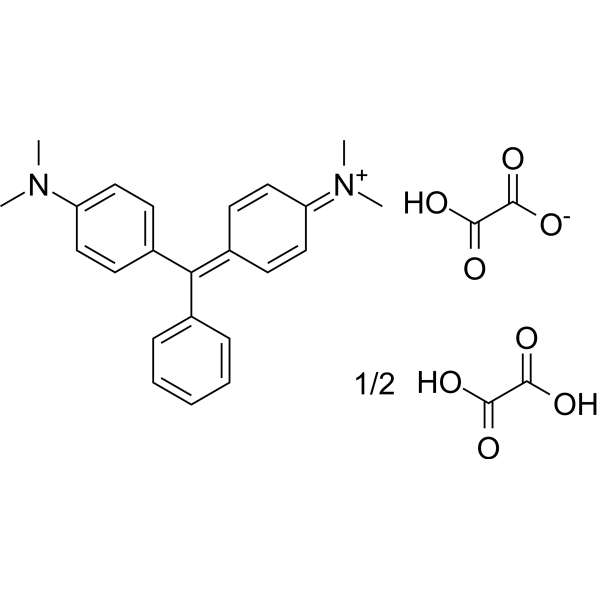
    Malachite green hemioxalate (MCCK1) is a triphenylmethane dye which can be used to detect the release of phosphate in enzymatic reactions. Malachite green hemioxalate has antibacterial activity, which is attributed to inhibition of intracellular enzymes, insertion into DNA and/or interaction with cell membranes. Malachite green hemioxalate is also a potent and selective inhibitor of IKBKE, and inhibits its downstream targets such as IκBα, p65 and IRF3. Malachite green hemioxalate exhibits antitumor activity in vitro and in vivo .
    Malachite green hemioxalate
  • HY-113511A

    Endogenous Metabolite Amylases Metabolic Disease
    Glycogen, Oysters is a polysaccharide extracted from oysters and serves as the storage form of glucose in oysters. Glycogen, Oysters belongs to the intermediate products of glycolysis and high-energy phosphates, and is also an endogenous metabolite .
    Glycogen, Oysters
  • HY-13995B
    Sevelamer carbonate
    1 Publications Verification

    Drug Derivative Metabolic Disease
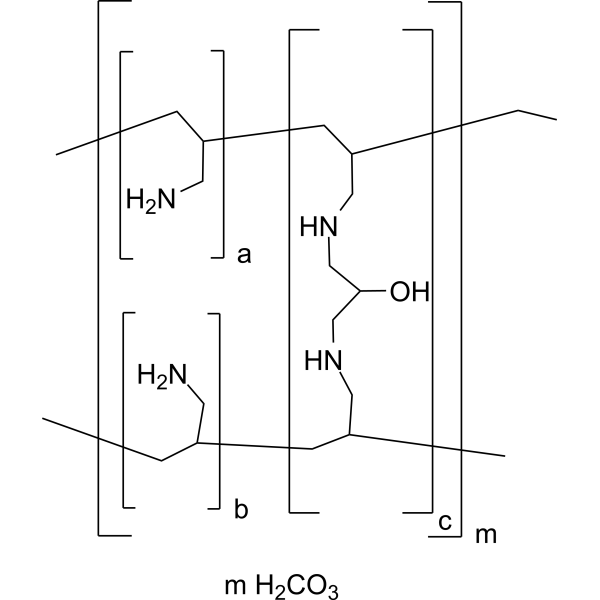
    Sevelamer carbonate is an orally active and non-calcium-based phosphate binding agent and used for the hyperphosphatemia of chronic kidney disease (CKD)research. Sevelamer carbonate effectively lowers serum phosphorus levels hile having minimal effect on serum calcium or serum chloride levels in vivo. Sevelamer carbonate is considered as an improved, buffered form of sevelamer (HY-13995) .
    Sevelamer carbonate
  • HY-P2952

    Myokinase; Adk

    Endogenous Metabolite Others
    Recombinant myokinase, Rabbit muscle (Myokinase), is a phosphotransferase enzyme, is often used in biochemical studies. Recombinant myokinase, Rabbit muscle catalyzes the interconversion of adenosine phosphates. Recombinant myokinase, Rabbit muscle monitors phosphate nucleotide levels inside the cell, it plays an important role in cellular energy homeostasis .
    Recombinant myokinase, Rabbit muscle
  • HY-113511C

    Biochemical Assay Reagents Others
    Glycogen, from bovine liver, ≥85% is a branched polymer of glucose synthesized by animal cells for energy storage and release that can be isolated from bovine liver. Glycogen, from bovine liver, ≥85% is a biochemical reagent that can be used for life science related research .
    Glycogen, from bovine liver, ≥85%
  • HY-112939

    MCI-196; Colestimide

    Biochemical Assay Reagents Metabolic Disease
    Colestilan (MCI-196) is a non-absorbed, non-calcium-based phosphate binder and is also a non-metallic, anion exchange resin. Colestilan is orally active and can be used for hypercholesterolaemia research .
    Colestilan
  • HY-131615
    TPC2-A1-P
    4 Publications Verification

    Sodium Channel Others
    TPC2-A1-P is a powerful and membrane permeable agonist of two pore channel 2 (TPC2) with an EC50 of 10.5 μM. TPC2-A1-P plays its role by mimicking the physiological actions of PI(3,5)P2. TPC2-A1-P also shows higher potency to induce Na 2+ mobilisation from TPC2 than TPC-A1-N (HY-131614). TPC2-A1-P can be used to probe different functions of TPC2 channels in intact cells .
    TPC2-A1-P
  • HY-131614
    TPC2-A1-N
    5+ Cited Publications

    Calcium Channel Others
    TPC2-A1-N is a powerful and Ca 2+-permeable agonist of two pore channel 2 (TPC2), which plays its role by mimicking the physiological actions of NAADP. TPC2-A1-P reproducibly evokes significant Ca 2+ responses from TPC2 (EC50=7.8 μM), and the effect can be blocked by several TPC blockers. TPC2-A1-N can be used to probe different functions of TPC2 channels in intact cells .
    TPC2-A1-N
  • HY-107469
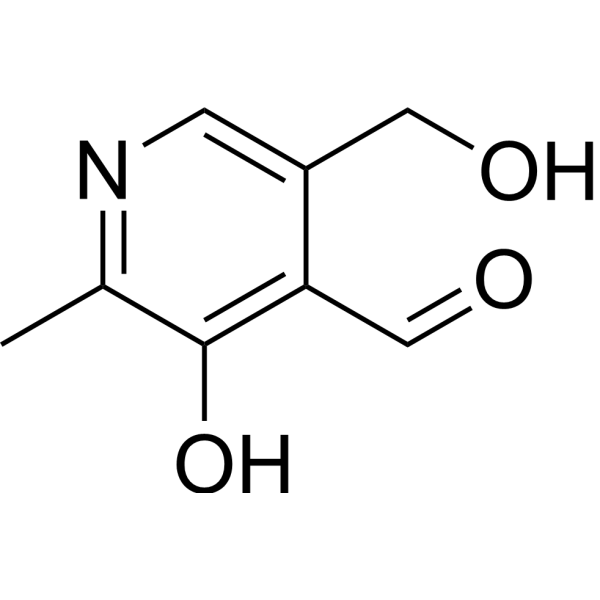
    Pyridoxal
    1 Publications Verification

    Pyridoxaldehyde

    Endogenous Metabolite Neurological Disease Metabolic Disease
    Pyridoxal is a neuroprotectant. Pyridoxal is one of the main forms of vitamin B6. Pyridoxal is phosphorylated by pyridoxal kinase to pyridoxal phosphate (HY-B1744). Pyridoxal is oxidized by the liver to 4-pyridoxic acid (HY-113493) and excreted in the urine. Pyridoxal has shown promise in the study of carpal tunnel syndrome (CTS) .
    Pyridoxal
  • HY-142209

    Bcl-2 Family Cancer
    ABBV-167 is a phosphate prodrug of the BCL-2 inhibitor venetoclax .
    ABBV-167
  • HY-103138
    (Rac)-WAY-161503 hydrochloride
    1 Publications Verification

    5-HT Receptor Neurological Disease Metabolic Disease
    (Rac)-WAY-161503 hydrochloride is a potent, selective, high affinity 5-HT2C receptor agonist with a Ki of 4 nM and an EC50 of 12 nM. (Rac)-WAY-161503 hydrochloride displays higher affinity for 5-HT2C than 5-HT2A and 5-HT2B receptors. (Rac)-WAY-161503 hydrochloride has anti-obesity and antidepressant effects .
    (Rac)-WAY-161503 hydrochloride
  • HY-W587796

    6-PGδL; 6-Phosphonoglucono-D-lactone

    Endogenous Metabolite Cardiovascular Disease Metabolic Disease Cancer
    6-Phosphoglucono-δ-lactone (6-PGδL), a reversal substrate of glucose-6-phosphate dehydrogenase (G6PD), is an intermediate compound in the oxidative branch of the pentose phosphate pathway (PPP). 6-Phosphoglucono-δ-lactone produced from D-glucose-6-phosphate by glucose-6-phosphate dehydrogenase (G6PDH) and is converted to 6-phosphoglutonate by lactonase. 6-Phosphoglucono-δ-lactone can be used for heart failure, type 2 diabetes and cancers research .
    6-Phosphoglucono-δ-lactone
  • HY-108662

    2,2'-Pyridylisatogen tosylate

    P2Y Receptor Inflammation/Immunology Cancer
    PIT (2,2'-Pyridylisatogen tosylate) is a selective and non-competitive antagonist of P2Y1 receptor with an IC50 value of 0.14 μM for human P2Y1 receptor. PIT antagonizes P2Y1 receptor signaling without affecting nucleotide binding. PIT is an irreversible antagonist of responses to ATP at metabotropic purinoceptors (of the P2Y family) in some smooth muscles. PIT can be used for the research of chronic bronchitis and asthma .
    PIT
  • HY-122519

    Biochemical Assay Reagents Others
    Trixylyl phosphate is a triaryl phosphate compound. Each benzene ring of Trixylyl phosphate contains two methyl groups, and compared with other triaryl phosphate compounds, it exhibits lower toxicity to freshwater algae .
    Trixylyl phosphate
  • HY-107469R
    Pyridoxal (Standard)
    1 Publications Verification

    Pyridoxaldehyde (Standard)

    Endogenous Metabolite Reference Standards Neurological Disease Metabolic Disease
    Pyridoxal (Standard) is the analytical standard of Pyridoxal. This product is intended for research and analytical applications. Pyridoxal is a neuroprotectant. Pyridoxal is one of the main forms of vitamin B6. Pyridoxal is phosphorylated by pyridoxal kinase to pyridoxal phosphate (HY-B1744). Pyridoxal is oxidized by the liver to 4-pyridoxic acid (HY-113493) and excreted in the urine. Pyridoxal has shown promise in the study of carpal tunnel syndrome (CTS)[1][2][3].
    Pyridoxal (Standard)
  • HY-P2931

    TPI

    Endogenous Metabolite Others Cancer
    Triosephosphate isomerase (TPI) is a glycolytic enzyme. Triosephosphate isomerase fast interconverts dihydroxyacetone phosphate and D: -glyceraldehyde-3-phosphate, its catalytic site is at the dimer interface .
    Triosephosphate isomerase
  • HY-P2765

    GPDH; α-GlyceroPhosphate dehydrogenase; Glycerol Phosphate dehydrogenase

    Endogenous Metabolite Metabolic Disease
    Glycerol-3-phosphate dehydrogenase, rabbit muscle (GPDH) is an enzyme that catalyzes the reversible redox conversion of dihydroxyacetone phosphate to sn-glycerol 3-phosphate. Glycerol-3-phosphate dehydrogenase is a glycolytic enzyme and is responsible for the re-oxidation of NADH to NAD + and energy supply .
    Glycerol-3-phosphate dehydrogenase, rabbit muscle
  • HY-154924

    S-NADP

    Calcium Channel Cardiovascular Disease
    Thio-NADP (S-NADP) is a nicotinic acid adenine dinucleotide phosphate (NAADP) inhibitor. Thio-NADP activates partial Ca 2+ release .
    Thio-NADP
  • HY-N1673

    Gentisaldehyde

    Bacterial Infection
    2,5-Dihydroxybenzaldehyde (Gentisaldehyde) is a naturally occurring antimicrobial that inhibits the growth of Mycobacterium avium subsp. paratuberculosis. 2,5-Dihydroxybenzaldehyde is active against S. aureus strains with a MIC50 of 500 mg/L .
    2,5-Dihydroxybenzaldehyde
  • HY-134393

    N6-Methyl-ATP

    GSK-3 Others
    6-Me-ATP (N6-Methyl-ATP) is a N 6-modified ATP derivative. 6-Me-ATP shows excellent binding affinity to GSK3, serving as the phosphate group donor for GSK3β-catalyzed phosphorylation of its substrate peptide .
    6-Me-ATP
  • HY-134393B

    N6-Methyl-ATP trisodium solution (100 mM)

    GSK-3 Others
    6-Me-ATP (N6-Methyl-ATP) trisodium solution (100 mM) is a N 6-modified ATP derivative. 6-Me-ATP trisodium shows excellent binding affinity to GSK3, serving as the phosphate group donor for GSK3β-catalyzed phosphorylation of its substrate peptide .
    6-Me-ATP trisodium solution (100 mM)
  • HY-W587841

    Drug Intermediate Metabolic Disease
    D-Xylulose 5-phosphate is a sugar phosphate ester intermediate and also a core metabolite of the pentose phosphate pathway. D-Xylulose 5-phosphate can be used in the research of metabolic diseases .
    D-Xylulose 5-phosphate
  • HY-P2818B
    Alkaline phosphatase, Chicken Intestine
    1 Publications Verification

    Apase, Chicken Intestine

    Endogenous Metabolite Phosphatase Glutathione Peroxidase Bacterial Infection Inflammation/Immunology
    Alkaline Phosphatase (Apase), Chicken Intestine is an alkaline phosphatase from Chicken Intestine, and is one of the most active alkaline phosphatases. Alkaline phosphatase, Chicken Intestine is an orally active membrane-bound glycoprotein that catalyzes the hydrolysis of phosphate monoesters at alkaline pH. Alkaline phosphatase, Chicken Intestine reduces myeloperoxidase activity and bacterial translocation. Alkaline phosphatase, Chicken Intestine improves survival rate of mice infected with E. coli. Alkaline phosphatase, Chicken Intestine improves TNBS-induced colon inflammation .
    Alkaline phosphatase, Chicken Intestine
  • HY-135655
    Fobrepodacin disodium
    1 Publications Verification

    SPR720 disodium; pVXc-486 disodium

    Bacterial Infection
    Fobrepodacin (SPR720) disodium is an orally active and potent phosphate proagent of SPR719 (VXc-486; HY-12930). Fobrepodacin disodium has potent bactericidal activities in vivo .
    Fobrepodacin disodium
  • HY-103138A
    (Rac)-WAY-161503
    1 Publications Verification

    5-HT Receptor Neurological Disease Metabolic Disease
    (Rac)-WAY-161503 is a potent, selective, highly affinity 5-HT2C receptor agonist with a Ki of 4 nM and an EC50 of 12 nM. (Rac)-WAY-161503 displays higher affinity for 5-HT2C than 5-HT2A and 5-HT2B receptors. (Rac)-WAY-161503 has anti-obesity and antidepressant effects .
    (Rac)-WAY-161503
  • HY-N3394

    Others Infection
    Lecanoric acid is a histidine-decarboxylase inhibitor isolated from fungus. The inhibition by lecanoric acid is competitive with histidineand noncompetitive with pyridoxal phosphate. Lecanoric acid did not inhibit aromatic amino acid decarboxylase .
    Lecanoric acid
  • HY-147062

    Biochemical Assay Reagents Metabolic Disease
    N-acetyl-D-galactosamine 6-phosphate is a galactosamine phosphate that involved in galactose metabolism and phosphotransferase system (PTS). N-Acetyl-D-galactosamine-6-phosphate can be hydrolyze by NagA .
    N-Acetyl-D-galactosamine-6-phosphate
  • HY-P4987

    Protease Activated Receptor (PAR) Cardiovascular Disease
    TRAP-7 is a thrombin receptor (PAR) activating peptide. TRAP-7 stimulates total inositol phosphate (IP) accumulation and phosphorylation of a specific endogenous substrate for activated PKC. TRAP-7 can be used in cardiovascular disease research .
    TRAP-7
  • HY-P2765A

    GPDH, microorganism; α-GlyceroPhosphate dehydrogenase, microorganism; Glycerol Phosphate dehydrogenase, microorganism

    Endogenous Metabolite Metabolic Disease
    Glycerol-3-phosphate dehydrogenase, microorganism (GPDH, microorganism) is an enzyme that catalyzes the reversible redox conversion of dihydroxyacetone phosphate to sn-glycerol 3-phosphate.Glycerol-3-phosphate dehydrogenase is a glycolytic enzyme and is responsible for the re-oxidation of NADH to NAD + and energy supply .
    Glycerol-3-phosphate dehydrogenase, microorganism
  • HY-135865

    Ras Cancer
    KRAS inhibitor-7 is a potent KRAS G12C inhibitor, extracted from patent WO2017087528A1, compound B .
    KRAS inhibitor-7

Inquiry Online

Your information is safe with us. * Required Fields.

Salutation


Country or Region *

Applicant Name *


Organization Name *

Department *


Email Address *


Product Name *

Cat. No.


Requested quantity *

Phone Number *


Remarks

Inquiry Online

Inquiry Information

Product Name:
Cat. No.:
Quantity:
MCE Japan Authorized Agent:

