



136186-07-7
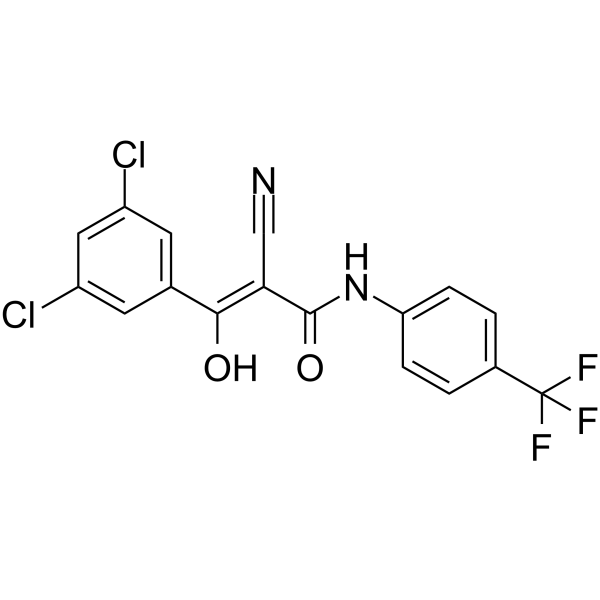
Chemical Structure
TPC2-A1-N
- CAS No.: 136186-07-7
- Formula:C17H9Cl2F3N2O2
- Molecular Weight:401.17
IUPAC Name: (Z)-2-cyano-3-(3,5-dichlorophenyl)-3-hydroxy-N-(4-(trifluoromethyl)phenyl)acrylamide
InChIKey: FVJSEJNZNQVVDZ-PFONDFGASA-N
SMILES: O=C(NC1=CC=C(C(F)(F)F)C=C1)/C(C#N)=C(C2=CC(Cl)=CC(Cl)=C2)\O
Biological Activity: TPC2-A1-N is a powerful and Ca2+-permeable agonist of two pore channel 2 (TPC2), which plays its role by mimicking the physiological actions of NAADP. TPC2-A1-P reproducibly evokes significant Ca2+ responses from TPC2 (EC50=7.8 μM), and the effect can be blocked by several TPC blockers. TPC2-A1-N can be used to probe different functions of TPC2 channels in intact cells[1][2].
| Cat. No. | Product Name | Purity | Description | Pricing | |||||||||||||||||||
|---|---|---|---|---|---|---|---|---|---|---|---|---|---|---|---|---|---|---|---|---|---|---|---|
|
|
TPC2-A1-N | 99.86% | TPC2-A1-N is a powerful and Ca2+-permeable agonist of two pore channel 2 (TPC2), which plays its role by mimicking the physiological actions of NAADP. TPC2-A1-P reproducibly evokes significant Ca2+ responses from TPC2 (EC50=7.8 μM), and the effect can be blocked by several TPC blockers. TPC2-A1-N can be used to probe different functions of TPC2 channels in intact cells. | ||||||||||||||||||||
|
loading...
/
|
|||||||||||||||||||||||
-
Similarity Score 0.63
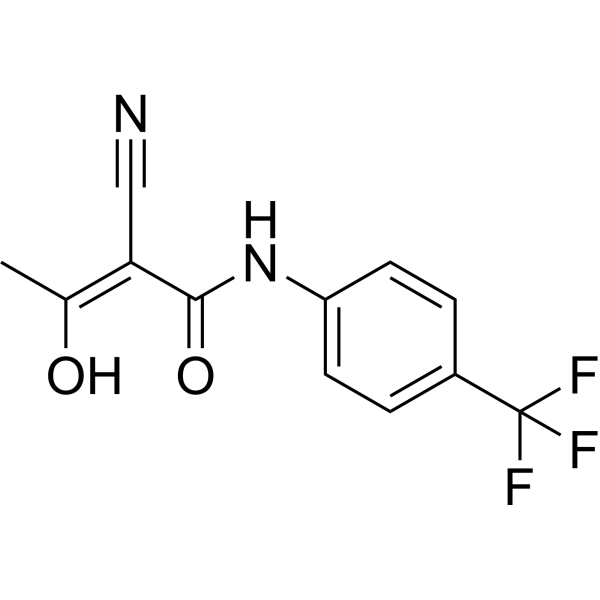 HY-15405Teriflunomide
-
Similarity Score 0.62
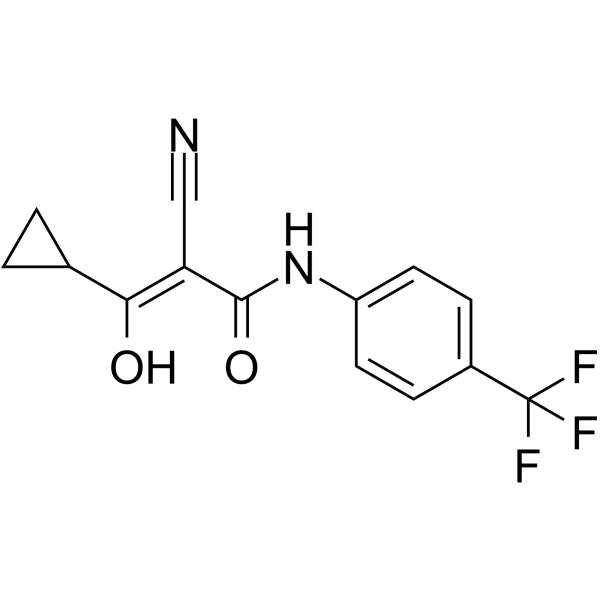 HY-135648PfDHODH-IN-1
-
Similarity Score 0.59
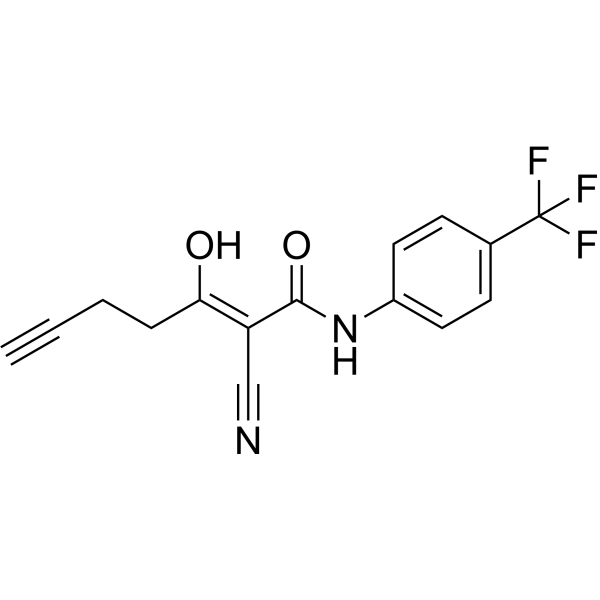 HY-101603Manitimus
-
Similarity Score 0.57
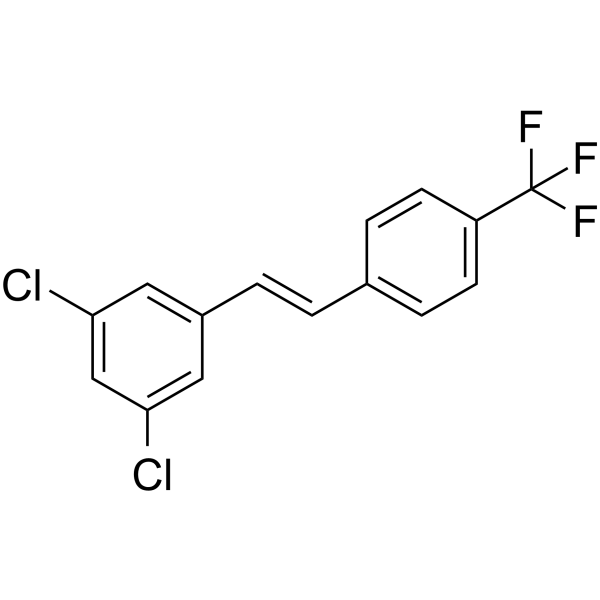 HY-112627CAY 10465
-
Similarity Score 0.55
 HY-134969TFCA
-
Similarity Score 0.55
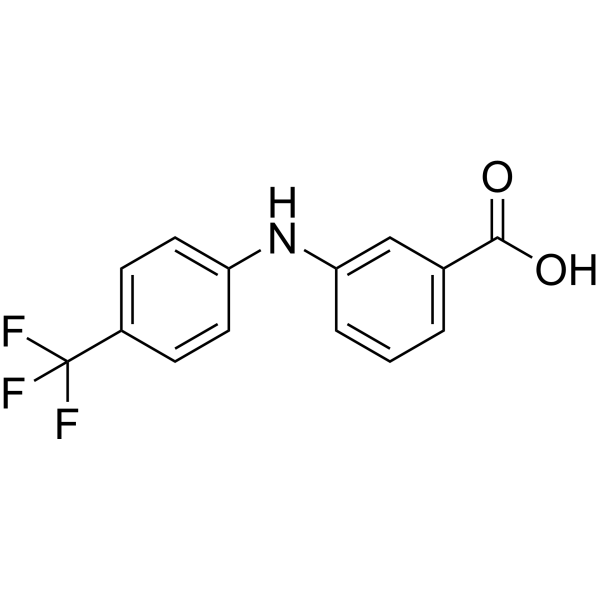 HY-138557AKR1C3-IN-4
-
Similarity Score 0.55
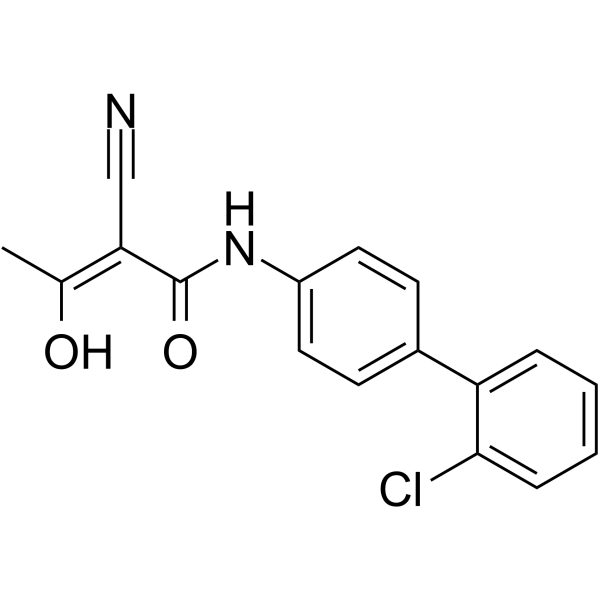 HY-135666DHODH-IN-8
-
Similarity Score 0.55
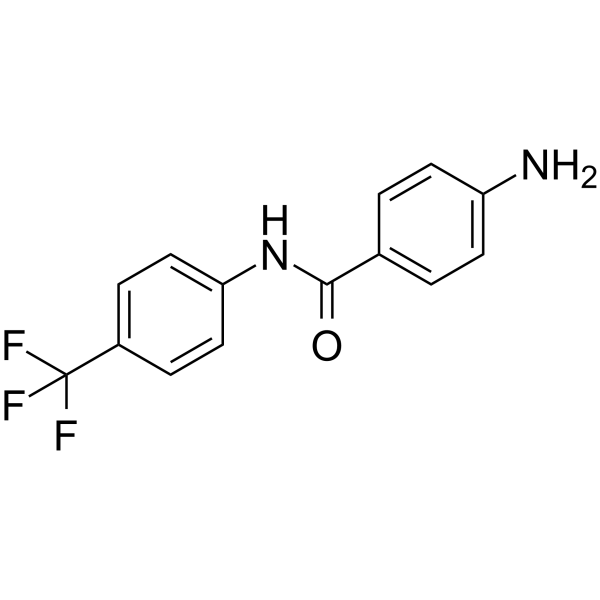 HY-134753Teriflunomide impurity 3
-
Similarity Score 0.54
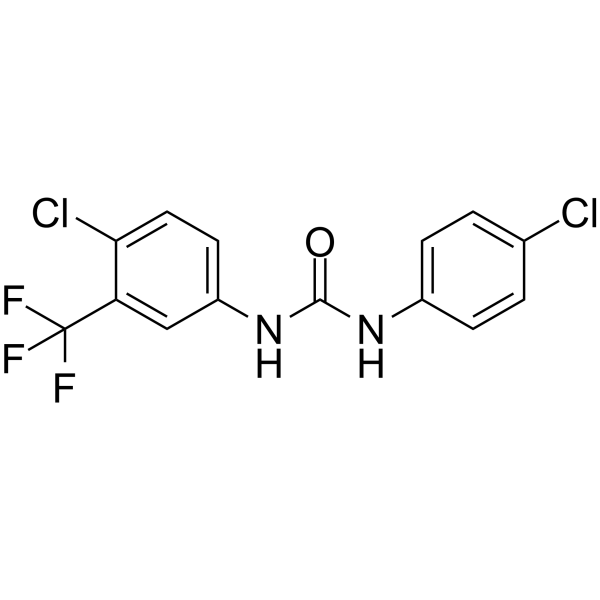 HY-116587Halocarban
-

Explore the MedChemAI to find more analogs

References
- [1]. Susanne Gerndt, et al. Agonist-mediated switching of ion selectivity in TPC2 differentially promotes lysosomal function. Elife [Content Brief]
- [2]. Xuhui Jin, et al. Targeting Two-Pore Channels: Current Progress and Future Challenges. Trends Pharmacol Sci. 2020 Aug;41(8):582-594. [Content Brief]



