97 Results for "

RD

" in MedChemExpress (MCE) Product Catalog:
Products (97)

97 Results for "RD" in MCE Product Catalog:

6
6 Publications Verification
Cat. No.: HY-117800
CAS No.: 1564249-38-2
Purity:  99.85%
Synonyms: B106
Target:  

PKC Apoptosis

Research Areas:  

Inflammation/Immunology Cancer

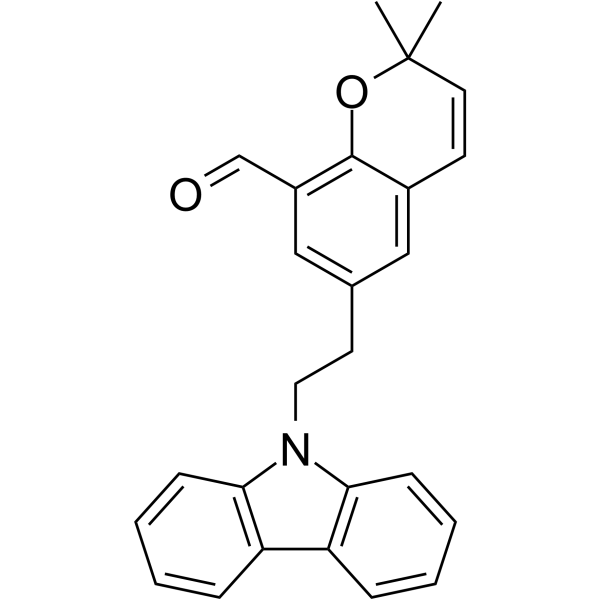
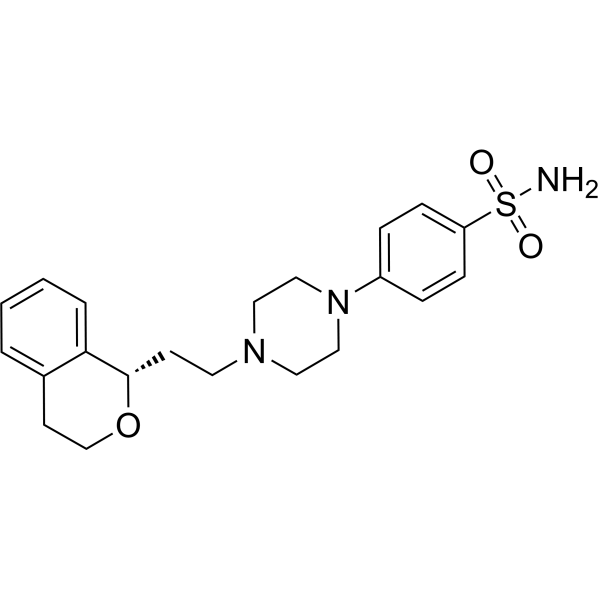
BJE6-106 (B106) is a potent, selective 3 rd generation PKCδ inhibitor with an IC50 of 0.05 μM and targets selectivity over classical PKC isozyme PKCα (IC50=50 μM). BJE6-106 (B106) induces caspase-dependent apoptosis. BJE6-106 (B106) possesses tumor-specific effect.
loading...
    loading...
2
2 Cited Publications
Cat. No.: HY-14925
CAS No.: 189059-71-0
Purity:  99.81%
Synonyms: T-91485
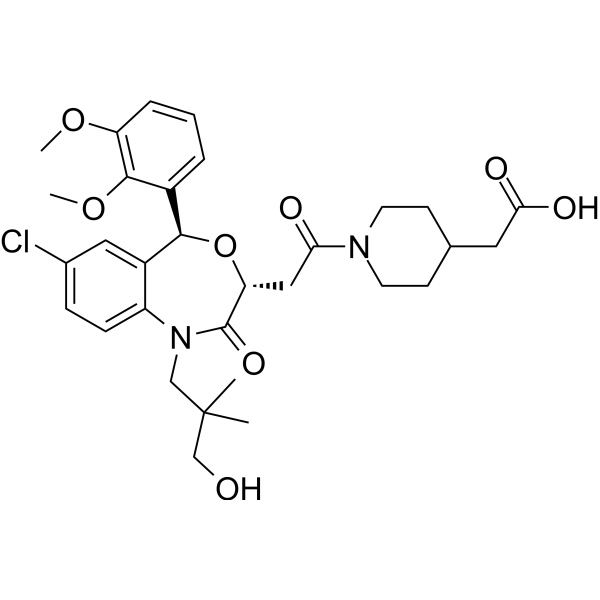
Lapaquistat (T-91485), a cholesterol biosynthesis inhibitor, is the active metabolite of Lapaquistat acetate (HY-16274). Lapaquistat can decrease statin-induced myotoxicity in lipid-lowering therapy .
loading...
    loading...
2
2 Cited Publications
Cat. No.: HY-108751
CAS No.: 1259305-29-7
Purity:  99.70%
Target:  

Dopamine Receptor

Research Areas:  

Neurological Disease

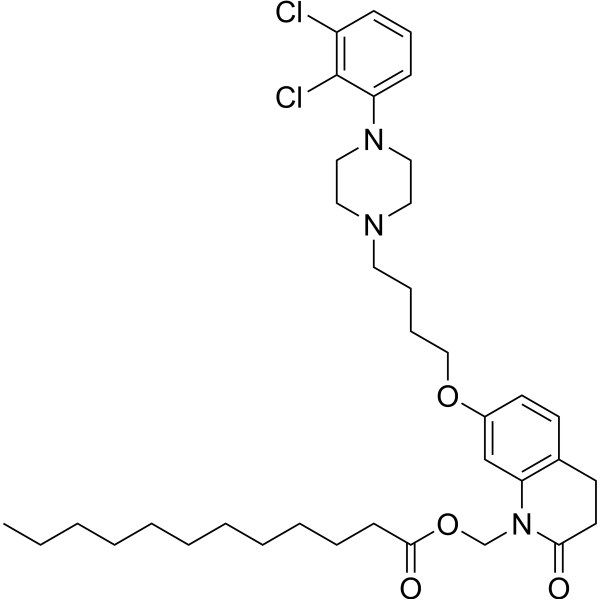
Aripiprazole lauroxil, an N-acyloxymethyl proagent of Aripiprazole (HY-14546), is a Long-acting injectable (LAI) typical antipsychotic for schizophrenia and a ligand of dopamine receptor D2R/D4R. Aripiprazole lauroxil is cleaved by body’s enzyme esterase to N-hydroxymethyl aripiprazole (plus lauric acid) and then to aripiprazole (plus formaldehyde), no toxicity.
loading...
    loading...
2
2 Cited Publications
Cat. No.: HY-N1966
CAS No.: 123694-03-1
Target:  

p38 MAPK PPAR

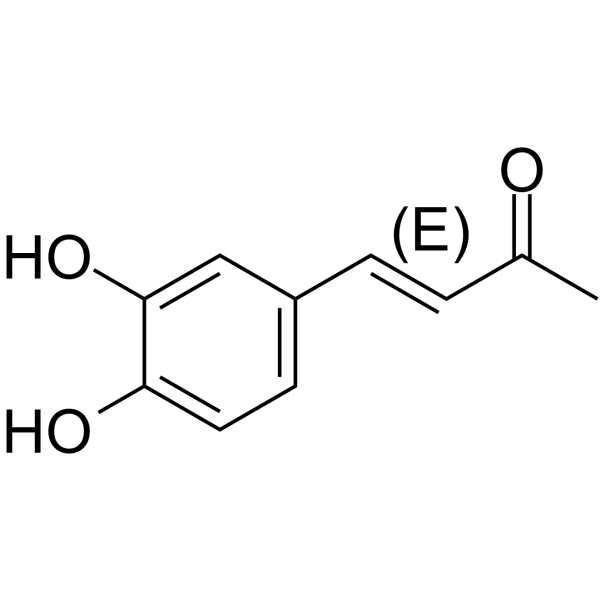
(E)-Osmundacetone is an inhibitor of the MAPK pathway. (E)-Osmundacetone inhibits the activation of the MAPK signaling pathway and restores the expression of PPARα/ACOX1. (E)-Osmundacetone abrogates abnormal cell proliferation, migration and liver metastasis induced by PTPRO silencing in colorectal cancer cells. (E)-Osmundacetone blocks OA-RD17-mediated activation of the MAPK signaling pathway, thereby reducing macrophage proliferation and migration. (E)-Osmundacetone is applicable to relevant research on colorectal cancer .
loading...
    loading...
1
1 Cited Publications
Cat. No.: HY-N0043
CAS No.: 52705-93-8
Synonyms: Gypenoside VIII
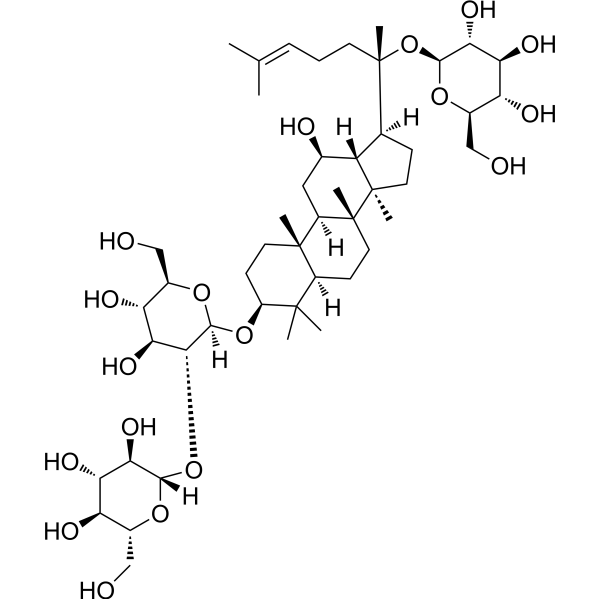
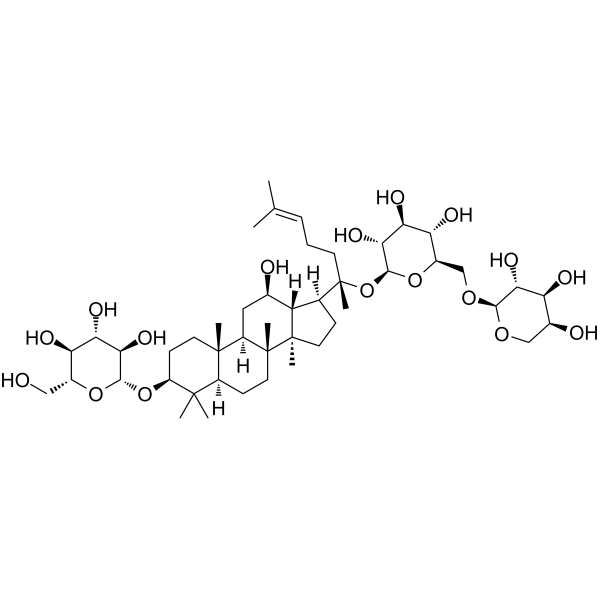
Ginsenoside Rd inhibits TNFα-induced NF-κB transcriptional activity with an IC50 of 12.05±0.82 μM in HepG2 cells. Ginsenoside Rd inhibits expression of COX-2 and iNOS mRNA. Ginsenoside Rd also inhibits Ca 2+ influx. Ginsenoside Rd inhibits CYP2D6, CYP1A2, CYP3A4, and CYP2C9, with IC50s of 58.0±4.5 μM, 78.4±5.3 μM, 81.7±2.6 μM, and 85.1±9.1 μM, respectively.
loading...
    loading...
1
1 Cited Publications
Cat. No.: HY-N0620
CAS No.: 102841-43-0
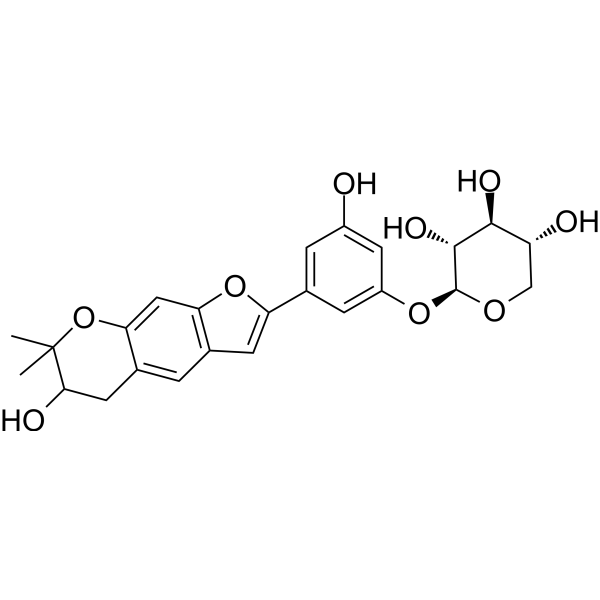
Mulberroside C is one of the main bioactive components in white mulberry (Morus alba L.). Mulberroside C exhibits antiplatelet, antiviral and neutrophil-regulating activities, and binds to EV-A71 VP1 with a Kd value of 1.289 nM. Mulberroside C reduces the phosphorylation level of ERK, promotes the phosphorylation of IP3RI at the Ser 1756 site, and decreases calcium influx and calcium mobilization. Mulberroside C inhibits the expression of P-selectin (P-selectin). Mulberroside C upregulates the cyclic nucleotide signaling pathway in human platelets. Mulberroside C binds to IL-23R, upregulates the expression of G-CSF, GM-CSF and RASGRP1, and activates the RAS/ERK signaling pathway. Mulberroside C promotes neutrophil maturation, accelerates the recovery of leukopenia, and enhances the antibacterial activity of neutrophils. Mulberroside C inhibits the replication of hepatitis C virus in replicon cells. Mulberroside C prevents the uncoating and genome release of EV-A71, and inhibits the synthesis of viral proteins and RNA. Mulberroside C can be used in studies related to thrombosis-mediated cardiovascular diseases, chemotherapy- and radiotherapy-induced leukopenia, hepatitis C virus infection, and hand, foot and mouth disease .
loading...
    loading...
Cat. No.: HY-W019806
CAS No.: 7578-25-8
Synonyms: LNFP I
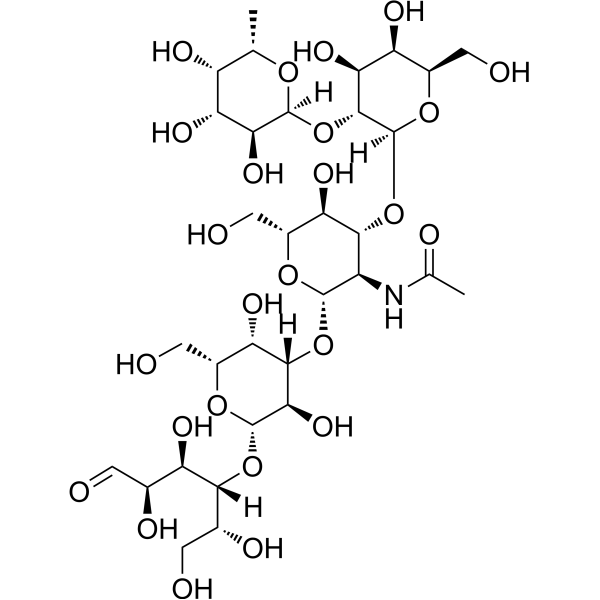
Lacto-N-fucopentaose I (LNFPI) is a human milk oligosaccharide (HMO), possessing antiviral and antibacterial activity. Lacto-N-fucopentaose I can reduce capsid protein VP1 to block virus adsorption, promote CDK2 and reduce cyclin E to recover cell cycle S phase block. Lacto-N-fucopentaose I inhibits ROS production and apoptosis in virus-infected cells. Lacto-N-fucopentaose I can also regulate intestinal microbiota to affect immune system development .
loading...
    loading...
Cat. No.: HY-U00190
CAS No.: 20424-00-4
Synonyms: RD20000
Target:  

Bacterial

Research Areas:  

Inflammation/Immunology

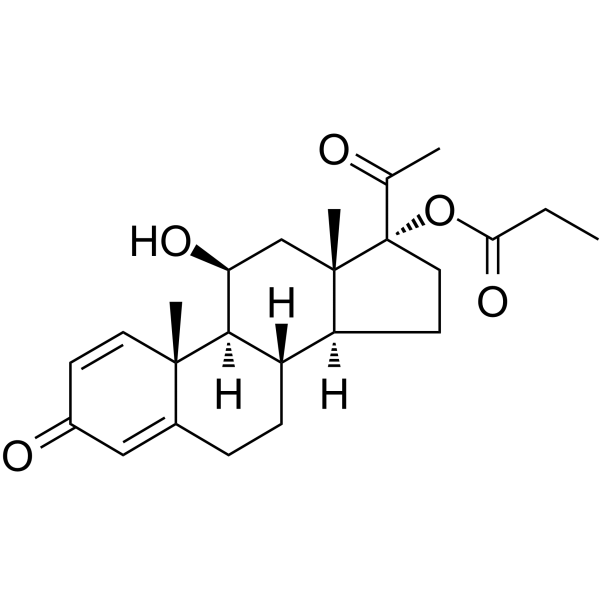
Deprodone propionate (RD20000) is a corticosteroid which is obtained by esterifying with propionic acid the 17-position of the prednisolone skeleton and deoxidating its 21-position.
loading...
    loading...
Cat. No.: HY-W010642
CAS No.: 5390-04-5
Synonyms: 4-Pentyn-1-ol
Target:  

PROTAC Linkers

Research Areas:  

Cancer

Pent-4-yn-1-ol is a PROTAC linker. Pent-4-yn-1-ol can be used to synthesize PROTAC molecules (e.g. RD-23 (HY-168867)) .
loading...
    loading...
Cat. No.: HY-W007880
CAS No.: 22348-32-9
Synonyms: (R)-Diphenylprolinol
Target:  

Drug Isomer

Research Areas:  

Neurological Disease

(R)-D2PM ((R)-Diphenylprolinol) is an isomer of the psychoactive substance D2PM and a pyrrolidine analog .
loading...
    loading...
Cat. No.: HY-136913
CAS No.: 69617-84-1
Purity:  99.76%
Synonyms: (Rac)-Betuligenol
Target:  

Endogenous Metabolite

Research Areas:  

Inflammation/Immunology

(Rac)-Rhododendrol ((Rac)-Betuligenol) is an aromatic compound with pro-oxidant activity. (Rac)-Rhododendrol may be useful in the suppression of liver diseases. (Rac)-Rhododendrol can be toxic to melanocytes, leading to cell death. The metabolite of (Rac)-Rhododendrol, RD-quinone, is cytotoxic and causes enzyme inactivation and endoplasmic reticulum stress by binding to thiol proteins. (Rac)-Rhododendrol-derived melanin exhibits potent pro-oxidant activity and may cause oxidative stress .
loading...
    loading...
Cat. No.: HY-168867
CAS No.: 3053537-06-4
Target:  

PROTACs RET Apoptosis

Research Areas:  

Cancer

RD-23 is an orally active and selective RET PROTAC degrader, with DC50 values of 5.6 nM and 11.7 nM against RET WT and RET G810C mutants, respectively. RD-23 inhibits purified RET kinase activity with an IC50 of 0.371 nM. RD-23 suppresses the activation of downstream Shc signaling and induces apoptosis. RD-23 can be used for the research of RET-related cancers .
loading...
    loading...
Cat. No.: HY-176723
CAS No.: 1287651-83-5
Target:  

DYRK

Research Areas:  

Neurological Disease

RD0392 (Compound 5) is a competitive tyrosine phosphorylation-regulated kinase 1A (DYRK1A) inhibitor (IC50=1.3 nM). RD0392 is promising for research of neurodegenerative diseases like Alzheimer’s .
loading...
    loading...
Cat. No.: HY-14328
CAS No.: 170858-33-0
Purity:  99.84%
Synonyms: PNU-101387G; U-101387G
Target:  

Dopamine Receptor

Research Areas:  

Neurological Disease

Sonepiprazole (PNU-101387G) is a selective D4 dopamine antagonist with Kis of 3.6, 10.1, 5147, and 7430 nM for rD4-Dopamine, hD4.2-Dopamine, rD2-Dopamine, and Histamine-H1 receptors, respectively .
loading...
    loading...
Cat. No.: HY-W016407
CAS No.: 25379-88-8
Target:  

Enterovirus

Research Areas:  

Infection

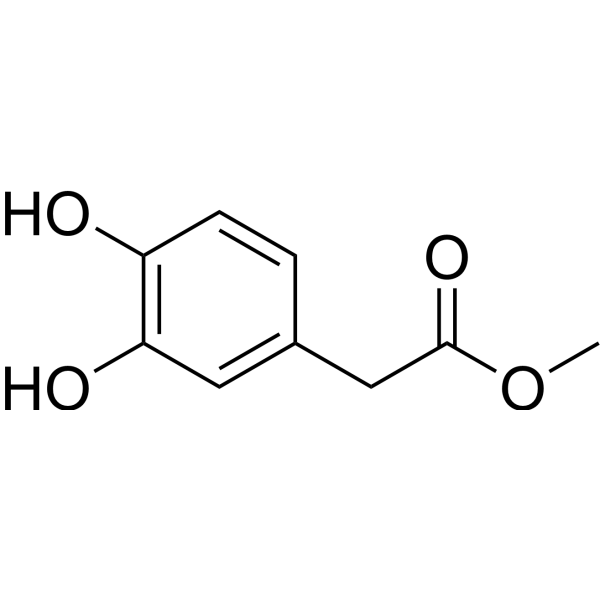
Methyl 3,4-dihydroxyphenylacetate is a potent enterovirus 71 (EV71) infection inhibitor. Methyl 3,4-dihydroxyphenylacetate inhibits EV71 replication in rhabdomyosarcoma (RD) cells .
loading...
    loading...
Cat. No.: HY-W017567
CAS No.: 27829-72-7
Synonyms: trans-2-Hexenoic Acid Ethyl Ester
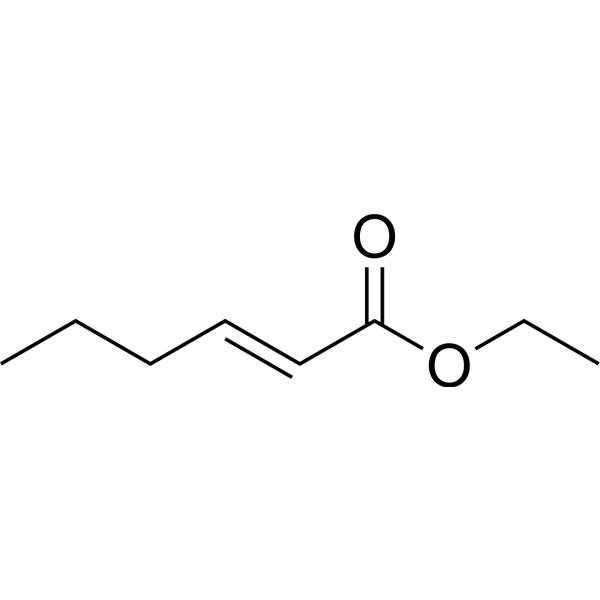
Ethyl (E)-2-hexenoate consists of a six-carbon chain with a double bond between the 2nd and 3rd carbon atoms, an ethyl ester group attached to the 1st carbon atom, and a A methyl group connected by 4 carbon atoms. This compound has a fruity, sweet or floral aroma and is commonly used as a flavoring in foods such as baked goods, confectionary and beverages.
loading...
    loading...
Cat. No.: HY-N2516
CAS No.: 83480-64-2
Ginsenoside Rd2 is a saponin found in Panax japonicus with anti-inflammatory actions .
loading...
    loading...
Cat. No.: HY-175504
CAS No.: 932544-59-7
Target:  

Dopamine Receptor PERK

Research Areas:  

Neurological Disease

MLS6357 is a D3 dopamine receptor (D3R)-selective positive allosteric modulator (PAM)-antagonist. MLS6357 exhibits antagonist activity in the D3R-mediated and the BRET-based β-arrestin recruitment assay with IC50s of 13 and 14 μM, and no activity for other DAR subtypes (D1R/D2R/D4R/D5R) (IC50 > 100 μM). MLS6357 is also an antagonist in the D3R-mediated Go-BRET assay with an IC50 of 17 μM. MLS6357 can be used for the study of neuropsychiatric disorders, including substance use disorder .
loading...
    loading...
Cat. No.: HY-101065
CAS No.: 85378-82-1
Purity:  98.55%
Synonyms: (+)-AJ 76 hydrochloride; (1S,2R)-AJ 76 hydrochloride
Target:  

Dopamine Receptor

Research Areas:  

Others

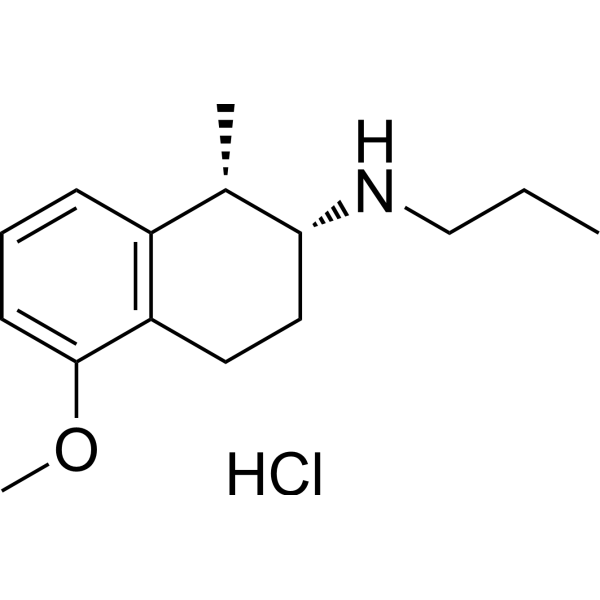
AJ-76 hydrochloride ((+)-AJ 76 hydrochloride) is an antagonist of dopamine autoreceptor with pKi values of 6.95, 6.67, 6.37, 6.21 and 6.07 for hD3, hD4, hD2S, hD2L and rD2 receptors, respectively.
loading...
    loading...
Cat. No.: HY-111145
CAS No.: 915087-27-3
Purity:  99.69%
Target:  

Androgen Receptor

Research Areas:  

Cancer

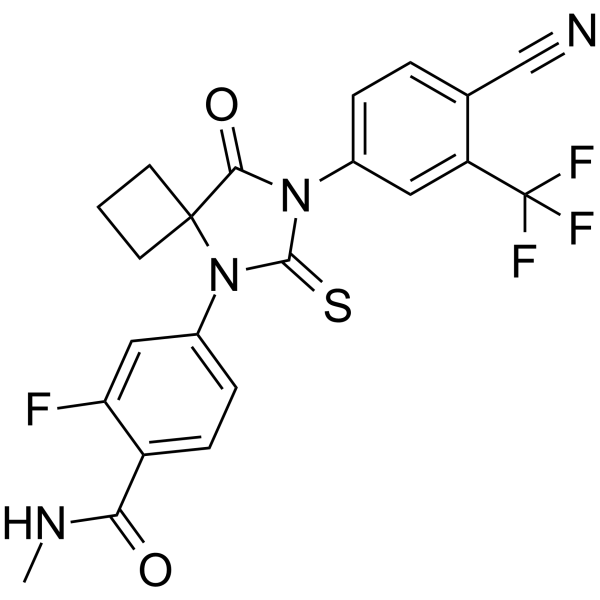
RD162, a diarylthiohydantoin, is an orally active non-steroidal antiandrogen (NSAA). RD162 specifically binds to androgen receptor (AR). RD162 induces tumor regression in mouse models of castration-resistant human prostate cancer .
loading...
    loading...

