

1. Search Result
Search Result
Results for "

RNA chain

" in MedChemExpress (MCE) Product Catalog:

49

Inhibitors & Agonists

2

Biochemical Assay Reagents

14

Peptides

5

MCE Kits

5

Natural
Products

1

Isotope-Labeled Compounds

3

Oligonucleotides

Cat. No. Product Name Target Research Areas Chemical Structure
  • HY-103586
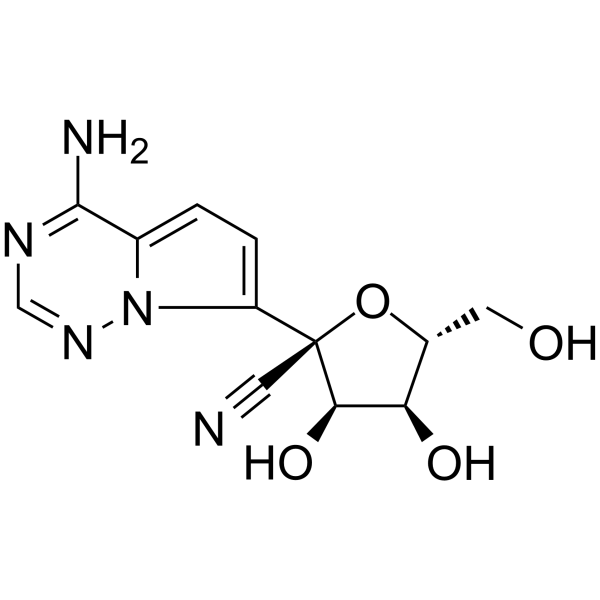
    GS-441524
    Maximum Cited Publications
    26 Publications Verification

    DNA/RNA Synthesis SARS-CoV Infection
    GS-441524 is a potent, orally active and CNS-penetrant viral RNA-dependent RNA polymerase inhibitor. GS-441524 competes with natural nucleosides to block viral RNA transcription as an alternative substrate and RNA chain terminator. GS-441524 inhibits the replication of feline infectious peritonitis virus, African swine fever virus, and severe acute respiratory syndrome coronavirus 2. GS-441524 reduces viral RNA levels in cats. GS-441524 can be used in research related to feline infectious peritonitis, African swine fever, and coronavirus disease 2019 (COVID-19) .
    GS-441524
  • HY-134539
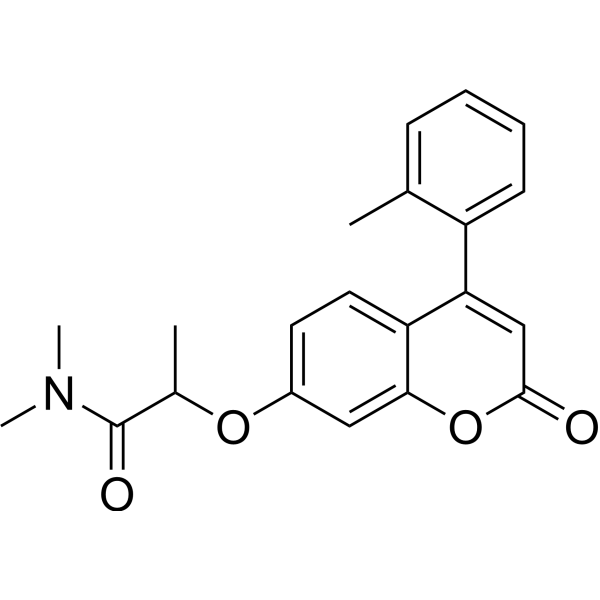
    IMT1
    5+ Cited Publications

    Oxidative Phosphorylation Mitochondrial Metabolism DNA/RNA Synthesis Metabolic Disease Cancer
    IMT1 is a first-in-class specific and noncompetitive human mitochondrial RNA polymerase (POLRMT) inhibitor. IMT1 causes a conformational change of POLRMT, which blocks substrate binding and transcription in a dose-dependent way in vitro. IMT1 reduces deoxynucleoside triphosphate levels and citric acid cycle intermediates, resulting in a marked depletion of cellular amino acid levels. IMT1 has the potential for mitochondrial transcription disorders related diseases .
    IMT1
  • HY-P3479

    Insulin Receptor Metabolic Disease
    Insulin (swine) is an orally active insulin derived from pigs. Insulin (swine) when administered orally acts as an antigen to reduce the severity of pancreatic lymphocyte infiltration, but has no metabolic effect on blood glucose levels. Insulin (swine) increases glucose oxidation, stimulates lipogenesis, and lowers blood glucose levels. Insulin (swine) can be used in diabetes research .
    Insulin (swine)
  • HY-129046C

    Ribonuclease B, Bovine Pancreas

    Endonuclease DNA/RNA Synthesis Endocrinology Cancer
    RNase A (Bovine pancreatic RNase) is a widely used Endonuclease in DNA purification by specifically hydrolyzing cytosine or uracil residues of RNA. RNase A degrades the RNA in the RNA/DNA duplex. RNase A catalyses the breakdown of 3',5'-phosphodiester linkages of single stranded RNA. RNase A family members in organisms are tightly involved in various physiological and pathological processes including cell growth and development, proliferation, differentiation and migration. Dysregulation of RNase A activity or expression level is closely related to pancreatic, ovarian, bladder and thyroid cancer. RNase A has tumor cell-killing ability. RNase B, Bovine Pancreas (Ribonuclease B, Bovine Pancreas) is the N-glycosylated form of RNase A. RNase B, Bovine Pancreas can promote the folding of polypeptide chains and play a role similar to molecular chaperones .
    RNase B, Bovine Pancreas
  • HY-17026E

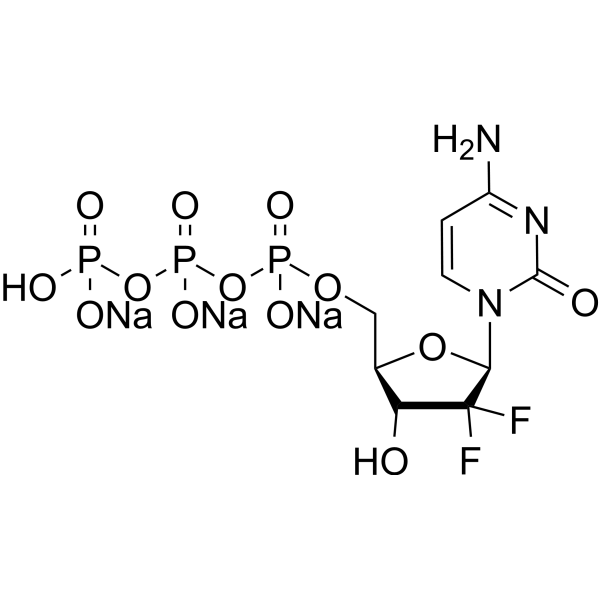
    dFdCTP trisodium

    Drug Metabolite DNA/RNA Synthesis Apoptosis Cancer
    Gemcitabine triphosphate (dFdCTP) trisodium is the active metabolite of Gemcitabine (HY-17026). The mechanism of Gemcitabine triphosphate trisodium cell-killing is its competition with cytidine triphosphate during DNA replication, which results in the inhibition of chain elongation. Gemcitabine triphosphate trisodium shows a Ki of 11.2 μM against DNA polymerase α and 14.4 μM against DNA polymerase ε. Gemcitabine triphosphate trisodium partially inhibits dCMP deaminase and acts as a substrate for DNA synthesis to incorporate into cellular DNA and RNA. Gemcitabine triphosphate trisodium disrupts DNA and RNA synthesis, arrests cell cycle in G0/G1 and S phases, triggers apoptosis, reduces tumor cell proliferation. Gemcitabine triphosphate trisodium can be used for the research of pancreatic cancer and non-small cell lung cancer .
    Gemcitabine triphosphate trisodium
  • HY-W091784

    Endogenous Metabolite Orthopoxvirus Nucleoside Antimetabolite/Analog DNA/RNA Synthesis Infection
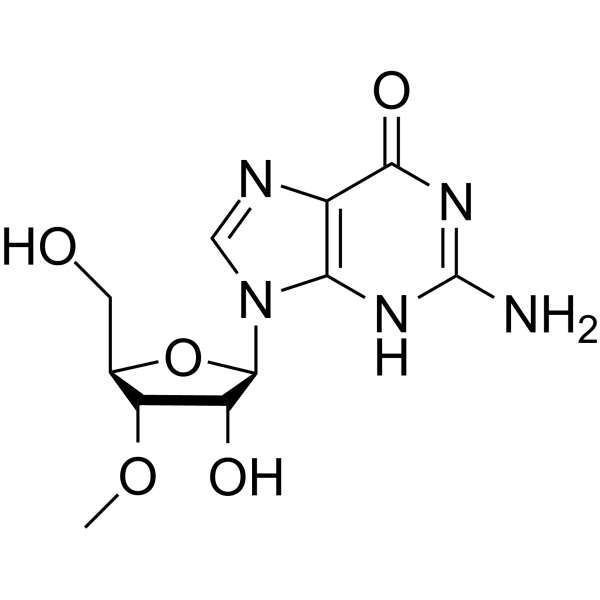
    3'-O-Methylguanosine is a methylated nucleoside analog and RNA chain terminator. 3'-O-Methylguanosine can inhibit the synthesis of early vaccinia virus-specific RNA .
    3'-O-Methylguanosine
  • HY-17026A

    dFdCTP

    Drug Metabolite DNA/RNA Synthesis Apoptosis Cancer
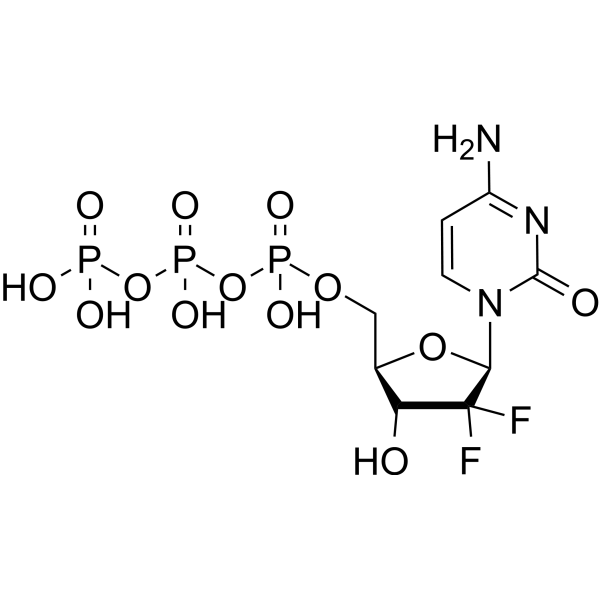
    Gemcitabine triphosphate (dFdCTP) is the active metabolite of Gemcitabine (HY-17026). The mechanism of Gemcitabine triphosphate cell-killing is its competition with cytidine triphosphate during DNA replication, which results in the inhibition of chain elongation. Gemcitabine triphosphate shows a Ki of 11.2 μM against DNA polymerase α and 14.4 μM against DNA polymerase ε. Gemcitabine triphosphate partially inhibits dCMP deaminase and acts as a substrate for DNA synthesis to incorporate into cellular DNA and RNA. Gemcitabine triphosphate disrupts DNA and RNA synthesis, arrests cell cycle in G0/G1 and S phases, triggers apoptosis, reduces tumor cell proliferation. Gemcitabine triphosphate can be used for the research of pancreatic cancer and non-small cell lung cancer .
    Gemcitabine triphosphate
  • HY-112747

    LPI; PE (soy)

    Phospholipase Infection
    Soy PE (LPI) is the most abundant phospholipid in prokaryotes and the second most abundant found in the membrane of mammalian, plant, and yeast cells, comprising approximately 25% of total mammalian phospholipids. In the brain, phosphatidylethanolamine comprises almost half of the total phospholipids. It is synthesized mainly through the cytidine diphosphate-ethanolamine and phosphatidylserine decarboxylation pathways, which occur in the endoplasmic reticulum (ER) and mitochondrial membranes, respectively. It is a precursor in the synthesis of phosphatidylcholine and arachidonoyl ethanolamide and is a source of ethanolamine used in various cellular functions. In E.coli, phosphatidylethanolamine deficiency prevents proper assembly of lactose permease, suggesting a role as a lipid chaperone. It is a cofactor in the propagation of prions in vitro and can convert recombinant mammalian proteins into infectious molecules even in the absence of RNA. This product contains phosphatidylethanolamine molecular species with variable fatty acyl chain lengths at the sn-1 and sn-2 positions .
    Soy PE
  • HY-10240
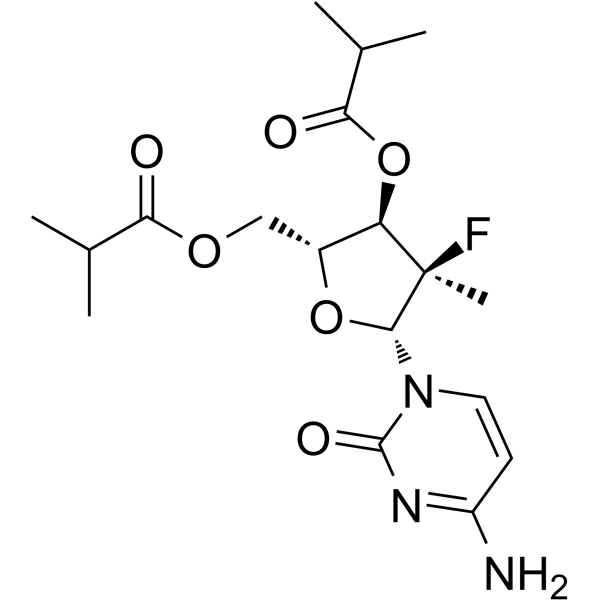
    Mericitabine
    5+ Cited Publications

    RG 7128; R-7128; PSI 6130 diisobutyrate

    HCV Infection
    Mericitabine (RG 7128; R-7128) is a nucleoside inhibitor of the HCV NS5B polymerase that acts as an RNA chain terminator and prevents elongation of RNA transcripts during replication.
    Mericitabine
  • HY-137697D

    HIV DNA/RNA Synthesis Nucleoside Antimetabolite/Analog Drug Metabolite HIV Protease Infection
    ddCTP trilithium solution (100 mM) is a chain-terminating dideoxynucleotide. ddCTP trilithium is a type of chain-terminating deoxynucleotide. ddCTP trilithium can be incorporated into the extension primer chain that lacks the 3'-hydroxyl group, thereby terminating primer extension, viral genome replication, and DNA synthesis. ddCTP trilithium can distinguish almost identical RNA through distinguishable extension products in primer extension inhibition experiments. ddCTP trilithium is the active metabolite of Zalcitabine (HY-17392), which can competitively inhibit HIV reverse transcriptase, terminate the synthesis of viral DNA chains, and thereby inhibit HIV replication .
    ddCTP trisodium solution (100 mM)
  • HY-131603

    3TCTP

    Reverse Transcriptase HCV HBV SARS-CoV Drug Derivative Infection
    Lamivudine triphosphate (3TCTP) is a phosphorylated Lamivudine (HY-B0250) (a nucleoside analogue). Lamivudine triphosphate inhibits the reverse transcriptase of HIV or HBV viruses to block viral replication by chain termination. Lamivudine triphosphate is also an inhibitor of the RdRp activity of the NS5B subunit of the HCV. Lamivudine triphosphate can be incorporated into the nascent RNA by the SARS-CoV-2 RdRp, thus halting mutations in the nascent SARS-CoV-2 RNA .
    Lamivudine triphosphate
  • HY-P3432

    Biochemical Assay Reagents Others
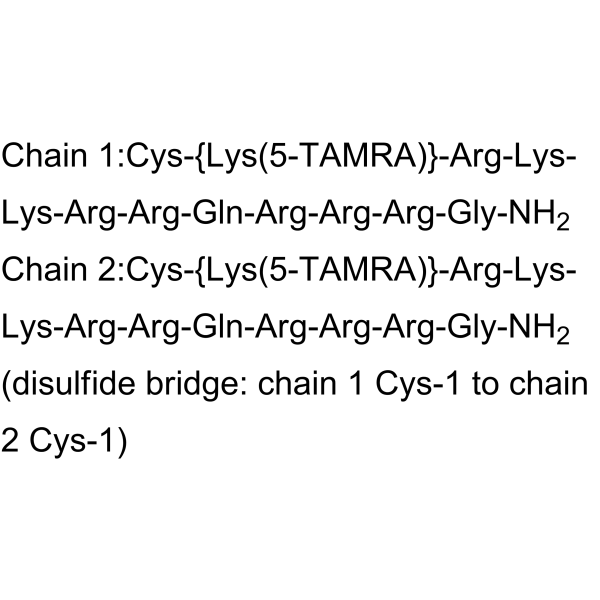
    DfTat is a dimer of the prototypical cell-penetrating peptide TAT. DfTat can deliver small molecules, peptides and proteins into live cells with a particularly high efficiency. DfTat labeled with the rhodamine can be used as a tracer for easy detection .
    DfTat
  • HY-137697

    Nucleoside Antimetabolite/Analog DNA/RNA Synthesis HIV Protease HIV Drug Metabolite Infection
    ddCTP is a type of chain-terminating deoxynucleotide. ddCTP can be incorporated into the extension primer chain that lacks the 3'-hydroxyl group, thereby terminating primer extension, viral genome replication, and DNA synthesis. ddCTP can distinguish almost identical RNA through distinguishable extension products in primer extension inhibition experiments. ddCTP is the active metabolite of Zalcitabine (HY-17392), which can competitively inhibit HIV reverse transcriptase, terminate the synthesis of viral DNA chains, and thereby inhibit HIV replication .
    ddCTP
  • HY-103586A
    GS-441524 hydrochloride
    Maximum Cited Publications
    26 Publications Verification

    DNA/RNA Synthesis SARS-CoV Infection
    GS-441524 hydrochloride is a potent, orally active and CNS-penetrant viral RNA-dependent RNA polymerase inhibitor. GS-441524 hydrochloride competes with natural nucleosides to block viral RNA transcription as an alternative substrate and RNA chain terminator. GS-441524 hydrochloride inhibits the replication of feline infectious peritonitis virus, African swine fever virus, and severe acute respiratory syndrome coronavirus 2. GS-441524 hydrochloride reduces viral RNA levels in cats. GS-441524 hydrochloride can be used in research related to feline infectious peritonitis, African swine fever, and coronavirus disease 2019 (COVID-19) .
    GS-441524 hydrochloride
  • HY-W001952

    Fluorescent Dye Drug Intermediate Others
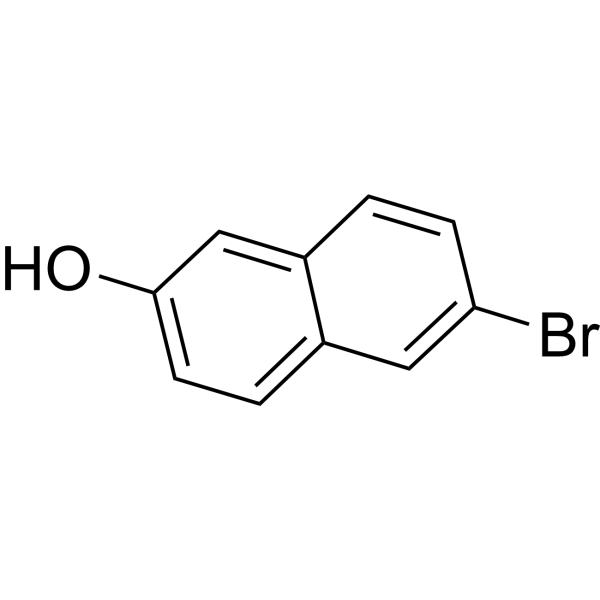
    6-Bromo-2-naphthol is an RTP (real-time polymerase chain reaction) probe that forms a 1:1 or 2:1 complex with β-cyclodextrin (β-CD). 6-Bromo-2-naphthol is capable of real-time monitoring of PCR reactions and quantification of specific nucleic acid sequences. RTP probes are a class of small DNA or RNA sequences labeled with fluorescent dyes and quencher molecules, which can be widely used in gene expression analysis, SNP genotyping, and pathogen detection. 6-Bromo-2-naphthol embeds into the cyclodextrin cavity through hydrophobic interactions, inhibits the oxygen quenching effect, and emits a phosphorescent signal at room temperature. 6-Bromo-2-naphthol can also be used as an intermediate for the synthesis of antibacterial azo dyes, and its derivatives show antibacterial activity against Staphylococcus aureus, Escherichia coli and other bacteria .
    6-Bromo-2-naphthol
  • HY-P10204

    Wnt Cancer
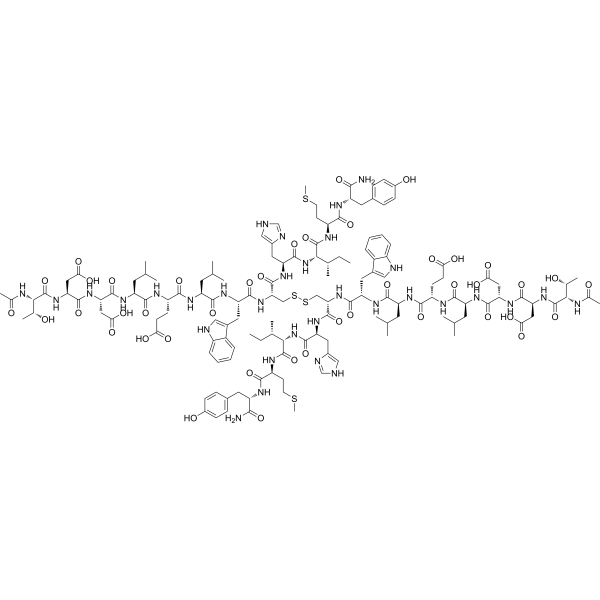
    FZD7 antagonist 1 (peptide 34) is a dFz7-21 analogue. FZD7 antagonist 1 is an FZD7 antagonist that inhibits the wnt3a with IC50 value of 9.2 nM. FZD7 antagonist 1 blocks TcdB−FZD interaction via targeting FZD receptors .
    FZD7 antagonist 1
  • HY-P4890

    RXFP Receptor Neurological Disease
    Relaxin H3 (human) is a kind of relaxin peptide. Relaxin H3 (human) exerts antifibrotic actions via RXFP1 .
    Relaxin H3 (human)
  • HY-P10693

    TNF Receptor Bacterial Infection Inflammation/Immunology
    CZEN-002 is a derivative of alpha-melanocyte-stimulating hormone that has anti-inflammatory and antibacterial properties, inhibiting the production of TNF-α .
    CZEN-002
  • HY-P11246

    RXFP Receptor Metabolic Disease
    A13:B7-24-GG is an engineered analogue of insulin-like peptide 5 (INSL5), a selective RXFP4 agonist with a Ki value of 2.29 nM. A13:B7-24-GG has an extremely low binding affinity for RXFP3 (Ki = 602.56 nM) and an inhibitory effect on cAMP (EC50) of 1.17 nM. Activation of RXFP4 by A13:B7-24-GG leads to the recruitment of β-Arrestin2, with an EC50 of 22.39 nM. A13:B7-24-GG can be used for research on chronic constipation .
    A13:B7-24-GG
  • HY-177980

    Nucleoside Antimetabolite/Analog Infection
    DNA-GAGA is a slow substrate for Ricin toxin A-chain (RTA). RTA depurinates a single adenylate on a GAGA stem-loop region of eukaryotic 28S RNA, making it a potent toxin .
    DNA-GAGA
  • HY-177979

    Nucleoside Antimetabolite/Analog Infection
    DNA-GAG is a slow substrate for Ricin toxin A-chain (RTA). RTA depurinates a single adenylate on a GAGA stem-loop region of eukaryotic 28S RNA, making it a potent toxin .
    DNA-GAG
  • HY-W091784R

    Reference Standards Endogenous Metabolite Orthopoxvirus Nucleoside Antimetabolite/Analog DNA/RNA Synthesis Infection
    3'-O-Methylguanosine (Standard) is an analytical standard of 3'-O-Methylguanosine (HY-W091784). This product is intended for research and analytical applications. 3'-O-Methylguanosine is a methylated nucleoside analog and RNA chain terminator. 3'-O-Methylguanosine can inhibit the synthesis of early vaccinia virus-specific RNA .
    3'-O-Methylguanosine (Standard)
  • HY-137697B

    HIV DNA/RNA Synthesis Nucleoside Antimetabolite/Analog Drug Metabolite HIV Protease Infection
    ddCTP trilithium is a type of chain-terminating deoxynucleotide. ddCTP trilithium can be incorporated into the extension primer chain that lacks the 3'-hydroxyl group, thereby terminating primer extension, viral genome replication, and DNA synthesis. ddCTP trilithium can distinguish almost identical RNA through distinguishable extension products in primer extension inhibition experiments. ddCTP trilithium is the active metabolite of Zalcitabine (HY-17392), which can competitively inhibit HIV reverse transcriptase, terminate the synthesis of viral DNA chains, and thereby inhibit HIV replication .
    ddCTP trilithium
  • HY-126877

    HSV Infection
    3-Deaza-2 '-deoxyadenosine is a nucleoside analog synthesized from 2' -deoxyadenosine. 3-Deaza-2 '-deoxyadenosine inhibits RNA synthesis by binding to ribose fragments of ribonucleotides, thereby preventing the formation of enzyme-substrate complexes, thereby preventing chain elongation, It can also inhibit DNA synthesis by binding deoxyribose fragments of DNA and preventing DNA polymerase from adding nucleotides to the growth chain. 3-Deaza-2 '-deoxyadenosine has antiviral activity .
    3-Deaza-2'-deoxyadenosine
  • HY-131603B

    3TCTP TEA

    Reverse Transcriptase HCV HBV SARS-CoV Drug Derivative Infection
    Lamivudine triphosphate (3TCTP) TEA is a phosphorylated Lamivudine (HY-B0250) (a nucleoside analogue). Lamivudine triphosphate TEA inhibits the reverse transcriptase of HIV or HBV viruses to block viral replication by chain termination. Lamivudine triphosphate TEA is also an inhibitor of the RdRp activity of the NS5B subunit of the HCV. Lamivudine triphosphate TEA can be incorporated into the nascent RNA by the SARS-CoV-2 RdRp, thus halting mutations in the nascent SARS-CoV-2 RNA .
    Lamivudine triphosphate TEA
  • HY-113225B

    GTP tritris

    Endogenous Metabolite Exosomes Cancer
    Guanosine triphosphate tritris (GTP tritris) serves as a vital enhancer of myogenic cell differentiation and plays a critical role in modulating miRNA-myogenic regulator factors. It also facilitates the release of exosomes enriched with guanosine and guanosine-derived molecules, and is regarded as an activated precursor for RNA synthesis. In mitochondrial function, GTP participates in the import of proteins into the matrix, which is essential for various regulated pathways, and is involved in initiating peptide synthesis through the binding of formylmethionyl-tRNA to the ribosome, as well as polypeptide chain elongation. Additionally, GTP acts as a phosphate and pyrophosphate carrier that channels chemical energy into specific biosynthetic pathways. It activates signal transducing G proteins that regulate cellular processes such as proliferation and differentiation, and its hydrolysis by small GTPases, including Ras and Rho, is integral to both proliferation and apoptosis. Furthermore, the small GTPase Rab is instrumental in vesicle docking, fusion, and formation. Beyond signal transduction, GTP is an energy-rich precursor in the enzymatic biosynthesis of DNA and RNA.
    Guanosine triphosphate tritris
  • HY-134991

    3′-Deoxyguanosine 5′-triphosphate

    Dengue Virus DNA/RNA Synthesis Nucleoside Antimetabolite/Analog Infection
    3'-Deoxy-GTP (3′-Deoxyguanosine 5′-triphosphate), an analog of GTP, is a RNA chain terminator and suppresses RNA synthesis. 3'-Deoxy-GTP inhibits DENV NS5 RdRp (IC50: 0.02 μM) .
    3'-Deoxy-GTP
  • HY-134991A

    3′-Deoxyguanosine 5′-triphosphate trisodium

    Dengue Virus DNA/RNA Synthesis Nucleoside Antimetabolite/Analog Infection
    3'-Deoxy-GTP (3′-Deoxyguanosine 5′-triphosphate) trisodium, an analog of GTP, is a RNA chain terminator and suppresses RNA synthesis. 3'-Deoxy-GTP trisodium inhibits DENV NS5 RdRp (IC50: 0.02 μM) .
    3'-Deoxy-GTP trisodium
  • HY-171587

    HCV Infection
    3′-Deoxy CTP is a nucleotide analogue and a mandatory chain terminator. 3′-Deoxy CTP can cause chain termination by lacking the 3′-hydroxyl group, inhibiting the RNA synthesis activity of HCV nonstructural protein (NS5B) polymerase and blocking viral replication. 3′-Deoxy CTP can be used to study the chain termination mechanism of HCV polymerase and the development of antiviral drugs .
    3′-Deoxy CTP
  • HY-171587A

    HCV Infection
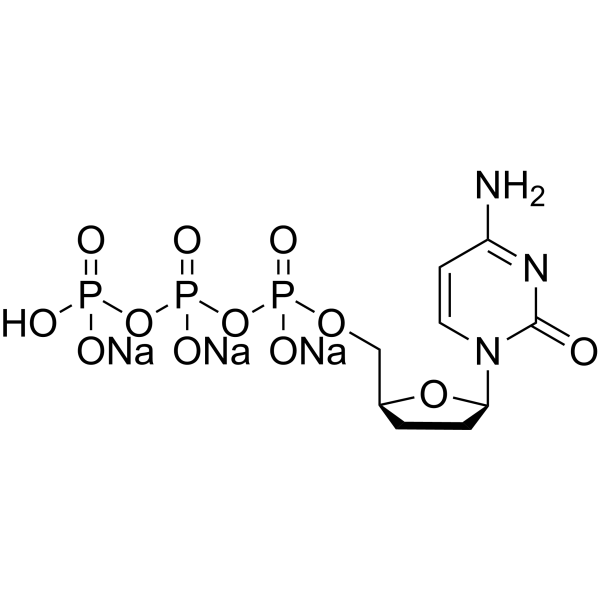
    3′-Deoxy CTP trisodium is the sodium salt form of 3′-Deoxy CTP (HY-171587). 3′-Deoxy CTP trisodium is a nucleotide analogue and a mandatory chain terminator. 3′-Deoxy CTP trisodium can cause chain termination by lacking the 3′-hydroxyl group, inhibiting the RNA synthesis activity of HCV nonstructural protein (NS5B) polymerase and blocking viral replication. 3′-Deoxy CTP trisodium can be used to study the chain termination mechanism of HCV polymerase and the development of antiviral drugs .
    3′-Deoxy CTP trisodium
  • HY-131561

    Ara-uridine triphosphate

    DNA/RNA Synthesis Others
    Ara-UTP is a sugar-modified nucleotide triphosphate that deceives RNA polymerases and blocks chain extension.
    Ara-UTP
  • HY-171632

    DNA/RNA Synthesis Biochemical Assay Reagents Others
    2'-(2-Nitrobenzyl)-ATP is an rATP analog. 2'-(2-Nitrobenzyl)-ATP acts as a transcription terminator, inhibiting further RNA chain elongation by T7 RNA polymerase .
    2'-(2-Nitrobenzyl)-ATP
  • HY-171632A

    DNA/RNA Synthesis Biochemical Assay Reagents Others
    2'-(2-Nitrobenzyl)-ATP trisodium is a rATP analog. 2'-(2-Nitrobenzyl)-ATP trisodium acts as a transcription terminator, inhibiting further RNA chain elongation by T7 RNA polymerase .
    2'-(2-Nitrobenzyl)-ATP trisodium
  • HY-P4062

    BIL

    Insulin Receptor Metabolic Disease
    Insulin peglispro (BIL) is a basal insulin with a flat, prolonged activity profile. Insulin peglispro can exhibit better glycaemic control compared to conventional insulins .
    Insulin peglispro
  • HY-P4890A

    RXFP Receptor Neurological Disease
    Relaxin H3 (human) (TFA) is a kind of relaxin peptide. Relaxin H3 (human) (TFA) exerts antifibrotic actions via RXFP1 .
    Relaxin H3 (human) TFA
  • HY-10240R

    RG 7128 (Standard); R-7128 (Standard); PSI 6130 diisobutyrate (Standard)

    Reference Standards HCV Infection
    Mericitabine (Standard) is the analytical standard of Mericitabine. This product is intended for research and analytical applications. Mericitabine (RG 7128; R-7128) is a nucleoside inhibitor of the HCV NS5B polymerase that acts as an RNA chain terminator and prevents elongation of RNA transcripts during replication.
    Mericitabine (Standard)
  • HY-172002

    3'-O-Methyl GTP sodium

    Drug Derivative Metabolic Disease
    3'-O-Methylguanosine-5'-O-triphosphate (3'-O-Methyl GTP) sodium is a methylated derivative of Guanosine 5'-triphosphate (HY-W010737). 3'-O-Methylguanosine-5'-O-triphosphate has been used as a chain termination reagent in the preparation of early RNA polymerase II elongation intermediates.
    3'-O-Methylguanosine-5'-O-triphosphate sodium
  • HY-P1372

    PKC Others
    PKC ζ pseudosubstrate, a PKC ζ inhibitor peptide, can be attached to cell permeabilization vector peptide .
    PKC ζ pseudosubstrate
  • HY-P1371

    KKWKMRRNQFWIKIQRC CSVEIWD*

    PKC Others
    Pseudo RACK1, a peptide, is a PKC agonist with homologous sequences of PKC. Pseudo RACK1 interacts selectively with β-PKC at an autoregulatory site (RACK-binding site) and activates it in the absence of PKC activators, following inducing PKC-mediated histone phosphorylation .
    Pseudo RACK1
  • HY-179540

    5-BrUTP trisodium

    DNA/RNA Synthesis Nucleoside Antimetabolite/Analog Others
    5-Bromo-UTP (5-BrUTP) trisodium is a derivative of uridine triphosphate (UTP). 5-Bromo-UTP trisodium can be utilized by cells as a precursor for RNA synthesis. During transcription, it integrates into the newly synthesized RNA chain and replaces some UTP. 5-Bromo-UTP trisodium can be used to label newly synthesized RNA, thereby enabling high-resolution visualization of transcriptional sites and RNA transport .
    5-Bromo-UTP trisodium
  • HY-137697A

    Drug Metabolite HIV Nucleoside Antimetabolite/Analog HIV Protease DNA/RNA Synthesis Infection
    ddCTP tetrasodium is a type of chain-terminating deoxynucleotide. ddCTP tetrasodium can be incorporated into the extension primer chain that lacks the 3'-hydroxyl group, thereby terminating primer extension, viral genome replication, and DNA synthesis. ddCTP tetrasodium can distinguish almost identical RNA through distinguishable extension products in primer extension inhibition experiments. ddCTP tetrasodium is the active metabolite of Zalcitabine (HY-17392), which can competitively inhibit HIV reverse transcriptase, terminate the synthesis of viral DNA chains, and thereby inhibit HIV replication .
    ddCTP tetrasodium
  • HY-174162A

    2'-Methyl GTP sodium

    Nucleoside Antimetabolite/Analog DNA/RNA Synthesis Infection
    2'-O-Methylguanosine-5'-O-triphosphate sodium (2'-Methyl GTP sodium), a methylated derivative of Guanosine 5'-triphosphate (HY-W010737), is a HCV NS5B RNA-dependent RNA polymerase inhibitor. 2'-O-Methylguanosine-5'-O-triphosphate sodium is a nucleotide competitor of GTP and acts as a chain terminator to inhibit RNA synthesis. 2'-O-Methylguanosine-5'-O-triphosphate sodium can be used for HCV infections research .
    2'-O-Methylguanosine-5'-O-triphosphate sodium
  • HY-103586R

    Reference Standards DNA/RNA Synthesis SARS-CoV Infection
    GS-441524 (Standard) is the analytical standard of GS-441524 (HY-103586). GS-441524 is a potent, orally active and CNS-penetrant viral RNA-dependent RNA polymerase inhibitor. GS-441524 competes with natural nucleosides to block viral RNA transcription as an alternative substrate and RNA chain terminator. GS-441524 inhibits the replication of feline infectious peritonitis virus, African swine fever virus, and severe acute respiratory syndrome coronavirus 2. GS-441524 reduces viral RNA levels in cats. GS-441524 can be used in research related to feline infectious peritonitis, African swine fever, and coronavirus disease 2019 (COVID-19) .
    GS-441524 (Standard)
  • HY-103586S2

    Isotope-Labeled Compounds DNA/RNA Synthesis SARS-CoV Infection
    GS-441524-d is the deuterium labeled GS-441524 (HY-103586). GS-441524 is a potent, orally active and CNS-penetrant viral RNA-dependent RNA polymerase inhibitor. GS-441524 competes with natural nucleosides to block viral RNA transcription as an alternative substrate and RNA chain terminator. GS-441524 inhibits the replication of feline infectious peritonitis virus, African swine fever virus, and severe acute respiratory syndrome coronavirus 2. GS-441524 reduces viral RNA levels in cats. GS-441524 can be used in research related to feline infectious peritonitis, African swine fever, and coronavirus disease 2019 (COVID-19) .
    GS-441524-d
  • HY-P11548

    Bacterial Infection
    Rattusin is an antimicrobial peptide. Rattusin exerts bactericidal activity by damaging membrane integrity. Rattusin can be used for antimicrobial research .
    Rattusin
  • HY-P11625

    RXFP Receptor Cardiovascular Disease
    R9-13 is a fatty acid-conjugated relaxin and an agonist of LGR7 (RXFP1). R9-13 induces sustained pubic symphysis elongation in estrogen-pretreated mice. R9-13 exhibits long-acting pharmacokinetic profiles in rodents, with in vivo activity lasting up to one week after administration. R9-13 can be used in studies related to acute heart failure .
    R9-13
  • HY-185215

    DNA/RNA Synthesis RSV Infection
    GS-646089 is a broad-spectrum antiviral nucleoside analog that exhibits significant inhibitory activity against respiratory syncytial virus (RSV), human metapneumovirus (hMPV), rhinovirus (enterovirus) and enteroviruses. The IC50 of GS-646089 targeting RNA-dependent RNA polymerase (RdRp) ranges from 43 to 46 nM. GS-646089 blocks viral replication by being converted into a triphosphate metabolite intracellularly, which competes with ATP for incorporation into nascent RNA strands and acts as an immediate chain terminator. GS-646089 is the parent compound of the double prodrug GS-7682 (HY-161877), and is used in studies of acute respiratory viral infections and infections caused by related pathogens .
    GS-646089
  • HY-12983B

    Drug Metabolite DNA/RNA Synthesis Infection
    ALS-8112-TP is the 5'-triphosphate metabolite of ALS-8112 (HY-12983). ALS-8112-TP is a potent, selective and competitive respiratory syncytial virus (RSV) RNA polymerase inhibitor, with selectivity against polymerases from host or viruses unrelated to RSV such as hepatitis C virus (HCV). ALS-8112-TP can be efficiently recognized by the recombinant RSV polymerase complex, causing chain termination of RNA synthesis. ALS-8112-TP can be used for RSV-infection research .
    ALS-8112-TP
  • HY-N17617

    Phosphodiesterase (PDE) Apoptosis NO Synthase Caspase PPAR Bcl-2 Family PARP Metabolic Disease Inflammation/Immunology Cancer
    S-Petasin is a phosphodiesterase (PDE) inhibitor with IC50 values of 25.5 μM and 17.5 μM for PDE3 and PDE4, respectively. S-Petasin inhibits cholesterol side-chain cleavage enzyme, 11β-hydroxylase, PPAR-γ, and iNOS induction at RNA and protein levels. S-Petasin induces apoptosis, activates caspases, cleaves PARP, modulates mitochondrial membrane permeability, and regulates BCL2/BAX, p53, Bcl-XL, MMP-2, MMP-9, p21, CDK4, and cyclin D1 expression. S-Petasin reduces inflammatory cell accumulation, cytokine and IgE levels, and enhances serum IgG2a levels. S-Petasin relaxes isolated sensitized guinea pig trachealis and exhibits gastrointestinal anti-spasmodic activity. S-Petasin reduces tonsillitis severity and asthmatic attack frequency. S-Petasin can be used for the research of prostate cancer, obesity, melanoma, allergic asthma, asthma, and peritonitis .
    S-Petasin

Inquiry Online

Your information is safe with us. * Required Fields.

Salutation


Country or Region *

Applicant Name *


Organization Name *

Department *


Email Address *


Product Name *

Cat. No.


Requested quantity *

Phone Number *


Remarks

Inquiry Online

Inquiry Information

Product Name:
Cat. No.:
Quantity:
MCE Japan Authorized Agent:

