
Search Result
Results for "
Radiolabeling
" in MedChemExpress (MCE) Product Catalog:
8
Biochemical Assay Reagents
1
Isotope-Labeled Compounds
| Cat. No. |
Product Name |
Target |
Research Areas |
Chemical Structure |
-
- HY-100675
-
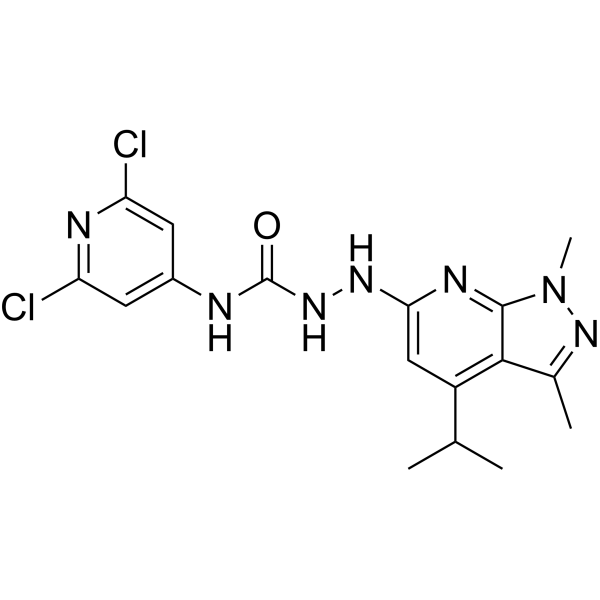
JTE-013
Maximum Cited Publications
10 Publications Verification
|
LPL Receptor
Apoptosis
|
Cancer
|
|
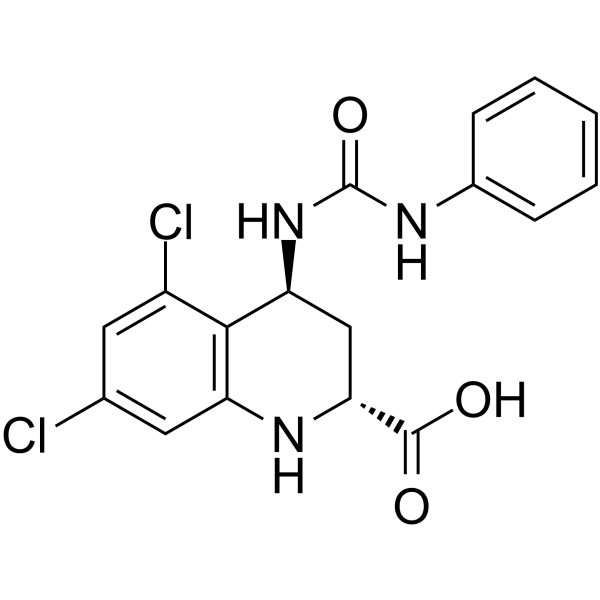
JTE-013 is a potent and specific S1P2 (Sphingosine-1-Phosphate 2; EDG-5) antagonist. JTE-013 inhibits the specific binding of radiolabeled S1P to human and rat S1P2 with IC50s of 17 nM and 22 nM, respectively .
|
-
-
- HY-P99020
-
|
GC1008
|
TGF-beta/Smad
|
Metabolic Disease
Inflammation/Immunology
Cancer
|
|
Fresolimumab (GC1008) is a human monoclonal antibody against TGF-β that neutralizes all mammalian active subtypes of TGF-β. The binding affinity of Fresolimumab to TGF-β2 is 1.8 nM. Fresolimumab improves Bleomycin (HY-108345)-induced acute lung injury. Fresolimumab radiolabeled with 89Zr can be used for PET analysis of TGF-β expression, antibody uptake and organ distribution. Fresolimumab can be used in the study of cancer, osteogenesis imperfecta, fibrosis and kidney disease .
|
-
-
- HY-W087028
-
|
|
Radionuclide-Drug Conjugates (RDCs)
Biochemical Assay Reagents
CXCR
|
Cancer
|
|
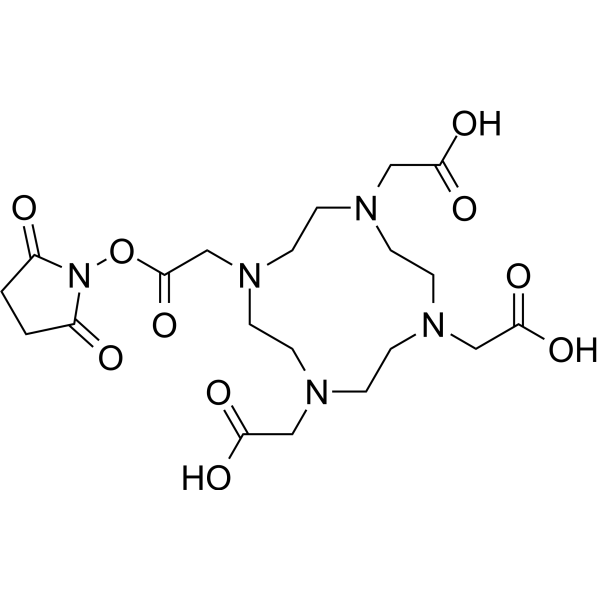
NOTA-NHS ester is a chelating agent. NOTA-NHS ester can be coupled with T140 (HY-P4810) to produce NOTA-T140. NOTA-T140 can be radiolabeled with Al[ 18F]. The uptake of Al[ 18F]NOTA-T140 in tumors is correlated with the expression level of CXCR4. Al[ 18F]NOTA-T140 can be used in tumor PET imaging studies. NOTA-NHS ester can be used for fluorescent labeling .
|
-
-
- HY-120947
-
|
|
Drug Intermediate
|
Neurological Disease
|
|
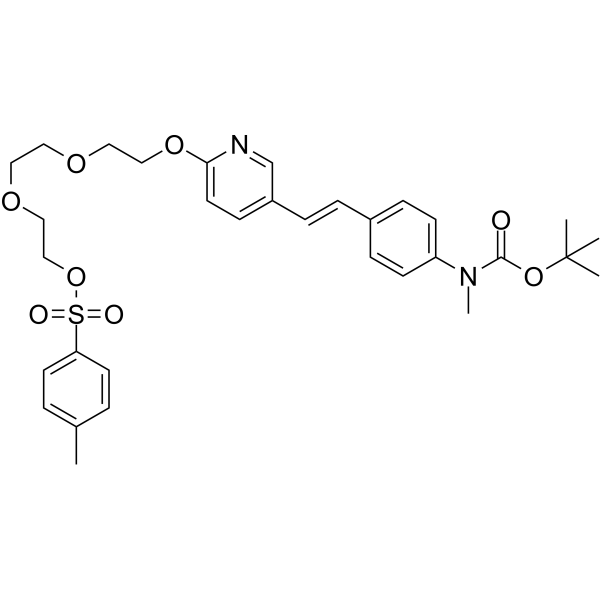
AV-105 is a Florbetapir ( 18F)-radiolabeled slyrylpyridine tosylate precursor extracted from patent WO2010078370A1, example 1.5. AV-105 can synthesize 18F-radiolabeled compounds, which are used for positron emission tomography (PET) imaging of neurodegenerative diseases of the brain .
|
-
-
- HY-W614269
-
|
|
Radionuclide-Drug Conjugates (RDCs)
|
Cancer
|
|
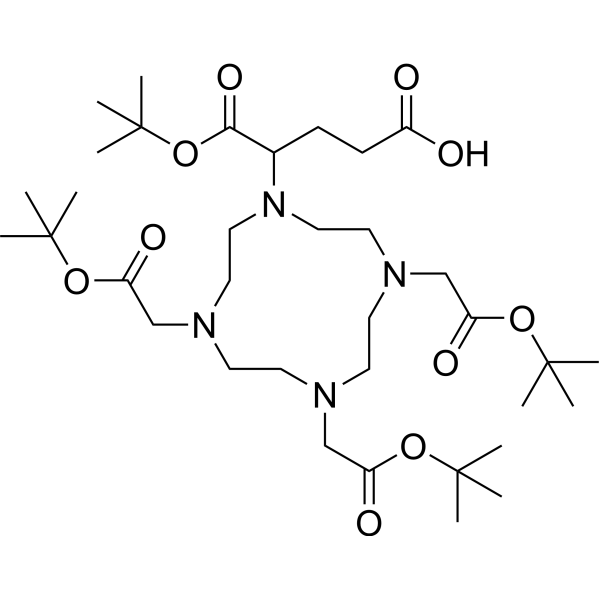
DOTA-GA(tBu)4 stabilizes the attachment of radiometals to ligands. DOTA-GA(tBu)4 improves the biodistribution of radiolabeled second-generation Affibody molecules by increasing their net negative charge and reducing hepatic uptake, leading to enhanced tumor-to-blood and tumor-to-liver ratios. DOTA-GA(tBu)4 targets HER2>-expressing breast and gastrointestinal cancer .
|
-
-
- HY-134797
-
|
|
Radionuclide-Drug Conjugates (RDCs)
|
Cancer
|
|
P-SCN-Bn-deferoxamine is a bifunctional chelating agent that can link radioactive metal nuclides (such as Zr-89) and biological targeting molecules (such as antibodies). P-SCN-Bn-deferoxamine can be used for the research of immune PET imaging .
|
-
-
- HY-W087027
-
|
|
Radionuclide-Drug Conjugates (RDCs)
Biochemical Assay Reagents
Integrin
|
Cancer
|
|
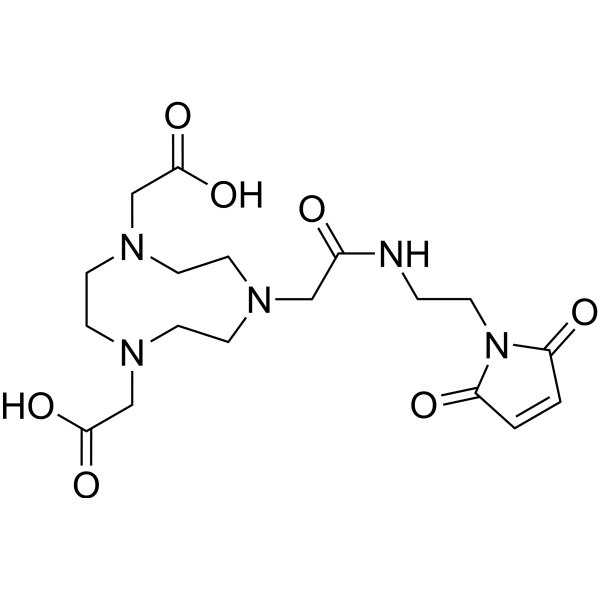
Maleimide-NOTA is a chelate. Maleimide-NOTA can be site-specifically coupled to the hPD-L1 nanobody bearing the Cys-tag. Maleimide-NOTA can specifically conjugate to A20FMDV2 (HY-P1654). The [ 68Ga]Ac-CG6 formed by the conjugation of 68Ga radiolabeled Maleimide-NOTA with A20FMDV2 can be used for PET imaging of αvβ6 integrin-positive pancreatic ductal adenocarcinoma .
|
-
-
- HY-P10761
-
|
|
Radionuclide-Drug Conjugates (RDCs)
Carbonic Anhydrase
|
Cancer
|
|
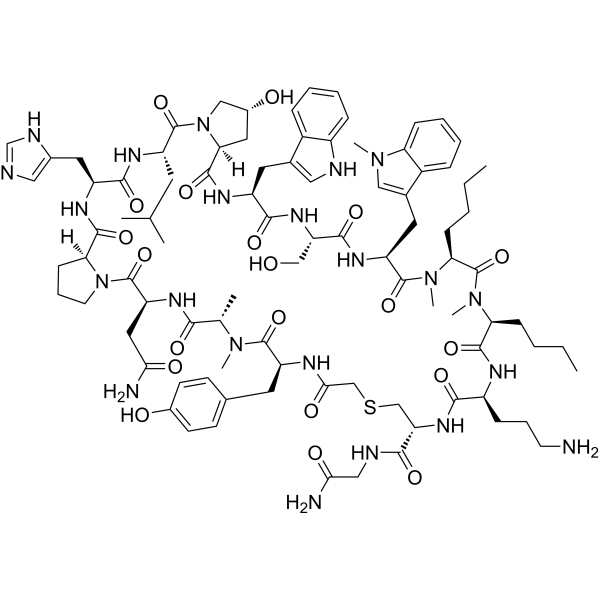
DPI-4452 is a CAIX-targeting cyclic peptide with a DOTA cage, and can be chelated with radionuclide for CAIX-expressing tumor PET-CT imaging and study. DPI-4452 specifically and selectively binds CAIX without interaction with an in vitro off-target receptor panel of 55 targets (IC50 for recombinant hCAIX: 130 nM). Radiolabeled DPI-4452 inhibits tumor growth in HT-29 and SK-RC-52 xenograft mouse models . DPI-4452 can be used for the synthesis/research of Radionuclide-Drug Conjugates (RDCs).
|
-
-
- HY-175023A
-
|
|
Phosphatase
|
Cancer
|
|
OncoACP3 TFA is a small-molecule ligand of prostatic acid phosphatase (ACP3) with an IC50 of 0.30 nM. OncoACP3 TFA has a modular structure that supports flexible payload delivery. After radiolabeling with Lu-177 it selectively accumulates in ACP3-expressing tumors with a long retention time, enabling targeted radiation delivery. OncoACP3 TFA is applicable to research related to prostate cancer .
|
-
-
- HY-W250574
-
-
-
- HY-W003969
-
|
Ascensil; 2-Amino-4-methylpyridine
|
NO Synthase
|
Inflammation/Immunology
|
|
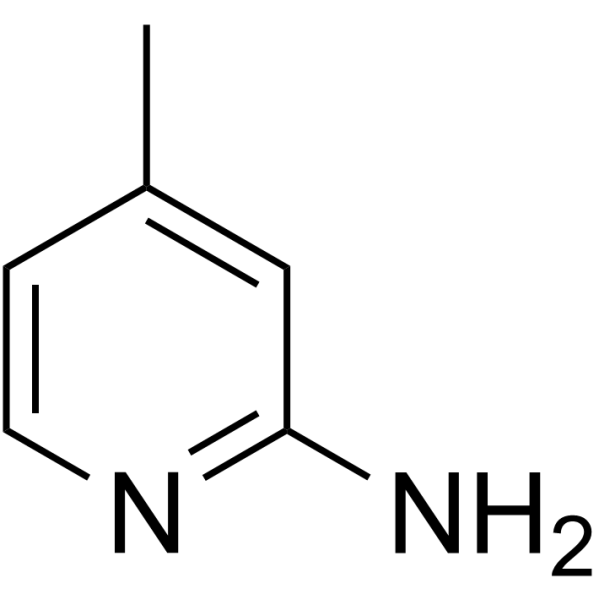
Aminopicoline (Ascensil) is a potent and non-selective inhibitor of nitric oxide synthase (NOS) isoenzymes (iNOS, nNOS, eNOS). Aminopicoline competes with arginine at the substrate-binding site of nitric oxide synthase, reduces cellular nitric oxide production, inhibits the elevation of plasma nitrate, increases mean arterial pressure at high doses, and also serves as a basis for radiolabeled ligands to localize nitric oxide synthase binding sites. Aminopicoline can be used in the research of diseases associated with septic shock, joint inflammation, intestinal inflammation, and CNS inflammation .
|
-
-
- HY-157977
-
|
|
Biochemical Assay Reagents
Radionuclide-Drug Conjugates (RDCs)
MMP
|
Cancer
|
|
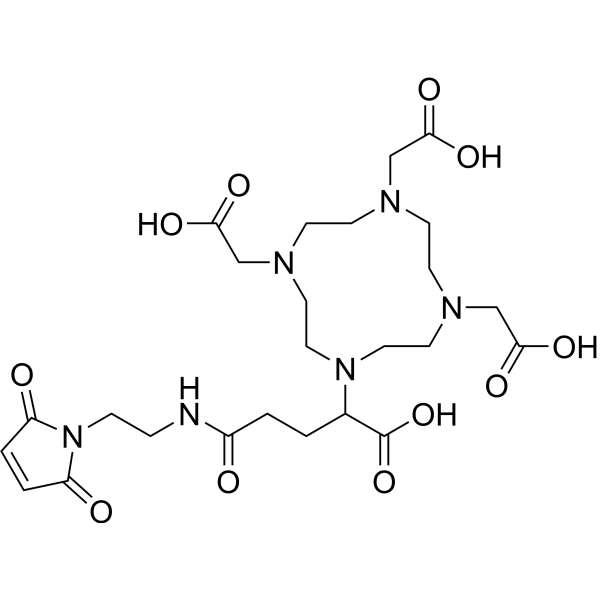
DOTA-GA-maleimide is a bifunctional chelator with protein conjugation and radiometal chelation capabilities. DOTA-GA-maleimide forms stable complexes with 111In and conjugates with proteins via maleimide chemistry. DOTA-GA-maleimide conjugates with LFn, enabling 111In radiolabeling of LFn through direct or pre-labeling strategies. Radiolabeled LFn is applicable to MMP activity imaging studies. DOTA-GA-maleimide is used in cancer research .
|
-
-
- HY-B0727
-
|
Betamethasone 17-valerate
|
Glucocorticoid Receptor
|
Inflammation/Immunology
|
|
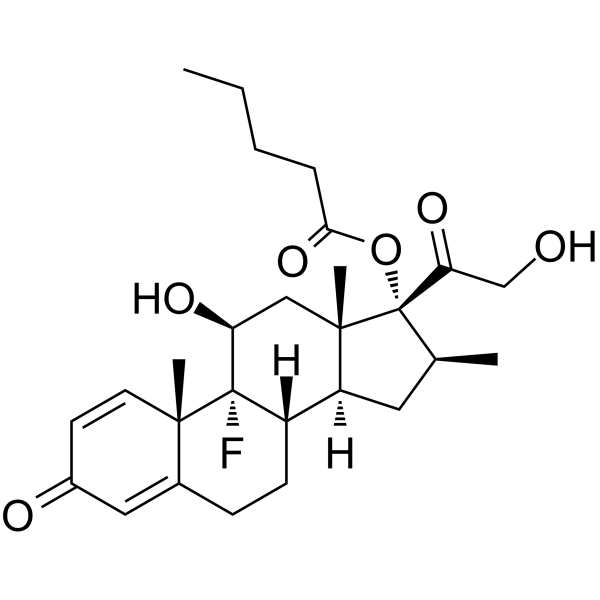
Betamethasone valerate (Betamethasone 17-valerate), the 17-valerate ester of Betamethasone, is a topical corticosteroid with anti-inflammatory activity. Betamethasone valerate is used in the treatment of recurrent aphthous stomatitis. Betamethasone valerate inhibits the binding of the radiolabeled glucocorticoid dexamethasone ( 3H dexamethasone) to human epidermis and mouse skin with IC50s of 5 and 6 nM, respectively .
|
-
-
- HY-75706
-
|
|
PARP
Ligands for Target Protein for PROTAC
|
Cancer
|
|
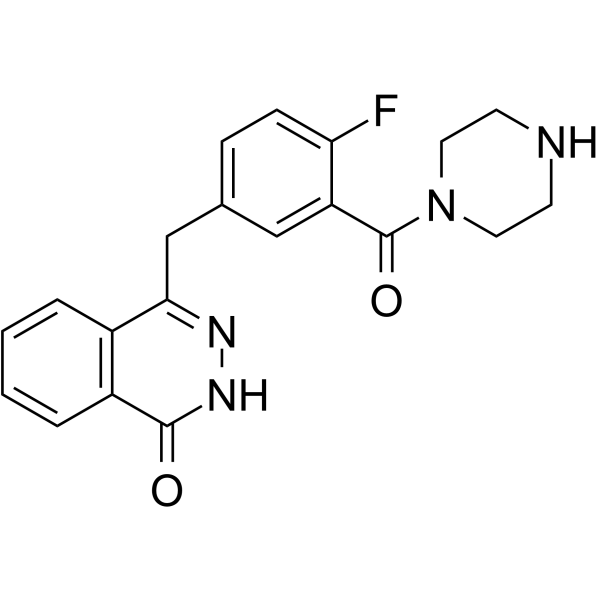
N-Descyclopropanecarbaldehyde Olaparib is an analogue of Olaparib (HY-10162) containing DOTA moiety. N-Descyclopropanecarbaldehyde Olaparib is a PARP inhibitor used for synthesizing novel dual EGFR and PARP PROTAC, DP-C-4 (HY-141481) . N-Descyclopropanecarbaldehyde Olaparib can be radiolabeled with F-18 or fluorophore for positron emission tomography (PET) or optical imaging in several types of tumor .
|
-
-
- HY-W342664
-
|
FIRU
|
Nucleoside Antimetabolite/Analog
HSV
|
Cancer
|
|
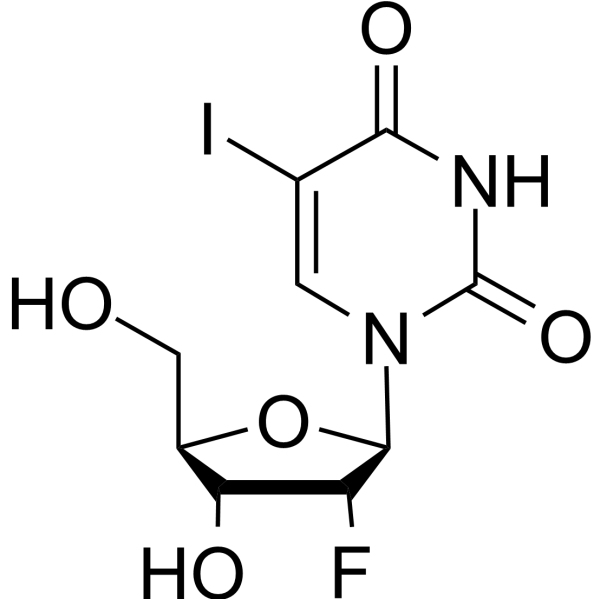
2'-Deoxy-2'-fluoro-5-iodouridine (FIRU) is a nucleoside analog. When labeled with 123I, 2'-Deoxy-2'-fluoro-5-iodouridine accumulates highly selectively in tumors expressing the HSV1-tk gene. Radiolabeled 2'-Deoxy-2'-fluoro-5-iodouridine enables imaging of adenovirus-mediated HSV1-tk suicide gene transfer .
|
-
-
- HY-101178
-
|
|
iGluR
|
Neurological Disease
|
|
L-689560 is a potent N-methyl-D-aspartate (NMDA) receptor antagonist at the GluN1 glycine binding site. L-689560 is widely used as a radiolabeled ligand in binding studies and used for study the roles of NMDA receptors in normal neurological processes as well as in diseases .
|
-
-
- HY-P10137
-
-
-
- HY-P3440
-
|
|
Radionuclide-Drug Conjugates (RDCs)
PD-1/PD-L1
|
Cancer
|
|
WL12 is a specifically targeting programmed death ligand 1 (PD-L1) binding peptide. WL12 can be radiolabeled by different radionuclides, generating radiotracers, which can assess the tumor PD-L1 expression .
|
-
-
- HY-149766
-
|
|
HDAC
|
Neurological Disease
|
|
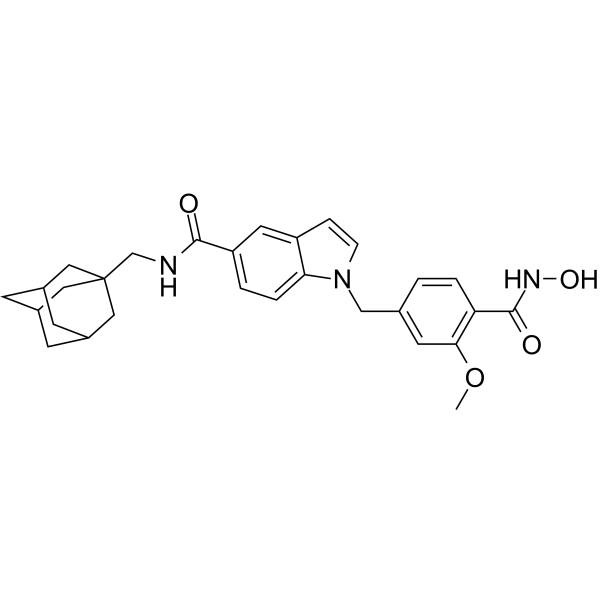
PB94 is a selective HDAC11 inhibitor (IC50=108 nM). PB94 can be radiolabeled as [11C]-PB94 for use in positron emission tomography (PET), as well as brain uptake and metabolic properties in administered live animals. PB94 improves neuropathic pain in mice and could be used to study neurological indications .
|
-
-
- HY-175023
-
|
|
Phosphatase
|
Cancer
|
|
OncoACP3 is a small-molecule ligand of prostatic acid phosphatase (ACP3) with an IC50 of 0.30 nM. OncoACP3 has a modular structure that supports flexible payload delivery. After radiolabeling with Lu-177 it selectively accumulates in ACP3-expressing tumors with a long retention time, enabling targeted radiation delivery. OncoACP3 is applicable to research related to prostate cancer .
|
-
-
- HY-P5018
-
|
|
Radionuclide-Drug Conjugates (RDCs)
Ser/Thr Protease
|
Cancer
|
|
NOTA-AE105 is a PET ligand for the urokinase-type plasminogen activator receptor (uPAR). NOTA-AE105 can be radiolabeled with 64Cu and 68Ga. Images of 68Ga-NOTA-AE105 and 64Cu-NOTA-AE105 demonstrate high contrast and clear tumor delineation. NOTA-AE105 can be used in the synthesis of radionuclide-conjugated compounds (RDCs) .
|
-
-
- HY-158067
-
|
DFO-DBCO
|
Biochemical Assay Reagents
Radionuclide-Drug Conjugates (RDCs)
|
Cancer
|
|
Deferoxamine-DBCO is a bifunctional chelating agent. Deferoxamine-DBCO efficiently chelates with radioactive metals (such as 89Zr) through the DFO structure to achieve radiolabeling. Deferoxamine-DBCO undergoes a metal-free Huisgen cycloaddition reaction with azide-containing biomolecules (such as siRNA, monoclonal antibodies) under bioorthogonal conditions through the DBCO structure to achieve targeted coupling. Deferoxamine-DBCO has efficient metal chelating ability and specific bioorthogonal reaction activity. Deferoxamine-DBCO can be used for targeted radioactive imaging studies of tumors .
|
-
-
- HY-W539893
-
|
NODAG
|
Biochemical Assay Reagents
|
Cancer
|
|
NODAGA-tris(t-Bu ester) (NODAG) is a NODAGA derivative. NODAGA-tris(t-Bu ester) can be used to label peptides, antibodies, etc., and subsequently radiolabeled for PET imaging .
|
-
-
- HY-101183
-
-
-
- HY-131009
-
|
|
PARP
|
Others
|
|
Fluorescein-NAD+ is an alternative to radiolabeled NAD and a substrate for ADP-ribosylation. Fluorescein-NAD+ can be used in PARP assays by fluorescence microscopy. Extinction Coefficient: 262 nm.
|
-
-
- HY-164574
-
|
|
Radionuclide-Drug Conjugates (RDCs)
|
Cancer
|
|
BCN-DOTA is a cyclooctyne-linked DOTA chelator that can be radiolabeled with zirconium-89 as a radionuclide-labeled drug conjugate (RDC) to target specific biomolecules, cells, or tissues.
|
-
-
- HY-153551
-
|
|
Biochemical Assay Reagents
|
Cancer
|
|
HBED-CC-tris(tert-butyl ester) is a derivative of HBED-CC and a bifunctional chelator. HBED-CC-tris(tert-butyl ester) can be used in the research of radiolabeling and compounds for tumor-assisted diagnosis .
|
-
-
- HY-P10239
-
|
|
Somatostatin Receptor
Radionuclide-Drug Conjugates (RDCs)
|
Cancer
|
|
Tyr3-Octreotate is a ligand for somatostatin receptor subtype 2 (sst2), with an IC50 value of 1.3 nM against sst2 when labeled with [ 111In-DTPA], and an IC50 value of 1.6 nM against sst2 when labeled with [ 90Y-DOTA]. Radiolabeled Tyr3-Octreotate generates cell-associated radioactivity, and acts as both a tumor growth inhibitor and a tumor cytotoxic agent. When radiolabeled with 177Lu or 90Y, Tyr3-Octreotate serves as a peptide receptor radionuclide therapy (PRRT) analog. Tyr3-Octreotate can be used in studies related to pancreatic tumors .
|
-
-
- HY-B1684
-
|
SQ 26962
|
Biochemical Assay Reagents
|
Others
|
|
Mebrofenin (SQ 26962) is a type of iminodiacetic acid (IDA). Mebrofenin is available as a ready to use the kit for radio-labeling with Tc-99m. Tc-99m Mebrofenin, a diagnostic agent, is used for hepatobiliary imaging. Tc-99m Mebrofenin is the radiopharmaceutical of choice for the evaluation of hepatic function .
|
-
-
- HY-159768A
-
|
|
Radionuclide-Drug Conjugates (RDCs)
FAP
|
Neurological Disease
Cancer
|
|
DOTAGA.Glu.(FAPi) 2 is a FAPI homodimer in which a central glutamic acid (Glu) linker connects FAPI and a chelator. Radiolabeled with gallium- 68, lutetium- 177 or terbium- 161, DOTAGA.Glu.(FAPi) 2 is applicable to FAP-positive cancer PET imaging studies. DOTAGA.Glu.(FAPi) 2 is suitable for research related to prostate adenocarcinoma and recurrent glioblastoma multiforme .
|
-
-
- HY-15404
-
|
Lu-135252
|
Endothelin Receptor
|
Cardiovascular Disease
Endocrinology
|
|
Darusentan (Lu-135252) is a selective endothelin receptor A (ET-A) receptor antagonist, which binds with a Ki of 1.4 nM to the ET-A receptor and a Ki of 184 nM to ET-B receptor, respectively with a 100-fold selectivity for ETA rather than ETB receptors . Darusentan competes for radiolabeled endothelin binding in rat aortic vascular smooth muscle cells (RAVSMs) membranes with single-site kinetics, exhibiting a Ki of 13 nM .
|
-
-
- HY-P10896
-
|
|
Bombesin Receptor
|
Cancer
|
|
NOTA-P2-RM26 is an antagonist of Bombesin (HY-P0195) analogs, and the gastrin-releasing peptide receptor (GRPR/BB2) is a molecular target for prostate cancer visualization. NOTA-P2-RM26 is labeled with 111In and 68Ga for prostate cancer imaging studies using PET and SPECT/CT .
|
-
-
- HY-136201
-
|
|
Biochemical Assay Reagents
|
Cancer
|
|
Sodium Glucoheptonate is used as a kit for radio-labeling with Tc-99m. Tc-99m glucoheptonate is kidney- and brain-imaging agent, and can be used in brain-tumor detection .
|
-
-
- HY-128710
-
|
2'-Deoxy-2'-fluoro-5-Methyluridine
|
Nucleoside Antimetabolite/Analog
|
Cancer
|
|
2'-Fluorothymidine (2'-Fluoro-2'-deoxythymidine) is a nucleoside analog and hCNT inhibitor, with an IC50 of 1.1 μM against hCNT1 and an IC50 of 9.7 μM against hCNT3. 2'-Fluorothymidine undergoes phosphorylation by cytosolic thymidine kinase (TK1) and mitochondrial thymidine kinase (TK2). 2'-Fluorothymidine acts as a backbone stabilizer in oligonucleotide synthesis and can also form radiolabeled candidates. 2'-Fluorothymidine is applicable in tumor-related research .
|
-
-
- HY-76573
-
|
|
Apoptosis
|
Cardiovascular Disease
Cancer
|
|
ML-10 is a small molecule apoptosis probe. Due to the presence of fluorine atoms, ML-10 can be radiolabeled with 18F isotopes and can be used for apoptosis positron emission tomography imaging studies. ML-10 is selectively taken up and accumulated in apoptotic cells, while being excluded from live or necrotic cells. In addition, the uptake of ML-10 is associated with apoptotic features such as caspase activation, Annexin-V binding, and disruption of mitochondrial membrane potential .
|
-
-
- HY-P11451
-
|
|
CXCR
|
Cancer
|
|
Pentixather is a radiolabeled peptide that can target CXCR4. Pentixather can disrupt the interaction between leukemic cells and the bone marrow microenvironment by targeting the CXCR4/CXCL12 signaling axis, reduce the retention of leukemic cells in the protective bone marrow niche, and thereby enhance the sensitivity of leukemic cells to treatment. Pentixather can be used for the study of acute lymphoblastic leukemia (ALL) and acute myeloid leukemia (AML) .
|
-
-
- HY-137391
-
|
|
Estrogen Receptor/ERR
|
Metabolic Disease
|
|
2-Bromoestradiol is a estrogen 2-hydroxylase inhibitor. 2-Bromoestradiol decreases irreversible binding of radiolabeled estradiol metabolite(s) to microsomal proteins .
|
-
-
- HY-147385
-
|
|
CCR
|
Inflammation/Immunology
|
|
CCR4 antagonist 3 is a potent chemokine receptor 4 (CCR4) antagonist with an IC50 value of 1.7 μM for [ 125I]TARC (thymus and activation regulated chemokine). CCR4 antagonist 3 inhibits binding of radiolabeled TARC and macrophage-derived chemokine (MDC) to CCR4 receptors on the surface of CEM cells. CCR4 antagonist 3 also inhibits the in vitro migration of CEM cells mediated by TARC (IC50 = 6.4 μM) .
|
-
-
- HY-P10781
-
|
|
Radionuclide-Drug Conjugates (RDCs)
PSMA
|
Cancer
|
|
PSMA-D5 has a binding affinity for PSMA with a Ki of 0.21 nM and can be used for PSMA tracing after radiolabeling. PSMA-D5 ([68Ga]-labeled) contains a DOTA chelator, allowing convenient labeling with therapeutic radionuclides such as 177Lu and 225Ac. PSMA-D5 ([68Ga]-labeled) shows excellent pharmacokinetic properties, exhibiting remarkable tumor uptake in 22Rv1 tumors . PSMA-D5 can be used for the synthesis/research of Radionuclide-Drug Conjugates (RDCs).
|
-
-
- HY-N6793
-
|
|
Microtubule/Tubulin
|
Cancer
|
|
Phomopsin A is a cyclic hexapeptide mycotoxin isolated from the fungus Phomopsis leptostomiformis. Phomopsin A is a noncompetitive inhibitor of the binding of radiolabeled vincristine to tubulin .
|
-
-
- HY-118852
-
|
|
Herbicide
|
Others
|
|
Isoxaben, a herbicide, inhibits incorporation of radiolabeled glucose into an acid insoluble cell wall fraction. Isoxaben is also a specific inhibitor of cell wall biosynthesis .
|
-
-
- HY-153551A
-
|
|
Biochemical Assay Reagents
|
Others
|
|
HBED-CC-tris(tert-butyl ester) TFA is a derivative of HBED-CC and a bifunctional chelator. HBED-CC-tris(tert-butyl ester) TFA can be used in the research of radiolabeling and compounds for tumor-assisted diagnosis .
|
-
-
- HY-P4681
-
|
|
Melanocortin Receptor
|
Metabolic Disease
|
|
(Phe2,Nle4)-ACTH (1-24) (human, bovine, rat) is a fragment of the ACTH hormone. (Phe2,Nle4)-ACTH (1-24) (human, bovine, rat) can be labeled with I125 on Tyr23 to produce a radiolabeled ligand .
|
-
-
- HY-P10444
-
|
|
Radionuclide-Drug Conjugates (RDCs)
CXCR
|
Cancer
|
|
DOTA Conjugated JM#21 derivative 7 (compound Ligand-7) is a derivative of CXCR4 targeting peptide conjugated with DOTA and can be used to produce radioligands. Radiolabeled DOTA Conjugated JM#21 derivative 7, i.e., 177Lu-DOTA, has excellent CXCR4 tumor targeting. In vitro biodistribution results of 177Lu-DOTA showed very low uptake in all non-targeted organs except kidney . DOTA Conjugated JM#21 derivative 7 can be used for the synthesis/research of Radionuclide-Drug Conjugates (RDCs).
|
-
-
- HY-169868
-
|
|
Biochemical Assay Reagents
|
Cancer
|
|
NOTA-FAPI-52 is a tracer with potent tumor uptake. NOTA-FAPI-52 can be radiolabeled to enable PET imaging or other bioimaging techniques. NOTA-FAPI-52 can be used to study diseases in which fibroblast activation protein (FAP) is overexpressed .
|
-
-
- HY-W097054
-
|
|
Amino Acid Derivatives
|
Others
|
|
Fmoc-L-cysteic acid is an amino acid derivative with an Fmoc protecting group, which can be used to synthesize triarylsulfonium compounds for radiolabeling of peptides .
|
-
-
- HY-131009A
-
|
|
PARP
|
Others
|
|
Fluorescein-NAD+ sodium is an alternative to radiolabeled NAD and a substrate for ADP-ribosylation. Fluorescein-NAD+ sodium can be used in PARP assays by fluorescence microscopy. Extinction Coefficient: 262 nm.
|
-
-
- HY-P11254
-
|
|
Radionuclide-Drug Conjugates (RDCs)
|
Cancer
|
|
DOTA-FAPT is a novel targeting FAP tracer. DOTA-FAPT can be radiolabeled with gallium-68 and lutetium-177. DOTA-FAPT can be used for PET imaging studies of cancer-associated fibroblasts .
|
-
-
- HY-162343
-
-
-
- HY-P11257
-
|
|
Radionuclide-Drug Conjugates (RDCs)
|
Cancer
|
|
DOTA-BP1 is a DOTA-modified BP1 (BCMA-targeting peptide). DOTA-BP1 can be radiolabeled with [ 68Ga]Ga to produce a BCMA-targeting PET tracer. DOTA-BP1 can be used in the research of detecting BCMA in multiple myeloma .
|
-
- HY-P10743
-
|
|
Radionuclide-Drug Conjugates (RDCs)
PSMA
|
Cancer
|
|
BQ7876 is a probe targeting prostate-specific membrane antigen (PSMA) that contains a DOTA chelator. BQ7876, after being radiolabeled with radionuclide (177Lu), functions in both radionuclide imaging and tumor cell destruction by specifically binding to PSMA. BQ7876 shows potential for research in the field of metastatic castration-resistant prostate cancer (mCRPC) . BQ7876 can be used for the synthesis/research of Radionuclide-Drug Conjugates (RDCs).
|
-
- HY-176300
-
|
|
Integrin
|
Cancer
|
|
RGD-DA6 is an αvβ3-targeted ligand. RGD-DA6 consists of RGDfK (an integrin αvβ3-targeted RGD peptide), DOTADG, d-Glu, Lys, AMBA, and IPBA. RGD-DA6 can be radiolabeled as an αvβ3-targeted radioligand and used for high-contrast tumor imaging and enhanced anticancer efficacy .
|
-
- HY-175248
-
|
|
PSMA
|
Cancer
|
|
PSMA-DIM is a dimeric PSMA ligand with a Kd of 37.09 nM for LNCaP cells. PSMA-DIM can be radiolabeled with [ 68Ga]Ga to form [ 68Ga]Ga-PSMA-DIM. [ 68Ga]Ga-PSMA-DIM can effectively distinguish between cells and animal models with different expression levels of PSMA. [ 68Ga]Ga-PSMA-DIM exhibits high LNCaP cells uptake and tumor uptake peak values. PSMA-DIM can be used for the study of prostate cancer (PCa) .
|
-
- HY-122939
-
|
|
Radionuclide-Drug Conjugates (RDCs)
|
Cancer
|
|
MAIPGG is a bifunctional chelator and an intermediate in the synthesis of radionuclide drug conjugates (RDCs). MAIPGG can be for the radiolabeling of a variety of monoclonal antibodies with 99mTc or 186Re, which then can be used for radioimmunodetection and radioimmunotherapy of cancer .
|
-
- HY-W755222
-
|
(S)-NODAG
|
Biochemical Assay Reagents
|
Cancer
|
|
(S)-NODAGA-tris(t-Bu ester) ((S)-NODAG) is a NODAGA derivative. (S)-NODAGA-tris(t-Bu ester) can be used to label peptides, antibodies, etc., and subsequently radiolabeled for PET imaging .
|
-
- HY-W591317
-
|
(R)-NODAG
|
Radionuclide-Drug Conjugates (RDCs)
|
Cancer
|
|
(R)-NODAGA-tris(t-Bu ester) ((R)-NODAG) is a NODAGA derivative. (R)-NODAGA-tris(t-Bu ester) can be used to label peptides, antibodies, etc., and subsequently radiolabeled for PET imaging .
|
-
- HY-164083
-
|
|
5-HT Receptor
|
Neurological Disease
|
|
GR65630 is a potent and selective 5-hydroxytryptamine (5-HT) type 3 receptor antagonist. GR65630 can be used to study the expression patterns of 5-HT3 receptors in different brain regions and their possible functions in the central nervous system. GR65630 and its radiolabeled form [ 3H]GR65630 can be used to study the distribution, density and affinity of the receptors .
|
-
- HY-121011
-
|
|
Cannabinoid Receptor
|
|
|
Cannabigerorcin is a phenolic compound found in cannabis plants, featuring a diphenol backbone and a terpene side chain. By reacting with radiolabeled methylmagnesium carbonate (MMC), its carboxyl group can be 14C-labeled. Radiolabeled Cannabigerorcin is widely used in research on cannabinoid biosynthesis pathways and metabolic processes .
|
-
- HY-135641
-
|
|
Fluorescent Dye
|
Others
|
|
Biotin-probe 1 is a non-radiolabeled probe. Biotin-labeled probes can be applied to in situ hybridization .
|
-
- HY-159738
-
-
- HY-121470
-
|
AH5183
|
Others
|
Others
|
|
Vesamicol is a compound used to synthesize radiolabeled derivatives that can be used as sigma receptor ligands for tumor targeting inhibition and have shown certain potential in cellular uptake, biodistribution and inhibition experiments.
|
-
- HY-134391
-
|
|
Endogenous Metabolite
Biochemical Assay Reagents
|
Others
|
|
6-Phe-ADP is an ATP analog used as a precursor to prepare the corresponding radiolabeled triphosphate for chemical genetics approaches to study substrate specificity and catalytic efficiency of protein kinases .
|
-
- HY-W088413A
-
|
|
Biochemical Assay Reagents
|
Cancer
|
|
DOTA-amide (dihydrate) is a Bifunctional Chelators (BFCs). DOTA-amide (dihydrate) binds to the Affibody molecule ZHER2:S1. Its complex binds specifically to HER2 and can be used to detect bone metastases, which are common in prostate cancer .
|
-
- HY-118836
-
|
|
5-HT Receptor
|
Others
|
|
GSK215083 is a high affinity 5-HT6 receptor antagonist. GSK215083 can serves as a promising 5-HT6 radioligand candidate by radiolabeled with (11)C via methylation .
|
-
- HY-P11252
-
|
|
Radionuclide-Drug Conjugates (RDCs)
VISTA
|
Cancer
|
|
DOTA-CA-170 is a DOTA-modified VISTA targeting agent CA-170. DOTA-CA-170 can be radiolabeled. DOTA-CA-170 can be used in the research of visualizing and distinguishing VISTA expression .
|
-
- HY-177580
-
|
|
Integrin
|
Cardiovascular Disease
|
|
GP1 precursor has high affinity to GPIIb/IIIa receptors of activated platelets. GP1 precursor can be radiolabeled with [ 18F] and used as a PET Tracer for visualizing active platelet aggregation at the molecular level. GP1 precursor can be used for the detection of Thrombi .
|
-
- HY-155470
-
|
|
Biochemical Assay Reagents
|
Cancer
|
|
IMP 243 is a symmetric di-HSG (histamine-succinyl-glycine) bivalent hapten containing a Tscg-Cys ligand and two HSG groups. IMP 243 can be radiolabeled with 99mTc-pertechnetate. IMP 243 can be conjugated to other peptides to design bispecific antibodies (bsMAbs) for cancer research .
|
-
- HY-136201R
-
|
|
Biochemical Assay Reagents
Reference Standards
|
Cancer
|
|
Sodium Glucoheptonate (Standard) is the analytical standard of Sodium Glucoheptonate. This product is intended for research and analytical applications. Sodium Glucoheptonate is used as a kit for radio-labeling with Tc-99m. Tc-99m glucoheptonate is kidney- and brain-imaging agent, and can be used in brain-tumor detection[1][2].
|
-
- HY-W752886
-
|
|
Isotope-Labeled Compounds
Estrogen Receptor/ERR
|
Cancer
|
|
Estradiol 3-d3 (β-D-Glucuronide) sodium is the deuterium labeled Estradiol 3-(β-D-Glucuronide) sodium (HY-N7755). Estradiol 3-(β-D-Glucuronide) sodium is the glucuronic acid derivative of estradiol (HY-B0141). Estradiol 3-(β-D-Glucuronide) sodium is radiolabeled for use in tumor imaging and biodistribution studies .
|
-
- HY-159602
-
|
|
Epigenetic Reader Domain
|
Cancer
|
|
BET BD2-IN-3 (compound I-58) is an inhibitor of BET, targeting the BD2 domain of BET. BET BD2-IN-3 can be radiolabeled with [11C] for positron emission tomography (PET) imaging. BET [11C]BD2-IN-3 showed suitable biodistribution in peripheral organs and tissues in PET applications in mice .
|
-
- HY-B1684R
-
|
SQ 26962 (Standard)
|
Biochemical Assay Reagents
Reference Standards
|
Others
|
|
Mebrofenin (Standard) is the analytical standard of Mebrofenin. This product is intended for research and analytical applications. Mebrofenin (SQ 26962) is a type of iminodiacetic acid (IDA). Mebrofenin is available as a ready to use the kit for radio-labeling with Tc-99m. Tc-99m Mebrofenin, a diagnostic agent, is used for hepatobiliary imaging. Tc-99m Mebrofenin is the radiopharmaceutical of choice for the evaluation of hepatic function .
|
-
- HY-W009310R
-
|
|
Reference Standards
Endogenous Metabolite
Organoid
|
Others
|
|
Mebrofenin (Standard) is the analytical standard of Mebrofenin. This product is intended for research and analytical applications. Mebrofenin (SQ 26962) is a type of iminodiacetic acid (IDA). Mebrofenin is available as a ready to use the kit for radio-labeling with Tc-99m. Tc-99m Mebrofenin, a diagnostic agent, is used for hepatobiliary imaging. Tc-99m Mebrofenin is the radiopharmaceutical of choice for the evaluation of hepatic function .
|
-
- HY-100675R
-
|
|
Reference Standards
LPL Receptor
Apoptosis
|
Cancer
|
|
JTE-013 (Standard) is the analytical standard of JTE-013. This product is intended for research and analytical applications. JTE-013 is a potent and specific S1P2 (Sphingosine-1-Phosphate 2; EDG-5) antagonist. JTE-013 inhibits the specific binding of radiolabeled S1P to human and rat S1P2 with IC50s of 17 nM and 22 nM, respectively .
|
-
- HY-B0727R
-
|
Betamethasone 17-valerate (Standard)
|
Reference Standards
Glucocorticoid Receptor
|
Inflammation/Immunology
|
|
Betamethasone valerate (Standard) is the analytical standard of Betamethasone valerate. This product is intended for research and analytical applications. Betamethasone valerate (Betamethasone 17-valerate), the 17-valerate ester of Betamethasone, is a topical corticosteroid with anti-inflammatory activity. Betamethasone valerate is used in the treatment of recurrent aphthous stomatitis. Betamethasone valerate inhibits the binding of the radiolabeled glucocorticoid dexamethasone ( 3H dexamethasone) to human epidermis and mouse skin with IC50s of 5 and 6 nM, respectively .
|
-
- HY-114539
-
|
|
Dopamine Receptor
|
Neurological Disease
|
|
L-750667 triHydrochloride is a selective antagonist for the D4 dopamine receptor, with a Ki value of 0.51 nM. The radiolabeled form of L-750667, [ 125I]L-750,667, has a Kd value of 0.16 nM for the D4 receptor. L-750667 triHydrochloride can reverse dopamine-induced inhibition of cAMP accumulation. It can be used to study the distribution and function of D4 dopamine receptors in the central nervous system and has potential applications in the fields of neuroscience and psychiatry .
|
-
- HY-W003969R
-
|
Ascensil (Standard); 2-Amino-4-methylpyridine (Standard)
|
Reference Standards
NO Synthase
|
Others
|
|
Aminopicoline (Standard) is the analytical standard of Aminopicoline. Aminopicoline (Ascensil) is a potent and non-selective inhibitor of nitric oxide synthase (NOS) isoenzymes (iNOS, nNOS, eNOS). Aminopicoline competes with arginine at the substrate-binding site of nitric oxide synthase, reduces cellular nitric oxide production, inhibits the elevation of plasma nitrate, increases mean arterial pressure at high doses, and also serves as a basis for radiolabeled ligands to localize nitric oxide synthase binding sites. Aminopicoline can be used in the research of diseases associated with septic shock, joint inflammation, intestinal inflammation, and CNS inflammation 。
|
-
- HY-P11773
-
|
|
Radionuclide-Drug Conjugates (RDCs)
Integrin
|
Others
|
|
3P-RGD2 is a dimeric cyclic RGD (Arg-Gly-Asp) peptide. When radiolabeled with 99mTc, 3P-RGD2 serves as a selective radiotracer for integrin αvβ3. When radiolabeled with 99mTc, 3P-RGD2 enables single-photon emission computed tomography imaging of integrin αvβ3 .
|
-
- HY-181919
-
|
|
CD73
Radionuclide-Drug Conjugates (RDCs)
|
Cancer
|
|
CD73-IN-22 (Compound HX-6) is a non-nucleoside CD73 inhibitor with an IC50 of 0.07 μM. When radiolabeled with 68Ga, CD73-IN-22 acts as a PET radiotracer for detecting CD73 expression. When radiolabeled with 177Lu, CD73-IN-22 exhibits anticancer activity against colorectal adenocarcinoma. CD73-IN-22 is applicable to research related to colon adenocarcinoma and breast cancer .
|
-
- HY-13616
-
|
EC 20
|
Biochemical Assay Reagents
Folate Receptor (FR)
|
Cancer
|
|
Etarfolatide (EC 20) is a valuable noninvasive imaging agent. Etarfolatide identifies folate receptor expression. Etarfolatide can be used in research on ovarian cancer and disease diagnosis after being radiolabeled .
|
-
- HY-178221A
-
|
|
Biochemical Assay Reagents
|
Cancer
|
|
(S)-P-SCN-BN-NOTA TFA can be conjugated to PDGFRβ affibodies for subsequent radiolabeling. (S)-P-SCN-BN-NOTA TFA is used in pancreatic cancer research .
|
-
- HY-101183R
-
|
|
Tau Protein
Reference Standards
|
Neurological Disease
|
|
THK5351 (Standard) is the analytical standard of THK5351 (HY-101183). This product is intended for research and analytical applications. THK5351 can be radiolabeled and used as a radiotracer for in vivo imaging of tau pathology in the brain.
|
-
- HY-183600
-
-
- HY-N16440
-
|
|
Drug Derivative
|
Others
|
|
Phomopsin D, a mycotoxin, is a derivative of Phomopsin A (HY-N6793). Phomopsin A is a cyclic hexapeptide mycotoxin isolated from the fungus Phomopsis leptostomiformis. Phomopsin A is a noncompetitive inhibitor of the binding of radiolabeled vincristine to tubulin .
|
-
- HY-118852R
-
|
|
Herbicide
Reference Standards
|
Others
|
|
Isoxaben (Standard) is the analytical standard of Isoxaben. This product is intended for research and analytical applications. Isoxaben, a herbicide, inhibits incorporation of radiolabeled glucose into an acid insoluble cell wall fraction. Isoxaben is also a specific inhibitor of cell wall biosynthesis .
|
-
- HY-183864
-
|
|
Biochemical Assay Reagents
|
Cancer
|
|
PYTA(tBu)4-GA(Li) is a PYTA-derived bifunctional chelator and can be used for actinium-225 radiolabeling. PYTA(tBu)4-GA(Li) can be used for the research of cancer .
|
-
- HY-106853
-
|
10-Monoiodostearic acid
|
Biochemical Assay Reagents
|
Others
|
|
10-Iodooctadecanoic acid (10-Monoiodostearic acid) is a long-chain fatty acid. 10-Iodooctadecanoic acid has potential as a cardiac perfusion and metabolic imaging agent. 10-Iodooctadecanoic acid can be used in research for the synthesis of intermediates or radiolabeling agents .
|
-
- HY-181083
-
|
|
Tau Protein
|
Neurological Disease
|
|
Tau ligand-2 is a tau aggregate ligand with a Ki value of 0.99 nM. Radiolabeled ( 18F) Tau ligand-2 serves as a PET tracer. Tau ligand-2 is applicable to research related to Alzheimer's disease .
|
-
- HY-180434
-
|
|
Bombesin Receptor
|
Cancer
|
|
GRPR antagonist-3 (compound (S)-1m) is a potent GRPR antagonist with an IC50 of 121 nM. GRPR antagonist-3 is stable in rat plasma and towards microsomal oxidative metabolism in vitro. GRPR antagonist-3 can be radiolabeled with fluorine-18 for PET imaging .
|
-
- HY-P11485
-
|
|
Radionuclide-Drug Conjugates (RDCs)
Somatostatin Receptor
PSMA
|
Cancer
|
|
JR11-PEG3-HBED-CC-PSMA-03 (Compound 1) is an RDC-related compound containing the chelating agent HBED-CC, the JR11 peptide (SSTR2 antagonist), and the PSMA ligand. JR11-PEG3-HBED-CC-PSMA-03 shows SSTR2-binding affinities and PSMA-binding affinities, with IC50 s of 59.2 nM, 57.0 nM, respectively. JR11-PEG3-HBED-CC-PSMA-03 can be radiolabeled with [ 68Ga]. [ 68Ga] radiolabeled JR11-PEG3-HBED-CC-PSMA-03 can be used in diagnostic studies of neuroendocrine differentiated prostate cancer .
|
-
- HY-P11488
-
|
|
Radionuclide-Drug Conjugates (RDCs)
Somatostatin Receptor
PSMA
|
Cancer
|
|
JR11-PEG3-DOTA-PSMA-03 (Compound 2) is an RDC-related compound containing the chelating agent DOTA (HY-W053583), the JR11 peptide (SSTR2 antagonist), and the PSMA ligand. JR11-PEG3-DOTA-PSMA-03 shows SSTR2-binding affinities and PSMA-binding affinities, with IC50 s of 94.0 nM, 81.8 nM, respectively. JR11-PEG3-DOTA-PSMA-03 can be radiolabeled with [ 68Ga]. [ 68Ga] radiolabeled JR11-PEG3-DOTA-PSMA-03 can be used in diagnostic studies of neuroendocrine differentiated prostate cancer .
|
-
- HY-182499
-
|
|
PARP
|
Cancer
|
|
PARP1-IN-56 (Compound RCY) is an I-labeled poly(ADP−ribose) polymerase (PARP1) inhibitor. PARP1-IN-56 can be radiolabeled with 211At or 125I for use as an α-emitting radiotherapeutic agent. PARP1-IN-56 can be used for the research of cancer .
|
-
- HY-P992475
-
|
|
Radionuclide-Drug Conjugates (RDCs)
|
Cancer
|
|
Tecnemab K1 is an anti-Melanoma monoclonal antibody. Tecnemab K1 accumulates in metastatic lesions of malignant melanoma and some benign lesions. When radiolabeled, Tecnemab K1 can serve as a radiotracer for malignant melanoma research. The isotype control is Mouse IgG1 kappa, Isotype Control (HY-P99977) .
|
-
- HY-183374
-
|
|
Carbonic Anhydrase
Radionuclide-Drug Conjugates (RDCs)
|
Cancer
|
|
NYM074 is a carbonic anhydrase IX (CAIX) ligand. NYM074 binds specifically to human CAIX to enable targeted radionuclide delivery. NYM074 supports dual radiolabeling with 68Ga for positron emission tomography (PET) imaging and 177Lu for radionuclide applications. NYM074 can be used for the research of clear cell renal cell carcinoma .
|
-
- HY-120247
-
|
|
Vasopressin Receptor
P-glycoprotein
|
Others
|
|
TASP0434299 (Compound 10) is a radiolabeled ligand for the vasopressin V1b receptor. TASP0434299 exhibits high binding affinity for human and murine V1B receptors, with IC50 values of 0.526 nM and 0.641 nM, respectively, and shows potent antagonistic activity against the human V1B receptor with an IC50 of 0.639 nM. TASP0434299 is a substrate for human and rhesus monkey P-glycoprotein, resulting in low brain uptake in rhesus monkeys. TASP0434299 binds to V1B receptors in rat and monkey pituitary tissues in a saturable and specific manner both in vitro and in vivo. When radiolabeled with tritium or 11C, TASP0434299 serves as a prototype V1B receptor radiotracer to visualize V1B receptor in the pituitary gland of anesthetized monkeys via positron emission tomography .
|
-
- HY-176895
-
|
|
Others
|
Cardiovascular Disease
|
|
L-Dopa precursor-1 (Compound 5a) is the precursor of 18F-L-Dopa. L-Dopa precursor-1 serves as a core basis for radioactive labeling precursors, allowing the introduction of non-metallic radioactive elements through radiolabeling reactions. L-Dopa precursor-1 can be used for the study of RDN surgery for refractory hypertension, chronic kidney disease .
|
-
- HY-P991922
-
|
|
Fc Receptor (FcR)
Complement System
Radionuclide-Drug Conjugates (RDCs)
|
Cancer
|
|
AKIR001 is a high-affinity human IgG1 antibody targeting CD44v6. AKIR001 carries LALA-silencing mutations in its FcγR-binding domain to reduce FcγR and C1q interactions, minimizing tissue interactions and limiting CDC and ADCC risks. [ 177Lu] radiolabeled AKIR001, namely [ 177Lu]Lu-AKIR001, has anticancer activity against epidermoid carcinoma .
|
-
- HY-P11553B
-
|
|
Radionuclide-Drug Conjugates (RDCs)
CCR
|
Cardiovascular Disease
Inflammation/Immunology
Cancer
|
|
DOTA-ECL1i is a conjugate of the CCR2 inhibitor ECL1i (HY-P11553) and DOTA. When radiolabeled with 68Ga, DOTA-ECL1i serves as a PET tracer that targets CCR2 expression. DOTA-ECL1i can be used in research related to pulmonary fibrosis, cardiac injury, abdominal aortic aneurysm inflammation, atherosclerosis, head and neck cancer, and pancreatic cancer .
|
-
- HY-180832
-
|
|
COX
|
Neurological Disease
|
|
COX-1 ligand 1 (Compound 44) is a selective COX-1 ligand (Kds or Kis: 22 nM for rhesus monkey COX-1; 43 nM for hCOX-1). COX-1 ligand 1 inhibits [ 3H]PS13 binding to human COX-1. COX-1 ligand 1, when radiolabeled with 11C or 18F, can be used in studies of COX-1 imaging and psychiatric disorders .
|
-
- HY-181478
-
|
|
HSP
|
Cancer
|
|
Hsp90-IN-45 is a Hsp90 inhibitor. Hsp90-IN-45 competitively binds to the ATP-binding site of purified Hsp90α with a Kd of 70 nM, blocks ATP hydrolysis, and disrupts Hsp90 client signaling. Hsp90-IN-45 inhibits ATPase activity of purified Hsp90α. Hsp90-IN-45 will be radiolabeled with 76/ 77Br for use as a radiotheragnostic agent for PET imaging and Meitner-Auger electron therapy. Hsp90-IN-45 can be used for the research of cancer .
|
-
- HY-178271
-
|
|
Drug Intermediate
|
Cancer
|
|
P-SCN-Bn-NOTA is a metal chelator and molecular imaging probe precursor that allows radiolabeling with Ga-68. P-SCN-Bn-NOTA can be conjugated to CD70-specific molecules B3, B6, ABDB3 and ABDB6 to form NOTA-labeled derivatives. P-SCN-Bn-NOTA is applicable for preclinical PET/CT imaging of CD70-expressing tumors in NCG mouse PDX models. P-SCN-Bn-NOTA can be used in studies related to CD70-positive tumors .
|
-
- HY-110391
-
|
VUF 2274
|
CCR
|
Neurological Disease
Inflammation/Immunology
|
|
BX-513 is a highly potent and selective CCR1 antagonist. BX-513 effectively inhibits the binding of radiolabeled MIP-1α and RANTES to CCR1, with Ki values of 40 nM and 60 nM, respectively. BX-513 suppresses MIP-1α-induced extracellular acidification, MIP-1α- and RANTES-induced intracellular calcium mobilization, as well as MIP-1α- and RANTES-induced migration of peripheral blood mononuclear cells. BX-513 can be used for the research of rheumatoid arthritis and multiple sclerosis .
|
-
- HY-P11486
-
-
- HY-182944
-
|
|
GABA Receptor
|
Neurological Disease
|
|
GATT-44 is a blood-brain barrier-permeable, selective GABA transporter 1 (GAT-1) ligand with an IC50 of 126 nM. GATT-44 shows selectivity for GAT-2, GAT-3 and BGT-1 subtypes, and undergoes copper-mediated 18F-radiofluorination. The radiolabeled GATT-44 ([ 18F]GATT-44) exhibits brain uptake, metabolic stability and high GAT-1 binding specificity in non-human primates. GATT-44 is applicable for research on neurodegenerative and neuropsychiatric diseases .
|
-
- HY-180306
-
|
|
Estrogen Receptor/ERR
Radionuclide-Drug Conjugates (RDCs)
|
Cancer
|
Fluoroestradiol is an Estrogen receptor PET imaging tracer precursor. Fluoroestradiol, when radiolabeled with 18F, can be used as an Estrogen receptor PET imaging tracer. 18F-Fluoroestradiol exhibits the highest uptake selectivity and target-to-background ratio among several 18F-labeled estrogens. 18F-Fluoroestradiol has demonstrated Estrogen receptor expression in normal brain tissues and in meningiomas. 18F-Fluoroestradiol can quantify regional Estrogen receptor expression in breast cancer. 18F-Fluoroestradiol has potential applications in assessing and monitoring heterogeneity in ovarian cancer .
|
-
- HY-W1129940
-
|
|
Radionuclide-Drug Conjugates (RDCs)
|
Cancer
|
|
p-SCN-Macropa is a bifunctional macrocyclic chelator featuring macrocyclic polyamine skeletons and thiocyanate (-SCN) reactive moieties. p-SCN-Macropa can conjugate with monoclonal antibodies including Nimotuzumab (HY-P9968), Rituximab (HY-P9913) and Trastuzumab (HY-P9907)-PEG6-DM1 for 225Ac radiolabeling to construct radioimmunoconjugates. p-SCN-Macropa is applicable for the research of colorectal cancer, HER2-positive breast cancer, TROP-2-positive cancers, and PSMA-positive cancers .
|
-
- HY-W241345
-
|
|
Radionuclide-Drug Conjugates (RDCs)
|
Cancer
|
|
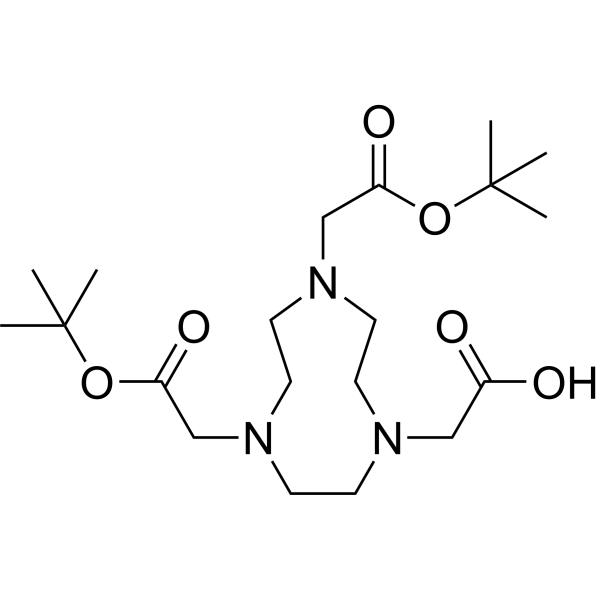
DOTA-bis(tert-butyl)ester is a DOTA-based metal chelator that can bind to radionuclides and is used to prepare radionuclide conjugates (RDCs). DOTA-bis(tert-butyl)ester can be conjugated with different salts to form different metal chelators, such as (HY-B1244) hydrochloride to obtain DOTA-MN2. DOTA-MN2 can be reacted with [67]Ga-citrate to obtain radiolabeling. When (67)Ga-DOTA-MN2 is incubated in phosphate buffer solution or mouse plasma for 24 hours, it does not undergo significant decomposition. In the biodistribution experiment of NFSa tumor mice, it has high tumor uptake and rapid plasma clearance, and is a good material for SPECT and PET studies.
|
-
- HY-P992340
-
|
|
Radionuclide-Drug Conjugates (RDCs)
TNF Receptor
|
Cancer
|
|
CTB006 is a monoclonal antibody targeting a humanized chimeric recombinant anti-DR5. CTB006 specifically binds to and activates DR5, thereby inducing tumor cell apoptosis, inhibiting tumor growth and reducing tumor drug resistance. 177Lu-radiolabeled CTB006 can deliver targeted radiotherapy to tumor cells; while 89Zr- or 177Lu-labeled CTB006 can serve as a PET/CT imaging agent for detecting DR5 expression levels in preclinical tumor models and screening cancers with DR5 overexpression. CTB006 can be applied to research related to gastrointestinal cancer, colorectal cancer and other solid tumors .
|
-
- HY-400882
-
|
|
Drug Derivative
Drug Intermediate
TSPO
|
Neurological Disease
Inflammation/Immunology
|
|
Tosylate-DPA-714 is a GMP-grade precursor for the radiosynthesis of DPA-714 (HY-122607). It crosses the blood-brain barrier and exhibits steroidogenic activity. DPA-714 is a specific ligand for the 18 kDa translocator protein (TSPO) with a Ki of 7.0 nM. Tosylate-DPA-714 is safe and does not bind to central benzodiazepine receptors (benzodiazepine receptor). As a radiolabeling precursor, Tosylate-DPA-714 reacts with 18F via nucleophilic aliphatic substitution to form 18F-DPA-714, enabling specific targeted binding to TSPO. 18F-DPA-714 accurately reflects the level of neuroinflammation mediated by microglial activation, and is used for PET molecular imaging of neurological diseases such as Alzheimer's disease and multiple sclerosis .
|
-
- HY-160184
-
|
|
COX
|
Neurological Disease
Inflammation/Immunology
|
|
COX-1-IN-5 (example 13, compound PS13) is a potent and selective COX-1 inhibitor (COX-1 IC50 = 1 nM, COX-2 IC50 > 0.1 μM) exhibiting >1000-fold selectivity over COX-2. COX-1-IN-5 possesses strong anti-inflammatory, antipyretic, analgesic, antithrombotic, anti-cancer activities. COX-1-IN-5 can be used for COX-mediated diseases research, such as inflammatory conditions and pain. COX-1-IN-5 radiolabeled with 11C can be used as a selective PET tracer for whole‑body imaging of COX‑1 distribution and target engagement in vivo .
|
-
- HY-P10792
-
|
|
EGFR
|
Cancer
|
|
HER2-targeted peptide H6F is a HER2 targeting peptide that binds to HER2 to target breast cancer cells, with the amino acid sequence YLFFVFER. The HER2-targeted peptide H6F can be conjugated with the bifunctional chelating agent hydrazinonicotinamide (HYNIC) for radiolabeling with 99mTc. Single-photon emission computed tomography (SPECT) imaging shows that the labeled HER2-targeted peptide H6F specifically accumulates in HER2-positive MDA-MBA-453 tumor-bearing mice models. The HER2-targeted peptide H6F can be used for tumor molecular imaging studies .
|
-
- HY-P11594
-
|
|
Neurotensin Receptor
|
Cancer
|
|
JMV 7490 is a highly potent and highly hydrophilic neurotensin receptor NTS1 probe that can be successfully labeled with 68Ga and 111In. JMV 7490 acts as an efflux inhibitor to reduce its efflux in NTS1-positive cancer cells; it also serves as an internalization inducer and is efficiently and continuously internalized by NTS1-positive cancer cells. 111In-radiolabeled JMV 7490 shows persistent uptake in NTS1-positive xenografts in nude mice, but no significant uptake in NTS1-negative xenografts. JMV 7490 can be used for in vivo tracer applications of NTS1-positive tumors and supports related research on colorectal cancer .
|
-
- HY-134599
-
|
|
Biochemical Assay Reagents
|
Cancer
|
|
(2E)-TCO-PNB ester is an active reaction substrate with the properties of trans-cyclooctene derivatives. The core chemical property of (2E)-TCO-PNB ester is its ability to undergo efficient inverse electron-demand Diels-Alder (IEDDA) cycloaddition with tetrazine groups. (2E)-TCO-PNB ester can be used in ligation reactions to verify the integrity of tetrazine groups, and also serves as a key synthetic raw material for the preparation of the prodrug TCO-DOX. (2E)-TCO-PNB ester is applied in research related to drug synthesis and bioorthogonal chemistry .
|
-
| Cat. No. |
Product Name |
Type |
-
- HY-135641
-
|
|
Fluorescent Dye
|
|
Biotin-probe 1 is a non-radiolabeled probe. Biotin-labeled probes can be applied to in situ hybridization .
|
| Cat. No. |
Product Name |
Type |
-
- HY-W250574
-
|
NOTA-bis(t-Butyl ester)
|
Biochemical Assay Reagents
|
|
NOTA-bis (tBu) ester is a derivative of NOTA (HY-134418). NOTA-bis (tBu) ester is radiolabeled with 68Ga to form ZD2-( 68Ga-NOTA) after conjugation with ZD2. ZD2-( 68Ga-NOTA) can be used for PET imaging studies of pancreatic cancer .
|
-
- HY-158067
-
|
DFO-DBCO
|
Biochemical Assay Reagents
|
|
Deferoxamine-DBCO is a bifunctional chelating agent. Deferoxamine-DBCO efficiently chelates with radioactive metals (such as 89Zr) through the DFO structure to achieve radiolabeling. Deferoxamine-DBCO undergoes a metal-free Huisgen cycloaddition reaction with azide-containing biomolecules (such as siRNA, monoclonal antibodies) under bioorthogonal conditions through the DBCO structure to achieve targeted coupling. Deferoxamine-DBCO has efficient metal chelating ability and specific bioorthogonal reaction activity. Deferoxamine-DBCO can be used for targeted radioactive imaging studies of tumors .
|
-
- HY-W539893
-
|
NODAG
|
Biochemical Assay Reagents
|
|
NODAGA-tris(t-Bu ester) (NODAG) is a NODAGA derivative. NODAGA-tris(t-Bu ester) can be used to label peptides, antibodies, etc., and subsequently radiolabeled for PET imaging .
|
-
- HY-101183
-
|
|
Biochemical Assay Reagents
|
|
THK5351 can be radiolabeled and used as a radiotracer for in vivo imaging of tau pathology in the brain.
|
-
- HY-B1684
-
|
SQ 26962
|
Biochemical Assay Reagents
|
|
Mebrofenin (SQ 26962) is a type of iminodiacetic acid (IDA). Mebrofenin is available as a ready to use the kit for radio-labeling with Tc-99m. Tc-99m Mebrofenin, a diagnostic agent, is used for hepatobiliary imaging. Tc-99m Mebrofenin is the radiopharmaceutical of choice for the evaluation of hepatic function .
|
-
- HY-W088413A
-
|
|
Biochemical Assay Reagents
|
|
DOTA-amide (dihydrate) is a Bifunctional Chelators (BFCs). DOTA-amide (dihydrate) binds to the Affibody molecule ZHER2:S1. Its complex binds specifically to HER2 and can be used to detect bone metastases, which are common in prostate cancer .
|
-
- HY-B1684R
-
|
SQ 26962 (Standard)
|
Biochemical Assay Reagents
|
|
Mebrofenin (Standard) is the analytical standard of Mebrofenin. This product is intended for research and analytical applications. Mebrofenin (SQ 26962) is a type of iminodiacetic acid (IDA). Mebrofenin is available as a ready to use the kit for radio-labeling with Tc-99m. Tc-99m Mebrofenin, a diagnostic agent, is used for hepatobiliary imaging. Tc-99m Mebrofenin is the radiopharmaceutical of choice for the evaluation of hepatic function .
|
-
- HY-101183R
-
|
|
Biochemical Assay Reagents
|
|
THK5351 (Standard) is the analytical standard of THK5351 (HY-101183). This product is intended for research and analytical applications. THK5351 can be radiolabeled and used as a radiotracer for in vivo imaging of tau pathology in the brain.
|
| Cat. No. |
Product Name |
Target |
Research Area |
-
- HY-P10761
-
|
|
Radionuclide-Drug Conjugates (RDCs)
Carbonic Anhydrase
|
Cancer
|
|
DPI-4452 is a CAIX-targeting cyclic peptide with a DOTA cage, and can be chelated with radionuclide for CAIX-expressing tumor PET-CT imaging and study. DPI-4452 specifically and selectively binds CAIX without interaction with an in vitro off-target receptor panel of 55 targets (IC50 for recombinant hCAIX: 130 nM). Radiolabeled DPI-4452 inhibits tumor growth in HT-29 and SK-RC-52 xenograft mouse models . DPI-4452 can be used for the synthesis/research of Radionuclide-Drug Conjugates (RDCs).
|
-
- HY-P10137
-
-
- HY-P3440
-
|
|
Radionuclide-Drug Conjugates (RDCs)
PD-1/PD-L1
|
Cancer
|
|
WL12 is a specifically targeting programmed death ligand 1 (PD-L1) binding peptide. WL12 can be radiolabeled by different radionuclides, generating radiotracers, which can assess the tumor PD-L1 expression .
|
-
- HY-P5018
-
|
|
Radionuclide-Drug Conjugates (RDCs)
Ser/Thr Protease
|
Cancer
|
|
NOTA-AE105 is a PET ligand for the urokinase-type plasminogen activator receptor (uPAR). NOTA-AE105 can be radiolabeled with 64Cu and 68Ga. Images of 68Ga-NOTA-AE105 and 64Cu-NOTA-AE105 demonstrate high contrast and clear tumor delineation. NOTA-AE105 can be used in the synthesis of radionuclide-conjugated compounds (RDCs) .
|
-
- HY-P10239
-
|
|
Somatostatin Receptor
Radionuclide-Drug Conjugates (RDCs)
|
Cancer
|
|
Tyr3-Octreotate is a ligand for somatostatin receptor subtype 2 (sst2), with an IC50 value of 1.3 nM against sst2 when labeled with [ 111In-DTPA], and an IC50 value of 1.6 nM against sst2 when labeled with [ 90Y-DOTA]. Radiolabeled Tyr3-Octreotate generates cell-associated radioactivity, and acts as both a tumor growth inhibitor and a tumor cytotoxic agent. When radiolabeled with 177Lu or 90Y, Tyr3-Octreotate serves as a peptide receptor radionuclide therapy (PRRT) analog. Tyr3-Octreotate can be used in studies related to pancreatic tumors .
|
-
- HY-P10734
-
|
|
Peptides
|
|
|
NODAGA-RGD is a peptide that can be radiolabeled and used as a radiotracer for positron emission tomography (PET) diagnosis .
|
-
- HY-P10896
-
|
|
Bombesin Receptor
|
Cancer
|
|
NOTA-P2-RM26 is an antagonist of Bombesin (HY-P0195) analogs, and the gastrin-releasing peptide receptor (GRPR/BB2) is a molecular target for prostate cancer visualization. NOTA-P2-RM26 is labeled with 111In and 68Ga for prostate cancer imaging studies using PET and SPECT/CT .
|
-
- HY-P10792
-
|
|
EGFR
|
Cancer
|
|
HER2-targeted peptide H6F is a HER2 targeting peptide that binds to HER2 to target breast cancer cells, with the amino acid sequence YLFFVFER. The HER2-targeted peptide H6F can be conjugated with the bifunctional chelating agent hydrazinonicotinamide (HYNIC) for radiolabeling with 99mTc. Single-photon emission computed tomography (SPECT) imaging shows that the labeled HER2-targeted peptide H6F specifically accumulates in HER2-positive MDA-MBA-453 tumor-bearing mice models. The HER2-targeted peptide H6F can be used for tumor molecular imaging studies .
|
-
- HY-P11451
-
|
|
CXCR
|
Cancer
|
|
Pentixather is a radiolabeled peptide that can target CXCR4. Pentixather can disrupt the interaction between leukemic cells and the bone marrow microenvironment by targeting the CXCR4/CXCL12 signaling axis, reduce the retention of leukemic cells in the protective bone marrow niche, and thereby enhance the sensitivity of leukemic cells to treatment. Pentixather can be used for the study of acute lymphoblastic leukemia (ALL) and acute myeloid leukemia (AML) .
|
-
- HY-P10781
-
|
|
Radionuclide-Drug Conjugates (RDCs)
PSMA
|
Cancer
|
|
PSMA-D5 has a binding affinity for PSMA with a Ki of 0.21 nM and can be used for PSMA tracing after radiolabeling. PSMA-D5 ([68Ga]-labeled) contains a DOTA chelator, allowing convenient labeling with therapeutic radionuclides such as 177Lu and 225Ac. PSMA-D5 ([68Ga]-labeled) shows excellent pharmacokinetic properties, exhibiting remarkable tumor uptake in 22Rv1 tumors . PSMA-D5 can be used for the synthesis/research of Radionuclide-Drug Conjugates (RDCs).
|
-
- HY-P4681
-
|
|
Melanocortin Receptor
|
Metabolic Disease
|
|
(Phe2,Nle4)-ACTH (1-24) (human, bovine, rat) is a fragment of the ACTH hormone. (Phe2,Nle4)-ACTH (1-24) (human, bovine, rat) can be labeled with I125 on Tyr23 to produce a radiolabeled ligand .
|
-
- HY-P10444
-
|
|
Radionuclide-Drug Conjugates (RDCs)
CXCR
|
Cancer
|
|
DOTA Conjugated JM#21 derivative 7 (compound Ligand-7) is a derivative of CXCR4 targeting peptide conjugated with DOTA and can be used to produce radioligands. Radiolabeled DOTA Conjugated JM#21 derivative 7, i.e., 177Lu-DOTA, has excellent CXCR4 tumor targeting. In vitro biodistribution results of 177Lu-DOTA showed very low uptake in all non-targeted organs except kidney . DOTA Conjugated JM#21 derivative 7 can be used for the synthesis/research of Radionuclide-Drug Conjugates (RDCs).
|
-
- HY-W097054
-
|
|
Amino Acid Derivatives
|
Others
|
|
Fmoc-L-cysteic acid is an amino acid derivative with an Fmoc protecting group, which can be used to synthesize triarylsulfonium compounds for radiolabeling of peptides .
|
-
- HY-P11254
-
|
|
Radionuclide-Drug Conjugates (RDCs)
|
Cancer
|
|
DOTA-FAPT is a novel targeting FAP tracer. DOTA-FAPT can be radiolabeled with gallium-68 and lutetium-177. DOTA-FAPT can be used for PET imaging studies of cancer-associated fibroblasts .
|
-
- HY-P11257
-
|
|
Radionuclide-Drug Conjugates (RDCs)
|
Cancer
|
|
DOTA-BP1 is a DOTA-modified BP1 (BCMA-targeting peptide). DOTA-BP1 can be radiolabeled with [ 68Ga]Ga to produce a BCMA-targeting PET tracer. DOTA-BP1 can be used in the research of detecting BCMA in multiple myeloma .
|
-
- HY-P10743
-
|
|
Radionuclide-Drug Conjugates (RDCs)
PSMA
|
Cancer
|
|
BQ7876 is a probe targeting prostate-specific membrane antigen (PSMA) that contains a DOTA chelator. BQ7876, after being radiolabeled with radionuclide (177Lu), functions in both radionuclide imaging and tumor cell destruction by specifically binding to PSMA. BQ7876 shows potential for research in the field of metastatic castration-resistant prostate cancer (mCRPC) . BQ7876 can be used for the synthesis/research of Radionuclide-Drug Conjugates (RDCs).
|
-
- HY-P11252
-
|
|
Radionuclide-Drug Conjugates (RDCs)
VISTA
|
Cancer
|
|
DOTA-CA-170 is a DOTA-modified VISTA targeting agent CA-170. DOTA-CA-170 can be radiolabeled. DOTA-CA-170 can be used in the research of visualizing and distinguishing VISTA expression .
|
-
- HY-P11773
-
|
|
Radionuclide-Drug Conjugates (RDCs)
Integrin
|
Others
|
|
3P-RGD2 is a dimeric cyclic RGD (Arg-Gly-Asp) peptide. When radiolabeled with 99mTc, 3P-RGD2 serves as a selective radiotracer for integrin αvβ3. When radiolabeled with 99mTc, 3P-RGD2 enables single-photon emission computed tomography imaging of integrin αvβ3 .
|
-
- HY-P11485
-
|
|
Radionuclide-Drug Conjugates (RDCs)
Somatostatin Receptor
PSMA
|
Cancer
|
|
JR11-PEG3-HBED-CC-PSMA-03 (Compound 1) is an RDC-related compound containing the chelating agent HBED-CC, the JR11 peptide (SSTR2 antagonist), and the PSMA ligand. JR11-PEG3-HBED-CC-PSMA-03 shows SSTR2-binding affinities and PSMA-binding affinities, with IC50 s of 59.2 nM, 57.0 nM, respectively. JR11-PEG3-HBED-CC-PSMA-03 can be radiolabeled with [ 68Ga]. [ 68Ga] radiolabeled JR11-PEG3-HBED-CC-PSMA-03 can be used in diagnostic studies of neuroendocrine differentiated prostate cancer .
|
-
- HY-P11488
-
|
|
Radionuclide-Drug Conjugates (RDCs)
Somatostatin Receptor
PSMA
|
Cancer
|
|
JR11-PEG3-DOTA-PSMA-03 (Compound 2) is an RDC-related compound containing the chelating agent DOTA (HY-W053583), the JR11 peptide (SSTR2 antagonist), and the PSMA ligand. JR11-PEG3-DOTA-PSMA-03 shows SSTR2-binding affinities and PSMA-binding affinities, with IC50 s of 94.0 nM, 81.8 nM, respectively. JR11-PEG3-DOTA-PSMA-03 can be radiolabeled with [ 68Ga]. [ 68Ga] radiolabeled JR11-PEG3-DOTA-PSMA-03 can be used in diagnostic studies of neuroendocrine differentiated prostate cancer .
|
-
- HY-P11553B
-
|
|
Radionuclide-Drug Conjugates (RDCs)
CCR
|
Cardiovascular Disease
Inflammation/Immunology
Cancer
|
|
DOTA-ECL1i is a conjugate of the CCR2 inhibitor ECL1i (HY-P11553) and DOTA. When radiolabeled with 68Ga, DOTA-ECL1i serves as a PET tracer that targets CCR2 expression. DOTA-ECL1i can be used in research related to pulmonary fibrosis, cardiac injury, abdominal aortic aneurysm inflammation, atherosclerosis, head and neck cancer, and pancreatic cancer .
|
-
- HY-P11486
-
-
- HY-P11594
-
|
|
Neurotensin Receptor
|
Cancer
|
|
JMV 7490 is a highly potent and highly hydrophilic neurotensin receptor NTS1 probe that can be successfully labeled with 68Ga and 111In. JMV 7490 acts as an efflux inhibitor to reduce its efflux in NTS1-positive cancer cells; it also serves as an internalization inducer and is efficiently and continuously internalized by NTS1-positive cancer cells. 111In-radiolabeled JMV 7490 shows persistent uptake in NTS1-positive xenografts in nude mice, but no significant uptake in NTS1-negative xenografts. JMV 7490 can be used for in vivo tracer applications of NTS1-positive tumors and supports related research on colorectal cancer .
|
| Cat. No. |
Product Name |
Target |
Research Area |
Image |
-
- HY-P99020
-
|
GC1008
|
TGF-beta/Smad
|
Metabolic Disease
Inflammation/Immunology
Cancer
|
|
Fresolimumab (GC1008) is a human monoclonal antibody against TGF-β that neutralizes all mammalian active subtypes of TGF-β. The binding affinity of Fresolimumab to TGF-β2 is 1.8 nM. Fresolimumab improves Bleomycin (HY-108345)-induced acute lung injury. Fresolimumab radiolabeled with 89Zr can be used for PET analysis of TGF-β expression, antibody uptake and organ distribution. Fresolimumab can be used in the study of cancer, osteogenesis imperfecta, fibrosis and kidney disease .
|
-
(5)
-
- HY-P992475
-
|
|
Radionuclide-Drug Conjugates (RDCs)
|
Cancer
|
|
Tecnemab K1 is an anti-Melanoma monoclonal antibody. Tecnemab K1 accumulates in metastatic lesions of malignant melanoma and some benign lesions. When radiolabeled, Tecnemab K1 can serve as a radiotracer for malignant melanoma research. The isotype control is Mouse IgG1 kappa, Isotype Control (HY-P99977) .
|
-
(5)
-
- HY-P991922
-
|
|
Fc Receptor (FcR)
Complement System
Radionuclide-Drug Conjugates (RDCs)
|
Cancer
|
|
AKIR001 is a high-affinity human IgG1 antibody targeting CD44v6. AKIR001 carries LALA-silencing mutations in its FcγR-binding domain to reduce FcγR and C1q interactions, minimizing tissue interactions and limiting CDC and ADCC risks. [ 177Lu] radiolabeled AKIR001, namely [ 177Lu]Lu-AKIR001, has anticancer activity against epidermoid carcinoma .
|
-
(5)
-
- HY-P992340
-
|
|
Radionuclide-Drug Conjugates (RDCs)
TNF Receptor
|
Cancer
|
|
CTB006 is a monoclonal antibody targeting a humanized chimeric recombinant anti-DR5. CTB006 specifically binds to and activates DR5, thereby inducing tumor cell apoptosis, inhibiting tumor growth and reducing tumor drug resistance. 177Lu-radiolabeled CTB006 can deliver targeted radiotherapy to tumor cells; while 89Zr- or 177Lu-labeled CTB006 can serve as a PET/CT imaging agent for detecting DR5 expression levels in preclinical tumor models and screening cancers with DR5 overexpression. CTB006 can be applied to research related to gastrointestinal cancer, colorectal cancer and other solid tumors .
|
-
(5)
| Cat. No. |
Product Name |
Category |
Target |
Chemical Structure |
| Cat. No. |
Product Name |
Chemical Structure |
-
- HY-W752886
-
|
|
|
Estradiol 3-d3 (β-D-Glucuronide) sodium is the deuterium labeled Estradiol 3-(β-D-Glucuronide) sodium (HY-N7755). Estradiol 3-(β-D-Glucuronide) sodium is the glucuronic acid derivative of estradiol (HY-B0141). Estradiol 3-(β-D-Glucuronide) sodium is radiolabeled for use in tumor imaging and biodistribution studies .
|
-
| Cat. No. |
Product Name |
|
Classification |
-
- HY-158067
-
|
DFO-DBCO
|
|
DBCO
|
|
Deferoxamine-DBCO is a bifunctional chelating agent. Deferoxamine-DBCO efficiently chelates with radioactive metals (such as 89Zr) through the DFO structure to achieve radiolabeling. Deferoxamine-DBCO undergoes a metal-free Huisgen cycloaddition reaction with azide-containing biomolecules (such as siRNA, monoclonal antibodies) under bioorthogonal conditions through the DBCO structure to achieve targeted coupling. Deferoxamine-DBCO has efficient metal chelating ability and specific bioorthogonal reaction activity. Deferoxamine-DBCO can be used for targeted radioactive imaging studies of tumors .
|
| Cat. No. |
Product Name |
|
Classification |
-
- HY-W342664
-
|
FIRU
|
|
Nucleoside Analogs
Uridine
|
|
2'-Deoxy-2'-fluoro-5-iodouridine (FIRU) is a nucleoside analog. When labeled with 123I, 2'-Deoxy-2'-fluoro-5-iodouridine accumulates highly selectively in tumors expressing the HSV1-tk gene. Radiolabeled 2'-Deoxy-2'-fluoro-5-iodouridine enables imaging of adenovirus-mediated HSV1-tk suicide gene transfer .
|
Your information is safe with us. * Required Fields.
Inquiry Information
- Product Name:
- Cat. No.:
- Quantity:
- MCE Japan Authorized Agent:

