Search Result
Results for "
SCLY
" in MedChemExpress (MCE) Product Catalog:
3
Biochemical Assay Reagents
16
Isotope-Labeled Compounds
| Cat. No. |
Product Name |
Target |
Research Areas |
Chemical Structure |
-
- HY-18749
-
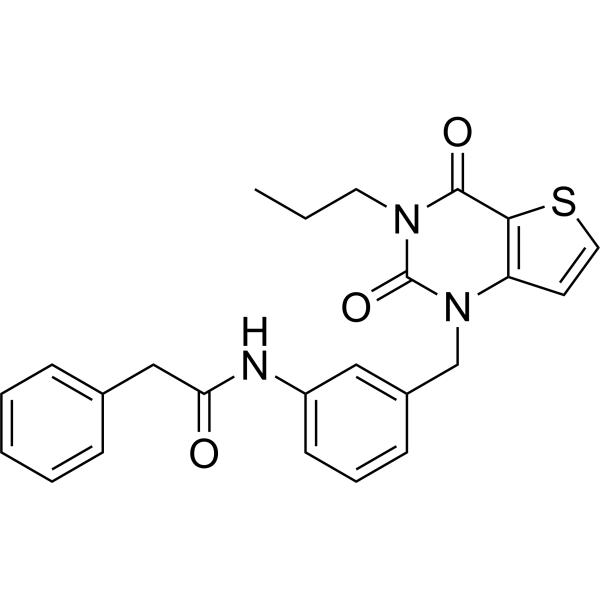
SC79
Maximum Cited Publications
308 Publications Verification
|
Akt
|
Neurological Disease
Inflammation/Immunology
Cancer
|
|
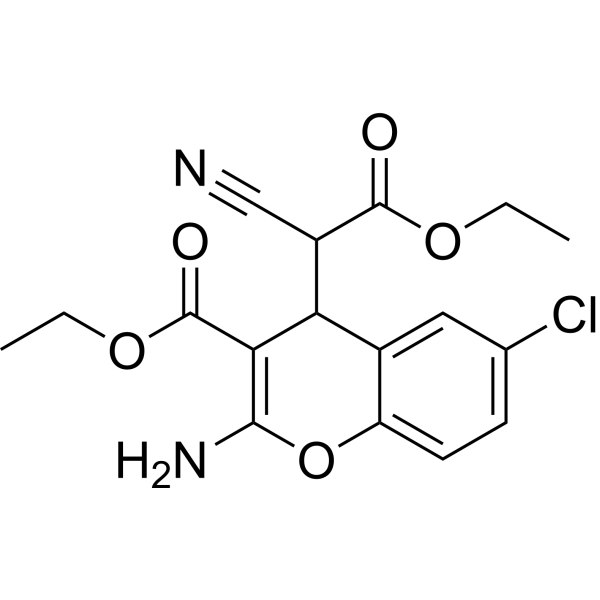
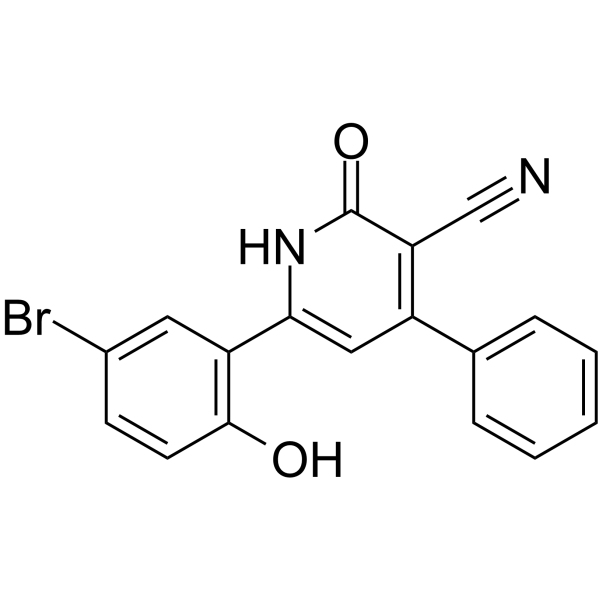
SC79, a unique specific and BBB permeable Akt activator, activates Akt in the cytosol and inhibits Akt membrane translocation. SC79 specifically binds to the PH domain of Akt .
|
-
-
- HY-B0361
-
-
-
- HY-107410
-
-
-
- HY-145799
-
5A2-SC8
1 Publications Verification
|
Liposome
|
Cancer
|
|
5A2-SC8 is an ionizable amino lipid in lipid nanoparticles (LNPs) that shows high delivery potential and low in vivo toxicity, enabling efficient delivery of small RNAs such as siRNA and miRNA into tumor cells. 5A2-SC8 LNPs can confer a unique delivery fate of RNA within the liver, thereby changing the therapeutic outcomes in cancer models .
|
-
-
- HY-148559
-
|
|
Liposome
|
Cancer
|
|
4A3-SC8 is a modular degradable dendrimer that enables small RNAs to extend survival in an aggressive liver cancer model .
|
-
-
- HY-15614
-
|
|
Interleukin Related
Apoptosis
|
Cancer
|
|
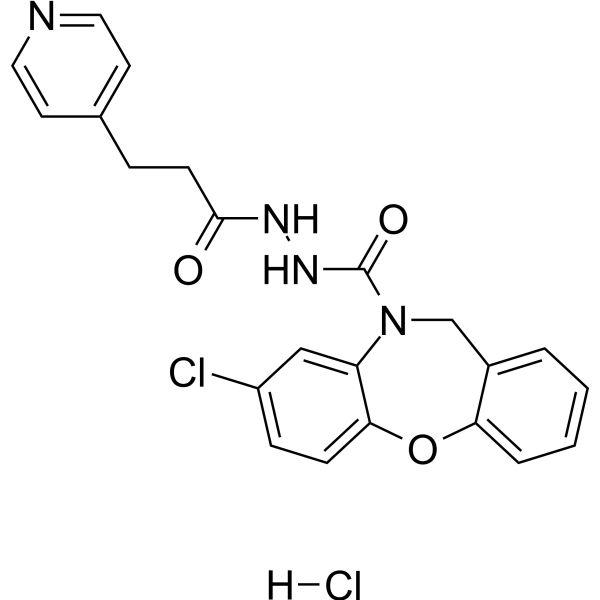
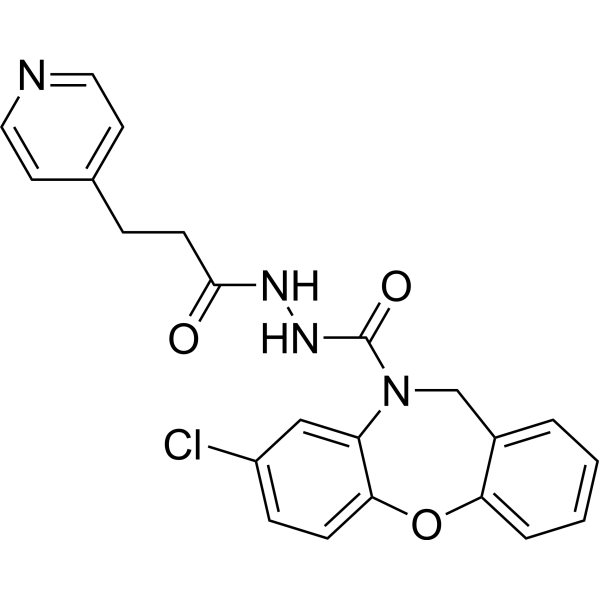
SC144 is a first-in-class, orally active gp130 (IL6-beta) inhibitor. SC144 binds gp130, induces gp130 phosphorylation (S782) and deglycosylation, abrogates Stat3 phosphorylation and nuclear translocation, and further inhibits the expression of downstream target genes. SC144 shows potent inhibition of gp130 ligand-triggered signaling. SC144 induces apoptosis in human ovarian cancer cells .
|
-
-
- HY-59105
-
SC-560
3 Publications Verification
|
COX
|
Cancer
|
|
SC-560 is a potent and selective COX-1 inhibitor with an IC50 of 9 nM.
|
-
-
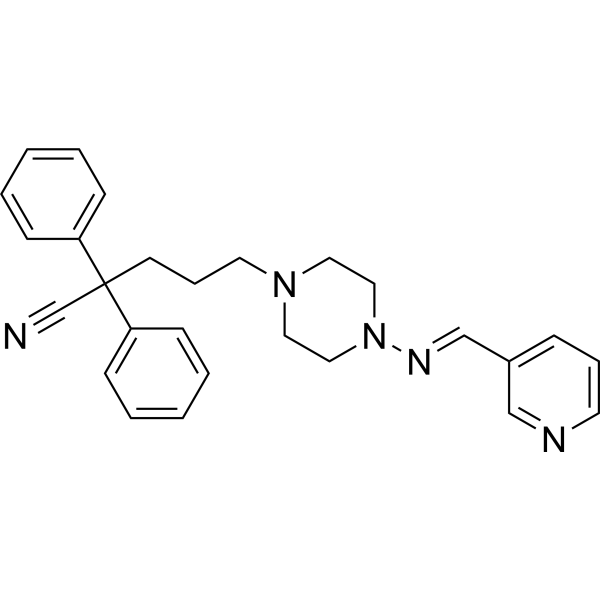
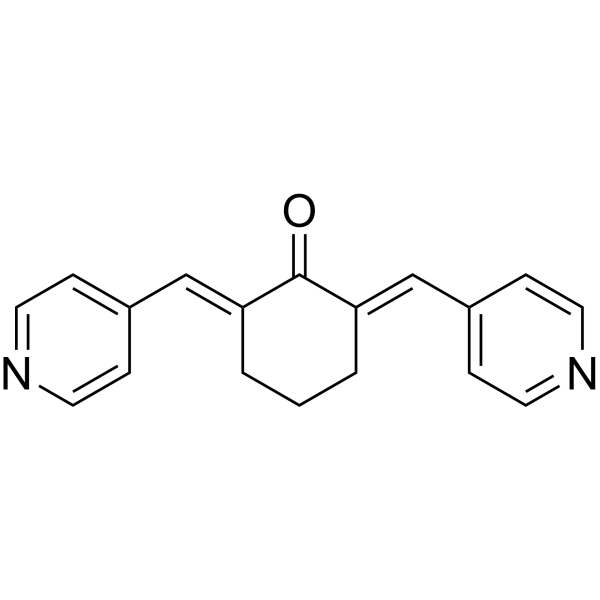
- HY-10496
-
|
|
NF-κB
Influenza Virus
|
Infection
Cancer
|
|
SC75741 is a broad and efficient NF-κB inhibitor with an IC50 of 200 nM for p65 . SC75741 blocks influenza viruses (IV) replication. SC75741 impairs DNA binding of the NF-κB subunit p65, resulting in reduced expression of cytokines, chemokines, and pro-apoptotic factors. SC75741 subsequently inhibits caspase activation and blocks caspase-mediated nuclear export of viral ribonucleoproteins .
|
-
-
- HY-136657
-
|
|
SHP1
Phosphatase
STAT
Apoptosis
|
Cancer
|
|
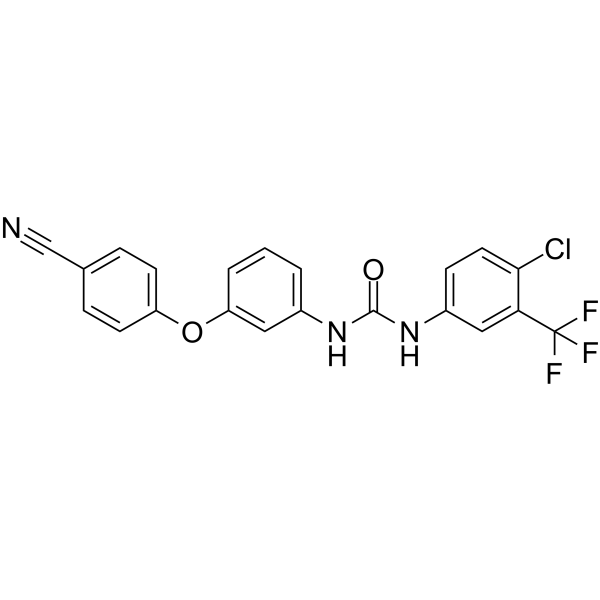
SC-43, a Sorafenib derivative, is a potent and orally active SHP-1 (PTPN6) agonist. SC-43 inhibits the phosphorylation of STAT3 and induces cell apoptosis. SC-43 has anti-fibrotic and anticancer effects .
|
-
-
- HY-13802
-
|
GK 01140
|
IKK
|
Cancer
|
|
SC-514 is a selective IKK-2 inhibitor (IC50=11.2 μM), which does not inhibit other IKK isoforms or other serine-threonine and tyrosine kinases.
|
-
-
- HY-171099
-
|
LI-2124
|
IPK Superfamily
|
Cardiovascular Disease
Endocrinology
|
|
SC-919 is an orally active IP6K inhibitor, with an IC50 of < 5.2 nM against IP6K1, < 3.8 nM against IP6K2, and 0.65 nM against IP6K3. By inhibiting the activity of IP6K, SC-919 reduces intracellular IP7 levels, thereby suppressing XPR1-mediated cellular phosphate efflux. SC-919 increases intracellular phosphate and ATP levels while reducing phosphate entry into the bloodstream, thus decreasing plasma phosphate levels. SC-919 can be used in research related to chronic kidney disease and hyperphosphatemia .
|
-
-
- HY-15614A
-
|
|
Interleukin Related
Apoptosis
|
Cancer
|
|
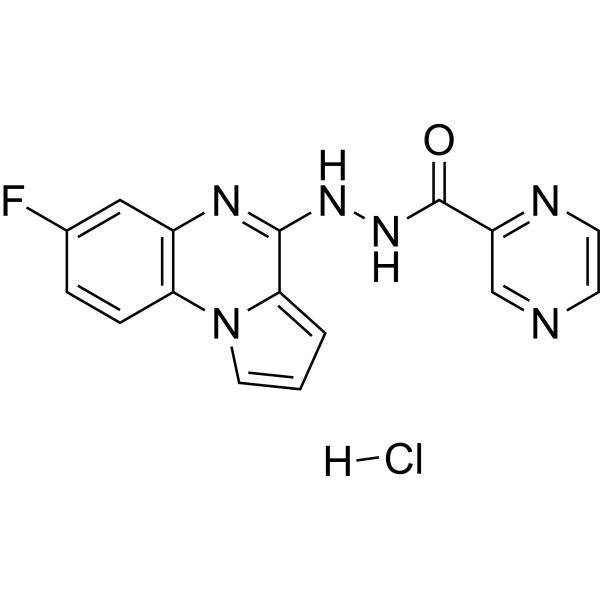
SC144 hydrochloride is a first-in-class, orally active gp130 (IL6-beta) inhibitor. SC144 hydrochloride binds gp130, induces gp130 phosphorylation (S782) and deglycosylation, abrogates Stat3 phosphorylation and nuclear translocation, and further inhibits the expression of downstream target genes. SC144 hydrochloride shows potent inhibition of gp130 ligand-triggered signaling. SC144 hydrochloride induces apoptosis in human ovarian cancer cells .
|
-
-
- HY-148194
-
|
|
Drug-Linker Conjugates for ADC
|
Cancer
|
|
SC239 is a cleavable 2-aminophenyl hemiasterlin agent-linker. SC239 can be as the agent-linker for ADC . SC239 is a click chemistry reagent, it contains a DBCO group that can undergo strain-promoted alkyne-azide cycloaddition (SPAAC) with molecules containing Azide groups.
|
-
-
- HY-145758
-
|
|
Endonuclease
|
Cancer
|
|
FEN1-IN-SC13 is a potent DNA fragmentation endonuclease 1 (FEN1) inhibitor with antitumor activity. FEN1-IN-SC13 interferes with DNA replication and repair in vitro and in cells .
|
-
-
- HY-W010983
-
SC-236
2 Publications Verification
|
COX
PPAR
Apoptosis
|
Cardiovascular Disease
Inflammation/Immunology
Cancer
|
|
SC-236 is an orally active COX-2 specific inhibitor (IC50 = 10 nM) and a PPARγ agonist. SC-236 suppresses activator protein-1 (AP-1) through c-Jun NH2-terminal kinase. SC-236 exerts anti-inflammatory effects by suppressing phosphorylation of ERK in a murine model .
|
-
-
- HY-177069
-
|
|
Liposome
|
Others
|
|
4A3-SC7 is a polymer of 4A3 amine and is an ionizable lipid component. 4A3-SC7 can be used to prepare lipid nanoparticles (LNPs) to construct a selective organ targeting (SORT) LNP platform .
|
-
-
- HY-161409
-
|
|
Androgen Receptor
Apoptosis
|
Cancer
|
|
SC912 is an AR-V7 inhibitor (IC50 = 0.36 μM). SC912 possesses safety, potency and selectivity. SC912 binds directly to AR-FL and AR-V7 proteins, inhibites nuclear localization and chromatin binding capabilities. SC912 exerts anticancer activity through inhibition of proliferation, induction of cell cycle arrest and apoptosis .
|
-
-
- HY-144880
-
|
3-Aminophenyl Hemiasterlin
|
ADC Payload
Microtubule/Tubulin
P-glycoprotein
|
Cancer
|
|
SC209 (3-Aminophenyl Hemiasterlin) is a 3-aminophenyl hemiasterlin derivative that serves as a cytotoxin for ADCs, targeting tubulin. SC209 has reduced potential for drug efflux via P-glycoprotein 1 drug pump compared with other tubulin-targeting payloads. SC209 exhibits antitumor activity and can be used in the synthesis of ADC molecules .
|
-
-
- HY-131236
-
|
|
EBV
|
Cancer
|
|
EBNA1-IN-SC7 (compound SC7) is a selective Epstein-Barr nuclear antigen 1 (EBNA1) inhibitor that interferes with EBNA1-DNA binding activity with an IC50 value of 23 μM. EBNA1-IN-SC7 is used in EBV (Epstein-Barr virus)-related cancer research .
|
-
-
- HY-126693
-
|
|
Drug-Linker Conjugates for ADC
|
Cancer
|
|
SC-VC-PAB-DM1 is a agent-linker conjugate for ADC with with potent antitumor activity by using DM1 (Mertansine, a tubulin inhibitor) , linked via the ADC linker SC-VC-PAB .
|
-
-
- HY-100931
-
|
|
PKC
|
Cancer
|
|
SC-10 is a direct activator of PKC .
|
-
-
- HY-124858
-
|
|
STAT
JAK
Apoptosis
|
Cardiovascular Disease
Cancer
|
|
SC99 is an orally active, selective STAT3 inhibitor targeting JAK2-STAT3 pathway. SC99 docks into the ATP-binding pocket of JAK2. SC99 inhibits phosphorylation of JAK2 and STAT3 with no effects on the other kinases associated with STAT3 signaling. SC99 inhibits platelet activation, aggregation and displays potent anti-myeloma, anti-thrombotic activities .
|
-
-
- HY-W013164
-
|
|
COX
|
Inflammation/Immunology
Cancer
|
|
SC-58125 is a potent and selective inhibitor of cyclooxygenase 2 (COX-2), with an IC50 of 0.04 μM. SC-58125 exhibits antitumor activity in vitro and in vivo. SC-58125 also can inhibit edema at the inflammatory site and has analgesic effect .
|
-
-
- HY-108562
-
-
-
- HY-19897
-
|
|
FLT3
VEGFR
|
Cancer
|
|
4SC-203 is a potent multikinase inhibitor with potential antineoplastic activity. 4SC-203 selectively FLT3/STK1, FLT3 mutated forms, and VEGFRs .
|
-
-
- HY-P99506
-
|
SC-003 mAb; SC-Mab003; SC34.28ss1
|
ADC Antibody
|
Cancer
|
|
Tamrintamab (SC-003 mAb, SC-Mab003, SC34.28ss1) is an ADC Antibody targeting to dipeptidase 3 (DPEP3 or MBD3). DPEP3 is a glycosyl phosphatidylinositol anchored metallopeptidase that is overexpressed in ovarian tumors. Tamrintamab can specifically bind DPEP3-expressing cells to produce cytotoxicity. Tamrintamab can be used in ovarian cancer research .
|
-
-
- HY-164373
-
|
|
Androgen Receptor
Apoptosis
|
Cancer
|
|
SC428 is an androgen receptor (AR) inhibitor that targets the N-terminal domain. SC428 potently decrease the transactivation of (AR)-V7, (AR)v567es, as well as full-length ( AR ) (AR-FL) and its LBD mutants, substantially. SC428 inhibits androgen-stimulated (AR)-FL nuclear translocation, chromatin binding, and (AR) -regulated gene transcription. SC428 inhibits the proliferation of tumor cells in vitro. SC428 inhibits tumor cell growth by inducing apoptosis in mice transplanted with 22RV1 .
|
-
-
- HY-W028047
-
|
|
Bacterial
|
Infection
Inflammation/Immunology
|
|
JFD01307SC is a glutamine synthetase inhibitor and anti-tuberculosis agent. JFD01307SC acts as a mimic of L-Glutamate and thus target enzymes involved in glutamine biosynthesis .
|
-
-
- HY-B0361R
-
|
SC-18862 (Standard)
|
Biochemical Assay Reagents
Reference Standards
|
Neurological Disease
|
|
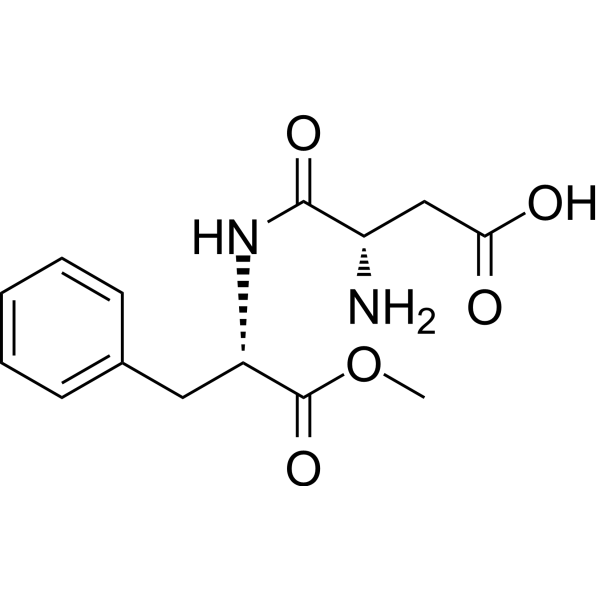
Aspartame (Standard) is the analytical standard of Aspartame. This product is intended for research and analytical applications. Aspartame (SC-18862) is a methyl ester of a dipeptide. Aspartame can be used as a synthetic nonnutritive sweetener .
|
-
-
- HY-124775
-
|
|
Phosphodiesterase (PDE)
|
Neurological Disease
|
|
(S)-C33 is a potent and selective PDE9 (phosphodiesterase-9) inhibitor, with an IC50 of 11 nM. (S)-C33 can be used for central nervous system diseases and diabetes research .
|
-
-
- HY-102065
-
|
|
Prostaglandin Receptor
|
Others
|
|
SC-19220 is a competitive prostaglandinn E2 receptor antagonist. SC-19220 increases the bladder capacity and reduced the voiding efficiency of micturition (elicited by slow transvesical filling) of urethane-anesthetized rats. SC-19220 can restores the balance in bone marrow granulocyte and monocyte production after burn sepsis .
|
-
-
- HY-100934
-
-
-
- HY-145799A
-
|
|
Liposome
|
Cancer
|
|
5A2-SC8 TFA is an ionizable amino lipid in lipid nanoparticles (LNPs) that shows high delivery potential and low in vivo toxicity, enabling efficient delivery of small RNAs such as siRNA and miRNA into tumor cells. 5A2-SC8 TFA LNPs can confer a unique delivery fate of RNA within the liver, thereby changing the therapeutic outcomes in cancer models .
|
-
-
- HY-U00129
-
-
-
- HY-129982
-
|
|
Apical Sodium-Dependent Bile Acid Transporter
|
Metabolic Disease
|
|
SC-435 is an orally effective apical sodium codependent bile acid transporter (ASBT) inhibitor. SC-435 effectively removes neurotoxic bile acids and ammonia from the blood by inhibiting intestinal ASBT, thereby alleviating liver and brain damage caused by liver failure. SC-435 can alter hepatic cholesterol metabolism and lower plasma low-density lipoprotein-cholesterol concentrations .
|
-
-
- HY-P3326A
-
|
|
Bacterial
|
Infection
|
|
Targeting the bacterial sliding clamp peptide 46 TFA is a short peptide targeting the bacterial sliding clamp(SC), inhibiting SC-dependent DNA synthesis .
|
-
-
- HY-105052
-
|
Enisoprost
|
Prostaglandin Receptor
|
Endocrinology
|
|
SC 34301 (Enisoprost) is a potent and orally active PGE1 analog. SC 34301 significantly reduces bacterial translocation and improves survival for burned mice .
|
-
-
- HY-106395A
-
|
(Rac)-SC-52151
|
HIV Protease
HIV
|
Infection
|
|
(Rac)-Telinavir ((Rac)-SC-52151) is a racemate of Telinavir (HY-106395A). Telinavir (SC-52151) is a potent and selective HIV protease inhibitor. Telinavir inhibits lymphotropic, monocytotropic strains and field isolates of HIV type 1 (HIV-1), HIV-2, and simian immunodeficiency virus with EC50s of 26 ng/mL (43 nM). Telinavir is highly protein bound in human plasma and exhibits low partitioning into erythrocytes .
|
-
-
- HY-W009934
-
|
α-Phenyl-2-pyridineacetonitrile
|
Drug Metabolite
|
Endocrinology
|
|
2-Phenyl-2-(2-pyridyl)acetonitrile is the major metabolite of SC 15396 metabolized by the supernatant fraction of rat liver homogenate. SC 15396 is an antigastrin that inhibits gastric secretion .
|
-
-
- HY-112740
-
|
|
Leukotriene Receptor
|
Inflammation/Immunology
|
|
SC-53228 is an orally active human leukotriene B4 receptor (LTB4 receptor) antagonist. SC-53228 exerts its anti-inflammatory effect by specifically blocking the LTB4 receptor and inhibiting neutrophil infiltration. SC-53228 has demonstrated significant efficacy and good safety in various inflammatory models. SC-53228 can be used for a variety of inflammatory diseases, such as psoriasis and ulcerative colitis .
|
-
-
- HY-W013164R
-
|
|
Reference Standards
COX
|
Inflammation/Immunology
Cancer
|
|
SC-58125 is a potent and selective inhibitor of cyclooxygenase 2 (COX-2), with an IC50 of 0.04 μM. SC-58125 exhibits antitumor activity in vitro and in vivo. SC-58125 also can inhibit edema at the inflammatory site and has analgesic effect .
|
-
-
- HY-14237
-
|
|
MMP
|
Inflammation/Immunology
Cancer
|
|
SC-77964 is a potent, selective and orally active matrix metalloprotease (MMP) inhibitor. SC-77964 shows IC50 values < 0.1 nM against MMP-2, MMP-9, and MMP-13. SC-77964 can be used for the research of cancer and inflammation, such as melanoma .
|
-
-
- HY-19500
-
|
|
COX
|
Others
|
|
SC-75416 is a selective cyclooxygenase-2 inhibitor. Its pharmacokinetic/pharmacodynamic (PK/PD) model was used for development and clinical trial simulation to design a study protocol to verify its analgesic effect in a post-oral surgery pain model. The simulation results showed that 360 mg of SC-75416 may provide better pain relief than 400 mg of ibuprofen. The actual clinical trial results confirmed this hypothesis, and 360 mg of SC-75416 was indeed superior to 400 mg of ibuprofen in pain relief. The PK/PD model of SC-75416 showed good predictive performance and successfully predicted its clinical effect. These research results show that SC-75416, as a new selective COX-2 inhibitor, has potential clinical application value in the management of post-oral surgery pain.
|
-
-
- HY-174808
-
-
-
- HY-P3326
-
|
|
Bacterial
|
Infection
|
|
Targeting the bacterial sliding clamp peptide 46 is a short peptide targeting the bacterial sliding clamp(SC), inhibiting SC-dependent DNA synthesis.
|
-
-
- HY-47968
-
|
|
ADC Linker
|
Cancer
|
|
SC209 intermediate-1 (Compound A7a) is an ADC linker. SC209 intermediate-1 can be used for synthesis of ADCs .
|
-
-
- HY-14908A
-
|
4sc-101 hemicalcium; SC12267 hemicalcium
|
Dihydroorotate Dehydrogenase
Interleukin Related
FXR
|
Infection
Inflammation/Immunology
|
|
Vidofludimus (4sc-101; SC12267) hemicalcium is an orally active inhibitor for dihydroorotate dehydrogenase (DHODH) and also is a novel modulator for farnesoid X receptor (FXR). Vidofludimus hemicalcium, as an immunomodulatory agent, can be used for the research of autoimmune disorders such as inflammatory bowel disease (IBD). Vidofludimus hemicalcium also can be used for the research of fatty liver by targeting FXR .
|
-
-
- HY-U00232
-
-
-
- HY-B0361S1
-
|
|
Isotope-Labeled Compounds
|
Neurological Disease
|
|
Aspartame-d5 is the deuterium labeled Aspartame. Aspartame (SC-18862) is a methyl ester of a dipeptide. Aspartame can be used as a synthetic nonnutritive sweetener. Aspartame is composed of phenylalanine (50%), aspartic acid (40%) and methanol (10%) .
|
-
-
- HY-U00239
-
-
- HY-10828
-
|
|
Aminopeptidase
|
Inflammation/Immunology
|
|
SC-57461 is a potent, orally active, nonpeptide, and selective inhibitor of Leukotriene A4 (LTA4) hydrolase with IC50s of 2.5 nM, 3 nM, and 23 nM for recombinant human, mouse, and rat LTA4 hydrolase, respectively .
|
-
- HY-RS26454
-
|
|
Small Interfering RNA (siRNA)
|
Others
|
|
Scly Rat Pre-designed siRNA Set A contains three designed siRNAs for Scly gene (Rat), as well as a negative control, a positive control, and a FAM-labeled negative control.
|
-
Scly Rat Pre-designed siRNA Set A
- HY-RS19952
-
|
|
Small Interfering RNA (siRNA)
|
Others
|
|
Scly Mouse Pre-designed siRNA Set A contains three designed siRNAs for Scly gene (Mouse), as well as a negative control, a positive control, and a FAM-labeled negative control.
|
-
Scly Mouse Pre-designed siRNA Set A
- HY-RS12514
-
|
|
Small Interfering RNA (siRNA)
|
Others
|
|
SCLY Human Pre-designed siRNA Set A contains three designed siRNAs for SCLY gene (Human), as well as a negative control, a positive control, and a FAM-labeled negative control.
|
-
SCLY Human Pre-designed siRNA Set A
- HY-W009934R
-
|
α-Phenyl-2-pyridineacetonitrile (Standard)
|
Drug Metabolite
Reference Standards
|
Endocrinology
|
|
2-Phenyl-2-(2-pyridyl)acetonitrile (Standard) is the analytical standard of 2-Phenyl-2-(2-pyridyl)acetonitrile. This product is intended for research and analytical applications. 2-Phenyl-2-(2-pyridyl)acetonitrile is the major metabolite of SC 15396 metabolized by the supernatant fraction of rat liver homogenate. SC 15396 is an antigastrin that inhibits gastric secretion[1].
|
-
- HY-105894
-
|
|
Prostaglandin Receptor
|
Metabolic Disease
|
|
SC-42867 is a PGE2 antagonist. SC-42867 can be metabolized in the liver through oxidative N-dealkylation, aromatic hydroxylation, and binding reactions. SC-42867 can be used for research on metabolic conditions .
|
-
- HY-W717425
-
|
|
SHP1
STAT
Caspase
Apoptosis
Bcl-2 Family
CDK
Survivin
Drug Derivative
|
Cancer
|
|
SC-60 is a derivative of Sorafenib (HY-10201). SC-60 exerts its anti-tumor effect by activating the phosphatase activity of SHP-1, thereby inhibiting the STAT3 signaling pathway. SC-60 exhibits strong proliferation inhibitory activity in various hepatocellular carcinoma (HCC) cell lines. SC-60 downregulates the expression of downstream anti-apoptotic proteins (such as Bcl-2, Cyclin D1, Survivin), ultimately inducing caspase-dependent apoptosis. SC-60 significantly inhibits tumor growth in xenograft tumor models. SC-60 can be used for the study of HCC .
|
-
- HY-123864
-
|
S 448
|
Integrin
|
Cardiovascular Disease
Cancer
|
|
SC-68448 (S 448) is a selective αvβ3 antagonist (IC50 = 1 nM). SC-68448 inhibits αvβ3-mediated endothelial cell proliferation. SC-68448 reduces the total level of αvβ6 in NHBE cells. SC-68448 inhibits angiogenesis in a rat corneal neoplasia model. SC-68448 inhibits tumor growth and completely prevents the development of hypercalcemia in a rat Ledich cell tumor model. SC-68448 can be used in research on cardiovascular and cerebrovascular diseases such as hypercalcemia and cancers such as testicular interstitial cell tumors .
|
-
- HY-111251
-
|
|
Microtubule/Tubulin
Apoptosis
|
Cancer
|
|
4SC-207 is a potent, orally active microtubule inhibitor. 4SC-207 inhibits microtubule growth to inhibit tumor cell proliferation in vitro and in vivo, and promotes a mitotic delay/arrest, followed by apoptosis or aberrant divisions. 4SC-207 inhibits tumor growth in taxane resistant xenograft mouse models. 4SC-207 can be used for cancer research, such as colon adenocarcinoma and other malignancies .
|
-
- HY-123014
-
|
|
Leukotriene Receptor
|
Cancer
|
|
(Rac)-SC-45694 is a racemate of SC-45694. SC-45694 has full LTB4 agonist activity for neutrophil chemotaxis and has antagonist activity against LTB4-induced neutrophil degranulation .
|
-
- HY-13802R
-
|
GK 01140 (Standard)
|
IKK
Reference Standards
|
Cancer
|
|
SC-514 (Standard) is the analytical standard of SC-514. This product is intended for research and analytical applications. SC-514 is a selective IKK-2 inhibitor (IC50=11.2 μM), which does not inhibit other IKK isoforms or other serine-threonine and tyrosine kinases.
|
-
- HY-117896
-
|
|
Leukotriene Receptor
|
Inflammation/Immunology
|
|
SC-50605 and SC-51146 are second-generation leukotriene B4 (LTB4) receptor antagonists that effectively inhibit LTB4-induced chemotaxis in guinea pigs. SC-50605 targets the LTB4 receptor and has the potential to inhibit inflammatory diseases such as asthma, rheumatoid arthritis, and skin diseases. .
|
-
- HY-112739
-
-
- HY-129782
-
|
|
SOD
|
Cardiovascular Disease
|
|
SC-55858 is an effective superoxide dismutase simulator. SC-55858 increased heart rate and decreased mean arterial pressure and left ventricular systolic and end-diastolic pressures in conscious dogs .
|
-
- HY-118795
-
|
|
Aminopeptidase
|
Inflammation/Immunology
|
|
SC-22716 is a potent, competitive, reversible inhibitor of human LTA4 hydrolase, with an IC50 of 0.20 µM. SC-22716 has potential for the research of inflammatory bowel disease (IBD) and psoriasis .
|
-
- HY-123156
-
|
|
Bacterial
|
Infection
|
|
SC-23110 is a potent anti-acne agent. SC-23110 inhibits the growth of P. acnes, one of the organisms associated with acne, and most frequently mentioned as the organism involved in the pathogenesis of inflammatory pustules/lesions .
|
-
- HY-137089
-
|
20.25-Diazacholesterol dihydrochloride
|
CETP
|
Endocrinology
|
|
Azacosterol (SC-12937) dihydrochloride is a chemosterilant which in-hibits reproduction in the pigeon. Azacosterol (SC-12937) dihydrochloride exerts its inhibitory effect through the blocking of the synthesis of cholesterol, thought to be a vital component in the formation of egg yolks .
|
-
- HY-W010983R
-
-
- HY-123354
-
|
|
Bacterial
|
Infection
|
|
SC 44914 is a quinoxaline compound with antibacterial effects. SC-44914 has activity against Campylobacter jejuni, C. coli, and Clostridium difficile .
|
-
- HY-120776
-
|
|
Angiotensin Receptor
|
Cardiovascular Disease
|
|
SC-51316 is an oral active angiotensin II receptor antagonist with the IC50 values of 3.6 and 5.1 nM in rat adrenal cortical and rat uterine membrane, respectively. SC-51316 shows antihypertensive activity in vivo and in vitro .
|
-
- HY-122134
-
|
|
Fungal
|
Infection
|
|
SC-58272 is a potent and selective dipeptide N-myristoyltransferase (Nmt) inhibitor with an IC50 of 56 nM for C. albicans (strain B311) Nmt. SC-58272 shows 250-fold selective for the fungal enzyme compared to human enzyme .
|
-
- HY-125494
-
|
SC-55389A
|
HIV
|
Infection
|
|
Droxinavir (SC-55389A) hydrochloride is an antiviral compound that functions as an HIV protease inhibitor.
|
-
- HY-400056
-
|
|
ADC Payload
|
Cancer
|
|
SC209 intermediate-2 (Compound A9) is an intermediate of the ADC cytotoxin SC209 (HY-144880). SC209 intermediate-2 is an ADC Linker .
|
-
- HY-120586
-
-
- HY-123747A
-
-
- HY-123747
-
-
- HY-112333
-
-
- HY-121598
-
|
SC-36602
|
Apoptosis
|
Cardiovascular Disease
|
|
Actisomide (SC-36602) is an antiarrhythmic agent. Absorption of actisomide in rats and its in vitro uptake in CaCo-2 cells are pH-dependent .
|
-
- HY-RS12473
-
|
|
Small Interfering RNA (siRNA)
|
Others
|
|
SC5D Human Pre-designed siRNA Set A contains three designed siRNAs for SC5D gene (Human), as well as a negative control, a positive control, and a FAM-labeled negative control.
|
-
SC5D Human Pre-designed siRNA Set A
- HY-148528
-
|
|
Others
|
Cancer
|
|
SC-VC-PAB-N-Me-L-Ala-Maytansinol (compound B1) can be used to synthesis MCC-Maytansinoid A. SC-VC-PAB-N-Me-L-Ala-Maytansinol can be used as a control compound for the cancer research .
|
-
- HY-B0361S
-
|
SC-18862-d3
|
Isotope-Labeled Compounds
|
Neurological Disease
|
|
Aspartame-d3 is the deuterium labeled Aspartame. Aspartame (SC-18862) is a methyl ester of a dipeptide. Aspartame can be used as a synthetic nonnutritive sweetener. Aspartame is composed of phenylalanine (50%), aspartic acid (40%) and methanol (10%) .
|
-
- HY-120794
-
|
|
TNF Receptor
|
Inflammation/Immunology
|
|
SC 67655 is a potent and stable pentapeptide MHC class II haplotype DR4 (DR4 Dw4 or DRB 1"0401) ligand with an IC50 of 50 nM. SC 67655 can be used for the study of autoimmune diseases .
|
-
- HY-122288
-
|
|
Bacterial
|
Infection
|
|
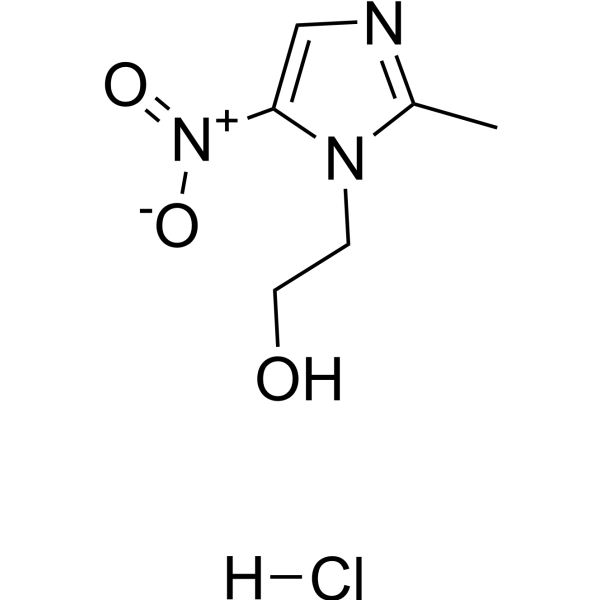
SC 28538 is a compound with antimicrobial activity. SC 28538 exerts its antimicrobial effect by reducing its nitro moiety in an anaerobic environment to form cytotoxic free radicals that can damage DNA and other key biomolecules of microorganisms .
|
-
- HY-123229
-
-
- HY-59105R
-
|
|
COX
|
Cancer
|
|
SC-560 (Standard) is the analytical standard of SC-560. This product is intended for research and analytical applications. SC-560 is a potent and selective COX-1 inhibitor with an IC50 of 9 nM.
|
-
- HY-19080
-
|
|
Lipoxygenase
|
Inflammation/Immunology
|
|
SC-45662 is a 5-lipoxygenase inhibitor. SC-45662 inhibits the response of monocytes to phytohemagglutinin (PHA). SC-45662 inhibits superoxide production in neutrophils. SC-45662 slows early changes in lung mechanics and pulmonary hypertension in a sheep model of impaired lung function. SC-45662 can be used in research on diseases of the immune system, respiratory system, etc .
|
-
- HY-114786
-
|
|
MMP
|
Endocrinology
Cancer
|
|
SC-44463 is a synthetic collagenase inhibitor. SC-44463 can inhibit tumor cells invasion. SC-44463 can block ovulation, inhibit action of ovarian interstitial collagenase, and inhibit action of the small metalloproteinase of the rat uterus. SC-44463 can be used for the researches of cancer and endocrinology .
|
-
- HY-102065R
-
|
|
Reference Standards
Prostaglandin Receptor
|
Others
|
|
SC-19220 (Standard) is the analytical standard of SC-19220 (HY-102065). This product is intended for research and analytical applications. SC-19220 is a competitive prostaglandinn E2 receptor antagonist. SC-19220 increases the bladder capacity and reduced the voiding efficiency of micturition (elicited by slow transvesical filling) of urethane-anesthetized rats. SC-19220 can restores the balance in bone marrow granulocyte and monocyte production after burn sepsis .
|
-
- HY-123014A
-
|
|
Leukotriene Receptor
|
Inflammation/Immunology
|
|
SC-45694 (lithium) is an analog of LTB4. SC-45694 (lithium) exhibits an agonist activity against LTB4 for chemotaxis and an antagonist activity against LTB4-induced degranulation. SC-45694 (lithium) stimulates neutrophil chemotaxis .
|
-
- HY-113727
-
-
- HY-16451
-
|
NSC 670880
|
HIV
|
Infection
|
|
SC-49483 (NSC 670880), an O-butanoylated ester of Miglustat (HY-17020), is an anti-HIV agent. SC-49483 can be used for the study of HIV infection .
|
-
- HY-107410R
-
|
|
Reference Standards
Stearoyl-CoA Desaturase (SCD)
|
Inflammation/Immunology
|
|
SC-26196 (Standard) is the analytical standard of SC-26196 (HY-107410). This product is intended for research and analytical applications. SC-26196 is a potent, orally active Delta6 desaturase (D6D, FADS2) inhibitor (IC50=0.2 μM in a rat liver microsomal assay). Antiinflammatory properties .
|
-
- HY-103226R
-
|
|
Reference Standards
Aminopeptidase
|
Inflammation/Immunology
|
|
SC-57461A (Standard) is the analytical standard of SC-57461A (HY-103226). This product is intended for research and analytical applications. SC-57461A is a potent, orally active, nonpeptide, and selective inhibitor of Leukotriene A4 (LTA4) hydrolase with IC50s of 2.5 nM, 3 nM, and 23 nM for recombinant human, mouse, and rat LTA4 hydrolase, respectively .
|
-
- HY-W1130429
-
|
|
Liposome
|
Cancer
|
|
4A3-SC10 is an ionizable cationic lipid (pKa = 6.57) that has been used in the generation of lipid nanoparticles (LNPs) for the delivery of mRNA. 4A3-SC10 can be used for drug delivery in cancer .
|
-
- HY-10496R
-
|
|
Reference Standards
NF-κB
Influenza Virus
|
Infection
Cancer
|
|
SC75741 (Standard) is the analytical standard of SC75741 (HY-10496). This product is intended for research and analytical applications. SC75741 is a broad and efficient NF-κB inhibitor with an IC50 of 200 nM for p65 . SC75741 blocks influenza viruses (IV) replication. SC75741 impairs DNA binding of the NF-κB subunit p65, resulting in reduced expression of cytokines, chemokines, and pro-apoptotic factors. SC75741 subsequently inhibits caspase activation and blocks caspase-mediated nuclear export of viral ribonucleoproteins .
|
-
- HY-120053
-
|
|
5-HT Receptor
|
Inflammation/Immunology
|
|
SC-53606 is a potent and selective 5-HT4 receptor antagonist, with a pA2 value of 8.13. SC-53606 acts as an antagonist of 5-HT4 receptor-mediated relaxation of Carbachol (HY-B1208)-induced contractions .
|
-
- HY-181980
-
|
|
Glyoxalase (GLO)
|
Cancer
|
|
SPB07393SC is a glyoxalase-I (Glo-I) inhibitor with an IC50 of 11.1 μM. SPB07393SC is applicable for cancer research .
|
-
- HY-108563AR
-
|
|
Reference Standards
Prostaglandin Receptor
|
Neurological Disease
|
|
SC 51089 free base (Standard) is the analytical standard of SC 51089 (free base) (HY-108563A). This product is intended for research and analytical applications. SC 51089 free base is a selective antagonist of prostaglandin E2 EP1 receptor, with Kis of 1.3, 11.2, 17.5, and 61.1 μM for EP1, TP, EP3, and FP receptors, respectively. SC 51089 free base exhibits neuroprotective activity .
|
-
- HY-182309
-
|
|
DNA Methyltransferase
Parasite
|
Infection
|
|
SC83288 is a Plasmodium falciparum PfDNMT2 inhibitor with an IC50 of 7 μM. SC83288 disrupts the epigenetic regulation of malaria parasites, blocks DNA replication and nuclear division, arrests the development of the asexual blood stage, induces the formation of pyknotic morphology in malaria parasites, and does not affect cytokinesis after nuclear division or parasite egress. SC83288 is applicable to malaria-related research .
|
-
- HY-D2996
-
|
|
Fluorescent Dye
NO Synthase
|
Others
|
|
BOD-NH-SC is a dual-response fluorescent reporter molecule exhibiting activatable NIR II fluorescence, with a primary absorption peak at 664 nm. BOD-NH-SC detects the dynamic alternation of NO and H2S in living cells .
|
-
- HY-168776
-
|
|
Biochemical Assay Reagents
|
Others
|
|
(S)-C12-200 is the (S)-isomer of C12-200 (HY-145405), an ionizable cationic lipid and helper lipid. (S)-C12-200 can be utilized in the formation of lipid nanoparticles and mRNA delivery .
|
-
- HY-103226
-
|
|
Aminopeptidase
|
Inflammation/Immunology
|
|
SC-57461A is a potent, orally active, nonpeptide, and selective inhibitor of Leukotriene A4 (LTA4) hydrolase with IC50s of 2.5 nM, 3 nM, and 23 nM for recombinant human, mouse, and rat LTA4 hydrolase, respectively .
|
-
- HY-137225
-
-
- HY-126681
-
|
NHS-VC-PAB-MMAE
|
Drug-Linker Conjugates for ADC
|
Cancer
|
|
SC-VC-PAB-MMAE (NHS-VC-PAB-MMAE) is a agent-linker conjugate for ADC with potent antitumor activity by using the anti-mitotic agent, monomethyl auristatin E (MMAE, a tubulin inhibitor), linked via the cleavable linker SC-VC-PAB .
|
-
- HY-120113
-
|
|
Apoptosis
Bcl-2 Family
STAT
|
Others
|
|
SC-2001 is a compound structurally related to obatoclax that has better antitumor effects than obatoclax in liver cancer cell lines, downregulating Mcl-1 protein levels, inhibiting STAT3 phosphorylation, inducing apoptosis, and enhancing SHP1 expression and activity.
|
-
- HY-P99886
-
|
h5G1. 1-SC
|
Complement System
Apoptosis
|
Cardiovascular Disease
Neurological Disease
|
|
Pexelizumab (h5G1. 1-SC) is a humanized scFv monoclonal antibody directed against the C5 complement component. Pexelizumab inhibits apoptosis and leukocyte infiltration. Pexelizumab can be used for the research of cerebral IR injury and myocardial infarction .
|
-
- HY-115360
-
|
|
Prion Protein
|
Others
|
|
IND45193 is a compound used to inhibit prion disease, with activity in reducing PrP(Sc) levels. In cells infected with prions, IND45193 can reduce PrP(Sc) levels, and its activity was determined through screening of multiple cell types and concentration-effect relationship studies.
|
-
- HY-14718
-
|
RAS2410; 4SC-201
|
HDAC
|
Cancer
|
|
Resminostat (RAS2410; 4SC-201) is a potent inhibitor of HDAC1, HDAC3 and HDAC6, with mean IC50 values of 42.5, 50.1, 71.8 nM, respectively, and shows less potent activities against HDAC8, with an IC50 of 877 nM.
|
-
- HY-155656
-
|
|
Dynamin
|
Inflammation/Immunology
|
|
nti-inflammatory agent 49 (compound SC9) is a quite potent and selective inhibitor of Drp1-Fis1 interaction and can reduce FIS1-mediated mitochondrial dysfunction. The IC50 of SC9 inhibiting GTPase in vitro is 270 nM .
|
-
- HY-117717
-
|
|
Prostaglandin Receptor
|
Others
|
|
(Rac)-SC-31391, a prostaglandin analog, is a strong activator of the bladder muscle contractility that enhanced twitch responses elicited by field stimulation in the guinea pig detrusor muscle. (Rac)-SC-31391 contracts human bladder muscle through the activation of PGF2α receptors .
|
-
- HY-108563
-
|
|
Prostaglandin Receptor
|
Neurological Disease
|
|
SC 51089 is a selective antagonist of prostaglandin E2 EP1 receptor, with Kis of 1.3, 11.2, 17.5, and 61.1 μM for EP1, TP, EP3, and FP receptors, respectively. SC 51089 exhibits neuroprotective activity .
|
-
- HY-N14632
-
|
|
Others
|
Endocrinology
|
|
Louisianin A is a non-steroidal growth inhibitor of testosterone-responsive SC 115 cells .
|
-
- HY-126667
-
|
|
ADC Linker
|
Cancer
|
|
SC-Val-Cit-PAB is a cleavable ADC linker for antibody-drug conjugates (ADCs).
|
-
- HY-N14633
-
|
|
Others
|
Endocrinology
|
|
Louisianin B is a non-steroidal growth inhibitor of testosterone-responsive SC 115 cells .
|
-
- HY-N14634
-
|
|
Others
|
Endocrinology
|
|
Louisianin C is a non-steroidal growth inhibitor of testosterone-responsive SC 115 cells .
|
-
- HY-16012
-
|
4SC-202
|
HDAC
Apoptosis
|
Cancer
|
|
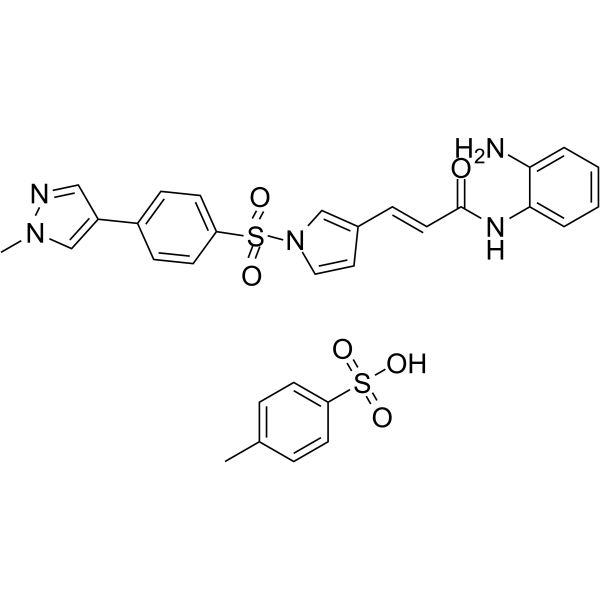
Domatinostat tosylate (4SC-202) is a selective class I HDAC inhibitor with IC50 of 1.20 μM, 1.12 μM, and 0.57 μM for HDAC1, HDAC2, and HDAC3, respectively. It also displays inhibitory activity against Lysine specific demethylase 1 (LSD1).
|
-
- HY-132587A
-
|
ALN-AT3SC sodium; SAR439774 sodium
|
Factor Xa
Small Interfering RNA (siRNA)
Thrombin
|
Cardiovascular Disease
|
|
Fitusiran (ALN-AT3SC) sodium is a siRNA strategy. Fitusiran delivers siRNA targeting the SERPINC1 gene in hepatocytes to inhibit antithrombin synthesis. Fitusiran sodium enhances thrombin activity and increases Thrombin generation, thereby restoring hemostatic function. Fitusiran sodium can be used in hemophilia-related research .
|
-
- HY-132587
-
|
ALN-AT3SC; SAR439774
|
Factor Xa
Small Interfering RNA (siRNA)
Thrombin
|
Cardiovascular Disease
|
|
Fitusiran (ALN-AT3SC) is a siRNA strategy. Fitusiran delivers siRNA targeting the SERPINC1 gene in hepatocytes to inhibit antithrombin synthesis. Fitusiran enhances thrombin activity and increases Thrombin generation, thereby restoring hemostatic function. Fitusiran can be used in hemophilia-related research .
|
-
- HY-108563A
-
|
|
Prostaglandin Receptor
|
Neurological Disease
|
|
SC 51089 free base is a selective antagonist of prostaglandin E2 EP1 receptor, with Kis of 1.3, 11.2, 17.5, and 61.1 μM for EP1, TP, EP3, and FP receptors, respectively. SC 51089 free base exhibits neuroprotective activity .
|
-
- HY-16012A
-
|
4SC-202 free base
|
HDAC
Apoptosis
|
Cancer
|
|
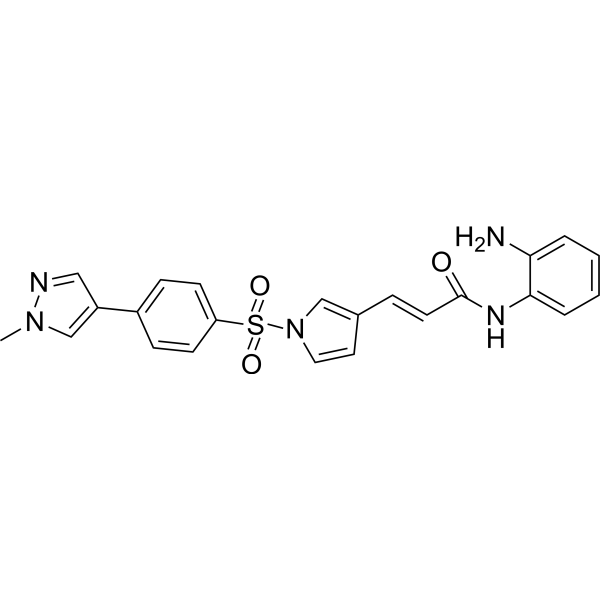
Domatinostat (4SC-202 free base) is a selective class I HDAC inhibitor with IC50 of 1.20 μM, 1.12 μM, and 0.57 μM for HDAC1, HDAC2, and HDAC3, respectively. It also displays inhibitory activity against Lysine specific demethylase 1 (LSD1).
|
-
- HY-172536
-
|
mPEG30000-SC; mPEG30000-Succinimidyl ester
|
Biochemical Assay Reagents
|
Others
|
|
m-PEG30000-NHS ester (mPEG30000-SC) can be used to modify active molecules and improve their antigenicity, immunogenicity, and help prepare injection preparations. The modification of serine protease lumbrokinase (LK) by m-PEG-NHS ester does not affect its strong fibrinolytic and thrombolytic activities, and has good application prospects .
|
-
- HY-132257
-
|
SC-002
|
Antibody-Drug Conjugates (ADCs)
Notch
|
Cancer
|
|
Rovalpituzumab tesirine (SC-002) is an antibody-drug conjugate (ADC) with anticancer effects. Rovalpituzumab tesirine contains a DLL3-targeting antibody Rovalpituzumab (HY-P99043) tethered to a cytotoxic agent pyrrolobenzodiazepine by means of a protease-cleavable linker. Rovalpituzumab tesirine can be used for the stduy of small cell lung cancer (SCLC) .
|
-
- HY-106395
-
|
SC-52151
|
HIV Protease
HIV
|
Infection
|
|
Telinavir (SC-52151) is a potent and selective HIV protease inhibitor. Telinavir inhibits lymphotropic, monocytotropic strains and field isolates of HIV type 1 (HIV-1), HIV-2, and simian immunodeficiency virus with EC50s of 26 ng/mL (43 nM). Telinavir is highly protein bound in human plasma and exhibits low partitioning into erythrocytes .
|
-
- HY-132306
-
|
CCF981
|
SARS-CoV
Virus Protease
|
Infection
|
|
CCF0058981 (CCF981), 3-chlorophenyl analogue, is a noncovalent SARS-CoV-2 3CL pro (SC2) inhibitor with an IC50 of 68 nM. CCF0058981 inhibits SC1 (SARS-CoV-1 3CL pro) with an IC50 of 19 nM. CCF0058981 has antiviral efficacy and has the potential for COVID-19 research .
|
-
- HY-139678
-
|
|
Opioid Receptor
|
Others
|
|
SC13 is a novel mitragynine analog with low-efficacy Mu opioid receptor agonism that displays antinociception with attenuated adverse effects.
|
-
- HY-156271
-
|
|
Microtubule/Tubulin
|
Cancer
|
|
Tubulin polymerization-IN-52 (compound SC23) is a potent tubulin polymerization inhibitor, with an IC50 of 2.9 μM .
|
-
- HY-N14139
-
|
|
Bacterial
|
Infection
Cancer
|
|
Dioxamycin has anti-Gram-positive bacterial activity. Dioxamycin can inhibit Staphylococcus aureus 209P with a MIC of 3.12 μg/mL. Dioxamycin inhibits the growth of L1210, P388, IMC, LX-1 and SC-6 cells with IC50s (μg/mL) of 2.7, 1.4, 6.0, 2.0 and 2.5, respectively .
|
-
- HY-125494A
-
|
SC-55389A free base
|
HIV
HIV Protease
|
Infection
|
|
Droxinavir (SC-55389A free base) is an HIV-1 protease inhibitor. Droxinavir binds to the S2 and S2' subsites of HIV-1 protease, and this interaction is regulated by protease amino acid residue 88, where the N88S mutation confers viral resistance. Droxinavir can be used in studies related to human immunodeficiency virus type 1 infection .
|
-
- HY-132587C
-
|
|
Small Interfering RNA (siRNA)
Factor Xa
Thrombin
|
Cardiovascular Disease
|
|
Fitusiran sodium scrambled negative control is the sequence scrambled negative control of Fitusiran sodium. Fitusiran (ALN-AT3SC) sodium is a siRNA strategy. Fitusiran delivers siRNA targeting the SERPINC1 gene in hepatocytes to inhibit antithrombin synthesis. Fitusiran sodium enhances thrombin activity and increases Thrombin generation, thereby restoring hemostatic function. Fitusiran sodium can be used in hemophilia-related research .
|
-
- HY-N9319
-
|
Decaisoside E
|
Others
|
Others
|
|
Fulvotomentoside A (Decaisoside E) is a triterpenoid saponin compound isolated from the flowers of Lonicera fulvotomentosa Hsu et S.C. Cheng .
|
-
- HY-132587D
-
|
|
Fluorescent Dye
Factor Xa
Small Interfering RNA (siRNA)
Thrombin
|
Cardiovascular Disease
|
|
FAM labled Fitusiran sodiumis a FAM labled Fitusiran sodium (HY-132587A). Fitusiran (ALN-AT3SC) sodium is a siRNA strategy. Fitusiran delivers siRNA targeting the SERPINC1 gene in hepatocytes to inhibit antithrombin synthesis. Fitusiran sodium enhances thrombin activity and increases Thrombin generation, thereby restoring hemostatic function. Fitusiran sodium can be used in hemophilia-related research .
|
-
- HY-132587E
-
|
|
Fluorescent Dye
Small Interfering RNA (siRNA)
Factor Xa
Thrombin
|
Cardiovascular Disease
|
|
Cy3 labled Fitusiran sodium is a Cy3 labled Fitusiran sodium (HY-132587A). Fitusiran (ALN-AT3SC) sodium is a siRNA strategy. Fitusiran delivers siRNA targeting the SERPINC1 gene in hepatocytes to inhibit antithrombin synthesis. Fitusiran sodium enhances thrombin activity and increases Thrombin generation, thereby restoring hemostatic function. Fitusiran sodium can be used in hemophilia-related research .
|
-
- HY-P991041
-
|
Anti-SEZ6 Antibody (SC17); ABBV-011 antibody; ABBV-706 antibody
|
ADC Antibody
|
Cancer
|
|
Turmetabart (Anti-SEZ6 Antibody (SC17)) is a humanized anti-SEZ6 IgG1 monoclonal antibody. Anti-SEZ6 Antibody (SC17) can be used to synthesize antibody-drug conjugates (ADC) product, ABBV-011. Recommend Isotype Controls: Human IgG1 kappa, Isotype Control (HY-P99001) .
|
-
- HY-172411
-
|
|
GLP Receptor
|
Metabolic Disease
|
|
GLP-1R agonist 29 (Compound 20) is the agonist for GLP-1R that induces hGLP-1R mediated cAMP stimulation with an EC50 of 0.018 nM. GLP-1R agonist 29 exhibits good pharmacokinetics characteristics with good body exposure of AUC0-∞,sc of 77688 ng·h/mL .
|
-
- HY-19046
-
|
SC 48274 hydrochloride
|
Tryptophan Hydroxylase
|
Neurological Disease
|
|
AGN-2979 (SC 48274) hydrochloride is a tryptophan hydroxylase activation inhibitor. AGN-2979 hydrochloride exhibits antidepressant and anxiolytic activities .
|
-
- HY-U00200
-
|
SC26304
|
Mineralocorticoid Receptor
|
Metabolic Disease
|
|
Dicirenone (SC26304) inhibits the effects of Aldosterone on urinary K +:Na + ratios and the binding of [ 3H]Aldosterone to renal cytoplasmic and nuclear receptors.
|
-
- HY-17474S1
-
|
SC 69124-d5
|
Isotope-Labeled Compounds
COX
|
Inflammation/Immunology
Cancer
|
|
Parecoxib-d5 (SC 69124-d5) is deuterium labeled Parecoxib. Parecoxib (SC 69124) is a highly selective and orally active COX-2 inhibitor, the proagent of Valdecoxib (HY-15762). Parecoxib Sodium is a nonsteroidal anti-inflammatory agent (NSAID) and inhibits prostaglandin (PG) synthesis. Parecoxib can be used for the relief of acute postoperative pain and symptoms of chronic inflammatory conditions such as osteoarthritis and rheumatoid arthritis in vivo.
|
-
- HY-19832
-
SC66
5 Publications Verification
|
MOFs
Akt
Apoptosis
|
Cancer
|
|
SC66 is an Akt inhibitor, reduces cell viability in a dose- and time-dependent manner, inhibits colony formation and induces apoptosis in hepatocellular carcinoma (HCC) cells.
|
-
- HY-162791
-
|
|
PROTAC Linkers
|
Cancer
|
|
(1s,4s)-C1-Piperidine-C1-cyclohexane-C1 is a PROTAC linker. (1s,4s)-C1-Piperidine-C1-cyclohexane-C1 can be used to synthesize PROTAC SMARCA2/4-degrader-33 (HY-162741) .
|
-
- HY-100857
-
|
|
Fluorescent Dye
|
Neurological Disease
|
|
PrPSc-IN-1 is a fluorescent probe, binds to the misfolded protein PrP Sc, inhibits its accumulation, with an IC50 of 1.6 μM. Anti-prion activity .
|
-
- HY-N14006
-
|
|
Others
|
Cardiovascular Disease
|
|
Louisianin D is a non-steroidal growth inhibitor of Testosterone-responsive SC 115 cells. Louisianin D potently suppresses the tube formation of cultured vascular endothelical cells in vitro.
|
-
- HY-P99590
-
|
ACE-011; MK-7962
|
TGF-β Receptor
|
Cardiovascular Disease
Inflammation/Immunology
Cancer
|
|
Sotatercept (ACE-011) is a soluble activin receptor 2A (ACVR2A) type IgG Fc fusion protein. Sotatercept combines activin and growth differentiation factor to try to restore the balance between growth promotion and growth inhibition signal pathways. Sotatercept has potential application in pulmonary arterial hypertension, anemia, bone loss, erythropoiesis, multiple myeloma (MM) osteolytic lesions .
|
-
- HY-P990664
-
|
SC-005 antibody
|
Transmembrane Glycoprotein
|
Inflammation/Immunology
|
|
Anti-Melanotransferrin/CD228 Antibody (SC-005 antibody) is a humanized antibody expressed in CHO cells, targeting Melanotransferrin/CD228. Anti-Melanotransferrin/CD228 Antibody carries a huIgG1 heavy chain and a huκ light chain, with a predicted molecular weight (MW) of 145.16 kDa. The isotype control for Anti-Melanotransferrin/CD228 Antibody can refer to Human IgG1 kappa, Isotype Control (HY-P99001).
|
-
- HY-170520
-
|
|
Bacterial
|
Infection
|
|
Antibiofilm agent-14 (compound 11) is an antibiofilm agent. Antibiofilm agent-14 has antifungal activity against C.albicans SC5314 with MIC of 50 μM .
|
-
- HY-Y0079S
-
|
|
Endogenous Metabolite
|
Infection
|
|
D-Phenylalanine-d5 is the deuterium labeled D-Phenylalanine. D-Phenylalanine is the synthetic dextro isomer of phenylalanine. D-Phenylalanine inhibits biofilm development of Pseudoalteromonas sp. SC2014 .
|
-
- HY-138865
-
|
|
Prion Protein
|
Infection
|
|
BiCAPPA is the first bivalent antiprion ligand. BiCAPPA can decrease infectious conformational form of prion protein (PrP Sc) from scrapie-infected cells, with an EC50 of 0.32 μM .
|
-
- HY-Y0079S1
-
-
- HY-N15703
-
|
(+)-Norisocorydine
|
Others
|
Neurological Disease
|
|
Norisocorydine ((+)-Norisocorydine) is an aporphine alkaloid with antinociceptive and radical scavenging effects. Norisocorydine shows a SC50 of 14.1 μg/mL in DPPH radical scavenging test. Norisocorydine exhibits antinociceptive ability in mice .
|
-
- HY-14398GL
-
|
SC 58635 (GMP Like)
|
COX
|
Inflammation/Immunology
|
|
Celecoxib (SC 58635) GMP Like is a GMP-class Celecoxib (HY-14398). Celecoxib, a selective non-steroidal anti-inflammatory drug (NSAID), is a selective COX-2 inhibitor with an IC50 of 40 nM.
|
-
- HY-124876
-
|
SC-D
|
α-synuclein
|
Neurological Disease
|
|
SynuClean-D (SC-D) is an inhibitor of α-synuclein aggregation, disrupts mature amyloid fibrils, prevents fibril propagation, and abolishes the degeneration of dopaminergic neurons in an animal model of Parkinson’s disease .
|
-
- HY-164525
-
|
SC-81490; PF-02881307
|
MMP
|
Cancer
|
|
SD-7300 (SC-81490) is an orally active inhibitor of MMP-2, MMP-9, and MMP-13 with Ki values ??of 0.03, 0.01, and 0.03 nM, respectively. SD-7300 can reduce the degradation of extracellular matrix by tumor cells, thereby inhibiting the invasion and metastasis of tumor cells. In addition, SD-7300 is also a dose-dependent inhibitor of mouse corneal angiogenesis and an inhibitor of interleukin-1-induced bovine cartilage degradation. SD-7300 can be used in breast cancer research .
|
-
- HY-172887
-
|
|
Potassium Channel
|
Neurological Disease
|
|
Kv7.2/Kv7.3 activator-2 is a BBB-penetrable Kv7.2/7.3 activator (EC50: 0.25 μM). Kv7.2/Kv7.3 activator-2 has good photostability. Kv7.2/Kv7.3 activator-2 has potently antiepileptic effects in maximal electroshock (MES) and sc-pentylenetetrazol (sc-PTZ)-induced acute mice seizure models .
|
-
- HY-W004297
-
|
|
Drug Intermediate
|
Others
|
|
1-Nonadecanol is one of the compositions of supercritical carbon dioxide (SC-CO2) essential oil of Heracleum thomsonii. 1-Nonadecanol is also an important aroma compound in Neotinea ustulata .
|
-
- HY-B0455B
-
|
SC47111A (aspartate); NY-198 (aspartate)
|
Bacterial
Antibiotic
|
Infection
|
|
Lomefloxacin (SC47111A) aspartate is a broad-spectrum quinolone antibiotic, with antimicrobial activity. Lomefloxacin aspartate can be used for researching respiratory tract infections, genitourinary infections, gastrointestinal infections, ENT infections, etc. .
|
-
- HY-Y0079R
-
|
|
Reference Standards
Endogenous Metabolite
|
Infection
|
|
D-Phenylalanine (Standard) is the analytical standard of D-Phenylalanine. This product is intended for research and analytical applications. D-Phenylalanine is the synthetic dextro isomer of phenylalanine. D-Phenylalanine inhibits biofilm development of Pseudoalteromonas sp. SC2014 .
|
-
- HY-N12871
-
|
|
Aldose Reductase
|
Others
|
|
Floramanoside D is a flavonol glycoside. Floramanoside D inhibits aldose reductase (IC50 is 2.2 μM), scavenges the 2,2-diphenyl-1-picrylhydrazyl (DPPH) (SC50 is 12.5 μM) .
|
-
- HY-114857
-
|
SC1158; SQ 1
|
Herbicide
|
Others
|
|
Clofencet (SC1158) is a wheat hybridizing agent, that produces hybrid wheat seeds through inhibition of pollen development in wheat without affecting female fertility. Clofencet improves the wheat’s vigor and its resistance to pests .
|
-
- HY-185426
-
|
SC-011
|
Antibody-Drug Conjugates (ADCs)
|
Cancer
|
|
ABBV-011 (SC-011) is a SEZ6-targeted, antibody-drug conjugate (ADC). ABBV-011 binds cell surface-expressed SEZ6 by anti-SEZ6 antibody Turmetabart (HY-P991041), triggers ADC-receptor complex internalization into lysosomes, releases Calicheamicin (HY-19609) payload, and mediates cytotoxicity. ABBV-011 induces tumor regression and mediates selective killing of SEZ6-positive cells. ABBV-011 can be used for the research of small cell lung cancer .
|
-
- HY-17509
-
|
SC 046; SC 46; SC 59046
|
COX
Apoptosis
|
Neurological Disease
Inflammation/Immunology
Cancer
|
|
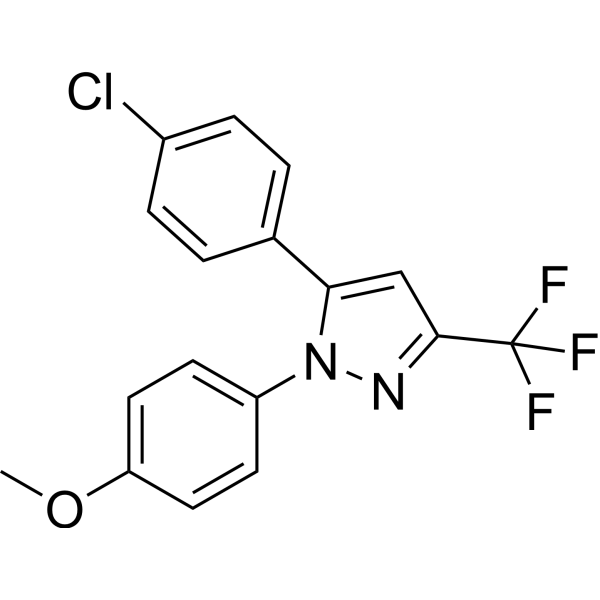
Deracoxib (SC 046; SC 59046), an orally active COX-2 inhibitor, is a veterinary nonsteroidal anti-inflammatory agent used exclusively in dogs. Deracoxib inhibits the COX-2 enzyme to reduce the production of prostaglandins, effectively controlling pain and inflammation after canine soft tissue surgery. Deracoxib reduces the inhibition of COX-1 and lowers the risk of gastrointestinal side effects. Deracoxib induces tumor cell cycle arrest and apoptosis, and shows anti-tumor activity in canine osteosarcoma, breast tumors and bladder transitional cell carcinomas .
|
-
- HY-157405
-
|
|
Dengue Virus
|
Infection
|
|
DENV-IN-11 (SC27), a sulfonamide chalcone, is a potent DENV inhibitor that targeted viral methyltransferase. DENV-IN-11 reduced DENV2 replicon replication. DENV-IN-11 can be used for dengue infection research .
|
-
- HY-B0318A
-
-
- HY-B0455S
-
|
SC47111A-d5 hydrochloride; NY-198-d5 hydrochloride
|
Isotope-Labeled Compounds
|
Inflammation/Immunology
|
|
Lomefloxacin-d5 (hydrochloride) is the deuterium labeled Lomefloxacin hydrochloride. Lomefloxacin (SC47111A) hydrochloride is a broad-spectrum quinolone antibiotic, with antimicrobial activity. Lomefloxacin hydrochloride is used for the research of respiratory tract infections, genitourinary infections, gastrointestinal infections, ENT infections, etc. .
|
-
- HY-118827
-
|
Quadrisol; CERM 10202; PM 150
|
COX
|
Inflammation/Immunology
|
|
Vedaprofen (Quadrisol) is a COX-1 selective nonsteroidal anti-inflammatory agent (NSAID) for serum TxB2 and exudate PGE2 inhibition . Vedaprofen is a Escherichia coli (E. coli) sliding clamp (SC) inhibitor with the IC50 of 222 μM .
|
-
- HY-17509R
-
|
SC 046 (Standard); SC 46 (Standard); SC 59046 (Standard)
|
Reference Standards
COX
Apoptosis
|
Neurological Disease
Inflammation/Immunology
Cancer
|
|
Deracoxib (SC 046; SC 59046) (Standard) is the analytical standard of Deracoxib (HY-17509). This product is intended for research and analytical applications. Deracoxib, an orally active COX-2 inhibitor, is a veterinary nonsteroidal anti-inflammatory agent used exclusively in dogs. Deracoxib inhibits the COX-2 enzyme to reduce the production of prostaglandins, effectively controlling pain and inflammation after canine soft tissue surgery. Deracoxib reduces the inhibition of COX-1 and lowers the risk of gastrointestinal side effects. Deracoxib induces tumor cell cycle arrest and apoptosis, and shows anti-tumor activity in canine osteosarcoma, breast tumors and bladder transitional cell carcinomas
|
-
- HY-B0561S1
-
-
- HY-B0561S
-
-
- HY-B0455AR
-
|
SC47111A (Standard); NY-198 (Standard)
|
Reference Standards
Bacterial
Antibiotic
|
Infection
|
|
Lomefloxacin (Standard) is the analytical standard of Lomefloxacin. This product is intended for research and analytical applications. Lomefloxacin (SC47111A) is a broad-spectrum quinolone antibiotic, with antimicrobial activity. Lomefloxacin is used for the research of respiratory tract infections, genitourinary infections, gastrointestinal infections, ENT infections, etc. .
|
-
- HY-B1908R
-
|
SF-837 (Standard); Antibiotic SF-837 (Standard)
|
Reference Standards
Bacterial
Antibiotic
|
Infection
|
|
Lomefloxacin (Standard) is the analytical standard of Lomefloxacin. This product is intended for research and analytical applications. Lomefloxacin (SC47111A) is a broad-spectrum quinolone antibiotic, with antimicrobial activity. Lomefloxacin is used for the research of respiratory tract infections, genitourinary infections, gastrointestinal infections, ENT infections, etc. .
|
-
- HY-B0561S2
-
-
- HY-163631
-
|
|
Fungal
Endogenous Metabolite
|
Infection
|
|
Antibacterial agent 218 (compound d28) is an orally active sterol 24-C-Methyltransferase inhibitor with the IC50 of 0.273 μM. Antibacterial agent 218 shows antifungal activity against the C.albicans SC5314 with the IC50 of 0.25 μg/mL .
|
-
- HY-17509S
-
|
SC 046-d3; SC 46-d3; SC 59046-d3
|
Isotope-Labeled Compounds
COX
Apoptosis
|
Neurological Disease
Inflammation/Immunology
Cancer
|
|
Deracoxib-d3 (SC 046-d3; SC 59046-d3) is the deuterium labeled Deracoxib (HY-17509). Deracoxib, an orally active COX-2 inhibitor, is a veterinary nonsteroidal anti-inflammatory agent used exclusively in dogs. Deracoxib inhibits the COX-2 enzyme to reduce the production of prostaglandins, effectively controlling pain and inflammation after canine soft tissue surgery. Deracoxib reduces the inhibition of COX-1 and lowers the risk of gastrointestinal side effects. Deracoxib induces tumor cell cycle arrest and apoptosis, and shows anti-tumor activity in canine osteosarcoma, breast tumors and bladder transitional cell carcinomas.
|
-
- HY-W703540
-
|
SC 046-d4; SC 46-d4; SC 59046-d4
|
Isotope-Labeled Compounds
Apoptosis
COX
|
Neurological Disease
Inflammation/Immunology
Cancer
|
|
Deracoxib-d4 (SC 046-d4; SC 59046--d4) is deuterium labeled Deracoxib (HY-17509). Deracoxib, an orally active COX-2 inhibitor, is a veterinary nonsteroidal anti-inflammatory agent used exclusively in dogs. Deracoxib inhibits the COX-2 enzyme to reduce the production of prostaglandins, effectively controlling pain and inflammation after canine soft tissue surgery. Deracoxib reduces the inhibition of COX-1 and lowers the risk of gastrointestinal side effects. Deracoxib induces tumor cell cycle arrest and apoptosis, and shows anti-tumor activity in canine osteosarcoma, breast tumors and bladder transitional cell carcinomas.
|
-
- HY-168730
-
|
|
STAT
|
Cancer
|
|
Anticancer agent 259 (Compound 3g) is a Telmisartan (HY-13955)-based cell death modulator, that interfers with the STAT5 signaling pathway, enhances the sensitivity of drug-resistant cells to Imatinib (HY-15463) with SC50 of 1.5 μM .
|
-
- HY-E70596
-
|
|
Biochemical Assay Reagents
|
Others
|
|
endo-α-1,5-Arabinanases, Paenibacillus polymyxa SC2 (EC.3.2.1.99) is a glycoside hydrolase involved in arabinan decomposition. exo-α-1,5-Arabinanase is capable of cleaving arabinan main chains .
|
-
- HY-N12164
-
|
|
Bacterial
Fungal
|
Infection
|
|
Linearmycin B is an antibacterial and antifungal agent. Linearmycin B shows activity against Bacillus subtilis (Bs), Staphylococcus aureus (Sa). Candida albicans (Ca), and Saccharomyces cerevisiae (Sc), with MIC values of 0.097, 1.5, 0.0008, and 0.0002 μg/mL, respectively .
|
-
- HY-B0561R
-
|
SC9420 (Standard)
|
Reference Standards
Mineralocorticoid Receptor
Androgen Receptor
Autophagy
|
Metabolic Disease
Cancer
|
|
Spironolactone (Standard) is the analytical standard of Spironolactone. This product is intended for research and analytical applications. Spironolactone (SC9420) is an orally active aldosterone mineralocorticoid receptor antagonist with an IC50 of 24 nM. Spironolactone is also a potent antagonist of androgen receptor with an IC50 of 77 nM. Spironolactone promotes autophagy in podocytes .
|
-
- HY-172944
-
|
|
Free Fatty Acid Receptor
|
Metabolic Disease
|
|
GPR40 Activator 3 (compound SC) is a potent GPR40 activator. GPR40 Activator 3 mitigates pulmonary fibrosis by inhibiting M2 macrophage polarization via the GPR40/PKD1/CD36 axis .
|
-
- HY-P0323
-
|
LCMV GP(33-41) C-peptide
|
Arenavirus
|
Infection
|
|
GP(33-41), a 9-aa-long peptide, is the optimal sequence of the GP1 epitope of lymphocytic choriomeningitis virus, and can upregulate H-2D b molecules at the RMA-S (Db Kb) cell surface with a SC50 of 344 nM .
|
-
- HY-B1341
-
|
Enidrel; SC-4642; NSC 15432
|
Endogenous Metabolite
Progesterone Receptor
|
Cancer
|
|
Norethynodrel (Enidrel; SC-4642) is an orally active progestogen analog that reduces estrogen-like effects and enhances progestogen-like responses in endometrial stromal cells. Norethynodrel also promotes cell maturation and predecidual cell formation by inducing organelle hyperplasia and glycogen accumulation. Norethynodrel competitively inhibits drug-metabolizing enzymes in rat liver microsomes, thereby prolonging Pentobarbital sleep time, while exhibiting multiple effects including reduced body weight gain, attenuated heart rate elevation and ovulation inhibition. In mouse models, Norethynodrel significantly increases the incidence of mammary adenocarcinoma, cervical cancer and pituitary tumors. Norethynodrel can be used for mechanism research on related diseases such as mammary adenocarcinoma, cervical cancer, ovarian tubular adenoma and pituitary adenoma .
|
-
- HY-18086
-
|
SC 204330
|
Pim
|
Cancer
|
|
TCS PIM-1 1 (SC 204330) is a potent, selective and ATP-competitive Pim-1 kianse inhibitor with an IC50 of 50 nM, displays good selectivity over Pim-2 and MEK1/MEK2 (IC50s >20000 nM) .
|
-
- HY-118827S
-
|
|
Isotope-Labeled Compounds
COX
|
Inflammation/Immunology
|
|
Vedaprofen-d3 is the deuterium labeled Vedaprofen. Vedaprofen (Quadrisol) is a COX-1 selective nonsteroidal anti-inflammatory agent (NSAID) for serum TxB2 and exudate PGE2 inhibition . Vedaprofen is a Escherichia coli (E. coli) sliding clamp (SC) inhibitor with the IC50 of 222 μM .
|
-
- HY-N9229
-
|
|
NO Synthase
Bacterial
|
Infection
Inflammation/Immunology
|
|
Myricadenin A is an iNOS inhibitor, capable of effectively inhibiting the production of NO (EC₅₀ = 18.1 μM). Myricadenin A has moderate ABTS free radical scavenging activity (SC₅₀ = 175.4 μM) and relatively weak anti-tuberculosis activity (MIC = 80.0 μg/mL). Myricadenin A can be used in inflammation-related research .
|
-
- HY-W004297R
-
|
|
Reference Standards
Others
|
Others
|
|
1-Nonadecanol (Standard) is the analytical standard of 1-Nonadecanol. This product is intended for research and analytical applications. 1-Nonadecanol is one of the compositions of supercritical carbon dioxide (SC-CO2) essential oil of Heracleum thomsonii. 1-Nonadecanol is also an important aroma compound in Neotinea ustulata .
|
-
- HY-N12229
-
|
|
Endogenous Metabolite
Bacterial
|
Infection
|
|
Penipurdin A (Compound 1), an anthraquinone, is a microbial secondary metabolite. Penipurdin A can be isolated from the soil fungus Penicillium purpurogenum SC0070. Penipurdin A has no significant cytotoxicity against cancer cells, such as A549, HepG2 and Hela cells. Penipurdin A has antibacterial activity against Enterococcus faecalis and Staphylococcus aureus .
|
-
- HY-178732
-
-
- HY-124985
-
|
|
mGluR
|
Neurological Disease
|
|
VU6010608 is a blood-brain barrier-crossing mGlu7 negative allosteric modulator (IC50 = 0.76 μM). VU6010608 can block long-term enhancement (LTP) of SC-CA1 synapses in mouse brain slices induced by high-frequency stimulation. VU6010608 can be used for research on neurological diseases .
|
-
- HY-118827R
-
|
Quadrisol (Standard); CERM 10202 (Standard); PM 150 (Standard)
|
Reference Standards
COX
|
Inflammation/Immunology
|
|
Vedaprofen (Standard) is the analytical standard of Vedaprofen. This product is intended for research and analytical applications. Vedaprofen (Quadrisol) is a COX-1 selective nonsteroidal anti-inflammatory agent (NSAID) for serum TxB2 and exudate PGE2 inhibition . Vedaprofen is a Escherichia coli (E. coli) sliding clamp (SC) inhibitor with the IC50 of 222 μM .
|
-
- HY-P0323A
-
|
LCMV GP(33-41) C-peptide TFA
|
Arenavirus
|
Infection
|
|
GP(33-41) TFA, a 9-aa-long peptide, is the optimal sequence of the GP1 epitope of lymphocytic choriomeningitis virus. GP(33-41) TFA can upregulate H-2D b molecules at the RMA-S (Db Kb) cell surface with a SC50 of 344 nM .
|
-
- HY-17474A
-
|
SC 69124A
|
COX
|
Infection
Neurological Disease
Inflammation/Immunology
Cancer
|
|
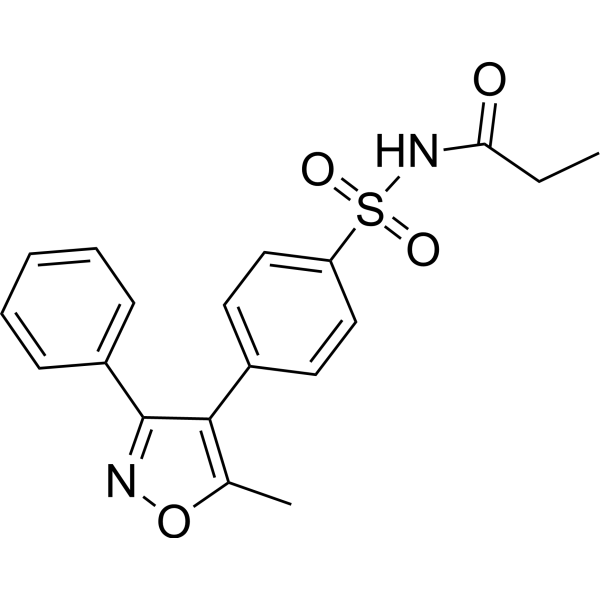
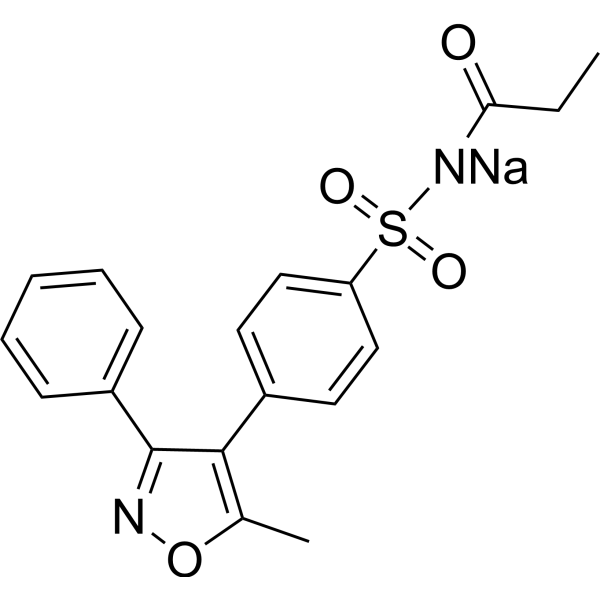
Parecoxib Sodium (SC 69124A) is a highly selective and orally active COX-2 inhibitor that is permeable to the blood-brain barrier, the proagent of Valdecoxib (HY-15762). Parecoxib Sodium is a nonsteroidal anti-inflammatory agent (NSAID) and inhibits prostaglandin (PG) synthesis. Parecoxib Sodium can be used for the relief of acute postoperative pain and symptoms of chronic inflammatory conditions such as osteoarthritis and rheumatoid arthritis in vivo.
|
-
- HY-17474
-
|
SC 69124
|
COX
|
Infection
Neurological Disease
Inflammation/Immunology
Cancer
|
|
Parecoxib (SC 69124) is a highly selective and orally active COX-2 inhibitor that is permeable to the blood-brain barrier, the proagent of Valdecoxib (HY-15762). Parecoxib Sodium is a nonsteroidal anti-inflammatory agent (NSAID) and inhibits prostaglandin (PG) synthesis. Parecoxib can be used for the relief of acute postoperative pain and symptoms of chronic inflammatory conditions such as osteoarthritis and rheumatoid arthritis in vivo.
|
-
- HY-157745
-
|
mPEG40000-SC; mPEG40000-Succinimidyl ester
|
Biochemical Assay Reagents
|
Others
|
|
m-PEG-NHS ester (mPEG-SC; mPEG-Succinimidyl ester) (MW 40000) is a polyethylene glycol derivative. m-PEG-NHS ester serves as a modifying agent that reacts with free amino groups on the surface of protein or polypeptide molecules to form stable amide bonds, thereby covalently linking PEG chains to biomacromolecules, improving their antigenicity and immunogenicity, and facilitating the preparation of injectable formulations .
|
-
- HY-120550
-
|
|
Parasite
|
Infection
|
|
RS 49676 is an N-substituted imidazole compound that exhibits strong in vitro activity against endogenous amoebae (ED50 < 0.1 ng/mL), but is ineffective against exogenous amoebae (epimastigotes). In vivo, RS 49676 (100 mg/kg/d, sc, 2 times) can prolong the average survival time of mice infected with Trypanosoma cruzi to more than 11 weeks.
|
-
- HY-17474S
-
|
SC 69124-d3
|
Isotope-Labeled Compounds
COX
|
Inflammation/Immunology
Cancer
|
|
Parecoxib-d3 is the deuterium labeled Parecoxib. Parecoxib (SC 69124) is a highly selective and orally active COX-2 inhibitor, the proagent of Valdecoxib (HY-15762). Parecoxib Sodium is a nonsteroidal anti-inflammatory agent (NSAID) and inhibits prostaglandin (PG) synthesis. Parecoxib can be used for the relief of acute postoperative pain and symptoms of chronic inflammatory conditions such as osteoarthritis and rheumatoid arthritis in vivo.
|
-
- HY-17474AR
-
|
SC 69124A (Standard)
|
Reference Standards
COX
|
Inflammation/Immunology
Cancer
|
|
Parecoxib (Sodium) (Standard) is the analytical standard of Parecoxib (Sodium). This product is intended for research and analytical applications. Parecoxib Sodium (SC 69124A) is a highly selective and orally active COX-2 inhibitor, the proagent of Valdecoxib (HY-15762). Parecoxib Sodium is a nonsteroidal anti-inflammatory agent (NSAID) and inhibits prostaglandin (PG) synthesis. Parecoxib Sodium can be used for the relief of acute postoperative pain and symptoms of chronic inflammatory conditions such as osteoarthritis and rheumatoid arthritis in vivo.
|
-
- HY-17474AS
-
|
SC 69124A-d5
|
Isotope-Labeled Compounds
COX
|
Inflammation/Immunology
Cancer
|
|
Parecoxib-d5 sodium is the deuterium labeled Parecoxib sodium. Parecoxib Sodium (SC 69124A) is a highly selective and orally active COX-2 inhibitor, the proagent of Valdecoxib (HY-15762). Parecoxib Sodium is a nonsteroidal anti-inflammatory agent (NSAID) and inhibits prostaglandin (PG) synthesis. Parecoxib Sodium can be used for the relief of acute postoperative pain and symptoms of chronic inflammatory conditions such as osteoarthritis and rheumatoid arthritis in vivo .
|
-
- HY-W777079
-
|
SC 65872-13C2,15N
|
Isotope-Labeled Compounds
COX
Endogenous Metabolite
|
Cancer
|
|
Valdecoxib- 13C2, 15N (SC 65872- 13C2, 15N) is the 13C- and 15N-labeled Valdecoxib (HY-15762). Valdecoxib is a highly potent and selective inhibitor of COX-2, with IC50s of 5 nM and 140 μM for COX-2 and COX-1, respeceively. Valdecoxib can be used in the research of arthritis and pain.
|
-
- HY-172133
-
-
- HY-17474R
-
|
SC 69124 (Standard)
|
Reference Standards
COX
|
Inflammation/Immunology
Cancer
|
|
Parecoxib (Standard) is the analytical standard of Parecoxib. This product is intended for research and analytical applications. Parecoxib (SC 69124) is a highly selective and orally active COX-2 inhibitor, the proagent of Valdecoxib (HY-15762). Parecoxib Sodium is a nonsteroidal anti-inflammatory agent (NSAID) and inhibits prostaglandin (PG) synthesis. Parecoxib can be used for the relief of acute postoperative pain and symptoms of chronic inflammatory conditions such as osteoarthritis and rheumatoid arthritis in vivo.
|
-
- HY-W591424
-
|
mPEG2000-SC; mPEG2000-Succinimidyl ester
|
Biochemical Assay Reagents
MMP
|
Cancer
|
|
m-PEG2000-NHS ester (mPEG2000-SC) is a reagent with both cell adhesion inhibition and peptide conjugation functions. The NHS ester group of m-PEG2000-NHS ester forms stable amide bonds with primary amine-containing molecules (e.g., the N-terminus of MMP-2-cleavable octapeptide) to generate mPEG-peptide intermediates for liposome surface modification. When m-PEG2000-NHS ester is immobilized on a cystamine-modified gold surface, it can construct an in vitro model for cell adhesion kinetic studies, and higher PEG density and thicker layers correlate with lower cell adhesion rates. m-PEG2000-NHS ester can synthesize MMP-2-responsive PEGylated lipid conjugates to achieve MMP-triggered dePEGylation in the tumor microenvironment. m-PEG2000-NHS ester can be used in studies related to colon cancer and other conditions .
|
-
- HY-B0455A
-
|
SC47111A; NY-198
|
Bacterial
Antibiotic
Topoisomerase
Reactive Oxygen Species (ROS)
Apoptosis
|
Infection
|
|
Lomefloxacin (SC47111A) is an orally active difluoroquinolone antibiotic. Lomefloxacin prevents DNA supercoiling and replication by inhibiting bacterial topoisomerase II. Lomefloxacin induces ROS production and Apoptosis. Lomefloxacin has broad-spectrum bactericidal activity against Gram-positive and Gram-negative bacteria. Lomefloxacin has anticancer effects against melanoma. Lomefloxacin can be used in the study of systemic bacterial infections (such as Salmonella typhimurium infections), skin and melanoma .
|
-
- HY-148404
-
|
|
MDM-2/p53
|
Cancer
|
|
p53 Activator 5 (compound 134A) is a potent p53 activator with a SC150 value of <0.05 mM. p53 Activator 5 can bind to mutant p53 and restore the ability of the p53 mutant to bind DNA. p53 Activator 5 shows anti-tumor activity . p53 Activator 5 is a click chemistry reagent, it contains an Alkyne group and can undergo copper-catalyzed azide-alkyne cycloaddition (CuAAc) with molecules containing Azide groups.
|
-
- HY-158031
-
|
|
Apoptosis
Polo-like Kinase (PLK)
Epigenetic Reader Domain
|
Cancer
|
|
PLK1/BRD4-IN-5 (Compound SC10) is an orally active PLK1 and BRD4 inhibitor with IC50 values of 0.3 nM and 60.8 nM, respectively. PLK1/BRD4-IN-5 can induce MV4-11 cell block in S phase and apoptosis) in a dose-dependent manner. PLK1/BRD4-IN-5 can be used in cancer research .
|
-
- HY-120045A
-
|
|
Opioid Receptor
|
Neurological Disease
|
|
DuP 747 hydrochloride is an analgesic with selective kappa-opioid receptor agonist activity. DuP 747 showed less spiradoline-appropriate selection when administered SC, but showed a partial generalized response to spiradoline when administered IP or PO. The 5-hydroxy-desmethoxy metabolite of DuP 747 induced selection of the saline-appropriate lever only. The effects of DuP 747 suggest that its metabolites may play a major role in the similar responses to spiradoline after IP and PO administration .
|
-
- HY-175318S
-
|
|
MDM-2/p53
|
Cancer
|
|
p53 Activator 15 is an orally active p53 Y220C activator. p53 Activator 15 enhances the DNA binding of p53 Y220C (SC50 = 0.58 nM) and significantly inhibits NUGC-3 cell proliferation. p53 Activator 15 effectively inhibits tumor growth in NUGC-3 xenograft mouse and rat models. p53 Activator 15 can be used to study gastric cancer .
|
-
- HY-101955A
-
|
(2R,6R)-HNK hydrochloride
|
Drug Metabolite
|
Neurological Disease
|
|
(2R,6R)-Hydroxynorketamine ((2R,6R)-HNK) hydrochloride is an active ketamine metabolite with no NMDAR binding activity. (2R,6R)-Hydroxynorketamine hydrochloride rescues impaired dorsal hippocampal long-term potentiation and restores robust long-term potentiation in the hippocampal SC-CA1 pathway. (2R,6R)-Hydroxynorketamine hydrochloride can be used for research on depression .
|
-
- HY-148402
-
|
|
MDM-2/p53
|
Cancer
|
|
p53 Activator 3 (compound 87A) is a potent p53 activator with a SC150 value of <0.05 mM. p53 Activator 3 can bind to mutant p53 and restore the ability of the p53 mutant to bind DNA. p53 Activator 3 shows anti-tumor activity . p53 Activator 3 is a click chemistry reagent, it contains an Alkyne group and can undergo copper-catalyzed azide-alkyne cycloaddition (CuAAc) with molecules containing Azide groups.
|
-
- HY-N19661
-
|
|
|
Inflammation/Immunology
|
|
1-O-Caffeoyl-3-O-galloyl-β-D-glucopyranose, a hydrolyzable tannin found in the rhizome of Balanophora harlandii, is a radical scavenger. 1-O-Caffeoyl-3-O-galloyl-β-D-glucopyranose scavenges DPPH (HY-N19661) radicals with a SC50 value of 17.3 μM. 1-O-Caffeoyl-3-O-galloyl-β-D-glucopyranose can be used for antioxidant research .
|
-
- HY-175697
-
|
|
Glycosyltransferase
SARS-CoV
Angiotensin-converting Enzyme (ACE)
DNA/RNA Synthesis
|
Infection
|
|
Glycosyltransferase-IN-2 (Compound 20) is a Glycosyltransferase inhibitor. Glycosyltransferase-IN-2 has a broad-spectrum anticoronavirus activity with IC50s of 11.3, 5.5 and ~16.2 μM for MHV, HCoV-NL63 and SARS-CoV-2, respectively. Glycosyltransferase-IN-2 interferes with the coronavirus infectivity, alters viral protein glycosylation with inhibition of interaction with the ACE2 receptor or SC-VLP secretion, and inhibits RNA replication. Glycosyltransferase-IN-2 can be used for coronavirus infections research .
|
-
- HY-170554
-
|
|
Antibody-Drug Conjugates (ADCs)
Topoisomerase
DNA/RNA Synthesis
|
Inflammation/Immunology
Cancer
|
|
ABBV-706 is a SEZ6-targeted topoisomerase 1 inhibitor Antibody-Drug Conjugates (ADCs), which is composed of the Linker-Payload conjugation (HY-148820) and the Anti-SEZ6 Antibody (SC17) (HY-P991041). ABBV-706 can inhibit cancer cells proliferation and induce DNA damage and G2/M arrest. ABBV-706 exhibits high efficacy against small cell lung cancer (SCLC), neuroendocrine tumors (NENs) and central nervous system (CNS) tumors .
|
-
- HY-P10827
-
|
|
Complement System
|
Inflammation/Immunology
|
|
PIC1 PA, a 15 amino-acid peptide, is a potent PIC1 analog that inhibits classical pathway mediated complement activation. PIC1 PA functionally disrupts the C1s-C1r-C1r-C1s/MASPs interaction with collagen-like region (CLR) of C1q/MBL, respectively. PIC1 PA specifically binds to the CLR of C1q and bounds to purified C1q with a mean equilibrium dissociation constant (KD) of 33.3 nM .
|
-
- HY-180145
-
|
|
Furin
Influenza Virus
|
Infection
|
|
Furin-IN-3 (Compound 9) is a potent and selective proprotein convertase furin inhibitor with a Ki of 12.4 nM. Furin-IN-3 shows a Ki of 278 nM for PC7. Furin-IN-3 shows a significant antiviral effect on the Furin-dependent H7N7 influenza A virus strain SC35M. Furin-IN-3 can inhibit the cleavage and activation of the viral hemagglutinin (HA), prevent the fusion of the viral membrane with the host cell membrane, and thereby inhibit viral replication and proliferation. Furin-IN-3 can be used for the research of infection, such as influenza virus infection .
|
-
- HY-176065
-
|
|
Sodium Channel
|
Neurological Disease
|
|
Nav1.2-IN-1 (compound 5i), a 3-(1,2,3,6-tetrahydropyridine)-4-azaindole derivative, is a potent and selective Nav1.2 inhibitor. Nav1.2-IN-1 induces a reduction in the peak amplitude of Nav1.2 currents with an IC50 value of 7.79 μM. Nav1.2-IN-1 exhibits antiepileptic activity. Nav1.2-IN-1 shows high anticonvulsant effect and low neurotoxicity in subcutaneous Pentetrazole (sc-PTZ)-induced epilepsy mode .
|
-
- HY-N17737
-
|
|
Fatty Acid Synthase (FASN)
Cytochrome P450
|
Metabolic Disease
Inflammation/Immunology
|
|
Floramanoside F is a type of flavonol glycoside compound. Floramanoside F has a moderate free radical scavenging effect, with a SC₅₀ value of 25.1 μM. Floramanoside F has a relatively weak inhibitory activity on aldose reductase, with a IC₅₀ value greater than 100 μM. Floramanoside F has strong binding affinity with key target enzymes of type 1 diabetic nephropathy (T1DN) (Fasn, Cyp2e1, Cyp4a32), and can inhibit lipid accumulation and oxidative stress, thereby alleviating renal inflammation and fibrosis. Floramanoside F can be used to study type 1 diabetic nephropathy and diabetic complications .
|
-
- HY-N16606
-
|
|
Drug Derivative
NO Synthase
|
Inflammation/Immunology
|
|
2,4-Dihydroxy-6-methoxy-3,5-diprenylacetophenone (Compound 8) is an Acetophenone (HY-Y0989) derivative found in Acronychia oligophlebia. 2,4-Dihydroxy-6-methoxy-3,5-diprenylacetophenone exhibits anti-inflammatory and antioxidant activities. 2,4-Dihydroxy-6-methoxy-3,5-diprenylacetophenone can inhibit LPS (HY-D1056)-induced NO production (IC50 = 34.5 μM) and scavenge DPPH free radical (SC50 = 0.15 mM). 2,4-Dihydroxy-6-methoxy-3,5-diprenylacetophenone can be used for the research of inflammation .
|
-
- HY-181494
-
|
|
FAP
|
Cancer
|
|
FAPI-X5 is a fibroblast activation protein (FAP) inhibitor. FAPI-X5 binds to the FAP catalytic domain, forming hydrogen bonds with key active residues and engaging in π-π stacking to drive functional inhibition. FAPI-X5 exhibits albumin binding activity to prolong systemic circulation half-life. FAPI-X5 induces cytostatic effects on glioblastoma tumors, slowing tumor growth without regression. FAPI-X5, when labeled with 68Ga, acts as a PET tracer with rapid tumor uptake and high-contrast imaging in glioblastoma tumor-bearing mice. FAPI-X5, when labeled with 177Lu or 47Sc, functions as a targeted radionuclide agent with prolonged tumor retention. FAPI-X5 can be used for the research of glioblastoma .
|
-
| Cat. No. |
Product Name |
Type |
-
- HY-170554
-
|
|
Fluorescent Dye
|
|
ABBV-706 is a SEZ6-targeted topoisomerase 1 inhibitor Antibody-Drug Conjugates (ADCs), which is composed of the Linker-Payload conjugation (HY-148820) and the Anti-SEZ6 Antibody (SC17) (HY-P991041). ABBV-706 can inhibit cancer cells proliferation and induce DNA damage and G2/M arrest. ABBV-706 exhibits high efficacy against small cell lung cancer (SCLC), neuroendocrine tumors (NENs) and central nervous system (CNS) tumors .
|
-
- HY-14398GL
-
|
SC 58635 (GMP Like)
|
Fluorescent Dye
|
|
Celecoxib (SC 58635) GMP Like is a GMP-class Celecoxib (HY-14398). Celecoxib, a selective non-steroidal anti-inflammatory drug (NSAID), is a selective COX-2 inhibitor with an IC50 of 40 nM.
|
-
- HY-D2996
-
|
|
Fluorescent Dye
|
|
BOD-NH-SC is a dual-response fluorescent reporter molecule exhibiting activatable NIR II fluorescence, with a primary absorption peak at 664 nm. BOD-NH-SC detects the dynamic alternation of NO and H2S in living cells .
|
| Cat. No. |
Product Name |
Type |
-
- HY-145799
-
5A2-SC8
1 Publications Verification
|
Biochemical Assay Reagents
|
|
5A2-SC8 is an ionizable amino lipid in lipid nanoparticles (LNPs) that shows high delivery potential and low in vivo toxicity, enabling efficient delivery of small RNAs such as siRNA and miRNA into tumor cells. 5A2-SC8 LNPs can confer a unique delivery fate of RNA within the liver, thereby changing the therapeutic outcomes in cancer models .
|
-
- HY-W591424
-
|
mPEG2000-SC; mPEG2000-Succinimidyl ester
|
Biochemical Assay Reagents
|
|
m-PEG2000-NHS ester (mPEG2000-SC) is a reagent with both cell adhesion inhibition and peptide conjugation functions. The NHS ester group of m-PEG2000-NHS ester forms stable amide bonds with primary amine-containing molecules (e.g., the N-terminus of MMP-2-cleavable octapeptide) to generate mPEG-peptide intermediates for liposome surface modification. When m-PEG2000-NHS ester is immobilized on a cystamine-modified gold surface, it can construct an in vitro model for cell adhesion kinetic studies, and higher PEG density and thicker layers correlate with lower cell adhesion rates. m-PEG2000-NHS ester can synthesize MMP-2-responsive PEGylated lipid conjugates to achieve MMP-triggered dePEGylation in the tumor microenvironment. m-PEG2000-NHS ester can be used in studies related to colon cancer and other conditions .
|
-
- HY-14398GL
-
|
SC 58635 (GMP Like)
|
Biochemical Assay Reagents
|
|
Celecoxib (SC 58635) GMP Like is a GMP-class Celecoxib (HY-14398). Celecoxib, a selective non-steroidal anti-inflammatory drug (NSAID), is a selective COX-2 inhibitor with an IC50 of 40 nM.
|
| Cat. No. |
Product Name |
Target |
Research Area |
-
- HY-B0361
-
-
- HY-B0361R
-
|
SC-18862 (Standard)
|
Biochemical Assay Reagents
Reference Standards
|
Neurological Disease
|
|
Aspartame (Standard) is the analytical standard of Aspartame. This product is intended for research and analytical applications. Aspartame (SC-18862) is a methyl ester of a dipeptide. Aspartame can be used as a synthetic nonnutritive sweetener .
|
-
- HY-P0323A
-
|
LCMV GP(33-41) C-peptide TFA
|
Arenavirus
|
Infection
|
|
GP(33-41) TFA, a 9-aa-long peptide, is the optimal sequence of the GP1 epitope of lymphocytic choriomeningitis virus. GP(33-41) TFA can upregulate H-2D b molecules at the RMA-S (Db Kb) cell surface with a SC50 of 344 nM .
|
-
- HY-P10827
-
|
|
Complement System
|
Inflammation/Immunology
|
|
PIC1 PA, a 15 amino-acid peptide, is a potent PIC1 analog that inhibits classical pathway mediated complement activation. PIC1 PA functionally disrupts the C1s-C1r-C1r-C1s/MASPs interaction with collagen-like region (CLR) of C1q/MBL, respectively. PIC1 PA specifically binds to the CLR of C1q and bounds to purified C1q with a mean equilibrium dissociation constant (KD) of 33.3 nM .
|
-
- HY-P3326A
-
|
|
Bacterial
|
Infection
|
|
Targeting the bacterial sliding clamp peptide 46 TFA is a short peptide targeting the bacterial sliding clamp(SC), inhibiting SC-dependent DNA synthesis .
|
-
- HY-P3326
-
|
|
Bacterial
|
Infection
|
|
Targeting the bacterial sliding clamp peptide 46 is a short peptide targeting the bacterial sliding clamp(SC), inhibiting SC-dependent DNA synthesis.
|
-
- HY-P0323
-
|
LCMV GP(33-41) C-peptide
|
Arenavirus
|
Infection
|
|
GP(33-41), a 9-aa-long peptide, is the optimal sequence of the GP1 epitope of lymphocytic choriomeningitis virus, and can upregulate H-2D b molecules at the RMA-S (Db Kb) cell surface with a SC50 of 344 nM .
|
-
- HY-120794
-
|
|
TNF Receptor
|
Inflammation/Immunology
|
|
SC 67655 is a potent and stable pentapeptide MHC class II haplotype DR4 (DR4 Dw4 or DRB 1"0401) ligand with an IC50 of 50 nM. SC 67655 can be used for the study of autoimmune diseases .
|
| Cat. No. |
Product Name |
Target |
Research Area |
Image |
-
- HY-P99590
-
|
ACE-011; MK-7962
|
TGF-β Receptor
|
Cardiovascular Disease
Inflammation/Immunology
Cancer
|
|
Sotatercept (ACE-011) is a soluble activin receptor 2A (ACVR2A) type IgG Fc fusion protein. Sotatercept combines activin and growth differentiation factor to try to restore the balance between growth promotion and growth inhibition signal pathways. Sotatercept has potential application in pulmonary arterial hypertension, anemia, bone loss, erythropoiesis, multiple myeloma (MM) osteolytic lesions .
|
-
(5)
-
- HY-P991041
-
|
Anti-SEZ6 Antibody (SC17); ABBV-011 antibody; ABBV-706 antibody
|
ADC Antibody
|
Cancer
|
|
Turmetabart (Anti-SEZ6 Antibody (SC17)) is a humanized anti-SEZ6 IgG1 monoclonal antibody. Anti-SEZ6 Antibody (SC17) can be used to synthesize antibody-drug conjugates (ADC) product, ABBV-011. Recommend Isotype Controls: Human IgG1 kappa, Isotype Control (HY-P99001) .
|
-
(5)
-
- HY-P99506
-
|
SC-003 mAb; SC-Mab003; SC34.28ss1
|
ADC Antibody
|
Cancer
|
|
Tamrintamab (SC-003 mAb, SC-Mab003, SC34.28ss1) is an ADC Antibody targeting to dipeptidase 3 (DPEP3 or MBD3). DPEP3 is a glycosyl phosphatidylinositol anchored metallopeptidase that is overexpressed in ovarian tumors. Tamrintamab can specifically bind DPEP3-expressing cells to produce cytotoxicity. Tamrintamab can be used in ovarian cancer research .
|
-
(5)
-
- HY-P99886
-
|
h5G1. 1-SC
|
Complement System
Apoptosis
|
Cardiovascular Disease
Neurological Disease
|
|
Pexelizumab (h5G1. 1-SC) is a humanized scFv monoclonal antibody directed against the C5 complement component. Pexelizumab inhibits apoptosis and leukocyte infiltration. Pexelizumab can be used for the research of cerebral IR injury and myocardial infarction .
|
-
(5)
-
- HY-P990664
-
|
SC-005 antibody
|
Transmembrane Glycoprotein
|
Inflammation/Immunology
|
|
Anti-Melanotransferrin/CD228 Antibody (SC-005 antibody) is a humanized antibody expressed in CHO cells, targeting Melanotransferrin/CD228. Anti-Melanotransferrin/CD228 Antibody carries a huIgG1 heavy chain and a huκ light chain, with a predicted molecular weight (MW) of 145.16 kDa. The isotype control for Anti-Melanotransferrin/CD228 Antibody can refer to Human IgG1 kappa, Isotype Control (HY-P99001).
|
-
(5)
| Cat. No. |
Product Name |
Category |
Target |
Chemical Structure |
-
- HY-B1341
-
|
Enidrel; SC-4642; NSC 15432
|
Structural Classification
Classification of Application Fields
Endogenous metabolite
Disease Research Fields
Endocrinology
Steroids
Source Classification
|
Endogenous Metabolite
Progesterone Receptor
|
|
Norethynodrel (Enidrel; SC-4642) is an orally active progestogen analog that reduces estrogen-like effects and enhances progestogen-like responses in endometrial stromal cells. Norethynodrel also promotes cell maturation and predecidual cell formation by inducing organelle hyperplasia and glycogen accumulation. Norethynodrel competitively inhibits drug-metabolizing enzymes in rat liver microsomes, thereby prolonging Pentobarbital sleep time, while exhibiting multiple effects including reduced body weight gain, attenuated heart rate elevation and ovulation inhibition. In mouse models, Norethynodrel significantly increases the incidence of mammary adenocarcinoma, cervical cancer and pituitary tumors. Norethynodrel can be used for mechanism research on related diseases such as mammary adenocarcinoma, cervical cancer, ovarian tubular adenoma and pituitary adenoma .
|
-
-
- HY-N9319
-
-
-
- HY-W004297
-
-
-
- HY-Y0079R
-
-
-
- HY-N15703
-
-
-
- HY-N16606
-
-
-
- HY-N14139
-
-
-
- HY-N14006
-
-
-
- HY-N12871
-
-
-
- HY-B1908R
-
-
-
- HY-N12164
-
-
-
- HY-W004297R
-
-
-
- HY-N14632
-
-
-
- HY-N14633
-
-
-
- HY-N14634
-
-
-
- HY-N9229
-
-
-
- HY-N12229
-
|
|
Quinones
Microorganisms
Anthraquinones
Source Classification
|
Endogenous Metabolite
Bacterial
|
|
Penipurdin A (Compound 1), an anthraquinone, is a microbial secondary metabolite. Penipurdin A can be isolated from the soil fungus Penicillium purpurogenum SC0070. Penipurdin A has no significant cytotoxicity against cancer cells, such as A549, HepG2 and Hela cells. Penipurdin A has antibacterial activity against Enterococcus faecalis and Staphylococcus aureus .
|
-
-
- HY-N19661
-
-
-
- HY-N17737
-
-
| Cat. No. |
Compare |
Product Name |
Species |
Source |
Image |
Compare Products
|
| Products |
|
| Cat. No. |
|
| Species |
|
| Source |
|
| Tag |
|
| Accession |
|
| Gene ID |
|
| Molecular Weight |
|
| Purity |
|
| Endotoxin Level |
|
| Biological Activity |
|
| Appearance |
|
| Formulation |
|
| Storage & Stability |
|
| Shipping |
|
| Free Sample |
Yes
No
|
| Size |
* This product has been "discontinued".
Optimized version of product available:
|
| Cat. No. |
Product Name |
Chemical Structure |
-
- HY-Y0079S
-
|
|
|
D-Phenylalanine-d5 is the deuterium labeled D-Phenylalanine. D-Phenylalanine is the synthetic dextro isomer of phenylalanine. D-Phenylalanine inhibits biofilm development of Pseudoalteromonas sp. SC2014 .
|
-
-
- HY-Y0079S1
-
|
|
|
D-Phenylalanine-d8 is the deuterium labeled D-Phenylalanine. D-Phenylalanine is the synthetic dextro isomer of phenylalanine. D-Phenylalanine inhibits biofilm development of Pseudoalteromonas sp. SC2014 .
|
-
-
- HY-B0561S1
-
|
|
|
Spironolactone-d3 is the deuterium labeled Spironolactone. Spironolactone (SC9420) is an orally active aldosterone mineralocorticoid receptor antagonist with an IC50 of 24 nM. Spironolactone is also a potent antagonist of androgen receptor with an IC50 of 77 nM. Spironolactone promotes autophagy in podocytes .
|
-
-
- HY-17509S
-
|
|
|
Deracoxib-d3 (SC 046-d3; SC 59046-d3) is the deuterium labeled Deracoxib (HY-17509). Deracoxib, an orally active COX-2 inhibitor, is a veterinary nonsteroidal anti-inflammatory agent used exclusively in dogs. Deracoxib inhibits the COX-2 enzyme to reduce the production of prostaglandins, effectively controlling pain and inflammation after canine soft tissue surgery. Deracoxib reduces the inhibition of COX-1 and lowers the risk of gastrointestinal side effects. Deracoxib induces tumor cell cycle arrest and apoptosis, and shows anti-tumor activity in canine osteosarcoma, breast tumors and bladder transitional cell carcinomas.
|
-
-
- HY-B0361S1
-
|
|
|
Aspartame-d5 is the deuterium labeled Aspartame. Aspartame (SC-18862) is a methyl ester of a dipeptide. Aspartame can be used as a synthetic nonnutritive sweetener. Aspartame is composed of phenylalanine (50%), aspartic acid (40%) and methanol (10%) .
|
-
-
- HY-B0561S
-
|
|
|
Spironolactone-d7 is the deuterium labeled Spironolactone. Spironolactone (SC9420) is an orally active aldosterone mineralocorticoid receptor antagonist with an IC50 of 24 nM. Spironolactone is also a potent antagonist of androgen receptor with an IC50 of 77 nM. Spironolactone promotes autophagy in podocytes .
|
-
-
- HY-175318S
-
|
|
|
p53 Activator 15 is an orally active p53 Y220C activator. p53 Activator 15 enhances the DNA binding of p53 Y220C (SC50 = 0.58 nM) and significantly inhibits NUGC-3 cell proliferation. p53 Activator 15 effectively inhibits tumor growth in NUGC-3 xenograft mouse and rat models. p53 Activator 15 can be used to study gastric cancer .
|
-
-
- HY-B0361S
-
|
|
|
Aspartame-d3 is the deuterium labeled Aspartame. Aspartame (SC-18862) is a methyl ester of a dipeptide. Aspartame can be used as a synthetic nonnutritive sweetener. Aspartame is composed of phenylalanine (50%), aspartic acid (40%) and methanol (10%) .
|
-
-
- HY-17474S1
-
|
|
|
Parecoxib-d5 (SC 69124-d5) is deuterium labeled Parecoxib. Parecoxib (SC 69124) is a highly selective and orally active COX-2 inhibitor, the proagent of Valdecoxib (HY-15762). Parecoxib Sodium is a nonsteroidal anti-inflammatory agent (NSAID) and inhibits prostaglandin (PG) synthesis. Parecoxib can be used for the relief of acute postoperative pain and symptoms of chronic inflammatory conditions such as osteoarthritis and rheumatoid arthritis in vivo.
|
-
-
- HY-B0455S
-
|
|
|
Lomefloxacin-d5 (hydrochloride) is the deuterium labeled Lomefloxacin hydrochloride. Lomefloxacin (SC47111A) hydrochloride is a broad-spectrum quinolone antibiotic, with antimicrobial activity. Lomefloxacin hydrochloride is used for the research of respiratory tract infections, genitourinary infections, gastrointestinal infections, ENT infections, etc. .
|
-
-
- HY-B0561S2
-
|
|
|
Spironolactone-d3-1 is deuterium labeled Spironolactone. Spironolactone (SC9420) is an orally active aldosterone mineralocorticoid receptor antagonist with an IC50 of 24 nM. Spironolactone is also a potent antagonist of androgen receptor with an IC50 of 77 nM. Spironolactone promotes autophagy in podocytes .
|
-
-
- HY-W703540
-
|
|
|
Deracoxib-d4 (SC 046-d4; SC 59046--d4) is deuterium labeled Deracoxib (HY-17509). Deracoxib, an orally active COX-2 inhibitor, is a veterinary nonsteroidal anti-inflammatory agent used exclusively in dogs. Deracoxib inhibits the COX-2 enzyme to reduce the production of prostaglandins, effectively controlling pain and inflammation after canine soft tissue surgery. Deracoxib reduces the inhibition of COX-1 and lowers the risk of gastrointestinal side effects. Deracoxib induces tumor cell cycle arrest and apoptosis, and shows anti-tumor activity in canine osteosarcoma, breast tumors and bladder transitional cell carcinomas.
|
-
-
- HY-118827S
-
|
|
|
Vedaprofen-d3 is the deuterium labeled Vedaprofen. Vedaprofen (Quadrisol) is a COX-1 selective nonsteroidal anti-inflammatory agent (NSAID) for serum TxB2 and exudate PGE2 inhibition . Vedaprofen is a Escherichia coli (E. coli) sliding clamp (SC) inhibitor with the IC50 of 222 μM .
|
-
-
- HY-17474S
-
|
|
|
Parecoxib-d3 is the deuterium labeled Parecoxib. Parecoxib (SC 69124) is a highly selective and orally active COX-2 inhibitor, the proagent of Valdecoxib (HY-15762). Parecoxib Sodium is a nonsteroidal anti-inflammatory agent (NSAID) and inhibits prostaglandin (PG) synthesis. Parecoxib can be used for the relief of acute postoperative pain and symptoms of chronic inflammatory conditions such as osteoarthritis and rheumatoid arthritis in vivo.
|
-
-
- HY-17474AS
-
|
|
|
Parecoxib-d5 sodium is the deuterium labeled Parecoxib sodium. Parecoxib Sodium (SC 69124A) is a highly selective and orally active COX-2 inhibitor, the proagent of Valdecoxib (HY-15762). Parecoxib Sodium is a nonsteroidal anti-inflammatory agent (NSAID) and inhibits prostaglandin (PG) synthesis. Parecoxib Sodium can be used for the relief of acute postoperative pain and symptoms of chronic inflammatory conditions such as osteoarthritis and rheumatoid arthritis in vivo .
|
-
-
- HY-W777079
-
|
|
|
Valdecoxib- 13C2, 15N (SC 65872- 13C2, 15N) is the 13C- and 15N-labeled Valdecoxib (HY-15762). Valdecoxib is a highly potent and selective inhibitor of COX-2, with IC50s of 5 nM and 140 μM for COX-2 and COX-1, respeceively. Valdecoxib can be used in the research of arthritis and pain.
|
-
| Cat. No. |
Product Name |
|
Classification |
-
- HY-148194
-
|
|
|
DBCO
|
|
SC239 is a cleavable 2-aminophenyl hemiasterlin agent-linker. SC239 can be as the agent-linker for ADC . SC239 is a click chemistry reagent, it contains a DBCO group that can undergo strain-promoted alkyne-azide cycloaddition (SPAAC) with molecules containing Azide groups.
|
-
- HY-B1341
-
|
Enidrel; SC-4642; NSC 15432
|
|
Alkynes
|
|
Norethynodrel (Enidrel; SC-4642) is an orally active progestogen analog that reduces estrogen-like effects and enhances progestogen-like responses in endometrial stromal cells. Norethynodrel also promotes cell maturation and predecidual cell formation by inducing organelle hyperplasia and glycogen accumulation. Norethynodrel competitively inhibits drug-metabolizing enzymes in rat liver microsomes, thereby prolonging Pentobarbital sleep time, while exhibiting multiple effects including reduced body weight gain, attenuated heart rate elevation and ovulation inhibition. In mouse models, Norethynodrel significantly increases the incidence of mammary adenocarcinoma, cervical cancer and pituitary tumors. Norethynodrel can be used for mechanism research on related diseases such as mammary adenocarcinoma, cervical cancer, ovarian tubular adenoma and pituitary adenoma .
|
| Cat. No. |
Product Name |
|
Classification |
-
- HY-B0361
-
|
SC-18862
|
|
Sweetening Agents
|
|
Aspartame (SC-18862) is a methyl ester of a dipeptide. Aspartame can be used as a synthetic nonnutritive sweetener .
|
-
- HY-145799
-
5A2-SC8
1 Publications Verification
|
|
Cationic Lipids
|
|
5A2-SC8 is an ionizable amino lipid in lipid nanoparticles (LNPs) that shows high delivery potential and low in vivo toxicity, enabling efficient delivery of small RNAs such as siRNA and miRNA into tumor cells. 5A2-SC8 LNPs can confer a unique delivery fate of RNA within the liver, thereby changing the therapeutic outcomes in cancer models .
|
-
- HY-148559
-
|
|
|
Cationic Lipids
|
|
4A3-SC8 is a modular degradable dendrimer that enables small RNAs to extend survival in an aggressive liver cancer model .
|
-
- HY-132587
-
|
ALN-AT3SC; SAR439774
|
|
siRNAs
siRNA drugs
|
|
Fitusiran (ALN-AT3SC) is a siRNA strategy. Fitusiran delivers siRNA targeting the SERPINC1 gene in hepatocytes to inhibit antithrombin synthesis. Fitusiran enhances thrombin activity and increases Thrombin generation, thereby restoring hemostatic function. Fitusiran can be used in hemophilia-related research .
|
-
- HY-W591424
-
|
mPEG2000-SC; mPEG2000-Succinimidyl ester
|
|
Polymers
|
|
m-PEG2000-NHS ester (mPEG2000-SC) is a reagent with both cell adhesion inhibition and peptide conjugation functions. The NHS ester group of m-PEG2000-NHS ester forms stable amide bonds with primary amine-containing molecules (e.g., the N-terminus of MMP-2-cleavable octapeptide) to generate mPEG-peptide intermediates for liposome surface modification. When m-PEG2000-NHS ester is immobilized on a cystamine-modified gold surface, it can construct an in vitro model for cell adhesion kinetic studies, and higher PEG density and thicker layers correlate with lower cell adhesion rates. m-PEG2000-NHS ester can synthesize MMP-2-responsive PEGylated lipid conjugates to achieve MMP-triggered dePEGylation in the tumor microenvironment. m-PEG2000-NHS ester can be used in studies related to colon cancer and other conditions .
|
-
- HY-132587A
-
|
ALN-AT3SC sodium; SAR439774 sodium
|
|
siRNAs
siRNA drugs
|
|
Fitusiran (ALN-AT3SC) sodium is a siRNA strategy. Fitusiran delivers siRNA targeting the SERPINC1 gene in hepatocytes to inhibit antithrombin synthesis. Fitusiran sodium enhances thrombin activity and increases Thrombin generation, thereby restoring hemostatic function. Fitusiran sodium can be used in hemophilia-related research .
|
-
- HY-157745
-
|
mPEG40000-SC; mPEG40000-Succinimidyl ester
|
|
Polymers
|
|
m-PEG-NHS ester (mPEG-SC; mPEG-Succinimidyl ester) (MW 40000) is a polyethylene glycol derivative. m-PEG-NHS ester serves as a modifying agent that reacts with free amino groups on the surface of protein or polypeptide molecules to form stable amide bonds, thereby covalently linking PEG chains to biomacromolecules, improving their antigenicity and immunogenicity, and facilitating the preparation of injectable formulations .
|
-
- HY-145799A
-
|
|
|
Cationic Lipids
|
|
5A2-SC8 TFA is an ionizable amino lipid in lipid nanoparticles (LNPs) that shows high delivery potential and low in vivo toxicity, enabling efficient delivery of small RNAs such as siRNA and miRNA into tumor cells. 5A2-SC8 TFA LNPs can confer a unique delivery fate of RNA within the liver, thereby changing the therapeutic outcomes in cancer models .
|
-
- HY-RS26454
-
|
|
|
siRNAs
Rat Pre-designed siRNA Sets
|
|
Scly Rat Pre-designed siRNA Set A contains three designed siRNAs for Scly gene (Rat), as well as a negative control, a positive control, and a FAM-labeled negative control.
|
-
- HY-RS19952
-
|
|
|
siRNAs
Mouse Pre-designed siRNA Sets
|
|
Scly Mouse Pre-designed siRNA Set A contains three designed siRNAs for Scly gene (Mouse), as well as a negative control, a positive control, and a FAM-labeled negative control.
|
-
- HY-RS12514
-
|
|
|
siRNAs
Human Pre-designed siRNA Sets
|
|
SCLY Human Pre-designed siRNA Set A contains three designed siRNAs for SCLY gene (Human), as well as a negative control, a positive control, and a FAM-labeled negative control.
|
-
- HY-RS12473
-
|
|
|
siRNAs
Human Pre-designed siRNA Sets
|
|
SC5D Human Pre-designed siRNA Set A contains three designed siRNAs for SC5D gene (Human), as well as a negative control, a positive control, and a FAM-labeled negative control.
|
-
- HY-168776
-
|
|
|
Cationic Lipids
|
|
(S)-C12-200 is the (S)-isomer of C12-200 (HY-145405), an ionizable cationic lipid and helper lipid. (S)-C12-200 can be utilized in the formation of lipid nanoparticles and mRNA delivery .
|
-
- HY-132587C
-
|
|
|
siRNAs
siRNA drugs
|
|
Fitusiran sodium scrambled negative control is the sequence scrambled negative control of Fitusiran sodium. Fitusiran (ALN-AT3SC) sodium is a siRNA strategy. Fitusiran delivers siRNA targeting the SERPINC1 gene in hepatocytes to inhibit antithrombin synthesis. Fitusiran sodium enhances thrombin activity and increases Thrombin generation, thereby restoring hemostatic function. Fitusiran sodium can be used in hemophilia-related research .
|
-
- HY-132587D
-
|
|
|
siRNAs
siRNA drugs
|
|
FAM labled Fitusiran sodiumis a FAM labled Fitusiran sodium (HY-132587A). Fitusiran (ALN-AT3SC) sodium is a siRNA strategy. Fitusiran delivers siRNA targeting the SERPINC1 gene in hepatocytes to inhibit antithrombin synthesis. Fitusiran sodium enhances thrombin activity and increases Thrombin generation, thereby restoring hemostatic function. Fitusiran sodium can be used in hemophilia-related research .
|
-
- HY-132587E
-
|
|
|
siRNAs
siRNA drugs
|
|
Cy3 labled Fitusiran sodium is a Cy3 labled Fitusiran sodium (HY-132587A). Fitusiran (ALN-AT3SC) sodium is a siRNA strategy. Fitusiran delivers siRNA targeting the SERPINC1 gene in hepatocytes to inhibit antithrombin synthesis. Fitusiran sodium enhances thrombin activity and increases Thrombin generation, thereby restoring hemostatic function. Fitusiran sodium can be used in hemophilia-related research .
|
| Cat. No. |
Product Name |
Target |
Research Areas |
Chemical Structure |
-
- HY-14398GL
-
|
SC 58635 (GMP Like)
|
COX
|
Inflammation/Immunology
|
|
Celecoxib (SC 58635) GMP Like is a GMP-class Celecoxib (HY-14398). Celecoxib, a selective non-steroidal anti-inflammatory drug (NSAID), is a selective COX-2 inhibitor with an IC50 of 40 nM.
|
-
Your information is safe with us. * Required Fields.
Inquiry Information
- Product Name:
- Cat. No.:
- Quantity:
- MCE Japan Authorized Agent:

