1. Search Result
Search Result
Results for "

TB

" in MedChemExpress (MCE) Product Catalog:

93

Inhibitors & Agonists

1

Screening Libraries

2

Biochemical Assay Reagents

2

Peptides

4

Inhibitory Antibodies

10

Natural
Products

5

Recombinant Proteins

2

Isotope-Labeled Compounds

7

Antibodies

1

Oligonucleotides

Cat. No. Product Name Target Research Areas Chemical Structure
  • HY-B1906
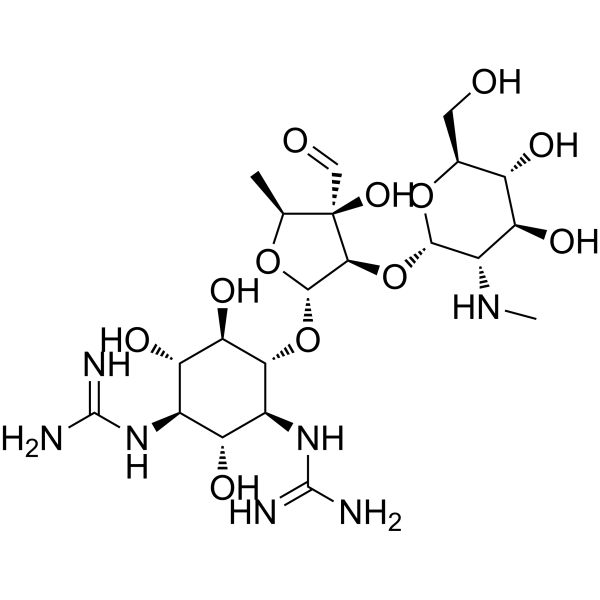
    Streptomycin
    45+ Cited Publications

    Agrept; Agrimycin; Streptomycin A

    Environmental Pollutants Antibiotic Bacterial Infection Neurological Disease
    Streptomycin (Agrept) is an effective antibiotic against M. tuberculosis, is used for the research of tuberculosis (TB). Streptomycin also is a bacteriocidal agent that can be used for the research of a number of bacterial infections. Streptomycin can bind strongly to nucleic acids, interferes and blocks protein synthesis while permitting continued RNA and DNA synthesis. Streptomycin, as a common antibiotic used in culture media, also is a blocker of stretch-activated and mechanosensitive ion channels in neurons and cardiac myocytes .
    Streptomycin
  • HY-P0170
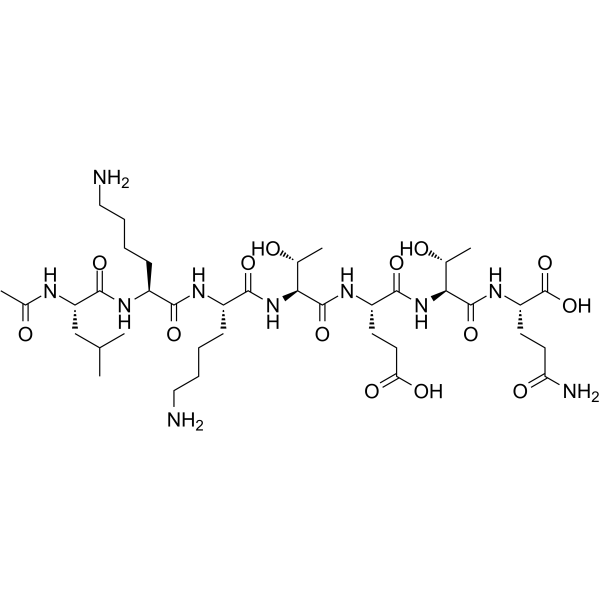
    TB500
    1 Publications Verification

    Drug Derivative Akt P2X Receptor Inflammation/Immunology
    TB500 is a synthetic version of an active region of thymosin β4. TB500 exhibits anti-fibrotic and wound healing activities by inhibiting the Akt signaling pathway and binding to actin. TB500 is claimed to promote endothelial cell differentiation, angiogenesis in dermal tissues, keratinocyte migration, collagen deposition and decrease inflammation .
    TB500
  • HY-P99315

    BG 9588; Anti-Human CD40L Recombinant Antibody; Hu5c8

    TNF Receptor Inflammation/Immunology
    Ruplizumab (BG 9588) is a humanized anti-CD40L IgG1κ monoclonal antibody. By binding to CD40L, Ruplizumab blocks its interaction with the CD40 receptor, inhibits T-B cell costimulatory signals, and mediates the depletion of activated T cells via the Fc segment. Ruplizumab has immunosuppressive effects. Ruplizumab can be used in the study of systemic lupus erythematosus, organ transplant rejection, and autoimmune diseases. Recommend Isotype Controls: Human IgG1 kappa, Isotype Control (HY-P99001) .
    Ruplizumab
  • HY-134940
    Quabodepistat
    3 Publications Verification

    OPC-167832

    Bacterial Infection Inflammation/Immunology
    Quabodepistat (OPC-167832) is a potent and orally active dprE1 inhibitor with an IC50 of 0.258 μM. Quabodepistat has antituberculosis activity and can be used for the research of tuberculosis caused by Mycobacterium tuberculosis .
    Quabodepistat
  • HY-147263

    CC-11050

    Phosphodiesterase (PDE) Infection Inflammation/Immunology
    Dovramilast (CC-11050) is an orally active phosphodiesterase 4 (PDE4) inhibitor and can reduce the inflammatory response and improves Isoniazid (HY-B0329)-mediated bacillary clearance from the lungs. Dovramilast, as an adjunct, is used for the research of tuberculosis (TB) .
    Dovramilast
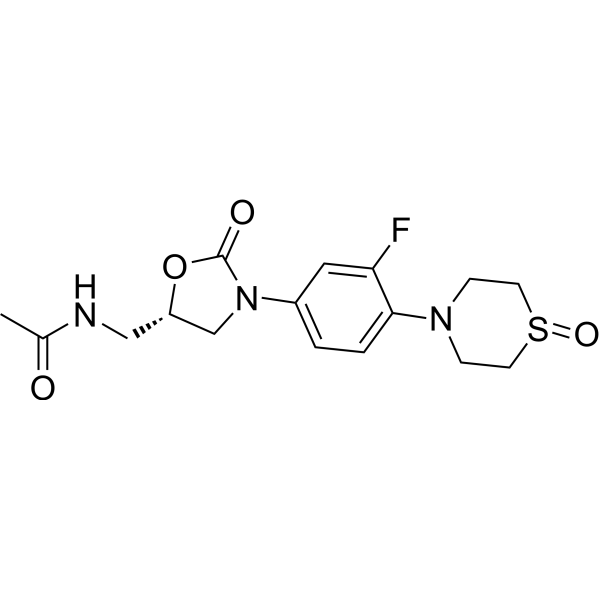
  • HY-125941

    Bacterial Infection
    PNU-101603 is a sulfoxide metabolite of Sutezolid (HY-10392). PNU-101603 alone or combined with SQ109 (HY-14989) shows excellent activity against Mycobacterium tuberculosis (MTB), as well as against agent-susceptible and multidrug-resistant TB .
    PNU-101603
  • HY-110181
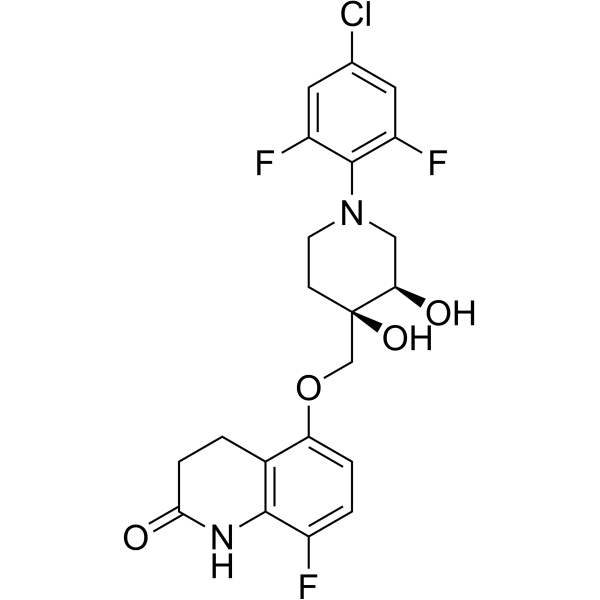
    M8-B
    1 Publications Verification

    TRP Channel Metabolic Disease
    M8-B is a potent transient receptor potential melastatin-8 (TRPM8) antagonist. M8-B blocks cold-induced and TRPM8-agonist-induced activation TRPM8 channels. M8-B decreases deep body temperature (Tb) .
    M8-B
  • HY-111747
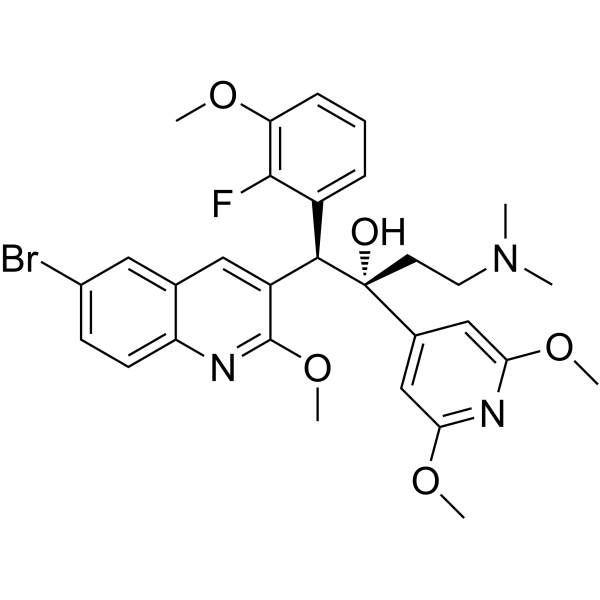
    TBAJ-587
    3 Publications Verification

    Bacterial Infection Cardiovascular Disease
    TBAJ-587, a potent anti-tuberculosis agent, inhibits M.tb strain H37Rv growth with MIC90s of 0.006 and <0.02 μg/mL in MABA and LORA assay, respectively. TBAJ-587 inhibits hERG channel minimally, attenuates inhibition of the cardiac potassium channel protein coded by the hERG, which is important for cardiac repolarization .
    TBAJ-587
  • HY-N0397

    Parasite Infection Inflammation/Immunology
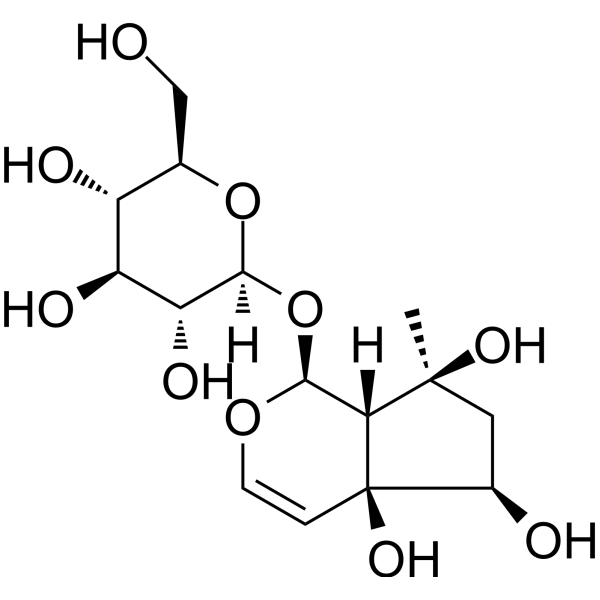
    Harpagide is a class of iridoid glycoside isolated from Scrophularia ningpoensis and has antiparasitic activity, which exhibits good in vitro trypanocidal activities against African trypanosomes (T.b. rhodesiense) with an IC50 of 21 μg/mL. Harpagide exerts significant antileishmanial activity against L. donovani with an IC50 value of 2.0 μg/mL. Harpagide also possess significant anti-inflammatory activities .
    Harpagide
  • HY-N5092

    Reactive Oxygen Species (ROS) Cytochrome P450 Metabolic Disease
    7-Methylcoumarin is a coumarin derivative with potent hepatoprotective and antioxidant properties. 7-Methylcoumarin is a mechanism-based inhibitor for CYP2A6. 7-Methylcoumarin significantly decreases alanine aminotransferase (ALT), aspartate aminotransferase (AST), and serum bilirubin (TB) in rats with CCl4-induced liver damage, whilst restoring total protein (TP) and albumin (TA) levels in serum as well as preventing oxidative stress. 7-Methylcoumarin can decline mitotic activity of A. sativum promeristem .
    7-Methylcoumarin
  • HY-N7266
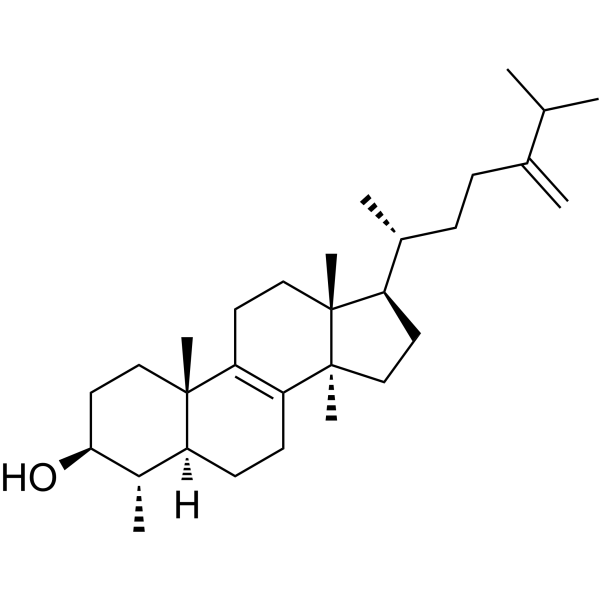
    Obtusifoliol
    1 Publications Verification

    Cytochrome P450 Parasite Infection Cancer
    Obtusifoliol is a specific CYP51 inhibitor, Obtusifoliol shows the affinity with Kd values of 1.2 μM and 1.4 μM for Trypanosoma brucei (TB) and human CYP51, respectively .
    Obtusifoliol
  • HY-105099

    KRM-1648; ABI-1648

    Antibiotic DNA/RNA Synthesis Bacterial Infection Inflammation/Immunology
    Rifalazil (KRM-1648; ABI-1648), a rifamycin derivative, inhibits the bacterial DNA-dependent RNA polymerase and kills bacterial cells by blocking off the β-subunit in RNA polymerase . Rifalazil (KRM-1648; ABI-1648) is an antibiotic, exhibits high potency against mycobacteria, gram-positive bacteria, Helicobacter pylori, C. pneumoniae and C. trachomatis with MIC values from 0.00025 to 0.0025 μg/ml . Rifalazil (KRM-1648; ABI-1648) has the potential for the treatment of Chlamydia infection, Clostridium difficile associated diarrhea (CDAD), and tuberculosis (TB) .
    Rifalazil
  • HY-112324

    Bacterial Infection
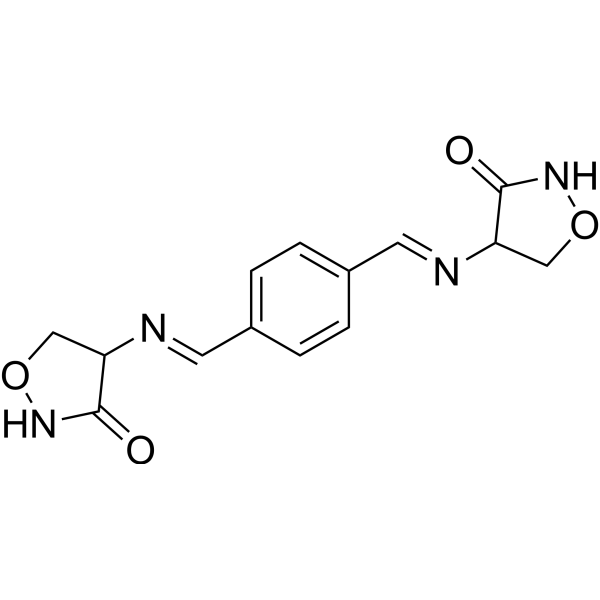
    Terizidone is an antibacterial agent, and shows bacteriostatic activity. Terizidone can be used in tuberculosis (TB) research .
    Terizidone
  • HY-W013186

    AG-1777

    Drug Metabolite Bacterial Inflammation/Immunology Cancer
    Lansoprazole sulfide is an active metabolite of Lansoprazole by cytochrome P450, possesses anti-cancer activity. Lansoprazole sulfide is an anti-tuberculous agent, with an IC50 of 0.59 µM for M. tb .
    Lansoprazole sulfide
  • HY-148564

    Bacterial Infection
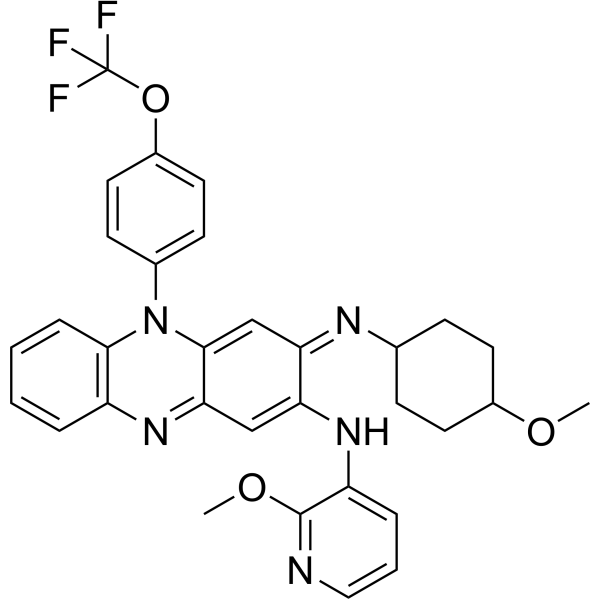
    TBI-166, a riminophenazine analogue, is an orally active anti-tuberculosis agent with fewer adverse reactions than the lead riminophenazine compound, Clofazimine (HY-B1046) .
    TBI-166
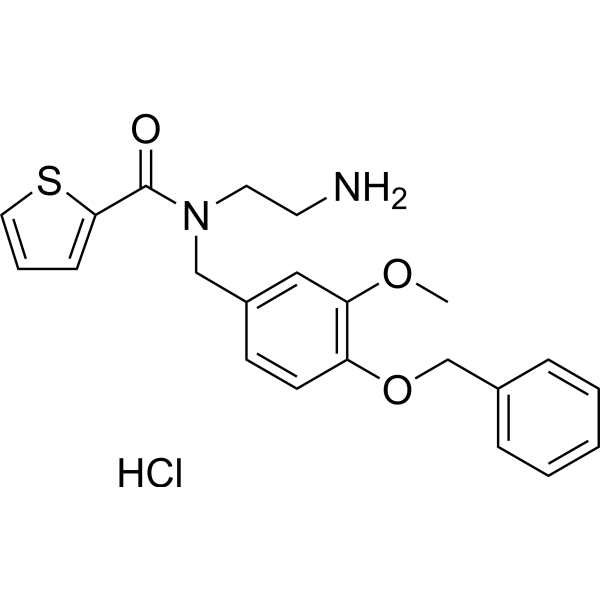
  • HY-100654

    Akt Bacterial Infection Inflammation/Immunology
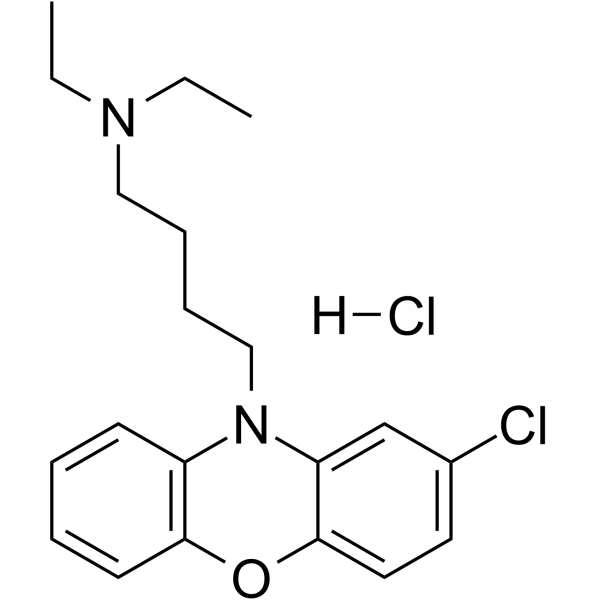
    10-DEBC hydrochloride is a selective Akt inhibitor, with an IC50 of 1.28 μM. 10-DEBC hydrochloride is a novel anti-TB compound .
    10-DEBC hydrochloride
  • HY-111086

    GSK1733953A

    Bacterial Infection
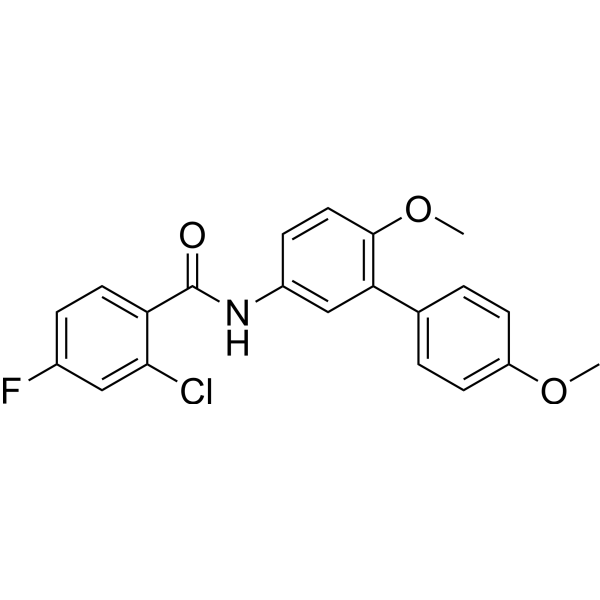
    DG70 (GSK1733953A), a biphenyl amide, is a respiration inhibitor in Mycobacterium tuberculosis, inhibits MenG activity with an IC50 value of 2.6 ± 0.6 μM. DG70 inhibits the catalytic methylation of Mycobacterium tuberculosis demethylmenaquinone methyltransferase enzymes. DG70 can be used for Tuberculosis (TB) research .
    DG70
  • HY-108938

    Cytochrome P450 Fungal Parasite Infection
    SDZ285428 is a CYP51 inhibitor. SDZ285428 inhibits Trypanosoma cruzi (TC) CYP51 with I/E2 <1 (5 min) and I/E2=9 (1 h). SDZ285428 inhibits Trypanosoma brucei (TB) CYP51 with I/E2 <1 (5 min) and I/E2=35 (1 h) .
    SDZ285428
  • HY-B1906R

    Agrept (Standard); Agrimycin (Standard); Streptomycin A (Standard)

    Reference Standards Antibiotic Bacterial Infection Neurological Disease
    Streptomycin (Standard) is the analytical standard of Streptomycin. This product is intended for research and analytical applications. Streptomycin (Agrept) is an effective antibiotic against M. tuberculosis, is used for the research of tuberculosis (TB). Streptomycin also is a bacteriocidal agent that can be used for the research of a number of bacterial infections. Streptomycin can bind strongly to nucleic acids, interferes and blocks protein synthesis while permitting continued RNA and DNA synthesis. Streptomycin, as a common antibiotic used in culture media, also is a blocker of stretch-activated and mechanosensitive ion channels in neurons and cardiac myocytes .
    Streptomycin (Standard)
  • HY-112091

    Bacterial Infection
    GSK2200150A, identified by high-throughput screening (HTS) campaign, is an anti-tuberculosis (TB) agent.
    GSK2200150A
  • HY-164732

    Amino Acid Derivatives Biochemical Assay Reagents Others
    Fmoc-Lys (DOTA)-OH is an Fmoc-protected Lysine derivative with metal-chelating properties, containing the macrocyclic chelator DOTA. Fmoc-Lys (DOTA)-OH undergoes metallation with Tb or Lu. Fmoc-Lys (DOTA)-OH utilizes metal coordination to protect the carboxyl groups of DOTA. Fmoc-Lys (DOTA)-OH can be used in solid-phase peptide synthesis research .
    Fmoc-Lys(DOTA)-OH
  • HY-164956

    Cathepsin Beta-secretase Cancer
    TB-9, a Tasiamide B (HY-N15154) derivative, is a potent cathepsin D, cathepsin E, and BACE1 inhibitor with IC50s of 0.0783 nM, 0.724 nM, and 54.2 nM, respectively .
    TB-9
  • HY-100975

    Monoamine Oxidase Neurological Disease
    TB5 is a potent, selective and reversible inhibitor of hMAO-B with a Ki value of 0.11±0.01 μM.
    TB5
  • HY-146158

    WX-081

    Bacterial Potassium Channel Antibiotic Infection
    Fudapirine, an anti-tuberculosis agent, displays excellent anti-mycobacterial activity against M. tuberculosis H37Rv and low cytotoxicity. Fudapirine exhibits potent activity with MIC50s of 0.083 and 0.11 μg/mL for agent susceptible tuberculosis (DS-TB) and multidrug resistant tuberculosis (MDR-TB) strains. Fudapirine also inhibits hERG channel with the IC50 of 1.89 μM.
    Fudapirine
  • HY-164958

    Cathepsin Beta-secretase Cancer
    TB-11 is a Cathepsin D inhibitor, with IC50s of 0.126 nM (Cathepsin D), 1.92 nM (Cathepsin E), 48.8 nM (BACE1), respectively. TB-11 can be used for tumor research .
    TB-11
  • HY-151514

    Bacterial Infection
    Antituberculosis agent-5 (compound 52) is a nitrofuranylamide derivative, inhibits M. tuberculosis UDP-Gal mutase. Antituberculosis agent-5 inhibits Glf activity with an IC50 value of 99 μM/mL and resists tuberculosis (TB) with a MIC value of 1.6 μg/mL .
    Antituberculosis agent-5
  • HY-145931

    mTOR Autophagy Cancer
    CC214-2 is an oral active and selective mTOR kinase inhibitor. CC214-2 targets to both of mTORC1 (pS6) and mTORC2 (pAktS473). CC214-2 induces autophagy, which is a potential target for host-directed therapy (HDT) in tuberculosis. CC214-2 exhibits synergistic bactericidal and sterilizing activity agasinst tuberculosis (TB), and shortens the treatment duration. CC214-2 also inhibits Rapamycin (HY-10219)-resistant signaling and the growth of glioblastomas in vitro and in vivo .
    CC214-2
  • HY-172349

    Bacterial Infection
    JNJ-2901 is an inhibitor of M. tuberculosis cytochrome bc1:aa3. JNJ-2901 reduces bacterial load in the acute/chronic mouse infection models of M. tuberculosis H37Rv-ΔcydAB. JNJ-2901 can be used in tuberculosis (TB) research .
    JNJ-2901
  • HY-144727

    Bacterial TNF Receptor Infection Inflammation/Immunology
    Anti-inflammatory agent 11 (compound 16) is a potent antimycobacterial and anti-inflammatory agent. Anti-inflammatory agent 11 inhibits Mtb H37Rv and M299 growth, with MIC50 (minimum inhibitory concentration 50%) of 1.3 and 6.9 μM, respectively. Anti-inflammatory agent 11 inhibits NO through the suppression of iNOS expression, and also inhibited the production of TNF-α and IL-1β. Anti-inflammatory agent 11 can be used for tuberculosis (TB) research .
    Anti-inflammatory agent 11
  • HY-142031

    Bacterial Infection
    4-Piperidinecarboxamide is a mycobacterial aspartyl-tRNA synthetase (AspS) inhibitor. 4-Piperidinecarboxamide is a promising anti-tuberculosis (TB) agent .
    4-Piperidinecarboxamide
  • HY-139594

    Bacterial Infection Inflammation/Immunology
    Polyketide synthase 13-IN-1 (compound 32) is a polyketide synthase 13 inhibitor .
    Polyketide synthase 13-IN-1
  • HY-139987A

    Bacterial Infection
    LeuRS-IN-1 hydrochloride is a potent, orally active M. tuberculosis leucyl-tRNA synthetase (M.tb LeuRS) inhibitor. LeuRS-IN-1 hydrochloride has IC50 and Kd values of 0.06 μM, 0.075 μM for M.tb LeuRS, respectively . LeuRS-IN-1 hydrochloride inhibits human cytoplasmic LeuRS (IC50=38.8 μM), and HepG2 protein synthesis (EC50=19.6 μM) .
    LeuRS-IN-1 hydrochloride
  • HY-157518

    Bacterial Infection
    OJT008 is an inhibitor of MtMetAP1c. OJT008 inhibits NiCl2- and CoCl2 activated MtMetAP1c with IC50s of 11 and 40 μM, respectively. OJT008 can used to study tuberculosis .
    OJT008
  • HY-138547

    Diaminopropanoltetraacetic acid

    Biochemical Assay Reagents Others
    DHPTA (compound 3) can directly combine with lanthanide elements (Tb 3+, Ho 3+, Lu 3+) to form a strong chelating effect,in aqueous solution with a pH of 2.0-7.0 .
    DHPTA
  • HY-114147

    Bacterial Infection Inflammation/Immunology
    Tuberculosis inhibitor 3 (compound 2i) displays potent anti-TB activity (MIC < 0.016 μg/mL) against agent-sensitive/resistant MTB strains. Tuberculosis inhibitor 3 (compound 2i) shows acceptable PK profiles with oral bioavailability .
    Tuberculosis inhibitor 3
  • HY-N10069

    Bacterial Infection
    Bonducellin is a a homoisoflavonoid, which can be isolated from Caesalpinia digyna roots. Bonducellin is a potent inhibitor of efflux pump (EP), while EP induces resistance in mycobacteria and serves as a target of anti-TB (tuberculosis) agents. Bonducellin reduces MIC of EtBr by 8-fold against M. smegmatis (MIC=62.5 mg/L) .
    Bonducellin
  • HY-144381

    Bacterial Infection
    Glutamate-5-kinase-IN-1 (compound 50) is a potent glutamate-5-kinase (G5K) inhibitor with an MIC (minimum inhibitory concentration) of 4.1 μM. Glutamate-5-kinase-IN-1 shows G5K inhibition by alters the ATP binding site architecture for enzyme recognition. Glutamate-5-kinase-IN-1 has the potential for the research of anti-TB agents .
    Glutamate-5-kinase-IN-1
  • HY-P991516

    Factor VIII Cardiovascular Disease
    TB-402, a human IgG4 anticoagulant monoclonal antibody, is a partial Factor VIII inhibitor. TB-402 has a prolonged antithrombotic effect. TB-402 can be used for the prevention of venous thromboembolism (VTE) after total knee replacement (TKR) .
    TB-402
  • HY-103510

    GABA Receptor Neurological Disease
    TB-21007 is a selective and brain penetrant α5 subunit-containing GABAA receptor inverse agonist with Kis of 1.6 nM, 20 nM, 16 nM, and 20 nM for α5, α1, α2 and α3 subtypes, respectively. TB-21007 enhances cognition in rats .
    TB-21007
  • HY-162939

    Histone Methyltransferase Cancer
    TB22 is a non-nucleoside inhibitor of DOT1LR231Q, possessing anticancer activity. TB22 inhibits the malignant phenotype of lung cancer cells carrying the R231Q mutation through the MAPK/ERK signaling pathway, and can be used for lung cancer research .
    TB22
  • HY-P991430

    TB-403

    VEGFR Cancer
    RO5323441 (TB-403) is a human IgG1 monoclonal antibody (mAb) targeting PlGF. RO5323441 inhibits the binding of human PlGF-1 or PlGF-2 to VEGFR-1 (IC50 values are 0.1 and 0.2 nM, respectively). RO5323441 blocks PlGF-induced VEGFR-1 phosphorylation in Flt-1-transfected HEK293 cells. RO5323441 has antitumor activity .
    RO5323441
  • HY-126131

    Bacterial Infection
    anti-TB agent 1 is a potent and orally active anti-tuberculosis agent, with MICs of < 2 nM against the Mtb strains H37Rv, rRMP and rINH .
    anti-TB agent 1
  • HY-147661

    Antifolate Infection
    DHFR-IN-2 (compound 4e) is a potent and uncompetitive inhibitor for MtDHFR (dihydrofolate reductase from M. tuberculosis), with an IC50 of 7 μM. DHFR-IN-2 can be used for tuberculosis (TB) research .
    DHFR-IN-2
  • HY-N12288

    Others Cancer
    Wangzaozin A is an ent-kaurene diterpenoid. Wangzaozin A has cytotoxic against HepG2 cells and Tb cells with IC50 of 1.41 μM and 0.32 μM, respectively .
    Wangzaozin A
  • HY-151354

    Bacterial Infection
    Antibacterial agent 121 (Compound 10) is an antibacterial agent. Antibacterial agent 121 shows anti-mycobacterial and anti-inflammatory activities and can be used in Tuberculosis (TB) research .
    Antibacterial agent 121
  • HY-163069

    Bacterial Infection
    Antitubercular agent-43 (compound A11) is an orally active and potent antitubercular agent. Antitubercular agent-43 shows highly metabolic stability against human and mouse cytochrome P450 enzymes. Antitubercular agent-43 exhibits bactericidal efficacy in acute TB infection mouse model .
    Antitubercular agent-43
  • HY-162432

    MDM-2/p53 Cancer
    MDM2-IN-27 targets MDM2 protein (Ki = 0.4 nM). MDM2-IN-27 activates the anti-tumor activity of p53 and induces apoptosis by blocking the negative regulation of p53 by MDM2 .
    TB114
  • HY-N11408

    Bacterial Infection
    Bagougeramine A is found in the strain of Bacillus circulans TB-2125. Bagougeramine A has activities against Gram-positive bacteria and negative bacteria .
    Bagougeramine A
  • HY-144737

    Bacterial TNF Receptor Infection Inflammation/Immunology
    Anti-inflammatory agent 15 (compound 29) is a potent antimycobacterial and anti-inflammatory agent. Anti-inflammatory agent 15 inhibits Mtb H37Rv and M299 growth, with MIC50 (minimum inhibitory concentration 50%) of 2.3 and 7.8 μM, respectively. Anti-inflammatory agent 15 inhibits NO through the suppression of iNOS expression, and also inhibited the production of TNF-α and IL-1β. Anti-inflammatory agent 15 can be used for tuberculosis (TB) research .
    Anti-inflammatory agent 15
  • HY-170970

    Bacterial Infection
    Mtb-IN-10 (Compound P15) is a Rv1625c/Cya activator that regulates cAMP metabolism to influence the growth of Mycobacterium tuberculosis (Mtb). Mtb-IN-10 exhibits an EC50 of 1.96 µM in an Mtb-infected macrophage model and demonstrates 58.0% oral bioavailability in mice at a 20 mg/kg dose. It may regulate intracellular signaling and disrupt cholesterol metabolism in Mtb, thereby inhibiting bacterial proliferation. Mtb-IN-10 holds potential for tuberculosis (TB) research, particularly for combating multidrug-resistant (MDR-TB) and extensively drug-resistant (XDR-TB) Mtb strains .
    Mtb-IN-10

Inquiry Online

Your information is safe with us. * Required Fields.

Salutation


Country or Region *

Applicant Name *


Organization Name *

Department *


Email Address *


Product Name *

Cat. No.


Requested quantity *

Phone Number *


Remarks

Inquiry Online

Inquiry Information

Product Name:
Cat. No.:
Quantity:
MCE Japan Authorized Agent:

