1. Search Result
Search Result
Results for "

Thiazole

" in MedChemExpress (MCE) Product Catalog:

79

Inhibitors & Agonists

6

Fluorescent Dye

4

Biochemical Assay Reagents

2

Peptides

4

Natural
Products

4

Oligonucleotides

Cat. No. Product Name Target Research Areas Chemical Structure
  • HY-B0990
    Thiostrepton
    20+ Cited Publications

    Bacterial Antibiotic YAP Infection
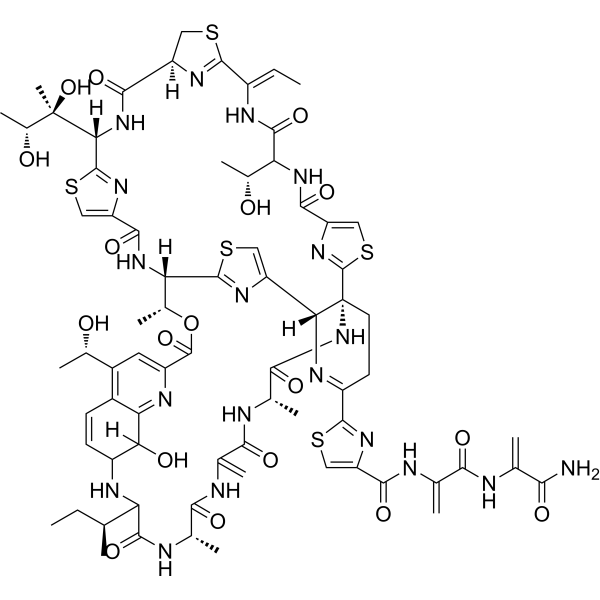
    Thiostrepton is a thiazole antibiotic which selectively inhibits FOXM1. FOXM1 binds to YAP/TEAD complex. YAP/TEAD/FOXM1 complex binding at regulatory regions of genes governing cell cycle may impact cell proliferation .
    Thiostrepton
  • HY-D0150
    Thiazole Orange
    1 Publications Verification

    Fluorescent Dye Others
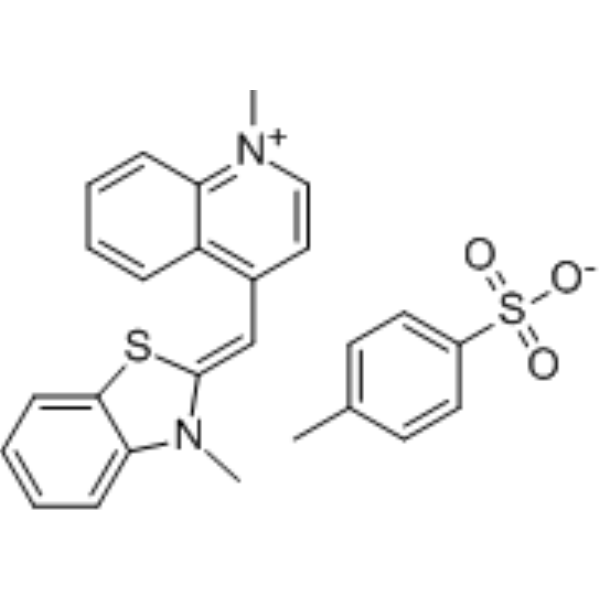
    Thiazole Orange is an asymmetric anthocyanin dye that can be coupled with oligonucleotides (ONs) to prepare fluorescent hybridization probes. Thiazole Orange has been widely used in biomolecular detection and staining of DNA/ RNA in gels and can be used for reticulocyte analysis. Thiazole orange generates a significant fluorescence enhancement and high quantum yield when it binds with nucleic acids, especially RNA. Thiazole orange can permeate living cell membranes. Thiazole orange can use UV light for detection, but can also be detected with blue light. The excitation and emission of Thiazole orange are λex = 510 nm (488 nm and 470 nm also show strong excitation) and λem = 527 nm, respectively .
    Thiazole Orange
  • HY-108896
    Icatibant acetate
    10+ Cited Publications

    HOE 140 acetate

    Bradykinin Receptor Inflammation/Immunology
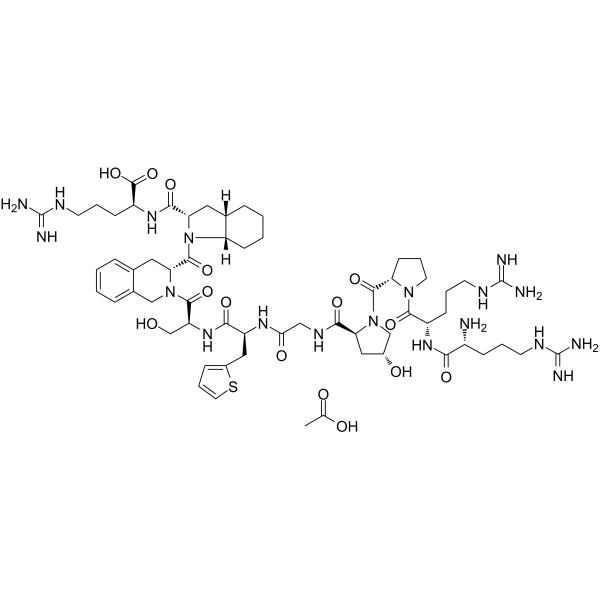
    Icatibant acetate (HOE-140 acetate) is a potent and specific peptide antagonist of bradykinin B2 receptor with an IC50 and Ki of 1.07 nM and 0.798 nM respectively .
    Icatibant acetate
  • HY-101511

    P-glycoprotein Cancer
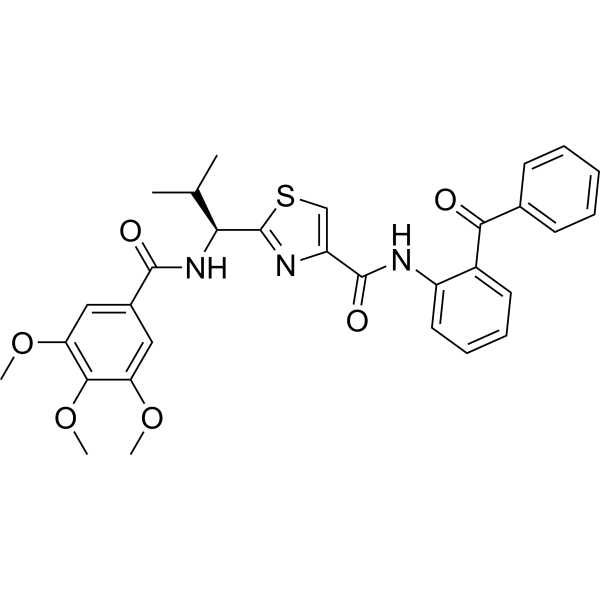
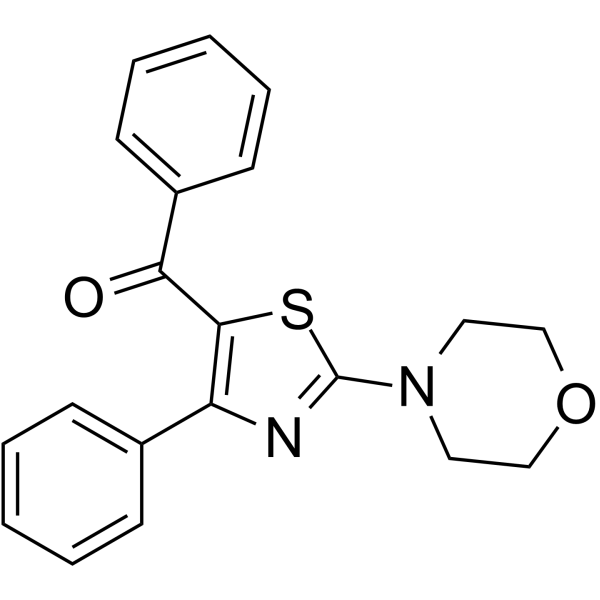
    TTT-28 is a synthesized thiazole-valine peptidomimetic, a novel selective inhibitor of ABCB1 (P-gp/MDR1) with high efficacy and low toxicity, which reverses the ATP-binding cassette sub-family B member 1 (ABCB1)-mediated multidrug resistance (MDR) by selectively blocking the efflux function of ABCB1 .
    TTT-28
  • HY-D0996

    DNA Stain Others
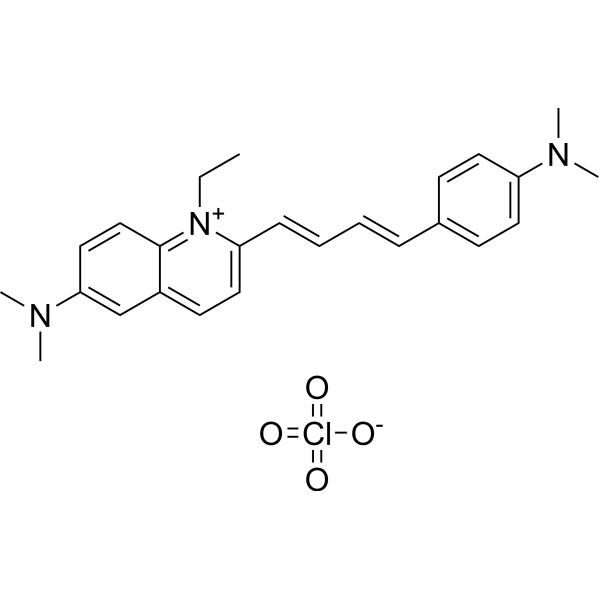
    Lds-751 is a nucleic acid stain that mainly detects DNA. Lds-751 is a nucleic acid stain that mainly detects DNA. Lds-751 has a high affinity for DNA and fluorescence is enhanced after binding, but the maximum emission wavelength is 670nm. Lds-751 and Thiazole orange can be used for the differentiation of red blood cells, platelets, reticulocytes, and nucleated cells and can be stimulated at 488nm. Studies have shown that LDS-751 binds almost exclusively to mitochondria when incubated with nucleated living cells. After nucleated Acridine Orange (HY-101879) staining and LDS-751 treatment of cells, confocal microscopy revealed almost no co-location of the cells. Staining with Rhodamine 123 (HY-D0816), a dye known to bind polarized mitochondria, was almost identical to the pattern observed with LDS-751 .
    LDS-751
  • HY-Y0135

    Drug Intermediate Cancer
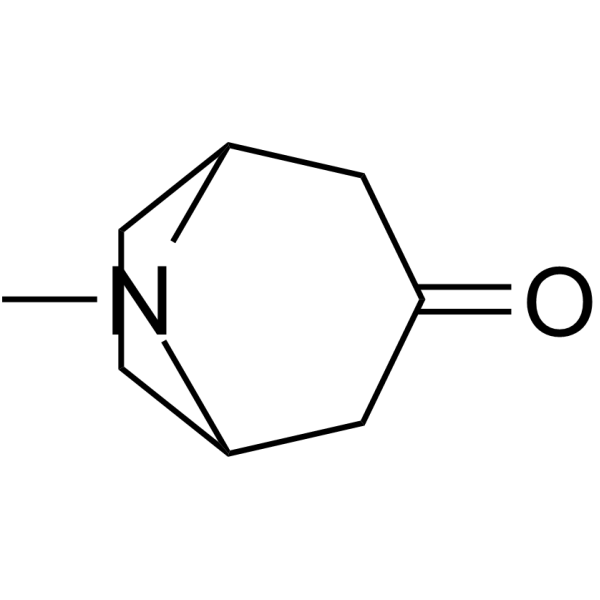
    Tropinone is an organic synthesis intermediate and a skeleton for constructing derivatives containing thiazole rings and other structures. Tropinone derivatives have anticancer activities such as inducing tumor cell apoptosis and inhibiting tyrosinase activity, and can be used in research such as anticancer drug development and tyrosinase inhibitor design .
    Tropinone
  • HY-D0916

    YOYO 1; YOYO1

    Fluorescent Dye Others
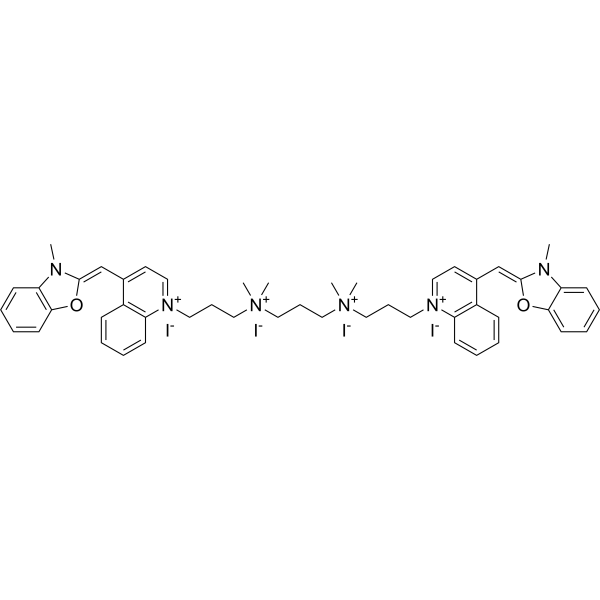
    Thiazole orange dimer YOYO 1 (YOYO 1) is a cell-impermeable cyanine dimer with no inherent fluorescence, and its fluorescence intensity increases significantly upon binding to double-stranded DNA (dsDNA) . Thiazole orange dimer YOYO 1 can serve as a nuclear counterstain or a dead cell indicator (Ex/Em = 505/512 nm).
    Thiazole orange dimer YOYO 1
  • HY-115406A

    Apoptosis Cancer
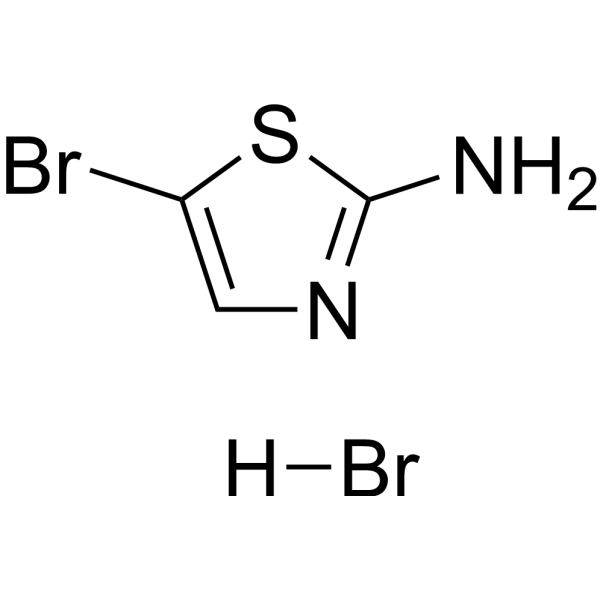
    CPTH6 hydrobromide is a thiazole derivative which activates apoptotic program and increases autophagic features in human acute myeloid leukemia cell lines. CPTH6 can be used for cancer research .
    CPTH6 hydrobromide
  • HY-U00094

    Drug Derivative Inflammation/Immunology
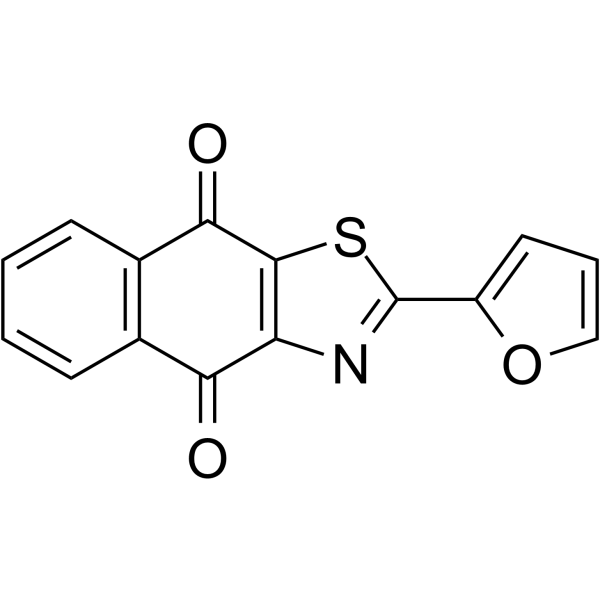
    INO5042, a thiazole fused 1,4-naphthoquinone compound, and exhibits anti-inflammation activity .
    INO5042
  • HY-148134

    Lipoxygenase Inflammation/Immunology
    5-LOX-IN-1 (compound 2b) is an inhibitor of human 5-Lipoxygenase (5-LOX) with an IC50 value of 2.3 μM. 5-LOX-IN-1 can be used for the research of inflammation .
    5-LOX-IN-1
  • HY-69015

    Thiazole-5-carboxaldehyde; 5-FormylThiazole

    Biochemical Assay Reagents Others
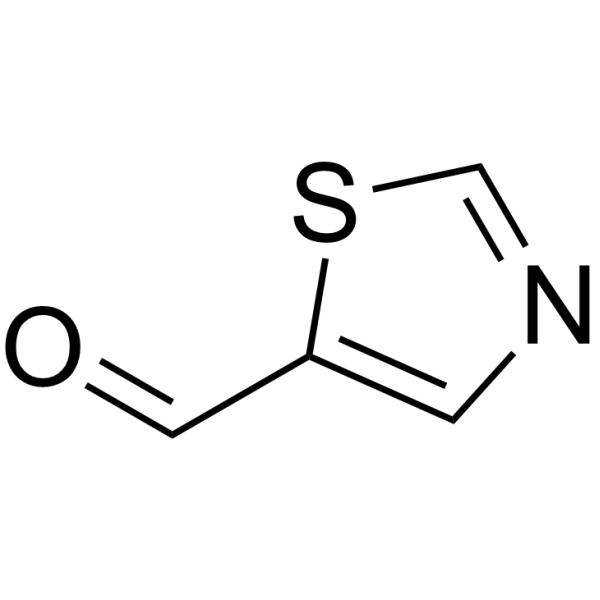
    Thiazole-5-carboxyaldehyde is a biochemical reagent that can be used as a biological material or organic compound for life science related research.
    Thiazole-5-carboxyaldehyde
  • HY-153847

    Biochemical Assay Reagents Others
    RNA Aptamer Mango Ⅱ (sodium) has an exceptionally high affinity to TO1-biotin (a thiazole orange derivative fluorophore), and can be used to visualize RNA expression or localization in live cells. Compared to the original Mango I aptamer, RNA Aptamer Mango Ⅱ (sodium) has markedly improved fluorescent properties, binding affinities, and salt dependencies.
    RNA Aptamer Mango ΙΙ sodium
  • HY-113752

    Parasite Infection
    MMV019313 is a potent, non-bisphosphonate inhibitor of farnesyl/geranylgeranyl diphosphate synthase (FPPS/GGPPS) with an IC50 of 0.82 µM. MMV019313 has activity against P. falciparum (Parasite) .
    MMV019313
  • HY-Y0425

    Drug Intermediate Biochemical Assay Reagents Others
    Terephthalaldehyde is a crosslinking agent. Terephthalaldehyde forms a crosslinked structure inside the gelatin matrix by forming Schiff base imines with the amino groups of gelatin, thereby constructing a three-dimensional network. Terephthalaldehyde improves the hydrophobicity of the gelatin matrix, delays water vapor penetration and enhances the liquid water resistance of gelatin films. Terephthalaldehyde can be used as a crosslinking agent to prepare crosslinked chitosan hydrogel (CAAT) via ultrasound-induced synthesis. Terephthalaldehyde helps CAAT hydrogels selectively adsorb anionic dyes from aqueous media, including multi-component systems containing cationic dyes. Terephthalaldehyde serves as a starting material for the synthesis of bis-heterocyclic compounds (including bis-thiazole and bis-triazolopyrimidine compounds) .
    Terephthalaldehyde
  • HY-W158239

    Drug Metabolite Others
    4-Methyl-2-[4-(trifluoromethyl)phenyl]-1,3-thiazole-5-carboxylic acid is a metabolite of GW 501516 (HY-10838) .
    4-Methyl-2-[4-(trifluoromethyl)phenyl]-1,3-thiazole-5-carboxylic acid
  • HY-W010594

    Endogenous Metabolite Drug Intermediate Metabolic Disease
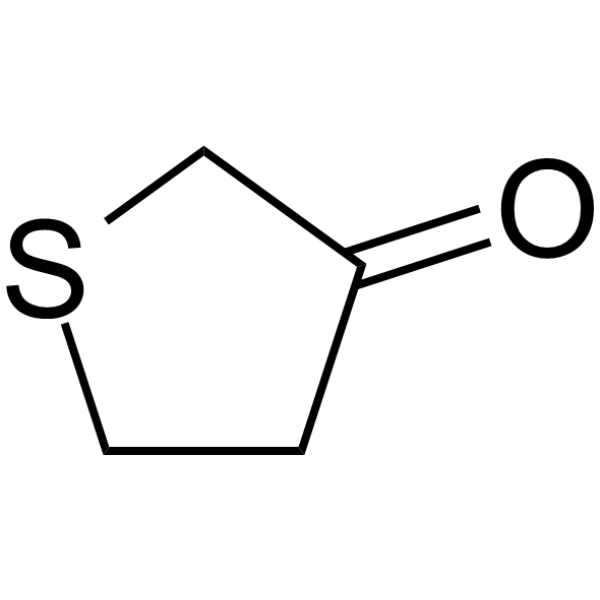
    Tetrahydrothiophen-3-one is an endogenous metabolite. Tetrahydrothiophen-3-one is a pharmaceutical intermediate that can be used to synthesize thiazole compounds. Tetrahydrothiophen-3-one exists in natural food and has good safety .
    Tetrahydrothiophen-3-one
  • HY-W110909

    Titan yellow; Clayton Yellow

    Biochemical Assay Reagents Others
    Thiazole yellow G, for microscopy is a cationic basic thiazine dye. Thiazole yellow G can be used for the determination of uranium and thorium .
    Thiazole Yellow G, for microscopy
  • HY-W153810

    Drug Intermediate Others
    2-Methyl-4-phenyl thiazole is a synthetic intermediate useful for pharmaceutical synthesis.
    2-Methyl-4-phenyl thiazole
  • HY-W003182
    6-Bromobenzo[d]thiazole
    1 Publications Verification

    Biochemical Assay Reagents Others
    6-Bromobenzo[d]thiazole is a biochemical reagent that can be used as a biological material or organic compound for life science related research.
    6-Bromobenzo[d]thiazole
  • HY-W012428

    Drug Intermediate Others
    2-(3-Pyridyl)-4-methyl-thiazole-5-carboxylic acid is a synthetic intermediate useful for pharmaceutical synthesis.
    2-(3-Pyridyl)-4-methyl-thiazole-5-carboxylic acid
  • HY-W044805

    4-Pyridin-4-yl-thiazol-2-ylamine

    Drug Intermediate Others
    2-Amino-4-(4-pyridyl)-thiazole (4-Pyridin-4-yl-thiazol-2-ylamine) is a synthetic intermediate useful for pharmaceutical synthesis.
    2-Amino-4-(4-pyridyl)-thiazole
  • HY-114799

    4-Methyl-2-pyridin-4-ylThiazole-5-carboxylic acid

    Drug Intermediate Others
    2-(4-Pyridyl)-4-methyl-thiazole-5-carboxylic acid (4-Methyl-2-pyridin-4-ylthiazole-5-carboxylic acid) is a synthetic intermediate useful for pharmaceutical synthesis.
    2-(4-Pyridyl)-4-methyl-thiazole-5-carboxylic acid
  • HY-178994

    Flavivirus Dengue Virus Infection
    DENV-IN-14 (Compound 3c) is a thiazole hydrazone derivative with anti-dengue virus (DENV) activity with an EC50 of 0.01 μM and the selectivity index (SI) of 200. DENV-IN-14 exhibits rapid plasma clearance and its metabolic stability is limited. DENV-IN-14 can be used for research on dengue fever .
    DENV-IN-14
  • HY-145921

    Chemerin Receptor Inflammation/Immunology
    ChemR23-IN-3 is a potent thiazole-based ChemR23 inhibitor with an IC80 value of 12 nM.
    ChemR23-IN-3
  • HY-175024

    SARS-CoV Virus Protease Infection
    MC12 is a thiazole-based derivative and a SARS-CoV-2 main protease inhibitor (IC50: 77.7 nM). MC12 exhibits inhibitory effects on both SARS-CoV and SARS-CoV-2 main proteases, with low cytotoxicity and good stability. MC12 can be used in the research of anti-COVID-19 drugs .
    MC12
  • HY-174414

    EGFR Cancer
    EGFR/HER2-IN-18 is a stable EGFR/HER2 dual inhibitor with IC50 values of 0.09 (EGFR) and 0.08 μM (HER2) respectively. EGFR/HER2-IN-18 exhibits broad-spectrum anti-cancer activity. EGFR/HER2-IN-18 induces MCF-7 cells apoptosis and inhibits the cell cycle. EGFR/HER2-IN-18 can be used for the study of breast cancer .
    EGFR/HER2-IN-18
  • HY-175176

    HDAC Apoptosis Pyroptosis Reactive Oxygen Species (ROS) Caspase Cancer
    HDAC1/6-IN-3 is a potent HDAC inhibitor. HDAC1/6-IN-3 shows excellent inhibitory activities against HDAC1 (IC50 = 1.1 nM) and HDAC6 (IC50 = 2.7 nM). HDAC1/6-IN-3 significantly arrests HepG2 cells at the G0/G1 phase and induces apoptosis and pyroptosis. HDAC1/6-IN-3 exhibits significant antitumor activity in the HepG2 xenograft mode. HDAC1/6-IN-3 can be used for the study of cancers such as liver cancer, lung cancer, colon cancer and breast cancer .
    HDAC1/6-IN-3
  • HY-D0150A

    Fluorescent Dye Others
    (Z)-Thiazole Orange iodide is an asymmetric cyanine dye whose fluorescence highly depends on the local environment.(Z)-Thiazole Orange iodide is essentially dark in solution; however, its fluorescence increases a thousandfold when (Z)-Thiazole Orange iodide is introduced into double-stranded DNA and RNA (dsDNA or dsRNA). The maximum absorption of Thiazole Orange in complex with DNA is 509 nm, and the maximum emission is 532 nm. Thiazole Orange solution is widely used for determining the percentage of reticulocytes in human peripheral blood with microscopy and flow cytometry.
    (Z)-Thiazole Orange iodide
  • HY-W016232

    Drug Intermediate Others
    Ethyl-2,4-dimethyl-thiazole-5-carboxylate is a building block in the chemical synthesis.
    Ethyl-2,4-dimethyl-thiazole-5-carboxylate
  • HY-114756

    Drug Intermediate Others
    2-(2-Pyridyl)-4-methyl-thiazole-5-carboxylic acid is a synthetic intermediate useful for pharmaceutical synthesis.
    2-(2-Pyridyl)-4-methyl-thiazole-5-carboxylic acid
  • HY-120147

    Natriuretic Peptide Receptor (NPR) Cardiovascular Disease
    Ethiazide is a thiazole diuretic which inhibits renal reabsorption of sodium and water, thereby increasing urine excretion, reducing fluid retention, and lowering blood volume and blood pressure. Ethiazide can be used for cardiovascular research .
    Ethiazide
  • HY-W010594R

    Reference Standards Endogenous Metabolite Drug Intermediate Metabolic Disease
    Tetrahydrothiophen-3-one is an endogenous metabolite.Tetrahydrothiophen-3-one is a pharmaceutical intermediate that can be used to synthesize thiazole compounds. Tetrahydrothiophen-3-one exists in natural food and has good safety .
    Tetrahydrothiophen-3-one (Standard)
  • HY-148180

    Bacterial Parasite Infection
    Antimycobacterial agent-4 is a 2-amino-4-(2-pyridyl) thiazole derivative, with antimycobacterial activity, antiplasmodial activity, and cytotoxicity on a mammalian cell line .
    Antimycobacterial agent-4
  • HY-114813

    Drug Derivative Metabolic Disease Inflammation/Immunology
    KHG26693 is a thiazole derivative with anti-inflammatory and antioxidant properties. KHG26693 normalizes disturbed glucose metabolism by enhancing glucose utilization and decreasing liver glucose production via insulin release. KHG26693 is promising for research of diabetes .
    KHG26693
  • HY-120676

    Raf Cancer
    B-Raf IN 18 (compound 26) is a B-Raf inhibitor, with IC50 of 3.8 nM. B-Raf IN 18 can be used in anti-cancer related research .
    B-Raf IN 18
  • HY-156372

    Cholinesterase (ChE) Neurological Disease
    AChE-IN-44 (Compound Tap4) is an AChE inhibitor. AChE-IN-44 can be converted into the thiazole salt AChE inhibitor Tat2 .
    AChE-IN-44
  • HY-153682

    β-catenin Cancer
    β-Catenin modulator-5 (compound IIa-84), an oxazole and thiazole compound, is a potent and selective β-Catenin modulator .
    β-Catenin modulator-5
  • HY-153680

    β-catenin Cancer
    β-Catenin modulator-3 (compound IIa-112), an oxazole and thiazole compound, is a potent and selective β-Catenin modulator .
    β-Catenin modulator-3
  • HY-153681

    β-catenin Cancer
    β-Catenin modulator-4 (compound IIa-92), an oxazole and thiazole compound, is a potent and selective β-Catenin modulator .
    β-Catenin modulator-4
  • HY-153679

    β-catenin Cancer
    β-Catenin modulator-2 (compound IIa-130), an oxazole and thiazole compound, is a potent and selective β-Catenin modulator .
    β-Catenin modulator-2
  • HY-170611

    Interleukin Related Inflammation/Immunology
    IL-17-IN-3 (compound 11) is an IL-17A inhibitor with an IC50 value of 35 nM. IL-17-IN-3 exhibits no adverse effects in a rat tolerability study after a four-day administration of up to 300 mg/kg/day .
    IL-17-IN-3
  • HY-W015695R

    Reference Standards Drug Intermediate Infection
    4-Methyl-5-thiazoleethanol (Standard) is the analytical standard of 4-Methyl-5-thiazoleethanol. This product is intended for research and analytical applications. 4-Methyl-5-thiazoleethanol, a natural sulfur-containing flavor compound, is a thiazole precursor .
    4-Methyl-5-thiazoleethanol (Standard)
  • HY-117697

    mGluR Others
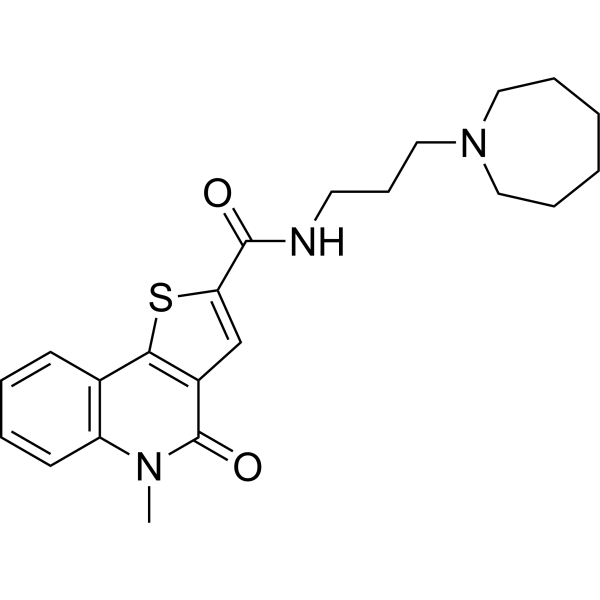
    Lu AF11205 is a mGlu5 receptor positive allosteric modulator with activity modulating mGlu5 receptor activity. Optimization of Lu AF11205 resulted in a series of potent fused thiazole analogs whose structures and activities were influenced by substituents and which could affect receptor function in cell lines expressing mGlu5 receptors.
    Lu AF11205
  • HY-147948

    DNA/RNA Synthesis Bacterial Infection
    DNA Gyrase-IN-4 (compound 8p) is a potent DNA gyrase inhibitor, with an IC50 of 0.13 μM. DNA Gyrase-IN-4 shows excellent antibacterial activity against Staphylococcus aureus, Listeria monocytogenes, Salmonella and Escherichia coli, with MIC values of 0.05, 0.05, 0.05, and 8 μg/mL, respectively .
    DNA Gyrase-IN-4
  • HY-147819

    Bacterial DNA/RNA Synthesis Infection
    DNA Gyrase-IN-3 (Compound 28) is a bacterial DNA gyrase B inhibitor with IC50s of 5.41-15.64 µM for E. coli DNA gyrase. Anti-tubercular and antibacterial activity .
    DNA Gyrase-IN-3
  • HY-147818

    Bacterial DNA/RNA Synthesis Infection
    DNA Gyrase-IN-2 (Compound 22a) is a bacterial DNA gyrase B inhibitor with IC50s of 3.29-10.49 and 4.41-5.61 µM for E. coli DNA gyrase and M. tuberculosis DNA gyrase. Anti-tubercular and antibacterial activity .
    DNA Gyrase-IN-2
  • HY-119894

    NSC 102809

    Antibiotic Infection
    Althiomycin is a polyketide synthase-derived thiazole antibiotic originally isolated from S. althioticus. It is active against Gram-positive bacteria, including S. aureus, S. epidermidis, and S. pyogenes (MICs=25, 25, and 3.1 μg/mL, respectively).2 Althiomycin inhibits protein synthesis in E. coli when used at concentrations of 1 and 10 μg/mL but not in isolated rabbit reticulocytes at 100 μg/mL.
    Althiomycin
  • HY-146122

    Phosphodiesterase (PDE) Cancer
    ATX inhibitor 19 (compound 22) is a potent ATX (autotaxin) inhibitor, with an IC50 of 156 nM .
    ATX inhibitor 19
  • HY-151158

    EGFR Cancer
    EGFR/HER2-IN-7 is a potent anticancer agent with high selectivity against MCF-7 breast cancer cells. EGFR/HER2-IN-7 is a EGFR/HER2 kinase and DHFR inhibitor, with IC50s of 0.18 μM (EGFR), 0.146 μM (HER2), respectively. EGFR/HER2-IN-7 shows moderate inhibition on DHFR (IC50=0.907 μM) .
    EGFR/HER2-IN-7
  • HY-151154

    EGFR Cancer
    EGFR/HER2/DHFR-IN-1 is a potent anticancer agent with high selectivity against MCF-7 breast cancer cells. EGFR/HER2/DHFR-IN-1 is a multiple inhibitor of EGFR/HER2 kinase and DHFR, with IC50s of 0.153 μM, 0.108 μM, 0.291 μM, respectively. EGFR/HER2/DHFR-IN-1 arrests cell cycle at G1/S and induces cells apoptosis .
    EGFR/HER2/DHFR-IN-1

Inquiry Online

Your information is safe with us. * Required Fields.

Salutation


Country or Region *

Applicant Name *


Organization Name *

Department *


Email Address *


Product Name *

Cat. No.


Requested quantity *

Phone Number *


Remarks

Inquiry Online

Inquiry Information

Product Name:
Cat. No.:
Quantity:
MCE Japan Authorized Agent: