Search Result
Results for "
Transdermally
" in MedChemExpress (MCE) Product Catalog:
4
Biochemical Assay Reagents
10
Isotope-Labeled Compounds
| Cat. No. |
Product Name |
Target |
Research Areas |
Chemical Structure |
-
- HY-N0729
-
Linoleic acid
Maximum Cited Publications
24 Publications Verification
|
Environmental Pollutants
Endogenous Metabolite
|
Cardiovascular Disease
Metabolic Disease
Cancer
|
|
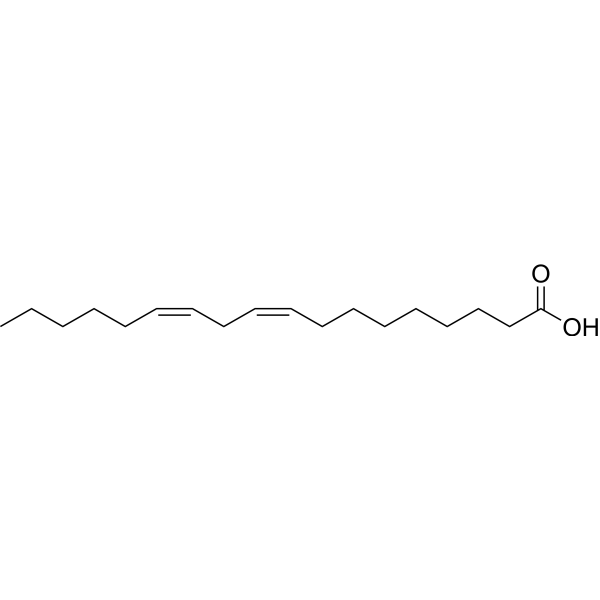
Linoleic acid is a common polyunsaturated (PUFA) found in plant-based oils, nuts and seeds. Linoleic acid is a part of membrane phospholipids, and functions as a structural component to maintain a certain level of membrane fluidity of the transdermal water barrier of the epidermis. Linoleic acid induces red blood cells and hemoglobin damage via oxidative mechanism .
|
-
-
- HY-B1829A
-
|
Dexamethasone 21-phosphate disodium
|
Glucocorticoid Receptor
TGF-β Receptor
Interleukin Related
|
Neurological Disease
Inflammation/Immunology
|
|
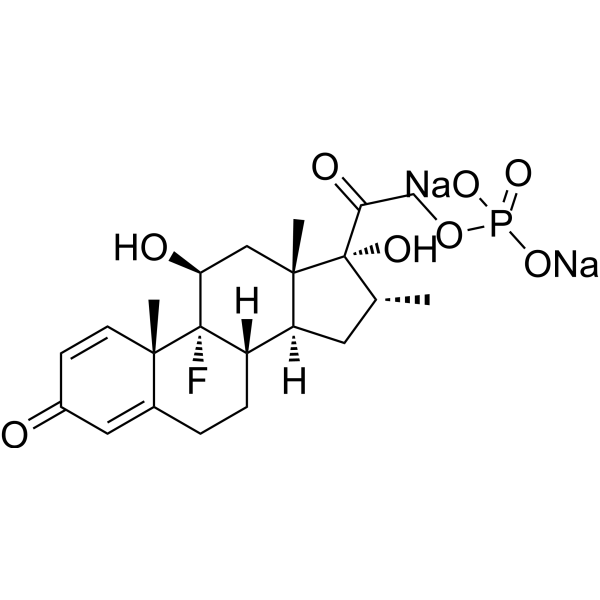
Dexamethasone phosphate (Dexamethasone 21-phosphate) disodium is a prodrug form of the glucocorticoid Dexamethasone (HY-14648). Dexamethasone phosphate disodium is produced by introducing a phosphate ester group at the 21-position of the Dexamethasone molecule, forming a salt with sodium ions, thereby significantly improving water solubility. Dexamethasone phosphate disodium inhibits LPS (HY-D1056)-induced degradation of IRAK-1 and IRAK-4, and blocks LPS-induced activation of TRAF6, p-TAK1 and p-JNK. Dexamethasone phosphate disodium inhibits the secretion of RANTES, TGF-β1 and NO, promotes the production of MIP-1α and IL-10, and blocks microglial migration. Dexamethasone phosphate disodium is almost completely converted to Dexamethasone in rat blood, and supports transdermal delivery via iontophoresis. Dexamethasone phosphate disodium can be used in research related to steroid-dependent ulcerative colitis, chemotherapy-induced vomiting, allergic asthma and acute colitis (inflammatory bowel disease) .
|
-
-
- HY-W050154
-
|
|
Parasite
Tyrosinase
NF-κB
CDK
|
Infection
Inflammation/Immunology
Cancer
|
|
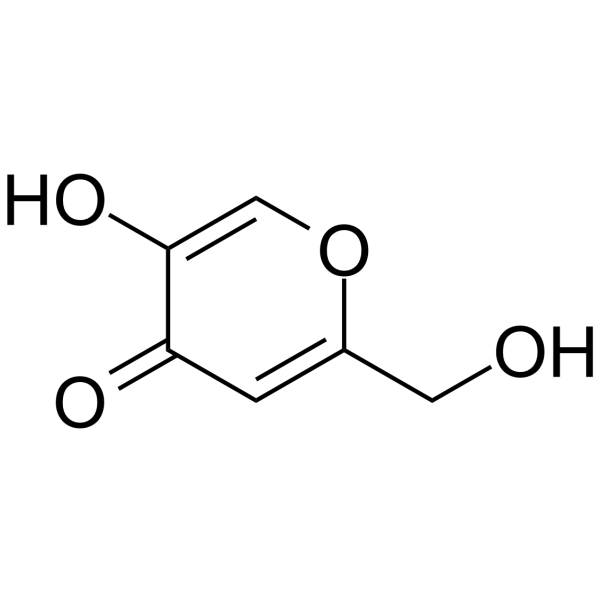
Kojic acid is a substance produced by Aspergillus oryzae that is orally effective and can also be absorbed transdermally. Kojic acid exhibits various biological activities, including anti-aging, anti-nematode, antimicrobial, antioxidant, and anti-inflammatory effects. Kojic acid is a Tyrosinase inhibitor with an Mushroom Tyrosinase IC50 of 182.7 μM. Kojic acid prevents melanin production by capturing copper ions that bind to the tyrosinase active site, thus inhibiting its activation. Kojic acid also suppresses the NF-κB and p21 signaling pathways in human keratinocytes. Kojic acid derivatives have anticancer activity .
|
-
-
- HY-N0729S2
-
|
|
Endogenous Metabolite
|
Cardiovascular Disease
Metabolic Disease
|
|
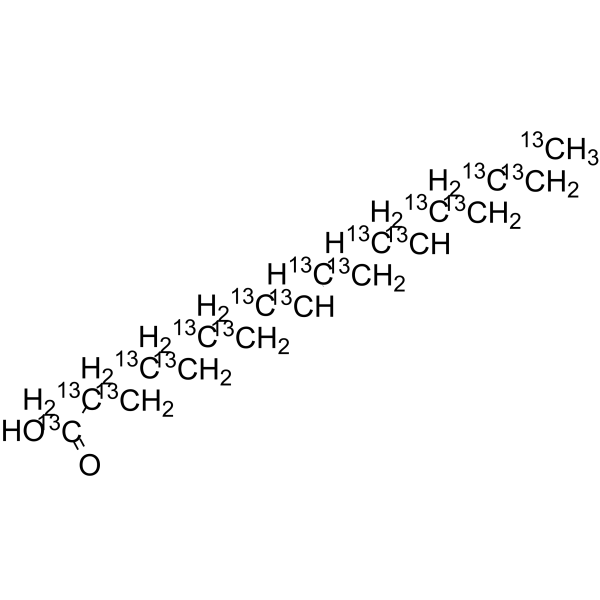
Linoleic acid- 13C18 is the 13C labeled Linoleic acid. Linoleic acid is a common polyunsaturated (PUFA) found in plant-based oils, nuts and seeds. Linoleic acid is a part of membrane phospholipids, and functions as a structural component to maintain a certain level of membrane fluidity of the transdermal water barrier of the epidermis. Linoleic acid induces red blood cells and hemoglobin damage via oxidative mechanism .
|
-
-
- HY-W723152
-
|
|
Drug Intermediate
|
Inflammation/Immunology
|
|
Poly(D,L-lactide-co-glycolide) is a biodegradable polymer copolymer. Poly(D,L-lactide-co-glycolide) undergoes degradation through ester bond hydrolysis into lactic acid and glycolic acid. These two products can be naturally eliminated through metabolism in the body (such as the tricarboxylic acid cycle), without the risk of long-term accumulation. Poly(D,L-lactide-co-glycolide) can be used in medical sutures, implants, and drug delivery systems .
|
-
-
- HY-W250721A
-
|
CBM 940
|
Biochemical Assay Reagents
|
Others
|
|
Carbomer 940 (CBM 940) is an acrylic polymer with high viscosity, good thermal stability and histocompatibility. Carbomer 940 serves as a transdermal drug delivery carrier and an external gel matrix. Carbomer 940 has no cytotoxicity, and it can also improve blood supply in the stasis zone of burns and promote wound repair. Carbomer 940 is applicable to pharmaceutical research .
|
-
-
- HY-B1810
-
|
C-78 free base
|
Adrenergic Receptor
|
Inflammation/Immunology
Endocrinology
|
|
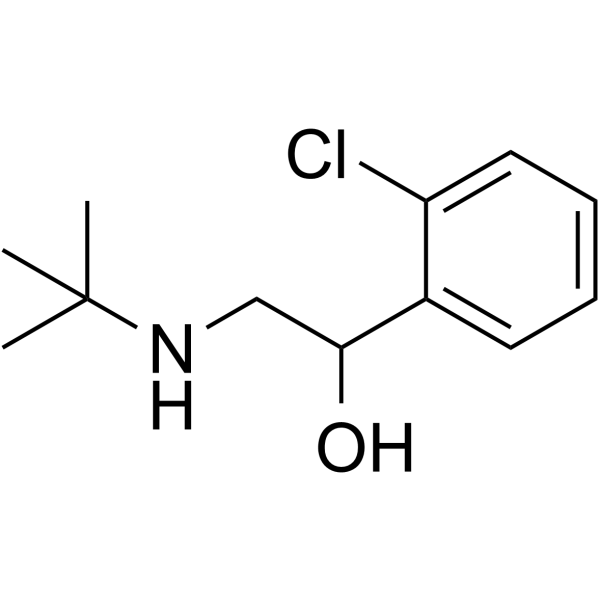
Tulobuterol (C-78 free base) is a long-acting β2-adrenoceptor agonist, which reduces the frequency of exacerbations of chronic obstructive pulmonary disease and bronchial asthma. Tulobuterol is also a sympathomimetic agent used as a transdermal patch, and increases normal diaphragm muscle strength .
|
-
-
- HY-W141881
-
|
|
Environmental Pollutants
Biochemical Assay Reagents
HSV
|
Infection
|
|
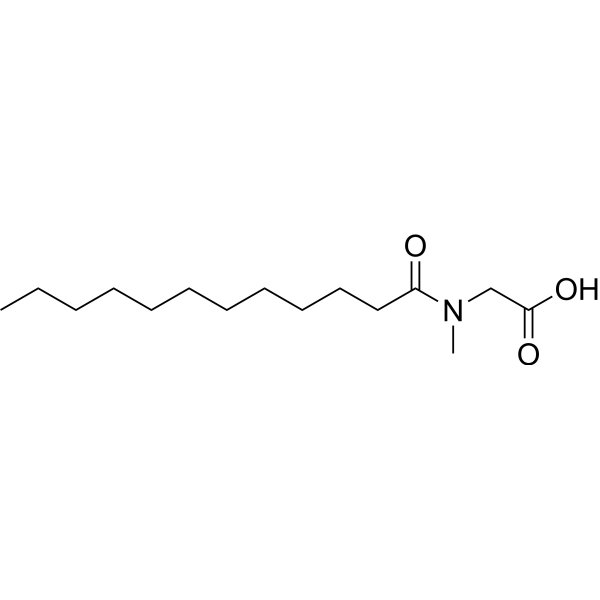
N-lauroylsarcosine is an anionic surfactant. N-lauroylsarcosine has antiviral activity against HSV-2 strain 333 and HSV-1 strain F. N-lauroylsarcosine synergistically increases skin permeability with 25-50% ethanol. N-lauroylsarcosine can be used to study HSV-2 infection .
|
-
-
- HY-N0729D
-
|
|
Glutathione Peroxidase
SOD
|
Cardiovascular Disease
|
|
Linoleic acid is a critical component of polyunsaturated fatty acids. Linoleic acid reduces GSH-PX and T-SOD activities. Linoleic acid functions as a structural component to maintain a certain level of membrane fluidity of the transdermal water barrier of the epidermis. Linoleic acid can cause acute oxidative damage to red blood cells, ultimately leading to partial acute anemia. Linoleic acid can be used in the research of skin diseases associated with linoleic acid deficiency .
|
-
-
- HY-108036
-
|
Hydroxypropyl tetrahydropyrantriol (30% in water)
|
Biochemical Assay Reagents
|
Metabolic Disease
|
|
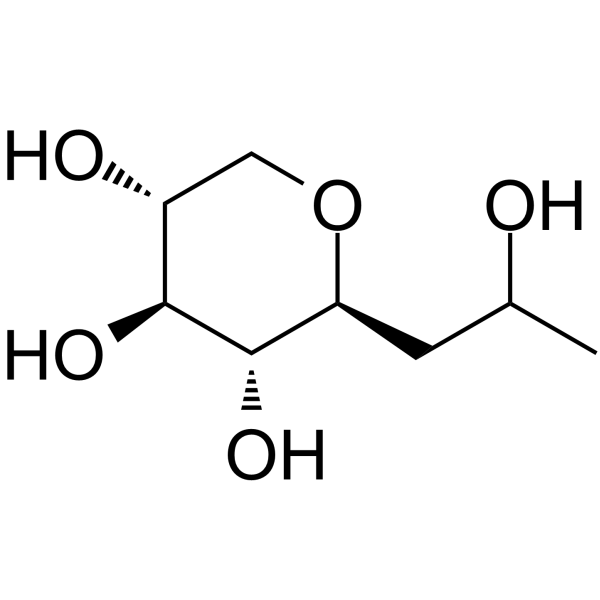
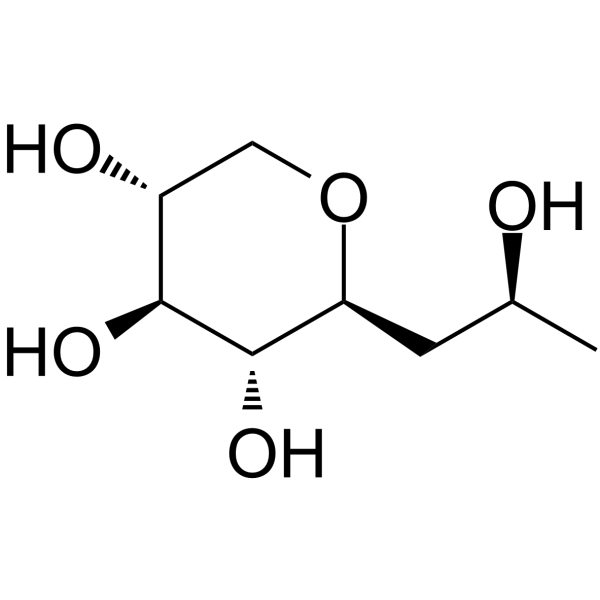
Pro-xylane (30% in water) (Hydroxypropyl tetrahydropyrantriol) is a bioactive C-glycoside that targets the biosynthesis pathway of glycosaminoglycans/mucopolysaccharides (GAGs) in the skin matrix and can be absorbed transdermally. Pro-xylane (30% in water) stimulates the biosynthesis of GAGs in fibroblasts, enhances the structural stability of the skin extracellular matrix, improves skin elasticity and moisturizing ability, and delays wrinkle formation. Pro-xylane (30% in water) can effectively promote the synthesis of collagen fibers and hyaluronic acid in the dermis. Pro-xylane (30% in water) is used in the field of anti-aging cosmetics to improve skin hydration and elasticity. Pro-xylane (30% in water) is eco-friendly and biodegradable .
|
-
-
- HY-W011426
-
|
Propan-2-yl hexadecanoate
|
Environmental Pollutants
Biochemical Assay Reagents
Liposome
|
Others
|
|
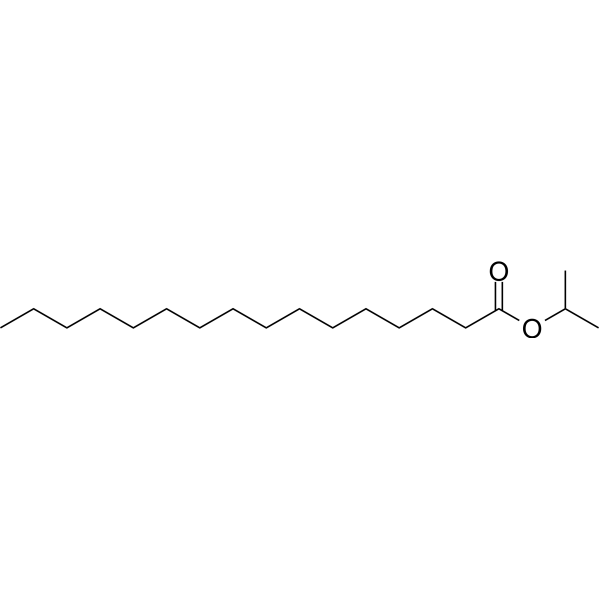
Isopropyl palmitate is an fatty acid ester. Isopropyl palmitate can be used for design and characterization of bioactive bilayer films. The bilayer membrane not only has the ability to scavenge free radicals and inhibit lipid peroxidation, but also can inhibit the growth of known foodborne pathogens. Isopropyl palmitate can be used as an excipient, such as lubricant, oily carrier, solvent, controlled-release transdermal film. Pharmaceutical excipients, or pharmaceutical auxiliaries, refer to other chemical substances used in the pharmaceutical process other than pharmaceutical ingredients. Pharmaceutical excipients generally refer to inactive ingredients in pharmaceutical preparations, which can improve the stability, solubility and processability of pharmaceutical preparations. Pharmaceutical excipients also affect the absorption, distribution, metabolism, and elimination (ADME) processes of co-administered drugs .
|
-
-
- HY-124190
-
|
|
Environmental Pollutants
Biochemical Assay Reagents
|
Others
|
|
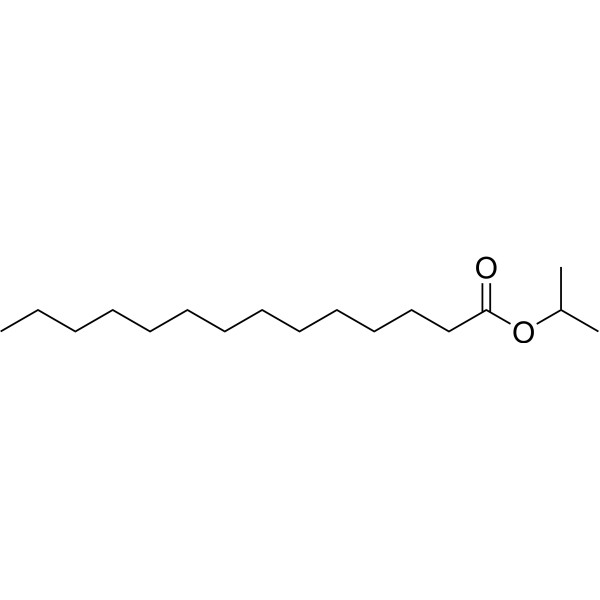
Isopropyl myristate (IPM) is the ester of isopropyl alcohol and myristic acid. Isopropyl myristate is used for transdermal delivery of some compounds. Isopropyl myristate is a polar emollient and is used in cosmetic and topical medicinal preparations where good absorption into the skin is desired .
|
-
-
- HY-108036B
-
|
Hydroxypropyl tetrahydropyrantriol
|
Biochemical Assay Reagents
|
Metabolic Disease
|
|
Pro-xylane (Hydroxypropyl tetrahydropyrantriol) is a bioactive C-glycoside that targets the biosynthesis pathway of glycosaminoglycans/mucopolysaccharides (GAGs) in the skin matrix and can be absorbed transdermally. Pro-xylane stimulates the biosynthesis of GAGs in fibroblasts, enhances the structural stability of the skin extracellular matrix, improves skin elasticity and moisturizing ability, and delays wrinkle formation. Pro-xylane can effectively promote the synthesis of collagen fibers and hyaluronic acid in the dermis. Pro-xylane is used in the field of anti-aging cosmetics to improve skin hydration and elasticity. Pro-xylane is eco-friendly and biodegradable .
|
-
-
- HY-W129513
-
|
|
Biochemical Assay Reagents
|
Others
|
|
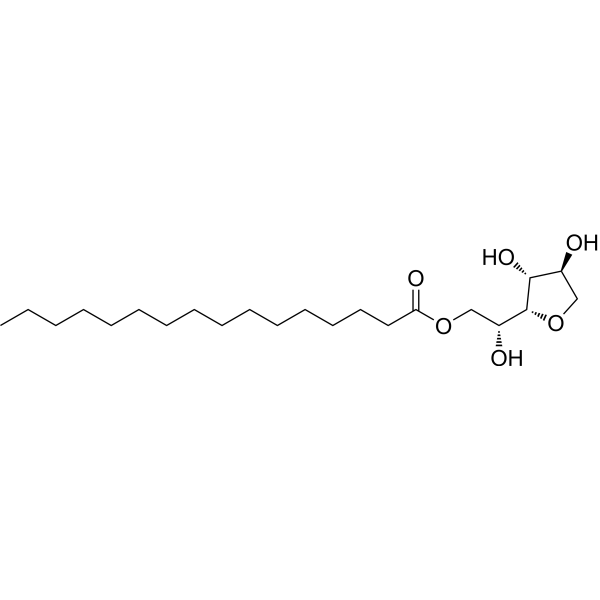
Sorbitan monopalmitate is a food-grade, non-ionic emulsifier that exhibits oral activity. Sorbitan monopalmitate functions as a crystallization modifier, promoting the aggregation of spherical mango butter crystals, introducing lattice defects, and regulating the crystallization rate of mango butter. Sorbitan monopalmitate serves as a component of precursor vesicle gels, enabling the controlled and sustained release of drugs and facilitating the preparation of stable transdermal delivery formulations .
|
-
-
- HY-W243303O
-
|
|
Environmental Pollutants
Biochemical Assay Reagents
|
Cancer
|
|
Poly(acrylic acid) (Mv 1250000) (viscous liquid) is a polyacrylic acid with a molecular weight of 1250000 (an anionic polymer), which can be used as a corrosion inhibitor and surface stabilizer. Poly(acrylic acid) can be used to construct an anionic nanogel to encapsulate positively charged enzymes and to modify MoS₂ nanoparticles to build a transdermal drug delivery system .
|
-
-
- HY-W011733
-
|
C-78
|
Adrenergic Receptor
Influenza Virus
Antibiotic
|
Infection
Inflammation/Immunology
Endocrinology
|
|
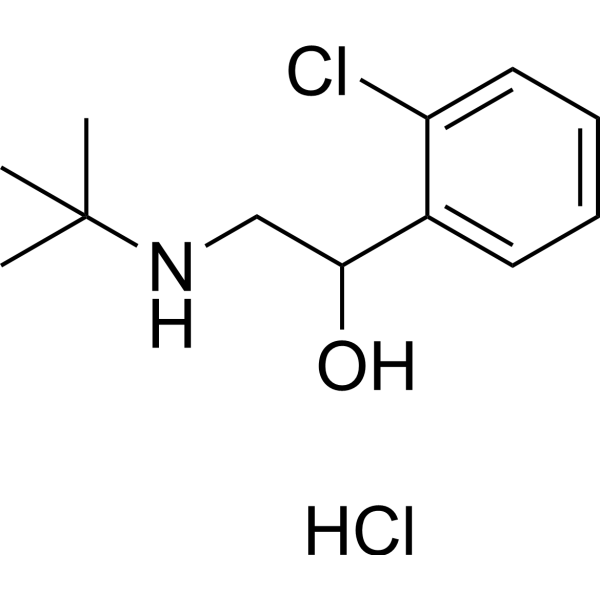
Tulobuterol hydrochloride (C-78) is a long-acting β2-adrenoceptor agonist, which reduces the frequency of exacerbations of chronic obstructive pulmonary disease and bronchial asthma. Tulobuterol hydrochloride is also a sympathomimetic agent used as a transdermal patch, increases normal diaphragm muscle strength . Tulobuterol hydrochloride inhibit rhinovirus replication and modulate airway inflammation .
|
-
-
- HY-108036A
-
|
(S)-Hydroxypropyl tetrahydropyrantriol
|
Biochemical Assay Reagents
|
Metabolic Disease
|
|
(S)-Pro-xylane ((S)-Hydroxypropyl tetrahydropyrantriol) is a bioactive C-glycoside that targets the biosynthesis pathway of glycosaminoglycans/mucopolysaccharides (GAGs) in the skin matrix and can be absorbed transdermally. (S)-Pro-xylane stimulates the biosynthesis of GAGs in fibroblasts, enhances the structural stability of the skin extracellular matrix, improves skin elasticity and moisturizing ability, and delays wrinkle formation. (S)-Pro-xylane can effectively promote the synthesis of collagen fibers and hyaluronic acid in the dermis. (S)-Pro-xylane is used in the field of anti-aging cosmetics to improve skin hydration and elasticity. (S)-Pro-xylane is eco-friendly and biodegradable .
|
-
-
- HY-N0729S
-
|
|
Isotope-Labeled Compounds
Endogenous Metabolite
|
Cardiovascular Disease
Metabolic Disease
|
|
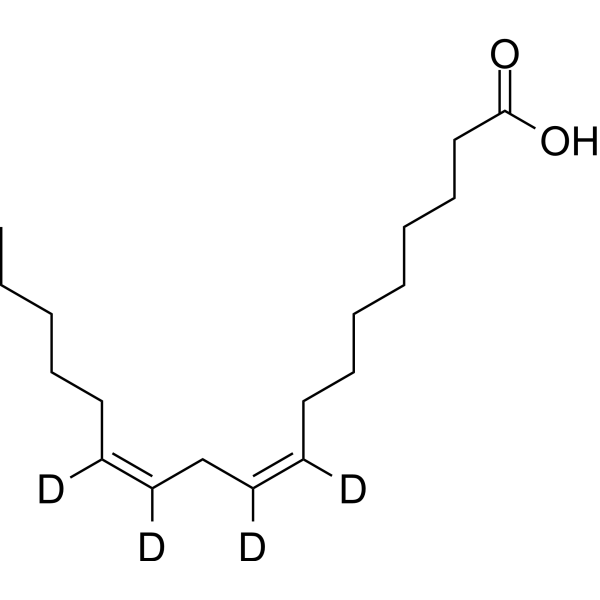
Linoleic Acid-d4 is the deuterium labeled Linoleic acid. Linoleic acid is a common polyunsaturated (PUFA) found in plant-based oils, nuts and seeds. Linoleic acid is a part of membrane phospholipids, and functions as a structural component to maintain a certain level of membrane fluidity of the transdermal water barrier of the epidermis. Linoleic acid induces red blood cells and hemoglobin damage via oxidative mechanism .
|
-
-
- HY-14826
-
|
AVE8112
|
Phosphodiesterase (PDE)
|
Neurological Disease
|
|
Tilivapram (AVE8112) is an orally active PDE4 inhibitor with procognitive effects. Tilivapram exhibits in vivo efficacy and improves processing speed and psychomotor speed. Oral administration of tilivapram may induce dose-related adverse reactions such as nausea and dizziness, but transdermal delivery enables slow, controlled elevation of plasma concentrations, thereby significantly reducing gastrointestinal discomfort and dizziness. Tilivapram is applicable to research related to neuropsychiatric disorders .
|
-
-
- HY-N0729R
-
|
|
Reference Standards
Endogenous Metabolite
|
Cardiovascular Disease
Metabolic Disease
Cancer
|
|
Linoleic acid (Standard) is the analytical standard of Linoleic acid (HY-N0729). This product is intended for research and analytical applications. Linoleic acid is a common polyunsaturated (PUFA) found in plant-based oils, nuts and seeds. Linoleic acid is a part of membrane phospholipids, and functions as a structural component to maintain a certain level of membrane fluidity of the transdermal water barrier of the epidermis. Linoleic acid induces red blood cells and hemoglobin damage via oxidative mechanism .
|
-
-
- HY-129060
-
|
|
Fungal
|
Infection
|
|
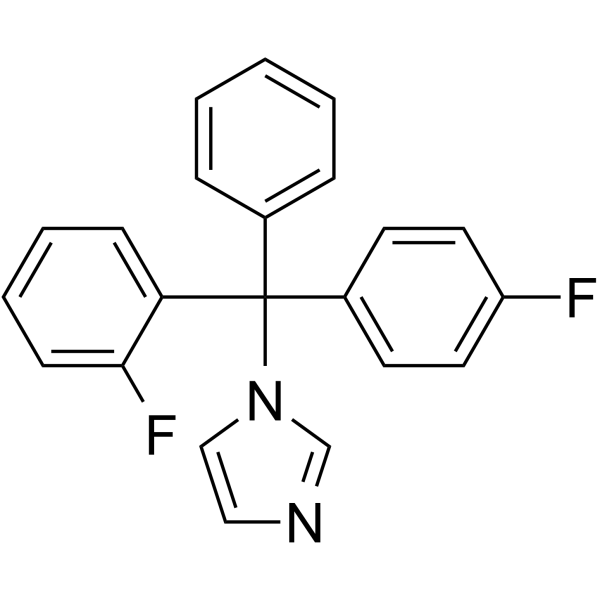
Flutrimazole is an imidazole antifungal with dual anti-inflammatory and antifungal activity. Flutrimazole shows scarce transdermal penetration. Flutrimazole has the advantageous in the research of topical fungal infections with an inflammatory component .
|
-
-
- HY-P1565
-
|
TD 1 Disulfide(peptide)
|
Na+/K+ ATPase
|
Inflammation/Immunology
|
|
Transdermal Peptide Disulfide (TD 1 Disulfide(peptide)) is a 11-amino acid peptide, binds toNa +/K +-ATPase beta-subunit (ATP1B1), and mainly interacts with the C-terminus of ATP1B1. Transdermal Peptide Disulfide can enhance the transdermal delivery of many macromolecules .
|
-
-
- HY-P1565A
-
|
TD 1 Disulfide(peptide) TFA
|
Na+/K+ ATPase
|
Others
|
|
Transdermal Peptide Disulfide TFA (TD 1 Disulfide(peptide) TFA) is a 11-amino acid peptide, binds to Na +/K +-ATPase beta-subunit (ATP1B1), and mainly interacts with the C-terminus of ATP1B1. Transdermal Peptide Disulfide TFA can enhance the transdermal delivery of many macromolecules .
|
-
-
- HY-B2119
-
|
Tauroglycocholic acid sodium salt
|
Biochemical Assay Reagents
|
Metabolic Disease
|
|
Sodium tauroglycocholate (Tauroglycocholic acid sodium salt) is a multifunctional surfactant and penetration enhancer that can serve as a cholegraphic contrast agent. In organic solvents, Sodium tauroglycocholate embeds and stabilizes invertase by forming reverse micelles, and prolongs its active lifespan. In terms of transdermal absorption, Sodium tauroglycocholate effectively regulates the flux of aminophylline through snake slough by binding to keratin filaments, disrupting keratinocytes and altering lipid components of the stratum corneum. It exhibits rapid penetration characteristics without lag time at a concentration of 100 μg/mL. Sodium tauroglycocholate does not interfere with the hepatic uptake of Gd-EOB-DTPA by the bile acid transport system in rat hepatocytes .
|
-
-
- HY-B1829AR
-
|
Dexamethasone 21-phosphate disodium (Standard)
|
Glucocorticoid Receptor
Reference Standards
Interleukin Related
TGF-β Receptor
|
Neurological Disease
Metabolic Disease
Inflammation/Immunology
|
|
Dexamethasone phosphate (Dexamethasone 21-phosphate) disodium (Standard) is the analytical standard of Dexamethasone phosphate disodium (HY-B1829A). This product is intended for research and analytical applications. Dexamethasone phosphate (Dexamethasone 21-phosphate) disodium is a prodrug form of the glucocorticoid Dexamethasone (HY-14648). Dexamethasone phosphate disodium is produced by introducing a phosphate ester group at the 21-position of the Dexamethasone molecule, forming a salt with sodium ions, thereby significantly improving water solubility. Dexamethasone phosphate disodium inhibits LPS (HY-D1056)-induced degradation of IRAK-1 and IRAK-4, and blocks LPS-induced activation of TRAF6, p-TAK1 and p-JNK. Dexamethasone phosphate disodium inhibits the secretion of RANTES, TGF-β1 and NO, promotes the production of MIP-1α and IL-10, and blocks microglial migration. Dexamethasone phosphate disodium is almost completely converted to Dexamethasone in rat blood, and supports transdermal delivery via iontophoresis. Dexamethasone phosphate disodium can be used in research related to steroid-dependent ulcerative colitis, chemotherapy-induced vomiting, allergic asthma and acute colitis (inflammatory bowel disease).
|
-
-
- HY-W243303D
-
|
|
Environmental Pollutants
Biochemical Assay Reagents
|
Others
|
|
Poly(acrylic acid) (MW 1250000) is a polyacrylic acid with a molecular weight of 1250000 (an anionic polymer), which can be used as a corrosion inhibitor and surface stabilizer. Poly(acrylic acid) can be used to construct an anionic nanogel to encapsulate positively charged enzymes and to modify MoS2 nanoparticles to build a transdermal drug delivery system .
|
-
-
- HY-N0729S4
-
|
|
Isotope-Labeled Compounds
|
Cardiovascular Disease
Metabolic Disease
|
|
Linoleic Acid-d5 is the deuterium labeled Linoleic acid. Linoleic acid is a common polyunsaturated (PUFA) found in plant-based oils, nuts and seeds. Linoleic acid is a part of membrane phospholipids, and functions as a structural component to maintain a certain level of membrane fluidity of the transdermal water barrier of the epidermis. Linoleic acid induces red blood cells and hemoglobin damage via oxidative mechanism .
|
-
-
- HY-B1829
-
|
Dexamethasone 21-phosphate
|
Glucocorticoid Receptor
TGF-β Receptor
Interleukin Related
|
Neurological Disease
Inflammation/Immunology
|
|
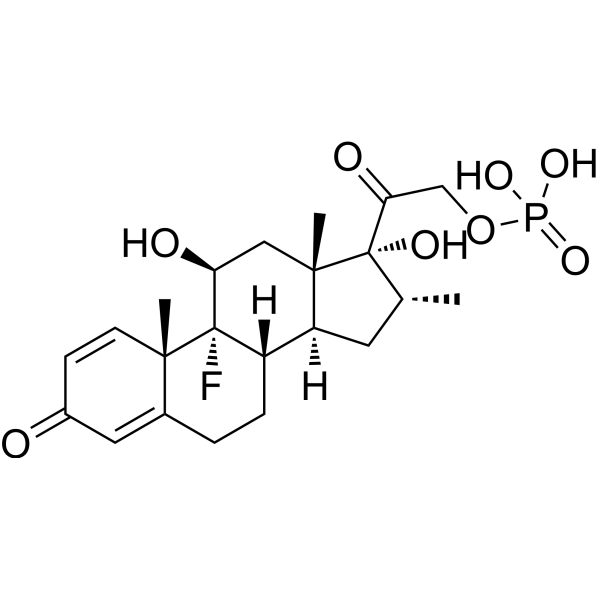
Dexamethasone phosphate (Dexamethasone 21-phosphate) is a prodrug form of the glucocorticoid Dexamethasone (HY-14648). Dexamethasone phosphate is prepared by introducing a phosphate ester group to the hydroxyl group at position 21 of the Dexamethasone molecule. Dexamethasone phosphate inhibits LPS (HY-D1056)-induced degradation of IRAK-1 and IRAK-4, and blocks LPS-induced activation of TRAF6, p-TAK1 and p-JNK. Dexamethasone phosphate inhibits the secretion of RANTES, TGF-β1 and NO, promotes the production of MIP-1α and IL-10, and blocks microglial migration. Dexamethasone phosphate is almost completely converted to Dexamethasone in rat blood, and supports transdermal delivery via iontophoresis. Dexamethasone phosphate can be used in research related to steroid-dependent ulcerative colitis, chemotherapy-induced vomiting, allergic asthma and acute colitis (inflammatory bowel disease) .
|
-
-
- HY-N0729S3
-
|
|
Endogenous Metabolite
|
Cardiovascular Disease
Metabolic Disease
|
|
Linoleic acid- 13C1 is the 13C labeled Linoleic acid. Linoleic acid is a common polyunsaturated (PUFA) found in plant-based oils, nuts and seeds. Linoleic acid is a part of membrane phospholipids, and functions as a structural component to maintain a certain level of membrane fluidity of the transdermal water barrier of the epidermis. Linoleic acid induces red blood cells and hemoglobin damage via oxidative mechanism .
|
-
-
- HY-W020576
-
|
NAP 226-90
|
Drug Metabolite
|
Others
Neurological Disease
|
|
Rivastigmine metabolite (NAP 226-90) is a metabolite produced by the hydrolysis of Rivastigmine (HY-17368) . Rivastigmine metabolite serves as a surrogate marker to track the bioavailability, metabolic extent, and transdermal patch delivery rate of Rivastigmine .
|
-
-
- HY-177326
-
|
Ro 44-9375
|
Renin
|
Cardiovascular Disease
|
|
Ciprokiren (Ro 44-9375) is a Renin inhibitor with IC50s of 0.07 and 0.65 nM for hRenin in buffer and plasma, respectively. Ciprokiren be applied transdermally with similar hemodynamic effects without decrease of plasma renin activity or plasma immunoreactive angiotensin II. Ciprokiren has antihypertensive efficacy and can be used for hypertension research .
|
-
-
- HY-U00169
-
-
-
- HY-U00191
-
-
-
- HY-118782A
-
|
Ibuprofen diethylaminoethyl ester hydrochloride
|
Drug Derivative
|
Inflammation/Immunology
|
|
Ibuprofenamine (Ibuprofen diethylaminoethyl ester) hydrochloride, the prodrug of Ibuprofen (HY-78131), is a transdermal nonsteroidal anti-inflammatory agent (NSAID). Ibuprofenamine hydrochloride can be used for the study of rheumatoid arthritis and osteoarthritis .
|
-
-
- HY-N0729S5
-
|
Deulinoleic acid
|
Endogenous Metabolite
|
Metabolic Disease
|
|
Linoleic Acid-d2 is the deuterium labeled Linoleic acid. Linoleic acid is a common polyunsaturated (PUFA) found in plant-based oils, nuts and seeds. Linoleic acid is a part of membrane phospholipids, and functions as a structural component to maintain a certain level of membrane fluidity of the transdermal water barrier of the epidermis. Linoleic acid induces red blood cells and hemoglobin damage via oxidative mechanism .
|
-
-
- HY-N0729S1
-
|
|
Isotope-Labeled Compounds
Endogenous Metabolite
|
Cardiovascular Disease
Metabolic Disease
|
|
Linoleic acid-d11 is the deuterium labeled Linoleic acid. Linoleic acid is a common polyunsaturated (PUFA) found in plant-based oils, nuts and seeds. Linoleic acid is a part of membrane phospholipids, and functions as a structural component to maintain a certain level of membrane fluidity of the transdermal water barrier of the epidermis. Linoleic acid induces red blood cells and hemoglobin damage via oxidative mechanism .
|
-
-
- HY-W050154S
-
|
|
Parasite
Isotope-Labeled Compounds
|
Infection
|
|
Kojic acid- 13C6 is 13C labeled Kojic acid (HY-W050154). Kojic acid is a substance produced by Aspergillus oryzae that is orally effective and can also be absorbed transdermally. Kojic acid exhibits various biological activities, including anti-aging, anti-nematode, antimicrobial, antioxidant, and anti-inflammatory effects. Kojic acid is a Tyrosinase inhibitor with an Mushroom Tyrosinase IC50 of 182.7 μM. Kojic acid prevents melanin production by capturing copper ions that bind to the tyrosinase active site, thus inhibiting its activation. Kojic acid also suppresses the NF-κB and p21 signaling pathways in human keratinocytes. Kojic acid derivatives have anticancer activity .
|
-
-
- HY-W050154R
-
|
|
Reference Standards
Parasite
Tyrosinase
NF-κB
CDK
|
Infection
Inflammation/Immunology
Cancer
|
|
Kojic acid (Standard) is the analytical standard of Kojic acid. This product is intended for research and analytical applications. Kojic acid is a substance produced by Aspergillus oryzae, with various biological activities including antitumor, insecticidal, antibacterial, antioxidant, and radioprotective effects. Kojic acid exhibits tyrosinase inhibition activity by capturing copper ions that bind to the active site of tyrosinase, preventing its activation. Tyrosinase is a key enzyme in the biosynthesis of melanin, so kojic acid can block melanin production. Additionally, kojic acid shows potential inhibition of NF-κB activity in human keratinocytes, which may also be related to the anti-melanogenic effect induced by kojic acid. Kojic acid is effective when administered orally and can also be absorbed transdermally. Nano-carrier systems prepared with kojic acid demonstrate effective delivery of anticancer drugs. Kojic acid holds promise for research in cancer, infectious diseases, and skin whitening among other fields .
|
-
-
- HY-129060R
-
|
|
Reference Standards
Fungal
|
Infection
|
|
Flutrimazole (Standard) is the analytical standard of Flutrimazole. This product is intended for research and analytical applications. Flutrimazole is an imidazole antifungal with dual anti-inflammatory and antifungal activity. Flutrimazole shows scarce transdermal penetration. Flutrimazole has the advantageous in the research of topical fungal infections with an inflammatory component .
|
-
-
- HY-118782
-
|
Ibuprofen diethylaminoethyl ester
|
Drug Derivative
|
Inflammation/Immunology
|
|
Ibuprofenamine free base (Ibuprofen diethylaminoethyl ester), the prodrug of Ibuprofen (HY-78131), is a transdermal nonsteroidal anti-inflammatory agent (NSAID). Ibuprofenamine free base can be used for the study of rheumatoid arthritis and osteoarthritis .
|
-
-
- HY-124190R
-
|
|
Biochemical Assay Reagents
Reference Standards
|
Others
|
|
Isopropyl myristate (Standard) is the analytical standard of Isopropyl myristate. This product is intended for research and analytical applications. Isopropyl myristate (IPM) is the ester of isopropyl alcohol and myristic acid. Isopropyl myristate is used for transdermal delivery of some compounds. Isopropyl myristate is a polar emollient and is used in cosmetic and topical medicinal preparations where good absorption into the skin is desired .
|
-
-
- HY-W020576R
-
|
NAP 226-90 (Standard)
|
Reference Standards
Drug Metabolite
|
Neurological Disease
|
|
Rivastigmine metabolite (Standard) is the analytical standard of Rivastigmine metabolite. This product is intended for research and analytical applications. Rivastigmine metabolite (NAP 226-90) is a metabolite produced by the hydrolysis of Rivastigmine (HY-17368) . Rivastigmine metabolite serves as a surrogate marker to track the bioavailability, metabolic extent, and transdermal patch delivery rate of Rivastigmine .
|
-
-
- HY-B1810S
-
|
C-78-d9
|
Isotope-Labeled Compounds
Adrenergic Receptor
|
Inflammation/Immunology
Endocrinology
|
|
Tulobuterol-d9 (hydrochloride) is the deuterium labeled Tulobuterol. Tulobuterol (C-78 free base) is a long-acting β2-adrenoceptor agonist, which reduces the frequency of exacerbations of chronic obstructive pulmonary disease and bronchial asthma. Tulobuterol is also a sympathomimetic agent used as a transdermal patch, and increases normal diaphragm muscle strength .
|
-
-
- HY-B1810R
-
|
C-78 free base (Standard)
|
Reference Standards
Adrenergic Receptor
|
Inflammation/Immunology
Endocrinology
|
|
Tulobuterol (Standard) is the analytical standard of Tulobuterol. This product is intended for research and analytical applications. Tulobuterol (C-78 free base) is a long-acting β2-adrenoceptor agonist, which reduces the frequency of exacerbations of chronic obstructive pulmonary disease and bronchial asthma. Tulobuterol is also a sympathomimetic agent used as a transdermal patch, and increases normal diaphragm muscle strength .
|
-
-
- HY-W011733R
-
|
C-78 (Standard)
|
Reference Standards
Adrenergic Receptor
Influenza Virus
Antibiotic
|
Infection
Inflammation/Immunology
Endocrinology
|
|
Tulobuterol (hydrochloride) (Standard) is the analytical standard of Tulobuterol (hydrochloride). This product is intended for research and analytical applications. Tulobuterol hydrochloride (C-78) is a long-acting β2-adrenoceptor agonist, which reduces the frequency of exacerbations of chronic obstructive pulmonary disease and bronchial asthma. Tulobuterol hydrochloride is also a sympathomimetic agent used as a transdermal patch, increases normal diaphragm muscle strength . Tulobuterol hydrochloride inhibit rhinovirus replication and modulate airway inflammation .
|
-
-
- HY-W012618R
-
|
|
Drug Intermediate
Reference Standards
|
Others
|
|
Isopropyl palmitate (Standard) is the analytical standard of Isopropyl palmitate. This product is intended for research and analytical applications. Isopropyl palmitate is an fatty acid ester. Isopropyl palmitate can be used for design and characterization of bioactive bilayer films. The bilayer membrane not only has the ability to scavenge free radicals and inhibit lipid peroxidation, but also can inhibit the growth of known foodborne pathogens. Isopropyl palmitate can be used as an excipient, such as lubricant, oily carrier, solvent, controlled-release transdermal film. Pharmaceutical excipients, or pharmaceutical auxiliaries, refer to other chemical substances used in the pharmaceutical process other than pharmaceutical ingredients. Pharmaceutical excipients generally refer to inactive ingredients in pharmaceutical preparations, which can improve the stability, solubility and processability of pharmaceutical preparations. Pharmaceutical excipients also affect the absorption, distribution, metabolism, and elimination (ADME) processes of co-administered drugs .
|
-
-
- HY-W011426R
-
|
Propan-2-yl hexadecanoate (Standard)
|
Biochemical Assay Reagents
Liposome
Reference Standards
|
Others
|
|
Isopropyl palmitate (Standard) is the analytical standard of Isopropyl palmitate. This product is intended for research and analytical applications. Isopropyl palmitate is an fatty acid ester. Isopropyl palmitate can be used for design and characterization of bioactive bilayer films. The bilayer membrane not only has the ability to scavenge free radicals and inhibit lipid peroxidation, but also can inhibit the growth of known foodborne pathogens. Isopropyl palmitate can be used as an excipient, such as lubricant, oily carrier, solvent, controlled-release transdermal film. Pharmaceutical excipients, or pharmaceutical auxiliaries, refer to other chemical substances used in the pharmaceutical process other than pharmaceutical ingredients. Pharmaceutical excipients generally refer to inactive ingredients in pharmaceutical preparations, which can improve the stability, solubility and processability of pharmaceutical preparations. Pharmaceutical excipients also affect the absorption, distribution, metabolism, and elimination (ADME) processes of co-administered drugs .
|
-
-
- HY-B1829R
-
|
Dexamethasone 21-phosphate (Standard)
|
Glucocorticoid Receptor
Reference Standards
TGF-β Receptor
Interleukin Related
|
Neurological Disease
Inflammation/Immunology
|
|
Dexamethasone phosphate (Standard) (Dexamethasone 21-phosphate (Standard)) is the analytical standard of Dexamethasone phosphate (HY-B1829). This product is intended for research and analytical applications. Dexamethasone phosphate (Dexamethasone 21-phosphate) is a prodrug form of the glucocorticoid Dexamethasone (HY-14648). Dexamethasone phosphate is prepared by introducing a phosphate ester group to the hydroxyl group at position 21 of the Dexamethasone molecule. Dexamethasone phosphate inhibits LPS (HY-D1056)-induced degradation of IRAK-1 and IRAK-4, and blocks LPS-induced activation of TRAF6, p-TAK1 and p-JNK. Dexamethasone phosphate inhibits the secretion of RANTES, TGF-β1 and NO, promotes the production of MIP-1α and IL-10, and blocks microglial migration. Dexamethasone phosphate is almost completely converted to Dexamethasone in rat blood, and supports transdermal delivery via iontophoresis. Dexamethasone phosphate can be used in research related to steroid-dependent ulcerative colitis, chemotherapy-induced vomiting, allergic asthma and acute colitis (inflammatory bowel disease).
|
-
-
- HY-W415753
-
|
VUFB-15754
|
Drug Derivative
|
Neurological Disease
Inflammation/Immunology
|
|
Alaptide, a spirocyclic synthetic dipeptide and a derivative of melanocyte-stimulating hormone release-inhibiting factor (MIF), is a transdermal permeation modifier. Alaptide loaded on nanofibrous membranes accelerates the healing of skin incisions, particularly the healing of skin burns.
Alaptide is a nootropic agent, that influences the dopaminergic system and increases homovanillic acid level in the striatum of rat models. Alaptide can be used for wound healing with large damaged areas and neurological diseases research .
|
-
-
- HY-178412S
-
|
|
Isotope-Labeled Compounds
Biochemical Assay Reagents
|
Others
|
|
Isopropyl myristate-d27 is the deuterium labeled Isopropyl myristate (HY-124190). Isopropyl myristate (IPM) is the ester of isopropyl alcohol and myristic acid. Isopropyl myristate is used for transdermal delivery of some compounds. Isopropyl myristate is a polar emollient and is used in cosmetic and topical medicinal preparations where good absorption into the skin is desired .
|
-
- HY-W020576S
-
|
NAP 226-90-d6
|
Isotope-Labeled Compounds
Drug Metabolite
|
Others
|
|
Rivastigmine metabolite-d6 (NAP 226-90-d6) is a deuterated form of Rivastigmine metabolite. Rivastigmine metabolite (NAP 226-90) is a metabolite produced by the hydrolysis of Rivastigmine (HY-17368) . Rivastigmine metabolite serves as a surrogate marker to track the bioavailability, metabolic extent, and transdermal patch delivery rate of Rivastigmine .
|
-
- HY-108036AR
-
|
(S)-Hydroxypropyl tetrahydropyrantriol (Standard)
|
Reference Standards
Biochemical Assay Reagents
|
Metabolic Disease
|
|
(S)-Pro-xylane (Standard) is the analytical standard of (S)-Pro-xylane (HY-108036A). This product is intended for research and analytical applications. (S)-Pro-xylane ((S)-Hydroxypropyl tetrahydropyrantriol) is a bioactive C-glycoside that targets the biosynthesis pathway of glycosaminoglycans/mucopolysaccharides (GAGs) in the sKin matrix and can be absorbed transdermally. (S)-Pro-xylane stimulates the biosynthesis of GAGs in fibroblasts, enhances the structural stability of the sKin extracellular matrix, improves sKin elasticity and moisturizing ability, and delays wrinkle formation. (S)-Pro-xylane can effectively promote the synthesis of collagen fibers and hyaluronic acid in the dermis. (S)-Pro-xylane is used in the field of anti-aging cosmetics to improve sKin hydration and elasticity. (S)-Pro-xylane is eco-friendly and biodegradable .
|
-
| Cat. No. |
Product Name |
Type |
-
- HY-W250721A
-
|
CBM 940
|
Biochemical Assay Reagents
|
|
Carbomer 940 (CBM 940) is an acrylic polymer with high viscosity, good thermal stability and histocompatibility. Carbomer 940 serves as a transdermal drug delivery carrier and an external gel matrix. Carbomer 940 has no cytotoxicity, and it can also improve blood supply in the stasis zone of burns and promote wound repair. Carbomer 940 is applicable to pharmaceutical research .
|
-
- HY-N0729D
-
|
|
Biochemical Assay Reagents
|
|
Linoleic acid is a critical component of polyunsaturated fatty acids. Linoleic acid reduces GSH-PX and T-SOD activities. Linoleic acid functions as a structural component to maintain a certain level of membrane fluidity of the transdermal water barrier of the epidermis. Linoleic acid can cause acute oxidative damage to red blood cells, ultimately leading to partial acute anemia. Linoleic acid can be used in the research of skin diseases associated with linoleic acid deficiency .
|
-
- HY-W011426
-
|
Propan-2-yl hexadecanoate
|
Biochemical Assay Reagents
|
|
Isopropyl palmitate is an fatty acid ester. Isopropyl palmitate can be used for design and characterization of bioactive bilayer films. The bilayer membrane not only has the ability to scavenge free radicals and inhibit lipid peroxidation, but also can inhibit the growth of known foodborne pathogens. Isopropyl palmitate can be used as an excipient, such as lubricant, oily carrier, solvent, controlled-release transdermal film. Pharmaceutical excipients, or pharmaceutical auxiliaries, refer to other chemical substances used in the pharmaceutical process other than pharmaceutical ingredients. Pharmaceutical excipients generally refer to inactive ingredients in pharmaceutical preparations, which can improve the stability, solubility and processability of pharmaceutical preparations. Pharmaceutical excipients also affect the absorption, distribution, metabolism, and elimination (ADME) processes of co-administered drugs .
|
-
- HY-W011426R
-
|
Propan-2-yl hexadecanoate (Standard)
|
Biochemical Assay Reagents
|
|
Isopropyl palmitate (Standard) is the analytical standard of Isopropyl palmitate. This product is intended for research and analytical applications. Isopropyl palmitate is an fatty acid ester. Isopropyl palmitate can be used for design and characterization of bioactive bilayer films. The bilayer membrane not only has the ability to scavenge free radicals and inhibit lipid peroxidation, but also can inhibit the growth of known foodborne pathogens. Isopropyl palmitate can be used as an excipient, such as lubricant, oily carrier, solvent, controlled-release transdermal film. Pharmaceutical excipients, or pharmaceutical auxiliaries, refer to other chemical substances used in the pharmaceutical process other than pharmaceutical ingredients. Pharmaceutical excipients generally refer to inactive ingredients in pharmaceutical preparations, which can improve the stability, solubility and processability of pharmaceutical preparations. Pharmaceutical excipients also affect the absorption, distribution, metabolism, and elimination (ADME) processes of co-administered drugs .
|
| Cat. No. |
Product Name |
Target |
Research Area |
-
- HY-W141881
-
|
|
Environmental Pollutants
Biochemical Assay Reagents
HSV
|
Infection
|
|
N-lauroylsarcosine is an anionic surfactant. N-lauroylsarcosine has antiviral activity against HSV-2 strain 333 and HSV-1 strain F. N-lauroylsarcosine synergistically increases skin permeability with 25-50% ethanol. N-lauroylsarcosine can be used to study HSV-2 infection .
|
-
- HY-P1565
-
|
TD 1 Disulfide(peptide)
|
Na+/K+ ATPase
|
Inflammation/Immunology
|
|
Transdermal Peptide Disulfide (TD 1 Disulfide(peptide)) is a 11-amino acid peptide, binds toNa +/K +-ATPase beta-subunit (ATP1B1), and mainly interacts with the C-terminus of ATP1B1. Transdermal Peptide Disulfide can enhance the transdermal delivery of many macromolecules .
|
-
- HY-P1565A
-
|
TD 1 Disulfide(peptide) TFA
|
Na+/K+ ATPase
|
Others
|
|
Transdermal Peptide Disulfide TFA (TD 1 Disulfide(peptide) TFA) is a 11-amino acid peptide, binds to Na +/K +-ATPase beta-subunit (ATP1B1), and mainly interacts with the C-terminus of ATP1B1. Transdermal Peptide Disulfide TFA can enhance the transdermal delivery of many macromolecules .
|
| Cat. No. |
Product Name |
Category |
Target |
Chemical Structure |
-
- HY-N0729
-
-
-
- HY-W050154
-
-
-
- HY-N0729R
-
-
-
- HY-W050154R
-
|
|
Structural Classification
Human Gut Microbiota Metabolites
Microorganisms
Ketones, Aldehydes, Acids
Endogenous metabolite
Source Classification
|
Reference Standards
Parasite
Tyrosinase
NF-κB
CDK
|
|
Kojic acid (Standard) is the analytical standard of Kojic acid. This product is intended for research and analytical applications. Kojic acid is a substance produced by Aspergillus oryzae, with various biological activities including antitumor, insecticidal, antibacterial, antioxidant, and radioprotective effects. Kojic acid exhibits tyrosinase inhibition activity by capturing copper ions that bind to the active site of tyrosinase, preventing its activation. Tyrosinase is a key enzyme in the biosynthesis of melanin, so kojic acid can block melanin production. Additionally, kojic acid shows potential inhibition of NF-κB activity in human keratinocytes, which may also be related to the anti-melanogenic effect induced by kojic acid. Kojic acid is effective when administered orally and can also be absorbed transdermally. Nano-carrier systems prepared with kojic acid demonstrate effective delivery of anticancer drugs. Kojic acid holds promise for research in cancer, infectious diseases, and skin whitening among other fields .
|
-
| Cat. No. |
Product Name |
Chemical Structure |
-
- HY-N0729S2
-
|
|
|
Linoleic acid- 13C18 is the 13C labeled Linoleic acid. Linoleic acid is a common polyunsaturated (PUFA) found in plant-based oils, nuts and seeds. Linoleic acid is a part of membrane phospholipids, and functions as a structural component to maintain a certain level of membrane fluidity of the transdermal water barrier of the epidermis. Linoleic acid induces red blood cells and hemoglobin damage via oxidative mechanism .
|
-
-
- HY-N0729S
-
|
|
|
Linoleic Acid-d4 is the deuterium labeled Linoleic acid. Linoleic acid is a common polyunsaturated (PUFA) found in plant-based oils, nuts and seeds. Linoleic acid is a part of membrane phospholipids, and functions as a structural component to maintain a certain level of membrane fluidity of the transdermal water barrier of the epidermis. Linoleic acid induces red blood cells and hemoglobin damage via oxidative mechanism .
|
-
-
- HY-N0729S4
-
|
|
|
Linoleic Acid-d5 is the deuterium labeled Linoleic acid. Linoleic acid is a common polyunsaturated (PUFA) found in plant-based oils, nuts and seeds. Linoleic acid is a part of membrane phospholipids, and functions as a structural component to maintain a certain level of membrane fluidity of the transdermal water barrier of the epidermis. Linoleic acid induces red blood cells and hemoglobin damage via oxidative mechanism .
|
-
-
- HY-N0729S3
-
|
|
|
Linoleic acid- 13C1 is the 13C labeled Linoleic acid. Linoleic acid is a common polyunsaturated (PUFA) found in plant-based oils, nuts and seeds. Linoleic acid is a part of membrane phospholipids, and functions as a structural component to maintain a certain level of membrane fluidity of the transdermal water barrier of the epidermis. Linoleic acid induces red blood cells and hemoglobin damage via oxidative mechanism .
|
-
-
- HY-N0729S5
-
|
|
|
Linoleic Acid-d2 is the deuterium labeled Linoleic acid. Linoleic acid is a common polyunsaturated (PUFA) found in plant-based oils, nuts and seeds. Linoleic acid is a part of membrane phospholipids, and functions as a structural component to maintain a certain level of membrane fluidity of the transdermal water barrier of the epidermis. Linoleic acid induces red blood cells and hemoglobin damage via oxidative mechanism .
|
-
-
- HY-N0729S1
-
|
|
|
Linoleic acid-d11 is the deuterium labeled Linoleic acid. Linoleic acid is a common polyunsaturated (PUFA) found in plant-based oils, nuts and seeds. Linoleic acid is a part of membrane phospholipids, and functions as a structural component to maintain a certain level of membrane fluidity of the transdermal water barrier of the epidermis. Linoleic acid induces red blood cells and hemoglobin damage via oxidative mechanism .
|
-
-
- HY-W050154S
-
|
|
|
Kojic acid- 13C6 is 13C labeled Kojic acid (HY-W050154). Kojic acid is a substance produced by Aspergillus oryzae that is orally effective and can also be absorbed transdermally. Kojic acid exhibits various biological activities, including anti-aging, anti-nematode, antimicrobial, antioxidant, and anti-inflammatory effects. Kojic acid is a Tyrosinase inhibitor with an Mushroom Tyrosinase IC50 of 182.7 μM. Kojic acid prevents melanin production by capturing copper ions that bind to the tyrosinase active site, thus inhibiting its activation. Kojic acid also suppresses the NF-κB and p21 signaling pathways in human keratinocytes. Kojic acid derivatives have anticancer activity .
|
-
-
- HY-B1810S
-
|
|
|
Tulobuterol-d9 (hydrochloride) is the deuterium labeled Tulobuterol. Tulobuterol (C-78 free base) is a long-acting β2-adrenoceptor agonist, which reduces the frequency of exacerbations of chronic obstructive pulmonary disease and bronchial asthma. Tulobuterol is also a sympathomimetic agent used as a transdermal patch, and increases normal diaphragm muscle strength .
|
-
-
- HY-178412S
-
|
|
|
Isopropyl myristate-d27 is the deuterium labeled Isopropyl myristate (HY-124190). Isopropyl myristate (IPM) is the ester of isopropyl alcohol and myristic acid. Isopropyl myristate is used for transdermal delivery of some compounds. Isopropyl myristate is a polar emollient and is used in cosmetic and topical medicinal preparations where good absorption into the skin is desired .
|
-
-
- HY-W020576S
-
|
|
|
Rivastigmine metabolite-d6 (NAP 226-90-d6) is a deuterated form of Rivastigmine metabolite. Rivastigmine metabolite (NAP 226-90) is a metabolite produced by the hydrolysis of Rivastigmine (HY-17368) . Rivastigmine metabolite serves as a surrogate marker to track the bioavailability, metabolic extent, and transdermal patch delivery rate of Rivastigmine .
|
-
| Cat. No. |
Product Name |
|
Classification |
-
- HY-W011426
-
|
Propan-2-yl hexadecanoate
|
|
Solvents
|
|
Isopropyl palmitate is an fatty acid ester. Isopropyl palmitate can be used for design and characterization of bioactive bilayer films. The bilayer membrane not only has the ability to scavenge free radicals and inhibit lipid peroxidation, but also can inhibit the growth of known foodborne pathogens. Isopropyl palmitate can be used as an excipient, such as lubricant, oily carrier, solvent, controlled-release transdermal film. Pharmaceutical excipients, or pharmaceutical auxiliaries, refer to other chemical substances used in the pharmaceutical process other than pharmaceutical ingredients. Pharmaceutical excipients generally refer to inactive ingredients in pharmaceutical preparations, which can improve the stability, solubility and processability of pharmaceutical preparations. Pharmaceutical excipients also affect the absorption, distribution, metabolism, and elimination (ADME) processes of co-administered drugs .
|
-
- HY-124190
-
|
|
|
Solvents
|
|
Isopropyl myristate (IPM) is the ester of isopropyl alcohol and myristic acid. Isopropyl myristate is used for transdermal delivery of some compounds. Isopropyl myristate is a polar emollient and is used in cosmetic and topical medicinal preparations where good absorption into the skin is desired .
|
-
- HY-W129513
-
|
|
|
Emulsifiers
Surfactants
|
|
Sorbitan monopalmitate is a food-grade, non-ionic emulsifier that exhibits oral activity. Sorbitan monopalmitate functions as a crystallization modifier, promoting the aggregation of spherical mango butter crystals, introducing lattice defects, and regulating the crystallization rate of mango butter. Sorbitan monopalmitate serves as a component of precursor vesicle gels, enabling the controlled and sustained release of drugs and facilitating the preparation of stable transdermal delivery formulations .
|
Your information is safe with us. * Required Fields.
Inquiry Information
- Product Name:
- Cat. No.:
- Quantity:
- MCE Japan Authorized Agent:

