


From 11:00 pm to 12:00 pm EST ( 8:00 pm to 9:00 pm PST ) on January 6th, the website will be under maintenance. We are sorry for the inconvenience. Please arrange your schedule properly.
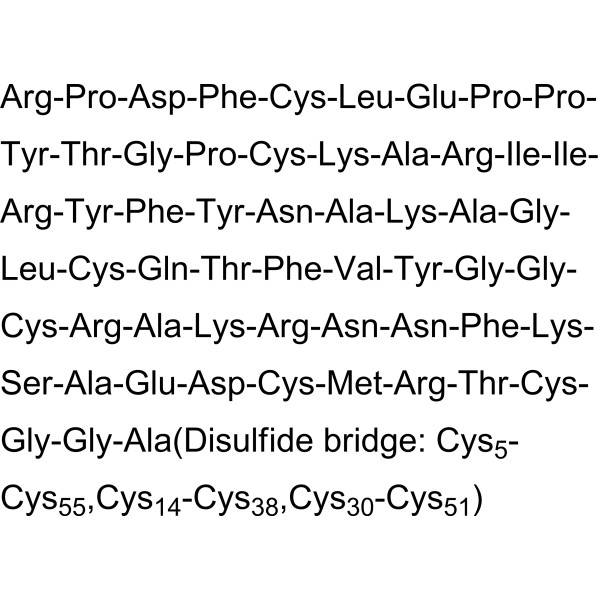
Aprotinin is a bovine pancreatic trypsin inhibitor (BPTI) inhibitor which inhibits trypsin and chymotrypsin with Kis of 0.06 pM and 9 nM, respectively.
Trypsin is a serine protease enzyme, and hydrolyzes proteins at the carboxyl side of the Lysine or Arginine. Trypsin activates PAR2 and PAR4. Trypsin induces cell-to-cell membrane fusion in PDCoV infection by the interaction of S glycoprotein of PDCoV and pAPN. Trypsin also promotes cell proliferation and differentiation. Trypsin can be used in the research of wound healing and neurogenic inflammation .
TPCK-treated Trypsin is a trypsin whose activity is inhibited by tosyl phenylalanyl chloromethyl ketone. TPCK-treated Trypsin reduces autolysis and nonspecific proteolysis during experiments, exhibits stability in storage and handling. TPCK-treated trypsin can be used in proteomics research . TPCK-treated Trypsin renders the virus hemagglutinin active, which allows multicycle replication of the virus. TPCK-treated Trypsin can be used for the study of influenza virus .
Trypsin MS grade is a serine protease enzyme, and hydrolyzes proteins at the carboxyl side of the Lysine or Arginine. Trypsin MS grade activates PAR2 and PAR4. Trypsin MS grade induces cell-to-cell membrane fusion in PDCoV infection by the interaction of S glycoprotein of PDCoV and pAPN. Trypsin MS grade also promotes cell proliferation and differentiation. Trypsin MS grade can be used in the research of wound healing and neurogenic inflammation .
Trypsin, porcine pancreas (Cell culture grade) is a serine protease that hydrolyzes proteins at the carboxyl side of lysine or arginine residues. Trypsin, porcine pancreas (Cell culture grade) exhibits excellent protein digestibility for α-lactalbumin and β-casein. Trypsin, porcine pancreas (Cell culture grade) removes cellular components while preserving extracellular matrix structures to achieve uniform decellularization of porcine pancreas .
Recombinant Trypsin Solution is an animal-free trypsin solution used to digest cells or tissues. Recombinant Trypsin Solution has high stability at room temperature and gentle digestion, and can be used to digest weakly adherent cells or stem cells under low serum or serum-free culture conditions. Compared with traditional trypsin digestion solution, Recombinant Trypsin Solution does not contain any animal-derived ingredients, is gentle and effective, and can replace the application of animal-derived trypsin in cell digestion .
Ulinastatin (Uristatin) is a trypsin and serine protease inhibitor. Ulinastatin is the main protein binding inhibitor of various trypsin, chymotrypsin, and various pancreatic proteases. Ulinastatin shows neuroprotective, anti-inflammatory, anti-apoptotic, anti-oxidant effects .
SFTI-1 is a cyclic peptide trypsin inhibitor consisting of 14 amino acid residues. SFTI-1 belongs to the Bowman-Birk class of inhibitors. Characterized by its small size, high stability, and potent activity, SFTI-1 can be used for research on peptide drug design platforms .
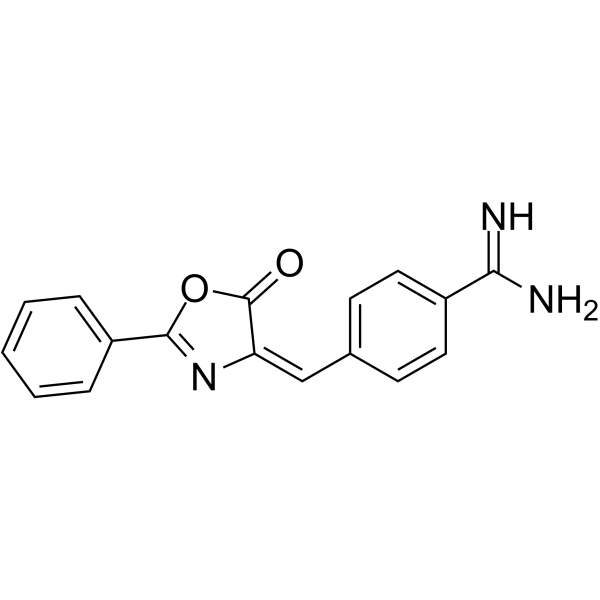
UK122 is a potent and selective urokinase-type plasminogen activator (uPA) inhibitor with an IC50 of 0.2 μM. UK122 shows no or little inhibition of tissue-type PA (tPA), plasmin, thrombin, and trypsin (all IC50>100 μM). UK122, 4-oxazolidinone analogue, is an anticancer agent and inhibits cancer cell migration and invasion .
Recombinant enterokinase (rEK) is a serine protease and functions as the physiological activator of trypsinogen. Recombinant enterokinase plays a role of turning trypsinogen to its active form trypsin .
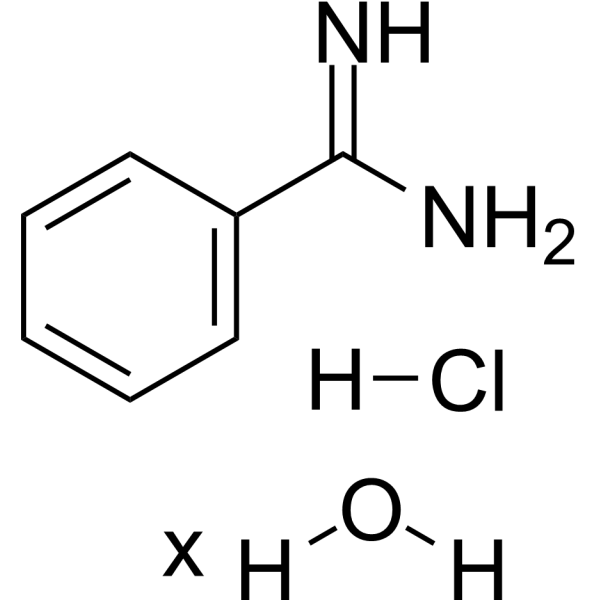
Benzamidine is a competitive protease inhibitor that blocks the hydrolytic cleavage of glucagon by plasmin, trypsin and thrombin. Benzamidine effectively inhibits the degradation of glucagon by relevant proteases during the collection, storage and analysis of human plasma and blood samples. During in vivo metabolism, Benzamidine undergoes N-hydroxylation and produces multiple metabolites, exhibiting characteristics of delayed excretion or biphasic elimination. Benzamidine only induces slight single-strand DNA breaks at high concentrations and shows no significant genotoxic potential overall. Benzamidine may interfere with the detection of some glucagon antisera, but does not affect key antigen-antibody affinity at specific concentrations. Benzamidine can be used as a stabilizer in glucagon radioimmunoassays to ensure the accuracy and recovery rate of detection results .
Demethylwedelolactone is a naturally occurring coumestan isolated from Eclipta alba. Demethylwedelolactone is a potent trypsin inhibitor with an IC50 of 3.0 μM. Demethylwedelolactone suppresses cell motility and cell invasion of breast cancer cell .
4-Aminobenzamidine (p-Aminobenzamidine) dihydrochloride is a strong trypsin inhibitor. 4-Aminobenzamidine dihydrochloride acts as an orally active urokinase type plasminogen activator (uPA) inhibitor (Ki=82 μM). 4-Aminobenzamidine dihydrochloride can be used for cardiovascular diseases and anti-tumor study .
Boc-LRR-AMC (Boc-Leu-Arg-Arg-AMC) is a fluorogenic substrate, which can be utilized for detecting the trypsin-like activity of the 26S proteasome or the 20S proteasome core .
Trypsin/Lys-C complex protease (MS grade) combines Trypsin and Lys-C, two recombinant proteases, to achieve efficient peptide bond hydrolysis. Trypsin specifically cleaves the C-terminal peptide bonds of arginine (R) and lysine (K), while Lys-C specifically cleaves the C-terminal peptide bonds of lysine (K). This combination overcomes issues such as the slower digestion rate of lysine and arginine by rTrypsin, PTM changes on lysine, or hydrophobic C-termini (such as proline) that can lead to missed cleavage. Trypsin/Lys-C complex protease (MS grade) can be used to process complex protein samples that are difficult to enzymatically digest. Trypsin/Lys-C complex protease (MS grade) can be used for protein characterization, single-cell proteomics and large cohort proteomics studies.
Boc-Gln-Ala-Arg-AMC acetate is a fluorogenic substrate for trypsin. Boc-Gln-Ala-Arg-AMC acetate can also be used for measuring the proteolytic activity of TMPRSS2 .
MBD (7-(p-Methoxybenzylamino)-4-nitrobenz-2,1,3-oxadiazole), a new fluorescent probe for protein and nucleoprotein conformation, is applied to bacterial ribosomes and to bovine trypsinogen and trypsin. MBD is strongly fluorescent upon binding to a hydrophobic area of a macromolecule .
Z-Gly-Pro-Arg-AMC hydrochloride a fluorescent trypsin and cathepsin K substrate. Z-Gly-Pro-Arg-AMC hydrochloride can be used to determine trypsin and cathepsin K activity .
Z-Arg-AMC hydrochloride is a fluorogenic substrate for trypsin and papain. Z-Arg-AMC hydrochloride can be used to research activity of trypsin (Ex/Em=355/460 nm) .
BCX 1470 methanesulfonate inhibits the esterolytic activity of factor D (IC50=96 nM) and C1s (IC50=1.6 nM), 3.4- and 200-fold better, respectively, than that of trypsin.
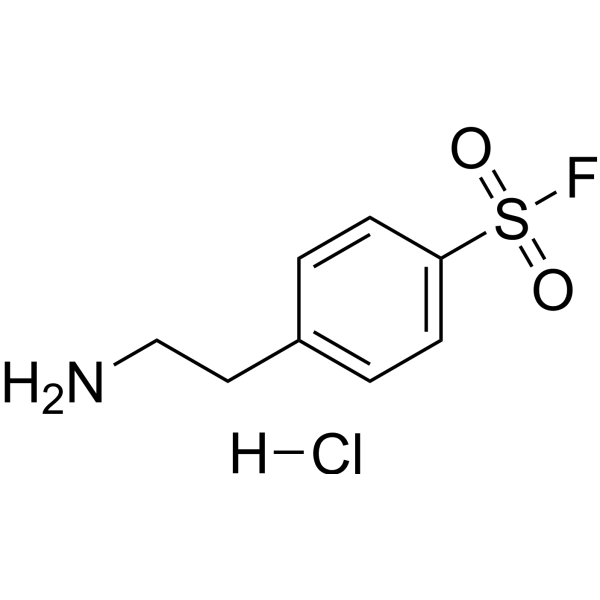
p-APMSF (p-Amidinophenylmethylsulfonylfluoride) hydrochloride is a serine protease and trypsin inhibitor with the characteristic of rapid onset of action. p-APMSF hydrochloride reduces the enzymatic hydrolysis of recombinant human G-CSF in rat pulmonary mucosa. Combined intratracheal treatment with p-APMSF hydrochloride and Laureth-9 significantly enhances its absorption efficiency in rat lungs. Following intranasal administration, p-APMSF hydrochloride does not increase the concentration of recombinant human G-CSF in rat plasma, nor does it alter the effect of G-CSF on inducing an increase in total white blood cell count .
Trypsin-Chymotrypsin 6:1 is a biocatalyst and a key enzyme in new biocatalyst technology. Enzyme engineering focuses on enhancing enzyme reaction kinetics, substrate selectivity, and activity under harsh conditions such as low or high pH. By introducing stimulus responsiveness to these enzyme modifications, dynamic control of activity is also possible .
Camostat is an orally active trypsin inhibitor. Camostat can reduce pancreatic fibrosis induced by repeated administration of superoxide dismutase inhibitors in rats, and decrease the proliferation and activation of pancreatic stellate cells (PSCs) .
Pyr-Arg-Thr-Lys-Arg-AMC TFA is a AMC peptide. AMC is a decapeptide that is specifically hydrolyzed by proteases such as trypsin and thrombin. The AMC peptide can be used to determine the activity of protease and the potency of enzyme inhibitors .
H-Gly-Glu-pNA is a chromogenic peptide substrate that can be widely used in enzymatic analysis, including trypsin and urokinase-type plasminogen activator (uPA) .
4,4'-Dihydroxybenzophenone is a type of phenolic ultraviolet absorber and a drug intermediate for synthesis of various anticancer active compounds (such as Sivifene (HY-14801)). 4,4'-Dihydroxybenzophenone binds to the active site of trypsin with binding constants (KA = 7.59 x 10 5 L/moL) and leads to abnormal structure of trypsin, suggesting that long-term intake may affect the digestive function of the human body. 4,4’-dihydroxybenzophenone has a relatively low toxicity to Chlorella vulgaris and a moderate toxicity to Daphnia magna .
Ac-KQL-AMC is a fluorogenic substrate that can be used to quantify Trypsin-like activity, resulting in detectable fluorescence when cleaved by the proteasome .
BCX 1470 inhibits the esterolytic activity of factor D (IC50=96 nM) and C1s (IC50=1.6 nM), 3.4- and 200-fold better, respectively, than that of trypsin.
Boc-Glu(OBzl)-Ala-Arg-AMC is a fluorogenic substrate for coagulation factor XIa and trypsin. The cleavage of the amide bond between arginine and the methylcoumarin amide group releases fluorescent 7-Amino-4-methylcoumarin (HY-D0027) .
Bz-Pro-Phe-Arg-pNA (Bz-PFR-pNA) hydrochloride is a chromogenic peptide substrate for plasma and glandular Kallikrein, cysteine proteinase (Cruzipain) and Trypsin. Bz-Pro-Phe-Arg-pNA hydrochloride can be used in Factor XII assay .
PAR-2-IN-2 (compound P-596) is a protease-activated receptor 2 (PAR-2) inhibitor with an IC50 of 10.79 μM for SLIGKV and an IC50 of greater than 200 μM for Trypsin .
Urinary Trypsin Inhibitor Fragment is a fragment derived from urinary trypsin inhibitor by proteolysis. Urinary Trypsin Inhibitor Fragment can inhibit tumor cell invasion by limited proteolysis .
Trypsin-Chymotrypsin 1:250 is a biocatalyst and a key enzyme in new biocatalyst technology. Enzyme engineering focuses on enhancing enzyme reaction kinetics, substrate selectivity, and activity under harsh conditions such as low or high pH. By introducing stimulus responsiveness to these enzyme modifications, dynamic control of activity is also possible .
Boc-Gln-Ala-Arg-AMC hydrochloride is a fluorogenic substrate for trypsin. Boc-Gln-Ala-Arg-AMC hydrochloride can also be used for measuring the proteolytic activity of TMPRSS2 .
Calmodulin antagonist-1 (A-5) is a calmodulin (CaM) antagonist. Calmodulin antagonist-1 inhibits calmodulin-activated Ca 2+-phosphodiesterase (PDE) (IC50=66 μM). Calmodulin antagonist-1 also inhibits trypsin-treated Ca 2+-PDE (IC50=560 μM) in a competitive fashion with respect to cyclic GMP .
ONO-3307 is a protease inhibitor that competitively inhibits a variety of proteases including trypsin, thrombin, plasma kallikrein, plasmin, pancreatic kallikrein, and chymotrypsin. ONO-3307 alleviates endotoxin-induced experimental disseminated intravascular coagulation (DIC) in rats. ONO-3307 can be used in the study of thrombosis and protease-mediated diseases .
UK122 hydrochloride is a potent and selective urokinase-type plasminogen activator (uPA) inhibitor with an IC50 of 0.2 μM. UK122 hydrochloride shows no or little inhibition of tissue-type PA (tPA), plasmin, thrombin, and trypsin (all IC50s > 100 μM). UK122 hydrochloride, a 4-oxazolidinone analogue, is an anticancer agent and inhibits cancer cell migration and invasion .
Bz-VGR-AMC is a substrate for the trypsin-like activity of the 20S proteasome. Bz-VGR-AMC can be used to measure the trypsin-like (β2) activity of the 20S proteasome .
Elasnin is a selective granulocyte elastase inhibitor. Elasnin is almost ineffective for pancreatic elastase, trypsin, chymotrypsin, thermolysin and papain .
AN11736 is a CPSF3 inhibitor. AN11736 exerts a potent anti-trypsin effect by specifically inhibiting the activity of the trypanosome CPSF3 endonuclease, disrupting the mRNA maturation process. AN11736 exhibits IC50s against T. congolense and T. vivax of 0.14 and 1.3 nM, respectively. AN11736 exhibits strong anti-trypsin activity in mouse and cattle models .
Pyr-Arg-Thr-Lys-Arg-AMC is a AMC peptide. AMC is a decapeptide that is specifically hydrolyzed by proteases such as trypsin and thrombin. The AMC peptide can be used to determine the activity of protease and the potency of enzyme inhibitors .
Ro 09-1679 is a thrombin inhibitor, with an IC50 of 33.6 μM. Ro 09-1679 inhibits the enzyme activities, with IC50 values of 3.3, 0.04 and 0.0346 μM for factor Xa, trypsin and papain, respectively .
APC-6860 is a trypsin-like serine proteases inhibitor with ki values of 0.21 and 0.44 μM for uPA and trypsin, respectively. APC-6860 has a selectivity ratio for tPA versus uPA of 80. APC-6860 has ki values of 0.1 and 0.082 μM for human and murine urokinases, respectively. APC-6860 can be used for the research of cancer .
Patamostat hydrochloride is a potent protease inhibitor. Patamostat hydrochloride potently inhibits trypsin, plasmin and thrombin with IC50s of 39 nM, 950 nM and 1.9 μM, respectively. Patamostat hydrochloride may possess suppressing effects on pathogenesis and development of acute pancreatitis .
Patamostat (E-3123) is a potent protease inhibitor. Patamostat potently inhibits trypsin, plasmin and thrombin with IC50s of 39 nM, 950 nM and 1.9 μM, respectively. Patamostat may possess suppressing effects on pathogenesis and development of acute pancreatitis .
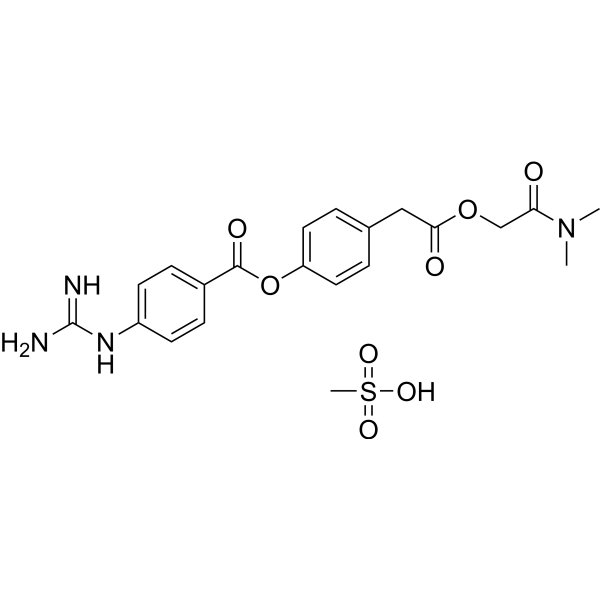
Patamostat (E-3123) mesylate is a potent protease inhibitor. Patamostat mesylate potently inhibits trypsin, plasmin and thrombin with IC50s of 39 nM, 950 nM and 1.9 μM, respectively. Patamostat mesylate may possess suppressing effects on pathogenesis and development of acute pancreatitis .
HG1 Toxin is a peptide found in the venom of the scorpion Heterometrus fulvipes, which has the activity of inhibiting potassium channel Kv1.3. HG1 Toxin also has the activity of inhibiting trypsin (Ki=107 nM) and can be used in the study of autoimmune diseases .
Nostosin G is a unique example of a linear peptide containing three subunits, 4-hydroxyphenyllactic acid (Hpla), homotyrosine (Hty), and argininal. Nostosin G has potent trypsin inhibitory property with an IC50 value of 0.1 μM .
Bz-Pro-Phe-Arg-pNA (Bz-PFR-pNA) is a chromogenic peptide substrate for plasma and glandular Kallikrein, cysteine proteinase (Cruzipain) and Trypsin. Bz-Pro-Phe-Arg-pNA can be used in Factor XII assay .
Patamostat (Standard) is the analytical standard of Patamostat. This product is intended for research and analytical applications. Patamostat (E-3123) is a potent protease inhibitor. Patamostat potently inhibits trypsin, plasmin and thrombin with IC50s of 39 nM, 950 nM and 1.9 μM, respectively. Patamostat may possess suppressing effects on pathogenesis and development of acute pancreatitis .
RPR 130737 is a selective, potent and competitive inhibitor for factor Xa with a Ki of 2.4 nM. RPR 130737 shows selectivity of more than 1000-fold over thrombin, activated protein C, plasmin, tissue-plasminogen activator and trypsin. RPR 130737 can prolong plasma activated partial thromboplastin time and prothrombin time. RPR 130737 shows no effect on platelet aggregation. RPR 130737 can be used for the research of cardiovascular disease, such as thrombosis .
APC 366 hydrochloride is a selective inhibitor of mast cell trypsin activity. APC 366 hydrochloride is able to inhibit trypsin-induced histamine release in human tonsil and lung cells. APC 366 hydrochloride may have important applications in regulating allergic reactions and inflammation .
Tyropeptin A-4 (TP-101) is a potent proteasome inhibitor with the ability to inhibit mammalian 20S proteasome activity. Tyropeptin A-4 exerts its inhibitory effect by binding to the site responsible for trypsin-like activity. Tyropeptin A-4 derivative TP-104 has a 20-fold increase in inhibitory activity over Tyropeptin A. TP-110 specifically inhibits trypsin-like activity without affecting PGPH and trypsin-like activity .
YD-3 is a platelet activation inhibitor. YD-3 inhibits Thrombine-induced rabbit platelets aggregation (IC50: 28.3 μM) and phosphoinositol production. In addition, YD-3 also inhibits Trypsin-induced platelet aggregation in human and rabbit with the IC50 of 38.1 μM and 5.7 μM, respectively, but does not affect the proteolytic activity of trypsin .
RWJ-58643 is a β-trypsin inhibitor that suppresses allergic inflammation. RWJ-58643 (100 mg) significantly reduced nasal allergy symptoms, eosinophil infiltration, and IL-5 levels at low doses. RWJ-58643 resulted in late eosinophilia and elevated IL-5 levels at high doses (300 mg and 600 mg). RWJ-58643 modulates allergic responses by inhibiting the release of β-trypsin from mast cells .
RWJ-58643 hydrochloride is a β-trypsin inhibitor that inhibits allergic inflammation. RWJ-58643 hydrochloride (100 mg) significantly reduces nasal allergy symptoms, eosinophil infiltration, and IL-5 levels at low doses. RWJ-58643 hydrochloride causes late eosinophilia and elevated IL-5 levels at high doses (300 mg and 600 mg). RWJ-58643 hydrochloride modulates allergic reactions by inhibiting the release of β-trypsin from mast cells.
4-Iodobenzylamine hydrochloride ((4-Iodophenyl)methanamine hydrochloride) is a probe that can detect the binding patterns of serine proteases that are like trypsin, as well as urokinase-type plasminogen activator (uPA) .
Bacithrocin A is a thrombin inhibitor that inhibits thrombin, factor Xa, trypsin and Papain with IC50s of 48 μM, 13 μM, 0.65 μM, and 0.02 μM, respectively .
HMB-Val-Ser-Leu-VE is a prototype vinyl ester inhibitor. HMB-Val-Ser-Leu-VE is against trypsin-like (T-L) proteasome activity with an IC50 of 0.033 μM .
Trypsin-IN-2 (Compound 12) is an efficient and highly selective inhibitor of human trypsin, with an IC₅₀ of 8 nM. Trypsin-IN-2 can be used for research on pancreatic cancer .
Bacithrocin C is a thrombin inhibitor that inhibits thrombin, factor Xa, trypsin and Papain with IC50s of 80 μM, 15 μM, 1.3 μM, and 0.02 μM, respectively .
Bacithrocin B is a thrombin inhibitor that inhibits thrombin, factor Xa, trypsin and Papain with IC50s of 84 μM, 17 μM, 1.7 μM, and 0.02 μM, respectively .
Trypsin Acetylated, Bovine (EC 3.4.21.4) is a serine protease from the PA clan superfamily, found in the digestive system of many vertebrates, where it hydrolyses proteins. Trypsin is produced in the pancreas as the inactive protease trypsinogen. Trypsin cleaves peptide chains mainly at the carboxyl side of the amino acids lysine or arginine, except when either is followed by proline.
Trypsin, Rat (EC 3.4.21.4) is a serine protease belonging to the PA superfamily. It is present in the digestive systems of many vertebrates and hydrolyzes proteins. Trypsin, Rat (EC 3.4.21.4) primarily cleaves peptide chains at the carboxyl terminus of lysine or arginine, but cleavage does not occur when lysine or arginine is followed by proline.
Trypsin-N B65 is a mass spectrometry-grade protease specifically designed for mass spectrometry-based enzymatic digestion of denatured proteins, suitable for LC-MS/MS analysis. It is a key tool enzyme for proteomics research.
Trypsin-Chymotrypsin 1:1 is a biocatalyst and a key enzyme in new biocatalyst technology. Enzyme engineering focuses on enhancing enzyme reaction kinetics, substrate selectivity, and activity under harsh conditions such as low or high pH. By introducing stimulus responsiveness to these enzyme modifications, dynamic control of activity is also possible .
Boc-Phe-Ser-Arg-AMC is a trypsin peptide substrate containing a Boc protecting group. Boc-Phe-Ser-Arg-AMC can be degraded by trypsin, releasing AMC (HY-D0027) which has fluorescence activity. Boc-Phe-Ser-Arg-AMC can be used to assess the activity of trypsin .
NCO-650 free base is an antiallergic agent that acts by inhibiting tryptase, a key trypsin-like protease in mast cells. NCO-650 free base inhibits mast cell histamine release, increases intracellular cAMP levels in mast cells, suppresses bronchoconstriction, and prevents decreases in perfusion pressure and systemic blood pressure. NCO-650 free base is applicable to the research of allergic diseases and bronchial asthma .
UAMC-00050 free base is a potent trypsin-like serine protease inhibitor. UAMC-00050 free base can be used in research of dry eye syndrome and ocular inflammation .
Bacithrocin D (Thiolstatin D) inhibits multiple proteases and can prolong the clotting time. Bacithrocin D has IC50 values of 124, 9, 0.85, and 0.01 μM for thrombin, factor Xa, trypsin, and papain, respectively .
4-Iodobenzylamine ((4-Iodophenyl)methanamine) is a probe that can detect the binding patterns of serine proteases that are like trypsin, as well as urokinase-type plasminogen activator (uPA). 4-Iodobenzylamine is stable in aqueous solution .
VR23 is a small molecule that potently inhibits the activities of trypsin-like proteasomes (IC50=1 nM), chymotrypsin-like proteasomes (IC50=50-100 nM), and caspase-like proteasomes (IC50=3 μM).
The Bowman-Birk inhibitor, a highly cross-linked protein featuring seven disulfide bridges, possesses spatially distinct domains specifically designed for the inhibition of both trypsin and chymotrypsin, showcasing its significant role as a plant protease inhibitor with anticarcinogenic properties.
BMS-199945 is a influenza virus fusion inhibitor with the IC50 values of 0.57 μM and approximately 1 μM aganist influenza A/WSN/33 virus-induced hemolysis of chicken RBC and in the trypsin protection assay, respectively .
BMS-354326 is a tryptase inhibitor with an IC50 of 1.8 nM. BMS-354326 exhibits excellent selectivity against trypsin and most other related serine proteases. BMS-354326 can be used in the research of asthma and inflammatory diseases .
L 373890 is a selective pyridinone acetamide thrombin inhibitor with a Ki of 0.5 nM. L 373890 shows highly selectivity for thrombin over trypsin (Ki of 570 nM), serine proteases plasmin, tPA, activated protein C, plasma kallikrein and chymotrypsin. L 373890 can be used for thrombosis research .
Z-Gly-Pro-Arg-pNA (z-GPR-pNA) is a photometric substrate in Prostate-Specific Antigen (PSA) activation protease assays. Z-Gly-Pro-Arg-pNA (z-GPR-pNA) can be used for the test of trypsin activity .
Camostat mesylate (Camostat mesilate) is an orally active, synthetic serine protease inhibitor for chronic pancreatitis. Camostat mesylate, an inhibitor of TMPRSS2, shows antiviral activity against SARS-CoV-2. Camostat mesylate also inhibits the activity of prostasin, trypsin, and matriptase .
Collagenase (Type C, filtered, animal free) does not contain animal-related components, and is sterilized by filtration using a 0.22 μm filter membrane. Collagenase (Type C, filtered, animal free) has low trypsin activity similar to type 4 collagenase.
Ac-RLR-AMC (Ac-Arg-Leu-Arg-AMC) is a fluorogenic substrate for the 26S proteasome (Ex/Em: 380/440-460 nm). AMC is released upon cleavage, and its fluorescence can be used to quantify the trypsin-like activity of 26S proteasomes .
Darexaban (YM150) is a potent, selective and orally active factor Xa (FXa) inhibitor with an IC50 of 54.6 nM. Darexaban shows high selectivity against other related serine proteases, such as trypsin, thrombin, and kallikrein. Darexaban has anticoagulant and antithrombotic effects .
Ac-RLR-AMC (Ac-Arg-Leu-Arg-AMC) TFA is a fluorogenic substrate for the 26S proteasome (Ex/Em: 380/440-460 nm). AMC is released upon cleavage, and its fluorescence can be used to quantify the trypsin-like activity of 26S proteasomes .
Laccaridione A can inhibit the activity of antiserine protease. Laccaridione A inhibits trypsin, papain, thermophilic protease, collagenase and zinc protease with IC50s of 14.7 μg/mL, 2.5 μg/mL, 18.8 μg/mL, 7.2 μg/mL and 18.2 μg/mL, respectively .
Enterokinase, Porcine (EC 3.4.21.9), is an enzyme produced by duodenal cells and participates in the digestive process in humans and animals. Enterokinase converts trypsinogen (an enzyme precursor) into its active form, trypsin, thereby activating pancreatic digestive enzymes. Deficiency of enterokinase can lead to intestinal digestive dysfunction.
Marstacimab (PF-06741086) is an anti-tissue factor pathway inhibitor (TFPI) monoclonal antibody. Marstacimab can be used for the research of hemophilia .
Boc-β-Ala-ol (3-(Boc-amino)-1-propanol) is an alanine derivative with a Boc protecting group at the N-terminus, which can be used to synthesize bioactive peptide mimics, such as Nα-Benzoyl-α-azaornithine phenyl ester, which has trypsin inhibitory activity .
Boc-LRR-AMC TFA (Boc-Leu-Arg-Arg-AMC TFA) is the TFA salt form of Boc-LRR-AMC (HY-115391). Boc-LRR-AMC TFA is a fluorogenic substrate, which can be utilized for detecting the trypsin-like activity of the 26S proteasome or the 20S proteasome core .
Fmoc-D-homoArg(Et)2-OH (hydrochloride) is a Fmoc-protected derivative of D-Homoarginine (HArg) that renders peptides and proteins resistant to proteolysis by trypsin. Fmoc-D-homoArg(Et)2-OH (hydrochloride) can be used as a cleavable ADC linker to synthesize antibody-drug conjugates (ADCs) .
HA-IN-1 (compound 5g) is a Hemagglutinin (HA) ligand with high affinity, targeting to the trypsin cleavage site of HA. HA-IN-1 inhibits HA-mediated membrane fusion and reduces the pulmonary virus titer in vivo. HA-IN-1 is a potential influenza A virus (IAV) inhibitor, and an anti-influenza agent .
N2W2 is a tryptophan- and lysine-rich β-hairpin antimicrobial peptide. N2W2 exhibits potent antimicrobial activity but also high toxicity. N2W2 is highly susceptible to trypsin or chymotrypsin. N2W2 can be used for the research of bacterial infection .
DENV-IN-13 (Compound 30) is a DENV2 protease inhibitor with an EC50 of 9.8 μM for DENV2 protease in HeLa cells. DENV-IN-13 has potent antiviral activity with negligible cytotoxicity and no inhibition of the off-targets thrombin and trypsin. DENV-IN-13 can be used for flaviviral infections research .
Lipstatin is a pancreatic lipase inhibitor (IC50=0.14 μM), whose structure is closely related to the known inhibitor, Esterastin. Lipstatin inhibits the absorption of triglycerides without affecting the absorption of oleic acid. Lipstatin has no inhibitory effects on other pancreatic enzymes, such as phospholipase A2 and trypsin (<200 μM) .
Camostat (mesylate) (Standard) is the analytical standard of Camostat (mesylate). This product is intended for research and analytical applications. Camostat mesylate (Camostat mesilate) is an orally active, synthetic serine protease inhibitor for chronic pancreatitis. Camostat mesylate, an inhibitor of TMPRSS2, shows antiviral activity against SARS-CoV-2. Camostat mesylate also inhibits the activity of prostasin, trypsin, and matriptase .
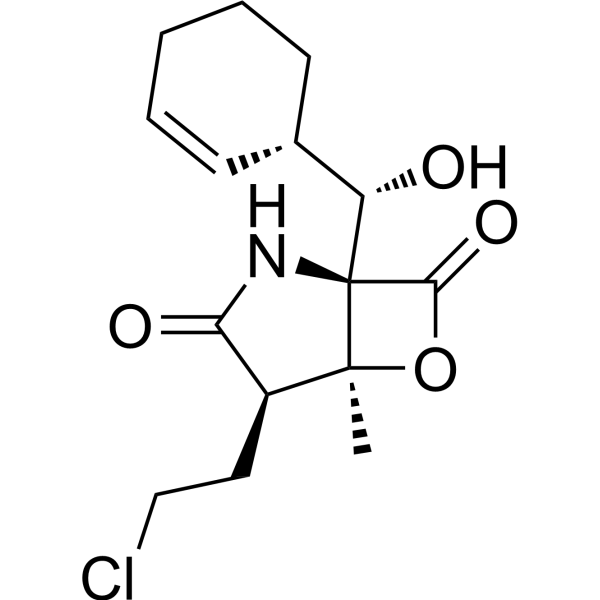
Marizomib (Salinosporamide A) is a second-generation, irreversible, brain-penetrant, pan-proteasome inhibitor. Marizomib inhibits the CT-L (β5), CT-T-laspase-like (C-L, β1) and trypsin-like (T-L, β2) activities of the 20S proteasome (IC50=3.5, 28, and 430 nM, respectively) .
VR23-d8 is the deuterium labeled VR23 (HY-18741). VR23 is a small molecule that potently inhibits the activities of trypsin-like proteasomes (IC50=1 nM), chymotrypsin-like proteasomes (IC50=50-100 nM), and caspase-like proteasomes (IC50=3 μM).
Freselestat (ONO-6818) is a potent and orally active neutrophil elastase inhibitor with a Ki of 12.2 nM. Freselestat is >100-fold less-active against other proteases such as trypsin, protein-ase 3, pancreatic elastase, plasmin, thrombin, collagenase, cathepsin G, and murine macrophage elastase. Freselestat has a potent anti-inflammatory activity .
NC-002, a cell-permeable peptide, is a Trypsin-like proteasome inhibitor without inhibition of lysosomal cysteine proteases. NC-002 is the epoxyketone derivative of Leupeptin (HY-18234). NC-002 sensitizes myeloma cells to Bortezomib (HY-10227) and Carfilzomib (HY-10455). NC-002 can be used for cancers research .
JNJ-27390467 is a potent, orally active, and selective tryptase inhibitor (human β-tryptaseIC50 = 3.6 nM, Ki = 3.7 nM). JNJ-27390467 exhibits excellent selectivity over trypsin of ~5000-fold. JNJ-27390467 shows effects in animal models of airway inflammation. JNJ-27390467 can be used for allergic asthma research .
α-Lytic Protease is an alternative specificity protease for proteomics applications, whose wild-type (WT) version cleaves after T, A, S, and V residues. α-Lytic Protease M190A Mutant has different cleavage specificities, and cleaves after M, F, and L residues. Both the WT and M190A forms of aLP geneRate peptides of similar average length as trypsin.
23-O-β-D-Glucopyranosyl-20-isoveratramine is a potential anti-allergic agent extracted from nettles. A variety of COX-1, COX-2, 5-lipoxygenase and trypsin-like inhibitors and H1 antagonists are found in nettle extract, which can inhibit seasonal allergies, allergic rhinitis and other inflammatory diseases. and preventive effects .
Freselestat quarterhydrate (ONO-6818 quarterhydrate) is a potent and orally active neutrophil elastase inhibitor with a Ki of 12.2 nM. Freselestat quarterhydrate is >100-fold less-active against other proteases such as trypsin, protein-ase 3, pancreatic elastase, plasmin, thrombin, collagenase, cathepsin G, and murine macrophage elastase. Freselestat quarterhydrate has a potent anti-inflammatory activity .
Az-NC-002 is a Proteasome trypsin-like site (β2) and immunoproteasome β2i-specific active probe. Az-NC-002 has weak off-target effects with no significant inhibition for Cathepsin D (HY-P2750), but this inhibition reacts outside of the active site or influence on a small fraction of the enzyme .
Elastase, Rat (EC 3.4.21.35) is a form of elastase that is produced in the acinar cells of the pancreas, initially produced as an inactive zymogen and later activated in the duodenum by trypsin. Elastases form a subfamily of serine proteases, characterized by a distinctive structure consisting of two beta-barrel domains converging at the active site that hydrolyze amides and esters amongst many proteins in addition to elastin, a type of connective tissue that holds organs together.
Lalistat 1 is a potent, selective, and competitive inhibitor of lysosomal acid lipase (LAL) and against purified human LAL (phLAL) with an IC50 of 68 nM. Lalistat 1 is a inhibitor of immunoglobulin A1 protease (IgA1P) proteases for H. influenzae, has less effects on other serine hydrolases (trypsin or β-lactamase, etc.). Lalistat 1 can be used for the research of niemann-pick type C (NPC) disease .
AzKTB is a capture reagent which bears a short trypsin-cleavable peptide sequence between the azide module and the TAMRA/PEG-biotin labels. AzKTB is a click chemistry reagent, it contains an Azide group and can undergo copper-catalyzed azide-alkyne cycloaddition reaction (CuAAc) with molecules containing Alkyne groups. It can also undergo strain-promoted alkyne-azide cycloaddition (SPAAC) reactions with molecules containing DBCO or BCN groups.
DPC423 is a selective and orally active factor Xa inhibitor with a Kis of 0.15 (human) and 0.3 (rabbit) nM. DPC423 exhibits Kis of 60, 61 and 6000 nM against human trypsin, plasma kallikrein and thrombin. DPC423 blocks the formation of prothrombinase complex, reduces thrombin production, inhibits fibrin formation and platelet activation. DPC423 can be used for the study of anticoagulation of arterial thrombosis .
NFF-3, the peptide, is a selective MMP substrate. NFF-3 selectively binds to MMP-3 and MMP-10 to be hydrolyzed. NFF-3 is also cleaved by trypsin, hepatocyte growth factor activator, and factor Xa. Label NFF-3 with a CyDye pair, Cy3/Cy5Q, can produce fluorescence in cell assays to detect cell activity .
FK706 is a potent, slow-binding and competitive inhibitor of human neutrophil elastase with an IC50 of 83 nM and a Ki of 4.2 nM. FK706 also inhibits mouse neutrophil elastase and porcine pancreatic elastase with IC50s of 22 nM and 100 nM, respectively, and has no inhibitory activity against other serine proteinases such as human pancreatic trypsin, human pancreatic α-chymotrypsin and human leukocyte cathepsin G. FK706 has anti-inflammatory effect .
NFF-3 TFA, the peptide, is a selective MMP substrate. NFF-3 TFA selectively binds to MMP-3 and MMP-10 to be hydrolyzed. NFF-3 TFA is also cleaved by trypsin, hepatocyte growth factor activator, and factor Xa. Label NFF-3 TFA with a CyDye pair, Cy3/Cy5Q, can produce fluorescence in cell assays to detect cell activity .
SPSB2-iNOS inhibitory cyclic peptide-1 is an inhibitor for the interaction of SPRY domain and SOCS-box protein 2 (SPSB2) and iNOS, through binding SPSB2 on iNOS site with KD of 4.4 nM. SPSB2-iNOS inhibitory cyclic peptide-1 is resistant to the proteases pepsin, trypsin and α-chymotrypsin. SPSB2-iNOS inhibitory cyclic peptide-1 is stable in human plasma and in oxidative environment .
Milvexian TFA (BMS-986177 TFA) is a factor XIa inhibitor with biological activity to prevent venous thromboembolism. Milvexian TFA was effective in reducing the occurrence of venous thromboembolism in patients undergoing knee replacement surgery. Milvexian TFA has good selectivity and shows significant inhibitory effects on plasma kallikrein and trypsin. Milvexian TFA has a bioavailability of 32%, which means it has a high absorption rate in the body. Milvexian TFA showed a relatively low risk of bleeding in clinical trials .
DPC423 free base is a selective and orally active factor Xa inhibitor with a Kis of 0.15 (human) and 0.3 (rabbit) nM. DPC423 free base exhibits Kis of 60, 61 and 6000 nM against human trypsin, plasma kallikrein and thrombin. DPC423 free base blocks the formation of prothrombinase complex, reduces thrombin production, inhibits fibrin formation and platelet activation. DPC423 free base can be used for the study of anticoagulation of arterial thrombosis .
20S Proteasome activator 1 is a potent 20S proteasome activator with EC200 values of 0.3 μM, 0.7 μM and 1.8 μM for trypsin-like site, chymotrypsin-like site and caspase-like site. 20S Proteasome activator 1 translates well in a cellular system, preventing the accumulation of the pathogenic A53T mutant of α-synuclein. 20S Proteasome activator 1 can be used for researching neurodegenerative diseases .
Octaarginine is a cell-penetrating peptide and proteasome inhibitor. Octaarginine exhibits mixed-type inhibition against 20S proteasome chymotrypsin-like, caspase-like, and trypsin-like activities, and inhibits 26S proteasome activity with decreased efficiency. Octaarginine induces ubiquitin-conjugated protein accumulation, mediates HSPG-dependent cellular internalization via macropinocytosis, enhances liposomal cargo uptake and gene delivery. Octaarginine can be used for the research of cervix carcinoma, collagen antibody-induced arthritis, and bacterial infections .
Octaarginine acetate is a cell-penetrating peptide and proteasome inhibitor. Octaarginine acetate exhibits mixed-type inhibition against 20S proteasome chymotrypsin-like, caspase-like, and trypsin-like activities, and inhibits 26S proteasome activity with decreased efficiency. Octaarginine acetate induces ubiquitin-conjugated protein accumulation, mediates HSPG-dependent cellular internalization via macropinocytosis, enhances liposomal cargo uptake and gene delivery. Octaarginine acetate can be used for the research of cervix carcinoma, collagen antibody-induced arthritis, and bacterial infections .
Laccaridione B can inhibit the activity of antiserine protease. Laccaridione B inhibits trypsin, papain, thermophilic protease, collagenase and zinc protease with IC50s of 10.9 μg/mL, 5.1 μg/mL, 8.4 μg/mL, 5.7 μg/mL and 3.0 μg/mL, respectively. Laccaridione B also has a strong anti-proliferative activity against L-929, K-562 and HeLa cells with IC50s of 2.4 μg/mL, 1.8 μg/mL and 13.9 μg/mL, respectively .
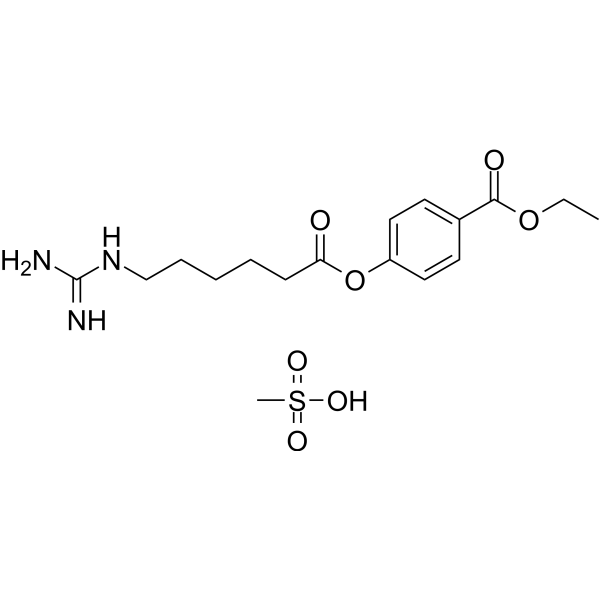
Gabexate mesylate (FOY) is is a competitive and non-antigenic synthetic inhibitor of trypsin-like serine proteinases. Gabexate mesylate inhibits human thrombin, urokinase, plasmin, and Factor Xa with Kis of 0.97, 1.3, 1.6, and 8.5 μM, respectively. Gabexate mesylate binds to human and bovine tryptase with Kis of 3.4 nM and 18 μM, respectively. Gabexate mesylate exerts an anticoagulant effect on the clotting activity of thrombin and has anti-inflammatory effect by viainhibition of NF-κB, proinflammatory cytokines, and nitric oxide. Gabexate mesylate is used for pancreatitis and disseminated intravascular coagulation .
Octaarginine TFA is a cell-penetrating peptide and proteasome inhibitor. Octaarginine TFA exhibits mixed-type inhibition against 20S proteasome chymotrypsin-like, caspase-like, and trypsin-like activities, and inhibits 26S proteasome activity with decreased efficiency. Octaarginine TFA induces ubiquitin-conjugated protein accumulation, mediates HSPG-dependent cellular internalization via macropinocytosis, enhances liposomal cargo uptake and gene delivery. Octaarginine TFA can be used for the research of cervix carcinoma, collagen antibody-induced arthritis, and bacterial infections .
Influenza A virus-IN-19 (Compound (S)-63) is an orally active, selective Influenza A virus inhibitor with an EC50 of 0.44 μM. Influenza A virus-IN-19 exhibits moderate binding affinity to Hemagglutinin, with a Kd of 5.66 μM. Influenza A virus-IN-19 inhibits trypsin-mediated cleavage of HA0, blocks the early viral entry process, and suppresses the replication of Influenza A virus. Influenza A virus-IN-19 improves the survival rate of mice in lethal influenza models. Influenza A virus-IN-19 can be used in studies related to Influenza A virus infection .
Gabexate (mesylate) (Standard) is the analytical standard of Gabexate (mesylate). This product is intended for research and analytical applications. Gabexate mesylate (FOY) is is a competitive and non-antigenic synthetic inhibitor of trypsin-like serine proteinases. Gabexate mesylate inhibits human thrombin, urokinase, plasmin, and Factor Xa with Kis of 0.97, 1.3, 1.6, and 8.5 μM, respectively. Gabexate mesylate binds to human and bovine tryptase with Kis of 3.4 nM and 18 μM, respectively. Gabexate mesylate exerts an anticoagulant effect on the clotting activity of thrombin and has anti-inflammatory effect by viainhibition of NF-κB, proinflammatory cytokines, and nitric oxide. Gabexate mesylate is used for pancreatitis and disseminated intravascular coagulation .
TP-110 is a proteasome inhibitor. TP-110 specifically inhibits the protease-like activity of the 20S proteasome, but does not affect the trypsin-like or peptidyl-glutamyl peptide hydrolysis activity. TP-110 inhibits the NF-κB pathway, activates caspase-8, -9, and -3, and causes PARP cleavage, significantly reducing the levels of cIAP-1 and XIAP. TP-110 causes cell cycle arrest at the G2/M phase and promotes apoptosis of cancer cells. TP-110 can be used in cancer research of prostate cancer and multiple myeloma, etc .
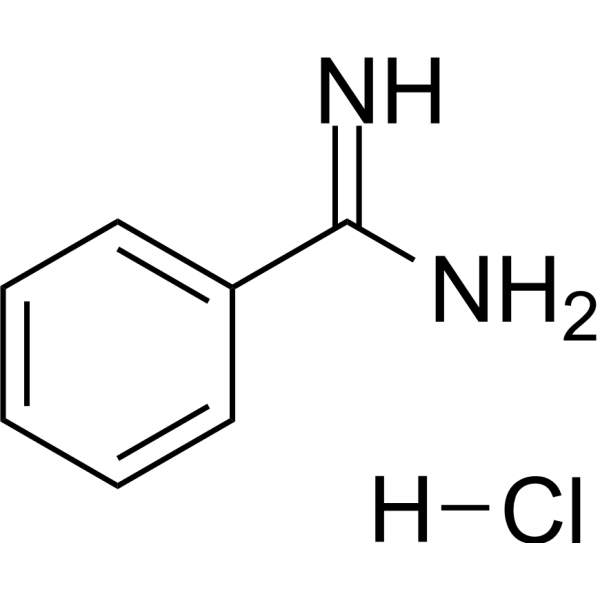
Benzamidine hydrochloride is a competitive protease inhibitor that blocks the hydrolytic cleavage of glucagon by plasmin, trypsin and thrombin. Benzamidine hydrochloride effectively inhibits the degradation of glucagon by relevant proteases during the collection, storage and analysis of human plasma and blood samples. During in vivo metabolism, Benzamidine hydrochloride undergoes N-hydroxylation and produces multiple metabolites, exhibiting characteristics of delayed excretion or biphasic elimination. Benzamidine hydrochloride only induces slight single-strand DNA breaks at high concentrations and shows no significant genotoxic potential overall. Benzamidine hydrochloride may interfere with the detection of some glucagon antisera, but does not affect key antigen-antibody affinity at specific concentrations. Benzamidine hydrochloride can be used as a stabilizer in glucagon radioimmunoassays to ensure the accuracy and recovery rate of detection results .
2,5-Dimethylpyrazine (NSC 49139) is an endogenous metabolite. 2,5-Dimethylpyrazine in produced in food systems of two whey protein hydrolysates, obtained using either trypsin or proteinase from Aspergillus melleus. 2,5-Dimethylpyrazine can be qualitatively monitored using a stable isotope dilution assay. 2,5-Dimethylpyrazine can also be generated via microbial mechanisms using Bacillus subtilis. 2,5-Dimethylpyrazine can be oxidized to form 5-methylpyrazine-2-carboxylic acid, which is the intermediate in the synthesis of antilipoltic agent. 2,5-Dimethylpyrazine is a volatile compound that can give a roasted peanut flavor .
NAPAP is a selective direct thrombin inhibitor. NAPAP rapidly binds to thrombin and inhibits its activity, and reduces LPS (HY-D1056)-induced brain inflammation and coagulation factor expression in vivo. NAPAP can be used in studies related to coagulation and neuroinflammation .
Cathepsin G Inhibitor I (Compound 7) is a potent, selective, reversible, competitive, non-peptidic Cathepsin G inhibitor (IC50 = 53 nM; Ki = 63 nM). Cathepsin G Inhibitor I can be used in research related to immune disorders .
Biotin-(Oaa)3-epoxomicin is a biotin-labeled form of Epoxomicin (HY-13821), prepared by conjugating Epoxomicin with biotin via three hydrophilic oxaacetyl amino acid (Oaa) linkers. Biotin-(Oaa)3-epoxomicin is primarily used in proteomic studies for the capture, identification and target validation of proteasome complexes, to determine the intracellular targets of epoxomicin. Epoxomicin acts as a proteasome inhibitor and NF-κB inhibitor, which effectively blocks inflammatory responses in mouse ear edema assays. It inhibits proteasome activity via covalent binding to catalytic subunits including LMP7, X, MECL1 and Z, with the strongest inhibitory effect on chymotrypsin-like activity, and does not interfere with non-proteasomal proteases such as trypsin and papain .
SPSB2-iNOS inhibitory cyclic peptide-1 TFA is the TFA salt form of SPSB2-iNOS inhibitory cyclic peptide-1(HY-P10383). SPSB2-iNOS inhibitory cyclic peptide-1 is an inhibitor for the interaction of SPRY domain and SOCS-box protein 2 (SPSB2) and iNOS, through binding SPSB2 on iNOS site with KD of 4.4 nM. SPSB2-iNOS inhibitory cyclic peptide-1 is resistant to the proteases pepsin, trypsin and α-chymotrypsin. SPSB2-iNOS inhibitory cyclic peptide-1 is stable in human plasma and in oxidative environment .
Ono 3307 Free base is a novel synthetic protease inhibitor that exhibits protective effects against acute pancreatitis by preventing hyperamylasemia and pancreatic edema. Ono 3307 Free base also inhibits the redistribution of lysosomal enzymes in acinar cells and mitigates lactic dehydrogenase discharge. Ono 3307 Free base effectively reduces cathepsin B leakage from lysosomes in a dose-dependent manner. Ono 3307 Free base is able to target trypsin (Ki=48 nM), thrombin (Ki=0.18 μM), plasma kallikrein (Ki=0.29 μM), plasmin (Ki=0.31 μM), pancreatic kallikrein (Ki=3.6 μM), and chymotrypsin (Ki=47 μM).
Benzamidine (Benzenecarboximidamide) hydrochloride hydrate is a competitive protease inhibitor that blocks the hydrolytic cleavage of glucagon by plasmin, trypsin and thrombin. Benzamidine hydrochloride hydrate effectively inhibits the degradation of glucagon by relevant proteases during the collection, storage and analysis of human plasma and blood samples. During in vivo metabolism, Benzamidine hydrochloride hydrate undergoes N-hydroxylation and produces multiple metabolites, exhibiting characteristics of delayed excretion or biphasic elimination. Benzamidine hydrochloride hydrate only induces slight single-strand DNA breaks at high concentrations and shows no significant genotoxic potential overall. Benzamidine hydrochloride hydrate may interfere with the detection of some glucagon antisera, but does not affect key antigen-antibody affinity at specific concentrations. Benzamidine hydrochloride hydrate can be used as a stabilizer in glucagon radioimmunoassays to ensure the accuracy and recovery rate of detection results .
MMP-2/MMP-9 Substrate (Ac-Pro-Leu-Gly-[(S)-2-mercapto-4-methyl-pentanoyl]-Leu-Gly-OEt) is a synthetic chromogenic polypeptide substrate whose core structure mimics the cleavage sites of MMP-2 and MMP-9 (gelatinase A and B) in collagen. After being hydrolyzed by collagenase, MMP-2/MMP-9 Substrate reacts with 4,4'-dithiodipyridine or Ellman's Reagent via its thiol fragment to produce a product with ultraviolet absorption properties .
Benzamidine hydrochloride (Standard) is the analytical standard of Benzamidine (hydrochloride). This product is intended for research and analytical applications. Benzamidine hydrochloride is a competitive protease inhibitor that blocks the hydrolytic cleavage of glucagon by plasmin, trypsin and thrombin. Benzamidine hydrochloride effectively inhibits the degradation of glucagon by relevant proteases during the collection, storage and analysis of human plasma and blood samples. During in vivo metabolism, Benzamidine hydrochloride undergoes N-hydroxylation and produces multiple metabolites, exhibiting characteristics of delayed excretion or biphasic elimination. Benzamidine hydrochloride only induces slight single-strand DNA breaks at high concentrations and shows no significant genotoxic potential overall. Benzamidine hydrochloride may interfere with the detection of some glucagon antisera, but does not affect key antigen-antibody affinity at specific concentrations. Benzamidine hydrochloride can be used as a stabilizer in glucagon radioimmunoassays to ensure the accuracy and recovery rate of detection results .
β-Tryptase-IN-1 is a selective β-tryptase inhibitor with a Ki of 10 nM. β-Tryptase-IN-1 binds to the inducible S4 + pocket unique to β-tryptase. β-Tryptase-IN-1 can be used for the researches of asthma and chronic obstructive pulmonary disease (COPD) .
FuK is a WK2-analog antimicrobial peptide modified with fluorinated unnatural amino acids. FuK has an LD50 of 72.34 mg/kg in mice, shows no hemolytic activity, with high stability against trypsin, chymotrypsin, and saline environments. FuK exerts bactericidal effects by enhancing the permeability of bacterial outer membranes, inducing depolarization of cytoplasmic membranes, and disrupting membrane potential balance against bacterias such as Staphylococcus aureus, Escherichia coli, Klebsiella pneumoniae, and MRSA. FuK exhibits synergistic antimicrobial activity with polymyxin B (HY-149179), vancomycin (HY-B0671), and ciprofloxacin (HY-B0356), and also inhibits Ciprofloxacin-induced bacterial drug resistance. FuK has in vivo safety, effectively reduces bacterial load and inflammatory cell infiltration in a mouse MRSA model, and promotes collagen fiber formation in skin wounds .
1,2-Dilaurin is a diacylglycerol containing lauric acid at the sn-1 and sn-2 positions. It has been used as an internal standard for the quantification of diglycerides in rat desheathed sciatic nerves. [1] Monomolecular films containing 1,2-dilauroyl-rac-glycerol have been used as substrates to measure surface pressure and the effect of pancreatic procolipase and colipase on porcine pancreatic lipase activity. [2] References: [1]. Zhu, X. and Eichberg, J. 1,2-Diacylglycerol content and its arachidonyl-containing molecular species are reduced in the sciatic nerve of streptozotocin-induced diabetic rats. J. Neurochemistry. 55(3), 1087-1090 (1990).[2]. Wieloch, T., Borgstr m, B., Piéroni, G. et al. Porcine trypsinogen and its trypsin-activated form: lipid binding and lipase activation on monomolecular membranes. FEBS Express. 128(2), 217-220 (1981).
ISD sodium is an interferon-stimulatory DNA, a 45 bp non-CpG double-stranded oligonucleotide derived from the genome of Listeria monocytogenes. ISD sodium potently induces type I interferon production via the cGAS‑STING‑TBK1‑IRF3 pathway .
THS-044 is a modulator of the formation of the HIF2α/ARNT heterodimer. THS-044 binding stabilizes the HIF2α PAS-B folded state (KD = 2 μM), for regulating HIF2 activity in endogenous and pathological settings, and does not bind to HIF1α or ARNT PAS-B. THS-044 can be used for the study of diseases related to hypoxia .
Boc-Gln-Ala-Arg-AMC acetate is a fluorogenic substrate for trypsin. Boc-Gln-Ala-Arg-AMC acetate can also be used for measuring the proteolytic activity of TMPRSS2 .
Z-Arg-AMC hydrochloride is a fluorogenic substrate for trypsin and papain. Z-Arg-AMC hydrochloride can be used to research activity of trypsin (Ex/Em=355/460 nm) .
NFF-3, the peptide, is a selective MMP substrate. NFF-3 selectively binds to MMP-3 and MMP-10 to be hydrolyzed. NFF-3 is also cleaved by trypsin, hepatocyte growth factor activator, and factor Xa. Label NFF-3 with a CyDye pair, Cy3/Cy5Q, can produce fluorescence in cell assays to detect cell activity .
Benzamidine (Benzenecarboximidamide) hydrochloride hydrate is a competitive protease inhibitor that blocks the hydrolytic cleavage of glucagon by plasmin, trypsin and thrombin. Benzamidine hydrochloride hydrate effectively inhibits the degradation of glucagon by relevant proteases during the collection, storage and analysis of human plasma and blood samples. During in vivo metabolism, Benzamidine hydrochloride hydrate undergoes N-hydroxylation and produces multiple metabolites, exhibiting characteristics of delayed excretion or biphasic elimination. Benzamidine hydrochloride hydrate only induces slight single-strand DNA breaks at high concentrations and shows no significant genotoxic potential overall. Benzamidine hydrochloride hydrate may interfere with the detection of some glucagon antisera, but does not affect key antigen-antibody affinity at specific concentrations. Benzamidine hydrochloride hydrate can be used as a stabilizer in glucagon radioimmunoassays to ensure the accuracy and recovery rate of detection results .
4,4'-Dihydroxybenzophenone is a type of phenolic ultraviolet absorber and a drug intermediate for synthesis of various anticancer active compounds (such as Sivifene (HY-14801)). 4,4'-Dihydroxybenzophenone binds to the active site of trypsin with binding constants (KA = 7.59 x 10 5 L/moL) and leads to abnormal structure of trypsin, suggesting that long-term intake may affect the digestive function of the human body. 4,4’-dihydroxybenzophenone has a relatively low toxicity to Chlorella vulgaris and a moderate toxicity to Daphnia magna .
1,2-Dilaurin is a diacylglycerol containing lauric acid at the sn-1 and sn-2 positions. It has been used as an internal standard for the quantification of diglycerides in rat desheathed sciatic nerves. [1] Monomolecular films containing 1,2-dilauroyl-rac-glycerol have been used as substrates to measure surface pressure and the effect of pancreatic procolipase and colipase on porcine pancreatic lipase activity. [2] References: [1]. Zhu, X. and Eichberg, J. 1,2-Diacylglycerol content and its arachidonyl-containing molecular species are reduced in the sciatic nerve of streptozotocin-induced diabetic rats. J. Neurochemistry. 55(3), 1087-1090 (1990).[2]. Wieloch, T., Borgstr m, B., Piéroni, G. et al. Porcine trypsinogen and its trypsin-activated form: lipid binding and lipase activation on monomolecular membranes. FEBS Express. 128(2), 217-220 (1981).
Aprotinin is a bovine pancreatic trypsin inhibitor (BPTI) inhibitor which inhibits trypsin and chymotrypsin with Kis of 0.06 pM and 9 nM, respectively.
SFTI-1 is a cyclic peptide trypsin inhibitor consisting of 14 amino acid residues. SFTI-1 belongs to the Bowman-Birk class of inhibitors. Characterized by its small size, high stability, and potent activity, SFTI-1 can be used for research on peptide drug design platforms .
Boc-LRR-AMC (Boc-Leu-Arg-Arg-AMC) is a fluorogenic substrate, which can be utilized for detecting the trypsin-like activity of the 26S proteasome or the 20S proteasome core .
Biotin-(Oaa)3-epoxomicin is a biotin-labeled form of Epoxomicin (HY-13821), prepared by conjugating Epoxomicin with biotin via three hydrophilic oxaacetyl amino acid (Oaa) linkers. Biotin-(Oaa)3-epoxomicin is primarily used in proteomic studies for the capture, identification and target validation of proteasome complexes, to determine the intracellular targets of epoxomicin. Epoxomicin acts as a proteasome inhibitor and NF-κB inhibitor, which effectively blocks inflammatory responses in mouse ear edema assays. It inhibits proteasome activity via covalent binding to catalytic subunits including LMP7, X, MECL1 and Z, with the strongest inhibitory effect on chymotrypsin-like activity, and does not interfere with non-proteasomal proteases such as trypsin and papain .
Boc-Gln-Ala-Arg-AMC acetate is a fluorogenic substrate for trypsin. Boc-Gln-Ala-Arg-AMC acetate can also be used for measuring the proteolytic activity of TMPRSS2 .
Ac-RLR-AMC (Ac-Arg-Leu-Arg-AMC) is a fluorogenic substrate for the 26S proteasome (Ex/Em: 380/440-460 nm). AMC is released upon cleavage, and its fluorescence can be used to quantify the trypsin-like activity of 26S proteasomes .
Z-Gly-Pro-Arg-AMC hydrochloride a fluorescent trypsin and cathepsin K substrate. Z-Gly-Pro-Arg-AMC hydrochloride can be used to determine trypsin and cathepsin K activity .
NFF-3 TFA, the peptide, is a selective MMP substrate. NFF-3 TFA selectively binds to MMP-3 and MMP-10 to be hydrolyzed. NFF-3 TFA is also cleaved by trypsin, hepatocyte growth factor activator, and factor Xa. Label NFF-3 TFA with a CyDye pair, Cy3/Cy5Q, can produce fluorescence in cell assays to detect cell activity .
Pyr-Arg-Thr-Lys-Arg-AMC TFA is a AMC peptide. AMC is a decapeptide that is specifically hydrolyzed by proteases such as trypsin and thrombin. The AMC peptide can be used to determine the activity of protease and the potency of enzyme inhibitors .
Boc-β-Ala-ol (3-(Boc-amino)-1-propanol) is an alanine derivative with a Boc protecting group at the N-terminus, which can be used to synthesize bioactive peptide mimics, such as Nα-Benzoyl-α-azaornithine phenyl ester, which has trypsin inhibitory activity .
Z-Phe-Leu-Glu-pNA is a chromogenic substrate for glutamyl endopeptidases. Z-Phe-Leu-Glu-pNA has been used as a synthetic substrate in the study of proteolytic enzymes, including trypsin treatment, subtilisin and chymotrypsin. Z-Phe-Leu-Glu-pNA plays an important role in hormone disorders such as prostate cancer and breast cancer .
Octaarginine acetate is a cell-penetrating peptide and proteasome inhibitor. Octaarginine acetate exhibits mixed-type inhibition against 20S proteasome chymotrypsin-like, caspase-like, and trypsin-like activities, and inhibits 26S proteasome activity with decreased efficiency. Octaarginine acetate induces ubiquitin-conjugated protein accumulation, mediates HSPG-dependent cellular internalization via macropinocytosis, enhances liposomal cargo uptake and gene delivery. Octaarginine acetate can be used for the research of cervix carcinoma, collagen antibody-induced arthritis, and bacterial infections .
Octaarginine is a cell-penetrating peptide and proteasome inhibitor. Octaarginine exhibits mixed-type inhibition against 20S proteasome chymotrypsin-like, caspase-like, and trypsin-like activities, and inhibits 26S proteasome activity with decreased efficiency. Octaarginine induces ubiquitin-conjugated protein accumulation, mediates HSPG-dependent cellular internalization via macropinocytosis, enhances liposomal cargo uptake and gene delivery. Octaarginine can be used for the research of cervix carcinoma, collagen antibody-induced arthritis, and bacterial infections .
MMP-2/MMP-9 Substrate (Ac-Pro-Leu-Gly-[(S)-2-mercapto-4-methyl-pentanoyl]-Leu-Gly-OEt) is a synthetic chromogenic polypeptide substrate whose core structure mimics the cleavage sites of MMP-2 and MMP-9 (gelatinase A and B) in collagen. After being hydrolyzed by collagenase, MMP-2/MMP-9 Substrate reacts with 4,4'-dithiodipyridine or Ellman's Reagent via its thiol fragment to produce a product with ultraviolet absorption properties .
H-Gly-Glu-pNA is a chromogenic peptide substrate that can be widely used in enzymatic analysis, including trypsin and urokinase-type plasminogen activator (uPA) .
Ac-KQL-AMC is a fluorogenic substrate that can be used to quantify Trypsin-like activity, resulting in detectable fluorescence when cleaved by the proteasome .
Z-Gly-Pro-Arg-pNA (z-GPR-pNA) is a photometric substrate in Prostate-Specific Antigen (PSA) activation protease assays. Z-Gly-Pro-Arg-pNA (z-GPR-pNA) can be used for the test of trypsin activity .
Boc-Glu(OBzl)-Ala-Arg-AMC is a fluorogenic substrate for coagulation factor XIa and trypsin. The cleavage of the amide bond between arginine and the methylcoumarin amide group releases fluorescent 7-Amino-4-methylcoumarin (HY-D0027) .
Bz-Pro-Phe-Arg-pNA (Bz-PFR-pNA) hydrochloride is a chromogenic peptide substrate for plasma and glandular Kallikrein, cysteine proteinase (Cruzipain) and Trypsin. Bz-Pro-Phe-Arg-pNA hydrochloride can be used in Factor XII assay .
Az-NC-002 is a Proteasome trypsin-like site (β2) and immunoproteasome β2i-specific active probe. Az-NC-002 has weak off-target effects with no significant inhibition for Cathepsin D (HY-P2750), but this inhibition reacts outside of the active site or influence on a small fraction of the enzyme .
NFF-3, the peptide, is a selective MMP substrate. NFF-3 selectively binds to MMP-3 and MMP-10 to be hydrolyzed. NFF-3 is also cleaved by trypsin, hepatocyte growth factor activator, and factor Xa. Label NFF-3 with a CyDye pair, Cy3/Cy5Q, can produce fluorescence in cell assays to detect cell activity .
SPSB2-iNOS inhibitory cyclic peptide-1 is an inhibitor for the interaction of SPRY domain and SOCS-box protein 2 (SPSB2) and iNOS, through binding SPSB2 on iNOS site with KD of 4.4 nM. SPSB2-iNOS inhibitory cyclic peptide-1 is resistant to the proteases pepsin, trypsin and α-chymotrypsin. SPSB2-iNOS inhibitory cyclic peptide-1 is stable in human plasma and in oxidative environment .
Urinary Trypsin Inhibitor Fragment is a fragment derived from urinary trypsin inhibitor by proteolysis. Urinary Trypsin Inhibitor Fragment can inhibit tumor cell invasion by limited proteolysis .
Bz-VGR-AMC is a substrate for the trypsin-like activity of the 20S proteasome. Bz-VGR-AMC can be used to measure the trypsin-like (β2) activity of the 20S proteasome .
Pyr-Arg-Thr-Lys-Arg-AMC is a AMC peptide. AMC is a decapeptide that is specifically hydrolyzed by proteases such as trypsin and thrombin. The AMC peptide can be used to determine the activity of protease and the potency of enzyme inhibitors .
C3 Peptide P16, is a 16 amino acid synthetic peptide derived from human C3d, a fragment generated in trypsin-cleaved C3. C3 Peptide P16 enhances in vitro phosphorylation of pp105 and pp100, a cellular component presenting in the human B lymphoma cells .
HG1 Toxin is a peptide found in the venom of the scorpion Heterometrus fulvipes, which has the activity of inhibiting potassium channel Kv1.3. HG1 Toxin also has the activity of inhibiting trypsin (Ki=107 nM) and can be used in the study of autoimmune diseases .
Bz-Pro-Phe-Arg-pNA (Bz-PFR-pNA) is a chromogenic peptide substrate for plasma and glandular Kallikrein, cysteine proteinase (Cruzipain) and Trypsin. Bz-Pro-Phe-Arg-pNA can be used in Factor XII assay .
HMB-Val-Ser-Leu-VE is a prototype vinyl ester inhibitor. HMB-Val-Ser-Leu-VE is against trypsin-like (T-L) proteasome activity with an IC50 of 0.033 μM .
Ac-RLR-AMC (Ac-Arg-Leu-Arg-AMC) TFA is a fluorogenic substrate for the 26S proteasome (Ex/Em: 380/440-460 nm). AMC is released upon cleavage, and its fluorescence can be used to quantify the trypsin-like activity of 26S proteasomes .
Boc-LRR-AMC TFA (Boc-Leu-Arg-Arg-AMC TFA) is the TFA salt form of Boc-LRR-AMC (HY-115391). Boc-LRR-AMC TFA is a fluorogenic substrate, which can be utilized for detecting the trypsin-like activity of the 26S proteasome or the 20S proteasome core .
Fmoc-D-homoArg(Et)2-OH (hydrochloride) is a Fmoc-protected derivative of D-Homoarginine (HArg) that renders peptides and proteins resistant to proteolysis by trypsin. Fmoc-D-homoArg(Et)2-OH (hydrochloride) can be used as a cleavable ADC linker to synthesize antibody-drug conjugates (ADCs) .
NC-002, a cell-permeable peptide, is a Trypsin-like proteasome inhibitor without inhibition of lysosomal cysteine proteases. NC-002 is the epoxyketone derivative of Leupeptin (HY-18234). NC-002 sensitizes myeloma cells to Bortezomib (HY-10227) and Carfilzomib (HY-10455). NC-002 can be used for cancers research .
Octaarginine TFA is a cell-penetrating peptide and proteasome inhibitor. Octaarginine TFA exhibits mixed-type inhibition against 20S proteasome chymotrypsin-like, caspase-like, and trypsin-like activities, and inhibits 26S proteasome activity with decreased efficiency. Octaarginine TFA induces ubiquitin-conjugated protein accumulation, mediates HSPG-dependent cellular internalization via macropinocytosis, enhances liposomal cargo uptake and gene delivery. Octaarginine TFA can be used for the research of cervix carcinoma, collagen antibody-induced arthritis, and bacterial infections .
SPSB2-iNOS inhibitory cyclic peptide-1 TFA is the TFA salt form of SPSB2-iNOS inhibitory cyclic peptide-1(HY-P10383). SPSB2-iNOS inhibitory cyclic peptide-1 is an inhibitor for the interaction of SPRY domain and SOCS-box protein 2 (SPSB2) and iNOS, through binding SPSB2 on iNOS site with KD of 4.4 nM. SPSB2-iNOS inhibitory cyclic peptide-1 is resistant to the proteases pepsin, trypsin and α-chymotrypsin. SPSB2-iNOS inhibitory cyclic peptide-1 is stable in human plasma and in oxidative environment .
Boc-Phe-Ser-Arg-AMC is a trypsin peptide substrate containing a Boc protecting group. Boc-Phe-Ser-Arg-AMC can be degraded by trypsin, releasing AMC (HY-D0027) which has fluorescence activity. Boc-Phe-Ser-Arg-AMC can be used to assess the activity of trypsin .
N2W2 is a tryptophan- and lysine-rich β-hairpin antimicrobial peptide. N2W2 exhibits potent antimicrobial activity but also high toxicity. N2W2 is highly susceptible to trypsin or chymotrypsin. N2W2 can be used for the research of bacterial infection .
FuK is a WK2-analog antimicrobial peptide modified with fluorinated unnatural amino acids. FuK has an LD50 of 72.34 mg/kg in mice, shows no hemolytic activity, with high stability against trypsin, chymotrypsin, and saline environments. FuK exerts bactericidal effects by enhancing the permeability of bacterial outer membranes, inducing depolarization of cytoplasmic membranes, and disrupting membrane potential balance against bacterias such as Staphylococcus aureus, Escherichia coli, Klebsiella pneumoniae, and MRSA. FuK exhibits synergistic antimicrobial activity with polymyxin B (HY-149179), vancomycin (HY-B0671), and ciprofloxacin (HY-B0356), and also inhibits Ciprofloxacin-induced bacterial drug resistance. FuK has in vivo safety, effectively reduces bacterial load and inflammatory cell infiltration in a mouse MRSA model, and promotes collagen fiber formation in skin wounds .
MCE 0.25% Trypsin-EDTA (1x), phenol red consists of dried trypsin powder dissolved in EDTA. MCE Trypsin hydrolyzes intercellular proteins and disperses primary tissues or adherent cells into individual cells, and can be widely used for cell dissociation, cell culture passaging and primary tissue dissociation. The 100 mL is defined as the base specification. All larger sizes correspond to incremental volumes of this base.
MCE 0.25% Trypsin-EDTA (1×), Phenol Red-Free, is prepared by dissolving trypsin powder (a mixture of proteases from porcine pancreas, irradiated and sterilized) and EDTA in a calcium- and magnesium-free balanced salt solution. It is filter-sterilized and can be directly used for the dissociation of cultured cells and tissues. The 100 mL is defined as the base specification. All larger sizes correspond to incremental volumes of this base.
Marstacimab (PF-06741086) is an anti-tissue factor pathway inhibitor (TFPI) monoclonal antibody. Marstacimab can be used for the research of hemophilia .
Aprotinin is a bovine pancreatic trypsin inhibitor (BPTI) inhibitor which inhibits trypsin and chymotrypsin with Kis of 0.06 pM and 9 nM, respectively.
Marizomib (Salinosporamide A) is a second-generation, irreversible, brain-penetrant, pan-proteasome inhibitor. Marizomib inhibits the CT-L (β5), CT-T-laspase-like (C-L, β1) and trypsin-like (T-L, β2) activities of the 20S proteasome (IC50=3.5, 28, and 430 nM, respectively) .
Camostat mesylate (Camostat mesilate) is an orally active, synthetic serine protease inhibitor for chronic pancreatitis. Camostat mesylate, an inhibitor of TMPRSS2, shows antiviral activity against SARS-CoV-2. Camostat mesylate also inhibits the activity of prostasin, trypsin, and matriptase .
Demethylwedelolactone is a naturally occurring coumestan isolated from Eclipta alba. Demethylwedelolactone is a potent trypsin inhibitor with an IC50 of 3.0 μM. Demethylwedelolactone suppresses cell motility and cell invasion of breast cancer cell .
2,5-Dimethylpyrazine (NSC 49139) is an endogenous metabolite. 2,5-Dimethylpyrazine in produced in food systems of two whey protein hydrolysates, obtained using either trypsin or proteinase from Aspergillus melleus. 2,5-Dimethylpyrazine can be qualitatively monitored using a stable isotope dilution assay. 2,5-Dimethylpyrazine can also be generated via microbial mechanisms using Bacillus subtilis. 2,5-Dimethylpyrazine can be oxidized to form 5-methylpyrazine-2-carboxylic acid, which is the intermediate in the synthesis of antilipoltic agent. 2,5-Dimethylpyrazine is a volatile compound that can give a roasted peanut flavor .
Lipstatin is a pancreatic lipase inhibitor (IC50=0.14 μM), whose structure is closely related to the known inhibitor, Esterastin. Lipstatin inhibits the absorption of triglycerides without affecting the absorption of oleic acid. Lipstatin has no inhibitory effects on other pancreatic enzymes, such as phospholipase A2 and trypsin (<200 μM) .
Camostat (mesylate) (Standard) is the analytical standard of Camostat (mesylate). This product is intended for research and analytical applications. Camostat mesylate (Camostat mesilate) is an orally active, synthetic serine protease inhibitor for chronic pancreatitis. Camostat mesylate, an inhibitor of TMPRSS2, shows antiviral activity against SARS-CoV-2. Camostat mesylate also inhibits the activity of prostasin, trypsin, and matriptase .
Nostosin G is a unique example of a linear peptide containing three subunits, 4-hydroxyphenyllactic acid (Hpla), homotyrosine (Hty), and argininal. Nostosin G has potent trypsin inhibitory property with an IC50 value of 0.1 μM .
Bacithrocin A is a thrombin inhibitor that inhibits thrombin, factor Xa, trypsin and Papain with IC50s of 48 μM, 13 μM, 0.65 μM, and 0.02 μM, respectively .
Bacithrocin C is a thrombin inhibitor that inhibits thrombin, factor Xa, trypsin and Papain with IC50s of 80 μM, 15 μM, 1.3 μM, and 0.02 μM, respectively .
Bacithrocin B is a thrombin inhibitor that inhibits thrombin, factor Xa, trypsin and Papain with IC50s of 84 μM, 17 μM, 1.7 μM, and 0.02 μM, respectively .
Bacithrocin D (Thiolstatin D) inhibits multiple proteases and can prolong the clotting time. Bacithrocin D has IC50 values of 124, 9, 0.85, and 0.01 μM for thrombin, factor Xa, trypsin, and papain, respectively .
Laccaridione A can inhibit the activity of antiserine protease. Laccaridione A inhibits trypsin, papain, thermophilic protease, collagenase and zinc protease with IC50s of 14.7 μg/mL, 2.5 μg/mL, 18.8 μg/mL, 7.2 μg/mL and 18.2 μg/mL, respectively .
23-O-β-D-Glucopyranosyl-20-isoveratramine is a potential anti-allergic agent extracted from nettles. A variety of COX-1, COX-2, 5-lipoxygenase and trypsin-like inhibitors and H1 antagonists are found in nettle extract, which can inhibit seasonal allergies, allergic rhinitis and other inflammatory diseases. and preventive effects .
Laccaridione B can inhibit the activity of antiserine protease. Laccaridione B inhibits trypsin, papain, thermophilic protease, collagenase and zinc protease with IC50s of 10.9 μg/mL, 5.1 μg/mL, 8.4 μg/mL, 5.7 μg/mL and 3.0 μg/mL, respectively. Laccaridione B also has a strong anti-proliferative activity against L-929, K-562 and HeLa cells with IC50s of 2.4 μg/mL, 1.8 μg/mL and 13.9 μg/mL, respectively .
Trypsin is a digestive endopeptidase that catalyzes the hydrolysis of peptide bonds on the carboxyl side of lysine or arginine residues. Trypsin is synthesized in the acinar cells of the pancreas. Trypsin is converted to the active enzyme in the gut. Trypsin Protein, Pig (P.pastoris, His) is the recombinant pig-derived Trypsin protein, expressed by P. pastoris , with N-6*His labeled tag.
Cationic trypsin Protein, Dog (His-SUMO) is the recombinant dog-derived Cationic trypsin protein, expressed by E. coli, with N-His, N-SUMO labeled tag.
Anionic trypsin (serine protease 2, PRSS2) is a member of trypsin family of serine proteases which is found at high levels in pancreatic juice and its upregulation is a characteristic feature of pancreatitis. PRSS2 has also been found to activate pro-urokinase in ovarian tumors, suggesting a function in tumor invasion. PRSS2 potentially participating in the degradation of type II collagen-rich cartilage matrix. Anionic trypsin Protein, Dog (His-SUMO) is the recombinant dog-derived Anionic trypsin protein, expressed by E. coli , with N-His, N-SUMO labeled tag.
Trypsin inhibitor DE-3 Protein, Erythrina caffra (P. pastoris, His) is the recombinant Trypsin inhibitor DE-3, expressed by P. pastoris , with N-6*His labeled tag. ,
PRSS2 Protein plays an important role in the metastasis and recurrence of multiple tumor types through its actions of destroying the ECM and activating MMPs. PRSS2/Trypsin-2 Protein, Human (His) is the recombinant mouse-derived PRSS2/Trypsin-2 protein, expressed by E. coli , with N-His labeled tag.
PRSS2 Protein plays an important role in the metastasis and recurrence of multiple tumor types through its actions of destroying the ECM and activating MMPs. PRSS2/Trypsin-2 Protein, Mouse (HEK293, His) is the recombinant mouse-derived PRSS2/Trypsin-2 protein, expressed by HEK293 , with C-His labeled tag.
PRSS3/Trypsin-3 is a digestive protease with specific substrate preference that cleaves proteins after Arg residues. This enzymatic activity is combined with its ability to exhibit proteolytic effects on Kunitz-type trypsin inhibitors. PRSS3/Trypsin-3 Protein, Human (His) is the recombinant human-derived PRSS3/Trypsin-3 protein, expressed by E. coli , with N-6*His labeled tag.
Serine protease 1 is a member of the trypsin family of serine proteases.Serine protease 1 is secreted by the pancreas and cleaved to its active form in the small intestine.Anionic trypsin-1 Protein, Rat (His) is the recombinant rat-derived Anionic trypsin-1 protein, expressed by E. coli , with N-10*His labeled tag.
Anionic trypsin-2 belongs to the trypsin family of serine proteases and encodes anionic trypsinogen.Anionic trypsin-2 is part of a cluster of trypsinogen genes that are located within the T cell receptor beta locus.Anionic trypsin-2 Protein, Rat (P.pastoris, His) is the recombinant rat-derived Anionic trypsin-2 protein, expressed by P.pastoris , with N-His labeled tag.
PRSS3/Trypsin-3 is a digestive protease with specific substrate preference that cleaves proteins after Arg residues. This enzymatic activity is combined with its ability to exhibit proteolytic effects on Kunitz-type trypsin inhibitors. PRSS3/Trypsin-3 Protein, Human (HEK293, His) is the recombinant human-derived PRSS3/Trypsin-3 protein, expressed by HEK293 , with C-6*His labeled tag.
The SPINK1 protein is a serine protease inhibitor that significantly inhibits trypsin, especially in the pancreas, preventing premature activation of the zymogen. This critical role maintains the integrity of pancreatic cellular processes. SPINK1 Protein, Human (HEK293, His) is the recombinant human-derived SPINK1 protein, expressed by HEK293 , with C-6*His labeled tag.
SPINK1 is a serine protease inhibitor that significantly inhibits trypsin, especially in the pancreas, preventing premature activation of the zymogen. In the male reproductive tract, SPINK1 binds to sperm heads and regulates sperm volume by inhibiting calcium absorption and nitrogen oxide (NO) production. SPINK1 Protein, Mouse (P.pastoris, His) is the recombinant mouse-derived SPINK1 protein, expressed by P. pastoris , with N-6*His labeled tag.
The TMPRSS11D protein is associated with host mucosal defense and acts synergistically with substances in the airway mucosa. It critically processes ACE2, activating the human coronavirus 229E spike glycoprotein to achieve virus-cell membrane fusion. TMPRSS11D Protein, Human (HEK293, His) is the recombinant human-derived TMPRSS11D protein, expressed by HEK293 , with N-His labeled tag.
Kallikrein 11 Protein, Human (sf9) is a possible multifunctional protease and efficiently cleaves 'bz-Phe-Arg-4-methylcoumaryl-7-amide', a kallikrein substrate, and weakly cleaves other substrates for kallikrein and trypsin.
Kallikrein-11 protein is suggested to be a multifunctional protease, efficiently cleaving the substrate 'bz-Phe-Arg-4-methylcoumaryl-7-amide' and showing weak cleavage activity toward other kallikrein and trypsin substrates. It predominantly cleaves synthetic peptides after arginine residues rather than lysine residues. Kallikrein-11 Protein, Human (HEK293, His) is the recombinant human-derived Kallikrein-11 protein, expressed by HEK293 , with C-His labeled tag.
Kallikrein-11 protein, a potential multifunctional protease, demonstrates efficient cleavage of the substrate 'bz-Phe-Arg-4-methylcoumaryl-7-amide,' specific to kallikrein. It also displays weaker cleavage activity toward other substrates linked to kallikrein and trypsin. This multifunctional characteristic indicates versatility in substrate recognition and cleavage, suggesting a potential role in diverse proteolytic processes. Kallikrein-11 Protein, Mouse (HEK293, His) is the recombinant mouse-derived Kallikrein-11 protein, expressed by HEK293 , with C-His labeled tag.
SPINK2, a robust acrosin inhibitor, is vital for normal spermiogenesis, preventing premature activation of proacrosin and other proteases to avoid spermiogenesis defects. It likely regulates germ cell apoptosis mediated by serine proteases and displays inhibitory activity against trypsin, indicating involvement in diverse serine protease-dependent processes. SPINK2 Protein, Human (HEK293, Fc) is the recombinant human-derived SPINK2 protein, expressed by HEK293 , with C-hFc labeled tag.
The ITIH3 protein has a dual role: as a carrier of hyaluronic acid in serum and as a binding protein that facilitates interactions with various matrix proteins. These interactions regulate the localization, synthesis, and degradation of hyaluronic acid, which is critical for multiple cellular activities. ITIH3 Protein, Human (HEK293, His) is the recombinant human-derived ITIH3 protein, expressed by HEK293 , with C-6*His labeled tag.
TMPRSS11B, a serine protease, is susceptible to inhibition by aprotinin, leupeptin, benzamidine, SERPINA1, SPINT1, and SPINT2, highlighting its susceptibility to various regulatory mechanisms. TMPRSS11B Protein, Human (HEK293, His) is the recombinant human-derived TMPRSS11B protein, expressed by HEK293 , with C-6*His labeled tag.
DBI, a versatile protein, binds medium- and long-chain acyl-CoA esters, indicating a potential intracellular carrier role. It also displaces diazepam from the benzodiazepine recognition site on the GABA type A receptor. This dual functionality suggests DBI may act as a neuropeptide, modulating GABA receptor activity. Remarkably, DBI functions as a monomer in these interactions. DBI Protein, Human (His) is the recombinant human-derived DBI protein, expressed by E. coli , with N-6*His labeled tag.
VR23-d8 is the deuterium labeled VR23 (HY-18741). VR23 is a small molecule that potently inhibits the activities of trypsin-like proteasomes (IC50=1 nM), chymotrypsin-like proteasomes (IC50=50-100 nM), and caspase-like proteasomes (IC50=3 μM).
Az-NC-002 is a Proteasome trypsin-like site (β2) and immunoproteasome β2i-specific active probe. Az-NC-002 has weak off-target effects with no significant inhibition for Cathepsin D (HY-P2750), but this inhibition reacts outside of the active site or influence on a small fraction of the enzyme .
AzKTB is a capture reagent which bears a short trypsin-cleavable peptide sequence between the azide module and the TAMRA/PEG-biotin labels. AzKTB is a click chemistry reagent, it contains an Azide group and can undergo copper-catalyzed azide-alkyne cycloaddition reaction (CuAAc) with molecules containing Alkyne groups. It can also undergo strain-promoted alkyne-azide cycloaddition (SPAAC) reactions with molecules containing DBCO or BCN groups.
ISD sodium is an interferon-stimulatory DNA, a 45 bp non-CpG double-stranded oligonucleotide derived from the genome of Listeria monocytogenes. ISD sodium potently induces type I interferon production via the cGAS‑STING‑TBK1‑IRF3 pathway .
Inquiry Online
Your information is safe with us. * Required Fields.
Western blot analysis of extracts from THP-1(lane 2(20μg), Jurkat (lane 3(20μg) and NIH3T3(lane 4(20μg) using FOXO1A (HY-P80132) Rabbit mAb. Proteins were transferred
to a PVDF membrane and blocked with 5% non-fat milk in TBST for 2 hour at room temperature. The primary antibody (1/1000) and Loading control antibody (Beta Actin, HY-P80438, 1/10000) was
used in 5% non-fat milk in TBST at 4°C overnight. Goat Anti-Mouse/Rabbit IgG-HRP Secondary Antibody (1/10000) was used for 1 hour at room temperature.
Western blot analysis of extracts from THP-1(lane 2(20μg), Jurkat (lane 3(20μg) and NIH3T3(lane 4(20μg) using FOXO1A (HY-P80132) Rabbit mAb. Proteins were transferred
to a PVDF membrane and blocked with 5% non-fat milk in TBST for 2 hour at room temperature. The primary antibody (1/1000) and Loading control antibody (Beta Actin, HY-P80438, 1/10000) was
used in 5% non-fat milk in TBST at 4°C overnight. Goat Anti-Mouse/Rabbit IgG-HRP Secondary Antibody (1/10000) was used for 1 hour at room temperature.
Western blot analysis of extracts from THP-1(lane 2(20μg), Jurkat (lane 3(20μg) and NIH3T3(lane 4(20μg) using FOXO1A (HY-P80132) Rabbit mAb. Proteins were transferred
to a PVDF membrane and blocked with 5% non-fat milk in TBST for 2 hour at room temperature. The primary antibody (1/1000) and Loading control antibody (Beta Actin, HY-P80438, 1/10000) was
used in 5% non-fat milk in TBST at 4°C overnight. Goat Anti-Mouse/Rabbit IgG-HRP Secondary Antibody (1/10000) was used for 1 hour at room temperature.
Western blot analysis of extracts from THP-1(lane 2(20μg), Jurkat (lane 3(20μg) and NIH3T3(lane 4(20μg) using FOXO1A (HY-P80132) Rabbit mAb. Proteins were transferred
to a PVDF membrane and blocked with 5% non-fat milk in TBST for 2 hour at room temperature. The primary antibody (1/1000) and Loading control antibody (Beta Actin, HY-P80438, 1/10000) was
MedchemExpress Validation 03
Western blot analysis of extracts from THP-1(lane 2(20μg), Jurkat (lane 3(20μg) and NIH3T3(lane 4(20μg) using FOXO1A (HY-P80132) Rabbit mAb. Proteins were transferred
MedchemExpress Validation 04
Western blot analysis of extracts from THP-1(lane 2(20μg), Jurkat (lane 3(20μg) and NIH3T3(lane 4(20μg) using FOXO1A (HY-P80132) Rabbit mAb. Proteins were transferred
to a PVDF membrane and blocked with 5% non-fat milk in TBST for 2 hour at room temperature. The primary antibody (1/1000) and Loading control antibody (Beta Actin, HY-P80438, 1/10000) was
used in 5% non-fat milk in TBST at 4°C overnight. Goat Anti-Mouse/Rabbit IgG-HRP Secondary Antibody (1/10000) was used for 1 hour at room temperature.
MedchemExpress Validation
Western blot analysis of extracts from THP-1(lane 2(20μg), Jurkat (lane 3(20μg) and NIH3T3(lane 4(20μg) using FOXO1A (HY-P80132) Rabbit mAb. Proteins were transferred
to a PVDF membrane and blocked with 5% non-fat milk in TBST for 2 hour at room temperature. The primary antibody (1/1000) and Loading control antibody (Beta Actin, HY-P80438, 1/10000) was
used in 5% non-fat milk in TBST at 4°C overnight. Goat Anti-Mouse/Rabbit IgG-HRP Secondary Antibody (1/10000) was used for 1 hour at room temperature.
Western blot analysis of extracts from THP-1(lane 2(20μg), Jurkat (lane 3(20μg) and NIH3T3(lane 4(20μg) using FOXO1A (HY-P80132) Rabbit mAb. Proteins were transferred
to a PVDF membrane and blocked with 5% non-fat milk in TBST for 2 hour at room temperature. The primary antibody (1/1000) and Loading control antibody (Beta Actin, HY-P80438, 1/10000) was
used in 5% non-fat milk in TBST at 4°C overnight. Goat Anti-Mouse/Rabbit IgG-HRP Secondary Antibody (1/10000) was used for 1 hour at room temperature.
MedchemExpress Validation
Western blot analysis of extracts from THP-1(lane 2(20μg), Jurkat (lane 3(20μg) and NIH3T3(lane 4(20μg) using FOXO1A (HY-P80132) Rabbit mAb. Proteins were transferred
to a PVDF membrane and blocked with 5% non-fat milk in TBST for 2 hour at room temperature. The primary antibody (1/1000) and Loading control antibody (Beta Actin, HY-P80438, 1/10000) was
used in 5% non-fat milk in TBST at 4°C overnight. Goat Anti-Mouse/Rabbit IgG-HRP Secondary Antibody (1/10000) was used for 1 hour at room temperature.
MedchemExpress Validation
Western blot analysis of extracts from THP-1(lane 2(20μg), Jurkat (lane 3(20μg) and NIH3T3(lane 4(20μg) using FOXO1A (HY-P80132) Rabbit mAb. Proteins were transferred
to a PVDF membrane and blocked with 5% non-fat milk in TBST for 2 hour at room temperature. The primary antibody (1/1000) and Loading control antibody (Beta Actin, HY-P80438, 1/10000) was
used in 5% non-fat milk in TBST at 4°C overnight. Goat Anti-Mouse/Rabbit IgG-HRP Secondary Antibody (1/10000) was used for 1 hour at room temperature.
MedchemExpress Validation
Western blot analysis of extracts from THP-1(lane 2(20μg), Jurkat (lane 3(20μg) and NIH3T3(lane 4(20μg) using FOXO1A (HY-P80132) Rabbit mAb. Proteins were transferred
to a PVDF membrane and blocked with 5% non-fat milk in TBST for 2 hour at room temperature. The primary antibody (1/1000) and Loading control antibody (Beta Actin, HY-P80438, 1/10000) was
used in 5% non-fat milk in TBST at 4°C overnight. Goat Anti-Mouse/Rabbit IgG-HRP Secondary Antibody (1/10000) was used for 1 hour at room temperature.
MedchemExpress Validation
Western blot analysis of extracts from THP-1(lane 2(20μg), Jurkat (lane 3(20μg) and NIH3T3(lane 4(20μg) using FOXO1A (HY-P80132) Rabbit mAb. Proteins were transferred
to a PVDF membrane and blocked with 5% non-fat milk in TBST for 2 hour at room temperature. The primary antibody (1/1000) and Loading control antibody (Beta Actin, HY-P80438, 1/10000) was
used in 5% non-fat milk in TBST at 4°C overnight. Goat Anti-Mouse/Rabbit IgG-HRP Secondary Antibody (1/10000) was used for 1 hour at room temperature.
MedchemExpress Validation
Western blot analysis of extracts from THP-1(lane 2(20μg), Jurkat (lane 3(20μg) and NIH3T3(lane 4(20μg) using FOXO1A (HY-P80132) Rabbit mAb. Proteins were transferred
to a PVDF membrane and blocked with 5% non-fat milk in TBST for 2 hour at room temperature. The primary antibody (1/1000) and Loading control antibody (Beta Actin, HY-P80438, 1/10000) was
used in 5% non-fat milk in TBST at 4°C overnight. Goat Anti-Mouse/Rabbit IgG-HRP Secondary Antibody (1/10000) was used for 1 hour at room temperature.
MedchemExpress Validation
Western blot analysis of extracts from THP-1(lane 2(20μg), Jurkat (lane 3(20μg) and NIH3T3(lane 4(20μg) using FOXO1A (HY-P80132) Rabbit mAb. Proteins were transferred
to a PVDF membrane and blocked with 5% non-fat milk in TBST for 2 hour at room temperature. The primary antibody (1/1000) and Loading control antibody (Beta Actin, HY-P80438, 1/10000) was
used in 5% non-fat milk in TBST at 4°C overnight. Goat Anti-Mouse/Rabbit IgG-HRP Secondary Antibody (1/10000) was used for 1 hour at room temperature.
MedChemExpress values your privacy and your trust is important to us. We use cookies to enhance your website experience. Some cookies are necessary to run the website.
Privacy and Cookie Policy

