Search Result
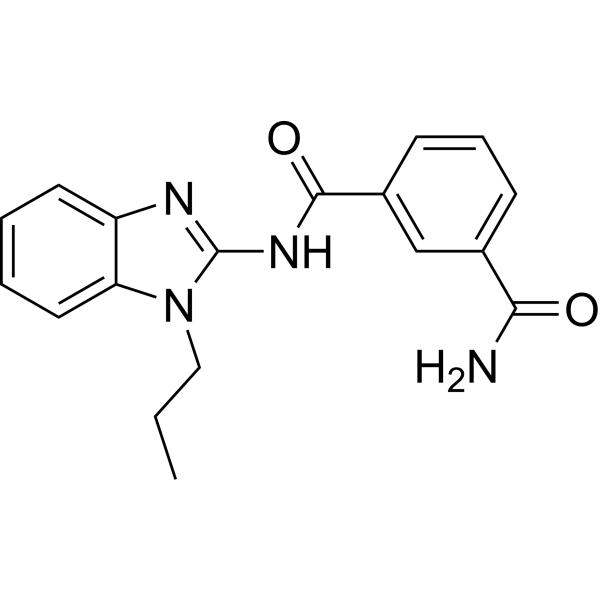
Results for "
active pocket
" in MedChemExpress (MCE) Product Catalog:
2
Biochemical Assay Reagents
1
Isotope-Labeled Compounds
| Cat. No. |
Product Name |
Target |
Research Areas |
Chemical Structure |
-
- HY-10295
-
SB 202190
Maximum Cited Publications
134 Publications Verification
|
Organoid
p38 MAPK
Autophagy
Apoptosis
|
Neurological Disease
Cancer
|
|
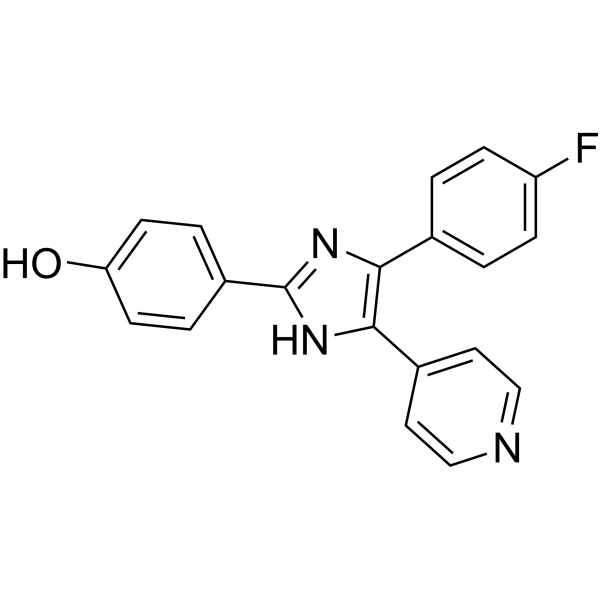
SB 202190 is a selective p38 MAP kinase inhibitor with IC50s of 50 nM and 100 nM for p38α and p38β2, respectively. SB 202190 binds to the ATP pocket of the active recombinant human p38 kinase with a Kd of 38 nM. SB 202190 has anti-cancer activity and rescued memory deficits . SB202190 induces autophagy .
|
-
-
- HY-17600
-
|
Calquence; ACP-196
|
Btk
|
Inflammation/Immunology
Cancer
|
|
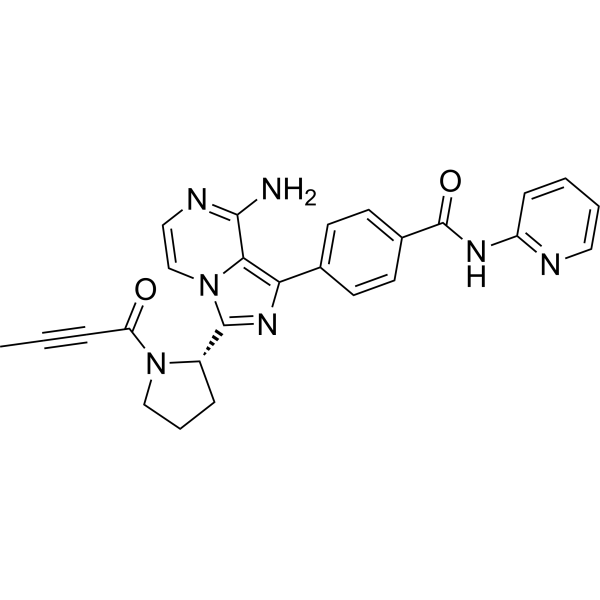
Acalabrutinib (ACP-196) is an orally active, irreversible, and highly selective second-generation BTK inhibitor. Acalabrutinib binds covalently to Cys481 in the ATP-binding pocket of BTK. Acalabrutinib demonstrates potent on-target effects and efficacy in mouse models of chronic lymphocytic leukemia (CLL). Acalabrutinib can be used for CLL research . Acalabrutinib is a click chemistry reagent, itcontains an Alkyne group and can undergo copper-catalyzed azide-alkyne cycloaddition (CuAAc) with molecules containing Azide groups.
|
-
-
- HY-101903
-
|
|
FABP
|
Cardiovascular Disease
Metabolic Disease
|
|
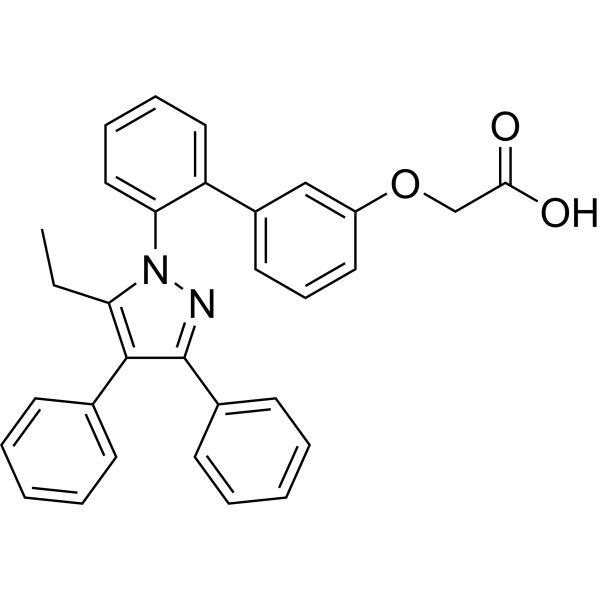
BMS-309403 is a potent, orally active and selective adipocyte fatty acid binding protein (also known as FABP4, aP2) inhibitor with Kis of <2, 250, and 350 nM for FABP4, FABP3, and FABP5, respectively. BMS-309403 interacts with the fatty-acid-binding pocket within the interior of the protein and competitively inhibits the binding of endogenous fatty acids. BMS-309403 improves endothelial function in apolipoprotein E-deficient mice and in cultured human endothelial cells .
|
-
-
- HY-103490
-
|
EDHS-206
|
MAP3K
Apoptosis
|
Infection
Inflammation/Immunology
Cancer
|
|
Takinib (EDHS-206) is an orally active and selective TAK1 inhibitor (IC50=9.5 nM), more than 1.5 log more potent than the second and third ranked targets, IRAK4 (120 nM) and IRAK1 (390 nM), respectively. Takinib is an inhibitor of autophosphorylated TAK1 that non-competitively binds within the ATP binding pocket. Takinib induces apoptosis following TNFα stimulation in cell models of rheumatoid arthritis and metastatic breast cancer. Takinib is also a P. falciparum protein kinase 9 (PfPK9) inhibitor (KD(app) of 0.46 μM) .
|
-
-
- HY-N0451
-
Acacetin
Maximum Cited Publications
13 Publications Verification
5,7-Dihydroxy-4'-methoxyflavone
|
Apoptosis
Autophagy
|
Neurological Disease
Inflammation/Immunology
Cancer
|
|
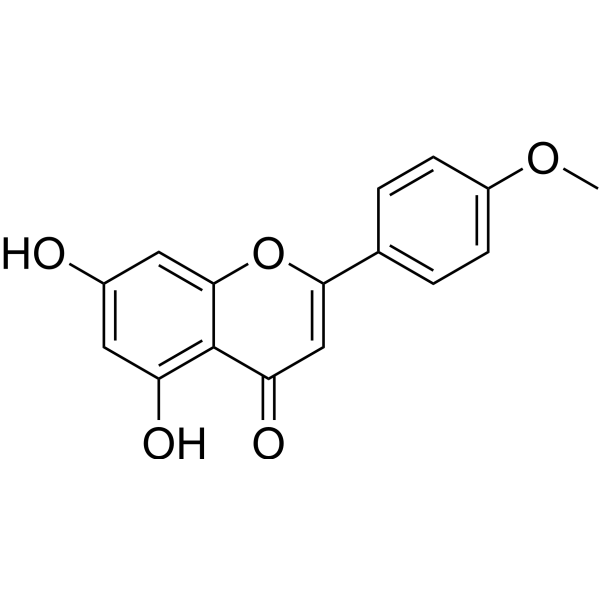
Acacetin (5,7-Dihydroxy-4'-methoxyflavone) is an orally active flavonoid derived from Dendranthema morifolium. Acacetin docks in the ATP binding pocket of PI3Kγ. Acacetin causes cell cycle arrest and induces apoptosis and autophagy in cancer cells. Acacetin has potent anti-cancer and anti-inflammatory activity and has the potential for pain-related diseases research .
|
-
-
- HY-148673
-
|
AZD0780; PCSK9-IN-12
|
PCSK9
|
Cardiovascular Disease
Metabolic Disease
|
|
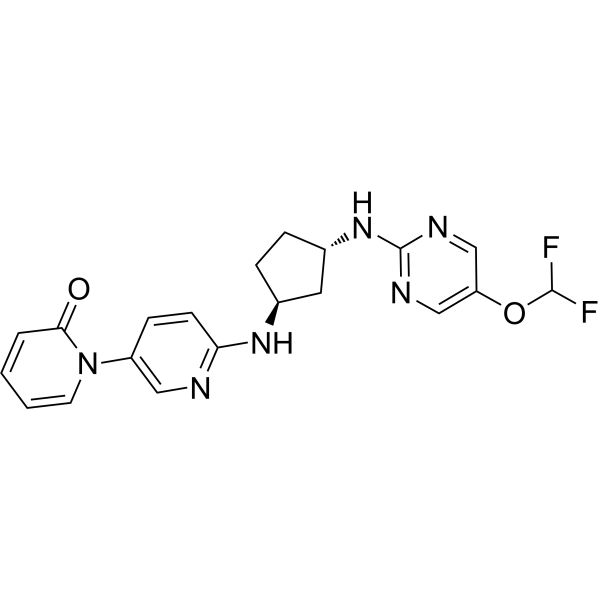
Laroprovstat (AZD0780) is an orall active PCSK9 inhibitor. PCSK9-IN-12 has bind affinity for PCSK9 with a Kd value of <200 nM. Laroprovstat binds to a pocket in the PCSK9 C-terminal domain and does not affect the PCSK9-LDL receptor (LDLR) interaction. Laroprovstat inhibits lysosomal trafficking of PSCK9-LDLR complexes and prevents PCSK9-induced LDLR degradation. Laroprovstat can be used for the research of hypercholesterolemia .
|
-
-
- HY-145928
-
|
GDC-6036
|
Ras
|
Cancer
|
|
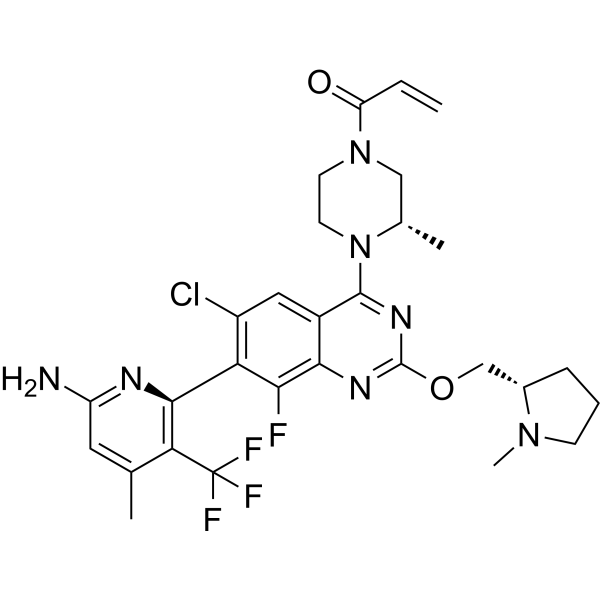
Divarasib (GDC-6036) is an orally active, selective KRAS G12C inhibitor with an IC50 of <0.01 μM. Divarasib covalently binds Cys12 in GDP-bound KRAS G12C, occupies the switch II pocket, blocks GTP binding and SOS-mediated reactivation, and inhibits oncogenic KRAS signaling. Divarasib induces tumor shrinkage and robust tumor growth inhibition in KRAS G12C-positive models and cancer cells. Divarasib can be used for the research of non-small cell lung cancer, colorectal adenocarcinoma, pancreatic ductal adenocarcinoma, and other KRAS G12C-mutated solid tumors .
|
-
-
- HY-160412
-
|
SAR-441566; TNFα activity modulator 3
|
TNF Receptor
|
Inflammation/Immunology
|
|
Balinatunfib (SAR-441566) is an orally active inhibitor of TNFR1 signaling. By binding to the central pocket of the soluble TNFα (sTNFα) trimer, Balinatunfib stabilizes an asymmetric conformation, blocking its binding to TNFR1 (without affecting TNFR2) and thus inhibiting downstream pathways. Balinatunfib has anti-inflammatory activity, and can be used in the study of autoimmune diseases .
|
-
-
- HY-156633
-
|
PC14586
|
MDM-2/p53
|
Cancer
|
|
Rezatapopt (PC14586) is an orally active antineoplastic agent. Rezatapopt binds to a pocket created by the TP53 Y220C mutation. Rezatapopt restores p53 tumor suppressor functions by stabilization of the p53 protein structure. Rezatapopt demonstrates tumor inhibition and regression in mouse models with established human tumor xenografts harboring the TP53 Y220C mutation .
|
-
-
- HY-112306
-
|
DCC-2618
|
c-Kit
PDGFR
FLT3
VEGFR
Apoptosis
|
Cancer
|
|
Ripretinib (DCC-2618) is an orally bioavailable, selective KIT and PDGFRA switch-control inhibitor. Ripretinib (DCC-2618) targets and binds to both wild-type and mutant forms of KIT and PDGFRA specifically at their switch pocket binding sites, thereby preventing the switch from inactive to active conformations of these kinases and inactivating their wild-type and mutant forms. Ripretinib (DCC-2618) also inhibits multiple other kinase targets, such as FLT3 and KDR (or VEGFR-2) . DCC-2618 exerts antineoplastic effect and induces apoptosis .
|
-
-
- HY-138565
-
|
|
YAP
|
Cancer
|
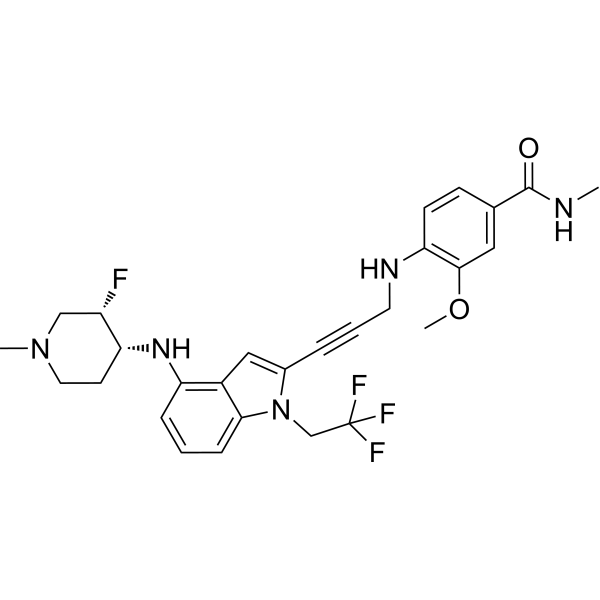
|
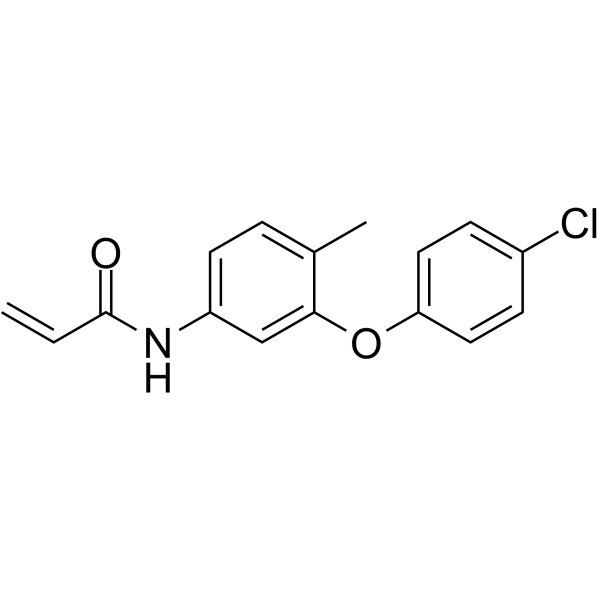
K-975 is a potent, selective and orally active TEAD inhibitor, with a strong inhibitory effect against protein-protein interactions between YAP1/TAZ and TEAD. K-975 covalently binds to Cys359 located in the palmitate-binding pocket of TEAD via an acrylamide structure. K-975 exhibits antitumor activity on malignant pleural mesothelioma .
|
-
-
- HY-138188
-
KRA-533
1 Publications Verification
|
Ras
|
Cancer
|
|
KRA-533 is a potent KRAS agonist. KRA-533 binds to the GTP/GDP binding pocket in the KRAS protein to prevent GTP cleavage, resulting in the accumulation of constitutively active GTP-bound KRAS that triggers both apoptotic and autophagic cell death pathways in cancer cells.
|
-
-
- HY-157941
-
|
|
ATM/ATR
Checkpoint Kinase (Chk)
DNA/RNA Synthesis
|
Cancer
|
|
ART0380 is a potent, selective and orally active ATR kinase inhibitor. ART0380 potently inhibits human ATR-ATRIP complex with an IC50 of 51.7 nM. ART0380 binds the ATP pocket of the ATR-ATRIP complex, blocks ATR-dependent Chk1 serine 345 phosphorylation, and induces cell cycle disorder and DNA damage. ART0380 demonstrates potent and selective antitumor activity in preclinical models with varying types of ataxia-telangiectasia mutated (ATM) gene aberrancy. ART0380 can be used for the research of cancer, such as colorectal cancer and prostate cancer .
|
-
-
- HY-126247
-
|
|
Ras
|
Cancer
|
|
BI-2852 is a KRAS inhibitor for the switch I/II pocket (SI/II-pocket) by structure-based agent design with nanomolar affinity. BI-2852 is mechanistically distinct from covalent KRASG12C inhibitor (binds to switch II pocket) and binds ten-fold more strongly to active KRASG12D versus KRASwt (740 nM vs 7.5 μM). BI-2852 blocks GEF, GAP, and effector interactions with KRAS, leading to inhibition of downstream signaling and an antiproliferative effect in KRAS mutant cells.
|
-
-
- HY-101903A
-
|
|
FABP
|
Cardiovascular Disease
Metabolic Disease
|
|
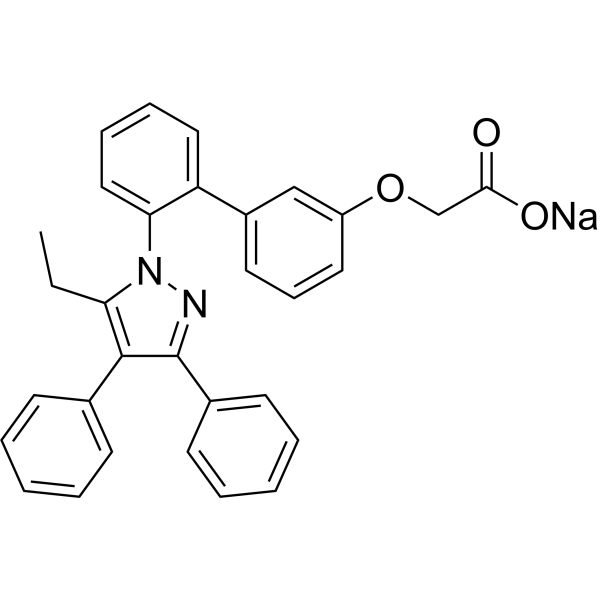
BMS-309403 sodium is a potent, orally active, and selective adipocyte fatty acid binding protein (also known as FABP4, aP2) inhibitor, with Kis of <2, 250, and 350 nM for FABP4, FABP3, and FABP5, respectively. BMS-309403 sodium interacts with the fatty-acid-binding pocket within the interior of the protein and competitively inhibits the binding of endogenous fatty acids. BMS-309403 sodium improves endothelial function in apolipoprotein E-deficient mice and in cultured human endothelial cells .
|
-
-
- HY-155338
-
|
|
YAP
|
Cancer
|
|
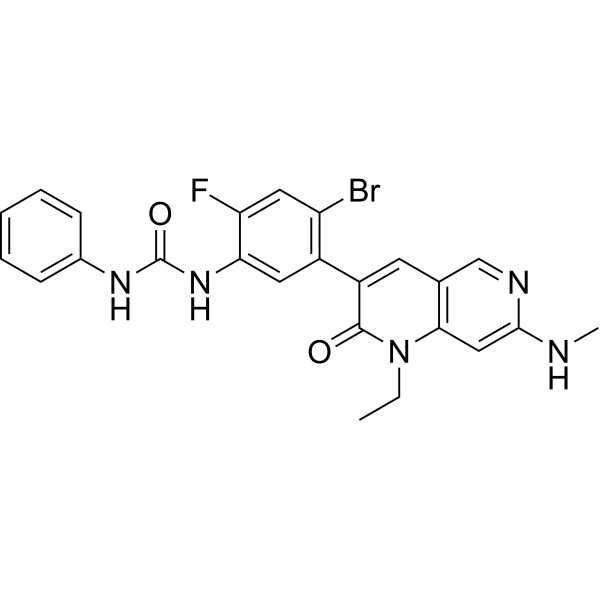
SWTX-143 is an orally active YAP/TAZ-TEAD inhibitor that binds to the palmitoylation pocket of all four TEAD isoforms. SWTX-143 causes irreversible and specific inhibition of the transcriptional activity of YAP/TAZ-TEAD and shows antitumor activity .
|
-
-
- HY-159520
-
|
Ofirnoflast; HT-6184
|
NEKs
NOD-like Receptor (NLR)
Caspase
Apoptosis
Pyroptosis
NF-κB
|
Cardiovascular Disease
Inflammation/Immunology
Cancer
|
|
Ofirnoflastum (Ofirnoflast) is an orally active first-in-class allosteric NEK7 inhibitor with an IC50 of 46 nM. Ofirnoflastum binds an allosteric site adjacent to NEK7’s ATP-binding pocket, induces conformational shifts, disrupts NEK7-NLRP3 binding, blocks NLRP3 inflammasome assembly, spares NEK7’s physiological functions, and suppresses caspase-1, caspase-8, NF-κB, and TNF activity. Ofirnoflastum reduces pro-inflammatory cytokine production, suppresses ASC specks, IL-1β release, pyroptotic cell death, and leukemic burden, induces apoptosis and erythroid differentiation, restores hematopoiesis, and improves outcomes in colitis models. Ofirnoflastum can be used for the research of myelodysplastic syndromes, chronic myelomonocytic leukemia, and acute myeloid leukemia .
|
-
-
- HY-N2414
-
-
-
- HY-147411
-
|
MK-8507
|
Reverse Transcriptase
HIV
|
Infection
|
|
Ulonivirine is an orally active non-nucleoside HIV-1 reverse transcriptase inhibitor that binds to the classical non-nucleoside reverse transcriptase inhibitor hydrophobic binding pocket adjacent to the polymerase active site of HIV-1 reverse transcriptase. Ulonivirine can be used in studies related to HIV-1 infection .
|
-
-
- HY-10295A
-
|
|
Organoid
p38 MAPK
Autophagy
Apoptosis
|
Neurological Disease
Cancer
|
|
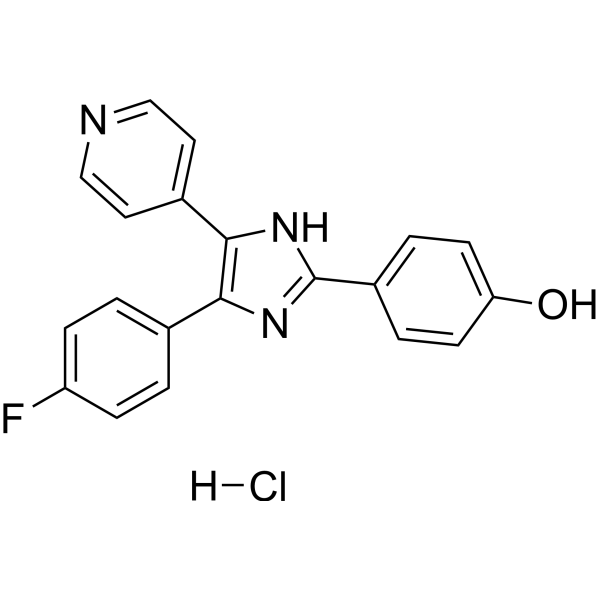
SB 202190 hydrochloride is a selective p38 MAP kinase inhibitor with IC50s of 50 nM and 100 nM for p38α and p38β2, respectively. SB 202190 hydrochloride binds to the ATP pocket of the active recombinant human p38 kinase with a Kd of 38 nM. SB 202190 hydrochloride has anti-cancer activity . SB202190 hydrochloride induces autophagy .
|
-
-
- HY-W009123
-
|
cis-13-Docosenamide
|
Endogenous Metabolite
Bacterial
|
Infection
Neurological Disease
|
|
Erucamide is an orally active, blood-brain barrier-permeable TMEM19 ligand and T3SS inhibitor. Erucamide exerts retinal neuroprotective effects in mouse models of retinal degeneration. Erucamide attenuates depression- and anxiety-like behaviors in mice.\n\nErucamide binds to the conserved hydrophobic pocket in HrcC, disrupts its outer membrane localization, and blocks T3SS-mediated effector protein secretion in Gram-negative pathogenic bacteria. Erucamide enhances the antimicrobial immunity of plants against pathogenic bacteria. Erucamide can be used in research related to retinitis pigmentosa, anxiety and depression, bacterial wilt, and bacterial blight .
|
-
-
- HY-N1374
-
|
|
ERK
|
Inflammation/Immunology
|
|
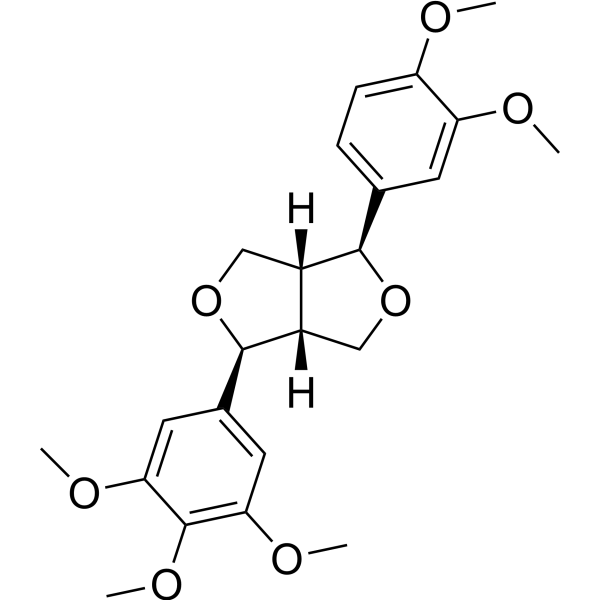
Magnolin, a major component of Magnolia liliiflora, inhibits the Ras/ERKs/RSK2 signaling axis by targeting the active pocket of ERK1 and ERK2 with IC50s of 87 nM and 16.5 nM, respectively.
|
-
-
- HY-147255
-
|
ZM-H1505R
|
HBV
|
Infection
|
Canocapavir (ZM-H1505R) is an orally active HBV core protein-targeting antiviral agent. Canocapavir binds to the hydrophobic pocket at the dimer-dimer interface of HBV core protein (HBc), stimulating intracellular accumulation of nonfunctional HBV capsids, disrupting viral replication. Canocapavir interferes with the interaction between HBc and HBV large surface protein, resulting in diminished production of empty virionsis. Canocapavir can be used for the research of hepatitis B virus (HBV) infection .
|
-
-
- HY-168046
-
|
|
Thyroid Hormone Receptor
|
Metabolic Disease
|
|
ALG-055009 is a selective and orally active Thyroid Hormone Receptor Beta (THR-β) agonist with an EC50 of 0.063 μM. ALG-055009 binds to the T3 hormone pocket of human THR-β, forming polar interactions with protein residues. ALG-055009 can lower total cholesterol levels in rats on a high-fat diet. ALG-055009 exhibits high metabolic stability, good permeability, a long in vivo half-life, and limited drug-drug interaction liability. ALG-055009 can be used in studies related to metabolic dysfunction-associated fatty liver disease .
|
-
-
- HY-N5112A
-
|
Arnebin 1
|
FGFR
Necroptosis
Apoptosis
CDK
JNK
|
Inflammation/Immunology
|
|
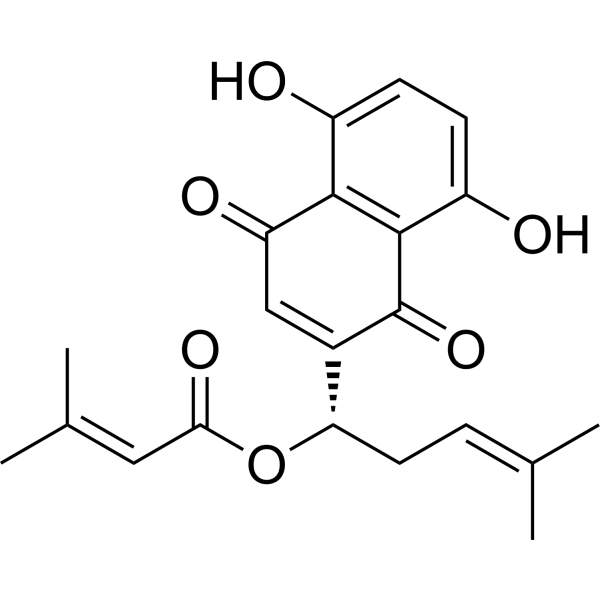
β,β-Dimethylacrylalkannin (Arnebin 1) is an orally active FGFR1 inhibitor (IC50=2.5 μM) and the main active component of Lithospermum erythrorhizon. β,β-Dimethylacrylalkannin blocks downstream signaling by binding to the ATP pocket of FGFR1, and regulates the CDK1/Cdc25C pathway and ROS-JNK axis, thereby inducing G2/M phase arrest, necrosis and apoptosis in cancer cells, and inhibiting tumor proliferation. β,β-Dimethylacrylalkannin also acts as a colistin adjuvant to disrupt the cell membrane of Gram-negative bacteria. β,β-Dimethylacrylalkannin exhibits significant tumor-inhibitory effects with no obvious toxicity in PDX models, but chronic exposure to high doses may alter the relative lung/liver weights of rats, while acute exposure to high doses causes responses such as reduced motor activity. β,β-Dimethylacrylalkannin finds wide application in studies related to hepatocellular carcinoma, colorectal cancer, colistin-resistant bacterial infections, hepatitis and psoriasis .
|
-
-
- HY-70005
-
|
Carboxypeptidase inhibitor
|
Carboxypeptidase
Wnt
β-catenin
|
Inflammation/Immunology
|
|
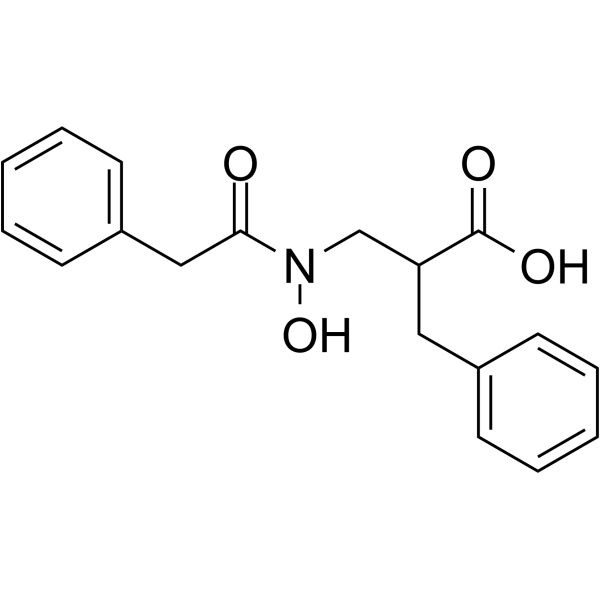
CPA inhibitor (Compound 5) (Carboxypeptidase inhibitor) is an orally active competitive carboxypeptidase A (CPA) inhibitor with a Ki value of 0.32 μM. CPA inhibitor blocks the activity of carboxypeptidase A3 (CPA3). CPA activator activates the Wnt/Lrp6/β-catenin signaling pathway. CPA inhibitor reduces epithelial damage. CPA inhibitor is applicable to research related to inflammatory bowel disease, including ulcerative colitis and Crohn's disease .
|
-
-
- HY-123035
-
|
|
HSP
Akt
EGFR
|
Endocrinology
|
|
Gamendazole, an indazole carboxylic acid (ICA), is an orally active, selective HSP90AB1 (HSP90BETA) and EEF1A1 (eEF1A) inhibitor. Gamendazole binds to the C-terminal nucleotide binding pocket of HSP90 and cause downregulation of clients AKT1 and ERBB2, but stabilizes the HSP90 heterocomplex. Gamendazole specifically inhibits the actin bundling function of EEF1A1, but does not bind to the nucleotide docking pocket nor inhibits the ribosome charging or protein translation functions of EEF1A1. Gamendazole, an antispermatogenic compound with antifertility effects, has the potential for reversible non-hormonal male contraceptive agent research .
|
-
-
- HY-173521
-
|
|
SARS-CoV
DNA/RNA Synthesis
Virus Protease
|
Infection
|
|
JNJ-9676 is an orally active Coronavirus M protein inhibitor and selective Sarbecovirus inhibitor. JNJ-9676 binds to the M protein dimer and forces the protein into an alternative conformational state with a compound-induced binding pocket. JNJ-9676 demonstrates in vitro nanomolar antiviral activity against SARS-CoV-2, SARS-CoV and Sarbecovirus strains from bat and pangolin zoonotic origin .
|
-
-
- HY-156193
-
|
|
PDHK
|
Cardiovascular Disease
Metabolic Disease
|
|
PF-07208254 is a selective, orally active allosteric inhibitor of branched-chain ketoacid dehydrogenase kinase (BDK) (IC50=110 nM, Ki=54 nM, KD=84 nM). PF-07208254 inhibits BDK-mediated BCKDH phosphorylation and enhances the catabolism of branched-chain amino acids (BCAAs) and branched-chain keto acids (BCKAs) by binding to the allosteric pocket of BDK, reducing BDK binding to BCKDH-E2 and promoting BDK degradation. PF-07208254 inhibits BDK activity in human skeletal muscle cells (IC50=540 nM) and has activity to improve cardiac function and metabolism. PF-07208254 can be used in the study of cardiometabolic diseases (e.g., heart failure, type 2 diabetes) .
|
-
-
- HY-159805
-
|
|
CDK
|
Cancer
|
|
CDK2-IN-31 is a CCNE1:CDK2 complex inhibitor with an IC50 of 0.13 μM. CDK2-IN-31 binds to a cryptic allosteric pocket at the CCNE1:CDK2 interface, inducing structural rearrangements of the CDK2 A-loop that disrupt the kinase's active conformation and interfere with substrate binding. CDK2-IN-31 inhibits phosphorylation of retinoblastoma protein 1 (RB1) in CCNE1-dependent ovarian cancer cells. CDK2-IN-31 impairs coenrichment of protein PRC1 with CCNE1-N112C:CDK2 complexes. CDK2-IN-31 can be used for the research of ovarian cancer .
|
-
-
- HY-12679
-
|
|
Btk
|
Cancer
|
|
PF-06658607 is an alkynylated irreversible Brutons tyrosine kinase (BTK) inhibitor that covalently reacts with active site cysteines in the ATP-binding pocket. PF-06658607 can be used to detect "off "-targets for covalent kinase inhibitors in cancer cells. The alkyne moiety allows for azide-based detection probe via copper-catalyzed click chemistry .
|
-
-
- HY-10118
-
|
|
HCV
DNA/RNA Synthesis
|
Infection
|
|
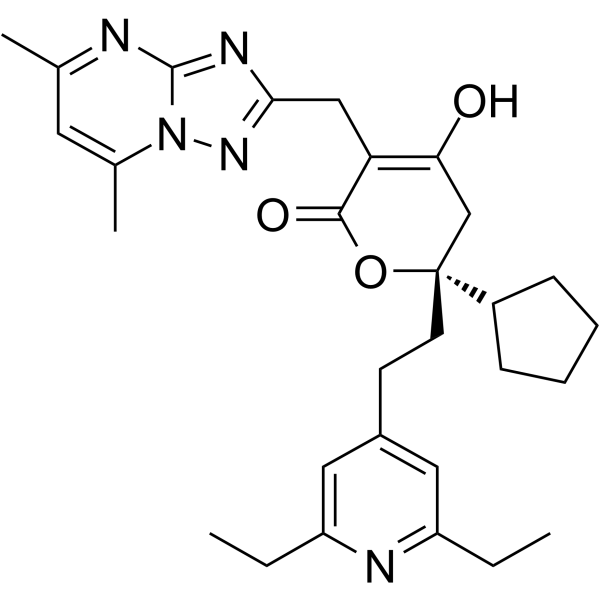
Filibuvir is an orally active, selective non-nucleoside inhibitor of the HCV nonstructural 5B protein (NS5B) RNA-dependent RNA polymerase (RdRp). Filibuvir binds noncovalently in the thumb II allosteric pocket of NS5B. Filibuvir inhibits genotype 1a and 1b replicons with EC50s of 59 nM for both isoforms, respectively . Filibuvir preferentially inhibits elongative RNA synthesis and potently decreases viral RNA accumulation .
|
-
-
- HY-124858
-
|
|
STAT
JAK
Apoptosis
|
Cardiovascular Disease
Cancer
|
|
SC99 is an orally active, selective STAT3 inhibitor targeting JAK2-STAT3 pathway. SC99 docks into the ATP-binding pocket of JAK2. SC99 inhibits phosphorylation of JAK2 and STAT3 with no effects on the other kinases associated with STAT3 signaling. SC99 inhibits platelet activation, aggregation and displays potent anti-myeloma, anti-thrombotic activities .
|
-
-
- HY-161612
-
|
|
Tyrosinase
SOD
COX
NO Synthase
Keap1-Nrf2
|
Inflammation/Immunology
|
|
Mycosporine 2 glycine is an anti-inflammatory agent and TYRP1 inhibitor. Mycosporine 2 glycine inhibits the expression of inflammatory genes and reduces nitric oxide production. Mycosporine 2 glycine binds tightly to the active pocket of TYRP1 and inhibits the activity of melanogenesis-related enzymes. Mycosporine 2 glycine can be used in the research of hyperpigmentation and inflammation-related diseases .
|
-
-
- HY-122643
-
|
|
Bacterial
|
Infection
|
|
NITD-916, a 4-hydroxy-2-pyridone derivative, is an orally active mycobacterial enoyl reductase InhA inhibitor with an IC50 of 570 nM. NITD-916 forms a ternary complex with InhA and NADH to block access to the fatty acyl substrate binding pocket. NITD-916 inhibition of InhA reduces the synthesis of mycolic acids and results in cell death. NITD-916 has potent anti-tuberculosis effects .
|
-
-
- HY-176537
-
|
|
Microtubule/Tubulin
|
Cancer
|
|
RGN6024 is a brain-penetrant, orally active and reversible small molecule tubulin destabilizer. RGN6024 inhibits microtubule polymerization both in biochemical and cellular assays, binds to the colchicine binding pocket of β-tubulin (SPR: Kd = 6.7 μM; tryptophan assay: Kd = 7.4 μM), and triggers G2/M arrest in glioblastoma (GB) cells. RGN6024 retains activity in βIII-tubulin overexpressing cells. RGN6024 inhibits tumor growth in a GB xenograft mouse model. RGN6024 can be used for the study of glioblastoma (GB) .
|
-
-
- HY-16138
-
|
CG-200745
|
HDAC
MDM-2/p53
Apoptosis
|
Cancer
|
|
Ivaltinostat (CG-200745) is an orally active, potent pan-HDAC inhibitor which has the hydroxamic acid moiety to bind zinc at the bottom of catalytic pocket. Ivaltinostat inhibits deacetylation of histone H3 and tubulin. Ivaltinostat induces the accumulation of p53, promotes p53-dependent transactivation, and enhances the expression of MDM2 and p21 (Waf1/Cip1) proteins. Ivaltinostat enhances the sensitivity of Gemcitabine-resistant cells to Gemcitabine (HY-16138) and 5-Fluorouracil (5-FU; HY-90006). Ivaltinostat induces apoptosis and has anti-tumour effects .
|
-
-
- HY-145928B
-
|
GDC-6036 adipate
|
Ras
|
Cancer
|
|
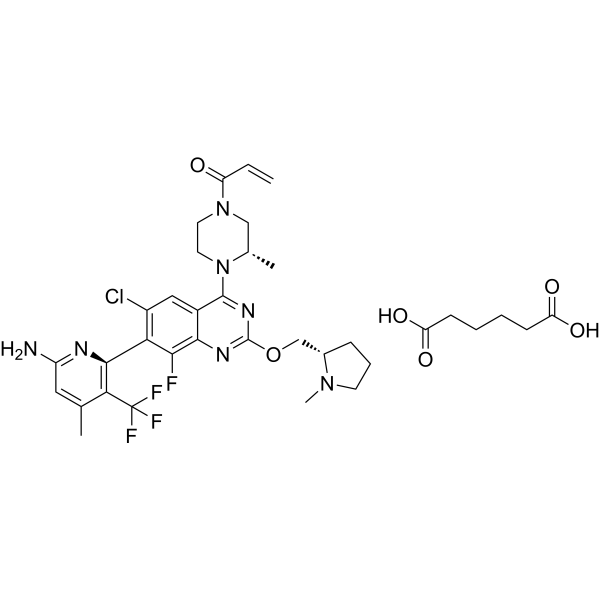
Divarasib (GDC-6036) adipate is an orally active, selective KRASG12C inhibitor with an IC50 of <0.01 μM. Divarasib adipate covalently binds Cys12 in GDP-bound KRASG12C, occupies the switch II pocket, blocks GTP binding and SOS-mediated reactivation, and inhibits oncogenic KRAS signaling. Divarasib adipate induces tumor shrinkage and robust tumor growth inhibition in KRASG12C-positive models and cancer cells. Divarasib adipate can be used for the research of non-small cell lung cancer, colorectal adenocarcinoma, pancreatic ductal adenocarcinoma, and other KRASG12C-mutated solid tumors .
|
-
-
- HY-16138A
-
|
CG-200745 formic
|
HDAC
MDM-2/p53
Apoptosis
|
Inflammation/Immunology
Endocrinology
Cancer
|
|
Ivaltinostat (CG-200745) formic is an orally active, potent pan-HDAC inhibitor which has the hydroxamic acid moiety to bind zinc at the bottom of catalytic pocket. Ivaltinostat formic inhibits deacetylation of histone H3 and tubulin. Ivaltinostat formic induces the accumulation of p53, promotes p53-dependent transactivation, and enhances the expression of MDM2 and p21 (Waf1/Cip1) proteins. Ivaltinostat formic enhances the sensitivity of Gemcitabine-resistant cells to Gemcitabine (HY-16138) and 5-Fluorouracil (5-FU; HY-90006). Ivaltinostat formic induces apoptosis and has anti-tumour effects .
|
-
-
- HY-136300
-
-
-
- HY-126247B
-
|
|
Drug Derivative
Ras
|
Cancer
|
|
(R)-BI-2852 is the isomer of BI-2852 (HY-126247), and can be used as an experimental control. BI-2852 is a KRAS inhibitor for the switch I/II pocket (SI/II-pocket) by structure-based agent design with nanomolar affinity. BI-2852 is mechanistically distinct from covalent KRASG12C inhibitor (binds to switch II pocket) and binds ten-fold more strongly to active KRASG12D versus KRASwt (740 nM vs 7.5 μM). BI-2852 blocks GEF, GAP, and effector interactions with KRAS, leading to inhibition of downstream signaling and an antiproliferative effect in KRAS mutant cells.
|
-
-
- HY-123045
-
|
|
CDK
|
Cancer
|
|
PNU-292137 is an orally active, potent CDK2 inhibitor with IC50s of 37 nM and 92 nM for CDK2/cyclin A and CDK2/cyclin E, respectively. PNU-292137 makes interactions with the hydrophobic pocket at the back of the CDK2 ATP pocket. PNU-292137 efficiently inhibits tumor cell proliferation in human colon and prostate tumor cell lines. PNU-292137 exhibits antitumor activity (TGI>50%) in a mouse xenograft model .
|
-
-
- HY-175249
-
|
|
|
Others
|
|
TKL-IN-2 is a herbicide and SvTKL inhibitor with an IC50 of 0.11 mg/L. TKL-IN-2 binds to the SvTKL active site, interacts with key pocket residues, and inhibits enzyme activity. TKL-IN-2 can be used for the research of weed control in maize, wheat, soybean, and cotton fields .
|
-
-
- HY-179505
-
|
|
YAP
|
Cancer
|
|
OPN-9652 is a potent, orally active, and covalent TEAD inhibitor (MSTO-211H TEAD IC50 = 0.005 µM) targeting the central palmitate binding pocket of TEADs. OPN-9652 reduces TEAD-dependent reporter activity and expression of TEAD targets (CTGF and CYR61). OPN-9652 resensitizes drug-tolerant SOX10 KO cells to BRAFi + MAPKi. OPN-9652 delays the onset of tumor resistance to BRAFi + MEKi from minimal residual disease (MRD) in a BRAF mutant A375 xenograft mouse model. OPN-9652 can be used for melanoma research .
|
-
-
- HY-121900
-
|
|
PPAR
|
Metabolic Disease
Endocrinology
|
|
LT175, a dual PPARα/γ ligand, is an orally active partial agonist against PPARγ(hPPARα:EC50=0.22 μm; mPPARα:EC50=0.26 μm; hPPARγ:EC50=0.48 μm). LT175 interacts with PPARγ and affects the recruitment of the coregulators cyclic-AMP response element-binding protein-binding protein and nuclear corepressor 1 (NCoR1). LT175 interacts with PPARγ in a hydrophobic region called “diphenyl pocket”. LT175 has potent insulin-sensitizing effects and reduced adipogenic properties .
|
-
-
- HY-134858
-
|
A1AT modulator 1
|
Serpin
Ser/Thr Protease
|
Metabolic Disease
|
|
GSK716 (A1AT modulator 1) is an orally active Z α1-antitrypsin (Z-A1AT) inhibitor with a pIC50 of 8.3. GSK716 binds a cryptic Z α1-antitrypsin pocket, stabilizes monomeric folding intermediates, blocks polymerization, and increases monomer secretion. GSK716 acts on select sensitive α1-antitrypsin variants but fails to affect resistant variants. GSK716 can be used for the research of α1-antitrypsin deficiency and α1-antitrypsin deficiency-associated liver disease .
|
-
-
- HY-170322
-
|
|
Indoleamine 2,3-Dioxygenase (IDO)
|
Metabolic Disease
Cancer
|
|
TDO2-IN-1 is a selective TDO2 inhibitor. TDO2-IN-1 binds to the active pocket, heme-binding pocket and substrate-binding pocket of apo-TDO2, interacts with key residues, competitively inhibits heme insertion, and suppresses intracellular TDO2 activity. TDO2-IN-1 can be used in research related to cancer, metabolism and other fields .
|
-
-
- HY-N10871
-
|
|
SARS-CoV
|
Cancer
|
|
Neocryptomerin, a biflavonoid, shows inhibitory activity against U251, MCF-7, HeLa cell. Neocryptomerin has favorable binding affinities in the active pocket of SARS-CoV-2. Neocryptomerin is the leading compound of rational compounds against COVID-19 .
|
-
-
- HY-152158
-
|
|
Glycosidase
|
Metabolic Disease
|
|
α-Glucosidase-IN-22 (Compound 7i) is a α-glucosidase inhibitor with an IC50 value of 0.64 μM. α-Glucosidase-IN-22 can be used for the research of type 2 diabetes .
|
-
-
- HY-178980
-
|
|
Casein Kinase
|
Cancer
|
|
APL-5125 (Compound 61f) is a potent, selective and orally active ATP-competitive CK2α inhibitor with an IC50 of 0.348 nM and a Ki of 0.095 nM. APL-5125 binds to CK2α in a bivalent manner, simultaneously interacting with the ATP-binding site and the αD pocket. APL-5125 exhibits antitumor activity and can be used for the research of cancer, such as colon cancer .
|
-
- HY-146727
-
|
|
JAK
|
Inflammation/Immunology
|
|
JAK3-IN-11 (Compound 12), a potent, noncytotoxic, irreversible, orally active JAK3 inhibitor with IC50 value of 1.7 nM, has excellent selectivity (>588-fold compared to other JAK isoforms), covalently bind to the ATP-binding pocket in JAK3. JAK3-IN-11 strongly inhibits JAK3-dependent signaling and T cell proliferation, is a promising tool for study autoimmune diseases .
|
-
- HY-179571
-
|
PPTD
|
Reactive Oxygen Species (ROS)
Ferroptosis
|
Cancer
|
|
ZIP 14-IN-1 (PPTD) is a selective and orally active ZIP14 inhibitor. ZIP 14-IN-1 inhibits ZIP14 while sparing ZIP8 (SLC39A8). ZIP 14-IN-1 efficiently blocks ZIP14-mediated uptake of multiple divalent metals (zinc, iron, manganese and cadmium). ZIP 14-IN-1 binds to a pocket formed at the dimer interface of ZIP14, obstructing the metal transport pathway. ZIP 14-IN-1 effectively reverses the consequent elevation of reactive oxygen species (ROS) and lipid peroxidation, attenuating metal-induced cytotoxicity. ZIP 14-IN-1 can be uses for cancer cachexia research .
|
-
- HY-179427
-
|
|
Histone Methyltransferase
Apoptosis
Reactive Oxygen Species (ROS)
|
Cancer
|
|
NSD2/H3K36me2 modulator-1 is an orally active NSD2/H3K36me2 modulator. NSD2/H3K36me2 modulator-1 competitively binds to the SAM pocket of NSD2, potently inhibits NSD2 expression and suppresses H3K36me2 methylation. NSD2/H3K36me2 modulator-1 reverses epithelial-mesenchymal transition (EMT), inhibits cell migration, and induces G0/G1 phase arrest and apoptosis. NSD2/H3K36me2 modulator-1 induces decreased Mitochondrial membrane potential (MMP) and subsequent Reactive oxygen species (ROS) generation. NSD2/H3K36me2 modulator-1 can be used to research the NSD2-targeting epigenetic anticancer strategies for hepatocellular carcinoma (HCC) .
|
-
- HY-169228
-
|
|
Btk
|
Cancer
|
|
WS-11 is a non-covalent reversible BTK inhibitor with IC50s of 3.9 nM and 2.2 nM for wild type, C481S mutation BTK, respectively. WS-11 can form strong π-π interaction with PHE540 and form p-π interaction with LYS430 within the active pocket, besides the strong hydrogen bonds .
|
-
- HY-124308
-
|
|
PKC
|
Cancer
|
|
PS315, a derivative of PS48 (HY-15967), is an allosteric PKC inhibitor by binding to the PIF-pocket of aPKC and inducing a displacement of the active site residue Lys111. PS315 inhibits the full-length and catalytic domain constructs of PKCζ (IC50=10 μM) and PKCη (IC50=30 μM). PS315 has anti-cancer activity .
|
-
- HY-N0451R
-
|
5,7-Dihydroxy-4'-methoxyflavone (Standard)
|
Reference Standards
Apoptosis
Autophagy
|
Neurological Disease
Inflammation/Immunology
Cancer
|
|
Acacetin (Standard) is the analytical standard of Acacetin. This product is intended for research and analytical applications. Acacetin (5,7-Dihydroxy-4'-methoxyflavone) is an orally active flavonoid derived from Dendranthema morifolium. Acacetin docks in the ATP binding pocket of PI3Kγ. Acacetin causes cell cycle arrest and induces apoptosis and autophagy in cancer cells. Acacetin has potent anti-cancer and anti-inflammatory activity and has the potential for pain-related diseases research .
|
-
- HY-17600R
-
|
ACP-196 (Standard)
|
Reference Standards
Btk
|
Cancer
|
|
Acalabrutinib (Standard) is the analytical standard of Acalabrutinib. This product is intended for research and analytical applications. Acalabrutinib (ACP-196) is an orally active, irreversible, and highly selective second-generation BTK inhibitor. Acalabrutinib binds covalently to Cys481 in the ATP-binding pocket of BTK. Acalabrutinib demonstrates potent on-target effects and efficacy in mouse models of chronic lymphocytic leukemia (CLL) . Acalabrutinib is a click chemistry reagent, itcontains an Alkyne group and can undergo copper-catalyzed azide-alkyne cycloaddition (CuAAc) with molecules containing Azide groups.
|
-
- HY-174391
-
|
|
Androgen Receptor
Apoptosis
|
Cancer
|
|
AR antagonist 15 is an orally active androgen receptor (AR) antagonist with the IC50 of 97 nM for ART787A. AR antagonist 15 disrupts AR nuclear translocation, hinders AR homodimerization, and suppresses transcription of AR-regulated genes by competitive binding to the ligand binding pocket. AR antagonist 15 can significantly lower the prostate-specific antigen (PSA) level. AR antagonist 15 induces apoptosis by reducing the expression of apoptosis pathway related proteins. AR antagonist 15 can be used for the research of prostate cancer.
|
-
- HY-171788
-
|
|
N-myristoyltransferase
|
Cancer
|
|
NMT-IN-8 (Compound Ex.129) is an orally active and highly selective inhibitor of N-myristoyl transferase (NMT) with an IC50 value of <10 nM. NMT-IN-8 binds to the peptide binding pocket of NMT, blocking its catalyzed protein N-myristoylation to interfere with key pathways such as protein trafficking, signal transduction, and viral replication. NMT-IN-8 is promising for research of oncology (e.g., MYC-addicted cancers, B-cell lymphoma) and infectious diseases (e.g., malaria, HIV, rhinovirus infection) .
|
-
- HY-112306R
-
|
DCC-2618 (Standard)
|
c-Kit
PDGFR
FLT3
VEGFR
Apoptosis
Reference Standards
|
Cancer
|
|
Ripretinib (Standard) is the analytical standard of Ripretinib. This product is intended for research and analytical applications. Ripretinib (DCC-2618) is an orally bioavailable, selective KIT and PDGFRA switch-control inhibitor. Ripretinib (DCC-2618) targets and binds to both wild-type and mutant forms of KIT and PDGFRA specifically at their switch pocket binding sites, thereby preventing the switch from inactive to active conformations of these kinases and inactivating their wild-type and mutant forms. Ripretinib (DCC-2618) also inhibits multiple other kinase targets, such as FLT3 and KDR (or VEGFR-2) . DCC-2618 exerts antineoplastic effect and induces apoptosis .
|
-
- HY-N1374R
-
|
|
Reference Standards
ERK
|
Inflammation/Immunology
|
|
Magnolin (Standard) is the analytical standard of Magnolin. This product is intended for research and analytical applications. Magnolin, a major component of Magnolia liliiflora, inhibits the Ras/ERKs/RSK2 signaling axis by targeting the active pocket of ERK1 and ERK2 with IC50s of 87 nM and 16.5 nM, respectively.
|
-
- HY-134136
-
|
|
Endogenous Metabolite
|
Others
|
|
Octanoyl coenzyme A is an enoyl-CoA hydratase binder. Octanoyl coenzyme A binds to the active site of enoyl-CoA hydratase, occupies the binding pocket for the fatty acid tail of the enzyme's substrate, and induces a conformational shift in a flexible protein loop via its longer octanoyl chain, forming an open channel leading to the inter-trimer gap .
|
-
- HY-134136B
-
|
S-Octanoate-CoA triammonium; S-Octanoate-coenzyme A triammonium
|
Biochemical Assay Reagents
|
Others
|
|
Octanoyl coenzyme A triammonium is an enoyl-CoA hydratase binder. Octanoyl coenzyme A triammonium binds to the active site of enoyl-CoA hydratase, occupies the binding pocket for the fatty acid tail of the enzyme's substrate, and induces a conformational shift in a flexible protein loop via its longer octanoyl chain, forming an open channel leading to the inter-trimer gap .
|
-
- HY-170523
-
|
|
SARS-CoV
DNA Methyltransferase
|
Infection
|
|
RU-0415529 is an orally active inhibitor for SARS-CoV-2 nonstructural protein 14 (NSP14) with an IC50 of 356 nM. RU-0415529 binds to the SAH-stabilized cap binding pocket, inhibits viral RNA methylation and the viral replication. RU-0415529 exhibits anti-infectious activity in mouse models .
|
-
- HY-W757743
-
|
ACP-196-d3
|
Isotope-Labeled Compounds
|
Others
|
|
Acalabrutinib-d3 (ACP-196-d3) is the deuterated form of Acalabrutinib (HY-17600). Acalabrutinib (ACP-196) is an orally active, irreversible, highly selective second-generation BTK inhibitor. Acalabrutinib covalently binds to Cys481 in the ATP-binding pocket of BTK. Acalabrutinib shows strong targeting and efficacy in mouse models of chronic lymphocytic leukemia (CLL).
|
-
- HY-75368
-
|
|
LRRK2
|
Neurological Disease
|
|
SRI-31255 is an orally active LRRK2 inhibitor with IC50 values of 520 and 427 nM for human wild-type (WT) and mutant G2019S, respectively. SRI-31255 exerts neuroprotective effects by binding to the ATP-binding pocket of LRRK2, inhibiting kinase activity. SRI-31255 can be used as a lead compound for the development of LRRK2-targeted drugs for the treatment of Parkinson's disease .
|
-
- HY-10295AR
-
|
|
Organoid
Reference Standards
p38 MAPK
Autophagy
Apoptosis
|
Neurological Disease
Cancer
|
|
SB 202190 (hydrochloride) (Standard) is the analytical standard of SB 202190 (hydrochloride). This product is intended for research and analytical applications. SB 202190 hydrochloride is a selective p38 MAP kinase inhibitor with IC50s of 50 nM and 100 nM for p38α and p38β2, respectively. SB 202190 hydrochloride binds to the ATP pocket of the active recombinant human p38 kinase with a Kd of 38 nM. SB 202190 hydrochloride has anti-cancer activity . SB202190 hydrochloride induces autophagy .
|
-
- HY-10295R
-
|
|
Organoid
Reference Standards
p38 MAPK
Autophagy
Apoptosis
|
Neurological Disease
Cancer
|
|
SB 202190 (Standard) is the analytical standard of SB 202190. This product is intended for research and analytical applications. SB 202190 is a selective p38 MAP kinase inhibitor with IC50s of 50 nM and 100 nM for p38α and p38β2, respectively. SB 202190 binds to the ATP pocket of the active recombinant human p38 kinase with a Kd of 38 nM. SB 202190 has anti-cancer activity and rescued memory deficits . SB202190 induces autophagy .
|
-
- HY-147255A
-
|
(S)-ZM-H1505R
|
HBV
|
Infection
|
(S)-Canocapavir is the isomer of Canocapavir (HY-147255A). Canocapavir (ZM-H1505R) is an orally active HBV core protein-targeting antiviral agent. Canocapavir binds to the hydrophobic pocket at the dimer-dimer interface of HBV core protein (HBc), stimulating intracellular accumulation of nonfunctional HBV capsids, disrupting viral replication. Canocapavir interferes with the interaction between HBc and HBV large surface protein, resulting in diminished production of empty virionsis. Canocapavir can be used for the research of hepatitis B virus (HBV) infection .
|
-
- HY-149005
-
|
|
Histone Methyltransferase
|
Cancer
|
|
PRMT5-IN-19 (Compound 41) is an selective orally active non-nucleoside PRMT5 inhibitor with IC50 values of 23.9 nM (radioactive biochemical assay) and 47 nM (AlphaLISA assay). PRMT5-IN-19 can occupy the SAM-binding pocket in PRMT5 and block methyltransferase activity, which displays good selectivity over other PRMTs and PKMTs. PRMT5-IN-19 inhibits cell proliferation by inducing cell apoptosis, and can be used for cancer-related research .
|
-
- HY-10289
-
|
RO-4876904
|
Dipeptidyl Peptidase
GLP Receptor
P-glycoprotein
|
Metabolic Disease
|
|
Carmegliptin (RO-4876904) is an orally active and potent DPP IV inhibitor with a human DPP IV IC50 of 6.8 nM. Carmegliptin binds to the S1 pocket of DPP IV, blocks the degradation of GLP 1, potentiates endogenous GLP 1, increases plasma insulin levels, alleviates hyperglycemia, improves glucose tolerance. Carmegliptin acts as a substrate for human P glycoprotein without inhibiting the transporter, shows low in vitro cell permeability. Carmegliptin can be used for the research of type 2 diabetes, non insulin dependent diabetes mellitus .
|
-
- HY-101903R
-
|
|
Reference Standards
FABP
|
Cardiovascular Disease
Metabolic Disease
|
|
BMS-309403 (Standard) is the analytical standard of BMS-309403. This product is intended for research and analytical applications. BMS-309403 is a potent, orally active and selective adipocyte fatty acid binding protein (also known as FABP4, aP2) inhibitor with Kis of <2, 250, and 350 nM for FABP4, FABP3, and FABP5, respectively. BMS-309403 interacts with the fatty-acid-binding pocket within the interior of the protein and competitively inhibits the binding of endogenous fatty acids. BMS-309403 improves endothelial function in apolipoprotein E-deficient mice and in cultured human endothelial cells .
|
-
- HY-101903AR
-
|
|
Reference Standards
FABP
|
Cardiovascular Disease
Metabolic Disease
|
|
BMS-309403 (sodium) (Standard) is the analytical standard of BMS-309403 (sodium). This product is intended for research and analytical applications. BMS-309403 sodium is a potent, orally active, and selective adipocyte fatty acid binding protein (also known as FABP4, aP2) inhibitor, with Kis of <2, 250, and 350 nM for FABP4, FABP3, and FABP5, respectively. BMS-309403 sodium interacts with the fatty-acid-binding pocket within the interior of the protein and competitively inhibits the binding of endogenous fatty acids. BMS-309403 sodium improves endothelial function in apolipoprotein E-deficient mice and in cultured human endothelial cells .
|
-
- HY-N2414R
-
|
|
Reference Standards
Reactive Oxygen Species (ROS)
Necroptosis
Pyroptosis
Interleukin Related
Caspase
NOD-like Receptor (NLR)
|
Inflammation/Immunology
Cancer
|
|
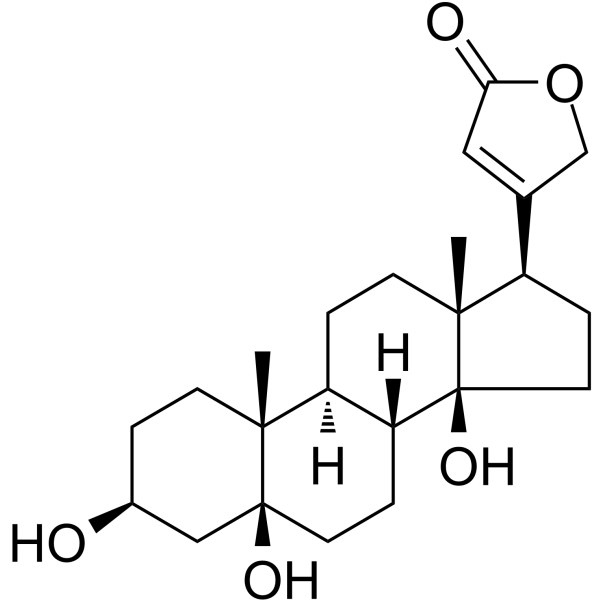
Periplogenin (Standard) is the analytical standard of Periplogenin (HY-N2414). Periplogenin is an orally active cardiac glycoside found in Cortex periplocae. Periplogenin can induce ROS production and necroptosis and cause G0/G1 phase arrest. Periplogenin can inhibit pyroptosis by regulating the NLRP3/Caspase-1/GSDMD signaling. Periplogenin suppresses growth of prostate carcinoma cells by docking to an ATP1A1 protein pocket and forming a hydrogen bond with T804. Periplogenin can be used for the researches of cancer, inflammation and immunology, such as prostate carcinoma, rheumatoid arthritis and psoriasis .
|
-
- HY-103490R
-
|
EDHS-206 (Standard)
|
Reference Standards
MAP3K
Apoptosis
|
Infection
Inflammation/Immunology
Cancer
|
|
Takinib (Standard) is the analytical standard of Takinib. This product is intended for research and analytical applications. Takinib (EDHS-206) is an orally active and selective TAK1 inhibitor (IC50=9.5 nM), more than 1.5 log more potent than the second and third ranked targets, IRAK4 (120 nM) and IRAK1 (390 nM), respectively. Takinib is an inhibitor of autophosphorylated TAK1 that non-competitively binds within the ATP binding pocket. Takinib induces apoptosis following TNFα stimulation in cell models of rheumatoid arthritis and metastatic breast cancer. Takinib is also a P. falciparum protein kinase 9 (PfPK9) inhibitor (KD(app) of 0.46 μM) .
|
-
- HY-168185
-
|
|
Glycosidase
Phosphatase
Amylases
|
Metabolic Disease
|
|
α-glucosidase/PTP1B-IN-1 (compound 8a) is a potent α-glucosidase and PTP1B inhibitor with an IC50 value of 66.3 μM and 47.0 μM, respectively. α-glucosidase/PTP1B-IN-1 exhibits excellent activities against α-amylase with an IC50 of 30.62 μM. α-glucosidase/PTP1B-IN-1 can dock into the active pockets of α-glucosidase and PTP1B. α-glucosidase/PTP1B-IN-1 has potential to reduce the postprandial blood glucose and is used for Type 2 diabetes mellitus .
|
-
- HY-P1609
-
|
|
Renin
Enteropeptidase
|
Cardiovascular Disease
|
|
CP-69799 is an azahomostatine-containing oligopeptide transition-state analogue inhibitor with a hog renin IC50 of 6e-9 M, human plasma renin IC50 of 3e-7 M and Ki of 0.310 μM, and endothiapepsin Ki of 0.27 μM. CP-69799 binds endothiapepsin’s active site cleft in extended conformation, fills S4 to S3' pockets, displaces native solvent molecules, induces domain rotation, and reduces thermal mobility of endothiapepsin’s flap and helix regions. CP-69799 acts as a transition-state analogue inhibitor of hog renin and human plasma renin. CP-69799 contains a polar lysine residue at the P2' position, with a nitrogen atom replacing the P1' Cα atom of the hydroxyethylene dipeptide isostere. CP-69799 can be used for the research of hypertension .
|
-
- HY-183108
-
|
|
Thymidylate Synthase
|
Cancer
|
|
Anticancer agent 315 is an antitumor agent. Anticancer agent 315 binds to the active pocket of thymidylate synthase via forming strong hydrogen bonds with Lys487 and Ala498, stabilizing the arrangement of the ligand within the pocket. Anticancer agent 315 inhibits the proliferation of tumor cells. Anticancer agent 315 can be used for the research of liver cancer and breast cancer .
|
-
- HY-181891
-
-
- HY-179575
-
|
|
E1/E2/E3 Enzyme
Interleukin Related
|
Inflammation/Immunology
Cancer
|
|
Cbl-b-IN-29 is an orally active CBL-B inhibitor. Cbl-b-IN-29 binds to the CBL-B active pocket. Cbl-b-IN-29 induces Jurkat cell release IL-2 with an EC50 of 159 nM, effectively inhibiting the function of immune E3 ubiquitin ligase. Cbl-b-IN-29 demonstrates robust anti-tumor efficacy in vivo with good tolerability and no observed adverse reactions. Cbl-b-IN-29 can be used for cancer immunotherapy, colorectal cancer and immune-oncology combination research .
|
-
- HY-183050
-
|
|
Mas-related G-protein-coupled Receptor (MRGPR)
|
Others
|
|
HEP-50768 is an orally active and selective MRGPRX4 (hX4) antagonist. HEP-50768 suppresses basal and bile-acid-stimulated hX4 activity. HEP-50768 binds the receptor’s transmembrane pocket and induces extracellular loop rearrangements. HEP-50768 modulates GPCR microswitch motifs and reduces bile-acid-induced pruritic scratching behaviors. HEP-50768 can be used for the research of cholestatic pruritus .
|
-
- HY-17600A
-
|
Calquence maleate; ACP-196 maleate
|
Btk
|
Cancer
|
|
Acalabrutinib (Calquence) maleate is an orally active, irreversible, and highly selective second-generation BTK inhibitor. Acalabrutinib binds covalently to Cys481 in the ATP-binding pocket of BTK. Acalabrutinib maleate demonstrates potent on-target effects and efficacy in mouse models of chronic lymphocytic leukemia (CLL). Acalabrutinib maleate can be used for CLL research . Acalabrutinib maleate is a click chemistry reagent, which contains an Alkyne group and can undergo copper-catalyzed azide-alkyne cycloaddition (CuAAc) with molecules containing Azide groups.
|
-
- HY-181022
-
|
|
Casein Kinase
|
Cancer
|
|
BMS-135 is a potenr, selective and ATP-competitive casein kinase 2 (CK2) inhibitor with IC50 of 0.8 and 0.3 nM for CK2αandCK2α′ isoforms. BMS-135 can simulate the structure of ATP and bind to the active pocket of CK2, thereby inhibiting its serine/threonine phosphorylation function. BMS-135 can inhibit cells proliferation and shows anti-tumor effect. BMS-135 can be used for research of colon cancer .
|
-
- HY-181698
-
|
|
MMP
|
Inflammation/Immunology
|
|
MMP13-IN-6 (Compound 10a) is a MMP-13 inhibitor with a Ki value of 40 nM against hMMP-13. MMP13-IN-6 can be used in the research of osteoarthritis and rheumatoid arthritis .
|
-
- HY-183067
-
|
|
Histone Demethylase
TGF-beta/Smad
Notch
|
Cancer
|
|
TAS1440 is an orally active LSD1/KDM1A inhibitor with a human IC50 of 4.8 nM. TAS1440 non-covalently binds to the histone H3-binding pocket of LSD1, inhibiting demethylase activity and disrupting repressive complexes with INSM1 and SMAD2. TAS1440 activates tumor-suppressive TGF-β and NOTCH signaling pathways via transcriptional reprogramming. TAS1440 can be used for the research of small cell lung cancer, specifically the SCLC-A subtype .
|
-
- HY-174332
-
|
|
Cytochrome P450
|
Neurological Disease
|
|
Cholesterol 24-hydroxylase-IN-3 is an orally active, selective, and blood-brain barrier-penetrant CH24H inhibitor (IC50 = 23 nM) belonging to 1,3-oxazole derivatives. Cholesterol 24-hydroxylase-IN-3 competitively inhibits CH24H enzyme activity by using the 1,3-oxazole nitrogen atom to coordinate the heme iron and the cyclopropyl group occupying the hydrophobic pocket. Cholesterol 24-hydroxylase-IN-3 can be used for research on epilepsy and other neurological diseases.
|
-
- HY-183067A
-
|
|
Histone Demethylase
TGF-beta/Smad
Notch
|
Cancer
|
|
TAS1440 benzoate is an orally active LSD1/KDM1A inhibitor with a human IC50 of 4.8 nM. TAS1440 benzoate non-covalently binds to the histone H3-binding pocket of LSD1, inhibiting demethylase activity and disrupting repressive complexes with INSM1 and SMAD2. TAS1440 benzoate activates tumor-suppressive TGF-β and NOTCH signaling pathways via transcriptional reprogramming. TAS1440 benzoate can be used for the research of small cell lung cancer, specifically the SCLC-A subtype .
|
-
- HY-181936
-
|
|
Atg4
Autophagy
|
Cancer
|
|
Atg4B activator-1 (Compound 16a) is an allosteric, selective, and orally active ATG4B activator with a Kd of 0.2199 μM. Atg4B activator-1 binds to the allosteric pocket of ATG4B and induces conformational changes. Atg4B activator-1 induces Autophagy. Atg4B activator-1 inhibits the proliferation and migration of triple-negative breast cancer cells. Atg4B activator-1 can be used in studies related to triple-negative breast cancer .
|
-
- HY-10289A
-
|
RO-4876904 hydrochloride
|
Dipeptidyl Peptidase
GLP Receptor
P-glycoprotein
|
Metabolic Disease
|
|
Carmegliptin hydrochloride (RO-4876904 hydrochloride) is an orally active and potent DPP‑IV inhibitor with a human DPP‑IV IC50 of 6.8 nM. Carmegliptin hydrochloride binds to the S1 pocket of DPP‑IV, blocks the degradation of GLP‑1, potentiates endogenous GLP‑1, increases plasma insulin levels, alleviates hyperglycemia, improves glucose tolerance. Carmegliptin hydrochloride acts as a substrate for human P‑glycoprotein without inhibiting the transporter, shows low in vitro cell permeability. Carmegliptin hydrochloride can be used for the research of type 2 diabetes, non‑insulin‑dependent diabetes mellitus .
|
-
- HY-183325
-
|
|
Fat Mass and Obesity-associated Protein (FTO)
CXCR
TNF Receptor
|
Neurological Disease
|
|
FTO-IN-17 is an orally active and brain-penetrant FTO (m6A RNA demethylase) inhibitor with an IC50 of 1.1 μM. FTO-IN-17 stably binds the FTO catalytic pocket. FTO-IN-17 protects against Aβ1-42-induced toxicity while increasing global m6A levels and dampening pro-inflammatory gene (CXCL10, TNF-α) expression. FTO-IN-17 ameliorates anxiety-like behavior and rescues hippocampal-dependent spatial, recognition memory and neuroinflammation in Alzheimer's disease mice models .
|
-
- HY-181652
-
|
|
PPAR
|
Endocrinology
|
|
PPARδ agonist 13 is a potent, selective and orally active PPARδ agonist with an EC50 values of 0.50 nM. PPARδ agonist 13 binds to the PPARδ ligand-binding pocket and upregulates PPARδ target gene expression. PPARδ agonist 13 inhibits renal fibroblast activation, restores fatty acid oxidation, and attenuates TGF-β1-induced renal fibroblast activation. PPARδ agonist 13 exhibits anti-renal fibrosis effects in a mouse model of unilateral ureteral obstruction. PPARδ agonist 13 can be used for the research of renal fibrosis .
|
-
- HY-182764A
-
|
|
CDK
|
Cancer
|
|
CDK11-IN-1 hydrochloride is a potent, highly selective, and orally active CDK11 inhibitor with an IC50 of 4 nM, showing 32.5-fold and 2700-fold selectivity over CDK7 and CDK9, respectively. CDK11-IN-1 hydrochloride binds competitively to the ATP-binding pocket of CDK11 and forms a hydrogen bond with the hinge region residue Val163. It inhibits tumor cell proliferation and exhibits antitumor activity in lung cancer xenograft models. CDK11-IN-1 hydrochloride can be used for studies on the pathophysiology of CDK11-mediated tumors, as well as research on malignant tumors such as lung cancer .
|
-
- HY-182245
-
|
|
Microtubule/Tubulin
Carbonic Anhydrase
Apoptosis
MDM-2/p53
|
Cancer
|
|
Anticancer agent 314 is a multi-target anticancer agent with tubulin polymerization inhibitory activity (IC50 = 6.35 μM) and human carbonic anhydrase IX (Ki = 27.1 nM) and XII (Ki 20.9 = nM) inhibitory activity. Anticancer agent 314 binds to the colchicine-binding pocket of tubulin and inhibits tumor-associated carbonic anhydrase isoforms via zinc coordination within enzyme active sites. Anticancer agent 314 induces G2/M phase cell cycle arrest, apoptosis via p53-dependent signaling, and broad-spectrum antiproliferative activity across multiple cancer cells. Anticancer agent 314 can be used for the research of cancer, such as leukemia, melanoma, ovarian cancer .
|
-
- HY-181954
-
|
|
EGFR
Apoptosis
|
Cancer
|
|
ZW-49 is an orally active pan-EGFR inhibitor with IC50 values at 0.03-1.5 nM. ZW-49 inhibits all subgroups of EGFR mutations with selectivity over wild-type EGFR and other target families. ZW-49 blocks the ATP-binding pocket, occupies a conserved hydrophobic subpocket, avoids steric conflicts with PACC mutation P loops. ZW-49 inhibits cancer cells proliferation, induces G0/G1 phase cell-cycle arrest and apoptosis, and demonstrates anti-proliferative activity in xenograft mice models. ZW-49 can be used for the research of cancer, such as non-small cell lung cancer .
|
-
- HY-183722
-
|
|
Fungal
Succinate Dehydrogenase
|
Infection
|
|
SDH-IN-46 is a succinate dehydrogenase (SDH) inhibitor with an IC50 of 1.21 μM. SDH-IN-46 disrupts fungal respiration via mitochondrial respiratory chain enzyme targeting and exhibits broad-spectrum antifungal activity. SDH-IN-46 exhibits substantial protective effects against S. sclerotiorum on oilseed rape leaves, Rhizoctonia solani on rice leaves, and Valsa mali on apple fruits .
|
-
- HY-181420A
-
|
|
Ras
Phosphatase
ERK
Apoptosis
|
Cancer
|
|
BBO-11818 is an orally active, highly selective (relative to NRAS and HRAS), non-covalent pan-KRAS inhibitor (IC50=28-120 nM). BBO-11818 specifically binds to the Switch-II/Helix 3 pocket, disrupts the KRAS:RAF1 interaction by inducing conformational changes, and blocks the MAPK signaling pathway. BBO-11818 exhibits significant anti-tumor activity, which not only inhibits cell proliferation and induces apoptosis, but also drives tumor regression in xenograft models. BBO-11818 produces synergistic effects when combined with Cetuximab (HY-P9905), anti-PD-1 antibody or PI3Kα inhibitor. BBO-11818 is used in the research of KRAS mutation-related malignancies such as pancreatic cancer, non-small cell lung cancer and colorectal cancer .
|
-
- HY-182354
-
|
|
VEGFR
FGFR
FLT3
PDGFR
RET
Akt
ERK
c-Kit
|
Cancer
|
|
VEGFR2-IN-84 is an orally active, multi-targeted tyrosine kinase inhibitor based on a naphthalene ring scaffold. VEGFR2-IN-84 inhibits VEGFR2 with sub-nanomolar affinity and broadly targets kinases including Kit, FGFR, PDGFR, and Ret. By competitively binding to the ATP-binding pocket, VEGFR2-IN-84 blocks the phosphorylation of VEGFR2 and its downstream AKT/ERK signaling pathway, thereby significantly inhibiting endothelial cell proliferation, migration, and tumor angiogenesis. VEGFR2-IN-84 exhibits broad-spectrum antiproliferative activity against various solid tumors such as liver cancer, lung cancer, and renal cancer, shows weak toxicity to normal cells, and has superior potency to Lenvatinib (HY-10981). VEGFR2-IN-84 possesses favorable pharmacokinetic properties and high safety (LD50>2000 mg/kg), and can be used in related studies of various malignant tumors .
|
-
-
-
HY-L925
-
|
|
9,188 compounds
|
|
Cysteine proteases (CPs), a key enzyme family regulating physiological metabolism and mediating pathological processes (such as abnormal bone resorption, tumour invasion, and pathogen infection), represent a core therapeutic target for developing specific inhibitors in disease intervention. Currently reported CP inhibitors primarily achieve their inhibitory function by precisely binding to CP active pockets (e.g., S1-S4 non-primed regions or S1'-S2' primed regions) and forming covalent/non-covalent interactions with the active site cysteine residues, providing clear structural references for the development of novel inhibitors.
This compound library, designed based on the core strategy of "similarity-based known active structures", contains over 200 cysteine protease inhibitors. Leveraging AI-driven molecular screening technology, it retains the critical pharmacological and shape features of reported CP inhibitors, serving as a specialized tool for efficiently discovering novel cysteine protease inhibitors.
|
| Cat. No. |
Product Name |
Type |
-
- HY-134136A
-
|
|
Biochemical Assay Reagents
|
|
Octanoyl coenzyme A lithium is an enoyl-CoA hydratase binder. Octanoyl coenzyme A lithium binds to the active site of enoyl-CoA hydratase, occupies the binding pocket for the fatty acid tail of the enzyme's substrate, and induces a conformational shift in a flexible protein loop via its longer octanoyl chain, forming an open channel leading to the inter-trimer gap .
|
-
- HY-134136
-
|
|
Biochemical Assay Reagents
|
|
Octanoyl coenzyme A is an enoyl-CoA hydratase binder. Octanoyl coenzyme A binds to the active site of enoyl-CoA hydratase, occupies the binding pocket for the fatty acid tail of the enzyme's substrate, and induces a conformational shift in a flexible protein loop via its longer octanoyl chain, forming an open channel leading to the inter-trimer gap .
|
| Cat. No. |
Product Name |
Target |
Research Area |
-
- HY-P1609
-
|
|
Renin
Enteropeptidase
|
Cardiovascular Disease
|
|
CP-69799 is an azahomostatine-containing oligopeptide transition-state analogue inhibitor with a hog renin IC50 of 6e-9 M, human plasma renin IC50 of 3e-7 M and Ki of 0.310 μM, and endothiapepsin Ki of 0.27 μM. CP-69799 binds endothiapepsin’s active site cleft in extended conformation, fills S4 to S3' pockets, displaces native solvent molecules, induces domain rotation, and reduces thermal mobility of endothiapepsin’s flap and helix regions. CP-69799 acts as a transition-state analogue inhibitor of hog renin and human plasma renin. CP-69799 contains a polar lysine residue at the P2' position, with a nitrogen atom replacing the P1' Cα atom of the hydroxyethylene dipeptide isostere. CP-69799 can be used for the research of hypertension .
|
| Cat. No. |
Product Name |
Category |
Target |
Chemical Structure |
-
- HY-N0451
-
-
-
- HY-N2414
-
-
-
- HY-N1374
-
-
-
- HY-N5112A
-
|
Arnebin 1
|
Quinones
Structural Classification
other families
Classification of Application Fields
Other Diseases
Plants
Naphthalene Quinones
Pteris livida Mett.
Disease Research Fields
|
FGFR
Necroptosis
Apoptosis
CDK
JNK
|
|
β,β-Dimethylacrylalkannin (Arnebin 1) is an orally active FGFR1 inhibitor (IC50=2.5 μM) and the main active component of Lithospermum erythrorhizon. β,β-Dimethylacrylalkannin blocks downstream signaling by binding to the ATP pocket of FGFR1, and regulates the CDK1/Cdc25C pathway and ROS-JNK axis, thereby inducing G2/M phase arrest, necrosis and apoptosis in cancer cells, and inhibiting tumor proliferation. β,β-Dimethylacrylalkannin also acts as a colistin adjuvant to disrupt the cell membrane of Gram-negative bacteria. β,β-Dimethylacrylalkannin exhibits significant tumor-inhibitory effects with no obvious toxicity in PDX models, but chronic exposure to high doses may alter the relative lung/liver weights of rats, while acute exposure to high doses causes responses such as reduced motor activity. β,β-Dimethylacrylalkannin finds wide application in studies related to hepatocellular carcinoma, colorectal cancer, colistin-resistant bacterial infections, hepatitis and psoriasis .
|
-
-
- HY-156193
-
|
|
Cardiovascular Disease
Classification of Application Fields
Ketones, Aldehydes, Acids
Endogenous metabolite
Disease Research Fields
Source Classification
|
PDHK
|
|
PF-07208254 is a selective, orally active allosteric inhibitor of branched-chain ketoacid dehydrogenase kinase (BDK) (IC50=110 nM, Ki=54 nM, KD=84 nM). PF-07208254 inhibits BDK-mediated BCKDH phosphorylation and enhances the catabolism of branched-chain amino acids (BCAAs) and branched-chain keto acids (BCKAs) by binding to the allosteric pocket of BDK, reducing BDK binding to BCKDH-E2 and promoting BDK degradation. PF-07208254 inhibits BDK activity in human skeletal muscle cells (IC50=540 nM) and has activity to improve cardiac function and metabolism. PF-07208254 can be used in the study of cardiometabolic diseases (e.g., heart failure, type 2 diabetes) .
|
-
-
- HY-N10871
-
-
-
- HY-N0451R
-
-
-
- HY-N1374R
-
-
-
- HY-N2414R
-
-
| Cat. No. |
Product Name |
Chemical Structure |
-
- HY-W757743
-
|
|
|
Acalabrutinib-d3 (ACP-196-d3) is the deuterated form of Acalabrutinib (HY-17600). Acalabrutinib (ACP-196) is an orally active, irreversible, highly selective second-generation BTK inhibitor. Acalabrutinib covalently binds to Cys481 in the ATP-binding pocket of BTK. Acalabrutinib shows strong targeting and efficacy in mouse models of chronic lymphocytic leukemia (CLL).
|
-
Your information is safe with us. * Required Fields.
Inquiry Information
- Product Name:
- Cat. No.:
- Quantity:
- MCE Japan Authorized Agent:

