

1. Search Result
Search Result
Results for "

alpha-receptor

" in MedChemExpress (MCE) Product Catalog:

42

Inhibitors & Agonists

5

Peptides

4

Inhibitory Antibodies

3

Natural
Products

9

Recombinant Proteins

1

Isotope-Labeled Compounds

2

Antibodies

1

Oligonucleotides

Cat. No. Product Name Target Research Areas Chemical Structure
  • HY-P9970
    Infliximab
    25+ Cited Publications

    Avakine; CT-P13; SB2; TA-650

    TNF Receptor Neurological Disease Metabolic Disease Inflammation/Immunology Cancer
    Infliximab (Avakine) is a chimeric monoclonal IgG1 antibody that specifically binds to TNF-α. Infliximab prevents the interaction of TNF-α with TNF-α receptor (TNFR1 and TNFR2). Infliximab has the potential for autoimmune, chronic inflammatory diseases and diabetic neuropathy research .
    The component ratio of this product is Active ingredient : Excipients = 9 : 47.
    Infliximab
  • HY-P9970A

    Avakine (Anti-TNF-α); CT-P13 (Anti-TNF-α)

    TNF Receptor Neurological Disease Metabolic Disease Inflammation/Immunology Cancer
    Infliximab (Anti-TNF-α) (Avakine (Anti-TNF-α)) is a chimeric monoclonal IgG1 antibody that specifically binds to TNF-α. Infliximab (Anti-TNF-α) prevents the interaction of TNF-α with TNF-α receptor (TNFR1 and TNFR2). Infliximab (Anti-TNF-α) has the potential for autoimmune, chronic inflammatory diseases and diabetic neuropathy research .
    Infliximab (Anti-TNF-α)
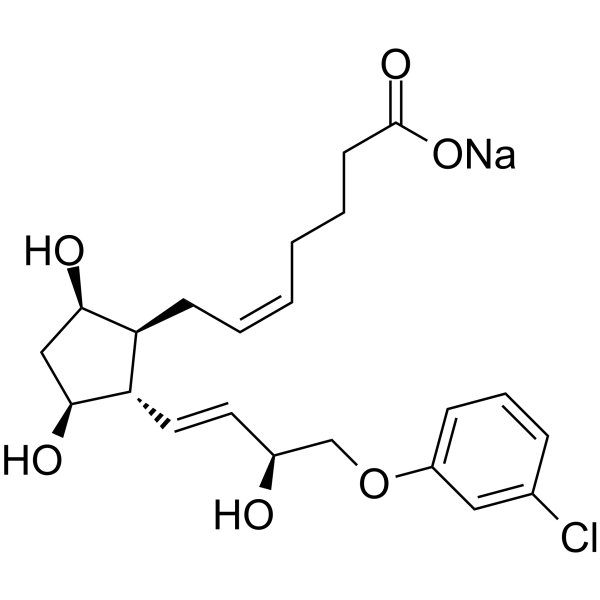
  • HY-108415

    ICI 80996 sodium salt

    Prostaglandin Receptor Endocrinology
    Cloprostenol sodium salt (ICI 80996 sodium salt) is a potent synthetic prostaglandin analogue, acts as a luteolytic agent , and is a PGF2α receptor agonist .
    Cloprostenol sodium salt
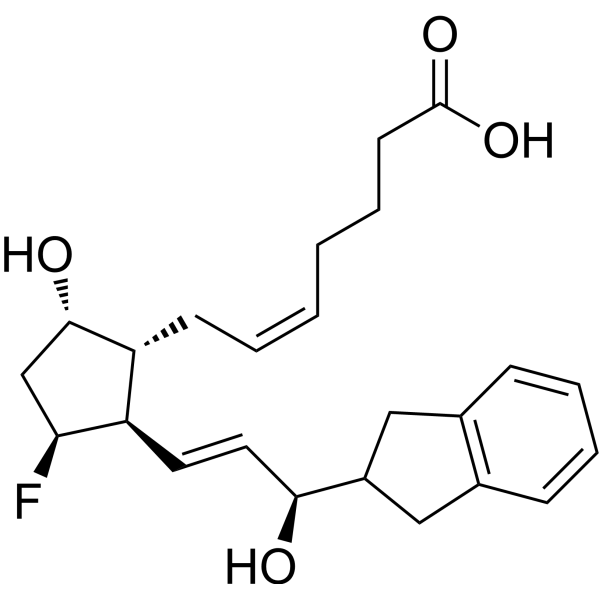
  • HY-118388

    Prostaglandin Receptor Endocrinology
    AS604872 is an orally active, potent and selective prostaglandin F2α receptor (FP) antagonist with a Ki of 35 nM in humans, 158 nM in rats and 323 nM in mice. AS604872 inhibits contractions and delays labour .
    AS604872
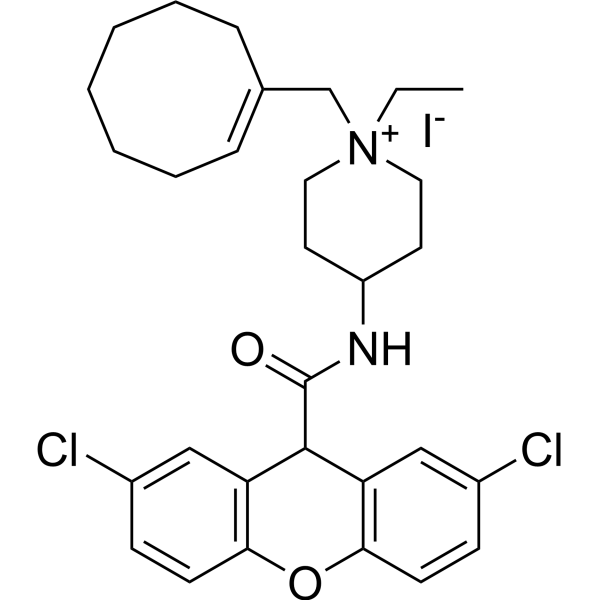
  • HY-B0006C

    (R)-BM 14190

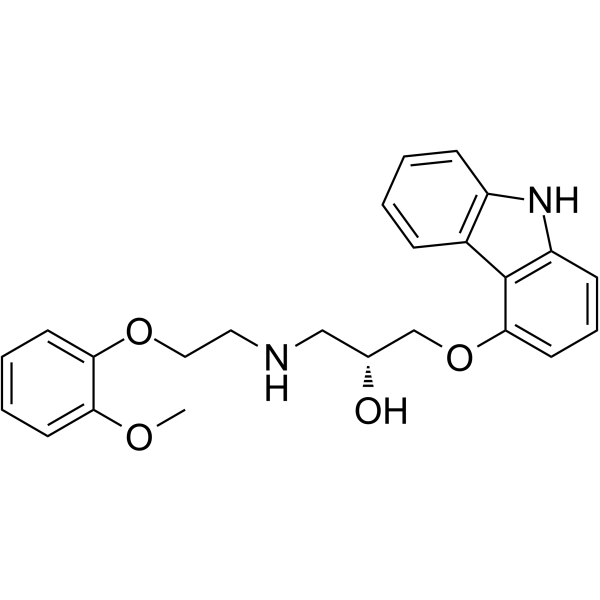
    Adrenergic Receptor Calcium Channel Cardiovascular Disease Cancer
    (R)-Carvedilol ((R)-BM 14190) is the orally active R-isomer of Carvedilol (HY-B0006). (R)-Carvedilol has α-receptor blocking activity but no β-receptor blocking activity. (R)-Carvedilol inhibits spontaneous Ca 2+ waves. (R)-Carvedilol inhibits stress-induced ventricular tachycardia and delays the development of UV-induced skin tumors and reduces their malignancy .
    (R)-Carvedilol
  • HY-103360
    J-113863
    3 Publications Verification

    CCR Inflammation/Immunology
    J-113863 is a potent and selective CCR1 antagonist with IC50 values of 0.9 nM and 5.8 nM for human and mouse CCR1 receptors, respectively. J-113863 is also a potent antagonist of the human CCR3 (IC50 of 0.58 nM) , but a weak antagonist of the mouse CCR3 (IC50 of 460 nM). J-113863 is inactive against CCR2, CCR4 and CCR5, as well as the LTB4 or TNF-α receptors. Anti-inflammatory effect .
    J-113863
  • HY-W036120

    2,2′,4,4′-Tetrahydroxybenzophenone

    Environmental Pollutants Glycosidase Estrogen Receptor/ERR Pregnane X Receptor (PXR) Metabolic Disease Endocrinology
    Benzophenone-2 (2,2',4,4'-Tetrahydroxybenzophenone) is an organic ultraviolet absorber that is widely used in personal care products and industrial products such as plastics and coatings. Benzophenone-2 is an endocrine disruptor that can interfere with estrogen receptors (ERα receptor) and pregnane X receptor (PXR receptor) activity, leading to reproductive toxicity, immune disorders, and metabolic abnormalities. Benzophenone-2 can inhibit the activity of α-glucosidase (IC50 = 49.72 μM), and can be used for research on diabetes .
    Benzophenone-2
  • HY-W015326

    Endogenous Metabolite Others
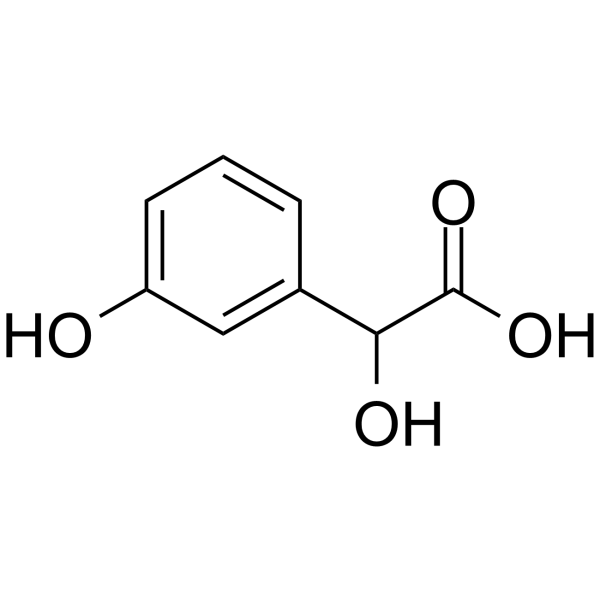
    3-Hydroxymandelic Acid, a metabolite of Phenylephrine, Phenylephrine is a α-receptor agonist.
    3-Hydroxymandelic Acid
  • HY-123984

    NF-κB Metabolic Disease
    LTβR-IN-1 (Compound 919278) is a potent, selective lymphotoxin β receptor (LTβR) inhibitor. LTβR-IN-1 also selectively inhibits the nuclear translocation of p52 depended on TNF12A, instead of the nuclear translocation of p65 mediated by TNF-α receptor. LTβR-IN-1 regulates the NF-kB signaling pathway IN a ligand-independent manner .
    LTβR-IN-1
  • HY-100449
    AL-8810
    1 Publications Verification

    Prostaglandin Receptor p38 MAPK ERK Neurological Disease Endocrinology
    AL-8810 is a potent and selective antagonist of the PGF 2α receptor (FP receptor). AL-8810 is an activator of MAPK and ERK1/2. The Ki of the FP receptor of mouse 3T3 cells and rat A7r5 cells are 0.2±0.06 μM and 0.4±0.1 μM, respectively. AL-8810 can be used in the study of elevated intraocular pressure (OHT) and primary open-angle glaucoma (POAG) .
    AL-8810
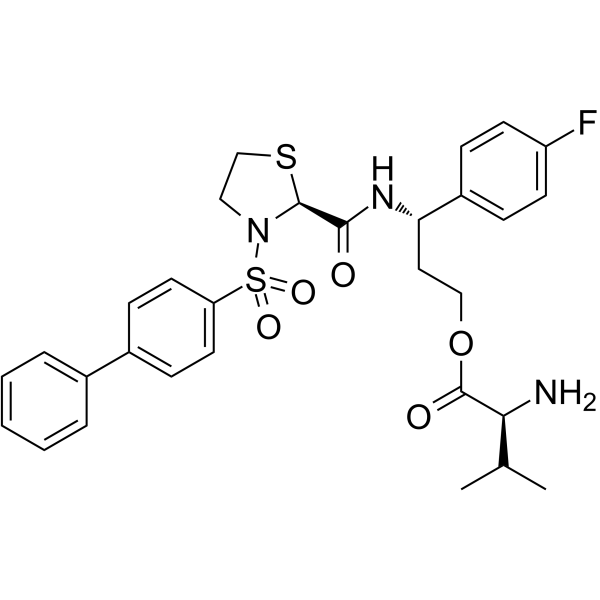
  • HY-112284
    Ebopiprant
    2 Publications Verification

    OBE022

    Prostaglandin Receptor Endocrinology
    Ebopiprant (OBE022) is an oral and selective prostaglandin F (PGF) receptor antagonist, with Kis of 1 nM, 26 nM for human and rat FP receptors, respectively.
    Ebopiprant
  • HY-12184

    Prostaglandin Receptor Endogenous Metabolite Cardiovascular Disease
    ONO-AE 248 is a selective EP3 receptor agonist with cardioprotective activity. ONO-AE 248 reduces myocardial infarction size by selectively binding to the EP3α receptor in mice. The cardioprotective effect of ONO-AE 248 is independent of hemodynamic effects. The mechanism of ONO-AE 248 may involve activation of protein kinase C and opening of K(ATP) channels .
    ONO-AE 248
  • HY-P1106A

    CFTR Cardiovascular Disease
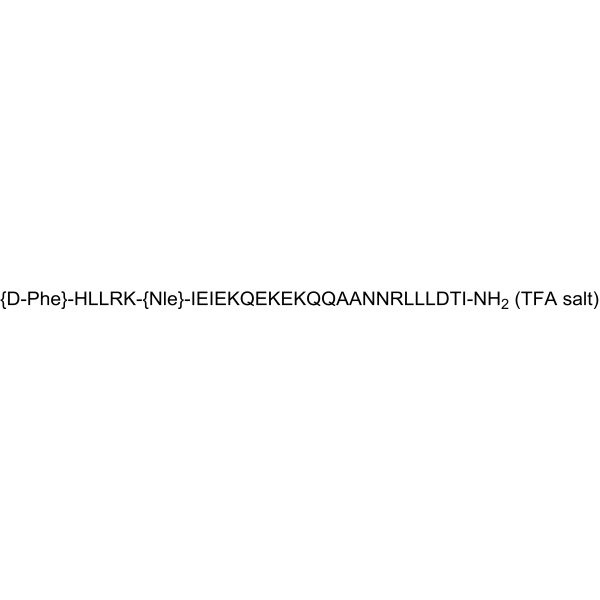
    K41498 TFA is a highly selective CRF 2 receptor antagonist, with a Ki of 0.66 nM for human CRF2α receptor and a Ki of 0.62 nM for human CRF2β receptor. K41498 TFA inhibits cAMP accumulation in cells expressing CRF2. K41498 TFA antagonizes the hypotensive response induced by systemic administration of urocortin in conscious rats. K41498 TFA undergoes radioiodination without loss of activity and serves for autoradiographic studies of native CRF2 receptors in rat brain and peripheral tissues .
    K41498 TFA
  • HY-P1106

    CRFR Cardiovascular Disease
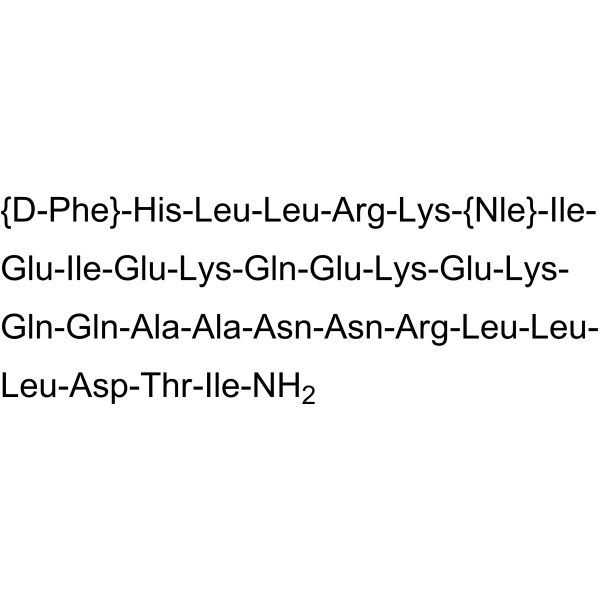
    K41498 is a highly selective CRF 2 receptor antagonist, with a Ki of 0.66 nM for human CRF2α receptor and a Ki of 0.62 nM for human CRF2β receptor. K41498 inhibits cAMP accumulation in cells expressing CRF2. K41498 antagonizes the hypotensive response induced by systemic administration of urocortin in conscious rats. K41498 undergoes radioiodination without loss of activity and serves for autoradiographic studies of native CRF2 receptors in rat brain and peripheral tissues .
    K41498
  • HY-P99578

    HL036337; HBM9036

    TNF Receptor Inflammation/Immunology
    Tanfanercept (HL036337) is an TNF-α receptor fusion protein that targets TNF-α. Tanfanercept is effective in ameliorating corneal erosions in a dry eye (DE) mouse model .
    Tanfanercept
  • HY-108525

    RAR/RXR Cancer
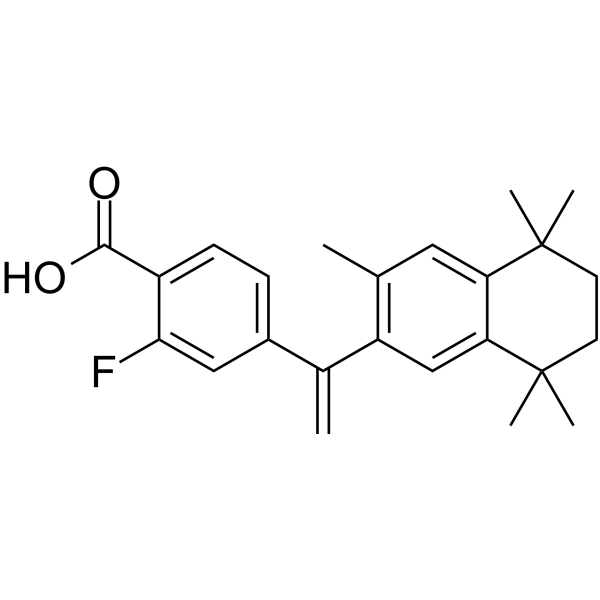
    Fluorobexarotene (compound 20) is a potent retinoid-X-receptor (RXR) agonist, with a Ki value of 12 nM and an EC50 value of 43 nM for RXRα receptor. Fluorobexarotene possesses an apparent RXR binding affinity that is 75% greater than Bexarotene .
    Fluorobexarotene
  • HY-P1758

    IRRP1

    IFNAR Infection
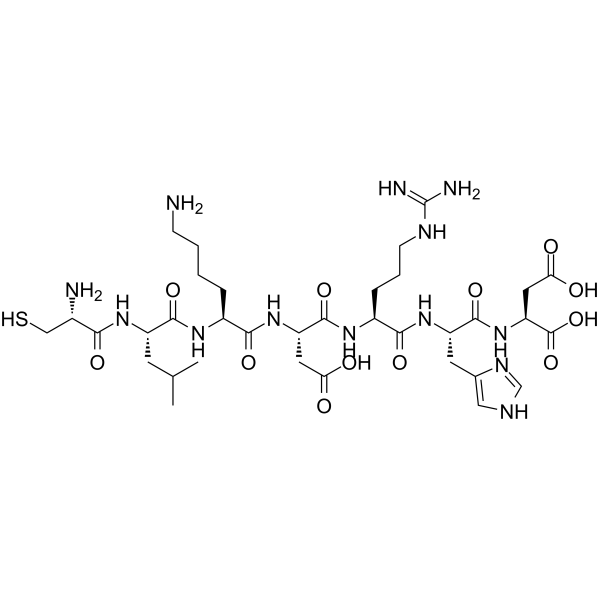
    IFN-α Receptor Recognition Peptide 1 is a peptide of IFN-α associated with receptor interactions .
    IFN-α Receptor Recognition Peptide 1
  • HY-101599

    Adrenergic Receptor Cardiovascular Disease
    IP-66 is a potent postsynaptic alpha-receptor antagonist. IP-66 can be used for the research of cardiovascular disease, such as hypertension .
    IP-66
  • HY-U00014

    PPAR Metabolic Disease
    AVE-8134 is a potent PPARα agonist, with EC50 values of 100 and 3000 nM for human and rodent PPARα receptor, respectively.
    AVE-8134
  • HY-135004

    Adrenergic Receptor Endocrinology
    Su-4029 is an agent that interacts with alpha receptors. It negates the blockade of norepinephrine by the reversible adrenergic blocker phentolamine but not by the irreversible blocker Dibenamine, suggesting Su-4029 acts at the same site as these blockers. Su-4029 pretreatment results in three categories of responses to pressor phenylalkylamines: irreversible blockade of amines with no or only p-hydroxylation, reversible blockade of amines with beta-carbon hydroxylation, and no blockade or augmentation of amines with m and p-hydroxylation or m or p plus beta-hydroxylation. Su-4029 may deform the alpha receptor site affected by adrenergic blocking agents .
    SU-4029 dihydrochloride
  • HY-P1542

    Catostomus urotensin I

    CRFR Cardiovascular Disease Endocrinology
    Urotensin I (Catostomus urotensin I), a CRF-like neuropeptide, acts as an agonist of CRF receptor with pEC50s of 11.46, 9.36 and 9.85 for human CRF1, human CRF2 and rat CRF receptors in CHO cells, and Kis of 0.4, 1.8, and 5.7 nM for hCRF1, rCRF and mCRF receptors, respectively .
    Urotensin I
  • HY-P1542B

    Catostomus urotensin I TFA

    CRFR Cardiovascular Disease Endocrinology
    Urotensin I (Catostomus urotensin I) TFA, a CRF-like neuropeptide, acts as an agonist of CRF receptor with pEC50s of 11.46, 9.36 and 9.85 for human CRF1, human CRF2 and rat CRF receptors in CHO cells, and Kis of 0.4, 1.8, and 5.7 nM for hCRF1, rCRF and mCRF receptors, respectively .
    Urotensin I TFA
  • HY-P991515

    Interleukin Related Inflammation/Immunology
    TQH-2722 is a humanized IgG4 anti-IL-4Rα monoclonal antibody. TQH-2722 targets the IL-4Rα receptor in humans, effectively disrupting the interaction between IL-4Rα and the downstream cytokines IL-4 and IL-13, thereby inhibiting inflammatory response. TQH-2722 can be used for the study of atopic dermatitis (AD) and chronic rhinosinusitis with nasal polyps (CRSwNP) .
    TQH-2722
  • HY-112417

    PDGFR FLT3 Apoptosis Akt PERK Bcl-2 Family Cardiovascular Disease Cancer
    Ki11502 is a multi-targeted receptor tyrosine kinase (RTK) inhibitor that selectively inhibits the activity of PDGF β/α receptors with IC50 values less than 10 nM. Ki11502 selectively inhibits PDGF β receptor phosphorylation, proliferation, and proteoglycan synthesis in human vascular smooth muscle cells. Ki11502 can induce Apoptosis) and exhibits profound antiproliferative effects on select subsets of leukemia, including those with Imatinib (HY-15463) resistant mutations. Ki11502 is highly suitable for studying the role of PDGF in vascular diseases, particularly the role of proteoglycans in atherosclerosis .
    Ki11502
  • HY-172339

    4-Acetoxy DALT hydrochloride

    5-HT Receptor Adrenergic Receptor Dopamine Receptor Histamine Receptor mAChR Sigma Receptor Neurological Disease
    4-AcO-DALT hydrochloride is a tryptamine compound with psychoactive effects. 4-AcO-DALT hydrochloride inhibits 5-HT receptors, alpha receptors, dopamine receptors, histamine receptor 1 (H1), muscarinic M2 receptor and Sigma 2 receptor. 4-AcO-DALT hydrochloride shows Ki values of 582 nM, 2689 nM, 2099 nM, 2116 nM, 958 nM, 137 nM, 824 nM, 479 nM, 406 nM, 874 nM, 4190 nM, 482 nM, 214 nM, 803 nM, 4522 nM, 1907 nM for 5-HT1B, 5-HT1D, 5-HT1E, 5-HT2A, 5-HT2B, 5-HT2C, 5-HT6, 5-HT7A, H1, Sigma 2, α2A, α2B, α2C, D2, D3 receptors .
    4-AcO-DALT hydrochloride
  • HY-12717AR

    Adrenergic Receptor Reference Standards Metabolic Disease Cancer
    Phentolamine (hydrochloride) (Standard) is the analytical standard of Phentolamine (hydrochloride). This product is intended for research and analytical applications. Phentolamine hydrochloride is an orally active adrenergic α receptor-blocking agent .
    Phentolamine hydrochloride (Standard)
  • HY-112284A

    OBE022 hydrochloride

    Prostaglandin Receptor Endocrinology
    Ebopiprant (OBE022) hydrochloride is an oral and selective prostaglandin F (PGF) receptor antagonist, with Kis of 1 nM, 26 nM for human and rat FP receptors, respectively.
    Ebopiprant hydrochloride
  • HY-143226

    Estrogen Receptor/ERR Metabolic Disease
    DK1 is a potent modulator of estrogen related receptor. DK1 has an ability in reducing blood glucose, and impacts the activity of ERRα receptor. DK1 has the potential for the research of diabetes .
    DK1
  • HY-108415R

    ICI 80996 sodium salt (Standard)

    Reference Standards Prostaglandin Receptor Endocrinology
    Cloprostenol sodium salt (Standard) is the analytical standard of Cloprostenol sodium salt. This product is intended for research and analytical applications. Cloprostenol sodium salt (ICI 80996 sodium salt) is a potent synthetic prostaglandin analogue, acts as a luteolytic agent , and is a PGF2α receptor agonist .
    Cloprostenol sodium salt (Standard)
  • HY-117717

    Prostaglandin Receptor Others
    (Rac)-SC-31391, a prostaglandin analog, is a strong activator of the bladder muscle contractility that enhanced twitch responses elicited by field stimulation in the guinea pig detrusor muscle. (Rac)-SC-31391 contracts human bladder muscle through the activation of PGF receptors .
    (Rac)-SC-31391
  • HY-174779

    mRNA Cancer
    Human AREG mRNA encodes the human amphiregulin (AREG) protein, a member of the epidermal growth factor family. AREG interacts with the EGF/TGF-alpha receptor to promote the growth of normal epithelial cells, and inhibits the growth of certain aggressive carcinoma cell lines. It also functions in mammary gland, oocyte and bone tissue development.
    Human AREG mRNA
  • HY-144138

    Estrogen Receptor/ERR Cancer
    Estrogen receptor antagonist 2 is a selective estrogen receptor downregulator. Estrogen (E2) and estrogen alpha receptor (ERα) are important drivers of breast cancer development. Estrogen receptor antagonist 2 has the potential for the research of breast cancer diseases (extracted from patent WO2021228210A1, compound 3) .
    Estrogen receptor antagonist 2
  • HY-144137

    Estrogen Receptor/ERR Cancer
    Estrogen receptor antagonist 1 is a selective estrogen receptor antagonist. Estrogen (E2) and estrogen alpha receptor (ERα) are important drivers of breast cancer development. Estrogen receptor antagonist 1 has the potential for the research of breast cancer diseases (extracted from patent WO2021249533A1, compound 4) .
    Estrogen receptor antagonist 1
  • HY-124243

    17-Phenyl trinor prostaglandin F2α cyclopropyl methyl amide

    Prostaglandin Receptor Others
    N-Cyclopropyl methyl bimatoprost (17-Phenyl trinor prostaglandin F2α cyclopropyl methyl amide) is an analog of Bimatoprost (HY-12956). N-Cyclopropyl methyl bimatoprost is an agonist for Prostaglandin F2α Receptor (FP receptor). N-Cyclopropyl methyl bimatoprost is potent to reduce the intraocular pressure and attenuate the glaucoma .
    N-Cyclopropyl methyl bimatoprost
  • HY-118190

    Prostaglandin Receptor Endocrinology
    AL 8810 methyl ester is a prostaglandin F(2α) analog and a prostaglandin F(2α) receptor agonist. Can competitively antagonize the effects of the FP receptor agonist Fluprostenol (HY-108560). AL 8810 methyl ester has no significant potency against TP, DP, EP(2), EP(4) receptor subtypes in cell lines .
    AL 8810 methyl ester
  • HY-124219

    17-Phenoxy trinor PGF2α ethyl amide

    Prostaglandin Receptor Others
    17-Phenoxy trinor prostaglandin F2α ethyl amide (17-Phenoxy trinor PGF2α ethyl amide) is an analog of Bimatoprost (HY-12956). 17-Phenoxy trinor prostaglandin F2α ethyl amide is an agonist for Prostaglandin F2α Receptor (FP receptor). 17-Phenoxy trinor prostaglandin F2α ethyl amide is potent to reduce the intraocular pressure and attenuate the glaucoma .
    17-Phenoxy trinor prostaglandin F2α ethyl amide
  • HY-B0006CS

    (R)-BM 14190-d4

    Isotope-Labeled Compounds Adrenergic Receptor Calcium Channel Cardiovascular Disease Cancer
    (R)-Carvedilol-d4 is deuterium labeled (R)-Carvedilol (HY-B0006C). (R)-Carvedilol ((R)-BM 14190) is the orally active R-isomer of Carvedilol (HY-B0006). (R)-Carvedilol has α-receptor blocking activity but no β-receptor blocking activity. (R)-Carvedilol inhibits spontaneous Ca 2+ waves. (R)-Carvedilol inhibits stress-induced ventricular tachycardia and delays the development of UV-induced skin tumors and reduces their malignancy .
    (R)-Carvedilol-d4
  • HY-W701877

    Prostaglandin Receptor Cardiovascular Disease
    Latanoprost tris(triethylsilyl) ether is a precursor in the synthesis of the prostaglandin F2α (PGF2α) receptor (FP receptor) agonist Latanoprost (HY-B0577).
    Latanoprost tris(triethylsilyl) ether
  • HY-W015326R

    Endogenous Metabolite Reference Standards Others
    3-Hydroxymandelic Acid (Standard) is the analytical standard of 3-Hydroxymandelic Acid (HY-W015326). This product is intended for research and analytical applications. 3-Hydroxymandelic Acid, a metabolite of Phenylephrine, Phenylephrine is a α-receptor agonist.
    3-Hydroxymandelic Acid (Standard)
  • HY-W746807

    N-Cyclohexyl-desamethyl bimatoprost; 17-Phenyl trinor prostaglandin F2α cyclohexyl amide

    Prostaglandin Receptor Endocrinology
    Bimatoprost cyclohexyl amide (N-Cyclohexyl-desamethyl bimatoprost; 17-Phenyl trinor prostaglandin F2α cyclohexyl amide) is an analog of bimatoprost (HY-B0191). Bimatoprost cyclohexyl amide is an agonist of the prostaglandin F2α receptor. Bimatoprost cyclohexyl amide is used in research on reducing intraocular pressure and glaucoma .
    Bimatoprost cyclohexyl amide
  • HY-103360R

    Reference Standards CCR Inflammation/Immunology
    J-113863 (Standard) is the analytical standard of J-113863 (HY-103360). This product is intended for research and analytical applications. J-113863 is a potent and selective CCR1 antagonist with IC50 values of 0.9 nM and 5.8 nM for human and mouse CCR1 receptors, respectively. J-113863 is also a potent antagonist of the human CCR3 (IC50 of 0.58 nM) , but a weak antagonist of the mouse CCR3 (IC50 of 460 nM). J-113863 is inactive against CCR2, CCR4 and CCR5, as well as the LTB4 or TNF-α receptors. Anti-inflammatory effect .
    J-113863 (Standard)
  • HY-W097625R

    Toll-like Receptor (TLR) MyD88 p38 MAPK NF-κB Heme Oxygenase (HO) Reference Standards PERK Neurological Disease Metabolic Disease Inflammation/Immunology Cancer
    6-Methoxyflavone (Standard) is the analytical standard of 6-Methoxyflavone (HY-W097625). This product is intended for research and analytical applications. 6-Methoxyflavone is an orally active methoxyflavone. 6-Methoxyflavone suppresses neuroinflammation in microglia through the inhibition of TLR4/MyD88/p38 MAPK/NF-κB dependent pathways and the activation of HO-1/NQO-1 signaling. 6-Methoxyflavone induces S-phase arrest through the CCNA2/CDK2/p21CIP1 signaling pathway and activates the PERK/EIF2a/ATF4/CHOP pathway in HeLa cells. 6-Methoxyflavone acts as a Flumazenil (HY-B0009)-insensitive positive allosteric modulator at human recombinant α1β2γ2L and α2β2γ2L GABAα receptors. 6-Methoxyflavone inhibits NFAT Translocation into the nucleus and suppresses T cell activation. 6-Methoxyflavone partially restores chronic ethanol-induced behavioral deficits in mice. 6-Methoxyflavone antagonizes chronic constriction injury and diabetes associated neuropathic nociception expression. 6-Methoxyflavone can be used for the study of cancer, inflammation and neurological diseases .
    6-Methoxyflavone (Standard)

Inquiry Online

Your information is safe with us. * Required Fields.

Salutation


Country or Region *

Applicant Name *


Organization Name *

Department *


Email Address *


Product Name *

Cat. No.


Requested quantity *

Phone Number *


Remarks

Inquiry Online

Inquiry Information

Product Name:
Cat. No.:
Quantity:
MCE Japan Authorized Agent:

