
1. Search Result
Search Result
Results for "

ammonia

" in MedChemExpress (MCE) Product Catalog:

75

Inhibitors & Agonists

1

Screening Libraries

20

Fluorescent Dye

5

Biochemical Assay Reagents

1

Peptides

1

MCE Kits

1

Inhibitory Antibodies

11

Natural
Products

3

Recombinant Proteins

1

Isotope-Labeled Compounds

2

Antibodies

Cat. No. Product Name Target Research Areas Chemical Structure
  • HY-B1692
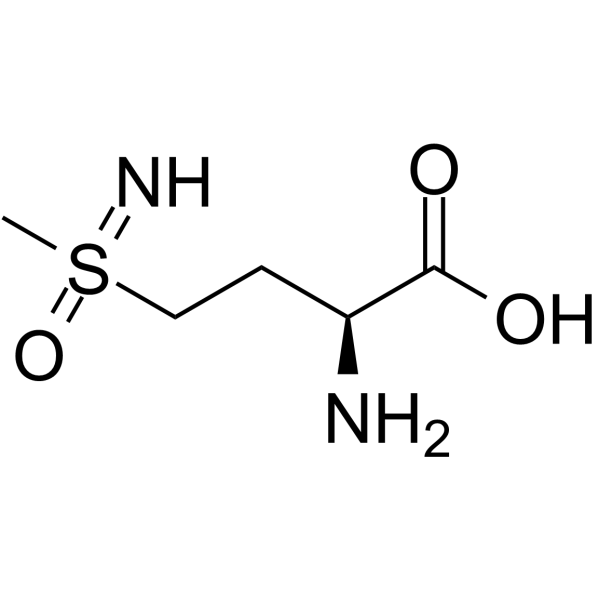
    L-Methionine-DL-sulfoximine
    5+ Cited Publications

    MSX; MSO

    Glutaminase Neurological Disease
    L-Methionine-DL-sulfoximine (MSX; MSO), a highly specific and irreversible inhibitor of Glutamine synthetase (GS), is also a potent convulsant which metabolically and morphologically primarily affects astroglia. L-Methionine-DL-sulfoximine has been employed to inhibit the Gln-dependent ammonia-stimulated neuronal toxicity in vitro, potentiating Gln deficit-dependent depression. L-Methionine-DL-sulfoximine tremendously increases the rate of release of fixed nitrogen in cyanobacteria. L-Methionine-DL-sulfoximine is a promising candidate for research in biofertilizers and convulsive seizures (CS) .
    L-Methionine-DL-sulfoximine
  • HY-B1142
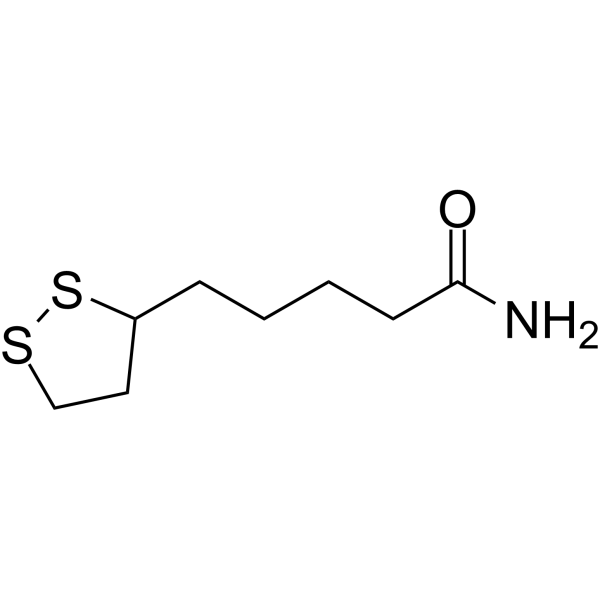
    Lipoamide
    Maximum Cited Publications
    9 Publications Verification

    (±)-α-Lipoamide; DL-Lipoamide; DL-6,8-Thioctamide

    NO Synthase Others
    Lipoamide ((±)-α-Lipoamide) is a monocarboxylic acid derivative of a neutral amide, formed by the condensation of the carboxyl group of lipoic acid and ammonia. Lipoamide protects against oxidative stress-mediated neuronal cell damage and also acts as a coenzyme to transfer acetyl groups and hydrogen during pyruvate deacylation. Lipoamide also stimulates mitochondrial biogenesis in adipocytes through the endothelial NO synthase-cGMP-protein kinase G signaling pathway .
    Lipoamide
  • HY-N10574
    Queuine
    1 Publications Verification

    Bacterial Metabolic Disease Cancer
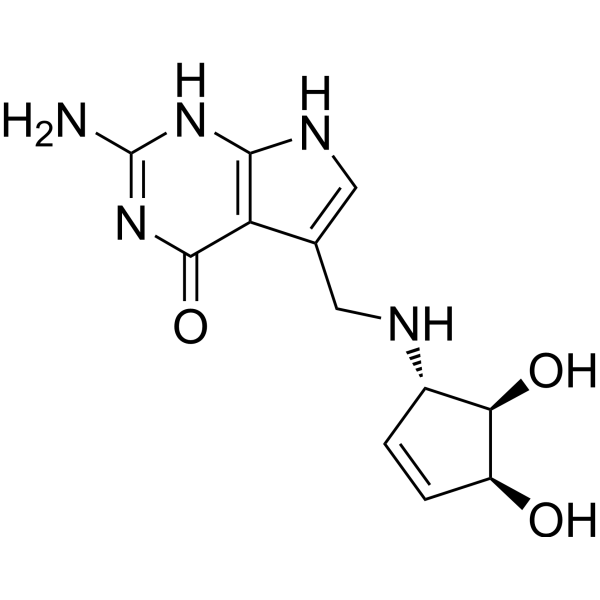
    Queuine is a selective substrate for tRNA guanine transglycosylase (TGT) and can be incorporated into eukaryotic tRNA. Queuine promotes tRNA modification, affecting mitochondrial function and Warburg metabolic phenotype. If Queuine is deficient, aerobic glycolysis can be enhanced, oxidative phosphorylation can be inhibited, and Warburg metabolism can be promoted, accompanied by increased ammonia and lactate production and increased lactate dehydrogenase activity. Queuine can be used for autoimmune diseases (such as experimental models of multiple sclerosis) and cancer metabolic regulation, and its deficiency is associated with low tRNA modification in tumor cells .
    Queuine
  • HY-B1571

    Environmental Pollutants Fluorescent Dye Others
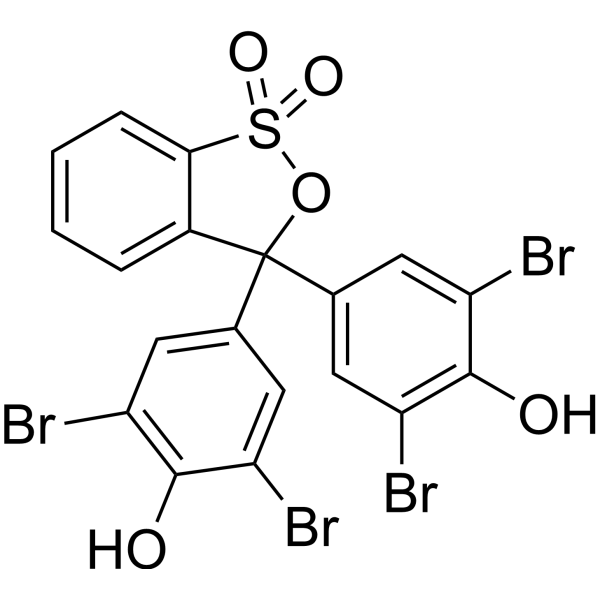
    Bromophenol blue is an acid phthalein dye, and it is used as a tracking dye for electrophoresis. Bromophenol blue is also used as a pH indicator, with a transition range of pH 3 to 4.6. Bromophenol blue is used as a sensor for the determination of several compounds including ammonia, drugs, proteins and amino acids. The binding of Bromophenol blue to proteins is accompanied by the appearance of a strong absorbance at 610 nm .
    Bromophenol blue
  • HY-P2767
    Urease, Jack bean
    1 Publications Verification

    Bacterial Others
    Urease, Jack bean is derived from jack bean and Catalyzes hydrolysis of urea to carbon dioxide and ammonia. Urease, Jack bean is useful in the determination of urea in body fluids.
    Urease, Jack bean
  • HY-B0543

    Thiosinamine; N-Allylthiourea

    Reactive Oxygen Species (ROS) Cancer
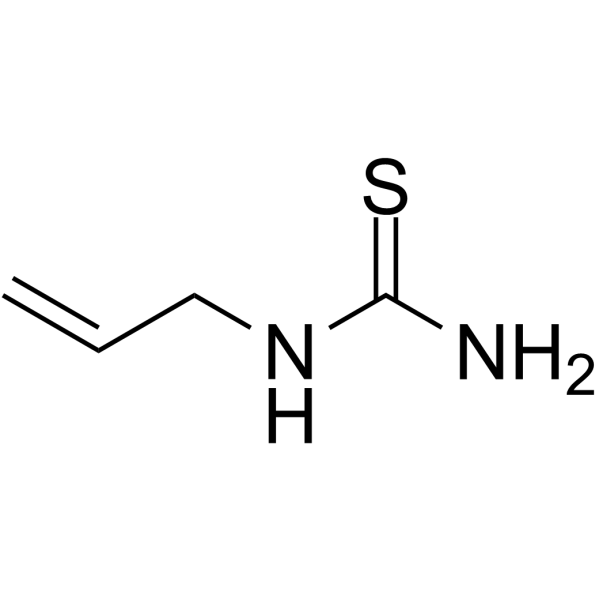
    Allylthiourea can selectively inhibit the oxidation of ammonia. Allylthiourea is commonly used to inhibit nitrification by targeting ammonia monooxygenase and chelating copper in the active site to suppress its activity. Allylthiourea also exhibits anticancer activity, showing cytotoxicity against the MCF-7 cell line with an IC50 of 5.22 mM. Allylthiourea can be utilized in research related to micropollutant biodegradability and cancer studies .
    Allylthiourea
  • HY-B2087
    Glycerol phenylbutyrate
    1 Publications Verification

    HPN-100

    Sigma Receptor Cardiovascular Disease
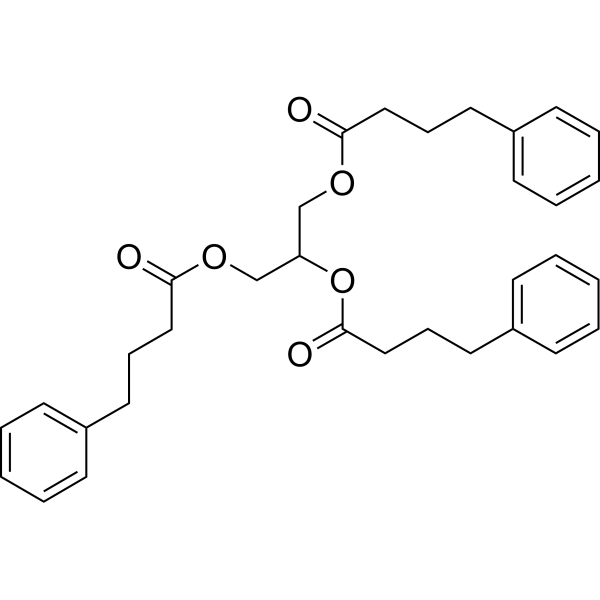
    Glycerol phenylbutyrate is a sigma-2 (σ2) receptor ligand, with a pKi of 8.02. Glycerol phenylbutyrate (GPB) is a new generation ammonia scavenger agent .
    Glycerol phenylbutyrate
  • HY-A0282

    Amino Acid Derivatives Metabolic Disease Inflammation/Immunology
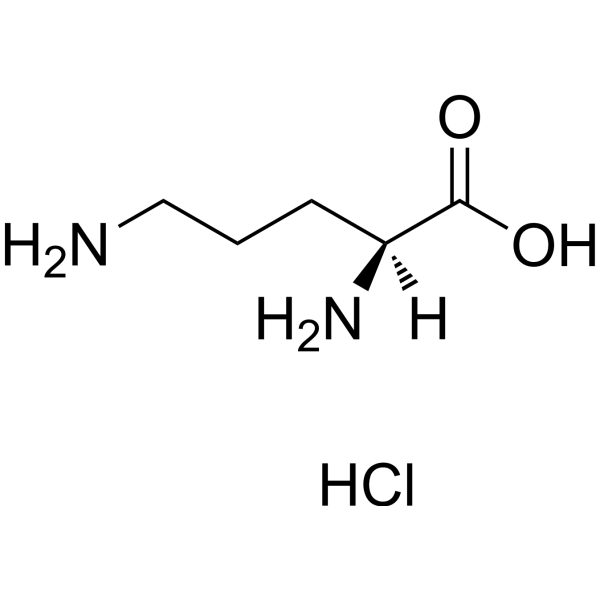
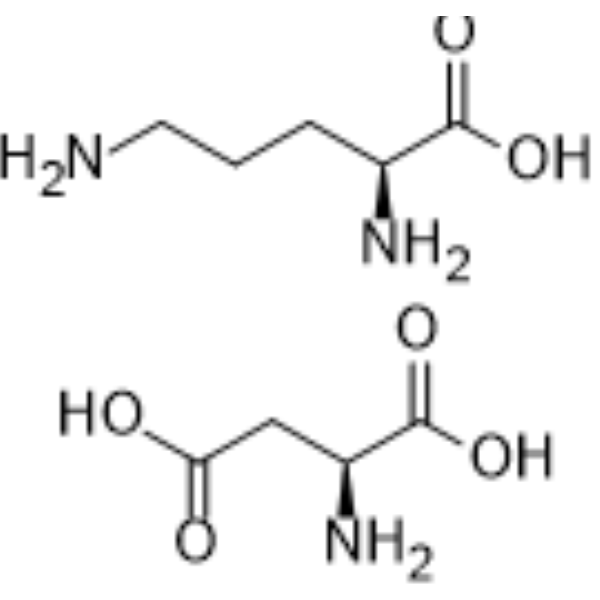
    L-Ornithine L-aspartate is a stable salt of two natural nonessential L-amino acids with oral activity: ornithine and aspartic acid. L-Ornithine L-aspartate lowers blood ammonia concentration and to eliminate symptoms of hepatic encephalopathy associated with liver cirrhosis. L-Ornithine L-aspartate also improves mitochondrial functions .
    L-Ornithine L-aspartate
  • HY-100956

    Bacterial Urease Infection Metabolic Disease
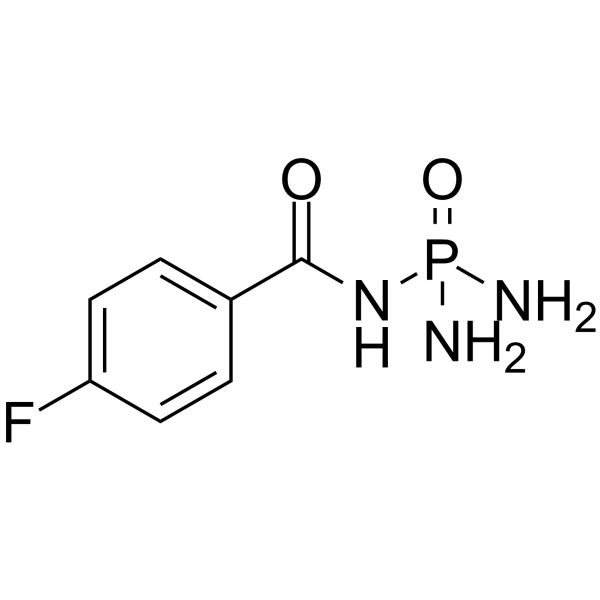
    Flurofamide is an effective bacterial urease inhibitor and antibacterial agent. Flurofamide inhibits urease and partially inhibits the chemotactic activity of Helicobacter pylori strain CPY3401. Flurofamide inhibits the growth of Ureaplasma urealyticum. Flurofamide reduces blood ammonia. Flurofamide can be used in the research of infectious urinary stones .
    Flurofamide
  • HY-Y0286

    Hartshorn salt, 99%

    Environmental Pollutants Biochemical Assay Reagents Others
    Ammonium carbonate (Ammonium carbonate), 99% is a solid amino compound that functions as a buffer, pH regulator, pore-forming agent, and electrocatalytic oxidation substrate. Ammonium carbonate, 99% is a GRAS-grade direct food additive with no restricted daily intake specified by FAO/WHO, and it shows no acute skin toxicity, clinical signs of toxicity, or effects on body weight in rats. Ammonium carbonate, 99% undergoes electrocatalytic oxidation in alkaline solutions with a Pt/C catalyst (carbonate adsorption interferes with activity). Ammonium carbonate, 99% can serve as a fuel for low-temperature polymer fuel cells and anion exchange membrane fuel cells (with performance superior to pure ammonia), and can also form pores in the carrier-free Pt cathode catalyst layer after low-temperature decomposition, thereby enhancing catalyst activity under low-humidity conditions and the performance of proton exchange membrane fuel cells .
    Ammonium carbonate, 99%
  • HY-E70003

    Biochemical Assay Reagents Endocrinology
    Glutamate dehydrogenase is an enzyme in both prokaryotes and eukaryotic mitochondria. Glutamate dehydrogenase can be used for the enzymatic determination of ammonia, alpha-ketoglutaric acid, L-glutamate and urease .
    Glutamate dehydrogenase
  • HY-W004494
    2-Aminoindan-2-phosphonic acid
    1 Publications Verification

    Biochemical Assay Reagents Others
    2-Aminoindan-2-phosphonic acid is an inhibitor of phenylalanine ammonia-lyase (PAL). 2-Aminoindan-2-phosphonic acid reduces the biosynthesis and accumulation of total phenolic compounds in the suspension cell culture system of Cistanche .
    2-Aminoindan-2-phosphonic acid
  • HY-B1529A
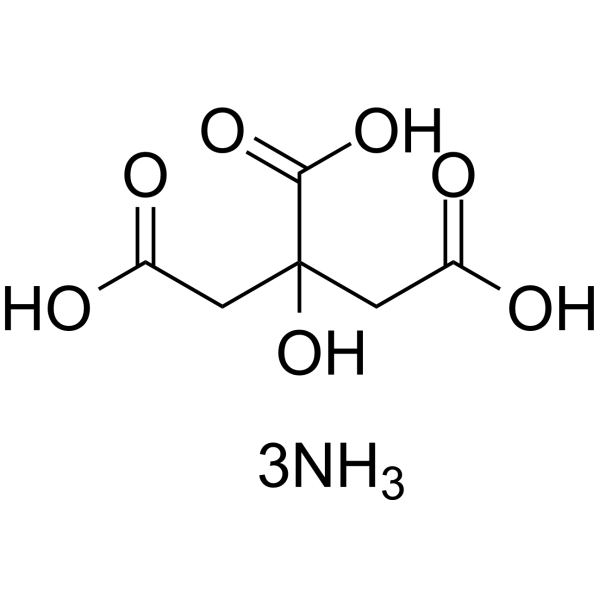
    Citric acid triammonium
    5+ Cited Publications

    Triammonium citrate

    Apoptosis Endogenous Metabolite Bacterial Others Cancer
    Citric acid triammonium (Triammonium citrate) is formed by Citric acid (HY-N1428) reacting with ammonia in a molar ratio of 1:3. Citric acid triammonium can be used as the carbon source to prepare carbon quantum dots (CDs). Citric acid triammonium with higher nitrogen components might promote the nitrogen-based functional groups in CDs, leading to a more efficient emission-color tunability .
    Citric acid triammonium
  • HY-P2987

    Endogenous Metabolite Amino Acid Oxidase Metabolic Disease
    L-Amino acid oxidase is a homodimeric proteins containing flavin adenine dinucleotide. L-Amino acid oxidase can catalyze the stereospecific oxidative deamination of L-amino acids to α-keto acids and ammonia .
    L-Amino acid oxidase
  • HY-D2493

    Cy7 COOH

    Fluorescent Dye Others
    Cyanine7 carboxylic acid (Cy7 COOH) is a derivative of Cy7 (HY-D0825) dye. Cyanine7 carboxylic acid contains carboxyl groups, which can condense ammonia to form covalent bonds .
    Cyanine7 carboxylic acid
  • HY-D2166

    Fluorescent Dye Others
    AF 594 NHS ester is a derivative of the red fluorescent dye AF 594 with high fluorescence quantum yield and high photostability (Ex=594 nm, Em=615 nm). AF 594 NHS ester can form an ester bond by reacting the NHS group with ammonia, with maximum excitation wavelength of 594 nm .
    AF 594 NHS ester
  • HY-134230

    L-α-aminooxy-β-phenylpropionic acid; AOPP

    Biochemical Assay Reagents Metabolic Disease
    L-2-Aminooxy-3-phenylpropanoic acid (L-α-aminooxy-β-phenylpropionic acid; AOPP) is an inhibitor of L-phenylalanine ammonia-lyase (PAL). L-2-Aminooxy-3-phenylpropanoic acid inhibits lignification without reducing the number of tracheary elements formed .
    L-2-Aminooxy-3-phenylpropanoic acid
  • HY-N10574A
    Queuine dihydrochloride
    1 Publications Verification

    Others Metabolic Disease Cancer
    Queuine dihydrochloride is a selective substrate for tRNA guanine transglycosylase (TGT) and can be incorporated into eukaryotic tRNA. Queuine dihydrochloride promotes tRNA modification, affecting mitochondrial function and Warburg metabolic phenotype. If Queuine dihydrochloride is deficient, aerobic glycolysis can be enhanced, oxidative phosphorylation can be inhibited, and Warburg metabolism can be promoted, accompanied by increased ammonia and lactate production and increased lactate dehydrogenase activity. Queuine dihydrochloride can be used for autoimmune diseases (such as experimental models of multiple sclerosis) and cancer metabolic regulation, and its deficiency is associated with low tRNA modification in tumor cells .
    Queuine dihydrochloride
  • HY-W115789

    Environmental Pollutants Reactive Oxygen Species (ROS) Others
    Sodium silicate is a water-soluble silicate. Sodium silicate is widely used as a binder, particularly in the production of detergents, soaps, and cleaners. Sodium silicate promotes the deposition of suberin polyphenols and lignin at wound sites of potato tubers, accelerates callus structure formation, enhances ROS production, and induces the synthesis of total phenols and flavonoids. Sodium silicate reduces the weight loss rate and disease index of wounded potato tubers during storage .
    Sodium silicate
  • HY-P3188

    Biochemical Assay Reagents Others
    Nitrilase is able to hydrolyze nitriles into their corresponding carboxylic acids and ammonia. Nitrilase is a green biocatalyst for the production of high value-added products .
    Nitrilase
  • HY-W004078

    Endogenous Metabolite Metabolic Disease
    4-Hydroxybenzylamine is a natural biogenic amine. 4-Hydroxybenzylamine can be produced through the breakdown metabolism of glucosinolates, with glutamine serving as the non-classical ammonia donor. 4-Hydroxybenzylamine can be utilized for the study of plant amine biosynthesis .
    4-Hydroxybenzylamine
  • HY-W041895

    Endogenous Metabolite DNA/RNA Synthesis Bacterial Infection
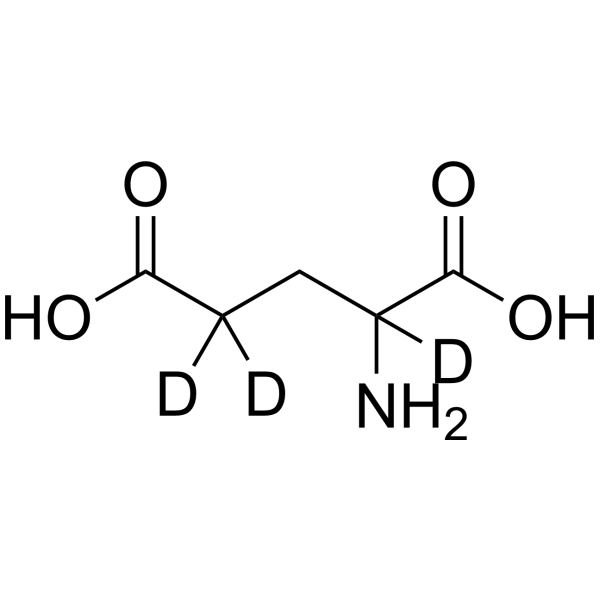
    DL-Glutamic acid is a racemic amino acid mixture and an antibacterial agent. DL-Glutamic acid reduces RNA and DNA levels, with a more significant effect on RNA. DL-Glutamic acid inhibits cell division of Rhodospirillum rubrum .
    DL-Glutamic acid
  • HY-W017692

    Biochemical Assay Reagents Metabolic Disease
    2-Aminoindan-2-phosphonic acid hydrochloride is a competitive phenylalanine ammonia lyase (PAL) inhibitor that significantly decreases the levels of total phenolic compounds and PheGs in plant cultured cells .
    2-Aminoindan-2-phosphonic acid hydrochloride
  • HY-169004

    TGF-beta/Smad Interleukin Related Neurological Disease Inflammation/Immunology
    CBT-295 is an orally active autotaxin (ATX) inhibitor. CBT-295 exhibits a significant reduction in inflammatory cytokines like TGF-β, TNF-α and IL-6 levels, also reduced bile duct proliferation marker CK-19 and lowered liver fibrosis. The reversal of liver fibrosis with CBT-295 led to a reduction in blood and brain ammonia levels. CBT-295 also reduced neuroinflammation induced by ammonia. CBT-295 is promising for research of liver cirrhosis and associated encephalopathy .
    CBT-295
  • HY-E70410

    NAD+ Synthetase; Nicotinamide adenine dinucleotide synthetase

    Endogenous Metabolite Neurological Disease Metabolic Disease Cancer
    NAD synthetase is responsible for the final step in the synthesis of nicotinamide adenine dinucleotide (NAD). The Km values for NAD, ATP, and ammonia of NAD synthetase from Escherichia coli are 200 μM, 11 μM, and 0.65 μM, respectively, while the Km values for NAD, ATP, and ammonia of NAD synthetase from yeast are 170 μM, 190 μM, and 64 μM, respectively. NAD synthetase can be used for enzymatic assays to determine ATP, ammonia, urea, or creatinine, and is also suitable for enzymatic cycling methods. Additionally, NAD synthetase holds potential for research into metabolic diseases, cancer, aging, and neurodegenerative diseases .
    NAD Synthetase
  • HY-P2736

    Endogenous Metabolite Metabolic Disease
    Amidases, a member of nitrilase superfamily, catalyzes the hydrolysis of an amide, leading to the formation of carboxylic acid and ammonia. Amidases contain a conserved stretch of approximately 130 amino acids known as the AS sequence, and play a role in important metabolic processes .
    Amidase
  • HY-N1964A

    Drug Derivative Metabolic Disease
    Gibberellic acid, suitable for plant cell culture (GA3, suitable for plant cell culture) is a natural plant growth regulator with oral bioactivity. Gibberellic acid, suitable for plant cell culture governs multiple plant developmental events, including seed germination, cell elongation, floral organ formation, and rice spikelet fertility. Gibberellic acid, suitable for plant cell culture optimizes root morphology and secondary metabolite production in Echinacea purpurea hairy roots, and serves as a bioactive seed priming agent to improve chilling stress tolerance in chickpea. Gibberellic acid, suitable for plant cell culture mediates modulation of enzyme activity and secondary metabolism in plants and exerts tissue-specific regulatory effects on antioxidant systems and lipid peroxidation in rats. Gibberellic acid, suitable for plant cell culture can be used in studies of plant growth, metabolism, and abiotic stress responses .
    Gibberellic acid, suitable for plant cell culture
  • HY-E70002

    Biochemical Assay Reagents Others
    Deamino-NADPH is a 2'-phosphorylated coenzyme. Deamino-NADPH can be used in ammonia determination .
    Deamino-NADPH
  • HY-D2487

    Fluorescent Dye Others
    Sulfo Cy5 bis COOH is a derivative of Cy5 (HY-D0821) dye containing sulfonate ions. Sulfo Cy5 bis COOH contains carboxyl groups, which can condense ammonia to form covalent bonds.
    Sulfo Cy5 bis COOH
  • HY-129982

    Apical Sodium-Dependent Bile Acid Transporter Metabolic Disease
    SC-435 is an orally effective apical sodium codependent bile acid transporter (ASBT) inhibitor. SC-435 effectively removes neurotoxic bile acids and ammonia from the blood by inhibiting intestinal ASBT, thereby alleviating liver and brain damage caused by liver failure. SC-435 can alter hepatic cholesterol metabolism and lower plasma low-density lipoprotein-cholesterol concentrations .
    SC-435
  • HY-P2951

    Biochemical Assay Reagents Metabolic Disease
    Phenylalanine ammonia-lyase is a non-mammalian enzyme converting phenylalanine into trans-cinnamic acid and ammonia. Phenylalanine ammonia-lyase can be used in the research of phenylketonuria .
    Phenylalanine ammonia-lyase
  • HY-107792

    Bacterial Infection
    Benurestat is an orally active urease inhibitor. Benurestat can be used for infected ureolysis research .
    Benurestat
  • HY-E70003A

    NADH Dehydrogenase Others
    Glutamate Dehydrogenase, Bovine Liver (EC 1.4.1.4) catalyzes the reversible oxidative deamination of glutamate to alpha-ketoglutarate and ammonia.
    Glutamate Dehydrogenase, Bovine Liver
  • HY-W134309

    Biochemical Assay Reagents Others
    Nickel(II) carbonate (hydroxide tetrahydrate) is insoluble in water but soluble in ammonia water and dilute acids. Nickel(II) carbonate (hydroxide tetrahydrate) is a kind of biological materials or organic compounds that are widely used in life science research .
    Nickel(II) carbonate hydroxide tetrahydrate
  • HY-W142169

    Formyl-L-histidine

    Aminoacyl-tRNA Synthetase Others
    N-Formyl-L-histidine shows binding affinity to histidyl-tRNA synthetase with a Ki value of 4.6 μM. N-Formyl-L-histidine shows a competitive inhibition against L-histidine ammonia-lyase, inhibits urocanic acid formation from L-histidine with a Ki value of 4.26 mM .
    N-Formyl-L-histidine
  • HY-P2965

    Endogenous Metabolite Cancer
    L-Lysine α-oxidase is a potent anticancer agent. L-Lysine α-oxidase also a L-amino acid oxidase, deaminates L-lysine with the yield of H2O2, ammonia, and α-keto-ε-aminocaproate. L-Lysine α-oxidase shows cytotoxicity and anticancer activity .
    L-Lysine α-oxidase
  • HY-135078

    NSC 270912

    DNA/RNA Synthesis Others
    2,5-Deoxyfructosazine is a pyrazine derivative that can be found in cured tobacco and is used as a flavoring agent in the food and tobacco industry. Pyrazines, including 2,5-deoxyfructosazine, can be produced either by pyrolytic decomposition of natural compounds or by the reaction of sugars with alcoholic ammonia. 2,5-Deoxyfructosazine is also formed by the breakdown of D-glucosamine at neutral pH. Like glucosamine, 2,5-deoxyfructosazine has DNA strand breakage activity and strongly inhibits IL-2 production by Jurkat cells stimulated with phytohemagglutinin (IC50=~1.25 mM).
    2,5-Deoxyfructosazine
  • HY-N11886

    Drug Metabolite Others
    5-NH2-Baicalein is an aminated metabolite of Baicalein (HY-N0196). 5-NH2-Baicalein can be used for research of ammonia and ammonia-associated chronic diseases .
    5-NH2-Baicalein
  • HY-114929

    Glutaminase Neurological Disease
    THDP17 is an orally active glutaminase inhibitor. THDP17 decreases ammonia production through glutaminase inhibition .
    THDP17
  • HY-134230A

    L-α-aminooxy-β-phenylpropionic acid hydrobromide; AOPP hydrobromide

    Others Metabolic Disease
    L-2-Aminooxy-3-phenylpropanoic acid hydrobromide is a potent inhibitor of L-phenylalanine ammonia-lyase .
    L-2-Aminooxy-3-phenylpropanoic acid hydrobromide
  • HY-W276162

    2-Ethyl-3,5-dimethylpyridine

    Biochemical Assay Reagents Others
    Parvoline (2-Ethyl-3,5-dimethylpyridine) is an aromatic compound that can be prepared from propanal and ammonia using the method of Oude-Alink .
    Parvoline
  • HY-B0543R

    Thiosinamine (Standard); N-Allylthiourea (Standard)

    Reference Standards Reactive Oxygen Species (ROS) Cancer
    Allylthiourea (Standard) is the analytical standard of Allylthiourea. This product is intended for research and analytical applications. Allylthiourea can selectively inhibit the oxidation of ammonia. Allylthiourea is commonly used to inhibit nitrification by targeting ammonia monooxygenase and chelating copper in the active site to suppress its activity. Allylthiourea also exhibits anticancer activity, showing cytotoxicity against the MCF-7 cell line with an IC50 of 5.22 mM. Allylthiourea can be utilized in research related to micropollutant biodegradability and cancer studies [4].
    Allylthiourea (Standard)
  • HY-D2105

    Fluorescent Dye Others
    TAMRA-PEG3-NHS is a dye derivative of TAMRA (HY-135640) containing 3 PEG units. TAMRA-PEG3-NHS contains NHS groups that react with ammonia to form ester bonds.
    TAMRA-PEG3-NHS
  • HY-D2106

    Fluorescent Dye Others
    TAMRA-PEG4-NHS is a dye derivative of TAMRA (HY-135640) containing 4 PEG units. TAMRA-PEG4-NHS contains NHS groups that react with ammonia to form ester bonds.
    TAMRA-PEG4-NHS
  • HY-D2107

    Fluorescent Dye Others
    TAMRA-PEG8-NHS is a dye derivative of TAMRA (HY-135640) containing 8 PEG units. TAMRA-PEG8-NHS contains NHS groups that react with ammonia to form ester bonds.
    TAMRA-PEG8-NHS
  • HY-D1596B

    (E)-Cy3.5 NHS ester chloride; (E)-Cy 3.5 chloride

    Fluorescent Dye Others
    (E)-Cyanine 3.5 ((E)-Cy3.5 NHS ester) chloride is a cyanine dye functionalized with a N-hydroxysuccinimide (NHS) group. (E)-Cyanine 3.5 chloride contains NHS groups that react with ammonia to form ester bonds (Ex/Em = 586/612 nm).
    (E)-Cyanine 3.5 chloride
  • HY-D2110

    Fluorescent Dye Others
    TAMRA-PEG8-COOH is a dye derivative of TAMRA (HY-135640) containing 8 PEG units. TAMRA-PEG8-COOH contains carboxyl groups, which can condense ammonia to form covalent bonds.
    TAMRA-PEG8-COOH
  • HY-D2109

    Fluorescent Dye Others
    TAMRA-PEG4-COOH is a dye derivative of TAMRA (HY-135640) containing 4 PEG units. TAMRA-PEG4-COOH contains carboxyl groups, which can condense ammonia to form covalent bonds.
    TAMRA-PEG4-COOH
  • HY-D2108

    Fluorescent Dye Others
    TAMRA-PEG3-COOH is a dye derivative of TAMRA (HY-135640) containing 3 PEG units. TAMRA-PEG3-COOH contains carboxyl groups, which can condense ammonia to form covalent bonds.
    TAMRA-PEG3-COOH
  • HY-B2087R

    HPN-100 (Standard)

    Reference Standards Sigma Receptor Cardiovascular Disease
    Glycerol phenylbutyrate (Standard) is the analytical standard of Glycerol phenylbutyrate. This product is intended for research and analytical applications. Glycerol phenylbutyrate is a sigma-2 (σ2) receptor ligand, with a pKi of 8.02. Glycerol phenylbutyrate (GPB) is a new generation ammonia scavenger agent .
    Glycerol phenylbutyrate (Standard)

Inquiry Online

Your information is safe with us. * Required Fields.

Salutation


Country or Region *

Applicant Name *


Organization Name *

Department *


Email Address *


Product Name *

Cat. No.


Requested quantity *

Phone Number *


Remarks

Inquiry Online

Inquiry Information

Product Name:
Cat. No.:
Quantity:
MCE Japan Authorized Agent:

