



From 11:00 pm to 12:00 pm EST ( 8:00 pm to 9:00 pm PST ) on January 6th, the website will be under maintenance. We are sorry for the inconvenience. Please arrange your schedule properly.
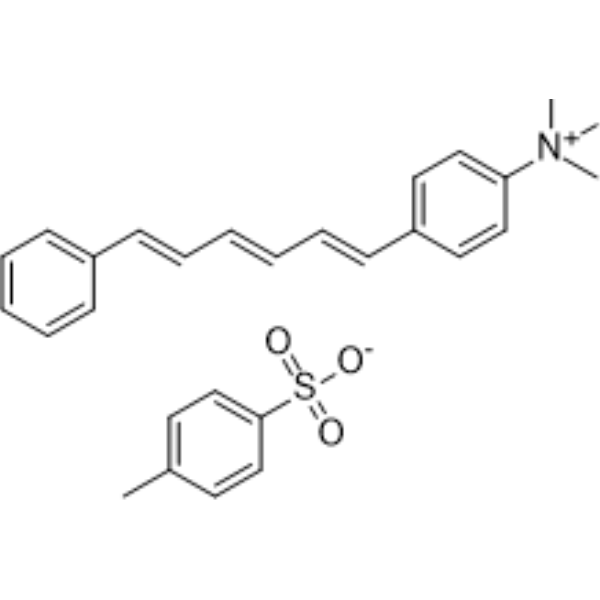
TMA-DPH is a hydrophobic fluorescent membrane probe (Ex=355 nm; Em=430 nm). TMA-DPH is able to anchor on the cell surface and localize to different regions of the phospholipid bilayer. By analyzing the fluorescence polarization values of TMA-DPH in the plasma membrane and membrane substructures, the fluidity of the cell membrane can be determined .
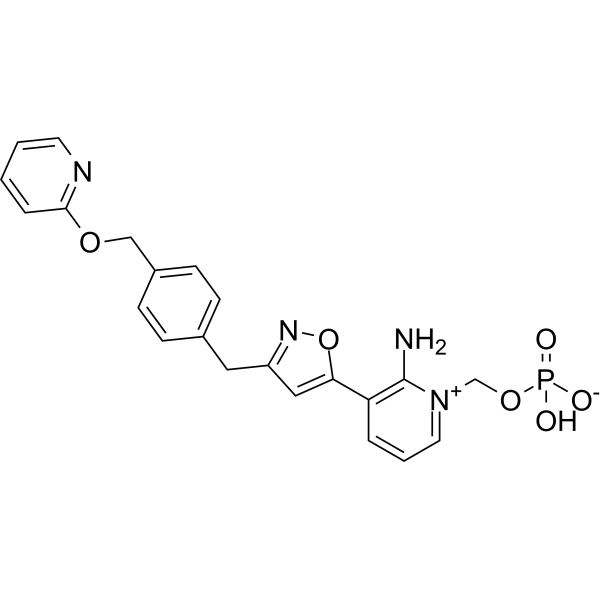
Fosmanogepix (APX001) is a broad-spectrum agent against invasive fungal infections. Fosmanogepix (APX001) targets the conserved Gwt1 enzyme required for the localization of glycosylphosphatidylinositol-anchored mannoproteins in fungi. This inhibition prevents the appropriate localization of cell wall mannoproteins, which compromises cell wall integrity, biofilm formation, germ tube formation, and fungal growth. Fosmanogepix (APX001) can be used for invasive fungal infections research .
Amatuximab (MORab-009) is a chimeric, humanized IgG1/k MAb that targets the cell surface mesothelin (MSLN). Mesothelin is a glycosylphosphatidyl inositol (GPI)-anchored membrane glycoprotein, which is present in a restricted set of normal adult tissues such as the mesothelium .
Endosidin-2 (ES2) is a selective inhibitor targeting the conserved exosome subunit EXO70. Endosidin-2 binds to the C-terminal domain of EXO70, inhibiting exocytosis and endosomal recycling, while promoting vacuolar trafficking in plant cells. Endosidin-2 interferes with the EXO70-mediated vesicle-to-plasma membrane anchoring process, leading to abnormal aggregation of auxin transporters (such as PIN2) in the cytoplasm and redirected to vacuolar degradation, while causing abnormal Golgi structure (such as cup-shaped or ring-shaped vesicles cisternae formation). Endosidin-2 can inhibit exocytosis in plant and mammalian cells and is mainly used to study the dynamic regulation of membrane trafficking (such as polar growth, vesicle sorting) .
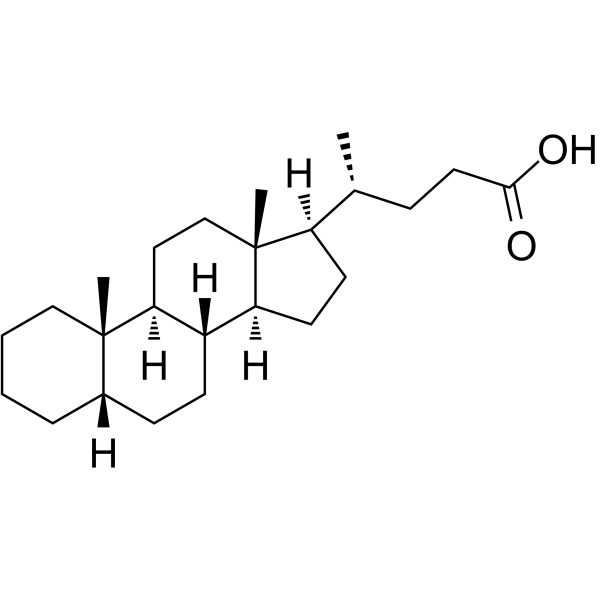
5β-Cholanic acid is a hydrophobic modifier used to modify polymer carriers. 5β-Cholanic acid can improve the acid stability, cell penetration efficiency and drug sustained release ability of nanocarriers, and optimize the oral effectiveness of delivered molecules. 5β-Cholanic acid can covalently bind to Glycol chitosan (GC) to form a GC-CA conjugate, which optimizes the hydrophobic anchoring ability of nanoparticles and enables them to be stably adsorbed on the surface of PLGA nanoparticles. Such nanoparticles can resist dissociation in the gastric acid environment and maintain positive charge to enhance endocytic uptake by intestinal epithelial cells (such as Caco-2 cells). 5β-Cholanic acid can be used in the development of drug delivery systems .
MC-GGFG-AM-(10Me-11F-Camptothecin) is a linker-payload conjugate used to synthesize ZW251. ZW251 an antibody-drug conjugate (ADC) targeting human GPC3. ZW251 consists of a humanized IgG1 antibody conjugated to a novel camptothecin-based topoisomerase 1 inhibitor, ZD06519, via a linker. The linker is the maleimide anchor and a glycyl glycyl phenylalanyl glycine (GGFG)-aminomethyl (AM) cleavable linker. ZW251 has high affinity with human and cynomolgus monkey GPC3. ZW251 displays rapid internalization in GPC3-expressing HCC cell lines, and bystander-mediated killing of GPC3 negative cancer cells .
Cephalin form bovine brain is an orally active phospholipid widely present in organisms.Cephalin form bovine brain participates in the formation of autophagosome membrane as a lipid anchor of autophagy-related protein Atg8/LC3. Cephalin form bovine brain enhances Autophagic flux, promotes cell differentiation, regulates lipid droplet fusion, delays aging, and also affects lipid metabolism and membrane integrity .
COVID-19 Spike Protein mRNA (N1-Me-Pseudo UTP) is an mRNA encoding the SARS-CoV-2 spike protein with enhanced performance via chemical modification. COVID-19 Spike Protein mRNA (N1-Me-Pseudo UTP) replaces natural uridine (UTP) with N1-Me-Pseudo UTP, which effectively reduces immunogenicity and improves stability and translation efficiency. The 3' UTR of COVID-19 Spike Protein mRNA (N1-Me-Pseudo UTP) optimizes AU-rich elements through HuR anchor sites, exhibiting higher translation efficiency. COVID-19 Spike Protein mRNA is widely used in COVID-19-related scientific research and vaccine development .
Adamantane is a polycyclic cage molecule with high symmetry and remarkable properties. Adamantane can be incorporated into a lipophilic part of the lipid bilayer that constitutes membranes and as an anchor in the lipid bilayer of liposomes. Adamantane can be studied in pharmacological research to improve the lipophilicity and pharmacological properties of other active products .
TMA-DPH (solution) is a hydrophobic fluorescent membrane probe (Ex=355 nm; Em=430 nm). TMA-DPH is able to anchor on the cell surface and localize to different regions of the phospholipid bilayer. By analyzing the fluorescence polarization values of TMA-DPH in the plasma membrane and membrane substructures, the fluidity of the cell membrane can be determined . Solvent and concentration: DMSO: 10 mM
VK-2019 is an orally bioavailable selective inhibitor of EBNA1. By binding to the protein-DNA interface to interfere with the recruitment and anchoring of the viral DNA replication machinery, VK-2019 effectively blocks the replication and proliferation of EBV in latently infected cells. VK-2019 reduces the copy number and gene expression level of Epstein-Barr virus in tumor cells, decreases the number of EBER-positive cells, and exhibits significant antiviral, immunomodulatory and antiproliferative activities. VK-2019 successfully inhibits tumor growth in EBV-dependent xenograft models. VK-2019 has favorable systemic exposure and acceptable safety profiles, and is widely used in research on advanced nasopharyngeal carcinoma and various EBV-associated cancers .
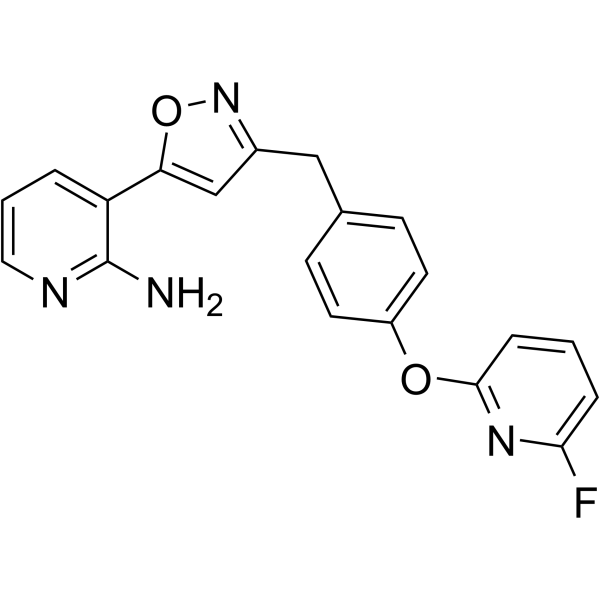
APX2039 is a brain-penetrant and orally active Gwt1 protein inhibitor. APX2039 inhibits an early step in fungal glycosylphosphatidylinositol anchor biosynthesis. APX2039 can be used for the research of cryptococcal meningitis and invasive mycosis caused by Talaromyces marneffei .
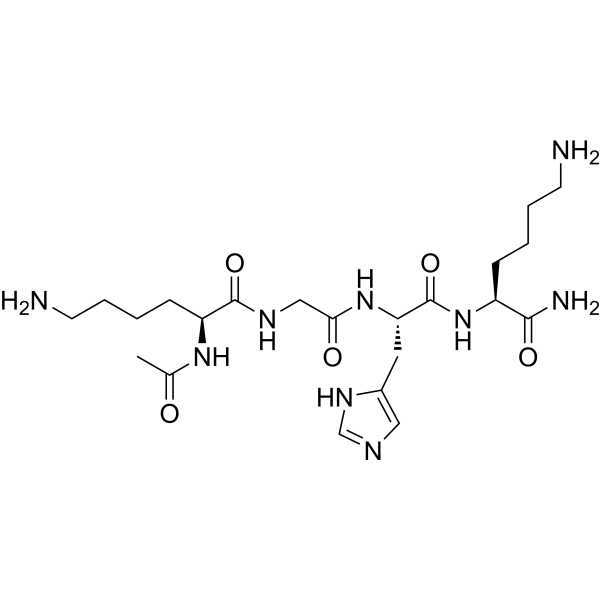
Acetyl tetrapeptide-3 is a synthetic peptide. Acetyl tetrapeptide-3 enhances the adhesion of hair follicles to the scalp but also promotes the development of new hair follicles. Acetyl tetrapeptide-3 stimulates the synthesis of collagen III in hair follicles. Acetyl tetrapeptide-3 combined with Biochanin A (HY-14595) and ginseng extracts, can stimulate dermal papilla extracellular matrix (ECM) proteins by increasing hydroxyproline, Collagen Type 3, and laminin, yielding a significant improvement in hair follicle size and hair anchoring .
PFI-653 (Vanin-1-IN-1, compound 3), a chemical probe, is a vanin-1 inhibitor that binds to plasma vanin-1 from mouse, rat, dog, and human. Vanin-1 is a cell surface-associated inositol (GPi) -anchored protein that plays important roles in metabolism and inflammation. PFI-653 inhibits vanin-1 from different species with IC50s of 6.85 nM (human recombinant plasma vanin-1), 9.0 nM (human plasma vanin-1), 24.5 nM (mouse recombinant vanin-1), and 53.4 nM (mouse plasma vanin-1) .
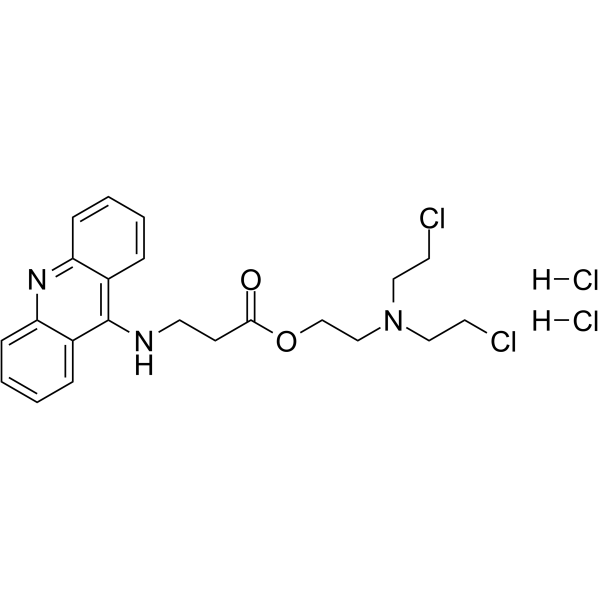
Amustaline (S-303) dihydrochloride, a nucleic acid-targeted alkylator, is an efficient pathogen inactivation agent for blood components containing red blood cells. Amustaline dihydrochloride has three components: an acridine anchor (an intercalator that targets nucleic acids non-covalently), an effector (a bis-alkylator group that reacts with nucleophiles), and a linker (a small flexible carbon chain containing a labile ester bond that hydrolyzes at neutral pH to yield non-reactive breakdown products) .
18:0,18:1 PS sodium is the dominant phosphatidylserine subtype in cells, exosomes and HIV particles. It is abundant in the brain and is essential for maintaining membrane structure, lipid raft organization and intracellular trafficking. 18:0,18:1 PS sodium mediates interleaflet membrane coupling through cholesterol-dependent interactions with very long-chain sphingolipids, and can induce the clustering of glycosylphosphatidylinositol-anchored proteins. In addition, clusters formed by the binding of 18:0,18:1 PS sodium to cholesterol not only facilitate the proper distribution of cholesterol in lipid bilayers, but also effectively protect cholesterol from oxidative damage .
Volrustomig (MEDI-5752) is a human IgG1 κ monoclonal antibody targeting CTLA4/PD1. The isotype control for Volrustomig is Human IgG1 kappa, Isotype Control (HY-P99001). Volrustomig anchors to the surface of T cells by binding PD-1, induces PD-1 internalization and degradation, and preferentially inhibits CTLA-4 on activated PD-1 + T cells. Volrustomig binds to tumor-infiltrating lymphocytes and a subset of PD-1 + B cells, enhances T cell function and IFNγ secretion. Volrustomig reduces the activation of non-tumor-infiltrating lymphocytes and exhibits manageable toxicity. Volrustomig can be used in research on various cancers, such as non-small cell lung cancer, gastric cancer, hepatobiliary cancer, and cervical cancer .
Biotin-PEG2000-maleimide is a PEG derivative consisting of a linear PEG chain with biotin attached to one end and maleimide modified to the other end. Biotin-PEG2000-maleimide anchors drugs or targeting ligands to liposomes or polymer nanocarriers through the maleimide end, and the biotin end is used for in vitro purification or in vivo targeted release .
Tamrintamab (SC-003 mAb, SC-Mab003, SC34.28ss1) is an ADC Antibody targeting to dipeptidase 3 (DPEP3 or MBD3). DPEP3 is a glycosyl phosphatidylinositol anchored metallopeptidase that is overexpressed in ovarian tumors. Tamrintamab can specifically bind DPEP3-expressing cells to produce cytotoxicity. Tamrintamab can be used in ovarian cancer research .
Naphthol AS-MX phosphate (NASTRp) is a small molecule inhibitor of the CREB (cyclic adenosine phosphate reaction element binding protein)-CBP (CREB binding protein) transcription factor complex. Naphthol AS-MX phosphate shows antitumor activity against lung cancer cells, inhibiting tumor cell proliferation (IC50=3.701 μmol/L), colony formation, and anchored independent growth in soft AGAR. Naphthol AS-MX phosphate can be used in the study of KRAS mutated lung cancer, especially for KRAS mutated lung cancer with poor chemotherapy resistance and prognosis .
2'-O-MOE-U is a nucleic acid modification group (Phosphoramidite) with 3'-exonuclease inhibitory activity. 2'-O-MOE-U also exhibits gene silencing activity and double-stranded oligonucleotide stability. By forming steric interactions with 3'-exonuclease residues, 2'-O-MOE-U anchors the 3'-end of the siRNA guide strand in the hAgo2 PAZ domain, thereby regulating double-stranded thermal stability and enhancing base-pairing specificity. 2'-O-MOE-U does not induce IFNα production, can be incorporated at multiple sites of siRNA to enhance RNAi activity, and produces a synergistic effect with 2'-F modification. 2'-O-MOE-U has been widely used in studies related to breast cancer and other diseases .
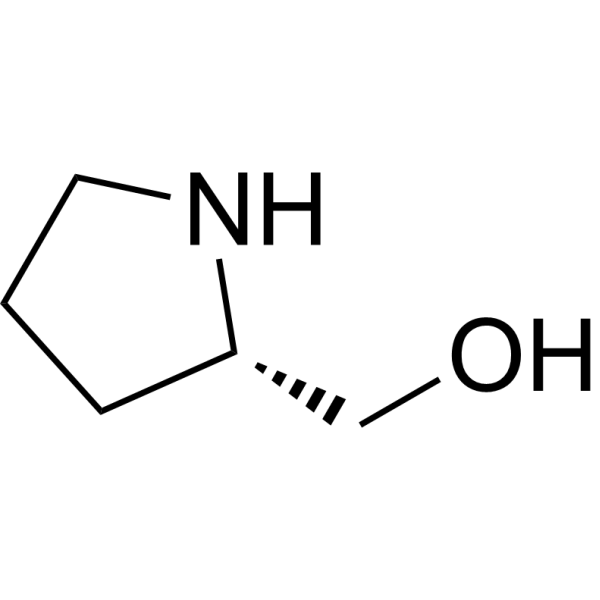
(2S)-2-Pyrrolidinemethanol ((S)-(+)-Prolinol) reveals binucleophilic character and can be anchored to phthalonitrile derivative from both nitrogen and oxygen atoms. (2S)-2-Pyrrolidinemethanol can be utilized as chiral catalyst .
HSP70-IN-7 is a nonselective HSP70 inhibitor with Kds of 4.71, 2.16 and 2.93μM against HSP70, GRP75, and GRP78. HSP70-IN-7 exhibits selective toxicity against breast cancer cells, induces cell apoptosis and effectively suppresses the properties of breast cancer stem cells (BCSCs). HSP70-IN-7 can be used for the study of breast cancer .
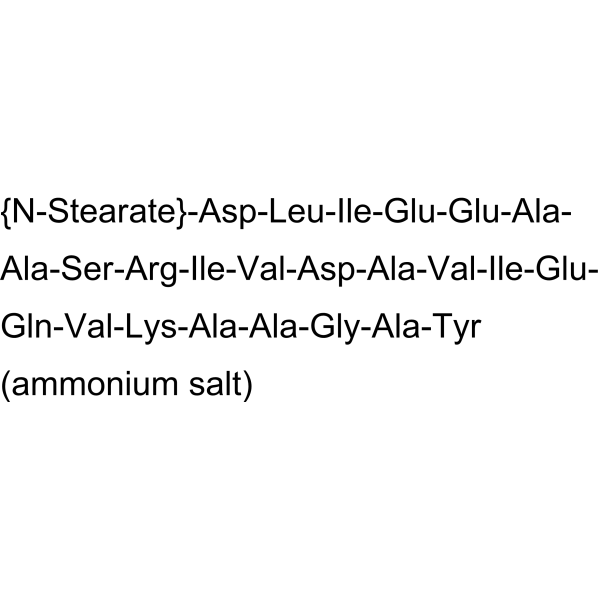
st-Ht31 ammonium is a membrane-permeable peptide inhibitor of?protein kinase A (PKA) anchoring. st-Ht31 ammonium induces robust cholesterol/phospholipid efflux. st-Ht31 ammonium completely reverses foam cell formation and restores the metabolic health of macrophage .
GI-Y2 is an orally active, selective Gasdermin D (GSDMD) inhibitor (Kd = 36.0 μM) with anti-pyroptosis activity. GI-Y2 targets GSDMD, impairs membrane anchoring of GSDMD-NT, and blocks GSDMD‑dependent lipid binding and pore formation. GI-Y2 suppresses GSDMD‑dependent pyroptosis and inflammation, mitigates atherosclerosis and cardiac injury, boosts cell survival, and reduces IL‑1β/IL‑18 secretion. GI-Y2 can be used for the research of atherosclerosis and septic myocardial injury .
5-InoAz is an inositol analogue used as a metabolic probe for labeling the mycobacterial cell envelope. 5-InoAz integrates into cell envelope glycolipids [phosphatidylinositol mannoside (PIM), PIM-anchored lipomannan (LM), and lipoarabinomannan (LAM)] .
st-Ht31 is a membrane-permeable peptide inhibitor of protein kinase A (PKA) anchoring. st-Ht31 induces robust cholesterol/phospholipid efflux. st-Ht31 completely reverses foam cell formation and restores the metabolic health of macrophage .
Adamantane-d16is the deuterium labeled Adamantane (HY-N2427). Adamantane, a polycyclic cage molecule with high symmetry and remarkable properties. Adamantane can be incorporated into a lipophilic part of the lipid bilayer that constitutes membranes and as an anchor in the lipid bilayer of liposomes. Adamantane can be used in research of surface recognition and drug delivery .
DOPE-PEG(2000) Carboxylic acid sodium is a stabilizer. DOPE-PEG(2000) Carboxylic acid sodium produce a coating around the ferrofluid droplet chains which are dispersed in 5CB. DOPE-PEG(2000) Carboxylic acid sodium tends to fold, effectively shielding the surrounding LC molecules from the homeotropic anchoring at the droplet interface and leading to smaller deformations and thus also creating a more stable interface .
iHAC is an inhibitor HSP90-anchoring chimera, that covalently binds BRD4 ligand (+)-JQ-1 to HSP90, and inhibits the proliferation of cancer cells. iHAC activates the anti-tumor immune response, inhibits the recurrence and metastasis of 4T1 breast cancer in mouse models .
CP05 is a peptide that specifically recognizes an exosome surface marker (CD63). CP05 anchors exosomes to target tissues for in vivo delivery of exosomes .
1-(2-Pyridylazo)-2-naphthol (1-Pyridylazo-2-naphthol) is an azo compound. 1-(2-Pyridylazo)-2-naphthol can be used as a chelating precipitant, flocculant, auxiliary complexing agent, and as a ligand for anchoring on other supports with the purpose of introducing
chelating property .
Biotin-PEG5000-maleimide is a PEG derivative consisting of a linear PEG chain with biotin attached to one end and maleimide modified to the other end. Biotin-PEG5000-maleimide anchors drugs or targeting ligands to liposomes or polymer nanocarriers through the maleimide end, and the biotin end is used for in vitro purification or in vivo targeted release .
Biotin-PEG1000-maleimide is a PEG derivative consisting of a linear PEG chain with biotin attached to one end and maleimide modified to the other end. Biotin-PEG1000-maleimide anchors drugs or targeting ligands to liposomes or polymer nanocarriers through the maleimide end, and the biotin end is used for in vitro purification or in vivo targeted release .
Mem-C1C18 is a polarity-sensitive fluorescent probe with excellent plasma membrane anchoring, high brightness and a sensitive response to environmental polarity by altering the fluorescence lifetime. Mem-C1C18 can be used to quantify changes in the polarity of the plasma membrane during iron death .
FMP-API-1 is an A-kinase anchoring protein (AKAP)-PKA interaction inhibitor. FMP-API-1 binds to the allosteric site of PKA R subunits and increases the activity of PKA and AQP2 in PKA-knockout cell lines of renal cortical collecting ducts (mpkCCD cells). FMP-API-1 has the potential for the study of nephrogenic diabetes insipidus (NDI) .
Fosmanogepix tautomerism (APX001 tautomerism) is a broad-spectrum and orally active anti-invasive fungal compound. Fosmanogepix tautomerism targets the conserved Gwt1 enzyme required for the localization of glycosylphosphatidylinositol-anchored mannoproteins in fungi, and inhibition prevents proper localization of cell wall mannoproteins, thereby impairing cell wall integrity, biofilm formation, germ tube formation, and fungal growth. Fosmanogepix tautomerism can be used to study invasive fungal infections .
Pyrazole-3-carboxylic acid is an alternative anchoring group to carboxylic acid in phthalocyanine dyes. Pyrazole-3-carboxylic acid shows flexible coordination modes when coordinates with metal ions. Pyrazole-3-carboxylic acid can chelate to metal ions and form very stable complexes through its N and O atoms. Pyrazole-3-carboxylic acid can be used to synthesize derivatives that possess antibacterial, anti-inflammatory, ulcerogenic liability and antiproliferative activities .
RI-STAD-2 is a high-affinity interfering peptide that regulates the subunit RI of protein kinase A (PKA). RI-STAD-2 interferes with the binding of AKAPs and PKA-RI by simulating the interaction between AKAPs' α-helix domain and PKA-RI's dimerization/anchoration (D/D) domain, thereby affecting PKA activity and intracellular localization. RI-STAD-2 can be used to study the role of AKAPs interaction with PKA-RI in pathological processes such as cardiovascular disease and cancer .
18:0,18:1 PS is the dominant phosphatidylserine subtype in cells, exosomes and HIV particles. It is abundant in the brain and is essential for maintaining membrane structure, lipid raft organization and intracellular trafficking. 18:0,18:1 PS mediates interleaflet membrane coupling through cholesterol-dependent interactions with very long-chain sphingolipids, and can induce the clustering of glycosylphosphatidylinositol-anchored proteins. In addition, clusters formed by the binding of 18:0,18:1 PS to cholesterol not only facilitate the proper distribution of cholesterol in lipid bilayers, but also effectively protect cholesterol from oxidative damage .
NCP2 Anchor can be used in the synthesis of exon jumping oligomer conjugates. The oligomer conjugates complement selected target sites in the human anti-muscular atrophy protein gene and induce exon 52 jumping. NCP2 Anchor can be used for research of muscular dystrophy .
DSPE-PEG45-BG is a SNAP-tag reactive phospholipid-anchored molecule that enables targeted localization and spatiotemporal controlled immobilization of proteins on phospholipid membranes. DSPE-PEG45-BG can be applied to any SNAP-tag fusion protein .
Amustaline (dihydrochloride) (Standard) is the analytical standard of Amustaline (dihydrochloride). This product is intended for research and analytical applications. Amustaline (S-303) dihydrochloride, a nucleic acid-targeted alkylator, is an efficient pathogen inactivation agent for blood components containing red blood cells. Amustaline dihydrochloride has three components: an acridine anchor (an intercalator that targets nucleic acids non-covalently), an effector (a bis-alkylator group that reacts with nucleophiles), and a linker (a small flexible carbon chain containing a labile ester bond that hydrolyzes at neutral pH to yield non-reactive breakdown products) .
PKA/AKAP-IN-2 (15109) is a non-peptide inhibitor of the interaction between protein kinase A (PKA) and A kinase anchoring proteins (AKAP). PKA/AKAP-IN-2 can be utilized in research related to cAMP disturbance associated diseases .
PKA/AKAP-IN-1 (compound 15126) is a non-peptide inhibitor of the interaction between protein kinase A (PKA) and A kinase anchoring proteins (AKAP). PKA/AKAP-IN-1 can be utilized in research related to cAMP disturbance associated diseases .
Carbonic anhydrase inhibitor 13 (compound 7) is a potent carbonic anhydrase (CA) inhibitor, which features 3-methylthiazolo[3,2-a]benzimidazole moiety (as a tail) connected to the zinc anchoring benzenesulfonamide moiety via ureido linker .
Vanin-1-IN-2 is a potent vanin-1 inhibitor with an IC50 of 162 nM. Vanin-1 is a cell-surface-associated, glycosylphosphatidyl inositol (GPI)-anchored protein which is expressed at high levels in the kidney, liver, and small intestine .
Adamantane (Standard) is the analytical standard of Adamantane. This product is intended for research and analytical applications. Adamantane, a polycyclic cage molecule with high symmetry and remarkable properties. Adamantane can be incorporated into a lipophilic part of the lipid bilayer that constitutes membranes and as an anchor in the lipid bilayer of liposomes. Adamantane can be used in research of surface recognition and drug delivery .
Biotin-PEG3400-maleimide is a PEG derivative consisting of a linear PEG chain with biotin attached to one end and maleimide modified to the other end. Biotin-PEG3400-maleimide anchors drugs or targeting ligands to liposomes or polymer nanocarriers through the maleimide end, and the biotin end is used for in vitro purification or in vivo targeted release .
HIV gp120 (318-327) is a short sequence of the HIV-1 strain IIIB envelope peptide (rgpgrafvti) that corresponds to the conserved C-terminal region of the glycoprotein. HIV gp120 (318-327) is part of the HIV vaccine V3 peptide epitope, also known as the I10 peptide. However, HIV gp120 (318-327) lacks the A2 anchor residues recognized by epitope-specific CTLs but has structural features that confer promiscuous A2 binding .
(2S)-2-Pyrrolidinemethanol (Standard) ((S)-(+)-Prolinol (Standard)) is the analytical standard of (2S)-2-Pyrrolidinemethanol (HY-Y1126). This product is intended for research and analytical applications. (2S)-2-Pyrrolidinemethanol ((S)-(+)-Prolinol) reveals binucleophilic character and can be anchored to phthalonitrile derivative from both nitrogen and oxygen atoms. (2S)-2-Pyrrolidinemethanol can be utilized as chiral catalyst .
TBD–anchor is a water-soluble, positively charged AIE photosensitizer. TBD–anchor can specifically bind to bacterial membranes and efficiently produce 1O2. TBD–anchor has bactericidal activity against various bacteria and good biocompatibility. TBD–anchor can be used for research on bacterial infections .
Resorantel (Standard) is the analytical standard of Resorantel. This product is intended for research and analytical applications. 18:0,18:1 PS sodium is the dominant phosphatidylserine subtype in cells, exosomes and HIV particles. It is abundant in the brain and is essential for maintaining membrane structure, lipid raft organization and intracellular trafficking. 18:0,18:1 PS sodium mediates interleaflet membrane coupling through cholesterol-dependent interactions with very long-chain sphingolipids, and can induce the clustering of glycosylphosphatidylinositol-anchored proteins. In addition, clusters formed by the binding of 18:0,18:1 PS sodium to cholesterol not only facilitate the proper distribution of cholesterol in lipid bilayers, but also effectively protect cholesterol from oxidative damage .
Biotin-C1-PEG3-C3-amido-C5-Gly-Arg-Gly-N3 TFA is used for detection of modification site for N-myristoylated and GPI-anchored proteins in blood-stage P. falciparum . Biotin-C1-PEG3-C3-amido-C5-Gly-Arg-Gly-N3 (TFA) is a click chemistry reagent, it contains an Azide group and can undergo copper-catalyzed azide-alkyne cycloaddition reaction (CuAAc) with molecules containing Alkyne groups. It can also undergo strain-promoted alkyne-azide cycloaddition (SPAAC) reactions with molecules containing DBCO or BCN groups.
Epsilon-V1-2, Cys-conjugated is a biological active peptide. (This peptide is the εPKC specific inhibitor. Its inhibitory activity is based on εPKC translocation and MARCKS phosphorylation. This peptide interferes with εPKC interaction with the anchoring protein εRACK. This peptide contains a cysteine residue added to the C-terminus for potential S-S bond formation with a carrier protein.Pyroglutamyl (pGlu) peptides may spontaneously form when either Glutamine (Q) or Glutamic acid (E) is located at the sequence N-terminus. The conversion of Q or E to pGlu is a natural occurrence and in general it is believed that the hydrophobic γ-lactam ring of pGlu may play a role in peptide stability against gastrointestinal proteases. Pyroglutamyl peptides are therefore considered a normal subset of such peptides and are included as part of the peptide purity during HPLC analysis.)
(7S,8S)-Dihydrodehydrodiconiferyl alcohol 9’-β-D-glucopyranoside is a Streptococcus mutansSortase A inhibitor with an IC50 of 37.3 μM. (7S,8S)-Dihydrodehydrodiconiferyl alcohol 9’-β-D-glucopyranoside inhibits transpeptidase activity linked to Gram-positive bacterial surface protein anchoring. (7S,8S)-Dihydrodehydrodiconiferyl alcohol 9’-β-D-glucopyranoside can be used for the research of dental caries .
C24:1 GD2 Ceramide (d18:1/24:1) is a sphingoid base linked to a fatty acid. C24:1 GD2 Ceramide (d18:1/24:1) interacts with other membrane lipids and allows GD2 to be tightly anchored to the cell surface .
Tolododekin alfa (ANK-101) is a drug conjugate that anchors and combines IL-12 with Aluminum Hydroxide (HY-B1521). Tolododekin alfa promotes the recruitment of effector CD8 + T cells to tumor sites, enhances the production of γ-interferon, upregulates the expression of PD-L1, and induces sustained pro-inflammatory gene expression in mouse tumor models. Tolododekin alfa can be used for research related to advanced solid tumors .
Aminopyrifen is a GWT-1 inhibitor. Aminopyrifen inhibits the inositol acylation of phosphatidylinositol, disrupting the maturation process of GPI-anchored proteins and the integrity of fungal cell walls. Aminopyrifen strongly inhibits germ tube elongation of Botrytis cinerea, delays spore germination, prevents appressorium formation, and blocks the infection of plant tissues by pathogenic fungi. Aminopyrifen is effective against field populations of eggplant gray mold and cucumber powdery mildew, and can be used for research on various plant fungal diseases such as gray mold and powdery mildew .
LANA is a KSHV latency-associated nuclear antigen. The core function of LANA is to act as an "anchor" for the viral genome, attaching it to the chromatin of the host cell. LANA ensures that the episomal DNA of KSHV replicates together with the host chromosome and is evenly distributed among the daughter cells, thereby maintaining the latent infection of the virus in the cell population. LANA can regulate the transcription of viral and host cell genes, and regulate certain host cell genes to promote cell survival. LANA can be used to study the viral DNA tethering structure .
GALA-chol is a cholesterol-conjugated pH-responsive fusion peptide that can serve as a delivery adjuvant. GALA-chol enhances the endocytosis of siRNA RET/PTC1-SQ nanoparticles, inhibits cell viability, and undergoes pH-responsive charge conversion in the acidic lysosomal environment, thereby promoting lysosomal escape of small extracellular vesicle (sEV) cargo. GALA-chol anchors to the sEV membrane and maintains the structural integrity and intrinsic homing activity of sEVs. GALA-chol can be used in studies related to adjuvant delivery .
ID110460001 is a full agonist of μ-opioid receptor and an agonist of δ-opioid receptor. ID110460001 exhibits high intrinsic efficacy for G protein pathway activation of μ-opioid receptor, and this property is not affected by the reduction in receptor quantity. ID110460001 acts only as a very weak partial agonist in the β-arrestin-2 pathway of both receptors, and binds to μ-opioid receptor via a specific mode. The efficacy of ID110460001 in the G protein pathway of δ-opioid receptor is sensitive to changes in receptor quantity. ID110460001 can be used in pain-related research .
5β-Cholanic acid is a hydrophobic modifier used to modify polymer carriers. 5β-Cholanic acid can improve the acid stability, cell penetration efficiency and drug sustained release ability of nanocarriers, and optimize the oral effectiveness of delivered molecules. 5β-Cholanic acid can covalently bind to Glycol chitosan (GC) to form a GC-CA conjugate, which optimizes the hydrophobic anchoring ability of nanoparticles and enables them to be stably adsorbed on the surface of PLGA nanoparticles. Such nanoparticles can resist dissociation in the gastric acid environment and maintain positive charge to enhance endocytic uptake by intestinal epithelial cells (such as Caco-2 cells). 5β-Cholanic acid can be used in the development of drug delivery systems .
RMR-Tre is a fluorescent probe targeting the mycobacterial acyltransferase Ag85. Under the catalysis of Ag85, RMR-Tre undergoes 6-position mycoloylation and anchors to the mycobacterial membrane, while achieving fluorescence activation by inhibiting the intramolecular twisted charge transfer state transition. RMR-Tre can distinguish live mycobacteria from dead ones through metabolism-driven labeling, enabling rapid, wash-free, low-background detection of viable bacteria. RMR-Tre reports the drug resistance of Mycobacterium tuberculosis via the trehalose catalytic shift activity readout associated with TreS. In addition, RMR-Tre can be combined with flow cytometry or high-content imaging techniques to visualize and quantitatively analyze the metabolic heterogeneity of Mycobacterium tuberculosis related to persistence and drug resistance. RMR-Tre is widely used in tuberculosis-related research .
Anti-CD62L Antibody (DREG-200) is a human monoclonal antibody targeting CD62L/L-selectin. Anti-CD62L Antibody (DREG-200) binds to residues 45, 46 and 47 of L-selectin, and blocks L-selectin-mediated interactions, neutrophil rolling, adhesion, aggregation, secondary anchoring, as well as leukocyte rolling on ligands. Anti-CD62L Antibody (DREG-200) reduces myocardial necrosis, coronary endothelial dysfunction, and neutrophil migration driven by neutrophil microparticles. Anti-CD62L Antibody (DREG-200) exerts cardioprotective effects in feline models. Anti-CD62L Antibody (DREG-200) can be used in studies related to myocardial ischemia-reperfusion injury. The recommended isotype control is Mouse IgG1 kappa (HY-P99977) .
N6-(3-Azidopropanoyl)-N2-(tert-butoxycarbonyl)-L-lysine is an L-lysine (HY-N0469) derivative and an azide molecule used for click chemistry conjugation .
TMA-DPH is a hydrophobic fluorescent membrane probe (Ex=355 nm; Em=430 nm). TMA-DPH is able to anchor on the cell surface and localize to different regions of the phospholipid bilayer. By analyzing the fluorescence polarization values of TMA-DPH in the plasma membrane and membrane substructures, the fluidity of the cell membrane can be determined .
TMA-DPH (solution) is a hydrophobic fluorescent membrane probe (Ex=355 nm; Em=430 nm). TMA-DPH is able to anchor on the cell surface and localize to different regions of the phospholipid bilayer. By analyzing the fluorescence polarization values of TMA-DPH in the plasma membrane and membrane substructures, the fluidity of the cell membrane can be determined . Solvent and concentration: DMSO: 10 mM
DSPE-PEG45-BG is a SNAP-tag reactive phospholipid-anchored molecule that enables targeted localization and spatiotemporal controlled immobilization of proteins on phospholipid membranes. DSPE-PEG45-BG can be applied to any SNAP-tag fusion protein .
TBD–anchor is a water-soluble, positively charged AIE photosensitizer. TBD–anchor can specifically bind to bacterial membranes and efficiently produce 1O2. TBD–anchor has bactericidal activity against various bacteria and good biocompatibility. TBD–anchor can be used for research on bacterial infections .
RMR-Tre is a fluorescent probe targeting the mycobacterial acyltransferase Ag85. Under the catalysis of Ag85, RMR-Tre undergoes 6-position mycoloylation and anchors to the mycobacterial membrane, while achieving fluorescence activation by inhibiting the intramolecular twisted charge transfer state transition. RMR-Tre can distinguish live mycobacteria from dead ones through metabolism-driven labeling, enabling rapid, wash-free, low-background detection of viable bacteria. RMR-Tre reports the drug resistance of Mycobacterium tuberculosis via the trehalose catalytic shift activity readout associated with TreS. In addition, RMR-Tre can be combined with flow cytometry or high-content imaging techniques to visualize and quantitatively analyze the metabolic heterogeneity of Mycobacterium tuberculosis related to persistence and drug resistance. RMR-Tre is widely used in tuberculosis-related research .
Cephalin form bovine brain is an orally active phospholipid widely present in organisms.Cephalin form bovine brain participates in the formation of autophagosome membrane as a lipid anchor of autophagy-related protein Atg8/LC3. Cephalin form bovine brain enhances Autophagic flux, promotes cell differentiation, regulates lipid droplet fusion, delays aging, and also affects lipid metabolism and membrane integrity .
Biotin-PEG2000-maleimide is a PEG derivative consisting of a linear PEG chain with biotin attached to one end and maleimide modified to the other end. Biotin-PEG2000-maleimide anchors drugs or targeting ligands to liposomes or polymer nanocarriers through the maleimide end, and the biotin end is used for in vitro purification or in vivo targeted release .
(2S)-2-Pyrrolidinemethanol ((S)-(+)-Prolinol) reveals binucleophilic character and can be anchored to phthalonitrile derivative from both nitrogen and oxygen atoms. (2S)-2-Pyrrolidinemethanol can be utilized as chiral catalyst .
1-(2-Pyridylazo)-2-naphthol (1-Pyridylazo-2-naphthol) is an azo compound. 1-(2-Pyridylazo)-2-naphthol can be used as a chelating precipitant, flocculant, auxiliary complexing agent, and as a ligand for anchoring on other supports with the purpose of introducing
chelating property .
Biotin-PEG5000-maleimide is a PEG derivative consisting of a linear PEG chain with biotin attached to one end and maleimide modified to the other end. Biotin-PEG5000-maleimide anchors drugs or targeting ligands to liposomes or polymer nanocarriers through the maleimide end, and the biotin end is used for in vitro purification or in vivo targeted release .
Biotin-PEG1000-maleimide is a PEG derivative consisting of a linear PEG chain with biotin attached to one end and maleimide modified to the other end. Biotin-PEG1000-maleimide anchors drugs or targeting ligands to liposomes or polymer nanocarriers through the maleimide end, and the biotin end is used for in vitro purification or in vivo targeted release .
Pyrazole-3-carboxylic acid is an alternative anchoring group to carboxylic acid in phthalocyanine dyes. Pyrazole-3-carboxylic acid shows flexible coordination modes when coordinates with metal ions. Pyrazole-3-carboxylic acid can chelate to metal ions and form very stable complexes through its N and O atoms. Pyrazole-3-carboxylic acid can be used to synthesize derivatives that possess antibacterial, anti-inflammatory, ulcerogenic liability and antiproliferative activities .
Biotin-PEG3400-maleimide is a PEG derivative consisting of a linear PEG chain with biotin attached to one end and maleimide modified to the other end. Biotin-PEG3400-maleimide anchors drugs or targeting ligands to liposomes or polymer nanocarriers through the maleimide end, and the biotin end is used for in vitro purification or in vivo targeted release .
(2S)-2-Pyrrolidinemethanol (Standard) ((S)-(+)-Prolinol (Standard)) is the analytical standard of (2S)-2-Pyrrolidinemethanol (HY-Y1126). This product is intended for research and analytical applications. (2S)-2-Pyrrolidinemethanol ((S)-(+)-Prolinol) reveals binucleophilic character and can be anchored to phthalonitrile derivative from both nitrogen and oxygen atoms. (2S)-2-Pyrrolidinemethanol can be utilized as chiral catalyst .
Biotin-C1-PEG3-C3-amido-C5-Gly-Arg-Gly-N3 TFA is used for detection of modification site for N-myristoylated and GPI-anchored proteins in blood-stage P. falciparum . Biotin-C1-PEG3-C3-amido-C5-Gly-Arg-Gly-N3 (TFA) is a click chemistry reagent, it contains an Azide group and can undergo copper-catalyzed azide-alkyne cycloaddition reaction (CuAAc) with molecules containing Alkyne groups. It can also undergo strain-promoted alkyne-azide cycloaddition (SPAAC) reactions with molecules containing DBCO or BCN groups.
Acetyl tetrapeptide-3 is a synthetic peptide. Acetyl tetrapeptide-3 enhances the adhesion of hair follicles to the scalp but also promotes the development of new hair follicles. Acetyl tetrapeptide-3 stimulates the synthesis of collagen III in hair follicles. Acetyl tetrapeptide-3 combined with Biochanin A (HY-14595) and ginseng extracts, can stimulate dermal papilla extracellular matrix (ECM) proteins by increasing hydroxyproline, Collagen Type 3, and laminin, yielding a significant improvement in hair follicle size and hair anchoring .
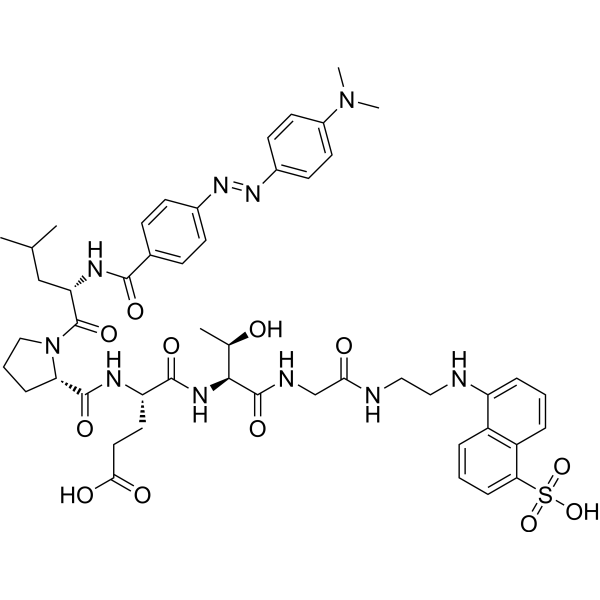
DABCYL-LPETG-EDANS is a biological active peptide. (This 5-amino acid peptide is a sortase substrate, C-terminal sorting signal. Sortase cleaves surface proteins at the LPXTG motif and catalyzes the formation of an amide bond between the carboxyl group of threonine and the amino group of cell-wall crossbridges. Sortases are a family of Gram-positive transpeptidases responsible for anchoring surface protein virulence factors to the peptidoglycan cell wall layer. Cleavage of this FRET substrate by sortase reveals the fluorescent signal, Abs/Em = 340/490 nm.)
st-Ht31 ammonium is a membrane-permeable peptide inhibitor of?protein kinase A (PKA) anchoring. st-Ht31 ammonium induces robust cholesterol/phospholipid efflux. st-Ht31 ammonium completely reverses foam cell formation and restores the metabolic health of macrophage .
Dby HY Peptide (608-622), mouse is a biological active peptide. (Dby HY Peptide, NAGFNSNRANSSRSS, is a HYAb epitope belonging to a well-conserved family of genes coding for known or putative RNA helicases and containing a core sequence with a DEAD (Asp-Glu-Ala-Asp) box peptide motif, hence the name Dby (Dead box RNA helicase Y). The single Phenylalanine in the sequence serves as the anchor point while FNSNRANSS most likely is the “core” sequence of this HYAb epitope.)
st-Ht31 is a membrane-permeable peptide inhibitor of protein kinase A (PKA) anchoring. st-Ht31 induces robust cholesterol/phospholipid efflux. st-Ht31 completely reverses foam cell formation and restores the metabolic health of macrophage .
CP05 is a peptide that specifically recognizes an exosome surface marker (CD63). CP05 anchors exosomes to target tissues for in vivo delivery of exosomes .
RI-STAD-2 is a high-affinity interfering peptide that regulates the subunit RI of protein kinase A (PKA). RI-STAD-2 interferes with the binding of AKAPs and PKA-RI by simulating the interaction between AKAPs' α-helix domain and PKA-RI's dimerization/anchoration (D/D) domain, thereby affecting PKA activity and intracellular localization. RI-STAD-2 can be used to study the role of AKAPs interaction with PKA-RI in pathological processes such as cardiovascular disease and cancer .
HIV gp120 (318-327) is a short sequence of the HIV-1 strain IIIB envelope peptide (rgpgrafvti) that corresponds to the conserved C-terminal region of the glycoprotein. HIV gp120 (318-327) is part of the HIV vaccine V3 peptide epitope, also known as the I10 peptide. However, HIV gp120 (318-327) lacks the A2 anchor residues recognized by epitope-specific CTLs but has structural features that confer promiscuous A2 binding .
Epsilon-V1-2, Cys-conjugated is a biological active peptide. (This peptide is the εPKC specific inhibitor. Its inhibitory activity is based on εPKC translocation and MARCKS phosphorylation. This peptide interferes with εPKC interaction with the anchoring protein εRACK. This peptide contains a cysteine residue added to the C-terminus for potential S-S bond formation with a carrier protein.Pyroglutamyl (pGlu) peptides may spontaneously form when either Glutamine (Q) or Glutamic acid (E) is located at the sequence N-terminus. The conversion of Q or E to pGlu is a natural occurrence and in general it is believed that the hydrophobic γ-lactam ring of pGlu may play a role in peptide stability against gastrointestinal proteases. Pyroglutamyl peptides are therefore considered a normal subset of such peptides and are included as part of the peptide purity during HPLC analysis.)
RWmix is ??a synthetic cell-penetrating peptide. The secondary amphiphilic nature of RWmix promotes cellular uptake, mainly due to the alternating arrangement of arginine and tryptophan. The presence of tryptophan enhances the anchoring of the peptide to the cell membrane, thereby improving its ability to penetrate the cell membrane. RWmix can be used for gene therapy and siRNA delivery research .
MGCVQCKDKEA is an 11-residue membrane-anchoring motif derived from the Src kinase Fyn. MGCVQCKDKEA can promote the cell surface expression of TMC1/2 proteins. MGCVQCKDKEA can be used in the research of inner ear mechanical conduction channel-related diseases .
LANA is a KSHV latency-associated nuclear antigen. The core function of LANA is to act as an "anchor" for the viral genome, attaching it to the chromatin of the host cell. LANA ensures that the episomal DNA of KSHV replicates together with the host chromosome and is evenly distributed among the daughter cells, thereby maintaining the latent infection of the virus in the cell population. LANA can regulate the transcription of viral and host cell genes, and regulate certain host cell genes to promote cell survival. LANA can be used to study the viral DNA tethering structure .
GALA-chol is a cholesterol-conjugated pH-responsive fusion peptide that can serve as a delivery adjuvant. GALA-chol enhances the endocytosis of siRNA RET/PTC1-SQ nanoparticles, inhibits cell viability, and undergoes pH-responsive charge conversion in the acidic lysosomal environment, thereby promoting lysosomal escape of small extracellular vesicle (sEV) cargo. GALA-chol anchors to the sEV membrane and maintains the structural integrity and intrinsic homing activity of sEVs. GALA-chol can be used in studies related to adjuvant delivery .
Amatuximab (MORab-009) is a chimeric, humanized IgG1/k MAb that targets the cell surface mesothelin (MSLN). Mesothelin is a glycosylphosphatidyl inositol (GPI)-anchored membrane glycoprotein, which is present in a restricted set of normal adult tissues such as the mesothelium .
Volrustomig (MEDI-5752) is a human IgG1 κ monoclonal antibody targeting CTLA4/PD1. The isotype control for Volrustomig is Human IgG1 kappa, Isotype Control (HY-P99001). Volrustomig anchors to the surface of T cells by binding PD-1, induces PD-1 internalization and degradation, and preferentially inhibits CTLA-4 on activated PD-1 + T cells. Volrustomig binds to tumor-infiltrating lymphocytes and a subset of PD-1 + B cells, enhances T cell function and IFNγ secretion. Volrustomig reduces the activation of non-tumor-infiltrating lymphocytes and exhibits manageable toxicity. Volrustomig can be used in research on various cancers, such as non-small cell lung cancer, gastric cancer, hepatobiliary cancer, and cervical cancer .
Tamrintamab (SC-003 mAb, SC-Mab003, SC34.28ss1) is an ADC Antibody targeting to dipeptidase 3 (DPEP3 or MBD3). DPEP3 is a glycosyl phosphatidylinositol anchored metallopeptidase that is overexpressed in ovarian tumors. Tamrintamab can specifically bind DPEP3-expressing cells to produce cytotoxicity. Tamrintamab can be used in ovarian cancer research .
Tolododekin alfa (ANK-101) is a drug conjugate that anchors and combines IL-12 with Aluminum Hydroxide (HY-B1521). Tolododekin alfa promotes the recruitment of effector CD8 + T cells to tumor sites, enhances the production of γ-interferon, upregulates the expression of PD-L1, and induces sustained pro-inflammatory gene expression in mouse tumor models. Tolododekin alfa can be used for research related to advanced solid tumors .
Anti-CD62L Antibody (DREG-200) is a human monoclonal antibody targeting CD62L/L-selectin. Anti-CD62L Antibody (DREG-200) binds to residues 45, 46 and 47 of L-selectin, and blocks L-selectin-mediated interactions, neutrophil rolling, adhesion, aggregation, secondary anchoring, as well as leukocyte rolling on ligands. Anti-CD62L Antibody (DREG-200) reduces myocardial necrosis, coronary endothelial dysfunction, and neutrophil migration driven by neutrophil microparticles. Anti-CD62L Antibody (DREG-200) exerts cardioprotective effects in feline models. Anti-CD62L Antibody (DREG-200) can be used in studies related to myocardial ischemia-reperfusion injury. The recommended isotype control is Mouse IgG1 kappa (HY-P99977) .
Adamantane is a polycyclic cage molecule with high symmetry and remarkable properties. Adamantane can be incorporated into a lipophilic part of the lipid bilayer that constitutes membranes and as an anchor in the lipid bilayer of liposomes. Adamantane can be studied in pharmacological research to improve the lipophilicity and pharmacological properties of other active products .
18:0,18:1 PS sodium is the dominant phosphatidylserine subtype in cells, exosomes and HIV particles. It is abundant in the brain and is essential for maintaining membrane structure, lipid raft organization and intracellular trafficking. 18:0,18:1 PS sodium mediates interleaflet membrane coupling through cholesterol-dependent interactions with very long-chain sphingolipids, and can induce the clustering of glycosylphosphatidylinositol-anchored proteins. In addition, clusters formed by the binding of 18:0,18:1 PS sodium to cholesterol not only facilitate the proper distribution of cholesterol in lipid bilayers, but also effectively protect cholesterol from oxidative damage .
Adamantane (Standard) is the analytical standard of Adamantane. This product is intended for research and analytical applications. Adamantane, a polycyclic cage molecule with high symmetry and remarkable properties. Adamantane can be incorporated into a lipophilic part of the lipid bilayer that constitutes membranes and as an anchor in the lipid bilayer of liposomes. Adamantane can be used in research of surface recognition and drug delivery .
Resorantel (Standard) is the analytical standard of Resorantel. This product is intended for research and analytical applications. 18:0,18:1 PS sodium is the dominant phosphatidylserine subtype in cells, exosomes and HIV particles. It is abundant in the brain and is essential for maintaining membrane structure, lipid raft organization and intracellular trafficking. 18:0,18:1 PS sodium mediates interleaflet membrane coupling through cholesterol-dependent interactions with very long-chain sphingolipids, and can induce the clustering of glycosylphosphatidylinositol-anchored proteins. In addition, clusters formed by the binding of 18:0,18:1 PS sodium to cholesterol not only facilitate the proper distribution of cholesterol in lipid bilayers, but also effectively protect cholesterol from oxidative damage .
(7S,8S)-Dihydrodehydrodiconiferyl alcohol 9’-β-D-glucopyranoside is a Streptococcus mutansSortase A inhibitor with an IC50 of 37.3 μM. (7S,8S)-Dihydrodehydrodiconiferyl alcohol 9’-β-D-glucopyranoside inhibits transpeptidase activity linked to Gram-positive bacterial surface protein anchoring. (7S,8S)-Dihydrodehydrodiconiferyl alcohol 9’-β-D-glucopyranoside can be used for the research of dental caries .
C24:1 GD2 Ceramide (d18:1/24:1) is a sphingoid base linked to a fatty acid. C24:1 GD2 Ceramide (d18:1/24:1) interacts with other membrane lipids and allows GD2 to be tightly anchored to the cell surface .
The MDGA2 protein is involved in cell-cell interactions, suggesting a role in important connections between cells. Its interaction with NLGN2 is facilitated by its Ig-like domain, specifically involving the formation of molecular associations with NLGN2 that may affect cell communication or adhesion. MDGA2 Protein, Mouse (HEK293, His) is the recombinant mouse-derived MDGA2 protein, expressed by HEK293 , with C-His labeled tag.
CUTA protein is a trimeric membrane anchor protein of AChE and a homolog of the bacterial divalent cation chelator CutA1 protein. CUTA protein also interacts with BACE1 and inhibits APP beta processing and Aβ production. CutA Protein, Human (His) is the recombinant human-derived CutA protein, expressed by E. coli , with C-6*His labeled tag.
Genome polyprotein is a smaller protein chain of covalent linkages that is a key component of virus survival and replication.Zika virus E/Envelope Protein (HEK293, Fc) is the recombinant Virus-derived Zika virus E/Envelope protein, expressed by HEK293 , with C-hFc labeled tag.
Adamantane-d16is the deuterium labeled Adamantane (HY-N2427). Adamantane, a polycyclic cage molecule with high symmetry and remarkable properties. Adamantane can be incorporated into a lipophilic part of the lipid bilayer that constitutes membranes and as an anchor in the lipid bilayer of liposomes. Adamantane can be used in research of surface recognition and drug delivery .
Biotin-C1-PEG3-C3-amido-C5-Gly-Arg-Gly-N3 TFA is used for detection of modification site for N-myristoylated and GPI-anchored proteins in blood-stage P. falciparum . Biotin-C1-PEG3-C3-amido-C5-Gly-Arg-Gly-N3 (TFA) is a click chemistry reagent, it contains an Azide group and can undergo copper-catalyzed azide-alkyne cycloaddition reaction (CuAAc) with molecules containing Alkyne groups. It can also undergo strain-promoted alkyne-azide cycloaddition (SPAAC) reactions with molecules containing DBCO or BCN groups.
N6-(3-Azidopropanoyl)-N2-(tert-butoxycarbonyl)-L-lysine is an L-lysine (HY-N0469) derivative and an azide molecule used for click chemistry conjugation .
Cephalin form bovine brain is an orally active phospholipid widely present in organisms.Cephalin form bovine brain participates in the formation of autophagosome membrane as a lipid anchor of autophagy-related protein Atg8/LC3. Cephalin form bovine brain enhances Autophagic flux, promotes cell differentiation, regulates lipid droplet fusion, delays aging, and also affects lipid metabolism and membrane integrity .
COVID-19 Spike Protein mRNA (N1-Me-Pseudo UTP) is an mRNA encoding the SARS-CoV-2 spike protein with enhanced performance via chemical modification. COVID-19 Spike Protein mRNA (N1-Me-Pseudo UTP) replaces natural uridine (UTP) with N1-Me-Pseudo UTP, which effectively reduces immunogenicity and improves stability and translation efficiency. The 3' UTR of COVID-19 Spike Protein mRNA (N1-Me-Pseudo UTP) optimizes AU-rich elements through HuR anchor sites, exhibiting higher translation efficiency. COVID-19 Spike Protein mRNA is widely used in COVID-19-related scientific research and vaccine development .
2'-O-MOE-U is a nucleic acid modification group (Phosphoramidite) with 3'-exonuclease inhibitory activity. 2'-O-MOE-U also exhibits gene silencing activity and double-stranded oligonucleotide stability. By forming steric interactions with 3'-exonuclease residues, 2'-O-MOE-U anchors the 3'-end of the siRNA guide strand in the hAgo2 PAZ domain, thereby regulating double-stranded thermal stability and enhancing base-pairing specificity. 2'-O-MOE-U does not induce IFNα production, can be incorporated at multiple sites of siRNA to enhance RNAi activity, and produces a synergistic effect with 2'-F modification. 2'-O-MOE-U has been widely used in studies related to breast cancer and other diseases .
DOPE-PEG(2000) Carboxylic acid sodium is a stabilizer. DOPE-PEG(2000) Carboxylic acid sodium produce a coating around the ferrofluid droplet chains which are dispersed in 5CB. DOPE-PEG(2000) Carboxylic acid sodium tends to fold, effectively shielding the surrounding LC molecules from the homeotropic anchoring at the droplet interface and leading to smaller deformations and thus also creating a more stable interface .
Inquiry Online
Your information is safe with us. * Required Fields.
Western blot analysis of extracts from THP-1(lane 2(20μg), Jurkat (lane 3(20μg) and NIH3T3(lane 4(20μg) using FOXO1A (HY-P80132) Rabbit mAb. Proteins were transferred
to a PVDF membrane and blocked with 5% non-fat milk in TBST for 2 hour at room temperature. The primary antibody (1/1000) and Loading control antibody (Beta Actin, HY-P80438, 1/10000) was
used in 5% non-fat milk in TBST at 4°C overnight. Goat Anti-Mouse/Rabbit IgG-HRP Secondary Antibody (1/10000) was used for 1 hour at room temperature.
Western blot analysis of extracts from THP-1(lane 2(20μg), Jurkat (lane 3(20μg) and NIH3T3(lane 4(20μg) using FOXO1A (HY-P80132) Rabbit mAb. Proteins were transferred
to a PVDF membrane and blocked with 5% non-fat milk in TBST for 2 hour at room temperature. The primary antibody (1/1000) and Loading control antibody (Beta Actin, HY-P80438, 1/10000) was
used in 5% non-fat milk in TBST at 4°C overnight. Goat Anti-Mouse/Rabbit IgG-HRP Secondary Antibody (1/10000) was used for 1 hour at room temperature.
Western blot analysis of extracts from THP-1(lane 2(20μg), Jurkat (lane 3(20μg) and NIH3T3(lane 4(20μg) using FOXO1A (HY-P80132) Rabbit mAb. Proteins were transferred
to a PVDF membrane and blocked with 5% non-fat milk in TBST for 2 hour at room temperature. The primary antibody (1/1000) and Loading control antibody (Beta Actin, HY-P80438, 1/10000) was
used in 5% non-fat milk in TBST at 4°C overnight. Goat Anti-Mouse/Rabbit IgG-HRP Secondary Antibody (1/10000) was used for 1 hour at room temperature.
Western blot analysis of extracts from THP-1(lane 2(20μg), Jurkat (lane 3(20μg) and NIH3T3(lane 4(20μg) using FOXO1A (HY-P80132) Rabbit mAb. Proteins were transferred
to a PVDF membrane and blocked with 5% non-fat milk in TBST for 2 hour at room temperature. The primary antibody (1/1000) and Loading control antibody (Beta Actin, HY-P80438, 1/10000) was
MedchemExpress Validation 03
Western blot analysis of extracts from THP-1(lane 2(20μg), Jurkat (lane 3(20μg) and NIH3T3(lane 4(20μg) using FOXO1A (HY-P80132) Rabbit mAb. Proteins were transferred
MedchemExpress Validation 04
Western blot analysis of extracts from THP-1(lane 2(20μg), Jurkat (lane 3(20μg) and NIH3T3(lane 4(20μg) using FOXO1A (HY-P80132) Rabbit mAb. Proteins were transferred
to a PVDF membrane and blocked with 5% non-fat milk in TBST for 2 hour at room temperature. The primary antibody (1/1000) and Loading control antibody (Beta Actin, HY-P80438, 1/10000) was
used in 5% non-fat milk in TBST at 4°C overnight. Goat Anti-Mouse/Rabbit IgG-HRP Secondary Antibody (1/10000) was used for 1 hour at room temperature.
MedchemExpress Validation
Western blot analysis of extracts from THP-1(lane 2(20μg), Jurkat (lane 3(20μg) and NIH3T3(lane 4(20μg) using FOXO1A (HY-P80132) Rabbit mAb. Proteins were transferred
to a PVDF membrane and blocked with 5% non-fat milk in TBST for 2 hour at room temperature. The primary antibody (1/1000) and Loading control antibody (Beta Actin, HY-P80438, 1/10000) was
used in 5% non-fat milk in TBST at 4°C overnight. Goat Anti-Mouse/Rabbit IgG-HRP Secondary Antibody (1/10000) was used for 1 hour at room temperature.
Western blot analysis of extracts from THP-1(lane 2(20μg), Jurkat (lane 3(20μg) and NIH3T3(lane 4(20μg) using FOXO1A (HY-P80132) Rabbit mAb. Proteins were transferred
to a PVDF membrane and blocked with 5% non-fat milk in TBST for 2 hour at room temperature. The primary antibody (1/1000) and Loading control antibody (Beta Actin, HY-P80438, 1/10000) was
used in 5% non-fat milk in TBST at 4°C overnight. Goat Anti-Mouse/Rabbit IgG-HRP Secondary Antibody (1/10000) was used for 1 hour at room temperature.
MedchemExpress Validation
Western blot analysis of extracts from THP-1(lane 2(20μg), Jurkat (lane 3(20μg) and NIH3T3(lane 4(20μg) using FOXO1A (HY-P80132) Rabbit mAb. Proteins were transferred
to a PVDF membrane and blocked with 5% non-fat milk in TBST for 2 hour at room temperature. The primary antibody (1/1000) and Loading control antibody (Beta Actin, HY-P80438, 1/10000) was
used in 5% non-fat milk in TBST at 4°C overnight. Goat Anti-Mouse/Rabbit IgG-HRP Secondary Antibody (1/10000) was used for 1 hour at room temperature.
MedchemExpress Validation
Western blot analysis of extracts from THP-1(lane 2(20μg), Jurkat (lane 3(20μg) and NIH3T3(lane 4(20μg) using FOXO1A (HY-P80132) Rabbit mAb. Proteins were transferred
to a PVDF membrane and blocked with 5% non-fat milk in TBST for 2 hour at room temperature. The primary antibody (1/1000) and Loading control antibody (Beta Actin, HY-P80438, 1/10000) was
used in 5% non-fat milk in TBST at 4°C overnight. Goat Anti-Mouse/Rabbit IgG-HRP Secondary Antibody (1/10000) was used for 1 hour at room temperature.
MedchemExpress Validation
Western blot analysis of extracts from THP-1(lane 2(20μg), Jurkat (lane 3(20μg) and NIH3T3(lane 4(20μg) using FOXO1A (HY-P80132) Rabbit mAb. Proteins were transferred
to a PVDF membrane and blocked with 5% non-fat milk in TBST for 2 hour at room temperature. The primary antibody (1/1000) and Loading control antibody (Beta Actin, HY-P80438, 1/10000) was
used in 5% non-fat milk in TBST at 4°C overnight. Goat Anti-Mouse/Rabbit IgG-HRP Secondary Antibody (1/10000) was used for 1 hour at room temperature.
MedchemExpress Validation
Western blot analysis of extracts from THP-1(lane 2(20μg), Jurkat (lane 3(20μg) and NIH3T3(lane 4(20μg) using FOXO1A (HY-P80132) Rabbit mAb. Proteins were transferred
to a PVDF membrane and blocked with 5% non-fat milk in TBST for 2 hour at room temperature. The primary antibody (1/1000) and Loading control antibody (Beta Actin, HY-P80438, 1/10000) was
used in 5% non-fat milk in TBST at 4°C overnight. Goat Anti-Mouse/Rabbit IgG-HRP Secondary Antibody (1/10000) was used for 1 hour at room temperature.
MedchemExpress Validation
Western blot analysis of extracts from THP-1(lane 2(20μg), Jurkat (lane 3(20μg) and NIH3T3(lane 4(20μg) using FOXO1A (HY-P80132) Rabbit mAb. Proteins were transferred
to a PVDF membrane and blocked with 5% non-fat milk in TBST for 2 hour at room temperature. The primary antibody (1/1000) and Loading control antibody (Beta Actin, HY-P80438, 1/10000) was
used in 5% non-fat milk in TBST at 4°C overnight. Goat Anti-Mouse/Rabbit IgG-HRP Secondary Antibody (1/10000) was used for 1 hour at room temperature.
MedchemExpress Validation
Western blot analysis of extracts from THP-1(lane 2(20μg), Jurkat (lane 3(20μg) and NIH3T3(lane 4(20μg) using FOXO1A (HY-P80132) Rabbit mAb. Proteins were transferred
to a PVDF membrane and blocked with 5% non-fat milk in TBST for 2 hour at room temperature. The primary antibody (1/1000) and Loading control antibody (Beta Actin, HY-P80438, 1/10000) was
used in 5% non-fat milk in TBST at 4°C overnight. Goat Anti-Mouse/Rabbit IgG-HRP Secondary Antibody (1/10000) was used for 1 hour at room temperature.
MedChemExpress values your privacy and your trust is important to us. We use cookies to enhance your website experience. Some cookies are necessary to run the website.
Privacy and Cookie Policy

