1. Search Result
Search Result
Results for "

angina pectoris

" in MedChemExpress (MCE) Product Catalog:

65

Inhibitors & Agonists

1

Screening Libraries

1

Peptides

7

Natural
Products

11

Isotope-Labeled Compounds

Cat. No. Product Name Target Research Areas Chemical Structure
  • HY-B0573
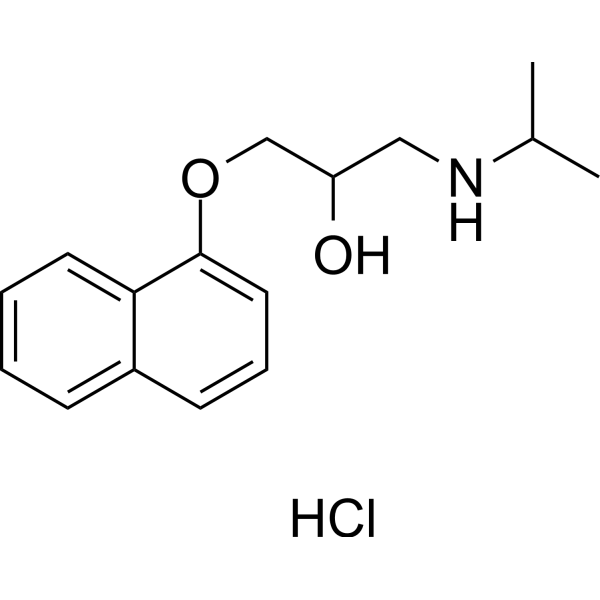
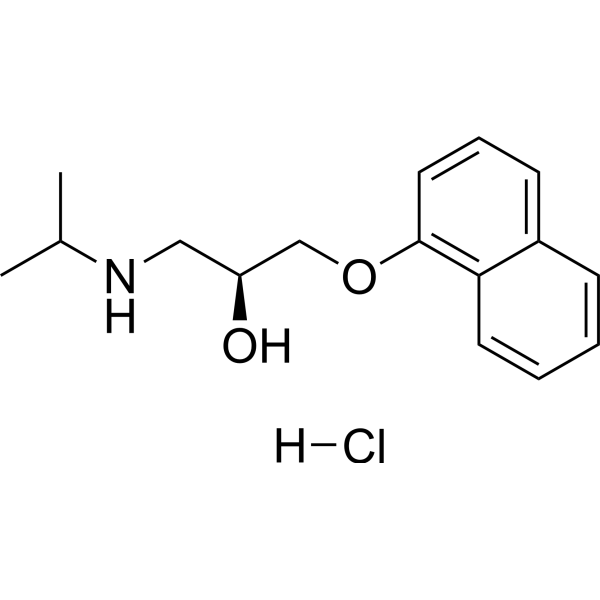
    Propranolol hydrochloride
    Maximum Cited Publications
    44 Publications Verification

    Adrenergic Receptor Bacterial Cardiovascular Disease Infection Neurological Disease Metabolic Disease Cancer
    Propranolol hydrochloride is a nonselective and BBB-permeableβ-adrenergic receptor (βAR) antagonist, has high affinity for the β1AR and β2AR with Ki values of 1.8 nM and 0.8 nM, respectively. Propranolol hydrochloride inhibits [ 3H]-DHA binding to rat brain membrane preparation with an IC50 of 12 nM. Propranolol hydrochloride is used for study of hypertension, pheochromocytoma, myocardial infarction, cardiac arrhythmias, angina pectoris, and hypertrophic cardiomyopathy .
    Propranolol hydrochloride
  • HY-17498
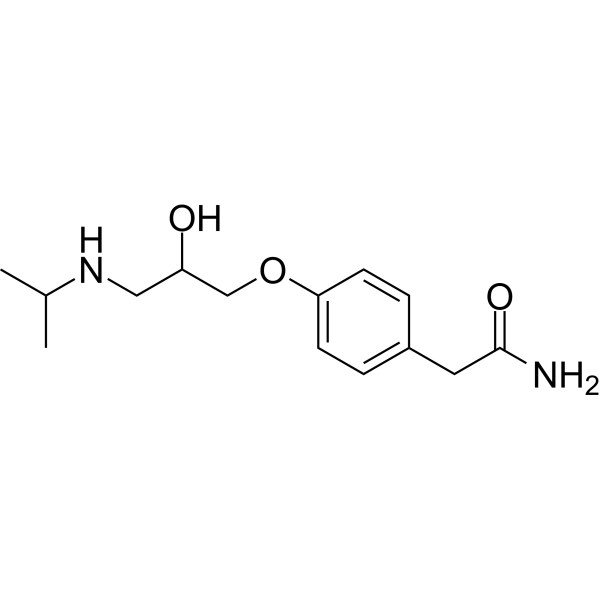
    Atenolol
    20+ Cited Publications

    (RS)-Atenolol

    Adrenergic Receptor Cardiovascular Disease Neurological Disease Endocrinology Cancer
    Atenolol ((RS)-Atenolol) is a cardioselective β1-adrenergic receptor blocker, with a Ki of 697 nM at β1-adrenoceptor in guine pig left ventricle membrane. Atenolol can be used for the research of hypertension and angina pectoris .
    Atenolol
  • HY-B0573B
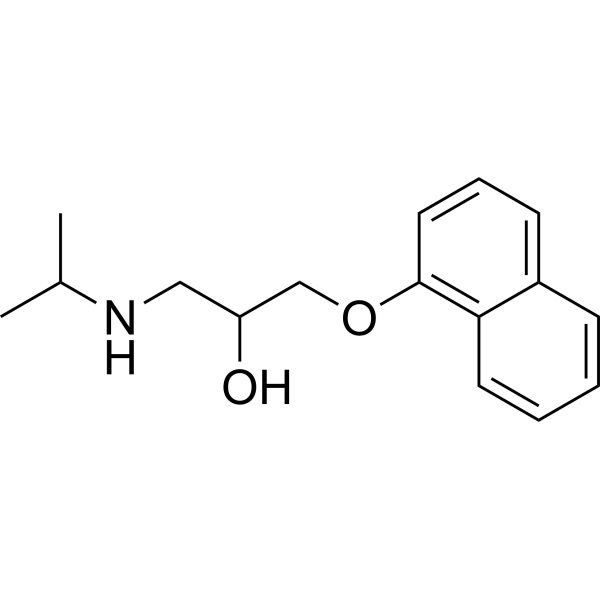
    Propranolol
    Maximum Cited Publications
    44 Publications Verification

    Adrenergic Receptor Bacterial Cardiovascular Disease Infection Neurological Disease Metabolic Disease Cancer
    Propranolol is a nonselective and BBB-permeable β-adrenergic receptor (βAR) antagonist, has high affinity for the β1AR and β2AR with Ki values of 1.8 nM and 0.8 nM, respectively . Propranolol inhibits [ 3H]-DHA binding to rat brain membrane preparation with an IC50 of 12 nM . Propranolol is used for the study of hypertension, pheochromocytoma, myocardial infarction, cardiac arrhythmias, angina pectoris, and hypertrophic cardiomyopathy .
    Propranolol
  • HY-17380
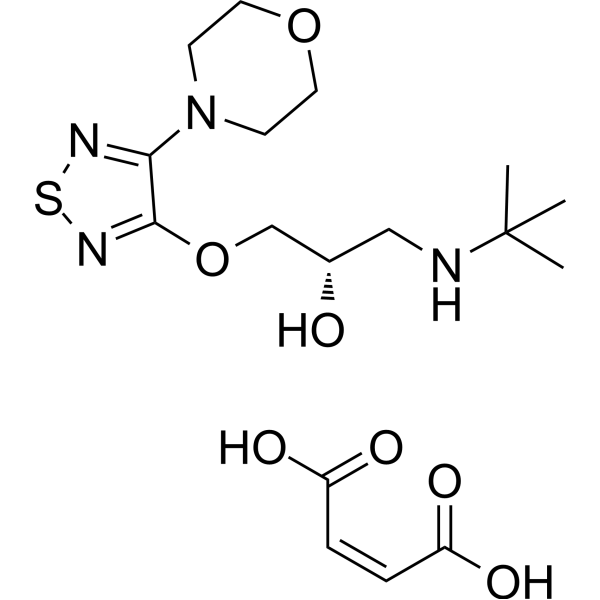
    (S)-Timolol maleate
    5 Publications Verification

    (S)-L-714,465 maleate; MK 950

    Adrenergic Receptor Cardiovascular Disease Neurological Disease Cancer
    (S)-Timolol Maleate (L-714,465 Maleate) is a non-cardioselective hydrophilic β-adrenoceptor blocker. (S)-Timolol Maleate is widely used as standard medication for intraocular pressure (glaucoma) by preventing the production of aqueous humor. (S)-Timolol Maleate can be used for hypertension, angina pectoris and myocardial infarction .
    (S)-Timolol maleate
  • HY-B0632
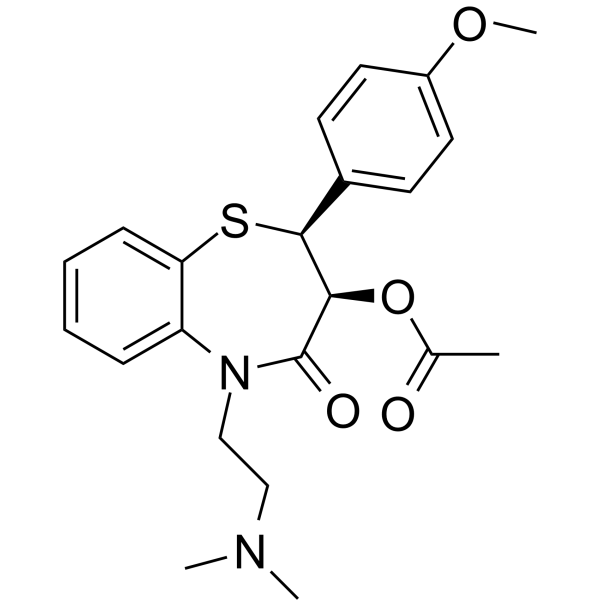
    Diltiazem
    5+ Cited Publications

    Calcium Channel Cardiovascular Disease Cancer
    Diltiazem is an orally active L-type Ca 2+ channel blocker. Diltiazem shows antihypertensive and antiarrhythmic effects. Diltiazem can be used for the research of cardiac arrhythmia, hypertension, and angina pectoris .
    Diltiazem
  • HY-B0804
    Nadolol
    5 Publications Verification

    SQ-11725

    Adrenergic Receptor Cardiovascular Disease
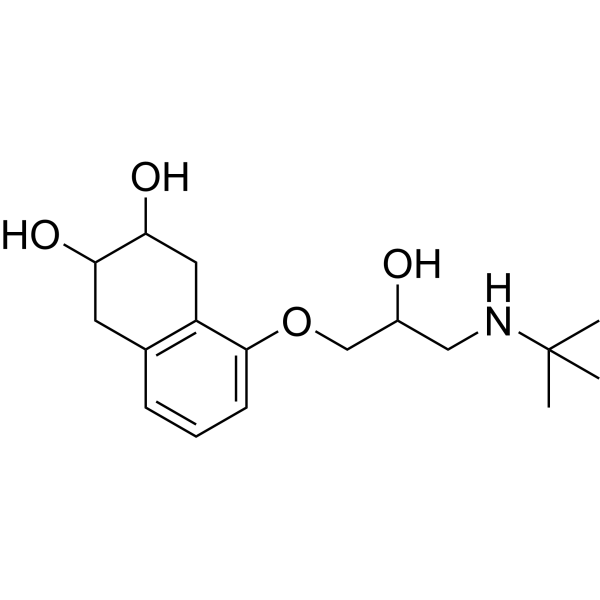
    Nadolol (SQ-11725) is a non-selective and orally active β-adrenergic receptors blocker and is a substrate of organic anion transporting polypeptide 1A2 (OATP1A2). Nadolol has the the potential for high blood pressure, angina pectoris and vascular headaches research .
    Nadolol
  • HY-17583
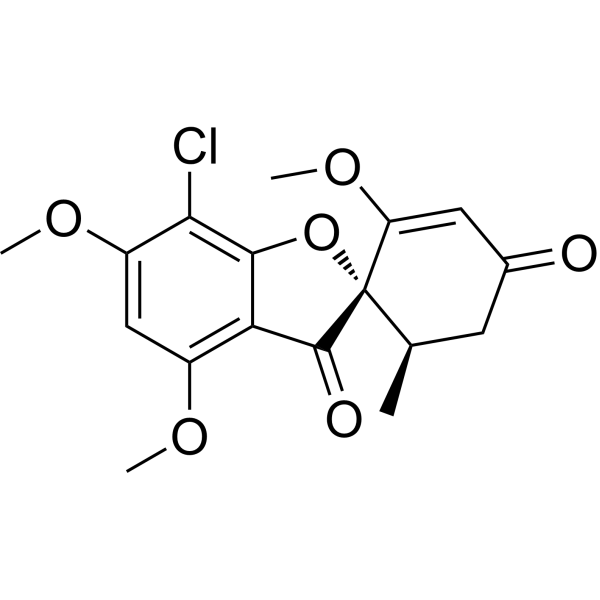
    Griseofulvin
    1 Publications Verification

    Environmental Pollutants Antibiotic Apoptosis Fungal Endogenous Metabolite Bcl-2 Family Caspase Microtubule/Tubulin Infection Cardiovascular Disease Cancer
    Griseofulvin is an orally active antifungal antibiotic with antitumor activity. Griseofulvin induces apoptosis and G2/M cell cycle arrest in cancer cells. Griseofulvin also has cardiovascular modulatory activity, reducing angina pectoris, relieving hand artery spasm associated with onychomycosis, and peripheral vascular diseases such as shoulder-hand syndrome .
    Griseofulvin
  • HY-17497A
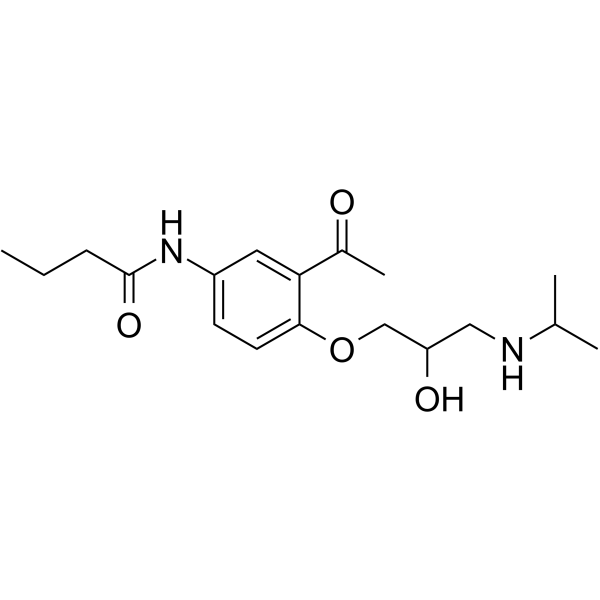
    Acebutolol hydrochloride
    3 Publications Verification

    Adrenergic Receptor Cardiovascular Disease Endocrinology
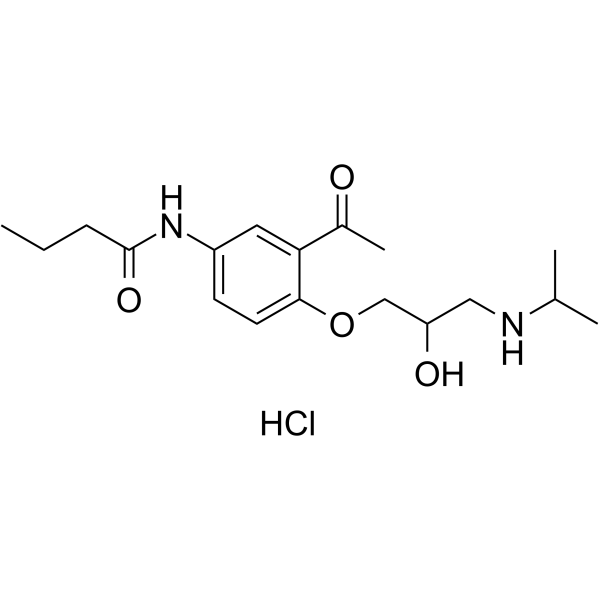
    Acebutolol hydrochloride is an orally active β1 adrenergic receptor (β1AR) antagonist. Acebutolol hydrochloride is used in the treatment of hypertension, angina pectoris and cardiac arrhythmias .
    Acebutolol hydrochloride
  • HY-B0573A
    (S)-(-)-Propranolol hydrochloride
    2 Publications Verification

    Adrenergic Receptor Cardiovascular Disease
    (S)-(-)-Propranolol hydrochloride is a chiral antihypertensive agent with approximately 100-fold higher potency than its R-enantiomer. (S)-(-)-Propranolol hydrochloride can be used for studies on hypertension, angina pectoris and arrhythmia .
    (S)-(-)-Propranolol hydrochloride
  • HY-B0642
    Isosorbide mononitrate
    5 Publications Verification

    Isosorbide-5-mononitrate

    Autophagy Endogenous Metabolite Apoptosis Cardiovascular Disease Cancer
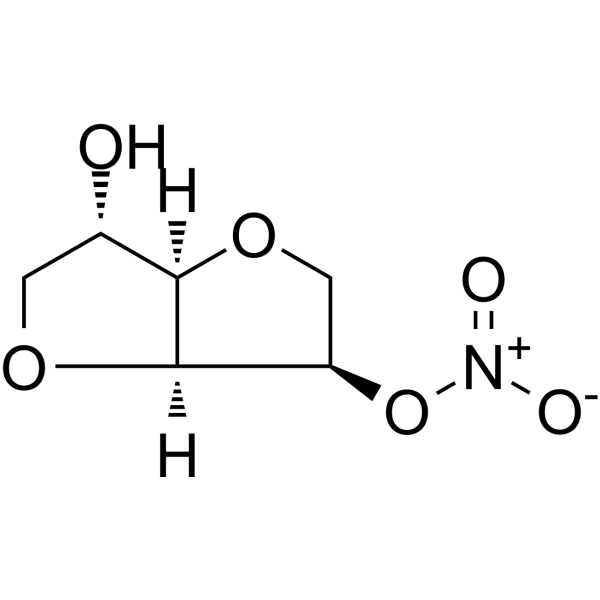
    Isosorbide mononitrate (Isosorbide-5-mononitrate) is an orally active nitric acid compound used for angina pectoris by dilating blood vessels and lowering blood pressure. Isosorbide mononitrate increases the viability and proliferation of HUVECs by decreasing Apoptosis and elevated the expressions of vedf, kdrl, pdgfr in zebrafish embryos. Isosorbide mononitrate is promising for research of heart failure and coronary heart disease .
    Isosorbide mononitrate
  • HY-B1069
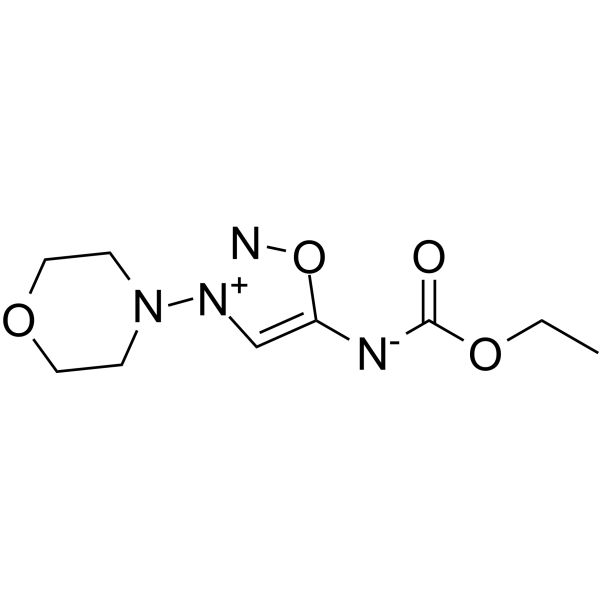
    Molsidomine
    1 Publications Verification

    SIN-10; Morsydomine

    Drug Metabolite Cardiovascular Disease Neurological Disease Metabolic Disease
    Molsidomine, a nitric oxide (NO) donor, is an orally active vasodilator agent. Molsidomine is a prodrug that can be rapidly metabolized in the liver to its active metabolite, Linsidomine (HY-101200). Molsidomine can be used for the study of angina pectoris, mental disorders and diabetic complications .
    Molsidomine
  • HY-17497
    Acebutolol
    3 Publications Verification

    Adrenergic Receptor Cardiovascular Disease
    Acebutolol is an orally active β1 adrenergic receptor (β1AR) antagonist. Acebutolol is used for hypertension, angina pectoris and cardiac arrhythmias research .
    Acebutolol
  • HY-B0573S1

    Adrenergic Receptor Neurological Disease Endocrinology
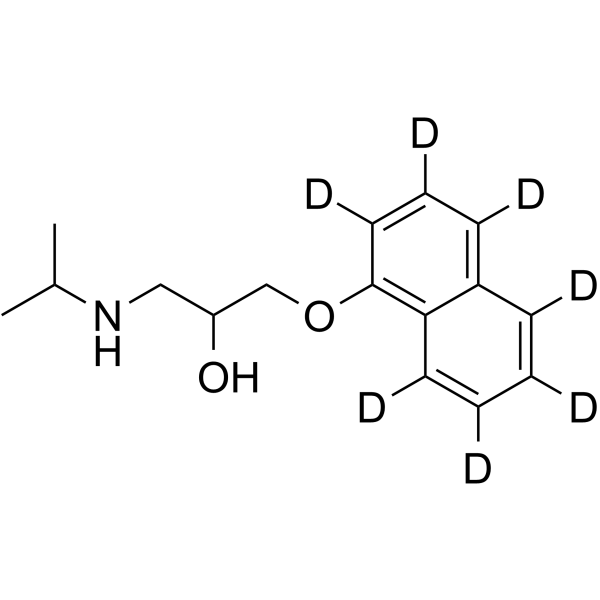
    Propranolol-d7 (ring-d7) is the deuterium labeled Propranolol hydrochloride. Propranolol hydrochloride is a nonselective β-adrenergic receptor (βAR) antagonist, has high affinity for the β1AR and β2AR with Ki values of 1.8 nM and 0.8 nM, respectively . Propranolol hydrochloride inhibits [3H]-DHA binding to rat brain membrane preparation with an IC50 of 12 nM . Propranolol hydrochloride is used for study of hypertension, pheochromocytoma, myocardial infarction, cardiac arrhythmias, angina pectoris, and hypertrophic cardiomyopathy .
    Propranolol-d7 (ring-d7)
  • HY-19664

    OPC-13340

    Calcium Channel NO Synthase Cardiovascular Disease
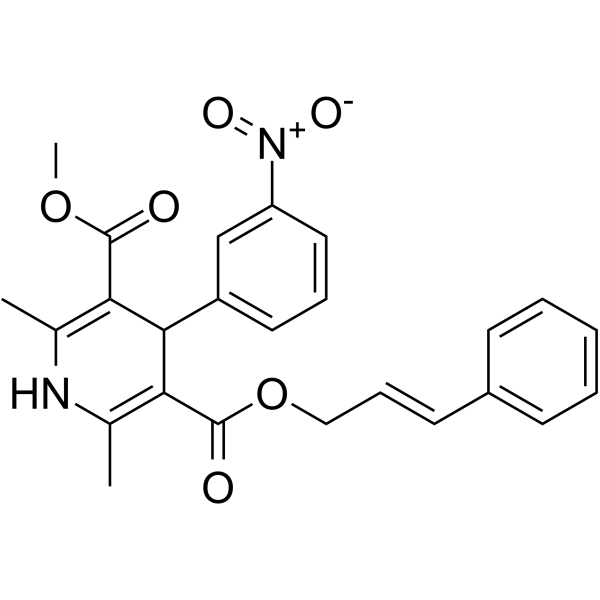
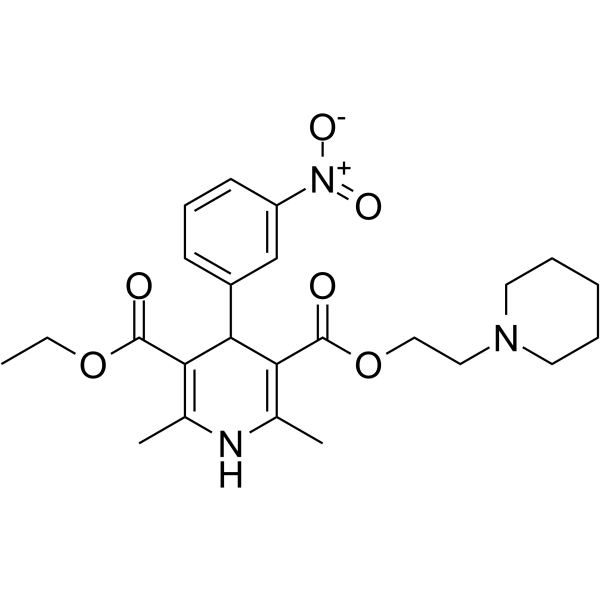
    Pranidipine (OPC-13340) is an orally active L-type voltage-dependent calcium channel (L-VDCC) blocker with a Ki value of 0.16 nM. Pranidipine inhibits calcium-induced contraction, suppresses slow-response action potentials, shortens action potential duration, reduces systolic and diastolic blood pressure, and exerts vasodilatory effects. Pranidipine enhances its vasodilatory effect by blocking NO decomposition. Pranidipine can be used in research related to essential hypertension, angina pectoris, myocardial infarction, and dilated cardiomyopathy .
    Pranidipine
  • HY-17498S

    (RS)-Atenolol-d7

    Adrenergic Receptor Neurological Disease Endocrinology
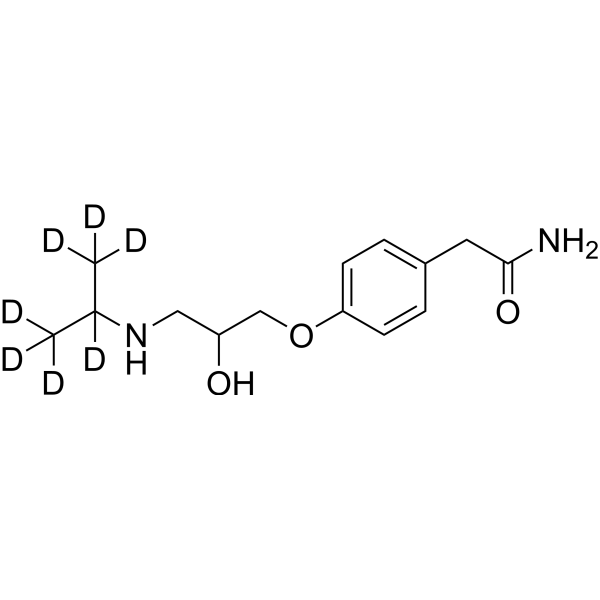
    Atenolol-d7 is the deuterium labeled Atenolol. Atenolol ((RS)-Atenolol) is a cardioselective β1-adrenergic receptor blocker, with a Ki of 697 nM atβ1-adrenoceptor in guine pig left ventricle membrane. Atenolol can be used for the research of hypertension and angina pectoris .
    Atenolol-d7
  • HY-B0573BS

    Adrenergic Receptor Cardiovascular Disease Neurological Disease Endocrinology
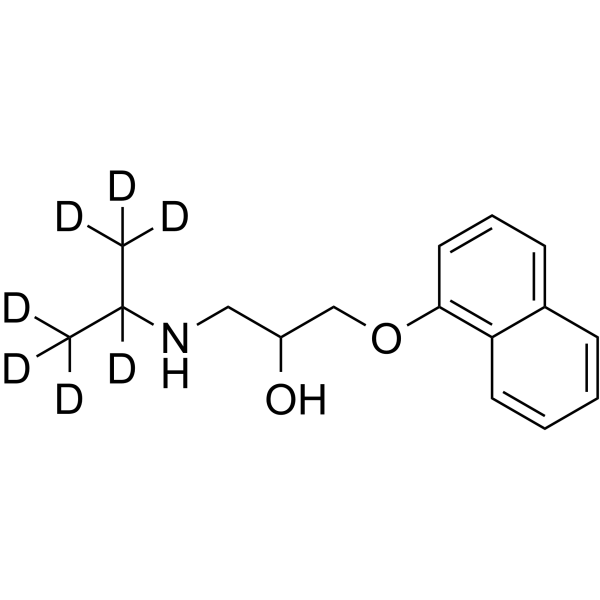
    Propranolol-d7 is the deuterium labeled Propranolol. Propranolol is a nonselective β-adrenergic receptor (βAR) antagonist, has high affinity for the β1AR and β2AR with Ki values of 1.8 nM and 0.8 nM, respectively . Propranolol inhibits [3H]-DHA binding to rat brain membrane preparation with an IC50 of 12 nM . Propranolol is used for the study of hypertension, pheochromocytoma, myocardial infarction, cardiac arrhythmias, angina pectoris, and hypertrophic cardiomyopathy .
    Propranolol-d7
  • HY-B0573S

    Adrenergic Receptor Cardiovascular Disease Neurological Disease Endocrinology
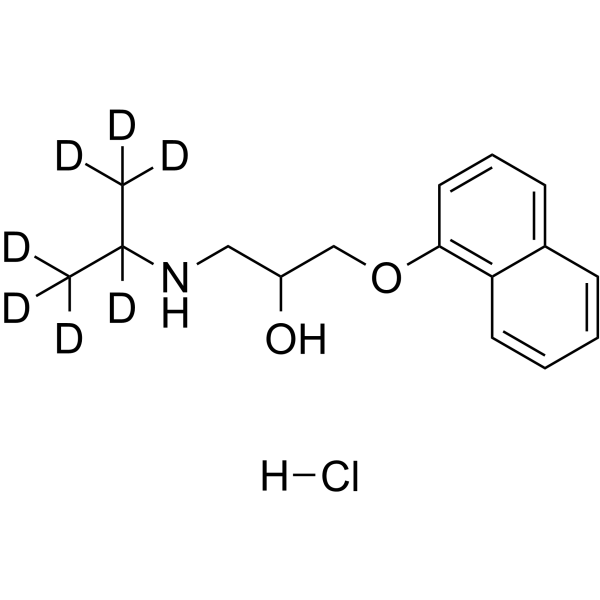
    Propranolol-d7 (hydrochloride) is a deuterium labeled Propranolol hydrochloride. Propranolol hydrochloride is a nonselective β-adrenergic receptor (βAR) antagonist, has high affinity for the β1AR and β2AR with Ki values of 1.8 nM and 0.8 nM, respectively . Propranolol hydrochloride inhibits [3H]-DHA binding to rat brain membrane preparation with an IC50 of 12 nM . Propranolol hydrochloride is used for the study of hypertension, pheochromocytoma, myocardial infarction, cardiac arrhythmias, angina pectoris, and hypertrophic cardiomyopathy .
    Propranolol-d7 hydrochloride
  • HY-A0257

    Calcium Channel Cardiovascular Disease
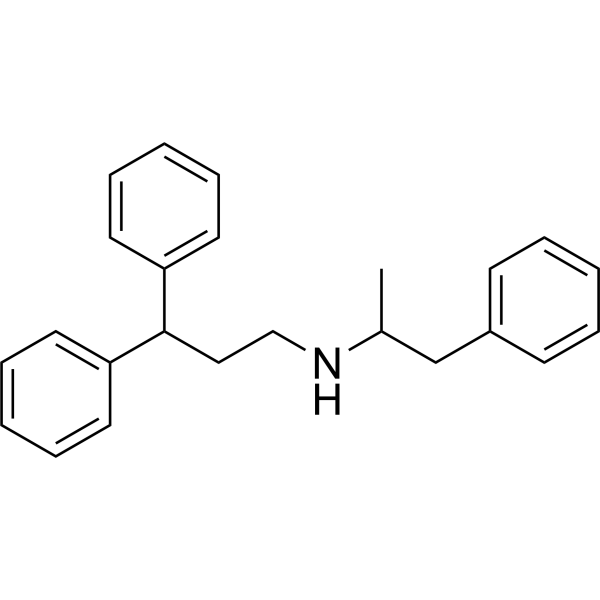
    Prenylamine is a calcium channel blocker of the amphetamine chemical class. Prenylamine can be used as a vasodilator and can be used for the research of angina pectoris .
    Prenylamine
  • HY-U00137

    Calcium Channel Cardiovascular Disease
    YS-201 is a dihydropyridine-type calcium channel antagonist. YS-201 has the potential for angina pectoris and hypertension treatment.
    YS-201
  • HY-A0249

    Adrenergic Receptor Cardiovascular Disease
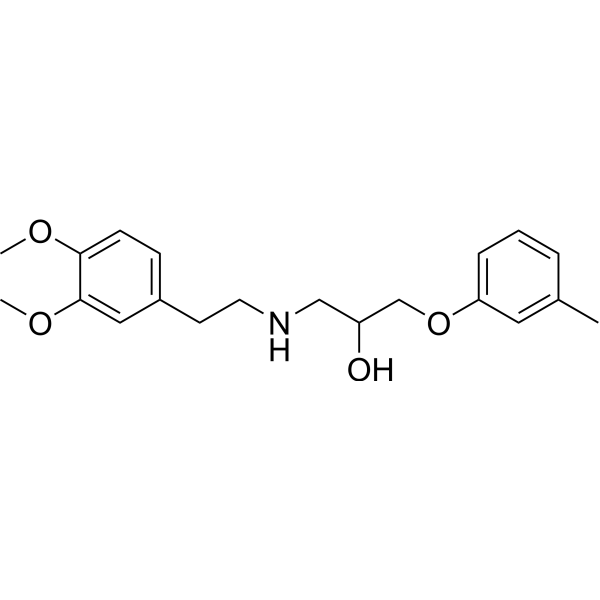
    Bevantolol is a selective β-1 adrenoceptor antagonist. Bevantolol can be used for the research of angina pectoris and hypertension .
    Bevantolol
  • HY-17498R
    Atenolol (Standard)
    20+ Cited Publications

    (RS)-Atenolol (Standard)

    Reference Standards Adrenergic Receptor Neurological Disease Endocrinology Cancer
    Atenolol (Standard) is the analytical standard of Atenolol. This product is intended for research and analytical applications. Atenolol ((RS)-Atenolol) is a cardioselective β1-adrenergic receptor blocker, with a Ki of 697 nM atβ1-adrenoceptor in guine pig left ventricle membrane. Atenolol can be used for the research of hypertension and angina pectoris .
    Atenolol (Standard)
  • HY-17380R

    (S)-L-714,465 maleate (Standard); MK 950 (Standard)

    Reference Standards Adrenergic Receptor Cardiovascular Disease Neurological Disease
    (S)-Timolol (maleate) (Standard) is the analytical standard of (S)-Timolol (maleate). This product is intended for research and analytical applications. (S)-Timolol Maleate (L-714,465 Maleate) is a non-cardioselective hydrophilic β-adrenoceptor blocker. (S)-Timolol Maleate is widely used as standard medication for intraocular pressure (glaucoma) by preventing the production of aqueous humor. (S)-Timolol Maleate can be used for hypertension, angina pectoris and myocardial infarction .
    (S)-Timolol maleate (Standard)
  • HY-B0573R

    Reference Standards Adrenergic Receptor Bacterial Neurological Disease Endocrinology Cancer
    Propranolol (hydrochloride) (Standard) is the analytical standard of Propranolol (hydrochloride). This product is intended for research and analytical applications. Propranolol hydrochloride is a nonselective β-adrenergic receptor (βAR) antagonist, has high affinity for the β1AR and β2AR with Ki values of 1.8 nM and 0.8 nM, respectively . Propranolol hydrochloride inhibits [ 3H]-DHA binding to rat brain membrane preparation with an IC50 of 12 nM . Propranolol hydrochloride is used for study of hypertension, pheochromocytoma, myocardial infarction, cardiac arrhythmias, angina pectoris, and hypertrophic cardiomyopathy .
    Propranolol hydrochloride (Standard)
  • HY-N8223

    Tyrosinase Cardiovascular Disease
    Viscumneoside III, a dihydroflavone O-glycoside, is a potent tyrosinase inhibitor with an IC50 of 0.5 mM. Viscumneoside III has anti-angina pectoris .
    Viscumneoside III
  • HY-B0642R

    Isosorbide-5-mononitrate (Standard)

    Reference Standards Autophagy Endogenous Metabolite Cardiovascular Disease Cancer
    Isosorbide mononitrate (Standard) is the analytical standard of Isosorbide mononitrate. This product is intended for research and analytical applications. Isosorbide mononitrate (Isosorbide-5-mononitrate) is a nitric acid compound used for angina pectoris by dilating blood vessels and lowering blood pressure.
    Isosorbide mononitrate (Standard)
  • HY-B0930

    Angorlisin

    Bacterial Infection Cardiovascular Disease
    Efloxate (Angorlisin) is a vasodilator used in the research of chronic coronary insufficiency and angina pectoris. Efloxate binds to Staphylococcus aureus sortase A .
    Efloxate
  • HY-121045

    KO 1366

    Adrenergic Receptor Cardiovascular Disease
    Bunitrolol hydrochloride is an orally active β-adrenergic blocker that has a high affinity for β-adrenergic receptors. Bunitrolol hydrochloride exerts significant β-receptor antagonist activity and has weak α1-blocking activity. Bunitrolol hydrochloride is mainly used in the study of cardiovascular diseases such as hypertension and angina pectoris, and is also used in placental transport research .
    Bunitrolol
  • HY-B0804R

    SQ-11725 (Standard)

    Reference Standards Adrenergic Receptor Cardiovascular Disease
    Nadolol (Standard) is the analytical standard of Nadolol. This product is intended for research and analytical applications. Nadolol (SQ-11725) is a non-selective and orally active β-adrenergic receptors blocker and is a substrate of organic anion transporting polypeptide 1A2 (OATP1A2). Nadolol has the the potential for high blood pressure, angina pectoris and vascular headaches research .
    Nadolol (Standard)
  • HY-101390D

    Calcium Channel Cardiovascular Disease
    (R)-Niguldipine, a R-epimer of Niguldipine (HY-101390B), is a calcium channel antagonist. (R)-Niguldipine exerts a vasodilatory effect by blocking calcium channels and reducing the transmembrane influx of calcium ions. (R)-Niguldipine can inhibit U-46619 (HY-108566)-induced coronary artery contraction in guinea pig Langendorff hearts (pID50 of 9.93), has high affinity for calcium channel binding sites on guinea pig skeletal muscle membranes (Ki of 8.10), and lowers blood pressure in spontaneously hypertensive rats (pED30 of 5.55). (R)-Niguldipine can improve cardiovascular diseases such as hypertension, angina pectoris, and arrhythmias .
    (R)-Niguldipine
  • HY-108304

    Prajmaline bitartrate; N-Propylajmaline bitartrate

    Biochemical Assay Reagents Cardiovascular Disease
    Prajmalium (bitartrate) (Prajmaline bitartrate) is an antiarrhythmic agent that plays an important role in angina pectoris .
    Prajmalium bitartrate
  • HY-125093

    Calcium Channel Cardiovascular Disease
    SL-870495 is a calcium antagonist targeting L-type calcium channels. SL-870495 is promising for research of cardiovascular diseases such as hypertension and angina pectoris .
    SL-870495
  • HY-B0632S

    Isotope-Labeled Compounds Calcium Channel Cardiovascular Disease
    Diltiazem-d6 is the deuterium labeled Diltiazem. Diltiazem is an orally active L-type Ca2+ channel blocker, with antihypertensive and antiarrhythmic effects. Diltiazem can be used for the research of cardiac arrhythmia, hypertension, and angina pectoris .
    Diltiazem-d6
  • HY-131896

    NOR4

    NO Synthase Cardiovascular Disease
    FR144420 (NOR4) is an orally active nitric oxide (NO)-releasing agent with vasodilatory and antiplatelet effects. FR144420 induces cGMP-mediated vasodilation and inhibits platelet aggregation. FR144420 is promising for research of cardiovascular diseases, particularly angina pectoris and coronary artery spasm .
    FR144420
  • HY-14654B

    Acetylsalicylic acid DL-lysine; ASA DL-lysine

    COX NF-κB p38 MAPK Cardiovascular Disease Others Inflammation/Immunology
    Aspirin DL-lysine (ASA DL-lysine) is a lysine-containing aspirin derivative. Aspirin DL-lysine inhibits cyclooxygenase (COX) in platelets, blocks the synthesis of thromboxane A2 (TXA2), and thus inhibits platelet aggregation and activation. Aspirin DL-lysine can be used to study thrombin generation in patients with unstable angina pectoris .
    Aspirin DL-lysine
  • HY-106239

    KB 944

    Calcium Channel Cardiovascular Disease
    Fostedil (KB 944) is a calcium antagonist that can be used in the research of heart diseases such as angina pectoris .
    Fostedil
  • HY-B0632A

    MK 793

    Calcium Channel Cardiovascular Disease Cancer
    Diltiazem malate is a potent and orally active L-type calcium channel inhibitor. Diltiazem malate shows antihypertensive and antiarrhythmic effects. Diltiazem malate can be used for the research of cardiac arrhythmia, hypertension, and angina pectoris .
    Diltiazem malate
  • HY-17498B

    (RS)-Atenolol hydrochloride; Tenormin hydrochloride; ICI 66082 hydrochloride

    Adrenergic Receptor Cardiovascular Disease Neurological Disease Endocrinology Cancer
    Atenolol hydrochloride is a cardioselective β1-adrenergic receptor blocker, with a Ki of 697 nM at β1-adrenoceptor in guine pig left ventricle membrane. Atenolol hydrochloride can be used for the research of hypertension and angina pectoris .
    Atenolol hydrochloride
  • HY-B0632R

    Reference Standards Calcium Channel Cardiovascular Disease Cancer
    Diltiazem (Standard) is the analytical standard of Diltiazem. This product is intended for research and analytical applications. Diltiazem is an orally active L-type Ca 2+ channel blocker. Diltiazem shows antihypertensive and antiarrhythmic effects. Diltiazem can be used for the research of cardiac arrhythmia, hypertension, and angina pectoris .
    Diltiazem (Standard)
  • HY-101390A

    (R)-Niguldipine hydrochloride

    Calcium Channel Cardiovascular Disease
    (-)-Niguldipine ((R)-Niguldipine) hydrochloride is a calcium channel antagonist. (-)-Niguldipine hydrochloride exerts a vasodilatory effect by blocking calcium channels and reducing the transmembrane influx of calcium ions. (-)-Niguldipine can inhibit U-46619 (HY-108566)-induced coronary artery contraction in guinea pig Langendorff hearts (pID50 of 9.93), has high affinity for calcium channel binding sites on guinea pig skeletal muscle membranes (Ki of 8.10), and lowers blood pressure in spontaneously hypertensive rats (pED30 of 5.55). (-)-Niguldipine hydrochloride can improve cardiovascular diseases such as hypertension, angina pectoris, and arrhythmias .
    (-)-Niguldipine hydrochloride
  • HY-108997A

    Calcium Channel Cardiovascular Disease
    Palonidipine hydrochloride is a calcium antagonist which is potential for the therapy of angina-pectoris and hypertension .
    Palonidipine hydrochloride
  • HY-108997

    Calcium Channel Cardiovascular Disease
    Palonidipine is a calcium antagonist which is potential for the therapy of angina-pectoris and hypertension .
    Palonidipine
  • HY-177477

    Drug Derivative Cadherin β-catenin Cardiovascular Disease Cancer
    2,5-Epidithia-3,6-dioxopiperazine (Formula 15) is a derivative of Epidithiodioxopiperazine (ETP). 2,5-Epidithia-3,6-dioxopiperazine improves intracellular penetration and restores the activity of 2-Cys-Prx (especially Peroxiredoxin II (PrxII)) of form simulation in cells. 2,5-Epidithia-3,6-dioxopiperazine inhibits PDGF-induced proliferation and migration in vascular smooth muscle cells while promoting these actions in endothelial cells with VEGF induction. 2,5-Epidithia-3,6-dioxopiperazine effectively inhibits the proliferation and migration and lung metastasis of melanoma cells. 2,5-Epidithia-3,6-dioxopiperazine can be used for vascular diseases such as hypertension, angina pectoris and myocardial infarction research .
    2,5-Epidithia-3,6-dioxopiperazine
  • HY-17497S

    Isotope-Labeled Compounds Adrenergic Receptor Cardiovascular Disease Endocrinology
    Acebutolol-d7 is a deuterium labeled Acebutolol. Acebutolol is a selective β1 adrenergic receptor antagonist used in the treatment of hypertension, angina pectoris and cardiac arrhythmias .
    Acebutolol-d7
  • HY-113858

    Brefanolol

    Adrenergic Receptor Cardiovascular Disease
    Brefonalol (Brefanolol) is an orally active, non-selective β-adrenergic receptor blocker with vasodilatory properties. Brefonalol exhibits an optimal balance between β-blockade and vasodilatory effects at low doses: it reduces blood pressure and slows heart rate, while increasing stroke volume instead of decreasing it, causing no significant elevation in peripheral resistance and increasing reactive hyperemia; at high doses, the β-blockade effect dominates. Brefonalol can be used in the research of arterial hypertension .
    Brefonalol
  • HY-17497AR

    Reference Standards Adrenergic Receptor Cardiovascular Disease Endocrinology
    Acebutolol (hydrochloride) (Standard) is the analytical standard of Acebutolol (hydrochloride). This product is intended for research and analytical applications. Acebutolol hydrochloride is an orally active β1 adrenergic receptor (β1AR) antagonist. Acebutolol hydrochloride is used in the treatment of hypertension, angina pectoris and cardiac arrhythmias .
    Acebutolol hydrochloride (Standard)
  • HY-B0632S2

    Isotope-Labeled Compounds Calcium Channel Cardiovascular Disease Cancer
    Diltiazem-d4 is deuterium labeled Diltiazem. Diltiazem is an orally active L-type Ca 2+ channel blocker. Diltiazem shows antihypertensive and antiarrhythmic effects. Diltiazem can be used for the research of cardiac arrhythmia, hypertension, and angina pectoris .
    Diltiazem-d4
  • HY-105646A

    Carbocromen hydrochloride

    Biochemical Assay Reagents Cardiovascular Disease
    Chromonar hydrochloride (Carbocromen hydrochloride) is an orally active, selective long-acting coronary vasodilator. Chromonar hydrochloride increases coronary blood flow. Chromonar hydrochloride is used for the research of angina pectoris .
    Chromonar hydrochloride
  • HY-117618

    Drug Derivative Cardiovascular Disease
    KF-14124, an orally active organic nitrate, a long-acting vasodilator with highly selective venous dilating action. KF-14124 is used in the study for angina pectoris. KF-14124 shows good oral inhibition of lysine-vasopressin induced coronary vasospasm with a potency .
    KF-14124
  • HY-B0632B

    Calcium Channel Cardiovascular Disease
    (2R,3R)-Diltiazem hydrochloride is an isomer of Diltiazem (HY-B0632) hydrochloride. Diltiazem is an orally active L-type Ca 2+ channel blocker. Diltiazem shows antihypertensive and antiarrhythmic effects. Diltiazem can be used for the research of cardiac arrhythmia, hypertension, and angina pectoris .
    (2R,3R)-Diltiazem hydrochloride
  • HY-17494S

    (Rac)-L-714,465 maleate; (Rac)-MK 950-d5

    Isotope-Labeled Compounds Adrenergic Receptor Cardiovascular Disease Neurological Disease
    rac Timolol-d5 (maleate) is a labelled racemic (S)-Timolol maleate. (S)-Timolol Maleate (L-714,465 Maleate) is a non-cardioselective hydrophilic β-adrenoceptor blocker. (S)-Timolol Maleate is widely used as standard medication for intraocular pressure (glaucoma) by preventing the production of aqueous humor. (S)-Timolol Maleate can be used for hypertension, angina pectoris and myocardial infarction .
    (Rac)-Timolol-d5 maleate

Inquiry Online

Your information is safe with us. * Required Fields.

Salutation


Country or Region *

Applicant Name *


Organization Name *

Department *


Email Address *


Product Name *

Cat. No.


Requested quantity *

Phone Number *


Remarks

Inquiry Online

Inquiry Information

Product Name:
Cat. No.:
Quantity:
MCE Japan Authorized Agent:

