
1. Search Result
Search Result
Results for "

anticancer chemotherapy

" in MedChemExpress (MCE) Product Catalog:

27

Inhibitors & Agonists

2

Screening Libraries

2

Peptides

1

Inhibitory Antibodies

5

Natural
Products

5

Isotope-Labeled Compounds

Cat. No. Product Name Target Research Areas Chemical Structure
  • HY-13629
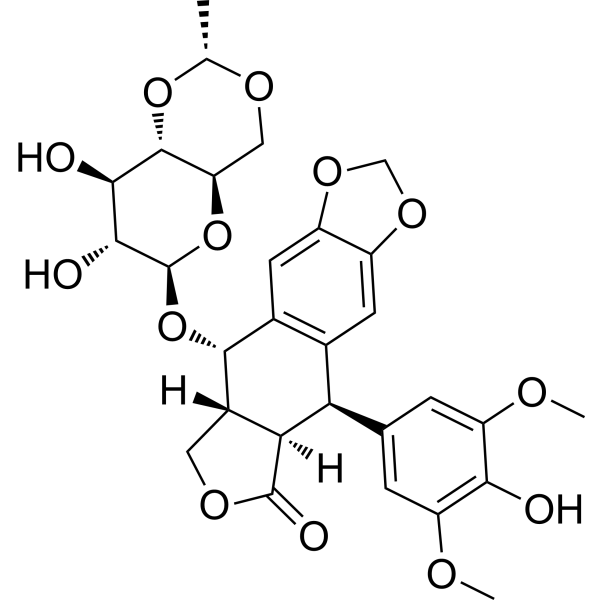
    Etoposide
    170+ Cited Publications

    VP-16; VP-16-213

    Topoisomerase Autophagy Mitophagy Bacterial Apoptosis Antibiotic Infection Cancer
    Etoposide (VP-16; VP-16-213) is an anti-cancer chemotherapy agent. Etoposide inhibits topoisomerase II, thus stopping DNA replication. Etoposide induces cell cycle arrest, apoptosis and autophagy .
    Etoposide
  • HY-15142
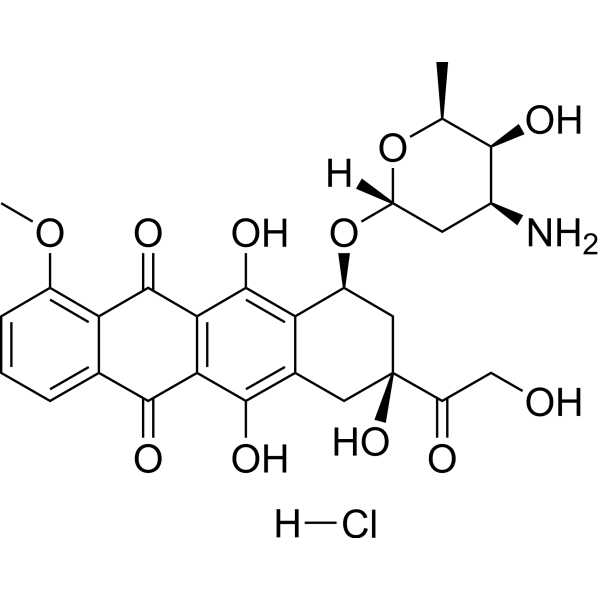
    Doxorubicin hydrochloride
    Maximum Cited Publications
    650 Publications Verification

    Hydroxydaunorubicin hydrochloride; ADR

    Topoisomerase ADC Payload AMPK Autophagy Apoptosis HIV HBV Mitophagy Antibiotic Bacterial Fluorescent Dye Infection Cancer
    Doxorubicin hydrochloride (Hydroxydaunorubicin hydrochloride; ADR), a cytotoxic anthracycline antibiotic, is an anti-cancer chemotherapy agent. Doxorubicin hydrochloride is a potent human DNA topoisomerase I and topoisomerase II inhibitor with IC50s of 0.8 μM and 2.67 μM, respectively. Doxorubicin hydrochloride reduces basal phosphorylation of AMPK and its downstream target acetyl-CoA carboxylase. Doxorubicin hydrochloride induces apoptosis and autophagy .
    Doxorubicin hydrochloride
  • HY-13630
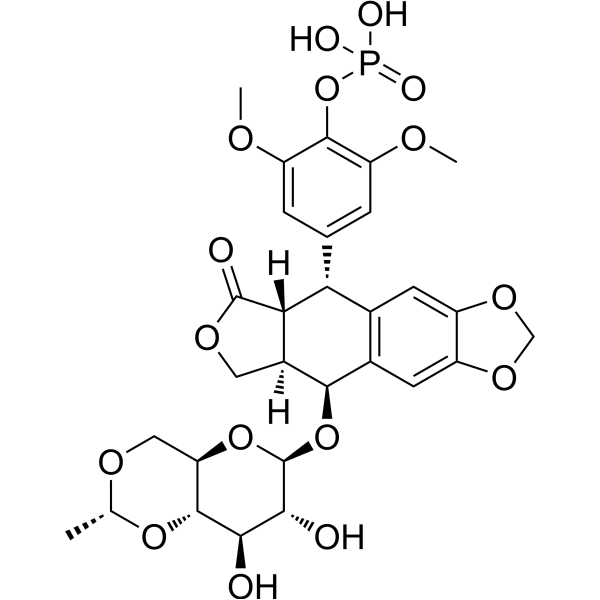
    Etoposide phosphate
    170+ Cited Publications

    BMY-40481

    Topoisomerase Bacterial Autophagy Apoptosis Infection Neurological Disease Cancer
    Etoposide phosphate (BMY-40481) is a potent anti-cancer chemotherapy agent and a selective topoisomerase II inhibitor to prevent re-ligation of DNA strands. Etoposide phosphate is the phosphate ester proagent of etoposide and is considered as active equivalent to Etoposide. Etoposide phosphate induces cell cycle arrest, apoptosis, and autophagy.
    Etoposide phosphate
  • HY-15142R
    Doxorubicin hydrochloride (Standard)
    5 Publications Verification

    Hydroxydaunorubicin hydrochloride (Standard); ADR (Standard)

    Reference Standards Topoisomerase ADC Payload AMPK Autophagy Apoptosis HIV HBV Mitophagy Antibiotic Bacterial Fluorescent Dye Infection Cancer
    Doxorubicin hydrochloride (Standard) is the analytical standard of Doxorubicin hydrochloride. This product is intended for research and analytical applications. Doxorubicin (Hydroxydaunorubicin) hydrochloride, a cytotoxic anthracycline antibiotic, is an anti-cancer chemotherapy agent. Doxorubicin hydrochloride is a potent human DNA topoisomerase I and topoisomerase II inhibitor with IC50s of 0.8 μM and 2.67 μM, respectively. Doxorubicin hydrochloride reduces basal phosphorylation of AMPK and its downstream target acetyl-CoA carboxylase. Doxorubicin hydrochloride induces apoptosis and autophagy .
    Doxorubicin hydrochloride (Standard)
  • HY-15142A

    Hydroxydaunorubicin

    ADC Payload Antibiotic Bacterial Topoisomerase AMPK HIV Autophagy Mitophagy Apoptosis HBV Fluorescent Dye Infection Cancer
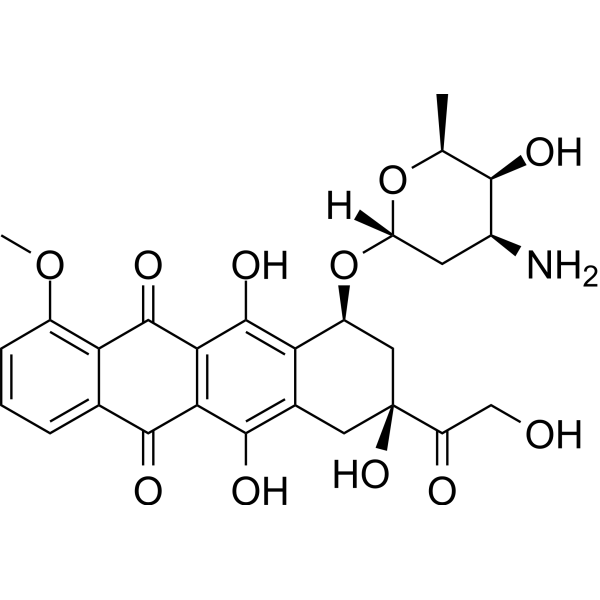
    Doxorubicin (Hydroxydaunorubicin), a cytotoxic anthracycline antibiotic, is an anti-cancer chemotherapy agent. Doxorubicin is a potent human DNA topoisomerase I and topoisomerase II inhibitor with IC50s of 0.8 μM and 2.67 μM, respectively. Doxorubicin reduces basal phosphorylation of AMPK and its downstream target acetyl-CoA carboxylase. Doxorubicin induces apoptosis and autophagy .
    Doxorubicin
  • HY-19542
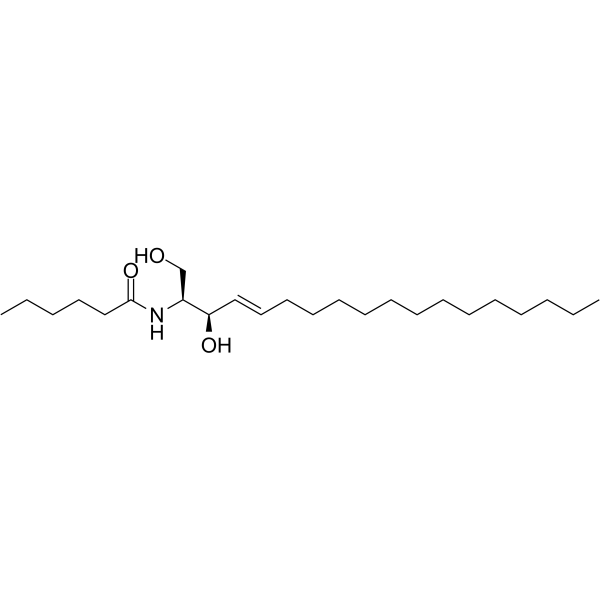
    C6 Ceramide
    3 Publications Verification

    C6-Cer; N-Hexanoylsphingosine

    Apoptosis Cancer
    C6 Ceramide (C6-Cer) is a short-chain, cell-permeable ceramide pathway activator with anticancer activity. C6 Ceramide-mediated miR-29b expression participates in the progression of multiple myeloma through suppressing the proliferation, migration and angiogenesis of endothelial cells by targeting Akt signal pathway. C6 Ceramide exhibits multiple anti-cancer properties including cell cycle arrest, Apoptosis, inhibition of tumor growth and enhances the effects of chemotherapy in drug-resistant cancer cells. C6-ceramide can be used as an adjuvant for chemotherapeutic agents, to enhance anti-tumor effects .
    C6 Ceramide
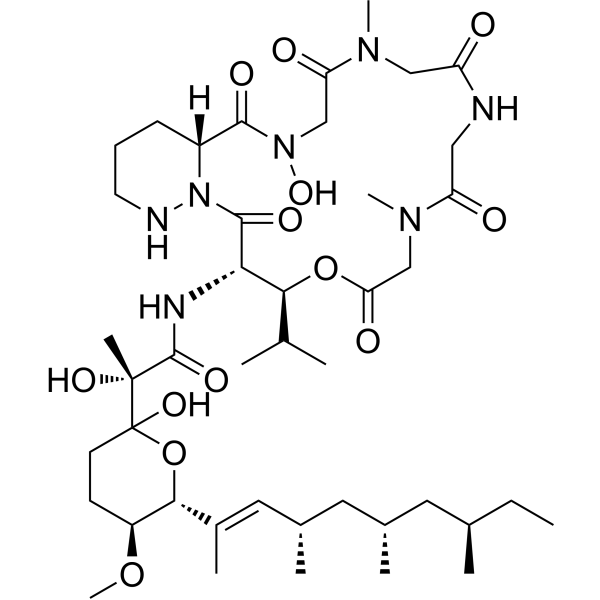
  • HY-P2657

    HIF/HIF Prolyl-Hydroxylase Proton Pump Endogenous Metabolite Cancer
    Verucopeptin is a potent HIF-1 (IC50=0.22 μM) inhibitor and decreases the expression of HIF-1 target genes and HIF-1α protein levels. Verucopeptin strongly inhibits v-ATPase activity by directly targeting the v-ATPase ATP6V1G subunit but not ATP1V1B2 or ATP6V1D. Verucopeptin exhibits antitumor activity against multidrug resistance (MDR) cancers and can be used for cancer research.
    Verucopeptin
  • HY-P9971
    Camrelizumab
    4 Publications Verification

    SHR-1210; INCSHR1210

    PD-1/PD-L1 Cancer
    Camrelizumab (SHR-1210) is a potent humanied high-affinity IgG4-κ monoclonal antibody (mAb) to PD-1. Camrelizumab binds PD-1 at a high affinity of 3 nM and inhibits the binding interaction of PD-1 and PD-L1 with an IC50 of 0.70 nM. Camrelizumab acts as anti-PD-1/PD-L1 agent and can be used for cancer research, including NSCLC, ESCC, Hodgkin lymphoma, and advanced HCC et,al .
    Camrelizumab
  • HY-13629R
    Etoposide (Standard)
    1 Publications Verification

    VP-16 (Standard); VP-16-213 (Standard)

    Reference Standards Topoisomerase Autophagy Mitophagy Bacterial Apoptosis Antibiotic Infection Cancer
    Etoposide (Standard) is the analytical standard of Etoposide. This product is intended for research and analytical applications. Etoposide (VP-16; VP-16-213) is an anti-cancer chemotherapy agent. Etoposide inhibits topoisomerase II, thus stopping DNA replication. Etoposide induces cell cycle arrest, apoptosis and autophagy .
    Etoposide (Standard)
  • HY-114842
    TDRL-551
    1 Publications Verification

    DNA/RNA Synthesis Cancer
    TDRL-551 is a potent replication protein A (RPA) inhibitor (IC50 = 18 µM). TDRL-551 inhibits RPA-DNA interaction and increases the anti-cancer efficacy of Platinum (Pt)-based chemotherapy. TDRL-551 can be used for the research of cancer, such as non-small cell lung cancer (NSCLC) .
    TDRL-551
  • HY-155339

    Apoptosis DNA/RNA Synthesis Cancer
    Anticancer agent 168 (compound d16) is a inhibitor of DNA2. Anticancer agent 168 induces apoptosis and cell-cycle arrest mainly at S-phase, and exhibits anticancer activities and overcomes chemotherapy resistance in mutp53-bearing cancers .
    Anticancer agent 168
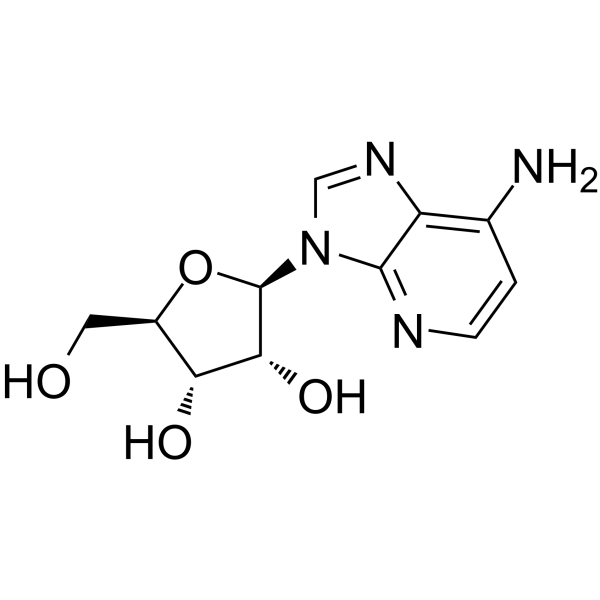
  • HY-103159

    Adenosine Deaminase Cancer
    1-Deazaadenosine is a potent Adenosine deaminase (ADA) inhibitor with a Ki value of 0.66 μM. 1-Deazaadenosine exhibits anti-cancer activities in vitro and has the potential to be a chemotherapy agent for lymphoproliferative disorders .
    1-Deazaadenosine
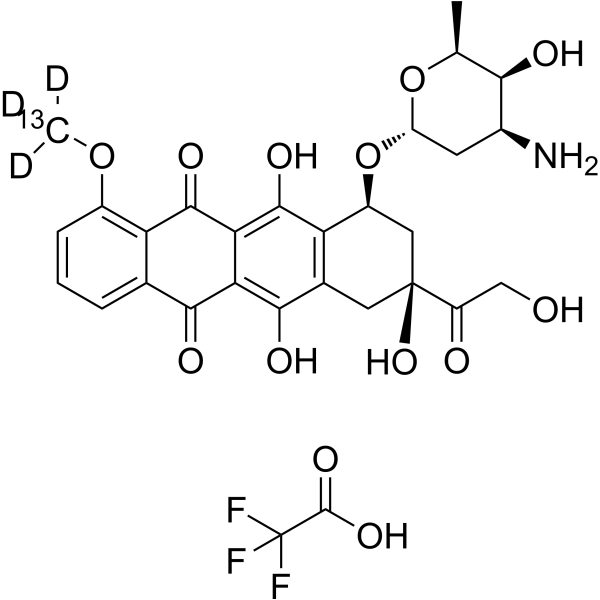
  • HY-15142AS1

    Hydroxydaunorubicin-13C,d3 TFA

    Isotope-Labeled Compounds Antibiotic Endogenous Metabolite Infection Cancer
    Doxorubicin- 13C,d3 TFA is the deuterium and 13C labeled Doxorubicin. Doxorubicin (Hydroxydaunorubicin), a cytotoxic anthracycline antibiotic, is an anti-cancer chemotherapy agent. Doxorubicin inhibits topoisomerase II with an IC50 of 2.67 μM, thus stoppin
    Doxorubicin-13C,d3 TFA
  • HY-P11053

    HSP Cancer
    A17 peptide is a Hsp70-targeting peptide. A17 peptide binds to the ATP-binding domains of Hsp70. A17 peptide specifically inhibits the chaperone activity, thereby increasing the cells' sensitivity to apoptosis induced by chemotherapeutic agents, such as Cisplatin (HY-17394). A17 peptide can be used for anticancer chemotherapy research, such multiple myeloma .
    A17 peptide
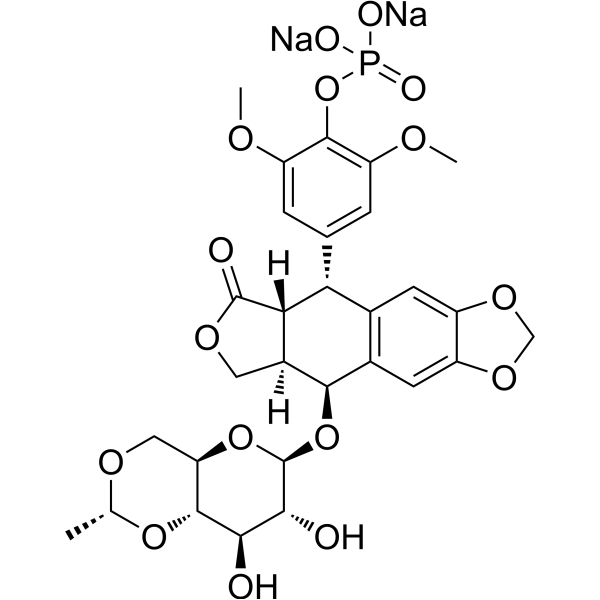
  • HY-13630A

    BMY-40481 disodium

    Topoisomerase Autophagy Apoptosis Neurological Disease Cancer
    Etoposide phosphate disodium (BMY-40481 disodium) is a potent anti-cancer chemotherapy agent and a selective topoisomerase II inhibitor to prevent re-ligation of DNA strands. Etoposide phosphate disodium is the phosphate ester proagent of etoposide and is considered as active equivalent to Etoposide. Etoposide phosphate disodium induces cell cycle arrest, apoptosis, and autophagy.
    Etoposide phosphate disodium
  • HY-124582
    NEO214
    1 Publications Verification

    Autophagy mTOR Cancer
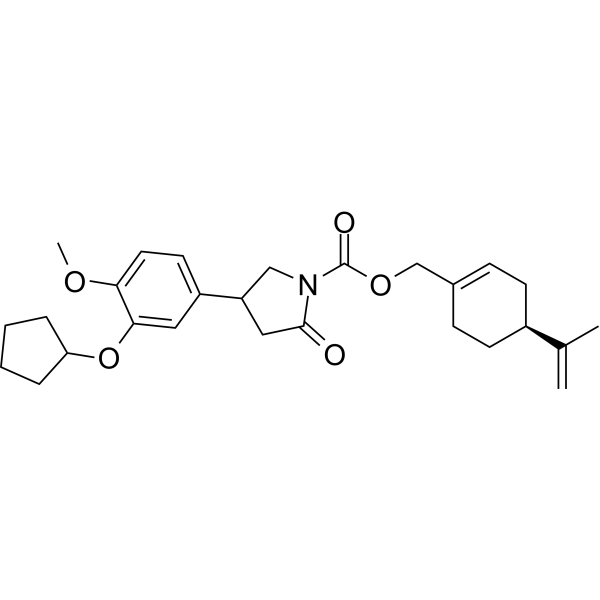
    NEO214 is an autophagy inhibitor and a covalent conjugate of the PDE4 inhibitor Rolipram (HY-16900) and perillyl alcohol (HY-N7000). It has anti-cancer activity and blood-brain barrier (BBB) permeability. Over sex. NEO214 prevents autophagy-lysosome fusion, thereby blocking autophagic flux and triggering glioma cell death. The process involves mTOR activation, andTFEB(Transcription Factor EB) aggregation. NEO214 inhibitionMacroautophagy/autophagy in glioblastoma cells has the potential to overcome chemotherapy resistance in glioblastoma .
    NEO214
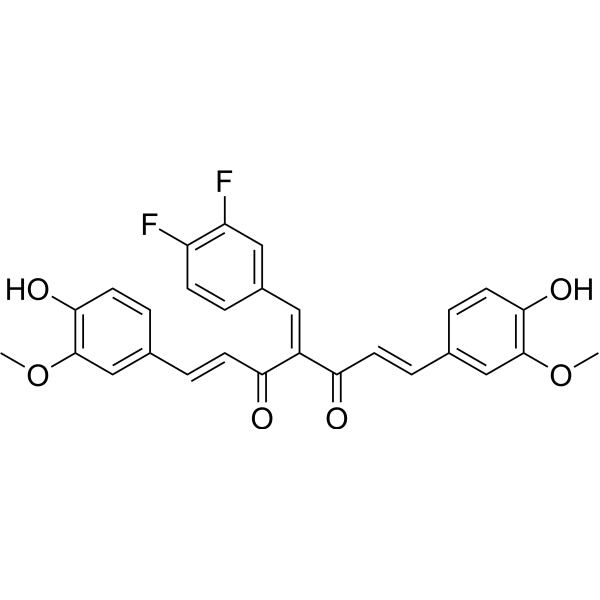
  • HY-139211

    3,4-Difluorobenzylidene curcumin

    Reactive Oxygen Species (ROS) Cancer
    Difluorinated Curcumin (3,4-Difluorobenzylidene curcumin) is a fluorinated curcumin analog with high bioavailability and anticancer activity. Difluorinated Curcumin inhibits the self-renewal ability of tumor stem/stem-like cells, clonogenicity, invasiveness and angiogenesis of tumor cells. Difluorinated Curcumin also increases cell sensitivity to chemotherapy .
    Difluorinated Curcumin
  • HY-W744243

    VP-16-d4; VP-16-213-d4

    Isotope-Labeled Compounds Apoptosis Topoisomerase Bacterial Autophagy Mitophagy Antibiotic Cancer
    Etoposide-d4 (VP-16-d4; VP-16-213-d4) is the deuterium labeled Etoposide (HY-13629). Etoposide (VP-16; VP-16-213) is an anti-cancer chemotherapy agent. Etoposide inhibits topoisomerase II, thus stopping DNA replication. Etoposide induces cell cycle arrest, apoptosis and autophagy .
    Etoposide-d4
  • HY-170837

    STAT Cancer
    STAT5-IN-3 (Compound 14a) is a STAT5 inhibitor with anticancer activity. STAT5-IN-3 blocks the tyrosine phosphorylation of STAT5A/5B at the Y694/699 sites and significantly reduces the expression of STAT5B protein, thereby inhibiting downstream gene transcription and blocking the proliferation and survival of leukemia cells. Additionally, STAT5-IN-3 holds significant value in overcoming chemotherapy resistance .
    STAT5-IN-3
  • HY-176220

    AUTACs Autophagy Glutathione Peroxidase Ferroptosis Cancer
    GPX4-AUTAC is a GPX4-targeting autophagy-mediated degrader (AUTAC). GPX4-AUTAC consists of an inhibitor ML162-yne (HY-153748), a degradation tag FBnG (HY-W073762) and a glycol linker (HY-W021401). GPX4-AUTAC promotes the ubiquitination of GPX4 by E3 ligase TRAF6, and enhances the binding with GPX4 and p62, leading to the selective autophagy-dependent degradation of GPX4. GPX4-AUTAC significantly induces ferroptosis and shows a potent anti-cancer activity in breast cancer cells, breast cancer-derived organoids (PDOs) and MDA-MB-231 tumor xenograft mice model, with potent synergistic effects when combined with Sulfasalazine (SAS) (HY-14655) or chemotherapy drugs (Paclitaxel (HY-B0015) or Cisplatin (HY-17394)) .
    GPX4-AUTAC
  • HY-14919A

    MN-029

    Microtubule/Tubulin Cancer
    Denibulin (MN-029) hydrochloride is an anti-angiogenic agent with anticancer activity. It can cause rapid closure of blood vessels in solid tumors and lead to dose-dependent killing of tumor cells, effectively enhancing the antitumor effects of radiation and cisplatin chemotherapy .
    Denibulin hydrochloride
  • HY-13629S

    VP-16-d3; VP-16-213-d3

    Isotope-Labeled Compounds Topoisomerase Antibiotic Apoptosis Bacterial Autophagy Mitophagy Infection Cancer
    Etoposide-d3 (VP-16-d3) is the deuterium labeled Etoposide (HY-13629). Etoposide (VP-16) is an anti-cancer chemotherapy agent. Etoposide inhibits topoisomerase II, thus stopping DNA replication. Etoposide induces cell cycle arrest, apoptosis and autophagy .
    Etoposide-d3
  • HY-13629S1

    VP-16-13C,d3; VP-16-213-13C,d3

    Isotope-Labeled Compounds Topoisomerase Autophagy Mitophagy Bacterial Apoptosis Antibiotic Infection Cancer
    Etoposide- 13C,d3 is the 13C- and deuterium labeled Etoposide. Etoposide (VP-16; VP-16-213) is an anti-cancer chemotherapy agent. Etoposide inhibits topoisomerase II, thus stopping DNA replication. Etoposide induces cell cycle arrest, apoptosis and autophagy .
    Etoposide-13C,d3
  • HY-13630R

    BMY-40481 (Standard)

    Reference Standards Topoisomerase Bacterial Autophagy Apoptosis Infection Neurological Disease Cancer
    Etoposide phosphate (Standard) is the analytical standard of Etoposide phosphate. This product is intended for research and analytical applications. Etoposide phosphate (BMY-40481) is a potent anti-cancer chemotherapy agent and a selective topoisomerase II inhibitor to prevent re-ligation of DNA strands. Etoposide phosphate is the phosphate ester proagent of etoposide and is considered as active equivalent to Etoposide. Etoposide phosphate induces cell cycle arrest, apoptosis, and autophagy.
    Etoposide phosphate (Standard)
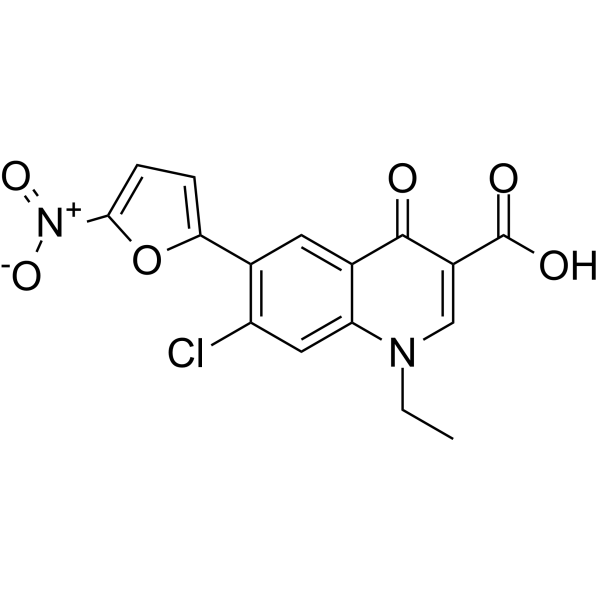
  • HY-143303

    Apoptosis Cancer
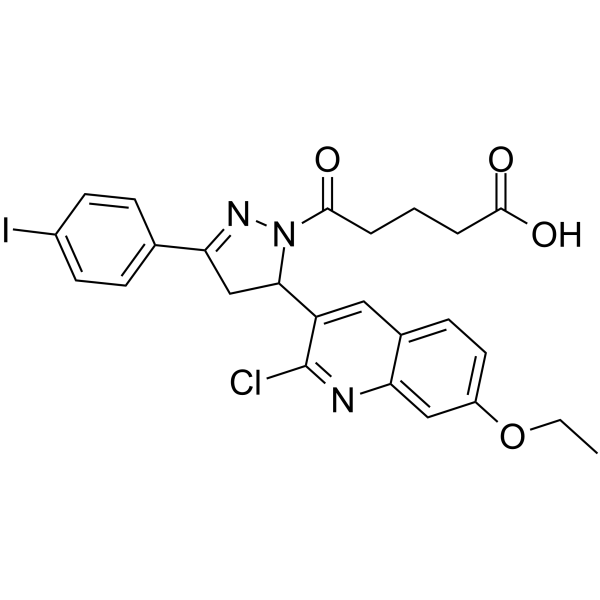
    Anticancer agent 32 (compound 2g) is an anticancer agent. Anticancer agent 32 shows anticancer activities, affects cell cycle and induces cell apoptosis. Anticancer agent 32 can be used for the research of cancer .
    Anticancer agent 32
  • HY-129976

    Endogenous Metabolite Cancer
    Pemetrexed tromethamine dihydrochloric dihydrate is a chemotherapy drug used to treat pleural mesothelioma and non-small cell lung cancer, exhibiting potent anti-cancer activity.
    Pemetrexed tromethamine (dihydrochloric) dihydrate
  • HY-W766368

    C6-Cer-13C2,d2; N-Hexanoylsphingosine-13C2,d2

    Isotope-Labeled Compounds Apoptosis Cancer
    C6 Ceramide- 13C2,d2 (C6-Cer- 13C2,d2) is the deuterium labeled and 13C-labeled C6 Ceramide (HY-19542). C6 Ceramide (C6-Cer) is a short-chain, cell-permeable ceramide pathway activator with anticancer activity. C6 Ceramide-mediated miR-29b expression participates in the progression of multiple myeloma through suppressing the proliferation, migration and angiogenesis of endothelial cells by targeting Akt signal pathway. C6 Ceramide exhibits multiple anti-cancer properties including cell cycle arrest, Apoptosis, inhibition of tumor growth and enhances the effects of chemotherapy in drug-resistant cancer cells. C6-ceramide can be used as an adjuvant for chemotherapeutic agents, to enhance anti-tumor effects .
    C6 Ceramide-13C2,d2

Inquiry Online

Your information is safe with us. * Required Fields.

Salutation


Country or Region *

Applicant Name *


Organization Name *

Department *


Email Address *


Product Name *

Cat. No.


Requested quantity *

Phone Number *


Remarks

Inquiry Online

Inquiry Information

Product Name:
Cat. No.:
Quantity:
MCE Japan Authorized Agent:

