



1. Search Result
Search Result
Results for "

appetite

" in MedChemExpress (MCE) Product Catalog:

113

Inhibitors & Agonists

2

Screening Libraries

1

Fluorescent Dye

3

Biochemical Assay Reagents

38

Peptides

15

Natural
Products

20

Isotope-Labeled Compounds

3

Antibodies

1

Oligonucleotides

1

GMP Molecules

Cat. No. Product Name Target Research Areas Chemical Structure
  • HY-Y0337
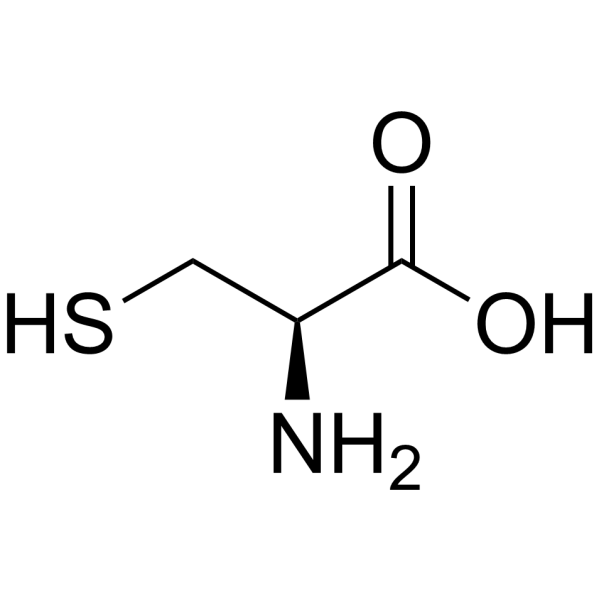
    L-Cysteine
    Maximum Cited Publications
    12 Publications Verification

    Cysteine

    Environmental Pollutants Endogenous Metabolite Neurological Disease Metabolic Disease Cancer
    L-Cysteine (Cysteine) is an orally active conditionally essential amino acid with hypoglycemic effects, which acts as a precursor for biologically active molecules such as hydrogen sulphide (H2S), glutathione and taurine. L-Cysteine promotes the proliferation and differentiation of neural stem cells via the CBS/H2S pathway. L-Cysteine suppresses ghrelin and reduces appetite in rodents and humans. L-Cysteine can be used as an anorectic agent .
    L-Cysteine
  • HY-P10798

    LY-3841136

    Amylin Receptor Metabolic Disease
    Eloralintide is an amylin receptor (AMYR) activator and long-acting peptide. Eloralintide selectively activates amylin receptors. Eloralintide is modified with a C20 fatty diacid moiety that binds to amylin receptors while retaining selectivity from calcitonin receptors. Eloralintide induces decreased appetite.Eloralintide reduces body weight. Eloralintide can be used for the research of obesity .
    Eloralintide
  • HY-Y0337A
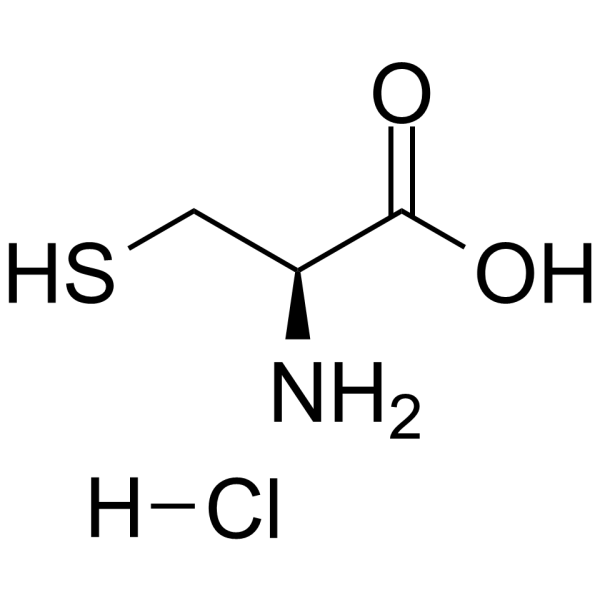
    L-Cysteine hydrochloride
    Maximum Cited Publications
    12 Publications Verification

    Endogenous Metabolite Metabolic Disease Cancer
    L-Cysteine hydrochloride is an orally active conditionally essential amino acid, which acts as a precursor for biologically active molecules such as hydrogen sulphide (H2S), glutathione and taurine. L-Cysteine hydrochloride suppresses ghrelin and reduces appetite in rodents. L-Cysteine hydrochloride inhibits Aspergillus flavus growth and AFB synthesis by disrupting cell structure and antioxidant system balance. L-Cysteine hydrochloride enhances relaxant responses of rat aortic rings to NO and reduces responses to endothelium-derived relaxing factor (EDRF) .
    L-Cysteine hydrochloride
  • HY-N0614
    Sucralose
    3 Publications Verification

    E955; Trichlorosucrose

    Endogenous Metabolite Cancer
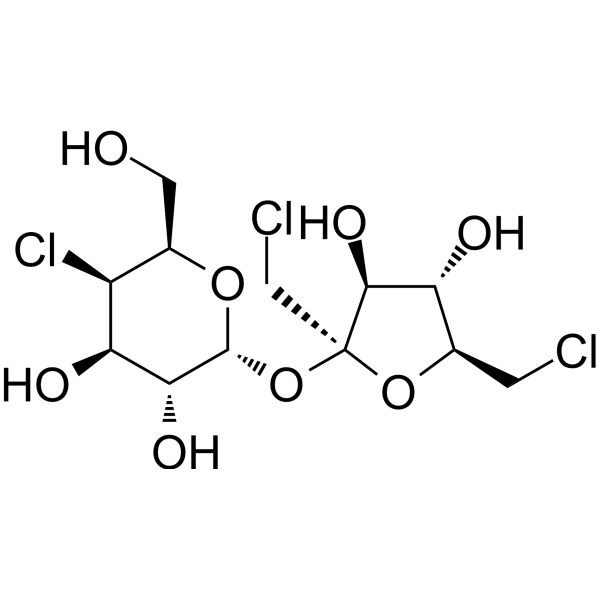
    Sucralose (E955; Trichlorosucrose) is a non-nutritive artificial sweetener and sugar substitute. Sucralose can activate a conserved neural fasting response and thereby exerts an appetite-stimulating effect in rodents .
    Sucralose
  • HY-110004

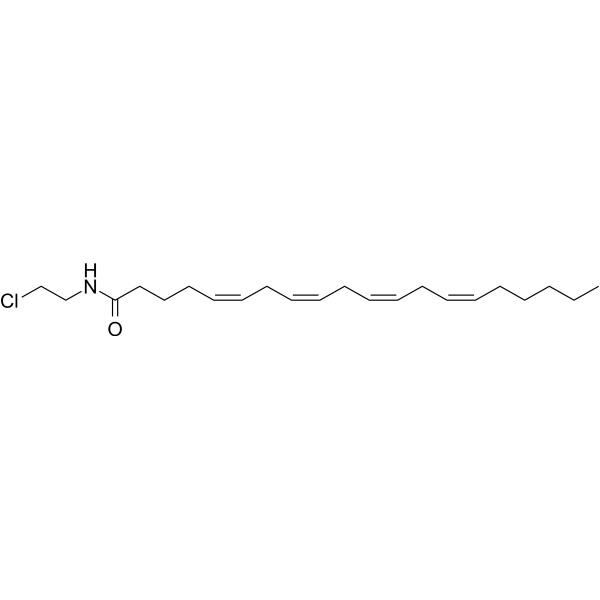
    Arachidonyl-2-chloroethylamide

    Cannabinoid Receptor Others
    ACEA (short for arachidonyl-2'-chloroacetamide) is a synthetic organic compound that acts as an agonist of the cannabinoid receptor CB1. It is a chemical that affects the endocannabinoid system in the body, which regulates various physiological processes such as appetite, pain perception, mood, and memory .
    ACEA
  • HY-13676
    Megestrol acetate
    2 Publications Verification

    Progesterone Receptor Autophagy HIV Endocrinology Cancer
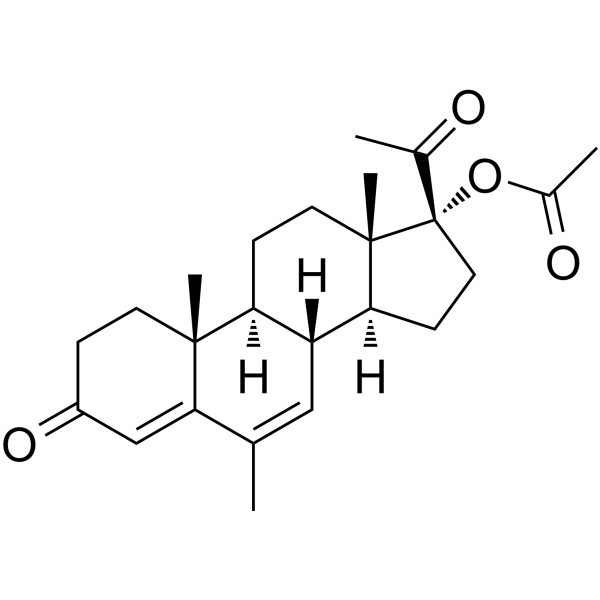
    Megestrol acetate is a synthetic and orally active progesteronal agent. Megestrol acetate is effective as an appetite stimulant for wasting syndromes such as cachexia. Megestrol acetate decreases nuclear and cytosol androgen receptors human BPH tissue. Megestrol acetate has the potential for HIV study and downregulates autophagic catabolic pathway .
    Megestrol acetate
  • HY-14734
    Anamorelin
    5+ Cited Publications

    RC-1291; ONO-7643

    GHSR Endocrinology Cancer
    Anamorelin (RC-1291) is an orally active Ghrelin receptor agonist with an EC50 of 0.74 nM. Anamorelin can promote appetite, increase body weight, and stimulate the secretion of growth hormone and insulin-like growth factor-1. Anamorelin can be used in the research of anorexia and cancer cachexia .
    Anamorelin
  • HY-P10746

    Neurokinin Receptor Metabolic Disease
    EB1002 is a highly selective, long-acting NK2R agonist. EB1002 exerts central appetite suppression, increases peripheral energy expenditure and enhances insulin sensitivity, which effectively reduces body weight, improves glucose and lipid metabolism, with favorable safety profiles. EB1002 can be used for research on diseases such as obesity and type 2 diabetes .
    EB1002
  • HY-P10798A

    LY-3841136 sodium

    Amylin Receptor Calcium Channel Metabolic Disease
    Eloralintide sodium is an Amylin Receptor agonist. Eloralintide sodium selectively activates AMY1R and AMY3R in cells expressing human or rat AMY1R, AMY3R or CTR. Eloralintide sodium activates AMYRs and CTR in rats, inducing a sustained decrease in plasma Ca 2+ levels. Eloralintide sodium reduces appetite and body weight in both lean and obese rats. Eloralintide sodium can be used for research related to obesity .
    Eloralintide sodium
  • HY-W016715
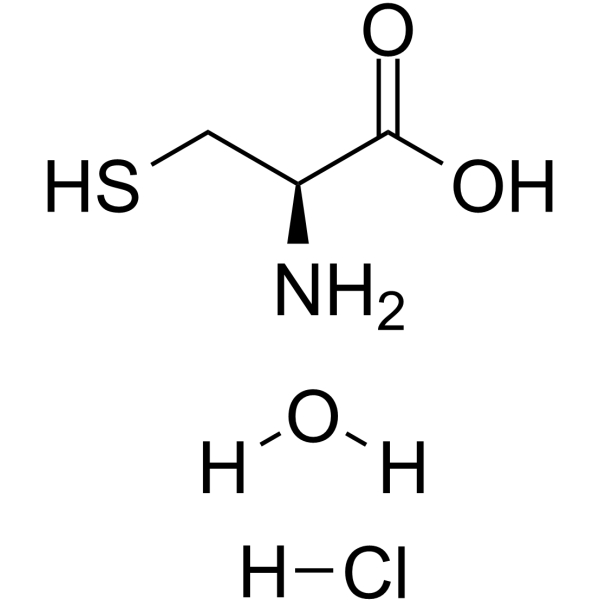
    L-Cysteine hydrochloride hydrate
    Maximum Cited Publications
    12 Publications Verification

    Endogenous Metabolite NF-κB Insulin Receptor Neurological Disease Metabolic Disease
    L-Cysteine hydrochloride hydrate is an orally active and essential amino acid, which acts as a precursor for biologically active molecules such as hydrogen sulphide (H2S), glutathione and taurine. L-Cysteine hydrochloride hydrate regulates CBS/H2S pathway, inhibits NF-κB activation and insulin and ghrelin secretion. L-Cysteine hydrochloride hydrate reduces blood sugar, vascular inflammation markers and appetite. L-Cysteine hydrochloride hydrate induces kidney damage. L-Cysteine hydrochloride hydrate can be used in the study of neurological diseases and diabetes .
    L-Cysteine hydrochloride hydrate
  • HY-P11274A

    Amycretin sodium; NN 9487 sodium

    Amylin Receptor Insulin Receptor GCGR Metabolic Disease
    Zenagamtide (Amycretin; NN 9487) sodium is an orally active, blood-brain barrier permeable triple agonist that targets GLP-1, amylin (Amylin Receptor) and calcitonin receptor (Calcitonin Receptor). Zenagamtide sodium is a single peptide consisting of 68 amino acids that can target brain regions regulating food intake, significantly suppress appetite and reduce energy intake. Therefore, Zenagamtide sodium improves body weight, waist circumference, glycated hemoglobin and lipid profile, and also alleviates the histological features of metabolic dysfunction-associated steatotic liver disease (MASLD) and enhances insulin sensitivity. Zenagamtide sodium may cause transient increases in heart rate and fluctuations in serum calcium levels, but it is an important compound for the study of overweight, obesity, insulin resistance and related metabolic diseases .
    Zenagamtide sodium
  • HY-Y0337S5

    Isotope-Labeled Compounds Endogenous Metabolite Metabolic Disease
    L-Cysteine-d3 is the deuterium labeled L-Cysteine. L-Cysteine is a conditionally essential amino acid, which acts as a precursor for biologically active molecules such as hydrogen sulphide (H2S), glutathione and taurine. L-Cysteine suppresses ghrelin and reduces appetite in rodents and humans .
    L-Cysteine-d3
  • HY-18678A
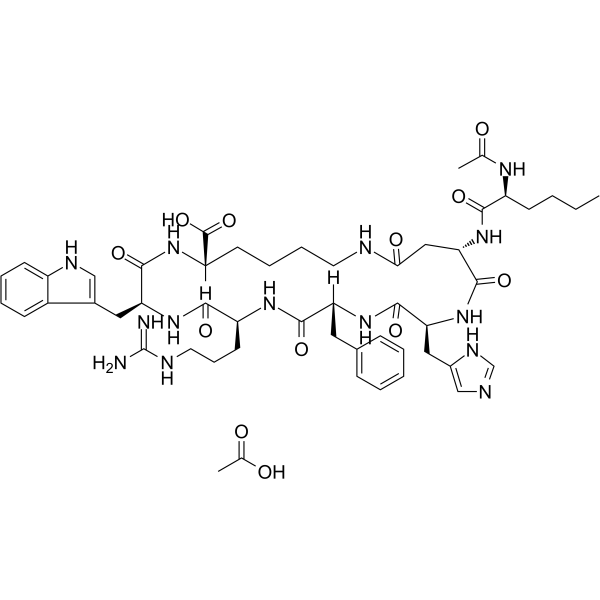
    Bremelanotide Acetate
    1 Publications Verification

    PT-141 Acetate

    Melanocortin Receptor Metabolic Disease
    Bremelanotide (PT-141) Acetate is a melanocortin receptor agonist. Bremelanotide Acetate can activate MC4R and increases dopamine release. Bremelanotide Acetate induces appetitive sexual behaviors, female mounting behavior, and repetitive self-grooming. Bremelanotide Acetate can be used for the research of hypoactive sexual desire disorders .
    Bremelanotide Acetate
  • HY-B1716
    L-5-Hydroxytryptophan
    3 Publications Verification

    L-5-HTP; Oxitriptan

    Endogenous Metabolite Neurological Disease Metabolic Disease
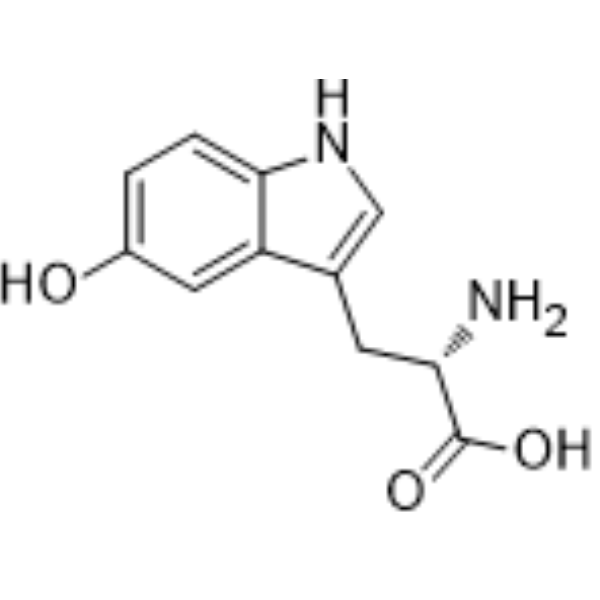
    L-5-Hydroxytryptophan (L-5-HTP), a naturally occurring amino acid and a dietary supplement for use as an antidepressant, appetite suppressant, and sleep aid, is the immediate precursor of the neurotransmitter serotonin and a reserpine antagonist . L-5-Hydroxytryptophan (L-5-HTP) is used to treat fibromyalgia, myoclonus, migraine, and cerebellar ataxia .
    L-5-Hydroxytryptophan
  • HY-Y0079

    Endogenous Metabolite Infection
    D-Phenylalanine is an atypical D-amino acid and an inhibitor of bacterial biofilm formation. D-Phenylalanine mainly replaces D-alanine (D-Ala) by incorporating into the fourth and fifth positions of bacterial peptidoglycan (PG), changing the cell wall structure, enhancing bacterial acid resistance and affecting biofilm formation. D-Phenylalanine may promote the secretion of peptide tyrosine tyrosine (PYY) in mammals by activating the intestinal GPR109B receptor. D-Phenylalanine can inhibit the maturation of microbial biofilms and promote the release of specific hormones. It can be used for antibacterial preservation, improving the yield of probiotics in the food industry, and studying appetite regulation and blood sugar control in metabolic diseases such as diabetes .
    D-Phenylalanine
  • HY-14734A
    Anamorelin hydrochloride
    5+ Cited Publications

    RC-1291 hydrochloride; ONO-7643 hydrochloride

    GHSR Endocrinology Cancer
    Anamorelin (RC-1291) hydrochloride is an orally active Ghrelin receptor agonist with an EC50 of 0.74 nM. Anamorelin hydrochloride can promote appetite, increase body weight, and stimulate the secretion of growth hormone and insulin-like growth factor-1. Anamorelin hydrochloride can be used in the research of anorexia and cancer cachexia .
    Anamorelin hydrochloride
  • HY-18678
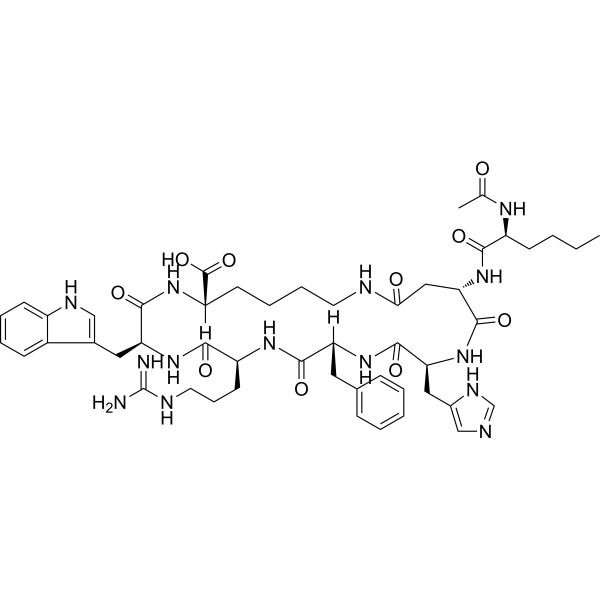
    Bremelanotide
    1 Publications Verification

    PT-141

    Melanocortin Receptor Neurological Disease Metabolic Disease
    Bremelanotide (PT-141) is a melanocortin receptor agonist. Bremelanotide can activate MC4R and increases dopamine release. Bremelanotide induces appetitive sexual behaviors, female mounting behavior, and repetitive self-grooming. Bremelanotide can be used for the research of hypoactive sexual desire disorders .
    Bremelanotide
  • HY-106224B

    Hypocretin-1 (human, rat, mouse) acetate

    Orexin Receptor (OX Receptor) Neurological Disease
    Orexin A (Hypocretin-1) (human, rat, mouse) acetate is a hypothalamic neuropeptide with analgesic properties (crosses the blood-brain barrier). Orexin A (human, rat, mouse) acetate binds and activates two types of G protein-coupled receptors, the orexin-1 receptor (OX1R) and the orexin-2 receptor (OX2R). Orexin A (human, rat, mouse) acetate can be used in studies of appetite regulation, neurodegenerative diseases and modulation of injurious messaging .
    Orexin A (human, rat, mouse) acetate
  • HY-P1514

    Neuropeptide Y Receptor Neurological Disease Metabolic Disease Endocrinology
    Peptide YY (PYY) is a gut hormone that regulates appetite and inhibits pancreatic secretion. Peptide YY (PYY) can mediate its effects through the Neuropeptide Y receptors.
    Peptide YY (PYY), human
  • HY-120619
    BMS-193885
    1 Publications Verification

    Neuropeptide Y Receptor Neurological Disease Endocrinology
    BMS-193885 is a selective neuropeptide Y1 receptor antagonist (Ki=3.3 nM) that competitively blocks the receptor to inhibit NPY-mediated appetite regulation signaling pathways, reduce food intake and inhibit weight gain. BMS-193885 has good blood-brain barrier penetration and is mainly used in the study of obesity and related metabolic diseases .
    BMS-193885
  • HY-P10000

    Neuropeptide Y Receptor Metabolic Disease
    Peptide YY (PYY) (3-36), Human is an endogenous appetite suppressing peptide. Peptide YY (PYY) (3-36), Human, a neuropeptide Y (NPY) Y2 receptor agonist, is a powerful inhibitor of intestinal secretion .
    Peptide YY (PYY) (3-36), Human
  • HY-P10026

    LY-3457263

    Neuropeptide Y Receptor Metabolic Disease
    Nisotirotide (LY-3457263) is a subcutaneous injectable NPY2 receptor agonist. By mimicking peptide YY (PYY), Nisotirotide inhibits appetite and can be used in the research of diseases such as obesity and diabetes .
    Nisotirostide
  • HY-N0614S

    E955-d6; Trichlorosucrose-d6

    Endogenous Metabolite Cancer
    Sucralose-d6 is deuterium labeled Sucralose. Sucralose?(E955; Trichlorosucrose) is a?non-nutritive?artificial?sweetener and sugar substitute. Sucralose can activate a conserved neural fasting response and thereby exerts an appetite-stimulating effect in rodents .
    Sucralose-d6
  • HY-B1136
    Menbutone
    1 Publications Verification

    Genabilic acid

    Drug Derivative Metabolic Disease
    Menbutone (Genabilic acid), an oxobutyric acid derivative, is a choleretic. Menbutone can be used to treat digestive upsets (loss of appetite, indigestion, toxemia, or hepatic and pancreatic insufficiencies) in a variety of animal species, including different farm animals (cattle, sheep, goats, pigs), as well as in dogs .
    Menbutone
  • HY-Y0337S2

    Cysteine-13C

    Endogenous Metabolite Metabolic Disease
    L-Cysteine-3- 13C is the 13C-labeled L-Cysteine. L-Cysteine is a conditionally essential amino acid, which acts as a precursor for biologically active molecules such as hydrogen sulphide (H2S), glutathione and taurine. L-Cysteine suppresses ghrelin and reduces appetite in rodents and humans .
    L-Cysteine-3-13C
  • HY-Y0337S
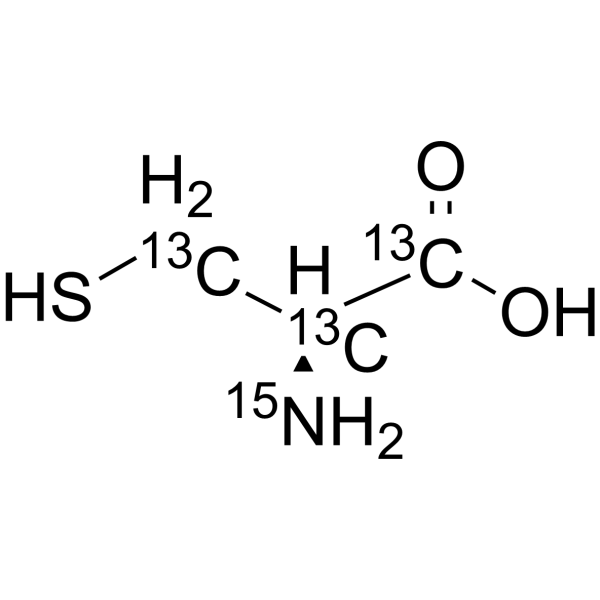
    L-Cysteine-13C3,15N
    2 Publications Verification

    Endogenous Metabolite Metabolic Disease
    L-Cysteine- 13C3, 15N is the 13C- and 15N-labeled L-Cysteine. L-Cysteine is a conditionally essential amino acid, which acts as a precursor for biologically active molecules such as hydrogen sulphide (H2S), glutathione and taurine. L-Cysteine suppresses ghrelin and reduces appetite in rodents and humans .
    L-Cysteine-13C3,15N
  • HY-14423
    Velneperit
    1 Publications Verification

    S2367

    Neuropeptide Y Receptor Neurological Disease Metabolic Disease
    Velneperit (S-2367) is an orally active neuropeptide Y (NPY) Y5 receptor antagonist that can penetrate the blood-brain barrier. Velneperit inhibits the appetite-stimulating and metabolism-inhibiting effects mediated by NPY. Velneperit selectively improves diet-induced obesity in mice. Velneperit enhances the expression of fear acutely by removing the inhibition of CeA Drd2 neurons. Velneperit can be used for the study of obesity .
    Velneperit
  • HY-13676R
    Megestrol acetate (Standard)
    2 Publications Verification

    Reference Standards Progesterone Receptor Autophagy HIV Endocrinology Cancer
    Megestrol acetate (Standard) is the analytical standard of Megestrol acetate. This product is intended for research and analytical applications. Megestrol acetate is a synthetic and orally active progesteronal agent. Megestrol acetate is effective as an appetite stimulant for wasting syndromes such as cachexia. Megestrol acetate decreases nuclear and cytosol androgen receptors human BPH tissue. Megestrol acetate has the potential for HIV study and downregulates autophagic catabolic pathway .
    Megestrol acetate (Standard)
  • HY-116649

    AM4113

    Cannabinoid Receptor Neurological Disease Metabolic Disease
    CB1 antagonist 2 (AM4113) is an orally active cannabinoid receptor type 1 (CB1R) antagonist. CB1 antagonist 2 suppresses appetite, reduces body weight, and blocks addictive behaviors such as heroin addiction, without causing adverse effects like nausea and depression that are associated with traditional CB1 inverse agonists. CB1 antagonist 2 can be used in studies related to obesity and opioid addiction .
    CB1 antagonist 2
  • HY-110206

    Cannabinoid Receptor Metabolic Disease
    AM6545 is a highly selective, brain-free (peripherally active) CB1 receptor antagonist (Ki=1.7 nM). AM6545 inhibits endocannabinoid signaling by competitively antagonizing CB1 receptors, inhibiting CB1-mediated appetite stimulation and inflammatory responses without affecting cAMP levels. AM6545 significantly reduces food intake and body weight in mice, while improving metabolic syndrome-related renal impairment (such as proteinuria, fibrosis) and insulin resistance. AM6545 can be used in the study of obesity and its complications .
    AM6545
  • HY-Y0337R
    L-Cysteine (Standard)
    1 Publications Verification

    Cysteine (Standard)

    Reference Standards Endogenous Metabolite Metabolic Disease Cancer
    L-Cysteine (Standard) is the analytical standard of L-Cysteine. This product is intended for research and analytical applications. L-Cysteine is a conditionally essential amino acid, which acts as a precursor for biologically active molecules such as hydrogen sulphide (H2S), glutathione and taurine. L-Cysteine suppresses ghrelin and reduces appetite in rodents and humans .
    L-Cysteine (Standard)
  • HY-P1304

    Neuropeptide Y Receptor Neurological Disease
    CART(55-102)(human) is an endogenous satiety factor with potent appetite-suppressing activity. CART(55-102)(human) is closely associated with leptin and neuropeptide Y .
    CART(55-102)(human)
  • HY-Y0337S4
    L-Cysteine-13C3
    1 Publications Verification

    Endogenous Metabolite Metabolic Disease
    L-Cysteine- 13C3 is the 13C-labeled L-Cysteine. L-Cysteine is a conditionally essential amino acid, which acts as a precursor for biologically active molecules such as hydrogen sulphide (H2S), glutathione and taurine. L-Cysteine suppresses ghrelin and reduces appetite in rodents and humans .
    L-Cysteine-13C3
  • HY-P1305

    Neuropeptide Y Receptor Neurological Disease
    CART(55-102)(rat) is a rat satiety factor with potent appetite-suppressing activity. CART(55-102)(rat) is closely associated with leptin and neuropeptide Y. CART(55-102)(rat) can induces anxiety and stress-related behavior .
    CART(55-102)(rat)
  • HY-103479

    Acyltransferase Cardiovascular Disease Neurological Disease Metabolic Disease Cancer
    GOAT-IN-1 is an inhibitor of ghrelin O-acyltransferase (GOAT), which could be useful for the prophylaxis or treatment of obesity, diabetes, hyperlipidemia, metabolic, non-alcoholic fatty liver, steatohepatitis, sarcopenia, appetite control, alcohol/narcotic dependence, Alzheimer’s disease, Parkinson’s disease, cerebrovascular dementia, cerebral apoplexy, cerebral infarction, cardic disease, some kind of tumors.
    GOAT-IN-1
  • HY-B1716S

    L-5-HTP-d3; Oxitriptan-d3

    Endogenous Metabolite Neurological Disease Metabolic Disease
    L-5-Hydroxytryptophan-d3 is the deuterium labeled L-5-Hydroxytryptophan. L-5-Hydroxytryptophan (L-5-HTP), a naturally occurring amino acid and a dietary supplement for use as an antidepressant, appetite suppressant, and sleep aid, is the immediate precursor of the neurotransmitter serotonin and a reserpine antagonist . L-5-Hydroxytryptophan (L-5-HTP) is used to treat fibromyalgia, myoclonus, migraine, and cerebellar ataxia .
    L-5-Hydroxytryptophan-d3
  • HY-135615A

    N-Desmethylsibutramine hydrochloride

    Serotonin Transporter Neurological Disease Metabolic Disease
    Desmethyl Sibutramine hydrochloride, the secondary metabolite of Sibutramine, is an orally active norepinephrine transporter (NET) and serotonin transporter (SERT) inhibitor. Desmethyl Sibutramine hydrochloride can be used in the research of obesity and appetite suppressant .
    Desmethyl Sibutramine hydrochloride
  • HY-122477

    Drug Derivative Neurological Disease
    Zylofuramine is a psychomotor stimulant. Zylofuramine can be used in the research related to appetite suppressants and Alzheimer's disease .
    Zylofuramine
  • HY-P1021A
    Peptide YY (PYY) (3-36), porcine TFA
    3 Publications Verification

    Neuropeptide Y Receptor Metabolic Disease
    Peptide YY (PYY) (3-36), porcine TFA is a gut hormone peptide that acts as a Y2 receptor agonist to reduce appetite .
    Peptide YY (PYY) (3-36), porcine TFA
  • HY-P1339B
    Orexin B, human acetate
    1 Publications Verification

    Human orexin B acetate

    Orexin Receptor (OX Receptor) Cardiovascular Disease Neurological Disease
    Orexin B, human acetate is the acetate form of Orexin B, human (HY-P1339). Orexin B, human acetate is the agonist for Orexin Receptor, with Ki of 420 nM and 36 nM for OX1 and OX2. Orexin B, human acetate participates in the regulation of appetite, wakefulness, cardiovascular function and neuroendocrine .
    Orexin B, human acetate
  • HY-N0614R

    E955 (Standard); Trichlorosucrose (Standard)

    Reference Standards Endogenous Metabolite Cancer
    Sucralose (Standard) is the analytical standard of Sucralose. This product is intended for research and analytical applications. Sucralose?(E955; Trichlorosucrose) is a?non-nutritive?artificial?sweetener and sugar substitute. Sucralose can activate a conserved neural fasting response and thereby exerts an appetite-stimulating effect in rodents .
    Sucralose (Standard)
  • HY-W015616

    4-Penylbutan-2-one

    Environmental Pollutants Tyrosinase Infection Metabolic Disease
    Benzylacetone (4-Penylbutan-2-one) is an aromatic compound. Benzylacetone is a mushroom tyrosinase inhibitor with an IC50 of 2.8 mM, a Ki of 1.25 mM for monophenolase and an IC50 of 0.6 mM, a Ki of 0.39 mM for diphenolase. Benzylacetone inhibits free mushroom tyrosinase and enzyme-substrate complex. Benzylacetone acts as an appetite enhancer via olfactory stimulation, reduces spontaneous locomotor activity, induces weight gain. Benzylacetone exhibits repellent, fumigant, and contact toxicity against Tribolium castaneum adults .
    Benzylacetone
  • HY-B1716R
    L-5-Hydroxytryptophan (Standard)
    3 Publications Verification

    L-5-HTP (Standard); Oxitriptan (Standard)

    Endogenous Metabolite Reference Standards Neurological Disease Metabolic Disease
    L-5-Hydroxytryptophan (Standard) is the analytical standard of L-5-Hydroxytryptophan. This product is intended for research and analytical applications. L-5-Hydroxytryptophan (L-5-HTP), a naturally occurring amino acid and a dietary supplement for use as an antidepressant, appetite suppressant, and sleep aid, is the immediate precursor of the neurotransmitter serotonin and a reserpine antagonist . L-5-Hydroxytryptophan (L-5-HTP) is used to treat fibromyalgia, myoclonus, migraine, and cerebellar ataxia .
    L-5-Hydroxytryptophan (Standard)
  • HY-P10380

    Neuropeptide FF Receptor Neurological Disease Metabolic Disease
    palm11-PrRP31 is a lipidized endogenous appetite inhibitory neuropeptide (PrRP) analogue. palm11-PrRP31 is GPR10 (EC50=39 pM) and NPFF-R2 effective dual agonists. palm11-PrRP31 is able to mimic the natural function of PrRP by binding to these receptors to reduce food intake. palm11-PrRP31 can be used as a potential anti-obesity agent and for the study of neuropeptide-receptor interaction .
    palm11-PrRP31
  • HY-P1421

    PERK GHSR Apoptosis Metabolic Disease
    Obestatin(human) is a 23-amino acid amidated peptide that regulates appetite and gastrointestinal motility via its interaction with GPR39. Obestatin(human) can be used for weight loss. Obestatin(human) cannot penetrate the cell membrane .
    Obestatin(human)
  • HY-Y0337S1
    L-Cysteine-15N
    1 Publications Verification

    Endogenous Metabolite Metabolic Disease
    L-Cysteine- 15N is the 15N-labeled L-Cysteine. L-Cysteine is a conditionally essential amino acid, which acts as a precursor for biologically active molecules such as hydrogen sulphide (H2S), glutathione and taurine. L-Cysteine suppresses ghrelin and reduces appetite in rodents and humans .
    L-Cysteine-15N
  • HY-Y0337S3

    Endogenous Metabolite Metabolic Disease
    L-Cysteine-1- 13C is the 13C-labeled L-Cysteine. L-Cysteine is a conditionally essential amino acid, which acts as a precursor for biologically active molecules such as hydrogen sulphide (H2S), glutathione and taurine. L-Cysteine suppresses ghrelin and reduces appetite in rodents and humans .
    L-Cysteine-1-13C
  • HY-101480

    5-HT Receptor Neurological Disease
    Xylamidine is a peripheral 5-HT receptor antagonist used to investigate possible peripheral appetite suppressant effects of 5-hydroxytryptophan (5-HTP) and fenfluramine. In a 1-hour food intake test, xylamidine attenuated the decrease in food intake induced by 5-HT and 5-HTP, but had no effect on fenfluramine, suggesting that the appetite suppressant effect of 5-HTP is mediated in part through peripheral 5-HT receptors. Microstructural analysis revealed that 5-HTP and fenfluramine induced a decrease in food intake rate and a reduction in feeding batch size. Xylamidine reversed the effects of 5-HTP on food intake rate and induced a slight increase in feeding batch size itself, thus, the peripheral effect of 5-HTP appears to be to slow food intake rate. No effect of xylamidine on fenfluramine-induced changes in feeding was observed. The results suggest that the appetite suppressant effects of 5-HTP and fenfluramine are differentiated based on the peripheral effects of 5-HTP. The peripheral effects of 5-HTP are distinct from the previously reported 5-HT-induced decreases in feeding batch size and duration. Possible mechanisms underlying the differences in peripheral effects of 5-HT and 5-HTP are discussed.
    Xylamidine
  • HY-B1716S2

    L-5-HTP-d4; Oxitriptan-d4

    Isotope-Labeled Compounds Endogenous Metabolite Metabolic Disease
    L-5-Hydroxytryptophan-d4 (L-5-HTP-d4; Oxitriptan-d4) is a deuterium labeled L-5-Hydroxytryptophan (HY-B1716). L-5-Hydroxytryptophan (L-5-HTP), a naturally occurring amino acid and a dietary supplement for use as an antidepressant, appetite suppressant, and sleep aid, is the immediate precursor of the neurotransmitter serotonin and a reserpine antagonist . L-5-Hydroxytryptophan (L-5-HTP) is used to treat fibromyalgia, myoclonus, migraine, and cerebellar ataxia .
    L-5-Hydroxytryptophan-d4
  • HY-P1021

    Neuropeptide Y Receptor Metabolic Disease
    Peptide YY (PYY) (3-36), porcine is a gut hormone peptide that acts as a Y2 receptor agonist to reduce appetite.
    Peptide YY (PYY) (3-36), porcine

Inquiry Online

Your information is safe with us. * Required Fields.

Salutation


Country or Region *

Applicant Name *


Organization Name *

Department *


Email Address *


Product Name *

Cat. No.


Requested quantity *

Phone Number *


Remarks

Inquiry Online

Inquiry Information

Product Name:
Cat. No.:
Quantity:
MCE Japan Authorized Agent:

