
Search Result
Results for "
atherogenic
" in MedChemExpress (MCE) Product Catalog:
| Cat. No. |
Product Name |
Target |
Research Areas |
Chemical Structure |
-
- HY-N0292
-
Oleuropein
Maximum Cited Publications
9 Publications Verification
|
Cytochrome P450
PPAR
Apoptosis
|
Cardiovascular Disease
Inflammation/Immunology
Cancer
|
|
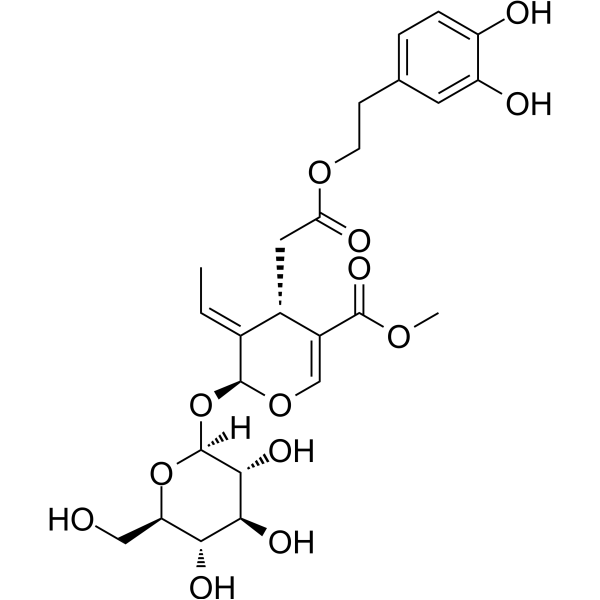
Oleuropein, found in olive leaves and oil, exerts antioxidant, anti-inflammatory and anti-atherogenic effects through direct inhibition of PPARγ transcriptional activity . Oleuropein induces apoptosis in breast cancer cells via the p53-dependent pathway and through the regulation of Bax and Bcl2 genes. Oleuropein also inhibits aromatase .
|
-
-
- HY-19522
-
|
MBX-8025; RWJ-800025
|
PPAR
|
Metabolic Disease
|
|
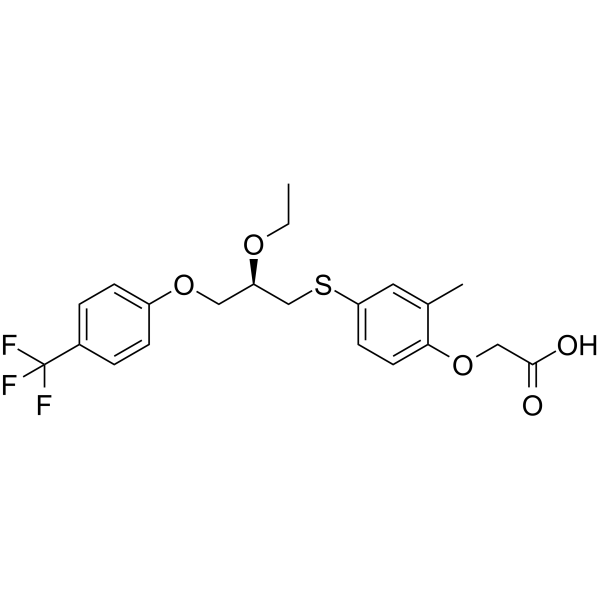
Seladelpar (MBX-8025) is an orally active, potent and specific PPARδ agonist with an EC50 of 2 nM. Seladelpar shows more than 750-fold and 2500-fold selectivity over the PPARα and PPARγ receptors, respectively. Seladelpar can be used for the study of primary biliary cholangitis .
|
-
-
- HY-113342
-
|
|
Endogenous Metabolite
p38 MAPK
|
Cardiovascular Disease
Metabolic Disease
|
|
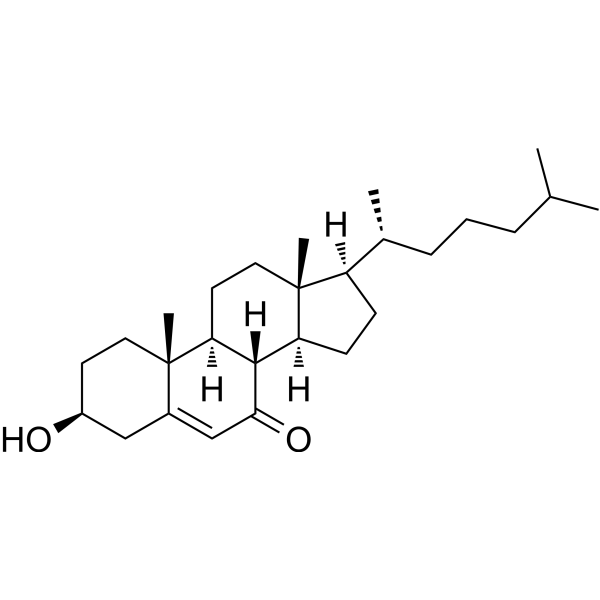
7-Ketocholesterol is an oxidation product of cholesterol, widely present in atherosclerotic plaques, and has a stronger atherogenic effect than cholesterol. 7-Ketocholesterol can inhibit the rate-limiting enzymes involved in bile acid and cholesterol synthesis, such as cholesterol 7α-hydroxylase and HMG-CoA reductase. 7-Ketocholesterol exhibits pro-inflammatory effects both in vivo and in vitro and can induce cell apoptosis (apoptosis) .
|
-
-
- HY-113270
-
|
γ-Butyrobetaine; Deoxycarnitine
|
Endogenous Metabolite
|
Metabolic Disease
|
|
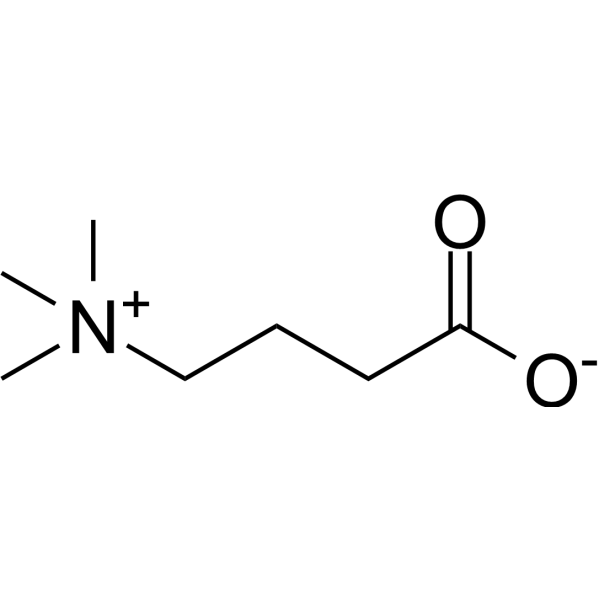
Actinine is a metabolic and pro-atherogenic intermediate with oral activity. Actinine acts as a substrate for the yeaW/X microbial enzyme complex to generate trimethylamine (TMA). Actinine accelerates atherosclerosis development in a gut microbe-dependent manner. Actinine can be used for the research of atherosclerosis .
|
-
-
- HY-18778
-
|
TA-8995; DEZ-001; AMG-899
|
CETP
Apolipoprotein
LPL Receptor
LDLR
|
Cardiovascular Disease
|
|
Obicetrapib (TA-8995; DEZ-001) is an orally active cholesteryl ester transfer protein (CETP) inhibitor. Obicetrapib potently reduces atherogenic lipoproteins (such as LDL-C, ApoB, Lp (a)) and increases HDL-C. Obicetrapib can be used for the research of dyslipidemia and atherosclerotic cardiovascular disease (ASCVD) .
|
-
-
- HY-19900
-
ITX5061
3 Publications Verification
|
p38 MAPK
Scavenger Receptor Class B type I (SR-BI)
|
Inflammation/Immunology
|
|
ITX5061 is an orally active type II non-competitive p38 MAPK inhibitor. ITX5061 increases HDL-C levels by inhibiting SR-BI activity. ITX5061 also moderately elevates ApoA-I levels. ITX5061 reduces early atherosclerotic lesions in the aortic arch of mice fed an atherogenic diet. ITX5061 can be used in the research of atherosclerosis .
|
-
-
- HY-N4137
-
-
-
- HY-101448
-
TMI-1
1 Publications Verification
WAY-171318
|
MMP
Apoptosis
Interleukin Related
TNF Receptor
Caspase
|
Infection
Neurological Disease
Inflammation/Immunology
Cancer
|
|
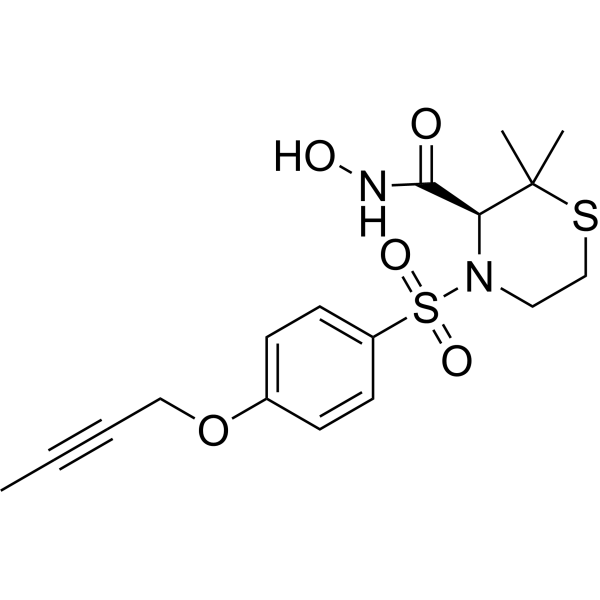
TMI-1 (WAY-171318) inhibits TNF converting enzyme (TACE) (IC50 of 8.4 nM), ADAM-TS-4, ADAM-17 and various MMPs with oral activity. TMI-1 significantly suppresses the secretion of TNF-α , alleviating collagen-induced arthritis in mice. TMI-1 inhibits cancer cell proliferation, induces apoptosis through a caspase-dependent pathway. TMI-1 also reverses TRPV1 upregulation and lowers the levels of inflammatory factors (TNF-α、IL-1β、IL-6) in nerve cells, protecting against paclitaxel-induced neurotoxicity. TMI-1 leads to changes in pro-atherogenic lipoprotein profiles, but does not affect the progression of early lesions .
|
-
-
- HY-W015780
-
|
|
Environmental Pollutants
Endogenous Metabolite
|
Metabolic Disease
|
|
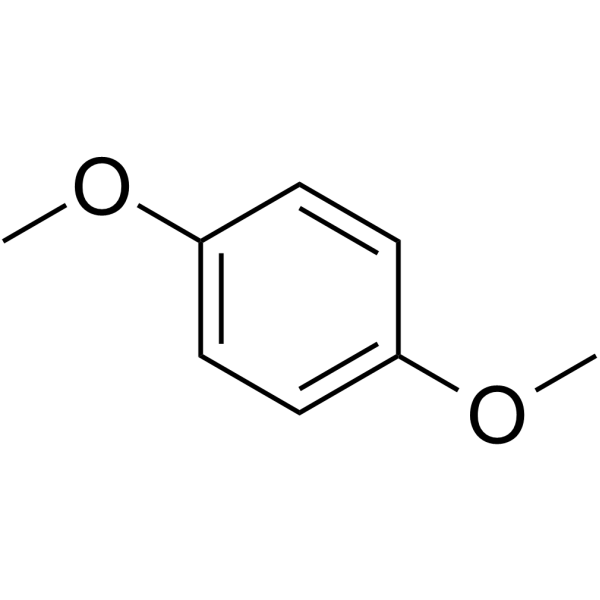
1,4-Dimethoxybenzene is an endogenous metabolite. 1,4-Dimethoxybenzene has an anti-anxiety effect, increasing atherogenic index (AI) levels in rabbits and inducing sedentary behavior. Sedentary behavior may increase blood cholesterol levels and disrupt blood lipids .
1,4-Dimethoxybenzene considers to be not clastogenic in the in vivo micronucleus test .
|
-
-
- HY-126356
-
|
|
Liposome
|
Cardiovascular Disease
|
|
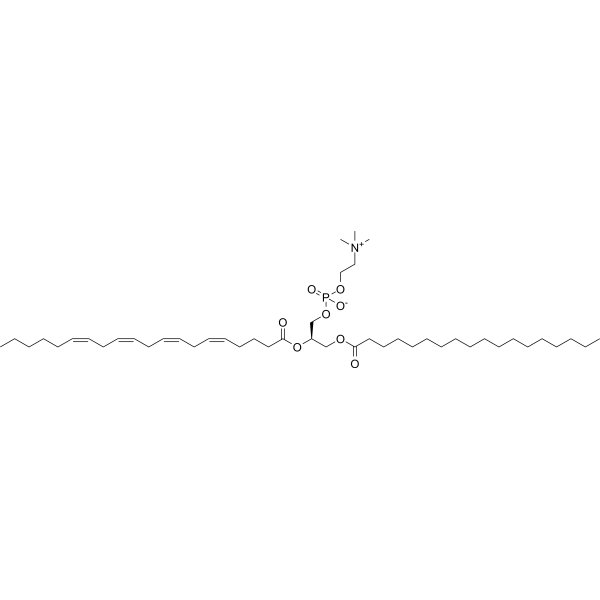
1-Stearoyl-2-arachidonoyl-sn-glycero-3-phosphocholine is a major phospholipid in low-density lipoprotein and belongs to the group of 1-acyl phosphatidylcholines. 1-Stearoyl-2-arachidonoyl-sn-glycero-3-phosphocholine does not induce morphological changes in washed human platelets. 1-Stearoyl-2-arachidonoyl-sn-glycero-3-phosphocholine can be used for the research of atherosclerosis and thrombotic diseases .
|
-
-
- HY-N8572
-
|
|
PARP
Reactive Oxygen Species (ROS)
Aryl Hydrocarbon Receptor
|
Cardiovascular Disease
Neurological Disease
Inflammation/Immunology
Cancer
|
|
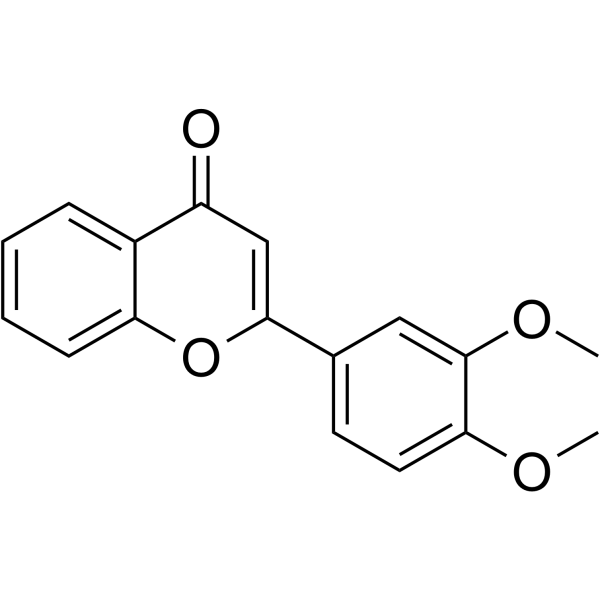
3',4'-Dimethoxyflavone is a lipophilic flavone, can be isolated from the leaves of Primula veris. 3',4'-Dimethoxyflavone can reduce the synthesis and accumulation of PARP and protect cortical neurones against cell death induced by Parthanatos. 3',4'-Dimethoxyflavone is also an aryl hydrocarbon receptor antagonist in human breast cancer cells. 3',4'-Dimethoxyflavone can promote the proliferation of human hematopoietic stem cells. 3',4'-Dimethoxyflavone has various biological activities, including antioxidant, anti-cancer, anti-inflammatory, anti-atherogenic, hypolipidaemic, and neuroprotective or neurotrophic effects .
|
-
-
- HY-153497A
-
|
IONIS ANGPT-L3Rx sodium; ISIS 703802 sodium
|
ANGPTL
|
Metabolic Disease
|
|
Vupanorsen (sodium) is an N-acetyl galactosamine-conjugated antisense oligonucleotide that inhibits Angiopoietin-like 3 (ANGPTL3) protein synthesis. Vupanorsen (sodium) lowers triglycerides and atherogenic lipoproteins.
|
-
-
- HY-N0292R
-
|
|
Cytochrome P450
Reference Standards
PPAR
Apoptosis
|
Cardiovascular Disease
Inflammation/Immunology
Cancer
|
|
Oleuropein (Standard) is the analytical standard of Oleuropein. This product is intended for research and analytical applications. Oleuropein, found in olive leaves and oil, exerts antioxidant, anti-inflammatory and anti-atherogenic effects through direct inhibition of PPARγ transcriptional activity . Oleuropein induces apoptosis in breast cancer cells via the p53-dependent pathway and through the regulation of Bax and Bcl2 genes. Oleuropein also inhibits aromatase .
|
-
-
- HY-19522C
-
|
MBX-8025 (lysine dihydrate); RWJ-800025 (lysine dihydrate)
|
PPAR
|
Metabolic Disease
|
|
Seladelpar (MBX-8025) Lysine dihydrate is the Lysine dihydrate salt form of Seladelpar (HY-19522). Seladelpar Lysine dihydrate is an orally active agonist for potent PPAR-δ, with EC50 of 2 nM. Seladelpar Lysine dihydrate shows more than 750-fold and 2500-fold selectivity over the PPARα and PPARγ receptors, respectively. Seladelpar Lysine dihydrate can be used for the study of primary biliary cholangitis. Seladelpar Lysine dihydrate normalizes hyperglycemia, hyperinsulinemia, glucose, serum lipids and cholesterol levels, ameliorates the nonalcoholic steatohepatitis in mouse model .
|
-
-
- HY-134154
-
|
PAzePC; Azelaoyl PC; 1-Palmitoyl-2-Azelaoyl PC
|
Endogenous Metabolite
|
Metabolic Disease
|
|
Oxidized low-density lipoprotein (oxLDL) particles contain low molecular weight species which are cytotoxic and pro-atherogenic. Many of these substances were isolated and purified from oxLDL and identified as phosphatidylcholine species containing a fragmented, oxidized short-chain fatty acid remnant at the sn-2 position. PAz-PC (Azelaoyl PC) is one of the predominant oxLDL species and may be one of the important structural determinants of oxLDL.
|
-
-
- HY-153497
-
|
IONIS ANGPT-L3Rx; ISIS 703802
|
ANGPTL
|
Metabolic Disease
|
|
Vupanorsen is an N-acetyl galactosamine-conjugated antisense oligonucleotide that inhibits Angiopoietin-like 3 (ANGPTL3) protein synthesis. Vupanorsen lowers triglycerides and atherogenic lipoproteins.
|
-
-
- HY-19522B
-
|
MBX-8025 (lysine); RWJ-800025 (lysine)
|
PPAR
|
Metabolic Disease
|
|
Seladelpar (MBX-8025) lysine is an orally active, potent and specific PPARδ agonist with an EC50 of 2 nM. Seladelpar lysine shows more than 750-fold and 2500-fold selectivity over the PPARα and PPARγ receptors, respectively. Seladelpar lysine can be used for the study of primary biliary cholangitis .
|
-
-
- HY-19522R
-
|
MBX-8025 (Standard); RWJ-800025 (Standard)
|
PPAR
Reference Standards
|
Metabolic Disease
|
|
Seladelpar (Standard) is the analytical standard of Seladelpar. This product is intended for research and analytical applications. Seladelpar (MBX-8025) is an orally active, potent and specific PPARδ agonist with an EC50 of 2 nM. Seladelpar shows more than 750-fold and 2500-fold selectivity over the PPARα and PPARγ receptors, respectively. Seladelpar can be used for the study of primary biliary cholangitis .
|
-
-
- HY-N8572R
-
|
|
Reference Standards
PARP
Reactive Oxygen Species (ROS)
Aryl Hydrocarbon Receptor
|
Cardiovascular Disease
Neurological Disease
Inflammation/Immunology
Cancer
|
|
3',4'-Dimethoxyflavone is a lipophilic flavone, can be isolated from the leaves of Primula veris. 3',4'-Dimethoxyflavone can reduce the synthesis and accumulation of PARP and protect cortical neurones against cell death induced by Parthanatos. 3',4'-Dimethoxyflavone is also an aryl hydrocarbon receptor antagonist in human breast cancer cells. 3',4'-Dimethoxyflavone can promote the proliferation of human hematopoietic stem cells. 3',4'-Dimethoxyflavone has various biological activities, including antioxidant, anti-cancer, anti-inflammatory, anti-atherogenic, hypolipidaemic, and neuroprotective or neurotrophic effects .
|
-
-
- HY-120309
-
|
|
Prostaglandin Receptor
|
Cardiovascular Disease
|
|
BMY 42393 is an orally active prostacyclin agonist which suppresses monocyte-macrophage atherogenic activity and cytokine production. BMY 42393 can be used for atherosclerosis research .
|
-
-
- HY-120943
-
|
BM 17.0744
|
PPAR
|
Metabolic Disease
|
|
K-111 (BM-170744) is an oral active PPAR alpha agonist. K-111 show efficacy in improving insulin resistance, reducing body weight, and ameliorating atherogenic dyslipidemia. K-111 can be used for study of type 2 diabetes, dyslipidaemia, obesity and the metabolic syndrome .
|
-
-
- HY-N4137R
-
-
-
- HY-121542
-
|
|
PPAR
|
Metabolic Disease
|
|
PPARδ agonist 10 (compound 7) is an orally active, selective, and partial agonist of PPARδ, with EC50 values of 0.053 μM and 0.30 µM for hPPARδ(LBD)-GAL4 and mPPARδ, respectively. PPARδ agonist 10 is a partial PPARδ agonist in transactivation assay but a full agonist on free fatty acids (FFA) oxidation in muscle cells both in vitro and in vivo. PPARδ agonist 10 can be used for dyslipidemia research .
|
-
-
- HY-P5169
-
|
|
Apolipoprotein
Amino Acid Derivatives
|
Inflammation/Immunology
|
|
LVGRQLEEFL (mouse) can be named as G * peptide, corresponding to amino acids 113 to 122 in apolipoprotein J ([113,122] apoJ)}. LVGRQLEEFL (mouse) exhibits anti-inflammatory and anti-atherogenic properties. LVGRQLEEFL (mouse) can be added to an apoJ mimetic, to form HM-10/10 peptide, which is a mimetic peptide and a novel chimeric high density lipoprotein. HM-10/10 peptide protects retinal pigment epithelium (RPE) and photoreceptors from oxidant induced cell death .
|
-
-
- HY-P5169A
-
|
|
Apolipoprotein
Amino Acid Derivatives
|
Inflammation/Immunology
|
|
LVGRQLEEFL (mouse) TFA can be named as G * peptide, corresponding to amino acids 113 to 122 in apolipoprotein J ([113,122] apoJ)}. LVGRQLEEFL (mouse) TFA exhibits anti-inflammatory and anti-atherogenic properties. LVGRQLEEFL (mouse) TFA can be added to an apoJ mimetic, to form HM-10/10 peptide, which is a mimetic peptide and a novel chimeric high density lipoprotein. HM-10/10 peptide protects retinal pigment epithelium (RPE) and photoreceptors from oxidant induced cell death .
|
-
-
- HY-113342R
-
|
|
Endogenous Metabolite
p38 MAPK
Reference Standards
|
Cardiovascular Disease
Metabolic Disease
|
|
7-Ketocholesterol (Standard) is the analytical standard of 7-Ketocholesterol. This product is intended for research and analytical applications. 7-Ketocholesterol is an oxidation product of cholesterol, widely present in atherosclerotic plaques, and has a stronger atherogenic effect than cholesterol. 7-Ketocholesterol can inhibit the rate-limiting enzymes involved in bile acid and cholesterol synthesis, such as cholesterol 7α-hydroxylase and HMG-CoA reductase. 7-Ketocholesterol exhibits pro-inflammatory effects both in vivo and in vitro and can induce cell apoptosis (apoptosis) .
|
-
-
- HY-P992470
-
|
ARGX-116; NN5058
|
Apolipoprotein
|
Cardiovascular Disease
Metabolic Disease
|
|
STT-5058 (ARGX-116; NN5058) is a human monoclonal antibody targeting ApoC3 and belongs to the class of ApoC3 inhibitors. STT-5058 exhibits pH-dependent circulation properties and binds to a unique epitope on ApoC3. STT-5058 reduces triglyceride levels and accelerates the clearance of atherogenic remnant lipoproteins containing ApoC3. STT-5058 can be used in research related to hypertriglyceridemia, dyslipidemia and cardiovascular diseases .
|
-
-
- HY-18778B
-
|
TA-8995 potassium; DEZ-001 potassium; AMG-899 potassium
|
Apolipoprotein
CETP
LPL Receptor
LDLR
|
Metabolic Disease
|
|
Obicetrapib (TA-8995; DEZ-001) potassium is an orally active cholesteryl ester transfer protein (CETP) inhibitor. Obicetrapib potassium potently reduces atherogenic lipoproteins (such as LDL-C, ApoB, Lp (a)) and increases HDL-C. Obicetrapib potassium can be used for the research of dyslipidemia and atherosclerotic cardiovascular disease (ASCVD) .
|
-
-
- HY-18778A
-
|
TA-8995 sodium; DEZ-001 sodium; AMG-899 sodium
|
Apolipoprotein
CETP
LPL Receptor
LDLR
|
Cardiovascular Disease
|
|
Obicetrapib (TA-8995; DEZ-001) sodium is an orally active cholesteryl ester transfer protein (CETP) inhibitor. Obicetrapib sodium potently reduces atherogenic lipoproteins (such as LDL-C, ApoB, Lp (a)) and increases HDL-C. Obicetrapib sodium can be used for the research of dyslipidemia and atherosclerotic cardiovascular disease (ASCVD) .
|
-
-
- HY-122068
-
|
|
p38 MAPK
Scavenger Receptor Class B type I (SR-BI)
|
Inflammation/Immunology
|
|
ITX5061 free base is an orally active type II non-competitive p38 MAPK inhibitor. ITX5061 free base increases HDL-C levels by inhibiting SR-BI activity. ITX5061 free base also moderately elevates ApoA-I levels. ITX5061 free base reduces early atherosclerotic lesions in the aortic arch of mice fed an atherogenic diet. ITX5061 free base can be used in the research of atherosclerosis .
|
-
-
- HY-W1126955
-
|
MK-0616 (decanoate)
|
PCSK9
|
Metabolic Disease
Inflammation/Immunology
|
|
Enlicitide (MK-0616) decanoate is an orally active macrocyclic peptide PCSK9 inhibitor. Enlicitide decanoate binds to PCSK9, blocks its interaction with low-density lipoprotein receptor (LDLR), and enhances hepatic clearance of LDL-C. Enlicitide decanoate reduces atherogenic lipoproteins, including non-HDL cholesterol, apolipoprotein B, and lipoprotein (a). Enlicitide decanoate is applicable to research related to hypercholesterolemia, heterozygous familial hypercholesterolemia, and atherosclerotic cardiovascular disease .
|
-
-
- HY-182014
-
|
|
LXR
|
Cardiovascular Disease
Metabolic Disease
|
|
TLC-2716 is an orally available, gut- and liver-restricted inhibitor against LXRα and LXRβ, with EC50 values of 7 nM and 15 nM, respectively. TLC-2716 represses LXRα/β transcriptional activity, downregulates genes involved in lipogenesis, lipid absorption and lipoprotein metabolism, and preserves peripheral reverse cholesterol transport. TLC-2716 reduces lipid accumulation, suppresses inflammation and fibrotic gene expression, enhances triglyceride-rich lipoprotein clearance, and improves glucose homeostasis and insulin sensitivity. TLC-2716 lowers serum and hepatic triglycerides, plasma cholesterol and other atherogenic lipid profiles in experimental models and humanized liver mice. TLC-2716 can be used for the research of dyslipidemia and related cardiometabolic disorders .
|
-
-
- HY-101448R
-
|
WAY-171318 (Standard)
|
MMP
Reference Standards
Apoptosis
Interleukin Related
TNF Receptor
Caspase
|
Infection
Neurological Disease
Inflammation/Immunology
Cancer
|
|
TMI-1 (Standard) is the analytical standard of TMI-1 (HY-101448). This product is intended for research and analytical applications. TMI-1 (WAY-171318) inhibits TNF converting enzyme (TACE) (IC50 of 8.4 nM), ADAM-TS-4, ADAM-17 and various MMPs with oral activity. TMI-1 significantly suppresses the secretion of TNF-α , alleviating collagen-induced arthritis in mice. TMI-1 inhibits cancer cell proliferation, induces apoptosis through a caspase-dependent pathway. TMI-1 also reverses TRPV1 upregulation and lowers the levels of inflammatory factors (TNF-α、IL-1β、IL-6) in nerve cells, protecting against paclitaxel-induced neurotoxicity. TMI-1 leads to changes in pro-atherogenic lipoprotein profiles, but does not affect the progression of early lesions .
|
-
| Cat. No. |
Product Name |
Target |
Research Area |
-
- HY-P10258
-
|
|
Peptides
|
Cardiovascular Disease
Inflammation/Immunology
|
|
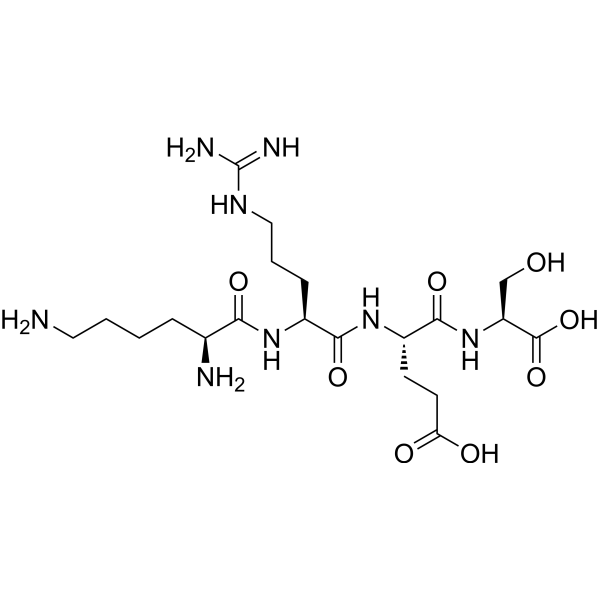
KRES peptide is an apolipoprotein with 4 amino acid residues. KRES peptide interacts with lipids, reduces lipoprotein lipid hydroperoxides (LOOH), activates antioxidant enzymes associated with high-density lipoprotein. KRES peptide exhibits anti-inflammatory and anti-atherogenic properties. KRES peptide is orally active .
|
-
- HY-P5169
-
|
|
Apolipoprotein
Amino Acid Derivatives
|
Inflammation/Immunology
|
|
LVGRQLEEFL (mouse) can be named as G * peptide, corresponding to amino acids 113 to 122 in apolipoprotein J ([113,122] apoJ)}. LVGRQLEEFL (mouse) exhibits anti-inflammatory and anti-atherogenic properties. LVGRQLEEFL (mouse) can be added to an apoJ mimetic, to form HM-10/10 peptide, which is a mimetic peptide and a novel chimeric high density lipoprotein. HM-10/10 peptide protects retinal pigment epithelium (RPE) and photoreceptors from oxidant induced cell death .
|
-
- HY-P5169A
-
|
|
Apolipoprotein
Amino Acid Derivatives
|
Inflammation/Immunology
|
|
LVGRQLEEFL (mouse) TFA can be named as G * peptide, corresponding to amino acids 113 to 122 in apolipoprotein J ([113,122] apoJ)}. LVGRQLEEFL (mouse) TFA exhibits anti-inflammatory and anti-atherogenic properties. LVGRQLEEFL (mouse) TFA can be added to an apoJ mimetic, to form HM-10/10 peptide, which is a mimetic peptide and a novel chimeric high density lipoprotein. HM-10/10 peptide protects retinal pigment epithelium (RPE) and photoreceptors from oxidant induced cell death .
|
-
- HY-W1126955
-
|
MK-0616 (decanoate)
|
PCSK9
|
Metabolic Disease
Inflammation/Immunology
|
|
Enlicitide (MK-0616) decanoate is an orally active macrocyclic peptide PCSK9 inhibitor. Enlicitide decanoate binds to PCSK9, blocks its interaction with low-density lipoprotein receptor (LDLR), and enhances hepatic clearance of LDL-C. Enlicitide decanoate reduces atherogenic lipoproteins, including non-HDL cholesterol, apolipoprotein B, and lipoprotein (a). Enlicitide decanoate is applicable to research related to hypercholesterolemia, heterozygous familial hypercholesterolemia, and atherosclerotic cardiovascular disease .
|
| Cat. No. |
Product Name |
Target |
Research Area |
Image |
-
- HY-P992470
-
|
ARGX-116; NN5058
|
Apolipoprotein
|
Cardiovascular Disease
Metabolic Disease
|
|
STT-5058 (ARGX-116; NN5058) is a human monoclonal antibody targeting ApoC3 and belongs to the class of ApoC3 inhibitors. STT-5058 exhibits pH-dependent circulation properties and binds to a unique epitope on ApoC3. STT-5058 reduces triglyceride levels and accelerates the clearance of atherogenic remnant lipoproteins containing ApoC3. STT-5058 can be used in research related to hypertriglyceridemia, dyslipidemia and cardiovascular diseases .
|
-
(5)
| Cat. No. |
Product Name |
Category |
Target |
Chemical Structure |
-
- HY-N0292
-
-
-
- HY-113342
-
|
|
Triterpenes
Terpenoids
Endogenous metabolite
Source Classification
|
Endogenous Metabolite
p38 MAPK
|
|
7-Ketocholesterol is an oxidation product of cholesterol, widely present in atherosclerotic plaques, and has a stronger atherogenic effect than cholesterol. 7-Ketocholesterol can inhibit the rate-limiting enzymes involved in bile acid and cholesterol synthesis, such as cholesterol 7α-hydroxylase and HMG-CoA reductase. 7-Ketocholesterol exhibits pro-inflammatory effects both in vivo and in vitro and can induce cell apoptosis (apoptosis) .
|
-
-
- HY-113270
-
-
-
- HY-N4137
-
-
-
- HY-W015780
-
-
-
- HY-126356
-
-
-
- HY-N8572
-
|
|
Flavonoids
other families
Flavones
Coniogramme japonica (Thunb.) Diels
Plants
|
PARP
Reactive Oxygen Species (ROS)
Aryl Hydrocarbon Receptor
|
|
3',4'-Dimethoxyflavone is a lipophilic flavone, can be isolated from the leaves of Primula veris. 3',4'-Dimethoxyflavone can reduce the synthesis and accumulation of PARP and protect cortical neurones against cell death induced by Parthanatos. 3',4'-Dimethoxyflavone is also an aryl hydrocarbon receptor antagonist in human breast cancer cells. 3',4'-Dimethoxyflavone can promote the proliferation of human hematopoietic stem cells. 3',4'-Dimethoxyflavone has various biological activities, including antioxidant, anti-cancer, anti-inflammatory, anti-atherogenic, hypolipidaemic, and neuroprotective or neurotrophic effects .
|
-
-
- HY-N0292R
-
-
-
- HY-N8572R
-
|
|
Structural Classification
Flavonoids
other families
Flavones
Coniogramme japonica (Thunb.) Diels
Plants
|
Reference Standards
PARP
Reactive Oxygen Species (ROS)
Aryl Hydrocarbon Receptor
|
|
3',4'-Dimethoxyflavone is a lipophilic flavone, can be isolated from the leaves of Primula veris. 3',4'-Dimethoxyflavone can reduce the synthesis and accumulation of PARP and protect cortical neurones against cell death induced by Parthanatos. 3',4'-Dimethoxyflavone is also an aryl hydrocarbon receptor antagonist in human breast cancer cells. 3',4'-Dimethoxyflavone can promote the proliferation of human hematopoietic stem cells. 3',4'-Dimethoxyflavone has various biological activities, including antioxidant, anti-cancer, anti-inflammatory, anti-atherogenic, hypolipidaemic, and neuroprotective or neurotrophic effects .
|
-
-
- HY-N4137R
-
-
-
- HY-113342R
-
|
|
Triterpenes
Structural Classification
Terpenoids
Endogenous metabolite
Source Classification
|
Endogenous Metabolite
p38 MAPK
Reference Standards
|
|
7-Ketocholesterol (Standard) is the analytical standard of 7-Ketocholesterol. This product is intended for research and analytical applications. 7-Ketocholesterol is an oxidation product of cholesterol, widely present in atherosclerotic plaques, and has a stronger atherogenic effect than cholesterol. 7-Ketocholesterol can inhibit the rate-limiting enzymes involved in bile acid and cholesterol synthesis, such as cholesterol 7α-hydroxylase and HMG-CoA reductase. 7-Ketocholesterol exhibits pro-inflammatory effects both in vivo and in vitro and can induce cell apoptosis (apoptosis) .
|
-
| Cat. No. |
Product Name |
|
Classification |
-
- HY-153497A
-
|
IONIS ANGPT-L3Rx sodium; ISIS 703802 sodium
|
|
Antisense Oligonucleotides
|
|
Vupanorsen (sodium) is an N-acetyl galactosamine-conjugated antisense oligonucleotide that inhibits Angiopoietin-like 3 (ANGPTL3) protein synthesis. Vupanorsen (sodium) lowers triglycerides and atherogenic lipoproteins.
|
-
- HY-153497
-
|
IONIS ANGPT-L3Rx; ISIS 703802
|
|
Antisense Oligonucleotides
|
|
Vupanorsen is an N-acetyl galactosamine-conjugated antisense oligonucleotide that inhibits Angiopoietin-like 3 (ANGPTL3) protein synthesis. Vupanorsen lowers triglycerides and atherogenic lipoproteins.
|
Your information is safe with us. * Required Fields.
Inquiry Information
- Product Name:
- Cat. No.:
- Quantity:
- MCE Japan Authorized Agent:

