


1. Search Result
Search Result
Results for "

atrophic

" in MedChemExpress (MCE) Product Catalog:

136

Inhibitors & Agonists

1

Screening Libraries

1

Fluorescent Dye

9

Peptides

6

Inhibitory Antibodies

25

Natural
Products

7

Isotope-Labeled Compounds

13

Oligonucleotides

Cat. No. Product Name Target Research Areas Chemical Structure
  • HY-14648
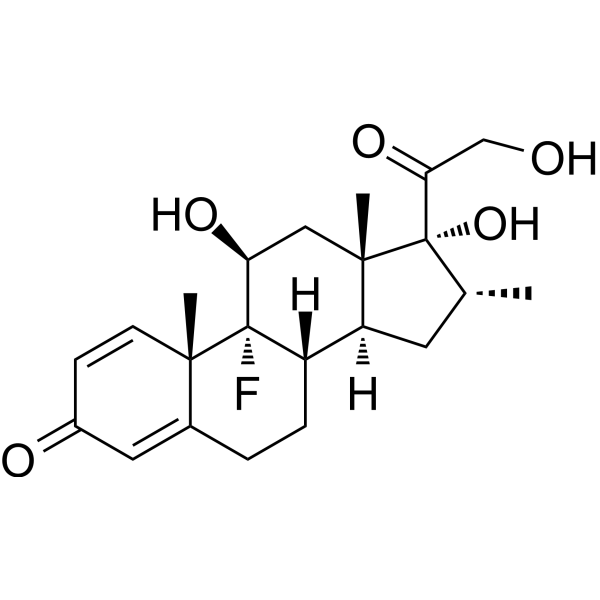
    Dexamethasone
    Maximum Cited Publications
    359 Publications Verification

    Hexadecadrol; Prednisolone F

    Exosomes Glucocorticoid Receptor SARS-CoV Autophagy Complement System Mitophagy Bacterial Antibiotic ADC Payload Infection Cardiovascular Disease Inflammation/Immunology Endocrinology Cancer
    Dexamethasone (Hexadecadrol) is a glucocorticoid receptor agonist, apoptosis inducer, and common disease inducer in experimental animals, constructing models of muscle atrophy, hypertension, and depression. Dexamethasone can inhibit the production of inflammatory miRNA-155 exosomes in macrophages and significantly reduce the expression of inflammatory factors in neutrophils and monocytes. Dexamethasone also has potential for use in COVID-19 research .
    Dexamethasone
  • HY-14648C
    Dexamethasone (Water Soluble)
    355+ Cited Publications

    Dexamethasone cyclodextrin complex

    Exosomes Glucocorticoid Receptor SARS-CoV Autophagy Complement System Mitophagy Bacterial Antibiotic Infection Inflammation/Immunology Endocrinology Cancer
    Dexamethasone (Hexadecadrol) Water Soluble is a water-soluble form of Dexamethasone (HY-14648). Dexamethasone is a glucocorticoid receptor agonist, apoptosis inducer, and a common disease inducer in experimental animals. It can be used to construct models of muscle atrophy, hypertension, and depression. Dexamethasone can inhibit the production of inflammatory miRNA-155 exosomes in macrophages and significantly reduce the expression of inflammatory factors in neutrophils and monocytes. Dexamethasone also has the potential to be used in COVID-19 research .(Sale size is the weight of dexamethasone)
    Dexamethasone (Water Soluble)
  • HY-112980
    Nusinersen
    4 Publications Verification

    DNA/RNA Synthesis Neurological Disease
    Nusinersen is an antisense oligonucleotide active molecule. Nusinersen modifies the pre-messenger RNA splicing of the SMN2 gene, thereby promoting the production of full-length SMN protein. Nusinersen improves spinal muscular atrophy .
    Nusinersen
  • HY-19620
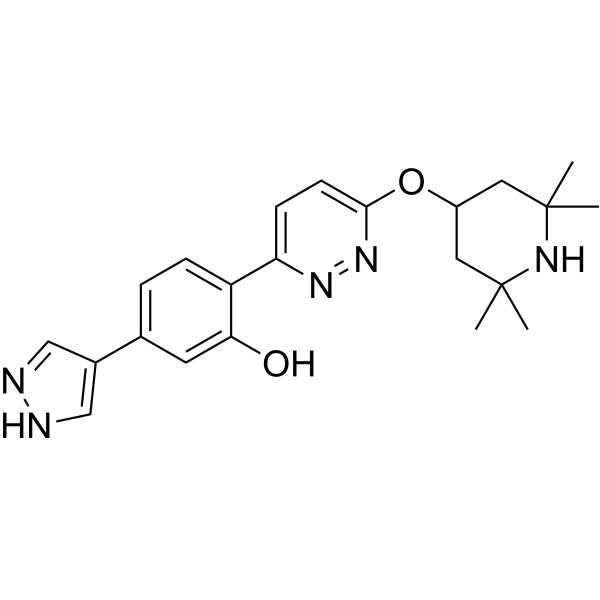
    Branaplam
    10+ Cited Publications

    LMI070; NVS-SM1

    DNA/RNA Synthesis Potassium Channel Cancer
    Branaplam (LMI070; NVS-SM1) is a highly potent, selective and orally active survival motor neuron-2 (SMN2) splicing modulator with an EC50 of 20 nM for SMN. Branaplam inhibits human-ether-a-go-go-related gene (hERG) with an IC50 of 6.3 μM. Branaplam elevates full-length SMN protein and extends survival in a severe spinal muscular atrophy (SMA) mouse model .
    Branaplam
  • HY-P99441

    SRK-015

    TGF-beta/Smad Neurological Disease
    Apitegromab (SRK-015) is an anti-promyostatin monoclonal antibody. Apitegromab can be used for the research of neuromuscular disease including spinal muscular atrophy .
    Apitegromab
  • HY-P99388
    Trevogrumab
    1 Publications Verification

    REGN-1033; SAR391786

    TGF-beta/Smad Metabolic Disease
    Trevogrumab (REGN-1033) is a monoclonal antibody targeting GDF8 (growth differentiation factor 8, also known as myostatin). Trevogrumab is used in research on muscle wasting conditions, including disuse atrophy, chronic diseases, and changes in food and nutrient intake .
    Trevogrumab
  • HY-112980A
    Nusinersen sodium
    4 Publications Verification

    DNA/RNA Synthesis Neurological Disease
    Nusinersen sodium is an antisense oligonucleotide active molecule. Nusinersen sodium modifies the pre-messenger RNA splicing of the SMN2 gene, thereby promoting the production of full-length SMN protein. Nusinersen sodium improves spinal muscular atrophy .
    Nusinersen sodium
  • HY-B0191

    AGN 192024

    Prostaglandin Receptor MMP Cardiovascular Disease Endocrinology
    Bimatoprost is a prostaglandin analog that reduces intraocular pressure by regulating scleral and trabecular outflow. Bimatoprost is used in the study of open-angle glaucoma, ocular hypertension, and other forms of glaucoma. Topical application of bimatoprost induces fat atrophy and causes a deepening of the eyelid sulcus .
    Bimatoprost
  • HY-102020
    RG3039
    3 Publications Verification

    PF-06687859

    DNA/RNA Synthesis Neurological Disease
    RG3039 (PF-06687859) is an orally active, blood-brain barrier-permeable DcpS inhibitor with an IC50 of 4.2 nM against hDcpS. RG3039 inhibits the decapping activity of DcpS and maintains DcpS in a catalytically inactive conformation in the central nervous system and other tissues. RG3039 extends survival and improves function in spinal muscular atrophy mice. RG3039 is applicable to research related to spinal muscular atrophy .
    RG3039
  • HY-P99518

    BMS 986089; RG 6206; RO 7239361; BHV2000

    TGF-beta/Smad Others
    Taldefgrobep alfa (BMS 986089; RG 6206; RO 7239361) is a potent inhibitory antibody targeting to human myostatin. Taldefgrobep alfa is a fusion protein composed of a human IgG1-Fc domain and Adnectin domain. Taldefgrobep alfa can be used for spinal muscular atrophy (SMA) research .
    Taldefgrobep alfa
  • HY-108943
    Sabinene
    2 Publications Verification

    Others Others
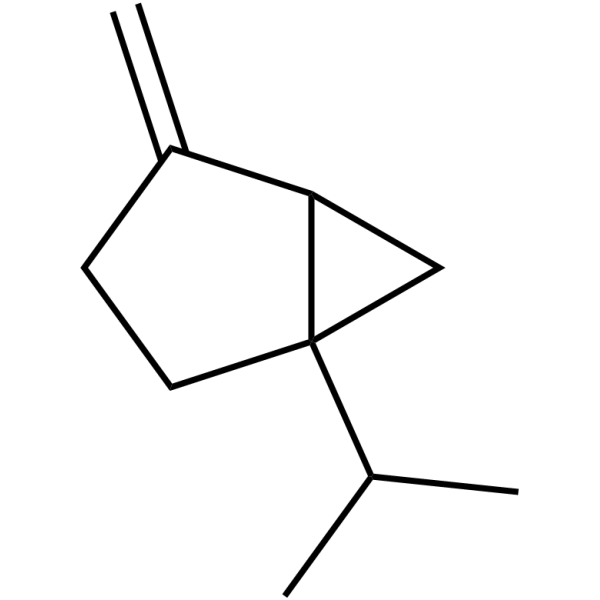
    Sabinene is an naturally occurring bicyclic monoterpene which can be used as flavorings, perfume additives, fine chemicals, and advanced biofuels. Sabinene is also an orally active compound to attenuates skeletal muscle atrophy and regulates ROS-mediated MAPK/MuRF-1 pathways .
    Sabinene
  • HY-19620A
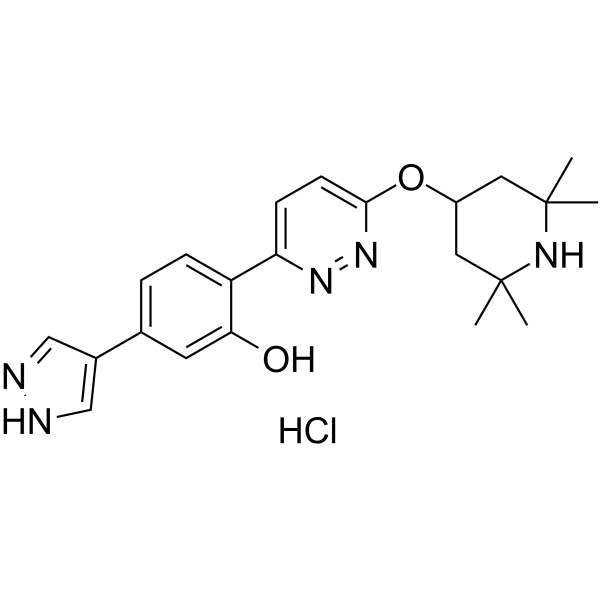
    Branaplam hydrochloride
    10+ Cited Publications

    LMI070 hydrochloride; NVS-SM1 hydrochloride

    DNA/RNA Synthesis Potassium Channel Cancer
    Branaplam (LMI070; NVS-SM1) hydrochloride is a highly potent, selective and orally active survival motor neuron-2 (SMN2) splicing modulator with an EC50 of 20 nM for SMN. Branaplam hydrochloride inhibits human-ether-a-go-go-related gene (hERG) with an IC50 of 6.3 μM. Branaplam hydrochloride elevates full-length SMN protein and extends survival in a severe spinal muscular atrophy (SMA) mouse model .
    Branaplam hydrochloride
  • HY-176803

    15-PGDH Neurological Disease
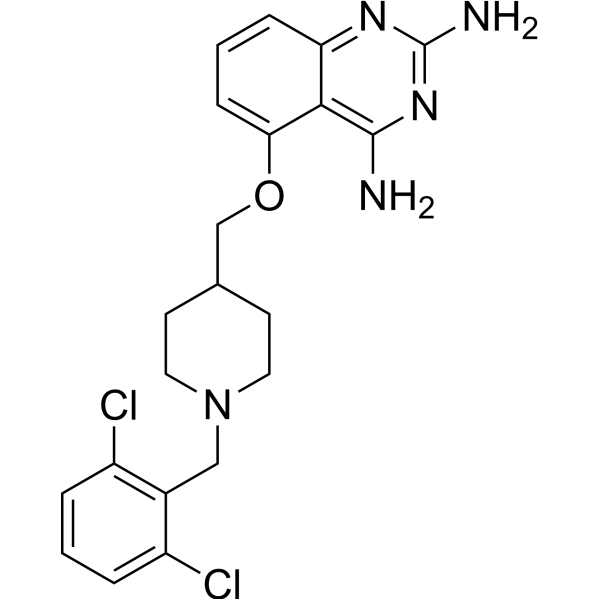
    MF-DH-300 is a 15-PGDH inhibitor that can be applicable to the research of muscle disorders such as spinal muscular atrophy (SMA).
    MF-DH-300
  • HY-30216A

    α-Hydroxyisocaproic acid

    Drug Metabolite Hydroxycarboxylic Acid Receptor (HCAR) AMPK ERK Metabolic Disease Inflammation/Immunology
    Leucic acid (α-Hydroxyisocaproic acid) is an orally active end-product of the microbial metabolism of leucine. Leucic acid can bind to HCAR2, alters AMPK and ERK1/2 phosphorylation status, suppresses lipid synthesis, promotes catabolism, reduces adiposity, enhances lean mass and exercise capacity. Leucic acid suppresses pro-inflammatory cytokine secretion, inflammation-related gene mRNA expression. Leucic acid decreases basal protein synthesis, attenuates myotube atrophy. Leucic acid can be used for the research of obesity .
    Leucic acid
  • HY-101792
    RG7800
    5 Publications Verification

    RO6885247

    DNA/RNA Synthesis Others
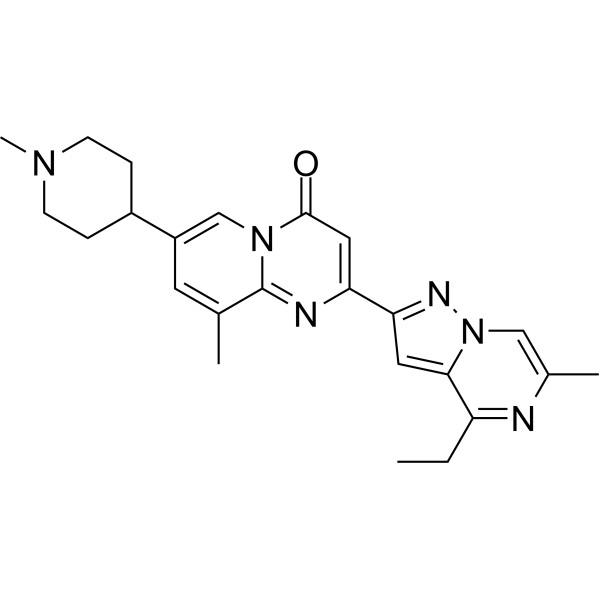
    RG7800 is a SMN2 splicing modifier. RG7800 has the potential for spinal muscular atrophy treatment.
    RG7800
  • HY-P10476

    TGF-beta/Smad Others
    Myostatin inhibitory peptide 2 (compd 2) is a myostatin inhibitor with a Kd of 35.9 nM. Myostatin inhibitory peptide 2 can be used for researches of muscle atrophic disorders .
    Myostatin inhibitory peptide 2
  • HY-108293

    Estrogen Receptor/ERR Endocrinology Cancer
    Promestriene is a synthetic diethyl-ether of estradiol and a locally effective estrogen. Promestriene has an efficient action on vaginal atrophy while it is minimally absorbed .
    Promestriene
  • HY-P990993

    GYM-329, RG6237, RG-70240

    TGF-beta/Smad Inflammation/Immunology
    Emugrobart (GYM-329, RG6237, RG-70240) is a humanized IgG1κ antibody targeting myostatin (Myostatin; GDF8). Emugrobart binds to pro-myostatin and latent myostatin, blocking their cleavage into mature myostatin; it also has a clearance function, which transports bound myostatin for degradation and allows for cyclic reuse. Emugrobart enhances muscle strength in mouse models of muscle atrophy and increases muscle mass in cynomolgus monkeys. Emugrobart can be used in research on spinal muscular atrophy and facioscapulohumeral muscular dystrophy .
    Emugrobart
  • HY-148457

    Izervay

    Complement System Infection Neurological Disease Inflammation/Immunology
    Avacincaptad pegol (Izervay) is a selective inhibitor targeting complement component C5, and is a pegylated ribonucleic acid aptamer. Avacincaptad pegol inhibits the cleavage of C5 into pro-inflammatory C5a and C5b, which forms the membrane attack complex (C5b-9), thereby reducing inflammatory cell recruitment and retinal cell damage. Avacincaptad pegol can slow the growth of geographic atrophy (GA) lesions and reduce the risk of persistent vision loss. Avacincaptad pegol can be used in research of geographic atrophy associated with age-related macular degeneration (AMD) and has been approved by the FDA .
    Avacincaptad pegol
  • HY-N0698

    Endogenous Metabolite α-synuclein Neurological Disease Cancer
    Crocin II is an inhibitor targeting α-synuclein aggregation, with a IC50 of 0.541 μM and a EC50 of 3.63 μM. Crocin II inhibits α-synuclein aggregation and dissociates pre-formed α-synuclein fibrils. Crocin II possesses antioxidant, anticancer and antidepressant activities. Crocin II is applicable to research related to neurological disorders such as Parkinson's disease, dementia with Lewy bodies and multiple system atrophy, as well as cancers .
    Crocin II
  • HY-B1435

    Thymoxamine hydrochloride

    Adrenergic Receptor Cardiovascular Disease Neurological Disease Metabolic Disease
    Moxisylyte (Thymoxamine) hydrochloride is a selective α1A-adrenergic receptor antagonist. Moxisylyte hydrochloride competitively antagonizes the activation mediated by norepinephrine. Moxisylyte hydrochloride relaxes penile cavernous smooth muscle and aids erectile function. Moxisylyte hydrochloride is applicable to research related to erectile dysfunction and multiple system atrophy .
    Moxisylyte hydrochloride
  • HY-129531

    E1/E2/E3 Enzyme Neurological Disease
    MuRF1-IN-1 is an orally active MuRF1 inhibitor. MuRF1-IN-1 can inhibit the interaction between MuRF1 and titin as well as E3 ligase activity. MuRF1-IN-1 can alleviate skeletal muscle atrophy and dysfunction in cardiac cachexia .
    MuRF1-IN-1
  • HY-107566

    Histamine Receptor Parasite MDM-2/p53 NF-κB FOXO Bacterial Infection Neurological Disease
    Conessine is an orally active and BBB-penetrable selective histamine H3 receptor antagonist. The pKi values of Conessine for rat and human H3 receptors are 7.61 and 8.27, respectively. Conessine is an inhibitor of the multidrug efflux pump system in Pseudomonas aeruginosa and can enhance the activity of antibiotics. Conessine has antimalarial activity. Conessine can also be used in the research of muscle atrophy .
    Conessine
  • HY-154021A

    5-FMOrn dihydrochloride

    OAT Metabolic Disease
    5-Fluoromethylornithine (5-FMOrn) dihydrochloride is a specific irreversible inhibitor of L-ornithine:2-oxoacid aminotransferase (OAT). 5-Fluoromethylornithine dihydrochloride can be used in the study of gyrate atrophy of choroid and retina .
    5-Fluoromethylornithine dihydrochloride
  • HY-132579

    RG6042; IONIS-HTTRx

    Huntingtin Neurological Disease
    Tominersen (RG6042) is a second-generation 2′-O-(2-methoxyethyl) antisense oligonucleotide that targets huntingtin protein (HTT) mRNA and potently suppresses HTT production. Tominersen improves survival and reduces brain atrophy in mice. Tominersen can be used for the research of Huntington’s disease (HD) .
    Tominersen
  • HY-18102
    GLPG0492
    5+ Cited Publications

    Androgen Receptor Neurological Disease
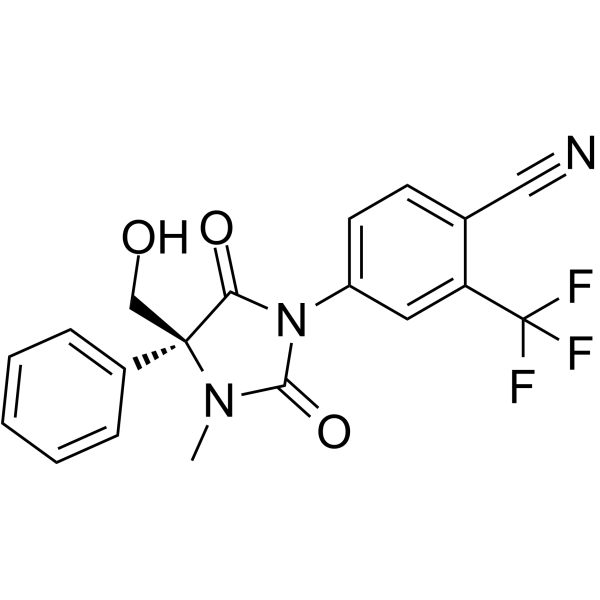
    GLPG0492 is an orally active, non-steroidal selective androgen receptor modulator. GLPG0492 exerts functional transactivation by binding to the ligand-binding domain of the receptor, exhibiting preferential partial agonist activity in muscle and bone tissues with low activity in reproductive tissues. GLPG0492 effectively counteracts muscle atrophy-related pathways, significantly enhances muscle strength, maintains motor ability, reduces fibrosis and improves electrophysiological parameters. GLPG0492 prevents immobilization-induced muscle atrophy and regulates muscle mass homeostasis, serving as a valuable tool compound for studies on Duchenne muscular dystrophy, muscle loss and various types of disuse musculoskeletal atrophy .
    GLPG0492
  • HY-N3225

    NAMPT Sirtuin Microtubule/Tubulin Apoptosis Autophagy PDGFR NF-κB AMPK Cardiovascular Disease Neurological Disease Metabolic Disease Inflammation/Immunology Cancer
    Myricanol is a diarylheptanoid and a Nampt activator. Myricanol exerts anti-inflammatory effects and alleviates glucocorticoid-induced muscle atrophy by increasing Sirtuin 1 (SIRT1) and PRDX5 activities while regulating inflammatory factors. Myricanol exhibits growth inhibition and induces apoptosis in human lung adenocarcinoma A549 cells. Myricanol promotes autophagy-mediated clearance of microtubule-associated protein tau to exert neuroprotective effects. Myricanol protects cardiovascular function by inhibiting PDGFRβ and NF-κB signaling pathways. Myricanol activates mitochondrial transcription factor A (TFAM) expression to exert anti-renal fibrosis effects. Myricanol improves insulin resistance through AMPK activation .
    Myricanol
  • HY-149127

    ASC-JM17; ALZ-003

    Keap1-Nrf2 Androgen Receptor HSP Mitophagy Metabolic Disease
    Rosolutamide (ASC-JM17), a curcumin analog, is an orally active, potent Nrf1 and Nrf2 activator. Rosolutamide activates Nrf1, Nrf2 and heat shock factor 1 (Hsf1), thereby activating the expression of proteasome subunits, antioxidant enzymes and molecular chaperones. Rosolutamide degrades the polyglutamine (polyQ) androgen receptor (AR) via the ubiquitin-proteasome pathway and improves motor function in mouse models of spinal and bulbar muscular atrophy (SBMA). Rosolutamide improves mitochondrial function and promotes autophagy, decreases mutant protein aggregates, and attenuates intracellular/mitochondrial reactive oxygen species (ROS) levels .
    Rosolutamide
  • HY-112633

    DNA/RNA Synthesis Others
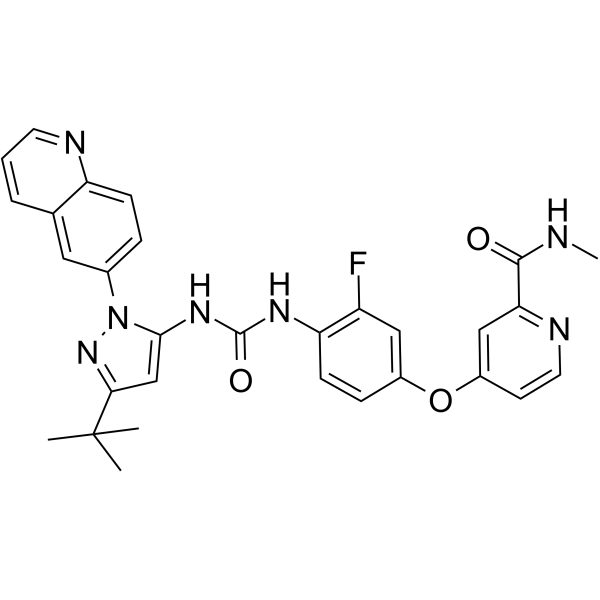
    SMN-C3 is an orally active SMN2 splicing modulator and has the potential to treat spinal muscular atrophy (SMA).
    SMN-C3
  • HY-137557

    APN1607; PM-PBB3

    Tau Protein Neurological Disease
    Florzolotau (APN1607) is a positron emission tomography (PET) ligand that can be used for the detection of Alzheimer's disease (AD) and other tau proteinopathies. Its binding sites are located in the β-sheet of paired helical filaments (PHFs) and straight filaments (SFs) of tau protein, as well as in the C-shaped cavity of SFs. In addition, APN-1607 binds to intraneuronal inclusions in Alzheimer's disease (AD), primary age-related tauopathy (PART) and posterior cortical atrophy (PCA). Florzolotau shows promise for PET imaging studies of neurological disorders, particularly tau proteinopathies .
    Florzolotau
  • HY-P10242

    TGF-beta/Smad Others
    Myostatin inhibitory peptide 7 is a 23 amino acids peptide, which is derived from amino acids 21 to 43 of the mouse myostatin prodomain. Myostatin inhibitory peptide 7 inhibits myostatin with a Kd of 29.7 nM. Myostatin inhibitory peptide 7 can be used for researches of muscle atrophic disorders .
    Myostatin inhibitory peptide 7
  • HY-P99818

    ACE-031

    TGF-β Receptor Metabolic Disease
    Ramatercept (ACE-031) is a soluble ActRIIB receptor and can be used as a soluble activin receptor 2 (ACVR2) antagonist. Ramatercept inhibits the signal pathway of muscle growth inhibition and has potential application in muscle atrophy .
    Ramatercept
  • HY-148370A

    IONIS-FB-LRx sodium; RG6299 sodium; ISIS 696844 sodium

    Complement System Others
    Sefaxersen sodium is a specific antisense oligonucleotide (ASO) targeting complement factor B (CFB). Sefaxersen sodium effectively reduces circulating levels of CFB, and can be used for geographic atrophy (GA) research .
    Sefaxersen sodium
  • HY-148370

    IONIS-FB-LRx; RG6299; ISIS 696844

    Complement System Others
    Sefaxersen (IONIS-FB-LRx) is a specific antisense oligonucleotide (ASO) targeting complement factor B (CFB). Sefaxersen effectively reduces circulating levels of CFB. Sefaxersen can be used for geographic atrophy (GA) research .
    Sefaxersen
  • HY-132579A

    RG6042 sodium; IONIS-HTTRx sodium

    Huntingtin Neurological Disease
    Tominersen sodium is a second-generation 2′-O-(2-methoxyethyl) antisense oligonucleotide that targets huntingtin protein (HTT) mRNA and potently suppresses HTT production. Tominersen improves survival and reduces brain atrophy in mice. Tominersen sodium can be used for the research of Huntington’s disease (HD) .
    Tominersen sodium
  • HY-111520

    DNA/RNA Synthesis Neurological Disease
    NVS-SM2 is a potent, orally active and brain-penetrant SMN2 splicing enhancer with an EC50 of 2 nM for SMN. NVS-SM2 enhances U1-pre-mRNA association. NVS-SM2 promotes exon 7 inclusion and restores normal survival motor neuron (SMN) protein expression. NVS-SM2 can be used for spinal muscular atrophy (SMA) research .
    NVS-SM2
  • HY-101792A
    RG7800 tetrahydrochloride
    5 Publications Verification

    RO6885247 tetrahydrochloride

    DNA/RNA Synthesis Neurological Disease
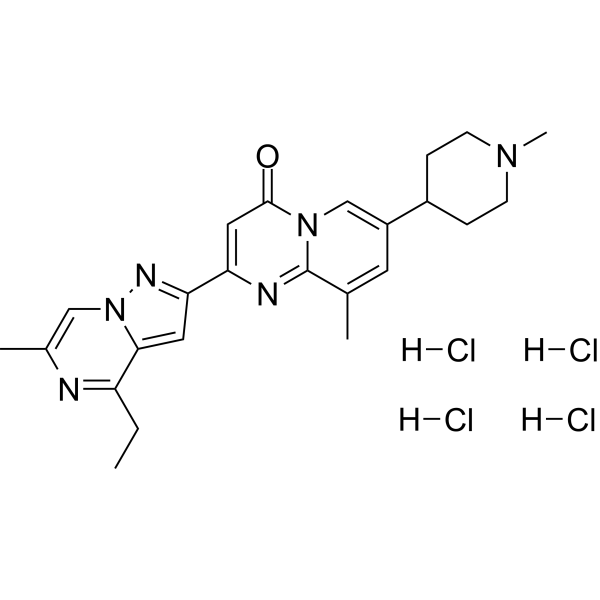
    RG7800 hydrochloride is an orally active SMN2 splicing modulator, with EC1.5xs of 23 nM and 87 nM for SMN2 splicing and SMN protein; RG7800 hydrochloride has the potential to treat spinal muscular atrophy.
    RG7800 tetrahydrochloride
  • HY-W011215
    Dihexyl phthalate
    1 Publications Verification

    Apoptosis Reactive Oxygen Species (ROS) Inflammation/Immunology
    Dihexyl phthalate is one of the commonly used phthalate esters in various plastics and consumer products. Dihexyl phthalate is classified as a priority pollutant and an endocrine disruptor. Dihexyl phthalate can induce reactive oxygen species (ROS) accumulation, promote inflammation, and lead to significant increases in apoptosis and inflammation-related gene expression levels. Dihexyl phthalate can cause testicular atrophy and is a reproductive toxicant .
    Dihexyl phthalate
  • HY-124648

    DNA/RNA Synthesis Inflammation/Immunology
    SMN-C2, an analog of RG-7916, is a selective modulator of SMN2 gene splicing that acts by binding SMN2 pre-mRNA, thereby increasing far upstream element binding protein 1 (FUBP1) and KH-spliced RNA binding Protein affinity regulator protein (KHSRP) to the SMN2 pre-mRNA complex. SMN-C2 can be used in spinal muscular atrophy (SMA) research .
    SMN-C2
  • HY-W184800

    Bacterial E1/E2/E3 Enzyme Inflammation/Immunology
    MuRF1-IN-2 (Example 3) is a MuRF1 inhibitor. MuRF1-IN-2 can be used for research of muscle wasting conditions, of skeletal or cardial muscle atrophy .
    MuRF1-IN-2
  • HY-122604

    DNA/RNA Synthesis Neurological Disease
    PF-DcpSi is a mRNA decapping scavenger enzyme (DcpS) inhibitor (IC50: 0.11 nM). PF-DcpSi (30 mg/kg,i.p.) ameliorates the disease phenotype in a mice model of spinal muscular atrophy (SMA) .
    PF-DcpSi
  • HY-124713

    DNA/RNA Synthesis Neurological Disease
    ML372 inhibits survival motor neuron (SMN) protein ubiquitination, increases SMN protein stability without affecting mRNA expression. ML372 improves spinal muscular atrophy (SMA) in mice. ML372 is brain penetrant and has a reasonable exposure and half-life in vivo .
    ML372
  • HY-N0679S

    ALK-001; Retinol acetate-d3; Vitamin A acetate-d3

    Isotope-Labeled Compounds Metabolic Disease
    Retinyl acetate-d3 (ALK-001) is a deuterated Vitamin A. Retinyl acetate-d3 can be used for research of geographic atrophy (GA) secondary to age-related macular degeneration (AMD) .
    Retinyl acetate-d3
  • HY-N3741

    Didrovaltratum

    Calcium Channel Reactive Oxygen Species (ROS) Autophagy Inflammation/Immunology Cancer
    Didrovaltrate (Didrovaltratum) is an L-type calcium channel blocker, ROS scavenger, autophagy enhancer, and lipid accumulation inhibitor. Didrovaltrate blocks L-type calcium currents in a concentration-dependent manner, shifts the current-voltage curve upward, modulates steady-state inactivation kinetics, and inhibits the nuclear translocation of glucocorticoid receptors. Didrovaltrate reduces ROS levels, downregulates the expression of muscle atrophy-related genes, enhances autophagy via lipophagy, and decreases Oleic acid-induced lipid accumulation. Didrovaltrate exhibits cytotoxic activity against cancer cells. Didrovaltrate can be used in research related to skeletal muscle atrophy, non-alcoholic fatty liver disease, breast cancer, lung cancer, gastric cancer, and prostate cancer .
    Didrovaltrate
  • HY-111055

    GSK-3 Neurological Disease
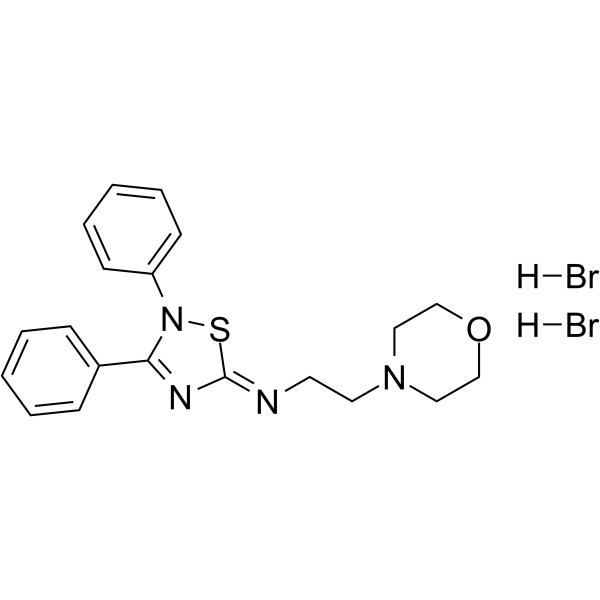
    BIP-135 is a potent and selective ATP-competitive GSK-3 inhibitor, with IC50s of 16 nM and 21 nM for GSK-3α and GSK-3β, respectively. BIP 135 exhibits neuroprotective effect .
    BIP-135
  • HY-112821
    IBS008738
    3 Publications Verification

    YAP Inflammation/Immunology
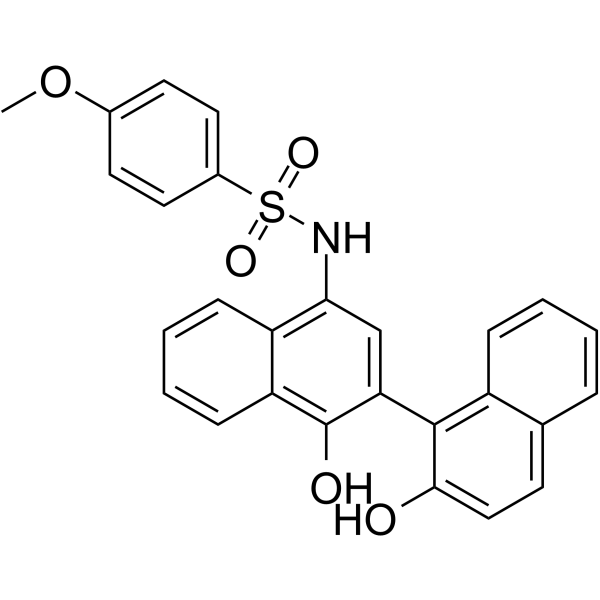
    IBS008738 is a potent TAZ activator. IBS008738 stabilizes TAZ, increases the unphosphorylated TAZ level, enhances the association of MyoD with the myogenin promoter, upregulates MyoD-dependent gene transcription, and competes with myostatin in C2C12 cells. IBS008738 enhances myogenesis in C2C12 cells and facilitates muscle repair in a muscle injury model .
    IBS008738
  • HY-153405

    Biochemical Assay Reagents Phosphoramidites Others
    Activated DPG Subunit can be used in the synthesis of exon jumping oligomer conjugates. The oligomer conjugates complement selected target sites in the human anti-muscular atrophy protein gene and induce exon 51 jumping. It can be used for research of muscular dystrophy .
    Activated DPG Subunit
  • HY-153406

    Biochemical Assay Reagents Others
    Activated T Subunit can be used in the synthesis of exon jumping oligomer conjugates. The oligomer conjugates complement selected target sites in the human anti-muscular atrophy protein gene and induce exon 51 jumping. Activated T subunit can be used for research of muscular dystrophy .
    Activated T Subunit
  • HY-139046

    Adrenergic Receptor Neurological Disease
    MEPB is a modulator of AF-2 of the androgen receptor. MEPB increases co-repressor binding of AR. MEPB can bind to the BF3 pocket of AR specifically, thereby modulating the binding of co-regulators to the AF2 domain. MEPB alleviates degeneration in spinal bulbar muscular atrophy mouse model .
    MEPB
  • HY-W011215S

    Isotope-Labeled Compounds Apoptosis Reactive Oxygen Species (ROS) Others
    Dihexyl phthalate-3,4,5,6-d4 is the deuterium labeled Dihexyl phthalate-3,4,5,6. Dihexyl phthalate (HY-W011215) is one of the commonly used phthalate esters in various plastics and consumer products. Dihexyl phthalate is classified as a priority pollutant and an endocrine disruptor. Dihexyl phthalate can induce reactive oxygen species (ROS) accumulation, promote inflammation, and lead to significant increases in apoptosis and inflammation-related gene expression levels. Dihexyl phthalate can cause testicular atrophy and is a reproductive toxicant .
    Dihexyl phthalate-3,4,5,6-d4

Inquiry Online

Your information is safe with us. * Required Fields.

Salutation


Country or Region *

Applicant Name *


Organization Name *

Department *


Email Address *


Product Name *

Cat. No.


Requested quantity *

Phone Number *


Remarks

Inquiry Online

Inquiry Information

Product Name:
Cat. No.:
Quantity:
MCE Japan Authorized Agent:

