Search Result
Results for "
bicyclic
" in MedChemExpress (MCE) Product Catalog:
2
Biochemical Assay Reagents
3
Isotope-Labeled Compounds
| Cat. No. |
Product Name |
Target |
Research Areas |
Chemical Structure |
-
- HY-N6693
-
|
NSC 122023
|
Apoptosis
Antibiotic
Autophagy
Fungal
|
Infection
Others
Cancer
|
|
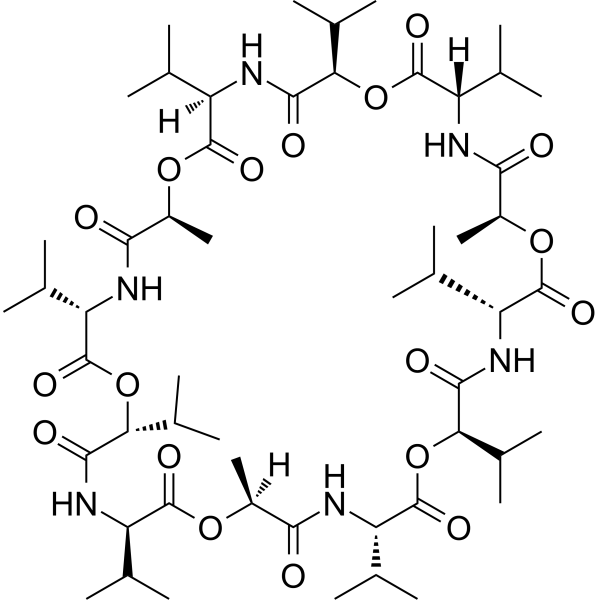
Valinomycin is a potassium-specific ionophore, the valinomycin-K + complex can be incorporated into biological bilayer membranes with the hydrophobic surface of valinomycin, destroys the normal K + gradient across the membrane, and as a result kills the cells, incorporating into liposomes can significantly reduces the cytotoxicity and enhances the targeting effect. Valinomycin exhibits antibiotic, antifungal, antiviral, antitumor and insecticidal efficacy, thus can be used for relevant research .
|
-
-
- HY-20556
-
|
1,8-Diazabicyclo[5.4.0]undec-7-ene
|
Biochemical Assay Reagents
Drug Intermediate
|
Others
|
|
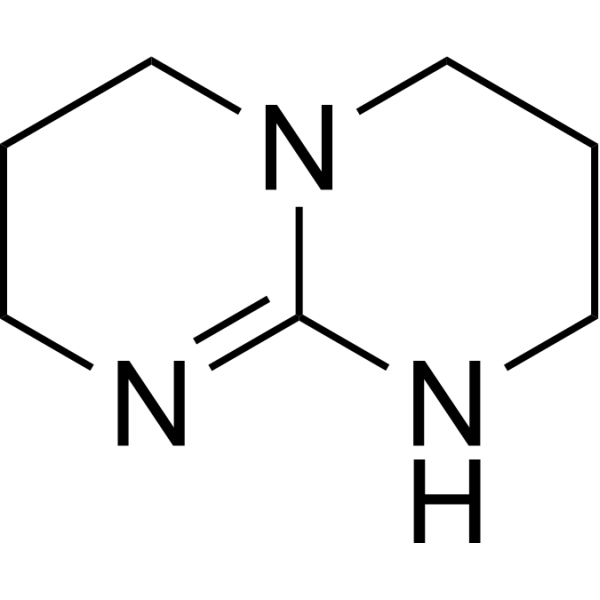
DBU (1,8-diazabicyclo[5.4.0]undec-7-ene) is a bicyclic sterically hindered amidine with strong basicity, which possesses multiple properties such as nucleophilicity and coordination ability. DBU is prone to hydrolysis and can undergo addition, substitution, cyclization and other reactions with various substrates to form derivatives containing its scaffold. DBU can also be used as a catalyst .
|
-
-
- HY-108943
-
|
|
Others
|
Others
|
|
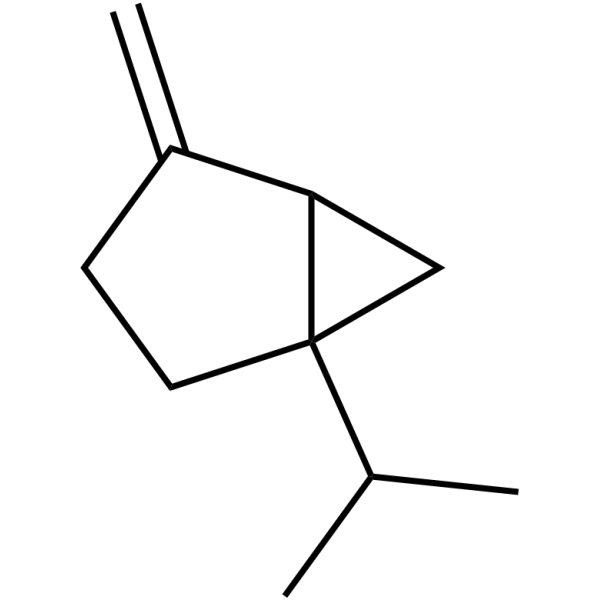
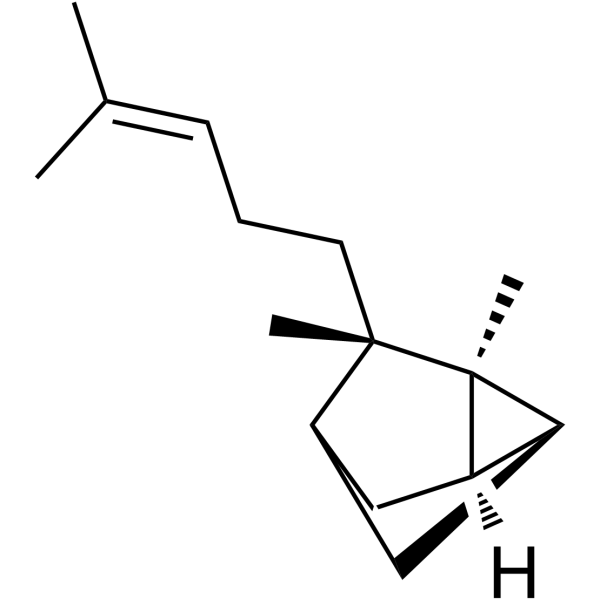
Sabinene is an naturally occurring bicyclic monoterpene which can be used as flavorings, perfume additives, fine chemicals, and advanced biofuels. Sabinene is also an orally active compound to attenuates skeletal muscle atrophy and regulates ROS-mediated MAPK/MuRF-1 pathways .
|
-
-
- HY-P10033
-
|
|
Ser/Thr Protease
|
Others
|
|
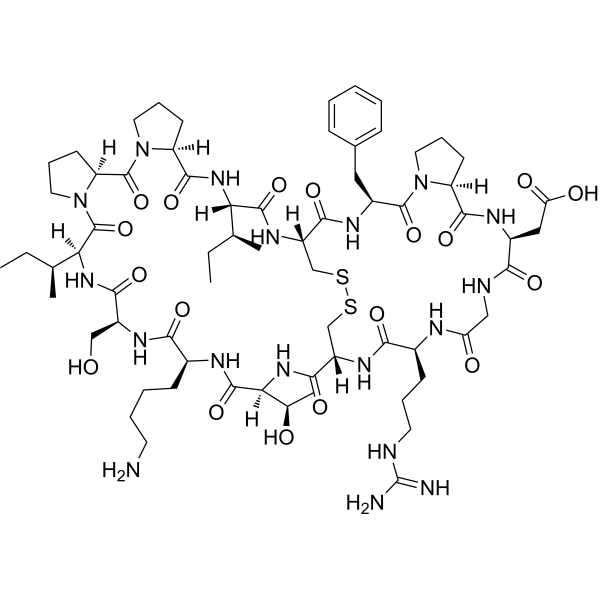
SFTI-1 is a cyclic peptide trypsin inhibitor consisting of 14 amino acid residues. SFTI-1 belongs to the Bowman-Birk class of inhibitors. Characterized by its small size, high stability, and potent activity, SFTI-1 can be used for research on peptide drug design platforms .
|
-
-
- HY-59156
-
|
|
Drug Intermediate
|
Others
|
|
Triazabicyclodecene is a bicyclic guanidine compound that can serve as a pharmaceutical intermediate for the formation of amides or esters .
|
-
-
- HY-127033
-
|
α-Santalene
|
Drug Derivative
|
Infection
Cancer
|
|
Santalene is a bicyclic sesquiterpene and a major component of sandalwood oil found in the heartwood of Santalum album. Santalene exhibits antibacterial, antioxidant and antitumor pharmacological activities .
|
-
-
- HY-134772
-
|
|
STAT
Cytochrome P450
|
Inflammation/Immunology
|
|
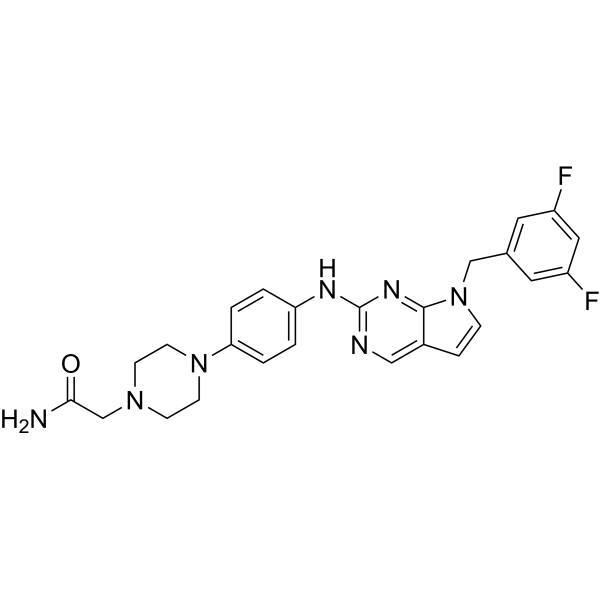
AS1810722 is an orally active and potent STAT6 inhibitor with an IC50 of 1.9 nM. AS1810722 shows a good profile of CYP3A4 inhibition. AS1810722, a derivative of fused bicyclic pyrimidine, has the potential for allergic diseases such as asthma and atopic diseases research .
|
-
-
- HY-N3544
-
-
-
- HY-N6951
-
-
-
- HY-P2031
-
|
|
Arp2/3 Complex
|
Others
|
|
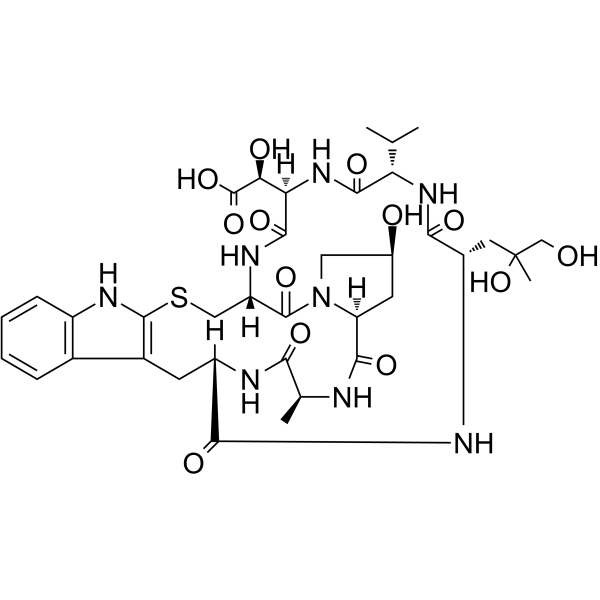
Phallacidin is a natural bicyclic heptapeptide derived from the poisonous mushroom Amanita phalloides. Phallacidin binds to filamentous actin specifically with high affinity, with a Kd of 20 nM. After binding to F-actin, Phallacidin strongly inhibits its depolymerization, stabilizes microfilament structures, and prevents their disruption by drugs such as cytochalasins. When conjugated with a fluorophore, Phallacidin serves as a specific fluorescent probe for F-actin, which is used to clearly visualize the distribution of actin in the cytoskeleton (e.g., stress fibers, cortical peripheral bands) under fluorescence microscopy .
|
-
-
- HY-N5132
-
|
|
Cytochrome P450
|
Others
|
|
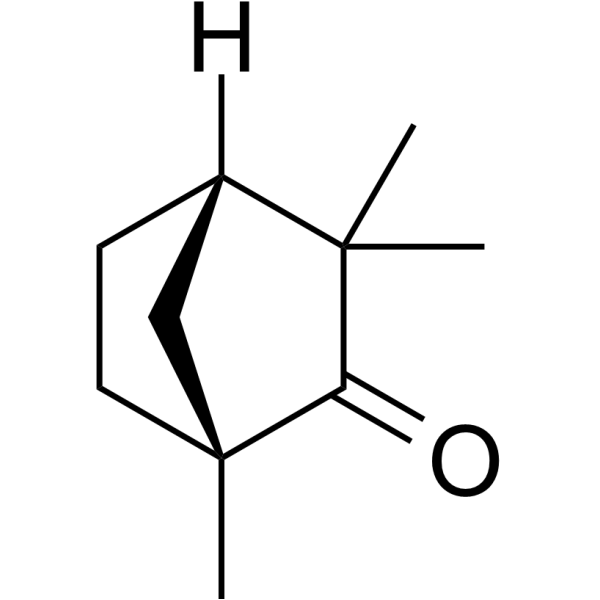
(-)-Fenchone is a bicyclic monoterpene and serves as a substrate for human liver microsomal cytochrome P450 enzymes CYP2A6 and CYP2B6. (-)-Fenchone is not metabolized by human CYP1A1, CYP1A2, CYP1B1, CYP2C8, CYP2C9, CYP2C19, CYP2D6, CYP2E1, or CYP3A4 enzymes. (-)-Fenchone undergoes hydroxylation to produce 6-exo-hydroxyfenchone, 6-endo-hydroxyfenchone, and 10-hydroxyfenchone. During the metabolism of (-)-Fenchone, CYP2A6 may play a more important role than CYP2B6 .
|
-
-
- HY-78985
-
|
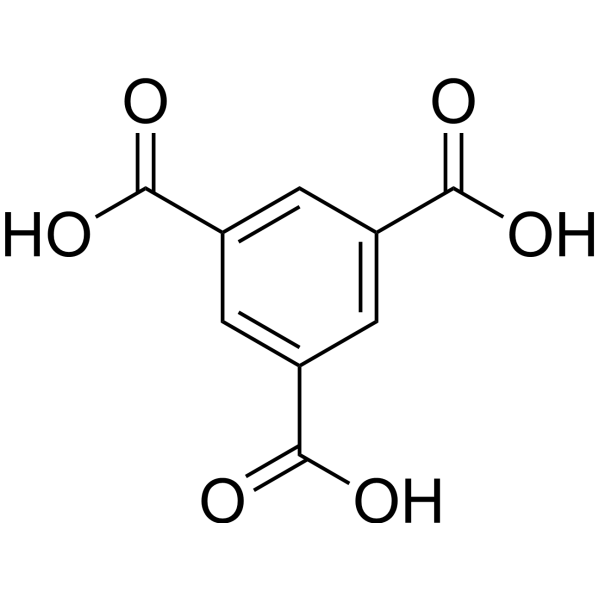
Trimesic acid
|
MOFs
Biochemical Assay Reagents
|
Others
|
|
Benzene-1,3,5-tricarboxylic acid (Trimesic acid) is a rigid planar small-molecule scaffold and crosslinker. Benzene-1,3,5-tricarboxylic acid induces bicyclic peptides to adopt a planar conformation, so as to maximize surface area and bind to the flat protein surfaces involved in protein-protein interactions. Benzene-1,3,5-tricarboxylic acid forms ionic crosslinks, hydrogen bonds and π-π bonds with chitosan, thereby constructing a hydrogel network. Benzene-1,3,5-tricarboxylic acid endows chitosan hydrogel systems with specific mechanical properties, enabling sustained release of cancer therapeutic drugs including 5-Fluorouracil (HY-90006) .
|
-
-
- HY-W010922
-
|
|
Amino Acid Derivatives
|
Others
|
|
Fmoc-Dap(Boc)-OH is an amino acid derivative with an Fmoc protecting group, which can be used to synthesize bicyclic peptide tachykinin NK2 antagonists .
|
-
-
- HY-W010649
-
|
|
HSP
Epigenetic Reader Domain
ATP-binding cassette (ABC) transporters
Bacterial
Fungal
Antibiotic
|
Infection
Metabolic Disease
Inflammation/Immunology
Cancer
|
|
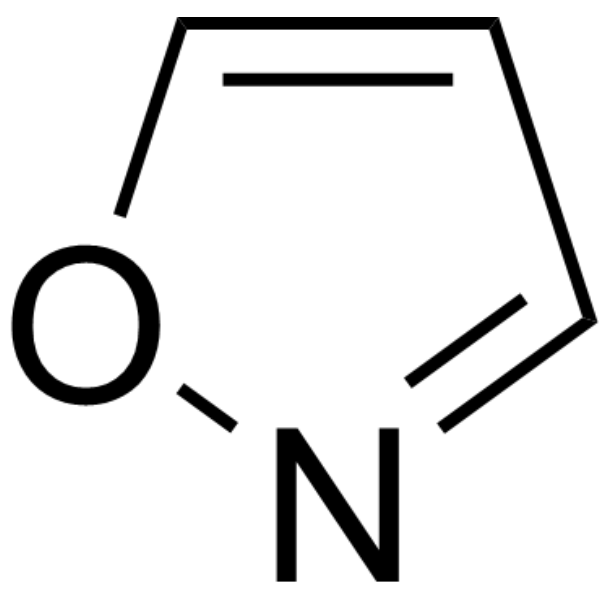
Isoxazole is a member of the five-membered heterocycle drug scaffold. Isoxazole has been used as a BET bromodomain inhibitor and can improve β-cell function in a diabetic mouse model. Isoxazole and its derivatives exhibit broad biological activities (such as antimicrobial, antibacterial, antifungal, antiviral, anticancer, anti-inflammatory, immunomodulatory, analgesic, anti-tuberculosis, and anti-diabetic effects). For example, the bicyclic Isoxazole can act as an HSP90 inhibitor, and the tricyclic Isoxazole is promising as a selective multidrug resistance protein (MRP1) inhibitor .
|
-
-
- HY-P1206
-
CH 275
1 Publications Verification
|
Somatostatin Receptor
|
Neurological Disease
|
|
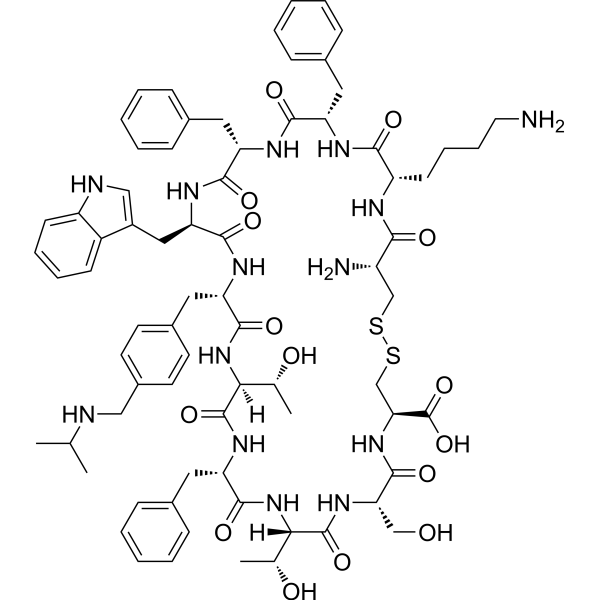
CH 275 is a peptide analog of somatostatin and binds preferably to somatostatin receptor 1 (sst1) with a Ki of 52 nM . CH 275 acts as a potent and selective sst1 agonist (IC50=30.9 nM) and also displays IC50 values of 345 nM, >1 μM, >10 μM, >10 μM for human sst3, sst4, sst2 and sst5, respectively . CH 275 can be used for the research of alzheimer’s disease .
|
-
-
- HY-P6292
-
|
|
PACAP Receptor
PKA
ERK
PI3K
Akt
GSK-3
|
Neurological Disease
Cancer
|
|
KS-133 is a bicyclic peptide with VIPR2 antagonistic activity that can cross the blood-brain barrier. KS-133 selectively blocks VIPR2-mediated Gq/Ca, Gs/cAMP, cAMP/PKA/ERK and PI3K/AKT/GSK3β signaling pathways. KS-133 inhibits VIPR2 agonist-induced CREB phosphorylation in the prefrontal cortex of mice. KS-133 shifts the polarization direction of macrophages toward M1. KS-133 attenuates cancer cell proliferation and reduces the cell cycle distribution level at the S-M phase. KS-133 exerts antitumor effects in a mouse model of colorectal cancer. KS-133 reverses cognitive decline in mouse models of psychiatric disorders. KS-133 can be used for research related to schizophrenia, colorectal cancer and breast cancer .
|
-
-
- HY-W570888
-
|
LNA-C(Bz)
|
Nucleoside Antimetabolite/Analog
|
Cancer
|
|
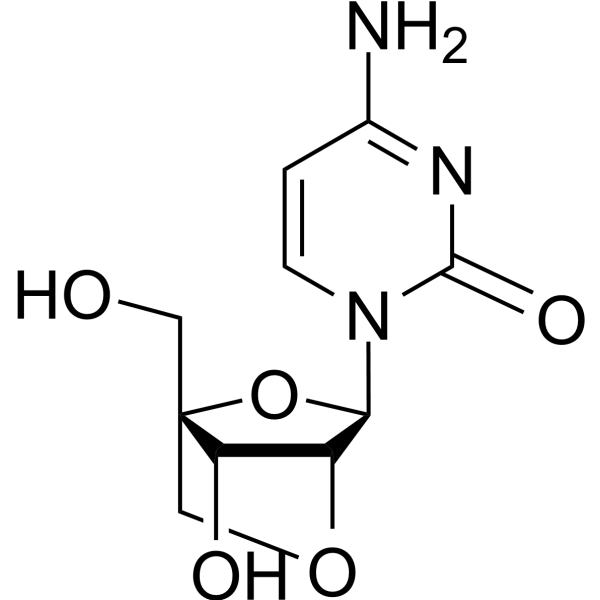
2'-O,4'-C-Methylenecytidine (LNA-C(Bz)) is a bicyclic nucleoside analogue with fixed N-type conformation. 2'-O,4'-C-Methylenecytidine can be used to synthesize oligonucleotides. 2'-O,4'-C-Methylenecytidine forms duplexes with complementary DNA and RNA strands .
|
-
-
- HY-136561
-
|
|
G Protein-coupled Receptor Kinase (GRK)
ERK
|
Metabolic Disease
|
|
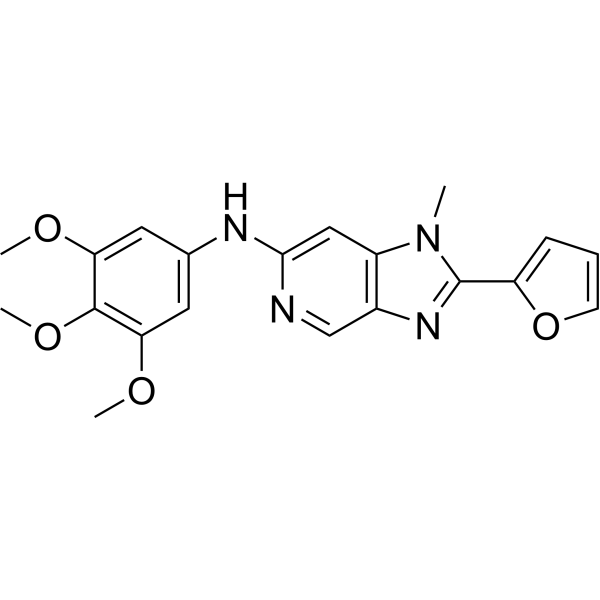
GRK5-IN-2 (compound 707), a pyridine-based bicyclic compound, is a potent G-protein-coupled receptor kinase 5 (GRK5) inhibitor with an IC50 of 49.7 μM. GRK5-IN-2 regulates the expression and/or release of insulin and is useful for the metabolic disease research .
|
-
-
- HY-W068697
-
|
Vinylacetic acid
|
Biochemical Assay Reagents
|
Others
|
|
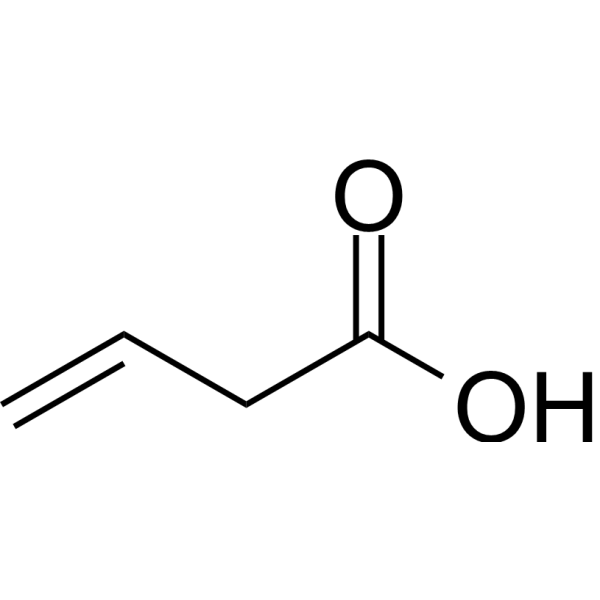
3-Butenoic acid (Vinylacetic acid) can be used to synthesize bicyclic 3,6-dihydro-1,2-oxazine. Strained bicyclic 3,6-dihydro-1,2-oxazine is a reactive substrate in domino metathesis with an external alkene .
|
-
-
- HY-N10793
-
|
|
Others
|
Cancer
|
|
RA-XI is a bicyclic hexapeptide isolated from Rubia cordifolia with antitumour activity .
|
-
-
- HY-111639
-
-
-
- HY-179253
-
|
|
Ras
|
Cancer
|
|
KRAS-IN-47 is a KRAS inhibitor with IC50 < 50 nM against KRAS G12V. KRAS-IN-47 can be used for the study of cancers .
|
-
-
- HY-N6663
-
|
|
Environmental Pollutants
COX
|
Inflammation/Immunology
|
|
3-Carene is a bicyclic monoterpene in essential oils extracted from pine trees. 3-Carene inhibits nociceptive stimulus-induced inflammatory infiltrates and COX-2 overexpression, and with antinociceptive effect. 3-Carene stimulates the activity and expression of alkaline phosphatase that is an early phase marker of osteoblastic differentiation .
|
-
-
- HY-177078
-
|
|
HIF/HIF Prolyl-Hydroxylase
|
Cancer
|
|
Davotifan (Compound A17) is a bicyclic compound. Davotifan is an inhibitor of HIF-2α. Davotifan can be studied in research for HIF-2α-related cancer .
|
-
-
- HY-W016103
-
|
|
Bacterial
Drug Intermediate
|
Infection
|
|
1-Hydroxy-2-naphthoic acid is a ubiquitous bicyclic intermediate metabolite in the microbial degradation process of polycyclic aromatic hydrocarbons (PAHs). 1-Hydroxy-2-naphthoic acid can be converted into 1,2-naphthalenediol, which enters the naphthalene degradation pathway and participates in the tricarboxylic acid (TCA) cycle to achieve complete mineralization .
|
-
-
- HY-P11032
-
|
|
SARS-CoV
Virus Protease
|
Infection
|
|
Mp-4D7-pF2, a cell-penetrating bicyclic peptide, is a noncovalent SARS-CoV-2 main protease inhibitor with an IC50 of 4.51 μM. Mp-4D7-pF2 has an antiviral activity against SARS-CoV-2 with no cytotoxicity. Mp-4D7-pF2 can used for COVID-19 infections research .
|
-
-
- HY-P10877
-
|
|
PAI-1
|
Cancer
|
|
Bicyclic UK18 is a competitive inhibitor for human urokinase-type plasminogen activator (uPA) with a Ki of 53 nM .
|
-
-
- HY-151829
-
|
|
ADC Linker
|
Others
|
|
Fmoc-L-Asn(EDA-N3)-OH is a click chemistry reagent containing an azide group. This building block is reported in literature for the modification of Amanitin via Click Chemistry. Alpha-Amanitin is the deadliest member of the amatoxin peptide family produced by the death-cap mushroom A. phalloides. It is an orally available, rigid, bicyclic octapeptide and one of the most lethal known natural products (LD50 = 50-100 μg/kg) acting as highly selective allosteric inhibitor of the RNA polymerase II . It contains an azide group and can undergo copper-catalyzed azide-alkyne cycloaddition (CuAAc) with molecules containing alkyne groups. It can also undergo ring strain-promoted alkyne-azide cycloaddition (SPAAC) with molecules containing DBCO or BCN groups.
|
-
-
- HY-76203
-
|
|
Drug Intermediate
|
Others
|
|
2-Coumaranone is a bicyclic heteroaromatic compound in which a six-membered benzene ring is annulated with a five-membered γ-butyrolactone ring. 2-Coumaranone can be used to synthesize chemiluminescent and fluorescent dyes .
|
-
-
- HY-P3193A
-
|
|
Biochemical Assay Reagents
|
Others
|
|
Cyclic nona-L-arginine hydrochloride, a nonaarginine peptide used for drug delivery, translocates faster than their linear counterparts .
|
-
-
- HY-126027
-
|
|
Drug Isomer
COX
|
Inflammation/Immunology
|
|
(+)-3-Carene, a bicyclic monoterpene, is one of the major components of the pine tree essential oils. (+)-3-Carene is a (+)-enantiomer of 3-Carene (HY-N6663) .
|
-
-
- HY-139798
-
|
|
Bacterial
|
Infection
|
|
Iboxamycin is a potent antibiotic candidate bearing a fused bicyclic amino acid residue. Iboxamycin is orally bioavailable, safe and effective in researching both Gram-positive and Gram-negative bacterial infections in mice .
|
-
-
- HY-109016
-
|
FV-100 free base
|
VZV
Antibiotic
Bacterial
|
Infection
|
|
Valnivudine (FV-100 free base), a proagent of CF-1743, is an orally active anti-herpes zoster (HZ) nucleoside analogue. CF-1743, a bicyclic nucleoside analog (BCNA), has highly specific antiviral activity against varicella-zoster virus (VZV). Valnivudine is rapidly and extensively converted to CF-1743 in vivo .
|
-
-
- HY-153486
-
|
|
Biochemical Assay Reagents
|
Others
|
|
N3-VC-PAB-PNP is the intermediate of bicyclic peptide ligand STING conjugates . N3-VC-PAB-PNP is a click chemistry reagent, it contains an Azide group and can undergo copper-catalyzed azide-alkyne cycloaddition reaction (CuAAc) with molecules containing Alkyne groups. It can also undergo strain-promoted alkyne-azide cycloaddition (SPAAC) reactions with molecules containing DBCO or BCN groups.
|
-
-
- HY-P10027A
-
|
|
Antibiotic
Bacterial
|
Infection
|
|
Clovibactin TFA is the TFA salt form of Clovibactin (HY-P10027). Clovibactin TFA is an antibiotic for drug-resistant bacterial pathogens without detectable resistance. Clovibactin TFA inihibits cell wall synthesis by targeting pyrophosphate of peptidoglycan precursors .
|
-
-
- HY-P10027
-
|
|
Antibiotic
Bacterial
|
Infection
|
|
Clovibactin is an antibiotic for drug-resistant bacterial pathogens without detectable resistance. Clovibactin TFA inihibits cell wall synthesis by targeting pyrophosphate of peptidoglycan precursors .
|
-
-
- HY-178489
-
|
|
Nectin-4
|
Cancer
|
|
BGC1614 is a Nectin-4-targeting bicyclic toxin conjugate (BTC) belonging to the category of peptide-drug conjugates (PDCs). BGC1614 exhibits strong targeted binding ability to Nectin-4, with an KD of 3.859 × 10 -7 M. BGC1614 exhibits superior antitumor efficacy in nude mice bearing PC-3 and N87 tumor xenografts. BGC1614 can be used for research related to Nectin-4-overexpressing tumors (such as prostate cancer, gastric cancer) .
|
-
-
- HY-W588249
-
|
|
Bacterial
Endogenous Metabolite
|
Infection
|
|
Sabinene hydrate is a volatile organic compound of a bicyclic monoterpene alcohol. Sabinene hydrate, as a plant secondary metabolite, is naturally present in various plants and their essential oils. Sabinene hydrate exhibits broad-spectrum but varying-intensity antibacterial activity, with the greatest sensitivity to Gram-positive bacteria, especially Bacillus subtilis (MIC = 0.0312 mg/mL) and Staphylococcus aureus (MIC = 0.0625 mg/mL). Sabinene hydrate also shows certain sensitivity to Escherichia coli and Candida albicans, with MIC values of 0.125 mg/mL for both. Sabinene hydrate can be used in the research of the ecological functions of plant defense substances .
|
-
-
- HY-N16534
-
|
|
Others
|
Others
|
|
Tetraketide is a bicyclic tetraketone natural product found in the leaves of Euscaphis japonica .
|
-
-
- HY-P10775
-
|
|
Peptide-Drug Conjugates (PDCs)
MMP
|
Cancer
|
|
BT1769 is a MT1-MMP-targeted (KD = 3.35 nM) Bicycle toxin conjugate. BT1769 can be used in the study for osteosarcoma. BT1769 consists of a novel bicyclic targeting peptide that selectively binds MT1-MMP; a cytotoxin MMAE; and an enzymatically cleavable dipeptide linker .
|
-
-
- HY-W718719
-
|
|
Others
|
Others
|
|
Tricyclene is a natural bicyclic monoterpene hydrocarbon, and it is one of the main components in the essential oil of Salvia aegyptiaca L .
|
-
-
- HY-111638
-
-
-
- HY-W010835
-
|
Boc-S-trityl-D-cysteine
|
Amino Acid Derivatives
|
Others
|
|
Boc-D-Cys(Trt)-OH (Boc-S-trityl-D-cysteine) is an amino acid derivative with a Boc protecting group, which can be used to synthesize the bicyclic depsipeptide histone deacetylase inhibitor spirocysteine .
|
-
-
- HY-121348
-
|
U-47929
|
Antibiotic
Bacterial
DNA/RNA Synthesis
|
Infection
|
Ficellomycin is a nitrogen-containing bicyclic antibiotic with strong activity against Gram-positive bacteria, including multidrug-resistant strains of Staphylococcus aureus. Ficellomycin works by inducing the formation of defective 34S DNA fragments, which interfere with the semi-conservative DNA replication process. These fragments lack the ability to integrate into larger DNA segments and eventually form a complete bacterial chromosome. Ficellomycin can be used in research for various bacterial diseases .
|
-
-
- HY-171112
-
|
|
Beta-lactamase
Bacterial
|
Infection
|
|
KSP-1007 is a bicyclic boronate-based broad-spectrum β-lactamase inhibitor. KSP-1007 can effectively inhibit class A, B, C and D β-lactamases, including serine-type, metallo-type (such as NDM, VIM, IMP) and Acinetobacter baumannii OXA-type enzymes. KSP-1007 can enhance the antibacterial activity of Meropenem (HY-13678), reduce its MIC value, and be effective against carbapenemase-producing Enterobacteriaceae, Acinetobacter baumannii, and Pseudomonas aeruginosa. KSP-1007 can be used for the research of bacterial infection .
|
-
-
- HY-P10775A
-
|
|
MMP
|
Cancer
|
|
BT1769 acetate is a conjugate and antitumor agent targeting MT1-MMP, with a Kd value of 3.35 nM against human targets. BT1769 acetate exhibits favorable pharmacokinetic properties. BT1769 acetate specifically binds to MT1-MMP via its bicyclic peptide component, delivering the cytotoxic agent MMAE (HY-15162) to antigen-expressing cells. It effectively inhibits tumor growth, induces complete responses, and significantly prolongs event-free survival in osteosarcoma patient-derived xenograft models. BT1769 acetate shows extremely low activity in Ewing sarcoma models and can be used in osteosarcoma-related research .
|
-
-
- HY-107025
-
|
|
Nucleoside Antimetabolite/Analog
|
Infection
|
|
Cf1743 is a potent anti-varicella-zoster virus (VZV) bicyclic nucleoside analogue. Cf1743 has antiviral activity, with an IC50 of 3.3 μM for VZV thymidine kinase (TK) .
|
-
-
- HY-10116
-
|
|
PI3K
mTOR
|
Cancer
|
|
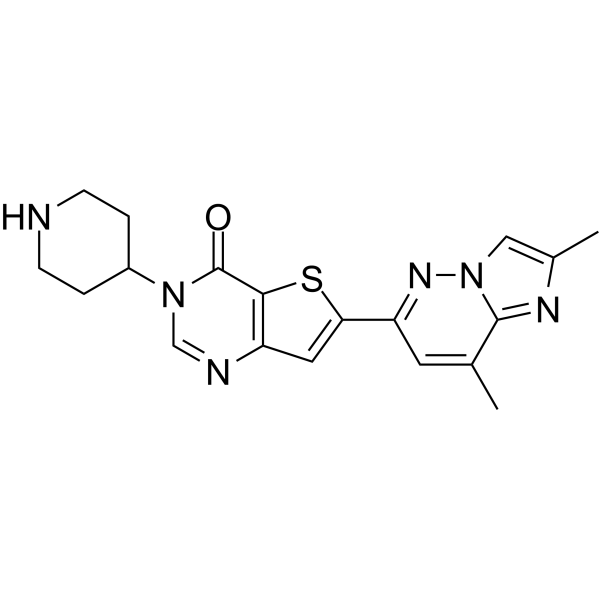
PI-540 is a bicyclic thienopyrimidine derivative and an orally active PI3K inhibitor. PI-540 has anti-cancer cell proliferation properties and high tissue distribution. PI-540 can inhibit different isoforms of PI3K, with IC50s of 10 nM (P110α), 3510 nM (P110β), 410 nM (P110δ), and 33110 nM (P110γ). PI-540 also inhibits mTOR (IC50: 61 nM) and DNA-PK (IC50: 525 nM) .
|
-
-
- HY-N7366
-
|
|
Others
|
Others
|
|
Taxachitriene A is a bicyclic taxane diterpenoid that can be found in the needles of Taxus chinensis .
|
-
-
- HY-N10663A
-
|
|
Others
|
Others
|
|
(±)-7-epi-Kadsurenone is a novel lignan with hydrobenzofuran and bicyclic [3.2.1] octane. .
|
-
- HY-W068697R
-
|
Vinylacetic acid (Standard)
|
Biochemical Assay Reagents
Reference Standards
|
Others
|
|
3-Butenoic acid (Standard) is the analytical standard of 3-Butenoic acid. This product is intended for research and analytical applications. 3-Butenoic acid (Vinylacetic acid) can be used to synthesize bicyclic 3,6-dihydro-1,2-oxazine. Strained bicyclic 3,6-dihydro-1,2-oxazine is a reactive substrate in domino metathesis with an external alkene[1][2].
|
-
- HY-P10672
-
-
- HY-N11977
-
|
|
Others
|
Others
|
|
Stenophyllol B (compound 4) is a trimeric stilbene with bicyclic and bridged tricyclic skeletons. Stenophyllol B was first discovered in the dipterocarps plant and has been found in many species of Hopea, Neobalanocarpus, Shorea, Stemonoporus and Vateri .
|
-
- HY-149872
-
|
|
Biochemical Assay Reagents
|
Others
|
|
DCA-RMR1 is a cross-linker. DCA-RMR1 elicits facile bicyclization of native peptides via N-terminus Cys-Cys cross-linking. DCA-RMR1 derivatizes RMR1 with 1,3-dichloroacetone (DCA) .
|
-
- HY-W770090
-
-
- HY-N3544R
-
|
(-)-Caryophyllene oxide (Standard)
|
Reference Standards
Apoptosis
Bacterial
Fungal
Parasite
|
Infection
Neurological Disease
Inflammation/Immunology
Cancer
|
|
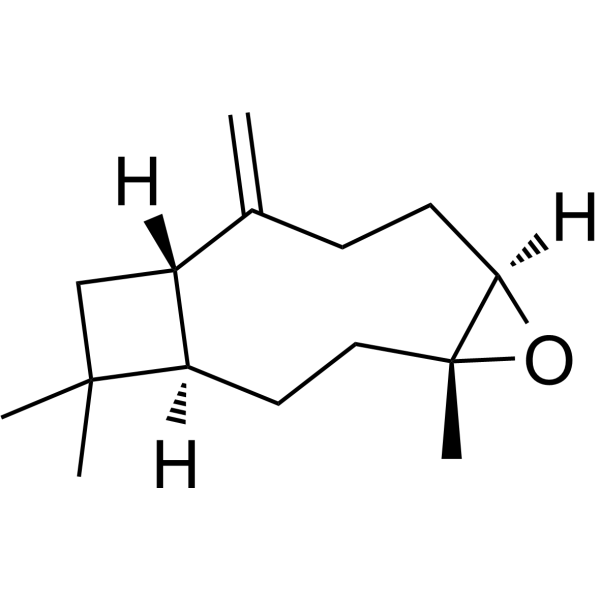
Caryophyllene oxide (Standard) ((-)-Caryophyllene oxide (Standard)) is the analytical standard of Caryophyllene oxide (HY-N3544). This product is intended for research and analytical applications. Caryophyllene oxide is a bicyclic sesquiterpene with anticancer effects. Caryophyllene oxide induces apoptosis of PC-3 cells. Caryophyllene oxide shows analgesic and anti-inflammatory activities. Caryophyllene oxide has insecticidal, antioxidant, antimicrobial, antifungal, and antiparasitic properties.
|
-
- HY-N6663R
-
|
|
Reference Standards
COX
|
Inflammation/Immunology
|
|
3-Carene (Standard) is the analytical standard of 3-Carene. This product is intended for research and analytical applications. 3-Carene is a bicyclic monoterpene in essential oils extracted from pine trees. 3-Carene inhibits nociceptive stimulus-induced inflammatory infiltrates and COX-2 overexpression, and with antinociceptive effect. 3-Carene stimulates the activity and expression of alkaline phosphatase that is an early phase marker of osteoblastic differentiation .
|
-
- HY-N6951R
-
-
- HY-N5132R
-
|
|
Reference Standards
Others
|
Others
|
|
(-)-Fenchone (Standard) is the analytical standard of (-)-Fenchone. This product is intended for research and analytical applications. (-)-Fenchone, a bicyclic monoterpene, is widely distributed in plants and found in essential oils from Foeniculum vulgare. (-)-Fenchone is oxidized to 6-endo-hydroxyfenchone, 6-exo-hydroxyfenchone and 10-hydroxyfenchone derivatives by CYP2A6 and CYP2B6 in human liver microsomes with CYP2A6 playing a more important role than CYP2B6 .
|
-
- HY-179254
-
|
|
Drug Intermediate
|
Cancer
|
|
Mal-L-Dap (Boc, t-BuOAc) - Pfp Ester (Compound M3) is a highly active linker precursor that can be used to form antibody-drug conjugates (ADCs) .
|
-
- HY-W016103R
-
|
|
Reference Standards
Drug Intermediate
Bacterial
|
Infection
|
|
1-Hydroxy-2-naphthoic acid (Standard) is an analytical standard for 1-Hydroxy-2-naphthoic acid (HY-W016103). This product is intended for research and analytical applications. 1-Hydroxy-2-naphthoic acid is a ubiquitous bicyclic intermediate metabolite in the microbial degradation process of polycyclic aromatic hydrocarbons (PAHs). 1-Hydroxy-2-naphthoic acid can be converted into 1,2-naphthalenediol, which enters the naphthalene degradation pathway and participates in the tricarboxylic acid (TCA) cycle to achieve complete mineralization.
|
-
- HY-78985S
-
|
Trimesic acid-d3
|
Isotope-Labeled Compounds
Biochemical Assay Reagents
MOFs
|
Others
|
|
Benzene-1,3,5-tricarboxylic acid-d3 (Trimesic acid-d3) is the deuterium labeled Benzene-1,3,5-tricarboxylic acid (HY-78985). Benzene-1,3,5-tricarboxylic acid (Trimesic acid) is a rigid planar small-molecule scaffold and crosslinker. Benzene-1,3,5-tricarboxylic acid induces bicyclic peptides to adopt a planar conformation, so as to maximize surface area and bind to the flat protein surfaces involved in protein-protein interactions. Benzene-1,3,5-tricarboxylic acid forms ionic crosslinks, hydrogen bonds and π-π bonds with chitosan, thereby constructing a hydrogel network. Benzene-1,3,5-tricarboxylic acid endows chitosan hydrogel systems with specific mechanical properties, enabling sustained release of cancer therapeutic drugs including 5-Fluorouracil (HY-90006) .
|
-
- HY-203876
-
|
|
Drug Intermediate
TNF Receptor
|
Others
|
|
Sar10 (Compound 1) is a component of a bicyclic peptide sequence (βAla-Sar10-A-) for synthesis of multimeric CD137-binding/activating bicyclic peptide ligands .
|
-
- HY-79019
-
|
|
Biochemical Assay Reagents
|
Others
|
|
N-Benzylsulfamide is a benzyl-substituted sulfamide reagent. N-Benzylsulfamide can be used as a synthetic precursor to generate dioxides of bicyclic thiadiazines .
|
-
- HY-W408830
-
|
|
Biochemical Assay Reagents
|
Others
|
|
4-Iodobutyl benzoate is structurally related to bicyclic heterocycles such as indole and indoline. 4-Iodobutyl benzoate is a metabolite of the drug amide and is used in the treatment of inflammatory bowel disease, degenerative diseases, and bowel disease.
|
-
- HY-W013021R
-
|
|
Others
Reference Standards
|
Others
|
|
Norbornene (Standard) is the analytical standard of Norbornene (HY-W013021). This product is intended for research and analytical applications. Norbornene is a bicyclic compound. Norbornene polymers can be used in tissue engineering and drug release system .
|
-
- HY-182805
-
|
|
Drug-Linker Conjugates for ADC
|
Others
|
|
6-Dehydroxy-demethylation-α-Amanitin-OH-PAB-Ala-Val-CO-C2-mal is a conjugate of the ADC drug toxin molecule and the linker, containing a degradable PEG linker and the toxin molecule I-4, a bicyclic peptide derived from amatoxin .
|
-
- HY-N18101
-
|
|
Others
|
Endocrinology
|
|
Corymbolone is an eudesmane-type sesquiterpene ketol found in the rhizomes of Cyperus corymbosus. Corymbolone can be used in research on gynecological diseases .
|
-
- HY-180334
-
|
|
Calcium Channel
|
Cardiovascular Disease
|
|
S-312 is a calcium antagonist with a bicyclic dihydrothienopyridine structure. S-312 can relax the helical strips of various isolated rabbit arteries procontracted with high potassium depolarizaiton. S-312 competitively imhibits calcium-induced contractions in depolarized basilar and femoral arteries. S-312 increases AV nodal conduction time in Langenedorff-perfused isolated rabbit hearts. S-312 exhibits vasculoselectivity, particularly for cerebral vessel .
|
-
- HY-P11225
-
|
MAP-04-02
|
Bacterial
|
Infection
|
DRAMP18563 (MAP-04-02) is a linear antimicrobial peptide that can act as a delivery vector to transport dual-ring peptide inhibitors that cannot penetrate the outer membrane of Gram-negative bacteria to their target sites. DRAMP18563 can be used to study the delivery strategies of dual-ring peptide inhibitors .
|
-
- HY-182361
-
|
|
AMPK
JAK
Cadherin
|
Cancer
|
|
NUAK1-IN-3 is a potent and selective NUAK1 inhibitor with an IC50 of 0.49 nM. NUAK1-IN-3 also inhibits NUAK2 and JAK3 with IC50 values of 265 and 225 nM. NUAK1-IN-3 engages Glu139 of NUAK1, forms a salt bridge between its bicyclic ring nitrogen and Asp142, and uses a fluorine atom to enhance hydrophobic binding interactions. NUAK1-IN-3 attenuates MYPT1 phosphorylation, suppresses the NUAK1-MYPT1 signaling axis, and inhibits proliferation, migration, and invasion of triple-negative breast cancer cells. NUAK1-IN-3 reverses TGF-β1-induced epithelial-mesenchymal transition (EMT) marker alterations, downregulates Snail and N-cadherin, and upregulates E-cadherin in tumor tissues. NUAK1-IN-3 suppresses tumor growth in triple-negative breast cancer xenograft models. NUAK1-IN-3 can be used for the research of triple-negative breast cancer .
|
-
-
-
HY-L0094V
-
|
|
1,398,968 compounds
|
|
The Chinese National Compound Library (CNCL) composes 1.4 million compounds possessing diversified structures. Coupled with this library will be advanced sample handling, information management and quality control systems. Most compounds in the library are drug-like, conforming to “Lipinski’s Rule of Five”, such as MW < 500, logP < 5, Hydrogen Bond Donors < 5.
|
| Cat. No. |
Product Name |
Type |
-
- HY-59156
-
|
|
Biochemical Assay Reagents
|
|
Triazabicyclodecene is a bicyclic guanidine compound that can serve as a pharmaceutical intermediate for the formation of amides or esters .
|
-
- HY-78985
-
|
Trimesic acid
|
Biochemical Assay Reagents
|
|
Benzene-1,3,5-tricarboxylic acid (Trimesic acid) is a rigid planar small-molecule scaffold and crosslinker. Benzene-1,3,5-tricarboxylic acid induces bicyclic peptides to adopt a planar conformation, so as to maximize surface area and bind to the flat protein surfaces involved in protein-protein interactions. Benzene-1,3,5-tricarboxylic acid forms ionic crosslinks, hydrogen bonds and π-π bonds with chitosan, thereby constructing a hydrogel network. Benzene-1,3,5-tricarboxylic acid endows chitosan hydrogel systems with specific mechanical properties, enabling sustained release of cancer therapeutic drugs including 5-Fluorouracil (HY-90006) .
|
| Cat. No. |
Product Name |
Target |
Research Area |
-
- HY-N6693
-
|
NSC 122023
|
Apoptosis
Antibiotic
Autophagy
Fungal
|
Infection
Others
Cancer
|
|
Valinomycin is a potassium-specific ionophore, the valinomycin-K + complex can be incorporated into biological bilayer membranes with the hydrophobic surface of valinomycin, destroys the normal K + gradient across the membrane, and as a result kills the cells, incorporating into liposomes can significantly reduces the cytotoxicity and enhances the targeting effect. Valinomycin exhibits antibiotic, antifungal, antiviral, antitumor and insecticidal efficacy, thus can be used for relevant research .
|
-
- HY-P10033
-
|
|
Ser/Thr Protease
|
Others
|
|
SFTI-1 is a cyclic peptide trypsin inhibitor consisting of 14 amino acid residues. SFTI-1 belongs to the Bowman-Birk class of inhibitors. Characterized by its small size, high stability, and potent activity, SFTI-1 can be used for research on peptide drug design platforms .
|
-
- HY-P2031
-
|
|
Arp2/3 Complex
|
Others
|
|
Phallacidin is a natural bicyclic heptapeptide derived from the poisonous mushroom Amanita phalloides. Phallacidin binds to filamentous actin specifically with high affinity, with a Kd of 20 nM. After binding to F-actin, Phallacidin strongly inhibits its depolymerization, stabilizes microfilament structures, and prevents their disruption by drugs such as cytochalasins. When conjugated with a fluorophore, Phallacidin serves as a specific fluorescent probe for F-actin, which is used to clearly visualize the distribution of actin in the cytoskeleton (e.g., stress fibers, cortical peripheral bands) under fluorescence microscopy .
|
-
- HY-W010922
-
|
|
Amino Acid Derivatives
|
Others
|
|
Fmoc-Dap(Boc)-OH is an amino acid derivative with an Fmoc protecting group, which can be used to synthesize bicyclic peptide tachykinin NK2 antagonists .
|
-
- HY-P1206
-
CH 275
1 Publications Verification
|
Somatostatin Receptor
|
Neurological Disease
|
|
CH 275 is a peptide analog of somatostatin and binds preferably to somatostatin receptor 1 (sst1) with a Ki of 52 nM . CH 275 acts as a potent and selective sst1 agonist (IC50=30.9 nM) and also displays IC50 values of 345 nM, >1 μM, >10 μM, >10 μM for human sst3, sst4, sst2 and sst5, respectively . CH 275 can be used for the research of alzheimer’s disease .
|
-
- HY-P6292
-
|
|
PACAP Receptor
PKA
ERK
PI3K
Akt
GSK-3
|
Neurological Disease
Cancer
|
|
KS-133 is a bicyclic peptide with VIPR2 antagonistic activity that can cross the blood-brain barrier. KS-133 selectively blocks VIPR2-mediated Gq/Ca, Gs/cAMP, cAMP/PKA/ERK and PI3K/AKT/GSK3β signaling pathways. KS-133 inhibits VIPR2 agonist-induced CREB phosphorylation in the prefrontal cortex of mice. KS-133 shifts the polarization direction of macrophages toward M1. KS-133 attenuates cancer cell proliferation and reduces the cell cycle distribution level at the S-M phase. KS-133 exerts antitumor effects in a mouse model of colorectal cancer. KS-133 reverses cognitive decline in mouse models of psychiatric disorders. KS-133 can be used for research related to schizophrenia, colorectal cancer and breast cancer .
|
-
- HY-P4102
-
|
|
Peptides
|
Cancer
|
|
Cyclic PSAP peptide is a cyclic pentapeptide (DWLPK). Cyclic PSAP peptide exhibits agent-like properties and could inhibit metastatic spread and restrain tumor development in general in vivo .
|
-
- HY-P11032
-
|
|
SARS-CoV
Virus Protease
|
Infection
|
|
Mp-4D7-pF2, a cell-penetrating bicyclic peptide, is a noncovalent SARS-CoV-2 main protease inhibitor with an IC50 of 4.51 μM. Mp-4D7-pF2 has an antiviral activity against SARS-CoV-2 with no cytotoxicity. Mp-4D7-pF2 can used for COVID-19 infections research .
|
-
- HY-P10877
-
|
|
PAI-1
|
Cancer
|
|
Bicyclic UK18 is a competitive inhibitor for human urokinase-type plasminogen activator (uPA) with a Ki of 53 nM .
|
-
- HY-P3193A
-
|
|
Biochemical Assay Reagents
|
Others
|
|
Cyclic nona-L-arginine hydrochloride, a nonaarginine peptide used for drug delivery, translocates faster than their linear counterparts .
|
-
- HY-P10027A
-
|
|
Antibiotic
Bacterial
|
Infection
|
|
Clovibactin TFA is the TFA salt form of Clovibactin (HY-P10027). Clovibactin TFA is an antibiotic for drug-resistant bacterial pathogens without detectable resistance. Clovibactin TFA inihibits cell wall synthesis by targeting pyrophosphate of peptidoglycan precursors .
|
-
- HY-P10027
-
|
|
Antibiotic
Bacterial
|
Infection
|
|
Clovibactin is an antibiotic for drug-resistant bacterial pathogens without detectable resistance. Clovibactin TFA inihibits cell wall synthesis by targeting pyrophosphate of peptidoglycan precursors .
|
-
- HY-178489
-
|
|
Nectin-4
|
Cancer
|
|
BGC1614 is a Nectin-4-targeting bicyclic toxin conjugate (BTC) belonging to the category of peptide-drug conjugates (PDCs). BGC1614 exhibits strong targeted binding ability to Nectin-4, with an KD of 3.859 × 10 -7 M. BGC1614 exhibits superior antitumor efficacy in nude mice bearing PC-3 and N87 tumor xenografts. BGC1614 can be used for research related to Nectin-4-overexpressing tumors (such as prostate cancer, gastric cancer) .
|
-
- HY-P10775
-
|
|
Peptide-Drug Conjugates (PDCs)
MMP
|
Cancer
|
|
BT1769 is a MT1-MMP-targeted (KD = 3.35 nM) Bicycle toxin conjugate. BT1769 can be used in the study for osteosarcoma. BT1769 consists of a novel bicyclic targeting peptide that selectively binds MT1-MMP; a cytotoxin MMAE; and an enzymatically cleavable dipeptide linker .
|
-
- HY-P3193
-
|
|
Peptides
|
Others
|
|
Cyclic nona-L-arginine TFA, a nonaarginine peptide used for drug delivery, translocates faster than their linear counterparts .
|
-
- HY-W010835
-
|
Boc-S-trityl-D-cysteine
|
Amino Acid Derivatives
|
Others
|
|
Boc-D-Cys(Trt)-OH (Boc-S-trityl-D-cysteine) is an amino acid derivative with a Boc protecting group, which can be used to synthesize the bicyclic depsipeptide histone deacetylase inhibitor spirocysteine .
|
-
- HY-P10775A
-
|
|
MMP
|
Cancer
|
|
BT1769 acetate is a conjugate and antitumor agent targeting MT1-MMP, with a Kd value of 3.35 nM against human targets. BT1769 acetate exhibits favorable pharmacokinetic properties. BT1769 acetate specifically binds to MT1-MMP via its bicyclic peptide component, delivering the cytotoxic agent MMAE (HY-15162) to antigen-expressing cells. It effectively inhibits tumor growth, induces complete responses, and significantly prolongs event-free survival in osteosarcoma patient-derived xenograft models. BT1769 acetate shows extremely low activity in Ewing sarcoma models and can be used in osteosarcoma-related research .
|
-
- HY-P10672
-
-
- HY-203876
-
|
|
Drug Intermediate
TNF Receptor
|
Others
|
|
Sar10 (Compound 1) is a component of a bicyclic peptide sequence (βAla-Sar10-A-) for synthesis of multimeric CD137-binding/activating bicyclic peptide ligands .
|
-
- HY-P11225
-
|
MAP-04-02
|
Bacterial
|
Infection
|
DRAMP18563 (MAP-04-02) is a linear antimicrobial peptide that can act as a delivery vector to transport dual-ring peptide inhibitors that cannot penetrate the outer membrane of Gram-negative bacteria to their target sites. DRAMP18563 can be used to study the delivery strategies of dual-ring peptide inhibitors .
|
| Cat. No. |
Product Name |
Category |
Target |
Chemical Structure |
-
- HY-N6693
-
-
-
- HY-108943
-
-
-
- HY-127033
-
-
-
- HY-N3544
-
-
-
- HY-N6951
-
-
-
- HY-P2031
-
|
|
Structural Classification
Microorganisms
Classification of Application Fields
Ketones, Aldehydes, Acids
Other Diseases
Disease Research Fields
Source Classification
|
Arp2/3 Complex
|
|
Phallacidin is a natural bicyclic heptapeptide derived from the poisonous mushroom Amanita phalloides. Phallacidin binds to filamentous actin specifically with high affinity, with a Kd of 20 nM. After binding to F-actin, Phallacidin strongly inhibits its depolymerization, stabilizes microfilament structures, and prevents their disruption by drugs such as cytochalasins. When conjugated with a fluorophore, Phallacidin serves as a specific fluorescent probe for F-actin, which is used to clearly visualize the distribution of actin in the cytoskeleton (e.g., stress fibers, cortical peripheral bands) under fluorescence microscopy .
|
-
-
- HY-N5132
-
|
|
Structural Classification
Other Monoterpenes
Classification of Application Fields
Terpenoids
Other Diseases
Umbelliferae
Plants
Vernonia Schreb.
Disease Research Fields
Source Classification
|
Cytochrome P450
|
|
(-)-Fenchone is a bicyclic monoterpene and serves as a substrate for human liver microsomal cytochrome P450 enzymes CYP2A6 and CYP2B6. (-)-Fenchone is not metabolized by human CYP1A1, CYP1A2, CYP1B1, CYP2C8, CYP2C9, CYP2C19, CYP2D6, CYP2E1, or CYP3A4 enzymes. (-)-Fenchone undergoes hydroxylation to produce 6-exo-hydroxyfenchone, 6-endo-hydroxyfenchone, and 10-hydroxyfenchone. During the metabolism of (-)-Fenchone, CYP2A6 may play a more important role than CYP2B6 .
|
-
-
- HY-N10793
-
-
-
- HY-N6663
-
-
-
- HY-W016103
-
-
-
- HY-126027
-
-
-
- HY-W588249
-
|
|
Structural Classification
Other Monoterpenes
Juniperus communis L.
Cupressaceae
Terpenoids
Plants
Source Classification
|
Bacterial
Endogenous Metabolite
|
|
Sabinene hydrate is a volatile organic compound of a bicyclic monoterpene alcohol. Sabinene hydrate, as a plant secondary metabolite, is naturally present in various plants and their essential oils. Sabinene hydrate exhibits broad-spectrum but varying-intensity antibacterial activity, with the greatest sensitivity to Gram-positive bacteria, especially Bacillus subtilis (MIC = 0.0312 mg/mL) and Staphylococcus aureus (MIC = 0.0625 mg/mL). Sabinene hydrate also shows certain sensitivity to Escherichia coli and Candida albicans, with MIC values of 0.125 mg/mL for both. Sabinene hydrate can be used in the research of the ecological functions of plant defense substances .
|
-
-
- HY-N16534
-
-
-
- HY-W718719
-
-
-
- HY-121348
-
|
U-47929
|
Microorganisms
Antibiotics
Other Antibiotics
Source Classification
|
Antibiotic
Bacterial
DNA/RNA Synthesis
|
Ficellomycin is a nitrogen-containing bicyclic antibiotic with strong activity against Gram-positive bacteria, including multidrug-resistant strains of Staphylococcus aureus. Ficellomycin works by inducing the formation of defective 34S DNA fragments, which interfere with the semi-conservative DNA replication process. These fragments lack the ability to integrate into larger DNA segments and eventually form a complete bacterial chromosome. Ficellomycin can be used in research for various bacterial diseases .
|
-
-
- HY-N7366
-
-
-
- HY-N10663A
-
-
-
- HY-N11977
-
-
-
- HY-N3544R
-
-
-
- HY-N6663R
-
|
|
Structural Classification
Other Monoterpenes
other families
Terpenoids
Plants
Source Classification
|
Reference Standards
COX
|
|
3-Carene (Standard) is the analytical standard of 3-Carene. This product is intended for research and analytical applications. 3-Carene is a bicyclic monoterpene in essential oils extracted from pine trees. 3-Carene inhibits nociceptive stimulus-induced inflammatory infiltrates and COX-2 overexpression, and with antinociceptive effect. 3-Carene stimulates the activity and expression of alkaline phosphatase that is an early phase marker of osteoblastic differentiation .
|
-
-
- HY-N6951R
-
-
-
- HY-N5132R
-
-
-
- HY-W016103R
-
-
-
- HY-W013021R
-
-
-
- HY-N18101
-
-
| Cat. No. |
Product Name |
Chemical Structure |
-
- HY-179253
-
|
|
|
KRAS-IN-47 is a KRAS inhibitor with IC50 < 50 nM against KRAS G12V. KRAS-IN-47 can be used for the study of cancers .
|
-
-
- HY-W770090
-
|
|
|
CF 1743-d7 is the deuterium labeled Cf1743 (HY-107025). Cf1743 is a potent anti-varicella-zoster virus (VZV) bicyclic nucleoside analogue. Cf1743 has antiviral activity, with an IC50 of 3.3 μM for VZV thymidine kinase (TK) .
|
-
-
- HY-78985S
-
|
|
|
Benzene-1,3,5-tricarboxylic acid-d3 (Trimesic acid-d3) is the deuterium labeled Benzene-1,3,5-tricarboxylic acid (HY-78985). Benzene-1,3,5-tricarboxylic acid (Trimesic acid) is a rigid planar small-molecule scaffold and crosslinker. Benzene-1,3,5-tricarboxylic acid induces bicyclic peptides to adopt a planar conformation, so as to maximize surface area and bind to the flat protein surfaces involved in protein-protein interactions. Benzene-1,3,5-tricarboxylic acid forms ionic crosslinks, hydrogen bonds and π-π bonds with chitosan, thereby constructing a hydrogel network. Benzene-1,3,5-tricarboxylic acid endows chitosan hydrogel systems with specific mechanical properties, enabling sustained release of cancer therapeutic drugs including 5-Fluorouracil (HY-90006) .
|
-
| Cat. No. |
Product Name |
|
Classification |
-
- HY-179253
-
|
|
|
Alkynes
|
|
KRAS-IN-47 is a KRAS inhibitor with IC50 < 50 nM against KRAS G12V. KRAS-IN-47 can be used for the study of cancers .
|
-
- HY-151829
-
|
|
|
Azide
|
|
Fmoc-L-Asn(EDA-N3)-OH is a click chemistry reagent containing an azide group. This building block is reported in literature for the modification of Amanitin via Click Chemistry. Alpha-Amanitin is the deadliest member of the amatoxin peptide family produced by the death-cap mushroom A. phalloides. It is an orally available, rigid, bicyclic octapeptide and one of the most lethal known natural products (LD50 = 50-100 μg/kg) acting as highly selective allosteric inhibitor of the RNA polymerase II . It contains an azide group and can undergo copper-catalyzed azide-alkyne cycloaddition (CuAAc) with molecules containing alkyne groups. It can also undergo ring strain-promoted alkyne-azide cycloaddition (SPAAC) with molecules containing DBCO or BCN groups.
|
-
- HY-153486
-
|
|
|
Azide
|
|
N3-VC-PAB-PNP is the intermediate of bicyclic peptide ligand STING conjugates . N3-VC-PAB-PNP is a click chemistry reagent, it contains an Azide group and can undergo copper-catalyzed azide-alkyne cycloaddition reaction (CuAAc) with molecules containing Alkyne groups. It can also undergo strain-promoted alkyne-azide cycloaddition (SPAAC) reactions with molecules containing DBCO or BCN groups.
|
| Cat. No. |
Product Name |
|
Classification |
-
- HY-W570888
-
|
LNA-C(Bz)
|
|
Nucleoside Analogs
Cytidine
|
|
2'-O,4'-C-Methylenecytidine (LNA-C(Bz)) is a bicyclic nucleoside analogue with fixed N-type conformation. 2'-O,4'-C-Methylenecytidine can be used to synthesize oligonucleotides. 2'-O,4'-C-Methylenecytidine forms duplexes with complementary DNA and RNA strands .
|
-
- HY-111639
-
-
- HY-111638
-
Your information is safe with us. * Required Fields.
Inquiry Information
- Product Name:
- Cat. No.:
- Quantity:
- MCE Japan Authorized Agent:

