Search Result
Results for "
cassia
" in MedChemExpress (MCE) Product Catalog:
1
Biochemical Assay Reagents
1
Isotope-Labeled Compounds
| Cat. No. |
Product Name |
Target |
Research Areas |
Chemical Structure |
-
- HY-N0365
-
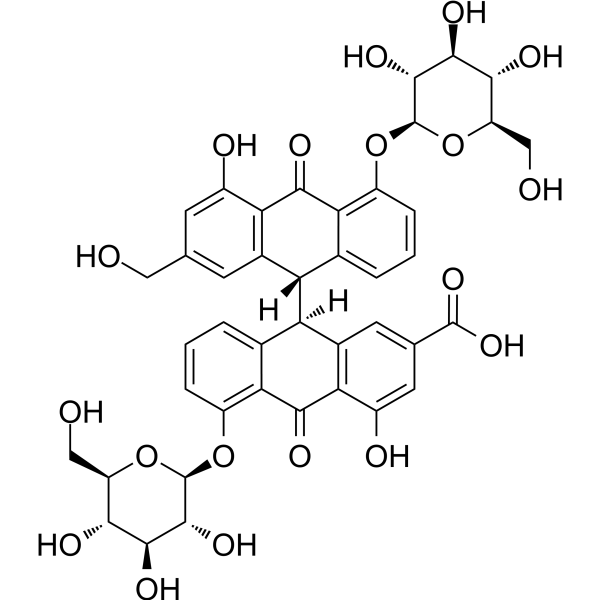
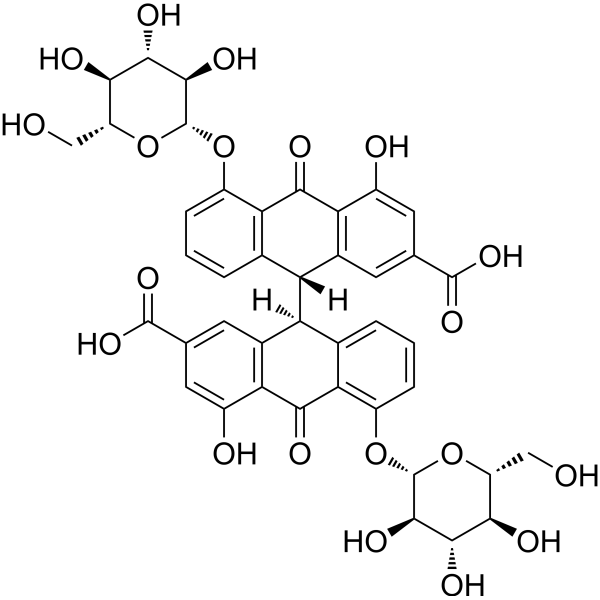
Sennoside A
Maximum Cited Publications
6 Publications Verification
|
DNA/RNA Synthesis
HIV
|
Infection
|
|
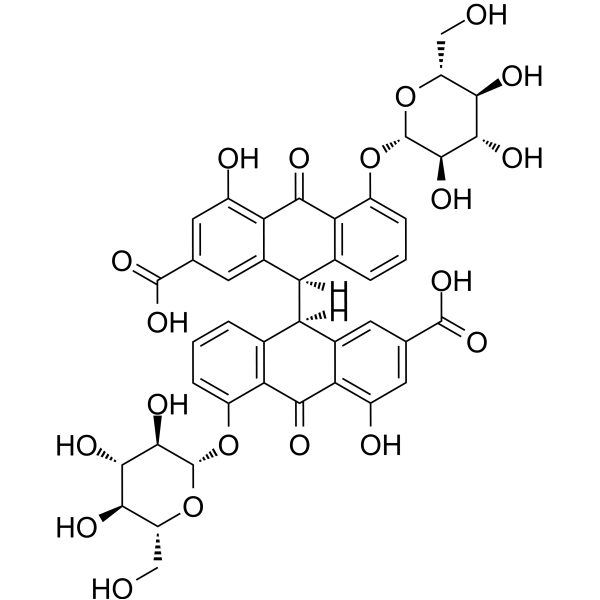
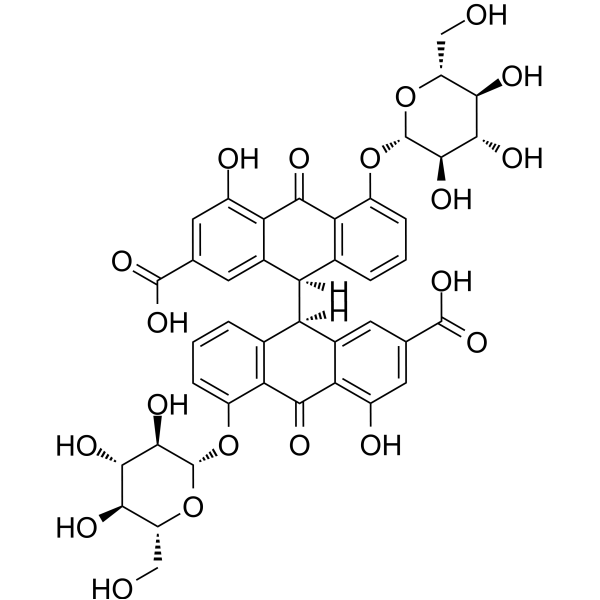
Sennoside A is an anthraquinone glycoside found in senna (Cassia angustifolia). Sennoside A is an HIV-1 inhibitor (IC50=3.8 μM) that inhibits HIV-1 replication. Sennoside A also inhibits HIV-1 reverse transcriptase (RT)-related DNA polymerase (RDDP) and ribonuclease H (Ribonuclease H) with IC50s of 1.9 μM and 5.3 μM, respectively .
|
-
-
- HY-Y1426
-
|
o-Hydroxyacetophenone; o-Acetylphenol
|
Drug Intermediate
|
Others
|
|
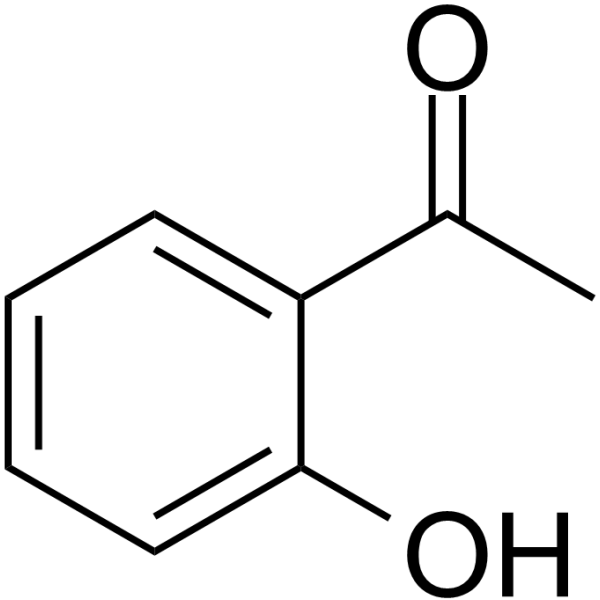
2'-Hydroxyacetophenone is found in alcoholic beverages. 2'-Hydroxyacetophenone is present in tomato, cassia, fried beef, rum, whiskey, cocoa, coffee and black tea. 2'-Hydroxyacetophenone is a flavouring ingredient. Building block in chemical synthesis.
|
-
-
- HY-N0261
-
|
|
TNF Receptor
COX
|
Cardiovascular Disease
Inflammation/Immunology
|
|
Aurantio-obtusin is a anthraquinone compound that can be extracted from cassia seed. Aurantio-obtusin has the effects of decreasing blood pressure, decreasing blood lipids and anti-inflammatory.Aurantio-obtusin is an orally active vasodilator. Aurantio-obtusin ameliorates hepatic steatosis through AMPK/ autophagy- and AMPK/TFEB mediated inhibition of lipid accumulation .
|
-
-
- HY-N2098
-
|
|
NF-κB
|
Cancer
|
|
Obtusifolin, isolated from the seeds of Cassia obtusifolia, regulates the gene expression and production of MUC5AC mucin in airway epithelial cells via inhibiting NF-kB pathway . Obtusifolin suppresses phthalate esters-induced breast cancer bone metastasis by targeting parathyroid hormone-related protein .
|
-
-
- HY-W046353
-
|
o-Methoxycinnamaldehyde
|
Apoptosis
NF-κB
Topoisomerase
Mitochondrial Metabolism
Caspase
|
Cancer
|
|
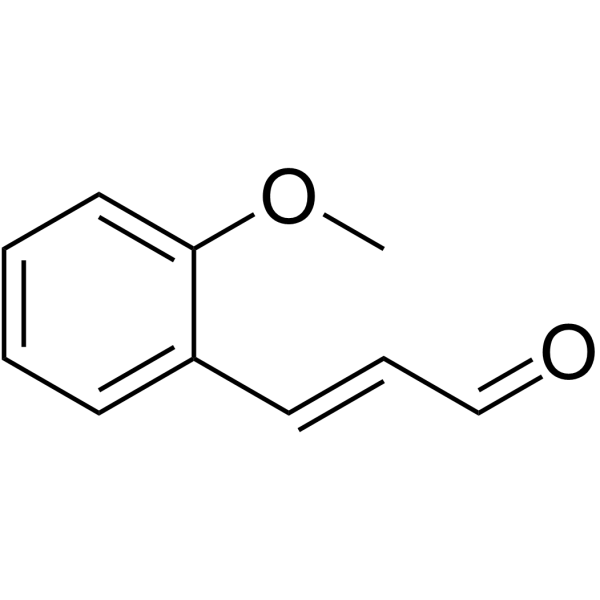
2-Methoxycinnamaldehyde (o-Methoxycinnamaldehyde) is a natural compound that can be isolated from Cinnamomum cassia. 2-Methoxycinnamaldehyde inhibits topoisomerase-I/II and NF-κB signaling pathway, causes mitochondrial dysfunction, induces lysosomal vesiculation, thereby leading to DNA damage and cell apoptosis. 2-Methoxycinnamaldehyde exhibits antitumor effects .
|
-
-
- HY-N6057
-
|
|
Monoamine Oxidase
|
Neurological Disease
|
|
Obtusin, isolated from Cassia obtusifolia Linn seed, is a highly selective and competitive human monoamine oxidase-A (hMAO-A) inhibitor with an IC50 of 11.12 μM and a Ki of 6.15 μM. Obtusin plays a preventive role in neurodegenerative diseases, especially anxiety and depression .
|
-
-
- HY-N1973
-
-
-
- HY-N4177
-
|
|
Others
|
Metabolic Disease
|
|
Rubrofusarin gentiobioside is isolated from the seeds of Cassia tora L. Rubrofusarin gentiobioside has a radical scavenging effect .
|
-
-
- HY-N3149A
-
|
|
Wnt
β-catenin
STAT
Apoptosis
|
Inflammation/Immunology
|
|
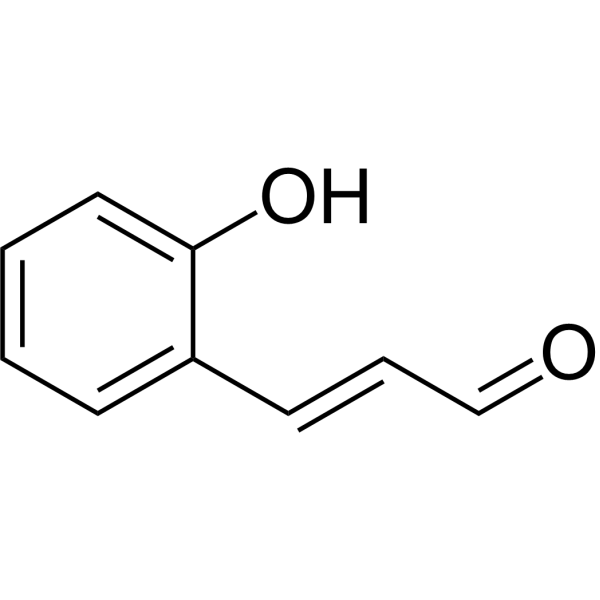
2-Hydroxycinnamaldehyde is a phenylpropanoid that can be isolated from the bark of Cinnamomum cassia. 2-Hydroxycinnamaldehyde inhibits Wnt/β-catenin, STAT3 signaling. 2-Hydroxycinnamaldehyde induces cell apoptosis 2-Hydroxycinnamaldehyde has antitumor and anti-inflammation activities .
|
-
-
- HY-N6935
-
|
|
DNA/RNA Synthesis
HCV
Akt
GLUT
|
Infection
Metabolic Disease
|
|
Sennidin B, a stereoisomer isolated from the leaves of Cassia angustifolia, has lower activity than Sennidin A. Sennidin A inhibits HCV NS3 helicase, with an IC50 of 0.8 μM. Sennidin A induces phosphorylation of Akt and glucose transporter 4 (GLUT4) translocation. Sennidin A stimulates the glucose incorporation .
|
-
-
- HY-N12281
-
|
|
Apoptosis
MDM-2/p53
PAK
Calcium Channel
|
Endocrinology
Cancer
|
|
Sennoside is an orally active apoptosis inducer and stimulant laxative, found in Senna (Cassia angustifolia). Sennoside induces overexpression of wild-type p53 and p21/WAF as part of pathways mediating colonic epithelial cell apoptosis. Sennoside stimulates colonic peristalsis, reverses net water, sodium, chloride absorption to secretion and enhances potassium and calcium secretion. Sennoside increases paracellular permeability to small molecules, accelerates colon transit and softens fecal pellets. Sennoside can be used for the research of constipation, melanosis coli, and colorectal cancer .
|
-
-
- HY-N7628
-
|
Toralactone 9-O-β-D-gentiobioside
|
Endogenous Metabolite
|
Metabolic Disease
|
|
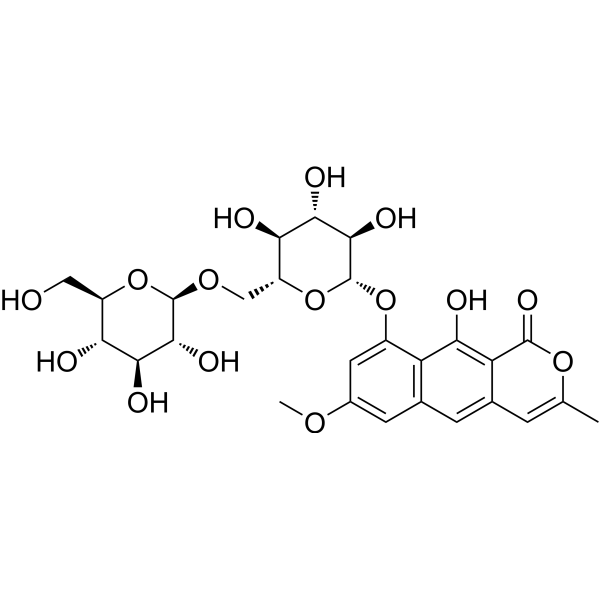
Cassiaside C (Toralactone 9-O-β-D-gentiobioside) is a naphthopyrone isolated from the seed of Cassia tora and has inhibitory activity on advanced glycation end products (AGE) formation in vitro .
|
-
-
- HY-N11063
-
|
|
Tyrosinase
|
Cancer
|
|
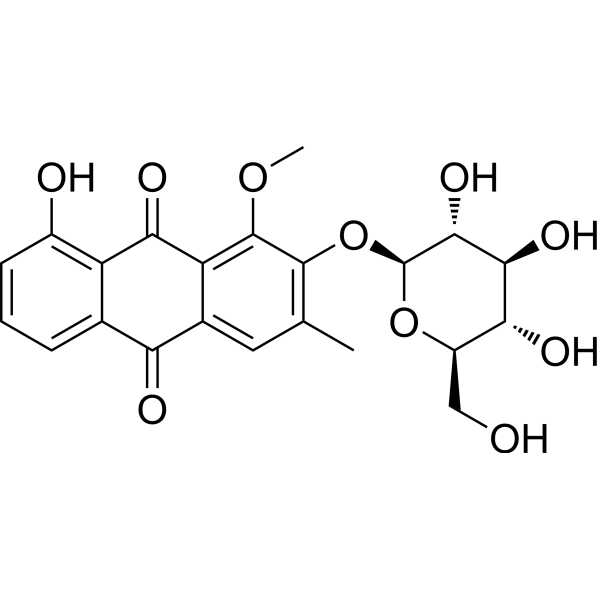
Obtusifolin-2-O-glucoside (compound 7) is a Tyrosinase inhibitor (IC50=9.2 μM). Obtusifolin-2-O-glucoside can be isolated from cassia seed .
|
-
-
- HY-N0365R
-
|
|
Reference Standards
HIV
|
Infection
|
|
Sennoside A (Standard) is the analytical standard of Sennoside A. This product is intended for research and analytical applications. Sennoside A is an anthraquinone glycoside, found in Senna (Cassia angustifolia) . Sennoside A is a HIV-1 inhibitor effective on HIV-1 replication .
|
-
-
- HY-N7617
-
|
|
Keap1-Nrf2
|
Cancer
|
|
Toralactone, isolated from Cassia obtusifolia, mediates hepatoprotection via an Nrf2-dependent anti-oxidative mechanism .
|
-
-
- HY-130307
-
|
|
Bacterial
|
Neurological Disease
Inflammation/Immunology
Cancer
|
|
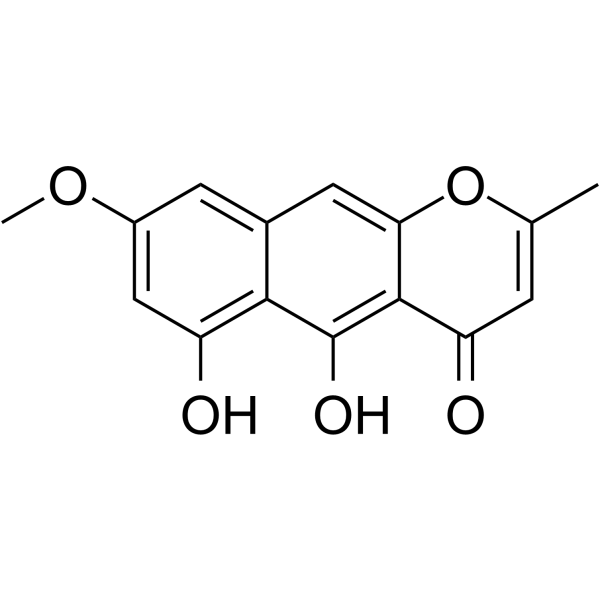
Rubrofusarin is an orange polyketide pigment from Fusarium graminearum . Rubrofusarin is also an active ingredient of the Cassia species and ameliorates chronic restraint stress (CRS) -induced depressive symptoms through PI3K/Akt signaling. Rubrofusarin has anticancer, antibacterial, and antioxidant effects .
|
-
-
- HY-N8581
-
|
(-)-8,8'-Bisdihydrosiringenin
|
Others
|
Others
|
|
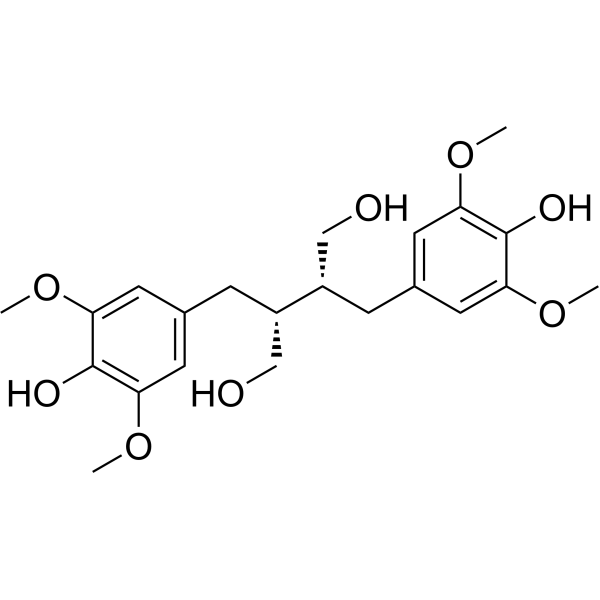
5,5'-Dimethoxysecoisolariciresinol ((-)-8,8'-Bisdihydrosiringenin) is a lignin. 5,5'-Dimethoxysecoisolariciresinol can be isolated from twigs of Cinnamomum cassia .
|
-
-
- HY-N7604
-
|
Isorubrofusarin gentiobioside
|
Others
|
Others
|
|
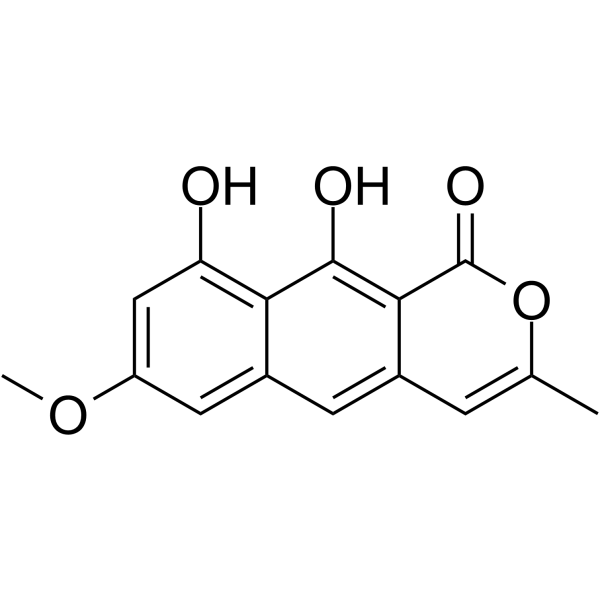
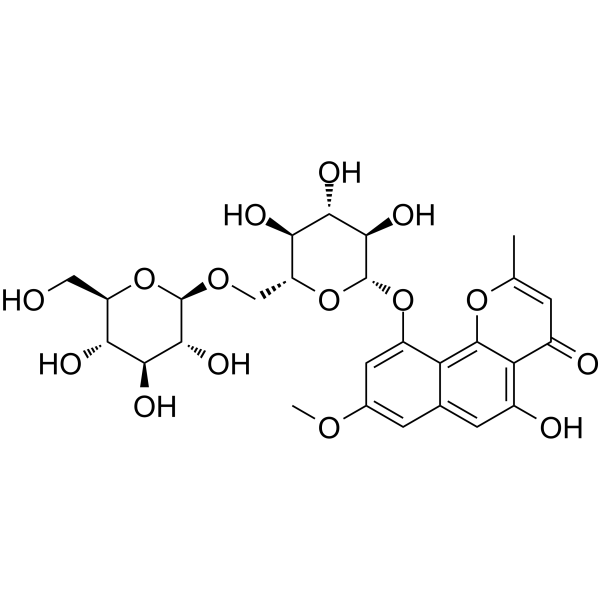
Isorubrofusarin-6-O-β-gentiobioside (Isorubrofusarin gentiobioside) is a naphthopyrone glycoside isolated from Cassia obtusifolia Linn seeds .
|
-
-
- HY-N0366R
-
|
|
Reference Standards
PDGFR
|
Cancer
|
|
Sennoside B (Standard) is the analytical standard of Sennoside B. This product is intended for research and analytical applications. Sennoside B is an anthraquinone glycoside, found in large quantities in leaves and pods of Senna (Cassia angustifolia) . Sennoside B can inhibit PDGF-stimulated cell proliferation by binding to PDGF-BB and its receptor and by down-regulating the PDGFR-beta signaling pathway .
|
-
-
- HY-W015069
-
|
|
Xanthine Oxidase
|
Others
|
|
4-Nitrocinnamic acid is a Phenylpropanoids product that can be isolated from the heartwoods of Cassia garrettiana .
|
-
-
- HY-W019715
-
|
|
Drug Derivative
|
Others
|
|
trans-4-(Trifluoromethyl)cinnamic acid is a Phenylpropanoids product that can be isolated from the barks of Cinnamomum cassia Presl .
|
-
-
- HY-N4179
-
|
Glucoaurantio-obtusin
|
Others
|
Metabolic Disease
|
|
Aurantio-obtusin β-D-glucoside (Glucoaurantio-obtusin), isolated from Cassiae Semen (seeds of Cassia tora), is a glucoside of aurantio-obtusin .
|
-
-
- HY-N7603
-
|
|
Monoamine Oxidase
|
Neurological Disease
|
|
Rubrofusarin triglucoside is a glycoside compound isolated from Cassia obtusifolia Linn seeds. Rubrofusarin triglucoside inhibits human monoamine oxidase A (hMAO-A) with an IC50 of 85.5 μM .
|
-
-
- HY-N6936
-
|
|
DNA/RNA Synthesis
HCV
Akt
GLUT
|
Infection
|
|
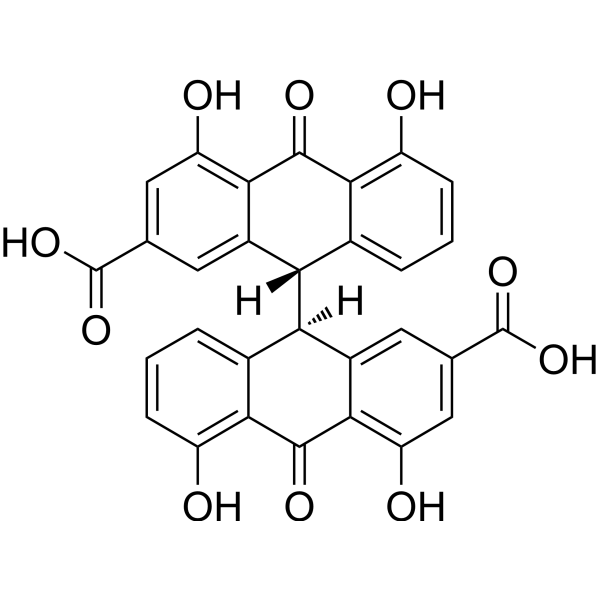
Sennidin A, isolated from the leaves of Cassia angustifolia, inhibits HCV NS3 helicase, with an IC50 of 0.8 μM. Sennidin A induces phosphorylation of Akt and glucose transporter 4 (GLUT4) translocation. Sennidin A stimulates the glucose incorporation .
|
-
-
- HY-W046353A
-
|
(E)-o-Methoxycinnamaldehyde
|
Tyrosinase
|
Neurological Disease
|
|
(E)-2-Methoxycinnamaldehyde ((E)-o-Methoxycinnamaldehyde) is a tyrosinase inhibitor with an IC50 of 0.42 mM for mushroom tyrosinase. (E)-2-Methoxycinnamaldehyde is found in the twigs of Cinnamomum cassia. (E)-2-Methoxycinnamaldehyde can be used for the research of Parkinson's disease .
|
-
-
- HY-Y1426R
-
|
o-Hydroxyacetophenone (Standard); o-Acetylphenol (Standard)
|
Reference Standards
Others
|
Others
|
|
2'-Hydroxyacetophenone (Standard) is the analytical standard of 2'-Hydroxyacetophenone. This product is intended for research and analytical applications. 2'-Hydroxyacetophenone is found in alcoholic beverages. 2'-Hydroxyacetophenone is present in tomato, cassia, fried beef, rum, whiskey, cocoa, coffee and black tea. 2'-Hydroxyacetophenone is a flavouring ingredient. Building block in chemical synthesis.
|
-
-
- HY-167825
-
-
-
- HY-N0261R
-
|
|
Reference Standards
TNF Receptor
COX
|
Cardiovascular Disease
Inflammation/Immunology
|
|
Aurantio-obtusin (Standard) is the analytical standard of Aurantio-obtusin. This product is intended for research and analytical applications. Aurantio-obtusin is a anthraquinone compound that can be extracted from cassia seed. Aurantio-obtusin has the effects of decreasing blood pressure, decreasing blood lipids and anti-inflammatory.Aurantio-obtusin is an orally active vasodilator. Aurantio-obtusin ameliorates hepatic steatosis through AMPK/ autophagy-and AMPK/TFEB mediated inhibition of lipid accumulation .
|
-
-
- HY-N16529
-
|
|
Glycosidase
|
Metabolic Disease
|
|
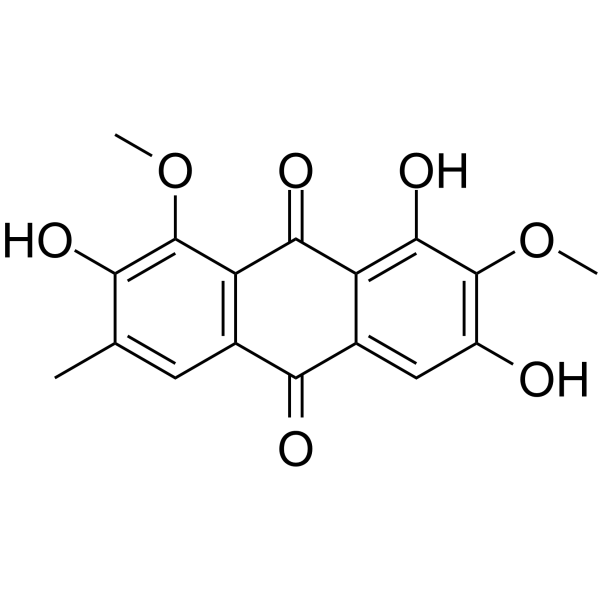
1,6,8-Trihydroxy-2,7-dimethoxy-3-methylanthraquinone (Compound 2) is a anthraquinone aglycone found in Cassia obtusefolia. 1,6,8-Trihydroxy-2,7-dimethoxy-3-methylanthraquinone can inhibit α-glucosidase with an IC50 of 120.65 μg/mL. 1,6,8-Trihydroxy-2,7-dimethoxy-3-methylanthraquinone can be used for the research of diabetes .
|
-
-
- HY-N12998
-
|
|
Others
|
Others
|
|
Torachrysone tetraglucoside is a phenolic glycoside , and can be isolated from the leguminous plant cassia .
|
-
-
- HY-N15520
-
|
|
Others
|
Others
|
|
Moracin J is found in the leaves of Cassia fistula. Moracin J is a derivative of the benzofuran compound Moracin .
|
-
-
- HY-N10939
-
-
-
- HY-N15693
-
-
-
- HY-N10369
-
|
|
Others
|
Others
|
|
1,2,3,7-Tetrahydroxy-8-methoxy-6-methyl-9,10-anthraquinone is an anthraquinone compound isolated from the seeds of Cassia obtusifolia .
|
-
-
- HY-N16482
-
|
|
COX
|
Inflammation/Immunology
|
|
Cassiatannin A is a tetramer of proanthocyanidin (HY-N0794) found in Cinnamomum cassia. Cassiatannin A shows COX-2 inhibitor activity with inhibition rate of 38, 52 and 97% at 10, 100 and 1000 μg/mL. Cassiatannin A can be used for the research of inflammation .
|
-
-
- HY-N12006
-
|
|
Glycosidase
|
Others
|
|
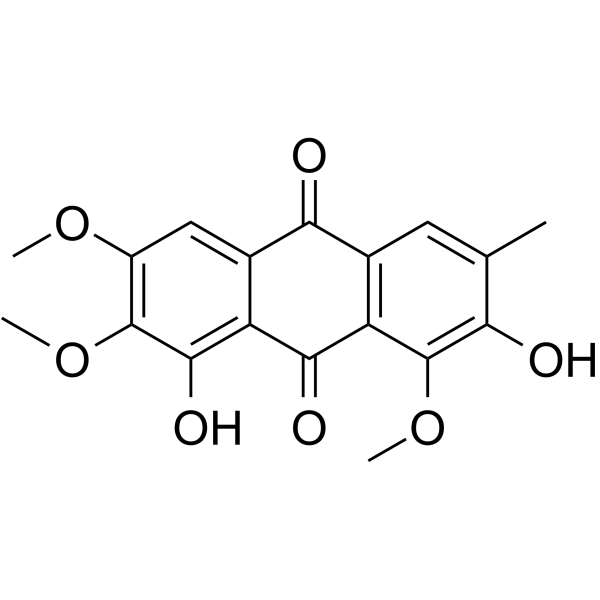
6,8-Dihydroxy-1,2,7-trimethoxy-3-methylanthraquinone (compound 1) is an anthraquinone α-glucosidase inhibitor (IC50:185 μM), which can be isolated from Cassia seeds .
|
-
-
- HY-N7599
-
|
|
Phosphatase
Glycosidase
|
Metabolic Disease
|
|
Chrysophanol triglucoside is an anthraquinone isolated from Cassia obtusifolia, inhibits protein tyrosine phosphatases 1B (PTP1B) and α-glucosidase with IC50s of 80.17 and 197.06 µM, respectively. Chrysophanol triglucoside has the potential for diabetes research .
|
-
-
- HY-159104
-
|
Cinnamomum cassia oil
|
Fungal
|
Infection
|
|
Cinnamon bark oil, from Cinnamonum zeylanicum Blume is a antifungal agent against fungi causing respiratory tract mycoses .
|
-
-
- HY-N3546
-
-
-
- HY-N1142
-
|
Nakahalene; Trachrysone; Torachryson
|
Others
|
Others
|
|
Torachrysone (Nakahalene; Trachrysone), a naphthalene, can be isolated from Cassia tora L .
|
-
-
- HY-N4091
-
|
|
Others
|
Others
|
|
Tinnevellin glucoside, a naphthalene glycoside, isolated from Cassia senna leaves and pods .
|
-
-
- HY-N3886
-
|
|
Others
|
Others
|
|
Evofolin C is a Phenylpropanoids product that can be isolated from the barks of Cinnamomum cassia Presl .
|
-
-
- HY-W037875
-
|
|
Drug Derivative
|
Others
|
|
α-Acetamidocinnamic acid is a Alkaloids product that can be isolated from the barks of Cinnamomum cassia Presl .
|
-
-
- HY-W015131
-
|
|
Drug Derivative
|
Others
|
|
3-(4-(Dimethylamino)phenyl)acrylic acid is a Alkaloids product that can be isolated from the barks of Cinnamomum cassia Presl .
|
-
-
- HY-138213
-
|
|
Others
|
Others
|
|
Afzelechin-(4α→8)-epiafzelechin is a Flavonoids product that can be isolated from the herbs of Cassia javanica .
|
-
-
- HY-N9961
-
|
|
Others
|
Others
|
|
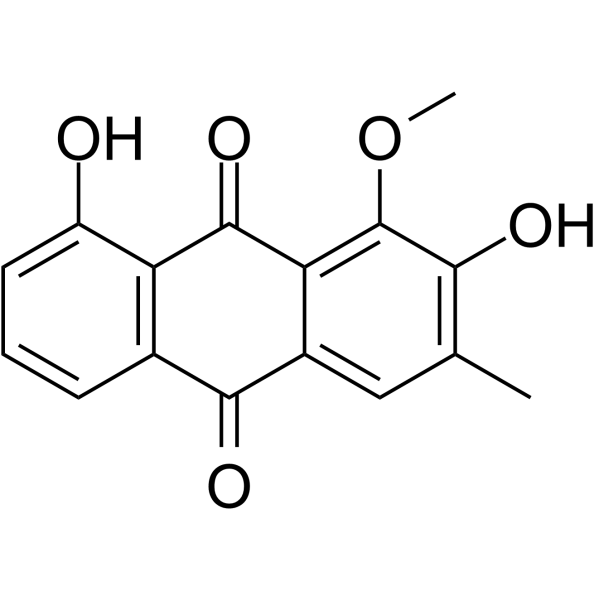
2-Hydroxyl emodin-1-methyl ether (Compound 5) is an anthraquinone that can be isolated from the seeds of Cassia obtusifolia .
|
-
-
- HY-N9111
-
|
1-Bisabolone
|
Others
|
Others
|
|
Bisabola-3,10-dien-2-one (1-Bisabolone) is a Phenylpropanoids product that can be isolated from the heartwoods of Cassia garrettiana .
|
-
-
- HY-N1973R
-
|
|
Reference Standards
Others
|
Infection
Inflammation/Immunology
|
|
Sennoside D (Standard) is the analytical standard of Sennoside D. This product is intended for research and analytical applications. Sennoside D is an anthraquinone glycoside, found in leaves and pods of Senna (Cassia angustifolia) .
|
-
-
- HY-N15709
-
|
|
Bacterial
|
Infection
|
|
Nor-Rubrofusarin gentiobioside is a phenolic glycoside de-rubrofusarin that can be isolated from the seeds of Cassia tora. The same series of extracts of Nor-Rubrofusarin gentiobioside have antibacterial effects on Staphylococcus aureus strains .
|
-
-
- HY-N7598
-
|
|
Monoamine Oxidase
|
Neurological Disease
|
|
Chrysophanol-1-O-β-gentiobioside, an anthraquinone glycoside isolated from Cassia obtusifolia seeds. Chrysophanol-1-O-β-gentiobioside shows selective inhibition of hMAO-A isozyme activity (IC50=96.15 μM) .
|
-
- HY-N15726
-
|
|
Others
|
Others
|
|
Obtusichromoneside C is a chromone C-glycoside found in the seeds of Cassia obtusifolia. Obtusichromoneside C regulates substance transport by inhibiting substrate uptake of specific transporters (e.g., OAT3, OATP1B3). Obtusichromoneside C is promising for research of drug transport .
|
-
- HY-N6936R
-
|
|
Reference Standards
HCV
Akt
GLUT
|
Infection
|
|
Sennidin A (Standard) is the analytical standard of Sennidin A. This product is intended for research and analytical applications. Sennidin A, isolated from the leaves of Cassia angustifolia, inhibits HCV NS3 helicase, with an IC50 of 0.8 μM. Sennidin A induces phosphorylation of Akt and glucose transporter 4 (GLUT4) translocation. Sennidin A stimulates the glucose incorporation .
|
-
- HY-N9071
-
|
|
Others
|
Others
|
|
5-Allyl-3-methoxy-6-methyl-7-(3,4,5-trimethoxyphenyl)bicyclo[3.2.1]oct-3-ene-2,8-dione is a Lignans product that can be isolated from the herbs of Cassia fistula .
|
-
- HY-N2098R
-
|
|
Reference Standards
NF-κB
|
Cancer
|
|
Obtusifolin (Standard) is the analytical standard of Obtusifolin. This product is intended for research and analytical applications. Obtusifolin, isolated from the seeds of Cassia obtusifolia, regulates the gene expression and production of MUC5AC mucin in airway epithelial cells via inhibiting NF-kB pathway . Obtusifolin suppresses phthalate esters-induced breast cancer bone metastasis by targeting parathyroid hormone-related protein .
|
-
- HY-N18746
-
|
|
Others
|
Infection
|
|
Cassia tora extract is derived from the seeds of Cassia tora and is rich in bioactive constituents such as flavonoids, saponins, and polysaccharides. Cassia tora extract can be utilized in research on various conditions, including skin infections, liver diseases, and constipation.
|
-
- HY-N6935R
-
|
|
Reference Standards
HCV
Akt
GLUT
|
Infection
Metabolic Disease
|
|
Sennidin B (Standard) is the analytical standard of Sennidin B. This product is intended for research and analytical applications. Sennidin B, a stereoisomer isolated from the leaves of Cassia angustifolia, has lower activity than Sennidin A. Sennidin A inhibits HCV NS3 helicase, with an IC50 of 0.8 μM. Sennidin A induces phosphorylation of Akt and glucose transporter 4 (GLUT4) translocation. Sennidin A stimulates the glucose incorporation .
|
-
- HY-W046353R
-
|
o-Methoxycinnamaldehyde (Standard)
|
Reference Standards
Apoptosis
NF-κB
Mitochondrial Metabolism
Caspase
Topoisomerase
|
Cancer
|
|
2-Methoxycinnamaldehyde (Standard) is the analytical standard of 2-Methoxycinnamaldehyde. This product is intended for research and analytical applications. 2-Methoxycinnamaldehyde (o-Methoxycinnamaldehyde) is a natural compound that can be isolated from Cinnamomum cassia. 2-Methoxycinnamaldehyde inhibits topoisomerase-I/II and NF-κB signaling pathway, causes mitochondrial dysfunction, induces lysosomal vesiculation, thereby leading to DNA damage and cell apoptosis. 2-Methoxycinnamaldehyde exhibits antitumor effects .
|
-
- HY-N18714
-
|
|
Bacterial
|
Infection
Inflammation/Immunology
|
|
Cinnamomum cassia extract, derived from cinnamon bark, is rich in bioactive components such as cinnamaldehyde, eugenol, and various phenolic compounds. Cinnamomum cassia extract also possesses benefits including regulating blood sugar, reducing inflammation, providing antioxidant protection, and exhibiting antibacterial activity.
|
-
- HY-N19063
-
|
|
Bacterial
|
Infection
Inflammation/Immunology
|
|
Cassia alata extract contains anthraquinones (including hypericic acid), flavonoids, phenolic compounds, fatty acids, natural sterols, terpenoids, and saponins, among other bioactive compounds. Cassia alata extract possesses antifungal, antibacterial, and anti-inflammatory properties and can be used in research on skin diseases such as tinea, eczema, and fungal infections.
|
-
- HY-W751044
-
|
|
Others
|
Others
|
|
4'-O-Methylepicatechin is a flavan-3-ol methyl ether that can be found in the bark of Cinnamomum cassia .
|
-
- HY-N19680
-
|
|
Others
|
Others
|
|
Dihydroxanthyletin (Compound 8), a coumarin, is a natural product found in the fruits of Ammi majus, Cassia pumila Lam., and Seseli tortuosum L.B.S. Eur. .
|
-
- HY-N17791
-
|
|
Others
|
Others
|
|
Cassiaphenone A 2-glucoside is a carboxylated benzophenone glucoside that can be isolated from the pods of Cassia angustifolia and the bark of Cassia abbreviata, both belonging to the legume family .
|
-
- HY-N17770
-
|
|
Others
|
Neurological Disease
Inflammation/Immunology
|
|
Obtusinaphthalenside B is a novel naphthyl glycoside compound that can be isolated from Cassia obtusifolia seeds. Cassia obtusifolia has physiological functions related to neuroprotection, anti-inflammation, and hepatoprotection.
|
-
- HY-N17768
-
|
|
Others
|
Neurological Disease
Inflammation/Immunology
|
|
Obtusichromoneside B is a novel naphthyl glycoside compound that can be isolated from Cassia obtusifolia seeds. Cassia obtusifolia possesses various physiological functions, including neuroprotection, anti-inflammatory effects, and hepatoprotection.
|
-
- HY-N15725
-
|
|
Others
|
Others
|
|
Obtusichromoneside A is a chromone C-glycoside glycoside found in the Cassia obtusifolia seeds .
|
-
- HY-N1138
-
|
|
Others
|
Others
|
|
Torososide A is a Anthraquinones product that can be isolated from the leaves of Cassia torosa .
|
-
- HY-N12009
-
|
|
Others
|
Others
|
|
1-Desmethylobtusin is an anthraquinone compound can be isolated from Cassia obtusifolia L .
|
-
- HY-N17769
-
|
|
Others
|
Others
|
|
(3R)-Cassialactone 9-O-β-gentiobioside is a novel naphtholactone glycoside compound that can be isolated from the seeds of Cassia obtusifolia. The natural source plant of (3R)-Cassialactone 9-O-β-gentiobioside belongs to the Cassia genus and has traditional tonic and preventative effects.
|
-
- HY-N8704
-
|
|
Others
|
Others
|
|
Methyl 4-prenyloxycinnamate is a Phenylpropanoids product that can be isolated from the barks of Cinnamomum cassia .
|
-
- HY-N15446
-
|
|
Others
|
Others
|
|
Siamine is an isoquinolone alkaloid. Siamine can be extracted from Cassia siamea. Siamine can act as an antioxidant .
|
-
- HY-N18080
-
|
|
Parasite
DNA Alkylator/Crosslinker
Bacterial
|
Infection
Inflammation/Immunology
Cancer
|
|
Parthenin is a pseudoguaianolide-type sesquiterpene lactone present in Parthenium hysterophorus L. Parthenin induces chromosomal aberrations, mainly chromatid breaks, in human peripheral blood lymphocytes. Parthenin exhibits toxicity against Salmonella typhimurium and Escherichia coli strains, with reduced toxicity in the presence of a metabolic activation system (S9). Parthenin acts as an antifeedant against the 6th instar larvae of the tobacco cutworm (Spodoptera litura). Parthenin shows insecticidal activity against adult cowpea weevils (Callosobruchus maculatus). Parthenin inhibits seed germination and seedling growth of sicklepod (Cassia tora). Parthenin possesses nematicidal activity against the 2nd instar larvae of the southern root-knot nematode (Meloidogyne incognita). Parthenin serves as a research agent for studies related to cancer, malaria, amoebiasis, inflammatory diseases, and bacterial infections .
|
-
- HY-N15692
-
|
|
Others
|
Others
|
|
1-Desmethylchrysoobtusin 2-β-D-glucoside is an anthraquinone. 1-Desmethylchrysoobtusin 2-β-D-glucoside can be isolated from Cassia siamea Lam.
|
-
- HY-N10944
-
|
|
Others
|
Inflammation/Immunology
|
|
Chrysoobtusin 2-β-D-glucoside is an anthraquinone glycoside found in Cassia obtusifolia. Chrysoobtusin 2-β-D-glucoside may have potential anti-inflammatory and antioxidant activities .
|
-
- HY-N18716
-
|
|
Others
|
Others
|
|
Senna Leaf Extract is the main raw material of Cassia angustifolia Vahl. Its main active ingredients are Sennoside A and B, and contain rhein, aloe-emodin, chrysophanol and other anthraquinones Derivatives and other glycosides.
|
-
- HY-W015069R
-
|
|
Xanthine Oxidase
Reference Standards
|
Others
|
|
4-Nitrocinnamic acid (Standard) is the analytical standard of 4-Nitrocinnamic acid (HY-W015069). This product is intended for research and analytical applications. 4-Nitrocinnamic acid is a Phenylpropanoids product that can be isolated from the heartwoods of Cassia garrettiana .
|
-
- HY-W037875R
-
|
|
Others
Reference Standards
|
Others
|
|
α-Acetamidocinnamic acid (Standard) is the analytical standard of α-Acetamidocinnamic acid (HY-W037875). This product is intended for research and analytical applications. α-Acetamidocinnamic acid is a Alkaloids product that can be isolated from the barks of Cinnamomum cassia Presl .
|
-
- HY-N15700
-
|
|
Estrogen Receptor/ERR
|
Cardiovascular Disease
Endocrinology
Cancer
|
|
Toralactone 9-O-triglucoside (Compound 2) is a phenolic trisaccharide. Toralactone 9-O-triglucoside can be isolated from Cassia seed. Toralactone 9-O-triglucoside can be used in the research of estrogen-related diseases such as breast cancer, prostate cancer, osteoporosis and cardiovascular disease .
|
-
- HY-W019715R
-
|
|
Others
Reference Standards
|
Others
|
|
trans-4-(Trifluoromethyl)cinnamic acid (Standard) is the analytical standard of trans-4-(Trifluoromethyl)cinnamic acid (HY-W019715). This product is intended for research and analytical applications. trans-4-(Trifluoromethyl)cinnamic acid is a Phenylpropanoids product that can be isolated from the barks of Cinnamomum cassia Presl .
|
-
- HY-W739751
-
|
o-Hydroxyacetophenone-d7; o-Acetylphenol-d7
|
Isotope-Labeled Compounds
Drug Intermediate
|
Others
|
|
2'-Hydroxyacetophenone-d7 (o-Hydroxyacetophenone-d7; o-Acetylphenol-d7) is the deuterium labeled 2'-Hydroxyacetophenone (HY-Y1426). 2'-Hydroxyacetophenone is found in alcoholic beverages. 2'-Hydroxyacetophenone is present in tomato, cassia, fried beef, rum, whiskey, cocoa, coffee and black tea. 2'-Hydroxyacetophenone is a flavouring ingredient. Building block in chemical synthesis.
|
-
| Cat. No. |
Product Name |
Type |
-
- HY-159104
-
|
Cinnamomum cassia oil
|
Biochemical Assay Reagents
|
|
Cinnamon bark oil, from Cinnamonum zeylanicum Blume is a antifungal agent against fungi causing respiratory tract mycoses .
|
| Cat. No. |
Product Name |
Category |
Target |
Chemical Structure |
- HY-N6936R
-
-
- HY-N9071
-
-
- HY-N2098R
-
-
- HY-N18746
-
|
|
Structural Classification
Extract
|
Others
|
|
Cassia tora extract is derived from the seeds of Cassia tora and is rich in bioactive constituents such as flavonoids, saponins, and polysaccharides. Cassia tora extract can be utilized in research on various conditions, including skin infections, liver diseases, and constipation.
|
-
- HY-N6935R
-
-
- HY-W046353R
-
-
- HY-N18714
-
|
|
Structural Classification
Extract
|
Bacterial
|
|
Cinnamomum cassia extract, derived from cinnamon bark, is rich in bioactive components such as cinnamaldehyde, eugenol, and various phenolic compounds. Cinnamomum cassia extract also possesses benefits including regulating blood sugar, reducing inflammation, providing antioxidant protection, and exhibiting antibacterial activity.
|
-
- HY-N19063
-
|
|
Structural Classification
Extract
|
Bacterial
|
|
Cassia alata extract contains anthraquinones (including hypericic acid), flavonoids, phenolic compounds, fatty acids, natural sterols, terpenoids, and saponins, among other bioactive compounds. Cassia alata extract possesses antifungal, antibacterial, and anti-inflammatory properties and can be used in research on skin diseases such as tinea, eczema, and fungal infections.
|
-
- HY-W751044
-
-
- HY-N19680
-
-
- HY-N18709
-
-
- HY-N17791
-
-
- HY-N17770
-
-
- HY-N17768
-
-
- HY-N15725
-
-
- HY-N1138
-
-
- HY-N12009
-
-
- HY-N17769
-
-
- HY-N8704
-
-
- HY-N15446
-
-
- HY-N18080
-
|
|
Structural Classification
Terpenoids
Sesquiterpenes
Antheroporum pierrei Gagnep.
Plants
Compositae
Source Classification
|
Parasite
DNA Alkylator/Crosslinker
Bacterial
|
|
Parthenin is a pseudoguaianolide-type sesquiterpene lactone present in Parthenium hysterophorus L. Parthenin induces chromosomal aberrations, mainly chromatid breaks, in human peripheral blood lymphocytes. Parthenin exhibits toxicity against Salmonella typhimurium and Escherichia coli strains, with reduced toxicity in the presence of a metabolic activation system (S9). Parthenin acts as an antifeedant against the 6th instar larvae of the tobacco cutworm (Spodoptera litura). Parthenin shows insecticidal activity against adult cowpea weevils (Callosobruchus maculatus). Parthenin inhibits seed germination and seedling growth of sicklepod (Cassia tora). Parthenin possesses nematicidal activity against the 2nd instar larvae of the southern root-knot nematode (Meloidogyne incognita). Parthenin serves as a research agent for studies related to cancer, malaria, amoebiasis, inflammatory diseases, and bacterial infections .
|
-
- HY-N15692
-
-
- HY-N10944
-
-
- HY-N18716
-
|
|
Structural Classification
Extract
|
Others
|
|
Senna Leaf Extract is the main raw material of Cassia angustifolia Vahl. Its main active ingredients are Sennoside A and B, and contain rhein, aloe-emodin, chrysophanol and other anthraquinones Derivatives and other glycosides.
|
-
- HY-W015069R
-
-
- HY-W037875R
-
-
- HY-N15700
-
-
- HY-W019715R
-
-
| Cat. No. |
Product Name |
Chemical Structure |
-
- HY-W739751
-
|
|
|
2'-Hydroxyacetophenone-d7 (o-Hydroxyacetophenone-d7; o-Acetylphenol-d7) is the deuterium labeled 2'-Hydroxyacetophenone (HY-Y1426). 2'-Hydroxyacetophenone is found in alcoholic beverages. 2'-Hydroxyacetophenone is present in tomato, cassia, fried beef, rum, whiskey, cocoa, coffee and black tea. 2'-Hydroxyacetophenone is a flavouring ingredient. Building block in chemical synthesis.
|
-
Your information is safe with us. * Required Fields.
Inquiry Information
- Product Name:
- Cat. No.:
- Quantity:
- MCE Japan Authorized Agent:

