1. Search Result
Search Result
Results for "

chemoattractants

" in MedChemExpress (MCE) Product Catalog:

37

Inhibitors & Agonists

8

Peptides

2

Inhibitory Antibodies

4

Natural
Products

2

Isotope-Labeled Compounds

3

Oligonucleotides

Cat. No. Product Name Target Research Areas Chemical Structure
  • HY-P0063
    Copper tripeptide
    1 Publications Verification

    GHK-Cu

    Biochemical Assay Reagents Inflammation/Immunology
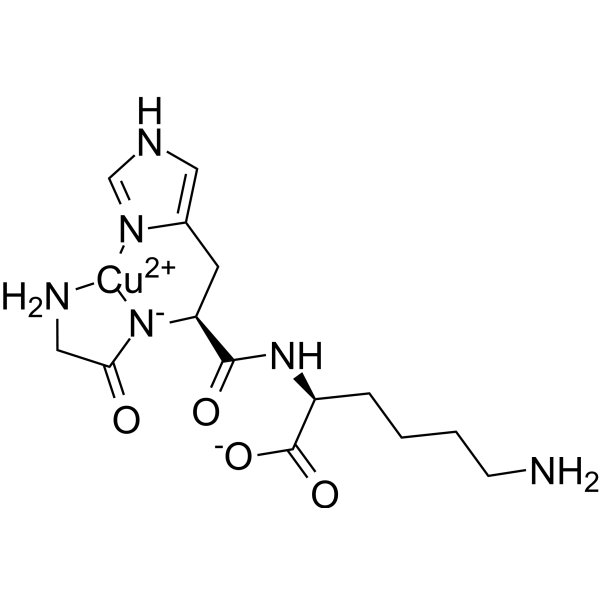
    Copper tripeptide (GHK-Cu) is a tripeptide. During wound healing, Copper tripeptide may be freed from existing extracellular proteins via proteolysis and serves as a chemoattractant for inflammatory and endothelial cells. Copper tripeptide has been shown to increase messenger RNA production for collagen, elastin, proteoglycans, and glycosaminoglycans in fibroblasts. Copper tripeptide is a natural modulator of multiple cllular pathways in skin regeneration .
    Copper tripeptide
  • HY-148531

    CCR Inflammation/Immunology
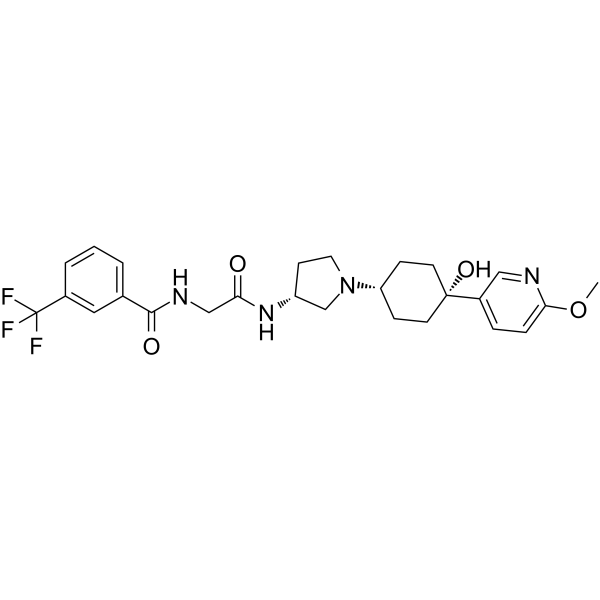
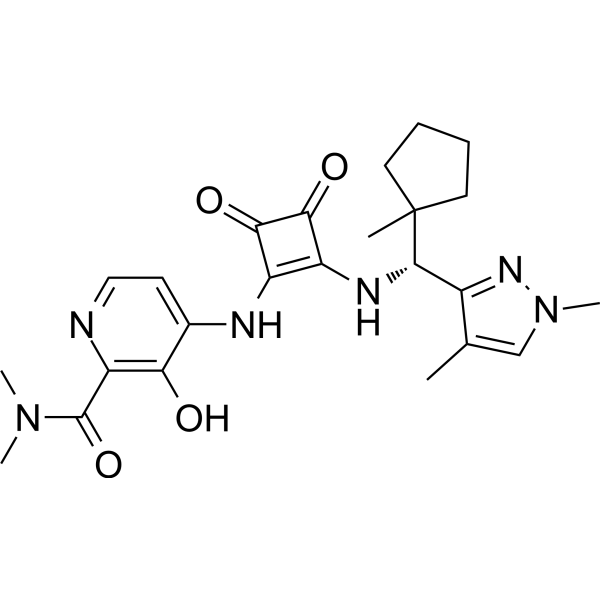
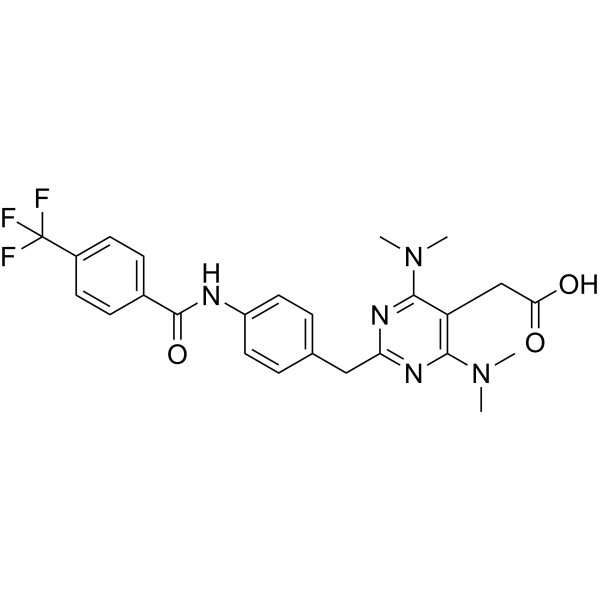
    PF-07054894 is an orally active and potent C-C Chemoattractant Cytokine (Chemokine) Receptor 6 (CCR6) antagonist that blocks CCR6-mediated chemotaxis with an IC50 value of 5.7 nM in vitro. PF-07054894 targets G protein-coupled receptor (GPCR). PF-07054894 can be used in research of inflammatory bowel disease .
    PF-07054894
  • HY-12764
    6-OAU
    4 Publications Verification

    GTPL5846

    GPR84 ERK Bacterial Antibiotic Inflammation/Immunology
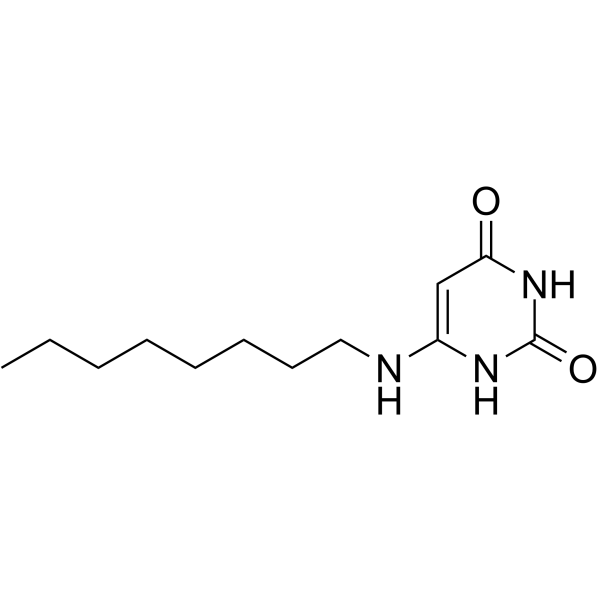
    6-OAU (GTPL5846) (6-n-octylaminouracil) is an GPR84 (G protein-coupled receptor 84) agonist, with an EC50 value of 105 nM. 6-OAU works as a chemoattractant to both PMNs and macrophages, and amplifies the proinflammatory cytokine IL-8, shows proinflammatory function. 6-OAU also displays anti-bacterial function .
    6-OAU
  • HY-50688
    SB-265610
    Maximum Cited Publications
    6 Publications Verification

    CXCR Inflammation/Immunology
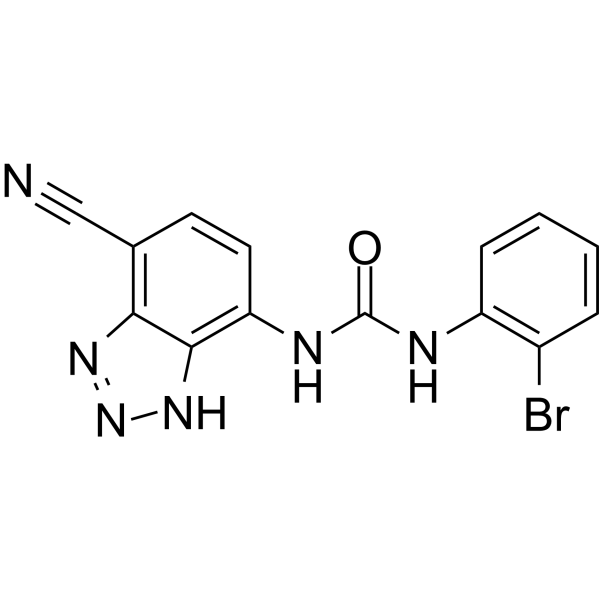
    SB-265610 is a selective, competitive, nonpeptide and allosteric CXCR2 antagonist. SB-265610 blocks rat cytokine-induced neutrophil chemoattractant-1 (CINC-1)-induced calcium mobilization and neutrophil chemotaxis with IC50s of 3.7 nM and 70 nM, respectively .
    SB-265610
  • HY-107608
    Leukotriene B4
    5 Publications Verification

    LTB4; 5(S),12(R)-DiHETE

    Endogenous Metabolite PROTAC Linkers Leukotriene Receptor Inflammation/Immunology Cancer
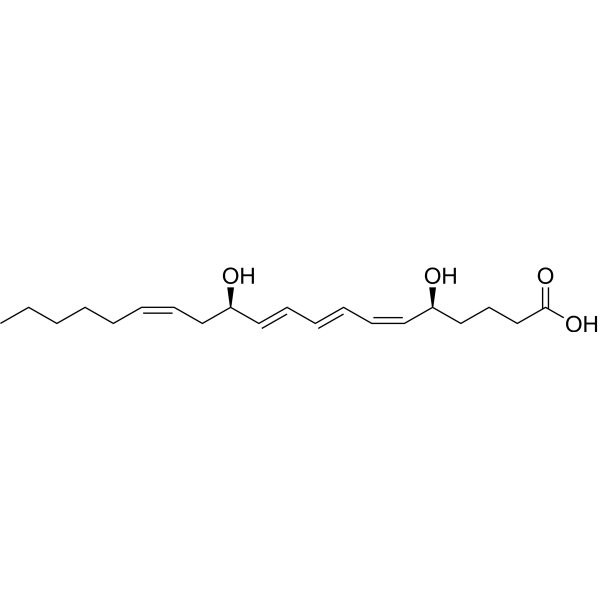
    Leukotriene B4 (LTB4) is known as one of the most potent chemoattractants and activators of leukocytes and is involved in inflammatory diseases. Leukotriene B4 is also an alkyl chain-based PROTAC linker that can be used in the synthesis of PROTACs .
    Leukotriene B4
  • HY-P4486

    Pro-Gly-Pro

    Drug Derivative Others
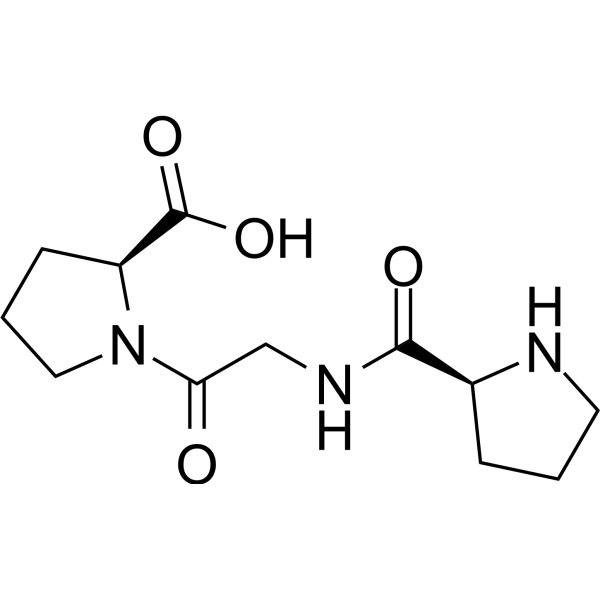
    H-Pro-Gly-Pro-OH is a collagen-derived matrikine that has classically been described as a neutrophil chemoattractant. H-Pro-Gly-Pro-OH is perfectly positioned to focus neutrophils on the site required and direct a localized repair response. H-Pro-Gly-Pro-OH activates the transcription of neurotrophins and their receptor genes after cerebral ischemia .
    H-Pro-Gly-Pro-OH
  • HY-111271
    L 888607
    1 Publications Verification

    Prostaglandin Receptor Inflammation/Immunology Endocrinology
    L 888607 is a potent, selective, stable and orally active CRTH2 agonist. L 888607 has high affinity for the human CRTH2 receptor with a Ki value of 4 nM. L 888607 can be used for the research of several physiological events and metabolite .
    L 888607
  • HY-31962

    Environmental Pollutants Olfactory Receptor Others
    Bourgeonal is a potent agonist of hOR17-4 and acts as a strong chemoattractant in sperm behavioral assays .
    Bourgeonal
  • HY-P4846
    Ac-Pro-Gly-Pro-OH
    2 Publications Verification

    CXCR Apoptosis IFNAR TNF Receptor Interleukin Related Infection Inflammation/Immunology
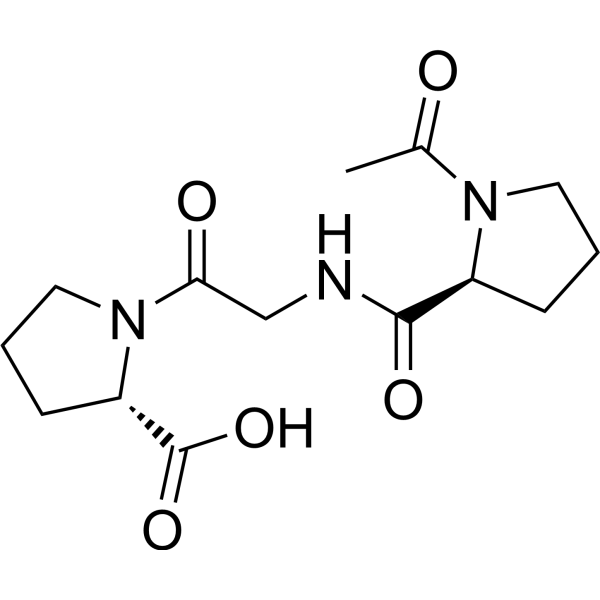
    Ac-Pro-Gly-Pro-OH is an endogenous degradation product of extracellular collagen and acts as a CXCR2 agonist . Ac-Pro-Gly-Pro-OH exerts bactericidal activity by generating hydrogen peroxide, inhibits pulmonary inflammation, and reduces immune cell apoptosis (apoptosis). Ac-Pro-Gly-Pro-OH promotes the production of IFN-γ and inhibits the production of TNF-α and IL-6 in leukocytes. Ac-Pro-Gly-Pro-OH increases the survival rate of mice in sepsis models, enhances the bactericidal activity of neutrophils, acts as a neutrophil chemoattractant, induces neutrophil polarization, and regulates inflammatory and repair processes. Ac-Pro-Gly-Pro-OH induces chronic inflammation and tissue remodeling through sustained action. Ac-Pro-Gly-Pro-OH is released via alkaline hydrolysis of corneal proteins in alkali-injured eyes, thereby driving the early infiltration of neutrophils into the cornea. Ac-Pro-Gly-Pro-OH is applicable to research related to sepsis, chronic obstructive pulmonary disease, cystic fibrosis, bronchiolitis obliterans syndrome, severe asthma, idiopathic pulmonary fibrosis, and corneal ulcer .
    Ac-Pro-Gly-Pro-OH
  • HY-107608S

    LTB4-d4; 5(S),12(R)-DiHETE-d4

    PROTAC Linkers Endogenous Metabolite Leukotriene Receptor Inflammation/Immunology Cancer
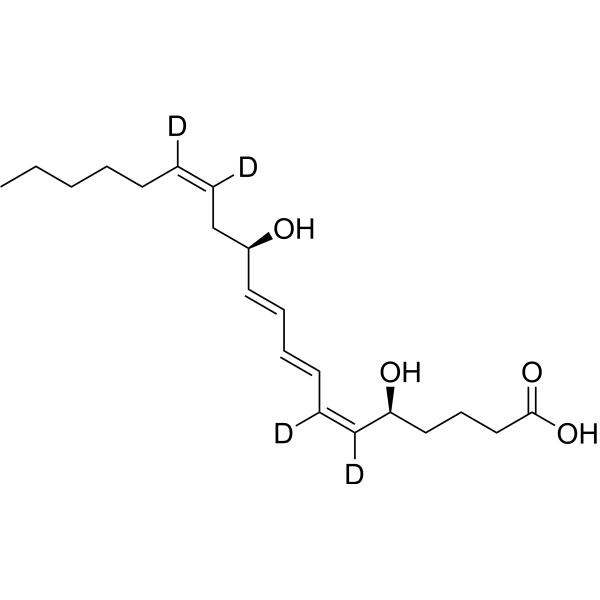
    Leukotriene B4-d4 is the deuterium labeled Leukotriene B4. Leukotriene B4 (LTB4) is known as one of the most potent chemoattractants and activators of leukocytes and is involved in inflammatory diseases. Leukotriene B4 is also an alkyl chain-based PROTAC linker that can be used in the synthesis of PROTACs .
    Leukotriene B4-d4
  • HY-P4911A
    SDF-1α (human) TFA
    2 Publications Verification

    CXCR Cardiovascular Disease
    SDF-1α (human) TFA is a mononuclear cells chemoattractant that can bind to CXCR4. SDF-1α plays a central role in stem cell homing, retention, survival, proliferation, cardiomyocyte repair, angiogenesis and ventricular remodelling following myocardial infarction. SDF-1α (human) TFA can be used in cardiovascular disease research .
    SDF-1α (human) TFA
  • HY-114141

    Prostaglandin Receptor Inflammation/Immunology Endocrinology
    BI-671800 is a highly specific and potent antagonist of chemoattractant receptor-homologous molecule on Th2 cells (DP2/CRTH2), with IC50 values of 4.5 nM and 3.7 nM for PGD2 binding to CRTH2 in hCRTH2 and mCRTH2 transfected cells, respectively . BI-671800 has potential for the treatment of poorly controlled asthma .
    BI-671800
  • HY-P2302

    Antibiotic Bacterial Fungal Infection Inflammation/Immunology Cancer
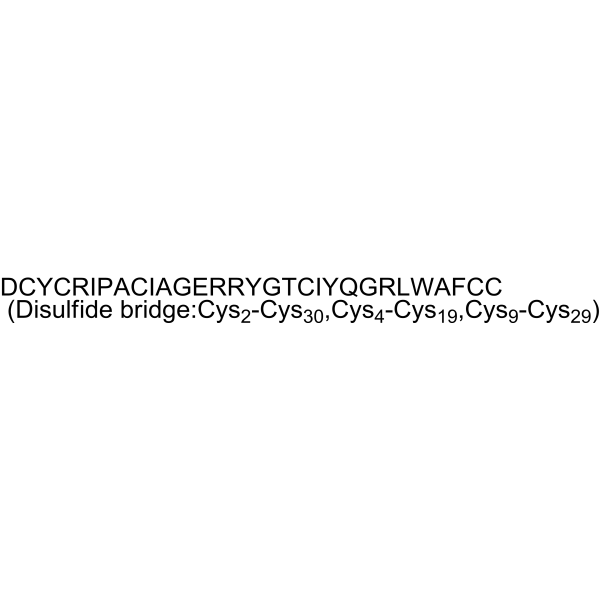
    Defensin HNP-3 human is an α-defensin stored in the azurophilic granules of human neutrophils. Defensin HNP-3 human exerts broad-spectrum bactericidal, antifungal and antiviral activities mainly by forming bacterial membrane pores, and acts as a chemoattractant for monocytes and T cells. Defensin HNP-3 human maintains epithelial integrity to support periodontal tissue homeostasis, and exerts concentration-dependent effects on epithelial cell proliferation, adhesion and bacterial adhesion. Defensin HNP-3 human targets solid tumors and leukemia by inducing single-strand DNA breaks and membrane permeabilization in tumor cells via electrostatic binding and pore formation. Defensin HNP-3 human is abundant in human tongue squamous cell carcinoma and neutrophils infiltrating oral squamous cell carcinoma. Defensin HNP-3 human can be applied to research related to periodontitis and human tongue squamous cell carcinoma .
    Defensin HNP-3 human
  • HY-W345359

    Endogenous Metabolite Inflammation/Immunology
    PAF C-18:1 is a naturally occurring phospholipid produced by cells upon inflammatory responses. PAF C-18:1 is a chemoattractant, and induces human neutrophil chemotaxis .
    PAF C-18:1
  • HY-15450A
    INCB 3284
    2 Publications Verification

    CCR Endocrinology
    INCB 3284 is a potent, selective and orally bioavailable human CCR2 antagonist, inhibiting monocyte chemoattractant protein-1 binding to hCCR2, with an IC50 of 3.7 nM. INCB 3284 can be used in the research of acute liver failure.
    INCB 3284
  • HY-110114
    Gue1654
    1 Publications Verification

    Orphan GPCR Others
    Gue1654 is a modulator of OXE-R. Gue1654 inhibits Gβγ but not Gα signaling triggered upon activation of Gα(i)-βγ by the chemoattractant receptor OXE-R. Gue1654 does not interfere nonspecifically with signaling directly at or downstream of Gβγ .
    Gue1654
  • HY-P4911

    CXCR Cardiovascular Disease
    SDF-1α (human) is a mononuclear cells chemoattractant that can bind to CXCR4. SDF-1α plays a central role in stem cell homing, retention, survival, proliferation, cardiomyocyte repair, angiogenesis and ventricular remodelling following myocardial infarction. SDF-1α (human) can be used in cardiovascular disease research .
    SDF-1α (human)
  • HY-173463

    Sirtuin Metabolic Disease Inflammation/Immunology
    Sirtuin modulator 8 is a sirtuin modulator that can activate Sirtuin activity. Sirtuin modulator 8 significantly downregulates the expression of monocyte chemoattractant protein-1 (MCP-1) and upregulates the expression of fibroblast growth factor 21 (FGF21). Sirtuin modulator 8 regulates the expression of inflammation- and metabolism-related genes, showing potential for studying metabolic diseases (such as diabetes, obesity) and inflammatory diseases .
    Sirtuin modulator 8
  • HY-N10493

    Endogenous Metabolite Inflammation/Immunology
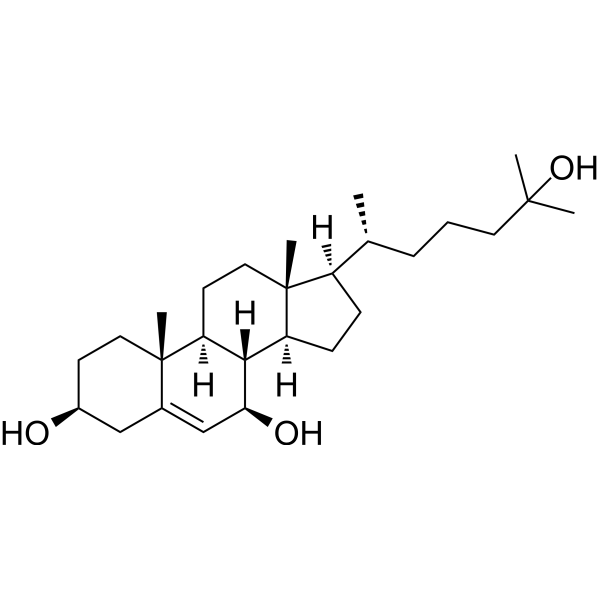
    7β,25-Dihydroxycholesterol is an endogenous metabolite and is found to act as chemoattractants for immune cells expressing EBI2 .
    7β,25-Dihydroxycholesterol
  • HY-P0063A

    GHK-Cu acetate

    Biochemical Assay Reagents Inflammation/Immunology
    Copper tripeptide (GHK-Cu) acetate is a tripeptide. During wound healing, Copper tripeptide acetate may be freed from existing extracellular proteins via proteolysis and serves as a chemoattractant for inflammatory and endothelial cells. Copper tripeptide acetate has been shown to increase messenger RNA production for collagen, elastin, proteoglycans, and glycosaminoglycans in fibroblasts. Copper tripeptide acetate is a natural modulator of multiple cllular pathways in skin regeneration .
    Copper tripeptide acetate
  • HY-P4971

    Complement System Inflammation/Immunology
    C5a Anaphylatoxin (human) is a pro-inflammatory peptide and a leukocyte chemoattractant. C5a Anaphylatoxin (human) can be used to study inflammation and immunity, such as allergic asthma .
    C5a Anaphylatoxin (human)
  • HY-15450

    CCR Endocrinology
    INCB 3284 dimesylate is a potent, selective and orally bioavailable human CCR2 antagonist, inhibiting monocyte chemoattractant protein-1 binding to hCCR2, with an IC50 of 3.7 nM. INCB 3284 dimesylate can be used in the research of acute liver failure.
    INCB 3284 dimesylate
  • HY-112549

    5-KETE

    Apoptosis Cardiovascular Disease Inflammation/Immunology Cancer
    5-oxo-ETE is a potent chemoattractant for eosinophils. 5-oxo-ETE inhibits selenium-induced apoptosis in prostate cancer cells. 5-oxo-ETE can be used in research into asthma, allergic diseases, cancer and cardiovascular disease .
    5-oxo-ETE
  • HY-135773

    Prostaglandin Receptor PDK-1 Cardiovascular Disease Inflammation/Immunology
    CRTh2 antagonist 3 is a potent chemoattractant receptor-homologous molecule expressed on Th2 cells (CRTh2) antagonist . CRTh2 antagonist 3 enhances the activity of PDK1 toward a short peptide substrate, with an EC50 of 2 μM and a Kd of 8.4 μM. CRTh2 antagonist 3 has the potential for cardiovascular inflammation .
    CRTh2 antagonist 3
  • HY-174634

    mRNA Inflammation/Immunology
    Human IL16 mRNA encodes the human interleukin 16 (IL16) protein, a pleiotropic cytokine that functions as a chemoattractant, a modulator of T cell activation, and an inhibitor of HIV replication.
    Human IL16 mRNA
  • HY-105325

    PPAR Inflammation/Immunology
    SB-219994 is a peroxisome proliferator-activated receptors (PPARs) agonists. SB-219994 can inhibit airway neutrophilia and associated chemoattractants/survival factors. SB-219994 exhibits anti-inflammation effec .
    SB-219994
  • HY-174760

    mRNA Inflammation/Immunology
    Human CCL22 mRNA encodes the human C-C motif chemokine ligand 22 (CCL22) protein, a cytokine that displays chemotactic activity for monocytes, dendritic cells, natural killer cells and for chronically activated T lymphocytes. CCL22 also displays a mild activity for primary activated T lymphocytes and has no chemoattractant activity for neutrophils, eosinophils and resting T lymphocytes.
    Human CCL22 mRNA
  • HY-P5469

    Formyl Peptide Receptor (FPR) Others
    WRW4-OH is a biological active peptide. (This peptide inhibits binding of one of formyl peptide receptor-like 1 (FPRL1) agonists WKYMVm to its specific receptor. FPRL1 is an important classical chemoattractant receptor that is expressed in phagocytic cells in the peripheral blood and brain. Activation of FPRL1 is closely related to inflammatory responses in the host defense mechanism and neurodegenerative disorders.)
    WRW4-OH
  • HY-107608S1

    LTB4-d5

    Isotope-Labeled Compounds Endogenous Metabolite PROTAC Linkers Leukotriene Receptor Inflammation/Immunology Cancer
    Leukotriene B4-d5 (LTB4-d5) is deuterium labeled Leukotriene B4. Leukotriene B4 (LTB4) is known as one of the most potent chemoattractants and activators of leukocytes and is involved in inflammatory diseases. Leukotriene B4 is also an alkyl chain-based PROTAC linker that can be used in the synthesis of PROTACs .
    Leukotriene B4-d5
  • HY-159580

    STAT Cancer
    STAT3-IN-31 (compound K2071) is a STATtic-derived STAT3 and mitotic inhibitor. STAT3-IN-31 blocks mitotic progression and affects the formation of mitotic spindles. STAT3-IN-31 also affects glioblastoma cell migration and inhibits cell proliferation in tumor spheroids. STAT3-IN-31 is also able to induce glioblastoma senescence, inhibit the growth of Temozolomide (HY-17364)-resistant cells and the secretion of the pro-inflammatory cytokine monocyte chemoattractant protein MCP-1 .
    STAT3-IN-31
  • HY-111271B

    Prostaglandin Receptor Drug Isomer Inflammation/Immunology Endocrinology
    (R)-L 888607 is the isomer of L 888607 (HY-111271), and can be used as an experimental control. L 888607 is a potent, selective, stable and orally active CRTH2 agonist. L 888607 has high affinity for the human CRTH2 receptor with a Ki value of 4 nM. L 888607 can be used for the research of several physiological events and metabolite .
    (R)-L 888607
  • HY-106622

    TFC 612

    Drug Derivative Inflammation/Immunology
    TEI-6122 is a 7-thiaprostaglandin E1 derivative. TEI-6122 can reduce urinary protein and suppressthe increase of blood urea nitrogen. TEI-6122 can inhibit monocyte chemoattractant protein-1 induced chemotaxis. TEI-6122 can be used for the research of inflammation, such as nephritis .
    TEI-6122
  • HY-P992035

    Interleukin Related Endocrinology
    AMY109 is an anti-human interleukin-8 (IL-8) monoclonal antibody, with IC50 values of 0.14 μg/mL and 0.37 μg/mL against human IL-8, a Ka of 36.8 pM for human IL-8, and a Ka of 380 pM for cynomolgus monkey IL-8.\nAMY109 binds to human and cynomolgus monkey IL-8 in a pH-dependent manner, inhibits IL-8-mediated activation of CXCR1 and CXCR2, and blocks the downstream biological activities of IL-8. AMY109 inhibits neutrophil recruitment to endometriotic lesions and suppresses monocyte chemoattractant protein-1 production by neutrophils. AMY109 is applicable to research related to endometriosis .
    AMY109
  • HY-113500A

    HXA3

    Lipoxygenase Inflammation/Immunology
    Hepoxilin A3 (HXA3) is a neutrophil chemo-attractant, synthesized by activating the PLA2-12-LOX pathway. Hepoxilin A3 can guide neutrophils to cross the epithelial barrier and migrate to the infection site (such as the alveolar cavity). The level of Hepoxilin A3 increases synchronously with neutrophil infiltration in mouse models. Hepoxilin A3 can be used to study inflammatory diseases (such as pneumonia, cystic fibrosis) .
    Hepoxilin A3
  • HY-174751

    mRNA Inflammation/Immunology
    Human CCL5 mRNA encodes the human C-C motif chemokine ligand 5 (CCL5) protein, a member of the CC subfamily, functions as a chemoattractant for blood monocytes, memory T helper cells and eosinophils. CCL5 is one of the major HIV-suppressive factors produced by CD8+ cells. It functions as one of the natural ligands for the chemokine receptor chemokine (C-C motif) receptor 5 (CCR5), and it suppresses in vitro replication of the R5 strains of HIV-1, which use CCR5 as a coreceptor.
    Human CCL5 mRNA
  • HY-N17779

    TNF Receptor Reactive Oxygen Species (ROS) Inflammation/Immunology
    3-O-Caffeoyl-5-O-feruloylquinic acid is a quinic acid-based phenolic compound that can be isolated from Eryngium bourgatii. 3-O-Caffeoyl-5-O-feruloylquinic acid regulates free radical scavenging and inflammatory pathways, exerting antioxidant activity through electron transfer and hydrogen atom transfer mechanisms. It also inhibits TNF-α-induced reactive oxygen species (ROS) production and the production of monocyte chemoattractant protein-1 (MCP-1) and its transcripts in human umbilical vein endothelial cells (HUVECs).
    3-O-Caffeoyl-5-O-feruloylquinic acid
  • HY-P992045

    Interleukin Related CXCR Inflammation/Immunology
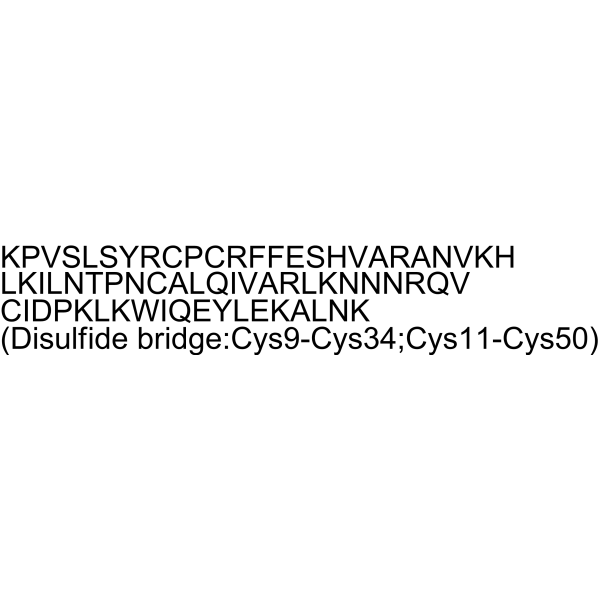
    HZD37-5 is a humanized monoclonal antibody specifically recognizing N78 loci of IL-17A. HZD37-5 binds to human and rhesus monkeys, blocks IL-17 induced signal transduction and the release of IL-6, IL-8, CXCL-1 and GM-GSF. HZD37-5 significantly inhibited human IL-17A induced-keratinocyte chemoattractant secretion. HZD37-5 can be used for the research of autoimmune diseases including psoriasis and psoriatic arthritis .
    HZD37-5

Inquiry Online

Your information is safe with us. * Required Fields.

Salutation


Country or Region *

Applicant Name *


Organization Name *

Department *


Email Address *


Product Name *

Cat. No.


Requested quantity *

Phone Number *


Remarks

Inquiry Online

Inquiry Information

Product Name:
Cat. No.:
Quantity:
MCE Japan Authorized Agent:

