1. Search Result
Search Result
Results for "

clinical isolates

" in MedChemExpress (MCE) Product Catalog:

63

Inhibitors & Agonists

3

Peptides

6

Natural
Products

2

Isotope-Labeled Compounds

1

Click Chemistry

Cat. No. Product Name Target Research Areas Chemical Structure
  • HY-10844
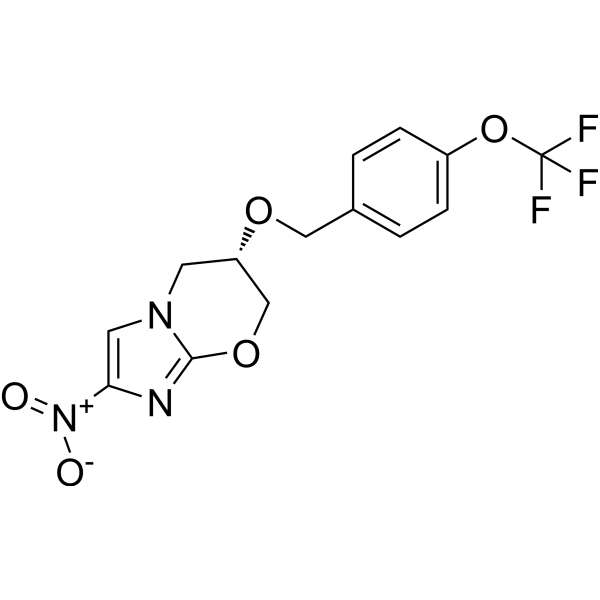
    Pretomanid
    10+ Cited Publications

    PA-824; (S)-PA 824

    Bacterial Antibiotic Infection Cancer
    Pretomanid (PA-824) is an antibiotic used for the research of multi-drug-resistant tuberculosis affecting the lungs. Pretomanid exhibits a sub-micromolar MIC against M. tuberculosis (MTB). The MIC values of PA-824 against a panel of MTB pan-sensitive and Rifampin mono-resistant clinical isolates range from 0.015 to 0.25 μg/mL.
    Pretomanid
  • HY-111964
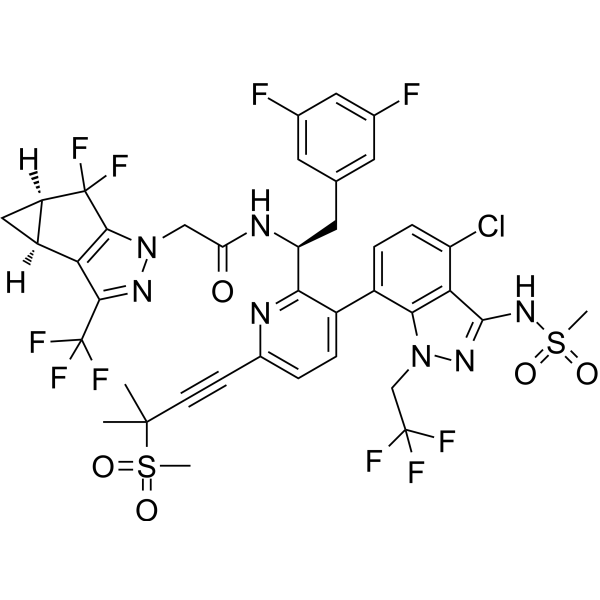
    Lenacapavir
    Maximum Cited Publications
    19 Publications Verification

    GS-6207

    HIV Infection
    Lenacapavir (GS-6207) is an HIV-1 capsid inhibitor. Lenacapavir binds to the interface between capsid hexamers and CA monomers, disrupts capsid assembly and viral maturation, inhibits nuclear translocation of HIV-1 DNA, interferes with CA-mediated protein-protein interactions, reduces the formation of 2-LTR circles and pre-integration proviruses, induces aberrant capsids, and decreases the production of mature HIV-1. Lenacapavir exhibits activity against a variety of HIV-1 subtypes and clinical isolates. Lenacapavir is applicable to research related to human immunodeficiency virus type 1 (HIV-1) infection .
    Lenacapavir
  • HY-17040
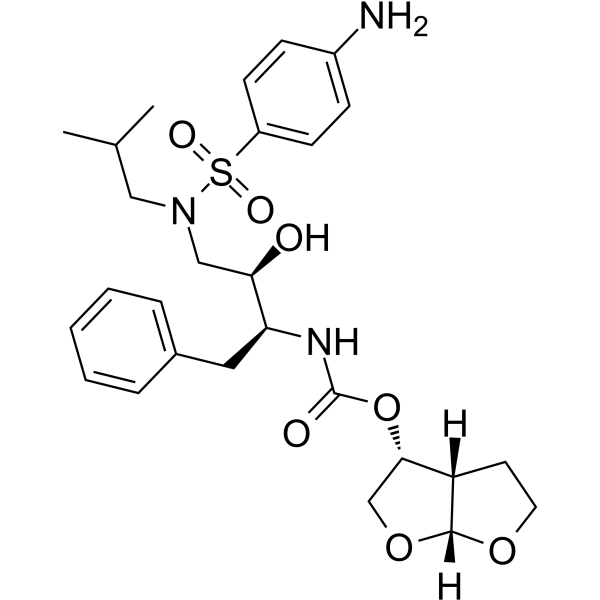
    Darunavir
    15+ Cited Publications

    TMC114; UIC-94017

    HIV HIV Protease Infection Inflammation/Immunology
    Darunavir (TMC114), an orally active next generation HIV protease inhibitor, has a similar antiviral activity against the mutant and the wild-type viruses. Darunavir (TMC114) is potent against laboratory HIV-1 strains and primary clinical isolates (IC50 = 0.003 μM; IC90 = 0.009 μM) with minimal cytotoxicity .
    Darunavir
  • HY-B1005
    8-Hydroxyquinoline
    1 Publications Verification

    8-Quinolinol

    Environmental Pollutants Antibiotic Bacterial Cancer
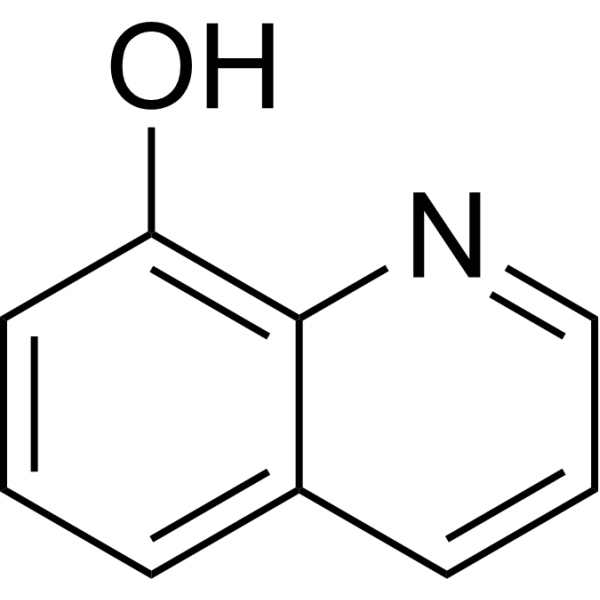
    8-Hydroxyquinoline (8-Quinolinol) is a lipophilic metal chelator that can be used as a fungicide .8-Hydroxyquinoline shows the MIC range of 27.56-55.11 μM (4-8 μg/mL) against the clinical isolates of Neisseria gonorrhoeae. 8-Hydroxyquinoline can bind to copper form complexes and transport copper into cells. 8-Hydroxyquinoline increases in the number of micronucleated polychromatic erythrocytes and can also make hair depigmented in mice .
    8-Hydroxyquinoline
  • HY-16911
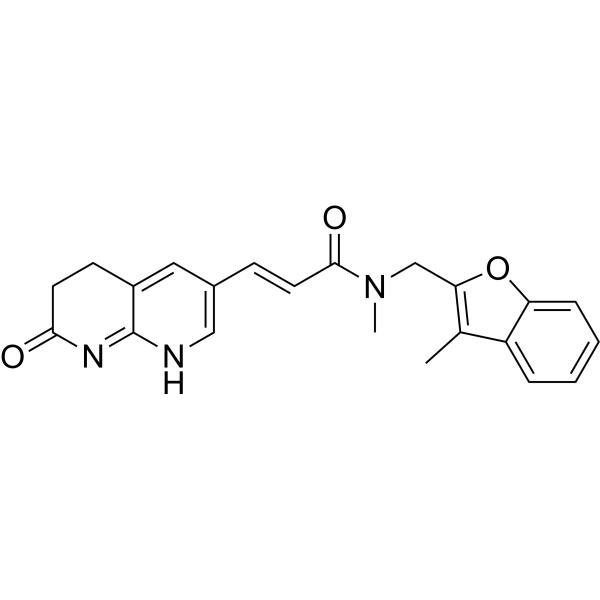
    AFN-1252
    10+ Cited Publications

    API-1252; Debio 1452

    Bacterial Antibiotic Infection
    AFN-1252 is an orally active and selective inhibitor of FabI, an essential enzyme in fatty acid biosynthesis in Staphylococcus spp. AFN-1252 exhibits exquisite and highly selective activity against Staphylococcus spp. AFN-1252 exhibits typical MIC90 values of ⩽0.015 μg/ml against diverse clinical isolates of S. aureus. AFN-1252 is efficacious in a mouse model of septicemia providing 100% protection from an otherwise lethal peritoneal infection of S. aureus Smith .
    AFN-1252
  • HY-N2340

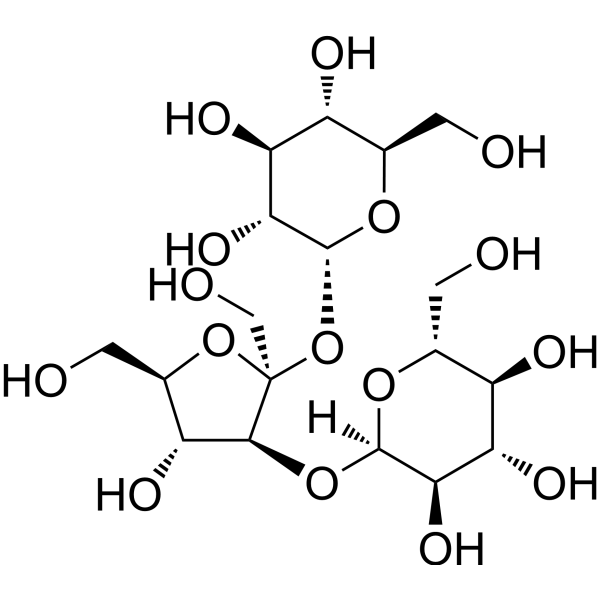
    (+)-Melezitose; D-Melezitose

    Bacterial Infection
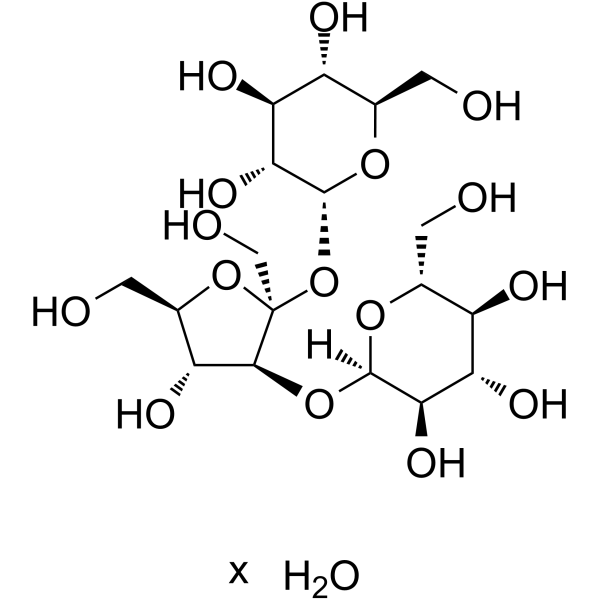
    D-(+)-Melezitose can be used to identify clinical isolates of indole-positive and indole-negative Klebsiella spp.
    D-(+)-Melezitose
  • HY-12993
    RSV604
    2 Publications Verification

    A-60444

    RSV Infection
    RSV604 (A-60444) is an inhibitor of respiratory syncytial virus (RSV) replication. RSV604 targets the nucleocapsid protein, with a Kd of 1.6 μM. RSV604 displays submicromolar activity against numerous clinical isolates of both the A and B subtypes of RSV (average EC50s=0.8 μM) .
    RSV604
  • HY-139602
    (+)-JNJ-A07
    2 Publications Verification

    Flavivirus Dengue Virus Virus Protease Infection
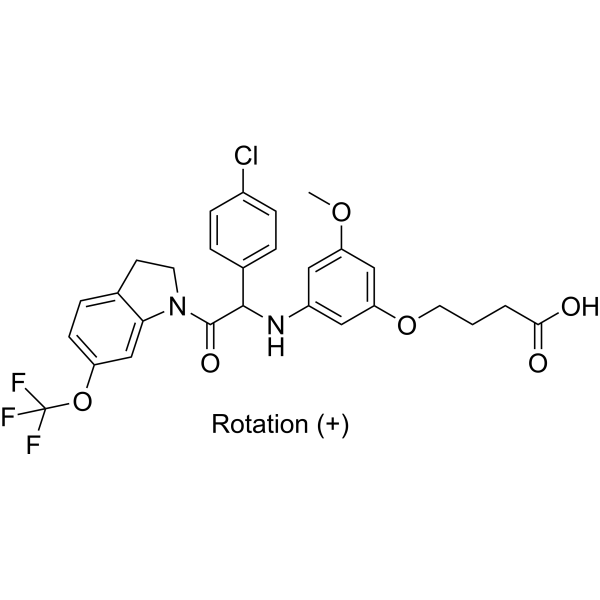
    (+)-JNJ-A07 is a highly potent, orally active pan-serotype dengue virus inhibitor targeting the NS3-NS4B interaction. (+)-JNJ-A07 exerts nanomolar to picomolar activity against a panel of 21 clinical isolates. (+)-JNJ-A07 has a favourable pharmacokinetic profile that results in outstanding efficacy against dengue virus infection in mouse infection models .
    (+)-JNJ-A07
  • HY-122587

    DNA/RNA Synthesis RSV Infection
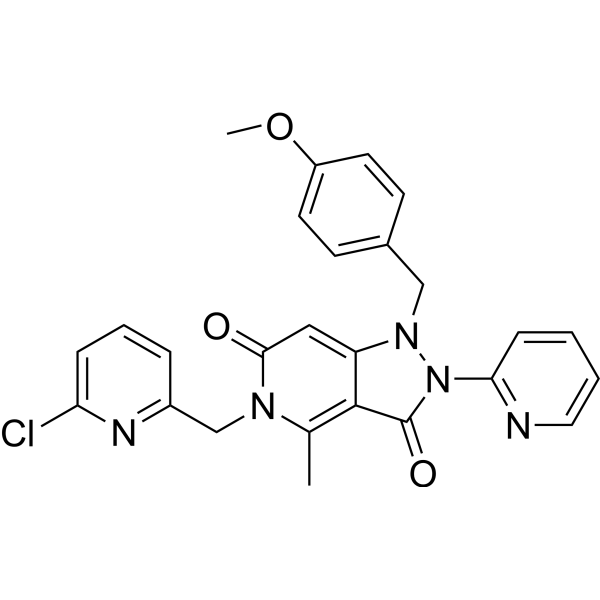
    AVG-233 is a potent, orally active RNA dependent RNA polymerase (RdRp) inhibitor. AVG-233 prevents initiation of the viral polymerase complex at the promoter. AVG-233 binding site is present in the L1-1749 fragment. AVG-233 has nanomolar activity against both RSV strains and clinical RSV isolates (EC50=0.14-0.31 μM). AVG-233 can be used for research of respiratory syncytial virus (RSV) .
    AVG-233
  • HY-N125722

    Aabomycin A1

    ATP Synthase Antibiotic Infection
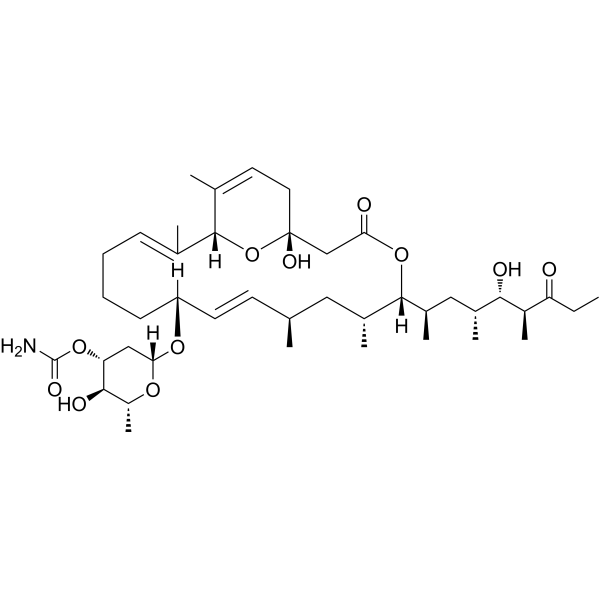
    Venturicidin A (Aabomycin A1), from actinomycetes, is a membrane-active natural product inhibitor of ATP synthase. Venturicidin A potentiates the aminoglycoside antibiotic gentamicin against multidrug-resistant clinical isolates of Staphylococcus, Enterococcus, and Pseudomonas aeruginosa. Venturicidin A shows noticeable toxicity toward human embryonic-kidney (HEK)cells with an IC50 of 31 μg/mL.
    Venturicidin A
  • HY-159828

    VH-499; VH4011499

    HIV Infection
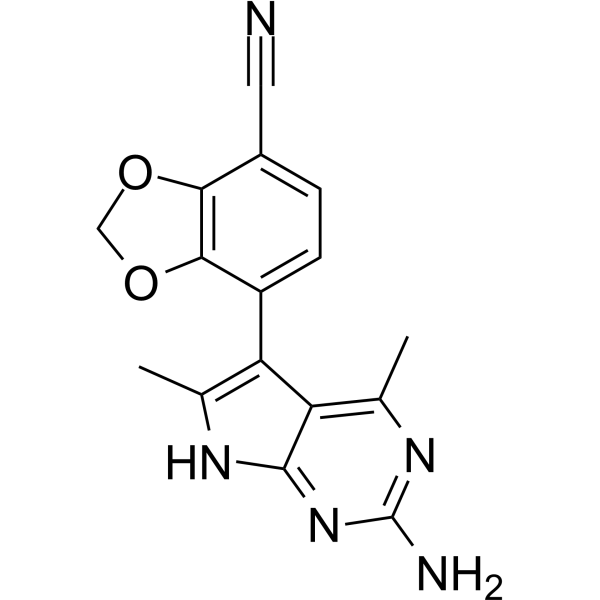
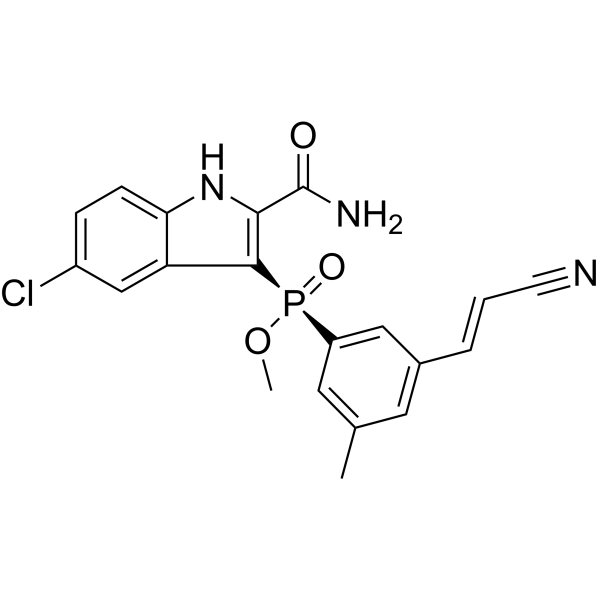
    Dezecapavir (VH-499) is a HIV-1 capsid protein inhibitor. Dezecapavir exhibits picomolar-level antiviral activity against a variety of HIV-1 laboratory strains and clinical isolates in vitro. Dezecapavir inhibits the early and late stages of the HIV-1 life cycle, blocking nuclear import, reverse transcript production, virion assembly, maturation, and post-nuclear import/pre-integration replication processes. Dezecapavir can be used in studies related to HIV-1 infection .
    Dezecapavir
  • HY-111964A
    Lenacapavir sodium
    Maximum Cited Publications
    19 Publications Verification

    GS-6207 sodium

    HIV Infection
    Lenacapavir (GS-6207) sodium is an HIV-1 capsid inhibitor. Lenacapavir sodium binds to the interface between capsid hexamers and CA monomers, disrupts capsid assembly and viral maturation, inhibits nuclear translocation of HIV-1 DNA, interferes with CA-mediated protein-protein interactions, reduces the formation of 2-LTR circles and pre-integration proviruses, induces aberrant capsids, and decreases the production of mature HIV-1. Lenacapavir sodium exhibits activity against a variety of HIV-1 subtypes and clinical isolates. Lenacapavir sodium is applicable to research related to human immunodeficiency virus type 1 (HIV-1) infection .
    Lenacapavir sodium
  • HY-122470

    Reverse Transcriptase HIV Infection
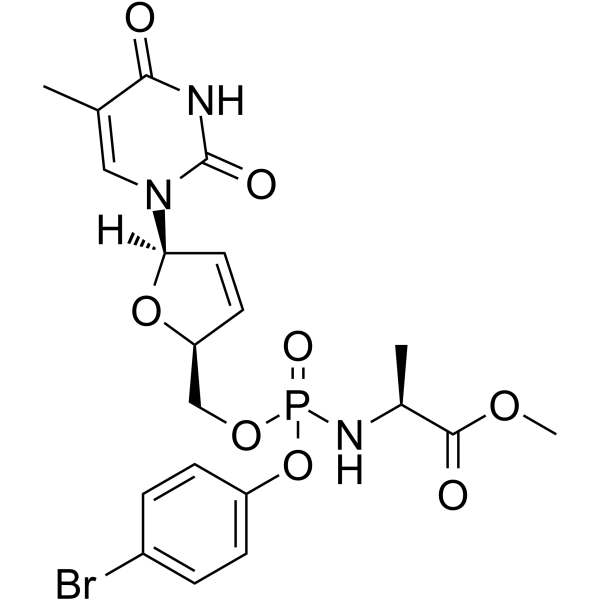
    Stampidine is a nucleoside reverse transcriptase inhibitor (NRTI) with potent and broad-spectrum anti-HIV activity. Stampidine inhibits the laboratory HIV-1 strain HTLVIIIB (B-envelope subtype) and primary clinical isolates with IC50s of 1 nM and 2 nM, respectively. Stampidine also inhibits NRTI-resistant primary clinical isolates and NNRTI-resistant clinical isolates with IC50s of 8.7 nM and 11.2 nM, respectively .
    Stampidine
  • HY-10844R

    PA-824 (Standard); (S)-PA 824 (Standard)

    Reference Standards Bacterial Antibiotic Infection Cancer
    Pretomanid (Standard) is the analytical standard of Pretomanid. This product is intended for research and analytical applications. Pretomanid (PA-824) is an antibiotic used for the research of multi-drug-resistant tuberculosis affecting the lungs. Pretomanid exhibits a sub-micromolar MIC against M. tuberculosis (MTB). The MIC values of PA-824 against a panel of MTB pan-sensitive and Rifampin mono-resistant clinical isolates range from 0.015 to 0.25 μg/mL.
    Pretomanid (Standard)
  • HY-162066

    Parasite Infection
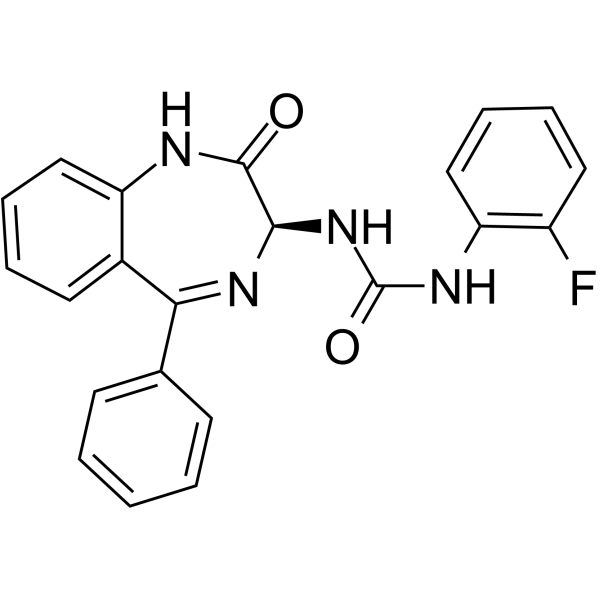
    DNDI-6174 is an orally active Leishmania cytochrome b (Qi site of cytochrome bc1 complex/complex III) inhibitor. DNDI-6174 binds to the Qi site of Leishmania cytochrome b, inhibits cytochrome bc1 complex activity in the parasite's electron transport chain across promastigote and axenic amastigote stages. DNDI-6174 reduces parasite burden in rodent models, inhibits growth of various Leishmania species, drug-resistant clinical isolates, and Trypanosoma cruzi, with marginal activity against Trypanosoma brucei. DNDI-6174 can be used for the research of visceral leishmaniasis, cutaneous leishmaniasis .
    DNDI-6174
  • HY-13053
    Depulfavirine
    1 Publications Verification

    Ro-0335

    Reverse Transcriptase Cancer
    RO-0335 is a novel and potent diphenylether nonnucleoside reverse transcriptase inhibitor(NNRTI). RO-0335 inhibits Wt HIV-1 with an IC50 of 1.1 nM and retained activity (IC50< 100 nM) against 92% of a large number of NNRTI-resistant clinical isolates .
    Depulfavirine
  • HY-14891

    GSK2248761; FDV

    HIV Reverse Transcriptase Infection
    Fosdevirine (GSK2248761) is is a potent, selective, non-nucleoside reverse transcriptase inhibitor (NNRTI) of human immunodeficiency virus type 1 (HIV-1) replication with low nanomolar activity in vitro. Fosdevirine shows good activity against a broad range of HIV-1 strains, including efavirenz (HY-10572)-resistant clinical isolates .
    Fosdevirine
  • HY-10844S1

    PA-824-d5; (S)-PA 824-d5

    Antibiotic Bacterial Isotope-Labeled Compounds Infection Cancer
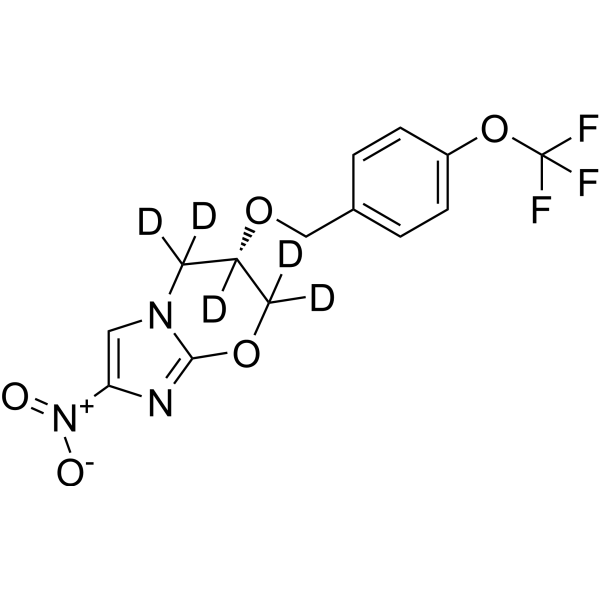
    Pretomanid-d5 is deuterated labeled Pretomanid (HY-10844). Pretomanid (PA-824) is an antibiotic used for the research of multi-drug-resistant tuberculosis affecting the lungs. Pretomanid exhibits a sub-micromolar MIC against M. tuberculosis (MTB). The MIC values of PA-824 against a panel of MTB pan-sensitive and Rifampin mono-resistant clinical isolates range from 0.015 to 0.25 μg/mL.
    Pretomanid-d5
  • HY-N2340A

    (+)-Melezitose hydrate; D-Melezitose hydrate

    Bacterial Infection
    D-(+)-Melezitose hydrate ((+)-Melezitose hydrate) can be used to identify clinical isolates of indole-positive and indole-negative Klebsiella spp .
    D-(+)-Melezitose hydrate
  • HY-135184

    CBR-2092; TNP-2092

    Antibiotic Bacterial DNA/RNA Synthesis Infection
    Rifaquizinone (CBR-2092) is a Rifamycin-Quinolone Hybrid Antibiotic. Rifaquizinone inhibits wild-type S. aureus RNA polymerase with an IC50 of 34 nM. Rifaquizinone is effective against S. aureus infections, with MICs ranged from 0.008 to 0.5 μg/mL for 300 clinical isolates of staphylococci and streptococci .
    Rifaquizinone
  • HY-P11080

    Bacterial Infection
    Oncocin is an antibacterial peptide. It belongs to proline-rich antimicrobial peptides (PrAMPs). Oncocin works against Gram-negative bacteria. It has MIC values of 0.125-8 μg/mL for 34 strains and clinical isolates of Enterobacteriaceae and nonfermenters. Oncocin binds to the substrate-binding domain of the chaperone DnaK. The binding has dissociation constants in the micromolar range. This binding causes protein misfolding and aggregation and the bacteria death .
    Oncocin
  • HY-10844S

    Isotope-Labeled Compounds Bacterial Antibiotic Infection Cancer
    Pretomanid-d4 is the deuterium labeled Pretomanid. Pretomanid (PA-824) is an antibiotic used for the research of multi-drug-resistant tuberculosis affecting the lungs. Pretomanid exhibits a sub-micromolar MIC against M. tuberculosis (MTB). The MIC values of PA-824 against a panel of MTB pan-sensitive and Rifampin mono-resistant clinical isolates range from 0.015 to 0.25 μg/mL .
    Pretomanid-d4
  • HY-139698

    LCB10-0200

    Antibiotic Bacterial Infection
    GT-1 (LCB10-0200), a siderophore-linked cephalosporin, is effective against clinical isolates of P. aeruginosa, Klebsiella oxytoca, Proteus spp., Serratia marcescens, and Enterobacter aerogenes.
    GT-1
  • HY-123022

    CS-023; RO4908463; R-115685

    Bacterial Infection
    Tomopenem (CS-023; RO4908463; R-115685) is a longer-half-life parenteral carbapenem. Tomopenem shows broad activity against 63 reference species. The activity of tomopenem against 293 clinical isolates is potent (MIC90, 0.06 to 4 μg/mL). Antianaerobic activity .
    Tomopenem
  • HY-P11191

    Bacterial Infection
    AR-23 is a melittin-related antimicrobial peptide that can be isolated from Rana tagoi. AR-23 exhibits broad-spectrum growth inhibitory activity against aerobic bacteria, the opportunistic yeast pathogen Candida albicans and clinical isolates of Methicillin (HY-121544)-resistant Staphylococcus aureus (MRSA). AR-23 can be used for antimicrobial research .
    AR-23
  • HY-16745A

    KRP-AM1977 hydrochloride

    Bacterial Infection
    Lascufloxacin (KRP-AM1977) hydrochloride is a potent antibacterial compound candidate with broad-spectrum activity against various clinical isolates. Lascufloxacin hydrochloride shows the most potent activity against Gram-positive bacteria compared to other tested quinolones. Lascufloxacin hydrochloride demonstrates incomplete cross-resistance against existing quinolone-resistant strains. Lascufloxacin hydrochloride has potent inhibitory activity against both wild-type and mutated target enzymes.
    Lascufloxacin hydrochloride
  • HY-17040R

    TMC114 (Standard); UIC-94017 (Standard)

    HIV HIV Protease Reference Standards Infection Inflammation/Immunology
    Darunavir (Standard) is the analytical standard of Darunavir. This product is intended for research and analytical applications. Darunavir (TMC114), an orally active next generation HIV protease inhibitor, has a similar antiviral activity against the mutant and the wild-type viruses. Darunavir (TMC114) is potent against laboratory HIV-1 strains and primary clinical isolates (IC50 = 0.003 μM; IC90 = 0.009 μM) with minimal cytotoxicity .
    Darunavir (Standard)
  • HY-B1005R

    8-Quinolinol (Standard)

    Reference Standards Bacterial Antibiotic Cancer
    8-Hydroxyquinoline (Standard) is the analytical standard of 8-Hydroxyquinoline. This product is intended for research and analytical applications. 8-Hydroxyquinoline (8-Quinolinol) is a lipophilic metal chelator that can be used as a fungicide .8-Hydroxyquinoline shows the MIC range of 27.56-55.11 μM (4-8 μg/mL) against the clinical isolates of Neisseria gonorrhoeae. 8-Hydroxyquinoline can bind to copper form complexes and transport copper into cells. 8-Hydroxyquinoline increases in the number of micronucleated polychromatic erythrocytes and can also make hair depigmented in mice .
    8-Hydroxyquinoline (Standard)
  • HY-117845

    LL-E19085α

    Antibiotic Bacterial Infection
    Citreamicin alpha (LL-E 19085-alpha) is an antibiotic whose in vitro antimicrobial activity against 429 clinical isolates of Gram-positive cocci has been tested by the agar dilution method. These microorganisms included 313 strains of Staphylococci and 116 strains of Streptococci. The in vitro activity of Citreamicin alpha was compared with that of ampicillin, amoxicillin, ceftriaxone, erythromycin, and vancomycin. For Staphylococci, the MIC values of Citreamicin alpha ranged from 0.12-4.0 μg/ml, and for Streptococcus pyogenes of the genus Streptococcus, it was 0.03-0.12 μg/ml. However, enterococci were relatively resistant, requiring 2.0 μg/ml of the agent to inhibit 64% of the 62 tested strains. The in vitro activity of this antibiotic was much better than that of ampicillin, amoxicillin, ceftriaxone, and erythromycin, but comparable or slightly inferior to that of vancomycin.
    Citreamicin alpha
  • HY-178949

    Antibiotic Bacterial DNA/RNA Synthesis Infection
    MRSA antibiotic 3 (Compound C8) is a small-molecule antibiotic active against Methicillin (HY-121544)-resistant Staphylococcus aureus (MRSA), showing a MIC of 0.5 μg/mL against the standard S. aureus strain (ATCC 29213). MRSA antibiotic 3 potently inhibits the ATPase activity of S. aureus DNA gyrase with an IC50 of 0.32 μM. MRSA antibiotic 3 exhibits strong inhibitory activity against five clinical MRSA isolates, with MIC values ranging from 0.5 to 1 μg/mL. MRSA antibiotic 3 demonstrates negligible cytotoxicity at effective antibacterial concentrations and causes no hemolysis in erythrocytes even at extremely high concentrations. MRSA antibiotic 3 shows significant protective effects in both Galleria mellonella infection and murine sepsis models .
    MRSA antibiotic 3
  • HY-N2340R

    (+)-Melezitose (Standard); D-Melezitose (Standard)

    Reference Standards Bacterial Infection
    D-(+)-Melezitose can be used to identify clinical isolates of indole-positive and indole-negative Klebsiella spp.
    D-(+)-Melezitose (Standard)
  • HY-168123

    Bacterial Cancer
    Antitubercular agent-47 (compund 5C) shows potent activity against tuberculosis and was effective against DS/MDR/XDR clinical isolates .
    Antitubercular agent-47
  • HY-129166

    Bacterial Infection
    UCM53, a FtsZ inhibitor, is an antibacterial agent. UCM53 can inhibit the growth of clinical isolates of antibiotic-resistant Staphylococcus aureus and Enterococcus faecalis
    UCM53
  • HY-123175

    Bacterial Others
    Chinfloxacin is a compound with antibacterial activity. It is active against a variety of clinical isolates in vitro. Its antibacterial activity is similar to that of moxifloxacin, and it has a bactericidal effect in a concentration-dependent manner.
    Chinfloxacin
  • HY-147871

    Bacterial Infection
    Antimycobacterial agent-3 (Compound 1h) is an antimycobacterial agent against both agent-sensitive MTB strain H37Rv and drug-resistant clinical isolates (MIC: < 0.029–0.110 μM). Antimycobacterial agent-3 shows low cell cytotoxicity .
    Antimycobacterial agent-3
  • HY-162527

    Bacterial Infection
    Antibacterial agent 216 (Compound 2a) is an antibacterial agent that exhibits significant bactericidal effects when combined with INH and RIF. Antibacterial agent 216 has demonstrated remarkable in vitro anti-tuberculosis activity against Mtb H37Rv and MDR clinical isolates and can be used for tuberculosis research .
    Antibacterial agent 216
  • HY-155190

    Bacterial Infection
    Antitubercular agent-39 (Compound P1) is a potent antitubercular agent. Antitubercular agent-39 is active against drug-resistant strains and drug-susceptible clinical isolates. Antitubercular agent-39 inhibits Mtb strain H37Rv with a MIC less than 1 μM .
    Antitubercular agent-39
  • HY-173355

    Bacterial Infection
    RCB18350 is an antituberculosis agent that belongs to the class of isoxazole derivatives. RCB18350 has bacteriostatic activity and inhibits the growth of Mycobacterium tuberculosis with an MIC of 1.25 μg/mL. RCB18350 is effective against multidrug-resistant Mycobacterium tuberculosis (MDR-TB) clinical isolates, slow-growing mycobacteria such as Mycobacterium bovis BCG and Mycobacterium avium .
    RCB18350
  • HY-138074

    5-Ketomilbemycin A4 oxime; 5-Oxomilbemycin A4 5-oxime

    Parasite Infection
    Milbemycin A4 oxime (5-Ketomilbemycin A4 oxime; 5-Oxomilbemycin A4 5-oxime) is a derivative of Milbemycin A4 (HY-126906) and a component of Milbemycin oxime (HY-B0778), both of which have insecticidal and nematicidal activities. Milbemycin A4 oxime (0.05 mg/kg) reduces the number of microfilariae in naturally infected dogs with D. immitis and inhibits the growth of clinical isolates of Candida glabrata (MIC80=16-32 μg/mL). Milbemycin A4 oxime (2.5 μg/mL) blocks the efflux of Fluconazole (HY-B0101) from clinical isolates of Candida glabrata. Milbemycin A4 oxime enhances doxorubicin-induced cell growth inhibition and increases the intracellular accumulation of doxorubicin and P-glycoprotein substrate Rhodamine 123 (HY-D0816) in doxorubicin-resistant but not sensitive MCF-7 breast cancer cells in a concentration-dependent manner.
    Milbemycin A4 oxime
  • HY-149581

    Bacterial Infection
    DprE1-IN-9 (compound B18) is an effective reversible DprE1 inhibitor and can bind to the receptor cavity of DprE1. DprE1-IN-9 shows strong antimycobacterial activity not only against non-pathogenic strain H37Ra (MIC=0.18 µg/mL) but also against pathogenic H37Rv and the clinical MDR and XDR isolates .
    DprE1-IN-9
  • HY-162493

    Bacterial Infection
    MBL-IN-3 (compound 72922413) is a New Delhi metallo-β-lactamase-1 (NDM-1) inhibitor(IC50=54±4 μM). MBL-IN-3 is identified and shown to lower minimum inhibitory concentrations (MICs) of Meropenem (HY-13678) for a panel of E. coli and K. pneumoniae clinical isolates expressing NDM-1. MBL-IN-3 can be used for antibiotic sensitizer research .
    MBL-IN-3
  • HY-105097

    U 87201E mesylate

    HIV Reverse Transcriptase Inflammation/Immunology
    Atevirdine (U 87201E) mesylate is a nonnucleoside reverse transcriptase (NNRT) inhibitor. Atevirdine mesylate can inhibit human immunodeficiency virus type 1 (HIV-1) with an IC50 of 0.06-1.6 μM. Atevirdine mesylate shows highly synergistic effects against Zidovudine/Didanosine-resistant clinical isolates of HIV-1 companied with Zidovudine (HY-17413)/Didanosine (Hy-B0249). Atevirdine mesylate can be used for the research of AIDS .
    Atevirdine mesylate
  • HY-112585

    TMC114-d9; UIC-94017-d9

    HIV HIV Protease Infection Inflammation/Immunology
    Darunavir-d9 (TMC114-d9) is the deuterium labeled Darunavir. Darunavir (TMC114), an orally active next generation HIV protease inhibitor, has a similar antiviral activity against the mutant and the wild-type viruses. Darunavir (TMC114) is potent against laboratory HIV-1 strains and primary clinical isolates (IC50 = 0.003 μM; IC90 = 0.009 μM) with minimal cytotoxicity .
    Darunavir-d9
  • HY-173277

    Bacterial Infection
    FtsZ-IN-13 (Compound C11) is an inhibitor of temperature-sensitive mutant Z (FtsZ), with IC50 values of 47.97, 34 μM against FtsZSa and FtsZPa, respectively. FtsZ-IN-13 has a notable antimicrobial activity against S. aureus (minimum inhibitory concentration value of 2 μg/mL), cystic fibrosis S. aureus clinical isolates, and methicillin-resistant S. aureus (MRSA) strains. FtsZ-IN-13 can be used for antimicrobial resistance study .
    FtsZ-IN-13
  • HY-114622

    API-1252 tosylate; Debio 1452 tosylate

    Bacterial Antibiotic Infection
    AFN-1252 (API-1252) tosylate is an orally active and selective inhibitor of FabI, an essential enzyme in fatty acid biosynthesis in Staphylococcus spp. AFN-1252 tosylate exhibits exquisite and highly selective activity against Staphylococcus spp. AFN-1252 tosylate exhibits typical MIC90 values of 0.015 μg/ml against diverse clinical isolates of S. aureus. AFN-1252 tosylate is efficacious in a mouse model of septicemia providing 100% protection from an otherwise lethal peritoneal infection of S. aureus Smith .
    AFN-1252 tosylate
  • HY-W773487

    Bacterial Infection
    FtsZ-IN-10 is a bacterial division inhibitor that interferes with the normal assembly of FtsZ. FtsZ-IN-10 specifically binds to Bacillus subtilis FtsZ monomers, thereby affecting their polymerization behavior. FtsZ-IN-10 may also activate nucleotide-free archaeal FtsZ to form ordered polymers. FtsZ-IN-10 can hinder the localization of FtsZ in the Z ring and inhibit bacterial cell division. Chlorinated analogs of FtsZ-IN-10 show the ability to inhibit the growth of antibiotic-resistant clinical isolates such as Staphylococcus aureus and Enterococci .
    FtsZ-IN-10
  • HY-175724

    Beta-lactamase Bacterial Infection
    MBL-IN-6 (Compound 6d) is a Metallo-β-lactamase (MBL) inhibitor with Kis of 2.6 and 0.08 μM for NDM-1 and VIM-2, respectively. MBL-IN-6 has a synergistic activities with Imipenem (HY-B1369A) on MBL-producing clinical isolates (such as E. coli SI-M001, K. pneumonia T2301 and S. marcescens SI-1591) with MICs of 2-64 μg/mL. MBL-IN-6 does not have off-target effects without ACE-1 inhibition activity. MBL-IN-6 can be used for antimicrobial resistance research .
    MBL-IN-6
  • HY-122058

    HIV Infection
    KRH-3955 is a CXCR4 antagonist with good bioavailability and potent anti-HIV-1 activity. KRH-3955 can effectively inhibit the replication of X4 HIV-1, including clinical isolates from different donors. KRH-3955 also shows activity against recombinant X4 HIV-1 containing reverse transcriptase, protease and tyrosinase resistance mutations. KRH-3955 can inhibit the binding of SDF-1alpha to CXCR4 and calcium ion signaling through this receptor. KRH-3955 inhibits the binding of an antibody against CXCR4 to CXCR4, showing a potent antagonistic effect on CXCR4. KRH-3955 shows an oral bioavailability of 25.6% in rats and can inhibit the replication of X4 HIV-1 in vivo .
    KRH-3955
  • HY-167690

    Endogenous Metabolite Infection
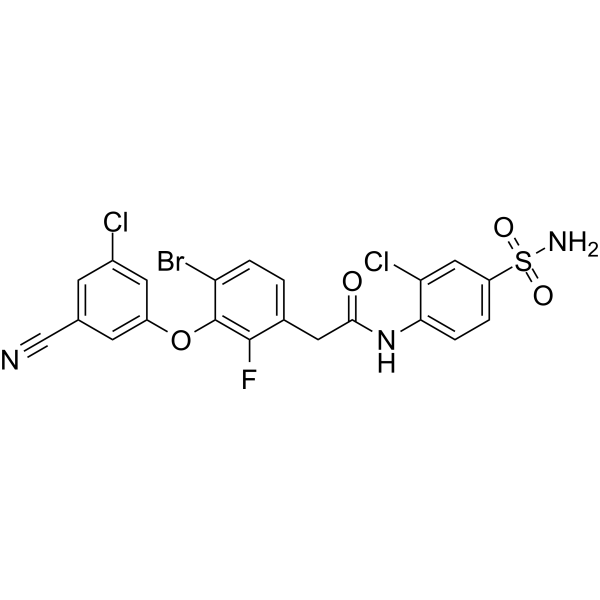
    MK-6186 is a novel non-nucleoside reverse transcriptase inhibitor with sub-nanomolar activity against wild-type viruses and the two most common NNRTI-resistant RT mutants (K103N and Y181C). MK-6186 exhibits excellent antiviral activity against K103N and Y181C mutant viruses. When MK-6186 targets 12 common NNRTI-associated mutant viruses, only two relatively rare mutants (Y188L and V106I/Y188L) show high resistance, with FC values exceeding 100, while the FC values of the remaining viruses are all below 10. In addition, when MK-6186 faces 96 clinical virus isolates carrying NNRTI-resistant mutations, most (70%) viruses show more than 10-fold resistance to efavirenz (EFV), while only 29% of mutant viruses show more than 10-fold resistance to MK-6186 .
    MK-6186
  • HY-182444

    Antibiotic Bacterial Infection
    Cefaloram is a cephalosporin antibiotic, but it is inactive against clinical cystic fibrosis isolates of Pseudomonas aeruginosa (MIC50 > 128 μg/mL) .
    Cefaloram

Inquiry Online

Your information is safe with us. * Required Fields.

Salutation


Country or Region *

Applicant Name *


Organization Name *

Department *


Email Address *


Product Name *

Cat. No.


Requested quantity *

Phone Number *


Remarks

Inquiry Online

Inquiry Information

Product Name:
Cat. No.:
Quantity:
MCE Japan Authorized Agent:

