Search Result
Results for "
clonal
" in MedChemExpress (MCE) Product Catalog:
1
Biochemical Assay Reagents
6
Isotope-Labeled Compounds
| Cat. No. |
Product Name |
Target |
Research Areas |
Chemical Structure |
-
- HY-15934
-
X-GAL
5 Publications Verification
BCIG
|
Fluorescent Dye
Glycosidase
|
Others
|
|
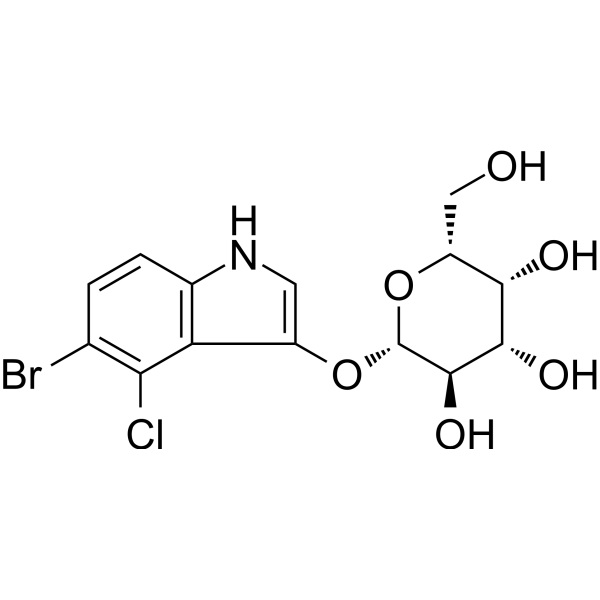
X-GAL (BCIG) is a widely used chromogenic β-galactosidase substrate. X-GAL is a colorless compound until cleaved by β-galactosidase, at which point X-GAL turns to an insoluble and detectable blue compound, making X-GAL particularly useful in techniques such as blue-white screening for cloning in bacteria. X-GAL can also be used for detection of β-galactosidase activity .
|
-
-
- HY-12100
-
|
GSK573719A
|
mAChR
|
Inflammation/Immunology
Cancer
|
|
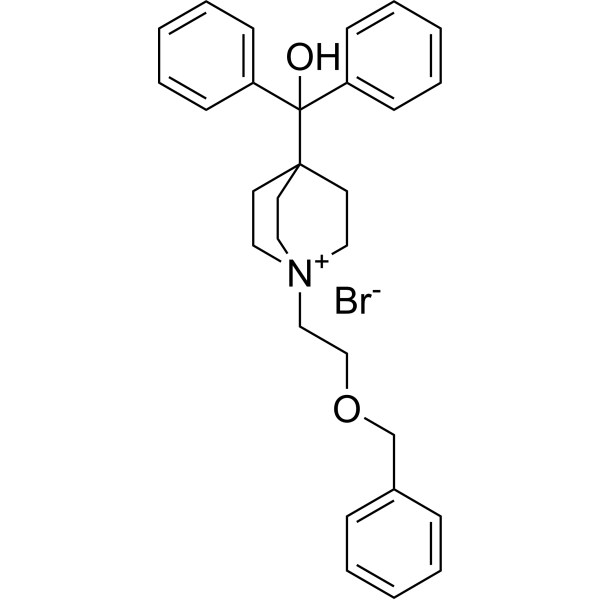
Umeclidinium bromide is a novel mAChR antagonist. The affinity (Ki) of Umeclidinium bromide for the cloned human M1-M5 mAChRs ranges from 0.05 to 0.16 nM.
|
-
-
- HY-N0007
-
|
(E,E)-Curcumin III; (E,E)-Didemethoxycurcumin
|
Apoptosis
Autophagy
|
Cancer
|
|
(E,E)-Bisdemethoxycurcumin ((E,E)-Curcumin III) is a curcumin derivative with anti-inflammatory and anticancer activities .
|
-
-
- HY-14850
-
|
Netazepide; YF 476; YM-220
|
Cholecystokinin Receptor
|
Metabolic Disease
Endocrinology
|
|
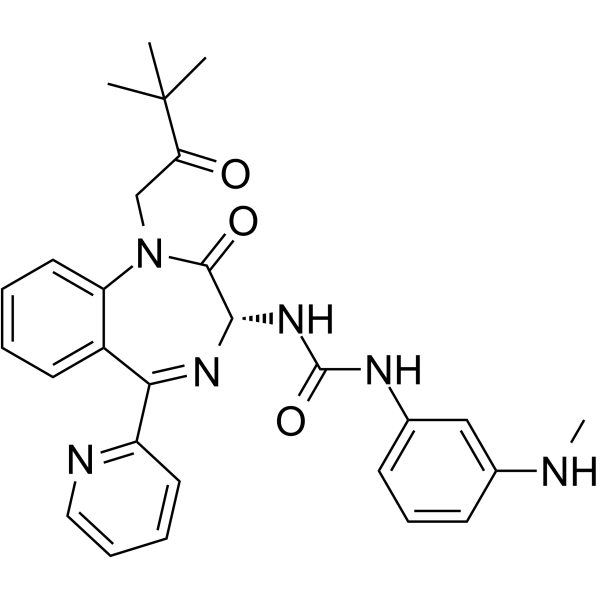
Sograzepide (Netazepide; YF 476; YM-220) is an extremely potent, highly selective and orally active Gastrin/CCK-B antagonist with an IC50 value of 0.1 nM, has inhibitory effect on Gastrin/CCK-A activity with an IC50 of 502 nM . Sograzepide (Netazepide; YF 476; YM-220) replaces the specific binding of [125I]CCK-8 to the rat brain, cloned canine and cloned human Gastrin/CCK-B receptors, with Ki values of 0.068, 0.62 and 0.19 nM, respectively .
|
-
-
- HY-101249
-
|
|
Neurokinin Receptor
|
Neurological Disease
Cancer
|
|
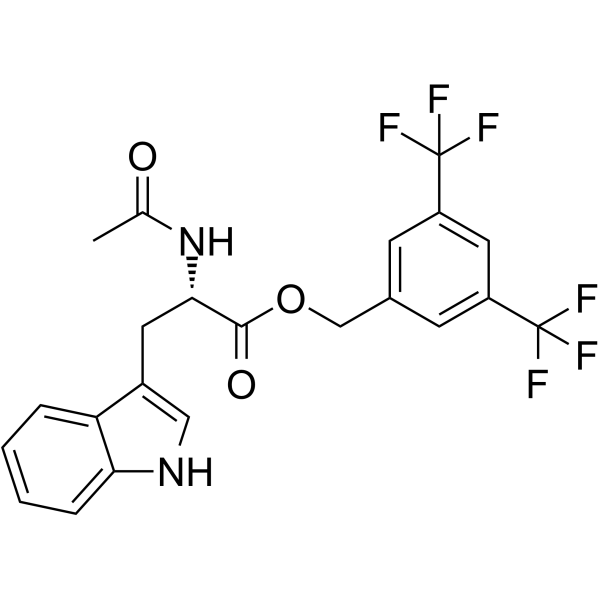
L-732138 is a selective, potent and competitive neurokinin-1 (NK-1) receptor antagonist with an IC50 of 2.3 nM. L-732138 has 200-fold more potent in cloned human NK-1 receptors than cloned rat NK-1 receptors, and has > 1000-fold more potent than human NK-2 and NK-3 receptors. L-732138 can reduce hyperalgesia and has antitumor action .
|
-
-
- HY-100554
-
|
|
Adrenergic Receptor
5-HT Receptor
|
Cardiovascular Disease
|
|
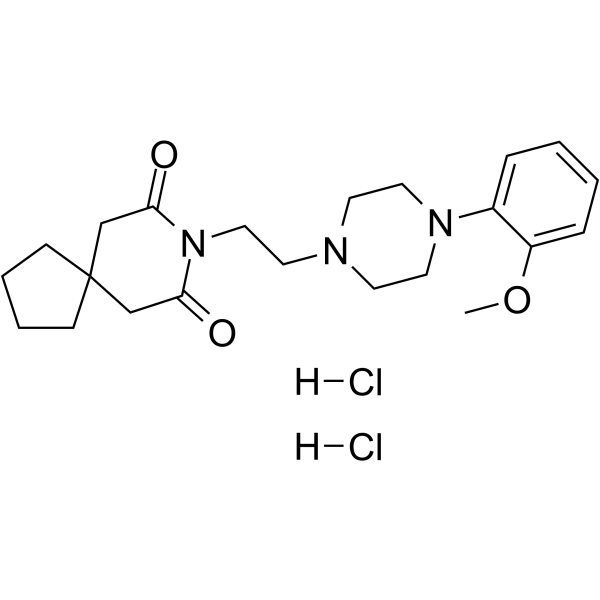
BMY 7378 is a selective antagonist of α1D-adrenoceptor (α1D-AR). BMY 7378 binds to membranes expressing the cloned rat α1D-AR with a >100-fold higher affinity (Ki=2 nM) than binding to either the cloned rat α1A-AR (Ki=800 nM) or the hamster α1B-AR (Ki=600 nM). BMY 7378 is a 5-HT1A receptor partial agonist .
|
-
-
- HY-10418
-
-
-
- HY-137790
-
|
(-)-Bicuculline methochloride
|
GABA Receptor
|
Neurological Disease
|
|
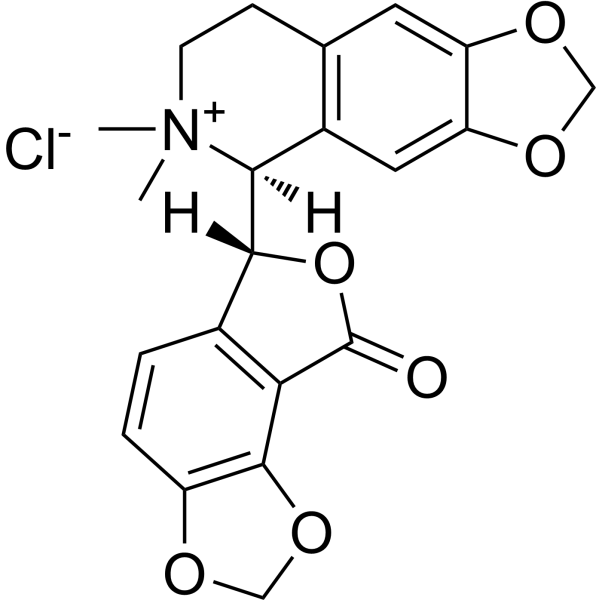
Bicuculline ((+)-Bicuculline; d-Bicuculline) methochloride is a selective GABAA receptor antagonist with an IC50 value of 3 μM. Bicuculline methochloride induces clonic tonic convulsions in mammals and can also be used to block Ca 2+ activated potassium channels. Bicuculline methochloride can be used in studies of epilepsy and other related psychiatric disorders .
|
-
-
- HY-P99358
-
|
GSK 2398852; Anti-Serum Amyloid P/SAP Reference Antibody (dezamizumab)
|
Complement System
|
Inflammation/Immunology
|
|
Dezamizumab (GSK 2398852) is a fully humanized clonal IgG1 antibody against serum amyloid P component (SAP) with complement activation and amyloid clearance-inducing activities. Dezamizumab binds to SAP associated with amyloid deposits to form complexes that activate complement and mediate phagocytic clearance, triggering activation of the classical complement pathway. Dezamizumab can be used for the research of systemic amyloidosis .
|
-
-
- HY-B0391
-
|
KT-611; BM-15275
|
Adrenergic Receptor
|
Cardiovascular Disease
Endocrinology
|
|
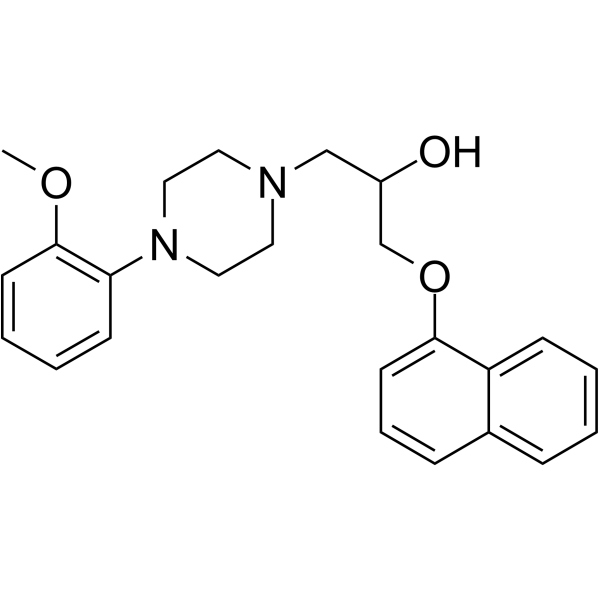
Naftopidil (KT-611) is is a selective alpha1-adrenoceptor antagonist, with Kis of 3.7 nM, 20 nM and 1.2 nM for the cloned human α1a-, α1b- and α1d-adrenoceptor subtypes, respectively. Naftopidil has antiproliferative effects. Naftopidil can be used for the research of prostate hyperplasia .
|
-
-
- HY-144448
-
|
|
FAK
Apoptosis
|
Cancer
|
|
FAK-IN-2 is a potent and orally active focal adhesion kinase (FAK) inhibitor, with anticancer activity (FAK IC50= 35 nM). FAK-IN-2 covalently inhibits the autophosphorylation of FAK in a dose-dependent manner, and inhibits the clone formation and migration of tumor cells, inducing apoptosis .
|
-
-
- HY-107721
-
|
|
Opioid Receptor
|
Neurological Disease
|
|
(±)-J-113397 is a potent and selective non-peptidyl ORL1 receptor antagonist with a Ki of 1.8 nM for cloned human ORL1. J-113397 inhibited nociceptin/orphanin FQ-stimulated GTPγS binding to CHO cells expressing ORL1 with an IC50 value of 5.3 nM. J-113397 can be used for researching the physiological roles of nociceptin/orphanin FQ .
|
-
-
- HY-100809
-
|
|
GABA Receptor
|
Neurological Disease
|
|
Guvacine hydrochloride is an alkaloid from the nut of Areca catechu, acts as an inhibitor of GABA transporter, and dispalys modest selectivity for cloned GABA transporters with IC50s of 14 μM (human GAT-1), 39 μM (rat GAT-1), 58 μM (rat GAT-2), 119 μM (human GAT-3), 378 μM (rat GAT-3), and 1870 μM (human BGT-3).
|
-
-
- HY-114072
-
|
|
Opioid Receptor
|
Neurological Disease
|
|
J-113397 is the first potent and selective nonpeptidyl ORL1 receptor antagonist (Ki: cloned human ORL1=1.8 nM) without any agonistic effects on other opioid receptors .
|
-
-
- HY-117195
-
|
N6-Lauroyl-L-lysine; ; N6-(1-Oxododecyl)-L-lysine
|
Amino Acid Derivatives
|
Others
|
|
Lauroyl lysine (N6-Lauroyl-L-lysine) is a compound that can be synthesized by recombinant enzymes. After the synthase is cloned and expressed, it can be used to synthesize lauroyl lysine from specific raw materials with high yield.
|
-
-
- HY-130538
-
|
|
HDAC
|
Cancer
|
|
1-Naphthohydroxamic acid (Compound 2) is a potent and selective HDAC8 inhibitor with an IC50 of 14 μM. 1-Naphthohydroxamic acid is more selectively for HDAC8 than class I HDAC1 and class II HDAC6 (IC50 >100 μM). 1-Naphthohydroxamic acid does not increase global histone H4 acetylation and also does not reduce total intracellular HDAC activity .1-Naphthohydroxamic acid can induce tubulin acetylation .
|
-
-
- HY-P1212
-
|
CST-14 (mouse, rat)
|
Somatostatin Receptor
|
Neurological Disease
|
|
Cortistatin 14, mouse, rat (CST-14, human, rat), a neuropeptide with neuronal depressant and sleep modulating properties, can bind to all five cloned somatostatin receptors (SSTRs) and ghrelin receptor to exert its biological activities and co-exists with GABA within the cortex and hippocampus .
|
-
-
- HY-162934
-
|
|
Apoptosis
Connective Peptide
|
Cancer
|
|
TFCP2L1-IN-1 is a specific small molecule targeting TFCP2L1’s active domain with anti-cancer activity. TFCP2L1-IN-1 synergizes with Sorafenib (HY-10201) to induce Apoptosis and reduces cell proliferation, invasion, metastasis, clonal formation and sphere-forming capacity in hepatocellular carcinoma cells .
|
-
-
- HY-179215
-
|
|
GABA Receptor
|
Neurological Disease
|
|
OV329 hydrochloride is a potent GABA aminotransferase inactivator. OV329 hydrochloride is a Vigabatrin (HY-15399) analogue. OV329 hydrochloride can increase brain GABA levels and block abnormal intracerebral hyperexcitability. OV329 hydrochloride exhibits anticonvulsant and antiepileptic activities. OV329 hydrochloride can be used for the research of neurological disease, such as seizure .
|
-
-
- HY-179215A
-
|
|
GABA Receptor
|
Neurological Disease
|
|
OV329 is a potent GABA aminotransferase inactivator. OV329 is a Vigabatrin (HY-15399) analogue. OV329 can increase brain GABA levels and block abnormal intracerebral hyperexcitability. OV329 exhibits anticonvulsant and antiepileptic activities. OV329 can be used for the research of neurological disease, such as seizure .
|
-
-
- HY-100330
-
YM348
1 Publications Verification
|
5-HT Receptor
|
Metabolic Disease
|
|
YM348 is a potent and orally active 5-HT2C receptor agonist, which shows a high affinity for cloned human 5-HT2C receptor (Ki: 0.89 nM).
|
-
-
- HY-116057
-
|
|
Apoptosis
|
Others
|
|
Stemazole is a protective agent that promotes stem cell survival. Stemazole has the protective effect of human embryonic stem cells (hESCs). Stemazole enhances clonal expansion of single cells and decreases apoptosis. Stemazole for the study of stem cell survival in starvation culture .
|
-
-
- HY-155363
-
|
|
AMPK
|
Metabolic Disease
|
|
AMPK activator 13 is a potent activator of AMPK. AMPK activator 13 inhibits mitotic clonal expansion of 3T3-L1 cells by activating AMPK pathway and enhances cell mitochondrial oxygen consumption rate. AMPK activator 13 can be used in study obesity .
|
-
-
- HY-P3742
-
|
|
Tyrosinase
MHC
|
Cancer
|
|
Tyrosinase (192-200), human mouse is a HLA-B*4403-restricted tyrosinase epitope with affinity for HLA-B4403 and HLA-B4402. Tyrosinase (192-200), human mouse binds to HLA-B*4403 to form a complex, which is recognized by the autologous cytotoxic T lymphocyte clone 22/31 derived from melanoma. Tyrosinase (192-200), human mouse binds to HLA-B4402 to form a complex, which is recognized by the CTL clone 329B/5 derived from healthy HLA-B4402 donors. Tyrosinase (192-200), human mouse is applicable to melanoma-related research .
|
-
-
- HY-100783B
-
|
(+)-Bicuculline methobromide
|
GABA Receptor
|
Neurological Disease
|
|
Bicuculline methobromide is a selective GABAA Receptor antagonist with an IC50 value of 3 μM. Bicuculline methobromide induces clonic tonic convulsions in mammals and can also be used to block Ca 2+ activated potassium channels. Bicuculline methobromide can be used in studies of epilepsy and other related psychiatric disorders .
|
-
-
- HY-P1822
-
|
|
Transmembrane Glycoprotein
|
Metabolic Disease
|
|
BDC2.5 mimotope 1040-31, a BDC2.5 TCR reactive peptide, is a strong agonistic peptide for diabetogenic T cell clone BDC2.5, and the 1040-31 peptide is specific for BDC 2.5 TCR Tg + T cells .
|
-
-
- HY-W014004
-
|
CBHA
|
HDAC
Apoptosis
|
Others
Cancer
|
|
m-Carboxycinnamic acid bishydroxamide (CBHA) is a histone deacetylase inhibitor. m-Carboxycinnamic acid bishydroxamide modulates histone acetylation sites, alters DNA methylation and epigenetic status, increases global histone acetylation, alleviates transcription repression, and facilitates chromatin remodelling. m-Carboxycinnamic acid bishydroxamide can be used for the research of cloned embryo development and epigenetic regulation .
|
-
-
- HY-P0200
-
-
-
- HY-15707
-
NS6180
1 Publications Verification
|
Potassium Channel
|
Inflammation/Immunology
|
|
NS6180 is a new orally active KCa3.1 channel inhibitor. NS6180 inhibits cloned human KCa3.1 channels with an IC50value of 9 nM. NS6180 can be used for the research of inflammatory bowel disease (IBD) .
|
-
-
- HY-107743
-
|
NalBzoH
|
Opioid Receptor
|
Neurological Disease
|
|
Naloxone benzoylhydrazone (NalBzoH) is a mixed agonist/antagonist. Naloxone benzoylhydrazone is a prototypic κ3-opioid receptor agonist, and a partial agonist at the cloned μ and δ opioid receptors, and an antagonist at opioid-like NOP receptors. Naloxone benzoylhydrazone has potently analgesia effect .
|
-
-
- HY-120104
-
|
(±)-Nitidanin
|
Parasite
HCV
|
Infection
|
|
Nitidanin ((±)-Nitidanin) is an antimalarial and antiviral compound that can be isolated from the wood of Xanthoxylum nitidun D. C. Nitidanin is shows IC50 values of 21.2 and 18.4 μM for D6 and W2 clones of Plasmodium falciparum, respectively. Nitidanin can be used for the research of malaria and virus infection .
|
-
-
- HY-N15748
-
|
(-)-Pelorol
|
Parasite
|
Infection
|
|
Pelorol ((-)-Pelorol) is a sesquiterpene found in the tropical marine sponge Dactylospongia elegans. Pelorol has weak antitrypanosomal activity with an IC50 of 17.4 μg/mL and antiplasmodial activity against Plasmodium falciparum clones K1 and NF54 with IC50 values of 786 ng/mL and 1911 ng/mL, respectively. Pelorol is promising for research of parasitic diseases, such as trypanosomiasis and malaria .
|
-
-
- HY-N0007R
-
|
(E,E)-Curcumin III (Standard); (E,E)-Didemethoxycurcumin (Standard)
|
Reference Standards
Apoptosis
Autophagy
|
Cancer
|
|
(E,E)-Bisdemethoxycurcumin (Standard) is the analytical standard of (E,E)-Bisdemethoxycurcumin. This product is intended for research and analytical applications. (E,E)-Bisdemethoxycurcumin ((E,E)-Curcumin III) is a curcumin derivative with anti-inflammatory and anticancer activities .
|
-
-
- HY-19742A
-
|
SRA-333 hydrochloride
|
5-HT Receptor
|
Neurological Disease
|
|
Lecozotan (SRA-333) hydrochloride is an orally active and selective antagonist of 5-HT1A with a Ki of 4.5 nM for cloned human 5-HT1A receptor. Lecozotan hydrochloride enhances the stimulated release of glutamate and acetylcholine in the hippocampus and possesses cognitive-enhancing properties. Lecozotan hydrochloride has the potential for mild-to-moderate Alzheimer's disease (AD) research .
|
-
-
- HY-106994A
-
|
YM598
|
Endothelin Receptor
|
Cardiovascular Disease
Inflammation/Immunology
Cancer
|
|
Nebentan potassium (YM598) is a potent, selective and orally active non-peptide endothelin ETA receptor antagonist through the modification of Bosentan (HY-A0013). Nebentan potassium inhibits [ 125I] endothelin-1 binding to cloned human endothelin ETA and ETB receptor, with Ki of 0.697 nM and 569 nM, respectively . YM598 can ameliorate the progression of cor pulmonale and myocardial infarction in vivo .
|
-
-
- HY-147622
-
|
|
GCGR
|
Metabolic Disease
|
|
GLP-1R agonist 9 (Compound 96) is a GLP-1R agonist with EC50 values of 1.1 nM and 11 nM against CHO GLP-1R Clone H6 and CHO GLP-1R Clone C6, respectively .
|
-
-
- HY-P3747
-
|
|
Influenza Virus
|
Infection
|
|
Hemagglutinin (48-68) is the 48-68 fragment of influenza virus hemagglutinin. Hemagglutinin (48-68) can induce proliferation of the peptide specific T-cell clones .
|
-
-
- HY-E70218
-
|
|
Others
|
Others
|
|
Cas9 Nuclease is cloned from wild-type Streptococcus pyogenes. Cas9 Nuclease can be used in the area of molecular diagnosis to achieve highly sensitive and specific detection of pathogens [1] .
|
-
-
- HY-136844
-
|
GYKI 53655
|
iGluR
|
Neurological Disease
|
|
LY 300168 (GYKI 53655) is a non-competitive, blood-brain-barrier permeable AMPA receptor antagonist. LY 300168 attenuates hippocampal injury. LY 300168 blocks the sound-induced clonic and tonic convulsions .
|
-
-
- HY-141830
-
|
|
Histone Acetyltransferase
|
Cancer
|
|
SYY-B029-2 is a potent histone acetyltransferase (HAT) inhibitor with an IC50 of 1.4 nM. SYY-B029-2 cell growth of human mantle cell lymphoma (MCL) cell line MAVER-1 and human castration resistant prostate cancer cell line LNCaP clone FGC, with IC50 values of 15 nM and 13 nM, respectively .
|
-
-
- HY-124234
-
|
|
Endothelin Receptor
|
Cardiovascular Disease
|
|
TA-0201 is a novel orally active, competitive, non-peptide endothelin receptor antagonist. TA-0201 antagonizes the specific binding of [ 125I]ET-1 to cloned human receptors of ETA and ETB with Ki values of 15 pM and 41 nM, respectively. TA-0201 inhibits the pressor response to the exogenous big ET-1 .
|
-
-
- HY-B0391A
-
|
KT-611 dihydrochloride; BM-15275 dihydrochloride
|
Adrenergic Receptor
|
Cancer
|
|
Naftopidil dihydrochloride (KT-611 dihydrochloride) is a selective alpha1-adrenoceptor antagonist, with Kis of 3.7 nM, 20 nM and 1.2 nM for the cloned human α1a-, α1b- and α1d-adrenoceptor subtypes, respectively. Naftopidil dihydrochloride has antiproliferative effects. Naftopidil dihydrochloride can be used for the research of prostate hyperplasia .
|
-
-
- HY-103405A
-
|
|
Dopamine Receptor
|
Neurological Disease
|
|
NGD 94-1 (dimaleate) is a potent and selective dopamine D4 receptor antagonist. NGD 94-1 (dimaleate) shows high affinity for the cloned human D4.2 receptor (Ki = 3.6 nM). NGD 94-1 (dimaleate) modulates the cognitive functions of the frontostriatal system and regulates dopaminergic transmission in Phencyclidine (PCP)-induced monkeys. NGD 94-1 (dimaleate) can be used for neurological disease research [1][2].
|
-
-
- HY-145035
-
|
|
MAP4K
|
Inflammation/Immunology
Cancer
|
|
HPK1-IN-9 is potent inhibitor of HPK1. HPK1 is a serine/threonine protein kinase cloned from hematopoietic progenitor cells and belongs to the MAP4K family of mammalian Ste-20-related protein kinases. HPK1-IN-9 has the potential for the research of HPK1 related diseases (extracted from patent WO2021213317A1, compound 112) .
|
-
-
- HY-W116594
-
|
|
Fluorescent Dye
|
Infection
|
|
X-GalNAc is a chromogenic substrate for for N-acetyl-β-galactosidase, used to determine the presence or absence of a cloned DNA insert in bacteria growing on agar plates .
|
-
-
- HY-E70382
-
|
|
Phosphatase
Biochemical Assay Reagents
|
Others
|
|
Shrimp Alkaline Phosphatase (SAP), a nucleotide phosphatase, can catalyze the removal of 5′ phosphates from nucleic acid templates. Shrimp Alkaline Phosphatase is readily inactivated in the absence of chelators and is widely used phosphatases in molecular cloning .
|
-
-
- HY-157282
-
|
PLI
|
Hapten
|
Inflammation/Immunology
|
|
Photolumazine I(PLI) is a vitamin B-based hapten.Photolumazine Icanactivates Mucosal-associated Invariant T clones .
|
-
-
- HY-129656
-
|
|
GCGR
|
Metabolic Disease
|
|
GLP-1 receptor agonist 3 (compound (R)-4A-1) is a GLP-1 receptor agonist (WO2018109607A1), used for diabetes research. compound (S)-4A-1 shows EC50s of 1.1 nM and 13 nM in Clone H6 and Clone C6 cell lines assay, respectively .
|
-
-
- HY-P11127
-
|
|
Transmembrane Glycoprotein
MHC
|
Inflammation/Immunology
|
|
MBP (111-129) is a polypeptide that constitutes an immunodominant epitope cluster restricted by HLA-DRB1*0401. MBP (111-129) is an antagonist for the clone HD4-1C2 TCR and an agonist for clone MS2-3C8 TCR. MBP (111-129) can be used for on multiple sclerosis and T cell biology .
|
-
-
- HY-117053
-
|
|
Neurokinin Receptor
|
Neurological Disease
|
|
ZM 253270 is a species-selective non-peptide NK-2 receptor (NK-2R) antagonist. ZM 253270 competitively inhibits the binding of [ 3H]NKA to native or cloned NK-2R from hamster bladder (Ki=2 nM), but has a weaker inhibitory effect (48-fold) on the binding of [ 3H]NKA to cloned human NK-2R .
|
-
- HY-101708
-
-
- HY-120146
-
|
|
GABA Receptor
|
Neurological Disease
|
|
NNC 05-2090 is aGABA uptake inhibitor and inhibitor of the β-GABA transporter (BGT-1) (IC50 sub>: 10.6 μM). NNC 05-2090 also inhibits mGAT2 with a Ki value of 1.4 μM. NNC 05-2090 has anticonvulsant activity and can be used in the study of epilepsy and neurological diseases .
|
-
- HY-107008
-
|
|
Drug Derivative
|
Cancer
|
|
SW 71425 inhibits cell growth against breast, colon, non-small cell lung, and ovarian tumors. .
|
-
- HY-105236
-
|
(Rac)-CI-977 free base
|
Opioid Receptor
|
Neurological Disease
|
|
(Rac)-Enadoline ((Rac)-CI-977 free base) is a selective K-opioid receptor agonist that stereoselectively antagonizes clonic seizures induced by slow intravenous injection of N-methyl-DL-aspartate in mice .
|
-
- HY-176703
-
|
|
Deubiquitinase
|
Cancer
|
|
USP1-IN-12 (compound 4) is a potent and orally activeUSP1 inhibitor with an IC50 value of 0.00366 µM. USP1-IN-12 inhibits cell clone formation .
|
-
- HY-P2109
-
|
|
Bradykinin Receptor
|
Inflammation/Immunology
|
|
JMV-1645 is a potent and selective B1 bradykinin receptor antagonist with a Ki value of 0.023 nM on the human cloned B1 receptor. JMV-1645 can be utilized in trauma and infection research .
|
-
- HY-N3283
-
|
|
Parasite
|
Infection
|
|
6-Methylhydroxyyangolensate is a limonoid can be extracted from Khaya grandifoliola. 6-Methylhydroxyyangolensate has low antimalarial activity in vitro, with an IC50 of 21.59 μg/ml against P. falciparum (W2/Indochina clone) .
|
-
- HY-114618
-
|
|
Dopamine Receptor
|
Neurological Disease
|
|
S33084 is a dopamine D(3)-receptor antagonist with the pKi values of 8.72, 8.62 and 6.82 of cloned rat dopamine D3 receptor, native rat dopamine D3 and D2 receptor .
|
-
- HY-100279
-
|
|
Antibiotic
|
Infection
Cancer
|
|
RMI 10874 is a tilorone analogue. Tilorone is a small-molecule, orally bioavailable antiviral agent. RMI 10874 completely abolishes lung colonization of an H-2 negative (GR9.B9) MCA-induced fibrosarcoma clone.
|
-
- HY-149060
-
|
|
Influenza Virus
|
Infection
|
|
Neuraminidase-IN-15 is an inhibitor of neuraminidase. Neuraminidase-IN-15 inhibits the activity of La Sota Clone 30 NDV-HN with an IC50 value of 0.06 µM. Neuraminidase-IN-15 can be used for the study of Newcastle disease virus (NDV) .
|
-
- HY-12100S1
-
|
GSK573719A-d10
|
mAChR
|
Inflammation/Immunology
|
|
Umeclidinium-d10 (bromide) is the deuterium labeled Umeclidinium bromide. Umeclidinium bromide is a novel mAChR antagonist. The affinity (Ki) of Umeclidinium bromide for the cloned human M1-M5 mAChRs ranges from 0.05 to 0.16 nM.
|
-
- HY-10420
-
|
|
Drug Derivative
|
Neurological Disease
|
|
ZK-93426 is a benzodiazepine receptor antagonist. ZK-93426 does not alter the dogs' motility but induces generalized myoclonic jerks and tonic-clonic seizures. ZK-93426 can be used to study the mechanism of withdrawal reactions in the state of benzodiazepine dependence .
|
-
- HY-149059
-
|
|
Influenza Virus
|
Infection
|
|
Neuraminidase-IN-14 is an inhibitor of neuraminidase. Neuraminidase-IN-14 inhibits the activity of La Sota Clone 30 NDV-HN with an IC50 value of 0.20 µM. Neuraminidase-IN-14 can be used for research on Newcastle disease virus (NDV) infection .
|
-
- HY-12100S
-
|
GSK573719A-d5
|
Isotope-Labeled Compounds
mAChR
|
Inflammation/Immunology
|
|
Umeclidinium-d5 (bromide) is the deuterium labeled Umeclidinium bromide. Umeclidinium bromide is a novel mAChR antagonist. The affinity (Ki) of Umeclidinium bromide for the cloned human M1-M5 mAChRs ranges from 0.05 to 0.16 nM.
|
-
- HY-12100R
-
|
GSK573719A (Standard)
|
Reference Standards
mAChR
|
Inflammation/Immunology
Cancer
|
|
Umeclidinium (bromide) (Standard) is the analytical standard of Umeclidinium (bromide). This product is intended for research and analytical applications. Umeclidinium bromide is a novel mAChR antagonist. The affinity (Ki) of Umeclidinium bromide for the cloned human M1-M5 mAChRs ranges from 0.05 to 0.16 nM.
|
-
- HY-116982
-
|
|
Adrenergic Receptor
5-HT Receptor
|
|
|
BMY 7378 (free base) is a selective antagonist of α1D-adrenoceptor (α1D-AR). BMY 7378 (free base) binds to membranes expressing the cloned rat α1D-AR with a >100-fold higher affinity (Ki=2 nM) than binding to either the cloned rat α1A-AR (Ki=800 nM) or the hamster α1B-AR (Ki=600 nM). BMY 7378 (free base) is a 5-HT1A receptor partial agonist .
|
-
- HY-P1822A
-
|
|
Transmembrane Glycoprotein
|
Metabolic Disease
|
|
BDC2.5 mimotope 1040-31 TFA, a BDC2.5 TCR reactive peptide, is a strong agonistic peptide for diabetogenic T cell clone BDC2.5, and the 1040-31 peptide is specific for BDC 2.5 TCR Tg + T cells .
|
-
- HY-19240
-
|
BG9719; CVT-124
|
Adenosine Receptor
|
Cardiovascular Disease
|
|
Naxifylline (BG9719; CVT-124) is a potent and selective A1-adenosine antagonist with Ki values of 0.67 and 0.45 nM for rat and cloned human A1-receptors, respectively. Naxifylline is a potassium-sparing diuretic for the study of edema associated with congestive heart failure .
|
-
- HY-124099
-
|
|
Leukotriene Receptor
|
Inflammation/Immunology
|
|
SCH 40120 is a potent leukotriene inhibitor with antiinflammatory effects. SCH 40120 suppresses T cell proliferative responses, antigen-specific and poly-clonally-induced in vitro antibody responses. SCH 40120 suppresses an edematous response and inhibits the recruitment of circulating neutrophils into sites of inflammation. SCH 40120 is proming for rasearch of anti-psoriatic agents .
|
-
- HY-14939A
-
|
|
Histamine Receptor
|
Inflammation/Immunology
|
|
Vapitadine hydrochloride (Compound 3a) is a selective, orally active and nonsedating antihistamine agent, which exhibits a good binding affinity with human cloned histamine H1 receptor with a Ki of 19 nM. Vapitadine hydrochloride decreases the histamine-induced lethality (ED50 is 0.056-1.2 mg/kg), antagonizes the cutaneous reactions to histamine (ED50 is 0.51-1.4 mg/kg) in rats .
|
-
- HY-156526
-
|
|
HIF/HIF Prolyl-Hydroxylase
|
Others
|
|
PHD-IN-1 (compound 80) is a potent inhibitor of PHD2,with an IC50 value of ≤5 nM. PHD-IN-1 shows EC50s of 2.5 μM in EPO Elisa assay both in Caco2-HIFla-HiBiT-clone-1 cells and Hep3B cells,respectively .
|
-
- HY-117952
-
|
|
Neurokinin Receptor
|
Neurological Disease
|
|
L 743310 is a non-peptide, selective antagonist of the human neurokinin hNK1 receptor, with high affinity for primate and cloned human hNK1 receptors and lower affinity for rodent NK1 receptors. L 743310 inhibits resiniferatoxin-induced plasma protein extravasation in guinea pig esophagus. L 743310 has a dose-dependent inhibitory effect on cisplatin-induced emesis .
|
-
- HY-N7661
-
|
|
PPAR
|
Metabolic Disease
|
|
4β-Hydroxywithanolide E, isolated from Physalis peruviana L., inhibits adipocyte differentiation of 3T3-L1 cells through modulation of mitotic clonal expansion. 4β-Hydroxywithanolide E is an adipogenesis inhibitor and inhibits PPARγ, C/EBPα, and the adipocyte-specific molecule aP2 mRNA expression .
|
-
- HY-N14344
-
|
|
Bacterial
|
Infection
|
|
Manumycin G has anti-Gram-positive bacteria and Escherichia coli effects, but the effect is very weak against other anti-Gram-negative bacteria, and has no effect on fungi. Manumycin G inhibits RAS Faraday base transfer and has weak cytotoxic activity against human cloned cancer cell lines HCT-116 (IC50 is 15.6 μg/mL) .
|
-
- HY-B0391B
-
|
KT-611 hydrochloride; BM-15275 hydrochloride
|
Adrenergic Receptor
|
Cancer
|
|
Naftopidil hydrochloride (KT-611 hydrochloride) is a selective alpha1-adrenoceptor antagonist, with Kis of 3.7 nM, 20 nM and 1.2 nM for the cloned human α1a-, α1b- and α1d-adrenoceptor subtypes, respectively. Naftopidil hydrochloride has antiproliferative effects. Naftopidil hydrochloride can be used for the research of prostate hyperplasia .
|
-
- HY-10418R
-
|
|
Reference Standards
Prostaglandin Receptor
|
Inflammation/Immunology
Endocrinology
|
|
AH 6809 (Standard) is the analytical standard of AH 6809. This product is intended for research and analytical applications. AH 6809 is an antagonist of EP and DP receptor, with Kis of 1217, 1150, 1597, and 1415 nM for the cloned human EP1, EP2, EP3-III, and DP receptor respectively. AH 6809 has a Ki of 350 nM for mouse EP2 receptor .
|
-
- HY-130670
-
|
|
GABA Receptor
|
Neurological Disease
|
|
CGP 54626 is a GABAB receptor modulator, which is essential in the central and peripheral nervous systems. It is used as a tool to identify and characterize GABAB receptor agonists and antagonists, which will aid in the development of drugs targeting diseases related to these systems. This discovery involves purified GABAB receptors, receptor proteins and their encoding nucleic acids, facilitating the study of new members of the GABAB receptor family through DNA cloning technology and sequence-derived probes .
|
-
- HY-106994
-
|
YM598 free base
|
Endothelin Receptor
|
Cardiovascular Disease
Inflammation/Immunology
Cancer
|
|
Nebentan (YM598 free base) is a potent, selective and orally active non-peptide endothelin ETA receptor antagonist through the modification of Bosentan (HY-A0013). Nebentan inhibits [ 125I] endothelin-1 binding to cloned human endothelin ETA and ETB receptor, with Ki of 0.697 nM and 569 nM, respectively . YM598 can ameliorate the progression of cor pulmonale and myocardial infarction in vivo .
|
-
- HY-14782A
-
|
SLV313 hydrochloride
|
5-HT Receptor
Dopamine Receptor
|
|
|
Adoprazine (SLV313) hydrochloride is a full 5-HT1A receptor agonist with a pEC50 of 9 at cloned h5-HT1A receptors. Adoprazine hydrochloride is a full D2 and D3 receptor antagonist with pA2s of 9.3 and 8.9 at hD2 and hD3 receptors, respectively. Adoprazine has the characteristics of atypical antipsychotics .
|
-
- HY-172112
-
|
|
VEGFR
Apoptosis
|
Cancer
|
|
VEGFR-2-IN-64 (Compound 28) is the inhibitor for VEGFR2 with IC50 of 27.8 nM. VEGFR-2-IN-64 inhibits the proliferation of cancer cell A549, T-47D and Caco-2, exhibits anti-migration and anti-cloning activities in cell T-47D, induces apoptosis in T-47D .
|
-
- HY-145039
-
|
|
MAP4K
|
Inflammation/Immunology
Cancer
|
|
HPK1-IN-13 is potent inhibitor of HPK1. HPK1 is a serine/threonine protein kinase cloned from hematopoietic progenitor cells and belongs to the MAP4K family of mammalian Ste-20-related protein kinases. HPK1-IN-13 has the potential for the research of HPK1 related diseases (extracted from patent WO2021213317A1, compound 64) .
|
-
- HY-145038
-
|
|
MAP4K
|
Inflammation/Immunology
Cancer
|
|
HPK1-IN-12 is potent inhibitor of HPK1. HPK1 is a serine/threonine protein kinase cloned from hematopoietic progenitor cells and belongs to the MAP4K family of mammalian Ste-20-related protein kinases. HPK1-IN-12 has the potential for the research of HPK1 related diseases (extracted from patent WO2021213317A1, compound 85) .
|
-
- HY-103405
-
|
|
Dopamine Receptor
|
Neurological Disease
|
|
NGD94-1 is a potent and selective dopamine D4 receptor antagonist. NGD94-1 shows high affinity for the cloned human D4.2 receptor (Ki = 3.6 nM). NGD94-1 modulates the cognitive functions of the frontostriatal system and regulates dopaminergic transmission in Phencyclidine (PCP)-induced monkeys. NGD94-1 can be used for neurological disease research [1][2].
|
-
- HY-122268
-
|
|
HIV
|
Infection
|
|
QYL-685 is a Z-methenylcyclopropane nucleoside analog containing 2,6-diaminopurine, which has strong antiviral activity against HIV-1. QYL-685 showed activity against Zidovudine (HY-17413) resistant and Didanosine (HY-B0249) resistant HIV-1 infected clones in vitro. QYL-685 can be used for the study of HIV-1 infection .
|
-
- HY-145040
-
|
|
MAP4K
|
Inflammation/Immunology
Cancer
|
|
HPK1-IN-14 is potent inhibitor of HPK1. HPK1 is a serine/threonine protein kinase cloned from hematopoietic progenitor cells and belongs to the MAP4K family of mammalian Ste-20-related protein kinases. HPK1-IN-14 has the potential for the research of HPK1 related diseases (extracted from patent WO2021213317A1, compound 79) .
|
-
- HY-179103
-
|
|
Polo-like Kinase (PLK)
Apoptosis
|
Cancer
|
|
PLK4-IN-5 (compound 5f) is a PLK4 (IC50 = 0.8 nM) inhibitor. PLK4-IN-5 can inhibit MCF-7 cell clone formation, induce cell cycle arrest (S/G2 phase), and apoptosis. PLK4-IN-5 has anti proliferative activity against MCF-7 cells (IC50 = 0.48 μM). PLK4-IN-5 can be used in the research of cancer such as breast cancer .
|
-
- HY-N18294
-
|
|
Parasite
|
Infection
Cancer
|
|
(R,R)-Polysphorin is a neolignan antimalarial agent that is isolated from the dried leaves and stems of Rhaphidophora decursiva. (R,R)-Polysphorin inhibits the growth of chloroquine-sensitive and chloroquine-resistant Plasmodium falciparum clones in vitro by mediating free radical damage to key cellular components via conjugated double bonds. (R,R)-Polysphorin also exhibits cytotoxicity against human oral epidermoid carcinoma cells .
|
-
- HY-180554
-
|
|
Synaptic Vesicle Proteins
|
Neurological Disease
|
|
UCB1244283 is a synaptic vesicle glycoprotein 2A (SV2A) allosteric modulator. UCB1244283 binds to a secondary ligand-binding site in SV2A and enhances orthosteric ligand engagement when the orthosteric site is occupied, by stabilizing the occluded state and slowing ligand dissociation. UCB1244283 shows a clear protective effect against both tonic and clonic convulsions in sound-sensitive mice. UCB1244283 can be used for epilepsy research .
|
-
- HY-E71042
-
|
|
Biochemical Assay Reagents
|
Others
|
|
Cytosolic 5'-nucleotidase II, Huamn (EC 3.1.3.5) is a pure and active protein cloned by RT-PCR amplification of mRNA extracted from human hepatoma cells and expressed in E.coli.
|
-
- HY-P11463
-
|
|
Somatostatin Receptor
|
Metabolic Disease
|
|
Des-threoninol-octreotide (Compound 13) is a Somatostatin analog. Des-threoninol-octreotide inhibits cloned somatostatin receptors with IC50 values of 13.62 nM, 10.63 nM, 10.95 nM for mSSTR2b, rSSTR5 and hSSTR5, respectively .
|
-
- HY-101249R
-
|
|
Neurokinin Receptor
Reference Standards
|
Neurological Disease
Cancer
|
|
L-732138 (Standard) is the analytical standard of L-732138 (HY-101249). This product is intended for research and analytical applications. L-732138 is a selective, potent and competitive neurokinin-1 (NK-1) receptor antagonist with an IC50 of 2.3 nM. L-732138 has 200-fold more potent in cloned human NK-1 receptors than cloned rat NK-1 receptors, and has > 1000-fold more potent than human NK-2 and NK-3 receptors. L-732138 can reduce hyperalgesia and has antitumor action .
|
-
- HY-171182
-
|
|
Endogenous Metabolite
|
Neurological Disease
|
|
D3017 is the main metabolite of D2624, which has oral bioactivity and anti-convulsant effects. D3017 ED50 value is 1.5 mg/kg in mice, and it can be used for research on severe generalized tonic-clonic seizures (grand mal) and complex partial epilepsy .
|
-
- HY-102085
-
|
|
Potassium Channel
|
Inflammation/Immunology
|
|
11-Deoxyglycyrrhetinic acid sodium is a compound that exhibits anti-inflammatory activity.
11-Deoxyglycyrrhetinic acid sodium activates the Ca 2+/voltage-gated K + large conductance (BK) (cbv1 + β1) channels cloned from rat cerebral artery myocytes with the EC50 of 53 μM .
|
-
- HY-100554R
-
|
|
Adrenergic Receptor
Reference Standards
5-HT Receptor
|
Cardiovascular Disease
|
|
BMY 7378 (Standard) is the analytical standard of BMY 7378 (HY-100554). This product is intended for research and analytical applications. BMY 7378 is a selective antagonist of α1D-adrenoceptor (α1D-AR). BMY 7378 binds to membranes expressing the cloned rat α1D-AR with a >100-fold higher affinity (Ki=2 nM) than binding to either the cloned rat α1A-AR (Ki=800 nM) or the hamster α1B-AR (Ki=600 nM). BMY 7378 is a 5-HT1A receptor partial agonist .
|
-
- HY-109113
-
|
GPX-150
|
Topoisomerase
|
Cancer
|
|
Camsirubicin (GPX-150) is a non-cardiotoxic Doxorubicin (HY-15142) analog that selectively targets topoisomerase IIβ. Camsirubicin reduces cell viability and clone formation of MDA-MB-468 breast cancer cells. Camsirubicin increases the exposure of CALR and HSP90 on the cell surface. Camsirubicin can be used for the study of breast cancer .
|
-
- HY-N14342
-
|
|
Bacterial
|
Infection
|
|
Manumycin E has anti-Gram-positive bacteria and Escherichia coli effects, but the effect is very weak against other anti-Gram-negative bacteria, and has no effect on fungi. Manumycin E inhibits RAS Faraday base transfer and has weak cytotoxic activity against human cloned cancer cell lines HCT-116 (IC50 is 15.6 μg/mL) .
|
-
- HY-N14343
-
|
|
Bacterial
|
Infection
|
|
Manumycin F has anti-Gram-positive bacteria and Escherichia coli effects, but the effect is very weak against other anti-Gram-negative bacteria, and has no effect on fungi. Manumycin F inhibits RAS Faraday base transfer and has weak cytotoxic activity against human cloned cancer cell lines HCT-116 (IC50 is 15.6 μg/mL) .
|
-
- HY-P991854
-
|
|
Interleukin Related
|
Inflammation/Immunology
|
|
Anti-iNKT Cell Antibody (6B11) recognizes an epitope on T cell receptor (TCR) V alpha 24-J alpha 18. Anti-iNKT Cell Antibody is specific for cloned and primary human but not rodent iNKT and the human invariant TCR-α. Recommend Isotype Controls: Mouse IgG1 kappa, Isotype Control (HY-P99977) .
|
-
- HY-182683
-
|
|
Parasite
TrxR
Reactive Oxygen Species (ROS)
|
Infection
|
|
MMV085203 is a potent Plasmodium falciparum inhibitor, with a PfTrxR EC50 of 900 nM. MMV085203 exerts potent antimalarial activity against both blood‑stage and sexual‑stage Plasmodium falciparum parasites, with superior efficacy toward clinical isolates of high clonal diversity. MMV085203 modulates parasite redox homeostasis, induces ROS production, and elevates mitochondrial TCA cycle intermediates. MMV085203 can be used for the research of malaria .
|
-
- HY-118018
-
|
|
GABA Receptor
|
Neurological Disease
|
|
CHF-2993 is an orally active anticonvulsant. CHF-2993 antagonizes Bicuculline (HY-N0219)- and Picrotoxin (HY-101391)-induced tonic convulsions in mice, shows no activity against Pentylenetetrazole-induced clonic convulsions in mice, and partially reduces Veratridine (HY-N6691)-induced aspartate efflux in rat cortical synaptosomes. CHF-2993 can be used in the research of epilepsy .
|
-
- HY-145037
-
|
|
MAP4K
|
Inflammation/Immunology
Cancer
|
|
HPK1-IN-11 is potent inhibitor of HPK1. HPK1 is a serine/threonine protein kinase cloned from hematopoietic progenitor cells and belongs to the MAP4K family of mammalian Ste-20-related protein kinases. HPK1-IN-11 has the potential for the research of HPK1 related diseases (extracted from patent WO2021213317A1, compound 2) .
|
-
- HY-145036
-
|
|
MAP4K
|
Inflammation/Immunology
Cancer
|
|
HPK1-IN-10 is potent inhibitor of HPK1. HPK1 is a serine/threonine protein kinase cloned from hematopoietic progenitor cells and belongs to the MAP4K family of mammalian Ste-20-related protein kinases. HPK1-IN-10 has the potential for the research of HPK1 related diseases (extracted from patent WO2021213317A1, compound 103) .
|
-
- HY-147653
-
|
|
HIV Integrase
|
Infection
|
|
Integrase-LEDGF/p75 allosteric inhibitor 1 (Compound 31h) is an orally active integrase-LEDGF/p75 (IN-LEDGF/p75) allosteric inhibitor. Integrase-LEDGF/p75 allosteric inhibitor 1 inhibits HIV-1 DNA integration and shows antiviral activity with an EC50 of 3.9 nM against HIV-1 recombinant molecular clone NL432 .
|
-
- HY-N7583
-
|
|
Parasite
|
Infection
|
|
Norcaesalpinin E, a C-17-norcassane-type diterpene found in Caesalpinia crista, is a Plasmodium falciparum growth inhibitor with an IC50 of 90 nM. Norcaesalpinin E induces dose-dependent growth inhibition of Plasmodium falciparum. Norcaesalpinin E can be used for the research of malaria .
|
-
- HY-N4042
-
|
|
PI3K
ERK
|
Inflammation/Immunology
Cancer
|
|
Hirsutenone is an active botanical diarylheptanoid present in Alnus species and exhibits many biological activities, including anti-inflammatory, anti-tumor promoting and anti-atopic dermatitis effects. Hirsutenone attenuates adipogenesis by binding directly to PI3K and ERK1 in a non-ATP competitive manner. Hirsutenone can be used for the study of obesity .
|
-
- HY-B0391S1
-
|
KT-611-d5; BM-15275-d5
|
Isotope-Labeled Compounds
Adrenergic Receptor
|
Cardiovascular Disease
Endocrinology
|
|
Naftopidil-d5 is deuterium labeled Naftopidil. Naftopidil (KT-611) is is a selective alpha1-adrenoceptor antagonist, with Kis of 3.7 nM, 20 nM and 1.2 nM for the cloned human α1a-, α1b- and α1d-adrenoceptor subtypes, respectively. Naftopidil has antiproliferative effects. Naftopidil can be used for the research of prostate hyperplasia .
|
-
- HY-402410
-
TETi76
1 Publications Verification
|
TET Protein
|
Cancer
|
|
TETi76 is an orally active TET family inhibitor with IC50 values ??of 1.5, 9.4 and 8.8 μM for TET1, TET2 and TET3, respectively. TETi76 competitively binds to the active site of TET enzymes, reduces cytosine hydroxymethylation and restricts clonal growth of TET2 mutants in vitro and in vivo, but does not affect the growth of normal hematopoietic precursor cells. TETi76 can be used for leukemia research .
|
-
- HY-145041
-
|
|
MAP4K
|
Inflammation/Immunology
Cancer
|
|
HPK1-IN-15 is a potent and selective inhibitor of HPK1. Hematopoietic progenitor kinase 1 (HPKl) originally cloned from hematopoietic progenitor cells is a member of MAP kinase kinase kinase kinases (MAP4Ks) family. HPK1-IN-15 is useful in researching, preventing or ameliorating diseases or disorders associated with HPK1 activity such as cancer (extracted from patent WO2018049200A1, compound 50) .
|
-
- HY-14782
-
|
SLV313
|
5-HT Receptor
Dopamine Receptor
|
Neurological Disease
|
|
Adoprazine (SLV313) is a full 5-HT1A receptor agonist with a pEC50 of 9 at cloned h5-HT1A receptors. Adoprazine (SLV313) is a full D2 and D3 receptor antagonist with pA2s of 9.3 and 8.9 at hD2 and hD3 receptors, respectively. Adoprazine (SLV313) has the characteristics of atypical antipsychotics .
|
-
- HY-145042
-
|
|
MAP4K
|
Inflammation/Immunology
Cancer
|
|
HPK1-IN-16 is a potent and selective inhibitor of HPK1. Hematopoietic progenitor kinase 1 (HPKl) originally cloned from hematopoietic progenitor cells is a member of MAP kinase kinase kinase kinases (MAP4Ks) family. HPK1-IN-16 is useful in researching, preventing or ameliorating diseases or disorders associated with HPK1 activity such as cancer (extracted from patent WO2019051199A1, compound 39) .
|
-
- HY-133214
-
|
|
Adrenergic Receptor
|
Cardiovascular Disease
|
|
Cyclazosin hydrochloride is an α1B-adrenergic receptor antagonist. Cyclazosin hydrochloride has high specificity for α-adrenergic receptors, with pKi values of 9.23-9.57 and 8.18-8.41 for O/1A (O/la) and OflB (alb) adrenergic receptors, respectively. However, Cyclazosin hydrochloride cannot distinguish between cloned alb and alo adrenergic receptors, which have pKi values of 9.23 and 9.28, respectively .
|
-
- HY-159963
-
|
|
Parasite
|
Infection
|
|
PfCLK3-IN-1 (Compound 4) is a covalent inhibitor for Plasmodium falciparum CLK3 (Pf CLK3) under alkaline conditions with an pEC50 of 7.1. PfCLK3-IN-1 reduces mature gametocytes in sexual stage parasites, and prevents transmission. PfCLK3-IN-1 inhibits P. falciparum Dd2-B2 clone with an IC50 of 239.5 nM .
|
-
- HY-122294
-
|
|
Endogenous Metabolite
|
Neurological Disease
|
|
Rociverine is an anticholinergic compound with smooth muscle relaxant activity. Rociverine showed different binding modes in five cloned muscarinic receptors. The cis stereoisomer of Rociverine showed a higher affinity change compared to the trans stereoisomer. The (1R,2R) configuration of Rociverine showed significantly higher affinity, even up to 240 times. The (1S,2S) configuration of Rociverine is very important for binding selectivity .
|
-
- HY-145044
-
|
|
MAP4K
|
Inflammation/Immunology
Cancer
|
|
HPK1-IN-17 is a potent and selective inhibitor of HPK1. Hematopoietic progenitor kinase 1 (HPKl) originally cloned from hematopoietic progenitor cells is a member of MAP kinase kinase kinase kinases (MAP4Ks) family. HPK1-IN-17 is useful in researching, preventing or ameliorating diseases or disorders associated with HPK1 activity such as cancer (extracted from patent WO2019238067A1, compound 73) .
|
-
- HY-DY2002
-
|
|
Fluorescent Dye
Glycosidase
|
Others
|
X-GAL (BCIG) (solution) is a widely used chromogenic β-galactosidase substrate. X-GAL is a colorless compound until cleaved by β-galactosidase, at which point X-GAL turns to an insoluble and detectable blue compound, making X-GAL particularly useful in techniques such as blue-white screening for cloning in bacteria. X-GAL can also be used for detection of β-galactosidase activity . Solvent and Concentration: DMF: 20 mg/mL
|
-
- HY-162601
-
|
|
Histone Methyltransferase
HIF/HIF Prolyl-Hydroxylase
|
Cancer
|
|
D-01 is a dual-targeting inhibitor of HIF-1α and EZH2 (IC50: 4.86 μM and 0.99 μM respectively). D-01 inhibits the expression of H3K27me3 protein. D-01 inhibits the migration, clone and the invasion of A549 cells, and also inhibits tube formation of HUVECs. D-01 can be used for research of lung cancer .
|
-
- HY-19969
-
|
|
Interleukin Related
|
Inflammation/Immunology
|
|
YM-90709 is a novel IL-5 inhibitor which selectively blocks the binding of IL-5 to the IL-5 receptor (IL-5R).YM-90709 potently inhibits the binding of [ 125I]-IL-5 to IL-5R on human peripheral eosinophils and eosinophilic HL-60 clone 15 cells with IC50 values of 1.0 and 0.57 μM .
|
-
- HY-145045
-
|
|
MAP4K
|
Inflammation/Immunology
Cancer
|
|
HPK1-IN-18 is a potent and selective inhibitor of HPK1. Hematopoietic progenitor kinase 1 (HPKl) originally cloned from hematopoietic progenitor cells is a member of MAP kinase kinase kinase kinases (MAP4Ks) family. HPK1-IN-18 is useful in researching, preventing or ameliorating diseases or disorders associated with HPK1 activity such as cancer (extracted from patent WO2019238067A1, compound 1) .
|
-
- HY-123514
-
|
|
Adrenergic Receptor
Dopamine Receptor
5-HT Receptor
|
Others
|
|
SNAP8719 free base is a selective α1D-adrenoceptor antagonist (pKi = 8.89). SNAP8719 free base shows affinity for the dopamine D2-, 5-HT1A-, and the human clonal α2a-adrenoceptor, with pKi values of 5.98, 6.47, and <5.0, respectively. SNAP8719 free base causes a concentration-dependent increase in the twitch response .
|
-
- HY-176444A
-
|
|
Molecular Glues
CDK
|
Cancer
|
|
(R)-CDK2 degrader 6 is the R-enantiomer of CDK2 degrader 6 (HY-176444), a cereblon-based molecular glue degrader of CDK2 with a DC50 of 27 nM. (R)-CDK2 degrader 6 induces ubiquitination and proteasomal degradation of CDK2 by bridging cereblon and CDK2. (R)-CDK2 degrader 6 is applicable for cancer research .
|
-
- HY-135283
-
|
A-216546
|
Endothelin Receptor
|
Cardiovascular Disease
Endocrinology
|
|
ABT-546 (A-216546), a chemical probe, is a potent, highly selective and active endothelin ETA receptor antagonist with a Ki of 0.46 nM for [ 125I]endothelin-1 binding to cloned human endothelin ETA. ABT-546 is >25,000-fold more selective for the ETA receptor than for the ETB receptor. ABT-546 blocks endothelin-1-induced arachidonic acid release and phosphatidylinositol hydrolysis with IC50 of 0.59 nM and 3 nM, respectively .
|
-
- HY-118944
-
|
|
Adrenergic Receptor
|
Endocrinology
|
|
L-748328 is a potent and selective human β3-adrenergic receptor antagonist. L-748328 has a Ki of 3.7 nM against human cloned β3-AR expressed in Chinese hamster ovary (CHO) cells. In addition, L-748328 inhibits the lipolytic response induced by the β3-AR agonist L-742791 in isolated non-human primate adipocytes .
|
-
- HY-B0391R
-
|
KT-611 (Standard); BM-15275 (Standard)
|
Reference Standards
Adrenergic Receptor
|
Cardiovascular Disease
Endocrinology
|
|
Naftopidil (Standard) is the analytical standard of Naftopidil. This product is intended for research and analytical applications. Naftopidil (KT-611) is is a selective alpha1-adrenoceptor antagonist, with Kis of 3.7 nM, 20 nM and 1.2 nM for the cloned human α1a-, α1b- and α1d-adrenoceptor subtypes, respectively. Naftopidil has antiproliferative effects. Naftopidil can be used for the research of prostate hyperplasia .
|
-
- HY-P11145
-
|
|
Influenza Virus
|
Infection
Inflammation/Immunology
|
Influenza HA (529-537) is the amino acid sequence (IYATVAGSL) at positions 529-537 of the hemagglutinin (HA) of the influenza A virus. Influenza HA (529-537) can be recognized by three different specificities (H1-specific, H2-specific, H1/H2 cross-reactive) of CD8 + cytotoxic T-lymphocyte (CTL) clones. Influenza HA (529-537) can be used to understand T-cell immune specificity and to design new vaccines .
|
-
- HY-17563R
-
|
Deoxyguanosine (Standard); Guanine deoxyriboside (Standard)
|
Reference Standards
Endogenous Metabolite
|
Cancer
|
2'-Deoxyguanosine (Standard) is the analytical standard of 2'-Deoxyguanosine. This product is intended for research and analytical applications. 2’-Deoxyguanosine (Deoxyguanosine) is a purine nucleoside with a variety of biological activities. 2’-Deoxyguanosine can induce DNA division in mouse thymus cells. 2’-Deoxyguanosine is a potent cell division inhibitor in plant cells .
In Vitro: 2'-Deoxyguanosine inhibits the clonal growth of HL-60 and K562 leukemia cells with IC50 values of 50 and 80 μM, respectively .
|
-
- HY-150084
-
|
(±)14(15)-EET
|
Cytochrome P450
Mitosis
|
Cancer
|
|
(±)14,15-Epoxyeicosatrienoic acid ((±)14(15)-EET) is the Cytochrome P450 metabolite of arachidonic acid. While CYP3A4 may be involved in breast cancer cell growth, (±)14,15-Epoxyeicosatrienoic acid may promote mitosis and anchorage-dependent cloning through STAT3 affected by CYP3A4. (±)14,15-Epoxyeicosatrienoic acid exhibits STAT3-dependent cell growth promotion and may also participate in the autocrine/paracrine pathway that drives cell growth .
|
-
- HY-P990303
-
|
|
Nuclear Factor of activated T Cells (NFAT)
|
Others
|
|
Anti-Mouse 2C TCR Antibody (1B2) is a mouse-derived IgG1 type antibody inhibitor, targeting to mouse 2C TCR. Anti-Mouse 2C TCR Antibody (1B2) recognizes determinants on the variable regions of both the α and β subunits of the TCR (T cell receptor) expressed by the mouse cytotoxic T lymphocyte clone 2C. Anti-Mouse 2C TCR Antibody (1B2) can be used for the detections of immunofluorescence and flow cytometry .
|
-
- HY-P2707
-
|
α-DTX
|
Sodium Channel
Potassium Channel
|
Neurological Disease
|
|
α-Dendrotoxin (α-DTX) is a voltage-gated K + channel blocker and an acid-sensing ion channel (ASIC) inhibitor. α-Dendrotoxin blocks Kv1.1, Kv1.2, Kv1.6 and D-type (ID) voltage-gated K + channels, and reversibly inhibits slowly inactivating potassium currents. α-Dendrotoxin induces epilepsy-related behaviors in mice. α-Dendrotoxin can be used in studies related to tonic-clonic seizures .
|
-
- HY-B0391S2
-
|
KT-611-d7; BM-15275-d7
|
Isotope-Labeled Compounds
Adrenergic Receptor
|
Cardiovascular Disease
Endocrinology
|
|
Naftopidil-d7 (KT-611-d7 ) is deuterium labeled Naftopidil. Naftopidil (KT-611) is is a selective alpha1-adrenoceptor antagonist, with Kis of 3.7 nM, 20 nM and 1.2 nM for the cloned human α1a-, α1b- and α1d-adrenoceptor subtypes, respectively. Naftopidil has antiproliferative effects. Naftopidil can be used for the research of prostate hyperplasia .
|
-
- HY-106994AR
-
|
YM598 (Standard)
|
Reference Standards
Endothelin Receptor
|
Cardiovascular Disease
Inflammation/Immunology
Cancer
|
|
Nebentan potassium (Standard) (GT-2331 maleate (Standard)) is the analytical standard of Nebentan (potassium) (HY-106994A). This product is intended for research and analytical applications. Nebentan potassium (YM598) is a potent, selective and orally active non-peptide endothelin ETA receptor antagonist through the modification of Bosentan (HY-A0013). Nebentan potassium inhibits [125I] endothelin-1 binding to cloned human endothelin ETA and ETB receptor, with Ki of 0.697 nM and 569 nM, respectively . YM598 can ameliorate the progression of cor pulmonale and myocardial infarction in vivo .
|
-
- HY-17038A
-
|
S-20098 hydrochloride
|
Melatonin Receptor
5-HT Receptor
Endogenous Metabolite
|
Neurological Disease
|
|
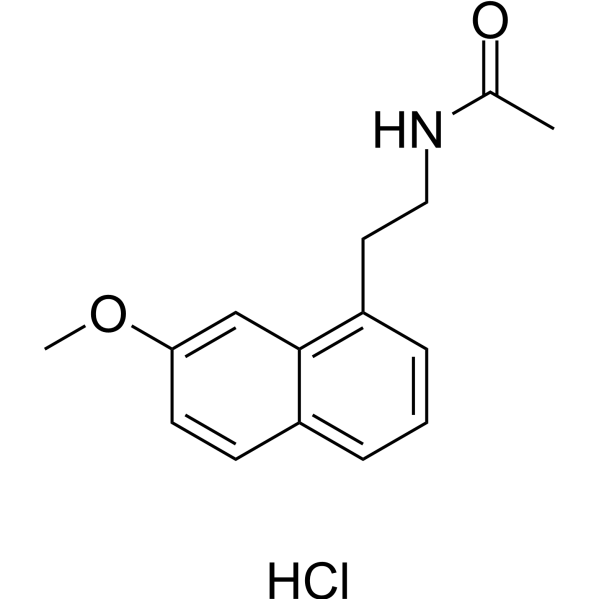
Agomelatine hydrochloride (S-20098 hydrochloride) is a specific agonist of MT1 and MT2 receptors with Kis of 0.1, 0.06, 0.12, and 0.27 nM for CHO-hMT1, HEK-hMT1, CHO-hMT2, and HEK-hMT2, respectively . Agomelatine hydrochloride is a selective 5-HT2C receptor antagonist with pKis of 6.4 and 6.2 at native (porcine) and cloned, human 5-HT2C receptors, respectively .
|
-
- HY-106954
-
|
Rec 15/2739; Recordati 15/2739; SB 216469
|
Adrenergic Receptor
|
Inflammation/Immunology
|
|
Upidosin (Rec 15/2739) is an α-1 adrenoceptor (α-1 AR) antagonist. Upidosin shows moderate selectivity for the α-1A AR subtype. Upidosin shows uroselectivity in urethra and prostate with a Kb value of 2-3 nM higher than in ear artery and aorta with a Kb value of 20-100 nM. Upidosin inhibits [3H]prazosin binding to cloned human α-1A adrenergic receptor. Upidosin can be used for the research of urethral obstruction .
|
-
- HY-135555
-
|
5-CT
|
5-HT Receptor
|
Neurological Disease
|
|
5-Carboxamidotryptamine (5-CT) is a 5-HT1A, 5-HT1B, 5-HT1D, 5-HT5A, 5-HT7 receptor agonist . 5-Carboxamidotryptamine has a Ki value of 4.6 nM for cloned human 5-HT5A receptor. 5-Carboxamidotryptamine causes a dose-dependent reduction in rectal temperature of mice .
|
-
- HY-17038
-
Agomelatine
Maximum Cited Publications
9 Publications Verification
S-20098
|
Melatonin Receptor
5-HT Receptor
Endogenous Metabolite
|
Neurological Disease
|
|
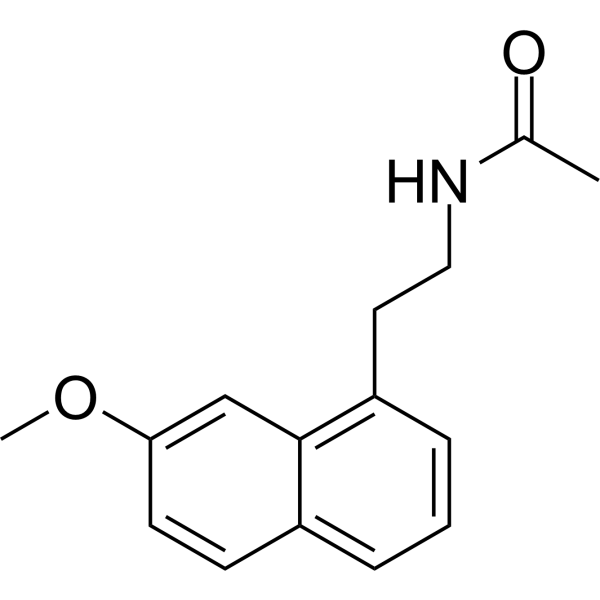
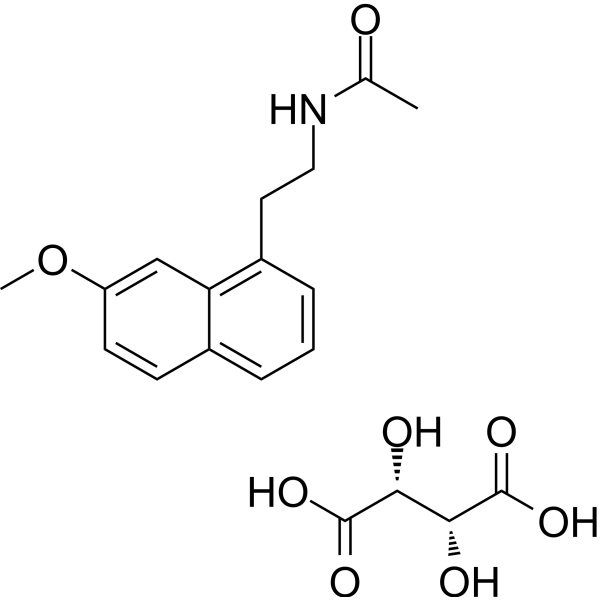
Agomelatine (S-20098) is a specific agonist of MT1 and MT2 receptors with Kis of 0.1, 0.06, 0.12, and 0.27 nM for CHO-hMT1, HEK-hMT1, CHO-hMT2, and HEK-hMT2, respectively . Agomelatine is a selective 5-HT2C receptor antagonist with pKis of 6.4 and 6.2 at native (porcine) and cloned, human 5-HT2C receptors, respectively .
|
-
- HY-19210
-
|
|
Endothelin Receptor
|
Cardiovascular Disease
|
|
SB-209670 is an extremely potent and highly specific non-peptide, subnanomolar endothelin (ET) receptor antagonist. SB 209670 selectively inhibits binding of 125I-labeled ET-1 to cloned human ET receptor subtypes ETA and ETB (Ki=0.2 and 18 nM, respectively). SB 209670 produces a dose-dependent reduction in blood pressure in hypertensive rats, protects from ischemia-induced neuronal degeneration in a gerbil stroke model, and attenuates neointima formation following rat carotid artery balloon angioplasty .
|
-
- HY-156094
-
|
|
HDAC
Histone Demethylase
Apoptosis
|
Cancer
|
|
JMJD3/HDAC-IN-1 (compound A5b) is a dual inhibitor targeting Jumonji domain-containing protein demethylase 3 (JMJD3) and histone deacetylase (HDAC1, IC50=16 nM). JMJD3/HDAC-IN-1 promotes hypermethylation of histone H3K27 and hyperacetylation of H3K9, and also cleaves caspase-7 and PARP to induce apoptosis. JMJD3/HDAC-IN-1 effectively inhibits cancer cell cloning, migration, and invasion .
|
-
- HY-17038S1
-
|
S-20098-d4
|
Isotope-Labeled Compounds
Melatonin Receptor
5-HT Receptor
Endogenous Metabolite
|
Neurological Disease
|
|
Agomelatine-d4 is the deuterium labeled Agomelatine. Agomelatine (S-20098) is a specific agonist of MT1 and MT2 receptors with Kis of 0.1, 0.06, 0.12, and 0.27 nM for CHO-hMT1, HEK-hMT1, CHO-hMT2, and HEK-hMT2, respectively . Agomelatine is a selective 5-HT2C receptor antagonist with pKis of 6.4 and 6.2 at native (porcine) and cloned, human 5-HT2C receptors, respectively .
|
-
- HY-17038B
-
|
S-20098 L(+)-Tartaric acid
|
Melatonin Receptor
5-HT Receptor
Endogenous Metabolite
|
Neurological Disease
|
|
Agomelatine L(+)-Tartaric acid (S-20098 L(+)-Tartaric acid) is a specific agonist of MT1 and MT2 receptors with Kis of 0.1, 0.06, 0.12, and 0.27 nM for CHO-hMT1, HEK-hMT1, CHO-hMT2, and HEK-hMT2, respectively . Agomelatine L(+)-Tartaric acid is a selective 5-HT2C receptor antagonist with pKis of 6.4 and 6.2 at native (porcine) and cloned, human 5-HT2C receptors, respectively .
|
-
- HY-101366
-
|
|
Adrenergic Receptor
|
Endocrinology
|
|
A-61603 is a selective α1A/α1a-adrenergic receptor agonist with Ki of 8.89 nM for rat submaxillary gland α1A, Ki of 30.5 nM for cloned bovine α1a. A-61603 potentiates Ca 2+ transients with EC50 of 6.9 nM. A-61603 stimulates phosphoinositide hydrolysis, induces contractile responses in vas deferens, prostate strips, and spleen strips, and exhibits low activity in aortic rings. A-61603 can be used for research on adrenergic function .
|
-
- HY-17038S2
-
|
S-20098-d3
|
Melatonin Receptor
5-HT Receptor
Endogenous Metabolite
|
Neurological Disease
|
|
Agomelatine-d3 is the deuterium labeled Agomelatine. Agomelatine (S-20098) is a specific agonist of MT1 and MT2 receptors with Kis of 0.1, 0.06, 0.12, and 0.27 nM for CHO-hMT1, HEK-hMT1, CHO-hMT2, and HEK-hMT2, respectively . Agomelatine is a selective 5-HT2C receptor antagonist with pKis of 6.4 and 6.2 at native (porcine) and cloned, human 5-HT2C receptors, respectively .
|
-
- HY-175263
-
|
|
GABA Receptor
5-HT Receptor
Reactive Oxygen Species (ROS)
|
Neurological Disease
Metabolic Disease
|
|
Aminochalcone 4AAF is a neuroprotective agent that exerts anxiolytic effects through GABAA and 5-HT receptors. Aminochalcone 4AAF has high selectivity for 5-HT3A and 5-HT2C receptors, and stimulates allosteric behavior toward the 5-HT2A receptor. Aminochalcone 4AAF shows hypoglycemic effects and reduces the level of ROS in the liver. Aminochalcone 4AAF delays the clonic stage of the epileptic seizures . Aminochalcone 4AAF can be used in the study of anxiety, hyperglycemia, and seizures .
|
-
- HY-172901
-
|
|
AMPK
|
Cardiovascular Disease
Metabolic Disease
|
|
AMPK activator 17 (Compound 10g) is an orally active AMPK activator. AMPK activator 17 has significant anti-adipogenic (IC50: 3.4 μM) and dyslipidemia-modifying activities. AMPK activator 17 inhibits the early stages of adipocyte differentiation (mitotic clonal expansion) by activating the AMPK pathway. AMPK activator 17 can enhance mitochondrial function and fatty acid oxidation in mature adipocytes. AMPK activator 17 improves dyslipidemia by promoting reverse cholesterol transport. AMPK activator 17 can be used in the study of obesity and related metabolic diseases (such as type 2 diabetes and cardiovascular disease) .
|
-
- HY-172166B
-
|
|
Fluorescent Dye
|
Neurological Disease
|
|
TRITC-lysine-dextran (MW 70kDa) is a fluorescent label prepared by the conjugation of TRITC (HY-D0791), lysine and dextran. TRITC-lysine-dextran (MW 70kDa) serves multiple functions as an axonal tracer, non-viral nanocarrier and fixable fluorescent clonal marker. TRITC-lysine-dextran (MW 70kDa) undergoes anterograde and retrograde transport within axons of sensory neurons, and acts as a non-viral delivery system to precisely deliver biomolecules to neurons. TRITC-lysine-dextran (MW 70kDa) remains stably retained during histological preparation, thereby supporting continuous observation in live or fixed samples .
|
-
- HY-17038R
-
|
S-20098 (Standard)
|
Reference Standards
Melatonin Receptor
5-HT Receptor
Endogenous Metabolite
|
Neurological Disease
|
|
Agomelatine (Standard) is the analytical standard of Agomelatine. This product is intended for research and analytical applications. Agomelatine (S-20098) is a specific agonist of MT1 and MT2 receptors with Kis of 0.1, 0.06, 0.12, and 0.27 nM for CHO-hMT1, HEK-hMT1, CHO-hMT2, and HEK-hMT2, respectively . Agomelatine is a selective 5-HT2C receptor antagonist with pKis of 6.4 and 6.2 at native (porcine) and cloned, human 5-HT2C receptors, respectively .
|
-
- HY-17038AR
-
|
S-20098 hydrochloride (Standard)
|
Melatonin Receptor
5-HT Receptor
Endogenous Metabolite
Reference Standards
|
Neurological Disease
|
|
Agomelatine (hydrochloride) (Standard) is the analytical standard of Agomelatine (hydrochloride). This product is intended for research and analytical applications. Agomelatine hydrochloride (S-20098 hydrochloride) is a specific agonist of MT1 and MT2 receptors with Kis of 0.1, 0.06, 0.12, and 0.27 nM for CHO-hMT1, HEK-hMT1, CHO-hMT2, and HEK-hMT2, respectively . Agomelatine hydrochloride is a selective 5-HT2C receptor antagonist with pKis of 6.4 and 6.2 at native (porcine) and cloned, human 5-HT2C receptors, respectively .
|
-
- HY-103181
-
|
CPA; UK-80882
|
Adenosine Receptor
Apoptosis
|
Cardiovascular Disease
Neurological Disease
Cancer
|
|
N6-Cyclopentyladenosine (CPA) is a selective Adenosine A1 receptor agonist, with Ki values of 2.3 nM, 790 nM and 43 nM for human A1, A2A and A3 receptors, respectively. N6-cyclopentyladenosine increases Apoptosis. N6-Cyclopentyladenosine has antitumor activity against leukemia. N6-cyclopentyladenosine improves 5-fluorouracil (HY-90006)-induced hematopoietic damage, regulates sleep, and delays Aminophylline-induced clonic epileptic seizures .
|
-
- HY-N6576
-
|
|
p38 MAPK
ERK
JNK
IAP
PARP
Apoptosis
Caspase
|
Cancer
|
|
Hellebrigenin is an inhibitor that selectively targets the MAPK signaling pathway (ERK, p38, JNK) and XIAP, and can inhibit Akt expression and phosphorylation. Hellebrigenin can activate endogenous apoptosis pathways (such as mitochondrial membrane potential disruption, Caspase family activation, PARP cleavage), downregulate anti-apoptotic proteins (Bcl-2, Bcl-xL) and upregulate pro-apoptotic proteins (Bax, Bak). Hellebrigenin can also induce DNA double-strand breaks to activate the ATM pathway. Hellebrigenin can inhibit tumor cell proliferation and clone formation, and is mainly used in the study of oral squamous cell carcinoma, liver cancer and other cancers .
|
-
- HY-U00237B
-
|
|
Adrenergic Receptor
|
Others
|
|
L-771688 hydrochloride is a potent and highly selective α1A-adrenoceptor antagonist (Kd=43-90 pM). L-771688 hydrochloride is effective against cloned human, rat and dog α1A-adrenergic receptors. L-771688 exhibits high affinity (Ki ≤ 1 nM) and over 500-fold selectivity over the α1B and α1D isoforms. L-771688 potently antagonizes norepinephrine-induced responses at these receptors. Inhibits contractions induced by phenylephrine or A-61603 in rat, dog, human and monkey models .
|
-
- HY-P5396A
-
|
|
Amino Acid Decarboxylase
|
Others
|
|
GAD65 (524-543) acetate is a biological active peptide with amino acids 524 to 543 fragment of glutamic acid decarboxylase 65 (GAD65). GAD65 (524-543) acetate is one of the first fragments of the islet antigen to induce proliferative T cell responses in the non-obese diabetic (NOD) mouse model of spontaneous autoimmune diabetes. GAD65 (524-543) acetate is a specific, possibly low affinity, stimulus for the spontaneously arising diabetogenic T cell clone BDC2.5. Immunization with GAD65 (524-543) acetate increases the susceptibility of the NOD mice to type 1 diabetes induced by the adoptive transfer of BDC2.5 T cells .
|
-
- HY-P5396
-
|
|
Amino Acid Decarboxylase
|
Others
|
|
GAD65 (524-543) is a biological active peptide with amino acids 524 to 543 fragment of glutamic acid decarboxylase 65 (GAD65). GAD65 (524-543) is one of the first fragments of islet antigen to induce proliferative T cell responses in the non-obese diabetic (NOD) mouse model of spontaneous autoimmune diabetes. GAD65 (524-543) is a specific, possibly low affinity, stimulus for the spontaneously arising diabetogenic T cell clone BDC2.5. Immunization with GAD65 (524-543) increases the susceptibility of the NOD mice to type 1 diabetes induced by the adoptive transfer of BDC2.5 T cells .
|
-
- HY-126914
-
|
|
Parasite
|
Infection
|
|
Diacetylcercosporin is a perylenequinone produced by Cercospora and Septoria that has diverse biological activities. Diacetylcercosporin inhibits the growth of P. falciparum strains that are sensitive and resistant to chloroquine (IC50s=2.75 and 1.94 μM for D6 and W2 clones, respectively) and L. donovani parasites (IC50=3.1 μM) in vitro. Diacetylcercosporin exhibits cytotoxicity against SK-MEL, KB, BT549, and SKOV3 human cancer cell lines (IC50s=4.8-8.7 μM). Diacetylcercosporin is also a phytotoxin that inhibits the growth of lettuce and bentgrass at a concentration of 1.62 mM.
|
-
- HY-106954R
-
|
Rec 15/2739 (Standard); Recordati 15/2739 (Standard); SB 216469 (Standard)
|
Reference Standards
Adrenergic Receptor
|
Inflammation/Immunology
|
|
Upidosin (Standard) (Rec 15/2739 (Standard)) is the analytical standard of Upidosin (HY-106954). This product is intended for research and analytical applications. Upidosin (Rec 15/2739) is an α-1 adrenoceptor (α-1 AR) antagonist. Upidosin shows moderate selectivity for the α-1A AR subtype. Upidosin shows uroselectivity in urethra and prostate with a Kb value of 2-3 nM higher than in ear artery and aorta with a Kb value of 20-100 nM. Upidosin inhibits [3H]prazosin binding to cloned human α-1A adrenergic receptor. Upidosin can be used for the research of urethral obstruction .
|
-
- HY-116504
-
|
|
EGFR
Akt
ERK
Apoptosis
|
Cancer
|
|
WB-308 is a novel small molecule that was identified as an inhibitor of EGFR by an in vitro EGFR kinase activity system. WB-308 was able to reduce the proliferation and clonogenicity of NSCLC cells, causing G2/M phase arrest and apoptosis. In addition, WB-308 inhibited tumor growth in two in vivo animal models (lung orthotopic transplantation model and patient-derived clonal mouse model). WB-308 impaired the phosphorylation of EGFR, AKT, and ERK1/2 proteins. Compared with Gefitinib, WB-308 had lower cytotoxicity. This study showed that WB-308 is a new EGFR-TKI that may be considered as an alternative to Gefitinib in the clinical treatment of NSCLC.
|
-
- HY-148525
-
|
β2AR/M-receptor agonist-2
|
mAChR
Adrenergic Receptor
|
Cardiovascular Disease
Inflammation/Immunology
|
|
β2AR/M-receptor agonist-2 (compound 15) is a muscarinic antagonist and β2 adrenoceptor agonist (MABA). β2AR/M-receptor agonist-2 shows potency to β2 adrenoceptor with an EC50 value of 3.7 nM. β2AR/M-receptor agonist-2 also has potency to human cloned M3 receptor with a Ki value of 0.73 nM. β2AR/M-receptor agonist-2 is a potent bronchodilator, it can be used for the research of chronic obstructive pulmonary disease (COPD) .
|
-
- HY-112404
-
|
|
Src
Bcr-Abl
|
Cancer
|
|
BCR-ABL-IN-13 is a dual c-Src and Abl inhibitor, with a Ki value of 0.55 μM against c-Src, 0.10 μM against wild-type Abl, and 0.40 μM against the Abl T315I mutant. BCR-ABL-IN-13 exerts competitive/mixed-type inhibitory effects on wild-type Abl, and non-competitive inhibitory effects on the drug-resistant Abl T315I mutant. BCR-ABL-IN-13 can be used for the research of chronic myeloid leukemia .
|
-
- HY-103181R
-
|
CPA (Standard); UK-80882 (Standard)
|
Reference Standards
Adenosine Receptor
Apoptosis
|
Cardiovascular Disease
Neurological Disease
Cancer
|
|
N6-Cyclopentyladenosine (Standard) is the analytical standard of N6-Cyclopentyladenosine (HY-103181). This product is intended for research and analytical applications. N6-Cyclopentyladenosine (CPA) is a selective Adenosine A1 receptor agonist, with Ki values of 2.3 nM, 790 nM and 43 nM for human A1, A2A and A3 receptors, respectively. N6-cyclopentyladenosine increases Apoptosis. N6-Cyclopentyladenosine has antitumor activity against leukemia. N6-cyclopentyladenosine improves 5-fluorouracil (HY-90006)-induced hematopoietic damage, regulates sleep, and delays Aminophylline-induced clonic epileptic seizures .
|
-
- HY-N3434
-
|
|
Drug Derivative
Reactive Oxygen Species (ROS)
|
Cancer
|
|
Kaempferol 3,7,4'-trimethyl ether is an O-methylated kaempferol flavonol aglycone distributed in Siparuna gigantotepala, Aframomum arundinaceum and Siparuna guianensis. Kaempferol 3,7,4'-trimethyl ether exhibits antioxidant activity. Kaempferol 3,7,4'-trimethyl ether suppresses the proliferation of leukemia cells and exerts selective cytotoxicity against both drug‑sensitive and multi‑factorial drug‑resistant cancer cells. Kaempferol 3,7,4'-trimethyl ether can be applied in the research of multidrug‑resistant cancers .
|
-
- HY-119247
-
|
|
CRFR
|
Neurological Disease
|
|
NBI 30545 is a blood-brain barrier permeable CRF1R antagonist with a Ki value of 3.4 nM for the human receptor. NBI 30545 inhibits CRF-stimulated intracellular cAMP accumulation and ACTH release. NBI 30545 can be used in the research of depression, anxiety disorders and stress-related diseases .
|
-
- HY-N19808
-
|
|
Drug Derivative
|
Cancer
|
|
2-Deacetyl-4-tigloylchamissionolide is a heliangolide-type sesquiterpene lactone, a derivative of Chamissonolide (HY-N19727), and a cytotoxic agent. 2-Deacetyl-4-tigloylchamissionolide exerts cytotoxicity via alkylating biological nucleophiles, targeting free thiol groups in proteins to interfere with their functions. 2-Deacetyl-4-tigloylchamissionolide exhibits different chromatographic behaviors in TLC and HPLC. 2-Deacetyl-4-tigloylchamissionolide can be used for the research of Ehrlich ascites carcinoma .
|
-
- HY-W697750
-
|
Tiglaldehyde
|
Biochemical Assay Reagents
|
Cancer
|
|
trans-2-Methyl-2-butenal (Tiglaldehyde) is an adduct former that can be found in cigarette smoke, and very weakly inhibits growth of cancer cells and normal mouse cells. trans-2-Methyl-2-butenal forms adducts with glutathione (GSH) via Michael addition.trans-2-Methyl-2-butenal is an α,β-unsaturated carbonyl compound .
|
-
- HY-P1745
-
|
Insulin B chain (9-23)
|
MHC
Insulin Receptor
IFNAR
|
Inflammation/Immunology
|
|
InsB (9-23) (Insulin B chain (9-23)) is an HLA-DQ8-restricted insulin B-chain peptide composed of amino acid residues 9-23. InsB (9-23) serves as a major MHC II class-restricted antigen. InsB (9-23) supports the recognition and activation of T cells, stimulates the secretion of IFN-γ and cytokines, and induces cross-reactive immune responses. InsB (9-23)-specific CD4 T cells can initiate diabetes . InsB (9-23) can be used in research related to type 1 diabetes and autoimmune diabetes .
|
-
- HY-137265
-
|
|
Flavivirus
|
Infection
|
|
Aminomethyltrioxsalen hydrochloride is a psoralen derivative and nucleic acid intercalator. Aminomethyltrioxsalen hydrochloride can penetrate intact cells and react with nucleic acid secondary structures in vivo without disrupting the tissue structure of natural nucleoproteins. Aminomethyltrioxsalen hydrochloride inactivates viruses by crosslinking nucleic acid pyrimidine residues after exposure to UV-A radiation. Aminomethyltrioxsalen hydrochloride can be used in research related to dengue virus infection .
|
-
| Cat. No. |
Product Name |
Type |
-
- HY-15934
-
X-GAL
5 Publications Verification
BCIG
|
Fluorescent Dyes
|
|
X-GAL (BCIG) is a widely used chromogenic β-galactosidase substrate. X-GAL is a colorless compound until cleaved by β-galactosidase, at which point X-GAL turns to an insoluble and detectable blue compound, making X-GAL particularly useful in techniques such as blue-white screening for cloning in bacteria. X-GAL can also be used for detection of β-galactosidase activity .
|
-
- HY-DY2002
-
|
|
Fluorescent Dyes
|
X-GAL (BCIG) (solution) is a widely used chromogenic β-galactosidase substrate. X-GAL is a colorless compound until cleaved by β-galactosidase, at which point X-GAL turns to an insoluble and detectable blue compound, making X-GAL particularly useful in techniques such as blue-white screening for cloning in bacteria. X-GAL can also be used for detection of β-galactosidase activity . Solvent and Concentration: DMF: 20 mg/mL
|
-
- HY-W116594
-
|
|
Fluorescent Dyes
|
|
X-GalNAc is a chromogenic substrate for for N-acetyl-β-galactosidase, used to determine the presence or absence of a cloned DNA insert in bacteria growing on agar plates .
|
| Cat. No. |
Product Name |
Type |
-
- HY-172166B
-
|
|
Biochemical Assay Reagents
|
|
TRITC-lysine-dextran (MW 70kDa) is a fluorescent label prepared by the conjugation of TRITC (HY-D0791), lysine and dextran. TRITC-lysine-dextran (MW 70kDa) serves multiple functions as an axonal tracer, non-viral nanocarrier and fixable fluorescent clonal marker. TRITC-lysine-dextran (MW 70kDa) undergoes anterograde and retrograde transport within axons of sensory neurons, and acts as a non-viral delivery system to precisely deliver biomolecules to neurons. TRITC-lysine-dextran (MW 70kDa) remains stably retained during histological preparation, thereby supporting continuous observation in live or fixed samples .
|
| Cat. No. |
Product Name |
Target |
Research Area |
-
- HY-P1745
-
|
Insulin B chain (9-23)
|
MHC
Insulin Receptor
IFNAR
|
Inflammation/Immunology
|
|
InsB (9-23) (Insulin B chain (9-23)) is an HLA-DQ8-restricted insulin B-chain peptide composed of amino acid residues 9-23. InsB (9-23) serves as a major MHC II class-restricted antigen. InsB (9-23) supports the recognition and activation of T cells, stimulates the secretion of IFN-γ and cytokines, and induces cross-reactive immune responses. InsB (9-23)-specific CD4 T cells can initiate diabetes . InsB (9-23) can be used in research related to type 1 diabetes and autoimmune diabetes .
|
-
- HY-P11070
-
|
|
Peptides
|
Others
|
|
SDSSD is an osteoblast-targeting peptide. SDSSD selectively binds to periostin on osteoblasts and mediates targeted delivery to these cells. SDSSD can endow calcium phosphate nanocomposites with bone-targeting properties, and these materials exhibit osteointegrative capacity in both in vitro and in vivo models. When conjugated with polyurethane nanomicelles, SDSSD enables targeted delivery of siRNA/microRNA to osteoblasts .
|
-
- HY-P1212
-
|
CST-14 (mouse, rat)
|
Somatostatin Receptor
|
Neurological Disease
|
|
Cortistatin 14, mouse, rat (CST-14, human, rat), a neuropeptide with neuronal depressant and sleep modulating properties, can bind to all five cloned somatostatin receptors (SSTRs) and ghrelin receptor to exert its biological activities and co-exists with GABA within the cortex and hippocampus .
|
-
- HY-P5755
-
|
|
Peptides
|
Cancer
|
|
SWELYYPLRANL-NH2 is an E-cadherin and N-cadherin antagonist. SWELYYPLRANL-NH2 inhibits phage clone binding to E- or N-cad/Fc chimeric protein (IC50: 0.7 and 0.09 μM respectively). SWELYYPLRANL-NH2 inhibits cell aggregation. SWELYYPLRANL-NH2 can be used to promote drug delivery through epithelial and endothelial permeability barriers .
|
-
- HY-P3742
-
|
|
Tyrosinase
MHC
|
Cancer
|
|
Tyrosinase (192-200), human mouse is a HLA-B*4403-restricted tyrosinase epitope with affinity for HLA-B4403 and HLA-B4402. Tyrosinase (192-200), human mouse binds to HLA-B*4403 to form a complex, which is recognized by the autologous cytotoxic T lymphocyte clone 22/31 derived from melanoma. Tyrosinase (192-200), human mouse binds to HLA-B4402 to form a complex, which is recognized by the CTL clone 329B/5 derived from healthy HLA-B4402 donors. Tyrosinase (192-200), human mouse is applicable to melanoma-related research .
|
-
- HY-P1822
-
|
|
Transmembrane Glycoprotein
|
Metabolic Disease
|
|
BDC2.5 mimotope 1040-31, a BDC2.5 TCR reactive peptide, is a strong agonistic peptide for diabetogenic T cell clone BDC2.5, and the 1040-31 peptide is specific for BDC 2.5 TCR Tg + T cells .
|
-
- HY-P2707
-
|
α-DTX
|
Sodium Channel
Potassium Channel
|
Neurological Disease
|
|
α-Dendrotoxin (α-DTX) is a voltage-gated K + channel blocker and an acid-sensing ion channel (ASIC) inhibitor. α-Dendrotoxin blocks Kv1.1, Kv1.2, Kv1.6 and D-type (ID) voltage-gated K + channels, and reversibly inhibits slowly inactivating potassium currents. α-Dendrotoxin induces epilepsy-related behaviors in mice. α-Dendrotoxin can be used in studies related to tonic-clonic seizures .
|
-
- HY-P5396A
-
|
|
Amino Acid Decarboxylase
|
Others
|
|
GAD65 (524-543) acetate is a biological active peptide with amino acids 524 to 543 fragment of glutamic acid decarboxylase 65 (GAD65). GAD65 (524-543) acetate is one of the first fragments of the islet antigen to induce proliferative T cell responses in the non-obese diabetic (NOD) mouse model of spontaneous autoimmune diabetes. GAD65 (524-543) acetate is a specific, possibly low affinity, stimulus for the spontaneously arising diabetogenic T cell clone BDC2.5. Immunization with GAD65 (524-543) acetate increases the susceptibility of the NOD mice to type 1 diabetes induced by the adoptive transfer of BDC2.5 T cells .
|
-
- HY-P0200
-
-
- HY-P3747
-
|
|
Influenza Virus
|
Infection
|
|
Hemagglutinin (48-68) is the 48-68 fragment of influenza virus hemagglutinin. Hemagglutinin (48-68) can induce proliferation of the peptide specific T-cell clones .
|
-
- HY-P10456
-
|
|
Peptides
|
Inflammation/Immunology
|
|
[Leu144,Arg147]-PLP (139-151) is a mutant peptide fragment of myelin proteolipid protein (PLP), with the tryptophan and histidine at positions 144 and 147 respectively replaced by leucine and arginine. [Leu144,Arg147]-PLP (139-151) also serves as a T cell receptor (TCR) antagonist for encephalitogenic Th1 clones, blocking their activation in vitro. Furthermore, [Leu144,Arg147]-PLP (139-151) can inhibit the development of experimental autoimmune encephalomyelitis (EAE) .
|
-
- HY-P11127
-
|
|
Transmembrane Glycoprotein
MHC
|
Inflammation/Immunology
|
|
MBP (111-129) is a polypeptide that constitutes an immunodominant epitope cluster restricted by HLA-DRB1*0401. MBP (111-129) is an antagonist for the clone HD4-1C2 TCR and an agonist for clone MS2-3C8 TCR. MBP (111-129) can be used for on multiple sclerosis and T cell biology .
|
-
- HY-P0260
-
-
- HY-P1910
-
|
|
Peptides
|
Metabolic Disease
|
|
BDC2.5 mimotope 1040-51 is a mimotope peptide for diabetogenic T cell clone BDC2.5. isolated from non-obese diabetic mice .
|
-
- HY-P2109
-
|
|
Bradykinin Receptor
|
Inflammation/Immunology
|
|
JMV-1645 is a potent and selective B1 bradykinin receptor antagonist with a Ki value of 0.023 nM on the human cloned B1 receptor. JMV-1645 can be utilized in trauma and infection research .
|
-
- HY-P1822A
-
|
|
Transmembrane Glycoprotein
|
Metabolic Disease
|
|
BDC2.5 mimotope 1040-31 TFA, a BDC2.5 TCR reactive peptide, is a strong agonistic peptide for diabetogenic T cell clone BDC2.5, and the 1040-31 peptide is specific for BDC 2.5 TCR Tg + T cells .
|
-
- HY-P1914
-
|
|
Peptides
|
Cancer
|
|
NY-BR-1 p904 (A2) is an HLA-A2-restricted NY-BR-1 epitope. T-cell clone specific for NY-BR-1 p904 can recognize breast tumor cells expressing NY-BR-1 .
|
-
- HY-P11145
-
|
|
Influenza Virus
|
Infection
Inflammation/Immunology
|
Influenza HA (529-537) is the amino acid sequence (IYATVAGSL) at positions 529-537 of the hemagglutinin (HA) of the influenza A virus. Influenza HA (529-537) can be recognized by three different specificities (H1-specific, H2-specific, H1/H2 cross-reactive) of CD8 + cytotoxic T-lymphocyte (CTL) clones. Influenza HA (529-537) can be used to understand T-cell immune specificity and to design new vaccines .
|
-
- HY-P5396
-
|
|
Amino Acid Decarboxylase
|
Others
|
|
GAD65 (524-543) is a biological active peptide with amino acids 524 to 543 fragment of glutamic acid decarboxylase 65 (GAD65). GAD65 (524-543) is one of the first fragments of islet antigen to induce proliferative T cell responses in the non-obese diabetic (NOD) mouse model of spontaneous autoimmune diabetes. GAD65 (524-543) is a specific, possibly low affinity, stimulus for the spontaneously arising diabetogenic T cell clone BDC2.5. Immunization with GAD65 (524-543) increases the susceptibility of the NOD mice to type 1 diabetes induced by the adoptive transfer of BDC2.5 T cells .
|
-
- HY-P3644
-
|
|
Peptides
|
Cancer
|
|
EEKLIVVAF is a pepitide, can be recognized on HLA-B44 by the anti-melanoma cytolytic T-cell (CTL) clone LB33- CTL-159/5 .
|
-
- HY-P11463
-
|
|
Somatostatin Receptor
|
Metabolic Disease
|
|
Des-threoninol-octreotide (Compound 13) is a Somatostatin analog. Des-threoninol-octreotide inhibits cloned somatostatin receptors with IC50 values of 13.62 nM, 10.63 nM, 10.95 nM for mSSTR2b, rSSTR5 and hSSTR5, respectively .
|
-
- HY-P10314
-
|
L144-PLP(139-151)
|
Peptides
|
Inflammation/Immunology
|
|
[Leu144]-PLP (139-151) (L144-PLP(139-151)) is a peptide ligand of T cell receptor. [Leu144]-PLP (139-151) is a TCR antagonist for encephalitogenic Th1 clones, blocking their activation .
|
-
- HY-P5755A
-
|
|
Peptides
|
Cancer
|
|
SWELYYPLRANL-NH2 TFA is an E-cadherin and N-cadherin antagonist. SWELYYPLRANL-NH2 TFA inhibits phage clone binding to E- or N-cad/Fc chimeric protein (IC50: 0.7 and 0.09 μM respectively). SWELYYPLRANL-NH2 TFA inhibits cell aggregation. SWELYYPLRANL-NH2 can be used to promote drug delivery through epithelial and endothelial permeability barriers .
|
-
- HY-KE8004
-
1 Publications Verification
|
|
Reverse Transcriptase is a reverse transcriptase that clones and expresses the deletion mutant RNase H- of M-MuLV through genetic recombination technology.
|
-
- HY-KE8001
-
|
|
|
Phi29 DNA Polymerase is a mesophilic DNA polymerase cloned from Bacillus subtilis phage Phi29.
|
-
- HY-K1041A
-
1 Publications Verification
|
|
MCE Seamless DNA Assembly Ultra Kit is a next-generation recombinant cloning kit that allows the recombination of single or multiple DNA fragments in a single reaction.
|
-
- HY-KE8009
-
|
|
|
This enzyme is a DNA ligase cloned from Thermus aquaticus HB8. It is expressed in E. coli using genetic recombination technology and purified and isolated multiple times.
|
-
- HY-K1043
-
4 Publications Verification
|
|
MCE CEPT Cocktail is composed of CET small molecules (Chroman 1, Emricasan and Trans-ISRIB) and Polyamine Solution, and can effectively enhance cell survival and promote clonal growth of genetically stable hPSCs.
|
-
- HY-K1041
-
|
|
|
MCE Seamless DNA Assembly Plus Kit contains an optimized mix of recombinase, reaction buffer, and additional cofactors that significantly improve the cloning efficiency and tolerance to impurities. This product can complete multiple DNA fragments recombination and takes only 5 minutes for single fragment, and the positive rate is more than 95%.
|
-
- HY-K6021
-
|
|
|
MCE CEPT Cocktail Plus (1000×) is a composite supplement specifically formulated for pluripotent stem cell culture. Through synergistic effects, it inhibits oxidative damage, blocks apoptotic pathways, and regulates protein translation, significantly reducing cellular stress levels through multiple targets. This dramatically improves the survival rate and cloning efficiency of pluripotent stem cells.
|
-
- HY-K3030
-
|
|
|
Ham’s F-12K Medium was originally designed for the culture of primary human hepatocytes and differentiated rat and chicken cells. It is particularly suitable for single-cell cloning of Chinese hamster ovary (CHO) cells under serum-free conditions. When supplemented with serum, it can also be used for the culture of various other mammalian cell types, including chondrocytes and rat prostate epithelial cells.
|
| Cat. No. |
Product Name |
Target |
Research Area |
Image |
-
- HY-P99358
-
|
GSK 2398852; Anti-Serum Amyloid P/SAP Reference Antibody (dezamizumab)
|
Complement System
|
Inflammation/Immunology
|
|
Dezamizumab (GSK 2398852) is a fully humanized clonal IgG1 antibody against serum amyloid P component (SAP) with complement activation and amyloid clearance-inducing activities. Dezamizumab binds to SAP associated with amyloid deposits to form complexes that activate complement and mediate phagocytic clearance, triggering activation of the classical complement pathway. Dezamizumab can be used for the research of systemic amyloidosis .
|
-
(5)
-
- HY-P990303
-
|
|
Nuclear Factor of activated T Cells (NFAT)
|
Others
|
|
Anti-Mouse 2C TCR Antibody (1B2) is a mouse-derived IgG1 type antibody inhibitor, targeting to mouse 2C TCR. Anti-Mouse 2C TCR Antibody (1B2) recognizes determinants on the variable regions of both the α and β subunits of the TCR (T cell receptor) expressed by the mouse cytotoxic T lymphocyte clone 2C. Anti-Mouse 2C TCR Antibody (1B2) can be used for the detections of immunofluorescence and flow cytometry .
|
-
(5)
-
- HY-P991854
-
|
|
Interleukin Related
|
Inflammation/Immunology
|
|
Anti-iNKT Cell Antibody (6B11) recognizes an epitope on T cell receptor (TCR) V alpha 24-J alpha 18. Anti-iNKT Cell Antibody is specific for cloned and primary human but not rodent iNKT and the human invariant TCR-α. Recommend Isotype Controls: Mouse IgG1 kappa, Isotype Control (HY-P99977) .
|
-
(5)
| Cat. No. |
Product Name |
Category |
Target |
Chemical Structure |
-
- HY-N0007
-
-
-
- HY-17038
-
-
-
- HY-100809
-
-
-
- HY-N3434
-
-
-
- HY-N7583
-
-
-
- HY-150084
-
|
(±)14(15)-EET
|
Ketones, Aldehydes, Acids
Endogenous metabolite
Source Classification
|
Cytochrome P450
Mitosis
|
|
(±)14,15-Epoxyeicosatrienoic acid ((±)14(15)-EET) is the Cytochrome P450 metabolite of arachidonic acid. While CYP3A4 may be involved in breast cancer cell growth, (±)14,15-Epoxyeicosatrienoic acid may promote mitosis and anchorage-dependent cloning through STAT3 affected by CYP3A4. (±)14,15-Epoxyeicosatrienoic acid exhibits STAT3-dependent cell growth promotion and may also participate in the autocrine/paracrine pathway that drives cell growth .
|
-
-
- HY-17563R
-
-
-
- HY-N6576
-
|
|
Animals
Classification of Application Fields
Disease Research Fields
Steroids
Source Classification
Cancer
|
p38 MAPK
ERK
JNK
IAP
PARP
Apoptosis
Caspase
|
|
Hellebrigenin is an inhibitor that selectively targets the MAPK signaling pathway (ERK, p38, JNK) and XIAP, and can inhibit Akt expression and phosphorylation. Hellebrigenin can activate endogenous apoptosis pathways (such as mitochondrial membrane potential disruption, Caspase family activation, PARP cleavage), downregulate anti-apoptotic proteins (Bcl-2, Bcl-xL) and upregulate pro-apoptotic proteins (Bax, Bak). Hellebrigenin can also induce DNA double-strand breaks to activate the ATM pathway. Hellebrigenin can inhibit tumor cell proliferation and clone formation, and is mainly used in the study of oral squamous cell carcinoma, liver cancer and other cancers .
|
-
-
- HY-120104
-
-
-
- HY-N15748
-
|
(-)-Pelorol
|
Terpenoids
Sesquiterpenes
Marine natural products
Sponge
Source Classification
|
Parasite
|
|
Pelorol ((-)-Pelorol) is a sesquiterpene found in the tropical marine sponge Dactylospongia elegans. Pelorol has weak antitrypanosomal activity with an IC50 of 17.4 μg/mL and antiplasmodial activity against Plasmodium falciparum clones K1 and NF54 with IC50 values of 786 ng/mL and 1911 ng/mL, respectively. Pelorol is promising for research of parasitic diseases, such as trypanosomiasis and malaria .
|
-
-
- HY-N0007R
-
-
-
- HY-17038A
-
-
-
- HY-N4042
-
-
-
- HY-17038B
-
-
-
- HY-17038R
-
-
-
- HY-P0260
-
-
-
- HY-N3283
-
-
-
- HY-N7661
-
|
|
Plants
Solanaceae
Steroids
Source Classification
|
PPAR
|
|
4β-Hydroxywithanolide E, isolated from Physalis peruviana L., inhibits adipocyte differentiation of 3T3-L1 cells through modulation of mitotic clonal expansion. 4β-Hydroxywithanolide E is an adipogenesis inhibitor and inhibits PPARγ, C/EBPα, and the adipocyte-specific molecule aP2 mRNA expression .
|
-
-
- HY-N14344
-
|
|
Microorganisms
Antibiotics
Other Antibiotics
Source Classification
|
Bacterial
|
|
Manumycin G has anti-Gram-positive bacteria and Escherichia coli effects, but the effect is very weak against other anti-Gram-negative bacteria, and has no effect on fungi. Manumycin G inhibits RAS Faraday base transfer and has weak cytotoxic activity against human cloned cancer cell lines HCT-116 (IC50 is 15.6 μg/mL) .
|
-
-
- HY-17038AR
-
-
-
- HY-N18294
-
-
-
- HY-N14342
-
|
|
Microorganisms
Antibiotics
Other Antibiotics
Source Classification
|
Bacterial
|
|
Manumycin E has anti-Gram-positive bacteria and Escherichia coli effects, but the effect is very weak against other anti-Gram-negative bacteria, and has no effect on fungi. Manumycin E inhibits RAS Faraday base transfer and has weak cytotoxic activity against human cloned cancer cell lines HCT-116 (IC50 is 15.6 μg/mL) .
|
-
-
- HY-N14343
-
|
|
Microorganisms
Antibiotics
Other Antibiotics
Source Classification
|
Bacterial
|
|
Manumycin F has anti-Gram-positive bacteria and Escherichia coli effects, but the effect is very weak against other anti-Gram-negative bacteria, and has no effect on fungi. Manumycin F inhibits RAS Faraday base transfer and has weak cytotoxic activity against human cloned cancer cell lines HCT-116 (IC50 is 15.6 μg/mL) .
|
-
-
- HY-N19808
-
|
|
Structural Classification
Terpenoids
Sesquiterpenes
Plants
Compositae
Source Classification
|
Drug Derivative
|
|
2-Deacetyl-4-tigloylchamissionolide is a heliangolide-type sesquiterpene lactone, a derivative of Chamissonolide (HY-N19727), and a cytotoxic agent. 2-Deacetyl-4-tigloylchamissionolide exerts cytotoxicity via alkylating biological nucleophiles, targeting free thiol groups in proteins to interfere with their functions. 2-Deacetyl-4-tigloylchamissionolide exhibits different chromatographic behaviors in TLC and HPLC. 2-Deacetyl-4-tigloylchamissionolide can be used for the research of Ehrlich ascites carcinoma .
|
-
-
- HY-W697750
-
-
| Cat. No. |
Product Name |
Chemical Structure |
-
- HY-17038S2
-
|
|
|
Agomelatine-d3 is the deuterium labeled Agomelatine. Agomelatine (S-20098) is a specific agonist of MT1 and MT2 receptors with Kis of 0.1, 0.06, 0.12, and 0.27 nM for CHO-hMT1, HEK-hMT1, CHO-hMT2, and HEK-hMT2, respectively . Agomelatine is a selective 5-HT2C receptor antagonist with pKis of 6.4 and 6.2 at native (porcine) and cloned, human 5-HT2C receptors, respectively .
|
-
-
- HY-17038S1
-
|
|
|
Agomelatine-d4 is the deuterium labeled Agomelatine. Agomelatine (S-20098) is a specific agonist of MT1 and MT2 receptors with Kis of 0.1, 0.06, 0.12, and 0.27 nM for CHO-hMT1, HEK-hMT1, CHO-hMT2, and HEK-hMT2, respectively . Agomelatine is a selective 5-HT2C receptor antagonist with pKis of 6.4 and 6.2 at native (porcine) and cloned, human 5-HT2C receptors, respectively .
|
-
-
- HY-12100S1
-
|
|
|
Umeclidinium-d10 (bromide) is the deuterium labeled Umeclidinium bromide. Umeclidinium bromide is a novel mAChR antagonist. The affinity (Ki) of Umeclidinium bromide for the cloned human M1-M5 mAChRs ranges from 0.05 to 0.16 nM.
|
-
-
- HY-12100S
-
|
|
|
Umeclidinium-d5 (bromide) is the deuterium labeled Umeclidinium bromide. Umeclidinium bromide is a novel mAChR antagonist. The affinity (Ki) of Umeclidinium bromide for the cloned human M1-M5 mAChRs ranges from 0.05 to 0.16 nM.
|
-
-
- HY-B0391S1
-
|
|
|
Naftopidil-d5 is deuterium labeled Naftopidil. Naftopidil (KT-611) is is a selective alpha1-adrenoceptor antagonist, with Kis of 3.7 nM, 20 nM and 1.2 nM for the cloned human α1a-, α1b- and α1d-adrenoceptor subtypes, respectively. Naftopidil has antiproliferative effects. Naftopidil can be used for the research of prostate hyperplasia .
|
-
-
- HY-B0391S2
-
|
|
|
Naftopidil-d7 (KT-611-d7 ) is deuterium labeled Naftopidil. Naftopidil (KT-611) is is a selective alpha1-adrenoceptor antagonist, with Kis of 3.7 nM, 20 nM and 1.2 nM for the cloned human α1a-, α1b- and α1d-adrenoceptor subtypes, respectively. Naftopidil has antiproliferative effects. Naftopidil can be used for the research of prostate hyperplasia .
|
-
Your information is safe with us. * Required Fields.
Inquiry Information
- Product Name:
- Cat. No.:
- Quantity:
- MCE Japan Authorized Agent:

