
1. Search Result
Search Result
Results for "

connective tissue

" in MedChemExpress (MCE) Product Catalog:

20

Inhibitors & Agonists

1

Screening Libraries

2

Fluorescent Dyes

2

Biochemical Assay Reagents

2

Peptides

3

MCE Kits

2

Inhibitory Antibodies

3

Natural
Products

7

Recombinant Proteins

3

Isotope-Labeled Compounds

2

Antibodies

1

Oligonucleotides

Cat. No. Product Name Target Research Areas Chemical Structure
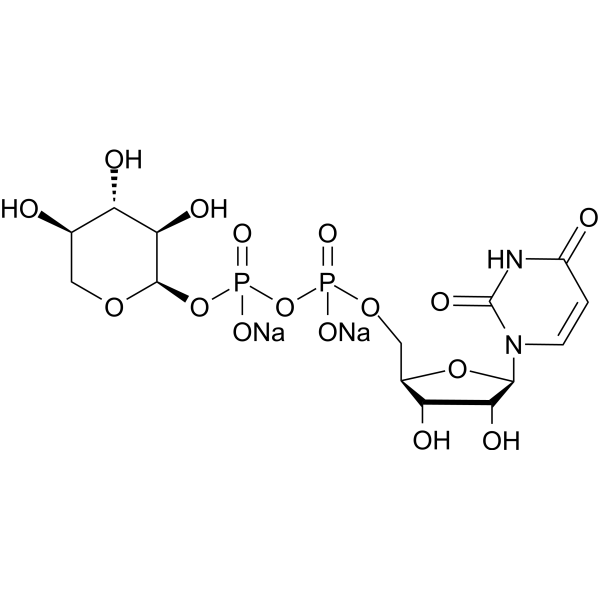
  • HY-N11287A
    UDP-xylose disodium
    2 Publications Verification

    Endogenous Metabolite Others
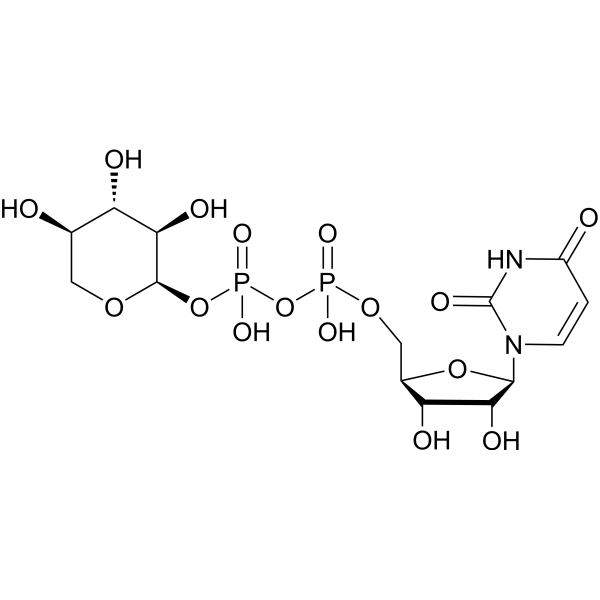
    UDP-xylose disodium is an endogenous sugar nucleotide and a catalytic substrate of UDP-xylose disodium synthase (UXS). UDP-xylose disodium is a sugar donor for the synthesis of glycoproteins, polysaccharides, various metabolites and oligosaccharides in plants, vertebrates and fungi, and participates in the synthesis of proteoglycans as a glycosyl donor. UDP-xylose disodium participates in the regulation of the synthesis of extracellular matrix components and can be used to study the mechanism of proteoglycan biosynthesis in glycobiology and related diseases (such as connective tissue diseases)[1][2].
    UDP-xylose disodium
  • HY-P99288
    FG-3019
    2 Publications Verification

    Pamrevlumab; Anti-Human CTGF Recombinant Antibody

    Apoptosis Cancer
    FG-3019 (Pamrevlumab) is a recombinant human antibody that binds to connective tissue growth factor (CTGF). FG-3019 can be used for the research of idiopathic pulmonary fibrosis (IPF) .
    FG-3019
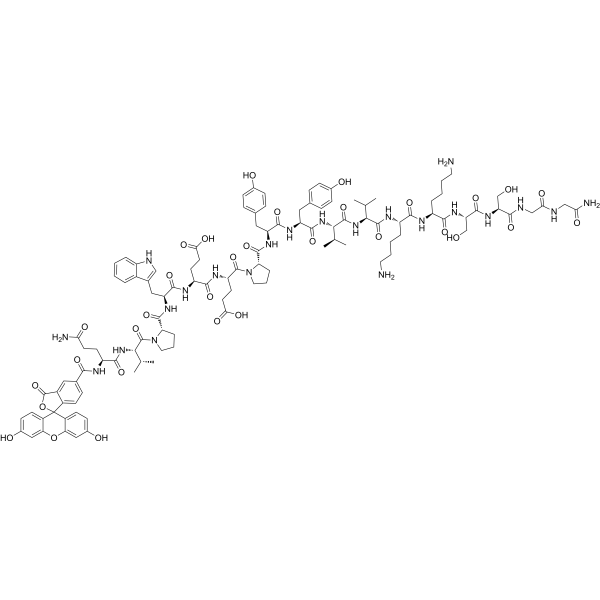
  • HY-P4154

    ALM-488

    Fluorescent Dye Neurological Disease Cancer
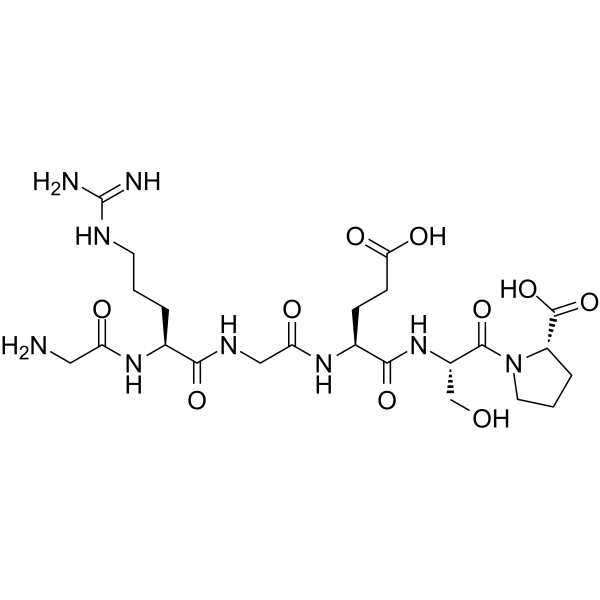
    Bevonescein (ALM-488) is a fluorescein-conjugated peptide that facilitates the targeted delivery of a fluorescent moiety (5-FAM (HY-66022)) to nerves after intravenous (IV) administration. Bevonescein binds nerve-associated connective tissue, labels peripheral nerves under real-time fluorescence imaging (FL) in living mice and human ex vivo nerve tissue. Bevonescein is a peptide-linked tracer which fluorescently labeled both intact and degenerated nerves (Ex/Em = 480/530 nm) .
    Bevonescein
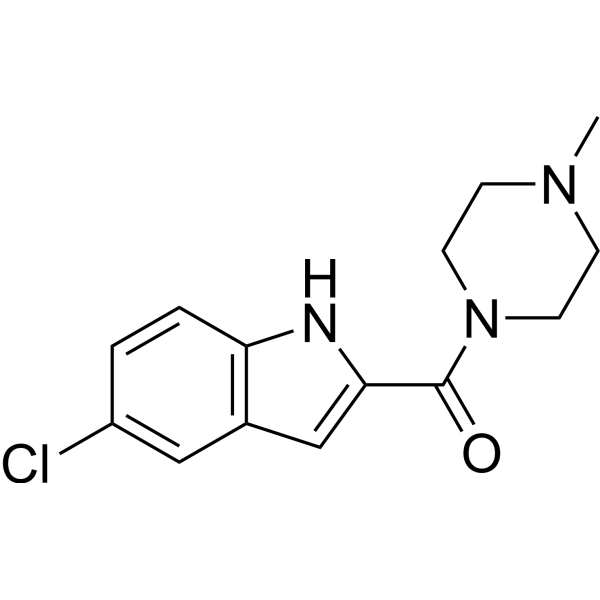
  • HY-13508
    JNJ-7777120
    1 Publications Verification

    Histamine Receptor Inflammation/Immunology
    JNJ-7777120 is a potent and selective histamine H4 receptor antagonist (Ki=4.5 nM). JNJ-7777120 effectively blocks histamine-induced migration of mouse tracheal mast cells from connective tissue to epithelial cells. JNJ-7777120 also significantly blocks neutrophil infiltration in a mouse Zymosan-induced peritonitis model. JNJ-7777120 has a good potential to study antipruritic and anti-inflammatory .
    JNJ-7777120
  • HY-N11287

    Endogenous Metabolite Others
    UDP-xylose is an endogenous sugar nucleotide and a catalytic substrate of UDP-xylose synthase (UXS). UDP-xylose is a sugar donor for the synthesis of glycoproteins, polysaccharides, various metabolites and oligosaccharides in plants, vertebrates and fungi, and participates in the synthesis of proteoglycans as a glycosyl donor. UDP-xylose participates in the regulation of the synthesis of extracellular matrix components and can be used to study the mechanism of proteoglycan biosynthesis in glycobiology and related diseases (such as connective tissue diseases)[1][2].
    UDP-xylose
  • HY-120006A
    (rel)-AR234960
    1 Publications Verification

    ERK Cardiovascular Disease
    (rel)-AR234960 is a selective and competitive agonist of the G protein-coupled receptor MAS. (rel)-AR234960 binds to the MAS receptor to activate the downstream ERK1/2 signaling pathway, inducing the expression of connective tissue growth factor (CTGF) and its downstream collagen subtype genes (such as COL1A1, COL3A1). (rel)-AR234960 promotes collagen synthesis in cardiac fibroblasts through the MAS-ERK1/2-CTGF pathway and aggravates extracellular matrix remodeling. (rel)-AR234960's in vitro effect can be blocked by the MAS inverse agonist AR244555 and MEK1 inhibitor. (rel)-AR234960 regulates the expression of cardiac fibrosis-related genes and can be used in the study of heart failure .
    (rel)-AR234960
  • HY-N0469S1

    Endogenous Metabolite Virus Protease Inflammation/Immunology
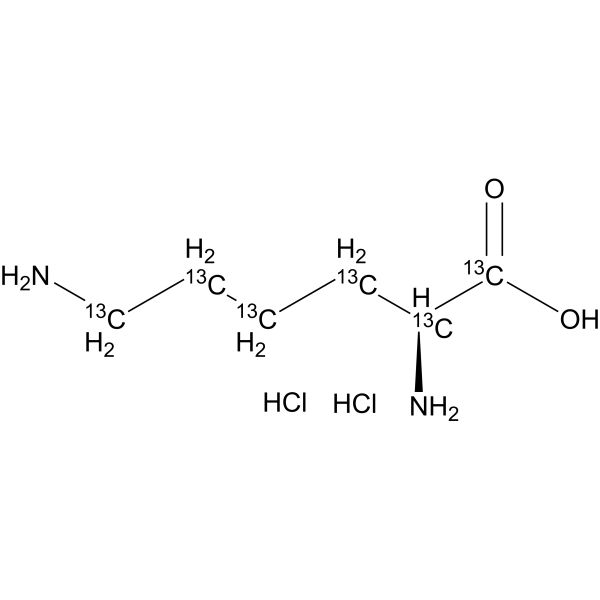
    L-Lysine- 13C6 (dihydrochloride) is the 13C-labeled L-Lysine dihydrochloride. L-lysine dihydrochloride is an essential amino acid with important roles in connective tissues and carnitine synthesis, energy production, growth in children, and maintenance of immune functions .
    L-Lysine-13C6 dihydrochloride
  • HY-W134423B

    Biochemical Assay Reagents Others
    Agar, meets USP testing specifications is a high-quality selective growth support and substrate for non-adherent cells. Agar, meets USP testing specifications effectively supports the growth, colony formation and metachromatic matrix production of chondrocytes, and also facilitates the isolation and differentiation of pure chondrocyte strains by restricting the proliferation of fibroblast-like cells. Chondrocytes grown in Agar, meets USP testing specifications can be successfully transferred to a liquid suspension culture system, where they continue to proliferate while retaining the characteristics exhibited during growth in agar .
    Agar, meets USP testing specifications
  • HY-174790

    mRNA Cancer
    Firefly Luciferase mRNA is a reporter mRNA that can be transfected into cells to express firefly luciferase protein. Firefly Luciferase mRNA induces cytotoxicity in cancer cells at low concentrations. In cancer cells, the expression level of luciferase shows a non-linear relationship with the dose of Firefly Luciferase mRNA. When combined with the H2S-responsive bioluminescent probe (H-Luc), Firefly Luciferase mRNA enables bioluminescence-based detection of endogenous hydrogen sulfide in non-transgenic NAFLD cell models and NAFLD mouse models. Firefly Luciferase mRNA can be used in studies related to non-alcoholic fatty liver disease .
    Firefly Luciferase mRNA
  • HY-W540661

    Biochemical Assay Reagents Others
    Hyaluronic acid tetrasaccharide, 98% is a naturally occurring polysaccharide found in the extracellular matrix of connective tissues. Hyaluronic acid tetrasaccharide can be used as a substrate for enzyme assays to characterize hyaluronidases and other hyaluronic acid-degrading enzymes.
    Hyaluronic acid tetrasaccharide, 98%
  • HY-W250143

    Biochemical Assay Reagents Others
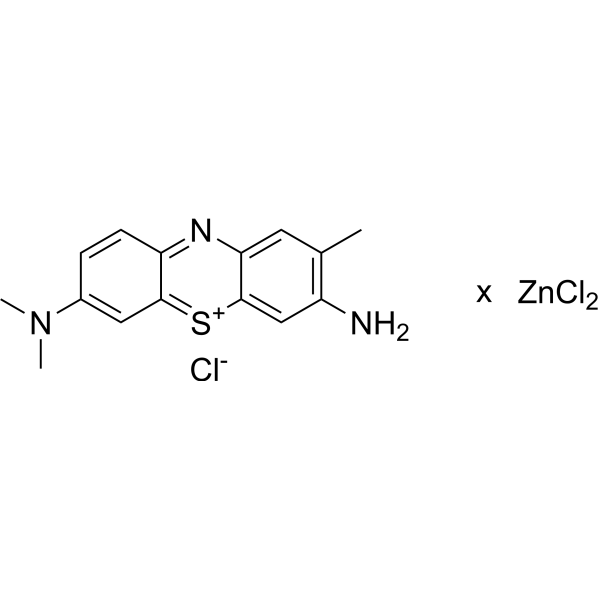
    Toluidine blue (ZnCl2) is a basic thiazine dye commonly used as a biological stain for microscopy. It has a deep bluish-purple color and is commonly used to stain nucleic acids such as DNA and RNA, as well as to stain mast cells, cartilage, and other connective tissues. Toluidine blue (ZnCl2) stains the acidic components of these tissues, such as sulfated or carboxylated mucopolysaccharides. It is frequently used in histology, cytology, and pathology applications to aid in the diagnosis of various diseases and conditions. The dye is usually applied to tissue sections prior to microscopic examination and can be differentiated using an acidic alcohol solution. Toluidine blue (ZnCl2) is a relatively simple and inexpensive stain with good reproducibility, making it a popular choice for many laboratories.
    Toluidine blue (ZnCl2)
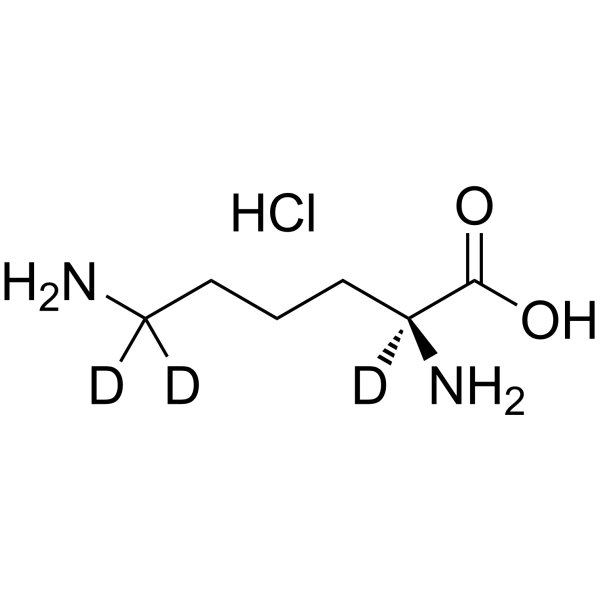
  • HY-N0469S

    Endogenous Metabolite Virus Protease Inflammation/Immunology
    L-Lysine-d3 (hydrochloride) is the deuterium labeled L-Lysine. L-lysine is an essential amino acid with important roles in connective tissues and carnitine synthesis, energy production, growth in children, and maintenance of immune functions .
    L-Lysine-d3 hydrochloride
  • HY-177739

    Drug Derivative Collagen Inflammation/Immunology
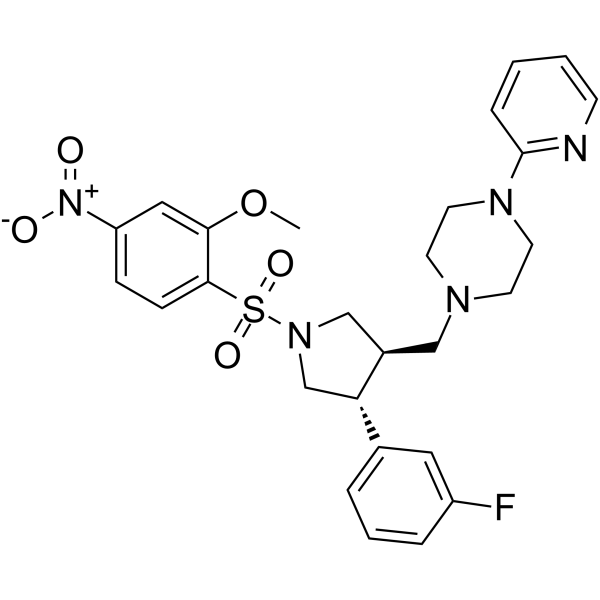
    Antifibrotic agent 2 (Compound 636) is a polycyclic pyridinone derivative with antifibrotic activity. Antifibrotic agent 2 reduces the pathological accumulation of fibrosis-related proteins such as fibronectin and collagen, prevents excessive fibrous connective tissue from depositing in organs or tissues, and reverses or delays the remodeling of tissue fibrosisby regulating the abnormal proliferation and activation of fibroblasts. Antifibrotic agent 2 can be used for research on pulmonary fibrosis .
    Antifibrotic agent 2
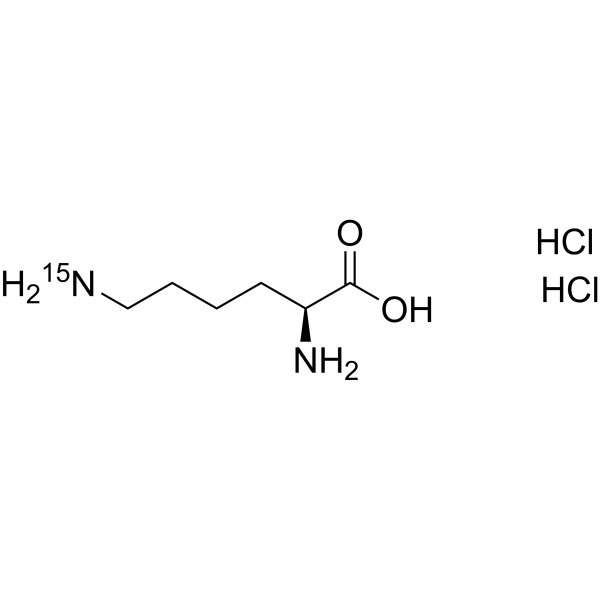
  • HY-N0469S2

    Endogenous Metabolite Virus Protease Inflammation/Immunology
    L-Lysine- 15N-1 (dihydrochloride) is the 15N-labeled L-Lysine. L-lysine is an essential amino acid with important roles in connective tissues and carnitine synthesis, energy production, growth in children, and maintenance of immune functions .
    L-Lysine-15N-1 dihydrochloride
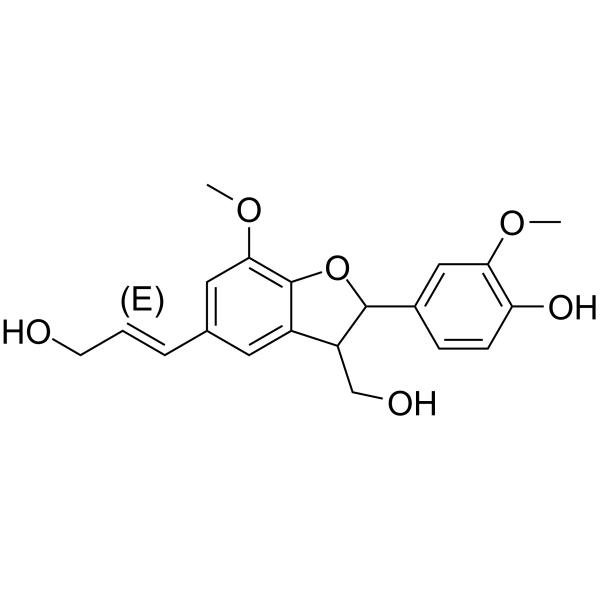
  • HY-N2682A

    Carbonic Anhydrase Cancer
    (E)-Dehydrodiconiferyl alcohol behaves as good hCA IX and hCA XII dual inhibitors . And (E)-Dehydrodiconiferyl alcohol suppresses the NF-κB nuclear translocation in connective tissue of healing area .
    (E)-Dehydrodiconiferyl alcohol
  • HY-13508R

    Histamine Receptor Inflammation/Immunology
    JNJ-7777120 (Standard) is the analytical standard of JNJ-7777120. This product is intended for research and analytical applications. JNJ-7777120 is a potent and selective histamine H4 receptor antagonist (Ki=4.5 nM). JNJ-7777120 effectively blocks histamine-induced migration of mouse tracheal mast cells from connective tissue to epithelial cells. JNJ-7777120 also significantly blocks neutrophil infiltration in a mouse Zymosan-induced peritonitis model. JNJ-7777120 has a good potential to study antipruritic and anti-inflammatory .
    JNJ-7777120 (Standard)
  • HY-19878

    RAR/RXR Inflammation/Immunology
    Seletinoid G is a retinoic acid receptor (RAR) agonist. Seletinoid G can repair altered connective tissue in old skin and inhibit UV-induced collagen deficiency in young skin. Seletinoid G can be used for skin aging and photoaging research .
    Seletinoid G
  • HY-W713888

    Fluorescent Dye Others
    Aniline blue diammonium is a component of commonly used polychrome stains. Aniline blue diammonium is used to stain collagen fibers in tissue sections using Masson′s trichrome protocol for staining multiple components. Collagen is stained blue by this method. The dye is suitable for selective staining of callose in plant specimens and staining histones for assessing nuclear maturity. Aniline blue diammonium is used in Gomori′s one-step trichrome stain and Mallory′s connective tissue stain for tissue including kidney and intestine.
    Aniline blue diammonium
  • HY-P991950

    TGF-beta/Smad Inflammation/Immunology
    SHR-1906 is a selective fully humanized monoclonal IgG1 inhibitory antibody targeting CTGF. SHR-1906 specifically binds to CTGF, thereby blocking the interaction between CTGF and TGF-B1 with an inhibition rate of 55%. SHR-1906increases the survival rate in a pulmonary fibrosis model by reducing TGF-β1 levels and inhibiting fibrotic lesions in lung tissue in Bleomycin (HY-108345)-induced pulmonary fibrosis.SHR-1906 can be used for pulmonary fibrosis (IPF) research. Recommend Isotype Controls: Human IgG1 kappa, Isotype Control (HY-P99001) .
    SHR-1906
  • HY-P2974A

    Elastase Metabolic Disease
    Elastase, Rat (EC 3.4.21.35) is a form of elastase that is produced in the acinar cells of the pancreas, initially produced as an inactive zymogen and later activated in the duodenum by trypsin. Elastases form a subfamily of serine proteases, characterized by a distinctive structure consisting of two beta-barrel domains converging at the active site that hydrolyze amides and esters amongst many proteins in addition to elastin, a type of connective tissue that holds organs together.
    Elastase, Rat

Inquiry Online

Your information is safe with us. * Required Fields.

Salutation


Country or Region *

Applicant Name *


Organization Name *

Department *


Email Address *


Product Name *

Cat. No.


Requested quantity *

Phone Number *


Remarks

Inquiry Online

Inquiry Information

Product Name:
Cat. No.:
Quantity:
MCE Japan Authorized Agent:

