1. Search Result
Search Result
Results for "

coronavirus replication

" in MedChemExpress (MCE) Product Catalog:

37

Inhibitors & Agonists

2

Natural
Products

1

Isotope-Labeled Compounds

1

Oligonucleotides

Targets Recommended:
Cat. No. Product Name Target Research Areas Chemical Structure
  • HY-13433
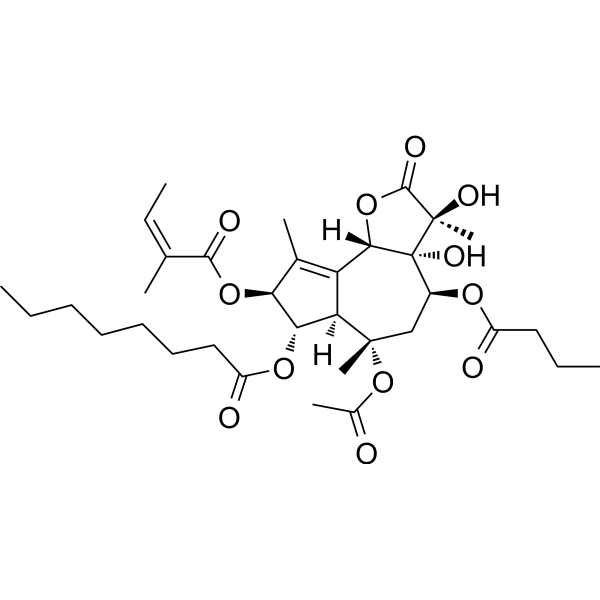
    Thapsigargin
    135+ Cited Publications

    Calcium Channel SARS-CoV Apoptosis Infection Cancer
    Thapsigargin, an endoplasmic reticulum (ER) stress inducer, is an inhibitor of microsomal Ca 2+-ATPase. Thapsigargin efficiently inhibits coronavirus (HCoV-229E, MERS-CoV, SARS-CoV-2) replication in different cell types .
    Thapsigargin
  • HY-103586
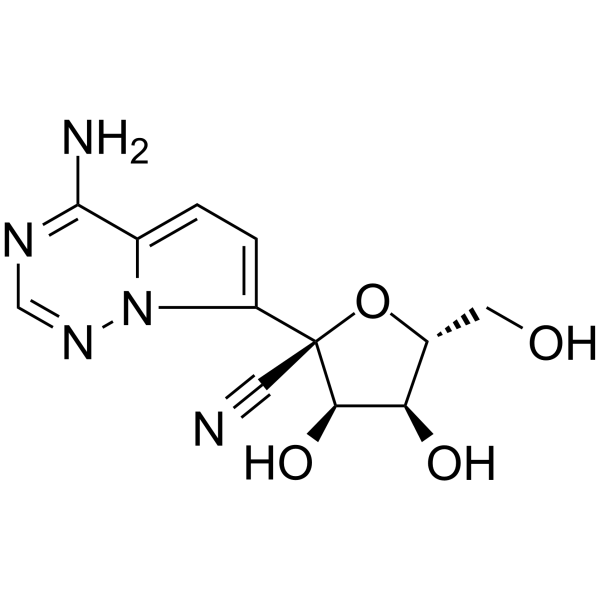
    GS-441524
    25+ Cited Publications

    DNA/RNA Synthesis SARS-CoV Infection
    GS-441524 is a potent, orally active and CNS-penetrant viral RNA-dependent RNA polymerase inhibitor. GS-441524 competes with natural nucleosides to block viral RNA transcription as an alternative substrate and RNA chain terminator. GS-441524 inhibits the replication of feline infectious peritonitis virus, African swine fever virus, and severe acute respiratory syndrome coronavirus 2. GS-441524 reduces viral RNA levels in cats. GS-441524 can be used in research related to feline infectious peritonitis, African swine fever, and coronavirus disease 2019 (COVID-19) .
    GS-441524
  • HY-128067
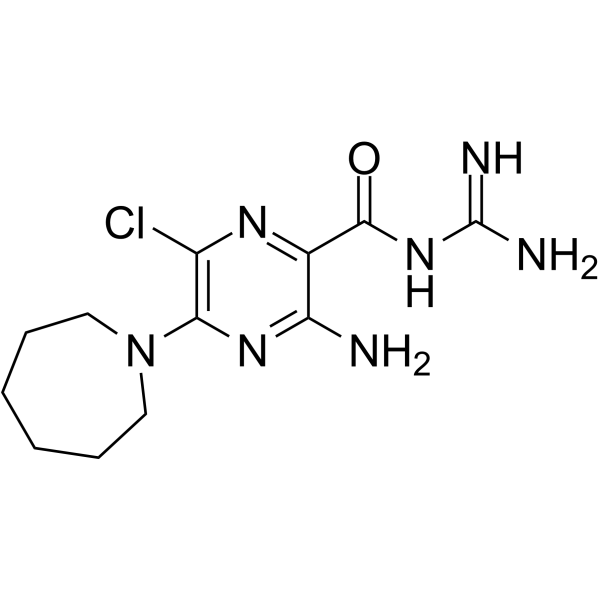
    5-(N,N-Hexamethylene)-amiloride
    2 Publications Verification

    Hexamethylene amiloride; HMA

    Sodium Channel HIV Apoptosis Infection Cancer
    5-(N,N-Hexamethylene)-amiloride (Hexamethylene amiloride) derives from an amiloride and is a potent Na +/H + exchanger inhibitor, which decreases the intracellular pH (pHi) and induces apoptosis in leukemic cells. 5-(N,N-Hexamethylene)-amiloride (Hexamethylene amiloride) is also an inhibitor of the HIV-1 Vpu virus ion channel and inhibits mouse hepatitis virus (MHV) replication and human coronavirus 229E (HCoV229E) replication in cultured L929 cells with EC50s of 3.91 μM and 1.34 μM, respectively .
    5-(N,N-Hexamethylene)-amiloride
  • HY-172437

    S-892216

    Virus Protease SARS-CoV Infection
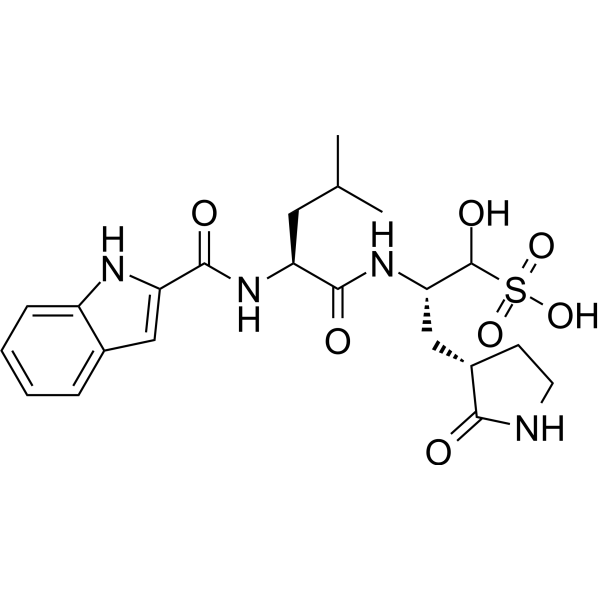
    Secutrelvir is an oral SARS-CoV-2 3C-like protease (3CLpro) inhibitor and antiviral agent, with IC50 values of 0.655 nM and 0.697 nM against SARS-CoV-2 3CLpro, respectively. Secutrelvir forms a reversible covalent bond with the catalytic cysteine C145 of SARS-CoV-2 3CLpro, thereby inhibiting viral replication. Secutrelvir exhibits activity against multiple SARS-CoV-2 variants and can be used in research related to coronavirus disease 2019 (COVID-19) .
    Secutrelvir
  • HY-156655A

    STI-1558 sodium

    SARS-CoV Cathepsin Virus Protease Infection
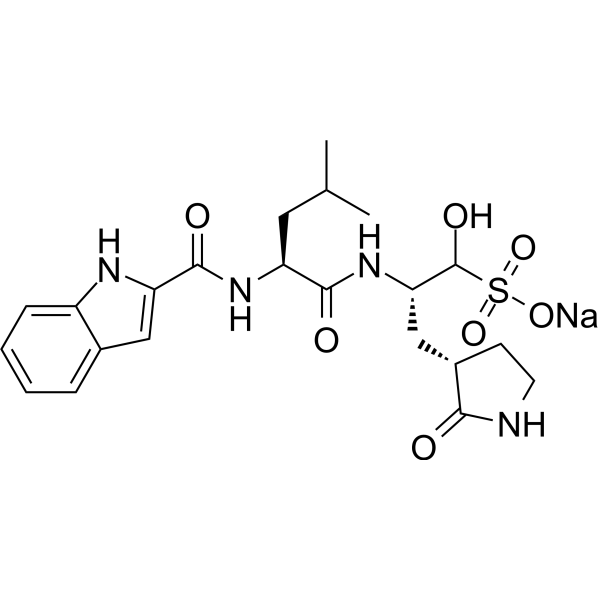
    Olgotrelvir (STI-1558) sodium is an orally active dual inhibitor of coronavirus main protease (Mpro) and human cell cathepsin (Cathepsin L). Olgotrelvir sodium is readily converted to its active form, AC1115, in full blood and/or plasma. Olgotrelvir sodium can effectively inhibit both SARS-CoV-2 replication and entry into host cells .
    Olgotrelvir sodium
  • HY-100943
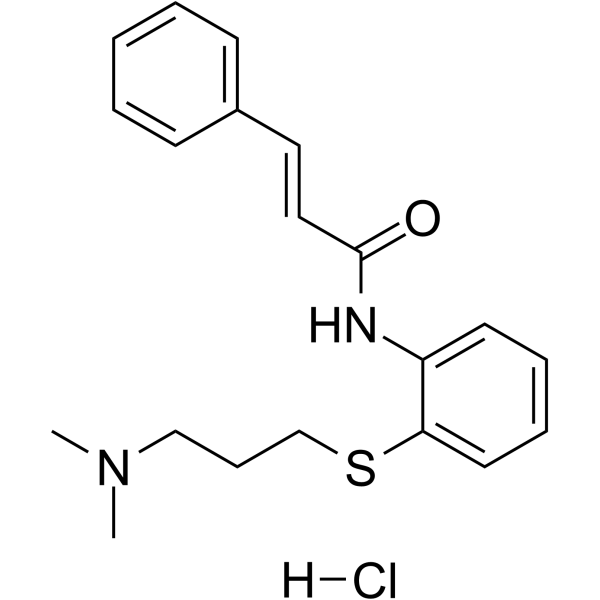
    Cinanserin hydrochloride
    1 Publications Verification

    SQ 10643

    5-HT Receptor Influenza Virus Infection Inflammation/Immunology
    Cinanserin hydrochloride (SQ 10643) is a potent, selective and highly affinity 5-HT2 receptor antagonist with a Ki of 41 nM. Cinanserin hydrochloride has a much higher binding affinity for the 5-HT2 than for the 5-HT1 receptor (Ki of 3500 nM). Cinanserin is also an inhibitor of 3C-like proteinase of severe acute respiratory syndrome coronavirus and strongly reduces virus replication in vitro .
    Cinanserin hydrochloride
  • HY-138067

    SARS-CoV Inflammation/Immunology
    SSAA09E2 is an inhibitor of SARS-CoV (Severe acute respiratory syndrome-Coronavirus) replication, acting by blocking early interactions of SARS-S with the receptor for SARS-CoV, Angiotensin Converting Enzyme-2 (ACE2) .
    SSAA09E2
  • HY-103586A
    GS-441524 hydrochloride
    25+ Cited Publications

    DNA/RNA Synthesis SARS-CoV Infection
    GS-441524 hydrochloride is a potent, orally active and CNS-penetrant viral RNA-dependent RNA polymerase inhibitor. GS-441524 hydrochloride competes with natural nucleosides to block viral RNA transcription as an alternative substrate and RNA chain terminator. GS-441524 hydrochloride inhibits the replication of feline infectious peritonitis virus, African swine fever virus, and severe acute respiratory syndrome coronavirus 2. GS-441524 hydrochloride reduces viral RNA levels in cats. GS-441524 hydrochloride can be used in research related to feline infectious peritonitis, African swine fever, and coronavirus disease 2019 (COVID-19) .
    GS-441524 hydrochloride
  • HY-135319

    Bacterial Antibiotic ERK JNK NF-κB ROR Apoptosis Caspase GSK-3 Akt PI3K Infection Metabolic Disease Inflammation/Immunology Cancer
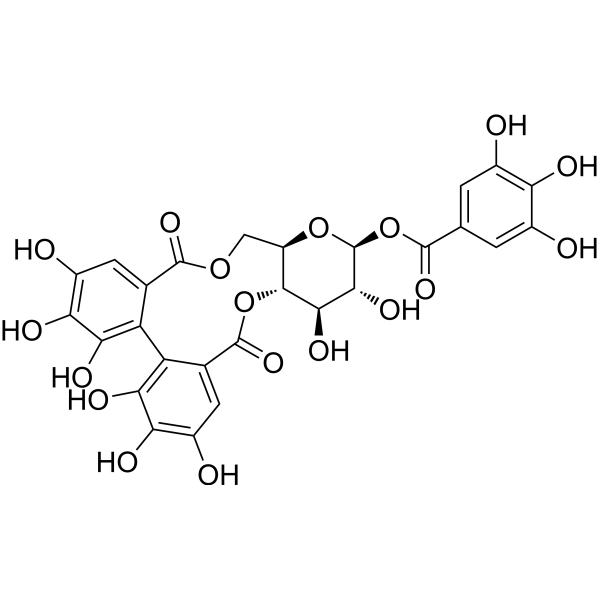
    Strictinin is an orally active phenolic compound. Strictinin reduces xanthine oxidase activity, uric acid production, and the activation of ERK1/2, JNK, NF-κB, and NLRP3 inflammasome components in hepatocytes treated with Xanthine (HY-W017389). Strictinin decreases elevated serum uric acid levels and enhanced xanthine oxidase activity in mice treated with potassium oxonate. Strictinin acts as a ROR1 inhibitor and exhibits anticancer activity against highly aggressive non-androgen-dependent prostate cancer. Strictinin induces cancer cell apoptosis (apoptosis), arrests cell cycle, and inhibits cancer cell migration, invasion, and epithelial-mesenchymal transition. Strictinin modulates gut microbiota, inhibits bacterial growth and biofilm formation, accelerates small intestinal transit, and blocks viral entry and replication. Strictinin can be used in research related to hyperuricemia, androgen receptor-negative non-androgen-dependent prostate cancer, triple-negative breast cancer, bacterial infections, constipation, coronavirus infections, dental caries, and infections caused by influenza A, influenza B, and human parainfluenza virus type 1 .
    Strictinin
  • HY-139442

    DNA/RNA Synthesis SARS-CoV Infection
    RdRP-IN-2 is a RNA dependent RNA polymerase (RdRp) inhibitor. RdRP-IN-2 significantly inhibits SARS-CoV-2 RdRp with an IC50 of 41.2 μM.RdRP-IN-2 also inhibits Feline coronavirus (FIPV) replication .
    RdRP-IN-2
  • HY-156655

    STI-1558

    SARS-CoV Virus Protease Cathepsin Infection
    Olgotrelvir (STI-1558) is an orally active dual inhibitor of coronavirus main protease (Mpro) and human cell cathepsin (Cathepsin L). Olgotrelvir is readily converted to its active form, AC1115, in full blood and/or plasma. Olgotrelvir can effectively inhibit both SARS-CoV-2 replication and entry into host cells .
    Olgotrelvir
  • HY-170524

    SARS-CoV DNA Methyltransferase Cytochrome P450 Infection
    TDI-015051 is a highly selective, orally active antiviral agent that targets the coronavirus NSP14 guanine-N7 methyltransferase. TDI-015051 binds to substrates in a non-competitive manner and forms a stable ternary complex, precisely blocking the capping and methylation processes of viral mRNA. TDI-015051 potently inhibits a variety of coronaviruses (including SARS-CoV-2 and MERS). By impairing viral replication and translation and inducing a moderate type I interferon-mediated immune response, it significantly reduces pulmonary viral load and exhibits a synergistic effect with Nirmatrelvir (HY-138687). In addition, TDI-015051 does not inhibit non-coronavirus methyltransferases, and the drug-resistant mutations it induces impair viral fitness, demonstrating excellent antiviral properties and safety. TDI-015051 can be used for research on COVID-19 and the replication mechanism of coronaviruses .The IC50 values of TDI-015051 against SARS-CoV-2, α-hCoV-NL63, α-hCoV-229E, β-hCoV-MERS are 0.15 nM, 1.7 nM, 2.6 nM and 3.6 nM, respectively, and the Ka value against SARS-CoV-2 is 0.061 nM .
    TDI-015051
  • HY-122668

    SARS-CoV DNA/RNA Synthesis Infection
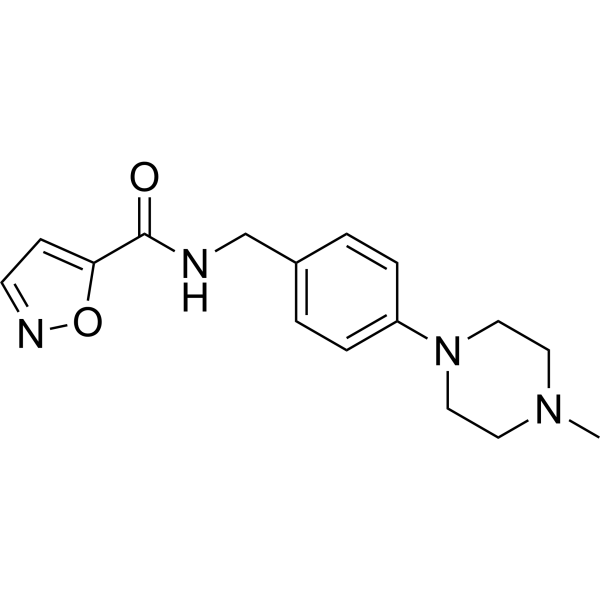
    K22 is an anti-Coronaviral compound. K22 reduces double-stranded RNA. K22 displays antiviral activity beyond the Coronavirinae subfamily, namely against nidoviruses of the Torovirinae subfamily (EToV and WBV) and members of the Arteriviridae family (PRRSV, EAV). K22 displays antiviral activity against HCoV-229E .
    K22
  • HY-172553

    Virus Protease SARS-CoV Infection
    AS-0017445 is an inhibitor targeting the main protease of both the current coronavirus and the virus that caused the Middle East Respiratory Syndrome (MERS) outbreak. AS-0017445 inhibits the viral protein processing in host cells and thus prevents viral replication .
    AS-0017445
  • HY-177663

    SARS-CoV Infection
    SARSi-4 sodium is a siRNA that markedly inhibited the replication of SARS-associated coronavirus (SCoV).
    SARSi-4 sodium
  • HY-174350

    Casein Kinase SARS-CoV Infection
    CK2-IN-15 (Compound Biv5) is a selective and potent bivalent protein kinase CK2 inhibitor with an IC50 value of 51 pM. CK2-IN-15 significantly reduces the replication of SARS-CoV-2 in HEK-ACE2-TMPRSS2 and Vero cells, and also reduces viral replication in an ex vivo model of human nasal epithelial cells. CK2-IN-15 is promising for research of β-coronavirus infection-related diseases .
    CK2-IN-15
  • HY-161114

    SARS-CoV Infection
    MDOLL-0229 (compound 27) is an antiviral agent that targets SARS-CoV-2 Mac1 and repress coronavirus replication. MDOLL-0229 inhibits SARS-CoV-2 Mac1 with an IC50 of 2.1 µM .
    MDOLL-0229
  • HY-175697

    Glycosyltransferase SARS-CoV Angiotensin-converting Enzyme (ACE) DNA/RNA Synthesis Infection
    Glycosyltransferase-IN-2 (Compound 20) is a Glycosyltransferase inhibitor. Glycosyltransferase-IN-2 has a broad-spectrum anticoronavirus activity with IC50s of 11.3, 5.5 and ~16.2 μM for MHV, HCoV-NL63 and SARS-CoV-2, respectively. Glycosyltransferase-IN-2 interferes with the coronavirus infectivity, alters viral protein glycosylation with inhibition of interaction with the ACE2 receptor or SC-VLP secretion, and inhibits RNA replication. Glycosyltransferase-IN-2 can be used for coronavirus infections research .
    Glycosyltransferase-IN-2
  • HY-155016

    SARS-CoV Infection
    SARS-CoV-2-IN-46 is a novel coronavirus (SARS-CoV-2) replication inhibitor with an EC50 of 0.9 μM in Calu-3 cells. SARS-CoV-2-IN-46 has antiviral activity and can be used in novel coronavirus (COVID-19) research .
    SARS-CoV-2-IN-46
  • HY-158322

    SARS-CoV Infection
    Nsp12-IN-1 is a nucleoside analogue. Nsp12-IN-1 can block the synthesis of viral RNA and inhibit viral replication. Nsp12-IN-1 can be used in the study of pan-coronavirus .
    nsp12-IN-1
  • HY-162151

    SARS-CoV Infection
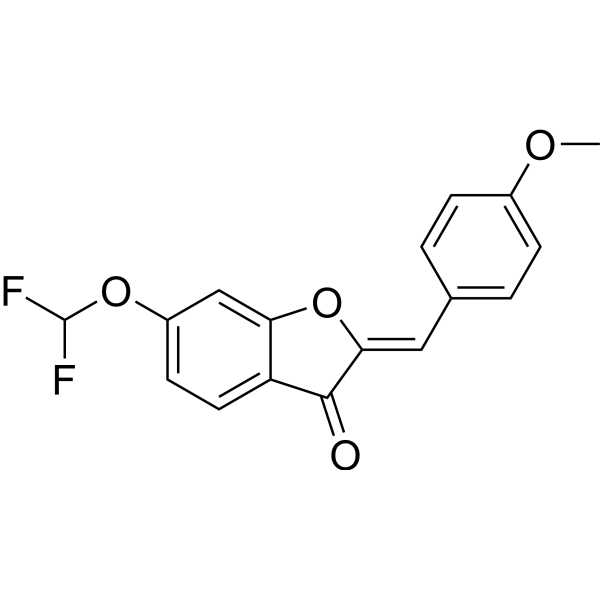
    SARS-CoV-2-IN-74 (compound 30) is a epoxide inhibitor, which inhibits cellular SARS-CoV-2 replication with an EC68 of 5 μM. SARS-CoV-2-IN-74 can be used for the research of coronavirus .
    SARS-CoV-2-IN-74
  • HY-155097

    SARS-CoV Infection
    ARS-CoV-2-IN-53 (Compd 5d) can inhibit the replication of SARS-CoV-2 with an EC50 value of 14.3 μM. ARS-CoV-2-IN-5 shows significant antiviral activity against human coronavirus 229E (HCoV-229E) .
    SARS-CoV-2-IN-53
  • HY-163067

    SARS-CoV Infection
    SARS-CoV-2-IN-71 (compound 8h) is a potent inhibitor of SARS-CoV-2. SARS-CoV-2-IN-71 inhibits coronavirus replication at multiple stages. SARS-CoV-2-IN-71 displays anti-coronaviral effect by simultaneously acting on 3CL pro and TMPRSS2 .
    SARS-CoV-2-IN-71
  • HY-W760546

    SARS-CoV Virus Protease Infection
    SARS-CoV-2 3CLpro-IN-15 (compound a) is a beta-nitrostyrene coronavirus SARS-CoV-2 inhibitor that targets the SARS-CoV-2 3CL protease (3CLpro). SARS-CoV-2 3CLpro-IN-15 inhibits viral replication and transcription and plays a key role in the discovery of anti-COVID-19 lead compounds .
    SARS-CoV-2 3CLpro-IN-15
  • HY-135855
    SARS-CoV-IN-1
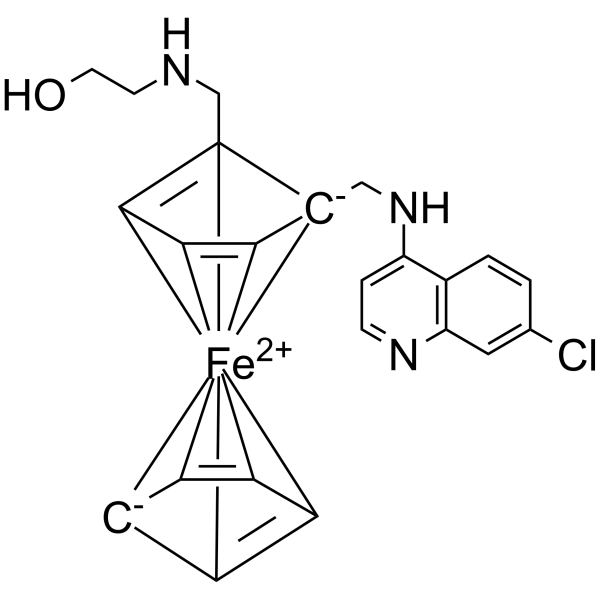
    1 Publications Verification

    SARS-CoV Parasite Infection
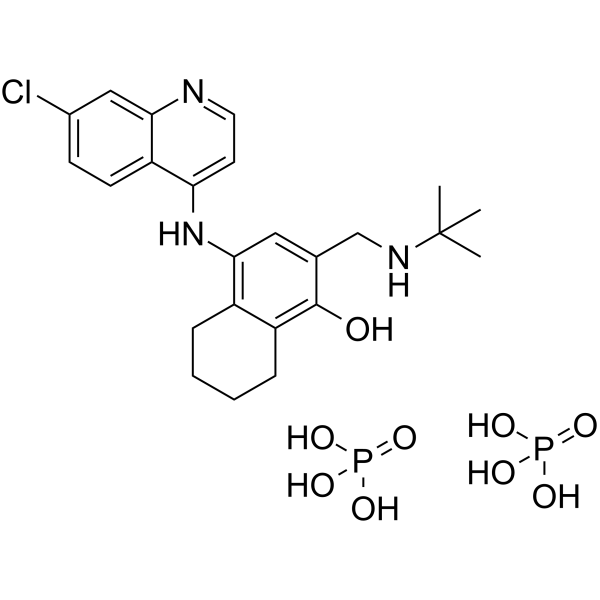
    SARS-CoV-IN-1 is an effective inhibitor of SARS-CoV replication. SARS-CoV-IN-1 shows anti-Coronavirus activity with an EC50 of 4.9 μM in Vero cells. SARS-CoV-IN-1 inhibits the 3D7 and W2 strains of P. falciparum with IC50s of 15.4 and 133.2 nM; and IC90s of 25.7 and 459.1 nM; respectively. Antimalarial and antiviral activities .
    SARS-CoV-IN-1
  • HY-128067R

    Hexamethylene amiloride (Standard); HMA (Standard)

    Sodium Channel HIV Apoptosis Reference Standards Infection Cancer
    5-(N,N-Hexamethylene)-amiloride (Standard) is the analytical standard of 5-(N,N-Hexamethylene)-amiloride. This product is intended for research and analytical applications. 5-(N,N-Hexamethylene)-amiloride (Hexamethylene amiloride) derives from an amiloride and is a potent Na+/H+ exchanger inhibitor, which decreases the intracellular pH (pHi) and induces apoptosis in leukemic cells. 5-(N,N-Hexamethylene)-amiloride (Hexamethylene amiloride) is also an inhibitor of the HIV-1 Vpu virus ion channel and inhibits mouse hepatitis virus (MHV) replication and human coronavirus 229E (HCoV229E) replication in cultured L929 cells with EC50s of 3.91 μM and 1.34 μM, respectively .
    5-(N,N-Hexamethylene)-amiloride (Standard)
  • HY-135858
    SARS-CoV-IN-3
    1 Publications Verification

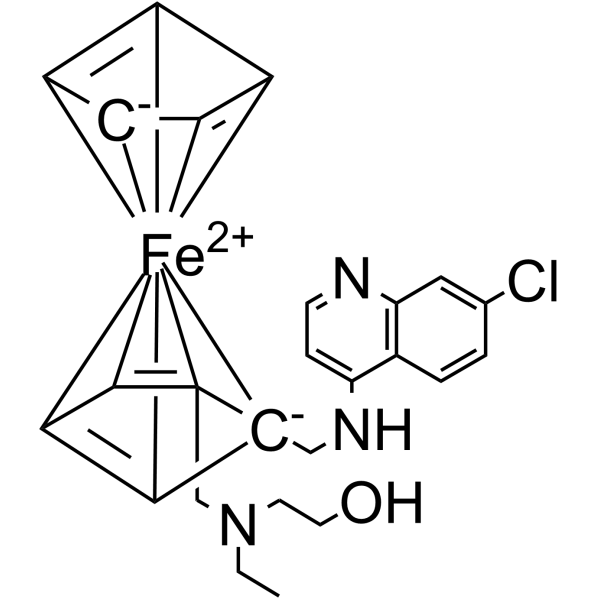
    SARS-CoV Parasite HIV Infection
    SARS-CoV-IN-3 is an effective inhibitor of SARS-CoV replication. SARS-CoV-IN-3 shows anti-Coronavirus activity with an EC50 of 3.6 μM in Vero cells. SARS-CoV-IN-3 inhibits the 3D7 and W2 strains of P. falciparum with IC50s of 11.7 and 20.4 nM; and IC90s of 29.19 and 56 nM; respectively. SARS-CoV-IN-3 reduces HIV-1-induced cytopathic effect with an EC50 of 10 μM in MT-4 cells .
    SARS-CoV-IN-3
  • HY-135856
    SARS-CoV-IN-2
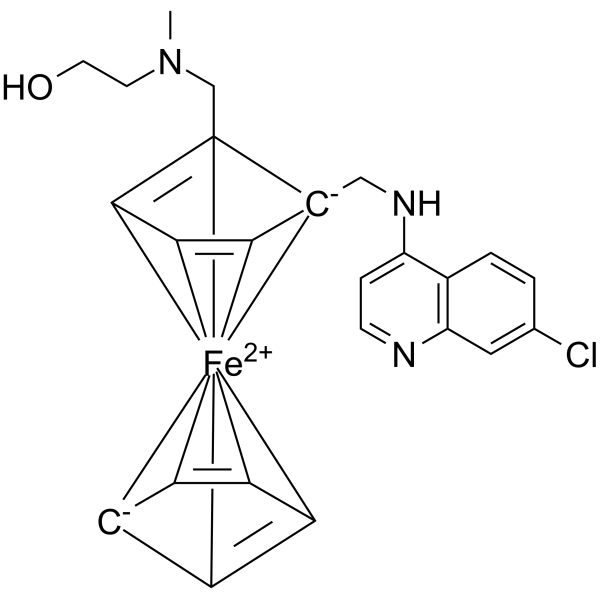
    1 Publications Verification

    SARS-CoV Parasite HIV Infection
    SARS-CoV-IN-2 is an effective inhibitor of SARS-CoV replication. SARS-CoV-IN-2 shows anti-Coronavirus activity with an EC50 of 1.9 μM in Vero cells. SARS-CoV-IN-2 inhibits the 3D7 and W2 strains of P. falciparum with IC50s of 21.5 and 30 nM; and IC90s of 51.0 and 99.9 nM; respectively. SARS-CoV-IN-2 reduces HIV-1-induced cytopathic effect with an EC50 of 2.9 μM in MT-4 cells. Antimalarial and Antiviral Activities .
    SARS-CoV-IN-2
  • HY-174233

    PROTACs SARS-CoV Virus Protease Infection
    PROTAC SARS-CoV-2 Mpro degrader-4 (Compound LLP019) is a SARS-CoV-2 M Pro PROTAC degrader with a DC50 value of 4.7 μM. PROTAC SARS-CoV-2 Mpro degrader-4 induces M Pro ubiquitination and proteasomal degradation to inhibit SARS-CoV-2 replication. PROTAC SARS-CoV-2 Mpro degrader-4 is promising for research of COVID-19 and related coronavirus infections. (Pink: DH03 (HY-32717); Black: linker (HY-42149); Blue: Thalidomide-4-O-CH2-COO(t-Bu) (HY-42771) .
    PROTAC SARS-CoV-2 Mpro degrader-4
  • HY-163913

    SARS-CoV Infection
    SARS-CoV-IN-5 (compound 49) is a highly selective, nonpeptidic and noncovalent 3CL pro inhibitor with IC50s of 38 nM, 21.1 nM and 86 nM for 3CL pro of SARS-CoV-1, SARS-CoV-2, Bat coronavirus WIV1, respectively. SARS-CoV-IN-5 inhibits the replication of the SARS-CoV-2 delta variant with an EC50 of 0.272 μM. SARS-CoV-IN-5 significantly reduces the lung viral copies in a K18-hACE2 transgenic mouse model. SARS-CoV-IN-5 has good target-specific and potential broad-spectrum anticoronavirus activities against SARS-CoV-1, WIV1, MERS, HCoV-OC43, HCoV-229E, and HKU9 .
    SARS-CoV-IN-5
  • HY-183761

    SARS-CoV Infection
    Antiviral agent 86 is an anti-coronavirus agent. Antiviral agent 86 acts as a binder of coronavirus non-structural protein 15 (nsp15), with a Ka value of 67 μM against human targets. Antiviral agent 86 inhibits the replication of HCoV-229E and SARS-CoV-2. Antiviral agent 86 exerts inhibitory effects at the post-entry lifecycle stage of coronaviruses in host cells and inhibits the formation of viral double-stranded RNA (dsRNA). Antiviral agent 86 exhibits an additive antiviral effect when used in combination with GS-441524. Antiviral agent 86 can be used in studies related to coronavirus infections .
    Antiviral agent 86
  • HY-181983

    SARS-CoV Infection
    VPC285785 is an orally active SARS-CoV-2 main protease inhibitor with an IC50 of 0.8 μM and a Kd of 2.7 μM. VPC285785 functionally inhibits the viral main protease-mediated processing of viral polyprotein precursors required for viral replication. VPC285785 reduces viral loads in the liver, brain and spleen tissues of MHV-infected mice. VPC285785 is applicable to the research of coronavirus infections .
    VPC285785
  • HY-103586R

    Reference Standards DNA/RNA Synthesis SARS-CoV Infection
    GS-441524 (Standard) is the analytical standard of GS-441524 (HY-103586). GS-441524 is a potent, orally active and CNS-penetrant viral RNA-dependent RNA polymerase inhibitor. GS-441524 competes with natural nucleosides to block viral RNA transcription as an alternative substrate and RNA chain terminator. GS-441524 inhibits the replication of feline infectious peritonitis virus, African swine fever virus, and severe acute respiratory syndrome coronavirus 2. GS-441524 reduces viral RNA levels in cats. GS-441524 can be used in research related to feline infectious peritonitis, African swine fever, and coronavirus disease 2019 (COVID-19) .
    GS-441524 (Standard)
  • HY-103586S2

    Isotope-Labeled Compounds DNA/RNA Synthesis SARS-CoV Infection
    GS-441524-d is the deuterium labeled GS-441524 (HY-103586). GS-441524 is a potent, orally active and CNS-penetrant viral RNA-dependent RNA polymerase inhibitor. GS-441524 competes with natural nucleosides to block viral RNA transcription as an alternative substrate and RNA chain terminator. GS-441524 inhibits the replication of feline infectious peritonitis virus, African swine fever virus, and severe acute respiratory syndrome coronavirus 2. GS-441524 reduces viral RNA levels in cats. GS-441524 can be used in research related to feline infectious peritonitis, African swine fever, and coronavirus disease 2019 (COVID-19) .
    GS-441524-d
  • HY-183752

    SARS-CoV Virus Protease Infection
    CG-0988 is a selective SARS-CoV-2 3C-like protease (3CL pro) inhibitor with an IC50 of 8.5 nM. CG-0988 functionally inhibits SARS-CoV-2 3CL pro, blocks SARS-CoV-2 replication, and exerts antiviral activity against SARS-CoV-2 variants. CG-0988 can be used in research related to coronavirus disease 2019 (COVID-19) .
    CG-0988
  • HY-100943R

    SQ 10643 (Standard)

    5-HT Receptor Reference Standards Influenza Virus Infection Inflammation/Immunology
    Cinanserin (hydrochloride) (Standard) is the analytical standard of Cinanserin (hydrochloride) (HY-100943). This product is intended for research and analytical applications. Cinanserin hydrochloride (SQ 10643) is a potent, selective and highly affinity 5-HT2 receptor antagonist with a Ki of 41 nM. Cinanserin hydrochloride has a much higher binding affinity for the 5-HT2 than for the 5-HT1 receptor (Ki of 3500 nM). Cinanserin is also an inhibitor of 3C-like proteinase of severe acute respiratory syndrome coronavirus and strongly reduces virus replication in vitro .
    Cinanserin hydrochloride (Standard)
  • HY-182913

    SARS-CoV Infection
    SARS-CoV-2-IN-122 is a SARS-CoV-2 inhibitor by targeting the S2 subunit of the spike protein. SARS-CoV-2-IN-122 interacts with residues linked to membrane fusion-associated conformational rearrangements, interfering with viral entry events. SARS-CoV-2-IN-122 inhibits SARS-CoV-2 replication, lacks direct virucidal activity, and does not impair viral-host cell attachment. SARS-CoV-2-IN-122 exhibits activity against SARS-CoV-2 variants including B.1 and Omicron (BA.2.86.1). SARS-CoV-2-IN-122 can be used for the research of coronavirus disease 2019 (COVID-19) .
    SARS-CoV-2-IN-122

Inquiry Online

Your information is safe with us. * Required Fields.

Salutation


Country or Region *

Applicant Name *


Organization Name *

Department *


Email Address *


Product Name *

Cat. No.


Requested quantity *

Phone Number *


Remarks

Inquiry Online

Inquiry Information

Product Name:
Cat. No.:
Quantity:
MCE Japan Authorized Agent:

