105 Results for "

covalent probe

" in MedChemExpress (MCE) Product Catalog:
Products (105)

105 Results for "covalent probe" in MCE Product Catalog:

13
13 Publications Verification
Cat. No.: HY-131045
CAS No.: 2253733-10-5
Purity:  99.08%
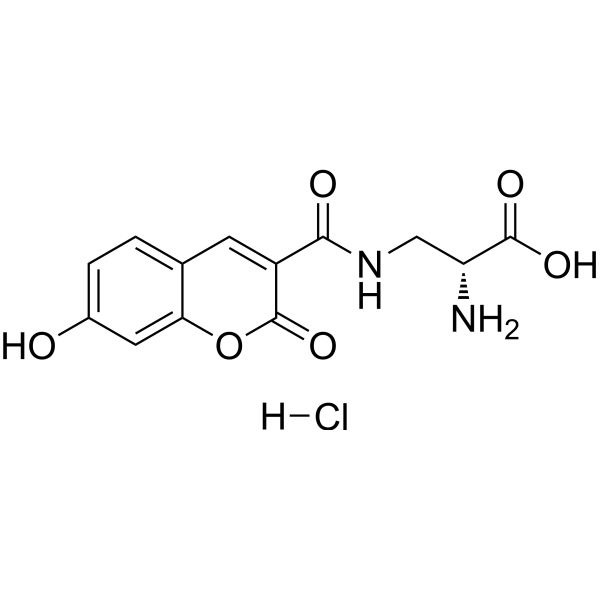
Synonyms: HCC-Amino-D-alanine hydrochloride
HADA hydrochloride (HCC-Amino-D-alanine hydrochloride) is a blue (λem~450 nm) fluorescent D-amino acid (FDAA). FDAAs are efficiently incorporated into the peptidoglycans (PGs) of diverse bacterial species at the sites of PG biosynthesis, allowing specific and covalent probing of bacterial growth with minimal perturbation .
loading...
    loading...
5
5 Cited Publications
Cat. No.: HY-136259
CAS No.: 1417700-13-0
Purity:  99.87%
Target:  

SARS-CoV Virus Protease

Research Areas:  

Infection

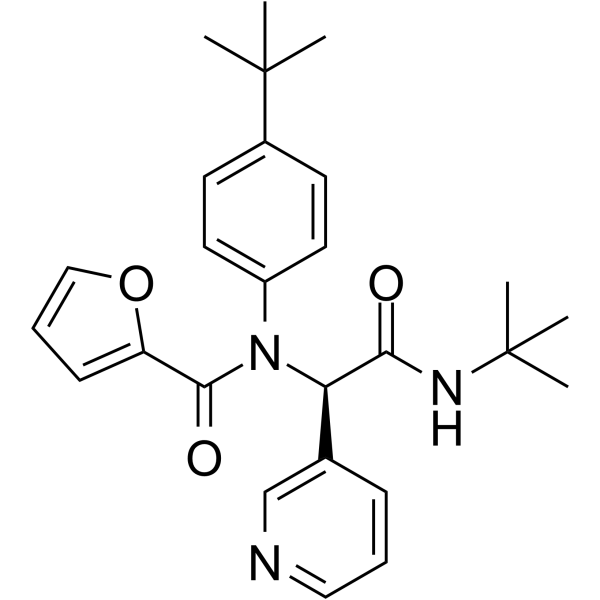
ML188, a first in class probe, is a selective non-covalent SARS-CoV 3CLpro inhibitor with an IC50 of 1.5 μM. Antiviral activity .
loading...
    loading...
2
2 Cited Publications
Cat. No.: HY-119323
CAS No.: 95633-27-5
Purity:  99.11%
Target:  

Fluorescent Dye

Research Areas:  

Others

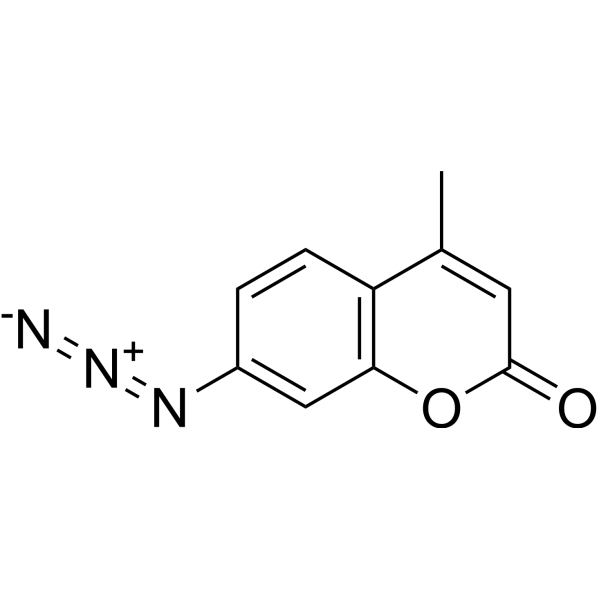
7-Azido-4-methylcoumarin is a selective coumarin-based fluorescent probe for hydrogen sulfide (H2S). In the presence of H2S, the aromatic azido group of 7-Azido-4-methylcoumarin is selectively reduced to produce the fluorescently active 7-amino-4-methylcoumarin (AMC). 7-Azido-4-methylcoumarin binds to the coumarin/phenol-binding site of BSA, the aglycone-binding site of UGT1A6, and the substrate-binding site of SULT1A1, respectively. 7-Azido-4-methylcoumarin retains its fluorescent properties after covalent binding, acts as a fluorescent H2S probe, and does not react with cysteine, homocysteine or glutathione (Ex/Em = 340/445 nm) .
loading...
    loading...
2
2 Cited Publications
Cat. No.: HY-102046
CAS No.: 2226521-65-7
Purity:  99.58%
Target:  

JAK

Research Areas:  

Inflammation/Immunology

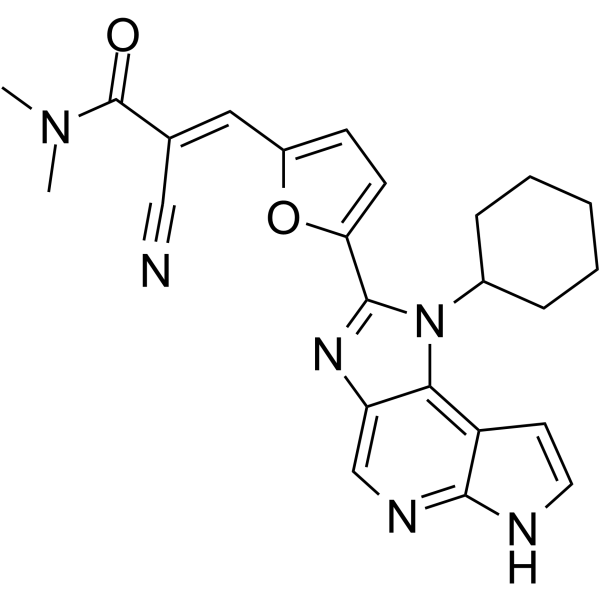
FM-381, a chemical probe, is a potent covalent reversible inhibitor of JAK3 targeting the unique Cys909. FM-381 has an IC50 of 127 pM for JAK3, with 410, 2700 and 3600-fold selectivity over JAK1, JAK2 and TYK2, respectively .
loading...
    loading...
2
2 Cited Publications
Cat. No.: HY-D1806
Vari Fluor 594-Streptavidin is a dye marker of Vari Fluor-streptavidin consisting of labeling streptavidin with a Vari Fluor series of fluorescent probes. Streptavidin is a high-affinity tetramer protein, each tetramer consisting of four identical streptavidin subunits. Streptavidin binds to biotin specifically via a reversible non-covalent effect. Streptavidin can achieve rapid and efficient detection of biotin markers, and is often used in immunofluorescence (IF), enzyme-linked immunosorbent assay (ELISA), immunohistochemical staining (IFH), in situ hybridization (ISH) and other experiments. Ex/Em=590 nm/617 nm.
Product Concentration: 0.8 mg/mL
loading...
    loading...
1
1 Cited Publications
Cat. No.: HY-122913
CAS No.: 1800070-77-2
Purity:  99.18%
Target:  

Akt

Research Areas:  

Cancer

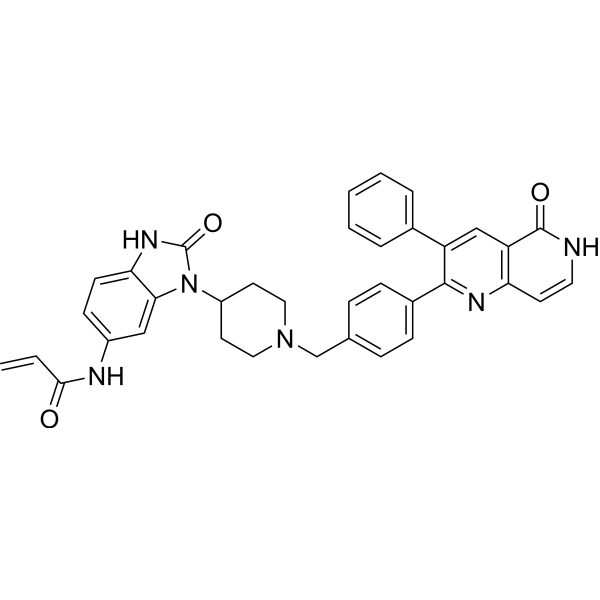
Borussertib, a chemical probe, is a covalent-allosteric and first-in-class inhibitor of protein kinase Akt, with an IC50 of 0.8 nM and a Ki of 2.2 nM for Akt wt .
loading...
    loading...
1
1 Cited Publications
Cat. No.: HY-D1808
Vari Fluor 488-Streptavidin is a dye marker of Vari Fluor-streptavidin consisting of labeling streptavidin with a Vari Fluor series of fluorescent probes. Streptavidin is a high-affinity tetramer protein, each tetramer consisting of four identical streptavidin subunits. Streptavidin binds to biotin specifically via a reversible non-covalent effect. Streptavidin can achieve rapid and efficient detection of biotin markers, and is often used in immunofluorescence (IF), enzyme-linked immunosorbent assay (ELISA), immunohistochemical staining (IFH), in situ hybridization (ISH) and other experiments. Ex/Em=490 nm/515 nm.
Product Concentration: 0.8 mg/mL
loading...
    loading...
1
1 Cited Publications
Cat. No.: HY-133130
CAS No.: 1252765-13-1
Purity:  99.42%
Target:  

MAGL

Research Areas:  

Neurological Disease

JNJ-42226314, a chemical probe, is a competitive, highly selective and reversible non-covalent monoacylglycerol lipase (MAGL) inhibitor. JNJ-42226314 demonstrates dose-dependent enhancement of the major endocannabinoid 2-arachidonoylglycerol (2-AG) as well as efficacy in models of neuropathic and inflammatory pain .
loading...
    loading...
1
1 Cited Publications
Cat. No.: HY-156395
CAS No.: 3044099-90-0
Purity:  98.05%
Target:  

E1/E2/E3 Enzyme

Research Areas:  

Others

MN551 is a covalent modulator of SOCS2 and CISH, with selectivity for SOCS2 and CISH over SOCS4. MN551 covalently modifies Cys111 in the SH2 domain of SOCS2 and Cys144 in the EF loop of the CISH SH2 domain, while only minimally modifying Cys471 in the BG loop of the SOCS6 SH2 domain. MN551 increases the thermal stability of the recombinant SOCS2-ElonginB-ElonginC complex and competitively blocks the binding of SOCS2 to its substrate; when delivered via the prodrug MN714, it blocks the intracellular recruitment of substrates by SOCS2. MN551 can serve as a chemical probe for investigating the biological functions of SOCS2 and its CRL5 complex, and also act as an E3 ligase-binding module in proteolysis-targeting chimeras (PROTACs) .
loading...
    loading...
1
1 Cited Publications
Cat. No.: HY-112624I
CAS No.: 9004-54-0
Synonyms: Dextran 3; Dextran D3; Dextran T3(MW 2400-3600)
Dextran T3 (Dextran 3; Dextran T3(MW 2400-3600)) is a neural tracer and intestinal permeability probe that can move anterogradely and retrogradely in neuronal axons by passive diffusion. Dextran T3 (MW 3,000) is able to permeate across the intestinal epithelial cell membrane in the presence of cholera toxin-induced cytoskeletal disturbance. Dextran T3 (MW 3,000) is used as a fluorescent marker to rapidly label developing neurons (such as Xenopus retinal ganglion cells) and to assess intestinal barrier function. It can be used to study axonal transport in neuroanatomy and permeability changes in intestinal pathophysiology. The Dextran series of compounds are also natural polysaccharide drug carriers that can be connected to drugs through covalent bonding methods such as ester bonds, amide bonds or click chemistry, or self-assembled to form carriers such as nanoparticles and hydrogels. Dextran is biodegradable and biocompatible, and can achieve targeted delivery and controlled release of drugs. Dextran derivatives can prolong the half-life of drugs, increase local concentrations, and reduce the activity of immune clearance .
loading...
    loading...
Cat. No.: HY-122609
CAS No.: 2088112-70-1
Purity:  99.38%
Synonyms: PF-6808472
Target:  

CDK

Research Areas:  

Cancer

XO44 (PF-6808472) is a broad-spectrum covalent kinase probe. XO44 can bind in CDK2 and CDK1. XO44 also labels CDK4 proteins in cells .
loading...
    loading...
Cat. No.: HY-164899
CAS No.: 2765091-45-8
Synonyms: 2-aminopyridine-3-carboxylic acid imidazolide
Target:  

DNA/RNA Synthesis

Research Areas:  

Infection

2A3 (2-aminopyridine-3-carboxylic acid imidazolide) is a covalent probe reagent for Selective 2'-Hydroxyl Acylation analyzed by Primer Extension (SHAPE) that targets the RNA ribose 2'-OH group. 2A3 efficiently permeates the biological membranes of Gram-negative bacteria, Gram-positive bacteria, and mammalian cells. 2A3 exhibits no base bias and specifically labels conformationally flexible, unpaired regions within RNA. 2A3 forms covalent adducts by acylating the 2'-OH groups of flexible RNA residues. When combined with SHAPE-MaP (mutational profiling) sequencing technology, these modification sites are converted into detectable mutational signals, thereby accurately reflecting local RNA backbone flexibility and base-pairing status. 2A3 is primarily utilized in molecular biology and transcriptomics research, including the resolution of RNA structuromes in living cells, the study of RNA folding regulatory mechanisms, and the investigation of non-coding RNA functions .
loading...
    loading...
Cat. No.: HY-W782083
CAS No.: 1583289-85-3
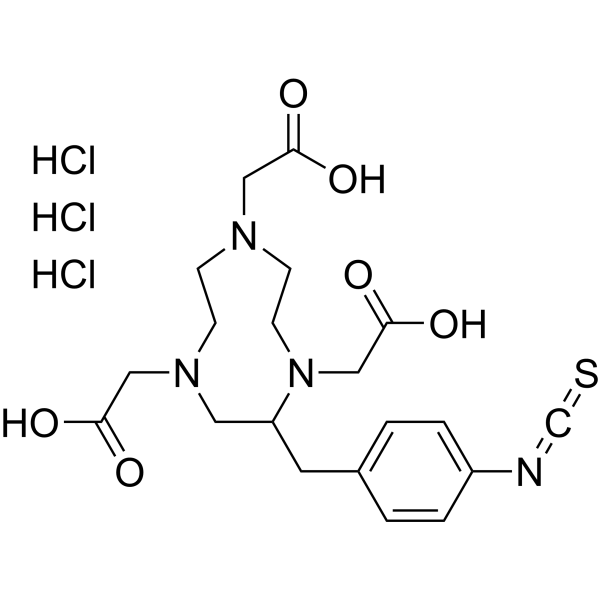
p-SCN-Bn-NOTA trihydrochloride is a macrocyclic chelator. p-SCN-Bn-NOTA trihydrochloride can be covalently coupled to molecules such as peptides through the thiocyanate group to form hexacoordinate copper (such as 64Cu) complexes. p-SCN-Bn-NOTA trihydrochloride specifically binds to GRPR or EGFR highly expressed on the surface of tumor cells, mediating tumor enrichment of radioactive probes. p-SCN-Bn-NOTA trihydrochloride can be used to study malignant tumors expressing GRPR or EGFR, such as prostate cancer and colorectal cancer .
loading...
    loading...
Cat. No.: HY-128522
CAS No.: 2436544-27-1
Purity:  99.59%
Target:  

Ras

Research Areas:  

Cancer

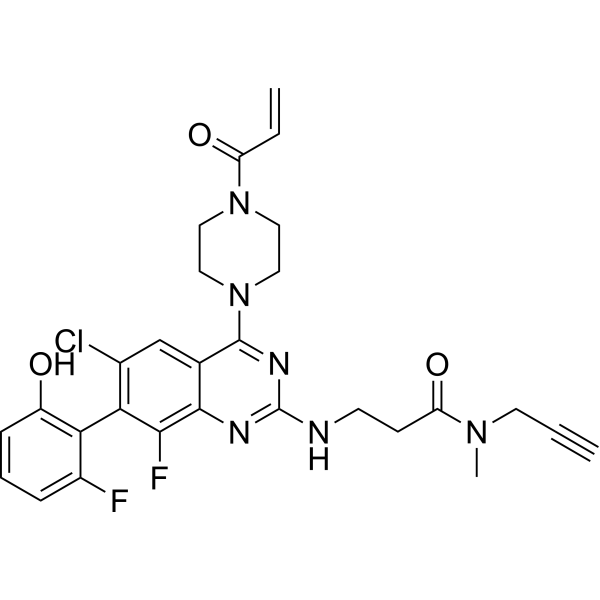
ARS-1323-alkyne is a covalent inhibitor probe that covalently binds to the Switch-II pocket (S-IIP) of the KRAS G12C mutant protein. ARS-1323-alkyne visualizes the covalent modification of KRAS G12C and quantitatively measures the binding efficiency of the inhibitor to the target. ARS-1323-alkyne can be used to validate the target occupancy of KRAS G12C inhibitors and the synergistic mechanism of combination therapy .
loading...
    loading...
Cat. No.: HY-177554
CAS No.: 2724919-69-9
Research Areas:  

Cancer

KB05yne is a site-selective, alkyne-functionalized electrophilic "probe" fragment probe designed for covalent ligand discovery, with preferential reactivity toward specific cysteine residues in proteins. KB05yne strongly labels wild-type target proteins (e.g., CDKN2AIP, HPCAL1) but does not label their cysteine-to-alanine mutants, confirming site-specific cysteine reactivity. KB05yne can be used for the discovery and optimization of site-specific covalent ligands, and is applicable to proteins with diverse structures and functions, especially in studies targeting cysteine residues in cancer-related or difficult-to-purify proteins .
loading...
    loading...
Cat. No.: HY-DY1044
CAS No.: 2253733-10-5
HADA hydrochloride (HCC-Amino-D-alanine hydrochloride) is a blue (λem~450 nm) fluorescent D-amino acid (FDAA). FDAAs are efficiently incorporated into the peptidoglycans (PGs) of diverse bacterial species at the sites of PG biosynthesis, allowing specific and covalent probing of bacterial growth with minimal perturbation .
Solvent and concentration: DMSO: 50 mM
loading...
    loading...
Cat. No.: HY-D1805
Vari Fluor 647-Streptavidin is a dye marker of Vari Fluor-streptavidin consisting of labeling streptavidin with a Vari Fluor series of fluorescent probes. Streptavidin is a high-affinity tetramer protein, each tetramer consisting of four identical streptavidin subunits. Streptavidin binds to biotin specifically via a reversible non-covalent effect. Streptavidin can achieve rapid and efficient detection of biotin markers, and is often used in immunofluorescence (IF), enzyme-linked immunosorbent assay (ELISA), immunohistochemical staining (IFH), in situ hybridization (ISH) and other experiments. Ex/Em=650 nm/665 nm.
Product Concentration: 0.8 mg/mL
loading...
    loading...
Cat. No.: HY-100338
CAS No.: 1202758-21-1
Purity:  99.88%
Target:  

Btk

Research Areas:  

Cancer

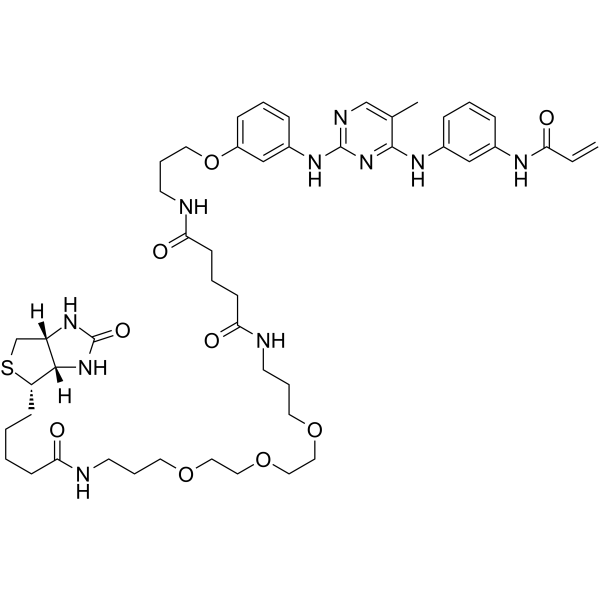
CNX-500 is a probe consisting of a covalent Btk inhibitor (CC-292) chemically linked to biotin. CNX-500 retains inhibitory activity against Btk (IC50 of 0.5 nM) and the ability to form a covalent bond with Btk. CNX-500 has low inhibitory effects on kinase epidermal growth factor receptor, and upstream Src-family kinases including Syk and Lyn .
loading...
    loading...
Cat. No.: HY-149931
CAS No.: 1458731-58-2
Target:  

Fluorescent Dye

Research Areas:  

Cancer

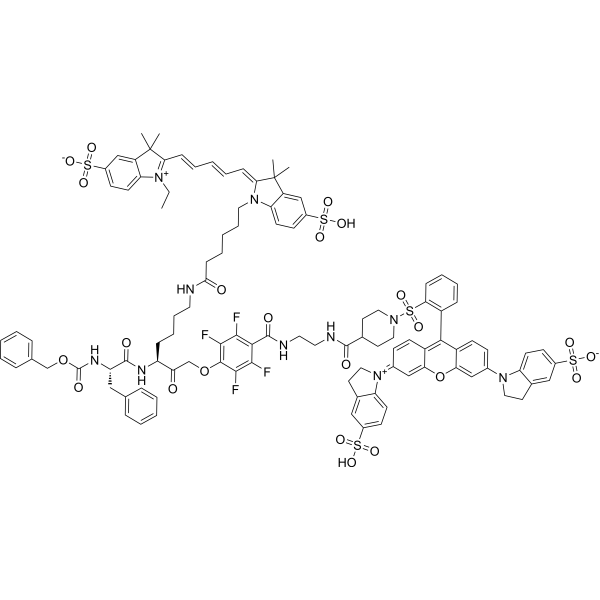
BMV109 is a quenched probe that becomes fluorescent when cleaved and covalently bound by active cathepsin proteases. BMV109 can be exploited for tumor imaging .
loading...
    loading...
Cat. No.: HY-D1422
CAS No.: 1445108-32-6
Synonyms: BDNCA-346
Target:  

Fluorescent Dye

Research Areas:  

Others

ER Tracker Yellow (BDNCA-346) is a Fluorescent probe for targeted visualization of temperature at the endoplasmic reticulum. Its detection mechanism depends on temperature, with fluorescence intensity decreasing at higher temperatures due to preferential non-radiative processes; this intensity reversibly returns to baseline when cooled, provided the probe does not precipitate or degrade. It localizes specifically to the endoplasmic reticulum, where it may covalently attach to biomacromolecules via a thiol-reactive moiety, and its fluorescence remains stable after cell fixation; its fluorescence intensity is unaffected by physiological pH ranges of 5.0–8.0 and free Ca²⁺ concentrations of 0–800 μM. Its excitation/emission wavelength is Ex/Em = 559/581 nm[1].
loading...
    loading...

