From 11:00 pm to 12:00 pm EST ( 8:00 pm to 9:00 pm PST ) on January 6th, the website will be under maintenance. We are sorry for the inconvenience. Please arrange your schedule properly.
AMG 193 is an orally active MTA-cooperative PRMT5 inhibitor with antitumor activity. AMG 193, when complexed with MTA, preferentially inhibits the growth of MTAP-deficient tumor cells by inhibiting PRMT5 (IC50=0.107 μM), thereby protecting normal cells with wild-type MTAP .
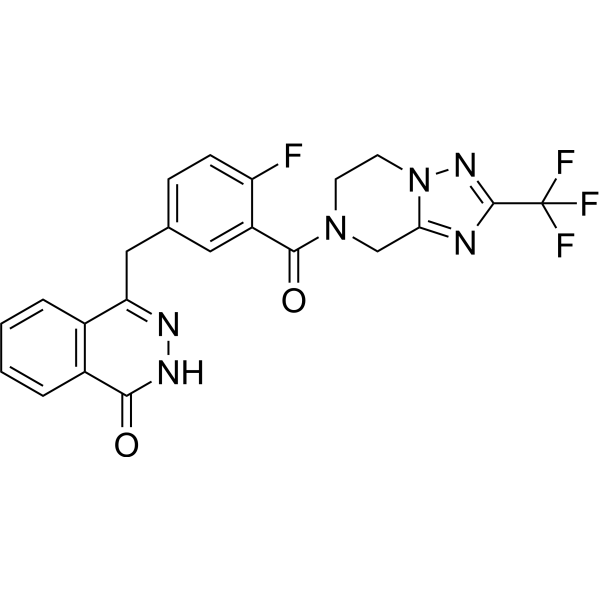
Fluzoparib (SHR3162) is a potent and orally active PARP1 inhibitor (IC50=1.46±0.72 nM, a cell-free enzymatic assay) with superior antitumor activity. Fluzoparib selectively inhibits the proliferation of homologous recombination repair (HR)-deficient cells, and sensitizes both HR-deficient and HR-proficient cells to cytotoxic agents. Fluzoparib exhibits good pharmacokinetic properties in vivo and can be used for BRCA1/2-mutant relapsed ovarian cancer research .
L-Arginine- 13C6, 15N4 (hydrochloride) is the 13C- and 15N-labeled L-Arginine hydrochloride. L-Arginine hydrochloride ((S)-(+)-Arginine hydrochloride) is the nitrogen donor for synthesis of nitric oxide, a potent vasodilator that is deficient during times of sickle cell crisis.
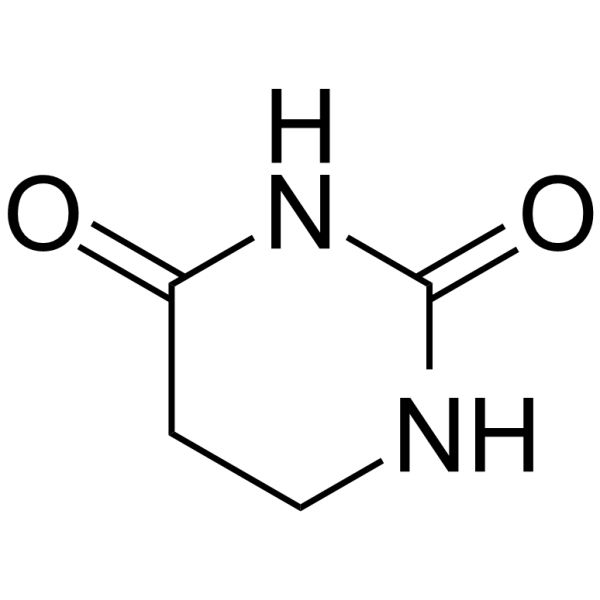
Dihydrouracil (5,6-Dihydrouracil), a metabolite of Uracil, can be used as a marker for identification of dihydropyrimidine dehydrogenase (DPD)-deficient .
TNG-462 is an orally active and selective PRMT5 inhibitor with anti-tumor activity against methylthioadenosine phosphorylase (MTAP) deficiency and/or methylthioadenosine (MTA) accumulation cancers .
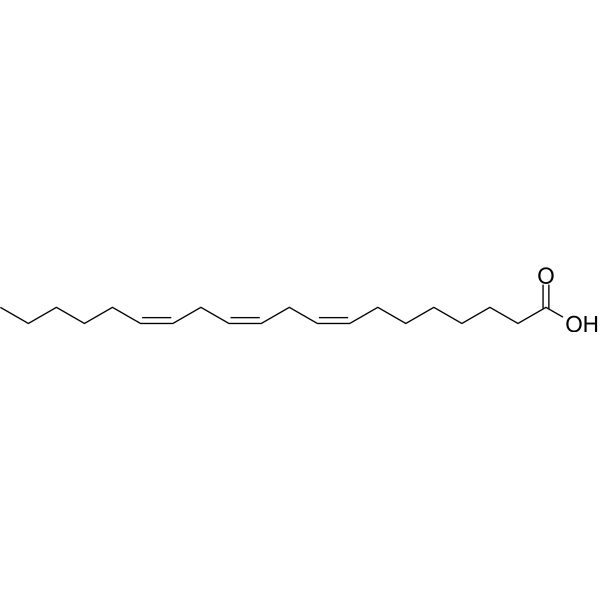
Dihomo-γ-linolenic acid (DGLA) is a 20-carbon ω-6 fatty acid, with anti-inflammatory and anti-proliferative activities. Dihomo-γ-linolenic acid attenuates atherosclerosis in the apolipoprotein E deficient mouse model system .
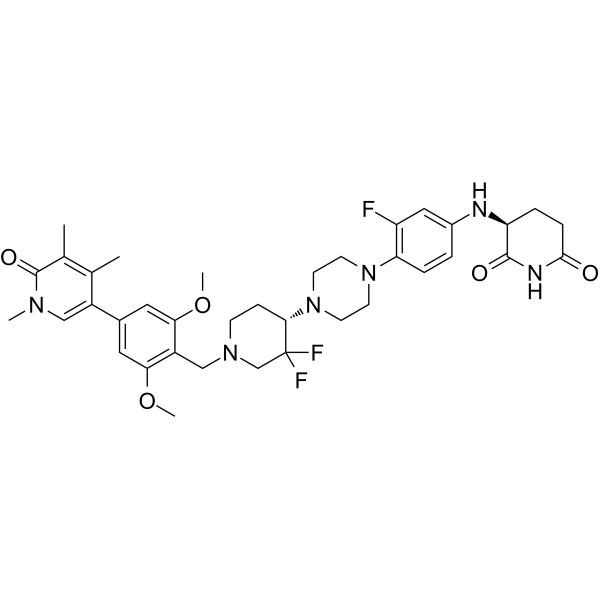
VT3989 is an orally active pan-TEAD autopalmitoylation inhibitor that modulates the Hippo signaling pathway. VT3989 directly binds to TEAD transcription factors to block their palmitoylation modification, thereby disrupting the formation of YAP/TAZ-TEAD complexes and inhibiting downstream oncogenic transcriptional activity. VT3989 effectively inhibits the growth of NF2-deficient schwannoma and meningioma cells and reverses the Schwann cell phenotype. In addition, VT3989 exerts a synergistic effect when combined with Osimtinib (HY-15772) in EGFR-mutant non-small cell lung cancer models, significantly delaying tumor recurrence and prolonging survival. VT3989 can be used for the research of epithelioid hemangioendothelioma, malignant pleural mesothelioma, type 2 neurofibromatosis and related advanced solid tumors .
M47 is a molecular glue that selectively destabilizes Cryptochrome 1 (CRY1) and increases degradation of the CRY1 in the nucleus. M47 enhances apoptosis in Ras-transformed P53-deficient mouse skin fibroblast lines and enhances life span in p53 knockout mice. M47 can be used in research of cancer .
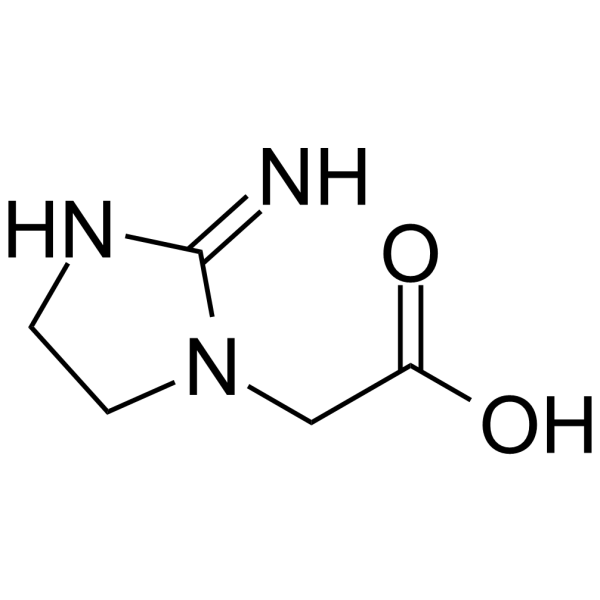
Cyclocreatine, a creatine analogue, acts as a brain-penetrant and potent bioenergetic protective agent by providing high levels of ATP. Cyclocreatine can be phosphorylated and dephosphorylated by creatine kinases. Cyclocreatine suppresses creatine metabolism ameliorating the cognitive, autistic and epileptic phenotype in a mouse model of creatine transporter defciency. Cyclocreatine protects against ischemic injury and enhances cardiac recovery during early reperfusion in dogs and rats. Cyclocreatine decreases plaque-adjacent neuronal dystrophy in TREM2-deficient mice with amyloid-β pathology. Cyclocreatine is proming for research of ischemic heart disease, cardiovascular diseases, Alzheimer’s disease and other neurodegenerative diseases associated with microglial dysfunction, prostate cancer .
L-Arginine-d7 (hydrochloride) is the deuterium labeled L-Arginine hydrochloride. L-Arginine hydrochloride ((S)-(+)-Arginine hydrochloride) is the nitrogen donor for synthesis of nitric oxide, a potent vasodilator that is deficient during times of sickle cell crisis.
L-Arginine- 13C6 (hydrochloride) is the 13C-labeled L-Arginine hydrochloride. L-Arginine hydrochloride ((S)-(+)-Arginine hydrochloride) is the nitrogen donor for synthesis of nitric oxide, a potent vasodilator that is deficient during times of sickle cell crisis.
D-I03 is a selective RAD52 inhibitor with a Kd of 25.8 μM. D-I03 specifically inhibits RAD52-dependent single-strand annealing (SSA) and D-loop formation with IC50s of 5 μM and 8 μM, respectively. D-I03 suppresses growth of BRCA1- and BRCA2-deficient cells and inhibits formation of damage-induced RAD52 foci, but does not effect on RAD51 foci induced by Cisplatin .
MSC778 is an effective and orally active flap endonuclease 1 (FEN1) inhibitor with an IC50 of 3 nM and a KD of 2.9 nM. MSC778 exhibits 145-fold, 516-fold, and 65-fold selectivity over EXO1, GEN1, and XPG, respectively. MSC778 selectively kills BRCA2-deficient cells and potentiates the activity of Niraparib (HY-10619) to induce tumor stasis in a BRCA2 KO DLD-1 mouse xenograft. MSC778 can be used in the research of colorectal cancer .
L-Arginine- 15N4 (hydrochloride) is the 15N-labeled L-Arginine hydrochloride. L-Arginine hydrochloride ((S)-(+)-Arginine hydrochloride) is the nitrogen donor for synthesis of nitric oxide, a potent vasodilator that is deficient during times of sickle cell crisis .
CFT8634 is an orally bioavailable PROTAC BRD9 targeted degrader based on the E3 ubiquitin ligase CRBN mechanism. CFT8634 can be used for the study of synovial sarcoma and SMARCB1-deficient solid tumors (Pink: BRD9 ligand (HY-169988); Blue: E3 ligase ligand (HY-169989); Black: linker (HY-169991). CFT8634 is a heterobifunctional molecule that binds to BRD9 at one end and recruits CRBN at the other end, which can inhibit the growth of tumor cells that depend on BRD9. CFT8634 can be used for the study of SMARCB1-related cancers (such as synovial sarcoma and malignant rhabdoid tumor) .
WEHI-3773 is a VDAC2 ligand and apoptosis modulator. WEHI-3773 directly binds to the β7-β10 region of VDAC2 and disrupts its interaction with BAX and BAK. WEHI-3773 regulates BAX-mediated apoptosis in BAK-deficient cells by modulating conformational activation of BAX, mitochondrial redistribution, and cytochrome c release. WEHI-3773 overcomes Venetoclax (HY-15531) resistance, resensitizes leukemia cells carrying BAX mutations to BH3 mimetics, and enables long-term clonogenic survival of BAK-deficient cells treated with BH3 mimetics. WEHI-3773 is applicable to research related to acute myeloid leukemia .
EXO1-IN-1 is a human exonuclease 1 (EXO1) inhibitor (IC50 = 15.7 μM). EXO1-IN-1 inhibits DNA end resection, promotes the accumulation of DNA double-strand breaks, and triggers S-phase polyamylation. EXO1-IN-1 induces apoptosis (Apoptosis) in BRCA1-deficient breast cancer cells. EXO1-IN-1 suppresses the growth of BRCA1-deficient breast cancer xenografts. EXO1-IN-1 can be used in research related to BRCA1-deficient breast cancer .
Necrostatin 2 is a potent necroptosis inhibitor. EC50 for inhibition of necroptosis in FADD-deficient Jurkat T cells treated with TNF-α is 0.05 μM. Necrostatin 2 is also a RIPK1 inhibitor.
2'-O-Methyladenosine, a methylated adenine residue is found in urine of normals as well as in urine of adenosine deaminase (ADA) deficient patients. 2'-O-Methyladenosine exhibits unique hypotensive activities .
Pyrazine is an aromatic nitrogen-containing heterocyclic compound with two nitrogen atoms, and is well known for its electron-deficient property. Pyrazine serves as a key pharmacophore in a variety of drugs, and also acts as the core skeleton of derivatives with anticancer, antimycobacterial, antithrombotic and anti-inflammatory activities .
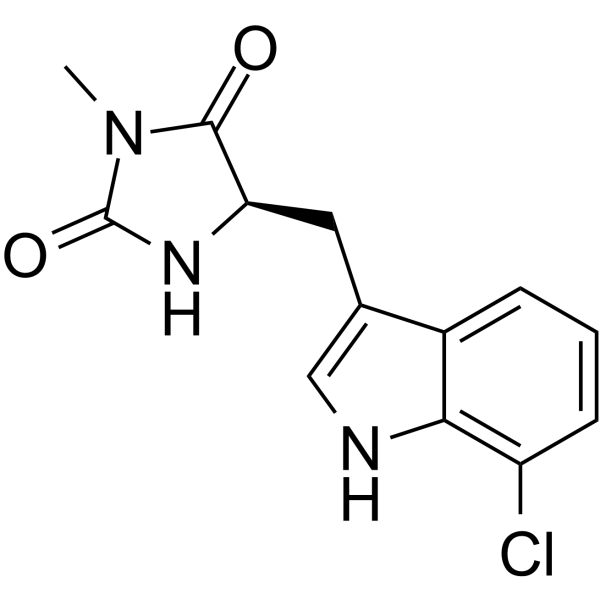
STF-62247 is an autophagy inducer that selectively cytotoxic to VHL-deficient renal cell carcinoma (IC50 of 0.625 μM and 16 μM in RCC4 and RCC4/VHL cells, respectively) .
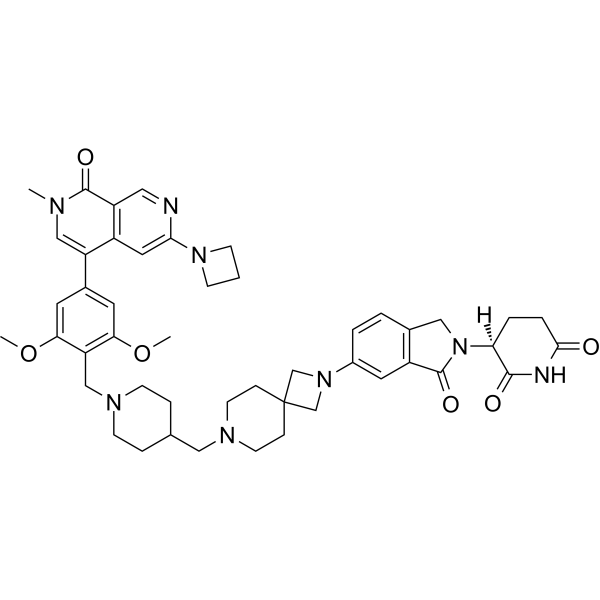
PROTAC TEAD degrader-1 is a TEAD2 degrader and antiproliferative agent with selective activity toward TEAD2 relative to other TEAD family members. PROTAC TEAD degrader-1 relies on CRBN and the proteasome system for TEAD2 degradation; disruption of CRBN binding attenuates this activity. PROTAC TEAD degrader-1 decreases expression of YAP target genes CYR61 and CTGF. PROTAC TEAD degrader-1 can be used for the research of NF2-deficient cancer .
VRK1/CK1-IN-1 (compound 36) is a dual VRK1 and CK1 family inhibitor, with a Ki of 37.9 nM against human VRK1, 8.3 nM against human CK1δ, and 7.8 nM against human CK1ε. VRK1/CK1-IN-1 exhibits extremely low activity against VRK2. VRK1/CK1-IN-1 can be used in studies related to p53-deficient tumors .
UNC10142 (Compound 44) is a first-in-class small molecule antagonist of CHD1 that binds with an IC50 value of 1.7 μM. UNC10142 leads to a dose-dependent reduction in viability in PTEN-deficient prostate cancer cells .
RTx-161 is an allosteric Polθ polymerase inhibitor with an IC50 value of 4.1 nM. RTx-161 selectively kills HR-deficient cancer cells and suppresses PARP inhibitor (PARPi) resistance in multiple genetic backgrounds, including HR-proficient cells. Additionally, RTx-161 can induce apoptosis .
LD4172 is a selective RIPK1PROTAC degrader with a Ki of 4.8 nM. LD4172 induces RIPK1 protein degradation via ternary complex formation with RIPK1 and VHL E3 ligase, driving ubiquitination and proteasomal breakdown. LD4172 abrogates TNF-induced classical NF-κB signaling in TRAF2-deficient cells, impairing IκBα phosphorylation and degradation, and reducing IL-8 production. LD4172 induces apoptosis and immunogenic cell death in tumor cells, enhances tumor-infiltrating lymphocyte responses, and sensitizes tumors to anti-PD1 therapy. LD4172 acts as a chemical probe for investigating RIPK1 scaffolding functions. LD4172 can be used for the research of melanoma, colon cancer .
SMD-3236 is a SMARCA2PROTAC degrader with a DC50 of 0.5 nM, a Dmax of 98%, and an IC50 of 42.2 nM against human SMARCA2. SMD-3236 induces proteasome- and ubiquitin-like modification-dependent degradation of SMARCA2 protein by binding to SMARCA2 and VHL-1. SMD-3236 inhibits the growth of SMARCA4-deficient cancer cells. SMD-3236 induces significant and persistent depletion of SMARCA2 in tumor tissues. SMD-3236 suppresses tumor growth in SMARCA4-deficient human cancer xenograft models. SMD-3236 can be used in research related to SMARCA4-deficient cancers such as melanoma, non-small cell lung cancer, and acute myeloid leukemia .
VT-105 is a TEAD inhibitor and VT104 (HY-134956) analog. VT-105 binds to the central hydrophobic pocket of the TEAD3 protein. VT-105 can be used in the research of NF2-deficient malignant mesothelioma .
MU147 is an MRE11 nuclease inhibitor and chemical probe with anticancer activity, which is lethal to Ehrlich ascites tumor cells both in vitro and in vivo. MU147 also eliminates the double-strand break repair mechanism dependent on the MRE11 nuclease activity without impairing the activation of ATM. MU147 also impairs the degradation of nascent strands of stalled replication FOX and selectively affects brca2-deficient cells .
Dihydrouracil-d4 is the deuterium labeled Dihydrouracil . Dihydrouracil (HY-W012926), a metabolite of Uracil, can be used as a marker for identification of dihydropyrimidine dehydrogenase (DPD)-deficient .
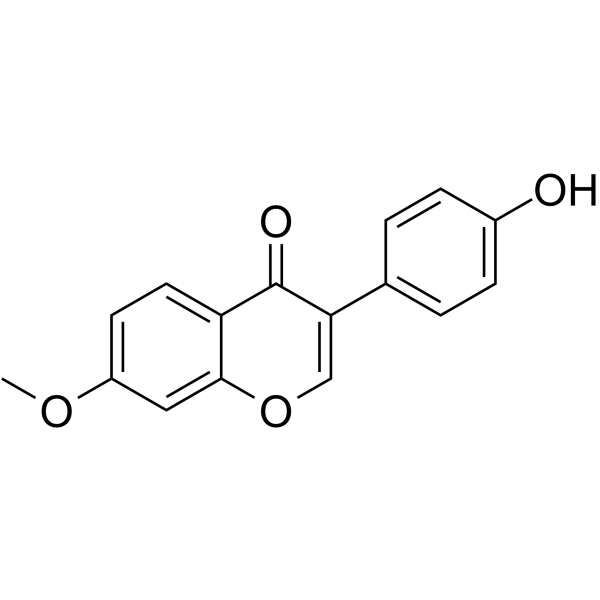
Isoformononetin is an analog of Daidzein (HY-N0019) and has immunoprotective effects. Isoformononetin inhibits the differentiation of Th17 and B-cells lymphopoesis to promote osteogenesis in estrogen-deficient bone loss conditions .
L-Arginine- 13C (hydrochloride) is the 13C-labeled L-Arginine hydrochloride. L-Arginine hydrochloride ((S)-(+)-Arginine hydrochloride) is the nitrogen donor for synthesis of nitric oxide, a potent vasodilator that is deficient during times of sickle cell crisis.
L-Arginine-1- 13C (hydrochloride) is the 13C-labeled L-Arginine hydrochloride. L-Arginine hydrochloride ((S)-(+)-Arginine hydrochloride) is the nitrogen donor for synthesis of nitric oxide, a potent vasodilator that is deficient during times of sickle cell crisis.
RP-2119 is an orally bioactive Polymerase Theta (Polθ) inhibitor, with an IC50 of 0.7 nM against human Polθ ATPase. RP-2119 reduces Polθ activity and exerts antiproliferative effects in BRCA2-deficient cancer cells. RP-2119 exhibits antitumor activity in BRCA2-deficient cancer cell xenograft mouse models . RP-2119 can be used for the research of cancer and homologous recombination-deficient cancers, including brca1/brca2-mutant cancers and shld2-mutant cancers .
SMI-1074, a SMARCA bromodomain inhibitor, is a PROTAC target protein ligand (Ligand for Target Protein for PROTAC). SMI-1074 can be used for synthesis SMD-3236 (HY-170824) and SMD-1087 (HY-170828). SMI-1074 can be used for the research of smarca4-deficient cancers .
TS-002902 is a selective small-molecule inhibitor of TUT4 and TUT7 enzymes, with IC50 values of 0.36 nM and 9.6 nM, respectively. TS-002902 induces an antiproliferative effect in FOCAD-deficient cancer cells. TS-002902 is applicable for research on FOCAD-deficient solid tumors (including glioblastoma, non-small cell lung cancer, and pancreatic cancer) .
MU1409 is an inhibitor of MRE11 nuclease with an IC50 of 12.1 μM. Additionally, MU1409 also inhibits FEN1 and EXO1, with IC50 values of 24.2 and 176.4 μM, respectively. MU1409 affects DNA repair in cells, preventing the degradation of stalled replication forks in BRCA2-deficient cells, making it a promising candidate for research on BRCA2 mutation-induced cancers .
GPV0057 (Compound 5d) is a selective and potent P-glycoprotein (P-gp) inhibitor. GPV0057 is also a selective potassium channel Kir2.1 activator. GPV0057 competitively binds to the substrate-binding site of P-gp, inhibiting ATP-dependent drug efflux to reverse multidrug resistance in tumor cells. GPV0057 can also stabilizes the open state of Kir2.1 and promotes potassium ion influx. GPV0057 is promising for research of tumors with high P-gp expression, Kir2.1-deficient diseases such as heart failure and Andersen-Tawil Syndrome .
SMARCA2/4 degrader-1 is a SMARCA2/4 molecular glue degrader with a DCAF16 EC50 of 110 nM. SMARCA2/4 degrader-1 covalently adducts at cysteine to form a ternary complex with SMARCA2/4 and recruits CUL4 DCAF16 and CRL1 FBXO22 E3 ligase complexes. SMARCA2/4 degrader-1 induces ubiquitination and proteasomal degradation of SMARCA2/4. SMARCA2/4 degrader-1 can be used for research of SMARCA4-deficient malignancies, non-small cell lung cancer (NSCLC), and colorectal cancer .
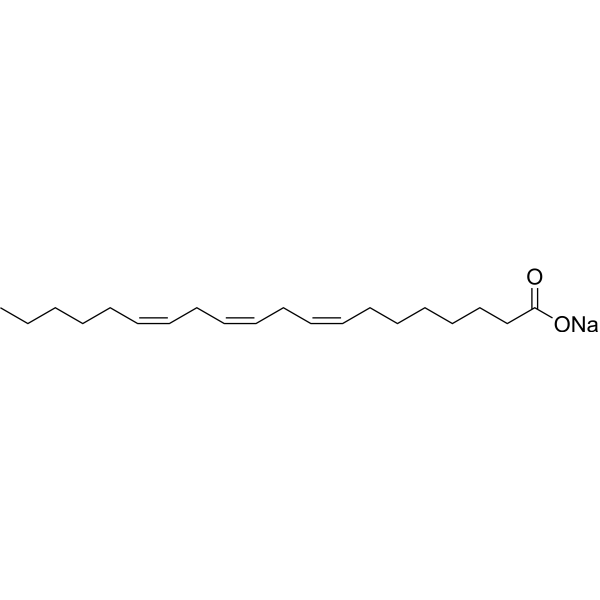
Dihomo-γ-linolenic acid (DGLA; all-cis-8,11,14-Eicosatrienoic acid) sodium is a 20-carbon ω-6 fatty acid, with anti-inflammatory and anti-proliferative activities. Dihomo-γ-linolenic acid (sodium) attenuates atherosclerosis in the apolipoprotein E deficient mouse model system .
Fmoc-1,6-diaminohexane hydrochloride is the hydrochloride form of Fmoc-1,6-diaminohexane (HY-103664). Fmoc-1,6-diaminohexane hydrochloride conjugates with monoclonal antibody, and exhibits anticancer activity against p21-deficient cancer .
Brassinazole (0.5, 1, 5 μM) causes markedly deformed seedlings, whose morphology is similar to that of BR-deficient mutants. Brassinazole causes cress dwarfism, altering leaf morphology such as the typical downward curl and dark green appearance of Arabidopsis BR-deficient mutants. However, administration of 10 nM BR reversed dwarfism .
L-Arginine-1,2- 13C2 (hydrochloride) is the 13C-labeled L-Arginine hydrochloride. L-Arginine hydrochloride ((S)-(+)-Arginine hydrochloride) is the nitrogen donor for synthesis of nitric oxide, a potent vasodilator that is deficient during times of sickle cell crisis.
PROTAC SMARCA2/4 degrader-41 is a SMARCA2/4PROTAC degrader with a DC50 and IC50 both < 0.1 μM. PROTAC SMARCA2/4 degrader-41 is applicable to research on SMARCA2/4-related or SMARCA2/4-deficient cancers .
D-G23 is a selective RAD52 inhibitor. D-G23 disrupts RAD52-mediated DNA repair pathways and suppresses the growth of BRCA1- and BRCA2-deficient cancer cells. D-G23 is promising for research of homologous recombination-related cancers, such as hereditary breast cancer and ovarian cancer caused by BRCA1/2 mutations .
SMARCA2-IN-10 (Compound 4) is a highly selective SMARCA2 ATPase domain inhibitor (IC50=17.676 μM). SMARCA2-IN-10 induces cell death in SMARCA4-deficient tumors. SMARCA2-IN-10 is promising for research of SMARCA4-mutant non-small cell lung cancer, small cell ovarian carcinoma, and melanoma .
Dihydrouracil- 13C4, 15N2 is the 13C and 15N labeled Dihydrouracil . Dihydrouracil (5,6-Dihydrouracil), a metabolite of Uracil, can be used as a marker for identification of dihydropyrimidine dehydrogenase (DPD)-deficient .
Apazunersen sodium is an antisense oligonucleotide (ASO) that targets and inhibits expression of the UBE3A antisense transcript (UBE3A-AS) to prevent silencing of the paternally inherited allele of the UBE3A gene and reactivate expression of the deficient
Apazunersen is an antisense oligonucleotide (ASO) that targets and inhibits expression of the UBE3A antisense transcript (UBE3A-AS) to prevent silencing of the paternally inherited allele of the UBE3A gene and reactivate expression of the deficient protei
L-Arginine- 13C6, 15N4,d7 (hydrochloride) is the deuterium, 13C-, and 15-labeled L-Arginine hydrochloride. L-Arginine hydrochloride ((S)-(+)-Arginine hydrochloride) is the nitrogen donor for synthesis of nitric oxide, a potent vasodilator that is deficient during times of sickle cell crisis.
A3051 is a potent and orally active inhibtor of CXXC5-DVL extracted from patent WO2020079569, has an IC50 of 63.06 nM. A3334 can be used for the research of high fat diet (HFD)-induced and methionine-choline deficient diet (MCD)-induced phenotypes such as obesity, diabetes, and NASH .
Myt1-IN-6 (Compound formula (1)) is a highly selective MYT1 kinase inhibitor. Myt1-IN-6 is promising for research of RB1-deficient cancers (e.g., triple-negative breast cancer) .
Phytantriol is an aliphatic alcohol that can be used to form nanoparticles. Phytantriol-based cubosome formulation as an antimicrobial against Lipopolysaccharides (HY-D1056) (LPS)-deficient gram-Negative bacteria .
L-Arginine- 15N2 (hydrochloride) is the 15N-labeled L-Arginine (hydrochloride). L-Arginine hydrochloride ((S)-(+)-Arginine hydrochloride) is the nitrogen donor for synthesis of nitric oxide, a potent vasodilator that is deficient during times of sickle cell crisis.
PRMT5-MTA-IN-5 (Compound 7) is an orally active, irreversible PRMT5-MTA complex (PRMT5•MTA) inhibitor (IC50=1.15 nM). PRMT5-MTA-IN-5 blocks arginine methylation and inhibits ribosomal RNA processing and cell cycle-related protein expression. PRMT5-MTA-IN-5 potently inhibits proliferation in MTAP-deficient tumor cells. PRMT5-MTA-IN-5 is promising for research of MTAP-deficient solid tumors, such as liver, breast, and pancreatic cancers .
Cyclocreatine, a creatine analogue, acts as a brain-penetrant and potent bioenergetic protective agent by providing high levels of ATP. Cyclocreatine can be phosphorylated and dephosphorylated by creatine kinases. Cyclocreatine suppresses creatine metabolism ameliorating the cognitive, autistic and epileptic phenotype in a mouse model of creatine transporter defciency. Cyclocreatine protects against ischemic injury and enhances cardiac recovery during early reperfusion in dogs and rats. Cyclocreatine decreases plaque-adjacent neuronal dystrophy in TREM2-deficient mice with amyloid-β pathology. Cyclocreatine is proming for research of ischemic heart disease, cardiovascular diseases, Alzheimer’s disease and other neurodegenerative diseases associated with microglial dysfunction, prostate cancer .
PARP1-IN-43 (Compound 5350) is a blood-brain barrier (BBB) permeable PARP1 inhibitor, with an IC50 of 5 nM. PARP1-IN-43 can be used for the study of homologous recombination (HR)-deficient central nerve system (CNS) cancers .
SLEC-11 is a CDH1/E-cadherin modulator that potently inhibits cell death in E-cadherin-deficient cells (EC50=8.2 μM). SLEC-11 can be used to study potential synthetic lethal therapies for gastric cancer .
ATR-IN-23 (Compound 34) is a potent and selective ATR inhibitor with an IC50 of 1.5 nM. ATR-IN-23 has potent antiproliferative effects on LoVo cells and synthetic lethality on HT-29 cells, and can be used in the study of DNA damage response (DDR)-deficient cancers .
MPCI is a cell-permeant MC4R-selective ligand with pharmacological chaperone activity. MPCI is a MC4R antagonist with a Ki value of 0.218 μM on HEK293 cells expressing hMC4R. MPCI can be used for the research of MC4R-deficient obesity .
AAZTA-NI-PSMA-093 is a bispecific agent targeting prostate-specific membrane antigen (PSMA) with an IC50 value for PSMA of 87.48 nM. AAZTA-NI-PSMA-093 has a PSMA targeting module and an oxygen-sensitivity module (hypoxia-sensitive NI-moiety). AAZTA-NI-PSMA-093 can utilize the PSMA targeting property as a "navigation system" to efficiently concentrate the entire molecule within prostate cancer cells, and once the cells are in an oxygen-deficient state, the molecule will irreversibly capture and remain in the oxygen-deficient cells, achieving "secondary enrichment". AAZTA-NI-PSMA-093 can be labeled with ⁶⁸Ga and ¹⁷⁷Lu, and has high accumulation and rapid clearance characteristics in mouse models. AAZTA-NI-PSMA-093 can be used for the study of prostate cancer .
DACH-Pt-SO4 (DACH-sulph) is an anti-tumor agent. DACH-Pt-SO4 inhibits DNA function and cellular proliferation. DACH-Pt-SO4 reduces chloramphenicol acetyltransferase (CAT) expression in repair-deficient cells. DACH-Pt-SO4 can be used for the study of cancer .
Dihydrouracil (Standard) is the analytical standard of Dihydrouracil. This product is intended for research and analytical applications. Dihydrouracil (5,6-Dihydrouracil), a metabolite of Uracil, can be used as a marker for identification of dihydropyrimidine dehydrogenase (DPD)-deficient[1][2].
LY88074 Methyl ether (Example 2) is useful for the inhibition of the various estrogen deficient conditions, which are associated with estrogendeprivation syndrome including osteoporosis and hyperlipidemia .
LY88074 Trimethyl ether (Example 1) is useful for the inhibition of the various estrogen deficient conditions, which are associated with estrogen deprivation syndrome including osteoporosis and hyperlipidemia .
PRMT5-MTA-IN-3 (Compound P2A) is an orally active and selective protein arginine methyltransferase 5 (PRMT5) inhibitor. PRMT5-MTA-IN-3 inhibits cell proliferation in the MTAP-deficient colorectal cancer HCT - 116 cell line with an IC50 value of 5 nM. PRMT5-MTA-IN-3 is promising for research of cancers, especially for MTAP-deficient tumors, such as colorectal cancer, non-small cell lung cancer, pancreatic cancer .
K-TMZ is a derivative of methyl ketone, which exhibits antitumor efficacy against O 6 -methylguanine DNA methyltransferase (MGMT) deficient cell. K-TMZ can be used for research of glioblastoma .
mCMY020 is a covalent inhibitor of TEAD. mCMY020 effectively reduces YAP (Yes-associated protein)-driven transcription and selectively slows the proliferation of Hippo-deficient cancer cells. mCMY020 can be used in cancer research .
MAT2A-IN-21 (compound 28) is a potent methionine adenosyltransferase 2A (MAT2A) inhibitor with an IC50 of 49 nM. MAT2A-IN-21 selectivity inhibits MTAP-deficient cancer cells .
Aspergillomarasmine A is a natural aminopolycarboxylic acid with potent inhibitory activity against class B metallo-β-lactamases (MBLs). Aspergillomarasmine A inactivates MBLs by removing a catalytic Zn2+ cofactor. Aspergillomarasmine A acts as a selective Zn2+ scavenger, promoting the dissociation of the metal cofactor, thereby indirectly inactivating NDM-1. Aspergillomarasmine A causes the loss of Zn2+ ions from the low-affinity binding site of NDM-1. The action of Aspergillomarasmine A results in the rapid degradation of Zn2+-deficient NDM-1, thereby enhancing its potency as a β-lactam enhancer. The mechanism of Aspergillomarasmine A has broad applicability among different Zn2+ chelators .
L-Arginine- 15N4,d7 (hydrochloride) is the deuterium and 15N-labeled L-Arginine hydrochloride. L-Arginine hydrochloride ((S)-(+)-Arginine hydrochloride) is the nitrogen donor for synthesis of nitric oxide, a potent vasodilator that is deficient during times of sickle cell crisis.
Isoformononetin (Standard) is the analytical standard of Isoformononetin. This product is intended for research and analytical applications. Isoformononetin is an analog of Daidzein (HY-N0019) and has immunoprotective effects. Isoformononetin inhibits the differentiation of Th17 and B-cells lymphopoesis to promote osteogenesis in estrogen-deficient bone loss conditions .
AMB639752 is a potent DGKα inhibitor. AMB639752 restores restimulation induced cell death (RICD) in SAP deficient lymphocytes by inhibiting DGKα in intact cells. AMB639752 can be used for X-linked lymphoproliferative disease 1(XLP-1) research .
WRN-IN-22 (compound A01) is a potent Werner syndrome RecQ helicase (WRN) inhibitor (IC50 < 100 nM). WRN-IN-22 can be used for microsatellite instability-high (MSI-H) or mismatch repair deficient (dMMR) cancer research, such as colorectal, gastric, prostate and endometrial cancer .
Isoformononetin-d3 is the deuterium labeled Isoformononetin (HY-N7501). Isoformononetin is an analog of Daidzein (HY-N0019) and has immunoprotective effects. Isoformononetin inhibits the differentiation of Th17 and B-cells lymphopoesis to promote osteogenesis in estrogen-deficient bone loss conditions .
(−)-Voacangarine is an indole alkaloid, which exhibits cytotoxic effects against cancer cells HepG2, A375, MDA-MB-231, SH-SY5Y, and CT26 with IC50 of 5~20 mg/mL. (−)-Voacangarine inhibits the cultivation of Saccharomyces cerevisiae wildtype and repair-deficient mutants .
Cyclocreatine- 13C3 is the 13C-labeled Cyclocreatine (HY-W017540). Cyclocreatine, a creatine analogue, acts as a brain-penetrant and potent bioenergetic protective agent by providing high levels of ATP. Cyclocreatine can be phosphorylated and dephosphorylated by creatine kinases. Cyclocreatine suppresses creatine metabolism ameliorating the cognitive, autistic and epileptic phenotype in a mouse model of creatine transporter defciency. Cyclocreatine protects against ischemic injury and enhances cardiac recovery during early reperfusion in dogs and rats. Cyclocreatine decreases plaque-adjacent neuronal dystrophy in TREM2-deficient mice with amyloid-β pathology. Cyclocreatine is proming for research of ischemic heart disease, cardiovascular diseases, Alzheimer’s disease and other neurodegenerative diseases associated with microglial dysfunction, prostate cancer .
Fmoc-1,6-diaminohexane hydrochloride (Standard) is the analytical standard of Fmoc-1,6-diaminohexane hydrochloride (HY-103664A). This product is intended for research and analytical applications. Fmoc-1,6-diaminohexane hydrochloride is the hydrochloride form of Fmoc-1,6-diaminohexane (HY-103664). Fmoc-1,6-diaminohexane hydrochloride conjugates with monoclonal antibody, and exhibits anticancer activity against p21-deficient cancer .
N-Octyl-α-4-epivalienamine is an orally active and CNS-penetrant molecular chaperone that induces high expression of the deficientβ-galactosidase activity. N-Octyl-α-4-epivalienamine ameliorates symptoms and increase survival rate in a mouse model of GM1-gangliosidosis. N-Octyl-α-4-epivalienamine can be used for neurogenetic disease research .
LC-TEAD01 is a potent covalent transcription enhancer-associated domain (TEAD) inhibitor with an IC50 of 116 nM and a Ki of 0.132 μM. LC-TEAD01 disrupts the TEAD-YAP interaction and inhibits TEAD-dependent transcriptional activity. LC-TEAD01 suppresses the proliferation of NF2-deficient cancer cells. LC-TEAD01 inhibits tumor growth in NF2-deficient xenograft models. LC-TEAD01 can be used in studies related to NF2-deficient malignant pleural mesothelioma .
NERx 329 is a replication protein A (RPA) inhibitor with an IC50 of 4.9 μM. NERx 329 blocks the interaction between RPA and single-stranded DNA, and induces functional RPA depletion, loss of single-stranded DNA gap protection, chromosome fragmentation and cell death. NERx 329 inhibits the DNA damage response signaling pathway, exhibits broad single-agent anticancer activity, and enhances the activity of DNA-damaging agents. NERx 329 can be used in research related to brca1-deficient breast cancer, non-small cell lung cancer, and brca1-deficient ovarian cancer .
POLQ-IN-1 is a DNA polymerase θ (POLQ) inhibitor with a pIC50 of 8.2. POLQ-IN-1 inhibits the proliferation of homologous recombination-deficient cells. POLQ-IN-1 is used for the research of homologous recombination-deficient tumors .
TDG-IN-1 is an orally active, selective small-molecule inhibitor of thymine DNA glycosylase (TDG) with a Ka of 1.46 nM. TDG-IN-1 impairs the DNA-binding ability of TDG, induces downregulated expression of DHX9, accumulation of double-stranded RNA, and activation of the RIG-I/MDA5-MAVS pathway, while acting as a tumor suppressor, innate immune activator and immunostimulant. TDG-IN-1 inhibits the growth of p53-deficient tumor cells and xenograft tumors, and exerts a synthetic lethal effect with p53. TDG-IN-1 is applicable to the research of p53-deficient cancers .
XL-20 is an orally active DNA polymerase θ (Polθ) ATPase inhibitor with an IC50 of 4.3 nM against human targets. XL-20 activates the cGAS-STING pathway. XL-20 upregulates the expression of PD-L1 in HR-deficient cancer cells. XL-20 acts synergistically with PARP inhibition in HR-deficient cancer cells and in vivo xenograft models. XL-20 can be used in studies related to HR-deficient cancers .
LDN-0044878 is a PAK3 inhibitor. LDN-0044878 inhibits the proliferation or induces the death of p53-deficient cells. LDN-0044878 exhibits moderate trypanocidal activity against Trypanosoma brucei, but does not directly inhibit the core target Rhodesain. LDN-0044878 can be used in studies related to cervical adenocarcinoma and Trypanosoma brucei infection.
SY-589 is an orally active DNA polymerase Polθ helicase domain inhibitor (IC50=2.29 nM) and DNA damage inducer. SY-589 inhibits the ATPase activity of the Polθ helicase domain and blocks the Polθ-mediated microhomology-mediated end joining (MMEJ) DNA repair pathway (IC50=0.85 nM). SY-589 also induces the accumulation of DNA double-strand breaks by increasing γ-H2AX levels. SY-589 exerts antiproliferative effects on BRCA2-deficient cells and is used in the research of HR-deficient tumors .
YCH3971 is a PARP1 inhibitor with a PARP1IC50 of 7.52 nM and a PARP1EC50 of 67.75 nM. YCH3971 inhibits the proliferation of BRCA-deficient tumor cells. YCH3971 induces DNA damage, G2/M phase arrest, and caspase-mediated Apoptosis in triple-negative breast cancer cells. YCH3971 can be used for the research of BRCA-deficient tumors .
ZS34 is a potent, orally active, and selective MAT2A inhibitor with an IC50 of 13.7 nM, displaying minimal hERG and UGT1A1 liabilities. ZS34 selectively suppresses the growth of methylthioadenosine phosphorylase (MTAP)-deficient cancer cells by inhibiting SAM synthesis, reducing SDMA levels, and inducing DNA damage. ZS34 exhibits antitumor efficacy in a HCT116 MTAP -/- xenograft mouse model. ZS34 can be used for the research of MTAP-deficient cancer .
PROTAC SMARCA2 degrader-36 (Compound 26) is a selective and potent SMARCA2PROTAC degrader with a DC50 of 51 nM. PROTAC SMARCA2 degrader-36 promotes ubiquitination and degradation of SMARCA2. PROTAC SMARCA2 degrader-36 exhibits anticancer activity against non-small cell lung cancer. PROTAC SMARCA2 degrader-36 can be used in studies related to SMARCA4-deficient cancers .
Nampt-IN-17 is an selective orally active NAMPT inhibitor with a human NAMPT IC50 of 17 nM and Ki of 25.9 nM. Nampt-IN-17 depletes intracellular NAD + and ATP, disrupts mitochondrial membrane potential, suppresses cell proliferation, self-renewal, invasion, and migration, induces cell-cycle arrest and apoptosis. Nampt-IN-17 exhibits selective activity against NAPRT-deficient gastric cancer cells. Nampt-IN-17 can be used for the research of NAPRT-deficient gastric cancer .
AZD4956 is a potent and selective DNA polymerase theta (POLQ) inhibitor. AZD4956 exhibits an IC50 value of less than 3 μmol/L against POLQ and 3.4 μmol/L against MMEJ. AZD4956 suppresses the MMEJ pathway and enhances the activity of DNA-damaging agents in HRR-deficient cellular contexts. AZD4956 shows antitumor activity in BRCA1/2-mutated triple-negative breast cancer and prostate cancer models. AZD4956 can be used for the study of homologous recombination-deficient tumors .
PCIP-1 is a PARP2 inhibitor. PCIP-1 recruits BET proteins to PARP2 to inhibit DNA repair, acts via event-driven pharmacology, and does not inhibit PARP-catalyzed PARylation. PCIP-1 inhibits DNA repair, thereby inducing synthetic lethality in homologous recombination-deficient cancer cells and increasing the sensitivity of PARP1-knockout cells. PCIP-1 can be used in the research of homologous recombination-deficient cancers, T-cell acute lymphoblastic leukemia, and BRCA-mutant cancers .
Polθ-IN-10 is an orally active Polθ-pol inhibitor (with a human IC50 of 1.3 nM) that exhibits oral bioavailability in mice and rats. Polθ-IN-10 binds to the allosteric site of Polθ-pol, disrupts the microhomology-mediated end-joining DNA repair pathway, and inhibits CYP2C9 (IC50=1.63 μM). Polθ-IN-10 selectively inhibits the proliferation of HR-deficient cancer cells and induces apoptosis. Polθ-IN-10 is applicable to the research of HR-deficient cancers .
RP-4029 is a selective, covalent hPolθ inhibitor (IC50s: 0.013 nM for hPolθ; 6.6 nM for mPolθ). RP-4029 can be used in the research of homologous recombination (HR)-deficient cancers .
P53 Activator 16 (Compound JC16) is a p53 activator. P53 Activator 16 exhibits selective cytotoxicity and pro-apoptotic (apoptosis) activity towards p53-Y220C mutant cancer cells, while having little effect on wild-type or P53-deficient cells. P53 Activator 16 induces the conformational transition of cell p53-Y220C from the mutant form to the wild-type form, accompanied by the transcriptional activation of p53 target genes, without increasing the overall level of p53 protein. P53 Activator 16 can be used for the study of p53 mutant cancers .
S-3448 is a derivative of Ataciguat (HY-17500). S-3448 is a Soluble guanylate cyclase (sGC) agonist. S-3448 activates both the haem-containing and the haem-deficient form of sGC without depending on NO and heme. S-3448 can be used for cardiovascular diseases such as arterial hypertension and pulmonary hypertension research .
Mitapivat hemisulfate is an orally active pyruvate kinase allosteric activator. Mitapivat hemisulfate increases enzymatic activity, protein stability, and ATP levels over a broad range of PKLR genotypes, shows the potential to restore the activity of PK (pyruvate kinase)-deficient glycolytic pathways. Mitapivat hemisulfate can be used in study of PK deficiency .
Mitapivat (AG-348) is an orally active pyruvate kinase allosteric activator. Mitapivat increases enzymatic activity, protein stability, and ATP levels over a broad range of PKLR genotypes, shows the potential to restore the activity of PK (pyruvate kinase)-deficient glycolytic pathways. Mitapivat can be used in study of PK deficiency .
rel-(E)-6,7-Transdihydroxyligustilide is a compound found in the dried tuberous roots of Polygonum multiflorum. rel-(E)-6,7-Transdihydroxyligustilide inhibits Ca 2+‑ATPase in calmodulin-deficient human erythrocyte membranes. rel-(E)-6,7-Transdihydroxyligustilide is used for the research of hyperlipidemia .
Dihydrouracil- 13C, 15N2 (5,6-Dihydrouracil- 13C, 15N2) is the 13C- and 15N-labeled Dihydrouracil (HY-W012926). Dihydrouracil (5,6-Dihydrouracil), a metabolite of Uracil, can be used as a marker for identification of dihydropyrimidine dehydrogenase (DPD)-deficient .
2'-O-Methyladenosine (Standard) is the analytical standard of 2'-O-Methyladenosine. This product is intended for research and analytical applications. 2'-O-Methyladenosine, a methylated adenine residue is found in urine of normals as well as in urine of adenosine deaminase (ADA) deficient patients. 2'-O-Methyladenosine exhibits unique hypotensive activities .
AZ-PRMT5i-1 (Compound 28) is an effective and orally active MTAP-selective PRMT5 inhibitor. AZ-PRMT5i-1 also demonstrates MTA cooperativity and exhibits both in vitro and in vivo antitumor activities, and can be used to study MTAP-deficient cancers .
Mitapivat hemisulfate sesquihydrate (AG-348) is an orally active pyruvate kinase allosteric activator. Mitapivat increases enzymatic activity, protein stability, and ATP levels over a broad range of PKLR genotypes, shows the potential to restore the activity of PK (pyruvate kinase)-deficient glycolytic pathways. Mitapivat can be used in study of PK deficiency .
MAT2A-IN-22 (Compound 29-1) is a BBB-penetrable and orally active MAT2A inhibitor with an IC50 of 4 nM. MAT2A-IN-22 shows selectivity and inhibitory activity against MTAP-deficient cancer cell lines. MAT2A-IN-22 has anti-tumor effects .
2'-O-Methyl Adenosine-d3 is deuterium labeled 2'-O-Methyl Adenosine. 2'-O-Methyl Adenosine, a methylated adenine residue is found in urine of normals as well as in urine of adenosine deaminase (ADA) deficient patients. 2'-O-Methyl Adenosine exhibits unique hypotensive activities .
m-APTA (5'-S-(3-aminophenyl)-5'-thioadenosine) is a selective chemoprotective agent targeting methylthioadenosine phosphorylase (MTAP). m-APTA can be converted into adenine, which is a crucial step in protecting normal cells from the toxicity of nucleobase analogues (NBA). m-APTA is promising for research of MTAP-deficient cancers .
ELB041 (AFS98) is a rat monoclonal anti-murine c-fms antibody (IgG2a). AFS98 inhibits M-CSF–dependent colony formation and cell growth by blocking the binding of M-CSF to its receptor. AFS98 prevents development of fatty streaks in ApoE-deficient mice. ELB041 can be used for the research of atherosclerosis .
AB25583 is a Polθ helicase (Polθ-hel) small molecule inhibitor, with an IC50 value of 6 nM. AB25583 selectively kills BRCA1/2 deficient cells and works in synergy with Olaparib (HY-10162) in cancer cells carrying pathogenic BRCA1/2 mutations. AB25583 can be used for tumor research .
1,2-Diacylglycerol 3-α-glucosyltransferase (EC 2.4.1.337) functions under phosphate-deficient conditions, generating glycolipids as substitutes for phospholipids. 1,2-Diacylglycerol 3-α-glucosyltransferase (EC 2.4.1.337) belongs to the GT4 family of conformation-retaining glycosyltransferases. Many diacylglycerols with long-chain acyl groups can act as acceptors.
RTx-152 traps Polθ on DNA and is an allosteric Polθ-pol inhibitor (IC50: 6.2 nM). RTx-152 selectively kills HR-deficient cancer cells, and suppresses PARP inhibitor resistance in multiple genetic backgrounds, including homologous recombination (HR)-proficient cells. RTx-152 selectively kills BRCA2-null cells .
(R)-AMG-193 is an isomer of AMG 193 (HY-153390). AMG 193 is an orally active MTA-cooperative PRMT5 inhibitor with antitumor activity. AMG 193, when complexed with MTA, preferentially inhibits the growth of MTAP-deficient tumor cells by inhibiting PRMT5 (IC50=0.107 μM), thereby protecting normal cells with wild-type MTAP .
T0901317 is an orally active and highly selective LXR agonist with an EC50 of 20 nM for LXRα . T0901317 activates FXR with an EC50 of 5 μM . T0901317 is RORα and RORγ dual inverse agonist with Ki values of 132 nM and 51 nM, respectively . T0901317 induces apoptosis and inhibits the development of atherosclerosis in low-density lipoprotein (LDL) receptor-deficient mice .
PARP1-IN-12 is a potent PARP1 inhibitor with an IC50 of 2.99 nM. PARP1-IN-12 exhibits antiproliferative activity, can induce cell apoptosis and cause cycle arrest at G2/M phase. PARP1-IN-12 also can induce DNA double strand breaks (DSBs) in BRCA-deficient cells .
L-870812 is a HIV-1 integration with integrase strand transfer inhibitor. L-870812 consistently blocks cell-free and cell-associated HIV-1 infection. L-870812 blocks subtype C and CRFO2_AG primary isolates. L-870812 can be used for the study of replication-deficient HIV-1 Ba-L (env) pseudovirus .
8-Oxo-dGTP (8-Oxo-Deoxyguanosine triphosphate) is an oxidized guanine nucleotide formed by ROS-mediated oxidative modification of dGTP, and it also serves as a key substrate for 8-oxo-dGTP pyrophosphohydrolases (such as hMTH1 and E. coli MutT). 8-Oxo-dGTP acts as a DNA mutagen, inserts into nascent DNA and pairs with adenine and cytosine, inducing A:T to C:G transversion mutations. Furthermore, 8-Oxo-dGTP causes oxidative DNA base modification, strand breakage and S-phase arrest, and ultimately triggers AIF-mediated apoptosis and promotes spontaneous carcinogenesis in mth1-deficient mice. Accumulation of 8-Oxo-dGTP in cells induces genomic instability, but it exhibits a tumor-suppressive effect that reduces tumor incidence in mouse models instead. 8-Oxo-dGTP is widely used in studies related to spontaneous carcinogenesis, Parkinson's disease, Alzheimer's disease, heart failure and tumor mechanisms .
PRT3789 is a selective SMARCA2 PROTAC degrader (DC50 in HeLa cell: 0.72 nM for SMARCA2, 14 nM for SMARCA4). PRT3789 forms a stable ternary complex with Von Hippel-Lindau (VHL) E3 ligase, induces polyubiquitination at SMARCA2-specific lysine residues, and drives proteasome-dependent SMARCA2 degradation. PRT3789 disrupts SWI/SNF chromatin remodeling complex integrity, induces dissociation of specific subunits, suppresses oncogenic gene expression, reduces chromatin accessibility, and upregulates antigen processing/presentation-related gene expression. PRT3789 induces synthetic lethality, inhibits proliferation and colony formation, and drives tumor growth inhibition and regression in SMARCA4-deficient contexts. PRT3789 can be used for the research of SMARCA4-mutated solid tumors, non-small cell lung cancer, endometrial cancer, colorectal cancer, bladder cancer, esophageal cancer, ovarian cancer, and gastric cancer .
Astressin 2B is a blood-brain barrier-impermeable, highly selective CRFR2 antagonist (rCRFR2, IC50=0.57 nM). Astressin 2B blocks the protective effects mediated by CRFR2, thereby exacerbating indomethacin (HY-14397)-induced hemorrhagic intestinal injury in rats. Astressin 2B reverses the protective effects of Urocortin 1 against intestinal hypermotility, bacterial invasion and upregulation of inflammatory mediators. Astressin 2B also blocks the anxiogenic effect of Urocortin 2 and attenuates stress-induced anxiety-related behaviors. In the Clostridioides difficile toxin A (C. difficile toxin A)-mediated enteritis model, Astressin 2B mimics the phenotype of CRFR2-deficient mice, significantly exacerbating intestinal epithelial damage, edema, neutrophil migration and the expression of multiple proinflammatory cytokines. Astressin 2B is an important tool molecule for investigating the intestinal protective mechanisms of CRFR2 .
BV2 is a delivery peptide that binds to BVES, with a Ka of 2.03 μM for the BVES target. BV2 specifically binds to the extracellular domain of BVES, achieving muscle homing and cellular internalization via caveolae-mediated endocytosis. When BV2 is modified on the surface of exosomes by PMO, it enhances dystrophin restoration in the peripheral muscles and myocardium of dystrophin-deficient mice. BV2 is applicable to research related to Duchenne muscular dystrophy and muscle atrophy .
Dihomo-γ-linolenic acid-d6 (DGLA-d6) is the deuterium labeled Dihomo-γ-linolenic acid. Dihomo-γ-linolenic acid (all-cis-8,11,14-Eicosatrienoic acid) is a 20-carbon ω-6 fatty acid, with anti-inflammatory and anti-proliferative activities. Dihomo-γ-linolenic acid attenuates atherosclerosis in the apolipoprotein E deficient mouse model system .
MS1129 is a DNMT degrader that induces proteasomal degradation of DNMT1, DNMT3A and DNMT3B proteins. MS1129 upregulates TRAIL, DR4 and DR5 proteins, downregulates the decoy receptor DcR2, and activates TRAIL-dependent apoptosis via the HIF-1/2 and Caspase-10 pathways. MS1129 is applicable to the research of VHL-deficient clear cell renal cell carcinoma .
CRX-526 is a TLR4 antagonist that can block the interaction of lipopolysaccharide (LPS, HY-D1056) with the immune system, including preventing the expression of pro-inflammatory genes stimulated by LPS, as well as blocking the release of TNF-α induced by LPS. CRX-526 exhibits anti-inflammatory effects in two mouse models of colitis (namely, the dextran sodium sulfate-induced colitis model and the multidrug resistance gene 1a-deficient mouse model) .
MAT2A-IN-1 is a potent inhibitor of MAT2A. The expression level of MAT2A is abnormally high in several types of tumors, including gastric, colon, liver and pancreatic cancers. MAT2A-IN-1 reduces the proliferative activity of MTAP-deficient cancer cells. MAT2A-IN-1 has the potential for the research of cancer diseases (extracted from patent WO2021139775A1, compound 64) .
MAT2A-IN-3 is a potent inhibitor of MAT2A. The expression level of MAT2A is abnormally high in several types of tumors, including gastric, colon, liver and pancreatic cancers. MAT2A-IN-3 reduces the proliferative activity of MTAP-deficient cancer cells. MAT2A-IN-3 has the potential for the research of cancer diseases (extracted from patent WO2019191470A1, compound 265) .
MAT2A-IN-2 is a potent inhibitor of MAT2A. The expression level of MAT2A is abnormally high in several types of tumors, including gastric, colon, liver and pancreatic cancers. MAT2A-IN-2 reduces the proliferative activity of MTAP-deficient cancer cells. MAT2A-IN-2 has the potential for the research of cancer diseases (extracted from patent WO2020243376A1, compound 172) .
MAT2A-IN-5 is a potent inhibitor of MAT2A. The expression level of MAT2A is abnormally elevated in several types of tumors, including gastric, colon, liver and pancreatic cancers. MAT2A-IN-5 reduces the proliferative activity of MTAP-deficient cancer cells. MAT2A-IN-5 has the potential for the potential for the research of cancer diseases (extracted from patent WO2021254529A1, compound 1) .
LA-419 is an orally active nitric oxide (NO) donor. LA-419 can significantly reduce the amount of fecal worm eggs excreted, shorten the duration of egg excretion, and also decrease the number of larvae in the lungs and the number of parasitic females in the intestines in mice infected with S. venezuelensis. LA-419 can reduce the formation of atherosclerosis in apolipoprotein E-deficient mice. LA-419 can be used for the researches of infection and cardiovascular disease .
MAT2A-IN-6 is a potent inhibitor of MAT2A. The expression level of MAT2A is abnormally elevated in several types of tumors, including gastric, colon, liver and pancreatic cancers. MAT2A-IN-6 reduces the proliferative activity of MTAP-deficient cancer cells. MAT2A-IN-6 has the potential for the potential for the research of cancer diseases (extracted from patent WO2021254529A1, compound 18) .
MAT2A-IN-7 is a potent inhibitor of MAT2A. The expression level of MAT2A is abnormally elevated in several types of tumors, including gastric, colon, liver and pancreatic cancers. MAT2A-IN-7 reduces the proliferative activity of MTAP-deficient cancer cells. MAT2A-IN-7 has the potential for the potential for the research of cancer diseases (extracted from patent WO2021254529A1, compound 24) .
S-Acetylglutathione is a derivative of Glutathione (HY-D0187). S-Acetylglutathione is stable in blood, and can be converted to glutathione by intracellular thioesterases. S-Acetylglutathione restores the intracellular glutathione content in glutathione synthetase deficient fibroblasts. S-Acetylglutathione exhibits antiviral efficacy in HSV-1 infected model through inhibition of viral replication. S-Acetylglutathione induces apoptosis in cancer cells MOLT4 and UKF-NB-3 .
Astressin 2B TFA is a blood-brain barrier-impermeable, highly selective CRFR2 antagonist (rCRFR2, IC50=0.57 nM). Astressin 2B TFA blocks the protective effects mediated by CRFR2, thereby exacerbating indomethacin (HY-14397)-induced hemorrhagic intestinal injury in rats. Astressin 2B TFA reverses the protective effects of Urocortin 1 against intestinal hypermotility, bacterial invasion and upregulation of inflammatory mediators. Astressin 2B TFA also blocks the anxiogenic effect of Urocortin 2 and attenuates stress-induced anxiety-related behaviors. In the Clostridioides difficile toxin A (C. difficile toxin A)-mediated enteritis model, Astressin 2B TFA mimics the phenotype of CRFR2-deficient mice, significantly exacerbating intestinal epithelial damage, edema, neutrophil migration and the expression of multiple proinflammatory cytokines. Astressin 2B TFA is an important tool molecule for investigating the intestinal protective mechanisms of CRFR2 .
N-Feruloylserotonin ((E/Z)-Moschamine) is a serotonin hydroxycinnamic acid amide. It can be isolated from a variety of plants, particularly the seeds of safflower (Carthamus tinctorius L.). N-Feruloylserotonin inhibits KCl- and 5-HT-induced elevation of intracellular [Ca 2+]i. It suppresses PDGF-BB-induced phosphorylation of PDGFRβ and ERK1/2. N-Feruloylserotonin exerts anti-inflammatory effects on aortic endothelial cells. It inhibits atherosclerotic plaque formation in apolipoprotein E-deficient mice .
BMS-309403 sodium is a potent, orally active, and selective adipocyte fatty acid binding protein (also known as FABP4, aP2) inhibitor, with Kis of <2, 250, and 350 nM for FABP4, FABP3, and FABP5, respectively. BMS-309403 sodium interacts with the fatty-acid-binding pocket within the interior of the protein and competitively inhibits the binding of endogenous fatty acids. BMS-309403 sodium improves endothelial function in apolipoprotein E-deficient mice and in cultured human endothelial cells .
Octan-2-yl 2-cyanoacrylate is an alkyl cyanoacrylate monomer, base-sensitive monofunctional 1,1-disubstituted electron-deficient olefin, polymerizable and copolymerizable monomer. Octan-2-yl 2-cyanoacrylate undergoes homopolymerization via nucleophilic initiation with pyridine as initiator. Octan-2-yl 2-cyanoacrylate forms true copolymers with ethyl 2-cyanoacrylate via nucleophilic initiation with pyridine as initiator .
PPI-1040 is an orally bioavailable vinyl ether synthetic plasmalogen. PPI-1040 acts as a precursor of plasmalogen. PPI-1040 increases plasmalogen levels in plasmalogen-deficient mice and normalizes hyperactive behaviors in these mice. In wild-type mice, PPI-1040 retains the sn-1 vinyl ether group and sn-3 phosphoethanolamine group, and is converted into endogenous ethanolamine plasmalogen. PPI-1040 can be used in studies related to rhizomelic chondrodysplasia punctata .
T0901317 (Standard) is the analytical standard of T0901317. This product is intended for research and analytical applications. T0901317 is an orally active and highly selective LXR agonist with an EC50 of 20 nM for LXRα . T0901317 activates FXR with an EC50 of 5 μM . T0901317 is RORα and RORγ dual inverse agonist with Ki values of 132 nM and 51 nM, respectively . T0901317 induces apoptosis and inhibits the development of atherosclerosis in low-density lipoprotein (LDL) receptor-deficient mice .
BMS-309403 is a potent, orally active and selective adipocyte fatty acid binding protein (also known as FABP4, aP2) inhibitor with Kis of <2, 250, and 350 nM for FABP4, FABP3, and FABP5, respectively. BMS-309403 interacts with the fatty-acid-binding pocket within the interior of the protein and competitively inhibits the binding of endogenous fatty acids. BMS-309403 improves endothelial function in apolipoprotein E-deficient mice and in cultured human endothelial cells .
Macrophage-activating lipopeptide 2 TFA is an agonist of Toll like receptors TLR-2/TLR-6. Macrophage-activating lipopeptide-2 enhances endothelial nitric oxide synthase (eNOS) phosphorylation and endothelial cell release of NO, thereby improving vasodilation. Macrophage-activating lipopeptide-2 enhances endothelial adhesion of white blood cells and improve perfusion recovery and collateral growth in the hind limbs of hypercholesterolemic Apoe deficient mice undergoing experimental femoral artery ligation (FAL) .
8-Oxo-dGTP (8-Oxo-Deoxyguanosine triphosphate) trisodium solution (100mM) is an oxidized guanine nucleotide formed by ROS-mediated oxidative modification of dGTP, and it also serves as a key substrate for 8-oxo-dGTP pyrophosphohydrolases (such as hMTH1 and E. coli MutT). 8-Oxo-dGTP trisodium solution (100mM) acts as a DNA mutagen, inserts into nascent DNA and pairs with adenine and cytosine, inducing A:T to C:G transversion mutations. Furthermore, 8-Oxo-dGTP trisodium solution (100mM) causes oxidative DNA base modification, strand breakage and S-phase arrest, and ultimately triggers AIF-mediated apoptosis and promotes spontaneous carcinogenesis in mth1-deficient mice. Accumulation of 8-Oxo-dGTP trisodium solution (100mM) in cells induces genomic instability, but it exhibits a tumor-suppressive effect that reduces tumor incidence in mouse models instead. 8-Oxo-dGTP trisodium solution (100mM) is widely used in studies related to spontaneous carcinogenesis, Parkinson's disease, Alzheimer's disease, heart failure and tumor mechanisms .
Simmiparib is a highly potent and orally active PARP1 and PARP2 inhibitor with IC50 values of 1.75 nM and 0.22 nM, respectively. Simmiparib has more potent PARP1/2 inhibition than its parent Olaparib (HY-10162). Simmiparib induces DNA double-strand breaks (DSB) accumulation and G2/M arrest in homologous recombination repair (HR)-deficient cells, thereby inducing apoptosis. Simmiparib exhibits remarkable anticancer activities in cells and nude mice bearing xenografts .
Queuine is a selective substrate for tRNA guanine transglycosylase (TGT) and can be incorporated into eukaryotic tRNA. Queuine promotes tRNA modification, affecting mitochondrial function and Warburg metabolic phenotype. If Queuine is deficient, aerobic glycolysis can be enhanced, oxidative phosphorylation can be inhibited, and Warburg metabolism can be promoted, accompanied by increased ammonia and lactate production and increased lactate dehydrogenase activity. Queuine can be used for autoimmune diseases (such as experimental models of multiple sclerosis) and cancer metabolic regulation, and its deficiency is associated with low tRNA modification in tumor cells .
Macrophage-activating lipopeptide 2 (MALP-2) is an agonist of Toll like receptors TLR-2/TLR-6. Macrophage-activating lipopeptide-2 can enhance endothelial nitric oxide synthase (eNOS) phosphorylation and endothelial cell release of NO, thereby improving vasodilation. Macrophage-activating lipopeptide-2 can enhance endothelial adhesion of white blood cells and improve perfusion recovery and collateral growth in the hind limbs of hypercholesterolemic Apoe deficient mice undergoing experimental femoral artery ligation (FAL) .
Cl-Necrostatin-1 is a RIPK1 inhibitor. Cl-Necrostatin-1 can also inhibit TNF-α-induced necroptosis in Jurkat cells deficient in Fas-associated death domain protein (FADD; EC50 = 180 nM), a modification that prevents caspase activation in response to death-domain receptor signaling. Cl-Necrostatin-1 can also reduce infarct size in a mouse model of middle cerebral artery occlusion (MCAO). Cl-Necrostatin-1 is used for research in cardiovascular and cerebrovascular diseases .
Queuine dihydrochloride is a selective substrate for tRNA guanine transglycosylase (TGT) and can be incorporated into eukaryotic tRNA. Queuine dihydrochloride promotes tRNA modification, affecting mitochondrial function and Warburg metabolic phenotype. If Queuine dihydrochloride is deficient, aerobic glycolysis can be enhanced, oxidative phosphorylation can be inhibited, and Warburg metabolism can be promoted, accompanied by increased ammonia and lactate production and increased lactate dehydrogenase activity. Queuine dihydrochloride can be used for autoimmune diseases (such as experimental models of multiple sclerosis) and cancer metabolic regulation, and its deficiency is associated with low tRNA modification in tumor cells .
TNG961 is a selective and orally active CRBN-mediated HBS1Lmolecular glue degrader. TNG961 induces formation of an HBS1L-TNG961-CRBN ternary complex, leading to potent degradation of HBS1L and secondary destabilization of its binding partner PELO. TNG961 can reduce HBS1L protein levels, thereby disrupting the PELO region involved in ribosome rescue. TNG961 can be used for the study of FOCAD-deficient cancers, such as pancreatic cancer .
Arrestin-3 modulator-1 (Compound LSH-3) is an arrestin-3 modulator. Arrestin-3 modulator-1 binds arrestin-3 at the interdomain interface. Arrestin-3 modulator-1 enhances recruitment of arrestin-3 to phosphorylation-deficientβ2AR in cells with increase of FRET levels. Arrestin-3 modulator-1 can be used for congenital disorders like retinal degeneration, hyperthyroidism and obesity research .
25,26-Dihydroxyvitamin D3 (25,26-Dihydroxycholecalciferol) is a dihydroxylated derivative and metabolite of Vitamin D3 (HY-15398). 25,26-Dihydroxyvitamin D3 moderately increases serum calcium levels when the initial serum calcium level is low. 25,26-Dihydroxyvitamin D3 promotes intestinal calcium absorption in vitamin D-deficient rats fed a low-calcium diet. 25,26-Dihydroxyvitamin D3 is applicable to research related to osteomalacia .
MAT2A-IN-26 is an orally active MAT2A inhibitor with a human IC50 of 17.53 nM. MAT2A-IN-26 inhibits the enzymatic activity of MAT2A, thereby reducing the levels of S-adenosylmethionine (SAM) and symmetric dimethylarginine (sDMA). MAT2A-IN-26 inhibits the proliferation of MTAP-deficient cancer cells and induces anti-tumor efficacy in xenograft models. MAT2A-IN-26 can be used in non-small cell lung cancer research .
LP07 is an antibacterial agent targeting Pseudomonas aeruginosa with MIC values for both wild-type and efflux pump-deficientP. aeruginosa PA14 of both 8 μg/mL. LP07 exerts its antibacterial effect by directly disrupting the structural integrity of the bacterial cell membrane. LP07 moderately inhibits MMP-17 and MMP-19, but has no significant inhibitory effect on other MMP subtypes. LP07 does not inhibit the activity of LpxC enzyme. LP07 can be used for research on Pseudomonas aeruginosa infections .
10-Formyl-7,8-dihydrofolic acid is a biologically active folic acid and growth promoter. 10-Formyl-7,8-dihydrofolic acid serves as a substrate for aminoimidazolecarboxamide ribonucleotide transformylase and dihydrofolate reductase (DHFR) to support catalytic reactions (with detection wavelengths of 552 nm and 340 nm, respectively). 10-Formyl-7,8-dihydrofolic acid not only promotes the growth of leukemia cells, but also effectively reverses the growth inhibition induced by antifolate drugs under folate-deficient conditions. 10-Formyl-7,8-dihydrofolic acid can be used in the research of leukemia .
BTPTT-4F (Y6) is a non-fullerene acceptor-donor-acceptor (A-D-A) type small molecular acceptor (SMA) characterized by its flexible alkyl chains and centrally fused ring structure. Featuring a ladder-type electron-deficient core, BTPTT-4F can be effectively blended with PM6, showcasing significant potential for enhancing the performance of organic photovoltaic applications. Its tailored optical properties and adjustable electronic energy levels contribute to improved thermal and photochemical stability, making it a promising candidate for next-generation high-performance organic solar cells.
AZ'9567 is an orally active MAT2a inhibitor with a pIC50 of 9.1. AZ'9567 binds to MAT2a allosterically, reduces the synthesis of SAM, decreases SDMA levels, and exerts antiproliferative effects on MTAP-knockout cells. AZ'9567 depletes SAM, causes methionine accumulation in plasma and tissues, triggers adaptive disorders in one-carbon metabolism, transsulfuration metabolism and lipid metabolism, and induces oxidative stress, hepatic steatosis and lipid homeostasis imbalance. AZ'9567 can be used in studies related to MTAP-deficient/deleted cancers .
BMS-309403 (Standard) is the analytical standard of BMS-309403. This product is intended for research and analytical applications. BMS-309403 is a potent, orally active and selective adipocyte fatty acid binding protein (also known as FABP4, aP2) inhibitor with Kis of <2, 250, and 350 nM for FABP4, FABP3, and FABP5, respectively. BMS-309403 interacts with the fatty-acid-binding pocket within the interior of the protein and competitively inhibits the binding of endogenous fatty acids. BMS-309403 improves endothelial function in apolipoprotein E-deficient mice and in cultured human endothelial cells .
ZMC2 is a thiosemicarbazone-class metal ion chelator and zinc ionophore with a human mutant p53R175H binding Ka of 27.4 nM.ZMC2 binds Fe, Cu, Mn, Zn, and other transition metals.ZMC2 facilitates zinc transport across membranes.ZMC2 restores zinc binding to zinc-deficientp53 mutants, restoring wild-type structure and function, including site-specific DNA binding.ZMC2 generates reactive oxygen species (ROS).ZMC2 can be used for the research of cancer .
Tartronic acid, a dicarboxylic acid derive, is an inhibitor of the transformation of carbohydrates into fat under fat-deficient diet conditions. Tartronic acid promotes 3T3-L1 adipocyte differentiation by increasing the protein expression of FABP-4, PPARγ and SREBP-1. Tartronic acid promotes de novo lipogenesis and inhibits CPT-1β by upregulating acetyl-CoA and malonyl-CoA. Tartronic acid promotes weight gain and induces adipocyte hypertrophy in epididymal white adipose tissue and lipid accumulation in the livers of high-fat diet induced obese mice. Tartronic acid can be used for lipid metabolic disease research .
BMS-309403 (sodium) (Standard) is the analytical standard of BMS-309403 (sodium). This product is intended for research and analytical applications. BMS-309403 sodium is a potent, orally active, and selective adipocyte fatty acid binding protein (also known as FABP4, aP2) inhibitor, with Kis of <2, 250, and 350 nM for FABP4, FABP3, and FABP5, respectively. BMS-309403 sodium interacts with the fatty-acid-binding pocket within the interior of the protein and competitively inhibits the binding of endogenous fatty acids. BMS-309403 sodium improves endothelial function in apolipoprotein E-deficient mice and in cultured human endothelial cells .
CDy11 is a fluorescent probe and amyloid-binding dye (λex=590 nm; λem=612 nm), with a Ka of 29 μM for Pseudomonas aeruginosaFap. CDy11 specifically recognizes amyloid fibrils in bacterial biofilms and exhibits significantly enhanced fluorescence upon binding to the target. CDy11 shows no staining effect on amyloid-deficient mutant strains, planktonic cells or protein monomers. CDy11 supports in vivo imaging of Pseudomonas aeruginosa biofilms in mouse implant and corneal infection models. CDy11 is widely used in studies of Staphylococcus aureus biofilm infections, dental caries, and Pseudomonas aeruginosa-associated implant and corneal infections .
IRAK4-IN-29 is an IRAK4 inhibitor with good selectivity and low nanomolar activity. IRAK4-IN-29 can effectively block the TLR-mediated signal transduction pathway. IRAK4-IN-29 showed significant inhibitory effects in LPS- and R848-induced cytokine experiments. IRAK4-IN-29 can inhibit LPS-induced TNFα in an in vivo model, showing a similar phenotype to IRAK4 gene-deficient mice. IRAK4-IN-29 has good medicinal chemical properties, such as microsomal stability and solubility, showing potential clinical application value .
N-cis-Dodec-5(Z)-enoyl-L-homoserine lactone (5-cis-C12-HSL) (Compound 2) is an acylated homoserine lactone. N-cis-Dodec-5(Z)-enoyl-L-homoserine lactone can be isolated for Mesorhizobium sp. N-cis-Dodec-5(Z)-enoyl-L-homoserine lactone restores protease and pyoverdin production of an AHL-deficientPseudomonas aeruginosa PAO1 lasI rhlI double mutant. N-cis-Dodec-5(Z)-enoyl-L-homoserine lactone has no significant antibacterial activity and cytotoxicity against tumor cells .
PRMT5-MTA-IN-8 is an orally active PRMT5-MTA complex inhibitor (IC50 = 4.4 nM). PRMT5-MTA-IN-8 inhibits the intracellular production of symmetric dimethylarginine (SDMA) as well as the proliferation of MTAP-deficient cells. PRMT5-MTA-IN-8 exerts antitumor efficacy by inhibiting PRMT5, reducing SDMA levels and inducing tumor cell apoptosis in mouse models of triple-negative breast cancer. PRMT5-MTA-IN-8 can be used in research related to cancers such as triple-negative breast cancer .
PRMT5-MTA-IN-7 (Compound 14) is a selective PRMT5-MTA inhibitor. PRMT5-MTA-IN-7 exhibits KD values of PRMT5-MTA-IN-7 for PRMT5-MTA and PRMT5-SAM of 236 nM and 2.84 μM respectively, and the IC50 values of 4.08 and 13.6 μM respectively. PRMT5-MTA-IN-7 can selectively inhibit the proliferation of MTAP-deficient cancer cells. PRMT5-MTA-IN-7 can be used for the study of colon cancer .
YD23 is a selective SMARCA2 PROTAC degrader with DC50 values of 64 nM and 297 nM in H1792 cells and H1975 cells. YD23 induces degradation of SMARCA2, which is synthetic lethal to SMARCA4. YD23 reduces chromatin accessibility only in SMARCA4 deficient cells, including cell cycle and cell growth regulatory genes. YD23 selectively inhibits growth of SMARCA4 mutant lung cancer cells. YD23 has potent tumor growth inhibitory activity in SMARCA4-mutant xenografts. YD23 can be used for the study of non-small cell lung cancer (NSCLC) .
2-Hydroxy-3-methylbutanoic acid (α-Hydroxyisovaleric acid) is an α-hydroxy analogue of valine and a valine precursor that reduces urea excretion. 2-Hydroxy-3-methylbutanoic acid can promote the growth of chickens and rats, and is converted into valine in the body, participating in protein synthesis and maintaining nitrogen balance, thereby supporting animal growth and development. 2-Hydroxy-3-methylbutanoic acid has a more significant effect on the valine-deficient dietary model. 2-Hydroxy-3-methylbutanoic acid is mainly used in animal nutrition research to evaluate its potential application as a nitrogen source substitute in feed .
Ajmaline hydrochloride is a Class Ia antiarrhythmic agent. It inhibits HERG potassium channels with IC50s of 1.0 μmol/l and 42.3 μmol/l in HEK cells and moth spider oocytes respectively. The inhibitory effect of Ajmaline hydrochloride is rapid, reversible, and positive frequency dependent. It acts primarily on the open state of the HERG channel and may also be combined with the inactivated state. The inhibitory effect of ajmaline hydrochloride is dependent on aromatic residues in the S6 domain, and the sensitivity is significantly reduced in the inactivation-deficient HERG S620T channel. It can also slightly affect the activation voltage of HERG channels. Ajmaline hydrochloride's inhibitory effect on HERG channels may contribute to both its potent antiarrhythmic effects and its potential proarrhythmic risk.
Nic-15 (compound 4n) is an anti-constrictive agent used to antagonize the hypovascularity of pancreatic tumors. The hypovascularity allows cancer cells to adapt to the nutrient-deficient tumor microenvironment and develop drug resistance. Nic-15 can regulate the PI3K/Akt/mTOR pathway and alleviate ER stress induced by Gemcitabine (HY-17026). Nic-15 can significantly inhibit the migration and colony formation of MIA PaCa-2 and PANC-1 pancreatic cancer cells. The combination of Nic-15 and Gemcitabine can effectively solve the problem of pancreatic tumor resistance. In an in vivo xenograft model, Nic-15 can significantly enhance the efficacy of Gemcitabine .
TPH2 agonist-1 (compound 20e) is an orally active, blood-brain barrier permeable, 1,3,4-oxadiazol-2 (3H)-one-derived TPH2 agonist. TPH2 agonist-1 upregulates TPH2 expression, elevates 5-HT and GABA levels, and exhibits antiepileptic activity in SCN1A-deficient models. TPH2 agonist-1 stabilizes the electrophysiological activity of neuronal networks and inhibits abnormal spike and burst activities. TPH2 agonist-1 shows no significant hERG inhibition or cytotoxicity, and it can be used in studies related to severe myoclonic epilepsy of infancy (Dravet syndrome) .
Esculeogenin A is the sapogenol of tomato saponin Esculeoside A (HY-N18067). Esculeogenin A is an orally active hepatoprotective, hypolipidemic, and antioxidant agent. Esculeogenin A regulates molecular targets like PPARα, SREBP1, Nrf2, NF-κB, ACAT1/ACAT2 to promote hepatic fatty acid oxidation, suppress de novo lipogenesis, enhance antioxidant defense, and inhibit inflammation. Esculeogenin A improves liver function, alleviates hyperlipidemia, and inhibits hepatic steatosis and foam cell formation, preventing nonalcoholic fatty liver disease in high-fat-diet-fed rats and reducing atherosclerotic lesions in apoE-deficient mice. Esculeogenin A can be used for the research of nonalcoholic fatty liver disease, atherosclerosis, and hyperlipidemia .
PRMT5-MTA-IN-3-d3 (compound P22) is the deuterium labeled PRMT5-MTA-IN-3 (HY-172733). PRMT5-MTA-IN-3-d3 is an orally active PRMT5-MTA inhibitor. PRMT5-MTA-IN-3-d3 has antiproliferative effects on HTC116-MTAP del and wild type colorectal cancer HCT-116 cell lines, with IC50 values of 6 nM and 961 nM, respectively. PRMT5-MTA-IN-3-d3 has anticancer effects, especially for MTAP-deficient tumors, such as non-small cell lung cancer (NSCLC), pancreatic cancer .
2-Hydroxy-3-methylbutanoic acid (α-Hydroxyisovaleric acid) (Standard) is the analytical standard of 2-Hydroxy-3-methylbutanoic acid (HY-W008150). This product is intended for research and analytical applications. 2-Hydroxy-3-methylbutanoic acid is an α-hydroxy analogue of valine and a valine precursor that reduces urea excretion. 2-Hydroxy-3-methylbutanoic acid can promote the growth of chickens and rats, and is converted into valine in the body, participating in protein synthesis and maintaining nitrogen balance, thereby supporting animal growth and development. 2-Hydroxy-3-methylbutanoic acid has a more significant effect on the valine-deficient dietary model. 2-Hydroxy-3-methylbutanoic acid is mainly used in animal nutrition research to evaluate its potential application as a nitrogen source substitute in feed.
2-Hydroxy-3-methylbutanoic acid-d7 is the deuterium labeled 2-Hydroxy-3-methylbutanoic acid (HY-W008150). 2-Hydroxy-3-methylbutanoic acid is an α-hydroxy analogue of valine and a valine precursor that reduces urea excretion. 2-Hydroxy-3-methylbutanoic acid can promote the growth of chickens and rats, and is converted into valine in the body, participating in protein synthesis and maintaining nitrogen balance, thereby supporting animal growth and development. 2-Hydroxy-3-methylbutanoic acid has a more significant effect on the valine-deficient dietary model. 2-Hydroxy-3-methylbutanoic acid is mainly used in animal nutrition research to evaluate its potential application as a nitrogen source substitute in feed .
Polθ-IN-9 is an orally active Polθ polymerase inhibitor (IC50 = 9.6 nM, Kd = 47.5 nM). Polθ-IN-9 shows remarkable selectivity with no inhibitory activity against other human DNA polymerases, including Pol α, Pol ε, Pol γ, Pol λ, and Pol μ. Polθ-IN-9 exhibits strong antiproliferative activity in DLD1 BRCA2 KO cells (IC50 = 2.9 μM), and high sensitivity to MDA-MB-436 cells (IC50 = 4.9 μM). Polθ-IN-9 increases DNA damage accumulation, induces γH2AX levels, and inhibits tumor growth in combination with Olaparib (HY-10162), in the MDA-MB-436 xenograft model. Polθ-IN-9 can be used for the research of homologous recombination (HR)-deficient cancers such as breast cancer .
PARP1-IN-44, an Olaparib (HY-10162) derivative, is an orally active PARP1 inhibitor (IC50 = 0.6 nM), and also inhibits PARP2 (IC50 = 1.0 nM) and PARP7 (IC50 = 7.5 nM). PARP1-IN-44 has selective antiproliferative activity against BRCA-deficient cancer cells with minimal toxicity to normal cells. PARP1-IN-44 induces G2/M phase arrest, promotes apoptosis, elevates ROS levels, disrupts mitochondrial membrane potential. PARP1-IN-44 suppresses PARylation while increasing γH2AX accumulation. PARP1-IN-44 activates the cGAS-STING pathway, upregulating IFN-β and CXCL10 expression. PARP1-IN-44 enhancing CD8+ T cell infiltration in a CT26 tumor mouse model, demonstrating robust in vivo antitumor efficacy .
Sodium phosphate dibasic heptahydrate is an orally active and osmotic laxative, often used as a component of over-the-counter gastrointestinal lavage drugs. Sodium phosphate dibasic heptahydrate draws water into the intestinal lumen, maintains electrical neutrality by retaining cations in the intestinal lumen, and thereby alters fecal volume, consistency and phosphate levels. Sodium phosphate dibasic heptahydrate can be used to generate self-assembled calcium phosphate tubular scaffolds, which support the adhesion, survival and elongation of mesenchymal stem cells. Sodium phosphate dibasic heptahydrate can be applied to research on factitious disorders and related fields .
KY1070 is a fully human anti-BMP6 antibody with a Kd of 0.00014 μM against the human BMP6. It exhibits high specificity for BMP6, showing no cross-reactivity with other members of the BMP family, and effectively inhibits BMP6-induced BMP receptor heterodimerization and hepcidin expression. KY1070 modulates Ferroportin expression on erythroid progenitor cells and accelerates erythropoiesis. In rodent anemia models, KY1070 reduces the required dose of erythropoietin (EPO) when used in combination with EPO and enhances the responsiveness of mice with chronic kidney disease (CKD)-associated anemia to EPO treatment. KY1070 is applicable for research on anemia of chronic disease [1] [2].
Irsogladine (Dicloguamine) is an orally active gastric mucosal protective agent. Irsogladine inhibits breast cancer recurrence and lung metastasis in nude mice . Irsogladine inhibits the transcriptional activities of NF-κB and AP-1, suppresses the activities of PDE and PDE4 to elevate intracellular cAMP levels, and activates TRPV1 and KATP channels. Irsogladine enhances iNOS expression, NO production, and the activation of cAMP-responsive elements. Irsogladine inhibits the development and progression of intestinal polyps in Apc-mutant mice. Irsogladine alleviates oxidative stress, increases gastric mucosal blood flow, and stimulates the production of endogenous prostaglandins. Irsogladine promotes insulin secretion in MIN6 cells. Irsogladine inhibits tumor angiogenesis, cancer cell proliferation, and the production of proinflammatory cytokines. Irsogladine exerts protective effects on astrocytes in ethanol/hydrochloric acid-induced gastric ulcers in mice. Irsogladine prevents colitis in IL-10 gene-deficient mice by reducing the production of IL-12 and IL-23. Irsogladine upregulates gap junction intercellular communication in pancreatic cancer cells via the PKA pathway. Irsogladine is applicable to research related to breast cancer, intestinal polyposis, gastric ulcer, spontaneous colitis, glioma, liver cancer, and pancreatic cancer [5][6] .
A unique set of molecules containing mild electrophilic moieties that covalently interact with amino acid residues in the target protein. The diversity of our compounds for covalent drug discovery ranges from natural product-like scaffolds to macrocycles, creating multiple opportunities in hit generation for a selected target.
CDy11 is a fluorescent probe and amyloid-binding dye (λex=590 nm; λem=612 nm), with a Ka of 29 μM for Pseudomonas aeruginosaFap. CDy11 specifically recognizes amyloid fibrils in bacterial biofilms and exhibits significantly enhanced fluorescence upon binding to the target. CDy11 shows no staining effect on amyloid-deficient mutant strains, planktonic cells or protein monomers. CDy11 supports in vivo imaging of Pseudomonas aeruginosa biofilms in mouse implant and corneal infection models. CDy11 is widely used in studies of Staphylococcus aureus biofilm infections, dental caries, and Pseudomonas aeruginosa-associated implant and corneal infections .
Sodium phosphate dibasic heptahydrate is an orally active and osmotic laxative, often used as a component of over-the-counter gastrointestinal lavage drugs. Sodium phosphate dibasic heptahydrate draws water into the intestinal lumen, maintains electrical neutrality by retaining cations in the intestinal lumen, and thereby alters fecal volume, consistency and phosphate levels. Sodium phosphate dibasic heptahydrate can be used to generate self-assembled calcium phosphate tubular scaffolds, which support the adhesion, survival and elongation of mesenchymal stem cells. Sodium phosphate dibasic heptahydrate can be applied to research on factitious disorders and related fields .
Astressin 2B is a blood-brain barrier-impermeable, highly selective CRFR2 antagonist (rCRFR2, IC50=0.57 nM). Astressin 2B blocks the protective effects mediated by CRFR2, thereby exacerbating indomethacin (HY-14397)-induced hemorrhagic intestinal injury in rats. Astressin 2B reverses the protective effects of Urocortin 1 against intestinal hypermotility, bacterial invasion and upregulation of inflammatory mediators. Astressin 2B also blocks the anxiogenic effect of Urocortin 2 and attenuates stress-induced anxiety-related behaviors. In the Clostridioides difficile toxin A (C. difficile toxin A)-mediated enteritis model, Astressin 2B mimics the phenotype of CRFR2-deficient mice, significantly exacerbating intestinal epithelial damage, edema, neutrophil migration and the expression of multiple proinflammatory cytokines. Astressin 2B is an important tool molecule for investigating the intestinal protective mechanisms of CRFR2 .
Astressin 2B TFA is a blood-brain barrier-impermeable, highly selective CRFR2 antagonist (rCRFR2, IC50=0.57 nM). Astressin 2B TFA blocks the protective effects mediated by CRFR2, thereby exacerbating indomethacin (HY-14397)-induced hemorrhagic intestinal injury in rats. Astressin 2B TFA reverses the protective effects of Urocortin 1 against intestinal hypermotility, bacterial invasion and upregulation of inflammatory mediators. Astressin 2B TFA also blocks the anxiogenic effect of Urocortin 2 and attenuates stress-induced anxiety-related behaviors. In the Clostridioides difficile toxin A (C. difficile toxin A)-mediated enteritis model, Astressin 2B TFA mimics the phenotype of CRFR2-deficient mice, significantly exacerbating intestinal epithelial damage, edema, neutrophil migration and the expression of multiple proinflammatory cytokines. Astressin 2B TFA is an important tool molecule for investigating the intestinal protective mechanisms of CRFR2 .
Macrophage-activating lipopeptide 2 TFA is an agonist of Toll like receptors TLR-2/TLR-6. Macrophage-activating lipopeptide-2 enhances endothelial nitric oxide synthase (eNOS) phosphorylation and endothelial cell release of NO, thereby improving vasodilation. Macrophage-activating lipopeptide-2 enhances endothelial adhesion of white blood cells and improve perfusion recovery and collateral growth in the hind limbs of hypercholesterolemic Apoe deficient mice undergoing experimental femoral artery ligation (FAL) .
Macrophage-activating lipopeptide 2 (MALP-2) is an agonist of Toll like receptors TLR-2/TLR-6. Macrophage-activating lipopeptide-2 can enhance endothelial nitric oxide synthase (eNOS) phosphorylation and endothelial cell release of NO, thereby improving vasodilation. Macrophage-activating lipopeptide-2 can enhance endothelial adhesion of white blood cells and improve perfusion recovery and collateral growth in the hind limbs of hypercholesterolemic Apoe deficient mice undergoing experimental femoral artery ligation (FAL) .
AAZTA-NI-PSMA-093 is a bispecific agent targeting prostate-specific membrane antigen (PSMA) with an IC50 value for PSMA of 87.48 nM. AAZTA-NI-PSMA-093 has a PSMA targeting module and an oxygen-sensitivity module (hypoxia-sensitive NI-moiety). AAZTA-NI-PSMA-093 can utilize the PSMA targeting property as a "navigation system" to efficiently concentrate the entire molecule within prostate cancer cells, and once the cells are in an oxygen-deficient state, the molecule will irreversibly capture and remain in the oxygen-deficient cells, achieving "secondary enrichment". AAZTA-NI-PSMA-093 can be labeled with ⁶⁸Ga and ¹⁷⁷Lu, and has high accumulation and rapid clearance characteristics in mouse models. AAZTA-NI-PSMA-093 can be used for the study of prostate cancer .
BV2 is a delivery peptide that binds to BVES, with a Ka of 2.03 μM for the BVES target. BV2 specifically binds to the extracellular domain of BVES, achieving muscle homing and cellular internalization via caveolae-mediated endocytosis. When BV2 is modified on the surface of exosomes by PMO, it enhances dystrophin restoration in the peripheral muscles and myocardium of dystrophin-deficient mice. BV2 is applicable to research related to Duchenne muscular dystrophy and muscle atrophy .
ELB041 (AFS98) is a rat monoclonal anti-murine c-fms antibody (IgG2a). AFS98 inhibits M-CSF–dependent colony formation and cell growth by blocking the binding of M-CSF to its receptor. AFS98 prevents development of fatty streaks in ApoE-deficient mice. ELB041 can be used for the research of atherosclerosis .
KY1070 is a fully human anti-BMP6 antibody with a Kd of 0.00014 μM against the human BMP6. It exhibits high specificity for BMP6, showing no cross-reactivity with other members of the BMP family, and effectively inhibits BMP6-induced BMP receptor heterodimerization and hepcidin expression. KY1070 modulates Ferroportin expression on erythroid progenitor cells and accelerates erythropoiesis. In rodent anemia models, KY1070 reduces the required dose of erythropoietin (EPO) when used in combination with EPO and enhances the responsiveness of mice with chronic kidney disease (CKD)-associated anemia to EPO treatment. KY1070 is applicable for research on anemia of chronic disease [1] [2].
Queuine is a selective substrate for tRNA guanine transglycosylase (TGT) and can be incorporated into eukaryotic tRNA. Queuine promotes tRNA modification, affecting mitochondrial function and Warburg metabolic phenotype. If Queuine is deficient, aerobic glycolysis can be enhanced, oxidative phosphorylation can be inhibited, and Warburg metabolism can be promoted, accompanied by increased ammonia and lactate production and increased lactate dehydrogenase activity. Queuine can be used for autoimmune diseases (such as experimental models of multiple sclerosis) and cancer metabolic regulation, and its deficiency is associated with low tRNA modification in tumor cells .
Dihydrouracil (5,6-Dihydrouracil), a metabolite of Uracil, can be used as a marker for identification of dihydropyrimidine dehydrogenase (DPD)-deficient .
Dihomo-γ-linolenic acid (DGLA) is a 20-carbon ω-6 fatty acid, with anti-inflammatory and anti-proliferative activities. Dihomo-γ-linolenic acid attenuates atherosclerosis in the apolipoprotein E deficient mouse model system .
2-Hydroxy-3-methylbutanoic acid (α-Hydroxyisovaleric acid) is an α-hydroxy analogue of valine and a valine precursor that reduces urea excretion. 2-Hydroxy-3-methylbutanoic acid can promote the growth of chickens and rats, and is converted into valine in the body, participating in protein synthesis and maintaining nitrogen balance, thereby supporting animal growth and development. 2-Hydroxy-3-methylbutanoic acid has a more significant effect on the valine-deficient dietary model. 2-Hydroxy-3-methylbutanoic acid is mainly used in animal nutrition research to evaluate its potential application as a nitrogen source substitute in feed .
Isoformononetin is an analog of Daidzein (HY-N0019) and has immunoprotective effects. Isoformononetin inhibits the differentiation of Th17 and B-cells lymphopoesis to promote osteogenesis in estrogen-deficient bone loss conditions .
8-Oxo-dGTP (8-Oxo-Deoxyguanosine triphosphate) is an oxidized guanine nucleotide formed by ROS-mediated oxidative modification of dGTP, and it also serves as a key substrate for 8-oxo-dGTP pyrophosphohydrolases (such as hMTH1 and E. coli MutT). 8-Oxo-dGTP acts as a DNA mutagen, inserts into nascent DNA and pairs with adenine and cytosine, inducing A:T to C:G transversion mutations. Furthermore, 8-Oxo-dGTP causes oxidative DNA base modification, strand breakage and S-phase arrest, and ultimately triggers AIF-mediated apoptosis and promotes spontaneous carcinogenesis in mth1-deficient mice. Accumulation of 8-Oxo-dGTP in cells induces genomic instability, but it exhibits a tumor-suppressive effect that reduces tumor incidence in mouse models instead. 8-Oxo-dGTP is widely used in studies related to spontaneous carcinogenesis, Parkinson's disease, Alzheimer's disease, heart failure and tumor mechanisms .
N-Feruloylserotonin ((E/Z)-Moschamine) is a serotonin hydroxycinnamic acid amide. It can be isolated from a variety of plants, particularly the seeds of safflower (Carthamus tinctorius L.). N-Feruloylserotonin inhibits KCl- and 5-HT-induced elevation of intracellular [Ca 2+]i. It suppresses PDGF-BB-induced phosphorylation of PDGFRβ and ERK1/2. N-Feruloylserotonin exerts anti-inflammatory effects on aortic endothelial cells. It inhibits atherosclerotic plaque formation in apolipoprotein E-deficient mice .
Queuine dihydrochloride is a selective substrate for tRNA guanine transglycosylase (TGT) and can be incorporated into eukaryotic tRNA. Queuine dihydrochloride promotes tRNA modification, affecting mitochondrial function and Warburg metabolic phenotype. If Queuine dihydrochloride is deficient, aerobic glycolysis can be enhanced, oxidative phosphorylation can be inhibited, and Warburg metabolism can be promoted, accompanied by increased ammonia and lactate production and increased lactate dehydrogenase activity. Queuine dihydrochloride can be used for autoimmune diseases (such as experimental models of multiple sclerosis) and cancer metabolic regulation, and its deficiency is associated with low tRNA modification in tumor cells .
10-Formyl-7,8-dihydrofolic acid is a biologically active folic acid and growth promoter. 10-Formyl-7,8-dihydrofolic acid serves as a substrate for aminoimidazolecarboxamide ribonucleotide transformylase and dihydrofolate reductase (DHFR) to support catalytic reactions (with detection wavelengths of 552 nm and 340 nm, respectively). 10-Formyl-7,8-dihydrofolic acid not only promotes the growth of leukemia cells, but also effectively reverses the growth inhibition induced by antifolate drugs under folate-deficient conditions. 10-Formyl-7,8-dihydrofolic acid can be used in the research of leukemia .
Dihomo-γ-linolenic acid (DGLA; all-cis-8,11,14-Eicosatrienoic acid) sodium is a 20-carbon ω-6 fatty acid, with anti-inflammatory and anti-proliferative activities. Dihomo-γ-linolenic acid (sodium) attenuates atherosclerosis in the apolipoprotein E deficient mouse model system .
25,26-Dihydroxyvitamin D3 (25,26-Dihydroxycholecalciferol) is a dihydroxylated derivative and metabolite of Vitamin D3 (HY-15398). 25,26-Dihydroxyvitamin D3 moderately increases serum calcium levels when the initial serum calcium level is low. 25,26-Dihydroxyvitamin D3 promotes intestinal calcium absorption in vitamin D-deficient rats fed a low-calcium diet. 25,26-Dihydroxyvitamin D3 is applicable to research related to osteomalacia .
2'-O-Methyladenosine (Standard) is the analytical standard of 2'-O-Methyladenosine. This product is intended for research and analytical applications. 2'-O-Methyladenosine, a methylated adenine residue is found in urine of normals as well as in urine of adenosine deaminase (ADA) deficient patients. 2'-O-Methyladenosine exhibits unique hypotensive activities .
2-Hydroxy-3-methylbutanoic acid (α-Hydroxyisovaleric acid) (Standard) is the analytical standard of 2-Hydroxy-3-methylbutanoic acid (HY-W008150). This product is intended for research and analytical applications. 2-Hydroxy-3-methylbutanoic acid is an α-hydroxy analogue of valine and a valine precursor that reduces urea excretion. 2-Hydroxy-3-methylbutanoic acid can promote the growth of chickens and rats, and is converted into valine in the body, participating in protein synthesis and maintaining nitrogen balance, thereby supporting animal growth and development. 2-Hydroxy-3-methylbutanoic acid has a more significant effect on the valine-deficient dietary model. 2-Hydroxy-3-methylbutanoic acid is mainly used in animal nutrition research to evaluate its potential application as a nitrogen source substitute in feed.
Dihydrouracil (Standard) is the analytical standard of Dihydrouracil. This product is intended for research and analytical applications. Dihydrouracil (5,6-Dihydrouracil), a metabolite of Uracil, can be used as a marker for identification of dihydropyrimidine dehydrogenase (DPD)-deficient[1][2].
Aspergillomarasmine A is a natural aminopolycarboxylic acid with potent inhibitory activity against class B metallo-β-lactamases (MBLs). Aspergillomarasmine A inactivates MBLs by removing a catalytic Zn2+ cofactor. Aspergillomarasmine A acts as a selective Zn2+ scavenger, promoting the dissociation of the metal cofactor, thereby indirectly inactivating NDM-1. Aspergillomarasmine A causes the loss of Zn2+ ions from the low-affinity binding site of NDM-1. The action of Aspergillomarasmine A results in the rapid degradation of Zn2+-deficient NDM-1, thereby enhancing its potency as a β-lactam enhancer. The mechanism of Aspergillomarasmine A has broad applicability among different Zn2+ chelators .
Isoformononetin (Standard) is the analytical standard of Isoformononetin. This product is intended for research and analytical applications. Isoformononetin is an analog of Daidzein (HY-N0019) and has immunoprotective effects. Isoformononetin inhibits the differentiation of Th17 and B-cells lymphopoesis to promote osteogenesis in estrogen-deficient bone loss conditions .
(−)-Voacangarine is an indole alkaloid, which exhibits cytotoxic effects against cancer cells HepG2, A375, MDA-MB-231, SH-SY5Y, and CT26 with IC50 of 5~20 mg/mL. (−)-Voacangarine inhibits the cultivation of Saccharomyces cerevisiae wildtype and repair-deficient mutants .
Ajmaline hydrochloride is a Class Ia antiarrhythmic agent. It inhibits HERG potassium channels with IC50s of 1.0 μmol/l and 42.3 μmol/l in HEK cells and moth spider oocytes respectively. The inhibitory effect of Ajmaline hydrochloride is rapid, reversible, and positive frequency dependent. It acts primarily on the open state of the HERG channel and may also be combined with the inactivated state. The inhibitory effect of ajmaline hydrochloride is dependent on aromatic residues in the S6 domain, and the sensitivity is significantly reduced in the inactivation-deficient HERG S620T channel. It can also slightly affect the activation voltage of HERG channels. Ajmaline hydrochloride's inhibitory effect on HERG channels may contribute to both its potent antiarrhythmic effects and its potential proarrhythmic risk.
rel-(E)-6,7-Transdihydroxyligustilide is a compound found in the dried tuberous roots of Polygonum multiflorum. rel-(E)-6,7-Transdihydroxyligustilide inhibits Ca 2+‑ATPase in calmodulin-deficient human erythrocyte membranes. rel-(E)-6,7-Transdihydroxyligustilide is used for the research of hyperlipidemia .
N-cis-Dodec-5(Z)-enoyl-L-homoserine lactone (5-cis-C12-HSL) (Compound 2) is an acylated homoserine lactone. N-cis-Dodec-5(Z)-enoyl-L-homoserine lactone can be isolated for Mesorhizobium sp. N-cis-Dodec-5(Z)-enoyl-L-homoserine lactone restores protease and pyoverdin production of an AHL-deficientPseudomonas aeruginosa PAO1 lasI rhlI double mutant. N-cis-Dodec-5(Z)-enoyl-L-homoserine lactone has no significant antibacterial activity and cytotoxicity against tumor cells .
Esculeogenin A is the sapogenol of tomato saponin Esculeoside A (HY-N18067). Esculeogenin A is an orally active hepatoprotective, hypolipidemic, and antioxidant agent. Esculeogenin A regulates molecular targets like PPARα, SREBP1, Nrf2, NF-κB, ACAT1/ACAT2 to promote hepatic fatty acid oxidation, suppress de novo lipogenesis, enhance antioxidant defense, and inhibit inflammation. Esculeogenin A improves liver function, alleviates hyperlipidemia, and inhibits hepatic steatosis and foam cell formation, preventing nonalcoholic fatty liver disease in high-fat-diet-fed rats and reducing atherosclerotic lesions in apoE-deficient mice. Esculeogenin A can be used for the research of nonalcoholic fatty liver disease, atherosclerosis, and hyperlipidemia .
MAD2L1 is a critical spindle assembly checkpoint component that delays anaphase until correct chromosome alignment. During prophase, it forms a heterotetrameric complex with MAD1L1 at unattached kinetochores, recruiting O-MAD2 and aiding transformation. MAD2L1 Protein, Human (His-SUMO) is the recombinant human-derived MAD2L1 protein, expressed by E. coli , with N-SUMO, N-6*His labeled tag.
The BTK protein is a key non-receptor tyrosine kinase that is essential for B lymphocyte development and signaling. After BCR activation, BTK initiates a cascade reaction, phosphorylates PLCG2 and activates downstream pathways, affecting calcium mobilization and PKC activation. BTK Protein, Human (Active, sf9, GST, C481S) is the recombinant human-derived BTK protein, expressed by Sf9 insect cells, with N-GST labeled tag.
The BTK protein is a key non-receptor tyrosine kinase that is essential for B lymphocyte development and signaling. After BCR activation, BTK initiates a cascade reaction, phosphorylates PLCG2 and activates downstream pathways, affecting calcium mobilization and PKC activation. BTK Protein, Human (Active, sf9, GST) is the recombinant human-derived BTK protein, expressed by Sf9 insect cells, with N-GST labeled tag.
The BTK protein is a key non-receptor tyrosine kinase that is essential for B lymphocyte development and signaling. After BCR activation, BTK initiates a cascade reaction, phosphorylates PLCG2 and activates downstream pathways, affecting calcium mobilization and PKC activation. BTK Protein, Human (Active, sf9, GST, M437R) is the recombinant human-derived BTK protein, expressed by Sf9 insect cells, with N-GST labeled tag.
The BTK protein is a key non-receptor tyrosine kinase that is essential for B lymphocyte development and signaling. After BCR activation, BTK initiates a cascade reaction, phosphorylates PLCG2 and activates downstream pathways, affecting calcium mobilization and PKC activation. BTK Protein, Human (Active, sf9, GST, T316A) is the recombinant human-derived BTK protein, expressed by Sf9 insect cells, with N-GST labeled tag.
The BTK protein is a key non-receptor tyrosine kinase that is essential for B lymphocyte development and signaling. After BCR activation, BTK initiates a cascade reaction, phosphorylates PLCG2 and activates downstream pathways, affecting calcium mobilization and PKC activation. BTK Protein, Human (Active, sf9, GST, T474I) is the recombinant human-derived BTK protein, expressed by Sf9 insect cells, with N-GST labeled tag.
The BTK protein is a key non-receptor tyrosine kinase that is essential for B lymphocyte development and signaling. After BCR activation, BTK initiates a cascade reaction, phosphorylates PLCG2 and activates downstream pathways, affecting calcium mobilization and PKC activation. BTK Protein, Human (Active, sf9, GST, T474S) is the recombinant human-derived BTK protein, expressed by Sf9 insect cells, with N-GST labeled tag.
The BTK protein is a key non-receptor tyrosine kinase that is essential for B lymphocyte development and signaling. After BCR activation, BTK initiates a cascade reaction, phosphorylates PLCG2 and activates downstream pathways, affecting calcium mobilization and PKC activation. BTK Protein, Human (Active, sf9, C-His) is the recombinant human-derived BTK protein, expressed by sf9 insect cells , with C-His labeled tag.
L-Arginine- 13C6, 15N4 (hydrochloride) is the 13C- and 15N-labeled L-Arginine hydrochloride. L-Arginine hydrochloride ((S)-(+)-Arginine hydrochloride) is the nitrogen donor for synthesis of nitric oxide, a potent vasodilator that is deficient during times of sickle cell crisis.
L-Arginine-d7 (hydrochloride) is the deuterium labeled L-Arginine hydrochloride. L-Arginine hydrochloride ((S)-(+)-Arginine hydrochloride) is the nitrogen donor for synthesis of nitric oxide, a potent vasodilator that is deficient during times of sickle cell crisis.
L-Arginine- 13C6 (hydrochloride) is the 13C-labeled L-Arginine hydrochloride. L-Arginine hydrochloride ((S)-(+)-Arginine hydrochloride) is the nitrogen donor for synthesis of nitric oxide, a potent vasodilator that is deficient during times of sickle cell crisis.
L-Arginine- 15N4 (hydrochloride) is the 15N-labeled L-Arginine hydrochloride. L-Arginine hydrochloride ((S)-(+)-Arginine hydrochloride) is the nitrogen donor for synthesis of nitric oxide, a potent vasodilator that is deficient during times of sickle cell crisis .
Dihydrouracil-d4 is the deuterium labeled Dihydrouracil . Dihydrouracil (HY-W012926), a metabolite of Uracil, can be used as a marker for identification of dihydropyrimidine dehydrogenase (DPD)-deficient .
L-Arginine- 13C (hydrochloride) is the 13C-labeled L-Arginine hydrochloride. L-Arginine hydrochloride ((S)-(+)-Arginine hydrochloride) is the nitrogen donor for synthesis of nitric oxide, a potent vasodilator that is deficient during times of sickle cell crisis.
L-Arginine-1- 13C (hydrochloride) is the 13C-labeled L-Arginine hydrochloride. L-Arginine hydrochloride ((S)-(+)-Arginine hydrochloride) is the nitrogen donor for synthesis of nitric oxide, a potent vasodilator that is deficient during times of sickle cell crisis.
L-Arginine-1,2- 13C2 (hydrochloride) is the 13C-labeled L-Arginine hydrochloride. L-Arginine hydrochloride ((S)-(+)-Arginine hydrochloride) is the nitrogen donor for synthesis of nitric oxide, a potent vasodilator that is deficient during times of sickle cell crisis.
Dihomo-γ-linolenic acid-d6 (DGLA-d6) is the deuterium labeled Dihomo-γ-linolenic acid. Dihomo-γ-linolenic acid (all-cis-8,11,14-Eicosatrienoic acid) is a 20-carbon ω-6 fatty acid, with anti-inflammatory and anti-proliferative activities. Dihomo-γ-linolenic acid attenuates atherosclerosis in the apolipoprotein E deficient mouse model system .
Dihydrouracil- 13C4, 15N2 is the 13C and 15N labeled Dihydrouracil . Dihydrouracil (5,6-Dihydrouracil), a metabolite of Uracil, can be used as a marker for identification of dihydropyrimidine dehydrogenase (DPD)-deficient .
L-Arginine- 13C6, 15N4,d7 (hydrochloride) is the deuterium, 13C-, and 15-labeled L-Arginine hydrochloride. L-Arginine hydrochloride ((S)-(+)-Arginine hydrochloride) is the nitrogen donor for synthesis of nitric oxide, a potent vasodilator that is deficient during times of sickle cell crisis.
L-Arginine- 15N2 (hydrochloride) is the 15N-labeled L-Arginine (hydrochloride). L-Arginine hydrochloride ((S)-(+)-Arginine hydrochloride) is the nitrogen donor for synthesis of nitric oxide, a potent vasodilator that is deficient during times of sickle cell crisis.
L-Arginine- 15N4,d7 (hydrochloride) is the deuterium and 15N-labeled L-Arginine hydrochloride. L-Arginine hydrochloride ((S)-(+)-Arginine hydrochloride) is the nitrogen donor for synthesis of nitric oxide, a potent vasodilator that is deficient during times of sickle cell crisis.
Isoformononetin-d3 is the deuterium labeled Isoformononetin (HY-N7501). Isoformononetin is an analog of Daidzein (HY-N0019) and has immunoprotective effects. Isoformononetin inhibits the differentiation of Th17 and B-cells lymphopoesis to promote osteogenesis in estrogen-deficient bone loss conditions .
Cyclocreatine- 13C3 is the 13C-labeled Cyclocreatine (HY-W017540). Cyclocreatine, a creatine analogue, acts as a brain-penetrant and potent bioenergetic protective agent by providing high levels of ATP. Cyclocreatine can be phosphorylated and dephosphorylated by creatine kinases. Cyclocreatine suppresses creatine metabolism ameliorating the cognitive, autistic and epileptic phenotype in a mouse model of creatine transporter defciency. Cyclocreatine protects against ischemic injury and enhances cardiac recovery during early reperfusion in dogs and rats. Cyclocreatine decreases plaque-adjacent neuronal dystrophy in TREM2-deficient mice with amyloid-β pathology. Cyclocreatine is proming for research of ischemic heart disease, cardiovascular diseases, Alzheimer’s disease and other neurodegenerative diseases associated with microglial dysfunction, prostate cancer .
Dihydrouracil- 13C, 15N2 (5,6-Dihydrouracil- 13C, 15N2) is the 13C- and 15N-labeled Dihydrouracil (HY-W012926). Dihydrouracil (5,6-Dihydrouracil), a metabolite of Uracil, can be used as a marker for identification of dihydropyrimidine dehydrogenase (DPD)-deficient .
2'-O-Methyl Adenosine-d3 is deuterium labeled 2'-O-Methyl Adenosine. 2'-O-Methyl Adenosine, a methylated adenine residue is found in urine of normals as well as in urine of adenosine deaminase (ADA) deficient patients. 2'-O-Methyl Adenosine exhibits unique hypotensive activities .
MAT2A-IN-22 (Compound 29-1) is a BBB-penetrable and orally active MAT2A inhibitor with an IC50 of 4 nM. MAT2A-IN-22 shows selectivity and inhibitory activity against MTAP-deficient cancer cell lines. MAT2A-IN-22 has anti-tumor effects .
PRMT5-MTA-IN-3-d3 (compound P22) is the deuterium labeled PRMT5-MTA-IN-3 (HY-172733). PRMT5-MTA-IN-3-d3 is an orally active PRMT5-MTA inhibitor. PRMT5-MTA-IN-3-d3 has antiproliferative effects on HTC116-MTAP del and wild type colorectal cancer HCT-116 cell lines, with IC50 values of 6 nM and 961 nM, respectively. PRMT5-MTA-IN-3-d3 has anticancer effects, especially for MTAP-deficient tumors, such as non-small cell lung cancer (NSCLC), pancreatic cancer .
2-Hydroxy-3-methylbutanoic acid-d7 is the deuterium labeled 2-Hydroxy-3-methylbutanoic acid (HY-W008150). 2-Hydroxy-3-methylbutanoic acid is an α-hydroxy analogue of valine and a valine precursor that reduces urea excretion. 2-Hydroxy-3-methylbutanoic acid can promote the growth of chickens and rats, and is converted into valine in the body, participating in protein synthesis and maintaining nitrogen balance, thereby supporting animal growth and development. 2-Hydroxy-3-methylbutanoic acid has a more significant effect on the valine-deficient dietary model. 2-Hydroxy-3-methylbutanoic acid is mainly used in animal nutrition research to evaluate its potential application as a nitrogen source substitute in feed .
2'-O-Methyladenosine, a methylated adenine residue is found in urine of normals as well as in urine of adenosine deaminase (ADA) deficient patients. 2'-O-Methyladenosine exhibits unique hypotensive activities .
Apazunersen sodium is an antisense oligonucleotide (ASO) that targets and inhibits expression of the UBE3A antisense transcript (UBE3A-AS) to prevent silencing of the paternally inherited allele of the UBE3A gene and reactivate expression of the deficient
Apazunersen is an antisense oligonucleotide (ASO) that targets and inhibits expression of the UBE3A antisense transcript (UBE3A-AS) to prevent silencing of the paternally inherited allele of the UBE3A gene and reactivate expression of the deficient protei
8-Oxo-dGTP (8-Oxo-Deoxyguanosine triphosphate) trisodium solution (100mM) is an oxidized guanine nucleotide formed by ROS-mediated oxidative modification of dGTP, and it also serves as a key substrate for 8-oxo-dGTP pyrophosphohydrolases (such as hMTH1 and E. coli MutT). 8-Oxo-dGTP trisodium solution (100mM) acts as a DNA mutagen, inserts into nascent DNA and pairs with adenine and cytosine, inducing A:T to C:G transversion mutations. Furthermore, 8-Oxo-dGTP trisodium solution (100mM) causes oxidative DNA base modification, strand breakage and S-phase arrest, and ultimately triggers AIF-mediated apoptosis and promotes spontaneous carcinogenesis in mth1-deficient mice. Accumulation of 8-Oxo-dGTP trisodium solution (100mM) in cells induces genomic instability, but it exhibits a tumor-suppressive effect that reduces tumor incidence in mouse models instead. 8-Oxo-dGTP trisodium solution (100mM) is widely used in studies related to spontaneous carcinogenesis, Parkinson's disease, Alzheimer's disease, heart failure and tumor mechanisms .
Inquiry Online
Your information is safe with us. * Required Fields.
Western blot analysis of extracts from THP-1(lane 2(20μg), Jurkat (lane 3(20μg) and NIH3T3(lane 4(20μg) using FOXO1A (HY-P80132) Rabbit mAb. Proteins were transferred
to a PVDF membrane and blocked with 5% non-fat milk in TBST for 2 hour at room temperature. The primary antibody (1/1000) and Loading control antibody (Beta Actin, HY-P80438, 1/10000) was
used in 5% non-fat milk in TBST at 4°C overnight. Goat Anti-Mouse/Rabbit IgG-HRP Secondary Antibody (1/10000) was used for 1 hour at room temperature.
Western blot analysis of extracts from THP-1(lane 2(20μg), Jurkat (lane 3(20μg) and NIH3T3(lane 4(20μg) using FOXO1A (HY-P80132) Rabbit mAb. Proteins were transferred
to a PVDF membrane and blocked with 5% non-fat milk in TBST for 2 hour at room temperature. The primary antibody (1/1000) and Loading control antibody (Beta Actin, HY-P80438, 1/10000) was
used in 5% non-fat milk in TBST at 4°C overnight. Goat Anti-Mouse/Rabbit IgG-HRP Secondary Antibody (1/10000) was used for 1 hour at room temperature.
Western blot analysis of extracts from THP-1(lane 2(20μg), Jurkat (lane 3(20μg) and NIH3T3(lane 4(20μg) using FOXO1A (HY-P80132) Rabbit mAb. Proteins were transferred
to a PVDF membrane and blocked with 5% non-fat milk in TBST for 2 hour at room temperature. The primary antibody (1/1000) and Loading control antibody (Beta Actin, HY-P80438, 1/10000) was
used in 5% non-fat milk in TBST at 4°C overnight. Goat Anti-Mouse/Rabbit IgG-HRP Secondary Antibody (1/10000) was used for 1 hour at room temperature.
Western blot analysis of extracts from THP-1(lane 2(20μg), Jurkat (lane 3(20μg) and NIH3T3(lane 4(20μg) using FOXO1A (HY-P80132) Rabbit mAb. Proteins were transferred
to a PVDF membrane and blocked with 5% non-fat milk in TBST for 2 hour at room temperature. The primary antibody (1/1000) and Loading control antibody (Beta Actin, HY-P80438, 1/10000) was
MedchemExpress Validation 03
Western blot analysis of extracts from THP-1(lane 2(20μg), Jurkat (lane 3(20μg) and NIH3T3(lane 4(20μg) using FOXO1A (HY-P80132) Rabbit mAb. Proteins were transferred
MedchemExpress Validation 04
Western blot analysis of extracts from THP-1(lane 2(20μg), Jurkat (lane 3(20μg) and NIH3T3(lane 4(20μg) using FOXO1A (HY-P80132) Rabbit mAb. Proteins were transferred
to a PVDF membrane and blocked with 5% non-fat milk in TBST for 2 hour at room temperature. The primary antibody (1/1000) and Loading control antibody (Beta Actin, HY-P80438, 1/10000) was
used in 5% non-fat milk in TBST at 4°C overnight. Goat Anti-Mouse/Rabbit IgG-HRP Secondary Antibody (1/10000) was used for 1 hour at room temperature.
MedchemExpress Validation
Western blot analysis of extracts from THP-1(lane 2(20μg), Jurkat (lane 3(20μg) and NIH3T3(lane 4(20μg) using FOXO1A (HY-P80132) Rabbit mAb. Proteins were transferred
to a PVDF membrane and blocked with 5% non-fat milk in TBST for 2 hour at room temperature. The primary antibody (1/1000) and Loading control antibody (Beta Actin, HY-P80438, 1/10000) was
used in 5% non-fat milk in TBST at 4°C overnight. Goat Anti-Mouse/Rabbit IgG-HRP Secondary Antibody (1/10000) was used for 1 hour at room temperature.
Western blot analysis of extracts from THP-1(lane 2(20μg), Jurkat (lane 3(20μg) and NIH3T3(lane 4(20μg) using FOXO1A (HY-P80132) Rabbit mAb. Proteins were transferred
to a PVDF membrane and blocked with 5% non-fat milk in TBST for 2 hour at room temperature. The primary antibody (1/1000) and Loading control antibody (Beta Actin, HY-P80438, 1/10000) was
used in 5% non-fat milk in TBST at 4°C overnight. Goat Anti-Mouse/Rabbit IgG-HRP Secondary Antibody (1/10000) was used for 1 hour at room temperature.
MedchemExpress Validation
Western blot analysis of extracts from THP-1(lane 2(20μg), Jurkat (lane 3(20μg) and NIH3T3(lane 4(20μg) using FOXO1A (HY-P80132) Rabbit mAb. Proteins were transferred
to a PVDF membrane and blocked with 5% non-fat milk in TBST for 2 hour at room temperature. The primary antibody (1/1000) and Loading control antibody (Beta Actin, HY-P80438, 1/10000) was
used in 5% non-fat milk in TBST at 4°C overnight. Goat Anti-Mouse/Rabbit IgG-HRP Secondary Antibody (1/10000) was used for 1 hour at room temperature.
MedchemExpress Validation
Western blot analysis of extracts from THP-1(lane 2(20μg), Jurkat (lane 3(20μg) and NIH3T3(lane 4(20μg) using FOXO1A (HY-P80132) Rabbit mAb. Proteins were transferred
to a PVDF membrane and blocked with 5% non-fat milk in TBST for 2 hour at room temperature. The primary antibody (1/1000) and Loading control antibody (Beta Actin, HY-P80438, 1/10000) was
used in 5% non-fat milk in TBST at 4°C overnight. Goat Anti-Mouse/Rabbit IgG-HRP Secondary Antibody (1/10000) was used for 1 hour at room temperature.
MedchemExpress Validation
Western blot analysis of extracts from THP-1(lane 2(20μg), Jurkat (lane 3(20μg) and NIH3T3(lane 4(20μg) using FOXO1A (HY-P80132) Rabbit mAb. Proteins were transferred
to a PVDF membrane and blocked with 5% non-fat milk in TBST for 2 hour at room temperature. The primary antibody (1/1000) and Loading control antibody (Beta Actin, HY-P80438, 1/10000) was
used in 5% non-fat milk in TBST at 4°C overnight. Goat Anti-Mouse/Rabbit IgG-HRP Secondary Antibody (1/10000) was used for 1 hour at room temperature.
MedchemExpress Validation
Western blot analysis of extracts from THP-1(lane 2(20μg), Jurkat (lane 3(20μg) and NIH3T3(lane 4(20μg) using FOXO1A (HY-P80132) Rabbit mAb. Proteins were transferred
to a PVDF membrane and blocked with 5% non-fat milk in TBST for 2 hour at room temperature. The primary antibody (1/1000) and Loading control antibody (Beta Actin, HY-P80438, 1/10000) was
used in 5% non-fat milk in TBST at 4°C overnight. Goat Anti-Mouse/Rabbit IgG-HRP Secondary Antibody (1/10000) was used for 1 hour at room temperature.
MedchemExpress Validation
Western blot analysis of extracts from THP-1(lane 2(20μg), Jurkat (lane 3(20μg) and NIH3T3(lane 4(20μg) using FOXO1A (HY-P80132) Rabbit mAb. Proteins were transferred
to a PVDF membrane and blocked with 5% non-fat milk in TBST for 2 hour at room temperature. The primary antibody (1/1000) and Loading control antibody (Beta Actin, HY-P80438, 1/10000) was
used in 5% non-fat milk in TBST at 4°C overnight. Goat Anti-Mouse/Rabbit IgG-HRP Secondary Antibody (1/10000) was used for 1 hour at room temperature.
MedchemExpress Validation
Western blot analysis of extracts from THP-1(lane 2(20μg), Jurkat (lane 3(20μg) and NIH3T3(lane 4(20μg) using FOXO1A (HY-P80132) Rabbit mAb. Proteins were transferred
to a PVDF membrane and blocked with 5% non-fat milk in TBST for 2 hour at room temperature. The primary antibody (1/1000) and Loading control antibody (Beta Actin, HY-P80438, 1/10000) was
used in 5% non-fat milk in TBST at 4°C overnight. Goat Anti-Mouse/Rabbit IgG-HRP Secondary Antibody (1/10000) was used for 1 hour at room temperature.
MedChemExpress values your privacy and your trust is important to us. We use cookies to enhance your website experience. Some cookies are necessary to run the website.
Privacy and Cookie Policy

