1. Search Result
Search Result
Results for "

deterioration

" in MedChemExpress (MCE) Product Catalog:

29

Inhibitors & Agonists

1

Screening Libraries

1

Biochemical Assay Reagents

3

Peptides

9

Natural
Products

4

Isotope-Labeled Compounds

Cat. No. Product Name Target Research Areas Chemical Structure
  • HY-123033A
    Nicotinamide riboside chloride
    Maximum Cited Publications
    25 Publications Verification

    Sirtuin Endogenous Metabolite Neurological Disease Metabolic Disease Cancer
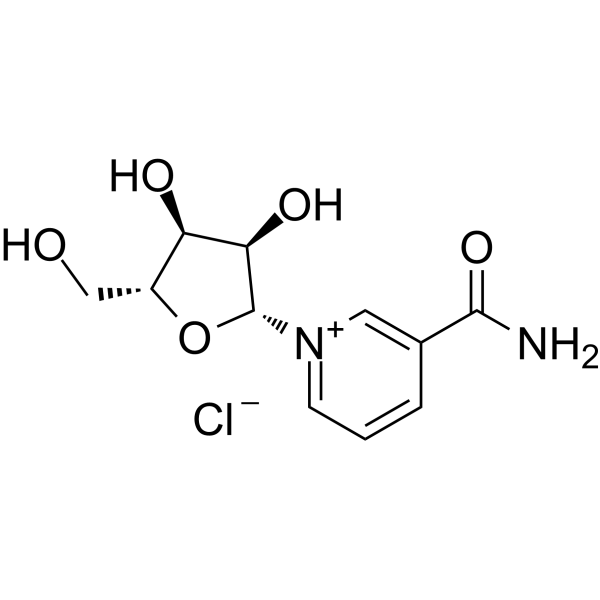
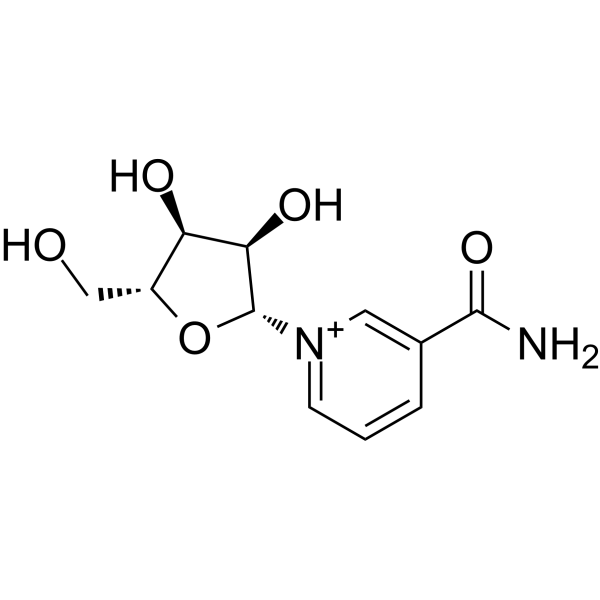
    Nicotinamide riboside Chloride, an orally active NAD + precursor, increases NAD + levels and activates SIRT1 and SIRT3. Nicotinamide riboside Chloride is a source of vitamin B3 (niacin) and enhances oxidative metabolism, protection against high fat diet-induced metabolic abnormalities . Nicotinamide riboside Chloride reduces cognitive deterioration in a transgenic mouse model of Alzheimer’s disease .
    Nicotinamide riboside chloride
  • HY-50910
    Temsirolimus
    Maximum Cited Publications
    31 Publications Verification

    CCI-779

    mTOR Autophagy Apoptosis Bacterial Cancer
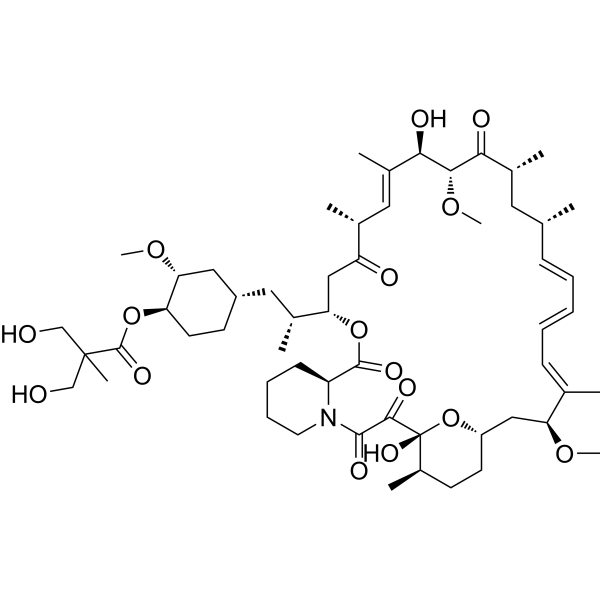
    Temsirolimus is an inhibitor of mTOR with an IC50 of 1.76 μM. Temsirolimus activates autophagy and prevents deterioration of cardiac function in animal model .
    Temsirolimus
  • HY-11103
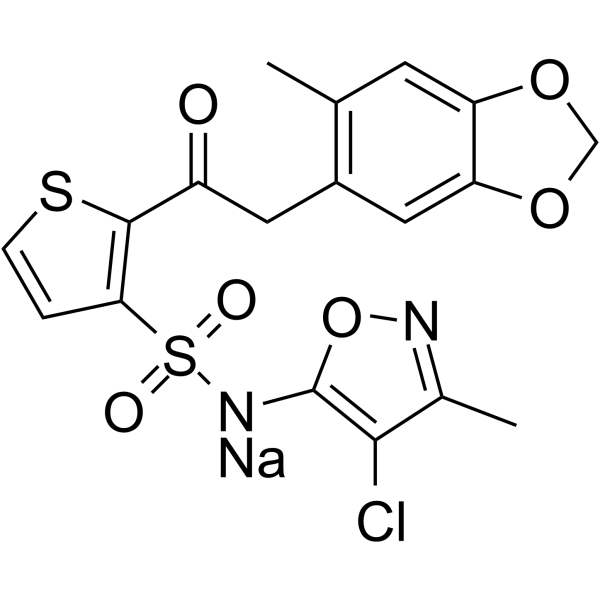
    Sitaxsentan sodium
    2 Publications Verification

    IPI 1040 sodium; TBC11251 sodium

    Endothelin Receptor TGF-β Receptor Cardiovascular Disease Metabolic Disease
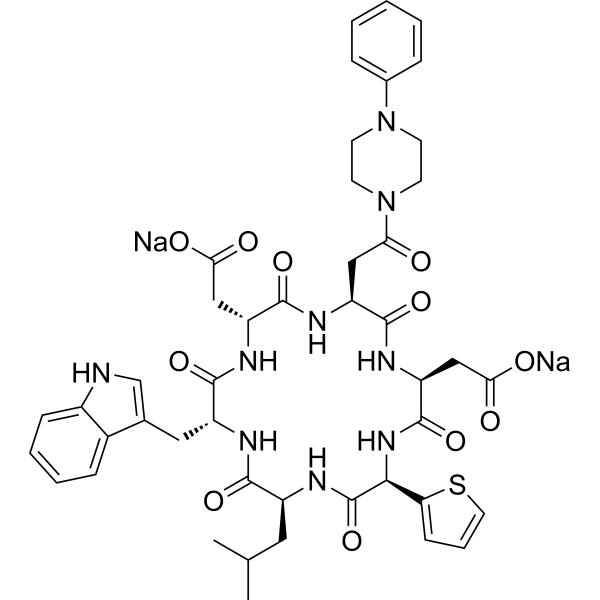
    Sitaxsentan sodium (IPI 1040 sodium; TBC11251 sodium) is a potent, selective and orally active endothelin A receptor (ETA) antagonist with an IC50 of 1.4 nM and a Ki of 0.43 nM. Sitaxsentan sodium exhibits an IC50 for the ETB receptor of as high as 9800 nM. Sitaxsentan sodium is metabolized by CYP2C9 and CYP3A4, normalizes shunt-induced endothelial abnormalities, restores BMPR signaling, and suppresses pulmonary vascular remodeling and hemodynamic deterioration. Sitaxsentan sodium can be applied in the research of pulmonary arterial hypertension and portopulmonary hypertension .
    Sitaxsentan sodium
  • HY-123033

    Sirtuin Endogenous Metabolite Neurological Disease Metabolic Disease Cancer
    Nicotinamide riboside, an orally active NAD + precursor, increases NAD + levels and activates SIRT1 and SIRT3. Nicotinamide riboside is a source of vitamin B3 (niacin) and enhances oxidative metabolism, protection against high fat diet-induced metabolic abnormalities . Nicotinamide riboside reduces cognitive deterioration in a transgenic mouse model of Alzheimer’s disease .
    Nicotinamide riboside
  • HY-N7056
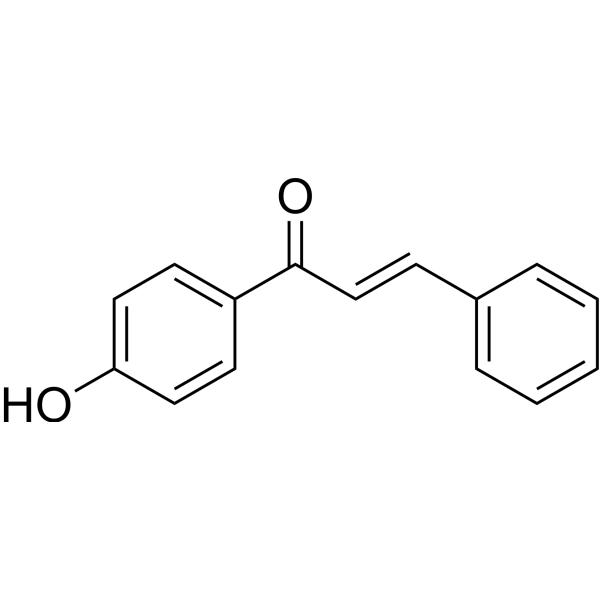
    4'-Hydroxychalcone
    3 Publications Verification

    Oxidative Phosphorylation Proteasome Inflammation/Immunology Cancer
    4'-Hydroxychalcone is a chalcone isolated from licorice root, with hepatoprotective activity. 4'-Hydroxychalcone inhibits TNFα-induced NF-κB activation via proteasome inhibition. 4'-Hydroxychalcone induces a rapid potassium release from mitochondrial vesicles and causes deterioration of respiratory control and oxidative phosphorylation of isolated rat liver mitochondria .
    4'-Hydroxychalcone
  • HY-D0836
    EDTA dipotassium dihydrate
    25+ Cited Publications

    Ethylenediaminetetraacetic acid dipotassium dihydrate

    DNA/RNA Synthesis Others
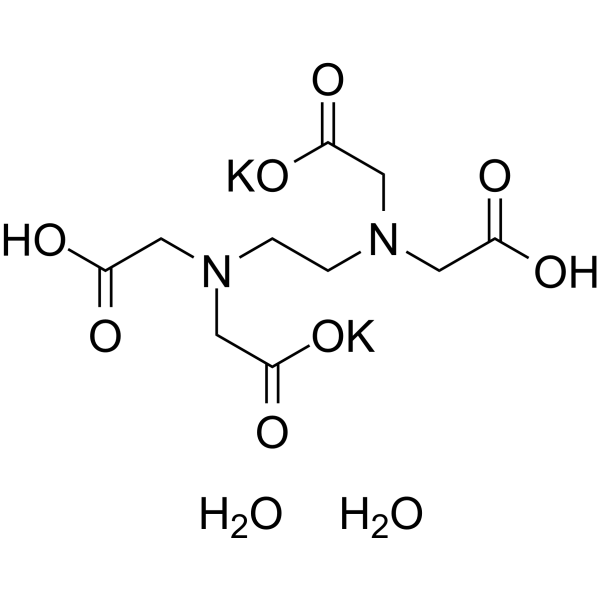
    EDTA dipotassium dihydrate is a metal ion chelator that forms stable and water-soluble chelates with a variety of metal ions. EDTA dipotassium is commonly used as a blood anticoagulant, which can effectively prevent blood coagulation and maintain the morphology and function of cells in blood samples. In the industrial field, EDTA dipotassium can be used to remove the adverse effects of metal ions and prevent oxidation and deterioration caused by metal ions .
    EDTA dipotassium dihydrate
  • HY-175416

    KC289

    Piezo Channel Calcium Channel Cardiovascular Disease Metabolic Disease
    Yoda2 (KC289), the potassium salt of Yoda1 (HY-18723), is a PIEZO1 agonist with an EC50 of 150 nM. Yoda2 evokes Ca 2+ elevation and NO-dependent relaxation. Yoda2 induces relaxation in mouse arterial and cavernous tissues. Yoda2 inhibits glucocorticoid-induced osteoclast formation and bone resorptive activity, reverses glucocorticoid-induced bone density loss and architectural deterioration, and does not induce medication-related osteonecrosis of the jaw in mice. Yoda2 can be used for the researches of hypertension and osteoporosis .
    Yoda2
  • HY-N0859

    Schizanhenol; Gomisin-K3

    UGT Cholinesterase (ChE) Tau Protein SOD Sirtuin Neurological Disease Inflammation/Immunology Cancer
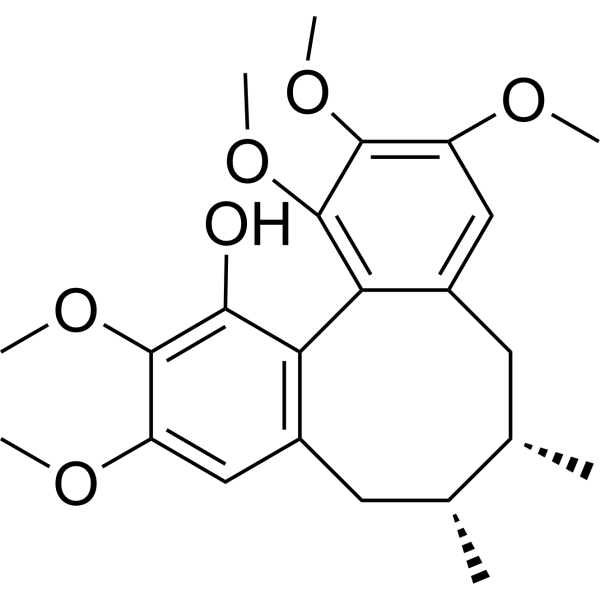
    Schisanhenol (Schizanhenol), a lignan, is an orally active antioxidant. Schisanhenol reduces AChE activity, increases SIRT1 and PGC-1α expression, and decreases phosphorylated Tau (Ser 396) levels. Schisanhenol increases SOD and glutathione peroxidase activity, decreases malondialdehyde (MDA) content, and inhibits UGT2B7 activitY. Schisanhenol attenuates ox-LDL-induced apoptosis, intracellular reactive oxygen species generation, and cytotoxicity in endothelial cells. Schisanhenol inhibits LDL oxidation, brain mitochondrial and membrane peroxidative damage, and brain mitochondrial swelling and disintegration. Schisanhenol can be used for the research of Alzheimer’s disease, atherosclerosis, brain ischemia, and age-related brain deterioration .
    Schisanhenol
  • HY-B0932S2

    L-Propionylcarnitine-d9 chloride

    Isotope-Labeled Compounds Others
    Levocarnitine propionate-d9 hydrochloride (L-Propionylcarnitine-d9 chloride) is deuterium labeled Levocarnitine propionate hydrochloride. Levocarnitine propionate hydrochloride is used to study diseases such as renal function deterioration, congestive heart failure, and intermittent claudication .
    Levocarnitine propionate-d9 hydrochloride
  • HY-B0932

    L-Propionylcarnitine chloride; ST-261

    Integrin Others
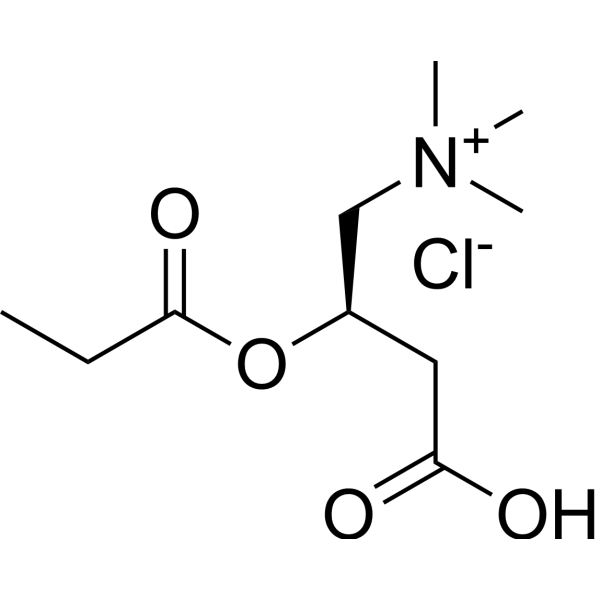
    Levocarnitine propionate hydrochloride (L-Propionylcarnitine chloride) is used to study diseases such as renal function deterioration, congestive heart failure, and intermittent claudication.
    Levocarnitine propionate hydrochloride
  • HY-B0932S

    L-Propionylcarnitine-d3 chloride; ST-261-d3

    Isotope-Labeled Compounds Others
    Levocarnitine propionate-d3 (hydrochloride) is the deuterium labeled Levocarnitine propionate hydrochloride. Levocarnitine propionate hydrochloride (L-Propionylcarnitine chloride; ST-261) is used to treat the deterioration of renal function, congestive heart failure, intermittent claudication, and other diseases.
    Levocarnitine propionate-d3 hydrochloride
  • HY-123033C
    Nicotinamide riboside malate
    Maximum Cited Publications
    25 Publications Verification

    Sirtuin Endogenous Metabolite Neurological Disease Metabolic Disease Cancer
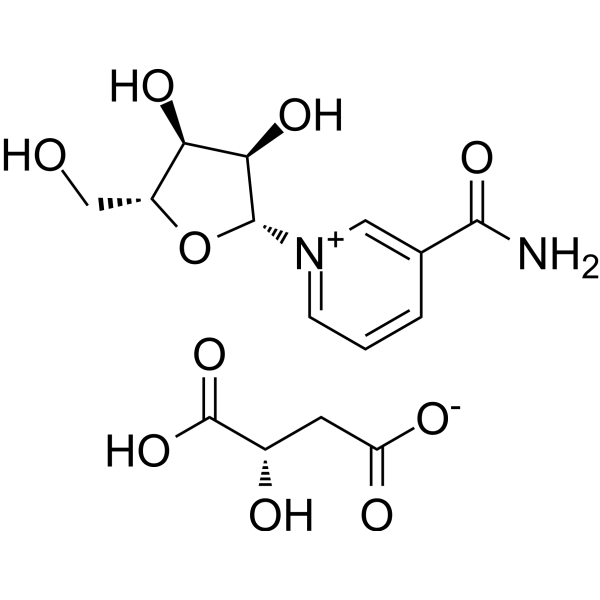
    Nicotinamide riboside malate, an orally active NAD + precursor, increases NAD + levels and activates SIRT1 and SIRT3. Nicotinamide riboside malate is a source of vitamin B3 (niacin) and enhances oxidative metabolism, protection against high fat diet-induced metabolic abnormalities . Nicotinamide riboside malate reduces cognitive deterioration in a transgenic mouse model of Alzheimer’s disease .
    Nicotinamide riboside malate
  • HY-123033AR

    Reference Standards Sirtuin Endogenous Metabolite Neurological Disease Metabolic Disease Cancer
    Nicotinamide riboside (chloride) (Standard) is the analytical standard of Nicotinamide riboside (chloride). This product is intended for research and analytical applications. Nicotinamide riboside Chloride, an orally active NAD+ precursor, increases NAD+ levels and activates SIRT1 and SIRT3. Nicotinamide riboside Chloride is a source of vitamin B3 (niacin) and enhances oxidative metabolism, protection against high fat diet-induced metabolic abnormalities[1]. Nicotinamide riboside Chloride reduces cognitive deterioration in a transgenic mouse model of Alzheimer’s disease[2].
    Nicotinamide riboside chloride (Standard)
  • HY-P10939A

    Caspase Pyroptosis Inflammation/Immunology Cancer
    Ac-DMLD-CMK TFA is a caspase 3 inhibitor and a GSDME inhibitor. Ac-DMLD-CMK TFA binds directly to the catalytic domain of caspase-3, blocks caspase-3-mediated cleavage of GSDME, inhibits the activation of caspase 3 and Gsdme in the caspase 3-Gsdme signaling pathway, and reduces the levels of pyroptosis and apoptosis as well as the expression of LDH, IL-6, IL-1β and IL-18. Ac-DMLD-CMK TFA alleviates renal function deterioration, renal tubular epithelial cell injury, inflammatory cytokine secretion, pulmonary structural damage, and chemotherapy-induced nephrotoxicity .
    Ac-DMLD-CMK TFA
  • HY-123033B
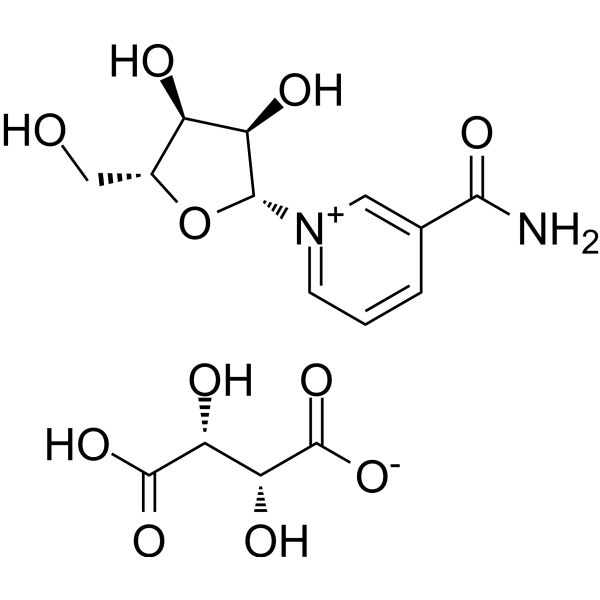
    Nicotinamide riboside tartrate
    Maximum Cited Publications
    25 Publications Verification

    Sirtuin Endogenous Metabolite Neurological Disease Metabolic Disease Cancer
    Nicotinamide riboside tartrate, an orally active NAD + precursor, increases NAD + levels and activates SIRT1 and SIRT3. Nicotinamide riboside tartrate is a source of vitamin B3 (niacin) and enhances oxidative metabolism, protection against high fat diet-induced metabolic abnormalities . Nicotinamide riboside tartrate reduces cognitive deterioration in a transgenic mouse model of Alzheimer’s disease .
    Nicotinamide riboside tartrate
  • HY-P10939

    Caspase Pyroptosis Inflammation/Immunology Cancer
    Ac-DmLD-CMK is a caspase 3 inhibitor and a GSDME inhibitor. Ac-DmLD-CMK binds directly to the catalytic domain of caspase-3, blocks caspase-3-mediated cleavage of GSDME, inhibits the activation of caspase 3 and Gsdme in the caspase 3-Gsdme signaling pathway, and reduces the levels of pyroptosis and apoptosis as well as the expression of LDH, IL-6, IL-1β and IL-18. Ac-DmLD-CMK alleviates renal function deterioration, renal tubular epithelial cell injury, inflammatory cytokine secretion, pulmonary structural damage, and chemotherapy-induced nephrotoxicity .
    Ac-DMLD-CMK
  • HY-76520

    IPI 1040; TBC-11251

    Endothelin Receptor TGF-β Receptor Cardiovascular Disease Metabolic Disease
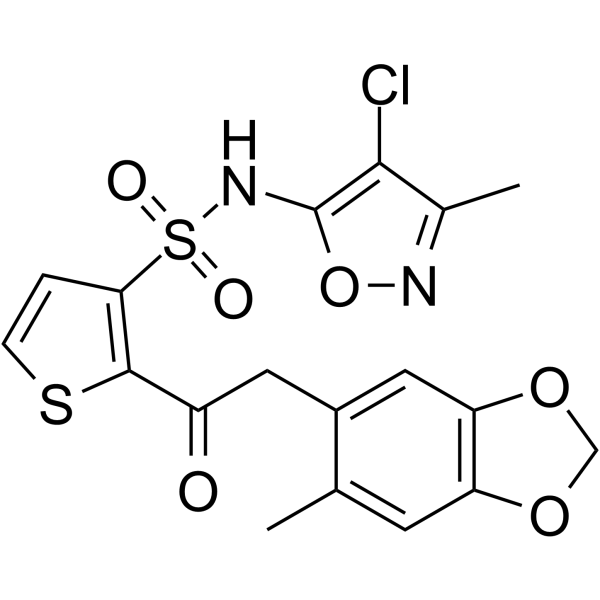
    Sitaxsentan (IPI 1040 sodium; TBC11251 sodium) is a potent, selective and orally active endothelin A receptor (ETA) antagonist with an IC50 of 1.4 nM and a Ki of 0.43 nM. Sitaxsentan exhibits an IC50 for the ETB receptor of as high as 9800 nM. Sitaxsentan is metabolized by CYP2C9 and CYP3A4, normalizes shunt-induced endothelial abnormalities, restores BMPR signaling, and suppresses pulmonary vascular remodeling and hemodynamic deterioration. Sitaxsentan can be applied in the research of pulmonary arterial hypertension and portopulmonary hypertension .
    Sitaxsentan
  • HY-106809

    BMS-181168

    Drug Derivative Neurological Disease
    BMY-21502 (BMS-181168) is a pyrrolidinone derivative with memory- and cognition-enhancing activities. BMS-181168 attenuates hypoxia-induced deterioration in brain function, as delta/theta decreases, alpha activity increases and the centroid of the combined delta/theta waves is accelerated .
    BMY-21502
  • HY-123033D

    Endogenous Metabolite Sirtuin Neurological Disease Metabolic Disease Cancer
    Nicotinamide riboside triflate, an orally active NAD + precursor, increases NAD + levels and activates SIRT1 and SIRT3. Nicotinamide riboside triflate is a source of vitamin B3 (niacin) and enhances oxidative metabolism, protection against high fat diet-induced metabolic abnormalities . Nicotinamide riboside triflate reduces cognitive deterioration in a transgenic mouse model of Alzheimer’s disease .
    Nicotinamide riboside triflate
  • HY-50910R

    CCI-779 (Standard)

    mTOR Autophagy Apoptosis Bacterial Reference Standards Cancer
    Temsirolimus (Standard) is the analytical standard of Temsirolimus. This product is intended for research and analytical applications. Temsirolimus is an inhibitor of mTOR with an IC50 of 1.76 μM. Temsirolimus activates autophagy and prevents deterioration of cardiac function in animal model .
    Temsirolimus (Standard)
  • HY-105168

    Endothelin Receptor Cardiovascular Disease
    TAK 044 is an antagonist of Endothelin Receptor. TAK 044 strongly inhibits ET-induced deterioration in various animal models. TAK 044 can be used in study ET-related diseases such as acute myocardial infarction,acute renal failure, acute hepatic malfunction, and subarachnoid hemorrhage .
    TAK 044
  • HY-145243

    Apoptosis Others
    PDPOB is a phenyl carboxylic acid derivative. PDPOB displays protective roles against OGD/R-evoked multiaspect neuronal deterioration in SH-SY5Y cells, as evidenced by alleviated mitochondrial dysfunction, oxidative stress, and apoptosis. PDPOB has the potential for the research of cerebral ischemia .
    PDPOB
  • HY-B1431A

    Butyl parahydroxybenzoate sodium; Butyl 4-hydroxybenzoate sodium

    DNA/RNA Synthesis Bacterial Others
    Butylparaben sodium strongly influences the later stages of the spermatogenesis in the testis through the deterioration of hormonal control and/or RNA and protein synthesis .
    Butylparaben sodium
  • HY-B0932S1

    L-Propionylcarnitine-d5 chloride; ST-261-d5

    Isotope-Labeled Compounds Others
    Levocarnitine propionate-d5 (hydrochloride) is the deuterium labeled Levocarnitine propionate hydrochloride. Levocarnitine propionate hydrochloride (L-Propionylcarnitine chloride; ST-261) is used to treat the deterioration of renal function, congestive heart failure, intermittent claudication, and other diseases.
    Levocarnitine propionate-d5 hydrochloride
  • HY-11103R

    IPI 1040 sodium (Standard); TBC11251 sodium (Standard)

    Endothelin Receptor Reference Standards TGF-β Receptor Cardiovascular Disease Metabolic Disease
    Sitaxsentan (sodium) (Standard) is the analytical standard of Sitaxsentan sodium (IPI 1040 sodium; TBC11251 sodium) (HY-11103). This product is intended for research and analytical applications. Sitaxsentan sodium is a potent, selective and orally active endothelin A receptor (ETA) antagonist with an IC50 of 1.4 nM and a Ki of 0.43 nM. Sitaxsentan sodium exhibits an IC50 for the ETB receptor of as high as 9800 nM. Sitaxsentan sodium is metabolized by CYP2C9 and CYP3A4, normalizes shunt-induced endothelial abnormalities, restores BMPR signaling, and suppresses pulmonary vascular remodeling and hemodynamic deterioration. Sitaxsentan sodium can be applied in the research of pulmonary arterial hypertension and portopulmonary hypertension .
    Sitaxsentan sodium (Standard)
  • HY-76520S

    IPI 1040-13C6 ; TBC-11251-13C6

    Isotope-Labeled Compounds Endothelin Receptor TGF-β Receptor Cardiovascular Disease Metabolic Disease
    Sitaxsentan- 13C6 (IPI 1040- 13C6) is 13C labeled Sitaxsentan (HY-76520). Sitaxsentan (IPI 1040 sodium; TBC11251 sodium) is a potent, selective and orally active endothelin A receptor (ETA) antagonist with an IC50 of 1.4 nM and a Ki of 0.43 nM. Sitaxsentan exhibits an IC50 for the ETB receptor of as high as 9800 nM. Sitaxsentan is metabolized by CYP2C9 and CYP3A4, normalizes shunt-induced endothelial abnormalities, restores BMPR signaling, and suppresses pulmonary vascular remodeling and hemodynamic deterioration. Sitaxsentan can be applied in the research of pulmonary arterial hypertension and portopulmonary hypertension .
    Sitaxsentan-13C6
  • HY-N0859R

    Schizanhenol (Standard); Gomisin-K3 (Standard)

    UGT Reference Standards Cholinesterase (ChE) Tau Protein SOD Sirtuin Neurological Disease Inflammation/Immunology Cancer
    Schisanhenol (Standard) (Schizanhenol (Standard)) is the analytical standard of Schisanhenol (HY-N0859). This product is intended for research and analytical applications. Schisanhenol, a lignan, is an orally active antioxidant. Schisanhenol reduces AChE activity, increases SIRT1 and PGC-1α expression, and decreases phosphorylated Tau (Ser 396) levels. Schisanhenol increases SOD and glutathione peroxidase activity, decreases malondialdehyde (MDA) content, and inhibits UGT2B7 activitY. Schisanhenol attenuates ox-LDL-induced apoptosis, intracellular reactive oxygen species generation, and cytotoxicity in endothelial cells. Schisanhenol inhibits LDL oxidation, brain mitochondrial and membrane peroxidative damage, and brain mitochondrial swelling and disintegration. Schisanhenol can be used for the research of Alzheimer’s disease, atherosclerosis, brain ischemia, and age-related brain deterioration.
    Schisanhenol (Standard)
  • HY-112014

    Methylglucamine metrizoate

    Biochemical Assay Reagents Cardiovascular Disease Neurological Disease
    Meglumine Metrizoate (Methylglucamine metrizoate) is an ionic water-soluble contrast medium. Meglumine Metrizoate has a good imaging effect in cerebral angiography. Compared with the non-ionic contrast medium Metrizamide (HY-W000133), Meglumine Metrizoate has a higher probability of causing adverse effects such as EEG deterioration and bradycardia .
    Meglumine Metrizoate
  • HY-N7056R

    Reference Standards Proteasome Oxidative Phosphorylation Inflammation/Immunology Cancer
    4'-Hydroxychalcone (Standard) is the analytical standard of 4'-Hydroxychalcone (HY-N7056). This product is intended for research and analytical applications. 4'-Hydroxychalcone is a chalcone isolated from licorice root, with hepatoprotective activity. 4'-Hydroxychalcone inhibits TNFα-induced NF-κB activation via proteasome inhibition. 4'-Hydroxychalcone induces a rapid potassium release from mitochondrial vesicles and causes deterioration of respiratory control and oxidative phosphorylation of isolated rat liver mitochondria .
    4'-Hydroxychalcone (Standard)

Inquiry Online

Your information is safe with us. * Required Fields.

Salutation


Country or Region *

Applicant Name *


Organization Name *

Department *


Email Address *


Product Name *

Cat. No.


Requested quantity *

Phone Number *


Remarks

Inquiry Online

Inquiry Information

Product Name:
Cat. No.:
Quantity:
MCE Japan Authorized Agent:

