From 11:00 pm to 12:00 pm EST ( 8:00 pm to 9:00 pm PST ) on January 6th, the website will be under maintenance. We are sorry for the inconvenience. Please arrange your schedule properly.
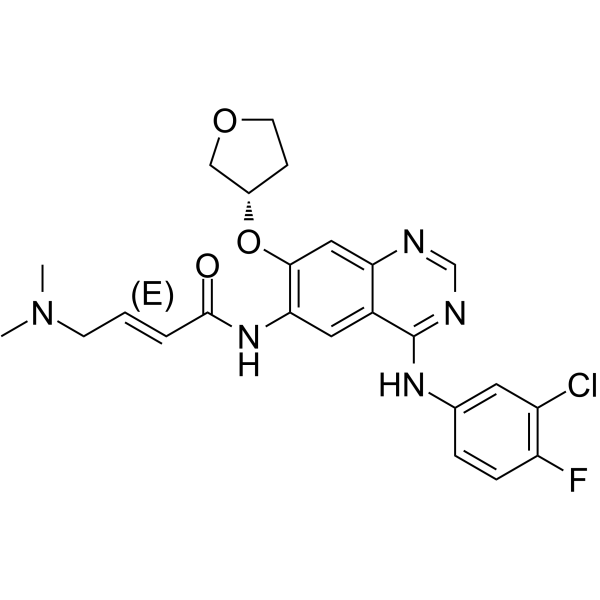
Afatinib (BIBW 2992) is an orally active, potent and irreversible dual specificity inhibitor of ErbB family (EGFR and HER2), with IC50 values of 0.5 nM, 0.4 nM, 10 nM and 14 nM for EGFR wt, EGFR L858R, EGFR L858R/T790M and HER2, respectively. Afatinib can be used for the research of esophageal squamous cell carcinoma (ESCC), non-small cell lung cancer (NSCLC) and gastric cancer .
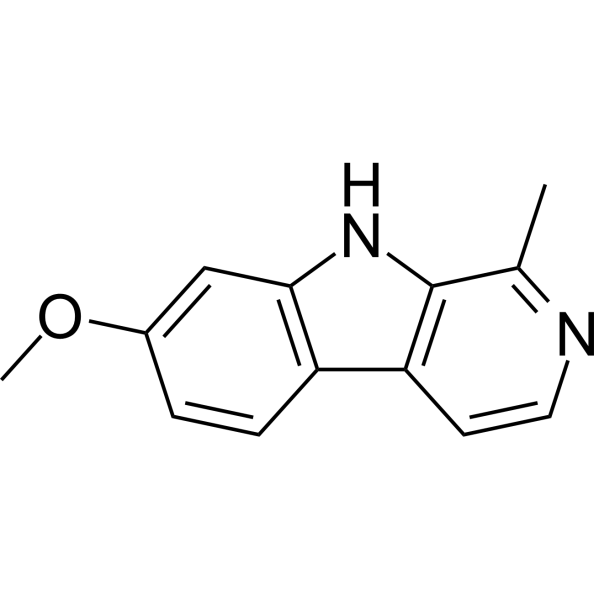
Harmine is a natural dual-specificity tyrosine phosphorylation-regulated kinase (DYRK) inhibitor with anticancer and anti-inflammatory activities. Harmine has a high affinity of 5-HT2A serotonin receptor, with an Ki of 397 nM .
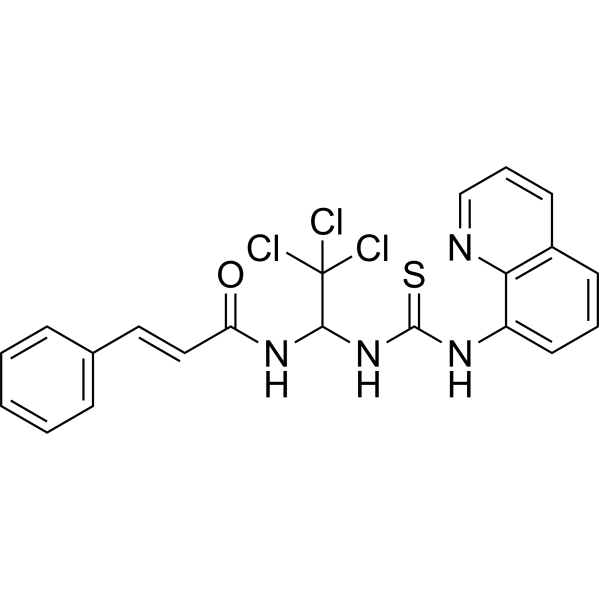
Salubrinal is a cell-permeable and selective inhibitor of eIF2α dephosphorylation . Salubrinal acts as a dual-specificity phosphatase 2 (Dusp2) inhibitor and suppresses inflammation in anti-collagen antibody-induced arthritis . Salubrinal has antiviral activity against HSV-1 and inhibits dephosphorylation of eIF2α mediated by the HSV-1 protein ICP34.5 .
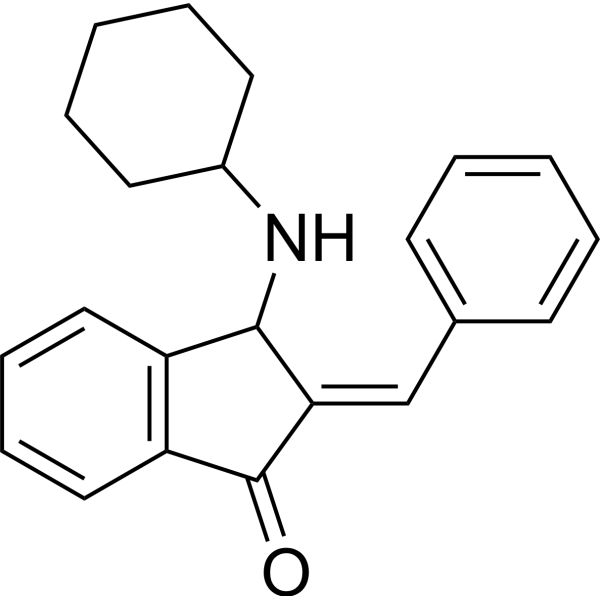
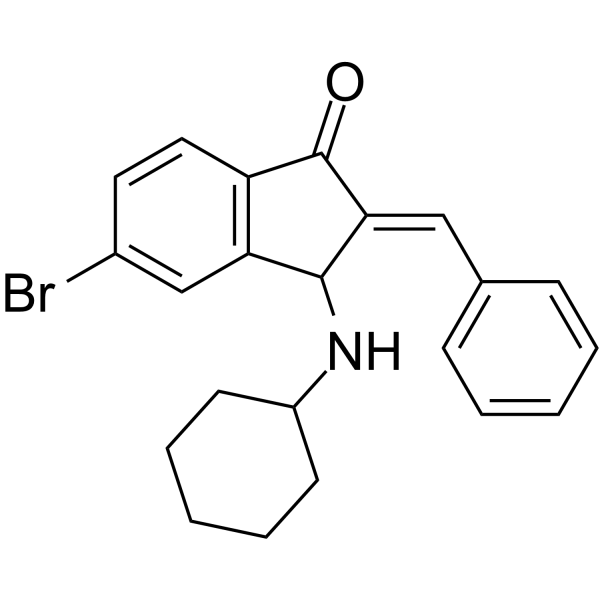
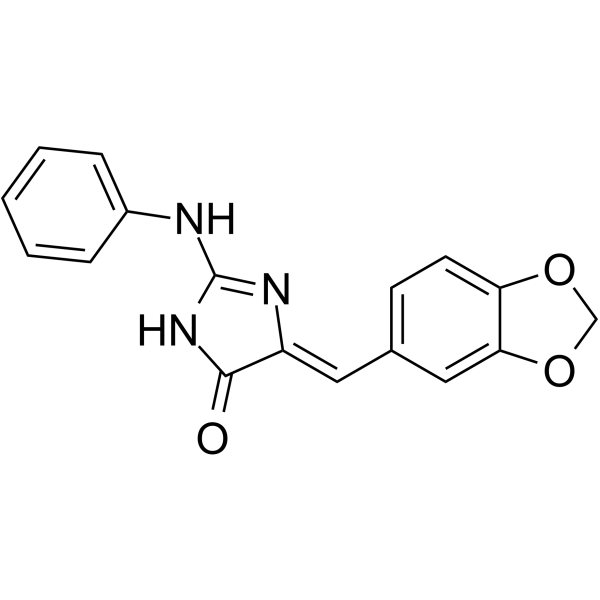
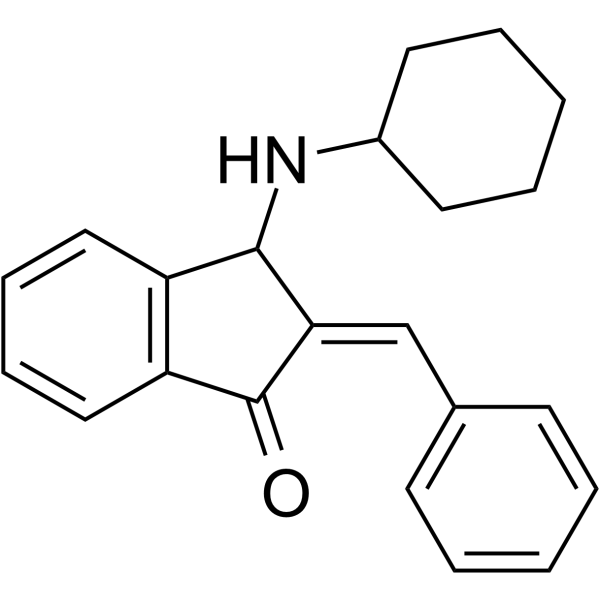
BCI ((E)-BCI) is a DUSP6(dual specificity phosphatase 6) inhibitor. BCI shows anti-inflammatory activity and decreases reactive oxygen species (ROS) production. BCI can be used in inflammatory disease research .
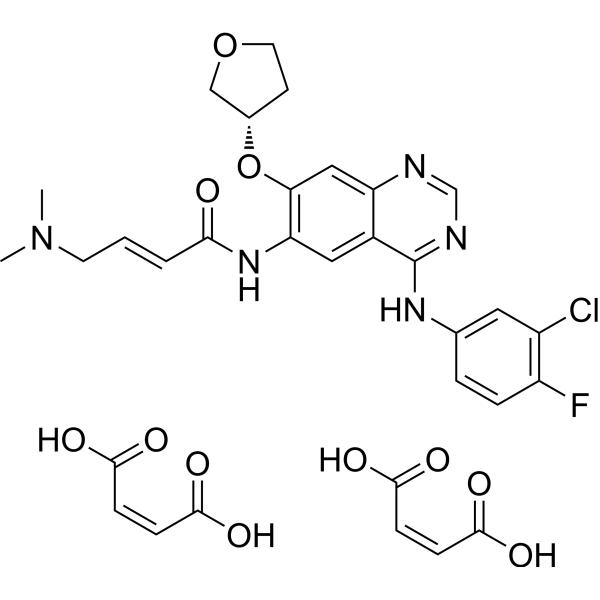
Afatinib (BIBW 2992) dimaleate is an orally active, potent and irreversible dual specificity inhibitor of ErbB family (EGFR and HER2), with IC50 values of 0.5 nM, 0.4 nM, 10 nM and 14 nM for EGFR wt, EGFR L858R, EGFR L858R/T790M and HER2, respectively. Afatinib dimaleate can be used for the research of esophageal squamous cell carcinoma (ESCC), non-small cell lung cancer (NSCLC) and gastric cancer .
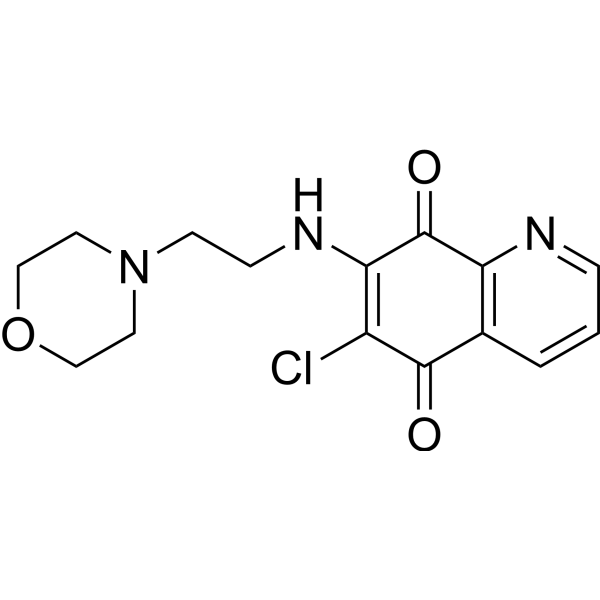
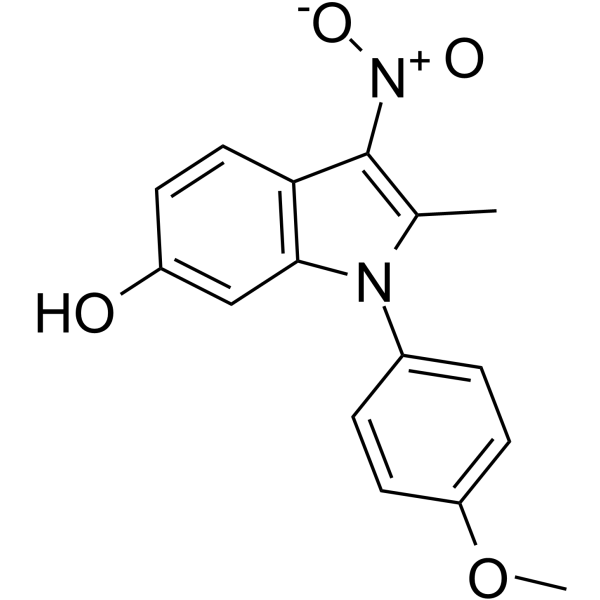
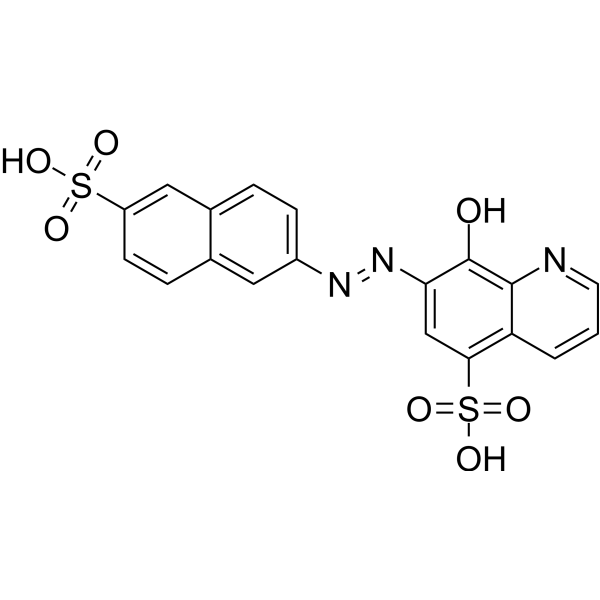
NSC-87877 is a potent inhibitor of Shp2 and Shp1 protein tyrosine phosphatases (SH-PTP2 and SH-PTP1), with IC50 values of 0.318 μM, 0.355 μM shp2 and shp1, respectively . NSC-87877 also inhibits dual-specificity phosphatase 26 (DUSP26) .
Leucettine L41 is a potent inhibitor of dual-specificity tyrosine phosphorylation-regulated kinases (DYRKs) and CDC-like kinases (CLKs). Leucettine L41 can also inhibit GSK-3 singnaling. Leucettine L41 can inhibit cell apoptosis and ROS production. Leucettine L41 can promote β-cell cell cycle progression, cell proliferation and increase insulin secretion. Leucettine L41 can be used for the researches of neurological disease and metabolic disease, such as Alzheimer’s disease (AD) and diabetes .
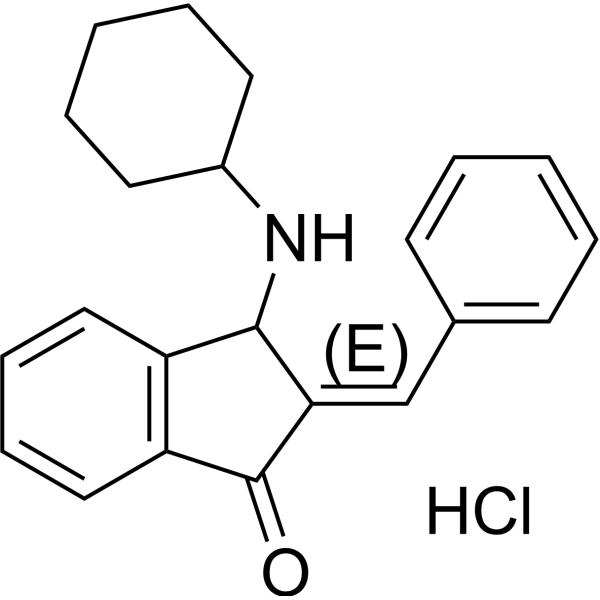
BCI ((E)-BCI) hydrochloride is a DUSP6(dual specificity phosphatase 6) inhibitor. BCI hydrochloride shows anti-inflammatory activity and decreases reactive oxygen species (ROS) production. BCI hydrochloride can be used in inflammatory disease research .
NSC 663284 (DA-3003-1) is a potent, cell-permeable, and irreversible Cdc25 dual specificity phosphatase inhibitor, has an IC50 for Cdc25B2 of 0.21 μM. NSC 663284 exhibits mixed competitive kinetics against Cdc25A, Cdc25B(2), and Cdc25C with Ki values of 29, 95, and 89 nM, respectively . NSC 663284 inhibits NSD2 (IC50 of 170 nM) through a direct interaction with the catalytic SET domain (Kd of 370 nM) .
ID-8 is an inhibitor of dual-specificity tyrosine phosphorylation-regulated kinase (DYRK). ID-8 sustains embryonic stem cell (ESC) self-renewal and pluripotency. ID-8 enhances Wnt-mediated hESC survival and proliferation via inhibition of DYRKs .
Clesitamig (ALPS-12) is a trispecific T cell engager with two CD3/CD137dual-specific Fabs and one DLL3 Fab. Clesitamig engages CD3 and CD137 on T cells to activate and co-stimulate T cells, promoting their proliferation, survival, and antitumor activity. Clesitamig binds to DLL3 on tumor cells for tumor-specific recognition. Clesitamig can be used for the research of small cell lung cancer (SCLC) .
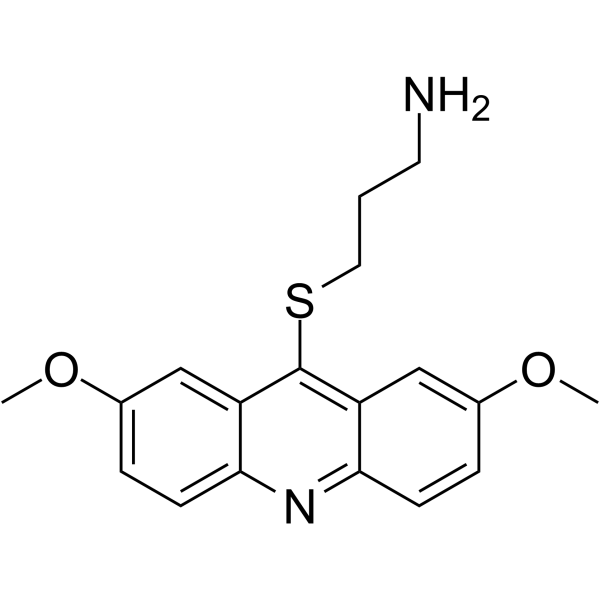
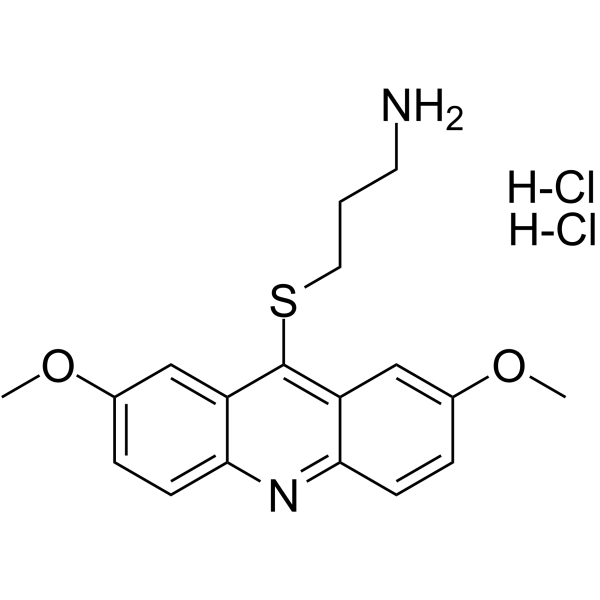
BCI-215 is a potent and tumor cell-selective dual specificity MAPK phosphatase (DUSP-MKP) inhibitor. BCI-215 has cytotoxicity for tumor cells but not normal cells .
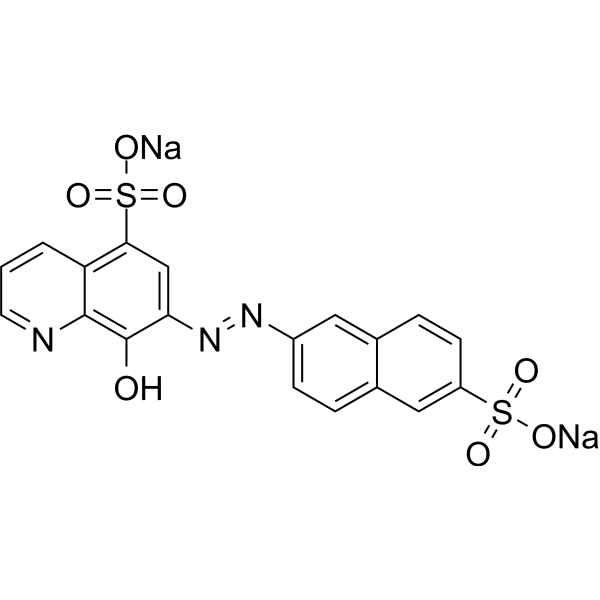
NSC-87877 disodium is a potent inhibitor of Shp2 and Shp1 protein tyrosine phosphatases (SH-PTP2 and SH-PTP1), with IC50 values of 0.318 μM, 0.355 μM shp2 and shp1, respectively . NSC-87877 also inhibits dual-specificity phosphatase 26 (DUSP26) .
LDN-192960 hydrochloride is an inhibitor of Haspin and Dual-specificity Tyrosine-regulated Kinase 2 (DYRK2) with IC50s of 10 nM and 48 nM, respectively .
MLS-0437605 is a selective dual-specificity phosphatase 3 (DUSP3) inhibitor with an IC50 of 3.7 μM. MLS-0437605 is more selective for DUSP3 than DUSP22 and other protein tyrosine phosphatases (PTPs) .
DYRKtide is a biological active peptide. (Dyrktide is designed as the optimal substrate sequence efficiently phosphorylated by DYRK1A, which is a dual-specificity protein kinase that is thought to be involved in brain development.)
DYRKs-IN-1 hydrochloride is a potent DYRKs (Dual-specificity tyrosine-phosphorylation-regulated kinases) inhibitor with IC50s of 5 nM and 8 nM for DYRK1A and DYRK1B, respectively. DYRKs-IN-1 hydrochloride has antitumor activity .
(E/Z)-BCI (NSC 150117) is a dual-specificity phosphatase 6 (DUSP6) inhibitor with anti-inflammatory activities. (E/Z)-BCI attenuates LPS-induced inflammatory mediators and ROS production in macrophage cells via activating the Nrf2 signaling axis and inhibiting the NF-κB pathway .
Dyrk1A-IN-3 (Compound 8b), a highly selective dual-specificity tyrosine-regulated kinase 1A (DYRK1A) inhibitor, maintains high levels of DYRK1A binding affinity (IC50=76 nM). Dyrk1A-IN-3 can be used for the research of neurodegenerative disorders such as Alzheimer’s Disease, Huntington’s Disease, and Parkinson’s Disease .
BML-260 is a potent inhibitor of dual-specific phosphatases JSP-1 and DUSP22. BML-260 can activate UCP1 and thermogenesis in adipocytes in a JSP-1-independent manner. The effect of BML-260 on adipocytes is partially achieved through the activation of CREB, STAT3, and PPAR signaling pathways. BML-260 can be used in the research of inflammatory and proliferative disorders associated with JNK signaling dysfunction as well as obesity .
AO-365/43472821 is a selective, brain-penetrant Dual-specificity tyrosine phosphorylation-regulated kinase 1A (DYRK1A) inhibitor (IC50 = 0.29 μM) and shows a significant inhibitory effect on (CDC-like kinase 1) CLK1 (IC50 = 0.08 μM). AO-365/43472821 could protect the human neuroblastoma cell line SH-SY5Y from Okadaic acid (HY-N6785) (OA)-induced injury. AO-365/43472821 decreased tau (pSer396)/tau and Aβ1-42 protein expression. AO-365/43472821 can be used for the study of Alzheimer's disease .
Harmine (Standard) is the analytical standard of Harmine. This product is intended for research and analytical applications. Harmine is a natural dual-specificity tyrosine phosphorylation-regulated kinase (DYRK) inhibitor with anticancer and anti-inflammatory activities. Harmine has a high affinity of 5-HT2A serotonin receptor, with an Ki of 397 nM .
Harmine (GMP) (Telepathine (GMP)) is Harmine (HY-N0737A) produced by using GMP guidelines. GMP small molecules works appropriately as an auxiliary reagent for cell therapy manufacture. Harmine is a natural dual-specificity tyrosine phosphorylation-regulated kinase (DYRK) inhibitor with anticancer and anti-inflammatory activities. Harmine has a high affinity of 5-HT2A serotonin receptor, with an Ki of 397 nM .
Afatinib (Standard) is the analytical standard of Afatinib. This product is intended for research and analytical applications. Afatinib (BIBW 2992) is an orally active, potent and irreversible dual specificity inhibitor of ErbB family (EGFR and HER2), with IC50 values of 0.5 nM, 0.4 nM, 10 nM and 14 nM for EGFRwt, EGFRL858R, EGFRL858R/T790M and HER2, respectively. Afatinib can be used for the research of esophageal squamous cell carcinoma (ESCC), non-small cell lung cancer (NSCLC) and gastric cancer .
DYRKs-IN-1 is a potent DYRKs (Dual-specificity tyrosine-phosphorylation-regulated kinases) inhibitor with IC50s of 5 nM and 8 nM for DYRK1A and DYRK1B, respectively. DYRKs-IN-1 has antitumor activity .
Dyrk1A-IN-11 (compound 166) is a potent dual-specificity tyrosine phosphorylation- regulated 1A (DYRK1A) inhibitor with an EC50 value of 0.0021 µM. Dyrk1A-IN-11 inhibits the Phospho-Tau (Thr212) with an EC50 value of 0.0361 µM .
Salubrinal (Standard) is the analytical standard of Salubrinal. This product is intended for research and analytical applications. Salubrinal is a cell-permeable and selective inhibitor of eIF2α dephosphorylation . Salubrinal acts as a dual-specificity phosphatase 2 (Dusp2) inhibitor and suppresses inflammation in anti-collagen antibody-induced arthritis . Salubrinal has antiviral activity against HSV-1 and inhibits dephosphorylation of eIF2α mediated by the HSV-1 protein ICP34.5 .
Afatinib (BIBW 2992) oxalate is an orally active, potent and irreversible dual specificity inhibitor of ErbB family (EGFR and HER2), with IC50 values of 0.5 nM, 0.4 nM, 10 nM and 14 nM for EGFR wt, EGFR L858R, EGFR L858R/T790M and HER2, respectively. Afatinib oxalate can be used for the research of esophageal squamous cell carcinoma (ESCC), non-small cell lung cancer (NSCLC) and gastric cancer .
MAP2K2 (MEK2) is a dual specificity protein kinase that belongs to the MAP kinase kinase family. This kinase is known to play a critical role in mitogen growth factor signal transduction. MAP2K2 phosphorylates and thus activates MAPK1/ERK2 and MAPK3/ERK1. MAP2K2 Recombinant Human Active Protein Kinase is a recombinant MAP2K2 protein that can be used to study MAP2K2-related functions .
(R)-Afatinib ((R)-BIBW 2992) is the Afatinib isomer. Afatinib (HY-10261) is an orally active, potent and irreversible dual specificity inhibitor of?ErbB?family (EGFR?and?HER2), with?IC50?values of 0.5 nM, 0.4 nM, 10 nM and 14 nM for?EGFR wt, EGFR L858R,?EGFR L858R/T790M?and HER2, respectively. Afatinib can be used for the research of esophageal squamous cell carcinoma (ESCC), non-small cell lung?cancer?(NSCLC) and gastric?cancer .
CLK3 is a nuclear dual-specificity kinase has been shown to undergo conserved alternative splicing to generate catalytically active (Clk) and inactive (ClkT) isoforms. CLK3 Recombinant Human Active Protein Kinase is a recombinant CLK3 protein that can be used to study CLK3-related functions .
CLK1 is one of the dual specificity kinases and is the founding member of the 'LAMMER' family of kinases. CLK1 activity is positively regulated by phosphorylation on either tyrosine residues or serine/threonine residues, and is negatively regulated by steric constraints mediated by the N-terminal domain, as well as, by phosphorylation on a subset of serine/threonine residues within the catalytic domain. CLK1 Recombinant Human Active Protein Kinase is a recombinant CLK1 protein that can be used to study CLK1-related functions .
Dyrk1A-IN-12 (compound S43) is a Dyrk (Dual specificity tyrosine phosphorylation regulated kinase 1A inhibitor. Dyrk1A-IN-12 inhibits Dyrk1A with a IC50 of 95 nM. Dyrk1A-IN-12 shows anti-EV-A71 activity with an EC50 of 4.4 μM, CC50 of 12.8 μM and SI of 2.9. Dyrk1A-IN-12 shows potent inhibition against herpes simplex virus (HSV) .
Afatinib (dimaleate) (Standard) is the analytical standard of Afatinib (dimaleate). This product is intended for research and analytical applications. Afatinib (BIBW 2992) dimaleate is an orally active, potent and irreversible dual specificity inhibitor of ErbB family (EGFR and HER2), with IC50 values of 0.5 nM, 0.4 nM, 10 nM and 14 nM for EGFRwt, EGFRL858R, EGFRL858R/T790M and HER2, respectively. Afatinib dimaleate can be used for the research of esophageal squamous cell carcinoma (ESCC), non-small cell lung cancer (NSCLC) and gastric cancer .
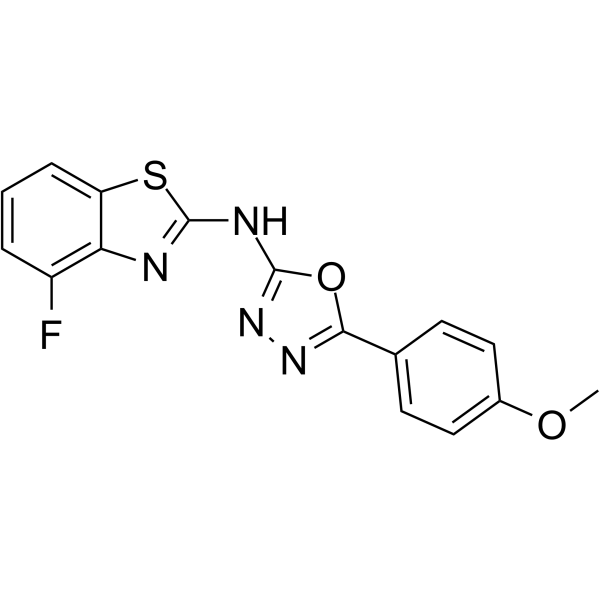
F1063-0967 (Standard) is the analytical standard of F1063-0967 (HY-101510). This product is intended for research and analytical applications. F1063-0967 is a Dual-specificity phosphatase 26 (DUSP26) inhibitor with an IC50 of 11.62 μM.
MLS-0322825 is a selective low molecular weight protein tyrosine phosphatase (LMPTP) inhibitor with an IC50 of 3.3 μM for LMPTP-A. MLS-0322825 shows exquisite selectivity over other phosphatases (class I tyrosine-specific lymphoid phosphatase (LYP) and class I dual-specific vaccinia H1-related phosphatase (VHR)). MLS-0322825 can be used for the research of type 2 diabetes [1].
DPMI-ω is a dual-specificity d-peptide antagonist of oncogenic proteins MDM2 and MDMX. DPMI-ω, upon fabrication on gold nanoparticles, efficiently traverses tumor cells and kills them by reactivating the p53 signaling pathway. DPMI-ω can disrupte the p53-MDM2/MDMX complex. DPMI-ω can inhibit B16 melanoma growth and induce cells G0/G1 phase arrest. DPMI-ω can augment the efficacy of immunotherapy by expanding CD3 +/CD8 + cytotoxic T cells and suppressing CD4 +/CD25 + regulatory T cells companied with anti-PD1 antibody. DPMI-ω can be used for research of melanoma .
NSC 663284 (Standard) is the analytical standard of NSC 663284 (HY-100034). This product is intended for research and analytical applications. NSC 663284 (DA-3003-1) is a potent, cell-permeable, and irreversible Cdc25 dual specificity phosphatase inhibitor, has an IC50 for Cdc25B2 of 0.21 μM. NSC 663284 exhibits mixed competitive kinetics against Cdc25A, Cdc25B(2), and Cdc25C with Ki values of 29, 95, and 89 nM, respectively . NSC 663284 inhibits NSD2 (IC50 of 170 nM) through a direct interaction with the catalytic SET domain (Kd of 370 nM) .
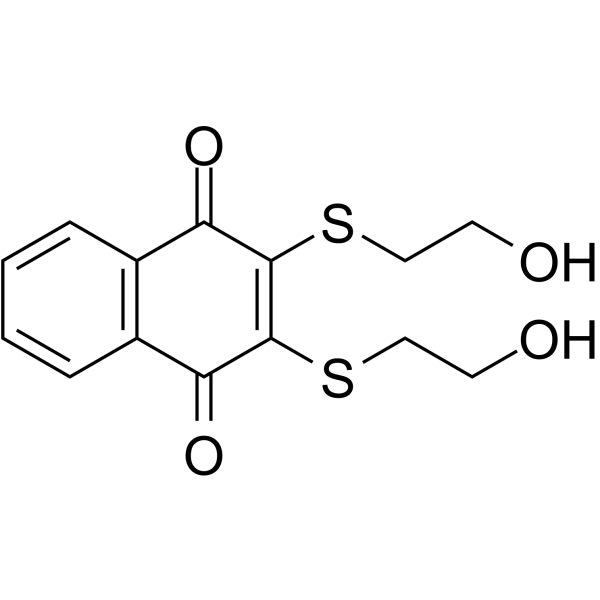
NSC 95397 (Standard) is the analytical standard of NSC 95397 (HY-108543). This product is intended for research and analytical applications. NSC 95397 is a potent, selective Cdc25 dual specificity phosphatase inhibitor (Ki=32 nM (Cdc25A), 96 nM (Cdc25B), 40 nM (Cdc25C); IC50=22.3 nM (human Cdc25A), 56.9 nM (human Cdc25C), 125 nM (Cdc25B)) . NSC 95397 inhibits mitogen-activated protein Kinase phosphatase-1 (MKP-1) and suppresses proliferation and induces apoptosis in colon cancer cells through MKP-1 and ERK1/2 pathway .
Harmine (GMP) (Telepathine (GMP)) is Harmine (HY-N0737A) produced by using GMP guidelines. GMP small molecules works appropriately as an auxiliary reagent for cell therapy manufacture. Harmine is a natural dual-specificity tyrosine phosphorylation-regulated kinase (DYRK) inhibitor with anticancer and anti-inflammatory activities. Harmine has a high affinity of 5-HT2A serotonin receptor, with an Ki of 397 nM .
DYRKtide is a biological active peptide. (Dyrktide is designed as the optimal substrate sequence efficiently phosphorylated by DYRK1A, which is a dual-specificity protein kinase that is thought to be involved in brain development.)
DPMI-ω is a dual-specificity d-peptide antagonist of oncogenic proteins MDM2 and MDMX. DPMI-ω, upon fabrication on gold nanoparticles, efficiently traverses tumor cells and kills them by reactivating the p53 signaling pathway. DPMI-ω can disrupte the p53-MDM2/MDMX complex. DPMI-ω can inhibit B16 melanoma growth and induce cells G0/G1 phase arrest. DPMI-ω can augment the efficacy of immunotherapy by expanding CD3 +/CD8 + cytotoxic T cells and suppressing CD4 +/CD25 + regulatory T cells companied with anti-PD1 antibody. DPMI-ω can be used for research of melanoma .
Clesitamig (ALPS-12) is a trispecific T cell engager with two CD3/CD137dual-specific Fabs and one DLL3 Fab. Clesitamig engages CD3 and CD137 on T cells to activate and co-stimulate T cells, promoting their proliferation, survival, and antitumor activity. Clesitamig binds to DLL3 on tumor cells for tumor-specific recognition. Clesitamig can be used for the research of small cell lung cancer (SCLC) .
Harmine is a natural dual-specificity tyrosine phosphorylation-regulated kinase (DYRK) inhibitor with anticancer and anti-inflammatory activities. Harmine has a high affinity of 5-HT2A serotonin receptor, with an Ki of 397 nM .
Harmine (Standard) is the analytical standard of Harmine. This product is intended for research and analytical applications. Harmine is a natural dual-specificity tyrosine phosphorylation-regulated kinase (DYRK) inhibitor with anticancer and anti-inflammatory activities. Harmine has a high affinity of 5-HT2A serotonin receptor, with an Ki of 397 nM .
Harmine (GMP) (Telepathine (GMP)) is Harmine (HY-N0737A) produced by using GMP guidelines. GMP small molecules works appropriately as an auxiliary reagent for cell therapy manufacture. Harmine is a natural dual-specificity tyrosine phosphorylation-regulated kinase (DYRK) inhibitor with anticancer and anti-inflammatory activities. Harmine has a high affinity of 5-HT2A serotonin receptor, with an Ki of 397 nM .
DUSP3, a dual-specificity phosphatase, preferentially dephosphorylates phosphotyrosines. Its main function involves inactivating ERK1 and ERK2, thereby modulating associated cellular signaling pathways. DUSP3 Protein, Human (His) is the recombinant human-derived DUSP3 protein, expressed by E. coli , with N-6*His labeled tag.
DUSP3, a dual-specificity phosphatase, preferentially dephosphorylates phosphotyrosines. Its main function involves inactivating ERK1 and ERK2, thereby modulating associated cellular signaling pathways. DUSP3 Protein, Human (sf9) is the recombinant human-derived DUSP3 protein, expressed by Sf9 insect cells, with tag free.
DYRK1A protein has dual serine/threonine and tyrosine kinase activities. DYRK1A Protein, Human is the recombinant human-derived DYRK1A protein, expressed by E. coli , with tag free.
DYRK1A protein has dual serine/threonine and tyrosine kinase activities. DYRK1A Protein, Human (His) is the recombinant human-derived DYRK1A protein, expressed by E. coli , with N-6*His labeled tag.
DYRK2 is a multifunctional serine/threonine protein kinase that complexly controls multiple cellular processes, including the mitotic cell cycle, cell proliferation, apoptosis, cytoskeletal organization, and neurite outgrowth. DYRK2 operates downstream of ATM to phosphorylate p53/TP53 at the “Ser-46” site, leading to DNA damage-induced apoptosis. DYRK2 Protein, Human (GST) is the recombinant human-derived DYRK2 protein, expressed by E. coli , with N-GST labeled tag.
DUSP14 protein can inactivate MAP kinase and dephosphorylate ERK, JNK and p38 MAP kinase. Its negative regulation extends to TCR signaling, where DUSP14 dephosphorylates the MAP3K7 adapter TAB1, resulting in inactivation. DUSP14 Protein, Human (His-MBP) is the recombinant human-derived DUSP14 protein, expressed by E. coli , with N-His labeled tag.
The TTK protein is a highly efficient kinase that phosphorylates proteins on serine, threonine, and tyrosine residues, potentially regulating fundamental cellular processes. Notably, it phosphorylates MAD1L1, promoting mitotic checkpoint signaling, which is critical for accurate chromosome segregation. TTK Protein, Human (sf9, GST, FLAG) is the recombinant human-derived TTK protein, expressed by sf9 insect cells , with C-Flag, N-GST labeled tag.
The CLK2 protein is a dual-specificity kinase that phosphorylates serine- and arginine-rich (SR) proteins in the spliceosome complex. CLK2 Protein, Human (GST) is the recombinant human-derived CLK2 protein, expressed by E. coli , with N-GST labeled tag.
DYRK3 is a dual-specificity protein kinase that dissociates membraneless organelles such as stress granules and nuclear speckles in mitosis. DYRK3 Protein, Human (sf9, His-GST) is the recombinant human-derived DYRK3 protein, expressed by Sf9 insect cells , with N-His, N-GST labeled tag.
The MEK2 protein phosphorylates threonine and tyrosine residues in a Thr-Glu-Tyr sequence of MAP kinases. It activates ERK1 and ERK2 MAP kinases and BRAF through a KSR1 or KSR2-dependent mechanism. By binding to KSR1 or KSR2, it enables dimerization and activation of BRAF by releasing inhibitory intramolecular interactions (PubMed:29433126). MEK2 Protein, Human (sf9, GST) is the recombinant human-derived MEK2 protein, expressed by Sf9 insect cells , with N-GST labeled tag.
The MKK6 protein is a dual-specificity kinase involved in the MAP kinase pathway. MKK6 Protein, Human (sf9) is the recombinant human-derived MKK6 protein, expressed by Sf9 insect cells, with tag free and additional two amino acids (Gly & Pro) at the N-terminus.
The MEK1 protein is a dual-specificity kinase that plays a crucial role in the MAP kinase pathway.MEK1 regulates various cellular processes such as growth, adhesion, survival, and differentiation, as well as transcription, metabolism, and cytoskeletal rearrangements.MEK1 Protein, Mouse (sf9, His-GST) is the recombinant mouse-derived MEK1 protein, expressed by Sf9 insect cells , with N-His, N-GST labeled tag.
The MKK6 protein is a dual-specificity kinase involved in the MAP kinase pathway. MKK6 Protein, Human (sf9, His-GST) is the recombinant human-derived MKK6 protein, expressed by Sf9 insect cells , with N-His, N-GST labeled tag.
The MKK6 protein is a dual-specificity kinase involved in the MAP kinase pathway. MKK6 Protein, Human (S207D, T211D, sf9) is the recombinant human-derived MKK6 protein, expressed by Sf9 insect cells, with tag free.
The MKK6 protein is a dual-specificity kinase involved in the MAP kinase pathway. MAP2K6 Protein, Human (sf9, His) is the recombinant human-derived MAP2K6 protein, expressed by sf9 insect cells , with N-6*His labeled tag.
The MAP2K4 protein is a dual-specificity kinase involved in the MAP kinase pathway. MAP2K4 Protein, Human (sf9, His, StrepⅡ, GST) is the recombinant human-derived MAP2K4 protein, expressed by Sf9 insect cells, with N-His and N-GST and N-StrepⅡ labeled tag.
MAP2K7 protein is a dual-specificity kinase involved in the MAP kinase signal transduction pathway. MAP2K7 Protein, Human (sf9, His, GST) is the recombinant human-derived MAP2K7 protein, expressed by sf9 insect cells , with N-8*His, N-GST labeled tag.
The MAP2K4 protein is a dual-specificity kinase involved in the MAP kinase pathway. MAP2K4 Protein, Human (P. pastoris, His-GST) is the recombinant human-derived MAP2K4 protein, expressed by P. pastoris , with N-6*His, N-GST labeled tag.
Phospho-MEK1 (Ser298) Antibody (YA9822) is a Rabbit-derived and non-conjugated IgG Recombinant, Monoclonal antibody, targeting to Phospho-MEK1 (Ser298).
Phospho-MEK1 (Thr292) Antibody (YA9823) is a Rabbit-derived and non-conjugated IgG Recombinant, Monoclonal antibody, targeting to Phospho-MEK1 (Thr292).
Phospho-MEK3 (Ser189)+MEK6 (Ser207) Antibody (YA9854) is a Rabbit-derived and non-conjugated IgG Recombinant, Monoclonal antibody, targeting to Phospho-MEK3 (Ser189)+MEK6 (Ser207).
Harmine (GMP) (Telepathine (GMP)) is Harmine (HY-N0737A) produced by using GMP guidelines. GMP small molecules works appropriately as an auxiliary reagent for cell therapy manufacture. Harmine is a natural dual-specificity tyrosine phosphorylation-regulated kinase (DYRK) inhibitor with anticancer and anti-inflammatory activities. Harmine has a high affinity of 5-HT2A serotonin receptor, with an Ki of 397 nM .
Inquiry Online
Your information is safe with us. * Required Fields.
Western blot analysis of extracts from THP-1(lane 2(20μg), Jurkat (lane 3(20μg) and NIH3T3(lane 4(20μg) using FOXO1A (HY-P80132) Rabbit mAb. Proteins were transferred
to a PVDF membrane and blocked with 5% non-fat milk in TBST for 2 hour at room temperature. The primary antibody (1/1000) and Loading control antibody (Beta Actin, HY-P80438, 1/10000) was
used in 5% non-fat milk in TBST at 4°C overnight. Goat Anti-Mouse/Rabbit IgG-HRP Secondary Antibody (1/10000) was used for 1 hour at room temperature.
Western blot analysis of extracts from THP-1(lane 2(20μg), Jurkat (lane 3(20μg) and NIH3T3(lane 4(20μg) using FOXO1A (HY-P80132) Rabbit mAb. Proteins were transferred
to a PVDF membrane and blocked with 5% non-fat milk in TBST for 2 hour at room temperature. The primary antibody (1/1000) and Loading control antibody (Beta Actin, HY-P80438, 1/10000) was
used in 5% non-fat milk in TBST at 4°C overnight. Goat Anti-Mouse/Rabbit IgG-HRP Secondary Antibody (1/10000) was used for 1 hour at room temperature.
Western blot analysis of extracts from THP-1(lane 2(20μg), Jurkat (lane 3(20μg) and NIH3T3(lane 4(20μg) using FOXO1A (HY-P80132) Rabbit mAb. Proteins were transferred
to a PVDF membrane and blocked with 5% non-fat milk in TBST for 2 hour at room temperature. The primary antibody (1/1000) and Loading control antibody (Beta Actin, HY-P80438, 1/10000) was
used in 5% non-fat milk in TBST at 4°C overnight. Goat Anti-Mouse/Rabbit IgG-HRP Secondary Antibody (1/10000) was used for 1 hour at room temperature.
Western blot analysis of extracts from THP-1(lane 2(20μg), Jurkat (lane 3(20μg) and NIH3T3(lane 4(20μg) using FOXO1A (HY-P80132) Rabbit mAb. Proteins were transferred
to a PVDF membrane and blocked with 5% non-fat milk in TBST for 2 hour at room temperature. The primary antibody (1/1000) and Loading control antibody (Beta Actin, HY-P80438, 1/10000) was
MedchemExpress Validation 03
Western blot analysis of extracts from THP-1(lane 2(20μg), Jurkat (lane 3(20μg) and NIH3T3(lane 4(20μg) using FOXO1A (HY-P80132) Rabbit mAb. Proteins were transferred
MedchemExpress Validation 04
Western blot analysis of extracts from THP-1(lane 2(20μg), Jurkat (lane 3(20μg) and NIH3T3(lane 4(20μg) using FOXO1A (HY-P80132) Rabbit mAb. Proteins were transferred
to a PVDF membrane and blocked with 5% non-fat milk in TBST for 2 hour at room temperature. The primary antibody (1/1000) and Loading control antibody (Beta Actin, HY-P80438, 1/10000) was
used in 5% non-fat milk in TBST at 4°C overnight. Goat Anti-Mouse/Rabbit IgG-HRP Secondary Antibody (1/10000) was used for 1 hour at room temperature.
MedchemExpress Validation
Western blot analysis of extracts from THP-1(lane 2(20μg), Jurkat (lane 3(20μg) and NIH3T3(lane 4(20μg) using FOXO1A (HY-P80132) Rabbit mAb. Proteins were transferred
to a PVDF membrane and blocked with 5% non-fat milk in TBST for 2 hour at room temperature. The primary antibody (1/1000) and Loading control antibody (Beta Actin, HY-P80438, 1/10000) was
used in 5% non-fat milk in TBST at 4°C overnight. Goat Anti-Mouse/Rabbit IgG-HRP Secondary Antibody (1/10000) was used for 1 hour at room temperature.
Western blot analysis of extracts from THP-1(lane 2(20μg), Jurkat (lane 3(20μg) and NIH3T3(lane 4(20μg) using FOXO1A (HY-P80132) Rabbit mAb. Proteins were transferred
to a PVDF membrane and blocked with 5% non-fat milk in TBST for 2 hour at room temperature. The primary antibody (1/1000) and Loading control antibody (Beta Actin, HY-P80438, 1/10000) was
used in 5% non-fat milk in TBST at 4°C overnight. Goat Anti-Mouse/Rabbit IgG-HRP Secondary Antibody (1/10000) was used for 1 hour at room temperature.
MedchemExpress Validation
Western blot analysis of extracts from THP-1(lane 2(20μg), Jurkat (lane 3(20μg) and NIH3T3(lane 4(20μg) using FOXO1A (HY-P80132) Rabbit mAb. Proteins were transferred
to a PVDF membrane and blocked with 5% non-fat milk in TBST for 2 hour at room temperature. The primary antibody (1/1000) and Loading control antibody (Beta Actin, HY-P80438, 1/10000) was
used in 5% non-fat milk in TBST at 4°C overnight. Goat Anti-Mouse/Rabbit IgG-HRP Secondary Antibody (1/10000) was used for 1 hour at room temperature.
MedchemExpress Validation
Western blot analysis of extracts from THP-1(lane 2(20μg), Jurkat (lane 3(20μg) and NIH3T3(lane 4(20μg) using FOXO1A (HY-P80132) Rabbit mAb. Proteins were transferred
to a PVDF membrane and blocked with 5% non-fat milk in TBST for 2 hour at room temperature. The primary antibody (1/1000) and Loading control antibody (Beta Actin, HY-P80438, 1/10000) was
used in 5% non-fat milk in TBST at 4°C overnight. Goat Anti-Mouse/Rabbit IgG-HRP Secondary Antibody (1/10000) was used for 1 hour at room temperature.
MedchemExpress Validation
Western blot analysis of extracts from THP-1(lane 2(20μg), Jurkat (lane 3(20μg) and NIH3T3(lane 4(20μg) using FOXO1A (HY-P80132) Rabbit mAb. Proteins were transferred
to a PVDF membrane and blocked with 5% non-fat milk in TBST for 2 hour at room temperature. The primary antibody (1/1000) and Loading control antibody (Beta Actin, HY-P80438, 1/10000) was
used in 5% non-fat milk in TBST at 4°C overnight. Goat Anti-Mouse/Rabbit IgG-HRP Secondary Antibody (1/10000) was used for 1 hour at room temperature.
MedchemExpress Validation
Western blot analysis of extracts from THP-1(lane 2(20μg), Jurkat (lane 3(20μg) and NIH3T3(lane 4(20μg) using FOXO1A (HY-P80132) Rabbit mAb. Proteins were transferred
to a PVDF membrane and blocked with 5% non-fat milk in TBST for 2 hour at room temperature. The primary antibody (1/1000) and Loading control antibody (Beta Actin, HY-P80438, 1/10000) was
used in 5% non-fat milk in TBST at 4°C overnight. Goat Anti-Mouse/Rabbit IgG-HRP Secondary Antibody (1/10000) was used for 1 hour at room temperature.
MedchemExpress Validation
Western blot analysis of extracts from THP-1(lane 2(20μg), Jurkat (lane 3(20μg) and NIH3T3(lane 4(20μg) using FOXO1A (HY-P80132) Rabbit mAb. Proteins were transferred
to a PVDF membrane and blocked with 5% non-fat milk in TBST for 2 hour at room temperature. The primary antibody (1/1000) and Loading control antibody (Beta Actin, HY-P80438, 1/10000) was
used in 5% non-fat milk in TBST at 4°C overnight. Goat Anti-Mouse/Rabbit IgG-HRP Secondary Antibody (1/10000) was used for 1 hour at room temperature.
MedchemExpress Validation
Western blot analysis of extracts from THP-1(lane 2(20μg), Jurkat (lane 3(20μg) and NIH3T3(lane 4(20μg) using FOXO1A (HY-P80132) Rabbit mAb. Proteins were transferred
to a PVDF membrane and blocked with 5% non-fat milk in TBST for 2 hour at room temperature. The primary antibody (1/1000) and Loading control antibody (Beta Actin, HY-P80438, 1/10000) was
used in 5% non-fat milk in TBST at 4°C overnight. Goat Anti-Mouse/Rabbit IgG-HRP Secondary Antibody (1/10000) was used for 1 hour at room temperature.
MedChemExpress values your privacy and your trust is important to us. We use cookies to enhance your website experience. Some cookies are necessary to run the website.
Privacy and Cookie Policy

