

Search Result
Results for "
endothelium
" in MedChemExpress (MCE) Product Catalog:
10
Biochemical Assay Reagents
3
Isotope-Labeled Compounds
| Cat. No. |
Product Name |
Target |
Research Areas |
Chemical Structure |
-
- HY-Y0337A
-
|
|
Endogenous Metabolite
|
Metabolic Disease
Cancer
|
|
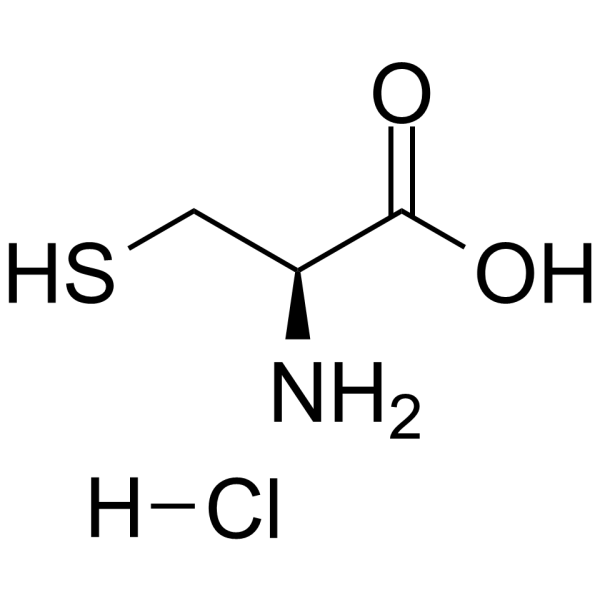
L-Cysteine hydrochloride is an orally active conditionally essential amino acid, which acts as a precursor for biologically active molecules such as hydrogen sulphide (H2S), glutathione and taurine. L-Cysteine hydrochloride suppresses ghrelin and reduces appetite in rodents. L-Cysteine hydrochloride inhibits Aspergillus flavus growth and AFB synthesis by disrupting cell structure and antioxidant system balance. L-Cysteine hydrochloride enhances relaxant responses of rat aortic rings to NO and reduces responses to endothelium-derived relaxing factor (EDRF) .
|
-
-
- HY-P0206
-
-
-
- HY-12403
-
Talfirastide
Maximum Cited Publications
17 Publications Verification
TXA127; Angiotensin (1-7); Ang-(1-7)
|
Angiotensin Receptor
Angiotensin-converting Enzyme (ACE)
Endogenous Metabolite
|
Cardiovascular Disease
Inflammation/Immunology
Endocrinology
Cancer
|
|
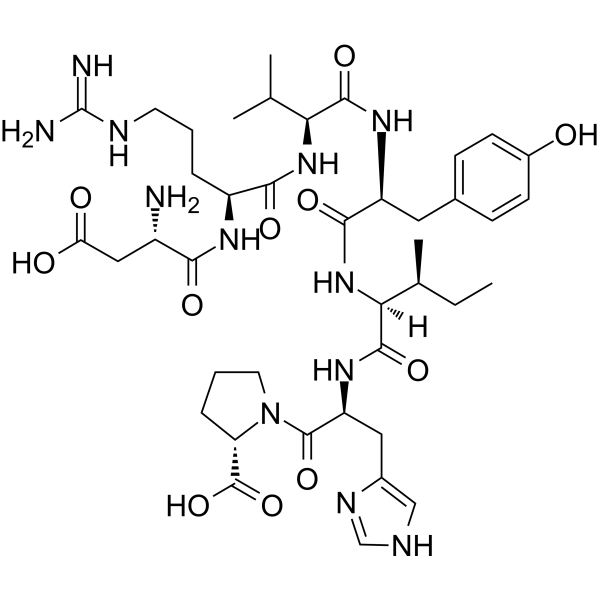
Angiotensin 1-7 (Ang-(1-7)) is an endogenous heptapeptide from the renin-angiotensin system (RAS) with a cardioprotective role due to its anti-inflammatory and anti-fibrotic activities in cardiac cells. Angiotensin 1-7 inhibits purified canine ACE activity (IC50=0.65 μM). Angiotensin 1-7 acts as a local synergistic modulator of kinin-induced vasodilation by inhibiting ACE and releasing nitric oxide. Angiotensin 1-7 blocks Ang II-induced smooth muscle cell proliferation and hypertrophy and shows antiangiogenic and growth-inhibitory effects on the endothelium. Angiotensin 1-7 shows anti-inflammatory activity .
|
-
-
- HY-N2409
-
|
|
Apoptosis
EGFR
JAK
STAT
|
Cardiovascular Disease
Cancer
|
|
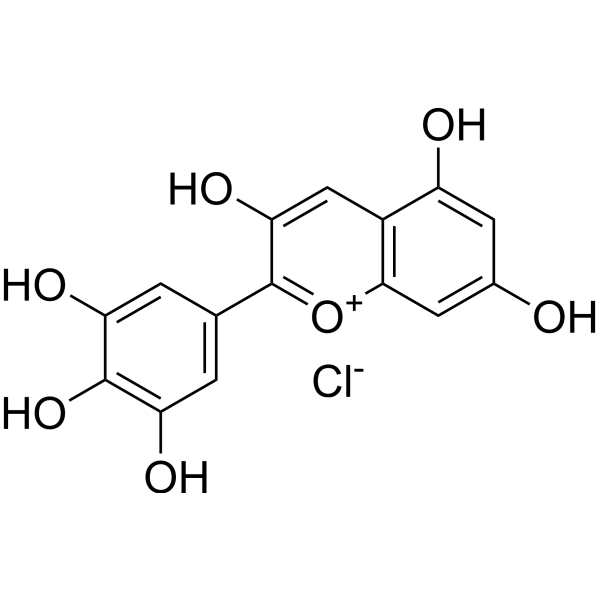
Delphinidin chloride is an anthocyanin isolated from berries and red wine. Delphinidin chloride exhibits endothelium-dependent vasodilation and anticancer activity. Delphinidin chloride also modulates JAK/STAT3 and MAPK signaling, thereby inducing apoptosis in HCT116 cells. Delphinidin chloride is also a potent inhibitor of EGFR (IC50: 1.3 μM), shutting down downstream signaling cascades .
|
-
-
- HY-14571
-
E7820
5 Publications Verification
ER68203-00
|
Molecular Glues
Integrin
|
Infection
Metabolic Disease
Cancer
|
|
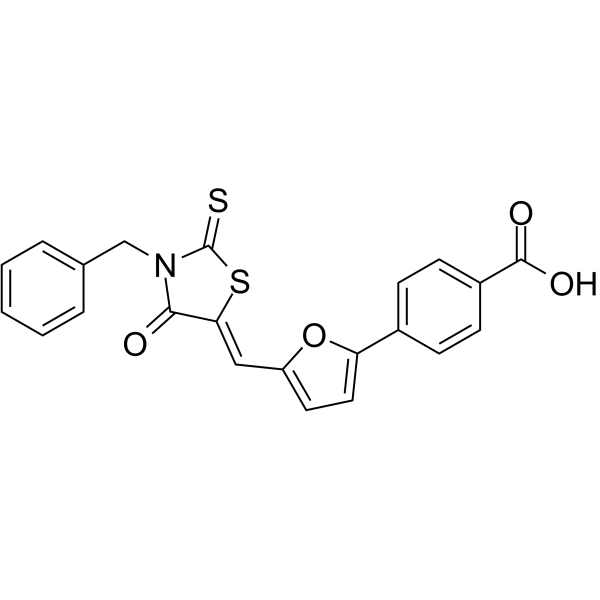
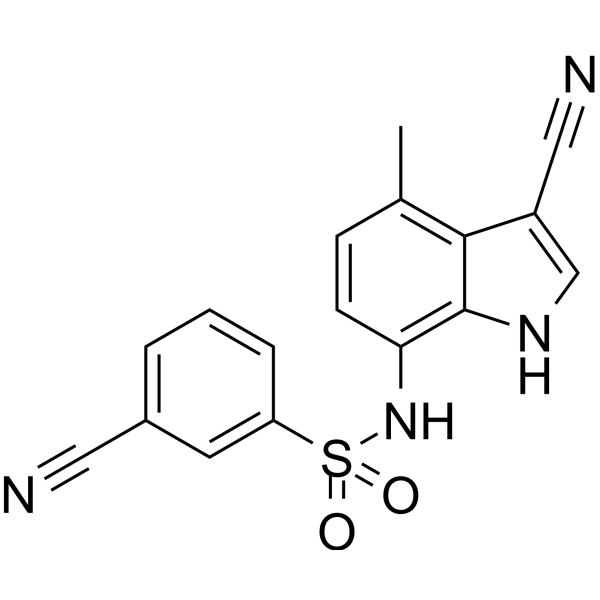
E7820 (ER68203-00), an orally active aromatic sulfonamide derivative, is a molecular glue that induces the targeted degradation of splicing factor RBM39 by recruiting the E3 ubiquitin ligase CUL4-RBX1-DDB1-DCAF15 (CRL4 DCAF15). E7820 is an angiogenesis inhibitor suppressing an expression of integrin alpha2 subunit on endothelium. E7820 inhibits rat aorta angiogenesis with an IC50 of 0.11 μg/ml. E7820 modulates α-1, α-2, α-3, and α-5 integrin mRNA expression. E7820 can be used for the study of acute myeloid leukemia (AML) .
|
-
-
- HY-P5423
-
|
|
Exosomes
Liposome
|
Cancer
|
|
GALA is a pH-responsive amphipathic peptide consisting of 30 amino acids, which acts as a lung endothelium-targeting ligand. GALA undergoes a conformational transition from random coil to α-helix in an acidic environment at pH 5.0, thereby inducing endosomal membrane destabilization and fusion. GALA-modified liposomes traverse lung endothelial cells via clathrin-dependent endocytosis and transcytosis, and specifically accumulate in the lungs after intravenous injection. GALA significantly promotes the cytosolic release of cargos carried by exosomes, plasmids and liposomes, effectively enhances gene transfection efficiency, and drives gene knockdown of functional macromolecules (such as siRNA) in alveolar epithelial cells (with no significant cytotoxicity at effective concentrations). GALA serves as a critical tool for studies on lung cancer metastasis (e.g., melanoma lung metastasis) and lung-targeted drug delivery systems .
|
-
-
- HY-69019
-
|
|
NO Synthase
|
Cardiovascular Disease
Neurological Disease
|
|
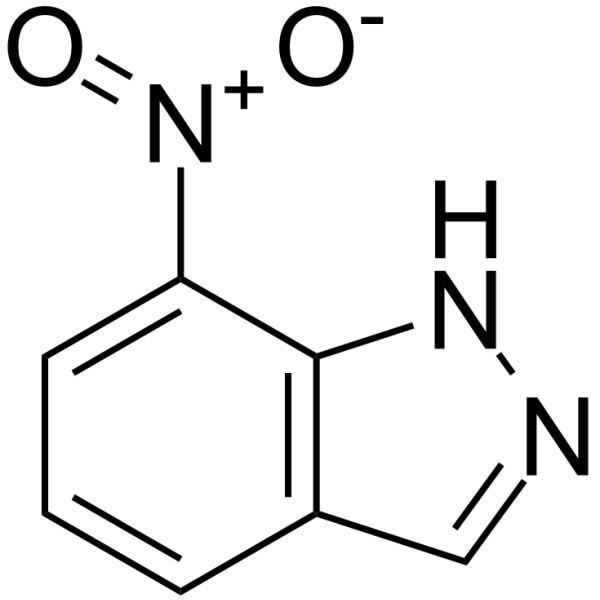
7-Nitroindazole is a selective and BBB-penetrable inhibitor of nitric oxide synthase (NOS) (IC50 = 0.47 μM in mouse cerebellum). 7-Nitroindazole does not affect blood pressure or endothelium-dependent relaxation while inhibiting nNOS in experimental animals. 7-Nitroindazole has anti-injurious and neuroprotective properties, and can be studied in research for neurological diseases such as Parkinson’s disease .
|
-
-
- HY-W010520
-
|
|
Environmental Pollutants
MMP
Bacterial
Fungal
Apoptosis
|
Infection
Inflammation/Immunology
|
|
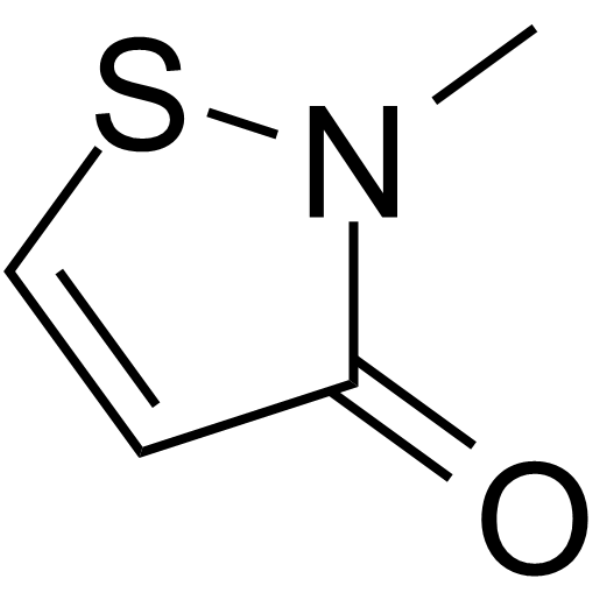
Methylothiazolinone is a bacterial and fungal inhibitor and preservative, as well as a sensitizer. Methylisothiazolinone can activate matrix metalloproteinases (MMPs) in human bronchial epithelial cells to induce apoptosis and inflammatory response. Methylisothiazolinone can promote the development of atopic dermatitis in mice by disrupting Th2/Th17 related immune responses. Methylisothiazolinone can cause mitochondrial damage in the endothelium of rat cerebral blood vessels .
|
-
-
- HY-B0633D
-
|
|
CD44
Endogenous Metabolite
Bacterial
Akt
PI3K
|
Neurological Disease
Metabolic Disease
Inflammation/Immunology
Cancer
|
|
Hyaluronic acid sodium (MW 200-1560) is a biopolymer composed of repeating disaccharide units, with a molecular weight of 200-1560. Hyaluronic acid sodium is a major component of the extracellular matrix (ECM). It is synthesized on the plasma membrane. Hyaluronic acid sodium exerts its effects by binding to receptors CD44 and RHAMM. Hyaluronic acid sodium activates PI3K-Akt signaling. Hyaluronic acid sodium also enhances cell invasion and angiogenesis by promoting or stimulating the binding of proteolytic MMP-9 to the cell surface. Elevated hyaluronic acid levels are associated with tumor cell growth, adhesion, migration, invasion, and angiogenesis in digestive system cancers. Hyaluronic acid sodium is involved in tissue remodeling and rapid cell proliferation in several physiological processes, including embryonic morphogenesis and wound healing. Hyaluronic acid sodium can be used as a regulator of cancer-associated lymphangiogenesis. Hyaluronic acid sodium can be used as a drug delivery carrier for sodium butyrate, enhancing its anti-proliferative activity against breast cancer cell lines. Hyaluronic acid sodium can lubricate the corneal endothelium. Hyaluronic acid sodium can improve tissue hydration and enhance the resistance of cells to mechanical damage. Hyaluronic acid sodium has been conjugated with antibodies to ensure that the active compound continues to exert its effects at the site of inflammation. Hyaluronic acid sodium can be used in research in the fields of osteoarthritis, ophthalmology, cosmetic dermatology, oncology, and liver diseases .
|
-
-
- HY-B0633E
-
|
Hyaluronan, low endotoxin; Hyaluronate, low endotoxin
|
Endogenous Metabolite
CD44
Bacterial
Akt
PI3K
|
Neurological Disease
Metabolic Disease
Inflammation/Immunology
Cancer
|
|
Hyaluronic acid, low endotoxin (Hyaluronan, low endotoxin) is a biopolymer composed of repeating disaccharide units containing low levels of endotoxin. Hyaluronic acid is a major component of the extracellular matrix (ECM). It is synthesized on the plasma membrane. Hyaluronic acid exerts its effects by binding to receptors CD44 and RHAMM. Hyaluronic acid activates PI3K-Akt signaling. Hyaluronic acid also enhances cell invasion and angiogenesis by promoting or stimulating the binding of proteolytic MMP-9 to the cell surface. Elevated hyaluronic acid levels are associated with tumor cell growth, adhesion, migration, invasion, and angiogenesis in digestive system cancers. Hyaluronic acid is involved in tissue remodeling and rapid cell proliferation in several physiological processes, including embryonic morphogenesis and wound healing. Hyaluronic acid can be used as a regulator of cancer-associated lymphangiogenesis. Hyaluronic acid can be used as a drug delivery carrier for sodium butyrate, enhancing its anti-proliferative activity against breast cancer cell lines. Hyaluronic acid can lubricate the corneal endothelium. Hyaluronic acid can improve tissue hydration and enhance the resistance of cells to mechanical damage. Hyaluronic acid has been conjugated with antibodies to ensure that the active compound continues to exert its effects at the site of inflammation. Hyaluronic acid can be used in research in the fields of osteoarthritis, ophthalmology, cosmetic dermatology, oncology, and liver diseases .
|
-
-
- HY-15701
-
|
|
Integrin
Complement System
|
Inflammation/Immunology
|
|
Leukadherin-1, a specific agonist of the leukocyte surface integrin CD11b/CD18, increases CD11b/CD18-dependent cell adhesion to fibrinogen with an EC50 of 4 μM. Leukadherin-1 enhances leukocyte adhesion to ligands (such as ICAM-1) and vascular endothelium and thus reduces leukocyte transendothelial migration and influx to the injury sites. Leukadherin-1 suppresses innate inflammatory signaling .
|
-
-
- HY-W005255
-
|
|
Endogenous Metabolite
|
Cardiovascular Disease
|
|
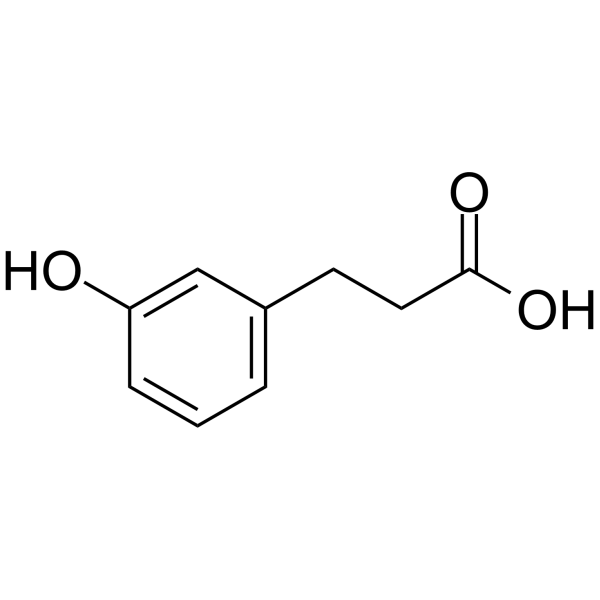
3-(3-Hydroxyphenyl)propionic acid (3HPPA) is an endothelium-dependent nitric oxide (NO) release promoter and endothelial nitric oxide synthase (eNOS) activator. 3-(3-Hydroxyphenyl)propionic acid activates eNOS to mediate vascular smooth muscle relaxation and enhances endothelial cell NO synthesis, inducing vasodilation and reducing peripheral vascular resistance. 3-(3-Hydroxyphenyl)propionic acid can dose-dependently reduce systolic and diastolic blood pressure in spontaneously hypertensive rats (SHR) without affecting cardiac contractility or heart rate. 3-(3-Hydroxyphenyl)propionic acid has antihypertensive and vascular protective effects and can be used in the prevention and treatment of cardiovascular diseases .
|
-
-
- HY-P99336
-
|
BI-RR 0001; Anti-Human IL6 Recombinant Antibody
|
Integrin
|
Neurological Disease
Inflammation/Immunology
|
|
Enlimomab (BI-RR 0001), a murine IgG2a monoclonal antibody to the human ICAM-1, inhibits leukocyte adhesion to the vascular endothelium, thereby decreasing leukocyte extravasation and inflammatory tissue injury. Enlimomab has anti-inflammatory effects, and can be used for stroke research .
|
-
-
- HY-111655
-
SKA-31
4 Publications Verification
|
Potassium Channel
|
Cardiovascular Disease
|
|
SKA-31 is a potent potassium channel activator with EC50s of 260 nM, 1.9 μM, 2.9 μM, and 2.9 μM for KCa3.1, KCa2.2, KCa2.1 and KCa2.3, respectively. SKA-31 potentiates endothelium-derived hyperpolarizing factor response and lowers blood pressure .
|
-
-
- HY-105028
-
|
CP-66248
|
COX
Lipoxygenase
Potassium Channel
MMP
|
Inflammation/Immunology
|
|
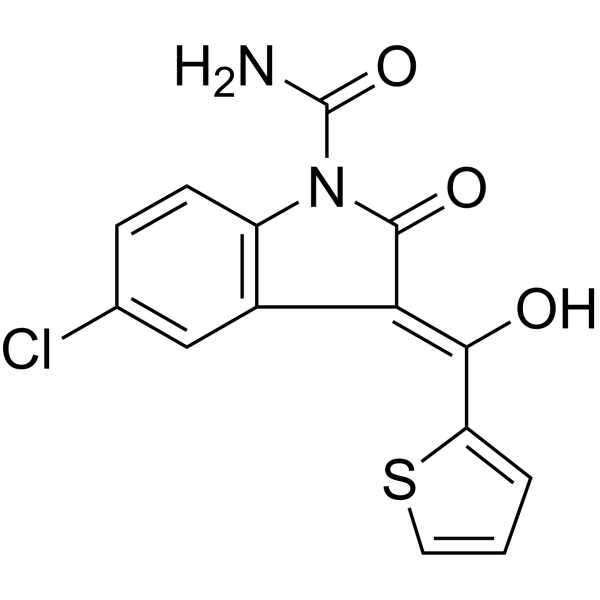
Tenidap (CP-66248) is an orally active dual inhibitor of 5-LOX and COX with anti-inflammatory and immunomodulatory properties. Tenidap downregulates the expression of IL-1 receptors in chondrocytes, reduces the release of pro-inflammatory cytokines such as IL-1, IL-6 and TNF-α, and inhibits MMP production and cartilage degradation. Tenidap also blocks bone resorption and leukocyte adhesion to vascular endothelium, interferes with ion and pH changes associated with mouse sperm capacitation, and selectively enhances the activity of hKir2.3 channels (EC50=1.3 μM). Tenidap is applicable to research related to rheumatoid arthritis .
|
-
-
- HY-P1636
-
|
|
Thrombin
YAP
Calcium Channel
|
Metabolic Disease
|
|
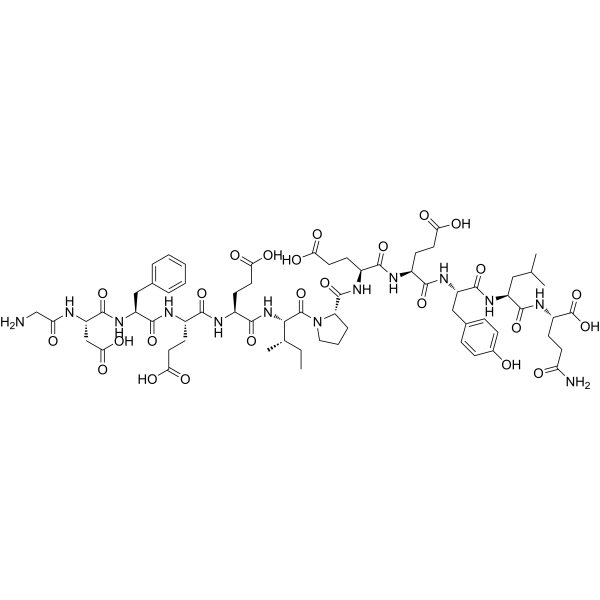
Hirudin (54-65) is a thrombin antagonist and YAP suppressor with anticoagulatory properties.Hirudin (54-65) blocks thrombin's anion binding site, acts on soluble and thrombus-bound thrombin.Hirudin (54-65) suppresses thrombin-induced profibrotic YAP activity, reduces YAP expression, nuclear translocation, and downstream effector signaling in vascular endothelial cells.Hirudin (54-65) ameliorates obstructive cholestasis, attenuates liver fibrosis symptoms, fibrosis-associated angiogenesis, and endothelial-to-mesenchymal transition.Hirudin (54-65) reduces liver inflammation and tissue hypoxia.Hirudin (54-65) promotes extracellular calcium influx through L-type calcium channels in canine coronary artery smooth muscle, mediates contraction.Hirudin (54-65) induces endothelium-independent contraction of canine coronary arterial segments; this response is not affected by indomethacin pretreatment.Hirudin (54-65) can be used for the research of liver obstructive cholestasis, liver fibrosis .
|
-
-
- HY-W032970
-
|
|
Others
|
Others
|
|
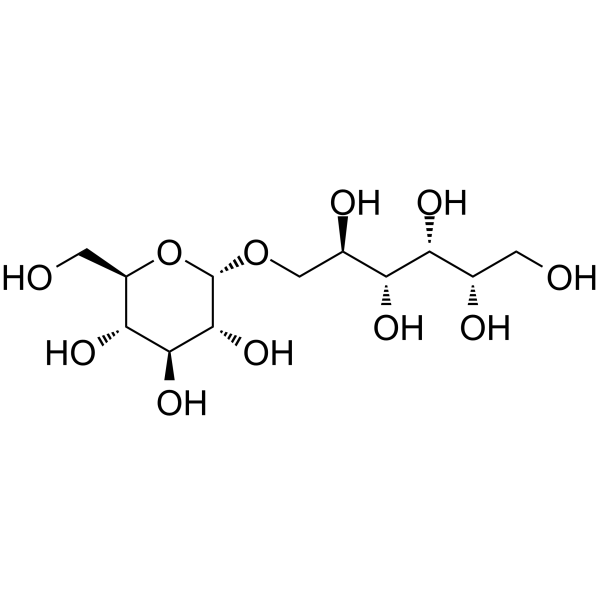
Isomaltitol is a sugar alcohol sweet tastant. Isomaltitol affects adhesion between leukocytes and activated endothelium .
|
-
-
- HY-P0206A
-
-
-
- HY-W010243
-
|
|
Bacterial
MMP
Apoptosis
Fungal
|
Infection
Inflammation/Immunology
|
|
Methylisothiazolinone hydrochloride is a bacterial and fungal inhibitor and preservative, as well as a sensitizer. Methylisothiazolinone hydrochloride can activate matrix metalloproteinases (MMPs) in human bronchial epithelial cells to induce apoptosis and inflammatory response. Methylisothiazolinone hydrochloride can promote the development of atopic dermatitis in mice by disrupting Th2/Th17 related immune responses. Methylisothiazolinone hydrochloride can cause mitochondrial damage in the endothelium of rat cerebral blood vessels .
|
-
-
- HY-126395
-
|
|
Fluorescent Dye
|
Others
|
|
Patent Blue V calcium salt is a triarylmethane dye used for tissue staining and lymphatic tracing, mainly applied by topical injection or eye drops. Patent Blue V calcium salt has affinity for specific tissues (such as corneal endothelium, lymphatic system), and stains the target structure by adsorption or binding, assisting in precise operation during surgery. Patent Blue V calcium salt is mainly used in ophthalmic surgery (such as graft staining for Descemet's membrane endothelial keratoplasty) and lymphatic drainage localization for sentinel lymph node biopsy of tumors .
|
-
-
- HY-12403A
-
|
TXA127 acetate; Angiotensin (1-7) acetate; Ang-(1-7) acetate
|
Angiotensin Receptor
Angiotensin-converting Enzyme (ACE)
Endogenous Metabolite
|
Cardiovascular Disease
Inflammation/Immunology
Endocrinology
Cancer
|
|
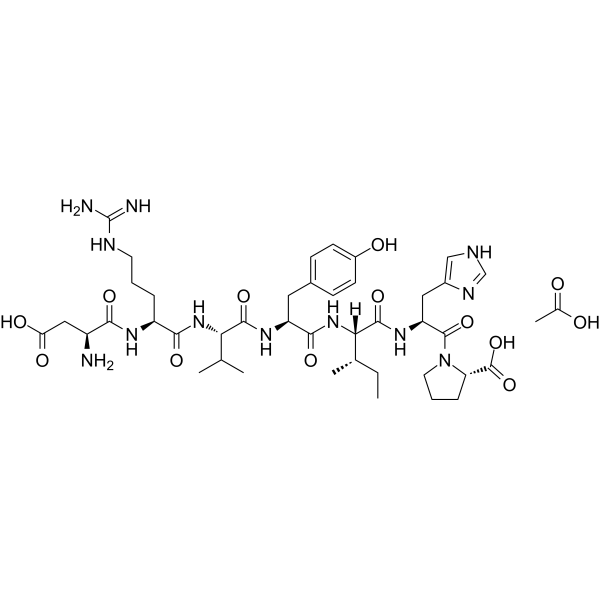
Angiotensin 1-7 (Ang-(1-7)) acetate is an endogenous heptapeptide from the renin-angiotensin system (RAS) with a cardioprotective role due to its anti-inflammatory and anti-fibrotic activities in cardiac cells. Angiotensin 1-7 acetate inhibits purified canine ACE activity (IC50=0.65 μM). Angiotensin 1-7 acetate acts as a local synergistic modulator of kinin-induced vasodilation by inhibiting ACE and releasing nitric oxide. Angiotensin 1-7 acetate blocks Ang II-induced smooth muscle cell proliferation and hypertrophy and shows antiangiogenic and growth-inhibitory effects on the endothelium .
|
-
-
- HY-141645
-
|
WS070117
|
AMPK
TGF-β Receptor
NF-κB
JNK
AP-1
|
Cardiovascular Disease
Metabolic Disease
Inflammation/Immunology
|
|
IMM-H007 (WS070117) is an orally active and potent AMPK (AMP-activated protein kinase) activator and TGFβ1 (transforming growth factor β1) antagonist. IMM-H007 has protective effects in cardiovascular diseases via activation of AMPK. IMM-H007 negatively regulates endothelium inflammation through inactivating NF-κB and JNK/AP1 signaling. IMM-H007 inhibits ABCA1 degradation. IMM-H007 resolves hepatic steatosis in HFD-fed hamsters by the regulation of lipid metabolism. IMM-H007 can be used for the research of nonalcoholic fatty liver disease (NAFLD) and inflammatory atherosclerosis .
|
-
-
- HY-12115
-
|
Nω-nitro-L-arginine; L-NOARG; L-NG-Nitroarginine
|
NO Synthase
|
Cardiovascular Disease
|
|
NG-nitro-L-arginine (Nω-nitro-L-arginine) is a NO Synthase inhibitor, with Kis of 0.61 μM (nNOS), 4.28 μM (iNOS), 0.72 μM (eNOS) respectively. NG-nitro-L-arginine inhibits endothelium-derived relaxing factor (EDRF) formation and release. NG-nitro-L-arginine inhibits portal-systemic shunting in portal-hypertensive rats, and increases blood pressure .
|
-
-
- HY-136500
-
|
PGH2
|
Endogenous Metabolite
Amyloid-β
|
Neurological Disease
Inflammation/Immunology
|
|
Prostaglandin H2 (PGH2) is an endothelium-derived contracting factor. Prostaglandin H2 can cause vasoconstriction. Prostaglandin H2 is the common precursor of all PGs and is produced by several cells that express cyclooxygen-ases. Prostaglandin H2 can activate PGD2 receptors CRTH2 and DP via interacting directly with the receptors and/or by giving rise to PGD2 after catalytic conversion by plasma proteins. Prostaglandin H2 can induce eosinophils migration and inhibit platelet aggregation. Prostaglandin H2 can accelerate the formation of dimers and higher oligomers of amyloid β1-42. Prostaglandin H2 can be used for the researches of inflammation and neurological disease, such as Alzheimer disease .
|
-
-
- HY-102029
-
|
SRTX-c
|
Endothelin Receptor
|
Cardiovascular Disease
|
|
Sarafotoxin S6c (SRTX-c) is a potent endothelin-B receptor agonist. Sarafotoxin S6c can cause vasoconstriction in both endothelium-intact and endothelium-denuded vessels .
|
-
-
- HY-P3397A
-
|
|
GHR
|
Cancer
|
|
JV-1-36 acetate is a growth hormone-releasing hormone (GHRH) antagonist. JV-1-36 acetate inhibits the production of reactive oxygen species in A549 lung cancer cells. JV-1-36 can be used to study the effect of GHRH antagonists in vitro .
|
-
-
- HY-Y1890B
-
|
|
Biochemical Assay Reagents
|
Others
|
|
Cremophor EL-10 is a nonionic polyoxyethylene castor oil surfactant with multiple functions including organic solubilizer, mixed zinc anode corrosion inhibitor and dendrite growth inhibitor. By forming a physical barrier to block electrolyte contact and constructing oriented hydration channels to reduce the desolvation energy barrier of Zn 2+ , Cremophor EL-10 achieves a corrosion inhibition efficiency of over 99%. Cremophor EL-10 exerts no significant effects on the mitochondrial activity and cell viability of epithelial cells, making it suitable for in vitro drug delivery and biopharmaceutical research at concentrations ≤10% v/v. However, Cremophor EL-10 may induce sustained non-endothelium-dependent contraction in rat aortic rings and exert concentration-dependent inhibitory effects on acetylcholine-induced endothelium-dependent relaxation responses .
|
-
-
- HY-P5421
-
|
|
Proton Pump
|
Others
|
|
Caloxin 1B1 is a biological active peptide. (Caloxin 1b1 is obtained by screening for binding to extracellular domain 1 of PMCA4, which inhibited PMCA extracellularly, selectively, and had a higher affinity for PMCA4 than PMCA1. Because caloxin 1b1 had been selected to bind to an extracellular domain of PMCA, it could be added directly to cells and tissues to examine its effects on smooth muscle and endothelium.)
|
-
-
- HY-W010243S
-
|
|
Isotope-Labeled Compounds
Bacterial
MMP
Apoptosis
Fungal
|
Infection
Inflammation/Immunology
|
|
Methylisothiazolinone-d3 hydrochloride is the deuterium labeled Methylisothiazolinone hydrochloride (HY-W010243). Methylisothiazolinone hydrochloride is a bacterial and fungal inhibitor and preservative, as well as a sensitizer. Methylisothiazolinone hydrochloride can activate matrix metalloproteinases (MMPs) in human bronchial epithelial cells to induce apoptosis and inflammatory response. Methylisothiazolinone hydrochloride can promote the development of atopic dermatitis in mice by disrupting Th2/Th17 related immune responses. Methylisothiazolinone hydrochloride can cause mitochondrial damage in the endothelium of rat cerebral blood vessels .
|
-
-
- HY-P10641
-
|
|
Exosomes
STAT
ERK
Akt
|
Cardiovascular Disease
|
|
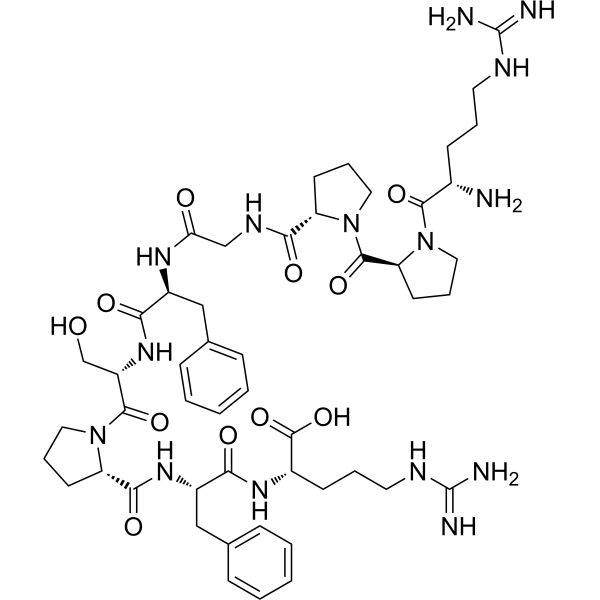
Heart-homing peptide is a heart-targeting peptide with the sequence CRPPR that mediates cardiac endothelial targeting and accumulates in cardiac tissues. Heart-homing peptide mediates the translocation of liposomal and exosomal cargos across cardiac endothelium into interstitial tissues, enhances the accumulation of exosomes in the heart, and inhibits the GP130-STAT3/ERK1/2/AKT pathway. Heart-homing peptide accumulates at sites of ischemia/reperfusion, myocardial infarction and hypertrophy in mice. Heart-homing peptide can be used for the research of cardiovascular diseases .
|
-
-
- HY-Y0308D
-
|
Disodium hydrogen phosphate, meets analytical specification of Ph. Eur. BP USP FCC E339
|
Biochemical Assay Reagents
|
Endocrinology
|
|
Sodium phosphate dibasic (Disodium hydrogen phosphate), meets analytical specification of Ph. Eur. BP USP FCC E339 is an inorganic dibasic phosphate that functions as an electrolyte supplement, a buffer carrier for injectable drugs, while also exhibiting nephrotoxicity. Sodium phosphate dibasic, meets analytical specification of Ph. Eur. BP USP FCC E339 induces extensive nephrotic syndrome-like changes, including systemic symptoms such as persistent proteinuria, lipemia, hypercholesterolemia, and anemia, and causes severe renal pathological alterations such as renal enlargement, glomerular calcification, podocyte injury, and tubulointerstitial lesions. Sodium phosphate dibasic, meets analytical specification of Ph. Eur. BP USP FCC E339 has the ability to induce phosphate-induced nephropathy and glomerular calcification, and can be widely used in studies on nephrotic syndrome and related renal pathological mechanisms .
|
-
-
- HY-W011641R
-
|
|
Reference Standards
Potassium Channel
|
Cardiovascular Disease
|
|
(±)-Naringenin (Standard) is the analytical standard of (±)-Naringenin. This product is intended for research and analytical applications. (±)-Naringenin is a naturally-occurring flavonoid. (±)-Naringenin displays vasorelaxant effect on endothelium-denuded vessels via the activation of BKCa channels in myocytes .
|
-
-
- HY-153482
-
|
|
Small Interfering RNA (siRNA)
|
Cancer
|
|
ATU027 is a siRNA, which silences expression of protein kinase N3 (PKN3) in the vascular endothelium. ATU027 has previously been shown to inhibit local tumor invasion as well as lymph node and pulmonary metastasis in mouse cancer models.
|
-
-
- HY-114671
-
|
CG-4203
|
Prostaglandin Receptor
|
Cardiovascular Disease
|
|
Taprostene (CG-4203) is a synthetic, chemically stable analogue of Prostacyclin (PGI2). Taprostene exhibits endothelium and myocardial protecting actions after acute myocardial ischemia and reperfusion in cats. Taprostene enhances cytoprotective actions, while minimizing unwanted hemodynamic effects .
|
-
-
- HY-P3841
-
|
|
PKC
|
Others
|
|
Protein Kinase C β Peptide is a peptide fragment of Protein Kinase Cβ. Protein Kinase Cβ is related with hyperglycemia decreases endothelium-derived nitric oxide. Inhibition of Protein kinase Cβ prevents the reduction in endothelium-dependent vasodilation induced by acute hyperglycemia .
|
-
-
- HY-153482A
-
|
|
Small Interfering RNA (siRNA)
|
Cancer
|
|
ATU027 sodium is a siRNA, which silences expression of protein kinase N3 (PKN3) in the vascular endothelium. ATU027 sodium has previously been shown to inhibit local tumor invasion as well as lymph node and pulmonary metastasis in mouse cancer models.
|
-
-
- HY-W854385A
-
|
SLeA sodium
|
Biochemical Assay Reagents
|
Cancer
|
|
Sialyl Lewis A (SLeA) sodium is a tumor-associated carbohydrate antigen, also known as carbohydrate antigen 19-9 (CA19-9), that binds to E-selectin (ELAM-1) and selectins to mediate cell-endothelium adhesion. Sialyl Lewis A sodium promotes cancer cell-vascular endothelium adhesion, and its surface presence correlates with increased tumorigenicity and invasiveness in cancer cells. Sialyl Lewis A sodium shows elevated expression in human adenocarcinomas of the colon, pancreas, and stomach, with expression levels linked to tumor progression and poor prognosis in colorectal and gastric carcinomas. Sialyl Lewis A sodium can be used for the research of cancers, such as colon, pancreas, stomach, and squamous lung cancer .
|
-
-
- HY-W854385
-
|
SLeA
|
Biochemical Assay Reagents
E-Selectin
|
Cancer
|
|
Sialyl Lewis A (SLeA) is a tumor-associated carbohydrate antigen, also known as carbohydrate antigen 19-9 (CA19-9), that binds to E-selectin (ELAM-1) and selectins to mediate cell-endothelium adhesion. Sialyl Lewis A promotes cancer cell-vascular endothelium adhesion, and its surface presence correlates with increased tumorigenicity and invasiveness in cancer cells. Sialyl Lewis A shows elevated expression in human adenocarcinomas of the colon, pancreas, and stomach, with expression levels linked to tumor progression and poor prognosis in colorectal and gastric carcinomas. Sialyl Lewis A can be used for the research of cancers, such as colon, pancreas, stomach, and squamous lung cancer .
|
-
-
- HY-P10997
-
|
|
DNA/RNA Synthesis
|
Cancer
|
|
F3 peptide is a fragment of the human high mobility group protein 2 (HMGB2), and can specifically bind to nucleolin expressed on the membrane of cancer cells, neovasculature, and endothelium. F3 peptide can be used as an effective ligand to improve their druggability of macromolecular drugs or nanoparticles, and so on .
|
-
-
- HY-136511
-
|
SQ 14534
|
Angiotensin-converting Enzyme (ACE)
|
Cardiovascular Disease
|
|
Epicaptopril (SQ 14534) is the derivative of Captopril (HY-B0368). Epicaptopril is an inhibitor for angiotensin-converting enzyme (ACE). Epicaptopril enhances vasodilation in an endothelium-derived relaxing factor (EDRF)-dependent manner. Epicaptopril is a free radical scavenger, and can be used in research about oxidative stress and free radical damage caused cardiovascular disorders .
|
-
-
- HY-N11538
-
|
|
Others
|
Inflammation/Immunology
|
|
Quercetin-3-O-(2′′-O-galloyl)-β-D-glucopyranoside is a orally active phenolic compound that can be isolated from the Geranium species. Quercetin-3-O-(2′′-O-galloyl)-β-D-glucopyranoside has anti-inflammatory activities and has potential application in edema and aortic endothelium-dependent relaxation injury .
|
-
-
- HY-N2409R
-
|
|
Apoptosis
EGFR
JAK
STAT
Reference Standards
|
Cardiovascular Disease
Cancer
|
|
Delphinidin (chloride) (Standard) is the analytical standard of Delphinidin (chloride). This product is intended for research and analytical applications. Delphinidin chloride is an anthocyanin isolated from berries and red wine. Delphinidin chloride exhibits endothelium-dependent vasodilation and anticancer activity. Delphinidin chloride also modulates JAK/STAT3 and MAPK signaling, thereby inducing apoptosis in HCT116 cells. Delphinidin chloride is also a potent inhibitor of EGFR (IC50: 1.3 μM), shutting down downstream signaling cascades .
|
-
-
- HY-122331
-
-
-
- HY-W507009
-
|
|
Endogenous Metabolite
|
Cardiovascular Disease
|
|
L-Arginyl-L-alanine is a dipeptide, is a vascular smooth muscle-derived relaxing factor. L-Arginyl-L-alanine increases the smooth muscle levels of cyclic GMP and nitrite in endothelium-denuded arterial rings .
|
-
-
- HY-113443
-
|
|
AP-1
|
Metabolic Disease
|
|
12(S)-HPETE is a 12-hydroxyeicosatetraenoic acid. 12(S)-HPETE has the function of regulating vascular tone. 12(S)-HPETE induces the expression of c-Fos and c-Jun protein and increases activating protein 1 (AP-1) activity in vascular smooth muscle cells.12(S)-HPETE may play a physiological role in vasomotor regulation through endothelium itself and crosstalk between blood cells and endothelium. 12(S)-HPETE can be used in the study of cerebrovascular tension .
|
-
-
- HY-P3397
-
|
|
GHR
|
Cancer
|
|
JV-1-36 is a growth hormone-releasing hormone (GHRH) antagonist. JV-1-36 inhibits the production of reactive oxygen species in A549 lung cancer cells. JV-1-36 can be used to study the effect of GHRH antagonists in vitro .
|
-
-
- HY-P5389
-
|
|
Gap Junction Protein
|
Others
|
|
Connexin mimetic peptide 40GAP27 is a biological active peptide. (This peptide corresponds to the GAP27 domain of the second extracellular loop of dominant vascular connexin (Cx40), designated as 40Gap 27. It was used to investigate mechanisms through which oxidant stress impairs communication via gap junctions. When administered, 40Gap27attenuates endothelium-dependent subintimal smooth muscle hyperpolarization.)
|
-
-
- HY-W010520R
-
|
|
Reference Standards
Bacterial
MMP
|
Infection
Inflammation/Immunology
|
|
Methylisothiazolinone (Standard) is the analytical standard of Methylisothiazolinone. Methylothiazolinone is a fungicide and preservative, as well as a sensitizer. Methylisothiazolinone can activate matrix metalloproteinases (MMPs) in human bronchial epithelial cells to induce cell apoptosis and inflammatory response. Methylisothiazolinone can promote the development of atopic dermatitis in mice by disrupting Th2/Th17 related immune responses. Methylisothiazolinone can cause mitochondrial damage in the endothelium of rat cerebral blood vessels .
|
-
-
- HY-120960
-
|
ARA-S
|
Akt
p38 MAPK
Apoptosis
Potassium Channel
|
Cardiovascular Disease
Neurological Disease
|
|
N-Arachidonoyl-L-serine (ARA-S) is an endocannabinoid. N-Arachidonoyl-L-serine induces phosphorylation of Akt and MAPK in endothelial cells. N-Arachidonoyl-L-serine also induces endothelium-dependent vasodilation in isolated rat mesenteric and abdominal aortas. N-Arachidonoyl-L-serine exhibits neuroprotective effects after traumatic brain injury by reducing apoptosis. N-Arachidonoyl-L-serine promotes the opening of KV7.1/KCNE1 channels in mammalian cells and shortens the action potential duration in cardiomyocytes. N-Arachidonoyl-L-serine may be used in research on cardiovascular and cerebrovascular diseases and neurological disorders .
|
-
-
- HY-137608
-
|
UDP-β-S
|
P2Y Receptor
DNA/RNA Synthesis
|
Cardiovascular Disease
Inflammation/Immunology
|
|
Uridine 5'-O-thiodiphosphate (UDP-β-S) is a P2Y6 receptor agonist with an EC50 of 25 nM. Uridine 5'-O-thiodiphosphate resists degradation by extracellular nucleotidases and stimulates the accumulation of inositol phosphates. Uridine 5'-O-thiodiphosphate stimulates contractile responses in endothelium-denuded rat mesenteric arteries. As a mitogen, Uridine 5'-O-thiodiphosphate stimulates DNA synthesis, [ 3H] thymidine incorporation, protein synthesis, [ 3H]leucine incorporation, and increases the number of vascular smooth muscle cells. Uridine 5'-O-thiodiphosphate can be used in the research of cardiovascular diseases such as atherosclerosis .
|
-
- HY-137608A
-
|
UDP-β-S trisodium
|
P2Y Receptor
DNA/RNA Synthesis
|
Cardiovascular Disease
Inflammation/Immunology
|
|
Uridine 5'-O-thiodiphosphate trisodium (UDP-β-S trisodium) is a P2Y6 receptor agonist with an EC50 of 25 nM. Uridine 5'-O-thiodiphosphate trisodium resists degradation by extracellular nucleotidases and stimulates the accumulation of inositol phosphates. Uridine 5'-O-thiodiphosphate trisodium stimulates contractile responses in endothelium-denuded rat mesenteric arteries. As a mitogen, Uridine 5'-O-thiodiphosphate trisodium stimulates DNA synthesis, [ 3H] thymidine incorporation, protein synthesis, [ 3H]leucine incorporation, and increases the number of vascular smooth muscle cells. Uridine 5'-O-thiodiphosphate trisodium can be used in the research of cardiovascular diseases such as atherosclerosis .
|
-
- HY-15701R
-
|
|
Integrin
Complement System
|
Inflammation/Immunology
|
|
Leukadherin-1 (Standard) is the analytical standard of Leukadherin-1. This product is intended for research and analytical applications. Leukadherin-1, a specific agonist of the leukocyte surface integrin CD11b/CD18, increases CD11b/CD18-dependent cell adhesion to fibrinogen with an EC50 of 4 μM. Leukadherin-1 enhances leukocyte adhesion to ligands (such as ICAM-1) and vascular endothelium and thus reduces leukocyte transendothelial migration and influx to the injury sites. Leukadherin-1 suppresses innate inflammatory signaling .
|
-
- HY-P4766
-
|
|
CGRP Receptor
|
Cardiovascular Disease
|
|
Adrenomedullin (porcine) is a peptide that regulates vasodilation. Adrenomedullin (porcine) induces endothelium-dependent relaxation in rat aorta with IC50 value of 2.4 nM. Adrenomedullin (porcine) induces endothelium-independent relaxation of porcine coronary arteries with an IC50 of 27.6 nM .
|
-
- HY-130673
-
|
|
NO Synthase
|
Cardiovascular Disease
|
|
L-NABE is a nitric oxide (NO) synthase inhibitor. L-NABE is also a potent endothelium dependent vasoconstrictor and inhibitor of relaxation .
|
-
- HY-B2096
-
|
9-cis-Octadecenoic acid ethanolamine; 9Z-Octadecenoic acid ethanolamine
|
Biochemical Assay Reagents
|
Cardiovascular Disease
Inflammation/Immunology
|
|
Oleic (9-cis-Octadecenoic) acid ethanolamine consists of oleic acid and ethanolamine. Oleic acid ethanolamine has sclerotherapeutic activity. Oleic acid ethanolamine can cause inflammatory reaction in the intimal endothelium of the vein .
|
-
- HY-N12528
-
|
|
Epoxide Hydrolase
|
Cardiovascular Disease
|
|
10,11-EDT, a soluble epoxide hydrolase (sEH) substrate, is a metabolic product of adrenic acid. 10,11-EDT is an endothelium-derived hyperpolarizing factor with strong vasorelaxant effects .
|
-
- HY-19586
-
|
A 81-3138; HWA-138
|
Phosphodiesterase (PDE)
|
Endocrinology
|
|
Albifylline (A 81-3138; HWA-138) is a Xanthine (HY-W017389) derivate. Albifylline reduces the shock-induced leukocyte adhesions to the sinusoidal endothelium in the liver after hemorrhagic shock and improves microvascular blood flow in the liver .
|
-
- HY-P0206B
-
-
- HY-15033
-
|
|
Others
|
Infection
Inflammation/Immunology
|
|
ATB-343 is a derivative of Indomethacin that releases H2S. H2S has cytoprotective and anti-inflammatory effects, inhibiting leukocyte adhesion to vascular endothelium and leukocyte migration to inflammatory sites. ATB-343 can be used to suppress respiratory infections .
|
-
- HY-137606
-
|
UP4A
|
P2X Receptor
|
Cardiovascular Disease
|
|
Uridine adenosine tetraphosphate (UP4A) is an endothelium-derived vasoconstrictor that primarily acts through the P2X1 receptor and possibly through the P2Y2 and P2Y4 receptors. Uridine adenosine tetraphosphate can be used in the study of cardiovascular diseases .
|
-
- HY-129210
-
|
|
Phosphodiesterase (PDE)
Potassium Channel
|
Cardiovascular Disease
|
|
KMUP-4, as a xanthine derivative with cGMP-enhancing activity, induces aortic relaxation through endothelium-dependent and independent mechanisms. KMUP-4 increases cytoplasmic cyclic guanosine monophosphate (cGMP) and cyclic adenosine monophosphate (cAMP) levels by inhibiting phosphodiesterases (PDEs) and activating K + channels. KMUP-4 can be used in the study of cardiovascular diseases .
|
-
- HY-19078
-
|
|
Prostaglandin Receptor
|
Cardiovascular Disease
|
|
SQ-30741 is a thromboxane A2 receptor antagonist. SQ-30741 reduces vasoconstriction in a feline pulmonary vascular bed model. SQ-30741 increases relaxation of aortic endothelium and vascular smooth muscle in adult rats in a spontaneously hypertensive rat model. SQ-30741 can be used in research on cardiovascular diseases such as hypertension .
|
-
- HY-118689
-
|
|
Potassium Channel
|
Cardiovascular Disease
Neurological Disease
Inflammation/Immunology
|
|
RA-2 is a negative-gating modulator of KCa2/3 channels with an IC50 of 17 nM. RA-2 inhibits bradykinin-induced endothelium-derived hyperpolarization (EDH)-type relaxation in U46619-precontracted rings. RA-2 can help to define the physiologic and pathomechanistic roles of KCa2/3 in the vasculature, central nervous system, and during inflammation .
|
-
- HY-P0206S1
-
-
- HY-N15735
-
|
2-Caffeoylpiscidic acid
|
Calcium Channel
|
Cardiovascular Disease
|
|
Cimicifugic acid D (2-Caffeoylpiscidic acid) is a benzyltartaric acid ester that induces vasodilation of precontracted rat aortic strips and endothelium-independent relaxation mechanism. Cimicifugic acid D inhibits extracellular Ca 2+ influx through receptor-operated Ca 2+ channels (ROC) in Norepinephrine (HY-13715)-induced contraction of rat aortic strips, without affecting voltage-dependent Ca 2+ channels (VDC) or K +-induced contractions .
|
-
- HY-P11259
-
|
|
Urotensin Receptor
|
Cardiovascular Disease
Metabolic Disease
Inflammation/Immunology
Cancer
|
UPG-111 is a peptide compound that acts as a negative allosteric modulator of the Urotensin II receptor (UTR). UPG-111 exhibits a dual inhibitory effect on the vasoconstriction induced by UTR agonists - it reduces both the maximum response intensity and the sensitivity of the agonist. UPG-111 does not induce calcium release or cause contraction of the endothelium-deprived rat aortic rings. UPG-111 can be used for the study of various diseases related to the angiotensinergic system .
|
-
- HY-160921
-
|
SL65.0155 free base
|
5-HT Receptor
|
Neurological Disease
|
|
Capeserod (SL65.0155 free base) is an agonist for serotonin receptor (5-HT receptor), with a Ki of 0.6 nM for 5-HT4 receptor. Capeserod enhances expression of phopshorilated cAMP-response element binding protein (p-CREB), vascular endothelium growth factor (VEGF), brain-derived neurotrophic factor (BDNF) and B cell lymphoma-2 (Bcl-2) proteins in hippocampus, and exhibits antidepressant-like efficacy in Wistar rats models .
|
-
- HY-111655R
-
|
|
Potassium Channel
|
Cardiovascular Disease
|
|
SKA-31 (Standard) is the analytical standard of SKA-31. This product is intended for research and analytical applications. SKA-31 is a potent potassium channel activator with EC50s of 260 nM, 1.9 μM, 2.9 μM, and 2.9 μM for KCa3.1, KCa2.2, KCa2.1 and KCa2.3, respectively. SKA-31 potentiates endothelium-derived hyperpolarizing factor response and lowers blood pressure .
|
-
- HY-138166S
-
|
|
Isotope-Labeled Compounds
Potassium Channel
Drug Metabolite
NO Synthase
|
Cardiovascular Disease
|
|
Rosuvastatin lactone-d6 is the deuterium labeled Rosuvastatin lactone. Rosuvastatin lactone is a metabolite of Rosuvastatin (HY-17504A), a statin lipid-lowering agent and HMG-CoA inhibitor. Rosuvastatin lactone exhibits endothelium-independent and HMG-CoA reductase-independent vasorelaxant activity in rat aortic rings, and its vasorelaxant effect is jointly mediated by NO produced by inducible nitric oxide synthase (iNOS) located in vascular smooth muscle and activation of potassium channels. Rosuvastatin lactone itself has no lipid-lowering effect .
|
-
- HY-138166R
-
|
|
Reference Standards
Potassium Channel
Drug Metabolite
NO Synthase
|
Cardiovascular Disease
|
|
Rosuvastatin lactone (Standard) is the analytical standard of Rosuvastatin lactone. This product is intended for research and analytical applications. Rosuvastatin lactone is a metabolite of Rosuvastatin (HY-17504A), a statin lipid-lowering agent and HMG-CoA inhibitor. Rosuvastatin lactone exhibits endothelium-independent and HMG-CoA reductase-independent vasorelaxant activity in rat aortic rings, and its vasorelaxant effect is jointly mediated by NO produced by inducible nitric oxide synthase (iNOS) located in vascular smooth muscle and activation of potassium channels. Rosuvastatin lactone itself has no lipid-lowering effect .
|
-
- HY-Y0337AR
-
|
|
Reference Standards
Endogenous Metabolite
|
Metabolic Disease
Cancer
|
|
L-Cysteine (hydrochloride) (Standard) is the analytical standard of L-Cysteine (hydrochloride). This product is intended for research and analytical applications. L-Cysteine hydrochloride is an orally active conditionally essential amino acid, which acts as a precursor for biologically active molecules such as hydrogen sulphide (H2S), glutathione and taurine. L-Cysteine hydrochloride suppresses ghrelin and reduces appetite in rodents. L-Cysteine hydrochloride inhibits Aspergillus flavus growth and AFB synthesis by disrupting cell structure and antioxidant system balance. L-Cysteine hydrochloride enhances relaxant responses of rat aortic rings to NO and reduces responses to endothelium-derived relaxing factor (EDRF) [4].
|
-
- HY-12403R
-
|
TXA127 (Standard); Angiotensin (1-7) (Standard); Ang-(1-7) (Standard)
|
Angiotensin Receptor
Angiotensin-converting Enzyme (ACE)
Endogenous Metabolite
Reference Standards
|
Cardiovascular Disease
Inflammation/Immunology
Endocrinology
Cancer
|
|
Talfirastide (Standard) is the analytical standard of Talfirastide. This product is intended for research and analytical applications. Angiotensin 1-7 (Ang-(1-7)) is an endogenous heptapeptide from the renin-angiotensin system (RAS) with a cardioprotective role due to its anti-inflammatory and anti-fibrotic activities in cardiac cells. Angiotensin 1-7 inhibits purified canine ACE activity (IC50=0.65 μM). Angiotensin 1-7 acts as a local synergistic modulator of kinin-induced vasodilation by inhibiting ACE and releasing nitric oxide. Angiotensin 1-7 blocks Ang II-induced smooth muscle cell proliferation and hypertrophy and shows antiangiogenic and growth-inhibitory effects on the endothelium. Angiotensin 1-7 shows anti-inflammatory activity .
|
-
- HY-W047432
-
|
DL0805
|
ROCK
|
Cardiovascular Disease
|
|
5-Nitro-1H-indazole-3-carbonitrile (DL0805) is a Rho kinase(ROCK) inhibitor with an IC50 of 6.67 μM for ROCK-I. 5-Nitro-1H-indazole-3-carbonitrile reduces Norepinephrine (HY-13715)-induced transient contraction and inhibits contraction induced by increasing external calcium in the endothelium-denuded rings of rat models. 5-Nitro-1H-indazole-3-carbonitrile has a vasorelaxant activity but high toxicity. 5-Nitro-1H-indazole-3-carbonitrile can be used for cardiovascular diseases, especially hypertension research .
|
-
- HY-W740191
-
|
DHLNL
|
Biochemical Assay Reagents
|
Others
|
|
Dihydroxylysinonorleucine is a reducible lysine-derived cross-link. Dihydroxylysinonorleucine can be used for the cross-linking of Collagen .
|
-
- HY-174683
-
|
|
mRNA
|
Cancer
|
|
Human FLT4 mRNA encodes the human Fms related receptor tyrosine kinase 4 (FLT4) protein, a tyrosine kinase receptor for vascular endothelial growth factors C and D. FLT4 is thought to be involved in lymphangiogenesis and maintenance of the lymphatic endothelium.
|
-
- HY-182098B
-
|
|
Liposome
|
Cancer
|
|
DSPE-PEG3400-GALA is a PEG compound which composed of DSPE and a lung endothelium-targeting peptide GALA (HY-P5423). GALA is a pH-responsive amphipathic peptide consisting of 30 amino acids, which acts as a lung endothelium-targeting ligand. GALA undergoes a conformational transition from random coil to α-helix in an acidic environment at pH 5.0, thereby inducing endosomal membrane destabilization and fusion. GALA-modified liposomes traverse lung endothelial cells via clathrin-dependent endocytosis and transcytosis, and specifically accumulate in the lungs after intravenous injection. DSPE-PEG3400-GALA can be used for drug delivery .
|
-
- HY-182098C
-
|
|
Liposome
|
Cancer
|
|
DSPE-PEG5000-GALA is a PEG compound which composed of DSPE and a lung endothelium-targeting peptide GALA (HY-P5423). GALA is a pH-responsive amphipathic peptide consisting of 30 amino acids, which acts as a lung endothelium-targeting ligand. GALA undergoes a conformational transition from random coil to α-helix in an acidic environment at pH 5.0, thereby inducing endosomal membrane destabilization and fusion. GALA-modified liposomes traverse lung endothelial cells via clathrin-dependent endocytosis and transcytosis, and specifically accumulate in the lungs after intravenous injection. DSPE-PEG5000-GALA can be used for drug delivery .
|
-
- HY-182098
-
|
|
Liposome
|
Cancer
|
|
DSPE-PEG1000-GALA is a PEG compound which composed of DSPE and a lung endothelium-targeting peptide GALA (HY-P5423). GALA is a pH-responsive amphipathic peptide consisting of 30 amino acids, which acts as a lung endothelium-targeting ligand. GALA undergoes a conformational transition from random coil to α-helix in an acidic environment at pH 5.0, thereby inducing endosomal membrane destabilization and fusion. GALA-modified liposomes traverse lung endothelial cells via clathrin-dependent endocytosis and transcytosis, and specifically accumulate in the lungs after intravenous injection. DSPE-PEG1000-GALA can be used for drug delivery .
|
-
- HY-182098A
-
|
|
Liposome
|
Cancer
|
|
DSPE-PEG2000-GALA is a PEG compound which composed of DSPE and a lung endothelium-targeting peptide GALA (HY-P5423). GALA is a pH-responsive amphipathic peptide consisting of 30 amino acids, which acts as a lung endothelium-targeting ligand. GALA undergoes a conformational transition from random coil to α-helix in an acidic environment at pH 5.0, thereby inducing endosomal membrane destabilization and fusion. GALA-modified liposomes traverse lung endothelial cells via clathrin-dependent endocytosis and transcytosis, and specifically accumulate in the lungs after intravenous injection. DSPE-PEG2000-GALA can be used for drug delivery .
|
-
- HY-P11798
-
|
|
P-selectin
|
Cardiovascular Disease
Inflammation/Immunology
Cancer
|
|
P‑Selectin binding peptide is a short peptide that specifically targets P‑selectin. P‑Selectin binding peptide binds with high affinity to P‑selectin, which is highly expressed on activated platelets, inflamed endothelium, and in the tumor microenvironment. P‑Selectin binding peptide is used for precise targeted delivery and intervention in inflammation, thrombosis, and tumors .
|
-
- HY-177205C
-
|
|
Liposome
|
Cardiovascular Disease
|
|
DSPE-PEG5000-CRPPR is a PEG compound which composed of DSPE and a?Heart-homing peptide?(CRPPR) (HY-P10641). CRPPR is a linear peptide containing arginine that has the ability to specifically bind to the cardiac endothelium and uses cysteine-rich protein-2 (CRIP-2) as its receptor. DSPE-PEG5000-CGKRK can be used for drug delivery .
|
-
- HY-177205A
-
|
|
Liposome
|
Cardiovascular Disease
|
|
DSPE-PEG1000-CRPPR is a PEG compound which composed of DSPE and a?Heart-homing peptide?(CRPPR) (HY-P10641). CRPPR is a linear peptide containing arginine that has the ability to specifically bind to the cardiac endothelium and uses cysteine-rich protein-2 (CRIP-2) as its receptor. DSPE-PEG1000-CGKRK can be used for drug delivery .
|
-
- HY-177205B
-
|
|
Liposome
|
Cardiovascular Disease
|
|
DSPE-PEG3400-CRPPR is a PEG compound which composed of DSPE and a?Heart-homing peptide?(CRPPR) (HY-P10641). CRPPR is a linear peptide containing arginine that has the ability to specifically bind to the cardiac endothelium and uses cysteine-rich protein-2 (CRIP-2) as its receptor. DSPE-PEG3400-CGKRK can be used for drug delivery .
|
-
- HY-N17816
-
|
|
Apoptosis
Reactive Oxygen Species (ROS)
α-synuclein
Succinate Dehydrogenase
Bcl-2 Family
Caspase
|
Cardiovascular Disease
Neurological Disease
Metabolic Disease
Inflammation/Immunology
Cancer
|
|
Tambulin is an orally active flavonol compound found in Zanthoxylum armatum. Tambulin can inhibit cell proliferation, induce apoptosis and inhibit ROS production. Tambulin upregulates cleaved caspase-3, cleaved caspase-9, and Bax, downregulates Bcl-2 levels. Tambulin can stimulate glucose-dependent insulin secretion and induce endothelium-independent vasorelaxation. Tambulin binds to succinate dehydrogenase (SDH) (Ki = 11.02 μM) and shows significant ferric reducing power. Tambulin can enhances oxidative stress resistance, reduces, lipofuscin deposits, lipid levels, α-synuclein levels, improves locomotary behavior, and dopamine levels in in age-synchronized L1 hermaphrodite Caenorhabditis elegans models of ageing and Parkinson's disease. Tambulin can be used for the researches of Parkinson's disease, lung squamous cell carcinoma, and diabetes .
|
-
- HY-P992212
-
|
|
L-Selectin
|
Inflammation/Immunology
|
|
Anti-CD62L Antibody (DREG-200) is a human monoclonal antibody targeting CD62L/L-selectin. Anti-CD62L Antibody (DREG-200) binds to residues 45, 46 and 47 of L-selectin, and blocks L-selectin-mediated interactions, neutrophil rolling, adhesion, aggregation, secondary anchoring, as well as leukocyte rolling on ligands. Anti-CD62L Antibody (DREG-200) reduces myocardial necrosis, coronary endothelial dysfunction, and neutrophil migration driven by neutrophil microparticles. Anti-CD62L Antibody (DREG-200) exerts cardioprotective effects in feline models. Anti-CD62L Antibody (DREG-200) can be used in studies related to myocardial ischemia-reperfusion injury. The recommended isotype control is Mouse IgG1 kappa (HY-P99977) .
|
-
| Cat. No. |
Product Name |
Type |
-
- HY-B0633E
-
|
Hyaluronan, low endotoxin; Hyaluronate, low endotoxin
|
Biochemical Assay Reagents
|
|
Hyaluronic acid, low endotoxin (Hyaluronan, low endotoxin) is a biopolymer composed of repeating disaccharide units containing low levels of endotoxin. Hyaluronic acid is a major component of the extracellular matrix (ECM). It is synthesized on the plasma membrane. Hyaluronic acid exerts its effects by binding to receptors CD44 and RHAMM. Hyaluronic acid activates PI3K-Akt signaling. Hyaluronic acid also enhances cell invasion and angiogenesis by promoting or stimulating the binding of proteolytic MMP-9 to the cell surface. Elevated hyaluronic acid levels are associated with tumor cell growth, adhesion, migration, invasion, and angiogenesis in digestive system cancers. Hyaluronic acid is involved in tissue remodeling and rapid cell proliferation in several physiological processes, including embryonic morphogenesis and wound healing. Hyaluronic acid can be used as a regulator of cancer-associated lymphangiogenesis. Hyaluronic acid can be used as a drug delivery carrier for sodium butyrate, enhancing its anti-proliferative activity against breast cancer cell lines. Hyaluronic acid can lubricate the corneal endothelium. Hyaluronic acid can improve tissue hydration and enhance the resistance of cells to mechanical damage. Hyaluronic acid has been conjugated with antibodies to ensure that the active compound continues to exert its effects at the site of inflammation. Hyaluronic acid can be used in research in the fields of osteoarthritis, ophthalmology, cosmetic dermatology, oncology, and liver diseases .
|
-
- HY-Y1890B
-
|
|
Biochemical Assay Reagents
|
|
Cremophor EL-10 is a nonionic polyoxyethylene castor oil surfactant with multiple functions including organic solubilizer, mixed zinc anode corrosion inhibitor and dendrite growth inhibitor. By forming a physical barrier to block electrolyte contact and constructing oriented hydration channels to reduce the desolvation energy barrier of Zn 2+ , Cremophor EL-10 achieves a corrosion inhibition efficiency of over 99%. Cremophor EL-10 exerts no significant effects on the mitochondrial activity and cell viability of epithelial cells, making it suitable for in vitro drug delivery and biopharmaceutical research at concentrations ≤10% v/v. However, Cremophor EL-10 may induce sustained non-endothelium-dependent contraction in rat aortic rings and exert concentration-dependent inhibitory effects on acetylcholine-induced endothelium-dependent relaxation responses .
|
-
- HY-Y0308D
-
|
Disodium hydrogen phosphate, meets analytical specification of Ph. Eur. BP USP FCC E339
|
Biochemical Assay Reagents
|
|
Sodium phosphate dibasic (Disodium hydrogen phosphate), meets analytical specification of Ph. Eur. BP USP FCC E339 is an inorganic dibasic phosphate that functions as an electrolyte supplement, a buffer carrier for injectable drugs, while also exhibiting nephrotoxicity. Sodium phosphate dibasic, meets analytical specification of Ph. Eur. BP USP FCC E339 induces extensive nephrotic syndrome-like changes, including systemic symptoms such as persistent proteinuria, lipemia, hypercholesterolemia, and anemia, and causes severe renal pathological alterations such as renal enlargement, glomerular calcification, podocyte injury, and tubulointerstitial lesions. Sodium phosphate dibasic, meets analytical specification of Ph. Eur. BP USP FCC E339 has the ability to induce phosphate-induced nephropathy and glomerular calcification, and can be widely used in studies on nephrotic syndrome and related renal pathological mechanisms .
|
-
- HY-182098B
-
|
|
Biochemical Assay Reagents
|
|
DSPE-PEG3400-GALA is a PEG compound which composed of DSPE and a lung endothelium-targeting peptide GALA (HY-P5423). GALA is a pH-responsive amphipathic peptide consisting of 30 amino acids, which acts as a lung endothelium-targeting ligand. GALA undergoes a conformational transition from random coil to α-helix in an acidic environment at pH 5.0, thereby inducing endosomal membrane destabilization and fusion. GALA-modified liposomes traverse lung endothelial cells via clathrin-dependent endocytosis and transcytosis, and specifically accumulate in the lungs after intravenous injection. DSPE-PEG3400-GALA can be used for drug delivery .
|
-
- HY-182098C
-
|
|
Biochemical Assay Reagents
|
|
DSPE-PEG5000-GALA is a PEG compound which composed of DSPE and a lung endothelium-targeting peptide GALA (HY-P5423). GALA is a pH-responsive amphipathic peptide consisting of 30 amino acids, which acts as a lung endothelium-targeting ligand. GALA undergoes a conformational transition from random coil to α-helix in an acidic environment at pH 5.0, thereby inducing endosomal membrane destabilization and fusion. GALA-modified liposomes traverse lung endothelial cells via clathrin-dependent endocytosis and transcytosis, and specifically accumulate in the lungs after intravenous injection. DSPE-PEG5000-GALA can be used for drug delivery .
|
-
- HY-182098
-
|
|
Biochemical Assay Reagents
|
|
DSPE-PEG1000-GALA is a PEG compound which composed of DSPE and a lung endothelium-targeting peptide GALA (HY-P5423). GALA is a pH-responsive amphipathic peptide consisting of 30 amino acids, which acts as a lung endothelium-targeting ligand. GALA undergoes a conformational transition from random coil to α-helix in an acidic environment at pH 5.0, thereby inducing endosomal membrane destabilization and fusion. GALA-modified liposomes traverse lung endothelial cells via clathrin-dependent endocytosis and transcytosis, and specifically accumulate in the lungs after intravenous injection. DSPE-PEG1000-GALA can be used for drug delivery .
|
-
- HY-182098A
-
|
|
Biochemical Assay Reagents
|
|
DSPE-PEG2000-GALA is a PEG compound which composed of DSPE and a lung endothelium-targeting peptide GALA (HY-P5423). GALA is a pH-responsive amphipathic peptide consisting of 30 amino acids, which acts as a lung endothelium-targeting ligand. GALA undergoes a conformational transition from random coil to α-helix in an acidic environment at pH 5.0, thereby inducing endosomal membrane destabilization and fusion. GALA-modified liposomes traverse lung endothelial cells via clathrin-dependent endocytosis and transcytosis, and specifically accumulate in the lungs after intravenous injection. DSPE-PEG2000-GALA can be used for drug delivery .
|
-
- HY-177205C
-
|
|
Biochemical Assay Reagents
|
|
DSPE-PEG5000-CRPPR is a PEG compound which composed of DSPE and a?Heart-homing peptide?(CRPPR) (HY-P10641). CRPPR is a linear peptide containing arginine that has the ability to specifically bind to the cardiac endothelium and uses cysteine-rich protein-2 (CRIP-2) as its receptor. DSPE-PEG5000-CGKRK can be used for drug delivery .
|
-
- HY-177205A
-
|
|
Biochemical Assay Reagents
|
|
DSPE-PEG1000-CRPPR is a PEG compound which composed of DSPE and a?Heart-homing peptide?(CRPPR) (HY-P10641). CRPPR is a linear peptide containing arginine that has the ability to specifically bind to the cardiac endothelium and uses cysteine-rich protein-2 (CRIP-2) as its receptor. DSPE-PEG1000-CGKRK can be used for drug delivery .
|
-
- HY-177205B
-
|
|
Biochemical Assay Reagents
|
|
DSPE-PEG3400-CRPPR is a PEG compound which composed of DSPE and a?Heart-homing peptide?(CRPPR) (HY-P10641). CRPPR is a linear peptide containing arginine that has the ability to specifically bind to the cardiac endothelium and uses cysteine-rich protein-2 (CRIP-2) as its receptor. DSPE-PEG3400-CGKRK can be used for drug delivery .
|
| Cat. No. |
Product Name |
Target |
Research Area |
-
- HY-P0206
-
-
- HY-12403
-
Talfirastide
Maximum Cited Publications
17 Publications Verification
TXA127; Angiotensin (1-7); Ang-(1-7)
|
Angiotensin Receptor
Angiotensin-converting Enzyme (ACE)
Endogenous Metabolite
|
Cardiovascular Disease
Inflammation/Immunology
Endocrinology
Cancer
|
|
Angiotensin 1-7 (Ang-(1-7)) is an endogenous heptapeptide from the renin-angiotensin system (RAS) with a cardioprotective role due to its anti-inflammatory and anti-fibrotic activities in cardiac cells. Angiotensin 1-7 inhibits purified canine ACE activity (IC50=0.65 μM). Angiotensin 1-7 acts as a local synergistic modulator of kinin-induced vasodilation by inhibiting ACE and releasing nitric oxide. Angiotensin 1-7 blocks Ang II-induced smooth muscle cell proliferation and hypertrophy and shows antiangiogenic and growth-inhibitory effects on the endothelium. Angiotensin 1-7 shows anti-inflammatory activity .
|
-
- HY-P5423
-
|
|
Exosomes
Liposome
|
Cancer
|
|
GALA is a pH-responsive amphipathic peptide consisting of 30 amino acids, which acts as a lung endothelium-targeting ligand. GALA undergoes a conformational transition from random coil to α-helix in an acidic environment at pH 5.0, thereby inducing endosomal membrane destabilization and fusion. GALA-modified liposomes traverse lung endothelial cells via clathrin-dependent endocytosis and transcytosis, and specifically accumulate in the lungs after intravenous injection. GALA significantly promotes the cytosolic release of cargos carried by exosomes, plasmids and liposomes, effectively enhances gene transfection efficiency, and drives gene knockdown of functional macromolecules (such as siRNA) in alveolar epithelial cells (with no significant cytotoxicity at effective concentrations). GALA serves as a critical tool for studies on lung cancer metastasis (e.g., melanoma lung metastasis) and lung-targeted drug delivery systems .
|
-
- HY-P1636
-
|
|
Thrombin
YAP
Calcium Channel
|
Metabolic Disease
|
|
Hirudin (54-65) is a thrombin antagonist and YAP suppressor with anticoagulatory properties.Hirudin (54-65) blocks thrombin's anion binding site, acts on soluble and thrombus-bound thrombin.Hirudin (54-65) suppresses thrombin-induced profibrotic YAP activity, reduces YAP expression, nuclear translocation, and downstream effector signaling in vascular endothelial cells.Hirudin (54-65) ameliorates obstructive cholestasis, attenuates liver fibrosis symptoms, fibrosis-associated angiogenesis, and endothelial-to-mesenchymal transition.Hirudin (54-65) reduces liver inflammation and tissue hypoxia.Hirudin (54-65) promotes extracellular calcium influx through L-type calcium channels in canine coronary artery smooth muscle, mediates contraction.Hirudin (54-65) induces endothelium-independent contraction of canine coronary arterial segments; this response is not affected by indomethacin pretreatment.Hirudin (54-65) can be used for the research of liver obstructive cholestasis, liver fibrosis .
|
-
- HY-P0206A
-
-
- HY-12403A
-
|
TXA127 acetate; Angiotensin (1-7) acetate; Ang-(1-7) acetate
|
Angiotensin Receptor
Angiotensin-converting Enzyme (ACE)
Endogenous Metabolite
|
Cardiovascular Disease
Inflammation/Immunology
Endocrinology
Cancer
|
|
Angiotensin 1-7 (Ang-(1-7)) acetate is an endogenous heptapeptide from the renin-angiotensin system (RAS) with a cardioprotective role due to its anti-inflammatory and anti-fibrotic activities in cardiac cells. Angiotensin 1-7 acetate inhibits purified canine ACE activity (IC50=0.65 μM). Angiotensin 1-7 acetate acts as a local synergistic modulator of kinin-induced vasodilation by inhibiting ACE and releasing nitric oxide. Angiotensin 1-7 acetate blocks Ang II-induced smooth muscle cell proliferation and hypertrophy and shows antiangiogenic and growth-inhibitory effects on the endothelium .
|
-
- HY-102029
-
|
SRTX-c
|
Endothelin Receptor
|
Cardiovascular Disease
|
|
Sarafotoxin S6c (SRTX-c) is a potent endothelin-B receptor agonist. Sarafotoxin S6c can cause vasoconstriction in both endothelium-intact and endothelium-denuded vessels .
|
-
- HY-P3397A
-
|
|
GHR
|
Cancer
|
|
JV-1-36 acetate is a growth hormone-releasing hormone (GHRH) antagonist. JV-1-36 acetate inhibits the production of reactive oxygen species in A549 lung cancer cells. JV-1-36 can be used to study the effect of GHRH antagonists in vitro .
|
-
- HY-P10641A
-
|
|
Peptides
|
Cardiovascular Disease
|
|
Heart-homing peptide TFA is a Pentapeptide, CRPPR. CRPPR is a linear peptide containing arginine that has been identified as a heart-homing peptide owing to its ability to specifically bind to heart endothelium, and cysteine-rich protein-2 (CRIP-2) has been proposed as the receptor. Heart-homing peptide TFA can be used for conjugating liposomes .
|
-
- HY-P5421
-
|
|
Proton Pump
|
Others
|
|
Caloxin 1B1 is a biological active peptide. (Caloxin 1b1 is obtained by screening for binding to extracellular domain 1 of PMCA4, which inhibited PMCA extracellularly, selectively, and had a higher affinity for PMCA4 than PMCA1. Because caloxin 1b1 had been selected to bind to an extracellular domain of PMCA, it could be added directly to cells and tissues to examine its effects on smooth muscle and endothelium.)
|
-
- HY-P10641
-
|
|
Exosomes
STAT
ERK
Akt
|
Cardiovascular Disease
|
|
Heart-homing peptide is a heart-targeting peptide with the sequence CRPPR that mediates cardiac endothelial targeting and accumulates in cardiac tissues. Heart-homing peptide mediates the translocation of liposomal and exosomal cargos across cardiac endothelium into interstitial tissues, enhances the accumulation of exosomes in the heart, and inhibits the GP130-STAT3/ERK1/2/AKT pathway. Heart-homing peptide accumulates at sites of ischemia/reperfusion, myocardial infarction and hypertrophy in mice. Heart-homing peptide can be used for the research of cardiovascular diseases .
|
-
- HY-P3841
-
|
|
PKC
|
Others
|
|
Protein Kinase C β Peptide is a peptide fragment of Protein Kinase Cβ. Protein Kinase Cβ is related with hyperglycemia decreases endothelium-derived nitric oxide. Inhibition of Protein kinase Cβ prevents the reduction in endothelium-dependent vasodilation induced by acute hyperglycemia .
|
-
- HY-P1457
-
|
|
Peptides
|
Cardiovascular Disease
|
|
Adrenomedullin (AM) (13-52), human is a 40 amino acid peptide, which acts as an endothelium-dependent vasodilator agent.
|
-
- HY-P10997
-
|
|
DNA/RNA Synthesis
|
Cancer
|
|
F3 peptide is a fragment of the human high mobility group protein 2 (HMGB2), and can specifically bind to nucleolin expressed on the membrane of cancer cells, neovasculature, and endothelium. F3 peptide can be used as an effective ligand to improve their druggability of macromolecular drugs or nanoparticles, and so on .
|
-
- HY-P3397
-
|
|
GHR
|
Cancer
|
|
JV-1-36 is a growth hormone-releasing hormone (GHRH) antagonist. JV-1-36 inhibits the production of reactive oxygen species in A549 lung cancer cells. JV-1-36 can be used to study the effect of GHRH antagonists in vitro .
|
-
- HY-P5389
-
|
|
Gap Junction Protein
|
Others
|
|
Connexin mimetic peptide 40GAP27 is a biological active peptide. (This peptide corresponds to the GAP27 domain of the second extracellular loop of dominant vascular connexin (Cx40), designated as 40Gap 27. It was used to investigate mechanisms through which oxidant stress impairs communication via gap junctions. When administered, 40Gap27attenuates endothelium-dependent subintimal smooth muscle hyperpolarization.)
|
-
- HY-P4766
-
|
|
CGRP Receptor
|
Cardiovascular Disease
|
|
Adrenomedullin (porcine) is a peptide that regulates vasodilation. Adrenomedullin (porcine) induces endothelium-dependent relaxation in rat aorta with IC50 value of 2.4 nM. Adrenomedullin (porcine) induces endothelium-independent relaxation of porcine coronary arteries with an IC50 of 27.6 nM .
|
-
- HY-P0206B
-
-
- HY-P0206S1
-
-
- HY-P11259
-
|
|
Urotensin Receptor
|
Cardiovascular Disease
Metabolic Disease
Inflammation/Immunology
Cancer
|
UPG-111 is a peptide compound that acts as a negative allosteric modulator of the Urotensin II receptor (UTR). UPG-111 exhibits a dual inhibitory effect on the vasoconstriction induced by UTR agonists - it reduces both the maximum response intensity and the sensitivity of the agonist. UPG-111 does not induce calcium release or cause contraction of the endothelium-deprived rat aortic rings. UPG-111 can be used for the study of various diseases related to the angiotensinergic system .
|
-
- HY-P5387
-
|
|
Peptides
|
Others
|
|
Connexin mimetic peptide 40,37GAP26 is a biological active peptide. (This peptide corresponds to the GAP26 domain of the extracellular loop of the major vascular connexins (Cx37, Cx40), designated as 37, 40Gap 26 according to Cx homology. It was used to investigate the role of gap junctions in the spread of endothelial hyperpolarizations evoked by cyclopiazonic acid (CPA) through the wall of the rodent iliac artery. The gap junction plaques constructed from Cx37 and Cx40 were abundant in the endothelium. This peptide provides inhibitory effects against subintimal hyperpolarization.)
|
-
- HY-12403R
-
|
TXA127 (Standard); Angiotensin (1-7) (Standard); Ang-(1-7) (Standard)
|
Angiotensin Receptor
Angiotensin-converting Enzyme (ACE)
Endogenous Metabolite
Reference Standards
|
Cardiovascular Disease
Inflammation/Immunology
Endocrinology
Cancer
|
|
Talfirastide (Standard) is the analytical standard of Talfirastide. This product is intended for research and analytical applications. Angiotensin 1-7 (Ang-(1-7)) is an endogenous heptapeptide from the renin-angiotensin system (RAS) with a cardioprotective role due to its anti-inflammatory and anti-fibrotic activities in cardiac cells. Angiotensin 1-7 inhibits purified canine ACE activity (IC50=0.65 μM). Angiotensin 1-7 acts as a local synergistic modulator of kinin-induced vasodilation by inhibiting ACE and releasing nitric oxide. Angiotensin 1-7 blocks Ang II-induced smooth muscle cell proliferation and hypertrophy and shows antiangiogenic and growth-inhibitory effects on the endothelium. Angiotensin 1-7 shows anti-inflammatory activity .
|
-
- HY-P11798
-
|
|
P-selectin
|
Cardiovascular Disease
Inflammation/Immunology
Cancer
|
|
P‑Selectin binding peptide is a short peptide that specifically targets P‑selectin. P‑Selectin binding peptide binds with high affinity to P‑selectin, which is highly expressed on activated platelets, inflamed endothelium, and in the tumor microenvironment. P‑Selectin binding peptide is used for precise targeted delivery and intervention in inflammation, thrombosis, and tumors .
|
| Cat. No. |
Product Name |
Target |
Research Area |
Image |
-
- HY-P99336
-
|
BI-RR 0001; Anti-Human IL6 Recombinant Antibody
|
Integrin
|
Neurological Disease
Inflammation/Immunology
|
|
Enlimomab (BI-RR 0001), a murine IgG2a monoclonal antibody to the human ICAM-1, inhibits leukocyte adhesion to the vascular endothelium, thereby decreasing leukocyte extravasation and inflammatory tissue injury. Enlimomab has anti-inflammatory effects, and can be used for stroke research .
|
-
(5)
-
- HY-P992212
-
|
|
L-Selectin
|
Inflammation/Immunology
|
|
Anti-CD62L Antibody (DREG-200) is a human monoclonal antibody targeting CD62L/L-selectin. Anti-CD62L Antibody (DREG-200) binds to residues 45, 46 and 47 of L-selectin, and blocks L-selectin-mediated interactions, neutrophil rolling, adhesion, aggregation, secondary anchoring, as well as leukocyte rolling on ligands. Anti-CD62L Antibody (DREG-200) reduces myocardial necrosis, coronary endothelial dysfunction, and neutrophil migration driven by neutrophil microparticles. Anti-CD62L Antibody (DREG-200) exerts cardioprotective effects in feline models. Anti-CD62L Antibody (DREG-200) can be used in studies related to myocardial ischemia-reperfusion injury. The recommended isotype control is Mouse IgG1 kappa (HY-P99977) .
|
-
(5)
| Cat. No. |
Product Name |
Category |
Target |
Chemical Structure |
-
- HY-Y0337A
-
-
-
- HY-P0206
-
-
-
- HY-12403
-
-
-
- HY-N2409
-
-
-
- HY-W005255
-
-
-
- HY-12403A
-
-
-
- HY-W011641R
-
-
-
- HY-N11538
-
-
-
- HY-N2409R
-
-
-
- HY-113443
-
|
|
Microorganisms
Source Classification
|
AP-1
|
|
12(S)-HPETE is a 12-hydroxyeicosatetraenoic acid. 12(S)-HPETE has the function of regulating vascular tone. 12(S)-HPETE induces the expression of c-Fos and c-Jun protein and increases activating protein 1 (AP-1) activity in vascular smooth muscle cells.12(S)-HPETE may play a physiological role in vasomotor regulation through endothelium itself and crosstalk between blood cells and endothelium. 12(S)-HPETE can be used in the study of cerebrovascular tension .
|
-
-
- HY-N12528
-
-
-
- HY-N15735
-
|
2-Caffeoylpiscidic acid
|
Ranunculaceae
Phenols
Polyphenols
Plants
Cimicifuga racemosa (L.) Nutt.
Source Classification
|
Calcium Channel
|
|
Cimicifugic acid D (2-Caffeoylpiscidic acid) is a benzyltartaric acid ester that induces vasodilation of precontracted rat aortic strips and endothelium-independent relaxation mechanism. Cimicifugic acid D inhibits extracellular Ca 2+ influx through receptor-operated Ca 2+ channels (ROC) in Norepinephrine (HY-13715)-induced contraction of rat aortic strips, without affecting voltage-dependent Ca 2+ channels (VDC) or K +-induced contractions .
|
-
-
- HY-Y0337AR
-
|
|
Structural Classification
Amino acids
Endogenous metabolite
Source Classification
|
Reference Standards
Endogenous Metabolite
|
|
L-Cysteine (hydrochloride) (Standard) is the analytical standard of L-Cysteine (hydrochloride). This product is intended for research and analytical applications. L-Cysteine hydrochloride is an orally active conditionally essential amino acid, which acts as a precursor for biologically active molecules such as hydrogen sulphide (H2S), glutathione and taurine. L-Cysteine hydrochloride suppresses ghrelin and reduces appetite in rodents. L-Cysteine hydrochloride inhibits Aspergillus flavus growth and AFB synthesis by disrupting cell structure and antioxidant system balance. L-Cysteine hydrochloride enhances relaxant responses of rat aortic rings to NO and reduces responses to endothelium-derived relaxing factor (EDRF) [4].
|
-
-
- HY-12403R
-
|
TXA127 (Standard); Angiotensin (1-7) (Standard); Ang-(1-7) (Standard)
|
Structural Classification
Natural Products
Endogenous metabolite
Source Classification
|
Angiotensin Receptor
Angiotensin-converting Enzyme (ACE)
Endogenous Metabolite
Reference Standards
|
|
Talfirastide (Standard) is the analytical standard of Talfirastide. This product is intended for research and analytical applications. Angiotensin 1-7 (Ang-(1-7)) is an endogenous heptapeptide from the renin-angiotensin system (RAS) with a cardioprotective role due to its anti-inflammatory and anti-fibrotic activities in cardiac cells. Angiotensin 1-7 inhibits purified canine ACE activity (IC50=0.65 μM). Angiotensin 1-7 acts as a local synergistic modulator of kinin-induced vasodilation by inhibiting ACE and releasing nitric oxide. Angiotensin 1-7 blocks Ang II-induced smooth muscle cell proliferation and hypertrophy and shows antiangiogenic and growth-inhibitory effects on the endothelium. Angiotensin 1-7 shows anti-inflammatory activity .
|
-
-
- HY-N17816
-
|
|
Structural Classification
Flavonoids
Flavones
Rutaceae
Plants
Zanthoxylum armatum DC.
Source Classification
|
Apoptosis
Reactive Oxygen Species (ROS)
α-synuclein
Succinate Dehydrogenase
Bcl-2 Family
Caspase
|
|
Tambulin is an orally active flavonol compound found in Zanthoxylum armatum. Tambulin can inhibit cell proliferation, induce apoptosis and inhibit ROS production. Tambulin upregulates cleaved caspase-3, cleaved caspase-9, and Bax, downregulates Bcl-2 levels. Tambulin can stimulate glucose-dependent insulin secretion and induce endothelium-independent vasorelaxation. Tambulin binds to succinate dehydrogenase (SDH) (Ki = 11.02 μM) and shows significant ferric reducing power. Tambulin can enhances oxidative stress resistance, reduces, lipofuscin deposits, lipid levels, α-synuclein levels, improves locomotary behavior, and dopamine levels in in age-synchronized L1 hermaphrodite Caenorhabditis elegans models of ageing and Parkinson's disease. Tambulin can be used for the researches of Parkinson's disease, lung squamous cell carcinoma, and diabetes .
|
-
| Cat. No. |
Product Name |
Chemical Structure |
-
- HY-W010243S
-
|
|
|
Methylisothiazolinone-d3 hydrochloride is the deuterium labeled Methylisothiazolinone hydrochloride (HY-W010243). Methylisothiazolinone hydrochloride is a bacterial and fungal inhibitor and preservative, as well as a sensitizer. Methylisothiazolinone hydrochloride can activate matrix metalloproteinases (MMPs) in human bronchial epithelial cells to induce apoptosis and inflammatory response. Methylisothiazolinone hydrochloride can promote the development of atopic dermatitis in mice by disrupting Th2/Th17 related immune responses. Methylisothiazolinone hydrochloride can cause mitochondrial damage in the endothelium of rat cerebral blood vessels .
|
-
-
- HY-P0206S1
-
|
|
|
RPP-(Gly-1 13C2, 15N)-FSPFR TFA is 13C- and 15N-labeled Bradykinin (HY-P0206). Bradykinin is an effective endothelium-dependent vasodilator that can lower blood pressure. Bradykinin can induce contraction of bronchial and intestinal non-vascular smooth muscle, increase vascular permeability, and participate in the mechanism of pain .
|
-
-
- HY-138166S
-
|
|
|
Rosuvastatin lactone-d6 is the deuterium labeled Rosuvastatin lactone. Rosuvastatin lactone is a metabolite of Rosuvastatin (HY-17504A), a statin lipid-lowering agent and HMG-CoA inhibitor. Rosuvastatin lactone exhibits endothelium-independent and HMG-CoA reductase-independent vasorelaxant activity in rat aortic rings, and its vasorelaxant effect is jointly mediated by NO produced by inducible nitric oxide synthase (iNOS) located in vascular smooth muscle and activation of potassium channels. Rosuvastatin lactone itself has no lipid-lowering effect .
|
-
| Cat. No. |
Compare |
Product Name |
Application |
Reactivity |
Image |
Compare Products
|
| Products |
|
| Cat. No. |
|
| Host |
|
| Reactivity |
|
| Application |
|
Dilution Ratio |
|
| Molecular Weight |
|
| Conjugation |
|
| Clonality |
|
| Immunogen |
|
| Appearance |
|
| Isotype |
|
| Gene ID |
|
| SwissProt ID |
|
| Purity |
|
| Formulation |
|
| Free Sample |
Yes
No
|
| Size |
* This product has been "discontinued".
Optimized version of product available:
|
| Cat. No. |
Product Name |
|
Classification |
-
- HY-153482
-
|
|
|
siRNAs
siRNA drugs
|
|
ATU027 is a siRNA, which silences expression of protein kinase N3 (PKN3) in the vascular endothelium. ATU027 has previously been shown to inhibit local tumor invasion as well as lymph node and pulmonary metastasis in mouse cancer models.
|
-
- HY-153482A
-
|
|
|
siRNAs
siRNA drugs
|
|
ATU027 sodium is a siRNA, which silences expression of protein kinase N3 (PKN3) in the vascular endothelium. ATU027 sodium has previously been shown to inhibit local tumor invasion as well as lymph node and pulmonary metastasis in mouse cancer models.
|
-
- HY-174683
-
|
|
|
mRNA
|
|
Human FLT4 mRNA encodes the human Fms related receptor tyrosine kinase 4 (FLT4) protein, a tyrosine kinase receptor for vascular endothelial growth factors C and D. FLT4 is thought to be involved in lymphangiogenesis and maintenance of the lymphatic endothelium.
|
Your information is safe with us. * Required Fields.
Inquiry Information
- Product Name:
- Cat. No.:
- Quantity:
- MCE Japan Authorized Agent:

