
1. Search Result
Search Result
Results for "

energy source

" in MedChemExpress (MCE) Product Catalog:

42

Inhibitors & Agonists

3

Screening Libraries

1

Fluorescent Dyes

8

Biochemical Assay Reagents

1

MCE Kits

19

Natural
Products

9

Isotope-Labeled Compounds

3

Oligonucleotides

Cat. No. Product Name Target Research Areas Chemical Structure
  • HY-W008807
    Phosphoenolpyruvic acid potassium
    1 Publications Verification

    Phosphoenolpyruvate potassium

    Endogenous Metabolite Metabolic Disease
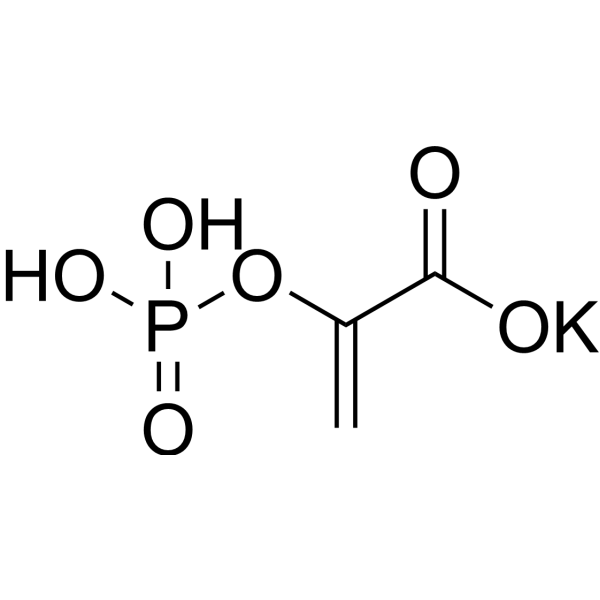
    Phosphoenolpyruvic acid (Phosphoenolpyruvate) potassium is a glycolysis metabolite with a high-energy phosphate group. Phosphoenolpyruvic acid potassium is involved in glycolysis and gluconeogenesis, and used as energy source to produce ATP, under the energy-limited conditions. Phosphoenolpyruvic acid potassium also exhibits cytoprotective and anti-oxidative properties .
    Phosphoenolpyruvic acid potassium
  • HY-W013093
    Uridine triphosphate trisodium salt
    4 Publications Verification

    UTP trisodium salt; Uridine 5'-triphosphate trisodium salt

    Endogenous Metabolite P2Y Receptor Cardiovascular Disease Inflammation/Immunology Cancer
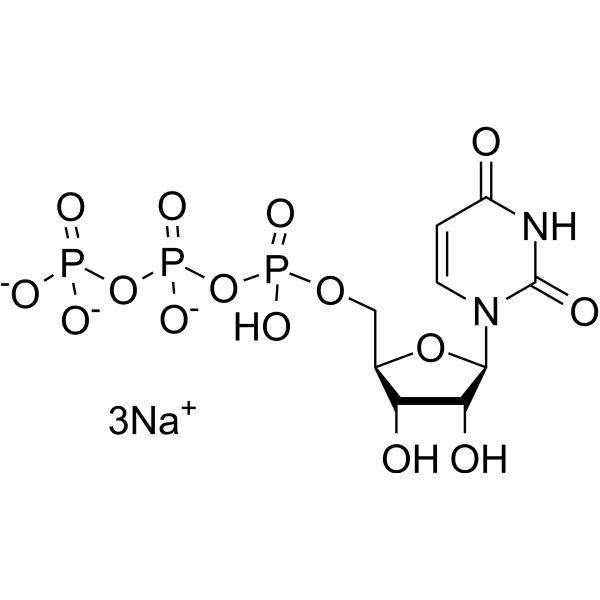
    Uridine triphosphate (UTP) trisodium salt is a pyrimidine nucleoside triphosphate that is used as a substrate to synthesize RNA or as an energy source in metabolic reactions. Uridine triphosphate trisodium salt activates membrane-bound P2Y2 receptors .
    Uridine triphosphate trisodium salt
  • HY-N0537
    Xylose
    5 Publications Verification

    D-(+)-Xylose; (+)-Xylose; Wood sugar

    Environmental Pollutants Endogenous Metabolite Metabolic Disease
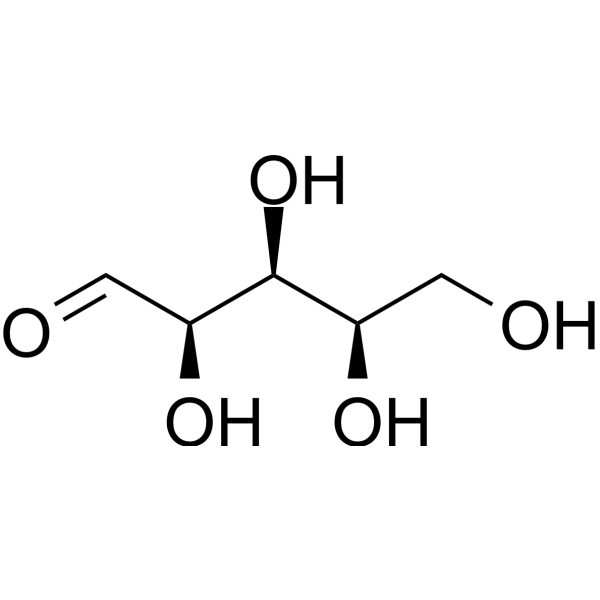
    Xylose (D-(+)-Xylose) is a natural pentose sugar that is catalyzed by xylose isomerase to form xylulose, which is a key step in the anaerobic ethanol fermentation of Xylose. Xylose can be used by microorganisms to produce fuels, chemicals, and bulk industrial enzymes. Xylose provides the substances and energy for cells, as a carbon source for the biosynthesis of high-value chemicals and biofuel. Xylose can be used to fully explore lignocellulose resources and provide a new direction for microbia fermentation .
    Xylose
  • HY-121965

    Biochemical Assay Reagents Endogenous Metabolite Others
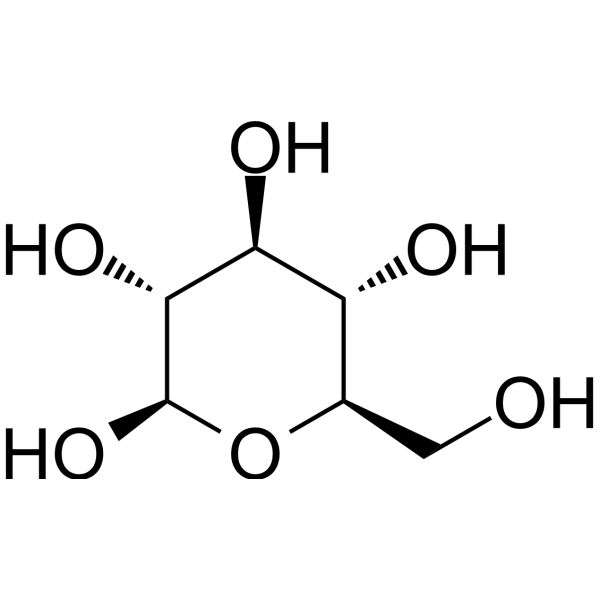
    β-D-Glucose, also known as glucose, is a monosaccharide, the most important carbohydrate in biological systems, the main energy source of cells, and plays a key role in various metabolic processes. β-D-Glucose has unique chemical properties that make it an abundant component in plant and animal tissues and is readily metabolized by organisms to produce cellular energy. It is commonly used to improve hypoglycemia and dehydration, and as a sweetener and preservative in food and beverage production.
    β-D-Glucose
  • HY-W050031
    (S)-3-Hydroxybutanoic acid
    2 Publications Verification

    (S)-β-Hydroxybutanoic acid; L-(+)-3-Hydroxybutyric acid; L-β-Hydroxybutyric acid

    Endogenous Metabolite Metabolic Disease
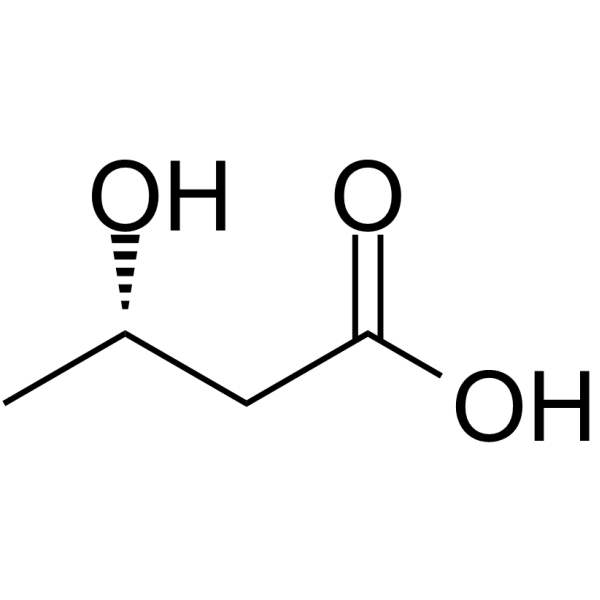
    (S)-3-Hydroxybutanoic acid is a metabolite and a disease marker of depression. 3-Hydroxybutyric acid is synthesized in the liver from acetyl-CoA, and can be used as an energy source by the brain when blood glucose is low.
    (S)-3-Hydroxybutanoic acid
  • HY-107372

    UTP; Uridine 5'-triphosphate

    Endogenous Metabolite DNA/RNA Synthesis P2Y Receptor Cardiovascular Disease
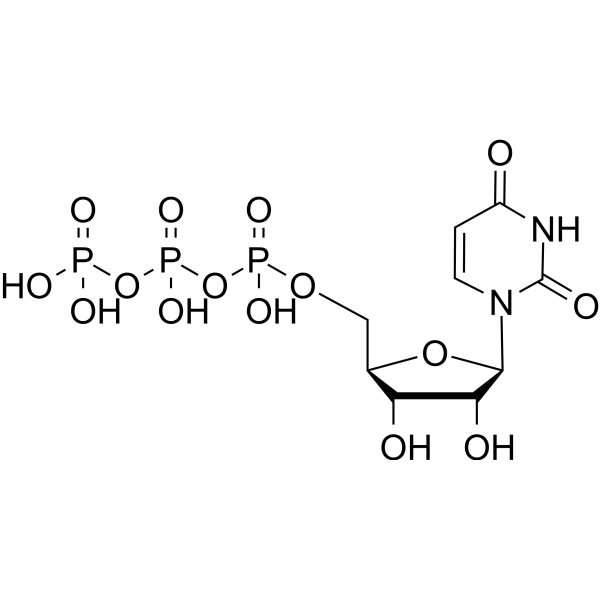
    Uridine triphosphate (UTP; Uridine 5'-triphosphate) is a pyrimidine nucleoside triphosphate that is used as a substrate to synthesize RNA or as an energy source in metabolic reactions. Uridine triphosphate activates membrane-bound P2Y2 receptors .
    Uridine triphosphate
  • HY-128417A

    Biochemical Assay Reagents Others
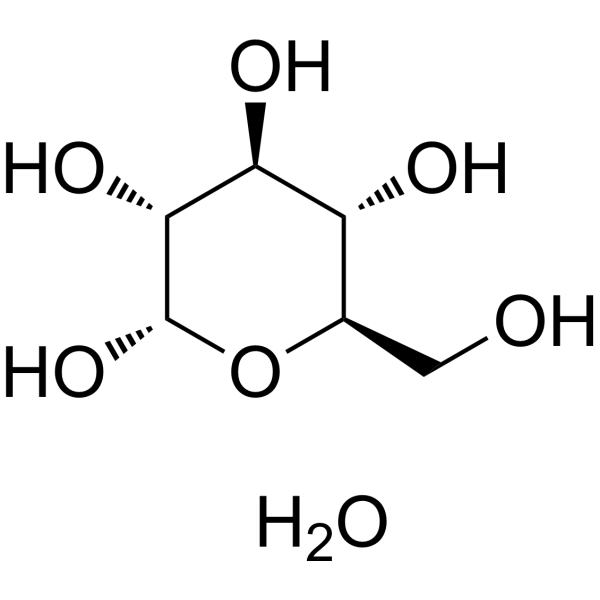
    alpha-D-glucose hydrate is a monosaccharide and the most common form of glucose. It is a monosaccharide, which means it cannot be broken down into simpler sugars. alpha-D-glucose plays a vital role in energy metabolism and is the primary source of energy for many cells in the body. It is also a building block of larger carbohydrates such as starch and glycogen. The "α" prefix refers to the orientation of the hydroxyl group attached to the first carbon atom. Alpha-D-glucose exists in solution as a hydrate, which means it is bound to water molecules.
    alpha-D-glucose hydrate
  • HY-U00462

    Hexokinase Metabolic Disease Cancer
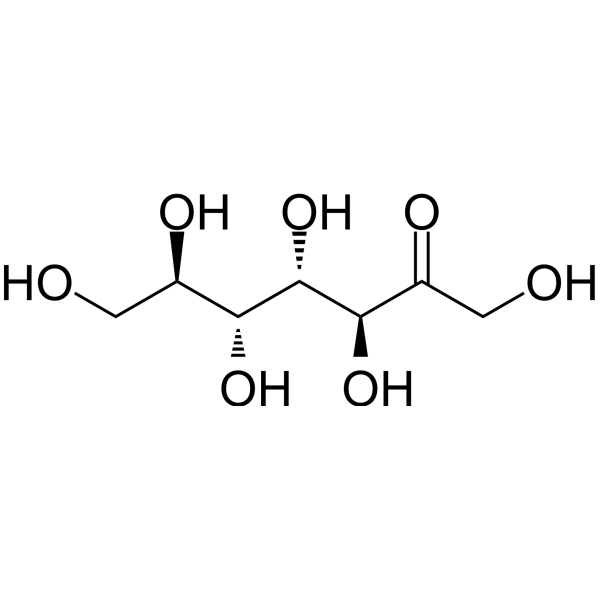
    D-Mannoheptulose is a 7-carbon keto sugar found in avocado. D-mannoheptulose is a specific inhibitor of D-glucose phosphorylation by hexokinase isoenzymes. D-Mannoheptulose can block insulin release and utilization of carbohydrate in rat. D-Mannoheptulose has various functions as anti-oxidants, anticancer effects and energy sources .
    D-Mannoheptulose
  • HY-N3686

    AMPK PGC-1α Metabolic Disease
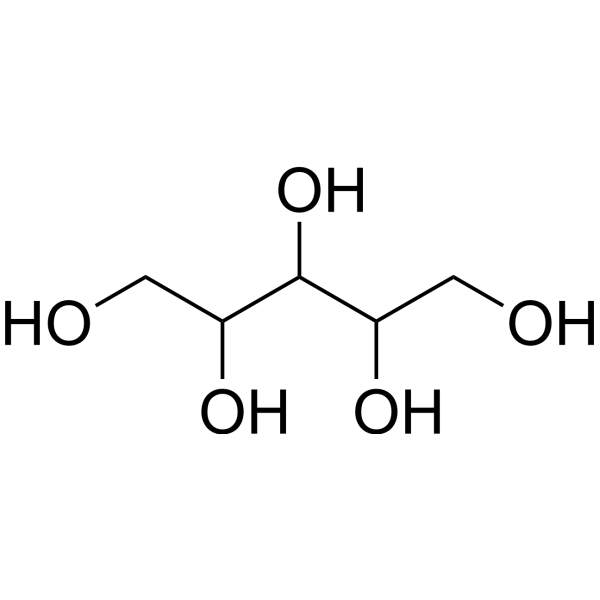
    D-Arabitol is an orally active D-enantiomer of arabitol. D-Arabitol modulates the composition of gut microbiota, increases short-chain fatty acids, and promotes AMPK-PGC-1α-related browning of white adipose tissue. D-Arabitol improves weight gain, fat accumulation, insulin resistance, lipid deposition and inflammatory responses. D-Arabitol serves as the sole carbon/energy source for Bacillus methanolicus MGA3, a strain that can co-utilize it with mannitol. D-Arabitol is applicable to obesity-related research .
    D-Arabitol
  • HY-N6660

    Tricaprin; Glyceryl tridecanoate

    Endogenous Metabolite Androgen Receptor Cardiovascular Disease Metabolic Disease
    Trisdecanoin (Tricaprin; Glyceryl tridecanoate) is an orally available precursor of decanoic acid (DA precursor) that can be hydrolyzed to decanoic acid. Trisdecanoin and its metabolite capric acid not only provide the body with a quick source of energy, but can also affect lipid metabolism. Trisdecanoin is a major component of medium chain triglycerides (MCT), which has preventive or inhibitory properties for abdominal aortic aneurysms (AAA), inhibition of cardiovascular disease, and anti-androgen (NSAA) and anti-hyperglycemic properties. Trisdecanoin can be used as an additive in food, medicine and cosmetics .
    Trisdecanoin
  • HY-113049

    Phosphoenolpyruvate

    Endogenous Metabolite Metabolic Disease
    Phosphoenolpyruvic acid (Phosphoenolpyruvate) is a glycolysis metabolite with a high-energy phosphate group. Phosphoenolpyruvic acid is involved in glycolysis and gluconeogenesis, and used as energy source to produce ATP, under the energy-limited conditions. Phosphoenolpyruvic acid also exhibits cytoprotective and anti-oxidative properties .
    Phosphoenolpyruvic acid
  • HY-D0705

    Hydrogen 4-aminoazobenzene-3,4'-disulphonate sodium salt

    Fluorescent Dye Others
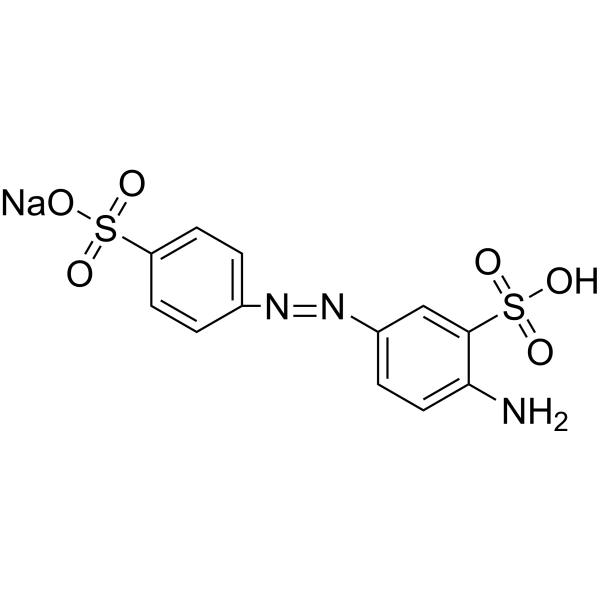
    Acid Yellow 9 monosodium salt is an azo dye, degraded by Pseudomonas fluorescens as sole source of carbon, nitrogen and energy for the bacterium .
    Acid Yellow 9 monosodium salt
  • HY-W008807S

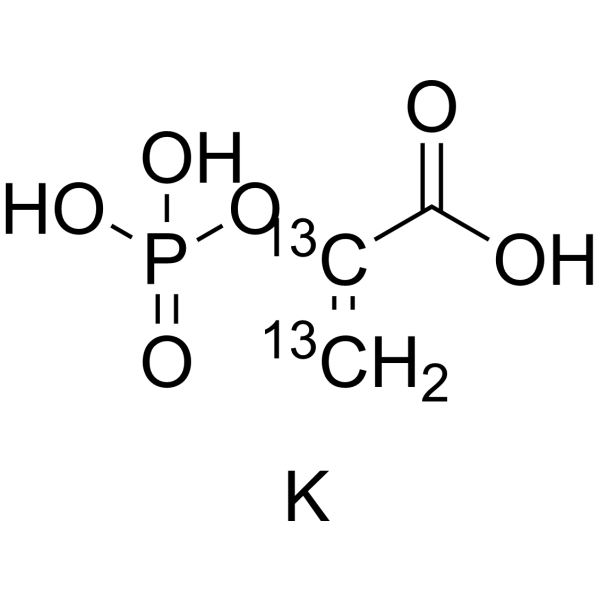
    Phosphoenolpyruvate potassium-13C2

    Isotope-Labeled Compounds Endogenous Metabolite Metabolic Disease
    Phosphoenolpyruvic acid (potassium)- 13C2 is the 13C labeled Phosphoenolpyruvic acid potassium (HY-W008807) . Phosphoenolpyruvic acid (Phosphoenolpyruvate) potassium is a glycolysis metabolite with a high-energy phosphate group. Phosphoenolpyruvic acid potassium is involved in glycolysis and gluconeogenesis, and used as energy source to produce ATP, under the energy-limited conditions. Phosphoenolpyruvic acid potassium also exhibits cytoprotective and anti-oxidative properties .
    Phosphoenolpyruvic acid potassium-13C2
  • HY-107372H

    Uridine 5'-triphosphate trisodium salt, 100 mM Solution, PCR Grade

    Biochemical Assay Reagents Endogenous Metabolite DNA/RNA Synthesis P2Y Receptor Cardiovascular Disease
    UTP (Uridine 5'-triphosphate) trisodium salt, 100 mM Solution, PCR Grade is a solution prepared from uridine triphosphate at a concentration of 100 mM, free of DNase, RNase and phosphatase contamination, suitable for molecular biology research. Uridine triphosphate (HY-107372) is a pyrimidine nucleoside triphosphate that is used as a substrate to synthesize RNA or as an energy source in metabolic reactions. Uridine triphosphate activates membrane-bound P2Y2 receptors .
    UTP trisodium salt, 100 mM Solution, PCR Grade
  • HY-W779019

    D-(+)-Xylose-13C5; (+)-Xylose-13C5; Wood sugar-13C5

    Isotope-Labeled Compounds Endogenous Metabolite Metabolic Disease
    Xylose- 13C5 (D-(+)-Xylose- 13C5) is 13C labeled Xylose. Xylose (D-(+)-Xylose) is a natural pentose sugar that is catalyzed by xylose isomerase to form xylulose, which is a key step in the anaerobic ethanol fermentation of Xylose. Xylose can be used by microorganisms to produce fuels, chemicals, and bulk industrial enzymes. Xylose provides the substances and energy for cells, as a carbon source for the biosynthesis of high-value chemicals and biofuel. Xylose can be used to fully explore lignocellulose resources and provide a new direction for microbia fermentation .
    Xylose-13C5
  • HY-W011704

    Phosphoenolpyruvate cyclohexylammoniu​m salt

    Endogenous Metabolite Metabolic Disease
    Phosphoenolpyruvic acid (Phosphoenolpyruvate) cyclohexylammonium salt is a glycolysis metabolite with a high-energy phosphate group. Phosphoenolpyruvic acid cyclohexylammonium salt is involved in glycolysis and gluconeogenesis, and used as energy source to produce ATP, under the energy-limited conditions. Phosphoenolpyruvic acid cyclohexylammonium salt also exhibits cytoprotective and anti-oxidative properties .
    Phosphoenolpyruvic acid cyclohexylammoniu​m salt
  • HY-W145649
    Ribose-5-phosphate barium salt
    1 Publications Verification

    Biochemical Assay Reagents Others
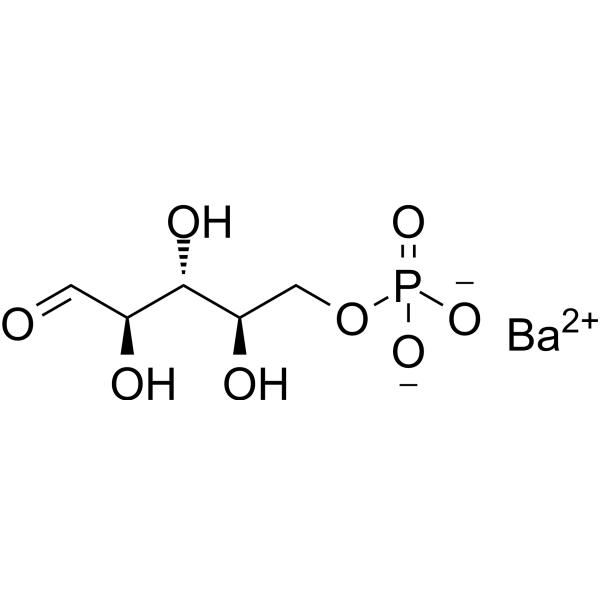
    Ribose-5-phosphate Barium Salt is an organic compound that belongs to the monosaccharide phosphate family. It is commonly used as an intermediate in various biochemical pathways, especially in the biosynthesis of nucleotides and coenzymes. Ribose-5-phosphate Barium Salt has several applications in biochemical research, including as a precursor for the synthesis of other phosphorylated sugars and as a substrate for enzymes involved in the pentose phosphate pathway. In addition, it can be used as an energy source and dietary supplement for certain microorganisms.
    Ribose-5-phosphate barium salt
  • HY-N0537R

    D-(+)-Xylose (Standard); (+)-Xylose (Standard); Wood sugar (Standard)

    Reference Standards Endogenous Metabolite Metabolic Disease
    Xylose (Standard) (D-(+)-Xylose (Standard)) is the analytical standard of Xylose (HY-N0537). This product is intended for research and analytical applications. Xylose (D-(+)-Xylose) is a natural pentose sugar that is catalyzed by xylose isomerase to form xylulose, which is a key step in the anaerobic ethanol fermentation of Xylose. Xylose can be used by microorganisms to produce fuels, chemicals, and bulk industrial enzymes. Xylose provides the substances and energy for cells, as a carbon source for the biosynthesis of high-value chemicals and biofuel. Xylose can be used to fully explore lignocellulose resources and provide a new direction for microbia fermentation.
    Xylose (Standard)
  • HY-N0537S3

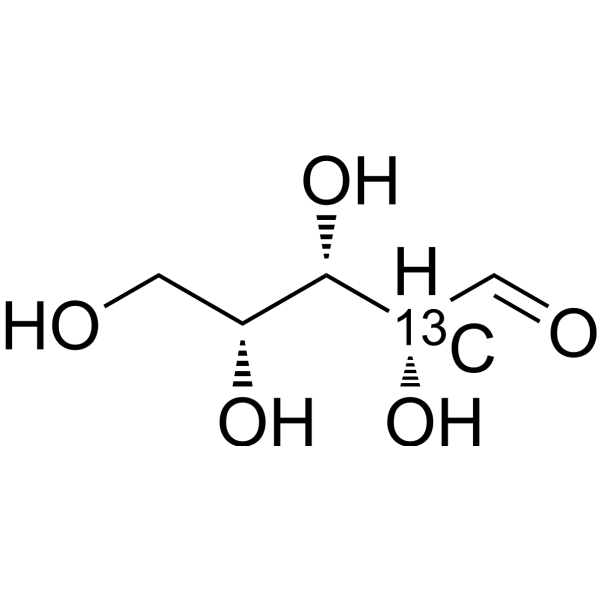
    D-(+)-Xylose-2-13C; (+)-Xylose-2-13C; Wood sugar-2-13C

    Isotope-Labeled Compounds Endogenous Metabolite Metabolic Disease
    Xylose-2- 13C (D-(+)-Xylose-2- 13C) is the 13C labeled Xylose (HY-N0537). Xylose (D-(+)-Xylose) is a natural pentose sugar that is catalyzed by xylose isomerase to form xylulose, which is a key step in the anaerobic ethanol fermentation of Xylose. Xylose can be used by microorganisms to produce fuels, chemicals, and bulk industrial enzymes. Xylose provides the substances and energy for cells, as a carbon source for the biosynthesis of high-value chemicals and biofuel. Xylose can be used to fully explore lignocellulose resources and provide a new direction for microbia fermentation .
    Xylose-2-13C
  • HY-N3686R

    Reference Standards AMPK PGC-1α Metabolic Disease
    D-Arabitol (Standard) is the analytical standard of D-Arabitol. This product is intended for research and analytical applications. D-Arabitol is an orally active D-enantiomer of arabitol. D-Arabitol modulates the composition of gut microbiota, increases short-chain fatty acids, and promotes AMPK-PGC-1α-related browning of white adipose tissue. D-Arabitol improves weight gain, fat accumulation, insulin resistance, lipid deposition and inflammatory responses. D-Arabitol serves as the sole carbon/energy source for Bacillus methanolicus MGA3, a strain that can co-utilize it with mannitol. D-Arabitol is applicable to obesity-related research.
    D-Arabitol (Standard)
  • HY-W011704A

    Phosphoenolpyruvate tricyclohexylammoniu​m salt

    Endogenous Metabolite Metabolic Disease
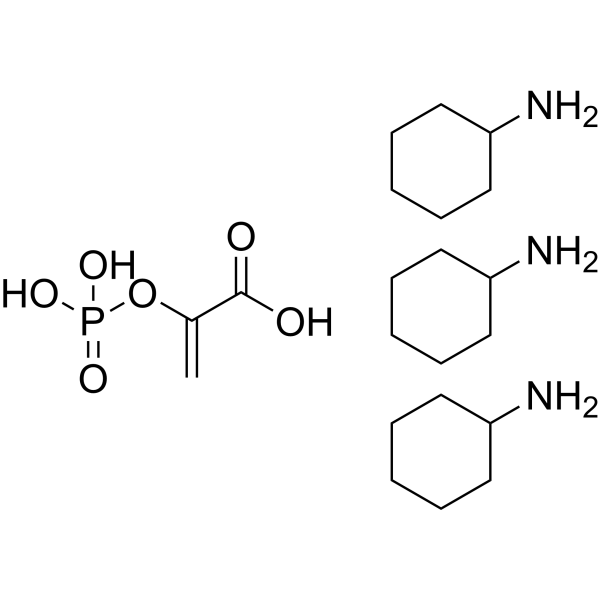
    Phosphoenolpyruvic acid (Phosphoenolpyruvate) tricyclohexylammoniu​m salt is a glycolysis metabolite with a high-energy phosphate group. Phosphoenolpyruvic acid tricyclohexylammoniu​m salt is involved in glycolysis and gluconeogenesis, and used as energy source to produce ATP, under the energy-limited conditions. Phosphoenolpyruvic acid tricyclohexylammoniu​m salt also exhibits cytoprotective and anti-oxidative properties .
    Phosphoenolpyruvic acid tricyclohexylammoniu​m salt
  • HY-W008807R

    Phosphoenolpyruvate potassium (Standard)

    Reference Standards Endogenous Metabolite Metabolic Disease
    Phosphoenolpyruvic acid potassium (Standard) (Potassium 1-carboxyvinyl hydrogenphosphate (Standard)) is the analytical standard of Phosphoenolpyruvic acid potassium (HY-W008807). This product is intended for research and analytical applications. Phosphoenolpyruvic acid potassium is a glycolysis metabolite with a high-energy phosphate group. Phosphoenolpyruvic acid potassium is involved in glycolysis and gluconeogenesis, and used as energy source to produce ATP, under the energy-limited conditions. Phosphoenolpyruvic acid potassium also exhibits cytoprotective and anti-oxidative properties.
    Phosphoenolpyruvic acid potassium (Standard)
  • HY-W415909

    4-O-α-D-Glucopyranosyl-D-fructose monohydrate

    Biochemical Assay Reagents Others
    Maltulose monohydrate (4-O-α-D-Glucopyranosyl-D-fructose monohydrate) can be used as an energy source for bacteria. Maltulose monohydrate is a biomaterial or organic compound that can be used in life science research .
    Maltulose monohydrate
  • HY-W013093R

    UTP trisodium salt (Standard); Uridine 5'-triphosphate trisodium salt (Standard)

    Reference Standards Endogenous Metabolite P2Y Receptor Cardiovascular Disease Inflammation/Immunology Cancer
    Uridine triphosphate (trisodium salt) (Standard) is the analytical standard of Uridine triphosphate (trisodium salt). This product is intended for research and analytical applications. Uridine triphosphate (UTP) trisodium salt is a pyrimidine nucleoside triphosphate that is used as a substrate to synthesize RNA or as an energy source in metabolic reactions. Uridine triphosphate trisodium salt activates membrane-bound P2Y2 receptors .
    Uridine triphosphate trisodium salt (Standard)
  • HY-W002114

    Bacterial Infection
    4-Amino-3-hydroxybenzoic acid is an aromatic substrate degradable by Bordetella sp. strain 10d. 4-Amino-3-hydroxybenzoic acid can serve as a carbon source, nitrogen source and energy source for the growth of Bordetella sp. strain 10d. 4-Amino-3-hydroxybenzoic acid acts as a substrate for 2-amino-5-carboxymuconate-6-semialdehyde deaminase and 4-amino-3-hydroxybenzoate 2,3-dioxygenase .
    4-Amino-3-hydroxybenzoic acid
  • HY-113049A

    Phosphoenolpyruvate trisodium

    Endogenous Metabolite Metabolic Disease
    Phosphoenolpyruvic acid (Phosphoenolpyruvate) trisodium is a glycolysis metabolite with a high-energy phosphate group. Phosphoenolpyruvic acid trisodium is involved in glycolysis and gluconeogenesis, and used as energy source to produce ATP, under the energy-limited conditions. Phosphoenolpyruvic acid trisodium also exhibits cytoprotective and anti-oxidative properties .
    Phosphoenolpyruvic acid trisodium
  • HY-W011704AR

    Phosphoenolpyruvate tricyclohexylammoniu​m salt (Standard)

    Endogenous Metabolite Reference Standards Metabolic Disease
    Phosphoenolpyruvic acid (Phosphoenolpyruvate) tricyclohexylammoniu​m salt is a glycolysis metabolite with a high-energy phosphate group. Phosphoenolpyruvic acid tricyclohexylammoniu​m salt is involved in glycolysis and gluconeogenesis, and used as energy source to produce ATP, under the energy-limited conditions. Phosphoenolpyruvic acid tricyclohexylammoniu​m salt also exhibits cytoprotective and anti-oxidative properties .
    Phosphoenolpyruvic acid tricyclohexylammoniu​m salt (Standard)
  • HY-W767186

    Isotope-Labeled Compounds Hexokinase Metabolic Disease Cancer
    D-Mannoheptulose- 13C7 is the 13C-labeled D-Mannoheptulose. D-Mannoheptulose is a 7-carbon keto sugar found in avocado. D-mannoheptulose is a specific inhibitor of D-glucose phosphorylation by hexokinase isoenzymes. D-Mannoheptulose can block insulin release and utilization of carbohydrate in rat. D-Mannoheptulose has various functions as anti-oxidants, anticancer effects and energy sources .
    D-Mannoheptulose-13C7
  • HY-U00462S

    Isotope-Labeled Compounds Hexokinase Metabolic Disease Cancer
    D-Mannoheptulose- 13C is the 13C labeled D-Mannoheptulose (HY-U00462) . D-Mannoheptulose is a 7-carbon keto sugar found in avocado. D-mannoheptulose is a specific inhibitor of D-glucose phosphorylation by hexokinase isoenzymes. D-Mannoheptulose can block insulin release and utilization of carbohydrate in rat. D-Mannoheptulose has various functions as anti-oxidants, anticancer effects and energy sources .
    D-Mannoheptulose-13C
  • HY-N6660R

    Tricaprin (Standard); Glyceryl tridecanoate (Standard)

    Reference Standards Endogenous Metabolite Androgen Receptor Metabolic Disease
    Trisdecanoin (Standard) is the analytical standard of Trisdecanoin. This product is intended for research and analytical applications. Trisdecanoin (Tricaprin; Glyceryl tridecanoate) is an orally available precursor of decanoic acid (DA precursor) that can be hydrolyzed to decanoic acid. Trisdecanoin and its metabolite capric acid not only provide the body with a quick source of energy, but can also affect lipid metabolism. Trisdecanoin is a major component of medium chain triglycerides (MCT), which has preventive or inhibitory properties for abdominal aortic aneurysms (AAA), inhibition of cardiovascular disease, and anti-androgen (NSAA) and anti-hyperglycemic properties. Trisdecanoin can be used as an additive in food, medicine and cosmetics .
    Trisdecanoin (Standard)
  • HY-N3686S

    Isotope-Labeled Compounds AMPK PGC-1α Metabolic Disease
    D-Arabitol- 13C is the 13C labeled D-Arabitol. D-Arabitol is an orally active D-enantiomer of arabitol. D-Arabitol modulates the composition of gut microbiota, increases short-chain fatty acids, and promotes AMPK-PGC-1α-related browning of white adipose tissue. D-Arabitol improves weight gain, fat accumulation, insulin resistance, lipid deposition and inflammatory responses. D-Arabitol serves as the sole carbon/energy source for Bacillus methanolicus MGA3, a strain that can co-utilize it with mannitol. D-Arabitol is applicable to obesity-related research.
    D-Arabitol-13C
  • HY-N3686S1

    Isotope-Labeled Compounds AMPK PGC-1α Metabolic Disease
    D-Arabitol- 13C-1 is the 13C labeled D-Arabitol. D-Arabitol is an orally active D-enantiomer of arabitol. D-Arabitol modulates the composition of gut microbiota, increases short-chain fatty acids, and promotes AMPK-PGC-1α-related browning of white adipose tissue. D-Arabitol improves weight gain, fat accumulation, insulin resistance, lipid deposition and inflammatory responses. D-Arabitol serves as the sole carbon/energy source for Bacillus methanolicus MGA3, a strain that can co-utilize it with mannitol. D-Arabitol is applicable to obesity-related research.
    D-Arabitol-13C-1
  • HY-N3686S2

    Isotope-Labeled Compounds AMPK PGC-1α Metabolic Disease
    D-Arabitol- 13C-2 is the 13C labeled D-Arabitol. D-Arabitol is an orally active D-enantiomer of arabitol. D-Arabitol modulates the composition of gut microbiota, increases short-chain fatty acids, and promotes AMPK-PGC-1α-related browning of white adipose tissue. D-Arabitol improves weight gain, fat accumulation, insulin resistance, lipid deposition and inflammatory responses. D-Arabitol serves as the sole carbon/energy source for Bacillus methanolicus MGA3, a strain that can co-utilize it with mannitol. D-Arabitol is applicable to obesity-related research.
    D-Arabitol-13C-2
  • HY-145504

    1,2-Palmitin-3-Linoelaidin

    Biochemical Assay Reagents Metabolic Disease
    12-Dipalmitoyl-3-Linoelaidoyl-rac-glycerol is a triacylglycerol containing palmitic acid (HY-N0830) at the sn-1 and sn-2 positions and linoelaidic acid (HY-W071746) at the sn-3 position. Palmitic acid is a long-chain saturated fatty acid commonly found in both animals and plants. Palmitic acid can induce the expression of glucose-regulated protein 78 (GRP78) and CCAAT/enhancer binding protein homologous protein (CHOP) in in mouse granulosa cells. Linolelaidic acid, an omega-6 trans fatty acid, acts as a source of energy. Linolelaidic acid is an essential nutrient, adding in enteral, parenteral, and infant formulas. Linolelaidic acid can be used for heart diseases research .
    12-Dipalmitoyl-3-Linoelaidoyl-rac-glycerol
  • HY-W555010

    Phosphoenolpyruvate monosodium

    Endogenous Metabolite Metabolic Disease
    Phosphoenolpyruvic acid (Phosphoenolpyruvate) monosodium is a glycolysis metabolite with a high-energy phosphate group. Phosphoenolpyruvic acid monosodium is involved in glycolysis and gluconeogenesis, and used as energy source to produce ATP, under the energy-limited conditions. Phosphoenolpyruvic acid monosodium also exhibits cytoprotective and anti-oxidative properties .
    Phosphoenolpyruvic acid monosodium
  • HY-180710

    Taurocyamine phosphate

    Nucleoside Antimetabolite/Analog Metabolic Disease
    N-Phosphotaurocyamine (Taurocyamine phosphate) is a phosphagen in Arenicola, the stores of phosphotaurocyamine are an energy source which can be used for rapid regeneration of ATP .
    N-Phosphotaurocyamine
  • HY-E71124

    Biochemical Assay Reagents Others
    (S)-Mandelate dehydrogenase (EC 1.1.99.31) belongs to the FMN-dependent α-hydroxy acid oxidase/dehydrogenase family. (S)-Mandelate dehydrogenase (EC 1.1.99.31) is part of a Pseudomonas metabolic pathway that enables these organisms to utilize mandelic acid (derived from the common soil metabolite amygdalin) as their sole carbon and energy source.
    (S)-Mandelate dehydrogenase
  • HY-128417AR

    Biochemical Assay Reagents Reference Standards Others
    alpha-D-glucose (hydrate) (Standard) is the analytical standard of alpha-D-glucose (hydrate). This product is intended for research and analytical applications. alpha-D-glucose hydrate is a monosaccharide and the most common form of glucose. It is a monosaccharide, which means it cannot be broken down into simpler sugars. alpha-D-glucose plays a vital role in energy metabolism and is the primary source of energy for many cells in the body. It is also a building block of larger carbohydrates such as starch and glycogen. The "α" prefix refers to the orientation of the hydroxyl group attached to the first carbon atom. Alpha-D-glucose exists in solution as a hydrate, which means it is bound to water molecules.
    alpha-D-glucose hydrate (Standard)
  • HY-W050031R

    (S)-β-Hydroxybutanoic acid (Standard); L-(+)-3-Hydroxybutyric acid (Standard); L-β-Hydroxybutyric acid (Standard)

    Reference Standards Endogenous Metabolite Metabolic Disease
    (S)-3-Hydroxybutanoic acid (Standard) is the analytical standard of (S)-3-Hydroxybutanoic acid (HY-W050031). This product is intended for research and analytical applications. (S)-3-Hydroxybutanoic acid is a metabolite and a disease marker for depression. (S)-3-Hydroxybutanoic acid is synthesized in the liver from acetyl-CoA and can be used by the brain as an energy source when blood sugar is low.
    (S)-3-Hydroxybutanoic acid (Standard)
  • HY-E70947

    Endogenous Metabolite Metabolic Disease
    β-Hydroxybutyrate Dehydrogenase, Rhodopseudomonas sphaeroides (EC 1.1.1.30) is a soluble cytosolic enzyme that does not require a phospholipid allosteric activator. β-Hydroxybutyrate Dehydrogenase, Rhodopseudomonas sphaeroides is required for the utilization of ketone bodies as a source of metabolic energy. β-Hydroxybutyrate Dehydrogenase, Rhodopseudomonas sphaeroides catalyzes the oxidation of 3-hydroxybutyrate to acetoacetate, the first step in the conversion of ketone bodies to citric acid, which is then further metabolized via the tricarboxylic acid cycle (Krebs cycle).
    β-Hydroxybutyrate Dehydrogenase, Rhodopseudomonas sphaeroides
  • HY-E70959

    Endogenous Metabolite Metabolic Disease
    β-Hydroxybutyrate Dehydrogenase, Pseudomonas lemoignei (EC 1.1.1.30) is a soluble cytosolic enzyme that does not require a phospholipid allosteric activator. β-Hydroxybutyrate Dehydrogenase, Pseudomonas lemoignei is required for the utilization of ketone bodies as a source of metabolic energy. β-Hydroxybutyrate Dehydrogenase, Pseudomonas lemoignei catalyzes the oxidation of 3-hydroxybutyrate to acetoacetate, the first step in the conversion of ketone bodies to citric acid, which is then further metabolized via the tricarboxylic acid cycle (Krebs cycle).
    β-Hydroxybutyrate Dehydrogenase, Pseudomonas lemoignei
  • HY-W779018

    D-(+)-Xylose-13C2; (+)-Xylose-13C2; Wood sugar-13C2

    Isotope-Labeled Compounds Endogenous Metabolite Metabolic Disease
    Xylose- 13C2 (D-(+)-Xylose- 13C2) is the 13C-labeled Xylose. Xylose (D-(+)-Xylose) is a natural pentose sugar that is catalyzed by xylose isomerase to form xylulose, which is a key step in the anaerobic ethanol fermentation of Xylose. Xylose can be used by microorganisms to produce fuels, chemicals, and bulk industrial enzymes. Xylose provides the substances and energy for cells, as a carbon source for the biosynthesis of high-value chemicals and biofuel. Xylose can be used to fully explore lignocellulose resources and provide a new direction for microbia fermentation .
    Xylose-13C2

Inquiry Online

Your information is safe with us. * Required Fields.

Salutation


Country or Region *

Applicant Name *


Organization Name *

Department *


Email Address *


Product Name *

Cat. No.


Requested quantity *

Phone Number *


Remarks

Inquiry Online

Inquiry Information

Product Name:
Cat. No.:
Quantity:
MCE Japan Authorized Agent:

