1. Search Result
Search Result
Results for "

enzymatic activatable

" in MedChemExpress (MCE) Product Catalog:

57

Inhibitors & Agonists

1

Screening Libraries

5

Fluorescent Dyes

2

Biochemical Assay Reagents

2

Peptides

3

Inhibitory Antibodies

5

Natural
Products

Cat. No. Product Name Target Research Areas Chemical Structure
  • HY-111789
    Subasumstat
    Maximum Cited Publications
    33 Publications Verification

    TAK-981

    E1/E2/E3 Enzyme Inflammation/Immunology Cancer
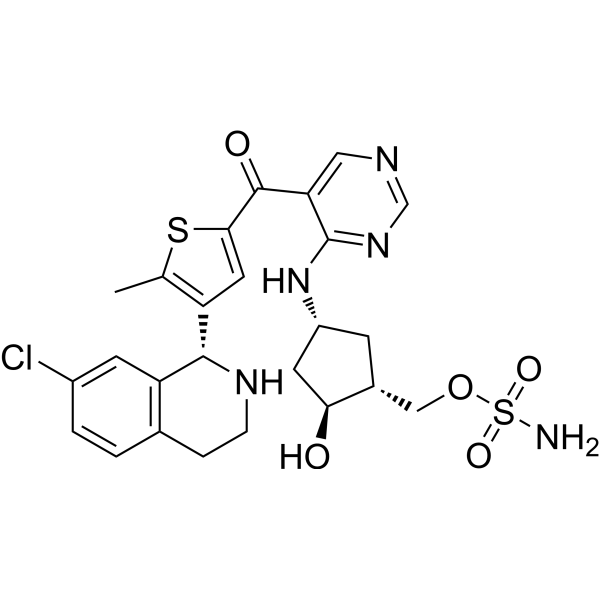
    Subasumstat (TAK-981) is a first in class and selective inhibitor of the SUMOylation enzymatic cascade, with potential immune-activating and antineoplastic activities .
    Subasumstat
  • HY-12689
    Mitapivat
    3 Publications Verification

    AG-348

    Pyruvate Kinase Metabolic Disease
    Mitapivat (AG-348) is an orally active pyruvate kinase allosteric activator. Mitapivat increases enzymatic activity, protein stability, and ATP levels over a broad range of PKLR genotypes, shows the potential to restore the activity of PK (pyruvate kinase)-deficient glycolytic pathways. Mitapivat can be used in study of PK deficiency .
    Mitapivat
  • HY-147313
    TH10785
    2 Publications Verification

    DNA/RNA Synthesis Metabolic Disease Cancer
    TH10785 is a DNA glycosylase 1 (OGG1) activator, TH10785 can interact with the phenylalanine-319 and glycine-42 amino acids of OGG1 and increase the enzyme activity, generates β, δ-lyase enzymatic function. TH10785 can control the catalytic activity mediated by a nitrogen base within its molecular structure. TH10785 can be used for the research of various diseases and aging connected with DNA oxidative lesions .
    TH10785
  • HY-131296
    5-A-RU-PABC-Val-Cit-Fmoc
    5+ Cited Publications

    Drug Derivative Inflammation/Immunology
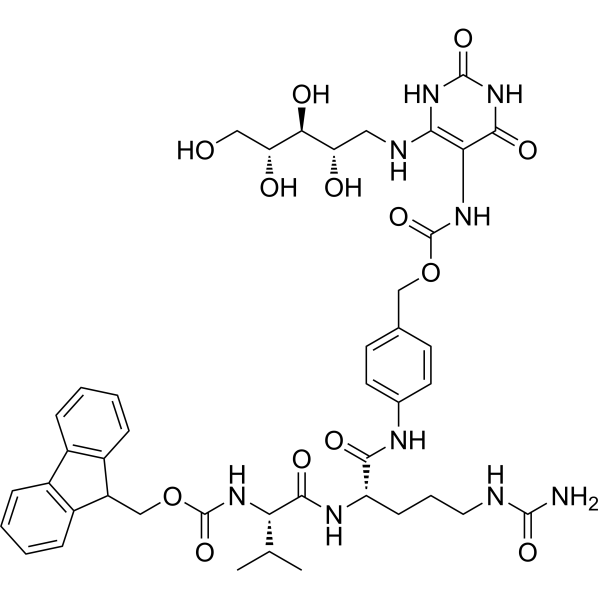
    5-A-RU-PABC-Val-Cit-Fmoc is the proagent of 5-A-RU . 5-A-RU, a precursor of bacterial Riboflavin, is a mucosal-associated invariant T (MAIT) cells activator. 5-A-RU forms potent MAIT-activating antigens via non-enzymatic reactions with small molecules, such as glyoxal and methylglyoxal, which are derived from other metabolic pathways .
    5-A-RU-PABC-Val-Cit-Fmoc
  • HY-164899

    2-aminopyridine-3-carboxylic acid imidazolide

    Transmembrane Glycoprotein Cancer
    2A3 (2-aminopyridine-3-carboxylic acid imidazolide) is a T cell activator that specifically binds to CEACAM6 and CEACAM5. 2A3 exhibits enzymatic activity that catalyzes the glucuronidation of specific substrates (e.g., 1-naphthol), and possesses significant cytotoxic activity. When integrated into CAR T cells or used alone, 2A3 acts by inducing cytokine release, degranulation, and direct cytotoxicity. 2A3 kills pancreatic and breast cancer cells with high target antigen expression in vitro, and significantly inhibits the growth of pancreatic cancer xenografts in vivo. 2A3 broadly targets malignant tumors with overexpressed CEACAM5, CEACAM6, or co-expressed both, and shows high expression mainly in tissues such as the liver and colon. 2A3 serves as an important research tool for the immunotherapy of pancreatic and breast cancer . 2A3 is a novel SHAPE reagent, which can be used for the analysis of RNA structure both in vitro and in vivo . 2A3 is an electrophilic chemical probe that acylates the 2'-OH in the RNA backbone. 2A3 can be used for RNA SHAPE-MaP experiments and is capable of analyzing the RNA secondary structures at single nucleotide resolution.
    2A3
  • HY-157421

    NAMPT Metabolic Disease
    Nampt activator-4 is an orally active NAMPT activator, with an EC50 of 58 nM and a Ka of 85.38 nM against human NAMPT. Nampt activator-4 effectively relieves the feedback inhibition of nicotinamide and NAD +, thereby enhancing enzymatic activity and significantly increasing intracellular NAD + levels. Nampt activator-4 exhibits moderate stability in human and mouse liver microsomes. Nampt activator-4 shows low to moderate inhibitory effects on cytochrome P450 (especially CYP3A4). Nampt activator-4 can be used for the research of type 2 diabetes and related metabolic disorders .
    Nampt activator-4
  • HY-13543

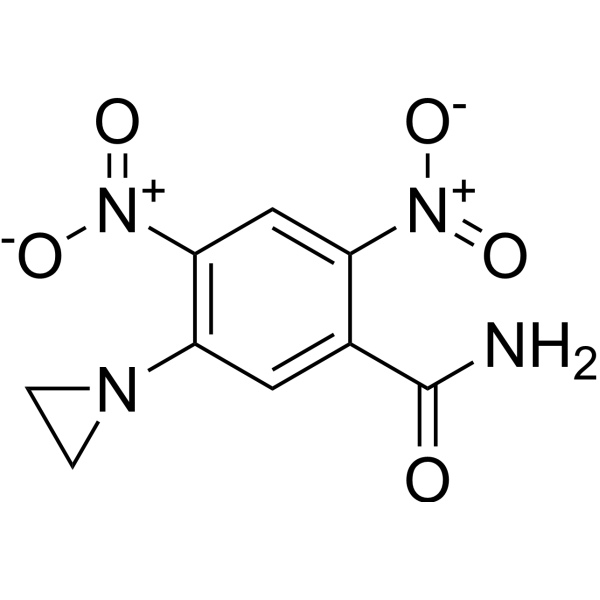
    CB 1954

    Quinone Reductase DNA Alkylator/Crosslinker Cancer
    Tretazicar (CB 1954), an antitumor proagent, is highly selective against the Walker 256 rat tumour line. Tretazicar is enzymatically activated to generate a bifunctional agent, which can form DNA-DNA interstrand cross-links. Tretazicar in rat cells involves the reduction of its 4-nitro group to a 4-hydroxylamine by the enzyme NAD(P)H:quinone oxidoreductase 1 (NQO1) .
    Tretazicar
  • HY-12070
    DPH
    5 Publications Verification

    Bcr-Abl Cancer
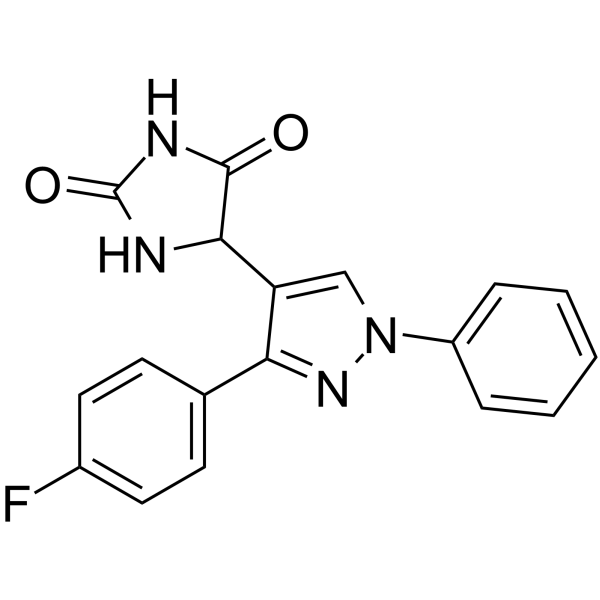
    DPH is a potent cell permeable c-Abl activator, which displays potent enzymatic and cellular activity in stimulating c-Abl activation.  
    DPH
  • HY-148815

    NAMPT Metabolic Disease
    Nampt activator-1 is a nicotinamide phosphoribosyltransferase (NAMPT) activator, with an EC50 of 3.3~3.7 μM. Nampt activator-1 enhances the enzymatic activity of NAMPT. Nampt activator-1 can be used for research related to metabolic disorders .
    Nampt activator-1
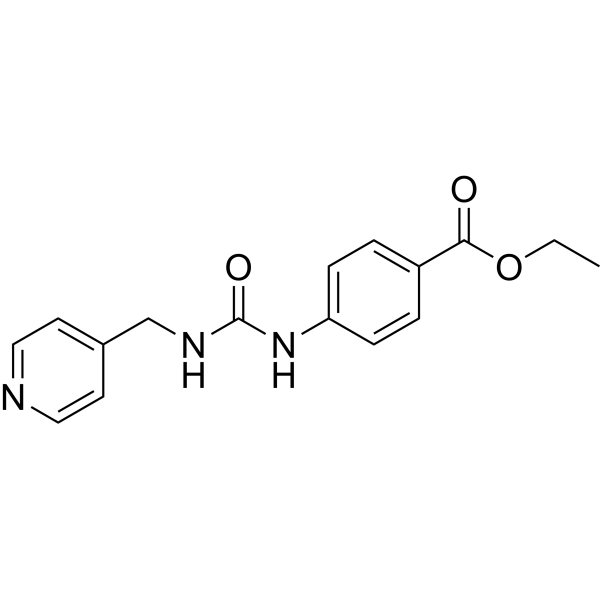
  • HY-13297
    PYZD-4409
    2 Publications Verification

    E1/E2/E3 Enzyme Cancer
    PYZD-4409 is a specific inhibitor of the ubiquitin-activating enzyme UBA1 with an IC50 of 20 μM (cell-free enzymatic assay). PYZD-4409 induces cell death in malignant cells and preferentially inhibits the clonogenic growth of primary acute myeloid leukemia cells .
    PYZD-4409
  • HY-117541

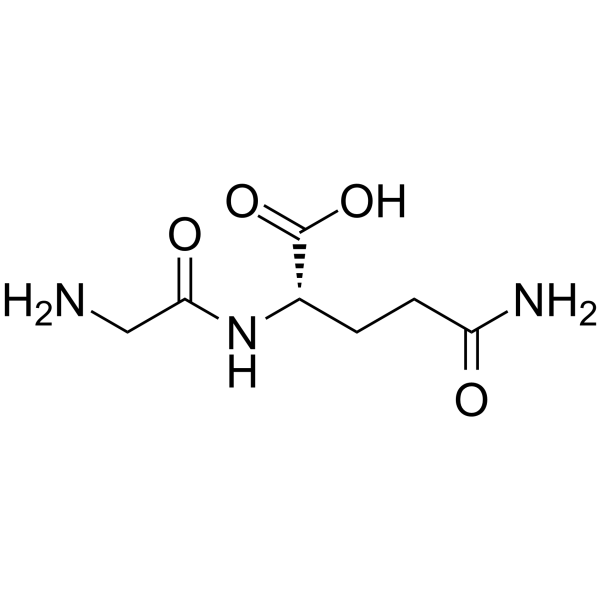
    Glycyl-L-glutamine

    Others Neurological Disease
    Glycyl-glutamine (Glycyl-L-glutamine), as a enzymatic cleavage product of β-endorphin, is apparently an endogenous antagonist of beta-endorphin(1-31) in several systems . Glycyl-glutamine (Glycyl-L-glutamine) is an activate and stable glutamine-containing neuropeptide over glutamine (Gln) .
    Glycyl-glutamine
  • HY-Z0816
    Dehydronitrosonisoldipine
    3 Publications Verification

    Calcium Channel Others
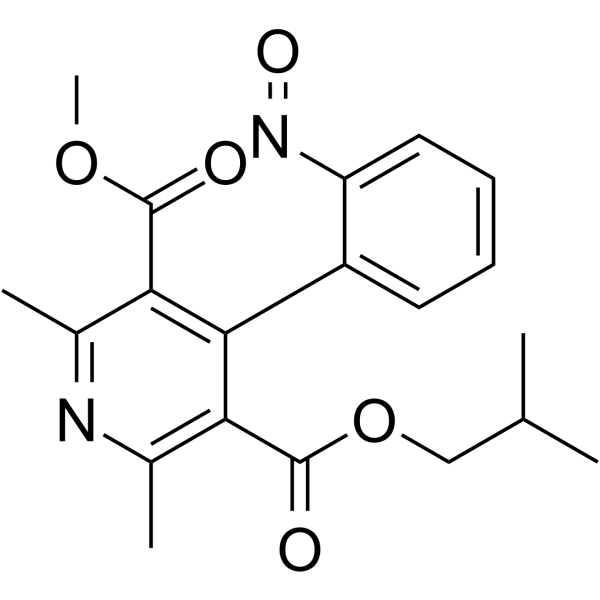
    Dehydronitrosonisoldipine, a derivative of Nisoldipine (HY-17402), is an irreversible and cell-permeant sterile alpha and TIR motif-containing 1 (SARM1) inhibitor. Dehydronitrosonisoldipine acts mainly by blocking SARM1 activation but not its enzymatic activities. Dehydronitrosonisoldipine inhibits SARM1 and axon degenration (AxD) by covalently modifying cysteines, also inhibits the Vincristine-activated cADPR production in neurons. Dehydronitrosonisoldipine can be used for researching neurodegenerative disorders .
    Dehydronitrosonisoldipine
  • HY-N4322
    Decursinol angelate
    1 Publications Verification

    PKC Inflammation/Immunology Cancer
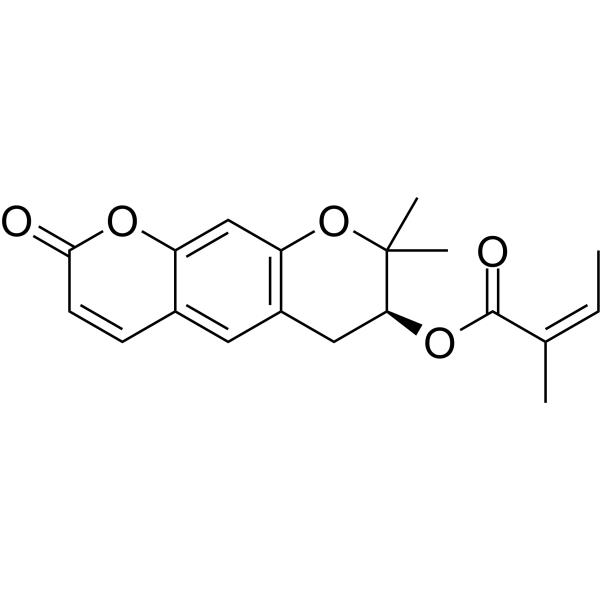
    Decursinol angelate acts as a PKC activator and GDH inhibitor, with an IC50 of 1.432 μM against human GDH. Decursinol angelate activates PKC, downregulates PKCα and PKCβII isoforms, and exerts cytotoxic activity against cancer cells. Decursinol angelate binds to GDH and inhibits its enzymatic activity. Decursinol angelate inhibits VEGF-induced autophosphorylation of VEGFR2, downstream p42/44 ERK and JNK-MAPK signaling pathways, as well as the angiogenesis process. Decursinol angelate is applicable to research related to cancer and leukemia .
    Decursinol angelate
  • HY-P990091

    SAR 445088

    Complement System Inflammation/Immunology
    Riliprubart (SAR 445088) is an anti-C1s humanized IgG4 monoclonal antibody that inhibits activated C1s in the proximal portion of the classical complement system. Riliprubart selectively inhibits activated C1s and prevents the enzymatic action of C1 on its substrates C4 and C2, thus inhibiting the formation of the classical pathway C3 convertase, C4b2a. Riliprubart can be used to study complement-mediated diseases such as systemic lupus erythematosus. Recommend Isotype Controls: Human IgG4 (S228P) kappa, Isotype Control (HY-P99003) .
    Riliprubart
  • HY-160698

    MALT1 Apoptosis Cancer
    SGR-1505 is an oral small molecule MALT1 inhibitor with anti-proliferative and antitumor activity.SGR-1505 inhibits MALT1 enzymatic activity to modulate NF-κB pathway gene expression.SGR-1505 induces modulation of cell cycle, DNA damage, and apoptosis-related genes in in vivo tumor samples.SGR-1505 exerts tumorostatic and regressive activity in ABC-DLBCL xenograft models.SGR-1505 can be used for the research of activated B cell-like diffuse large B cell lymphoma, non-Hodgkin B-cell lymphomas, chronic lymphocytic leukemia, and mature B cell neoplasms .
    SGR-1505
  • HY-D1336

    Fluorescent Dye
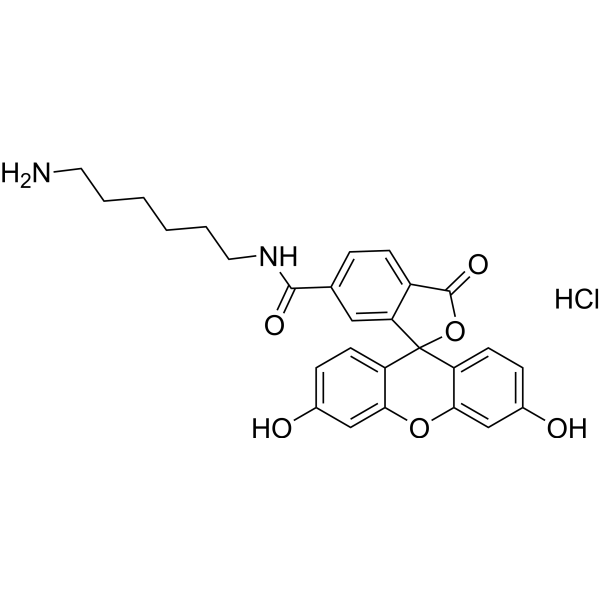
    FAM amine, 6-isomer is a fluorescein derivative with an amine group and contains an isomer of the fluorophore. Can be used to modify biomolecules through enzymatic transamination. Its fatty amine groups can also react with electrophiles such as activated esters. The amine can also be conjugated to carbonyl compounds (aldehydes and ketones) by reductive amination.
    FAM amine, 6-isomer
  • HY-171705

    Keap1-Nrf2 AMPK JNK IKK p38 MAPK NO Synthase α-synuclein Interleukin Related Neurological Disease
    KMS99220 is an orally active, blood-brain barrier-permeable activator of the Nrf2 inhibitory protein Keap-1. KMS99220 enhances the activity of AMPK, activates the Nrf2 signaling pathway, and reduces the phosphorylation of IκB, nuclear translocation of NFκB, as well as the phosphorylation levels of JNK, IKK and p38 MAPK via HO-1. KMS99220 binds to Keap1 to trigger the nuclear translocation of Nrf2, induces the expression of HO-1, NQO1, GCLC, GCLM and proteasome subunits; enhances proteasomal enzymatic activity; inhibits iNOS expression, nitric oxide production and IL-1β generation; attenuates microglial activation; reduces α-synuclein aggregation; and prevents dopaminergic neuron degeneration and motor dysfunction. KMS99220 prevents the degeneration of dopaminergic neurons in the substantia nigra, induces the expression of Nrf2 downstream target genes, and effectively ameliorates associated motor dysfunction in a mouse model of Parkinson's disease. KMS99220 is applicable to research related to Parkinson's disease .
    KMS99220
  • HY-135700

    Calcineurin Ras HMG-CoA Reductase (HMGCR) Metabolic Disease Inflammation/Immunology
    Mevalonolactone is an intermediate metabolite in the eukaryotic mevalonate pathway, serving as the stable δ-lactone form of mevalonate with oral activity. Mevalonolactone exhibits binding affinity for ZNF384 (Ka = 12.6 μM) and inhibitory activity against aconitase (aconitase). Mevalonolactone promotes the nuclear localization of ZNF384 and enhances its binding to the GGPPS promoter. Mevalonolactone induces insulin resistance, disrupts glucose and lipid metabolism, enhances the isoprenylation of K-Ras, and inhibits the activation of the insulin signaling pathway. Mevalonolactone inhibits polypeptide synthesis of HMG-CoA reductase in isolated rat hepatocytes, promotes its degradation, and reduces its enzymatic activity. Mevalonolactone impairs mitochondrial function in rat brains. Mevalonolactone promotes the development of metabolically unhealthy obesity. Mevalonolactone can be used in research related to metabolically abnormal obesity, mevalonic aciduria, HMGCR-related limb-girdle myopathy, and statin-induced myopathy .
    Mevalonolactone
  • HY-P991444

    NTPDase ATP Synthase Inflammation/Immunology Cancer
    IPH5201 is a selective CD39 inhibitor and a humanized IgG1 monoclonal antibody. IPH5201 selectively binds to and inhibits the enzymatic activity of both membrane-bound and soluble CD39, blocking ATP hydrolysis. IPH5201 enhances the phenotypic maturation and activation of dendritic cells and macrophages. IPH5201 potentiates the anti-tumor effect of Oxaliplatin (HY-17371). IPH5201 shows preliminary evidence of disease stabilization in advanced solid tumor models when used as a single agent or in combination with Durvalumab (HY-P9919). IPH5201 can be used for the research of advanced solid tumors .
    IPH5201
  • HY-173447

    NTPDase CD73 Cancer
    8-BuS-AMP is a NTPDase1 inhibitor and a CD73/CD39 inhibitor, with an IC50 of 35 μM and a Ki value of 0.292 μM against human NTPDase1; its Ki values against human CD73 and CD39 are 1.19 μM and 0.847 μM, respectively. 8-BuS-AMP binds to the substrate-binding pockets of NTPDase1 and CD73 to effectively block the conversion of ATP and AMP to adenosine, thereby enhancing the activation and proliferation of human peripheral T lymphocytes. 8-BuS-AMP possesses excellent enzymatic hydrolysis resistance and metabolic stability, resists hydrolysis by multiple NTPDase subtypes, and shows no activity against P2Y1 and P2Y12 receptors. 8-BuS-AMP can be used in purinergic signaling pathway and cancer-related studies .
    8-BuS-AMP
  • HY-122159

    FAAH Metabolic Disease
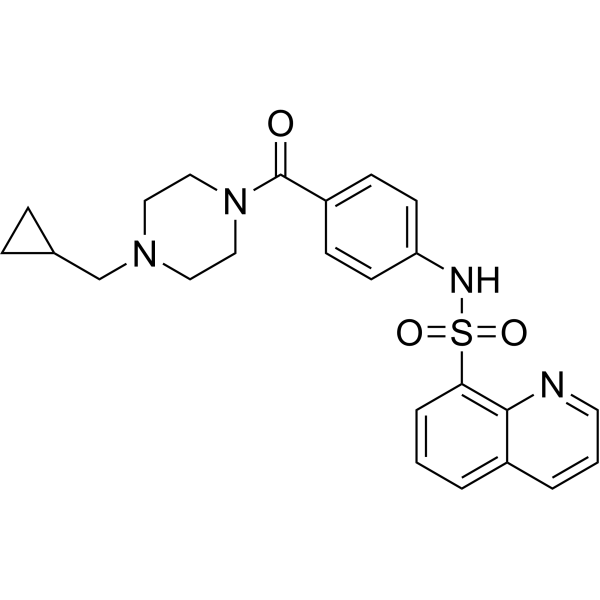
    MDPD is an Arabidopsis FAAH (AtFAAH) activator that can enhance the enzymatic activity of AtFAAH .
    MDPD
  • HY-P2738A

    MMP Inflammation/Immunology
    Type I collagen peptide is a fibrillar form of collagen that promotes the activation and growth of epithelial cells . This product is an enzymatically hydrolyzed collagen short peptide.
    Collagen petide Type I
  • HY-111789A

    (S)-TAK-981

    Drug Isomer Inflammation/Immunology Cancer
    (S)-Subasumstat is the isomer of Subasumstat (HY-111789). Subasumstat (TAK-981) is a first in class and selective inhibitor of the SUMOylation enzymatic cascade, with potential immune-activating and antineoplastic activities .
    (S)-Subasumstat
  • HY-129683

    PPAR Metabolic Disease
    AM3102 is an oleoylethanolamide (OEA) analog. AM3102 is an endogenous high-affinity PPAR-alpha agonist. AM3102 resists enzymatic hydrolysis, activates PPAR-alpha with high potency in vitro, and persistently reduces feeding when administered in vivo either parenterally or orally .
    AM3102
  • HY-175735

    Factor XI Cardiovascular Disease
    Factor XI-IN-2 is a Factor XI activation inhibitor with an IC50 of 20 nM. Factor XI-IN-2 does not directly inhibit the enzymatic activity of FXIa, but specifically binds to the FXI enzyme precursor and allosterically inhibits the process by which it is activated by FXIIa. Factor XI-IN-2 inhibits thrombosis in the rabbit arteriovenous (AV) shunt thrombosis model. Factor XI-IN-2 can be used for the study of antithrombus .
    Factor XI-IN-2
  • HY-103347

    Apoptosis Inflammation/Immunology
    M50054 is a potent inhibitor of apoptosis. M50054 inhibits Etoposide-induced caspase-3 activation of U937 cells with an IC50 of 79 μg/mL. M50054 does not directly inhibit the enzymatic activity of caspase-3. M50054 can be used for the research anti-Fas-antibody-induced hepatitis and chemotherapy-induced alopecia .
    M50054
  • HY-113330
    12S-HHT
    1 Publications Verification

    12(S)-HHTrE

    Leukotriene Receptor Endogenous Metabolite Inflammation/Immunology
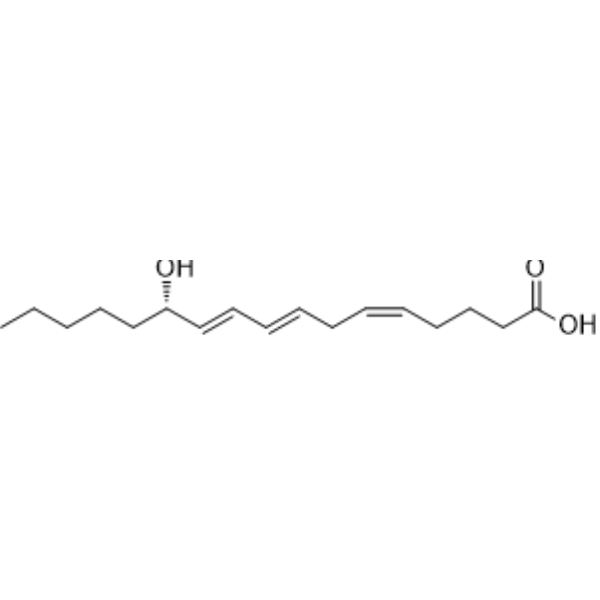
    12S-HHT (12(S)-HHTrE) is an enzymatic product of prostaglandin H2 (PGH2) derived from cyclooxygenase (COX)-mediated arachidonic acid metabolism. 12S-HHT is an endogenous ligand for BLT2 that fully activates BLT2 in vivo. 12S-HHT suppresses UV-induced IL-6 synthesis in keratinocytes, exerting an anti-inflammatory activity .
    12S-HHT
  • HY-163561

    Histone Methyltransferase Estrogen Receptor/ERR IFNAR Cancer
    CARM1-IN-6 is a potent CARM1 inhibitor that inhibits CARM1 enzymatic activity with an IC50 of 12.3 μM and a Kd of 0.6785 μM. CARM1-IN-6 suppresses oncogenic estrogen/ERα-target gene expression, activates type I interferon (IFN) and IFN-induced genes (ISGs), induces cell cycle arrest, and inhibits breast cancer cell proliferation both in vitro and in vivo. CARM1-IN-6 can be used for the research of breast cancer .
    CARM1-IN-6
  • HY-168376

    9(10)-Nitrated oleic acid

    PPAR ERK Akt NO Synthase Metabolic Disease Inflammation/Immunology
    9 (10)-Nitrooleate (9(10)-Nitrated oleic acid) is an endogenous lipid signaling mediator with vasoprotective effects. 9 (10)-Nitrooleate enhances enzymatic activity and improves nitric oxide bioavailability by inducing phosphorylation of Akt and ERK1/2, regulating the multi-site phosphorylation status of eNOS and optimizing its interaction with Hsp90. 9 (10)-Nitrooleate also activates PPARα, PPARδ and PPARγ receptors, thereby regulating adipogenesis, glucose uptake and inflammation-related gene expression, and exhibits immunosuppressive effects by inhibiting neutrophil migration and cytokine secretion. 9 (10)-Nitrooleate is widely used in studies of sepsis and related inflammatory diseases .
    9(10)-Nitrooleate
  • HY-P4254

    PAI-1 Ser/Thr Protease Others
    H-Gly-Glu-pNA is a chromogenic peptide substrate that can be widely used in enzymatic analysis, including trypsin and urokinase-type plasminogen activator (uPA) .
    H-Gly-Glu-pNA
  • HY-117724

    PAI-1 Cardiovascular Disease
    AZ3976 is a potent plasminogen activator inhibitor type 1 (PAI-1) inhibitor with an IC50 value of 26 μM in an enzymatic chromogenic assay. AZ3976 is active with an IC50 of 16 μM in a plasma clot lysis assay. AZ3976 does not bind to active PAI-1 but bound reversibly to latent PAI-1. AZ3976 inhibits PAI-1 by enhancing the latency transition of active PAI-1. AZ3976 displays profibrinolytic activities in a human plasma clot lysis assay .
    AZ3976
  • HY-D1376

    Fluorescent Dye
    Sulfo-Cyanine5.5 amine potassium is a water-soluble cyanine dye suitable for far-red/near-infrared applications such as in vivo imaging. The dye has four sulfonate groups, making it highly hydrophilic and water-soluble. Like other cyanines, sulfo-Cyanine5.5 has an excellent extinction coefficient, making it a bright fluorescent marker in the far-red region. This is an amine-containing fluorescent dye. The amine group is separated from the fluorophore by a relatively long linker that facilitates conjugation. Aliphatic primary amine groups can be coupled with various electrophiles (activated esters, epoxides, etc.) and can also be used for enzymatic transamination labeling.
    Sulfo-Cyanine5.5 amine potassium
  • HY-172807

    p38 MAPK MAPKAPK2 (MK2) CDK Wee1 Cancer
    p38α-IN-9 (Compound 2015) is a p38α inhibitor and blocks p38α’s enzymatic activity with an IC50 lower than 20 nM. p38α-IN-9 inhibits MK2 T334 phosphorylation. p38α-IN-9 activates Cdc25b and Cdc25c and simultaneously inactivates Wee1, leading to mitotic catastrophe, aneuploidy or polyploidy and DNA damage. p38α-IN-9 Inhibits colorectal cancer (CRC) metastasis .
    p38α-IN-9
  • HY-124404

    Aryl Hydrocarbon Receptor Na+/K+ ATPase Prostaglandin Receptor Inflammation/Immunology
    12(R)-HETE is a CYP-dependent arachidonic acid metabolite that acts as a proinflammatory lipid mediator. 12 (R)-HETE widely exists in various tissues including the eye, skin and liver. In the cornea, 12(R)-HETE is metabolized via pathways such as β-oxidation into the precursor of 12(R)-HETrE. Without direct receptor binding, 12(R)-HETE indirectly activates AHR-mediated target gene transcription, while inhibiting the enzymatic activity of Na+,K+-ATPase and the intracellular calcium elevation induced by TP agonists. 12(R)-HETE also possesses multiple physiological effects such as chemotaxis, proangiogenesis, vasodilation, natriuresis, diuresis and intraocular pressure reduction, and can be widely used in studies related to psoriasis, inflammatory skin diseases and ocular inflammation .
    12(R)-HETE
  • HY-D1376A

    Fluorescent Dye Others
    Sulfo-Cyanine5.5 amine consists of four sulfonate groups and has highly hydrophilic. Sulfo-Cyanine5.5 amine is an amine-containing fluorescent dye, the aliphatic primary amine group can be coupled with various electrophiles (activated esters, epoxides, etc). Sulfo-Cyanine5.5 amine can be used for the research of far red/NIR applications (such as in vivo imaging) and also can be used for enzymatic transamination labeling .
    Sulfo-Cyanine5.5 amine
  • HY-123000

    Biochemical Assay Reagents
    4-Methylumbelliferyl 2-acetamido-2-deoxy-α-D-galactopyranoside is a fluorogenic substrate for studying the enzymatic activity of α-galactosidase. 4-Methylumbelliferyl 2-acetamido-2-deoxy-α-D-galactopyranoside is used to analyze enzyme activity in various biological samples, helping scientists gain insight into the function of the enzyme in vivo. 4-Methylumbelliferyl 2-acetamido-2-deoxy-α-D-galactopyranoside can also be used to screen potential compounds to inhibit or activate this enzyme.
    4-Methylumbelliferyl 2-acetamido-2-deoxy-α-D-galactopyranoside
  • HY-P4399

    Bacterial ClpP Others
    Z-Gly-Gly-Leu-AMC is the substrate of ClpP1 and ClpP2, to detect the enzymatic activity in the presence of the activating peptide Z-Leu-Leu .
    Z-Gly-Gly-Leu-AMC
  • HY-155395

    Fluorescent Dye Infection
    DDAN-MT is an enzymatic activated near-infrared fluorescent probe. DDAN-MT can be used for rapid, highly selective, and real-time monitoring of endogenous MtMET-AP1 activity in M. tuberculosis .
    DDAN-MT
  • HY-W040221

    Platelet-activating Factor Receptor (PAFR) Metabolic Disease
    Butanoyl PAF, a compound closely related to Azelaoyl PC (HY-134154), maintains over 10% of the agonist potency of platelet-activating factor (PAF). Butanoyl PAF's concentration in oxidized low-density lipoprotein surpasses that of enzymatically generated PAF by more than 100-fold .
    Butanoyl PAF
  • HY-113225B

    GTP tritris

    Endogenous Metabolite Exosomes Cancer
    Guanosine triphosphate tritris (GTP tritris) serves as a vital enhancer of myogenic cell differentiation and plays a critical role in modulating miRNA-myogenic regulator factors. It also facilitates the release of exosomes enriched with guanosine and guanosine-derived molecules, and is regarded as an activated precursor for RNA synthesis. In mitochondrial function, GTP participates in the import of proteins into the matrix, which is essential for various regulated pathways, and is involved in initiating peptide synthesis through the binding of formylmethionyl-tRNA to the ribosome, as well as polypeptide chain elongation. Additionally, GTP acts as a phosphate and pyrophosphate carrier that channels chemical energy into specific biosynthetic pathways. It activates signal transducing G proteins that regulate cellular processes such as proliferation and differentiation, and its hydrolysis by small GTPases, including Ras and Rho, is integral to both proliferation and apoptosis. Furthermore, the small GTPase Rab is instrumental in vesicle docking, fusion, and formation. Beyond signal transduction, GTP is an energy-rich precursor in the enzymatic biosynthesis of DNA and RNA.
    Guanosine triphosphate tritris
  • HY-150978

    Fluorescent Dye Others
    DDAO-C6 is a cridone ester derivative, highly specific fluorescence for detecting human serum albumin (HSA). DDAO-C6 acts as an enzymatic activatable near-infrared fluorescent probe in visually sensing endogenous lipase from gut microbes (Ex/Em=600/658 nm) .
    DDAO-C6
  • HY-145882

    Fluorescent Dye Others
    BOD-NH-NP is an activatable fluorescent probe for imaging endogenous nitric oxide via the eNOS enzymatic pathway .
    BOD-NH-NP
  • HY-132270

    Fluorescent Dye Others
    FAM amine, 5-isomer is a fluorescein linker that undergoes enzymatic transamination. The addition of the amine group makes the compound more reactive with carboxylic acids, activated NHS ester and other carbonyl groups.
    FAM amine, 5-isomer
  • HY-130220

    Drug Isomer Inflammation/Immunology
    (±)5-HETE lactone is the racemate of 5-HETE lactone. 5-HETE lactone is a metabolite generated by a series of enzymatic reactions of arachidonic acid, and is also a substrate of paraoxonase-1 (PON1). 5-HETE lactone can be used in the study of B cell activation .
    (±)5-HETE lactone
  • HY-12689B

    AG-348 hemisulfate

    Pyruvate Kinase Metabolic Disease
    Mitapivat hemisulfate is an orally active pyruvate kinase allosteric activator. Mitapivat hemisulfate increases enzymatic activity, protein stability, and ATP levels over a broad range of PKLR genotypes, shows the potential to restore the activity of PK (pyruvate kinase)-deficient glycolytic pathways. Mitapivat hemisulfate can be used in study of PK deficiency .
    Mitapivat hemisulfate
  • HY-12689A

    AG-348 hemisulfate sesquihydrate

    Pyruvate Kinase Metabolic Disease
    Mitapivat hemisulfate sesquihydrate (AG-348) is an orally active pyruvate kinase allosteric activator. Mitapivat increases enzymatic activity, protein stability, and ATP levels over a broad range of PKLR genotypes, shows the potential to restore the activity of PK (pyruvate kinase)-deficient glycolytic pathways. Mitapivat can be used in study of PK deficiency .
    Mitapivat hemisulfate sesquihydrate
  • HY-103347R

    Reference Standards Apoptosis Inflammation/Immunology
    M50054 (Standard) is the analytical standard of M50054. This product is intended for research and analytical applications. M50054 is a potent inhibitor of apoptosis. M50054 inhibits Etoposide-induced caspase-3 activation of U937 cells with an IC50 of 79 μg/mL. M50054 does not directly inhibit the enzymatic activity of caspase-3. M50054 can be used for the research anti-Fas-antibody-induced hepatitis and chemotherapy-induced alopecia .
    M50054 (Standard)
  • HY-13543R

    CB 1954 (Standard)

    DNA Alkylator/Crosslinker Reference Standards Cancer
    Tretazicar (Standard) is the analytical standard of Tretazicar. This product is intended for research and analytical applications. Tretazicar (CB 1954), an antitumor proagent, is highly selective against the Walker 256 rat tumour line. Tretazicar is enzymatically activated to generate a bifunctional agent, which can form DNA-DNA interstrand cross-links. Tretazicar in rat cells involves the reduction of its 4-nitro group to a 4-hydroxylamine by the enzyme NAD(P)H:quinone oxidoreductase 1 (NQO1) .
    Tretazicar (Standard)
  • HY-121183

    RP 52891

    Potassium Channel Cardiovascular Disease
    Aprikalim (RP 52891), a potassium channel opener (KCO), activates ATP-sensitive K+ (KATP) channels in guinea pig ventricular myocytes. Using patch-clamp techniques, it was found that aprikalim enhances KATP channel activity more effectively in Mg-NDP solution compared to standard solutions. In Mg-NDP solution, aprikalim reduced the sensitivity of KATP channels to ATP, increasing the concentration of ATP required to inhibit channel activity by half (K1) from 56 μM to 180 μM. However, this effect diminished over time. Aprikalim's ability to activate KATP channels in Mg-NDP solution suggests potential therapeutic implications in modulating cardiac excitability and may relate to changes in channel protein enzymatic activity under experimental conditions .
    Aprikalim
  • HY-182062

    NAMPT E1/E2/E3 Enzyme Neurological Disease
    NAMPT activator-9 (Compound DIPM) is an allosteric, non-competitive NAMPT activator, with an EC50 of 3.366 μM against hNAMPT. NAMPT activator-9 enhances the enzymatic activity of NAMPT via an allosteric, non-competitive mechanism. NAMPT activator-9 increases intracellular NAD + levels. NAMPT activator-9 restores myotube diameter and reduces the expression of atrophy markers Atrogin-1 and MuRF1. NAMPT activator-9 is applicable to research related to muscle atrophy .
    NAMPT activator-9

Inquiry Online

Your information is safe with us. * Required Fields.

Salutation


Country or Region *

Applicant Name *


Organization Name *

Department *


Email Address *


Product Name *

Cat. No.


Requested quantity *

Phone Number *


Remarks

Inquiry Online

Inquiry Information

Product Name:
Cat. No.:
Quantity:
MCE Japan Authorized Agent:

