
1. Search Result
Search Result
Results for "

enzymatic activity

" in MedChemExpress (MCE) Product Catalog:

294

Inhibitors & Agonists

2

Screening Libraries

16

Fluorescent Dyes

14

Biochemical Assay Reagents

22

Peptides

6

Inhibitory Antibodies

29

Natural
Products

14

Isotope-Labeled Compounds

4

Click Chemistry

2

Oligonucleotides

Cat. No. Product Name Target Research Areas Chemical Structure
  • HY-111789
    Subasumstat
    30+ Cited Publications

    TAK-981

    E1/E2/E3 Enzyme Inflammation/Immunology Cancer
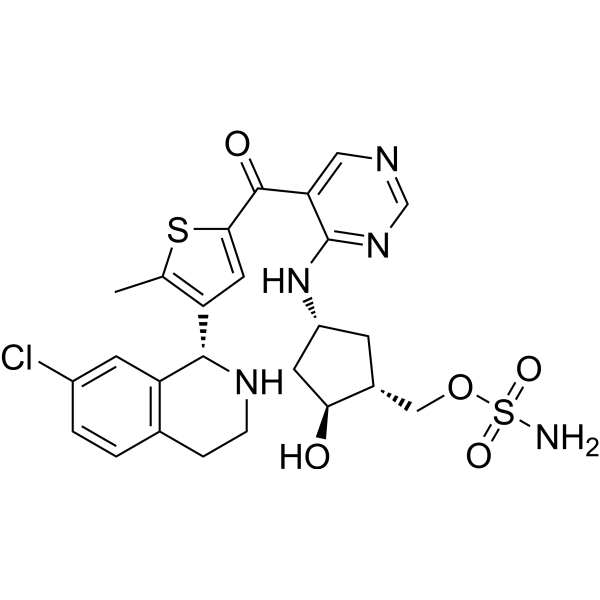
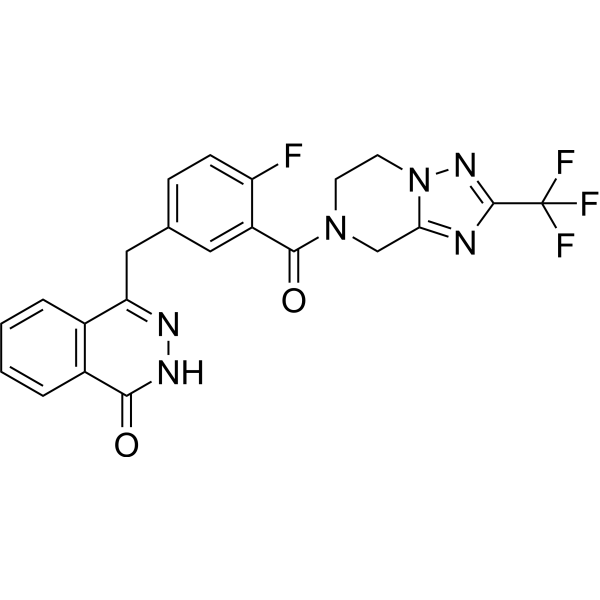
    Subasumstat (TAK-981) is a first in class and selective inhibitor of the SUMOylation enzymatic cascade, with potential immune-activating and antineoplastic activities .
    Subasumstat
  • HY-Y1269
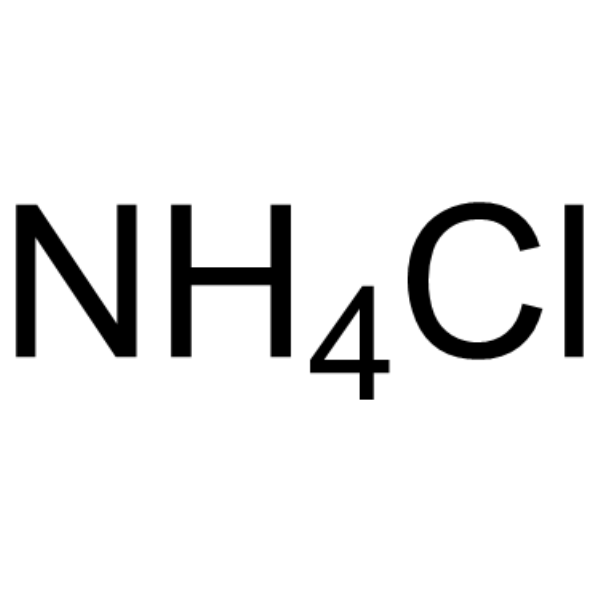
    Ammonium chloride, AR, 99.5%
    45+ Cited Publications

    Environmental Pollutants Autophagy Cancer
    Ammonium chloride, as a heteropolar compound with pH value regulation, can cause intracellular alkalization and metabolic acidosis thus effecting enzymatic activity and influencing the process of biological system. Ammonium chloride is an autophagy inhibitor. Ammonium chloride is also a lysosome inhibitor .
    Ammonium chloride, AR, 99.5%
  • HY-N0640
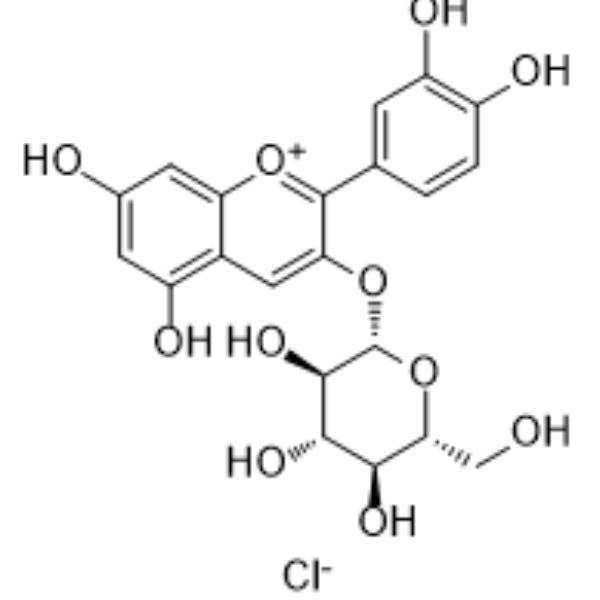
    Kuromanin chloride
    Maximum Cited Publications
    10 Publications Verification

    Chrysontemin; Cyanidin 3-O-glucoside chloride

    CD38 Neurological Disease Metabolic Disease
    Kuromanin chloride (Chrysontemin) is derived from mulberry leaves and has the effect of increasing blood sugar concentration and maintaining lipid metabolism balance to reduce obesity. Kuromanin chloride can inhibit CD38 enzymatic activities .
    Kuromanin chloride
  • HY-12689
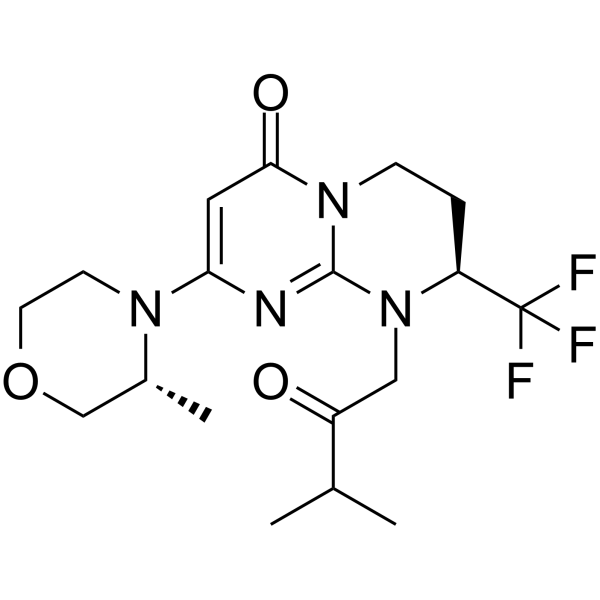
    Mitapivat
    3 Publications Verification

    AG-348

    Pyruvate Kinase Metabolic Disease
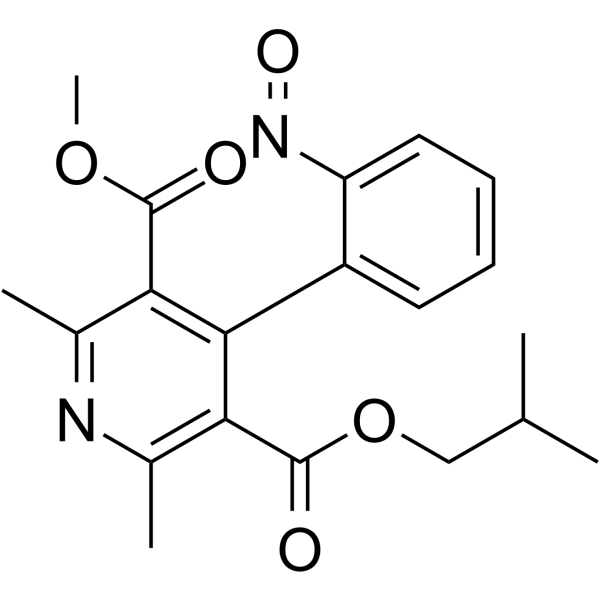
    Mitapivat (AG-348) is an orally active pyruvate kinase allosteric activator. Mitapivat increases enzymatic activity, protein stability, and ATP levels over a broad range of PKLR genotypes, shows the potential to restore the activity of PK (pyruvate kinase)-deficient glycolytic pathways. Mitapivat can be used in study of PK deficiency .
    Mitapivat
  • HY-B0091
    Adapalene
    5 Publications Verification

    CD271

    RAR/RXR Autophagy Apoptosis Neurological Disease Inflammation/Immunology Cancer
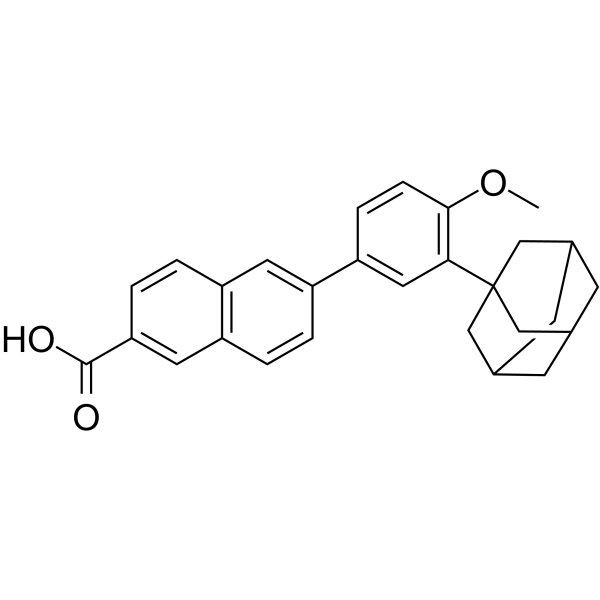
    Adapalene (CD271), a third-generation synthetic retinoid, is widely used for the research of acne. Adapalene is a potent RAR agonist, with AC50s of 2.3 nM, 9.3 nM, and 22 nM for RARβ, RARγ, RARα, respectively. Adapalene also inhibits the enzymatic activity of GOT1 in a non-competitive manner. Adapalene exhibits anti-tumor activity .
    Adapalene
  • HY-Y1269S

    Autophagy Isotope-Labeled Compounds Cancer
    Ammonium chloride- 15N is the 15N labeled Ammonium chloride (HY-Y1269). Ammonium chloride, as a heteropolar compound with pH value regulation, can cause intracellular alkalization and metabolic acidosis thus effecting enzymatic activity and influencing the process of biological system. Ammonium chloride is an autophagy inhibitor. Ammonium chloride is also a lysosome inhibitor .
    Ammonium chloride-15N
  • HY-P4931
    Mca-KPLGL-Dap(Dnp)-AR-NH2
    1 Publications Verification

    MMP Cancer
    Mca-Lys-Pro-Leu-Gly-Leu-Dap(Dnp)-Ala-Arg-NH2 (FS-6) is a fluorescent peptide that is a quenched MMP peptide substrate. Mca-Lys-Pro-Leu-Gly-Leu-Dap(Dnp)-Ala-Arg-NH2 can be used for real-time quantification of MMP enzymatic activity. Mca-Lys-Pro-Leu-Gly-Leu-Dap(Dnp)-Ala-Arg-NH2 is an elongated peptide of MMP substrate (FS-1) and is active against collagenases (MMP-1, MMP-8, MMP-13 ) and MT1-MMP with higher specificity constants than FS-1 . (Ex/Em=325 nm/400 nm)
    Mca-KPLGL-Dap(Dnp)-AR-NH2
  • HY-129217
    Naringinase
    2 Publications Verification

    Glycosidase Others
    Naringinase, a hydrolytic enzymatic complex, possesses the activity of both α-L-rhamnosidase and β-D-glucosidase. Naringinase has wide occurrence in nature. Naringinase can be used in the biotransformation of steroids, antibiotics, and mainly on glycosides hydrolysis .
    Naringinase
  • HY-15148
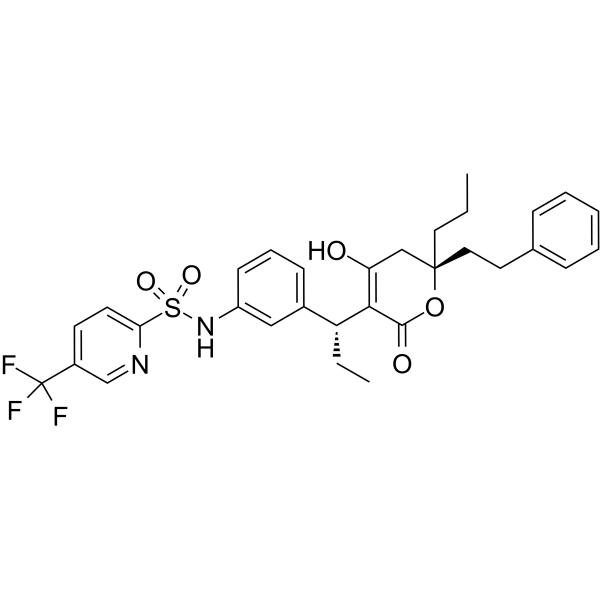
    Tipranavir
    10+ Cited Publications

    PNU-140690

    HIV Protease HIV SARS-CoV Infection
    Tipranavir (PNU-140690) inhibits the enzymatic activity and dimerization of HIV-1 protease, exerts potent activity against multi-protease inhibitor (PI)-resistant HIV-1 isolates with IC50s of 66-410 nM . Tipranavir inhibits SARS-CoV-2 3CL pro activity .
    Tipranavir
  • HY-W013168

    4-Nitrophenyl hexadecanoate; p-Nitrophenyl Palmitate; pNpp

    Lipase Others
    4-Nitrophenyl palmitate (4-Nitrophenyl hexadecanoate) is a chromogenic substrate for lipases and esterases. Upon enzymatic hydrolysis, 4-Nitrophenyl palmitate releases p-nitrophenol, which can be quantified by colorimetric detection at 410 nm as a measure of enzymatic activity. 4-Nitrophenyl palmitate is used to characterize the activity of various bacterial and mammalian enzymes, including those from Burkholderia and porcine pancreatic lipase .
    4-Nitrophenyl palmitate
  • HY-156443

    Aldehyde Dehydrogenase (ALDH) Cancer
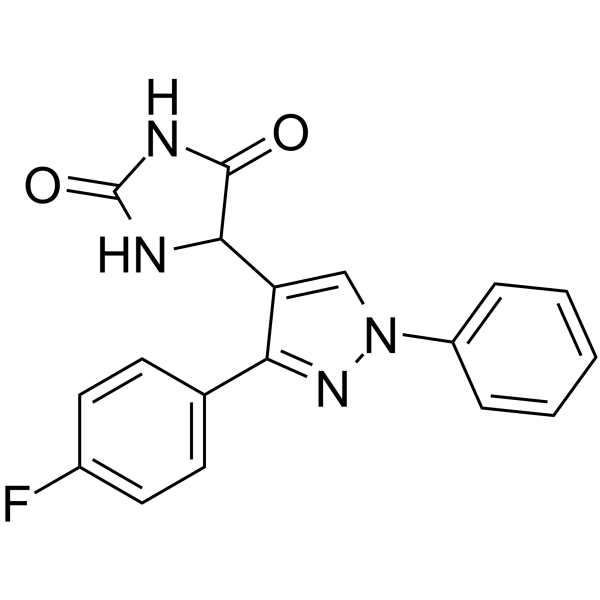
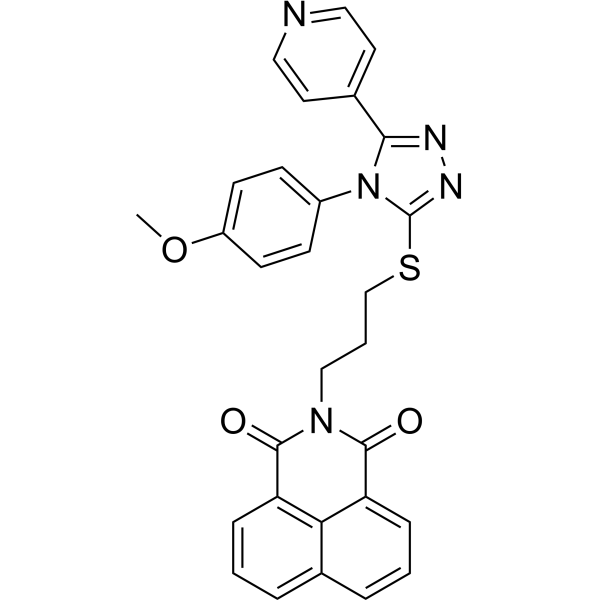
    YG1702 is a potent ALDH18A1-specific inhibitor. YG1702 attenuates the growth of MYCN-amplified NB and down-regulates MYCN. YG1702 physically interacts with ALDH18A1 with a high affinity and might potentially affect its enzymatic activity .
    YG1702
  • HY-P2295
    Dabcyl-KTSAVLQSGFRKME-Edans TFA
    2 Publications Verification

    SARS-CoV Others
    Dabcyl-KTSAVLQSGFRKME-Edans TFA is a fluorogenic peptide. Dabcyl-KTSAVLQSGFRKME-Edans TFA is used as the substrate to measure the enzymatic activities of protease forms. Dabcyl-KTSAVLQSGFRKME-Edans TFA has the potential for study 2019-nCoV (COVID-19) infection .
    Dabcyl-KTSAVLQSGFRKME-Edans TFA
  • HY-N0598
    Ginsenoside F1
    1 Publications Verification

    20(S)-Ginsenoside F1

    Cytochrome P450 Endogenous Metabolite Cancer
    Ginsenoside F1, an enzymatically modified derivative of Ginsenoside Rg1, demonstrates competitive inhibition of CYP3A4 activity and weaker inhibition of CYP2D6 activity.
    Ginsenoside F1
  • HY-12070
    DPH
    5 Publications Verification

    Bcr-Abl Cancer
    DPH is a potent cell permeable c-Abl activator, which displays potent enzymatic and cellular activity in stimulating c-Abl activation.  
    DPH
  • HY-B1217

    BNPD; BNPK

    Environmental Pollutants Bacterial Infection
    Bronopol is an antibacterial agent with low toxicity (to mammals) and high activity (especially against Gram-negative bacteria). Bronopol oxidizes protein thiols, inhibits enzymatic activity, and exhibits antibacterial activity. Bronopol is also a formaldehyde releaser .
    Bronopol
  • HY-148815

    NAMPT Metabolic Disease
    Nampt activator-1 is a nicotinamide phosphoribosyltransferase (NAMPT) activator, with an EC50 of 3.3~3.7 μM. Nampt activator-1 enhances the enzymatic activity of NAMPT. Nampt activator-1 can be used for research related to metabolic disorders .
    Nampt activator-1
  • HY-P991212

    ALT-B4

    Glycosidase Cancer
    Berahyaluronidase alfa (ALT-B4) is a recombinant hyaluronidase engineered from human hyaluronidase PH20. Berahyaluronidase alfa features favorable structural stability and enzymatic activity, and can be used to enhance drug absorption and dispersion in subcutaneous or intradermal administration .
    Berahyaluronidase alfa
  • HY-155351

    PARP Cytochrome P450 Cancer
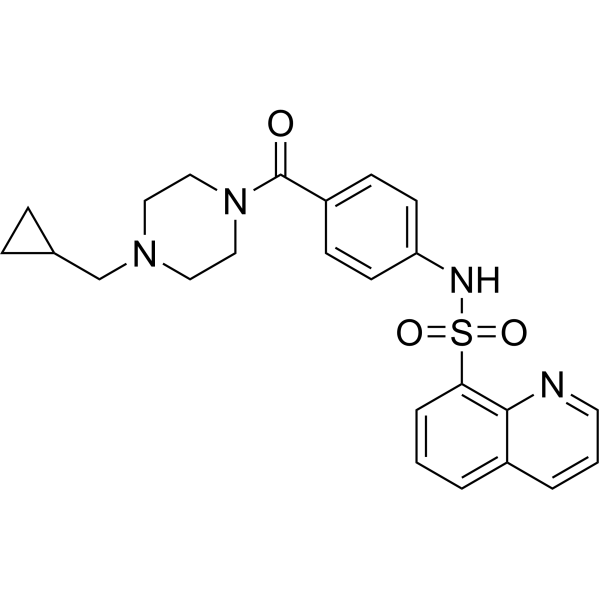
    PARP7-IN-15 is an orally active and selective PARP7 inhibitor with an IC50 of 0.56 nM. PARP7-IN-15 inhibits the enzymatic activity of PARP7 and induces anti-tumor activity against lung cancer in vivo. PARP7-IN-15 can be used for the research of lung cancer .
    PARP7-IN-15
  • HY-N11692
    9-Hydroxyoctadecanoic acid
    2 Publications Verification

    9-Hydroxystearic acid; 9-HSA

    HDAC Cancer
    9-Hydroxyoctadecanoic acid (9-HSA) is an HDAC1 inhibitor that inhibits ∼66.4% HDAC1 enzymatic activity at 5 μM. 9-Hydroxyoctadecanoic acid shows anticancer activity .
    9-Hydroxyoctadecanoic acid
  • HY-P5990

    PSMA Cancer
    Prostate Specific Antigen Substrate is a prostate specific antigen (PSA) fluorescent substrate. Prostate Specific Antigen Substrate can be used for detect enzymatic activity of PSA .
    Prostate Specific Antigen Substrate
  • HY-N9348A

    Glutathione S-transferase Cytochrome P450 Metabolic Disease
    Glucoraphenin potassium is an orally effective glucosinolate. Glucoraphenin potassium can be isolated from radish sprouts. Glucoraphenin potassium enhances the enzymatic activity of Glutathione S-transferase. Glucoraphenin potassium enhances the activity of cytochrome P450-related monooxygenase .
    Glucoraphenin potassium
  • HY-119933

    RIP kinase Cancer
    RIPK1-IN-7 is a potent and selective RIPK1 inhibitor with a Kd of 4 nM and an enzymatic IC50 of 11 nM. RIPK1-IN-7 exhibits excellent antimetastasis activity in the experimental B16 melanoma lung metastasis model .
    RIPK1-IN-7
  • HY-101195

    PKC Phospholipase Bcl-2 Family Apoptosis MMP Inflammation/Immunology Cancer
    DL-erythro-Dihydrosphingosine is a sphingosine-based PKC inhibitor. DL-erythro-Dihydrosphingosine directly inhibits the enzymatic activity of PLA2. DL-erythro-Dihydrosphingosine inhibits the activity of Bcl-2 protein involved in apoptosis. DL-erythro-Dihydrosphingosine inhibits the activity of matrix metalloproteinases (MMP). DL-erythro-Dihydrosphingosine is applicable for research on cancer and inflammatory diseases .
    DL-erythro-Dihydrosphingosine
  • HY-112711

    Atg4 Autophagy Cancer
    LV-320 is a potent and uncompetitive ATG4B inhibitor with an IC50 of 24.5 μM and a Kd of 16 μM. LV-320 inhibits ATG4B enzymatic activity, blocks autophagic flux in cells, and is stable, non-toxic and active in vivo .
    LV-320
  • HY-171036

    Endogenous Metabolite Metabolic Disease
    GAPDH-IN-1 (Compound F8) is a GAPDH inhibitor (IC50 of 39.31 μM for GAPDH enzymatic activity). GAPDH-IN-1 forms a covalent adduct with an aspartic acid in the active site to displace NAD +, a cofactor of the enzyme, with concomitant enhancement of the cysteine-reactive probe reaction with the catalytic cysteine .
    GAPDH-IN-1
  • HY-122159

    FAAH Metabolic Disease
    MDPD is an Arabidopsis FAAH (AtFAAH) activator that can enhance the enzymatic activity of AtFAAH .
    MDPD
  • HY-169491

    Fluorescent Dye Metabolic Disease
    Pantothenate-AMC is a fluorogenic substrate used for detecting the enzymatic activity of vanin-1, an enzyme involved in the recycling of L-pantothenic acid. Upon enzymatic cleavage by vanin-1, 7-amino-7-methylcoumarin (AMC) is released, and its fluorescence can be used to quantify vanin-1 activity. The excitation/emission maxima of AMC are 340-360 nm and 440-460 nm, respectively .
    Pantothenate-AMC
  • HY-158415

    ATP Synthase EHD Protein Cancer
    ATPase-IN-4 (Compound MS1) inhibits the ATPase activity of EHD4 (IC50: 0.92 μM). ATPase-IN-4 also inhibits EHD2 enzymatic activity
    ATPase-IN-4
  • HY-W107935

    HSP Cancer
    Hsp90-IN-37 (Z-2) is a heat shock protein 90 (Hsp90) inhibitor that inhibits Hsp90 enzymatic activity by 69%. Hsp90-IN-37 has antitumor activity .
    Hsp90-IN-37
  • HY-111789A

    (S)-TAK-981

    Drug Isomer Inflammation/Immunology Cancer
    (S)-Subasumstat is the isomer of Subasumstat (HY-111789). Subasumstat (TAK-981) is a first in class and selective inhibitor of the SUMOylation enzymatic cascade, with potential immune-activating and antineoplastic activities .
    (S)-Subasumstat
  • HY-167888

    Ferroptosis Glutathione Peroxidase Cancer
    NPD4928, a GPX4 inhibitor, enhances RSL3 (HY-100218A)-dependent ferroptosis. NPD4928 binds to ferroptosis suppressor protein 1 (FSP1) and inhibits its enzymatic activity .
    NPD4928
  • HY-P4341A

    PAI-1 Fluorescent Dye Others
    D-Val-Leu-Lys-AMC TFA is a selective fluorogenic peptide substrate of plasmin. D-Val-Leu-Lys-AMC TFA can be used for the quantification of enzymatic activity of plasmin. Ex: 360-380 nm, Em: 440-460 nm .
    D-Val-Leu-Lys-AMC TFA
  • HY-155787

    CDK Cancer
    SHR5428 is a potent, orally active, selective and noncovalent inhibitor of CDK7 with highly potent CDK7 enzymatic activity (IC50=2.3 nM). SHR5428 inhibits triple negative breast cancer cellular activity on MDA-MB-468 cell (IC50=6.6 nM) .
    SHR5428
  • HY-164410

    Notch Cancer
    MO-I-1100 is an inhibitor of ASPH (Aspartyl-(Asparaginyl)-β-hydroxylase) enzymatic activity. MO-I-1100 suppresses HCC cell migration, invasion and anchorage independent growth. MO-I-1100 shows antitumor effects through inhibiting Notch signaling cascade in HCC .
    MO-I-1100
  • HY-Y1269AS

    Isotope-Labeled Compounds Autophagy Cancer
    Ammonium chloride-d4 is the deuterium labeled Ammonium chloride. Ammonium chloride, as a heteropolar compound with pH value regulation, can cause intracellular alkalization and metabolic acidosis thus effecting enzymatic activity and influencing the process of biological system. Ammonium chloride is an autophagy inhibitor. Ammonium chloride is also a lysosome inhibitor .
    Ammonium chloride-d4
  • HY-D1021

    Aminoallyl-dUTP sodium salt

    DNA/RNA Synthesis Others
    AA-dUTP (Aminoallyl-dUTP) sodium salt is a reverse transcriptase and DNA polymerase I substrate with probe precursor activity. AA-dUTP sodium salt undergoes enzymatic incorporation into DNA during cDNA synthesis and nick translation. AA-dUTP sodium salt generates amine-modified DNA, which can be used for labeling with amine-reactive fluorescent dyes .
    AA-dUTP sodium salt
  • HY-177808

    A9g aptamer sodium

    PSMA Cancer
    A9g sodium is an RNA aptamer that inhibits the enzymatic activity of prostate-specific membrane antigen (PSMA).
    A9g sodium
  • HY-124337

    HDAC Cancer
    BG48 is a potent HDAC inhibitor. BG48 inhibits the enzymatic activity of HDAC1 and HDAC2 .
    BG48
  • HY-P10043

    MMP Others
    MMP-1 Substrate is a matrix metalloproteinase-1 (MMP-1) selective substrate that can be used for the fluorometric determination of MMP-1 enzymatic activity .
    MMP-1 Substrate
  • HY-131903

    IRAK Inflammation/Immunology
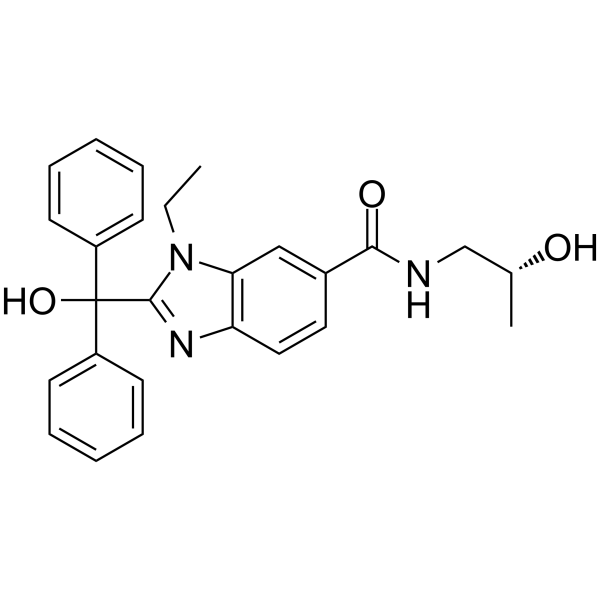
    HS271 is a highly potent, orally active and selective IRAK4 inhibitor, with an IC50 of 7.2 μM. HS271 exhibits superior enzymatic and cellular activities, as well as excellent pharmacokinetic properties .
    HS271
  • HY-16106S

    BMN-673-13C,d4; LT-673-13C,d4

    Isotope-Labeled Compounds Others
    Talazoparib- 13C,d4 is 13C and deuterated labeled Talazoparib (HY-16106). Talazoparib is an orally active PARP 1/2 inhibitor with Ki values of 1.2 nM and 0.87 nM for inhibiting PARP1 and PARP2 enzymatic activities, respectively. Has anti-tumor activity.
    Talazoparib-13C,d4
  • HY-155612

    Caspase Neurological Disease
    M826 is a potent, selective and reversible non-peptide caspase-3 inhibitor with an IC50 value of 0.005 μM for enzymatic activity against caspase-3. M826 displays potent anti-apoptotic activity in animal models in vitro and in vivo. M826 can be used for nervous system diseases research .
    M826
  • HY-130767A

    Biochemical Assay Reagents Cancer
    Naphthol AS-TR Phosphate disodium is a water-soluble dye commonly used as an enzymatic substrate in various biochemical assays to detect alkaline phosphatase activity. Naphthol AS-TR Phosphate disodium has unique chemical properties that allow it to be hydrolyzed by alkaline phosphatase, forming a colored product that can be detected spectrophotometrically. This makes it a useful tool for monitoring enzyme activity in biological samples such as serum or urine.
    Naphthol AS-TR phosphate disodium
  • HY-D1647

    Phospholipase Others
    7-Hydroxycoumarinyl-γ-linolenate is a cytosolic phospholipase A2 (cPLA2) fluorogenic substrate. 7-Hydroxycoumarinyl-γ-linolenate can be used to monitor the enzymatic activity of cPLA2 .
    7-Hydroxycoumarinyl-γ-linolenate
  • HY-P4341

    PAI-1 Fluorescent Dye Others
    D-Val-Leu-Lys-AMC is a selective fluorogenic peptide substrate of plasmin. D-Val-Leu-Lys-AMC can be used for the quantification of enzymatic activity of plasmin. Ex: 360-380 nm, Em: 440-460 nm .
    D-Val-Leu-Lys-AMC
  • HY-18569AR

    Indole-3-acetic acid sodium (Standard); 3-IAA sodium (Standard)

    Reference Standards Endogenous Metabolite Metabolic Disease
    Ginsenoside F1 (Standard) is the analytical standard of Ginsenoside F1. This product is intended for research and analytical applications. Ginsenoside F1, an enzymatically modified derivative of Ginsenoside Rg1, demonstrates competitive inhibition of CYP3A4 activity and weaker inhibition of CYP2D6 activity.
    3-Indoleacetic acid sodium (Standard)
  • HY-175496

    Ceramidase Inflammation/Immunology
    Acid Ceramidase-IN-3 is a acid ceramidase (aCDase) inhibitor. Acid Ceramidase-IN-3 inhibits the enzymatic activity of aCDase with a pIC 50 of 8.5 in enzymatic assays and 6.8 in A375 melanoma cellular assays. Acid Ceramidase-IN-3 promotes HSC inactivation, as measured by a dose-dependent reduction in COL1A1 and ACTA2. Acid Ceramidase-IN-3 inhibits aCDase activity in HSCs, promotes HSC inactivation and suppresses YAP/TAZ nuclear localization. Acid Ceramidase-IN-3 increases Dynein/Kinesin (NDE1, NDEL1. KIF3B, KIF15) while decreases several proteins involved with signaling pathway (SARM1, RGAP1, PDGF-D,PDGFR-B). Acid Ceramidase-IN-3 can be used for the study of fibrotic diseases .
    Acid Ceramidase-IN-3
  • HY-B0091A
    Adapalene sodium salt
    5 Publications Verification

    CD 271 sodium salt

    RAR/RXR Autophagy Apoptosis Neurological Disease Inflammation/Immunology Cancer
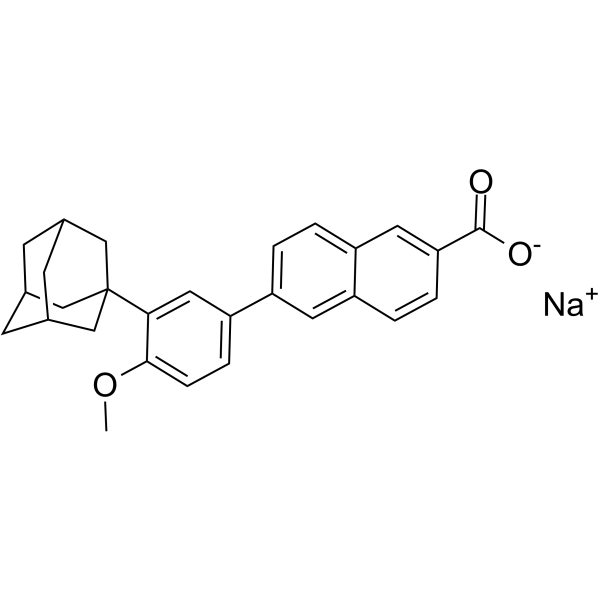
    Adapalene (CD271) sodium salt, a third-generation synthetic retinoid, is widely used for the research of acne. Adapalene sodium salt is a potent RAR agonist, with AC50s of 2.3 nM, 9.3 nM, and 22 nM for RARβ, RARγ, RARα, respectively. Adapalene sodium salt also inhibits the enzymatic activity of GOT1 in a non-competitive manner. Adapalene sodium salt exhibits anti-tumor activity .
    Adapalene sodium salt
  • HY-170934

    FGFR Cancer
    BW710 is an orally active fibroblast growth factor receptor 2 (FGFR2) inhibitor. BW710 inhibits the proliferation of BaF3-FGFR2 cells with an IC50 of 2.8 nM. BW710 abolishes FGFR2 enzymatic activity and is selective against other 75 tyrosine kinases including FGFR1, FGFR3, and FGFR4 at 1 μM. BW710 suppresses the FGFR2 signaling and selectively inhibits FGFR2-driven cancer cell proliferation. BW710 displays reasonable pharmacokinetic properties with an oral bioavailability of 29 % in mice .
    BW710
  • HY-P10050

    Proteasome Others
    Calpain substrate is the membrane non-permeable fluorogenic calpain substrate and can be used in Calpain enzymatic activity assay .
    Calpain substrate

Inquiry Online

Your information is safe with us. * Required Fields.

Salutation


Country or Region *

Applicant Name *


Organization Name *

Department *


Email Address *


Product Name *

Cat. No.


Requested quantity *

Phone Number *


Remarks

Inquiry Online

Inquiry Information

Product Name:
Cat. No.:
Quantity:
MCE Japan Authorized Agent:

