1. Search Result
Search Result
Results for "

feces

" in MedChemExpress (MCE) Product Catalog:

50

Inhibitors & Agonists

20

Natural
Products

8

Isotope-Labeled Compounds

1

Oligonucleotides

Cat. No. Product Name Target Research Areas Chemical Structure
  • HY-135747
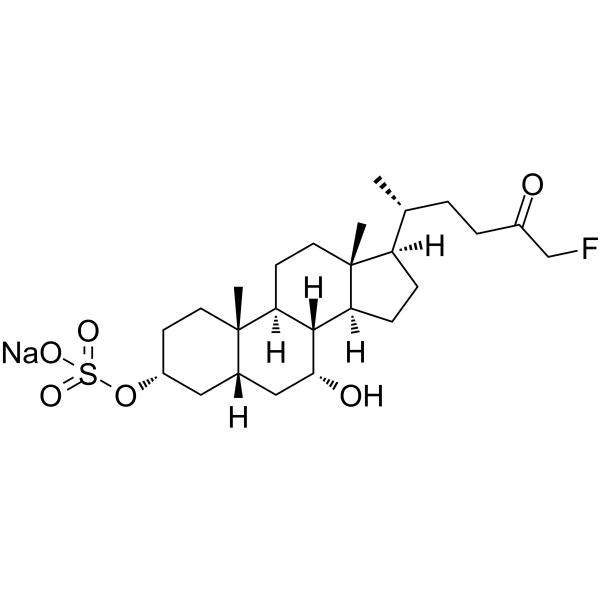
    Gut restricted-7
    Maximum Cited Publications
    6 Publications Verification

    GR-7

    Bacterial Infection
    Gut restricted-7 (GR-7) is a potent, covalent and orally active pan-bile salt hydrolase (BSH) inhibitor. Gut restricted-7 has a tissue-selective and is restricted to the gut. Gut restricted-7 decreases gut bacterial BSHs and decreases deconjugated bile acid levels in feces of mice .
    Gut restricted-7
  • HY-B1172
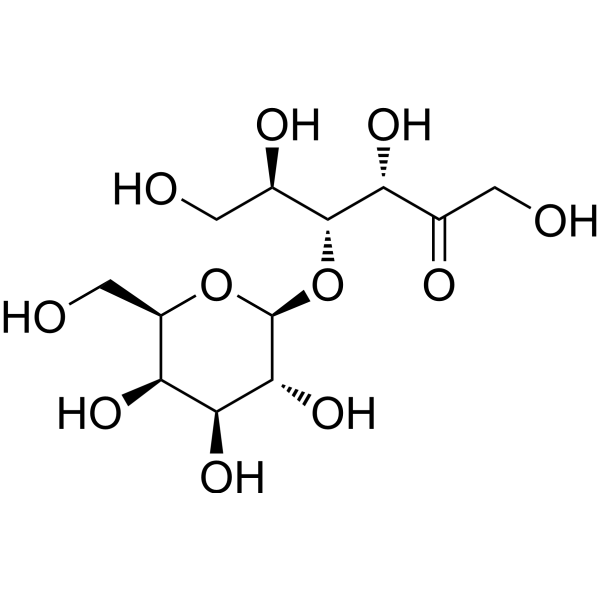
    Lactulose
    1 Publications Verification

    4-O-β-D-Galactopyranosyl-D-fructose

    Bacterial Interleukin Related DNA/RNA Synthesis Infection Inflammation/Immunology Endocrinology Cancer
    Lactulose is an orally active galactose-fructose disaccharide. Lactulose suppresses upregulation of TNF-α and IL-6. Lactulose decreases the degree of DNA damage. Lactulose exhibits many of the properties of other oligosaccharides, including increasing the numbers of Bifidobacteria in feces. Lactulose restores the structure and composition of the intestinal microbiota, mitigates inflammation, and suppresses inflammatory tumorigenesis in mice with colitis-associated cancer. Lactulose can be used in the research of constipation .
    Lactulose
  • HY-W007355
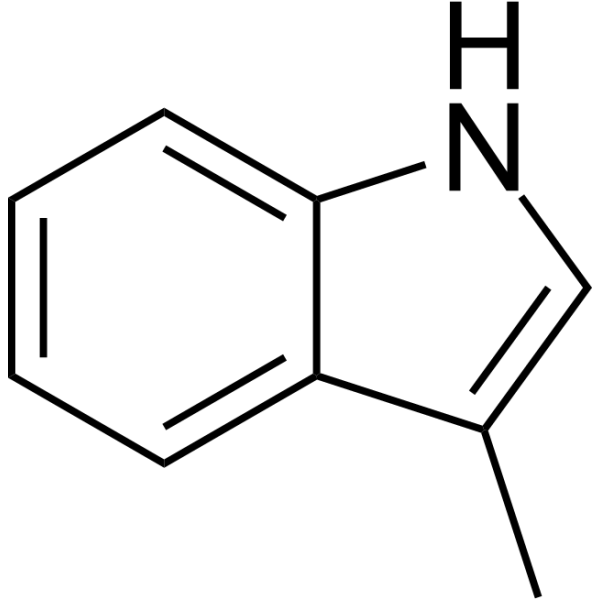
    Skatole
    Maximum Cited Publications
    6 Publications Verification

    3-Methylindole; 3-Methyl-1H-indole

    Environmental Pollutants Apoptosis Endogenous Metabolite p38 MAPK Aryl Hydrocarbon Receptor Others
    Skatole (3-methylindole) is a heterocyclic compound naturally found in the feces of vertebrates and can be found in certain plants. Skatole can be produced by intestinal bacteria, inducing apoptosis of intestinal epithelial cells through activating aryl hydrocarbon receptors (AhR) and p38. Skatole has been used in specific products of the perfume industry or as a flavor additive in ice cream .
    Skatole
  • HY-N2582
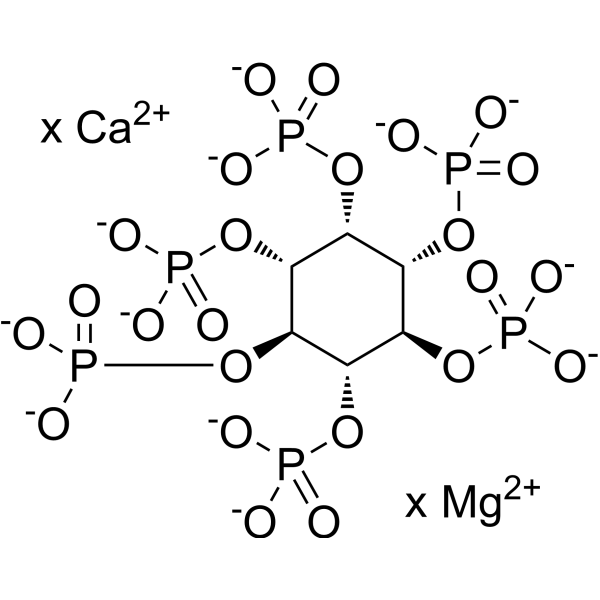
    Calcium Phytate
    1 Publications Verification

    Phytin

    Endogenous Metabolite Metabolic Disease
    Calcium phytate (Phytin) is an insoluble phosphorus-containing compound widely present in plant-based foods such as cereals and legumes. Calcium phytate can be found in feces and can alleviate lead poisoning .
    Calcium Phytate
  • HY-W004305

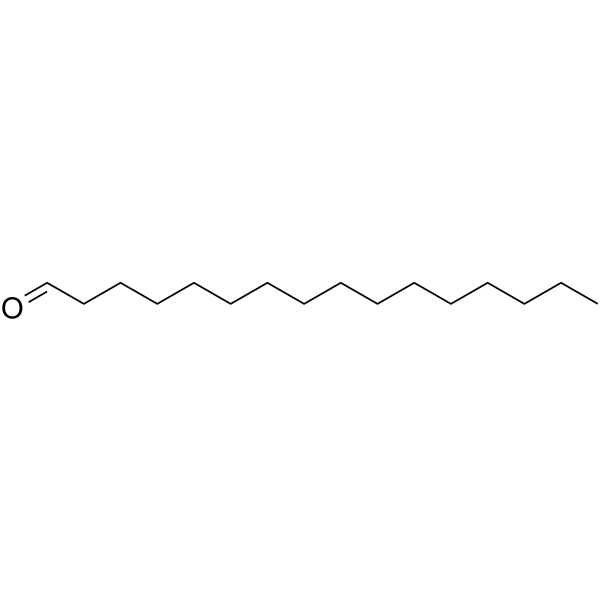
    Palmitaldehyde

    Environmental Pollutants Endogenous Metabolite Metabolic Disease
    Hexadecanal (Palmitaldehyde) , a volatile long-chain aliphatic aldehyde, is emitted from human feces, skin, and breath. The receptor for hexadecanal(OR37B) is highly conserved across mammals. Hexadecanal may exert its effects by modulating functional connectivity between the brain substrates of social appraisal and the brain substrates of aggressive execution. Also, Hexadecanal is confirmed to be highly deterrent to the ant Lasius niger. Hexadecanal is promising for the research of startle responses and aggression
    Hexadecanal
  • HY-132250

    Drug-Linker Conjugates for ADC Cancer
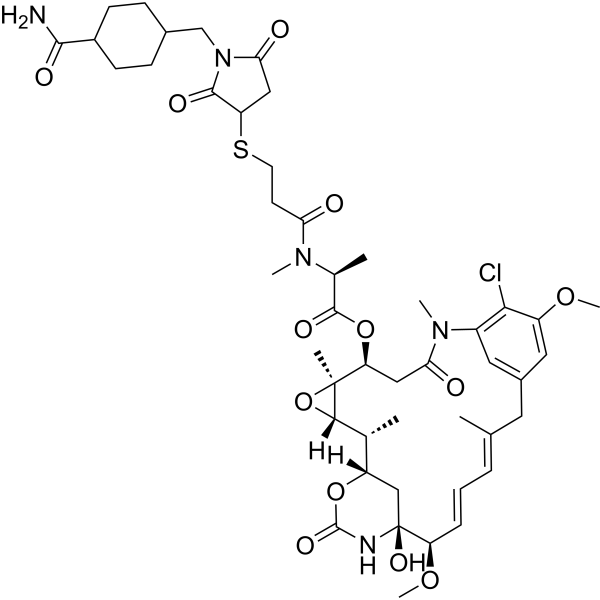
    MCC-DM1 is a agent-Linker Conjugates for ADC such as Anti-CD22-MCC-DM1. MCC-DM1 can be detected in rat and human plasma, feces, and other tissues .
    MCC-DM1
  • HY-W015882
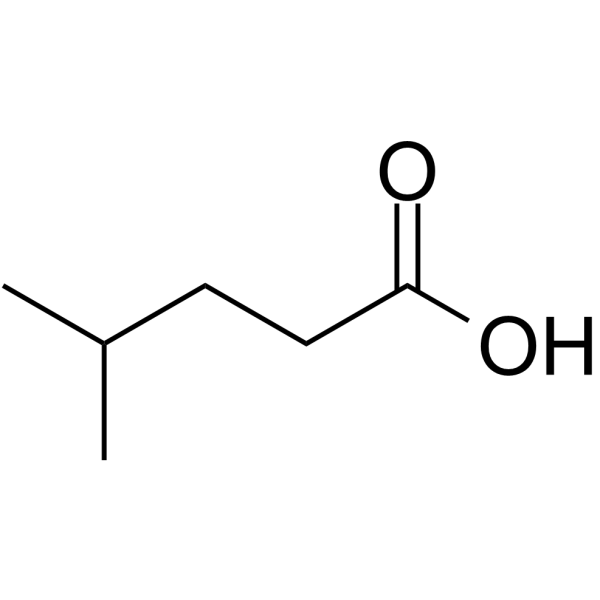
    4-Methylpentanoic acid
    1 Publications Verification

    Isocaproic acid

    Drug Metabolite Neurological Disease Metabolic Disease
    4-Methylpentanoic acid (Isocaproic Acid) is a short-chain fatty acid and a metabolite of 20 α-hydroxycholesterol (HY-12316) that can be detected in feces. The concentration of 4-Methylpentanoic acid is closely associated with several diseases, such as depression. 4-Methylpentanoic acid is also applicable to studies on cholesterol metabolism .
    4-Methylpentanoic acid
  • HY-W010435

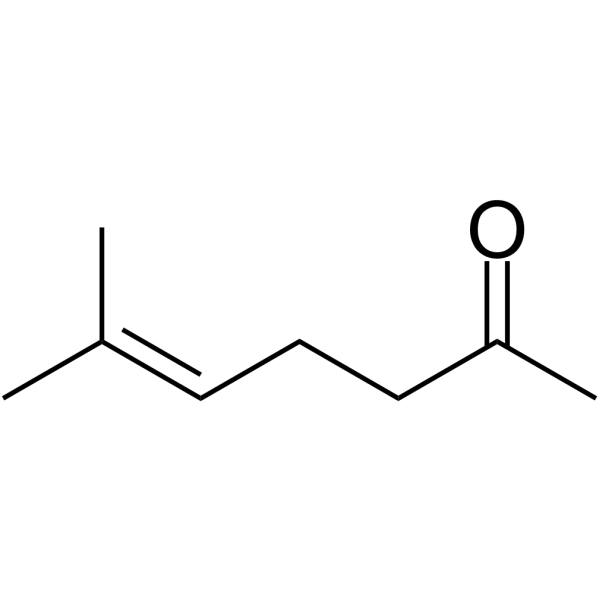
    6-Methyl-5-hepten-2-one

    Environmental Pollutants Parasite Endogenous Metabolite Adenosine Receptor Fungal Cytochrome P450 Infection Cardiovascular Disease Metabolic Disease Inflammation/Immunology
    Sulcatone (6-Methyl-5-hepten-2-one) is a plant-derived volatile organic compound with activities such as insecticidal, antifungal, and blood pressure-lowering effects. Sulcatone also serves as an insect pheromone and an endogenous metabolite, which can be found in feces. Changes in Sulcatone levels can be used for the auxiliary diagnosis of ulcerative colitis .
    Sulcatone
  • HY-W010516

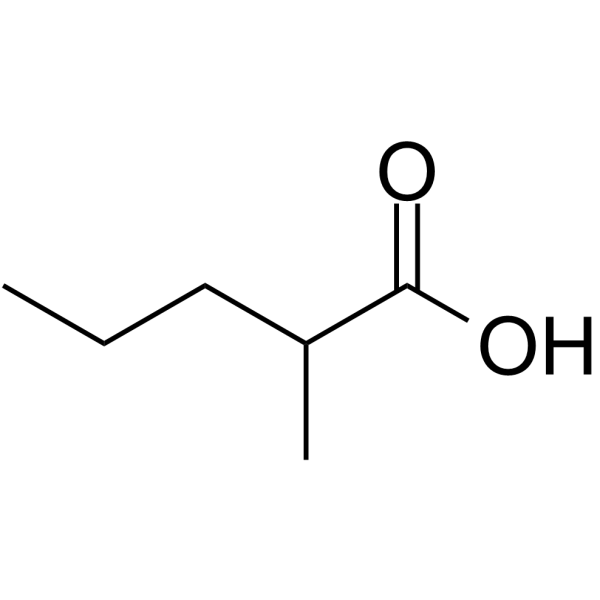
    2-Methylpentanoic acid

    Endogenous Metabolite Metabolic Disease
    2-Methylvaleric acid is a branched short-chain fatty acid (SCFA) produced by the metabolism of branched-chain amino acids by gut microbes. 2-Methylvaleric acid can be used as a potential biomarker for metabolic diseases such as type 2 diabetes, and its content is significantly reduced in the feces of diabetic mice. 2-Methylvaleric acid may regulate host energy metabolism and inflammatory response through G protein-coupled receptors (GPCRs) or histone deacetylase (HDAC) inhibition. 2-Methylvaleric acid can be used to study gut microbe-host interactions and metabolic diseases as a fecal biomarker[1][2].
    2-Methylvaleric acid
  • HY-W134072

    Environmental Pollutants Endogenous Metabolite Biochemical Assay Reagents Bacterial Infection Others
    Tetrasodium glutamate diacetate (46% in water) is a biodegradable chelating agent that enhances antibacterial efficacy. Tetrasodium glutamate diacetate (46% in water) improves the antibacterial performance of multifunctional additives in cosmetic formulations. Tetrasodium glutamate diacetate (46% in water) acts as a chelating agent in cosmetic formulations .
    Tetrasodium glutamate diacetate (46% in water)
  • HY-W399297
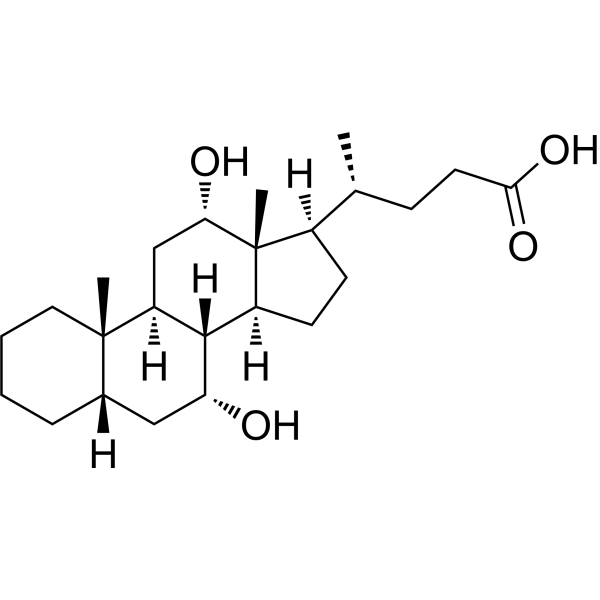
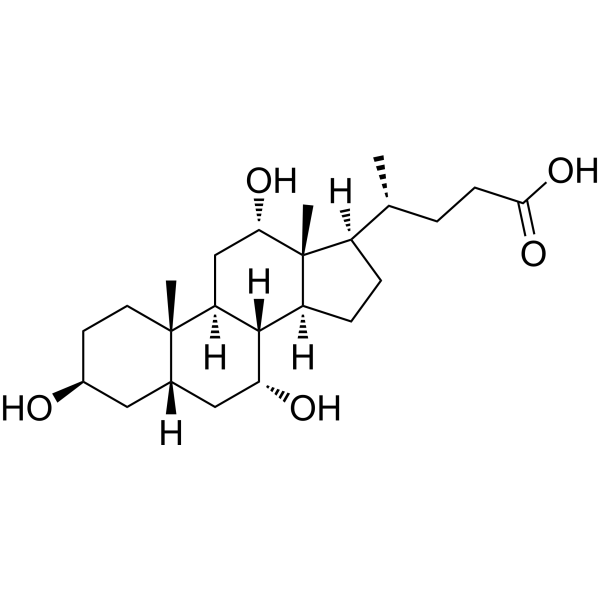
    Isodeoxycholic acid
    1 Publications Verification

    7α,12α-Dihydroxycholanoic acid

    Endogenous Metabolite Metabolic Disease
    Isodeoxycholic acid (7α,12α-Dihydroxycholanoic acid) is a 3β-hydroxylated secondary bile acid. Isodeoxycholic acid is produced by epimerization of deoxycholic acid by intestinal bacteria. Isodeoxycholic acid is detectable in feces, mainly existing as saponifiable conjugates with long-chain fatty acids. Isodeoxycholic acid participates in the regulation of intestinal physiology .
    Isodeoxycholic acid
  • HY-165151

    Urochrome hydrochloride

    Endogenous Metabolite Others
    Urobilin hydrochloride is the metabolite of Hemoglobin (HY-P2995), that can be excreted through urine and feces in many mammals. Urobilin hydrochloride can be used as an indicator of human waste pollution .
    Urobilin hydrochloride
  • HY-145147
    AAA-10
    1 Publications Verification

    Bacterial Infection
    AAA-10 is an orally active gut bacterial bile salt hydrolases (BSH) inhibitor, with IC50s of 10 nM, 80 nM against B. theta rBSH and B. longum rBSH respectively .
    AAA-10
  • HY-W585922

    Drug Derivative Others
    3β-Cholic acid is a derivative of cholic acid (HY-N0324), and can be found in human feces .
    3β-Cholic acid
  • HY-145656

    3-Oxo-7α-hydroxy-5β-cholanoic acid

    Endogenous Metabolite Metabolic Disease
    3-Oxochenodeoxycholic acid is an endogenous metabolite that can be found in feces. 3-Oxochenodeoxycholic acid can serve as an indicator for the diagnosis of certain diseases, such as COVID-19 .
    3-Oxochenodeoxycholic acid
  • HY-W006449

    Drug Derivative Others
    PNU-105368 is a metabolite of Linezolid (HY-10394) . PNU-105368 exists mainly in the form of the original form and two metabolites in the human body and is excreted through the kidneys and feces .
    PNU-105368
  • HY-B1120
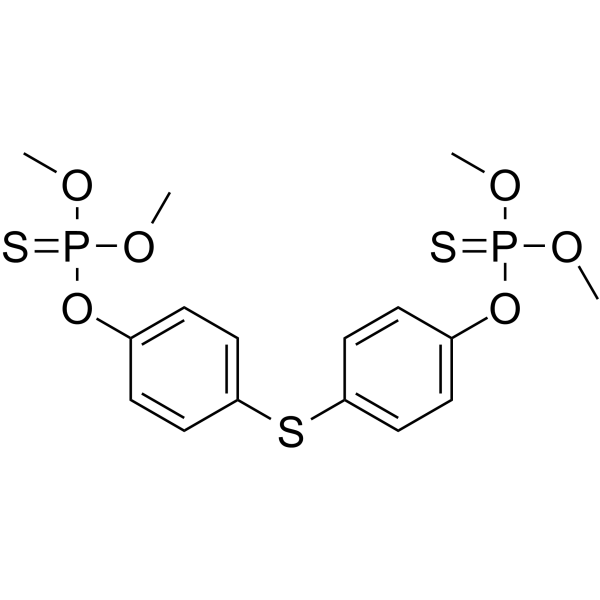
    Temephos
    2 Publications Verification

    Temefos

    Insecticide Cholinesterase (ChE) Dengue Virus Flavivirus Infection
    Temephos (Temefos) is an orally active, blood-brain barrier-permeable organophosphate insecticide and AChE inhibitor. By irreversibly inhibiting AChE to induce cholinergic overactivation, Temephos effectively blocks larval development of Aedes aegypti (yellow fever mosquito) and Aedes albopictus (Asian tiger mosquito), and is commonly used in studies related to Dengue Virus, Zika Virus and other relevant pathogens. Temephos exhibits genotoxicity and neurodevelopmental toxicity, and may also cause liver injury, reproductive system abnormalities and cholinergic poisoning symptoms in mammals. Temephos tends to accumulate in adipose tissues and aquatic organisms, and is excreted via feces after metabolism through oxidation and hydrolysis. Note that CYP-mediated metabolic detoxification may reduce the actual larvicidal efficacy of Temephos against some mosquito species. Temephos can be used in research related to dengue fever, Zika virus disease, chikungunya and dracunculiasis .
    Temephos
  • HY-W007355R

    3-Methylindole (Standard); 3-Methyl-1H-indole (Standard)

    Reference Standards Aryl Hydrocarbon Receptor p38 MAPK Endogenous Metabolite Apoptosis Others
    Skatole (Standard) is the analytical standard of Skatole. This product is intended for research and analytical applications. Skatole (3-methylindole) is a heterocyclic compound naturally found in the feces of vertebrates and can be found in certain plants. Skatole can be produced by intestinal bacteria, inducing apoptosis of intestinal epithelial cells through activating aryl hydrocarbon receptors (AhR) and p38. Skatole has been used in specific products of the perfume industry or as a flavor additive in ice cream .
    Skatole (Standard)
  • HY-W015882S

    Isocaproic acid-d12

    Isotope-Labeled Compounds Drug Metabolite Neurological Disease Metabolic Disease
    4-Methylpentanoic acid-d12 (Isocaproic Acid-d12) is the deuterium labeled 4-Methylpentanoic acid. 4-Methylpentanoic acid is a short-chain fatty acid and a metabolite of 20 α-hydroxycholesterol (HY-12316) that can be detected in feces. The concentration of 4-Methylpentanoic acid is closely associated with several diseases, such as depression. 4-Methylpentanoic acid is also applicable to studies on cholesterol metabolism.
    4-Methylpentanoic acid-d12
  • HY-113457S

    11-Ketoetiocholanolone-d5

    Isotope-Labeled Compounds Endogenous Metabolite Biochemical Assay Reagents Metabolic Disease
    11-Oxo etiocholanolone-d5 (11-Ketoetiocholanolone-d5) is the deuterium labeled 11-Oxo etiocholanolone (HY-113457). 11-Oxo etiocholanolone (11-Ketoetiocholanolone) is a steroid. 11-Oxo etiocholanolone is a key indicator for detecting cortisol metabolites in feces and urine. 11-Oxo etiocholanolone has the potential to be a pheromone .
    11-Oxo etiocholanolone-d5
  • HY-W012168

    Carbonic Anhydrase Metabolic Disease
    4-Chloro-3-sulfamoylbenzoic acid is a weak inhibitor of human carbonic anhydrase isoforms hCA I, hCA II, hCA IV, and hCA IX, and a synthesis intermediate for carbonic anhydrase inhibitors. 4-Chloro-3-sulfamoylbenzoic acid is the major metabolite of tripamide detected in tissues, urine, and feces of rats and rabbits following Tripamide (HY-106570) administration. 4-Chloro-3-sulfamoylbenzoic acid can be used for the study of carbonic anhydrase inhibition and species differences in drug metabolism .
    4-Chloro-3-sulfamoylbenzoic acid
  • HY-N10510

    A-Tetrasaccharide

    Others Others
    Blood group A antigen tetraose type 5 (A-Tetrasaccharide) is a tetrasaccharide and a blood group specific oligosaccharide, inhibits the binding of anti-A antibody to blood group A substance. Blood group A antigen tetraose type 5 can be isolated from polar bear milk samples .
    Blood group A antigen tetraose type 5
  • HY-113457

    11-Ketoetiocholanolone

    Endogenous Metabolite Biochemical Assay Reagents Metabolic Disease
    11-Oxo etiocholanolone (11-Ketoetiocholanolone) is a steroid. 11-Oxo etiocholanolone is a key indicator for detecting cortisol metabolites in feces and urine. 11-Oxo etiocholanolone has the potential to be a pheromone .
    11-Oxo etiocholanolone
  • HY-W099569

    Zinc octadecanoate

    Biochemical Assay Reagents Fungal Bacterial Parasite Infection
    Zinc stearate is a metal stearate that acts as a preservative, bactericide, fungicide, and larvicide. Zinc stearate inhibits larval reproduction in animal feces. Zinc stearate exhibits extremely low systemic toxicity. Zinc stearate is a common component of pharmaceutical excipients, lubricants, mold release agents, polymer stabilizers, and coating matting agents .
    Zinc stearate
  • HY-W015882S1

    Isotope-Labeled Compounds Drug Metabolite Neurological Disease Metabolic Disease
    4-Methylpentanoic acid-d11 (Isocaproic Acid-d11) is the deuterium labeled 4-Methylpentanoic acid. 4-Methylpentanoic acid is a short-chain fatty acid and a metabolite of 20 α-hydroxycholesterol (HY-12316) that can be detected in feces. The concentration of 4-Methylpentanoic acid is closely associated with several diseases, such as depression. 4-Methylpentanoic acid is also applicable to studies on cholesterol metabolism.
    4-Methylpentanoic acid-d11
  • HY-W015882R

    Isocaproic acid (Standard)

    Endogenous Metabolite Reference Standards Metabolic Disease
    4-Methylpentanoic acid (Isocaproic acid) (Standard) is an analytical standard form of 4-Methylpentanoic acid (HY-W015882). This product is intended for research and analytical applications. 4-Methylpentanoic acid (Isocaproic Acid) is a short-chain fatty acid, an endogenous metabolite, and a metabolite of 20 α-hydroxycholesterol (HY-12316), which can be found in feces. The concentration of 4-Methylpentanoic acid is closely related to some diseases, such as depression. 4-Methylpentanoic acid can also be used in the research of cholesterol metabolism .
    4-Methylpentanoic acid (Standard)
  • HY-W010435R

    6-Methyl-5-hepten-2-one (Standard)

    Reference Standards Endogenous Metabolite Fungal Parasite Adenosine Receptor Cytochrome P450 Infection Cardiovascular Disease Metabolic Disease Inflammation/Immunology
    Sulcatone (Standard) (6-Methyl-5-hepten-2-one (Standard)) is the analytical standard of Sulcatone (HY-W010435). This product is intended for research and analytical applications. Sulcatone (6-Methyl-5-hepten-2-one) is a plant-derived volatile organic compound with activities such as insecticidal, antifungal, and blood pressure-lowering effects. Sulcatone also serves as an insect pheromone and an endogenous metabolite, which can be found in feces. Changes in Sulcatone levels can be used for the auxiliary diagnosis of ulcerative colitis.
    Sulcatone (Standard)
  • HY-117168

    Endogenous Metabolite Metabolic Disease
    1,2-Dilinoleoyl-sn-glycerol is a diacylglycerol (DAG) with linoleic acid (HY-N0729) (18:2) side chains attached at both the sn-1 and sn-2 positions . 1,2-Dilinoleoyl-sn-glycerol can be prepared from L-dilinoleoylphosphatidylcholine via hydrolysis with phospholipase C .
    1,2-Dilinoleoyl-sn-glycerol
  • HY-N1864

    Others Others
    3-O-trans-p-Coumaroyltormentic acid is a triterpene having no cytotoxic activity. However, 3-O-cris-p-Coumaroyltormentic acid is a cytotoxic triterpene, can be isolated from the methanol extract of Goreishi (the feces of Trogopterus xanthipes Milne-Edwards) .
    3-O-trans-p-Coumaroyltormentic acid
  • HY-165497

    4-Biphenylacetic acid tris

    Others Neurological Disease
    Felbinac tris (4-Biphenylacetic acid tris) is a potent analgesic agent. Felbinac tris metabolized into 4'-hydroxyfelbinac and is excreted via urine and feces. Felbinac tris has the potential for the research of post-operative pain .
    Felbinac tris
  • HY-N6910

    Others Metabolic Disease
    Pseudolaric Acid C2, a diterpenoid isolated from Pseudolarix kaempferi, is identified as the specific metabolite of Pseudolaric acid B in plasma, urine, bile and feces after both oral and intravenous administration to rats .
    Pseudolaric Acid C2
  • HY-102061

    ATI 7505 dihydrochloride

    Others Others
    Naronapride (dihydrochloride) (ATI 7505 (dihydrochloride)) is a compound that regulates gastrointestinal motility. It is a 5-HT receptor agonist. It is extensively metabolized after oral administration and is mainly excreted through feces. It has certain pharmacokinetic properties.
    Naronapride dihydrochloride
  • HY-B0519C

    Bacterial Infection
    Tylosin (lactate) is an anti-bacterial agent that can target spore-forming bacteria. Tylosin (lactate) can increase the levels of Enterococcus and lactobacilli in dogs' feces and help relieve tylosin-responsive diarrhea .
    Tylosin lactate
  • HY-145147A

    Bacterial Infection
    AAA-10 formic is an orally active gut bacterial bile salt hydrolases (BSH) inhibitor, with IC50s of 10 nM, 80 nM against B. theta rBSH and B. longum rBSH, respectively .
    AAA-10 formic
  • HY-143712R

    Reference Standards Drug Metabolite G protein-coupled Bile Acid Receptor 1 ROR Metabolic Disease Inflammation/Immunology Cancer
    Allolithocholic acid (Standard) is the analytical standard of Allolithocholic acid (HY-143712). This product is intended for research and analytical applications. Allolithocholic acid is an orally active metabolite of Lithocholic acid (HY-B0172). Allolithocholic acid is a dual GPBAR1 agonist (EC50 = 2.7 μM) and RORγt inverse agonist (IC50 = 3.4 μM). Allolithocholic acid modulates immune and metabolic pathways, regulates immune cell polarization, prevents M1 macrophage and Th17 CD4 cell polarization. Allolithocholic acid improves insulin sensitivity, reduces liver lipid accumulation, reverses liver immunological, inflammatory and metabolic signaling dysregulation, restores bile acid homeostasis, adipose tissue histopathology/function, and intestinal microbiota composition, modulates intestinal immunity. Allolithocholic acid can be used for the researches of cancer, inflammayion, immunology and metabolic disease .
    Allolithocholic acid (Standard)
  • HY-W750297

    4,4'-DDD-13C12; p,p'-Dichlorodiphenyl dichloroethane-13C12

    Isotope-Labeled Compounds Drug Metabolite Others
    p,p'-DDD- 13C12 is 13C labeled p,p'-DDD. p,p'-DDD is a major metabolite of p,p'-DDT. p,p'-DDD occurs in the feces and livers of rats, that are given p,p'-DDT by stomach tube, but not of rats injected intraperitoneally with p,p'-DDT .
    p,p'-DDD-13C12
  • HY-W399297R

    7α,12α-Dihydroxycholanoic acid (Standard)

    Endogenous Metabolite Reference Standards Infection Metabolic Disease
    Isodeoxycholic acid (7α,12α-Dihydroxycholanoic acid) Standard is the analytical standard of Isodeoxycholic acid (HY-W399297). This product is intended for research and analytical applications. Isodeoxycholic acid (7α,12α-Dihydroxycholanoic acid) is a 3β-hydroxylated secondary bile acid. Isodeoxycholic acid is produced by epimerization of deoxycholic acid by intestinal bacteria. Isodeoxycholic acid is detectable in feces, mainly existing as saponifiable conjugates with long-chain fatty acids. Isodeoxycholic acid participates in the regulation of intestinal physiology .
    Isodeoxycholic acid (Standard)
  • HY-W004305R

    Palmitaldehyde (Standard)

    Reference Standards Endogenous Metabolite Metabolic Disease
    Hexadecanal (Standard) is an analytical standard for Hexadecanal. This product is intended for research and analytical applications. Hexadecanal (Palmitaldehyde), a volatile, long-chain fatty aldehyde, is released from human feces, skin, and breath. The hexadecanal receptor (OR37B) is highly conserved in mammals. Hexadecanal may exert its effects by modulating functional connectivity between social evaluation brain substrates and aggression execution brain substrates. Hexadecanal has also been shown to have a strong deterrent effect on black ants. Hexadecanal has potential for use in startle response and aggression behavior
    Hexadecanal (Standard)
  • HY-W004305S

    Palmitaldehyde-d5

    Isotope-Labeled Compounds Endogenous Metabolite Metabolic Disease
    Hexadecanal-d5 (Palmitaldehyde-d5) is deuterium labeled Hexadecanal. Hexadecanal (Palmitaldehyde) , a volatile long-chain aliphatic aldehyde, is emitted from human feces, skin, and breath. The receptor for hexadecanal(OR37B) is highly conserved across mammals. Hexadecanal may exert its effects by modulating functional connectivity between the brain substrates of social appraisal and the brain substrates of aggressive execution. Also, Hexadecanal is confirmed to be highly deterrent to the ant Lasius niger. Hexadecanal is promising for the research of startle responses and aggression
    Hexadecanal-d5
  • HY-137263

    Antibiotic Infection
    Propionylmaridomycin is a macrolide antibiotic with antibacterial activity. Propionylmaridomycin is rapidly absorbed from the gastrointestinal tract and rapidly distributed to tissues. Propionylmaridomycin radioactivity levels in the liver, kidneys, and lungs were significantly higher than in plasma, while distribution to the brain was less. Propionylmaridomycin is excreted primarily through the feces, and the high fecal recovery rate is due to unabsorbed compounds and biliary excretion of compounds and their metabolites. Propionylmaridomycin exhibits the highest antibacterial activity in the lungs. Propionylmaridomycin is completely converted to several metabolites in rats, of which 4''-depropionyl-9-propionylmaridomycin was identified as the major metabolite .
    Propionylmaridomycin
  • HY-W782193

    6-Methyl-5-hepten-2-one-d5

    Isotope-Labeled Compounds Fungal Adenosine Receptor Cytochrome P450 Parasite Endogenous Metabolite Infection Cardiovascular Disease Metabolic Disease Inflammation/Immunology
    Sulcatone-d5 (6-Methyl-5-hepten-2-one-d5) is the deuterium labeled Sulcatone (HY-W010435). Sulcatone (6-Methyl-5-hepten-2-one) is a plant-derived volatile organic compound with activities such as insecticidal, antifungal, and blood pressure-lowering effects. Sulcatone also serves as an insect pheromone and an endogenous metabolite, which can be found in feces. Changes in Sulcatone levels can be used for the auxiliary diagnosis of ulcerative colitis .
    Sulcatone-d5
  • HY-W010516R

    2-Methylpentanoic acid (Standard)

    Reference Standards Endogenous Metabolite Metabolic Disease
    2-Methylvaleric acid (Standard) is the analytical standard of 2-Methylvaleric acid. This product is intended for research and analytical applications. 2-Methylvaleric acid is a branched short-chain fatty acid (SCFA) produced by the metabolism of branched-chain amino acids by gut microbes. 2-Methylvaleric acid can be used as a potential biomarker for metabolic diseases such as type 2 diabetes, and its content is significantly reduced in the feces of diabetic mice. 2-Methylvaleric acid may regulate host energy metabolism and inflammatory response through G protein-coupled receptors (GPCRs) or histone deacetylase (HDAC) inhibition. 2-Methylvaleric acid can be used to study gut microbe-host interactions and metabolic diseases as a fecal biomarker[1][2].
    2-Methylvaleric acid (Standard)
  • HY-B1120S

    Temefos-d12

    Cholinesterase (ChE) Dengue Virus Flavivirus Parasite Infection
    Temephos-d12 is the deuterium labeled Temephos. Temephos (Temefos) is an orally active, blood-brain barrier-permeable organophosphate insecticide and AChE inhibitor. By irreversibly inhibiting AChE to induce cholinergic overactivation, Temephos effectively blocks larval development of Aedes aegypti (yellow fever mosquito) and Aedes albopictus (Asian tiger mosquito), and is commonly used in studies related to Dengue Virus, Zika Virus and other relevant pathogens. Temephos exhibits genotoxicity and neurodevelopmental toxicity, and may also cause liver injury, reproductive system abnormalities and cholinergic poisoning symptoms in mammals. Temephos tends to accumulate in adipose tissues and aquatic organisms, and is excreted via feces after metabolism through oxidation and hydrolysis. Note that CYP-mediated metabolic detoxification may reduce the actual larvicidal efficacy of Temephos against some mosquito species. Temephos can be used in research related to dengue fever, Zika virus disease, chikungunya and dracunculiasis .
    Temephos-d12
  • HY-B1120R

    Temefos (Standard)

    Reference Standards Insecticide Cholinesterase (ChE) Dengue Virus Flavivirus Infection
    Temephos (Standard) is the analytical standard of Temephos. This product is intended for research and analytical applications. Temephos (Temefos) is an orally active, blood-brain barrier-permeable organophosphate insecticide and AChE inhibitor. By irreversibly inhibiting AChE to induce cholinergic overactivation, Temephos effectively blocks larval development of Aedes aegypti (yellow fever mosquito) and Aedes albopictus (Asian tiger mosquito), and is commonly used in studies related to Dengue Virus, Zika Virus and other relevant pathogens. Temephos exhibits genotoxicity and neurodevelopmental toxicity, and may also cause liver injury, reproductive system abnormalities and cholinergic poisoning symptoms in mammals. Temephos tends to accumulate in adipose tissues and aquatic organisms, and is excreted via feces after metabolism through oxidation and hydrolysis. Note that CYP-mediated metabolic detoxification may reduce the actual larvicidal efficacy of Temephos against some mosquito species. Temephos can be used in research related to dengue fever, Zika virus disease, chikungunya and dracunculiasis .
    Temephos (Standard)
  • HY-N17735

    Drug Metabolite Others
    (R)-1,2-Dihydroxyaporphine (Compound M1) is a metabolite of Nuciferine (HY-N0049) and is easily excreted through urine and feces .
    (R)-1,2-Dihydroxyaporphine
  • HY-W740426

    Drug Metabolite Cancer
    N-Desmethyltopotecan is a metabolite of Topotecan (HY-13768), and it can be detected in plasma, urine and feces .
    N-Desmethyl topotecan
  • HY-156126

    Others Others
    Lentztrehalose C (compound LTC) is a trehalose analogue with high stability in microbial and mammalian cells. It can be detected in the blood of mice and is ultimately excreted in feces and urine. It can induce autophagy in human cancer cells.
    Lentztrehalose C
  • HY-W007355S2

    3-Methylindole-13C6; 3-Methyl-1H-indole-13C6

    Isotope-Labeled Compounds Aryl Hydrocarbon Receptor p38 MAPK Endogenous Metabolite Apoptosis Others
    Skatole- 13C6 is the 13C-labeled Skatole (HY-W007355). Skatole (3-methylindole) is a heterocyclic compound naturally found in the feces of vertebrates and can be found in certain plants. Skatole can be produced by intestinal bacteria, inducing apoptosis of intestinal epithelial cells through activating aryl hydrocarbon receptors (AhR) and p38. Skatole has been used in specific products of the perfume industry or as a flavor additive in ice cream.
    Skatole-13C6
  • HY-138135

    Fidaxomicin metabolite OP-1118

    NF-κB ERK Apoptosis Bacterial Infection
    OP-1118 (Fidaxomicin metabolite OP-1118) is an orally active dual inhibitor of NF-κB and ERK1/2, with low systemic plasma exposure, no accumulation, and primary excretion via feces. By inhibiting the phosphorylation of NF-κB and ERK1/2 and reducing the expression of pro-inflammatory cytokines, OP-1118 exerts significant anti-inflammatory, cytoprotective, anti-apoptotic and antibacterial activities. In Clostridium difficile infection models, OP-1118 effectively blocks toxin-mediated intestinal inflammation, cell rounding, histological damage and apoptosis, and its protective effect can be reversed by PMA (HY-18739) .
    OP-1118
  • HY-16265A

    Ephrin Receptor PDGFR VEGFR Cancer
    JI-101 hydrochloride is an orally active angiogenesis inhibitor and anticancer agent with 55% oral bioavailability in Sprague Dawley rats, high permeability, and no P-gp substrate activity .JI-101 hydrochloride modulates angiogenesis signaling pathways in tumor vessel beds, downregulates EphB4, targets EphB4, VEGFR-2, and PDGFR-β, and inhibits multiple stages of tumor angiogenesis .JI-101 hydrochloride exerts activity against cancer cells and xenografts, exhibits mild to moderate inhibition of CYP3A4, and shows stability in pre-clinical and human liver microsomes .JI-101 hydrochloride undergoes rapid oral absorption in Sprague Dawley rats, has extensive tissue distribution with preferred lung uptake, and is excreted via bile with mono- and di-hydroxy metabolites, with feces as the primary elimination route .JI-101 hydrochloride can be used for the research of ovarian cancer and solid tumors .
    JI-101 hydrochloride

Inquiry Online

Your information is safe with us. * Required Fields.

Salutation


Country or Region *

Applicant Name *


Organization Name *

Department *


Email Address *


Product Name *

Cat. No.


Requested quantity *

Phone Number *


Remarks

Inquiry Online

Inquiry Information

Product Name:
Cat. No.:
Quantity:
MCE Japan Authorized Agent:

