Search Result
Results for "
histological
" in MedChemExpress (MCE) Product Catalog:
4
Biochemical Assay Reagents
1
Isotope-Labeled Compounds
| Cat. No. |
Product Name |
Target |
Research Areas |
Chemical Structure |
-
- HY-B0324A
-
Crystal Violet
Maximum Cited Publications
64 Publications Verification
Basic Violet 3; Gentian Violet; Methyl Violet 10B
|
Environmental Pollutants
Fluorescent Dye
Influenza Virus
Bacterial
|
Infection
|
|
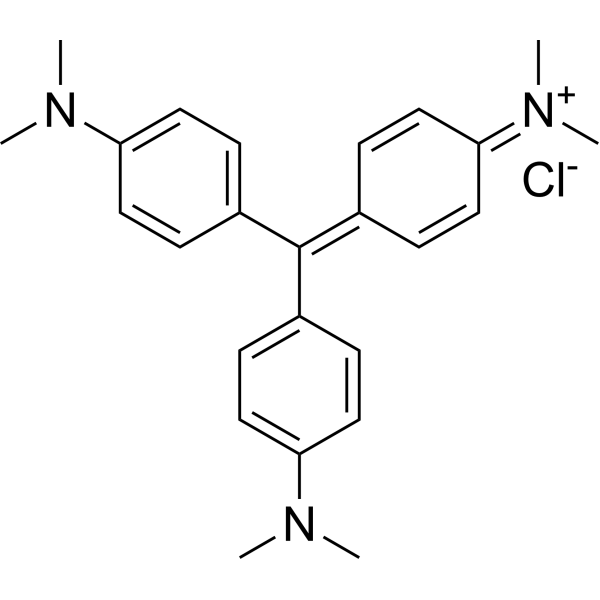
Crystal Violet, also known as Gentian violet, methyl violet 10B, is a triphenyl-methane, an alkaline dye that binds to DNA in the nucleus of a cell, staining it a deep purple. It is often used for Gram staining to classify bacteria, or for cell or histological staining[1].
|
-
-
- HY-103311
-
|
Ammoniated ruthenium oxychloride
|
Calcium Channel
|
Cardiovascular Disease
|
|
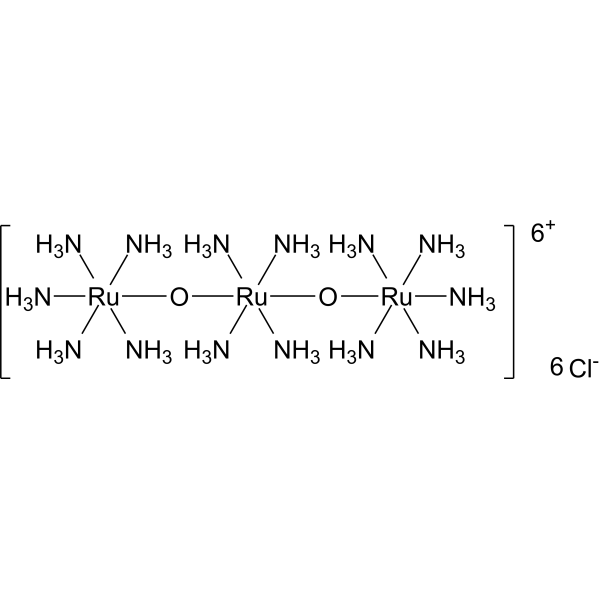
Ruthenium red (Ammoniated ruthenium oxychloride) is a polycationic dye widely used for electron microscopy (EM) of cells, tissues and vegetative bacteria. Ruthenium red strongly reacts with phospholipids and fatty acids and binds to acidic mucopolysaccharides. Ruthenium red is a L-type calcium current (ICa) blocker .
|
-
-
- HY-D1627
-
|
CM-DiI
|
Fluorescent Dye
|
Others
|
|
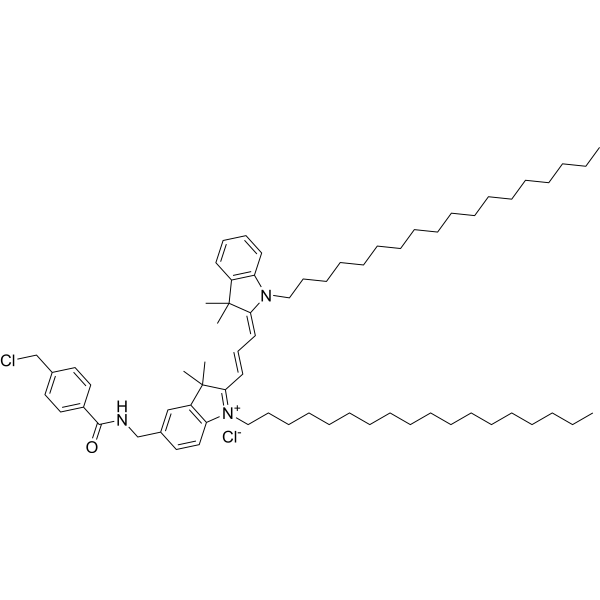
CellTracker CM-DiI (CM-DiI) is a lipophilic fluorochrome that can be used for tracking the migration of lymphocytes. CellTracker CM-DiI is feasible to detect labeled cells in histological sections (excitation 553 nm; emission 570 nm) .
|
-
-
- HY-N0116
-
|
Natural Black 1; Haematoxylin
|
Amyloid-β
|
Others
|
|
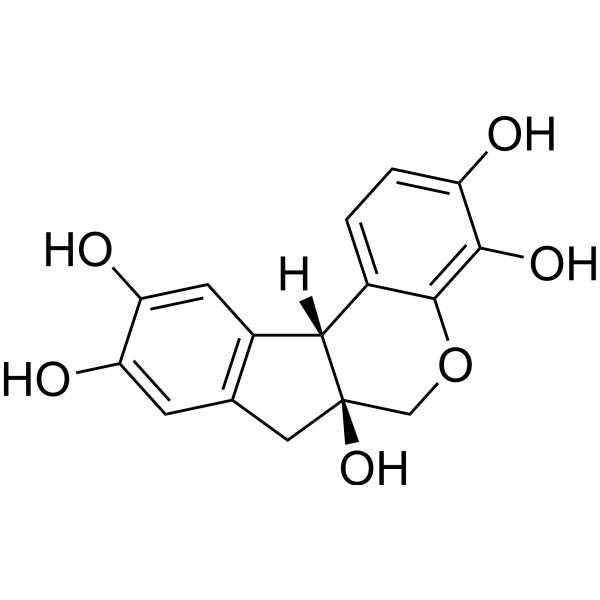
Hematoxylin (Natural Black 1), a naturally occurring flavonoid compound derived from Caesalpinia sappan Linn.. Hematoxylin is a nuclear stain in histology and is also a potent Aβ42 fibrillogenesis inhibitor with an IC50 of 1.6 μM.
|
-
-
- HY-P11274A
-
|
Amycretin sodium; NN 9487 sodium
|
Amylin Receptor
Insulin Receptor
GCGR
|
Metabolic Disease
|
Zenagamtide (Amycretin; NN 9487) sodium is an orally active, blood-brain barrier permeable triple agonist that targets GLP-1, amylin (Amylin Receptor) and calcitonin receptor (Calcitonin Receptor). Zenagamtide sodium is a single peptide consisting of 68 amino acids that can target brain regions regulating food intake, significantly suppress appetite and reduce energy intake. Therefore, Zenagamtide sodium improves body weight, waist circumference, glycated hemoglobin and lipid profile, and also alleviates the histological features of metabolic dysfunction-associated steatotic liver disease (MASLD) and enhances insulin sensitivity. Zenagamtide sodium may cause transient increases in heart rate and fluctuations in serum calcium levels, but it is an important compound for the study of overweight, obesity, insulin resistance and related metabolic diseases .
|
-
-
- HY-D0955
-
|
Thionine acetate
|
Biochemical Assay Reagents
Bacterial
|
Infection
|
|
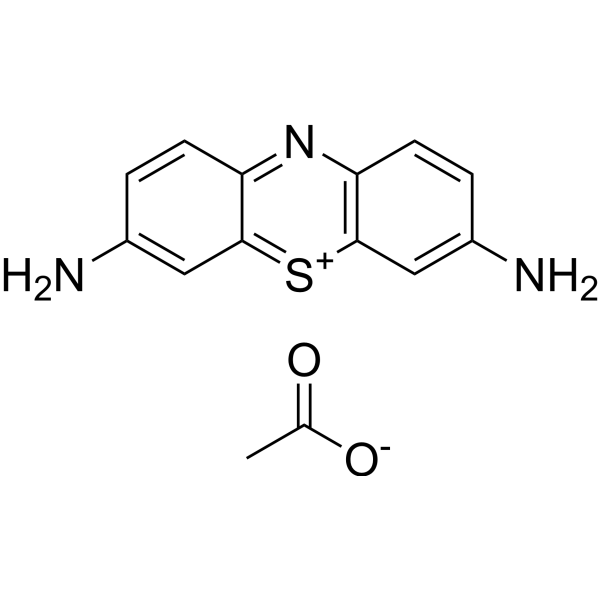
Thionin acetate (Thionine acetate) is a compound present in the seeds, stems, roots, and leaves of many plant species with antibacterial activity. Thionin acetate is a metachromatic cationic histological dye widely used in biological staining .
|
-
-
- HY-128686
-
KAG-308
3 Publications Verification
|
Prostaglandin Receptor
|
Inflammation/Immunology
Endocrinology
|
|
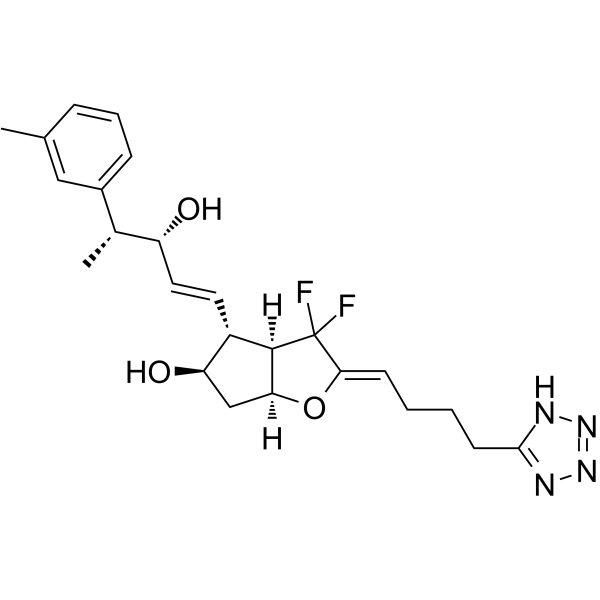
KAG-308 is a potent selective and orally active agonist of EP4 receptor (a prostaglandin E2 receptor subtype), suppresses colitis and promotes histological mucosal healing, potently inhibits TNF-α production. KAG-308 shows a Ki and an EC50 of 2.57 nM and 17 nM for human EP4 receptor, respectively, more selective over EP1, EP2, EP3 and IP receptor .
|
-
-
- HY-W017113
-
|
|
Environmental Pollutants
Endogenous Metabolite
|
Metabolic Disease
|
|
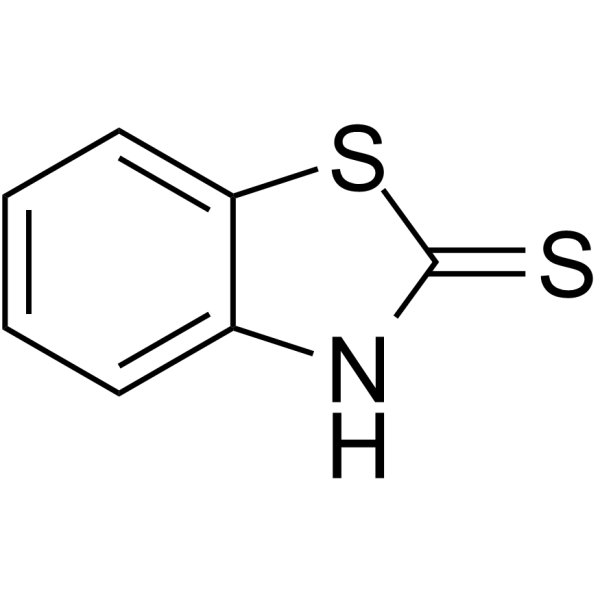
2-Mercaptobenzothiazole is an activator of the aryl hydrocarbon receptor (AhR) , inhibiting thyroid hormone synthesis and dopamine beta-hydroxylase activity . 2-Mercaptobenzothiazole promotes bladder cancer cell invasion by altering the conformation of the AhR ligand binding domain (LBD), activating AhR transcription, and upregulating the mRNA and protein expression of target genes CYP1A1 and CYP1B1 . 2-Mercaptobenzothiazole inhibits thyroid peroxidase (TPO) with an IC50 value of 11.5 μM, induces histological changes such as follicular cell hypertrophy in Xenopus laevis tadpoles, delaying metamorphosis . 2-Mercaptobenzothiazole increases chromosomal aberrations and sister chromatid exchanges (SCEs) in Chinese hamster ovary (CHO) cells, and enhances carcinogenicity in F344/N rats . 2-Mercaptobenzothiazole inhibits norepinephrine synthesis in mice and completely blocks the conversion of exogenous dopamine to norepinephrine in rat cardiomyocytes .
|
-
-
- HY-D0003
-
|
|
Environmental Pollutants
Bacterial
|
Infection
|
|
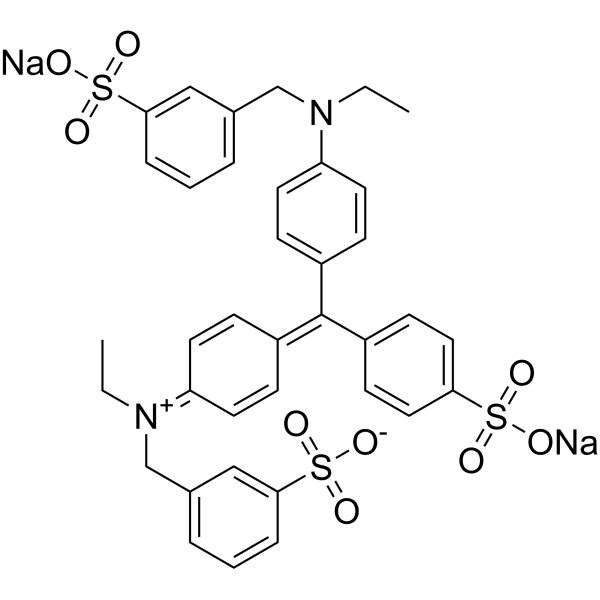
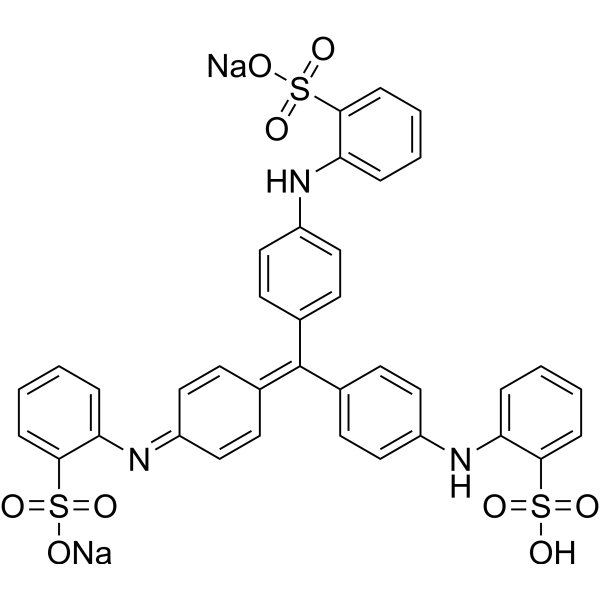
Methyl blue belongs to the group of triaminotriphenylmethane dyes. Methyl blue is widely used as antiseptic dye in polychrome staining method and has applications in histological and microbiological staining solutions. Methyl blue has been used as a model to study the effect of various catalysts on photodegradation of dyes .
|
-
-
- HY-W110798
-
|
|
Environmental Pollutants
Biochemical Assay Reagents
|
Others
|
|
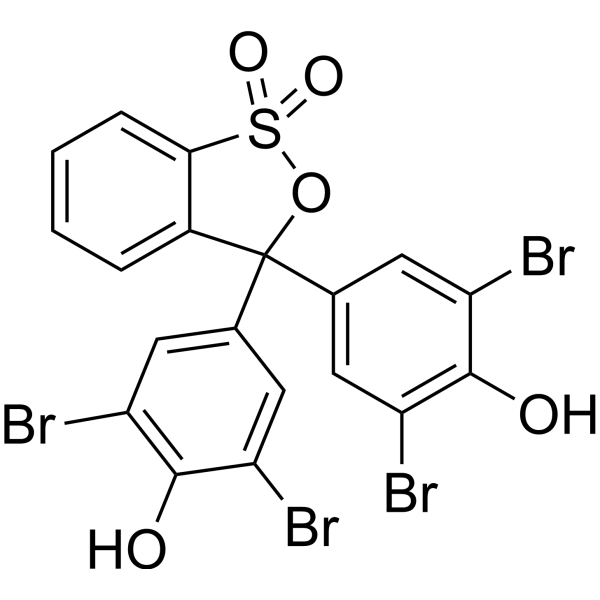
Bromophenol blue indicator (3.0-4.6) is a synthetic dye commonly used as an acid-base indicator with a transition range of pH 3.0-4.6. Bromophenol blue indicator (3.0-4.6) is water soluble and changes color from yellow to blue as the pH of the solution changes from acidic to basic. Its unique chemical properties make it an important ingredient in a variety of scientific applications, especially in biochemistry and molecular biology. In addition, it can be used as a stain in microbiology and histology. However, Bromophenol blue indicator (3.0-4.6) has potential irritating and staining properties.
|
-
-
- HY-P11274
-
|
Amycretin; NN 9487
|
Amylin Receptor
GCGR
Insulin Receptor
|
Metabolic Disease
|
Zenagamtide (Amycretin; NN 9487) is an orally active, blood-brain barrier permeable triple agonist that targets GLP-1, amylin (Amylin Receptor) and calcitonin receptor (Calcitonin Receptor). Zenagamtide is a single peptide consisting of 68 amino acids that can target brain regions regulating food intake, significantly suppress appetite and reduce energy intake. Therefore, Zenagamtide improves body weight, waist circumference, glycated hemoglobin and lipid profile, and also alleviates the histological features of metabolic dysfunction-associated steatotic liver disease (MASLD) and enhances insulin sensitivity. Zenagamtide may cause transient increases in heart rate and fluctuations in serum calcium levels, but it is an important compound for the study of overweight, obesity, insulin resistance and related metabolic diseases .
|
-
-
- HY-170482
-
|
|
Biochemical Assay Reagents
|
Others
|
|
Bouin′s solution is a compound fixative used in histology. Bouin′s solution consists of saturated picric acid, formaldehyde, and Acetic acid .
|
-
-
- HY-DY2001
-
|
|
Fluorescent Dye
Influenza Virus
Bacterial
|
Infection
|
Crystal Violet (solution) , also known as Gentian violet, methyl violet 10B, is a triphenyl-methane, an alkaline dye that binds to DNA in the nucleus of a cell, staining it a deep purple. It is often used for Gram staining to classify bacteria, or for cell or histological staining . Solvent and Concentration: Sterile water: 5 mg/mL (0.5%)
|
-
-
- HY-126367
-
|
Acid Green 5
|
Fluorescent Dye
|
Cancer
|
|
Light green SF yellowish (Acid Green 5) is a water-soluble triarylmethane dye. Light green SF yellowish serves as a histological stain that selectively labels mitochondria, collagen, and cartilage, while being an essential component of Papanicolaou staining. Light green SF yellowish is commonly used as a cytoplasmic counterstain for nuclear stains, and is applied in Masson's trichrome staining for collagen fibers, Pap staining, and cytological polychromatic staining in histopathology. Light green SF yellowish also induces growth inhibition and local fibrosarcomas in rats and exerts mild pulmonary tumorigenicity in mice .
|
-
-
- HY-D0957
-
|
|
Fluorescent Dye
Bacterial
|
Infection
|
|
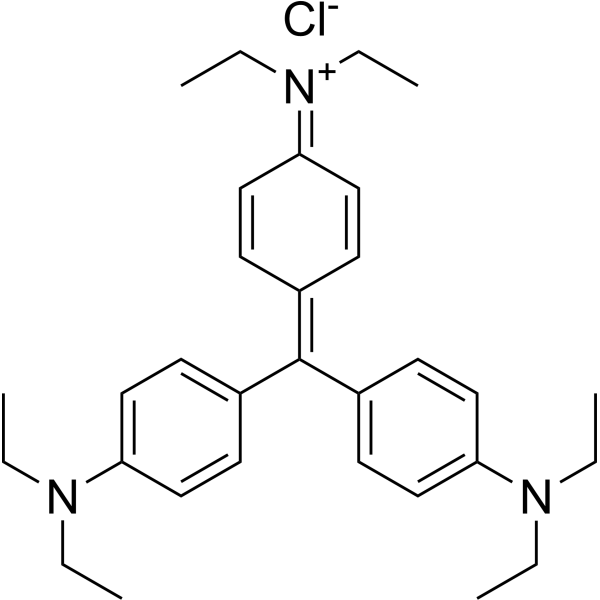
Ethyl Violet is a triphenylmethane cationic dye with antibacterial activity. Ethyl Violet is applicable to research related to antibacterial therapy and histological staining .
|
-
-
- HY-W002942
-
|
1,2,3,4-Tetrahydroquinolin-8-ol; 8-hydroxy-1,2,3,4-tetrahydroquinoline
|
Ferroptosis
Reactive Oxygen Species (ROS)
|
Inflammation/Immunology
|
|
Ferroptosis-IN-21 is a ferroptosis inhibitor that protects against renal I/R injury by suppressing ferroptosis and directly scavenging peroxyl radicals. Ferroptosis-IN-21 displays broad-spectrum anti-ferroptotic efficacy across multiple inducers in renal tubular epithelial cells, with nanomolar potency and robust suppression of lipid Reactive Oxygen Species (ROS). Ferroptosis-IN-21 significantly ameliorates renal I/R injury in mice, reducing histological damage, functional impairment, and inflammatory cytokine expression, while decreasing lipid peroxidation biomarkers such as 4-hydroxynonenal. Ferroptosis-IN-12 can be used for research in the field of ferroptosis-targeted drug development .
|
-
-
- HY-159834
-
|
SLC-D011
|
DNA/RNA Synthesis
|
Others
|
|
Progerinin (SLC-D011) is an orally active progerin-lamin A binding inhibitor. Progerinin selectively binds to the C-terminal region of progerin, disrupting its interaction with lamin A and promoting progerin degradation while sparing wild-type lamin A, B, and C. Progerinin ameliorates nuclear deformation, increases H3K9me3 levels, and reduces progerin expression in HGPS patient-derived fibroblasts. Progerinin extends lifespan in Lmna G609G/G609G mice and Lmna G609G/+ mice, improves body weight, hair morphology, cardiac function, and histological phenotypes. Progerinin can be used for the study of Hutchinson-Gilford progeria syndrome (HGPS) .
|
-
-
- HY-139342
-
|
|
CDK
|
Cancer
|
|
CDK7-IN-4 (compound I) is a potent CDK7 (Cyclin-dependent kinase 7) inhibitor. CDK7-IN-4 shows anticancer activity. CDK7-IN-4 inhibits the in vitro growth of cancer cell lines from a variety of histologies including colon , breast , lung , ovary and stomach , in a dose dependent manner .
|
-
-
- HY-D1542
-
|
|
Fluorescent Dye
|
Cancer
|
|
Mucicarmine is used in the histological visualization of acid mucopolysaccharides in tissue sections. Mucicarmine can identify mucin (deep rose), which is useful in determining the mucin positive cancer (such as liver carcinoma) .
|
-
-
- HY-D1480
-
|
|
Fluorescent Dye
|
Others
|
|
Crystal Ponceau 6R is a red azo dye. Crystal Ponceau 6R used in histology, for staining fibrin with the martius, scarlet and blue (MSB) Trichrome stain .
|
-
-
- HY-143237
-
|
|
Phosphodiesterase (PDE)
|
Others
|
|
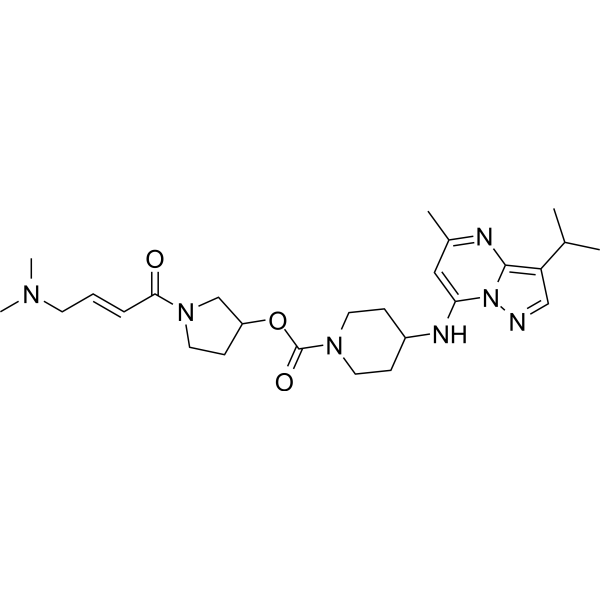
ATX inhibitor 11 (compound 13c) is a potent ATX (autotaxin) inhibitor, with an IC50 of 2.7 nM. ATX inhibitor 11 can typically alleviate the severity of fibrosis tissues and effectively reduce the deposition of fibrotic biomarker α-SMA in mice fibrosis model. ATX inhibitor 11 can be used for lung fibrosis research .
|
-
-
- HY-W250143
-
|
|
Biochemical Assay Reagents
|
Others
|
|
Toluidine blue (ZnCl2) is a basic thiazine dye commonly used as a biological stain for microscopy. It has a deep bluish-purple color and is commonly used to stain nucleic acids such as DNA and RNA, as well as to stain mast cells, cartilage, and other connective tissues. Toluidine blue (ZnCl2) stains the acidic components of these tissues, such as sulfated or carboxylated mucopolysaccharides. It is frequently used in histology, cytology, and pathology applications to aid in the diagnosis of various diseases and conditions. The dye is usually applied to tissue sections prior to microscopic examination and can be differentiated using an acidic alcohol solution. Toluidine blue (ZnCl2) is a relatively simple and inexpensive stain with good reproducibility, making it a popular choice for many laboratories.
|
-
-
- HY-B0324AS
-
|
Basic Violet 3-d6; Gentian Violet-d6; Methyl Violet 10B-d6
|
Isotope-Labeled Compounds
|
Others
|
|
Crystal Violet-d6 is the deuterium labeled Crystal Violet (HY-B0324A). Crystal Violet, also known as Gentian violet, methyl violet 10B, is a triphenyl-methane, an alkaline dye that binds to DNA in the nucleus of a cell, staining it a deep purple. It is often used for Gram staining to classify bacteria, or for cell or histological staining .
|
-
-
- HY-W250306
-
|
|
Biochemical Assay Reagents
|
Others
|
|
Carbol fuchsin is a histological stain used in microbiology to distinguish acid-fast bacteria from non-acid-fast bacteria. It is a mixture of basic fuchsin, phenol, and water and is commonly used in the Ziehl-Neelsen staining technique for the detection of tuberculosis and other mycobacterial infections. Carbol fuchsin stains the cell walls of acid-fast bacteria bright red, while other cells are unstained or slightly stained. This makes it easier to see and identify these microbes under a microscope. Carbol fuchsin is also used in veterinary medicine and phytopathology for similar purposes.
|
-
-
- HY-15048
-
|
|
PARP
|
Inflammation/Immunology
|
|
GPI 15427 is a potent inhibitor of the enzyme poly (ADP-ribose) polymerase-1 (PARP-1), which plays a harmful role during inflammation. In a rat model of gut injury and inflammation, including splanchnic artery occlusion (SAO) shock and dinitrobenzene sulfonic acid (DNBS)-induced colitis, GPI 15427 demonstrates strong anti-inflammatory effects that reduces inflammatory cell infiltration, histological injury. GPI 15427 also diminishes the accumulation of poly (ADP-ribose) in the ileum and colon of treated rats .
|
-
-
- HY-D1472
-
|
|
Fluorescent Dye
|
Others
|
|
Azure A eosinate is a dye for hematological and histological applications. Azure A eosinate can be used as new photosensitizer prototypes to determine growth inhibition of Candida albicans .
|
-
-
- HY-143713
-
|
|
Aurora Kinase
|
Cancer
|
|
Aurora A inhibitor 1 is a potent and selective inhibitor of Aurora A. Aurora A has been implicated in cancers of diverse histological origin and may possess oncogenic properties when overexpressed. Aurora A inhibitor 1 has the potential for the research of cancer diseases mediated by aurora a (extracted from patent WO2021147974A1, compound 49) .
|
-
-
- HY-W342268
-
|
3-(O-tolylcarbamoyl)naphthalen-2-yl acetate
|
Biochemical Assay Reagents
|
Others
|
|
Naphthol AS-D acetate (3-(O-tolylcarbamoyl)naphthalen-2-yl acetate) is used in histological studies as a histochemical substrate for esterase localization .
|
-
-
- HY-120804
-
|
|
Amyloid-β
|
Inflammation/Immunology
|
|
PH-46A is an indane dimer with anti-inflammatory activity. PH-46A can reduced histological damage and serum amyloid A (SAA) levels in colitis mice .
|
-
-
- HY-W019997
-
|
1-Pyrenyldiazomethane
|
Fluorescent Dye
Endogenous Metabolite
|
|
|
PDAM (1-Pyrenyldiazomethane) is a compound 1-Pyrenyldiazomethane with strong biomarker and fluorescence activity. PDAM is used as a stain for cell imaging in histological studies, which can clearly mark specific cell structures. PDAM is also used as a hematological stain to improve the visualization of cellular components and help make more accurate diagnoses.
|
-
-
- HY-155737
-
|
|
Estrogen Receptor/ERR
|
Cardiovascular Disease
|
|
ET receptor antagonist 1 (compound 16h) is an orally active ET receptor antagonist (IC50=0.18 nM), which can be used for research in pulmonary arterial hypertension (PAH). ET receptor antagonist 1 attenuates monocrotaline (HY-N0750) induced PAH in rat model .
|
-
-
- HY-155739
-
|
|
Estrogen Receptor/ERR
|
Cardiovascular Disease
|
|
ET receptor antagonist 3 (compound 17d) is an orally active ET receptor antagonist (IC50=0.26 nM), which can be used for research in pulmonary arterial hypertension (PAH). ET receptor antagonist 3 attenuates monocrotaline (HY-N0750) induced PAH in rat model .
|
-
-
- HY-172166B
-
|
|
Fluorescent Dye
|
Neurological Disease
|
|
TRITC-lysine-dextran (MW 70kDa) is a fluorescent label prepared by the conjugation of TRITC (HY-D0791), lysine and dextran. TRITC-lysine-dextran (MW 70kDa) serves multiple functions as an axonal tracer, non-viral nanocarrier and fixable fluorescent clonal marker. TRITC-lysine-dextran (MW 70kDa) undergoes anterograde and retrograde transport within axons of sensory neurons, and acts as a non-viral delivery system to precisely deliver biomolecules to neurons. TRITC-lysine-dextran (MW 70kDa) remains stably retained during histological preparation, thereby supporting continuous observation in live or fixed samples .
|
-
-
- HY-B1750
-
|
Quinaldine blue
|
Fluorescent Dye
|
Others
|
|
Pinacyanol chloride (Quinaldine blue) is a bright blue cyanine dye. Pinacyanol chloride is used for staining chromosomes in histology and for staining bacteria in biochemistry .
|
-
-
- HY-W761989
-
|
|
Fluorescent Dye
|
Others
|
|
Direct Brown 95, a synthetic dye, finds extensive application in the textile industry for imparting color to fabrics. It serves as a stain in histology and cytology, aiding in the differentiation of diverse cell types. Additionally, it serves as a marker in molecular biology, facilitating the detection of DNA and RNA.
|
-
-
- HY-105636
-
|
ICI 33828; Methallibure
|
Drug Derivative
GnRH Receptor
|
Endocrinology
|
|
Methallibure (ICI 33828) is a dithiocarbamoylhydrazine derivative and gonadotropic function blocker. Methallibure can block the action of pituitary gonadotropins in teleost fishes and inhibit germ cell maturation. Methallibure does not affect the histological structure of the thyroid gland but reduces the nuclear volume of thyroid epithelial cells. Methallibure can be used in the research of endocrine diseases .
|
-
-
- HY-181094
-
|
|
Glycosidase
|
Metabolic Disease
|
|
α-Glucosidase-IN-110 is a selective and orally active competitive inhibitor of α-Glucosidase with an IC50 of 7.09 μM and a Ki of 6.9 μM. α-Glucosidase-IN-110 can reduce fasting blood glucose levels, improve glucose tolerance, and restore the histomorphology of liver and pancreatic tissues in diabetic rat models. α-Glucosidase-IN-110 can be used for the research of diabetes .
|
-
-
- HY-155738
-
|
|
Estrogen Receptor/ERR
|
Cardiovascular Disease
|
|
ET receptor antagonist 2 (compound 16j) is an orally active ET receptor antagonist (IC50=0.22 nM), which can be used for research in pulmonary arterial hypertension (PAH). ET receptor antagonist 2 attenuates monocrotaline (HY-N0750) induced PAH in rat model .
|
-
-
- HY-138135
-
|
Fidaxomicin metabolite OP-1118
|
NF-κB
ERK
Apoptosis
Bacterial
|
Infection
|
|
OP-1118 (Fidaxomicin metabolite OP-1118) is an orally active dual inhibitor of NF-κB and ERK1/2, with low systemic plasma exposure, no accumulation, and primary excretion via feces. By inhibiting the phosphorylation of NF-κB and ERK1/2 and reducing the expression of pro-inflammatory cytokines, OP-1118 exerts significant anti-inflammatory, cytoprotective, anti-apoptotic and antibacterial activities. In Clostridium difficile infection models, OP-1118 effectively blocks toxin-mediated intestinal inflammation, cell rounding, histological damage and apoptosis, and its protective effect can be reversed by PMA (HY-18739) .
|
-
| Cat. No. |
Product Name |
Type |
-
- HY-B0324A
-
Crystal Violet
Maximum Cited Publications
64 Publications Verification
Basic Violet 3; Gentian Violet; Methyl Violet 10B
|
Fluorescent Dyes
|
|
Crystal Violet, also known as Gentian violet, methyl violet 10B, is a triphenyl-methane, an alkaline dye that binds to DNA in the nucleus of a cell, staining it a deep purple. It is often used for Gram staining to classify bacteria, or for cell or histological staining[1].
|
-
- HY-103311
-
|
Ammoniated ruthenium oxychloride
|
Fluorescent Dyes
|
|
Ruthenium red (Ammoniated ruthenium oxychloride) is a polycationic dye widely used for electron microscopy (EM) of cells, tissues and vegetative bacteria. Ruthenium red strongly reacts with phospholipids and fatty acids and binds to acidic mucopolysaccharides. Ruthenium red is a L-type calcium current (ICa) blocker .
|
-
- HY-D1627
-
|
CM-DiI
|
Fluorescent Dyes
|
|
CellTracker CM-DiI (CM-DiI) is a lipophilic fluorochrome that can be used for tracking the migration of lymphocytes. CellTracker CM-DiI is feasible to detect labeled cells in histological sections (excitation 553 nm; emission 570 nm) .
|
-
- HY-N0116
-
|
Natural Black 1; Haematoxylin
|
Fluorescent Dyes
|
|
Hematoxylin (Natural Black 1), a naturally occurring flavonoid compound derived from Caesalpinia sappan Linn.. Hematoxylin is a nuclear stain in histology and is also a potent Aβ42 fibrillogenesis inhibitor with an IC50 of 1.6 μM.
|
-
- HY-D0955
-
|
Thionine acetate
|
Fluorescent Dyes
|
|
Thionin acetate (Thionine acetate) is a compound present in the seeds, stems, roots, and leaves of many plant species with antibacterial activity. Thionin acetate is a metachromatic cationic histological dye widely used in biological staining .
|
-
- HY-D0003
-
|
|
Fluorescent Dyes
|
|
Methyl blue belongs to the group of triaminotriphenylmethane dyes. Methyl blue is widely used as antiseptic dye in polychrome staining method and has applications in histological and microbiological staining solutions. Methyl blue has been used as a model to study the effect of various catalysts on photodegradation of dyes .
|
-
- HY-DY2001
-
|
|
Fluorescent Dyes
|
Crystal Violet (solution) , also known as Gentian violet, methyl violet 10B, is a triphenyl-methane, an alkaline dye that binds to DNA in the nucleus of a cell, staining it a deep purple. It is often used for Gram staining to classify bacteria, or for cell or histological staining . Solvent and Concentration: Sterile water: 5 mg/mL (0.5%)
|
-
- HY-126367
-
|
Acid Green 5
|
Fluorescent Dyes
|
|
Light green SF yellowish (Acid Green 5) is a water-soluble triarylmethane dye. Light green SF yellowish serves as a histological stain that selectively labels mitochondria, collagen, and cartilage, while being an essential component of Papanicolaou staining. Light green SF yellowish is commonly used as a cytoplasmic counterstain for nuclear stains, and is applied in Masson's trichrome staining for collagen fibers, Pap staining, and cytological polychromatic staining in histopathology. Light green SF yellowish also induces growth inhibition and local fibrosarcomas in rats and exerts mild pulmonary tumorigenicity in mice .
|
-
- HY-D0957
-
|
|
Fluorescent Dyes
|
|
Ethyl Violet is a triphenylmethane cationic dye with antibacterial activity. Ethyl Violet is applicable to research related to antibacterial therapy and histological staining .
|
-
- HY-D1542
-
|
|
Fluorescent Dyes
|
|
Mucicarmine is used in the histological visualization of acid mucopolysaccharides in tissue sections. Mucicarmine can identify mucin (deep rose), which is useful in determining the mucin positive cancer (such as liver carcinoma) .
|
-
- HY-W250143
-
|
|
Fluorescent Dyes
|
|
Toluidine blue (ZnCl2) is a basic thiazine dye commonly used as a biological stain for microscopy. It has a deep bluish-purple color and is commonly used to stain nucleic acids such as DNA and RNA, as well as to stain mast cells, cartilage, and other connective tissues. Toluidine blue (ZnCl2) stains the acidic components of these tissues, such as sulfated or carboxylated mucopolysaccharides. It is frequently used in histology, cytology, and pathology applications to aid in the diagnosis of various diseases and conditions. The dye is usually applied to tissue sections prior to microscopic examination and can be differentiated using an acidic alcohol solution. Toluidine blue (ZnCl2) is a relatively simple and inexpensive stain with good reproducibility, making it a popular choice for many laboratories.
|
-
- HY-W250306
-
|
|
Fluorescent Dyes
|
|
Carbol fuchsin is a histological stain used in microbiology to distinguish acid-fast bacteria from non-acid-fast bacteria. It is a mixture of basic fuchsin, phenol, and water and is commonly used in the Ziehl-Neelsen staining technique for the detection of tuberculosis and other mycobacterial infections. Carbol fuchsin stains the cell walls of acid-fast bacteria bright red, while other cells are unstained or slightly stained. This makes it easier to see and identify these microbes under a microscope. Carbol fuchsin is also used in veterinary medicine and phytopathology for similar purposes.
|
-
- HY-D1472
-
|
|
Fluorescent Dyes
|
|
Azure A eosinate is a dye for hematological and histological applications. Azure A eosinate can be used as new photosensitizer prototypes to determine growth inhibition of Candida albicans .
|
| Cat. No. |
Product Name |
Type |
-
- HY-W110798
-
|
|
Biochemical Assay Reagents
|
|
Bromophenol blue indicator (3.0-4.6) is a synthetic dye commonly used as an acid-base indicator with a transition range of pH 3.0-4.6. Bromophenol blue indicator (3.0-4.6) is water soluble and changes color from yellow to blue as the pH of the solution changes from acidic to basic. Its unique chemical properties make it an important ingredient in a variety of scientific applications, especially in biochemistry and molecular biology. In addition, it can be used as a stain in microbiology and histology. However, Bromophenol blue indicator (3.0-4.6) has potential irritating and staining properties.
|
-
- HY-170482
-
|
|
Biochemical Assay Reagents
|
|
Bouin′s solution is a compound fixative used in histology. Bouin′s solution consists of saturated picric acid, formaldehyde, and Acetic acid .
|
-
- HY-W342268
-
|
3-(O-tolylcarbamoyl)naphthalen-2-yl acetate
|
Biochemical Assay Reagents
|
|
Naphthol AS-D acetate (3-(O-tolylcarbamoyl)naphthalen-2-yl acetate) is used in histological studies as a histochemical substrate for esterase localization .
|
-
- HY-172166B
-
|
|
Biochemical Assay Reagents
|
|
TRITC-lysine-dextran (MW 70kDa) is a fluorescent label prepared by the conjugation of TRITC (HY-D0791), lysine and dextran. TRITC-lysine-dextran (MW 70kDa) serves multiple functions as an axonal tracer, non-viral nanocarrier and fixable fluorescent clonal marker. TRITC-lysine-dextran (MW 70kDa) undergoes anterograde and retrograde transport within axons of sensory neurons, and acts as a non-viral delivery system to precisely deliver biomolecules to neurons. TRITC-lysine-dextran (MW 70kDa) remains stably retained during histological preparation, thereby supporting continuous observation in live or fixed samples .
|
| Cat. No. |
Product Name |
Target |
Research Area |
-
- HY-P11274A
-
|
Amycretin sodium; NN 9487 sodium
|
Amylin Receptor
Insulin Receptor
GCGR
|
Metabolic Disease
|
Zenagamtide (Amycretin; NN 9487) sodium is an orally active, blood-brain barrier permeable triple agonist that targets GLP-1, amylin (Amylin Receptor) and calcitonin receptor (Calcitonin Receptor). Zenagamtide sodium is a single peptide consisting of 68 amino acids that can target brain regions regulating food intake, significantly suppress appetite and reduce energy intake. Therefore, Zenagamtide sodium improves body weight, waist circumference, glycated hemoglobin and lipid profile, and also alleviates the histological features of metabolic dysfunction-associated steatotic liver disease (MASLD) and enhances insulin sensitivity. Zenagamtide sodium may cause transient increases in heart rate and fluctuations in serum calcium levels, but it is an important compound for the study of overweight, obesity, insulin resistance and related metabolic diseases .
|
-
- HY-P11274
-
|
Amycretin; NN 9487
|
Amylin Receptor
GCGR
Insulin Receptor
|
Metabolic Disease
|
Zenagamtide (Amycretin; NN 9487) is an orally active, blood-brain barrier permeable triple agonist that targets GLP-1, amylin (Amylin Receptor) and calcitonin receptor (Calcitonin Receptor). Zenagamtide is a single peptide consisting of 68 amino acids that can target brain regions regulating food intake, significantly suppress appetite and reduce energy intake. Therefore, Zenagamtide improves body weight, waist circumference, glycated hemoglobin and lipid profile, and also alleviates the histological features of metabolic dysfunction-associated steatotic liver disease (MASLD) and enhances insulin sensitivity. Zenagamtide may cause transient increases in heart rate and fluctuations in serum calcium levels, but it is an important compound for the study of overweight, obesity, insulin resistance and related metabolic diseases .
|
-
- HY-P5451
-
|
|
Peptides
|
Others
|
|
PLP (178-191) is a biological active peptide. (This is amino acids 178 to 191 fragment of the proteolipid protein (PLP), an immunodominant encephalitogenic epitope in SJL mice, one of two major encephalitogenic epitopes. PLP peptide 178 to 191 was compared with another encephalitogenic peptide, 139 to 151. The day of onset of disease induced by PLP 178 to 191 was earlier, but the incidence, severity, and histologic features were indistinguishable.)
|
-
- HY-K0607
-
|
|
|
MCE Modified Safranin O–Fast Green Cartilage Staining Kit through an optimized staining system, cartilage matrix and bone tissue in histological sections can be clearly distinguished. This method provides high staining contrast, good sensitivity, simple operation, and good reproducibility, and is widely used for cartilage morphology observation, studies of cartilage injury and degeneration, osteochondral tissue development research, and related histological analyses.
|
-
- HY-K0603
-
|
|
|
MCE Alcian Blue Staining Solution (pH 1.0) is commonly used for selective detection of sulfated mucins in histological research, including cartilage staining, mucin type differentiation, and aiding in the identification of mucinous epithelial tumors.
|
-
- HY-K0602
-
|
|
|
MCE Alcian Blue Staining Solution (pH 2.5) is commonly used for the detection of acidic mucopolysaccharides and mucins in histological studies. It is suitable for cartilage staining, visualization of mucin distribution, evaluation of intestinal metaplasia in gastrointestinal tissues, and the auxiliary identification of mucin-producing epithelial tumors.
|
-
- HY-K0605
-
|
|
|
MCE AB—PAS Staining Kit for Glycogen and Mucopolysaccharides combines Alcian Blue staining and PAS staining, allowing the simultaneous detection and differentiation of different types of mucins within the same tissue section. In this method, acidic mucins are typically stained blue, neutral mucins appear red or magenta, and mucins containing both acidic and neutral components may appear purple or bluish-purple. This technique is widely used in histological and pathological studies for the identification and distribution analysis of mucin types within tissues.
|
-
- HY-K0608
-
|
|
|
MCE Masson Staining Kit can simultaneously stain various tissue components, such as cell nuclei, collagen fibers, and muscle fibers. It features low toxicity, environmental friendliness, simple operation, and stable performance. The staining results show clear coloration and high contrast. The stained sections can be stored for long periods with minimal fading, facilitating long-term preservation and image analysis. This kit is widely used in studies of connective tissue, muscle tissue, and collagen fibers, and is suitable for histological observation and related pathological analyses.
|
-
- HY-K0609
-
|
|
|
MCE Modified Masson Staining Kit employs Celestine Blue hematoxylin for light nuclear staining, offering shorter differentiation time compared to conventional methods. It features low toxicity, environmental friendliness, simple operation, and stable performance. The staining results show clear coloration and high contrast. The stained sections can be stored for long periods with minimal fading, facilitating long-term preservation and image analysis. This kit is widely used in studies of connective tissue, muscle tissue, and collagen fibers, and is suitable for histological observation and related pathological analyses.
|
-
- HY-K0606
-
|
|
|
MCE Methenamine Silver Stain Kit For Basement Membrane (PASM) is developed based on the classical staining principle. Through an optimized staining system and standardized reagent combination, it enables clear visualization of basement membranes and related reticular structures in tissue sections. This method is particularly widely used in renal pathology research, where it is commonly applied to examine morphological alterations of the glomerular capillary basement membrane, such as thickening, rupture, folding, double-contour (tram-track) appearance, or abnormal proliferation caused by inflammatory injury. In addition, this method can also be applied to the histological investigation and morphological observation of glomerular diseases, diabetic nephropathy, and other basement membrane–associated pathological changes.
|
| Cat. No. |
Product Name |
Category |
Target |
Chemical Structure |
-
- HY-N0116
-
-
-
- HY-W017113
-
|
|
Structural Classification
Natural Products
Classification of Application Fields
Metabolic Disease
Endogenous metabolite
Disease Research Fields
Source Classification
|
Environmental Pollutants
Endogenous Metabolite
|
|
2-Mercaptobenzothiazole is an activator of the aryl hydrocarbon receptor (AhR) , inhibiting thyroid hormone synthesis and dopamine beta-hydroxylase activity . 2-Mercaptobenzothiazole promotes bladder cancer cell invasion by altering the conformation of the AhR ligand binding domain (LBD), activating AhR transcription, and upregulating the mRNA and protein expression of target genes CYP1A1 and CYP1B1 . 2-Mercaptobenzothiazole inhibits thyroid peroxidase (TPO) with an IC50 value of 11.5 μM, induces histological changes such as follicular cell hypertrophy in Xenopus laevis tadpoles, delaying metamorphosis . 2-Mercaptobenzothiazole increases chromosomal aberrations and sister chromatid exchanges (SCEs) in Chinese hamster ovary (CHO) cells, and enhances carcinogenicity in F344/N rats . 2-Mercaptobenzothiazole inhibits norepinephrine synthesis in mice and completely blocks the conversion of exogenous dopamine to norepinephrine in rat cardiomyocytes .
|
-
| Cat. No. |
Product Name |
Chemical Structure |
-
- HY-B0324AS
-
|
|
|
Crystal Violet-d6 is the deuterium labeled Crystal Violet (HY-B0324A). Crystal Violet, also known as Gentian violet, methyl violet 10B, is a triphenyl-methane, an alkaline dye that binds to DNA in the nucleus of a cell, staining it a deep purple. It is often used for Gram staining to classify bacteria, or for cell or histological staining .
|
-
Your information is safe with us. * Required Fields.
Inquiry Information
- Product Name:
- Cat. No.:
- Quantity:
- MCE Japan Authorized Agent:

