
1. Search Result
Search Result
Pathways Recommended: Stem Cell/Wnt Cell Cycle/DNA Damage
Results for "

human THP-1 cells

" in MedChemExpress (MCE) Product Catalog:

61

Inhibitors & Agonists

2

Fluorescent Dyes

1

Biochemical Assay Reagents

3

Peptides

1

Inhibitory Antibodies

2

Natural
Products

1

Click Chemistry

2

Oligonucleotides

Cat. No. Product Name Target Research Areas Chemical Structure
  • HY-N7038
    Phytohemagglutinin
    5+ Cited Publications

    PHA-M

    NF-κB COX Interleukin Related Reactive Oxygen Species (ROS) Neurological Disease Inflammation/Immunology Cancer
    Phytohemagglutinin (PHA-M), the major seed lectin of the common bean, Phaseolus vulgaris, is a T-cell activator. Phytohemagglutinin stimulates human mononuclear leukocytes, inducing the expression of ChAT mRNA and potentiating ACh synthesis. Phytohemagglutinin induces dose- and time-dependent toxicity in THP-1 monocytes/macrophages, alters cellular morphology, causes organelle dysfunction, and increases the expression of NF-κB, COX2, IL-1β .
    Phytohemagglutinin
  • HY-123942
    Diprovocim
    Maximum Cited Publications
    14 Publications Verification

    Toll-like Receptor (TLR) TNF Receptor p38 MAPK NF-κB Inflammation/Immunology Cancer
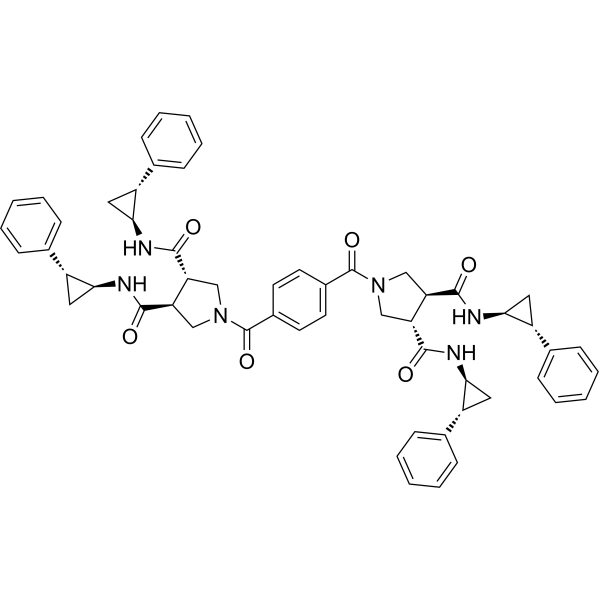
    Diprovocim is a potent TLR1/TLR2 agonist. Diprovocim elicits full agonist activity in human THP-1 cells (EC50=110 pM). Diprovocim stimulates the release of TNF-α from mouse macrophages (EC50=1.3 nM). Diprovocim activates downstream MAPK and NF-κB signaling pathway. Diprovocim displays strong adjuvant activity in mice, particularly abetting cellular immune responses .
    Diprovocim
  • HY-147092
    Oryzalin
    1 Publications Verification

    Environmental Pollutants Microtubule/Tubulin Herbicide Infection
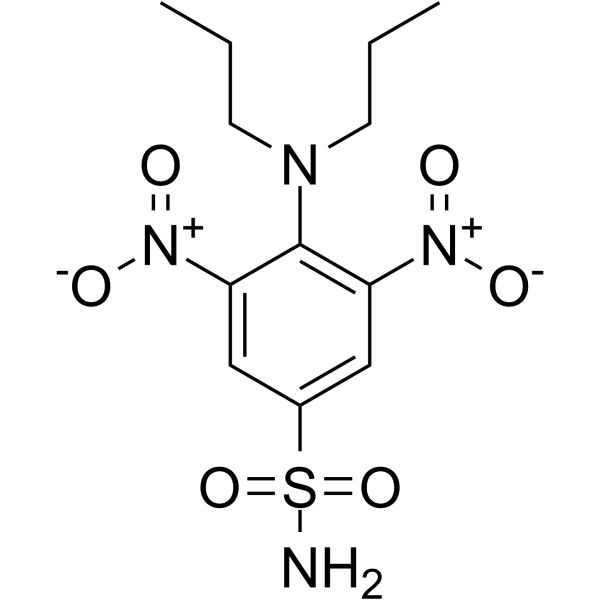
    Oryzalin is a dinitroaniline herbicide with antimitotic and antileishmanial activities. Oryzalin can bind to plant tubulin, inhibit the polymerization of microtubules in plant cells, and affect chromosome migration. Oryzalin can also be used to induce chromosome doubling .
    Oryzalin
  • HY-173011

    PROTACs Cyclophilin HIV HCV Infection
    RJS308 is a selective Cyclophilin A (CypA) PROTAC degrader. RJS308 induces ubiquitin-dependent CypA degradation by recruiting the VHL E3 ligase complex, and forms a ternary complex with CypA and VHL/elongin C/elongin B. RJS308 exhibits anti-HIV-1 and anti-HCV activities. RJS308 can be used in studies related to viral infections .
    RJS308
  • HY-P11072

    Toll-like Receptor (TLR) Interleukin Related TNF Receptor Inflammation/Immunology
    IRF5-CPP5 is a cytosolic peptide that selectively targeting human IRF5 wirh a Kd of 0.53 μM. IRF5-CPP5 disrupts IRF5 homodimerization and inhibits its nuclear translocation without altering IRF5 phosphorylation levels. IRF5-CPP5 inhibits proinflammatory cytokine (IL-6, IL-1β, TNF-α) production. IRF5-CPP5 can be used for the research of systemic lupus erythematosus .
    IRF5-CPP5
  • HY-157421

    NAMPT Metabolic Disease
    Nampt activator-4 is an orally active NAMPT activator, with an EC50 of 58 nM and a Ka of 85.38 nM against human NAMPT. Nampt activator-4 effectively relieves the feedback inhibition of nicotinamide and NAD +, thereby enhancing enzymatic activity and significantly increasing intracellular NAD + levels. Nampt activator-4 exhibits moderate stability in human and mouse liver microsomes. Nampt activator-4 shows low to moderate inhibitory effects on cytochrome P450 (especially CYP3A4). Nampt activator-4 can be used for the research of type 2 diabetes and related metabolic disorders .
    Nampt activator-4
  • HY-172208

    PROTACs Cyclic GMP-AMP Synthase Inflammation/Immunology
    PROTAC cGAS degrader-1 is a potent and selective cGAS PROTAC degrader, with DC50 values of 0.9 μM and 4.6 μM in THP-1 and RAW 264.7 cells, respectively. PROTAC cGAS degrader-1 induces proteasome-mediated degradation of cGAS, inhibits the cGAS signaling pathway, and attenuates double-stranded DNA-induced activation of cGAS in human and mouse cells. PROTAC cGAS degrader-1 is applicable to research related to ulcerative colitis .
    PROTAC cGAS degrader-1
  • HY-117878
    ML345
    1 Publications Verification

    IDE NOD-like Receptor (NLR) Interleukin Related Inflammation/Immunology Endocrinology
    ML345 is a potent and selective inhibitor of insulin-degrading enzyme (IDE) and NLRP3, with an IC50 of 188 nM against IDE. ML345 targets the Cys819 residue of IDE to inhibit IDE. ML345 selectively binds to NLRP3 in a non-covalent manner. ML345 inhibits inflammatory cytokines (IL-1β, IL-6) and exhibits potent anti-inflammatory activity. ML345 exerts a protective effect against miscarriage .
    ML345
  • HY-D2919

    Fluorescent Dye Infection
    DMN-Tre is a conjugate of a solvatochromic fluorescent dye and trehalose. DMN-Tre takes advantage of the substrate promiscuity of the endogenous antigen 85 protein complex in mycobacteria to be metabolically integrated into the hydrophobic mycobacterial membrane. Once entering this hydrophobic environment, the linked DMN dye fluorescence is "turned on", enabling specific labeling . DMN-Tre can be used to reflect bacterial metabolic activity and support physiological studies of Mycobacterium tuberculosis .
    DMN-Tre
  • HY-W014605

    Diphencyprone

    Interleukin Related Apoptosis p38 MAPK IRE1 Inflammation/Immunology Cancer
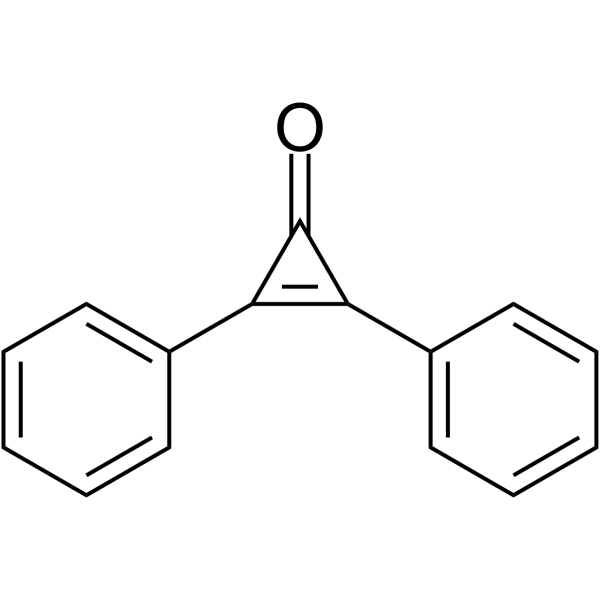
    Diphenylcyclopropenone (Diphencyprone) is a potent hapten acting as a topical immunomodulatory agent, which induces an allergic contact dermatitis. Diphenylcyclopropenone induces an increase of cell-surface thiols in cells of a human monocytic cell line, THP-1. Diphenylcyclopropenone acts on the autoreactive T-lymphocytes within the follicular milieu to induce Apoptosis. Diphenylcyclopropenone can be used for alopecia areata research .
    Diphenylcyclopropenone
  • HY-163159

    NOD-like Receptor (NLR) Interleukin Related Inflammation/Immunology
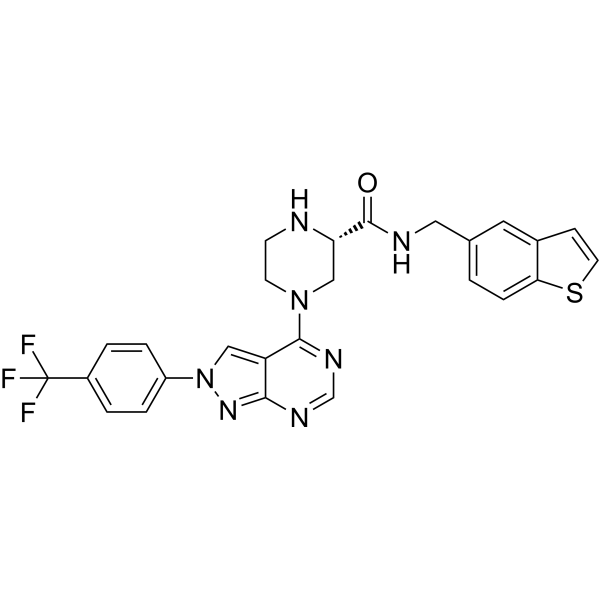
    NP3-562 is an orally active NLRP3 Inhibitor. NP3-562 inhibits IL-1β release in the supernatant of Nigericin (HY-127019)-stimulated THP-1 cells (IC50 = 66 nM), human whole blood (IC50 = 214 nM) and a mouse acute peritonitis model. NP3-562 can be used for the study of acute peritonitis .
    NP3-562
  • HY-155175

    Tim3 IFNAR Cancer
    TIM-3-IN-2 is a TIM-3 inhibitor. TIM-3-IN-2 blocks the interactions of TIM-3 with PtdSer, CEACAM1 and Gal-9, and inhibits the immunosuppressive function of TIM-3. TIM-3-IN-2 restores IFNγ release from peripheral blood mononuclear cells. TIM-3-IN-2 inhibits the proliferation of acute myeloid leukemia cells. TIM-3-IN-2 can be used for the research of acute myeloid leukemia .
    TIM-3-IN-2
  • HY-122542

    PAI-1 Thrombin Inflammation/Immunology
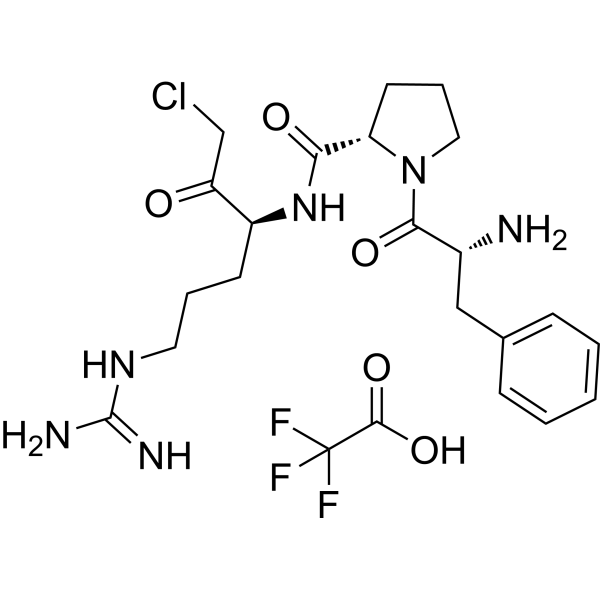
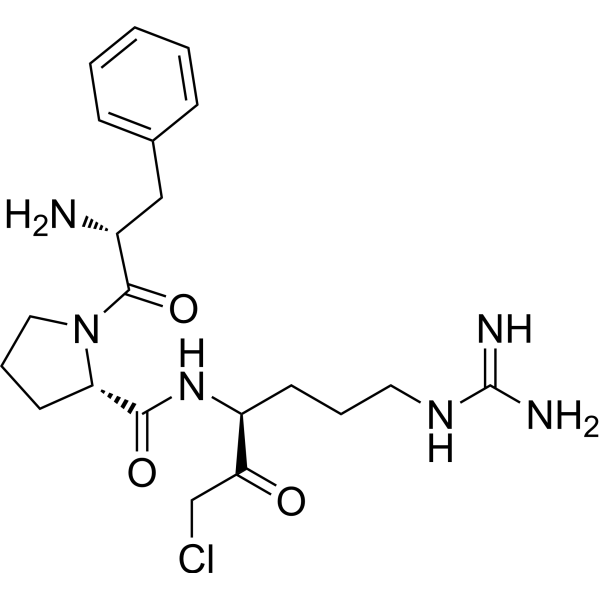
    PPACK is a potent, peptidic inhibitor targeting thrombin and granzyme GZMK. PPACK specifically blocks the activities of thrombin and GZMK, thereby inhibiting thrombin-mediated PAR-1 cleavage, as well as downstream inflammatory and procoagulant signaling pathways. Through stabilizing IκB proteins, blocking NF-κB activation and reducing systemic levels of proinflammatory/procoagulant biomarkers, PPACK exerts multiple effects including anti-inflammatory, antithrombotic, barrier repair, and inhibition of atherosclerotic plaque progression. PPACK binds to platelets without interference from kininogen, effectively limiting acute thrombus growth and reducing eosinophil infiltration and goblet cell hyperplasia in asthma models. PPACK is an important tool molecule for investigating the mechanisms of atherosclerosis, asthma and related thromboinflammatory diseases .
    PPACK
  • HY-160406

    STING IFNAR Interleukin Related Inflammation/Immunology Cancer
    SNX281 is a selective STING agonist, with IC50 values of 4.1, 4.5, 10.7, and 3.7 μM against human, mouse, rat, and monkey STING, respectively. SNX281 undergoes homodimerization at the STING binding site, triggering a conformational shift of STING from an inactive open state to an active closed state, thereby driving downstream STING-dependent signaling pathways. SNX281 induces type I interferons, IFN-β, TNF-α, IL-6, cytokine release, T cell responses, and long-lasting immune memory. SNX281 exhibits anti-tumor activity and is applicable to research related to colorectal cancer, melanoma, advanced solid tumors, lymphoma, and ovarian cancer .
    SNX281
  • HY-141539
    SETDB1-TTD-IN-1
    5 Publications Verification

    Histone Methyltransferase Akt Cancer
    SETDB1-TTD-IN-1 is a SETDB1 methyltransferase activator and SETDB1-TTD competitive inhibitor (Kd of 88 nM), and selectivity for SETDB1-TTD over other tudor and bromodomain proteins. SETDB1-TTD-IN-1 stimulates methyltransferase activity via increased catalytic activity, promotes Akt1 Lys64 methylation, Akt1 Thr308 phosphorylation and activation. SETDB1-TTD-IN-1 prevents SETDB1-TTD-histone H3 peptide association, induces global gene expression changes, exhibits cellular target engagement, and acts as a tool compound for SETDB1-TTD function exploration. SETDB1-TTD-IN-1 can be used for the research of breast cancer .
    SETDB1-TTD-IN-1
  • HY-W704574

    Carboxypeptidase Bradykinin Receptor Interleukin Related Cardiovascular Disease Metabolic Disease
    Mergetpa is a reversible Arg-carboxypeptidase inhibitor with high affinity. Mergetpa reduces B1R. Mergetpa blocks the overexpression of IL-1β protein and mRNA in glucose-fed rats. Mergetpa significantly increases the expression of IL-1β protein in the renal cortex. Mergetpa is used to block the conversion of kinins and B2 receptor antagonists into metabolites lacking the C-terminal arginine. Mergetpa inhibits the time-dependent enhancement of the response of isolated rabbit aorta to bradykinin. Mergetpa preserves the chemotactic activity of full-length SDF-1α on cells. Mergetpa reverses hyperglycemia, excessive weight gain, elevated levels of oxidative stress markers and overexpression of inflammatory markers in glucose-fed rats .
    Mergetpa
  • HY-164278

    STING Cathepsin Cancer
    diABZI-V/C-Mal is a STING agonist (with a STING EC50 of 314 nM in TH1 dual reporter cells) and a Cathepsin B substrate. diABZI-V/C-Mal activates STING, thereby triggering the IRF3 signaling pathway. diABZI-V/C-Mal is cleaved by Cathepsin B to regenerate diABZI-NH2 .
    diABZI-V/C-Mal
  • HY-B1451

    TA-6366

    Angiotensin-converting Enzyme (ACE) MMP JNK Cardiovascular Disease Neurological Disease Metabolic Disease Inflammation/Immunology
    Imidapril hydrochloride (TA-6366) is an orally active dual inhibitor of angiotensin-converting enzyme (ACE) and MMP-9. Imidapril hydrochloride inhibits lipopolysaccharide-induced phosphorylation of c-Jun, MKK4 and JNK in monocytes, and downregulates the production of specific inflammatory factors such as TNF-α and IP-10, thereby exerting anti-inflammatory activity. Imidapril hydrochloride also effectively ameliorates mesangial expansion and reduces urinary albumin excretion by inhibiting angiotensin AngII production, lowering glomerular pressure and oxidative stress, thus delaying disease progression. Imidapril hydrochloride can also directly bind to the active site of MMP-9 to inhibit gelatinase activity, and suppress the enlargement of cerebral aneurysms without altering systemic blood pressure. Imidapril hydrochloride is widely applicable to related studies on autoimmune glomerulonephritis, diabetic nephropathy, cerebral aneurysms and other conditions .
    Imidapril hydrochloride
  • HY-159069

    Toll-like Receptor (TLR) TNF Receptor Connexin Infection Cancer
    Zymosan (ZM), 95% is a yeast cell wall-derived carbohydrate-rich preparation and immunomodulator. Zymosan (ZM), 95% binds to and activates TLR-2, TLR-4, and Dectin-1 receptor to trigger downstream signaling pathways. Zymosan (ZM), 95% upregulates TLR-2, TLR-4, and TNF-α mRNA expression, increases serum TNF-α levels, and stimulates splenocyte number and viability in mice. Zymosan (ZM), 95% attenuates melanoma growth progression, modulates macrophage marker gene expression, and mediates phagocytosis, ROS generation, and cytokine production. Zymosan (ZM), 95% reduces Connexin 43 protein and mRNA levels, inhibits gap junctional intercellular communication, and induces proinflammatory factor production in human corneal cells. Zymosan (ZM), 95% induces peritoneal inflammation in mice, functions as a drug carrier, and supports fibroblast cell attachment in hydrogel formulations. Zymosan (ZM), 95% can be used for the research of melanoma, tumors, fungal keratitis, ocular surface inflammatory disorders, and peritoneal inflammation .
    Zymosan (ZM), 95%
  • HY-176497

    G297X

    Cytochrome P450 Metabolic Disease Cancer
    GW273297X is a selective CYP27A1 inhibitor. GW273297X blocks 27-hydroxycholesterol biosynthesis and sterol product formation in human macrophages. GW273297X reduces cancer cells colonization by inhibiting pro-metastatic effects of 27-hydroxycholesterol. GW273297X can be used for the researches of cancer and metabolic disease, such as breast cancer .
    GW273297X
  • HY-156622

    HMC-C-01-A; MBS2320

    Mitochondrial Metabolism Cancer
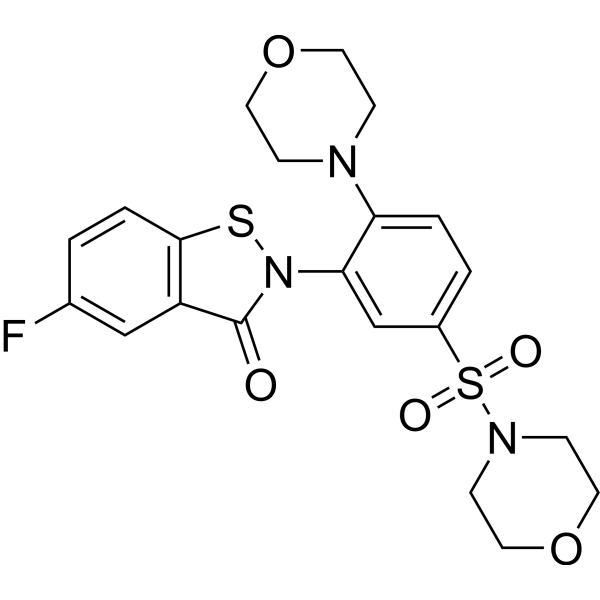
    Leramistat (HMC-C-01-A; MBS2320) is a mitochondrial complex 1 inhibitor, involving in cell metabolism immune metabolism regulation. Leramistat also inhibits ATP production in Thp1 human monocytes (IC50: 0.63 μM). Leramistat inhibits atopic dermatitis and other skin diseases autoimmune diseases, inflammatory diseases, cancer; and also inhibits osteoclast mediated disease .
    Leramistat
  • HY-42709

    Carbobenzoxy-L-valyl-L-alanine

    Amino Acid Derivatives Cancer
    Z-Val-Ala-OH is a dipeptide derivative of valine and alanine. Z-Val-Ala-OH undergoes cleavage by cathepsin B and other lysosomal proteases to enable payload release following lysosomal internalization. Z-Val-Ala-OH can be used for the research of antibody-drug conjugate (ADC) development[1] .
    Z-Val-Ala-OH
  • HY-145726

    TNF Receptor Cardiovascular Disease Inflammation/Immunology
    ISIS 104838 is an antisense oligonucleotide targeting TNF-α. ISIS 104838 specifically binds to human TNF-α mRNA via Watson-Crick base pairing to form a DNA:RNA hybrid duplex, thereby recruiting the ubiquitously expressed intracellular enzyme RNase H to degrade the target mRNA and inhibit TNF-α protein synthesis at the transcriptional level. ISIS 104838 induces moderate, self-limiting thrombocytopenia in cynomolgus monkeys. ISIS 104838 can be used for the study of inflammatory diseases .
    ISIS 104838
  • HY-153673

    IRAK PROTACs Cancer
    PROTAC IRAK4 degrader-8 (Compound 2) is a PROTAC IRAK4 degrader (IC50: 15.5 nM). PROTAC IRAK4 degrader-8 degrades IRAK4 in THP-1 cells (DC50: 1.8 nM)。PROTAC IRAK4 degrader-8 also inhibits L-6 production in human whole blood and LPS-induced human PBMC cells, with IC50s of 246 nM and 2.2 nM respectively .
    PROTAC IRAK4 degrader-8
  • HY-175167

    STING IFNAR Inflammation/Immunology
    diABZI-i is an orthogonal STING inhibitor. diABZI-i significantly inhibits cGAMP-induced IFNβ in PBMCs. diABZI-i also activates constitutive signaling of V155M SAVI and exerts potent agonistic effects in the STING V155M THP-1 cell model. diABZI-i can be used for research on monogenic autoinflammatory diseases such as SAVI .
    diABZI-i
  • HY-171692

    Cyclic GMP-AMP Synthase IFNAR STING Infection
    G3-YSD is a cGAS agonist. G3-YSD directly interacts with cGAS to enhance its enzymatic activity, promote the conversion of ATP and GTP into cGAMP, and trigger STING-dependent IFN-α/β secretion. G3-YSD acts as a viral mimic to replace actual viral DNA . G3-YSD is applicable to research related to long COVID and type 1 human immunodeficiency virus infection .
    G3-YSD
  • HY-162465

    STING IFNAR Cancer
    BDW568 is a selective STING A230 agonist with an EC50 of 5.7 μM. BDW568 triggers the interferon signaling pathway and induces the expression of interferon-stimulated genes including MX1 and OAS1. BDW568 is applicable for cancer-related research .
    BDW568
  • HY-163280

    NAMPT Neurological Disease
    JGB-1-155 is a positive allosteric modulators (N-PAMs), which enhances the activity of nicotinamide phosphoribosyltransferase NAMPT with EC50 of 3.29 μM. JGB-1-155 counteracts the oxidative stress, through upregulating the NAD + in THP-1 human monocytes. JGB-1-155 attenuates TNFα-induced ROS in HT-22 cells .
    JGB-1-155
  • HY-134375

    Cyclic Adenosine-Inosine Monophosphate

    NF-κB IFNAR Inflammation/Immunology
    cAIMP (Cyclic Adenosine-Inosine Monophosphate) is an effective synthetic cyclic dinucleotide. cAIMP activates IRF and NF-κB in the THP1 human monocyte reporter cell line (THP1-Dual). cAIMP induces the secretion of IFNs and pro-inflammatory cytokines in vitro in human blood, with an EC50 of 6.4 μmol/L .
    cAIMP
  • HY-164548

    HSP Apoptosis PI3K Akt NF-κB Inflammation/Immunology Cancer
    WK88-1 is an apoptosis inducer and Hsp90 client protein inhibitor with antiproliferative and immunomodulatory activities. WK88-1 inhibits signaling pathways such as PI3K/Akt and NF-κB, and induces mitochondrial dysfunction and cell cycle arrest. WK88-1 effectively suppresses cancer cell migration and invasion, and reverses various EGFR mutations and resistance to Gefitinib (HY-50895). WK88-1 also regulates the differentiation of monocytes and dendritic cells, blocks the expression of multiple chemokines, inhibits immune cell migration and M1 marker transcription, and restores impaired endocytic activity. WK88-1 has been used in studies of breast cancer, non-small cell lung cancer with various EGFR mutations or Met amplification, and atherosclerosis and other related diseases .
    WK88-1
  • HY-N8390

    Others Cancer
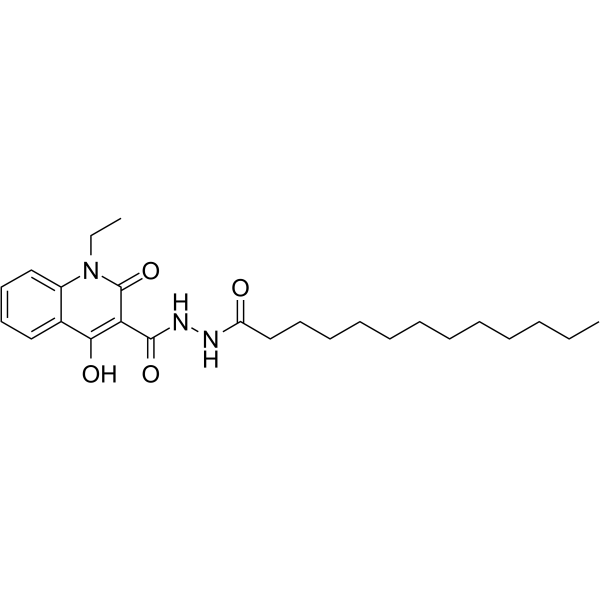
    3-Epidehydropachymic acid, a lanostane triterpenoid, shows totoxicity effect against human acute monocytic leukemia cell line THP-1 (IC50=52.51 μM) .
    3-Epidehydropachymic acid
  • HY-108670

    P2X Receptor Inflammation/Immunology
    AZ11645373 is a highly selective and potent antagonist at human but not rat P2X7 receptors,AZ11645373 inhibits ATP-evoked IL-1β release from lipopolysaccharide-activated THP-1 cells , with an IC50 value of 90 nM .
    AZ 11645373
  • HY-175003

    Proton Pump Cancer
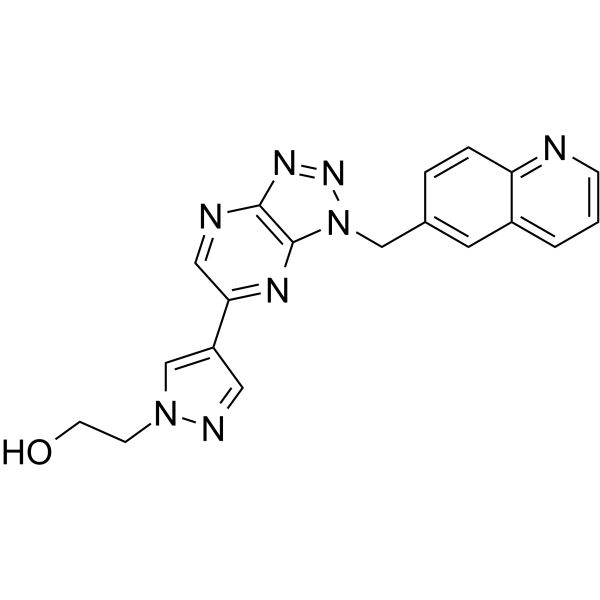
    HV1-IN-2 (Compound 14c) is a human voltage-gated proton channel (HV1) inhibitor with an IC50 of 2.14 μM. HV1-IN-2 has a potent anticancer activity with significant antiproliferative effects against THP-1 and MCF-7 cells. HV1-IN-2 can be used for cancers research, such as colorectal tumours, leukaemia, and breast cancer .
    HV1-IN-2
  • HY-147609

    c-Fms Cancer
    CSF1R-IN-8 (Compound 22) is a CSF-1R inhibitor with an IC50 of 0.012 μM .
    CSF1R-IN-8
  • HY-147611

    c-Fms Cancer
    CSF1R-IN-10 (Compound 48) is a CSF-1R inhibitor with an IC50 of 0.005 μM .
    CSF1R-IN-10
  • HY-76293
    I2906
    1 Publications Verification

    Bacterial Infection
    I2906 is an orally active isocitrate lyase (ICL) inhibitor with a Mycobacterium tuberculosis IC50 of 134.3 μg/mL. I2906 inhibits the growth of Mycobacterium tuberculosis. I2906 can be used for the research of tuberculosis .
    I2906
  • HY-170364

    NOD-like Receptor (NLR) Pyroptosis Inflammation/Immunology
    NLRP3-IN-60 (Compound 39) is the orally active inhibitor for NLRP3. NLRP3-IN-60 inhibits pyroptosis with an IC50 of 13 nM in THP-1 cell. NLRP3-IN-60 inhibits IL-1β release with an IC50 of 225 nM in human whole blood .
    NLRP3-IN-60
  • HY-158434

    IRAK Inflammation/Immunology
    IRAK1-IN-1 (compound B8) is an orally active IRAK1 inhibitor. IRAK1-IN-1 inhibits the release of IL-6 with the IC50 values of 4.57 μM and 6.51 μM on mouse cells J774A. 1 and human cells THP-1, respectively. IRAK1-IN-1 alleviats LPS (HY-D1056)-induced acute lung injury (ALI) and DSS(HY-116282C)-induced colitis in mice .
    IRAK1-IN-1
  • HY-147610

    c-Fms Cancer
    CSF1R-IN-9 (Compound 46) is a CSF-1R inhibitor with an IC50 of 0.028 μM .
    CSF1R-IN-9
  • HY-124693

    Apoptosis Cancer
    DB1055 is a HOXA9 inhibitor that competes with HOXA9 binding to DNA (blocking its DNA interaction activity). DB1055 induces in vitro cell growth reduction, cell apoptosis, and differentiation in human acute myeloid leukemia (AML) cells. DB1055 leads to monocyte-to-macrophage differentiation and exhibits antileukemic activities in a human THP-1 AML in vivo model. DB1055 does not impact human CD34+ bone marrow cells. DB1055 can be used for the research of acute myeloid leukemia[1].
    DB1055
  • HY-180211

    Cyclic GMP-AMP Synthase Inflammation/Immunology
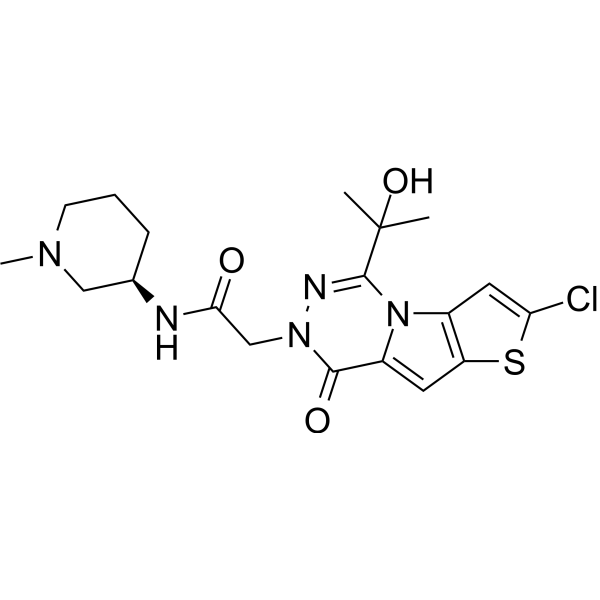
    cGAS-IN-8 is an indazole cyclic GMP-AMP synthase (cGAS) inhibitor with an IC50 of 6 nM for human cGAS. cGAS-IN-8 inhibits cGAMP production in THP-1 cells with an IC50 of 0.12 µM. cGAS-IN-8 does not inhibits hERG activity. cGAS-IN-8 can be used for the research of autoimmune diseases .
    cGAS-IN-8
  • HY-182596

    MAPKAPK2 (MK2) Inflammation/Immunology Cancer
    INHIB1X is a tetracyclic MAPKAP-K2 (MK2) inhibitor with an IC50 of 0.02 μM. INHIB1X inhibits LPS-induced TNFα release in human peripheral blood mononuclear cells (hPBMCs). INHIB1X suppresses the phosphorylation of hsp27 in Anisomycin-stimulated THP-1 cells. INHIB1X can be used for the research of inflammatory and tumor diseases .
    INHIB1X
  • HY-179624

    Cyclic GMP-AMP Synthase Neurological Disease
    cGAS-IN-7 is a cyclic GMP-AMP synthase (cGAS) inhibitor with an IC50 of 0.66 μM for human cGAS. cGAS-IN-7 modestly decreases cGAMP levels in THP1 cells. cGAS-IN-7 can be used for the research of Alzheimer's disease .
    cGAS-IN-7
  • HY-108670R

    Reference Standards P2X Receptor Inflammation/Immunology
    AZ 11645373 (Standard) is the analytical standard of AZ 11645373 (HY-108670). This product is intended for research and analytical applications. AZ11645373 is a highly selective and potent antagonist at human but not rat P2X7 receptors,AZ11645373 inhibits ATP-evoked IL-1β release from lipopolysaccharide-activated THP-1 cells , with an IC50 value of 90 nM .
    AZ 11645373 (Standard)
  • HY-18794

    p38 MAPK TNF Receptor Interleukin Related Inflammation/Immunology
    R-03201195 is an efficient and selective p38 MAP kinase inhibitor with an IC50 for p38α of 0.7 nM. R-03201195 has inhibitory activity against TNF-α in THP-1 cells and against IL-1β in human whole blood, with IC50 values of 0.25 and 0.57 nM respectively. R-03201195 can be used for inflammatory diseases such as rheumatoid arthritis .
    R-03201195
  • HY-180181

    RAR/RXR Metabolic Disease Cancer
    RXR antagonist 6 (Compound 34) is a selective partial retinoid X receptor (RXR) antagonist. RXR antagonist 6 shows no agonistic activity for any of the human RXRα/β/γ subtypes but it can strongly inhibit the receptor activation induced by full agonists of RXR (such as Bezafibrate (HY-B0637)) with an IC50 of 2.7 μM. RXR antagonist 6 can enhance PMA (HY-18739)-induced THP-1 cell differentiation. RXR antagonist 6 can be used for the research of cancer, metabolic and neurological disease, such as lymphoma .
    RXR antagonist 6
  • HY-181916

    Toll-like Receptor (TLR) PD-1/PD-L1 Inflammation/Immunology Cancer
    BXY-14 is a TLR2 agonist and vaccine adjuvant. BXY-14 significantly downregulates the expression of intratumoral PD-L1 in mouse models. BXY-14 acts as a vaccine adjuvant to induce antibody responses. BXY-14 exhibits synergistic efficacy when combined with the anti-PD-L1 monoclonal antibody Atezolizumab (HY-P9904) in mouse models of melanoma, and prolongs overall survival. BXY-14 is applicable to research related to melanoma .
    BXY-14
  • HY-W654323

    Topoisomerase Drug Metabolite Others
    PNU-142586 sodiu) is the major metabolite of Linezolid (HY-10394). PNU-142586 can inhibit the activity of DNA topoisomerase 2-α (TOP2A) and DNA topoisomerase 2-β (TOP2B). PNU-142586 interferes with DNA replication and transcription by blocking the binding of DNA to TOP2 and inhibiting ATP hydrolysis, ultimately leading to antiproliferative and cytotoxic effects, including mitochondrial dysfunction. PNU-142586 can be used to study Linezolid-induced hematotoxicity and its molecular mechanism .
    PNU-142586 sodium
  • HY-W1130452

    Liposome Cancer
    Lipid C16-C is an ionizable cationic lipid that can be used to prepare lipid nanoparticles (LNPs) for mRNA delivery. Lipid C16-C mediates ApoE-independent macropinocytosis-based mRNA delivery to macrophages, with endosomal acidification enabling endosomal escape and release of mRNA cargo into the cytosol .
    Lipid C16-C
  • HY-183530

    p38 MAPK PKC Bacterial Infection Inflammation/Immunology
    p38 MAPK-IN-11 is a CSBP (p38 MAPK) kinase inhibitor with IC50 values of 0.15 μM (binding activity) and 0.21 μM (inhibitory activity). p38 MAPK-IN-11 shows weak inhibitory activity against PKCα kinase, with an IC50 of 7.6 μM. p38 MAPK-IN-11 inhibits the production of IL-1. p38 MAPK-IN-11 also acts as a β-lactam antibiotic potentiator, but has no antibacterial activity itself .
    p38 MAPK-IN-11

Inquiry Online

Your information is safe with us. * Required Fields.

Salutation


Country or Region *

Applicant Name *


Organization Name *

Department *


Email Address *


Product Name *

Cat. No.


Requested quantity *

Phone Number *


Remarks

Inquiry Online

Inquiry Information

Product Name:
Cat. No.:
Quantity:
MCE Japan Authorized Agent:

