

1. Search Result
Search Result
Results for "

human proteasome

" in MedChemExpress (MCE) Product Catalog:

49

Inhibitors & Agonists

3

Peptides

2

Inhibitory Antibodies

7

Natural
Products

19

Recombinant Proteins

5

Antibodies

Cat. No. Product Name Target Research Areas Chemical Structure
  • HY-P9915
    Daratumumab
    10+ Cited Publications

    Anti-human CD38, human Antibody; HuMax-CD38; JNJ-54767414

    CD38 ADC Antibody Inflammation/Immunology Cancer
    Daratumumab (Anti-Human CD38) is the first-in-class human-specific anti-CD38 monoclonal antibody (IgG1). Daratumumab has anti-multiple myeloma (MM) effect. Daratumumab impairs MM cell adhesion, which results in an increased sensitivity of MM to proteasome inhibition .
    Daratumumab
  • HY-10452
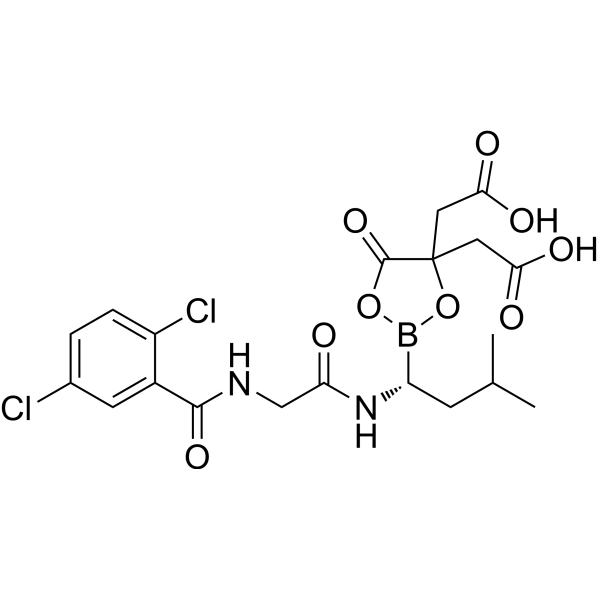
    Ixazomib citrate
    5+ Cited Publications

    MLN9708

    Proteasome Autophagy Cancer
    Ixazomib citrate (MLN9708) is a selective, orally active, second-generation proteasome inhibitor. Ixazomib citrate can be used for the study of a broad range of human malignancies .
    Ixazomib citrate
  • HY-153278

    CDK7-IN-21

    CDK DNA/RNA Synthesis c-Myc Early 2 Factor (E2F) Topoisomerase Cancer
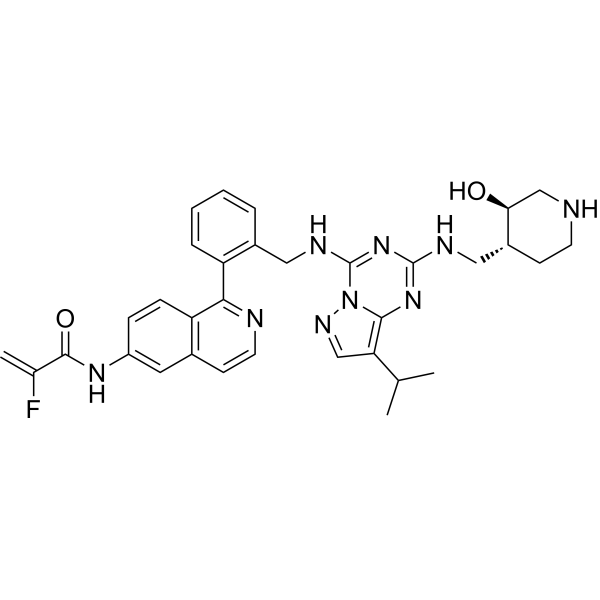
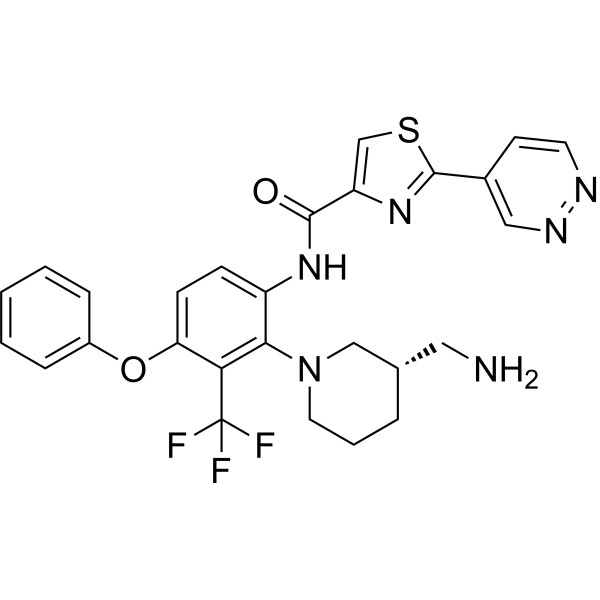
    Q901 (CDK7-IN-21) is a selective and potent CDK7 inhibitor with an IC50 of 10 nM. Q901 disrupts MYC and E2FTOP1-DPCs and sensitizes tumor to TOP1 inhibitors by suppressing RNAPII transition from initiation to elongation. Q901 can inhibit tumor growth and significantly enhances tumor growth inhibition combined with TOP1 inhibitors. Q901 can be used for the research of cancer, such as colon cancer and lung cancer .
    Q901
  • HY-P9915A
    Daratumumab (Anti-CD38)
    10+ Cited Publications

    Anti-human CD38, human Antibody (PBS)

    ADC Antibody CD38 Cancer
    Daratumumab (PBS) (Anti-Human CD38) is the first-in-class human-specific anti-CD38 monoclonal antibody (IgG1). Daratumumab (PBS) has anti-multiple myeloma (MM) effect. Daratumumab (PBS) impairs MM cell adhesion, which results in an increased sensitivity of MM to proteasome inhibition .
    Daratumumab (Anti-CD38)
  • HY-N0060B
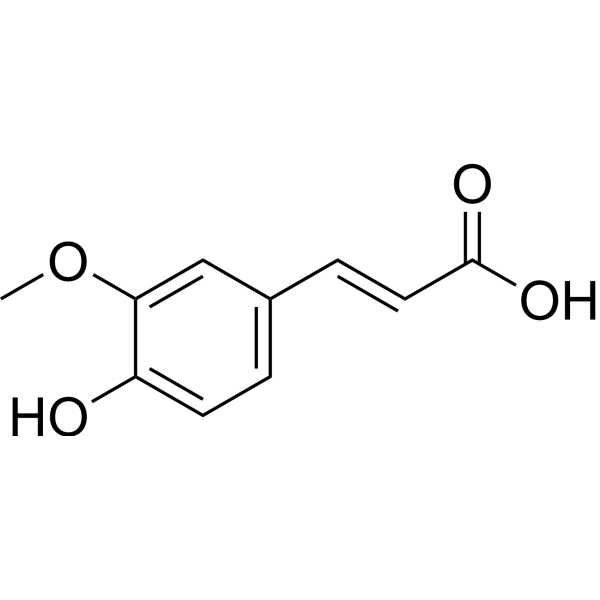
    (E)-Ferulic acid
    1 Publications Verification

    (E)-Coniferic acid

    β-catenin Bcl-2 Family Ferroptosis Endogenous Metabolite Cancer
    (E)-Ferulic acid is an isomer of ferulic acid, an aromatic compound abundant in plant cell walls. (E)-Ferulic acid causes phosphorylation of β-catenin (β-catenin), leading to proteasome degradation, increasing the expression of pro-apoptotic factor Bax and reducing pro-apoptotic factor Expression of the survival factor survivin. (E)-Ferulic acid can effectively remove reactive oxygen species (ROS) and inhibit lipid peroxidation. (E)-Ferulic acid exerts antiproliferative and antimigratory effects in the human lung cancer cell line H1299.
    (E)-Ferulic acid
  • HY-N6013

    MMP Proteasome Keap1-Nrf2 TGF-beta/Smad Interleukin Related SOD Bacterial Fungal Infection Neurological Disease Metabolic Disease Inflammation/Immunology Cancer
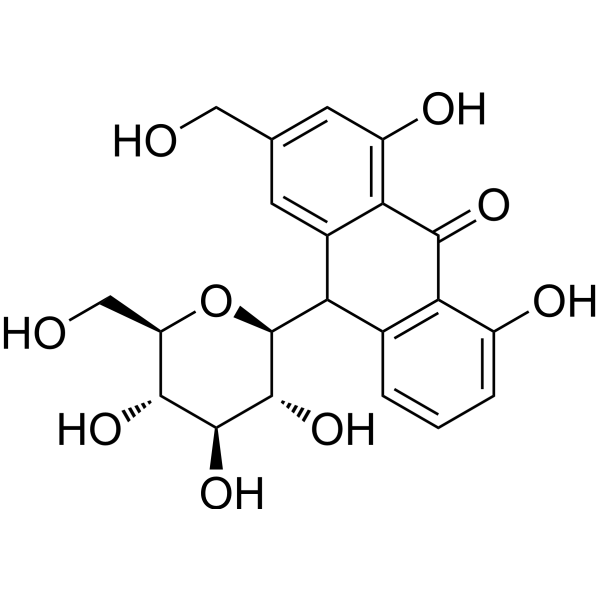
    Aloin (mixture of A&B) is an orally active anthraquinone derivative isolated from Aloe vera. Aloin (mixture of A&B) mitigates airway impairment and exerts neuroprotective, anti-inflammatory, antioxidant, antibacterial, antifungal, antiviral and antitumor effects. Aloin (mixture of A&B) inhibits Clostridium histolyticum collagenase, granulocyte matrix metalloproteinases and human 20S proteasome. Aloin (mixture of A&B) upregulates the Nrf2/HO-1 pathway, suppresses the TGF-β/Smad2/3 pathway. Aloin (mixture of A&B) reduces IL-4/IL-5/IL-13 levels, and reverses oxidative stress markers (MDA, SOD, GSH). Aloin (mixture of A&B) can be used for research on chronic ulcers, burns, wounds, inflammatory and degenerative disorders, asthma and neuroblastoma .
    Aloin (mixture of A&B)
  • HY-172208

    PROTACs Cyclic GMP-AMP Synthase Inflammation/Immunology
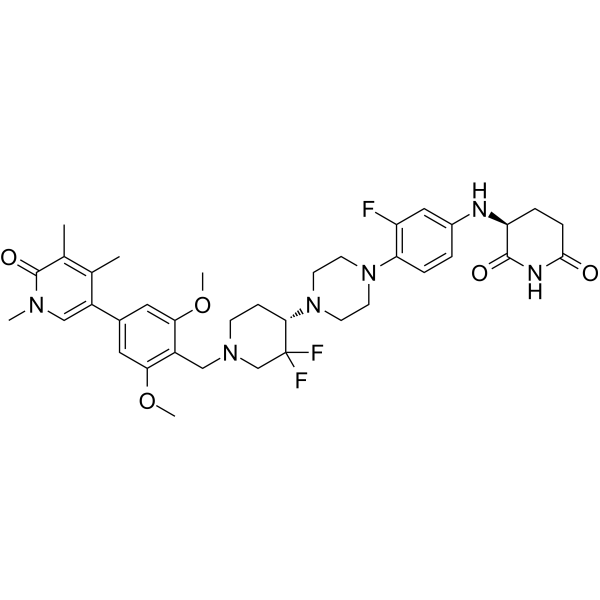
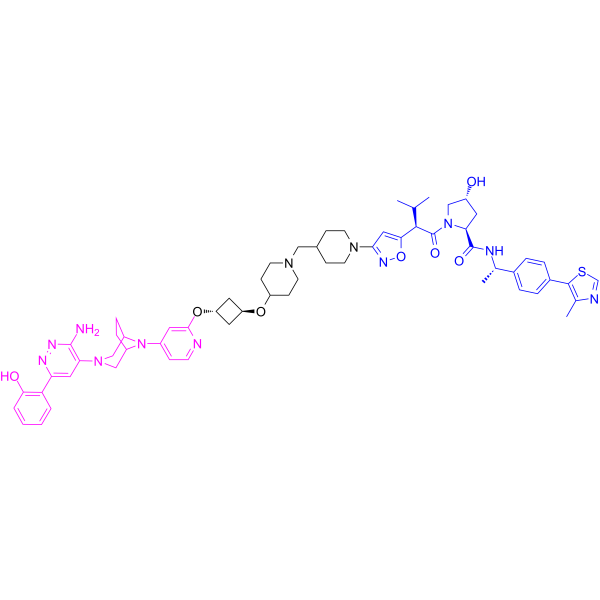
    PROTAC cGAS degrader-1 is a potent and selective cGAS PROTAC degrader, with DC50 values of 0.9 μM and 4.6 μM in THP-1 and RAW 264.7 cells, respectively. PROTAC cGAS degrader-1 induces proteasome-mediated degradation of cGAS, inhibits the cGAS signaling pathway, and attenuates double-stranded DNA-induced activation of cGAS in human and mouse cells. PROTAC cGAS degrader-1 is applicable to research related to ulcerative colitis .
    PROTAC cGAS degrader-1
  • HY-115391
    Boc-LRR-AMC
    1 Publications Verification

    Boc-Leu-Arg-Arg-AMC

    Biochemical Assay Reagents Others
    Boc-LRR-AMC (Boc-Leu-Arg-Arg-AMC) is a fluorogenic substrate, which can be utilized for detecting the trypsin-like activity of the 26S proteasome or the 20S proteasome core .
    Boc-LRR-AMC
  • HY-159098

    Molecular Glues PROTACs Histone Acetyltransferase Cardiovascular Disease
    dWIZ-1 is an orally active molecular glue and chemical probe targeting the WIZ transcription factor, which based on an IMiD backbone, binding to human WIZ with an affinity of 3.5 μM. dWIZ-1 recruits WIZ to the cereblon-DDB1 complex via its ZF7 domain, thereby triggering proteasome-dependent degradation of WIZ. dWIZ-1 significantly induces fetal hemoglobin expression in erythroblasts while reducing the level of inhibitory H3K9 dimethylation at WIZ binding sites such as the β-globin locus. Meanwhile, dWIZ-1 does not affect the proliferation and differentiation of erythroblasts, and no cytotoxicity is observed in in vitro cells or cynomolgus monkey models. dWIZ-1 serves as a critical tool molecule for investigating the mechanism and underlying pathways of sickle cell disease .
    dWIZ-1
  • HY-163944

    DNA/RNA Synthesis Molecular Glues CDK Apoptosis RAD51 ATM/ATR PARP Cancer
    LL-K12-18 is a CDK12 kinase inhibitor and a dual-site molecular glue. LL-K12-18 inhibits human CDK12 with an IC50 value of 283.9 nM, and selectively degrades cyclin K via the ubiquitin-proteasome system by stabilizing the CDK12-DDB1 complex. LL-K12-18 downregulates DNA damage response genes, reduces the phosphorylation level of CTD Ser2 in RNA polymerase II, and modulates biomarkers such as ATM, RAD51, γ-H2AX and cleaved PARP, thereby effectively inducing apoptosis and inhibiting proliferation of breast cancer cells. LL-K12-18 exhibits high target selectivity and serves as a research tool for studies on triple-negative breast cancer .
    LL-K12-18
  • HY-P11306

    Proteasome NF-κB Inflammation/Immunology
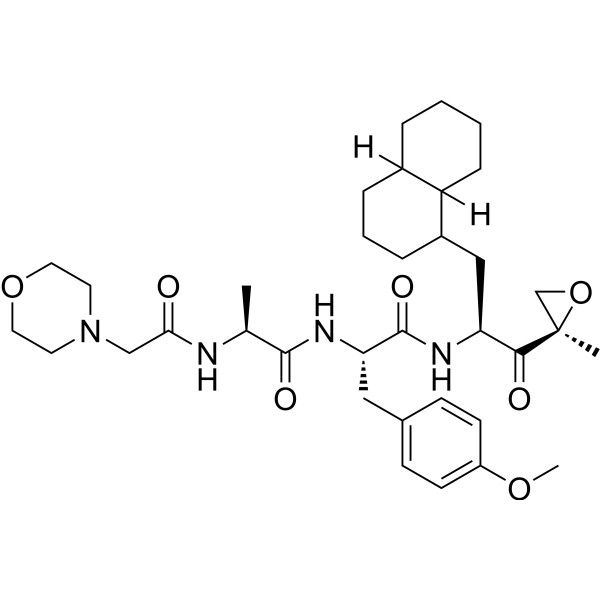
    Biotin-(Oaa)3-epoxomicin is a biotin-labeled form of Epoxomicin (HY-13821), prepared by conjugating Epoxomicin with biotin via three hydrophilic oxaacetyl amino acid (Oaa) linkers. Biotin-(Oaa)3-epoxomicin is primarily used in proteomic studies for the capture, identification and target validation of proteasome complexes, to determine the intracellular targets of epoxomicin. Epoxomicin acts as a proteasome inhibitor and NF-κB inhibitor, which effectively blocks inflammatory responses in mouse ear edema assays. It inhibits proteasome activity via covalent binding to catalytic subunits including LMP7, X, MECL1 and Z, with the strongest inhibitory effect on chymotrypsin-like activity, and does not interfere with non-proteasomal proteases such as trypsin and papain .
    Biotin-(Oaa)3-epoxomicin
  • HY-P4284

    Proteasome ClpP Bacterial Infection
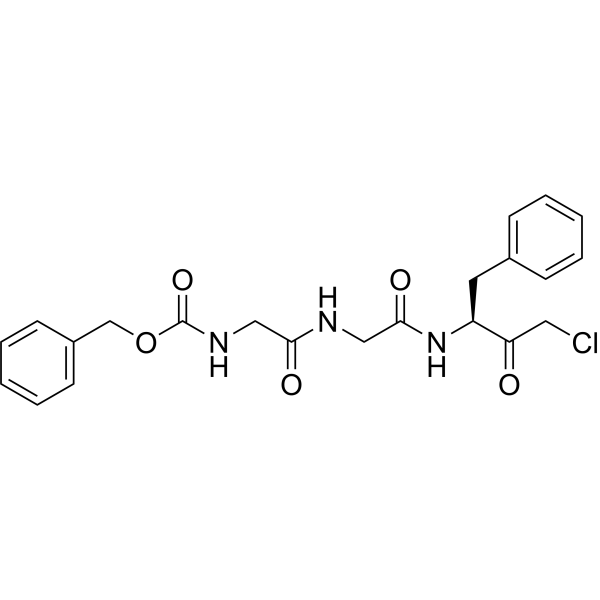
    Z-GGF-CMK is an Antibacterial agent, an inhibitor of the ClpP1P2 serine protease complex (with an IC50 of 50 μM against intracellular ClpP1P2 protease activity in Mycobacterium bovis BCG), and a selective inhibitor of the mycobacterial Proteasome (with an IC50 of 50 μM against the proteasome in M. bovis BCG). Z-GGF-CMK inhibits the growth of mycobacteria. Z-GGF-CMK exhibits cytotoxic activity against liver cancer cells. Z-GGF-CMK can be used in the research of tuberculosis .
    Z-GGF-CMK
  • HY-153793

    DGKζ-IN-1

    DGK IFNAR Interleukin Related ERK Cancer
    Alcudacigib (ASP1570; DGKζ-IN-1) is an orally active diacylglycerol kinase ζ (DGKζ) inhibitor, with an IC50 of 4.7 nM against human DGKζ and an IC50 of 3.0 nM against mouse DGKζ. Alcudacigib selectively inhibits the kinase activity of DGKζ and induces proteasome-dependent degradation of DGKζ protein. Alcudacigib enhances the anti-tumor functions of T cells and NK cells. Alcudacigib can be used for the research of advanced/metastatic solid tumors .
    Alcudacigib
  • HY-125834

    PROTACs Bcr-Abl Apoptosis STAT JAK Cancer
    GMB-475 is a potent BCR-ABL1 PROTAC based on Von Hippel-Lindau (VHL). GMB-475 targets the nutmeg pocket of ABL1 in an ectopic manner and degrades BCR-ABL1 protein through the ubiquitin proteasome pathway. GMB-475 inhibits the proliferation of human K562 cells and mouse Ba/F3 cells, and is used for the study of chronic myeloid leukemia. (Blue: VHL ligand (HY-125845); Black: Linker; Pink: BCR-ABL1 ligand (HY-11007)) .
    GMB-475
  • HY-173679

    PROTACs PARP Interleukin Related STAT Integrin HSV VSV Infection Cancer
    RBN012811 is a highly selective PROTAC-based PARP14 degrader. RBN012811 forms a ternary complex with cereblon by binding to the NAD + site of PARP14, and mediates the specific degradation of PARP14 via the ubiquitin-proteasome pathway (IC50=10 nM). RBN012811 effectively depletes endogenous PARP14 in various cell lines and primary human macrophages, thereby downregulating IL-10 production and IFN-β mRNA levels, increasing phosphorylated STAT1 levels to enhance inflammatory signaling, and inhibiting interferon-induced ADPr condensate formation. RBN012811 also modulates viral replication, exhibiting increased HSV1 replication while reducing VSV replication. RBN012811 has important application value in research related to cancer and viral infections .
    RBN012811
  • HY-159779

    PROTACs Nuclear Hormone Receptor 4A/NR4A Inflammation/Immunology Cancer
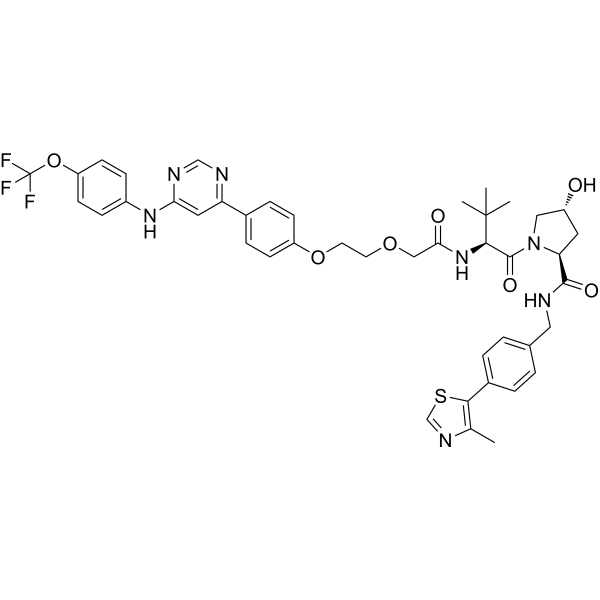
    NR-V04 is a selective NR4A1 PROTAC degrader. NR-V04 forms a ternary complex with NR4A1 and the VHL E3 ligase, mediates proteasome-dependent degradation of NR4A1. NR-V04 induces tumor-infiltrating B cells and effector memory CD8 + T cells and reduces monocytic myeloid-derived suppressor cells in tumor microenvironments. NR-V04 can be used for the research of melanoma and colon cancer .
    NR-V04
  • HY-120060

    Parasite Infection
    GNF6702 is a selective inhibitor of the kinetoplastid proteasome. GNF6702 clears parasites in murine models of leishmaniasis, Chagas disease, and human African trypanosomiasis .
    GNF6702
  • HY-N7695

    Apoptosis Autophagy Cancer
    Physalin B, one of the major active steroidal constituents of Cape gooseberry, induces cell cycle arrest and triggers apoptosis in breast cancer cells through modulating p53-dependent apoptotic pathway. Physalin B inhibits the ubiquitin-proteasome pathway and induces incomplete autophagic response in human colon cancer cells in vitro .
    Physalin B
  • HY-170824

    PROTACs SWI/SNF Complex Epigenetic Reader Domain Cancer
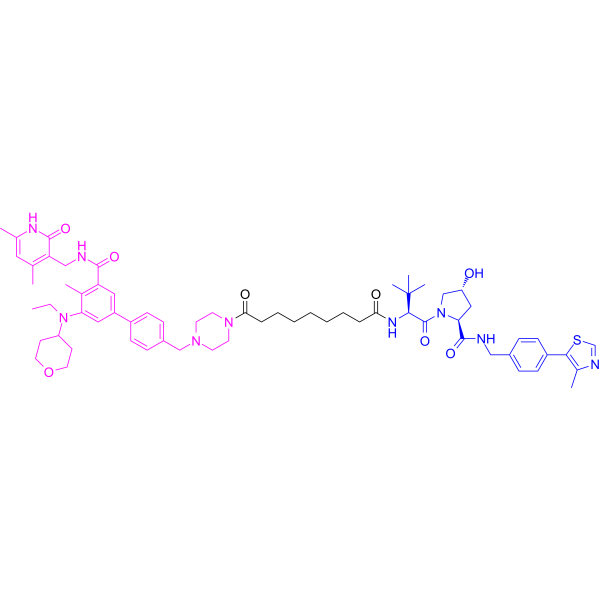
    SMD-3236 is a SMARCA2 PROTAC degrader with a DC50 of 0.5 nM, a Dmax of 98%, and an IC50 of 42.2 nM against human SMARCA2. SMD-3236 induces proteasome- and ubiquitin-like modification-dependent degradation of SMARCA2 protein by binding to SMARCA2 and VHL-1. SMD-3236 inhibits the growth of SMARCA4-deficient cancer cells. SMD-3236 induces significant and persistent depletion of SMARCA2 in tumor tissues. SMD-3236 suppresses tumor growth in SMARCA4-deficient human cancer xenograft models. SMD-3236 can be used in research related to SMARCA4-deficient cancers such as melanoma, non-small cell lung cancer, and acute myeloid leukemia .
    SMD-3236
  • HY-N8146

    STAT Bcl-2 Family Ser/Thr Kinase Survivin c-Myc Apoptosis Necroptosis CDK Infection Cancer
    Bruceantinol is a quassinoid that can be isolated from Brucea javanica, inhibits pepper mottle virus (PepMoV) in pepper. Bruceantinol is a STAT3 inhibitor demonstrating potent antitumor activity in in vitro and in vivo human colorectal cancer (CRC) models. Bruceantinol has potent anti-leukemic activity. Bruceantinol strongly inhibits STAT3 DNA-binding ability (IC50 = 2.4 pM), blocks the constitutive and IL-6-induced STAT3 activation, and suppresses transcription of MCL-1, PTTG1, survivin and c-Myc. Bruceantinol binds with CDK2/4/6 to facilitate protein degradation through proteasome pathway. Bruceantinol can dose- and time-dependently reduces the cell growth, impede cell proliferation, disrupts the cell cycle, and induces necrosis in MCF-7 cells and apoptosis in MDA-MB-231 cells .
    Bruceantinol
  • HY-153793A

    DGKζ-IN-1 TFA

    DGK IFNAR Interleukin Related ERK Cancer
    Alcudacigib (ASP1570; DGKζ-IN-1) TFA is an orally active diacylglycerol kinase ζ (DGKζ) inhibitor, with an IC50 of 4.7 nM against human DGKζ and an IC50 of 3.0 nM against mouse DGKζ. Alcudacigib TFA selectively inhibits the kinase activity of DGKζ and induces proteasome-dependent degradation of DGKζ protein. Alcudacigib TFA enhances the anti-tumor functions of T cells and NK cells. Alcudacigib TFA can be used for the research of advanced/metastatic solid tumors .
    Alcudacigib TFA
  • HY-174428

    PROTACs JAK STAT Apoptosis Cancer
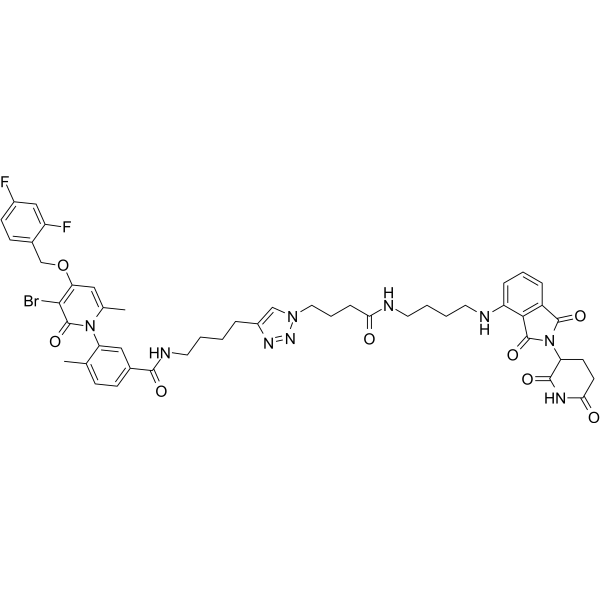
    PROTAC JAK2 degrader-1 is a JAK2 PROTAC degrader, with a DC50 of 27.35 nM. PROTAC JAK2 degrader-1 induces JAK2 degradation via the ubiquitin-proteasome pathway. PROTAC JAK2 degrader-1 inhibits the JAK2-STAT signaling pathway. PROTAC JAK2 degrader-1 induces G2/M phase arrest and apoptosis in cancer cells. PROTAC JAK2 degrader-1 exhibits antiproliferative activity against cancer cells. PROTAC JAK2 degrader-1 inhibits recombinant human erythropoietin (rhEPO)-mediated polycythemia and splenomegaly in mice. PROTAC JAK2 degrader-1 can be used for research on myeloproliferative neoplasms, including polycythemia vera .
    PROTAC JAK2 degrader-1
  • HY-157034
    LU-002i
    1 Publications Verification

    Proteasome Others
    LU-002i is a subunit-selective human proteasome β2c and β2i inhibitor with an IC50 value of 220 nM for β2i .
    LU-002i
  • HY-127102

    DDD01305143​

    Parasite Proteasome Infection
    GSK3494245 (DDD01305143) is a potent, orally active, and selective inhibitor of the chymotrypsin-like activity of the parasite proteasome binding in a site sandwiched between the β4 and β5 subunits (IC50=0.16 μM for WT L. donovani proteasomes). GSK3494245 moderately inhibits chymotrypsin-like activity of human proteasome (IC50: purified 26S=13 µM; enriched THP-1 extracts IC50=40µM). GSK3494245 exhibits attractive biological and biosafety properties .
    GSK3494245
  • HY-161079

    Parasite Infection
    TDI-8304, a macrocyclic peptide, is a potent, species selective, and noncovalent Plasmodium falciparum (Pf20S) inhibitor. TDI-8304 shows highly selective for Pf20S over human proteasomes .
    TDI-8304
  • HY-149514

    Proteasome Cancer
    BC-05 is an orally active and potent inhibitor of CD13 and proteasome. BC-05 has an IC50 value of 0.13 μM for human CD13 and an IC50 value of 1.39 μM for the 20S proteasome. BC-05 can be used in multiple myeloma research .
    BC-05
  • HY-N0060BR

    (E)-Coniferic acid (Standard)

    Reference Standards β-catenin Bcl-2 Family Ferroptosis Endogenous Metabolite Cancer
    (E)-Ferulic acid (Standard) is the analytical standard of (E)-Ferulic acid. This product is intended for research and analytical applications. (E)-Ferulic acid is an isomer of ferulic acid, an aromatic compound abundant in plant cell walls. (E)-Ferulic acid causes phosphorylation of β-catenin (β-catenin), leading to proteasome degradation, increasing the expression of pro-apoptotic factor Bax and reducing pro-apoptotic factor Expression of the survival factor survivin. (E)-Ferulic acid can effectively remove reactive oxygen species (ROS) and inhibit lipid peroxidation. (E)-Ferulic acid exerts antiproliferative and antimigratory effects in the human lung cancer cell line H1299.
    (E)-Ferulic acid (Standard)
  • HY-N6013R

    Reference Standards Proteasome MMP Keap1-Nrf2 TGF-beta/Smad Interleukin Related SOD Fungal Bacterial Infection Neurological Disease Metabolic Disease Inflammation/Immunology Cancer
    Aloin (mixture of A&B) (Standard) is the analytical standard of Aloin (mixture of A&B) (HY-N6013). This product is intended for research and analytical applications. Aloin (mixture of A&B) is an orally active anthraquinone derivative isolated from Aloe vera. Aloin (mixture of A&B) mitigates airway impairment and exerts neuroprotective, anti-inflammatory, antioxidant, antibacterial, antifungal, antiviral and antitumor effects. Aloin (mixture of A&B) inhibits Clostridium histolyticum collagenase, granulocyte matrix metalloproteinases and human 20S proteasome. Aloin (mixture of A&B) upregulates the Nrf2/HO-1 pathway, suppresses the TGF-β/Smad2/3 pathway. Aloin (mixture of A&B) reduces IL-4/IL-5/IL-13 levels, and reverses oxidative stress markers (MDA, SOD, GSH). Aloin (mixture of A&B) can be used for research on chronic ulcers, burns, wounds, inflammatory and degenerative disorders, asthma and neuroblastoma .
    Aloin (mixture of A&B) (Standard)
  • HY-151195

    Proteasome Parasite Infection
    20S Proteasome-IN-4 (Compound 7) is a brain-penetrant, parasite-selective, orally active 20S proteasome inhibitor with an IC50 of 6.3 nM against T. b. brucei 20S proteasome. 20S Proteasome-IN-4 can be used for the research of human African trypanosomiasis (HAT) .
    20S Proteasome-IN-4
  • HY-150590

    Proteasome Cancer
    20S Proteasome-IN-2 is a human 20S proteasome inhibitor. 20S Proteasome-IN-2 shows high selectivity to its β5 subunit with the IC50 of 0.18 μM. 20S Proteasome-IN-2 displays anti-proliferative effect in vitro and in vivo, and arrests cell cycle at G2/M .
    20S Proteasome-IN-2
  • HY-157035

    Proteasome Others
    Proteasome β2c/i-IN-1 (compound 37) is a subunit-selective human proteasome β2c and β2i inhibitor .
    Proteasome β2c/i-IN-1
  • HY-113824

    Ridaifen-F

    Proteasome Cancer
    RID-F (Ridaifen-F), a Tamoxifen (HY-13757A) derivative, is a nonpeptidic proteasome inhibitor. RID-F inhibits human 20S proteasome activity, with IC50s of 0.64, 0.34, and 0.43 μM for CT-L, T-L, and PGPH, respectively .
    RID-F
  • HY-155103

    Proteasome Parasite Infection
    Antitrypanosomal agent 15 (compound 26) is an orally active, brain-penetrant, selective inhibitor against Trypanosoma cruzi proteasome, with an pIC50 of 7.4 and <4 for T. cruzi and human proteasome, respectively. Antitrypanosomal agent 15 has favorable ADME properties and can be used for Chagas disease study .
    Antitrypanosomal agent 15
  • HY-157034A

    Proteasome Others
    LU-002i TFA is a subunit-selective human proteasome β2c and β2i inhibitor with an IC50 value of 220 nM for β2i .
    LU-002i TFA
  • HY-126743

    Proteasome Others
    JBIR-22 is a protein-protein interaction inhibitor of proteasome assembly factor 3 homodimer, which has the activity of inhibiting this interaction and exerting long-term cytotoxicity against human cervical cancer cell lines, and its stereochemical structure has been determined by total synthesis.
    JBIR-22
  • HY-117520

    Proteasome Cancer
    FV-162 is a potent, orally active and irreversible proteasome inhibitor. FV-162 exhibits cytotoxic to human myeloma cell lines and primary myeloma cells. FV-162 inhibits tumor growth in a myeloma xenograft mouse model. FV-162 can be used for myeloma research .
    FV-162
  • HY-138958

    Bacterial Virus Protease Infection
    HT1171 is a potent and selective inhibitor of mycobacterium tuberculosis proteasome. HT1171 shows strong anti-tuberculosis activity against Mycobacterium tuberculosis H37Rv with an MIC90 of 2 μg/mL and an MIC of 4 μg/mL. When HT1171 concentration is 100 μM, the inhibition rate of human normal hepatocytes L02 is 53.8%. HT1171 can be used in the research of antitubercular agent .
    HT1171
  • HY-162885

    Proteasome JAK STAT Interleukin Related Cancer
    YSY01A is a proteasome inhibitor that can suppress cancer cell survival by inducing apoptosis (Apoptosis). Its IC50 values are 51.0 nM for HEK293T, 9.2 nM for A549, 5.2 nM for MCF-7, 8.9 nM for MGC-803, and 35.4 nM for PC-3M cells. Additionally, YSY01A eliminates constitutive STAT3 signaling by downregulating gp130 and JAK2 in human A549 lung cancer cells. YSY01A holds promise for research in the field of cancer therapy .
    YSY01A
  • HY-183009

    Proteasome Parasite Infection
    Pf20S-IN-1 is a selective inhibitor of the 20S proteasome β5 subunit of Plasmodium falciparum. Pf20S-IN-1 exhibits antiparasitic activity against Plasmodium falciparum, with an EC50 of 20.1 nM against the Plasmodium falciparum W2 strain. Pf20S-IN-1 shows weak inhibitory effect on human 20S proteasome, has no obvious toxicity to human foreskin fibroblasts (HFF), and has a selectivity index > 25000. Pf20S-IN-1 can be used in malaria research .
    Pf20S-IN-1
  • HY-182275

    PROTACs Histone Methyltransferase Cancer
    PROTAC PRMT1 degrader-1 (compound 4) is a PRMT1 PROTAC degrader, with an IC50 of 185.7 nM against human PRMT1. PROTAC PRMT1 degrader-1 recruits the CRBN E3 ubiquitin ligase to induce proteasome-dependent degradation of PRMT1; it also forms a ternary complex with PRMT1 and CRBN, promoting ubiquitination and subsequent proteasomal degradation of PRMT1. PROTAC PRMT1 degrader-1 reduces the level of asymmetric dimethylarginine in cancer cells, as well as the level of asymmetric dimethylation of arginine 3 on histone H4, while inhibiting the growth of various cancer cells. PROTAC PRMT1 degrader-1 can be used in the research of breast cancer and melanoma .
    PROTAC PRMT1 degrader-1
  • HY-10452R

    MLN9708 (Standard)

    Proteasome Reference Standards Autophagy Cancer
    Ixazomib citrate (Standard) is the analytical standard of Ixazomib citrate (HY-10452). This product is intended for research and analytical applications. Ixazomib citrate (MLN9708) is a selective, orally active, second-generation proteasome inhibitor. Ixazomib citrate can be used for the study of a broad range of human malignancies .
    Ixazomib citrate (Standard)
  • HY-N7890

    Proteasome Cancer
    Isomoreollic acid is a cage xanthonoid. Isomoreollic acid exhibits cytotoxicity against colon cancer cells, with an IC50 > 10 μM for proteasome inhibition. Isomoreollic acid is present in the stem bark of Garcinia lateriflora. Isomoreollic acid can be used in colon cancer research .
    Isomoreollic acid
  • HY-182922

    PROTACs STAT Cancer
    SD-965 is a selective STAT3 PROTAC degrader with a DC50 of 0.14 μM. SD-965 promotes the ubiquitination and degradation of STAT3. SD-965 induces rapid, complete and persistent depletion of STAT3 protein. SD-965 induces tumor regression in mouse xenograft models of leukemia and lymphoma .
    SD-965
  • HY-181951

    PROTACs Epigenetic Reader Domain Cancer
    PROTAC BRD9 Degrader-11 is a VHL-based BRD9 PROTAC degraderwith an IC50 of 0.66 μM. PROTAC BRD9 Degrader-11 induces selective, proteasome-dependent degradation of BRD9 via the ubiquitin-proteasome system. PROTAC BRD9 Degrader-11 impairs cell viability, suppresses proliferation, and arrests growth of acute myeloid leukemia cells. PROTAC BRD9 Degrader-11 can be used for the research of acute myeloid leukemia .
    PROTAC BRD9 Degrader-11
  • HY-179727

    PROTACs MAP4K Interleukin Related IFNAR Inflammation/Immunology
    PROTAC HPK1 Degrader-7 (compound D02) is a potent and selective PROTAC HPK1 degrader with an DC50 of 3.07 nM. PROTAC HPK1 Degrader-7 exhibits selectivity over GLK. PROTAC HPK1 Degrader-7 induces HPK1 degradation in a CRBN- and proteasome-dependent manner. PROTAC HPK1 Degrader-7 inhibits SLP-76 phosphorylation, induces IL-2 and IFN-γ secretion in human primary T cells. PROTAC HPK1 Degrader-7 can be used for immunology research .
    PROTAC HPK1 Degrader-7
  • HY-181154

    PROTACs SARS-CoV Virus Protease Infection
    PROTAC SARS-CoV-2 Mpro degrader-5 is a SARS-CoV-2 main protease (Mpro) PROTAC. PROTAC SARS-CoV-2 Mpro degrader-5 engages CRBN E3 ubiquitin ligase to form a ternary complex with SARS-CoV-2 Mpro, induces K48-linked polyubiquitination of SARS-CoV-2 Mpro, and drives proteasome-dependent turnover of SARS-CoV-2 Mpro with a high selectivity index (CC50/DC50 > 10) in human embryonic kidney cells.PROTAC SARS-CoV-2 Mpro degrader-5 can be used for the research of COVID-19 .
    PROTAC SARS-CoV-2 Mpro degrader-5
  • HY-181940

    Proteasome Cancer
    Berberine-amide-m-PhBA chloride (Compound 8b) is a selective anti-breast cancer agent. Berberine-amide-m-PhBA chloride may inhibit the proteasome by interacting with the 20S proteasome β5 subunit. Berberine-amide-m-PhBA chloride can be used in the research of breast cancer .
    Berberine-amide-m-PhBA chloride
  • HY-182239

    PD-1/PD-L1 Cancer
    PDL1 degrader-3 (comppund e24) is a CSN5-binding antitumor immunomodulator with a human CSN5 Kd of 4.53 μM. PDL1 degrader-3 inhibits CSN5 enzymatic activity, increases PD-L1 ubiquitination, and induces PD-L1 degradation via the ubiquitin-proteasome pathway, reducing PD-L1 expression on tumor cell membranes. PDL1 degrader-3 blocks PD-1/PD-L1 interaction, activates the tumor immune microenvironment, enhances tumor-infiltrating T-cell immunity, and inhibits activation of immunosuppressive MDSCs and Tregs. PDL1 degrader-3 exerts antitumor effects in mouse tumor models. PDL1 degrader-3 can be used for the research of colorectal cancer, lung cancer .
    PDL1 degrader-3
  • HY-181413

    PROTACs Histone Methyltransferase Bcl-2 Family Caspase PARP Cancer
    PROTAC EZH2 Degrader-44 (compound 60) is a highly efficient PROTAC degrader targeting the EZH2-PRC2 complex. By recruiting the CRBN E3 ligase and relying on the proteasome system, PROTAC EZH2 Degrader-44 simultaneously induces the degradation of core components EZH2, SUZ12 and EED, thereby significantly reducing the levels of H3K27me3 and CARM1. PROTAC EZH2 Degrader-44 exerts antiproliferative effects through a dual mechanism: on the one hand, it triggers mitochondrial dysfunction leading to decreased membrane potential; on the other hand, it strongly promotes apoptosis by regulating Bcl-2 family proteins (upregulating Bax, Caspase-3 and PARP, and downregulating Bcl-2). PROTAC EZH2 Degrader-44 exhibits only extremely low cytotoxicity in human normal mammary epithelial, liver and kidney cells, showing a favorable safety window. PROTAC EZH2 Degrader-44 is an ideal tool molecule for exploring the mechanisms of targeted therapy for triple-negative breast cancer .
    PROTAC EZH2 Degrader-44

Inquiry Online

Your information is safe with us. * Required Fields.

Salutation


Country or Region *

Applicant Name *


Organization Name *

Department *


Email Address *


Product Name *

Cat. No.


Requested quantity *

Phone Number *


Remarks

Inquiry Online

Inquiry Information

Product Name:
Cat. No.:
Quantity:
MCE Japan Authorized Agent:

